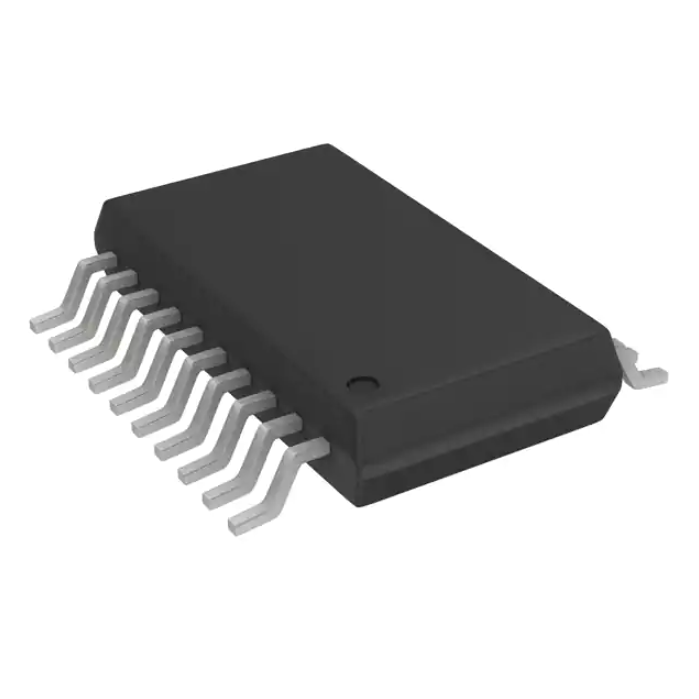
Ultralow Noise VGAs with
Preamplifier and Programmable RIN
AD8331/AD8332/AD8334
Data Sheet
FEATURES
FUNCTIONAL BLOCK DIAGRAM
Ultrasound and sonar time-gain controls
High performance automatic gain control (AGC) systems
I/Q signal processing
High speed, dual ADC drivers
The AD8331/AD8332/AD8334 are single-, dual-, and quadchannel, ultralow noise linear-in-dB, variable gain amplifiers
(VGAs). Optimized for ultrasound systems, they are usable as a
low noise variable gain element at frequencies up to 120 MHz.
Included in each channel are an ultralow noise preamp (LNA),
an X-AMP® VGA with 48 dB of gain range, and a selectable gain
postamp with adjustable output limiting. The LNA gain is 19 dB
with a single-ended input and differential outputs. Using a single
resistor, the LNA input impedance can be adjusted to match a
signal source without compromising noise performance.
The 48 dB gain range of the VGA makes these devices suitable
for a variety of applications. Excellent bandwidth uniformity is
maintained across the entire range. The gain control interface
provides precise linear-in-dB scaling of 50 dB/V for control
voltages between 40 mV and 1 V. Factory trim ensures excellent
part-to-part and channel-to-channel gain matching.
Rev. I
HILO
3.5dB OR 15.5dB
VMID
VOH
–
48dB
ATTENUATOR
+
19dB
INH
LMD
VCM
BIAS
VGA BIAS AND
INTERPOLATOR
21dB
PA
VOL
GAIN
CONTROL
INTERFACE
CLAMP
RCLMP
ENB
03199-001
AD8331/AD8332/AD8334
GAIN
Figure 1. Signal Path Block Diagram
60
VGAIN = 1V
50
HI GAIN
MODE
VGAIN = 0.8V
40
VGAIN = 0.6V
30
VGAIN = 0.4V
20
VGAIN = 0.2V
VGAIN = 0V
10
0
–10
100k
GENERAL DESCRIPTION
VCM
03199-002
APPLICATIONS
VIN
LNA
GAIN (dB)
Ultralow noise preamplifier (preamp)
Voltage noise = 0.74 nV/√Hz
Current noise = 2.5 pA/√Hz
3 dB bandwidth
AD8331: 120 MHz
AD8332, AD8334: 100 MHz
Low power
AD8331: 125 mW/channel
AD8332, AD8334: 145 mW/channel
Wide gain range with programmable postamp
−4.5 dB to +43.5 dB in LO gain mode
7.5 dB to 55.5 dB in HI gain mode
Low output-referred noise: 48 nV/√Hz typical
Active input impedance matching
Optimized for 10-bit/12-bit ADCs
Selectable output clamping level
Single 5 V supply operation
AD8332 and AD8334 available in lead frame chip scale package
LON LOP VIP
1M
10M
100M
1G
FREQUENCY (Hz)
Figure 2. Frequency Response vs. Gain
Differential signal paths result in superb second- and thirdorder distortion performance and low crosstalk.
The low output-referred noise of the VGA is advantageous in
driving high speed differential ADCs. The gain of the postamp
can be pin selected to 3.5 dB or 15.5 dB to optimize gain range
and output noise for 12-bit or 10-bit converter applications. The
output can be limited to a user-selected clamping level, preventing
input overload to a subsequent ADC. An external resistor adjusts
the clamping level.
The operating temperature range is −40°C to +85°C. The
AD8331 is available in a 20-lead QSOP package, the AD8332 is
available in 28-lead TSSOP and 32-lead LFCSP packages, and
the AD8334 is available in a 64-lead LFCSP package.
Document Feedback
Information furnished by Analog Devices is believed to be accurate and reliable. However, no
responsibility is assumed by Analog Devices for its use, nor for any infringements of patents or other
rights of third parties that may result from its use. Specifications subject to change without notice. No
license is granted by implication or otherwise under any patent or patent rights of Analog Devices.
Trademarks and registered trademarks are the property of their respective owners.
One Technology Way, P.O. Box 9106, Norwood, MA 02062-9106, U.S.A.
Tel: 781.329.4700 ©2003–2016 Analog Devices, Inc. All rights reserved.
Technical Support
www.analog.com
�AD8331/AD8332/AD8334
Data Sheet
TABLE OF CONTENTS
Features .............................................................................................. 1
Ultrasound TGC Application ................................................... 34
Applications ....................................................................................... 1
High Density Quad Layout ....................................................... 34
General Description ......................................................................... 1
AD8331 Evaluation Board ............................................................ 39
Functional Block Diagram .............................................................. 1
General Description ................................................................... 39
Revision History ............................................................................... 2
User-Supplied Optional Components ..................................... 39
Specifications..................................................................................... 4
Measurement Setup.................................................................... 39
Absolute Maximum Ratings ............................................................ 7
Board Layout ............................................................................... 39
ESD Caution .................................................................................. 7
AD8331 Evaluation Board Schematics .................................... 40
Pin Configurations and Function Descriptions ........................... 8
AD8331 Evaluation Board PCB Layers ................................... 42
Typical Performance Characteristics ........................................... 12
AD8332 Evaluation Board ............................................................ 43
Test Circuits ..................................................................................... 20
General Description ................................................................... 43
Measurement Considerations ................................................... 20
User-Supplied Optional Components ..................................... 43
Theory of Operation ...................................................................... 24
Measurement Setup.................................................................... 43
Overview...................................................................................... 24
Board Layout ............................................................................... 43
Low Noise Amplifier (LNA) ..................................................... 25
Evaluation Board Schematics ................................................... 44
Variable Gain Amplifier ............................................................ 27
AD8332 Evaluation Board PCB Layers ................................... 46
Postamplifier ............................................................................... 28
AD8334 Evaluation Board ............................................................ 47
Applications Information .............................................................. 30
General Description ................................................................... 47
LNA—External Components .................................................... 30
Configuring the Input Impedance ........................................... 48
Driving ADCs ............................................................................. 32
Measurement Setup.................................................................... 48
Overload ...................................................................................... 32
Board Layout ............................................................................... 48
Optional Input Overload Protection ....................................... 32
Evaluation Board Schematics ................................................... 49
Layout, Grounding, and Bypassing .......................................... 33
AD8334 Evaluation Board PCB Layers ................................... 51
Multiple Input Matching ........................................................... 33
Outline Dimensions ....................................................................... 53
Disabling the LNA ...................................................................... 33
Ordering Guide .......................................................................... 55
REVISION HISTORY
5/2016—Rev. H to Rev. I
Changes to Figure 5, and Table 5 .................................................... 9
Updated Outline Dimensions ....................................................... 54
Changes to Ordering Guide .......................................................... 55
3/2015—Rev. G to Rev. H
Changes to Pin 29 Description; Table 6 ....................................... 11
Updated Figure 123, Figure 124, Figure 125; Outline
Dimensions ...................................................................................... 53
Changes to Ordering Guide .......................................................... 55
10/2010—Rev. F to Rev. G
Changes to Quiescent Current per Channel Parameter,
Table 1 ................................................................................................ 6
Changes to Pin 1, Table 3 ................................................................. 8
Changes to Pin 1 and Pin 28, Table 4 and Pin 4 and Pin 5,
Table 5 ................................................................................................ 9
Changes to Figure 6 and Table 6................................................... 10
Changes to Figure 33...................................................................... 16
Changes to Figure 64...................................................................... 22
Changes to Figure 70...................................................................... 24
Changes to Low Noise Amplifier (LNA) Section and
Figure 74 .......................................................................................... 25
Changes to Figure 94...................................................................... 38
Changes to General Descriptions Section, Figure 95 Caption,
Table 10, and Board Layout Section............................................. 39
Changes to Figure 96...................................................................... 40
Changes to Figure 97...................................................................... 41
Changes to Figure 98 and Figure 103 .......................................... 42
Deleted AD8331 Bill of Materials Section and Table 11;
Renumbered Sequentially ............................................................. 43
Changes to Figure 104 ................................................................... 43
Changes to Figure 106 ................................................................... 45
Changes to Figure 107 ................................................................... 46
Rev. I | Page 2 of 55
�Data Sheet
AD8331/AD8332/AD8334
Changes to Figure 113 ....................................................................47
Changes to Figure 114 and Board Layout Section ......................48
Deleted AD8332 Bill of Materials Section and Table 13;
Renumbered Sequentially ..............................................................48
Changes to Figure 115 ....................................................................49
Changes to Figure 116 ....................................................................50
Changes to Figure 117 to Figure 120 ............................................51
Changes to Figure 121 ....................................................................52
Deleted AD8334 Bill of Materials Section and Table 15;
Renumbered Sequentially ..............................................................54
4/2008—Rev. E to Rev. F
Changed RFB to RIZ Throughout...................................................... 4
Changes to Figure 1........................................................................... 1
Changes to Table 1, LNA and VGA Characteristics, Output
Offset Voltage, Conditions ............................................................... 4
Changes to Quiescent Current per Channel and Power Down
Current Parameters ........................................................................... 6
Changes to Table 2 ............................................................................ 7
Changes to Table 3, Pin 1 Description............................................ 8
Changes to Table 4, Pin 1 and Pin 28 Descriptions ...................... 9
Changes to Table 5, Pin 4 and Pin 5 Descriptions ........................ 9
Changes to Table 6, Pin 2, Pin 15, and Pin 20 Descriptions ......10
Changes to Table 6, Pin 61 Description .......................................11
Changes to Typical Performance Characteristics Section,
Default Conditions ..........................................................................12
Changes to Figure 25 ......................................................................15
Changes to Figure 39 ......................................................................17
Changes to Figure 55 Through Figure 68 ...................................20
Changes to Theory of Operation, Overview Section .................24
Changes to Low Noise Amplifier Section and Figure 74 ...........25
Changes to Active Impedance Matching Section, Figure 75,
and Figure 77 ...................................................................................26
Changes to Figure 78 ......................................................................27
Changes to Equation 6, Table 7, Figure 81, and Figure 82.........30
Changes to Figure 83 ......................................................................31
Changes to Figure 88 ......................................................................32
Switched Figure 89 and Figure 90 .................................................33
Changes to Figure 89 ......................................................................33
Changes to Ultrasound TGC Application Section .....................34
Incorporated AD8331-EVAL Data Sheet, Rev. A .......................39
Changes to User-Supplied Optional Components Section
and Measurement Setup Section ...................................................39
Changes to Figure 95 ......................................................................39
Changes to Figure 97 ......................................................................41
Added Figure 98 ..............................................................................42
Incorporated AD8332-EVALZ Data Sheet, Rev. D.....................44
Incorporated AD8334-EVAL Data Sheet, Rev. 0 ........................49
Updated Outline Dimensions ........................................................55
Changes to Ordering Guide ...........................................................57
4/2006—Rev. D to Rev. E
Added AD8334 ................................................................... Universal
Changes to Figure 1 and Figure 2.................................................... 1
Changes to Table 1 ............................................................................ 4
Changes to Table 2 ............................................................................ 7
Changes to Figure 7 through Figure 9 and Figure 12................. 12
Changes to Figure 13, Figure 14, Figure 16, and Figure 18 ....... 13
Changes to Figure 23 and Figure 24 ............................................. 14
Changes to Figure 25 through Figure 27...................................... 15
Changes to Figure 31 and Figure 33 through Figure 36 ............ 16
Changes to Figure 37 through Figure 42...................................... 17
Changes to Figure 43, Figure 44, and Figure 48 .......................... 18
Changes to Figure 49, Figure 50, and Figure 54 .......................... 19
Inserted Figure 56 and Figure 57 .................................................. 20
Inserted Figure 58, Figure 59, and Figure 61 ............................... 21
Changes to Figure 60 ...................................................................... 21
Inserted Figure 63 and Figure 65 .................................................. 22
Changes to Figure 64 ...................................................................... 22
Moved Measurement Considerations Section ............................ 23
Inserted Figure 67 and Figure 68 .................................................. 23
Inserted Figure 70 and Figure 71 .................................................. 24
Change to Figure 72 ........................................................................ 24
Changes to Figure 73 and Low Noise Amplifier Section ........... 25
Changes to Postamplifier Section ................................................. 28
Changes to Figure 80 ...................................................................... 29
Changes to LNA—External Components Section ...................... 30
Changes to Logic Inputs—ENB, MODE, and HILO Section ... 31
Changes to Output Decoupling and Overload Sections ............ 32
Changes to Layout, Grounding, and Bypassing Section ............ 33
Changes to Ultrasound TGC Application Section ..................... 34
Added High Density Quad Layout Section ................................. 34
Inserted Figure 94 ........................................................................... 38
Updated Outline Dimensions........................................................ 39
Changes to Ordering Guide ........................................................... 40
3/2006—Rev. C to Rev. D
Updated Format ................................................................. Universal
Changes to Features and General Description .............................. 1
Changes to Table 1 ............................................................................ 3
Changes to Table 2 ............................................................................ 6
Changes to Ordering Guide ........................................................... 34
11/2003—Rev. B to Rev. C
Addition of New Part ......................................................... Universal
Changes to Figures ............................................................. Universal
Updated Outline Dimensions........................................................ 32
5/2003—Rev. A to Rev. B
Edits to Ordering Guide ................................................................. 32
Edits to Ultrasound TGC Application Section ........................... 25
Added Figure 71, Figure 72, and Figure 73.................................. 26
Updated Outline Dimensions........................................................ 31
2/2003—Rev. 0 to Rev. A
Edits to Ordering Guide ................................................................. 32
Rev. I | Page 3 of 55
�AD8331/AD8332/AD8334
Data Sheet
SPECIFICATIONS
TA = 25°C, VS = 5 V, RL = 500 Ω, RS = RIN = 50 Ω, RIZ = 280 Ω, CSH = 22 pF, f = 10 MHz, RCLMP = ∞, CL = 1 pF, VCM pin floating,
−4.5 dB to +43.5 dB gain (HILO = LO), and differential output voltage, unless otherwise specified.
Table 1.
Parameter
LNA CHARACTERISTICS
Gain
Input Voltage Range
Input Resistance
Input Capacitance
Output Impedance
−3 dB Small Signal Bandwidth
Slew Rate
Input Voltage Noise
Input Current Noise
Noise Figure
Active Termination Match
Unterminated
Harmonic Distortion at LOP1 or LOP2
HD2
HD3
Output Short-Circuit Current
LNA AND VGA CHARACTERISTICS
−3 dB Small Signal Bandwidth
AD8331
AD8332, AD8334
−3 dB Large Signal Bandwidth
AD8331
AD8332, AD8334
Slew Rate
AD8331
AD8332, AD8334
Input Voltage Noise
Noise Figure
Active Termination Match
Unterminated
Output-Referred Noise
AD8331
AD8332, AD8334
Output Impedance, Postamplifier
Output Signal Range, Postamplifier
Test Conditions/Comments
Single-ended input to differential output
Input to output (single-ended)
AC-coupled
RIZ = 280 Ω
RIZ = 412 Ω
RIZ = 562 Ω
RIZ = 1.13 kΩ
RIZ = ∞
Single-ended, either output
VOUT = 0.2 V p-p
RS = 0 Ω, HI or LO gain, RIZ = ∞, f = 5 MHz
RIZ = ∞, HI or LO gain, f = 5 MHz
f = 10 MHz, LOP output
RS = RIN = 50 Ω
RS = 50 Ω, RIZ = ∞
VOUT = 0.5 V p-p, single-ended, f = 10 MHz
Pin LON, Pin LOP
Min
Typ
Max
Unit 1
19
13
±275
50
75
100
200
6
13
5
130
650
0.74
2.5
dB
dB
mV
Ω
Ω
Ω
Ω
kΩ
pF
Ω
MHz
V/µs
nV/√Hz
pA/√Hz
3.7
2.5
dB
dB
−56
−70
165
dBc
dBc
mA
120
100
MHz
MHz
110
90
MHz
MHz
VOUT = 0.2 V p-p
VOUT = 2 V p-p
LO gain
HI gain
LO gain
HI gain
RS = 0 Ω, HI or LO gain, RIZ = ∞, f = 5 MHz
VGAIN = 1.0 V
RS = RIN = 50 Ω, f = 10 MHz, measured
RS = RIN = 200 Ω, f = 5 MHz, simulated
RS = 50 Ω, RIZ = ∞, f = 10 MHz, measured
RS = 200 Ω, RIZ = ∞, f = 5 MHz, simulated
300
1200
275
1100
0.82
V/µs
V/µs
V/µs
V/µs
nV/√Hz
4.15
2.0
2.5
1.0
dB
dB
dB
dB
VGAIN = 0.5 V, LO gain
VGAIN = 0.5 V, HI gain
VGAIN = 0.5 V, LO gain
VGAIN = 0.5 V, HI gain
DC to 1 MHz
RL ≥ 500 Ω, unclamped, either pin
48
178
40
150
1
VCM ± 1.125
nV/√Hz
nV/√Hz
nV/√Hz
nV/√Hz
Ω
V
Rev. I | Page 4 of 55
�Data Sheet
Parameter
Differential
Output Offset Voltage
AD8331
AD8332, AD8334
Output Short-Circuit Current
Harmonic Distortion
AD8331
HD2
HD3
HD2
HD3
AD8332, AD8334
HD2
HD3
HD2
HD3
Input 1 dB Compression Point
Two-Tone Intermodulation Distortion (IMD3)
AD8331
AD8332, AD8334
Output Third-Order Intercept
AD8331
AD8332, AD8334
Channel-to-Channel Crosstalk (AD8332,
AD8334)
Overload Recovery
Group Delay Variation
ACCURACY
Absolute Gain Error 2
Gain Law Conformance 3
Channel-to-Channel Gain Matching
GAIN CONTROL INTERFACE (Pin GAIN)
Gain Scaling Factor
Gain Range
Input Voltage (VGAIN) Range
Input Impedance
Response Time
COMMON-MODE INTERFACE (PIN VCMx)
Input Resistance 4
Output CM Offset Voltage
Voltage Range
AD8331/AD8332/AD8334
Test Conditions/Comments
Min
Typ
4.5
Max
Unit 1
V p-p
Differential, VGAIN = 0.5 V
Common mode
Differential, 0.05 V ≤ VGAIN ≤ 1.0 V
Common mode
−50
−125
−20
−125
±5
−25
±5
–25
45
+50
+100
+20
+100
mV
mV
mV
mV
mA
VGAIN = 0.5 V, VOUT = 1 V p-p, HI gain
f = 1 MHz
−88
−85
−68
−65
dBc
dBc
dBc
dBc
VGAIN = 0.25 V, VOUT = 1 V p-p, f = 1 MHz to 10 MHz
−82
−85
−62
−66
1
dBc
dBc
dBc
dBc
dBm
VGAIN = 0.72 V, VOUT = 1 V p-p, f = 1 MHz
VGAIN = 0.5 V, VOUT = 1 V p-p, f = 10 MHz
VGAIN = 0.72 V, VOUT = 1 V p-p, f = 1 MHz
VGAIN = 0.5 V, VOUT = 1 V p-p, f = 10 MHz
−80
−72
−78
−74
dBc
dBc
dBc
dBc
VGAIN = 0.5 V, VOUT = 1 V p-p, f = 1 MHz
VGAIN = 0.5 V, VOUT = 1 V p-p, f = 10 MHz
VGAIN = 0.5 V, VOUT = 1 V p-p, f = 1 MHz
VGAIN = 0.5 V, VOUT = 1 V p-p, f = 10 MHz
VGAIN = 0.5 V, VOUT = 1 V p-p, f = 1 MHz
38
33
35
32
−98
dBm
dBm
dBm
dBm
dB
VGAIN = 1.0 V, VIN = 50 mV p-p/1 V p-p, f = 10 MHz
5 MHz < f < 50 MHz, full gain range
5
±2
ns
ns
f = 10 MHz
f = 1 MHz
f = 10 MHz
0.05 V < VGAIN < 0.10 V
0.10 V < VGAIN < 0.95 V
0.95 V < VGAIN < 1.0 V
0.1 V < VGAIN < 0.95 V
0.1 V < VGAIN < 0.95 V
−1
−1
−2
+0.5
±0.3
−1
±0.2
±0.1
+2
+1
+1
dB
dB
dB
dB
dB
0.10 V < VGAIN < 0.95 V
LO gain
HI gain
48.5
50
−4.5 to +43.5
7.5 to 55.5
0 to 1.0
10
500
51.5
dB/V
dB
dB
V
MΩ
ns
48 dB gain change to 90% full scale
Current limited to ±1 mA
VCM = 2.5 V
VOUT = 2.0 V p-p
Rev. I | Page 5 of 55
−125
30
−25
1.5 to 3.5
+100
Ω
mV
V
�AD8331/AD8332/AD8334
Parameter
ENABLE INTERFACE
(PIN ENB, PIN ENBL, PIN ENBV)
Logic Level to Enable Power
Logic Level to Disable Power
Input Resistance
Power-Up Response Time
HILO GAIN RANGE INTERFACE (PIN HILO)
Logic Level to Select HI Gain Range
Logic Level to Select LO Gain Range
Input Resistance
OUTPUT CLAMP INTERFACE (PIN RCLMP; HI OR
LO GAIN)
Accuracy
HILO = LO
HILO = HI
MODE INTERFACE (PIN MODE)
Logic Level for Positive Gain Slope
Logic Level for Negative Gain Slope
Input Resistance
POWER SUPPLY (PIN VPS1, PIN VPS2,
PIN VPSV, PIN VPSL, PIN VPOS)
Supply Voltage
Quiescent Current per Channel
AD8331
AD8332
AD8334
Power Dissipation per Channel
AD8331
AD8332, AD8334
Power-Down Current
AD8331
AD8332
AD8334
LNA Current
AD8331 (ENBL)
AD8332, AD8334 (ENBL)
VGA Current
AD8331 (ENBV)
AD8332, AD8334 (ENBV)
PSRR
Data Sheet
Test Conditions/Comments
Min
Typ
Max
Unit 1
5
1.0
V
V
kΩ
kΩ
kΩ
µs
ms
5
1.0
50
V
V
kΩ
±50
±75
mV
mV
2.25
0
Pin ENB
Pin ENBL
Pin ENBV
VINH = 30 mV p-p
VINH = 150 mV p-p
25
40
70
300
4
2.25
0
RCLMP = 2.74 kΩ, VOUT = 1 V p-p (clamped)
RCLMP = 2.21 kΩ, VOUT = 1 V p-p (clamped)
0
2.25
1.0
5
V
V
kΩ
V
200
4.5
5.0
5.5
20
22
24
25
27.5
29.5
32
34
mA
mA
No signal
125
138
mW
mW
VGA and LNA disabled
Each channel
Each channel
VGAIN = 0 V, f = 100 kHz
All dBm values are referred to 50 Ω.
The absolute gain refers to the theoretical gain expression in Equation 1.
3
Best-fit to linear-in-dB curve.
4
The current is limited to ±1 mA typical.
1
2
Rev. I | Page 6 of 55
50
50
50
240
300
600
400
600
1200
µA
µA
µA
7.5
7.5
11
12
15
15
mA
mA
7.5
7.5
14
17
−68
20
20
mA
mA
dB
�Data Sheet
AD8331/AD8332/AD8334
ABSOLUTE MAXIMUM RATINGS
Table 2.
Parameter
Voltage
Supply Voltage (VPSn, VPSV, VPSL, VPOS)
Input Voltage (INHx)
ENB, ENBL, ENBV, HILO Voltage
GAIN Voltage
Power Dissipation
RU Package 1 (AD8332)
CP-32 Package (AD8332)
RQ Package1 (AD8331)
CP-64 Package (AD8334)
Temperature
Operating Temperature Range
Storage Temperature Range
Lead Temperature (Soldering 60 sec)
θJA
RU Package1 (AD8332)
CP-32 Package2 2 (AD8332)
RQ Package1 (AD8331)
CP-64 Package 3 (AD8334)
Stresses at or above those listed under Absolute Maximum
Ratings may cause permanent damage to the product. This is a
stress rating only; functional operation of the product at these
or any other conditions above those indicated in the operational
section of this specification is not implied. Operation beyond
the maximum operating conditions for extended periods may
affect product reliability.
Rating
5.5 V
VS + 200 mV
VS + 200 mV
2.5 V
ESD CAUTION
0.96 W
1.97 W
0.78 W
0.91 W
−40°C to +85°C
−65°C to +150°C
300°C
68°C/W
33°C/W
83°C/W
24.2°C/W
4-layer JEDEC board (2S2P).
Exposed pad soldered to board, nine thermal vias in pad—JEDEC, 4-layer
board J-STD-51-9.
3
Exposed pad soldered to board, 25 thermal vias in pad—JEDEC, 4-layer
board J-STD-51-9.
1
2
Rev. I | Page 7 of 55
�AD8331/AD8332/AD8334
Data Sheet
PIN CONFIGURATIONS AND FUNCTION DESCRIPTIONS
20 COMM
LMD
1
INH
2
VPSL
3
LON
4
LOP
5
COML
6
VIP
7
14 VPOS
VIN
8
13 HILO
MODE
9
12 RCLMP
PIN 1
INDICATOR
19 ENBL
18 ENBV
16 VOL
TOP VIEW
(Not to Scale)
15 VOH
11 VCM
GAIN 10
03199-003
17 COMM
AD8331
Figure 3. 20-Lead QSOP Pin Configuration (AD8331)
Table 3. 20-Lead QSOP Pin Function Description (AD8331)
Pin No.
1
2
3
4
5
6
7
8
9
10
11
12
13
14
15
16
17
18
19
20
Mnemonic
LMD
INH
VPSL
LON
LOP
COML
VIP
VIN
MODE
GAIN
VCM
RCLMP
HILO
VPOS
VOH
VOL
COMM
ENBV
ENBL
COMM
Description
LNA Midsupply Bypass Pin; Connect a Capacitor for Midsupply HF Bypass
LNA Input
LNA 5 V Supply
LNA Inverting Output
LNA Noninverting Output
LNA Ground
VGA Noninverting Input
VGA Inverting Input
Gain Slope Logic Input
Gain Control Voltage
Common-Mode Voltage
Output Clamping Level
Gain Range Select (HI or LO)
VGA 5 V Supply
Noninverting VGA Output
Inverting VGA Output
VGA Ground
VGA Enable
LNA Enable
VGA Ground
Rev. I | Page 8 of 55
�AD8331/AD8332/AD8334
28 LMD1
1
INH2
2
VPS2
3
26 VPS1
LON2
4
25 LON1
LOP2
5
24 LOP1
COM2
6
7
8
21 VIN1
VCM2
9
20 VCM1
RCLMP 11
19 HILO
18 ENB
VOH2 12
17 VOH1
VOL2 13
16 VOL1
COMM 14
15 VPSV
AD8332
TOP VIEW
(Not to Scale)
24
23
22
21
20
19
18
17
COMM
VOH1
VOL1
VPSV
NC
VOL2
VOH2
COMM
9
10
11
12
13
14
15
16
22 VIP1
VIP2
VIN2
GAIN 10
32
31
30
29
28
27
26
25
23 COM1
1
2
3
4
5
6
7
8
LOP2
COM2
VIP2
VIN2
VCM2
MODE
GAIN
RCLMP
TOP VIEW
(Not to Scale)
LON1
VPS1
INH1
LMD1
LMD2
INH2
VPS2
LON2
NOTES
1. NC = NO CONNECT.
2. THE EXPOSED PAD MUST BE SOLDERED TO THE PCB
GROUND TO ENSURE PROPER HEAT DISSIPATION,
NOISE, AND MECHANICAL STRENGTH BENEFITS.
03199-004
AD8332
27 INH1
03199-005
LMD2
PIN 1
INDICATOR
LOP1
COM1
VIP1
VIN1
VCM1
HILO
ENBL
ENBV
Data Sheet
Figure 4. 28-Lead TSSOP Pin Configuration (AD8332)
Figure 5. 32-Lead LFCSP Pin Configuration (AD8332)
Table 4. 28-Lead TSSOP Pin Function Description (AD8332)
Table 5. 32-Lead LFCSP Pin Function Description (AD8332)
Pin No.
1
2
3
4
5
6
7
8
9
10
11
12
13
14
15
16
17
18
19
20
21
22
23
24
25
26
27
28
Mnemonic
LMD2
INH2
VPS2
LON2
LOP2
COM2
VIP2
VIN2
VCM2
GAIN
RCLMP
VOH2
VOL2
COMM
VPSV
VOL1
VOH1
ENB
HILO
VCM1
VIN1
VIP1
COM1
LOP1
LON1
VPS1
INH1
LMD1
Description
CH 2 LNA Midsupply Pin; Connect a Capacitor
for Midsupply HF Bypass
CH2 LNA Input
CH2 Supply LNA 5 V
CH2 LNA Inverting Output
CH2 LNA Noninverting Output
CH2 LNA Ground
CH2 VGA Noninverting Input
CH2 VGA Inverting Input
CH2 Common-Mode Voltage
Gain Control Voltage
Output Clamping Resistor
CH2 Noninverting VGA Output
CH2 Inverting VGA Output
VGA Ground (Both Channels)
VGA Supply 5 V (Both Channels)
CH1 Inverting VGA Output
CH1 Noninverting VGA Output
Enable—VGA/LNA
VGA Gain Range Select (HI or LO)
CH1 Common-Mode Voltage
CH1 VGA Inverting Input
CH1 VGA Noninverting Input
CH1 LNA Ground
CH1 LNA Noninverting Output
CH1 LNA Inverting Output
CH1 LNA Supply 5 V
CH1 LNA Input
CH 1 LNA Midsupply Pin; Connect a Capacitor
for Midsupply HF Bypass
Pin No.
1
2
3
4
Mnemonic
LON1
VPS1
INH1
LMD1
5
LMD2
6
7
8
9
10
11
12
13
14
15
16
17
18
19
20
21
22
23
24
25
26
27
28
29
30
31
32
INH2
VPS2
LON2
LOP2
COM2
VIP2
VIN2
VCM2
MODE
GAIN
RCLMP
COMM
VOH2
VOL2
NC
VPSV
VOL1
VOH1
COMM
ENBV
ENBL
HILO
VCM1
VIN1
VIP1
COM1
LOP1
EPAD
Rev. I | Page 9 of 55
Description
CH1 LNA Inverting Output
CH1 LNA Supply 5 V
CH1 LNA Input
CH 1 LNA Midsupply Pin; Connect a Capacitor
for Midsupply HF Bypass
CH 2 LNA Midsupply Pin; Connect a Capacitor
for Midsupply HF Bypass
CH2 LNA Input
CH2 LNA Supply 5 V
CH2 LNA Inverting Output
CH2 LNA Noninverting Output
CH2 LNA Ground
CH2 VGA Noninverting Input
CH2 VGA Inverting Input
CH2 Common-Mode Voltage
Gain Slope Logic Input
Gain Control Voltage
Output Clamping Level Input
VGA Ground
CH2 Noninverting VGA Output
CH2 Inverting VGA Output
No Connect
VGA Supply 5 V
CH1 Inverting VGA Output
CH1 Noninverting VGA Output
VGA Ground
VGA Enable
LNA Enable
VGA Gain Range Select (HI or LO)
CH1 Common-Mode Voltage
CH1 VGA Inverting Input
CH1 VGA Noninverting Input
CH1 LNA Ground
CH1 LNA Noninverting Output
Exposed Pad. The exposed pad must be
soldered to the PCB ground to ensure proper
heat dissipation, noise, and mechanical
strength benefits.
�Data Sheet
64
63
62
61
60
59
58
57
56
55
54
53
52
51
50
49
COM2
COM1
INH1
LMD1
NC
LON1
LOP1
VIP1
VIN1
VPS1
GAIN12
CLMP12
EN12
EN34
VCM1
VCM2
AD8331/AD8332/AD8334
1
2
3
4
5
6
7
8
9
10
11
12
13
14
15
16
PIN 1
INDICATOR
AD8334
TOP VIEW
(Not to Scale)
48
47
46
45
44
43
42
41
40
39
38
37
36
35
34
33
COM12
VOH1
VOL1
VPS12
VOL2
VOH2
COM12
MODE
NC
COM34
VOH3
VOL3
VPS34
VOL4
VOH4
COM34
NOTES
1. THE EXPOSED PADDLE MUST BE
SOLDERED TO THE PCB GROUND
TO ENSURE PROPER HEAT
DISSIPATION, NOISE, AND
MECHANICAL STRENGTH BENEFITS.
2. NC = NO CONNECT.
03199-006
COM3
COM4
INH4
LMD4
NC
LON4
LOP4
VIP4
VIN4
VPS4
GAIN34
CLMP34
HILO
VCM4
VCM3
NC
17
18
19
20
21
22
23
24
25
26
27
28
29
30
31
32
INH2
LMD2
NC
LON2
LOP2
VIP2
VIN2
VPS2
VPS3
VIN3
VIP3
LOP3
LON3
NC
LMD3
INH3
Figure 6. 64-Lead LFCSP Pin Configuration (AD8334)
Table 6. 64-Lead LFCSP Pin Function Description (AD8334)
Pin No.
1
2
3
4
5
6
7
8
9
10
11
12
13
14
15
16
17
18
19
20
21
22
23
24
25
26
Mnemonic
INH2
LMD2
NC
LON2
LOP2
VIP2
VIN2
VPS2
VPS3
VIN3
VIP3
LOP3
LON3
NC
LMD3
INH3
COM3
COM4
INH4
LMD4
NC
LON4
LOP4
VIP4
VIN4
VPS4
Description
CH2 LNA Input.
CH 2 LNA Midsupply Pin; Connect a Capacitor for Midsupply HF Bypass.
Not Connected.
CH2 LNA Feedback Output (for RIZ).
CH2 LNA Output.
CH2 VGA Positive Input.
CH2 VGA Negative Input.
CH2 LNA Supply 5 V.
CH3 LNA Supply 5 V.
CH3 VGA Negative Input.
CH3 VGA Positive Input.
CH3 LNA Positive Output.
CH3 LNA Feedback Output (for RIZ).
Not Connected.
CH 3 LNA Midsupply Pin; Connect a Capacitor for Midsupply HF Bypass.
CH3 LNA Input.
CH3 LNA Ground.
CH4 LNA Ground.
CH4 LNA Input.
CH 4 LNA Midsupply Pin; Connect a Capacitor for Midsupply HF Bypass.
Not Connected.
CH4 LNA Feedback Output (for RIZ).
CH4 LNA Positive Output.
CH4 VGA Positive Input.
CH4 VGA Negative Input.
CH4 LNA Supply 5 V.
Rev. I | Page 10 of 55
�Data Sheet
Pin No.
27
28
29
30
31
32
33
34
35
36
37
38
39
40
41
42
43
44
45
46
47
48
49
50
51
52
53
54
55
56
57
58
59
60
61
62
63
64
Mnemonic
GAIN34
CLMP34
HILO
VCM4
VCM3
NC
COM34
VOH4
VOL4
VPS34
VOL3
VOH3
COM34
NC
MODE
COM12
VOH2
VOL2
VPS12
VOL1
VOH1
COM12
VCM2
VCM1
EN34
EN12
CLMP12
GAIN12
VPS1
VIN1
VIP1
LOP1
LON1
NC
LMD1
INH1
COM1
COM2
EPAD
AD8331/AD8332/AD8334
Description
Gain Control Voltage for CH3 and CH4.
Output Clamping Level Input for CH3 and CH4.
VGA Gain Range Select (HI or LO).
CH4 Common-Mode Voltage—AC Bypass.
CH3 Common-Mode Voltage—AC Bypass.
No Connect.
VGA Ground CH3 and CH4.
CH4 Positive VGA Output.
CH4 Negative VGA Output.
VGA Supply 5 V CH3 and CH4.
CH3 Negative VGA Output.
CH3 Positive VGA Output.
VGA Ground CH3 and CH4.
No Connect.
Gain Control Slope, Logic Input, 0 = Positive.
VGA Ground CH1 and CH2.
CH2 Positive VGA Output.
CH2 Negative VGA Output.
CH2 VGA Supply 5 V CH1 and CH2.
CH1 Negative VGA Output.
CH1 Positive VGA Output.
VGA Ground CH1 and CH2.
CH2 Common-Mode Voltage—AC Bypass.
CH1 Common-Mode Voltage—AC Bypass.
Shared LNA/VGA Enable CH3 and CH4.
Shared LNA/VGA Enable CH1 and CH2.
Output Clamping Level Input CH1 and CH2.
Gain Control Voltage CH1 and CH2.
CH1 LNA Supply 5 V.
CH1 VGA Negative Input.
CH1 VGA Positive Input.
CH1 LNA Positive Output.
CH1 LNA Feedback Output (for RIZ).
Not Connected.
CH 1 LNA Midsupply Pin; Connect a Capacitor for Midsupply HF Bypass.
CH1 LNA Input.
CH1 LNA Ground.
CH2 LNA Ground.
The exposed paddle must be soldered to the PCB ground to ensure proper heat dissipation,
noise, and mechanical strength benefits.
Rev. I | Page 11 of 55
�AD8331/AD8332/AD8334
Data Sheet
TYPICAL PERFORMANCE CHARACTERISTICS
TA = 25°C, VS = 5 V, RL = 500 Ω, RS = RIN = 50 Ω, RIZ = 280 Ω, CSH = 22 pF, f = 10 MHz, RCLMP = ∞, CL = 1 pF, VCM pin floating,
−4.5 dB to +43.5 dB gain (HILO = LO), and differential output voltage, unless otherwise specified.
50
60
50
PERCENT OF UNITS (%)
30
20
10
HILO = LO
0
0
0.2
0.4
0.6
20
10
ASCENDING GAIN MODE
DESCENDING GAIN MODE
(WHERE AVAILABLE)
03199-007
–10
30
0.8
1.0
0
–0.5
1.1
03199-010
GAIN (dB)
40
HILO = HI
40
SAMPLE SIZE = 80 UNITS
VGAIN = 0.5V
–0.4
–0.3
–0.2
–0.1
0
0.1
0.2
0.3
0.4
0.5
GAIN ERROR (dB)
VGAIN (V)
Figure 10. Gain Error Histogram
Figure 7. Gain vs. VGAIN and MODE (MODE Available on RU Package)
25
2.0
20
1.5
SAMPLE SIZE = 50 UNITS
VGAIN = 0.2V
GAIN ERROR (dB)
–40°C
PERCENT OF UNITS (%)
15
1.0
+25°C
0.5
0
–0.5
+85°C
–1.0
10
5
0
25
20
VGAIN = 0.7V
15
03199-008
0.6
0.8
1.0
0
1.1
VGAIN (V)
CHANNEL TO CHANNEL GAIN MATCH (dB)
Figure 8. Absolute Gain Error vs. VGAIN at Three Temperatures
Figure 11. Gain Match Histogram for VGAIN = 0.2 V and 0.7 V
2.0
50
1.5
1.0
VGAIN = 0.8V
30
VGAIN = 0.6V
GAIN (dB)
0.5
1MHz
0
10MHz
30MHz
VGAIN = 0.4V
10
VGAIN = 0.2V
50MHz
70MHz
0
0.2
0.4
0.6
0.8
1.0
VGAIN = 0V
–10
–20
100k
1.1
03199-012
–1.5
–2.0
20
0
–1.0
03199-009
GAIN ERROR (dB)
VGAIN = 1V
40
–0.5
0.19
0.21
0.4
0.11
0.13
0.15
0.17
0.2
0.01
0.03
0.05
0.07
0.09
0
5
–0.17
–0.15
–0.13
–0.11
–0.09
–0.07
–0.05
–0.03
–0.01
–2.0
03199-011
10
–1.5
1M
10M
100M
FREQUENCY (Hz)
VGAIN (V)
Figure 12. Frequency Response for Various Values of VGAIN
Figure 9. Absolute Gain Error vs. VGAIN at Various Frequencies
Rev. I | Page 12 of 55
500M
�Data Sheet
AD8331/AD8332/AD8334
0
VGAIN = 1V
50
VGAIN = 0.8V
40
VGAIN = 0.6V
VOUT = 1V p-p
–20
VGAIN = 1.0V
30
VGAIN = 0.4V
20
VGAIN = 0.2V
CROSSTALK (dB)
GAIN (dB)
60
AD8332
VGAIN = 0.7V
–40
AD8334
VGAIN = 0.4V
–60
–80
10
VGAIN = 0V
03199-013
–10
100k
1M
10M
100M
03199-016
–100
0
–120
100k
500M
1M
FREQUENCY (Hz)
10M
100M
FREQUENCY (Hz)
Figure 13. Frequency Response for Various Values of VGAIN, HILO = HI
Figure 16. Channel-to-Channel Crosstalk vs.
Frequency for Various Values of VGAIN
30
50
VGAIN = 0.5V
RIN = RS = 75Ω
20
45
RIN = RS = 50Ω
RIN = RS = 100Ω
RIN = RS = 200Ω
RIN = RS = 500Ω
–10
RIN = RS = 1kΩ
03199-014
1M
10M
100M
1µF
COUPLING
25
20
15
10
–20
–30
100k
30
03199-017
0
0.1µF
COUPLING
35
5
0
100k
500M
1M
FREQUENCY (Hz)
Figure 14. Frequency Response for Various Matched Source Impedances
Figure 17. Group Delay vs. Frequency for Two Values of AC Coupling
20
30
T = +85°C
T = +25°C
T = –40°C
HI GAIN
VGAIN = 0.5V
RIZ = ∞
10
OFFSET VOLTAGE (mV)
20
10
0
–10
0
–10
–20
20
LO GAIN
10
0
–20
–30
100k
03199-015
GAIN (dB)
100M
10M
FREQUENCY (Hz)
1M
10M
100M
T = +85°C
T = +25°C
T = –40°C
–10
–20
500M
0
FREQUENCY (Hz)
0.1
0.2
0.3
0.4
0.5
0.6
0.7
0.8
03199-018
GAIN (dB)
10
GROUP DELAY (ns)
40
0.9
1.0
1.1
VGAIN (V)
Figure 18. Representative Differential Output Offset Voltage vs.
VGAIN at Three Temperatures
Figure 15. Frequency Response, Unterminated LNA, RS = 50 Ω
Rev. I | Page 13 of 55
�AD8331/AD8332/AD8334
Data Sheet
50j
30
SAMPLE SIZE = 100
0.2V < VGAIN < 0.7V
RIN = 50Ω,
RIZ = 270Ω
25
RIN = 6kΩ,
RIZ = ∞
f = 100kHz
20
0Ω
17Ω
15
10
RIN = 75Ω,
RIZ = 412Ω
0
03199-019
5
49.6
49.7
49.8
49.9
50.0
50.1
50.2
50.3
50.4
RIN = 100Ω,
RIZ = 549Ω
50.5
RIN = 200Ω,
RIZ = 1.1kΩ
–25j
–100j
03199-022
GAIN SCALING FACTOR
–50j
Figure 19. Gain Scaling Factor Histogram
100
Figure 22. Smith Chart, S11 vs. Frequency,
0.1 MHz to 200 MHz for Various Values of RIZ
20
SINGLE ENDED, PIN VOH OR PIN VOL
RL = ∞
VIN = 10mV p-p
RIN = 50Ω
GAIN (dB)
RIN = 200Ω
5
RIN = 500Ω
0
RIN = 1kΩ
1
–5
0.1
100k
–10
1M
10M
RIN = 75Ω
–15
100k
100M
1M
FREQUENCY (Hz)
10M
100M
500M
FREQUENCY (Hz)
Figure 23. LNA Frequency Response, Single-Ended, for Various Values of RIN
Figure 20. Output Impedance vs. Frequency
20
10k
15
RIZ = ∞
10
GAIN (dB)
1k
100
0
RIZ = ∞, CSH = 0pF
RIZ = 6.65kΩ, CSH = 0pF
RIZ = 3.01kΩ, CSH = 0pF
RIZ = 1.1kΩ, CSH = 1.2pF
1M
RIZ = 549Ω, CSH = 8.2pF
RIZ = 412Ω, CSH = 12pF
RIZ = 270Ω, CSH = 22pF
10M
–10
–15
100k
100M
03199-024
10
100k
5
–5
03199-021
INPUT IMPEDANCE (Ω)
RIN = 100Ω
10
10
03199-020
OUTPUT IMPEDANCE (Ω)
15
03199-023
% TOTAL
100j
25j
35
1M
10M
100M
500M
FREQUENCY (Hz)
FREQUENCY (Hz)
Figure 24. Frequency Response for Unterminated LNA, Single-Ended
Figure 21. LNA Input Impedance vs.
Frequency for Various Values of RIZ and CSH
Rev. I | Page 14 of 55
�Data Sheet
AD8331/AD8332/AD8334
500
1.00
RS = 0, RIZ = ∞,
0.95 VGAIN = 1V, f = 10MHz
300
HI GAIN
AD8332
AD8334
LO GAIN
AD8331
200
100
0
0
0.2
0.4
0.6
0.8
0.90
0.85
0.80
0.75
0.70
0.65
0.60
03199-028
INPUT-REFERRED NOISE (nV/ Hz)
400
03199-025
0.55
0.50
–50
1.0
–30
–10
VGAIN (V)
Figure 25. Output-Referred Noise vs. VGAIN
10
2.0
1.5
1.0
1M
90
10M
1
RS THERMAL NOISE
ALONE
0.1
100M
1
10
100
1k
SOURCE RESISTANCE (Ω)
Figure 26. Short-Circuit, Input-Referred Noise vs. Frequency
Figure 29. Input-Referred Noise vs. RS
7
RS = 0, RIZ = ∞,
HILO = LO OR HI, f = 10MHz
INCLUDES NOISE OF VGA
NOISE FIGURE (dB)
6
10
1
5
4
3
2
RIN = 50Ω
RIN = 75Ω
RIN = 100Ω
RIN = 200Ω
RIZ = ∞
0.1
1
03199-027
INPUT-REFERRED NOISE (nV/ Hz)
70
f = 5MHz, RIZ = ∞,
VGAIN = 1V
FREQUENCY (Hz)
100
50
03199-029
INPUT-REFERRED NOISE (nV/ Hz)
RS = 0, RIZ = ∞, VGAIN = 1V,
HILO = LO OR HI
0.5
100k
30
Figure 28. Short-Circuit, Input-Referred Noise vs. Temperature
03199-026
INPUT-REFERRED NOISE (nV/ Hz)
2.5
10
TEMPERATURE (°C)
0
0.2
0.4
0.6
0.8
SIMULATED RESULTS
0
50
100
1.0
VGAIN (V)
SOURCE RESISTANCE (Ω)
Figure 30. Noise Figure vs. RS for Various Values of RIN
Figure 27. Short-Circuit, Input-Referred Noise vs. VGAIN
Rev. I | Page 15 of 55
03199-030
OUTPUT-REFERRED NOISE (nV/ Hz)
f = 10MHz
1k
�AD8331/AD8332/AD8334
35
Data Sheet
PREAMP LIMITED
–30
f = 10MHz, RS = 50Ω
f = 10MHz,
VOUT = 1V p-p
25
20
15
10
HILO
HILO
HILO
HILO
5
0
0
0.1
= LO, RIN = 50Ω
= LO, RIZ = ∞
= HI, RIN = 50Ω
= HI, RIz = ∞
0.2
0.3
0.4
0.5
0.6
0.7
0.8
0.9
1.0
–50
–60
–70
HILO = HI, HD3
0
200
400
600
800
Figure 31. Noise Figure vs. VGAIN
Figure 34. Harmonic Distortion vs. RLOAD
–40
30
20
15
10
03199-032
5
f = 10MHz, RS = 50Ω
0
10
15
20
25
30
35
40
45
50
55
–50
HILO = LO, HD2
HILO = LO, HD3
–60
HILO = HI, HD3
–80
–90
60
HILO = HI, HD2
–70
03199-035
NOISE FIGURE (dB)
f = 10MHz,
VOUT = 1V p-p
= LO, RIN = 50Ω
= LO, RFB = ∞
= HI, RIN = 50Ω
= HI, RFB = ∞
HARMONIC DISTORTION (dBc)
HILO
HILO
HILO
HILO
25
0
10
20
40
50
Figure 35. Harmonic Distortion vs. CLOAD
Figure 32. Noise Figure vs. Gain
–20
G = 30dB
VOUT = 1Vp-p
HILO = HI, HD2
HILO = HI, HD3
f = 10MHz,
GAIN = 30dB
–30
–40
–50
–60
–70
–40
HILO = LO, HD3
HILO = LO, HD2
–60
HILO = HI, HD2
HILO = HI, HD3
–80
03199-036
HARMONIC DISTORTION (dBc)
HILO = LO, HD2
HILO = LO, HD3
–20
–80
–90
1M
10M
FREQUENCY (Hz)
100M
03199-113
HARMONIC DISTORTION (dBc)
30
CLOAD (pF)
GAIN (dB)
–10
1000 1200 1400 1600 1800 2000
RLOAD (Ω)
VGAIN (V)
0
HILO = LO, HD3
–80
–90
1.1
HILO = LO, HD2
HILO = HI, HD2
03199-034
HARMONIC DISTORTION (dBc)
–40
03199-031
NOISE FIGURE (dB)
30
–100
0
1
2
3
4
VOUT (V p-p)
Figure 36. Harmonic Distortion vs. Differential Output Voltage
Figure 33. Harmonic Distortion vs. Frequency
Rev. I | Page 16 of 55
�Data Sheet
AD8331/AD8332/AD8334
0
0
VOUT = 1V p-p
VOUT = 1V p-p COMPOSITE (f1 + f2)
G = 30dB
–10
–20
–30
HILO = LO, HD3
IMD3 (dBc)
–40
HILO = LO, HD2
–60
–80
–50
–70
HILO = HI, HD3
HILO = HI, HD2
0
0.1
0.2
0.3
0.4
0.5
0.6
0.7
0.8
0.9
–80
HILO = HI
–90
1M
1.0
10M
VGAIN (V)
Figure 40. IMD3 vs. Frequency
0
40
10MHz HILO = HI
VOUT = 1V p-p
35
–20
1MHz HILO = LO
HILO = LO, HD3
–60
–80
HILO = HI, HD3
10MHz HILO = LO
25
1MHz HILO = HI
20
15
10
HILO = HI, HD2
–100
03199-038
5
0
0.1
0.2
0.3
0.4
0.5
0.6
0.7
0.8
0.9
03199-041
–40
30
HILO = LO, HD2
INPUT RANGE
LIMITED WHEN
HILO = LO
OUTPUT IP3 (dBm)
DISTORTION (dBc)
100M
FREQUENCY (Hz)
Figure 37. Harmonic Distortion vs. VGAIN, f = 1 MHz
–120
03199-040
–100
–120
HILO = LO
–40
–60
03199-037
DISTORTION (dBc)
–20
INPUT RANGE
LIMITED WHEN
HILO = LO
VOUT = 1V p-p COMPOSITE (f1 + f2)
0
1.0
0
0.1
VGAIN (V)
0.2
0.3
0.4
0.5
0.6
0.7
0.8
0.9
1.0
VGAIN (V)
Figure 41. Output Third-Order Intercept (IP3) vs. VGAIN
Figure 38. Harmonic Distortion vs. VGAIN, f = 10 MHz
10
0
100
f = 10MHz
HILO = LO
HILO = HI
90
–10
–20
10
–30
0
0.1
0.2
0.3
0.4
0.5
0.6
0.7
0.8
0.9
50mV
10ns
1.0
VGAIN (V)
Figure 39. IP1dB Compression vs. VGAIN
Figure 42. Small Signal Pulse Response, G = 30 dB,
Top: Input, Bottom: Output Voltage, HILO = HI or LO
Rev. I | Page 17 of 55
03199-042
–40
0
03199-039
IP1dB COMPRESSION (dBm)
2mV
�AD8331/AD8332/AD8334
Data Sheet
5.0
4.5
20mV
4.0
100
HILO = HI
90
VOUT (V p-p)
3.5
HILO = LO
3.0
2.5
2.0
1.5
10
03199-043
500mV
10ns
03199-046
1.0
0
0.5
0
0
5
10
15
20
25
30
35
40
45
50
70
80
RCLMP (kΩ)
Figure 46. Clamp Level vs. RCLMP
Figure 43. Large Signal Pulse Response, G = 30 dB,
HILO = HI or LO, Top: Input, Bottom: Output Voltage
2
4
CL = 0pF
CL = 10pF
CL = 22pF
CL = 47pF
G = 30dB
1
INPUT
G = 40dB
RCLMP = 48.1kΩ
RCLMP = 16.5kΩ
3
2
VOUT (V)
0
INPUT
0
RCLMP = 7.15kΩ
RCLMP = 2.67kΩ
–1
–1
–2
–40
–30
–20
–10
0
10
20
30
40
–4
–30
50
03199-047
–2
–50
–3
03199-044
INPUT IS NOT TO SCALE
–20
TIME (ns)
–10
0
10
20
30
40
50
60
TIME (ns)
Figure 44. Large Signal Pulse Response for Various Capacitive Loads,
CL = 0 pF, 10 pF, 20 pF, 50 pF
Figure 47. Clamp Level Pulse Response for Four Values of RCLMP
200mV
500mV
100
90
10
200mV
400ns
03199-045
0
100ns
03199-048
VOUT (V)
1
Figure 48. LNA Overdrive Recovery, VINH 0.05 V p-p to 1 V p-p Burst,
VGAIN = 0.27 V VGA Output Shown
Figure 45. Pin GAIN Transient Response,
Top: VGAIN, Bottom: Output Voltage
Rev. I | Page 18 of 55
�Data Sheet
AD8331/AD8332/AD8334
2V
1V
100
90
10
1V
1ms
03199-052
100ns
03199-049
0
Figure 52. Enable Response, Large Signal,
Top: VENB, Bottom: VOUT, VINH = 150 mV p-p
Figure 49. VGA Overdrive Recovery, VINH 4 mV p-p to 70 mV p-p Burst,
VGAIN = 1 V VGA Output Shown Attenuated by 24 dB
0
VPS1, VGAIN = 0.5V
1V
–10
100
–20
90
PSRR (dB)
VPSV, VGAIN = 0.5V
–30
–40
–50
VPS1, VGAIN = 0V
–60
10
0
03199-053
–70
03199-050
100ns
–80
100k
1M
10M
100M
FREQUENCY (Hz)
Figure 50. VGA Overdrive Recovery, VINH 4 mV p-p to 275 mV p-p Burst,
VGAIN = 1 V VGA Output Shown Attenuated by 24 dB
Figure 53. PSRR vs. Frequency (No Bypass Capacitor)
140
1ms
QUIESCENT SUPPLY CURRENT (mA)
03199-051
200mV
130
VGAIN = 0.5V
AD8334
120
110
100
90
80
70
AD8332
60
50
40
AD8331
30
20
–40
–20
0
20
40
03199-054
2V
60
80
TEMPERATURE (°C)
Figure 51. Enable Response, Top: VENB, Bottom: VOUT, VINH = 30 mV p-p
Figure 54. Quiescent Supply Current vs. Temperature
Rev. I | Page 19 of 55
100
�AD8331/AD8332/AD8334
Data Sheet
TEST CIRCUITS
dividing the output noise by the numerical gain between Point A
and Point B and accounting for the noise floor of the spectrum
analyzer. The gain should be measured at each frequency of
interest and with low signal levels because a 50 Ω load is driven
directly. The generator is removed when noise measurements
are made.
MEASUREMENT CONSIDERATIONS
Figure 55 through Figure 68 show typical measurement
configurations and proper interface values for measurements
with 50 Ω conditions.
Short-circuit input noise measurements are made as shown in
Figure 62. The input-referred noise level is determined by
NETWORK ANALYZER
50Ω
50Ω
OUT
IN
18nF 270Ω
0.1µF
237Ω
0.1µF
28Ω
INH
1:1
DUT
22pF
237Ω
0.1µF
28Ω
0.1µF
LMD
*FERRITE BEAD
03199-055
FB*
120nH
Figure 55. Test Circuit—Gain and Bandwidth Measurements
NETWORK ANALYZER
50Ω
OUT
50Ω
IN
18nF 10kΩ
0.1µF
0.1µF
INH
28Ω
1:1
DUT
22pF
237Ω
0.1µF
LMD
0.1µF
*FERRITE BEAD
28Ω
VGN
03199-056
FB*
10kΩ 120nH
237Ω
Figure 56. Test Circuit—Frequency Response for Various Matched Source Impedances
NETWORK ANALYZER
50Ω
50Ω
0.1µF
FB*
120nH
0.1µF
INH
22pF
237Ω
28Ω
1:1
DUT
0.1µF
LMD
*FERRITE BEAD
0.1µF
IN
VGN
237Ω
28Ω
03199-057
OUT
Figure 57. Test Circuit—Frequency Response for Unterminated LNA, RS = 50 Ω
Rev. I | Page 20 of 55
�Data Sheet
AD8331/AD8332/AD8334
NETWORK ANALYZER
OUT
50Ω
50Ω
IN
18nF 10kΩ
0.1µF
OR
1µF
INH
0.1µF 237Ω
28Ω
VGA
LNA
1:1
22pF
237Ω
LMD
0.1µF
OR
1µF
0.1µF
*FERRITE BEAD
0.1µF
28Ω
03199-058
0.1µF
OR
1µF
FB*
120nH
Figure 58. Test Circuit—Group Delay vs. Frequency for Two Values of AC Coupling
18nF 270Ω
NETWORK
ANALYZER
0.1µF
50Ω
OUT
FB*
120nH
0.1µF
INH
237Ω
28Ω
DUT
50Ω
1:1
22pF
0.1µF
03199-059
0.1µF 237Ω
LMD
28Ω
*FERRITE BEAD
Figure 59. Test Circuit—LNA Input Impedance vs. Frequency in Standard and Smith Chart (S11) Formats
NETWORK ANALYZER
OUT
50Ω
50Ω
IN
0.1µF
0.1µF
237Ω
0.1µF
28Ω
0.1µF
INH
LNA
1:1
VGA
22pF
237Ω
LMD
0.1µF
0.1µF
0.1µF
03199-060
FB*
120nH
28Ω
*FERRITE BEAD
Figure 60. Test Circuit—Frequency Response for Unterminated LNA, Single-Ended
NETWORK
ANALYZER
18nF 270Ω
0.1µF
INH
1:1
IN
50Ω
28Ω
DUT
22pF
237Ω
0.1µF 0.1µF
*FERRITE BEAD
237Ω
LMD
28Ω
Figure 61. Test Circuit—Short-Circuit, Input-Referred Noise
Rev. I | Page 21 of 55
03199-061
FB*
120nH
0.1µF
�AD8331/AD8332/AD8334
Data Sheet
SPECTRUM
ANALYZER
B
A
GAIN
0.1µF
FERRITE
BEAD
0.1µF 120nH
INH
DUT
1:1
22pF
1Ω
50Ω
50Ω
0.1µF
SIGNAL GENERATOR
TO MEASURE GAIN
DISCONNECT FOR
NOISE MEASUREMENT
0.1µF
03199-062
49.9Ω
IN
LMD
Figure 62. Test Circuit—Noise Figure
SPECTRUM
ANALYZER
270Ω
AD8332
0.1µF
1kΩ
0.1µF
LPF
50Ω
–6dB
IN
28Ω
INH
–6dB
1:1
DUT
1kΩ
22pF
LMD
50Ω
0.1µF
SIGNAL
GENERATOR
28Ω
0.1µF
03199-063
18nF
Figure 63. Test Circuit—Harmonic Distortion vs. Load Resistance
SPECTRUM
ANALYZER
18nF
270Ω
AD8332
0.1µF
237Ω
0.1µF
LPF
–6dB
IN
50Ω
28Ω
INH
–6dB
1:1
DUT
237Ω
22pF
LMD
50Ω
0.1µF
28Ω
03199-114
SIGNAL
GENERATOR
0.1µF
Figure 64. Test Circuit—Harmonic Distortion vs. Load Capacitance
SPECTRUM
ANALYZER
+22dB –6dB
18nF 274Ω
50Ω
+22dB –6dB
0.1µF
INH
0.1µF
237Ω
1:1
237Ω
22pF
LMD
SIGNAL
GENERATORS
INPUT
50Ω
28Ω
DUT
0.1µF 0.1µF
50Ω
–6dB
*FERRITE BEAD
Figure 65.Test Circuit—IMD3 vs. Frequency
Rev. I | Page 22 of 55
28Ω
03199-065
COMBINER
–6dB
FB*
120nH
�Data Sheet
AD8331/AD8332/AD8334
OSCILLOSCOPE
18nF 270Ω
0.1µF
0.1µF
50Ω
IN
28Ω
INH
DUT
1:1
237Ω
22pF
50Ω
237Ω
LMD
0.1µF 0.1µF
28Ω
03199-066
FB*
120nH
*FERRITE BEAD
Figure 66. Test Circuit—Pulse Response Measurements
OSCILLOSCOPE
18nF 270Ω
0.1µF
0.1µF
INH
22pF
50Ω
RF
SIGNAL
GENERATOR
DIFF
PROBE
255Ω
CH1 CH2
DUT
LMD
0.1µF
255Ω
0.1µF
9.5dB
50Ω
TO PIN GAIN
OR PIN ENxx
*FERRITE BEAD
PULSE
GENERATOR
03199-067
FB*
120nH
Figure 67. Test Circuit—Gain and Enable Transient Response
NETWORK
ANALYZER
TO POWER
PINS
OUT 50Ω
50Ω
IN
18nF 270Ω
0.1µF
22pF
50Ω
RF
SIGNAL
GENERATOR
INH
255Ω
DIFF PROBE
PROBE POWER
DUT
LMD
0.1µF
0.1µF
255Ω
*FERRITE BEAD
Figure 68. Test Circuit—PSRR vs. Frequency
Rev. I | Page 23 of 55
03199-068
FB*
120nH 0.1µF
�AD8331/AD8332/AD8334
Data Sheet
THEORY OF OPERATION
LON1 LOP1 VIP1 VIN1 EN12
OVERVIEW
The AD8331/AD8332/AD8334 operate in the same way.
Figure 69, Figure 70, and Figure 71 are functional block
diagrams of the three devices
LON LOP VIP
VIN
INH2
21dB
VOL
VGA BIAS AND
INTERPOLATOR
GAIN INT
GAIN
INT
GAIN12
HILO
VOL2
21dB
PA2
VOH2
LOP2
+
VCM
BIAS
PA1
VOL1
+ ATTENUATOR
–48dB
–
VIP2
VIN2
LMD
21dB
LNA 2
LON2
PA
CLMP12
CLAMP
VOH1
– ATTENUATOR
–48dB
+
VGA BIAS AND
INTERPOLATOR
VOH
ATTENUATOR
–48dB
VCM
BIAS
LMD2
3.5dB/
15.5dB
–
+
LNA
–
VMID1
LNA 1
LMD1
HILO
VCM
VMID
INH
INH1
VCM1
CLAMP
RCLMP
GAIN UP/
DOWN
MODE
VMID2
VCM2
VMID3
VCM3
VIN3
03199-069
ENBV
ENBL
MODE
GAIN
VIP3
VOH3
– ATTENUATOR
–48dB
+
LOP3
LON3
21dB
PA3
VOL3
Figure 69. AD8331 Functional Block Diagram
INH3
VCM1
HILO
LMD3
VCM
BIAS
LMD4
LNA 1
LMD1
LNA VMID
LMD2
INH2
LNA 2
VGA BIAS AND
INTERPOLATOR
+ ATTENUATOR
–48dB
–
LON2 LOP2 VIP2 VIN2
21dB
21dB
PA4
VOH4
AD8334
INH4
VOH1
CLAMP
LNA 4
CLMP34
VMID4
PA1
VOL1
GAIN
INT
LON4
GAIN
VOH2
21dB
PA2
VOL2
AD8332
VMID
ENB
VCM2
CLAMP
Figure 70. AD8332 Functional Block Diagram
LOP4
EN34
VIP4 VIN4
VCM4
Figure 71. AD8334 Functional Block Diagram
RCLMP
03199-070
INH1
– ATTENUATOR
–48dB
+
GAIN34
VOL4
+ ATTENUATOR
–48dB
–
3.5dB/
15.5dB
VMID
+19dB
GAIN
INT
03199-071
LON1 LOP1 VIP1 VIN1
VGA BIAS AND
INTERPOLATOR
LNA 3
Each channel contains an LNA that provides user-adjustable input
impedance termination, a differential X-AMP VGA, and a programmable gain postamp with adjustable output voltage limiting.
Figure 72 shows a simplified block diagram with external
components.
HILO
LON
VIN
SIGNAL PATH
POSTAMP
3.5dB/15.5dB
PREAMPLIFIER
19dB
VOH
INH
48dB
ATTENUATOR
LNA
21dB
VOL
VMID
LMD
LOP
VIP
VCM
CLAMP
VCM
BIAS
BIAS AND
INTERPOLATOR
GAIN
INTERFACE
GAIN
Figure 72. Simplified Block Diagram
Rev. I | Page 24 of 55
RCLMP
03199-072
AD8331
�Data Sheet
AD8331/AD8332/AD8334
The linear-in-dB, gain control interface is trimmed for slope and
absolute accuracy. The gain range is +48 dB, extending from
−4.5 dB to +43.5 dB in LO gain and +7.5 dB to +55.5 dB in HI
gain mode. The slope of the gain control interface is 50 dB/V,
and the gain control range is 40 mV to 1 V. Equation 1 and
Equation 2 are the expressions for gain.
GAIN (dB) = 50 (dB/V) × VGAIN − 6.5 dB, (HILO = LO)
(1)
or
GAIN (dB) = 50 (dB/V) × VGAIN + 5.5 dB, (HILO = HI)
(2)
The ideal gain characteristics are shown in Figure 73.
60
50
LOW NOISE AMPLIFIER (LNA)
Good noise performance in the AD8331/AD8332/AD8334
relies on a proprietary ultralow noise preamplifier at the beginning
of the signal chain, which minimizes the noise contribution in the
following VGA. Active impedance control optimizes noise performance for applications that benefit from input matching.
A simplified schematic of the LNA is shown in Figure 74. INH
is capacitively coupled to the source. A bias generator establishes dc
input bias voltages of 3.25 V and centers the output commonmode levels at 2.5 V. A capacitor CLMD (can be the same value as
the input coupling capacitor CINH) is connected from the LMD
pin to ground to decouple the LMD bus. The LMD pin is not
useable for configuring the LNA as a differential input amplifier.
CIZ
30
TO
VGA
VPOS
LOP
LON
2.5V
2.5V
20
I0
10
CINH
–10
0
0.2
0.4
0.6
03199-073
ASCENDING GAIN MODE
DESCENDING GAIN MODE
(WHERE AVAILABLE)
0
I0
–a
HILO = LO
0.8
1.0
INH
–a
3.25V
Q1
60Ω
RS
1.1
3.25V
80Ω
CSH
I0
VGAIN (V)
Q2
40Ω
VCM
BIAS
I0
Figure 73. Ideal Gain Control Characteristics
The gain slope is negative with MODE pulled high (where
available), as follows:
GAIN (dB) = −50 (dB/V) × VGAIN + 45.5 dB, (HILO = LO)
CLMD
Figure 74. Simplified LNA Schematic
(3)
or
GAIN (dB) = −50 (dB/V) × VGAIN + 57.5 dB, (HILO = HI)
LMD
03199-074
GAIN (dB)
RIZ
HILO = HI
40
(4)
The LNA converts a single-ended input to a differential output
with a voltage gain of 19 dB. If only one output is used, the gain
is 13 dB. The inverting output is used for active input impedance
termination. Each of the LNA outputs is capacitively coupled to
a VGA input. The VGA consists of an attenuator with a range of
48 dB followed by an amplifier with 21 dB of gain for a net gain
range of −27 dB to +21 dB. The X-AMP, gain interpolation
technique results in low gain error and uniform bandwidth, and
differential signal paths minimize distortion.
The final stage is a logic programmable amplifier with gains of
3.5 dB or 15.5 dB. The LO and HI gain modes are optimized for
12-bit and 10-bit ADC applications, in terms of output-referred
noise and absolute gain range. Output voltage limiting can be
programmed by the user.
The LNA supports differential output voltages as high as 5 V p-p,
with positive and negative excursions of ±1.25 V, about a
common-mode voltage of 2.5 V. Because the differential gain
magnitude is 9, the maximum input signal before saturation is
±275 mV or +550 mV p-p. Overload protection ensures quick
recovery time from large input voltages. Because the inputs are
capacitively coupled to a bias voltage near midsupply, very large
inputs can be handled without interacting with the ESD protection.
Low value feedback resistors and the current-driving capability
of the output stage allow the LNA to achieve a low input-referred
voltage noise of 0.74 nV/√Hz. This is achieved with a current
consumption of only 11 mA per channel (55 mW). On-chip
resistor matching results in precise single-ended gains of 4.5×
(9× differential), critical for accurate impedance control. The use
of a fully differential topology and negative feedback minimizes
distortion. Low HD2 is particularly important in second harmonic
ultrasound imaging applications. Differential signaling enables
smaller swings at each output, further reducing third-order
distortion.
Rev. I | Page 25 of 55
�AD8331/AD8332/AD8334
Data Sheet
Active Impedance Matching
UNTERMINATED
The LNA supports active impedance matching through an external
shunt feedback resistor from Pin LON to Pin INH. The input
resistance, RIN, is given in Equation 5, where A is the singleended gain of 4.5, and 6 kΩ is the unterminated input impedance.
VOUT
+
–
RESISTIVE TERMINATION
(5)
RIN
RS
CIZ is needed in series with RIZ because the dc levels at Pin LON
and Pin INH are unequal. Expressions for choosing RIZ in terms
of RIN and for choosing CIZ are found in the Applications
Information section. CSH and the ferrite bead enhance stability
at higher frequencies, where the loop gain is diminished, and
prevent peaking. Frequency response plots of the LNA are shown
in Figure 23 and Figure 24. The bandwidth is approximately
130 MHz for matched input impedances of 50 Ω to 200 Ω and
declines at higher source impedances. The unterminated
bandwidth (when RIZ = ∞) is approximately 80 MHz.
VIN
VOUT
+
RS
–
ACTIVE IMPEDANCE MATCH - RS = RIN
RIZ
RIN
RS
VIN
VOUT
+
–
RIN =
RIZ
1 + 4.5
Figure 75. Input Configurations
Each output can drive external loads as low as 100 Ω in addition
to the 100 Ω input impedance of the VGA (200 Ω differential).
Capacitive loading up to 10 pF is permissible. All loads should
be ac-coupled. Typically, Pin LOP output is used as a single-ended
driver for auxiliary circuits, such as those used for Doppler
ultrasound imaging. Pin LON drives RIZ. Alternatively, a
differential external circuit can be driven from the two outputs
in addition to the active feedback termination. In both cases,
important stability considerations discussed in the Applications
Information section should be carefully observed.
7
INCLUDES NOISE OF VGA
RESISTIVE TERMINATION
(RS = RIN)
5
4
3
ACTIVE IMPEDANCE MATCH
2
The impedance at each LNA output is 5 Ω. A 0.4 dB reduction
in open circuit gain results when driving the VGA, and a 0.8 dB
reduction results with an additional 100 Ω load at the output.
The differential gain of the LNA is 6 dB higher. If the load is less
than 200 Ω on either side, a compensating load is recommended
on the opposite output.
1
LNA Noise
7
The input-referred voltage noise sets an important limit on
system performance. The short-circuit input voltage noise of
the LNA is 0.74 nV/√Hz or 0.82 nV/√Hz (at maximum gain),
including the VGA noise. The open circuit, current noise is
2.5 pA/√Hz. These measurements, taken without a feedback
resistor, provide the basis for calculating the input noise and
noise figure performance of the configurations in Figure 75.
Figure 76 and Figure 77 show simulations extracted from these
results and the 4.1 dB noise figure (NF) measurement with the
input actively matched to a 50 Ω source. Unterminated (RIZ = ∞)
operation exhibits the lowest equivalent input noise and noise
figure. Figure 76 shows the noise figure vs. source resistance,
rising at low RS, where the LNA voltage noise is large compared
to the source noise, and again at high RS due to current noise.
The VGA input-referred voltage noise of 2.7 nV/√Hz is
included in all of the curves.
6
SIMULATION
0
50
100
03199-076
NOISE FIGURE (dB)
6
UNTERMINATED
1k
RS (Ω)
Figure 76. Noise Figure vs. RS for Resistive,
Active Match, and Unterminated Inputs
NOISE FIGURE (dB)
INCLUDES NOISE OF VGA
5
4
3
2
RIN = 50Ω
RIN = 75Ω
RIN = 100Ω
RIN = 200Ω
RIZ = ∞
1
03199-077
6 kΩ × RIZ
RIZ
6 kΩ =
1+ A
33 kΩ + RIZ
VIN
03199-075
RIN =
RIN
RS
(SIMULATED RESULTS)
0
50
100
1k
RS (Ω)
Figure 77. Noise Figure vs. RS for Various Fixed Values of RIN, Actively Matched
Rev. I | Page 26 of 55
�Data Sheet
AD8331/AD8332/AD8334
The primary purpose of input impedance matching is to
improve the system transient response. With resistive termination,
the input noise increases due to the thermal noise of the matching
resistor and the increased contribution of the LNA input voltage
noise generator. With active impedance matching, however, the
contributions of both are smaller than they would be for resistive
termination by a factor of 1/(1 + LNA Gain). Figure 76 shows
their relative NF performance. In this graph, the input impedance
is swept with RS to preserve the match at each point. The noise
figures for a source impedance of 50 Ω are 7.1 dB, 4.1 dB, and
2.5 dB, respectively, for the resistive, active, and unterminated
configurations. The noise figures for 200 Ω are 4.6 dB, 2.0 dB,
and 1.0 dB, respectively.
Figure 77 is a plot of NF vs. RS for various values of RIN, which is
helpful for design purposes. The plateau in the NF for actively
matched inputs mitigates source impedance variations. For
comparison purposes, a preamp with a gain of 19 dB and noise
spectral density of 1.0 nV/√Hz, combined with a VGA with
3.75 nV/√Hz, yields a noise figure degradation of approximately
1.5 dB (for most input impedances), significantly worse than
the AD8331/AD8332/AD8334 performance.
The equivalent input noise of the LNA is the same for singleended and differential output applications. The LNA noise figure
improves to 3.5 dB at 50 Ω without VGA noise, but this is
exclusive of noise contributions from other external circuits
connected to LOP. A series output resistor is usually recommended for stability purposes when driving external circuits on
a separate board (see the Applications Information section). In
low noise applications, a ferrite bead is even more desirable.
VARIABLE GAIN AMPLIFIER
The differential X-AMP VGA provides precise input attenuation
and interpolation. It has a low input-referred noise of 2.7 nV/√Hz
and excellent gain linearity. A simplified block diagram is shown
in Figure 78.
GAIN
GAIN INTERPOLATOR
(BOTH CHANNELS)
+
POSTAMP
gm
VIP
6dB
R
200Ω
48dB
2R
–
POSTAMP
Figure 78. Simplified VGA Schematic
03199-078
VIN
X-AMP VGA
The input of the VGA is a differential R-2R ladder attenuator
network with 6 dB steps per stage and a net input impedance of
200 Ω differential. The ladder is driven by a fully differential
input signal from the LNA and is not intended for single-ended
operation. LNA outputs are ac-coupled to reduce offset and isolate
their common-mode voltage. The VGA inputs are biased through
the center tap connection of the ladder to VCM, which is typically
set to 2.5 V and is bypassed externally to provide a clean ac ground.
The signal level at successive stages in the input attenuator
falls from 0 dB to −48 dB in +6 dB steps. The input stages of the
X-AMP are distributed along the ladder, and a biasing interpolator,
controlled by the gain interface, determines the input tap point.
With overlapping bias currents, signals from successive taps
merge to provide a smooth attenuation range from 0 dB to
−48 dB. This circuit technique results in excellent linear-in-dB
gain law conformance and low distortion levels and deviates
±0.2 dB or less from the ideal. The gain slope is monotonic with
respect to the control voltage and is stable with variations in
process, temperature, and supply.
The X-AMP inputs are part of a gain-of-12 feedback amplifier
that completes the VGA. Its bandwidth is 150 MHz. The input
stage is designed to reduce feedthrough to the output and to
ensure excellent frequency response uniformity across gain
setting (see Figure 12 and Figure 13).
Gain Control
Position along the VGA attenuator is controlled by a single-ended
analog control voltage, VGAIN, with an input range of 40 mV to
1.0 V. The gain control scaling is trimmed to a slope of 50 dB/V
(20 mV/dB). Values of VGAIN beyond the control range saturate
to minimum or maximum gain values. Both channels of the
AD8332 are controlled from a single gain interface to preserve
matching. Gain can be calculated using Equation 1 and Equation 2.
Gain accuracy is very good because both the scaling factor and
absolute gain are factory trimmed. The overall accuracy relative
to the theoretical gain expression is ±1 dB for variations in
temperature, process, supply voltage, interpolator gain ripple,
trim errors, and tester limits. The gain error relative to a best-fit
line for a given set of conditions is typically ±0.2 dB. Gain matching
between channels is better than 0.1 dB (Figure 11 shows gain errors
in the center of the control range). When VGAIN < 0.1 or > 0.95,
gain errors are slightly greater.
The gain slope can be inverted, as shown in Figure 73 (except for
the AD8332 AR models). The gain drops with a slope of −50 dB/V
across the gain control range from maximum to minimum gain.
This slope is useful in applications such as automatic gain control,
where the control voltage is proportional to the measured output
signal amplitude. The inverse gain mode is selected by setting the
MODE pin to HI gain mode.
Gain control response time is less than 750 ns to settle within 10%
of the final value for a change from minimum to maximum gain.
Rev. I | Page 27 of 55
�AD8331/AD8332/AD8334
Data Sheet
VGA Noise
Common-Mode Biasing
In a typical application, a VGA compresses a wide dynamic
range input signal to within the input span of an ADC. While
the input-referred noise of the LNA limits the minimum resolvable
input signal, the output-referred noise, which depends primarily
on the VGA, limits the maximum instantaneous dynamic range
that can be processed at any one particular gain control voltage.
This limit is set in accordance with the quantization noise floor
of the ADC.
An internal bias network connected to a midsupply voltage
establishes common-mode voltages in the VGA and postamp.
An externally bypassed buffer maintains the voltage. The bypass
capacitors form an important ac ground connection because
the VCM network makes a number of important connections
internally, including the center tap of the VGA differential input
attenuator, the feedback network of the VGA fixed gain amplifier,
and the feedback network of the postamp in both gain settings.
For best results, use a 1 nF capacitor and a 0.1 µF capacitor in
parallel, with the 1 nF capacitor nearest to the VCM pin. Separate
VCM pins are provided for each channel. For dc coupling to a 3 V
ADC, the output common-mode voltage is adjusted to 1.5 V by
biasing the VCM pin.
The output-referred noise is flat over most of the gain range
because it is dominated by the fixed output-referred noise of the
VGA. Values are 48 nV/√Hz in LO gain mode and 178 nV/√Hz
in HI gain mode. At the high end of the gain control range, the
noise of the LNA and the noise of the source prevail. The inputreferred noise reaches its minimum value near the maximum
gain control voltage, where the input-referred contribution of
the VGA becomes very small.
POSTAMPLIFIER
The final stage has a selectable gain of 3.5 dB (×1.5) or 15.5 dB
(×6), set by the HILO logic pin. Figure 79 is a simplified block
diagram.
+
VOH
Gm1
At lower gains, the input-referred noise, and thus noise figure,
increases as the gain decreases. The instantaneous dynamic
range of the system is not lost, however, because the input
capacity increases with it. The contribution of the ADC noise
floor has the same dependence as well. The important relationship
is the magnitude of the VGA output noise floor relative to that
of the ADC.
With its low output-referred noise levels, these devices ideally
drive low voltage ADCs. The converter noise floor drops 12 dB
for every two bits of resolution and drops at lower input fullscale voltages and higher sampling rates. ADC quantization
noise is discussed in the Applications Information section.
The preceding noise performance discussion applies to a
differential VGA output signal. Although the LNA noise
performance is the same in single-ended and differential
applications, the VGA performance is not. The noise of the
VGA is significantly higher in single-ended usage because the
contribution of its bias noise is designed to cancel in the differential
signal. A transformer can be used with single-ended applications
when low noise is desired.
Gain control noise is a concern in very low noise applications.
Thermal noise in the gain control interface can modulate the
channel gain. The resultant noise is proportional to the output
signal level and usually only evident when a large signal is present.
Its effect is observable only in LO gain mode where the noise
floor is substantially lower. The gain interface includes an
on-chip noise filter, which reduces this effect significantly at
frequencies above 5 MHz. Care should be taken to minimize
noise impinging at the GAIN input. An external RC filter can be
used to remove VGAIN source noise. The filter bandwidth should be
sufficient to accommodate the desired control bandwidth.
Gm2
F2
F1
VCM
Gm2
VOL
–
Gm1
03199-079
Output- and input-referred noise as a function of VGAIN are plotted
in Figure 25 and Figure 27 for the short circuited input conditions.
The input noise voltage is simply equal to the output noise divided
by the measured gain at each point in the control range.
Figure 79. Postamplifier Block Diagram
Separate feedback attenuators implement the two gain settings.
These are selected in conjunction with an appropriately scaled
input stage to maintain a constant 3 dB bandwidth between the
two gain modes (~150 MHz). The slew rate is 1200 V/µs in HI gain
mode and 300 V/µs in LO gain mode. The feedback networks
for HI and LO gain modes are factory trimmed to adjust the
absolute gains of each channel.
Noise
The topology of the postamp provides constant input-referred
noise with the two gain settings and variable output-referred
noise. The output-referred noise in HI gain mode increases
(with gain) by four. This setting is recommended when driving
converters with higher noise floors. The extra gain boosts the
output signal levels and noise floor appropriately. When driving
circuits with lower input noise floors, the LO gain mode optimizes
the output dynamic range.
Although the quantization noise floor of an ADC depends on a
number of factors, the 48 nV/√Hz and 178 nV/√Hz levels are
well suited to the average requirements of most 12-bit and 10-bit
converters, respectively. An additional technique, described in
the Applications Information section, can extend the noise floor
even lower for possible use with 14-bit ADCs.
Rev. I | Page 28 of 55
�Data Sheet
AD8331/AD8332/AD8334
Output Clamping
5.0
Outputs are internally limited to a level of 4.5 V p-p differential
when operating at a 2.5 V common-mode voltage. The postamp
implements an optional output clamp engaged through a resistor
from RCLMP to ground. Table 8 shows a list of recommended
resistor values.
4.5
The accuracy of the clamping levels is approximately ±5% in LO
or HI mode. Figure 80 illustrates the output characteristics for a
few values of RCLMP.
Rev. I | Page 29 of 55
3.5
RCLMP = ∞
8.8kΩ
3.5kΩ
3.0
2.5
RCLMP = 1.86kΩ
2.0
3.5kΩ
1.5
8.8kΩ
1.0
0.5
0
–3
RCLMP = ∞
–2
–1
03199-080
VOH, VOL (V)
Output clamping can be used for ADC input overload protection, if
needed, or postamp overload protection when operating from a
lower common-mode level, such as 1.5 V. The user should be
aware that distortion products increase as output levels approach
the clamping levels, and the user should adjust the clamp resistor
accordingly. For additional information, see the Applications
Information section.
4.0
0
1
2
VINH (V)
Figure 80. Output Clamping Characteristics
3
�AD8331/AD8332/AD8334
Data Sheet
APPLICATIONS INFORMATION
CLMD
0.1µF
The LMD pin (connected to the bias circuitry) must be bypassed to
ground and signal sourced to the INH pin, which is capacitively
coupled using 2.2 nF to 0.1 µF capacitors (see Figure 81).
1
2
+5V
The unterminated input impedance of the LNA is 6 kΩ. The
user can synthesize any LNA input resistance between 50 Ω and
6 kΩ. RIZ is calculated according to Equation 6 or selected from
Table 7.
33 kΩ × (RIN )
(6)
6 kΩ – (RIN )
RIZ (Nearest STD 1% Value, Ω)
280
412
562
1.13 k
3.01 k
∞
5
6
7
0.1µF
Table 7. LNA External Component Values for Common
Source Impedances
RIN (Ω)
50
75
100
200
500
6k
4
1nF
9
VGAIN
10
11
0.1µF
INH2
INH1
VPS2
VPS1
LON2
LON1
LOP2
LOP1
COM2
COM1
VIP2
VIP1
VIN2
VIN1
VCM2
VCM1
GAIN
HILO
RCLMP
ENB
28
0.1µF
CSH*
27
5V
CIZ*
26
RIZ* 1nF
25
0.1µF
LNA OUT
24
23
22
0.1µF
21
20
5V 1nF
1nF
CSH (pF)
22
12
8
1.2
None
None
8
LMD1
1nF
12
13
14
VOH2
VOH1
VOL2
VOL1
COMM
VPSV
0.1µF
19
18
5V
17
*
16
*
VGA OUT
VGA OUT
15
5V
1nF
0.1µF
*SEE TEXT
When active input termination is used, a decoupling capacitor (CIS)
is required to isolate the input and output bias voltages of the LNA.
Figure 81. Basic Connections for a Typical Channel (AD8332 Shown)
The shunt input capacitor, CSH, reduces gain peaking at higher
frequencies where the active termination match is lost due to
the gain roll-off of the LNA at high frequencies. The value of CSH
diminishes as RIN increases to 500 Ω, at which point no capacitor is
required. Suggested values for CSH for 50 Ω ≤ RIN ≤ 200 Ω are
shown in Table 7.
RIZ
5Ω
VIP
TO EXT
CIRCUIT
50Ω
LON
3.25V
100Ω
VCM
2.5V
LNA
2.5V
CSH
When a long trace to Pin INH is unavoidable, or if both LNA
outputs drive external circuits, a small ferrite bead (FB) in series
with Pin INH preserves circuit stability with negligible effect on
noise. The bead shown is 75 Ω at 100 MHz (Murata BLM21 or
equivalent). Other values can prove useful.
Figure 82 shows the interconnection details of the LNA output.
Capacitive coupling between the LNA outputs and the VGA
inputs is required because of the differences in their dc levels
and the need to eliminate the offset of the LNA. Capacitor values
of 0.1 µF are recommended. There is a 0.4 dB loss in gain
between the LNA output and the VGA input due to the 5 Ω
output resistance. Additional loading at the LOP and LON
outputs affects LNA gain.
LNA
DECOUPLING
RESISTOR
3.25V
5Ω
50Ω
LOP
100Ω
VIN
LNA
DECOUPLING
RESISTOR
TO EXT
CIRCUIT
03199-082
RIZ =
3
LMD2
LNA
SOURCE
FB
03199-081
LNA—EXTERNAL COMPONENTS
Figure 82. Interconnections of the LNA and VGA
Both LNA outputs are available for driving external circuits.
Pin LOP should be used in those instances when a single-ended
LNA output is required. The user should be aware of stray
capacitance loading of the LNA outputs, in particular LON. The
LNA can drive 100 Ω in parallel with 10 pF. If an LNA output is
routed to a remote PC board, it tolerates a load capacitance up
to 100 pF with the addition of a 49.9 Ω series resistor or ferrite
75 Ω/100 MHz bead.
Rev. I | Page 30 of 55
�Data Sheet
AD8331/AD8332/AD8334
Gain Input
Optional Output Voltage Limiting
The GAIN pin is common to both channels of the AD8332. The
input impedance is nominally 10 MΩ, and a bypass capacitor
from 100 pF to 1 nF is recommended.
The RCLMP pin provides the user with a means to limit the
output voltage swing when used with loads that have no
provisions for prevention of input overdrive. The peak-to-peak
limited voltage is adjusted by a resistor to ground (see Table 8
for a list of several voltage levels and corresponding resistor
values). Unconnected, the default limiting level is 4.5 V p-p.
VCM Input
The common-mode voltage of Pin VCM, Pin VOL, and Pin VOH
defaults to 2.5 V dc. With output ac-coupled applications, the
VCM pin is unterminated; however, it must still be bypassed in
close proximity for ac grounding of internal circuitry. The VGA
outputs can be dc connected to a differential load, such as an
ADC. Common-mode output voltage levels between 1.5 V and
3.5 V can be realized at Pin VOH and Pin VOL by applying the
desired voltage at Pin VCM. DC-coupled operation is not
recommended when driving loads on a separate PC board.
The voltage on the VCM pin is sourced by an internal buffer
with an output impedance of 30 Ω and a ±2 mA default output
current (see Figure 83). If the VCM pin is driven from an external
source, its output impedance should be 2 mA. If the VCM pins of several
devices are connected in parallel, the external buffer should be
capable of overcoming their collective output currents. When a
common-mode voltage other than 2.5 V is used, a voltagelimiting resistor, RCLMP, is needed to protect against overload.
INTERNAL
CIRCUITRY
30Ω
VCM
100pF
RO 500 Ω, the 237 Ω series resistors, RX1, RX2, RX3,
RX4, RX5, RX6, RX7, and RX8, can be replaced with 0 Ω values.
C6, C8, C10, C12 (pF)
22
12
8
1.2
No capacitor
No capacitor
Driving the VGA from an External Source or Using the
LNA to Drive an External Load
Provisions are made for surface-mount SMA connectors that
can be used for driving from either direction. If the LNA is not
used, it is recommended that the capacitors, C16, C17, C21,
C22, C26, C27, C31, and C32, be carefully removed to avoid
driving the outputs of the LNAs.
Using the Clamp Circuit
The board is shipped with no resistors installed in the spaces
provided for clamp-circuit operation. Note that each pair of
channels shares a clamp resistor. If the output clamping is
desired, the resistors are installed in R49 and R50. The peak-topeak clamping level is application dependent.
03199-123
Appropriate components can be installed if the user wants to
drive the VGA directly from an external source or to evaluate
the LNA output. If the LNA is used to drive off-board loads
or cables, small value series resistors (47 Ω to 100 Ω) are
recommended for LNA decoupling. These can be installed
in the R10, R11, R14, R15, R18, R19, R22, and R23 spaces.
Figure 114. AD8334-EVALZ Assembly
MEASUREMENT SETUP
The basic board connections for measuring bandwidth are
shown in Figure 116. A 5 V, 200 mA (minimum) power supply
is required, and a low noise voltage reference supply is required
for VGAIN.
BOARD LAYOUT
The evaluation board circuitry uses four conductor layers. The
two inner layers are ground, and all interconnecting circuitry is
located on the outer layers. Figure 117 to Figure 120 illustrate
the copper patterns.
Rev. I | Page 48 of 55
�Data Sheet
AD8331/AD8332/AD8334
EVALUATION BOARD SCHEMATICS
1
2
4
LO2 1
5
6
7
C69
0.1 µF
8
L3
+5V 120 nH
9
C67
0.1 µF
C82
1 nF
VC M2
EN34
VC M1
EN12
G A IN 12
VIN1
VPS1
L O P1
IN H1
VIN2
COM12
AD8334
VPS2
NC
VOH3
VOL3
LON3
VPS34
NC
VOL4
LMD3
18
19
21
22
23
C4
0.1 µF
C12
22 pF
CR3
20
C11
0.1 µF
RFB4
CFB4 274Ω
18 nF
26
28
27
L8
1
120 nHR22
31
R23 1
LO4 1
CLMP34
R50
4.02kΩ
RX3
100Ω
45
44
40
39
38
+5V
L13
120 nH
D
SLO PE
U
L14
120 nH
RX5
100Ω
37
36
VO3
RX6
100Ω
35
34
L15
120 nH
L34
120 nH
+5V
32
C77
0.1 µF
C62
0.1 µF
L16
120 nH
HI +5V
RX7
100Ω
LO
VO2
RX4
100Ω
43
N C3
VC M3
VC M4
H IL O
30
L11
120 nH
COM34 33
HIL O
L4
120 nH
+5V
3
29
C32
0.1 µF
ICR4
2
25
C31
0.1 µF
IN4
1
24
C6 4
0.1 µF
17
VOH4
C55
0.1 µ F
INH3
C3
0.1µF
3
COMM34
G A IN34
15
47
46
42
+5V
C75
0.1 µF
48
MODE 41
VPS3
2
3
COM12
VOH2
C8 0
1 nF
1
IN3
L12
120 nH FB
49
VIP2
G A IN34
ICR3
14
16
C10
22 pF
50
VOL2
C1 3
0.1 µ F
INH3
C9
0.1 µF
51
LOP2
VPS4
L6
120 nH
52
VIN3
C26
0.1 µF 11 VIP3
12
LOP3
RFB3
274Ω
CFB3
18 nF
R19
53
10
13
1
54
VPSV2
VIN4
R18
C27
0.1 µF
55
VO1
L10
120 nH
C59
0.1 µF
56
VIP4
LO3 1
1
RX2
100Ω
C57
D 0.1 µF
LON2
L O P4
C71
0.1 µF
D
E
VOL1
NC
L2
+5V 120 nH
C21
0.1 µF
57
58
L O N4
C22
R151
0Ω 0.1 µF
59
E
NC
L M D4
3
60
EN34
VOH1
C O M4
2
CR2
3
C2
0.1 µF
61
RX1
100Ω
EN 12
LMD2
IN H4
RFB2
274Ω
R141
0Ω
INH2
62
C O M1
1
C O M2
C8
22 pF
IN2
ICR2
1
CFB2
18 nF
C O M3
C7
0.1 µF
L7
120 nH
INH2
63
VIP 1
C1
0.1 µF
3
64
C16
0.1 µF
NC
CR1
C17
0.1 µF
CFB1
18 nF RFB1
274Ω
C5
0.1 µF
C6
22 pF
LON 1
2
R10
L M D1
1
L1
120 nH
1
R11
1
C53
0.1 µ F C L M P12
LO1
L5
120 nH
IN1
ICR1
L9
120 nH
R49
4.02kΩ
C L M P12
+
C14
10 µF
+5V
+5V
INH1
G ND1 G ND2 G ND3 G ND4 G ND5 G ND6
C L M P34
+ 5V
VO4
RX8
100Ω
L17
120 nH
CR4
03199-124
NOTES
1 COMPONENTS IN GRAY ARE OPTIONAL USER SUPPLIED.
2 NC = NO CONNECT.
Figure 115. AD8334-EVALZ Schematic
Rev. I | Page 49 of 55
�AD8331/AD8332/AD8334
Data Sheet
PROBE
POWER
SUPPLY
PRECISION VOLTAGE
REFERENCE (FOR VGAIN)
GAIN
CONTROL
VOLTAGE
GND
NETWORK ANALYZER
+5V
DIFFERENTIAL PROBE
POWER SUPPLY
SIGNAL INPUT
03199-125
GND
Figure 116. AD8334 Typical Board Test Connections (One Channel Shown)
Rev. I | Page 50 of 55
�Data Sheet
AD8331/AD8332/AD8334
03199-126
03199-128
AD8334 EVALUATION BOARD PCB LAYERS
Figure 119. AD8334-EVALZ Inner Layer 1Copper
Figure 118. AD8334-EVALZ Secondary Side Copper
03199-129
03199-127
Figure 117. AD8334-EVALZ Primary Side Copper
Figure 120. AD8334-EVALZ Inner Layer 2 Copper
Rev. I | Page 51 of 55
�Data Sheet
03199-130
AD8331/AD8332/AD8334
Figure 121. AD8334-EVALZ Component Side Silkscreen
Rev. I | Page 52 of 55
�Data Sheet
AD8331/AD8332/AD8334
OUTLINE DIMENSIONS
9.80
9.70
9.60
28
15
4.50
4.40
4.30
6.40 BSC
1
14
PIN 1
0.65
BSC
1.20 MAX
0.15
0.05
COPLANARITY
0.10
0.30
0.19
SEATING
PLANE
8°
0°
0.20
0.09
0.75
0.60
0.45
COMPLIANT TO JEDEC STANDARDS MO-153-AE
Figure 122. 28-Lead Thin Shrink Small Outline Package (TSSOP)
(RU-28)
Dimensions shown in millimeters
0.345 (8.76)
0.341 (8.66)
0.337 (8.55)
20
11
10
0.010 (0.25)
0.004 (0.10)
COPLANARITY
0.004 (0.10)
0.010 (0.25)
0.006 (0.15)
0.069 (1.75)
0.053 (1.35)
0.065 (1.65)
0.049 (1.25)
0.025 (0.64)
BSC
SEATING
PLANE
0.012 (0.30)
0.008 (0.20)
8°
0°
0.050 (1.27)
0.016 (0.41)
COMPLIANT TO JEDEC STANDARDS MO-137-AD
CONTROLLING DIMENSIONS ARE IN INCHES; MILLIMETER DIMENSIONS
(IN PARENTHESES) ARE ROUNDED-OFF INCH EQUIVALENTS FOR
REFERENCE ONLY AND ARE NOT APPROPRIATE FOR USE IN DESIGN.
Figure 123. 20-Lead Shrink Small Outline Package (QSOP)
(RQ-20)
Dimensions shown in Inches and (millimeters
Rev. I | Page 53 of 55
0.020 (0.51)
0.010 (0.25)
0.041 (1.04)
REF
09-12-2014-A
1
0.158 (4.01)
0.154 (3.91)
0.150 (3.81) 0.244 (6.20)
0.236 (5.99)
0.228 (5.79)
�AD8331/AD8332/AD8334
Data Sheet
5.10
5.00 SQ
4.90
PIN 1
INDICATOR
0.30
0.25
0.18
1
24
0.50
BSC
3.25
3.10 SQ
2.95
EXPOSED
PAD
8
17
TOP VIEW
0.80
0.75
0.70
16
9
0.05 MAX
0.02 NOM
COPLANARITY
0.08
0.20 REF
SEATING
PLANE
0.25 MIN
BOTTOM VIEW
FOR PROPER CONNECTION OF
THE EXPOSED PAD, REFER TO
THE PIN CONFIGURATION AND
FUNCTION DESCRIPTIONS
SECTION OF THIS DATA SHEET.
112408-A
0.50
0.40
0.30
PIN 1
INDICATOR
32
25
COMPLIANT TO JEDEC STANDARDS MO-220-WHHD.
Figure 124. 32-Lead Lead Frame Chip Scale Package (LFCSP)
5 mm × 5 mm Body and 0.75 mm Package Height
(CP-32-7)
Dimensions shown in millimeters
9.10
9.00 SQ
8.90
0.60 MAX
0.60
MAX
64
49
48
1
PIN 1
INDICATOR
PIN 1
INDICATOR
8.85
8.75 SQ
8.65
0.50
BSC
0.50
0.40
0.30
33
32
0.05 MAX
0.02 NOM
0.30
0.23
0.18
0.25 MIN
0.20 REF
FOR PROPER CONNECTION OF
THE EXPOSED PAD, REFER TO
THE PIN CONFIGURATION AND
FUNCTION DESCRIPTIONS
SECTION OF THIS DATA SHEET.
*COMPLIANT TO JEDEC STANDARDS MO-220-VMMD-4
EXCEPT FOR EXPOSED PAD DIMENSION
Figure 125. 64-Lead Lead Frame Chip Scale Package (LFCSP)
9 mm × 9 mm Body and 0.85 mm Package Height
(CP-64-1)
Dimensions shown in millimeters
Rev. I | Page 54 of 55
06-13-2012-A
SEATING
PLANE
16
7.50 REF
0.80 MAX
0.65 TYP
12° MAX
4.70 SQ
4.55
17
BOTTOM VIEW
TOP VIEW
1.00
0.85
0.80
*4.85
EXPOSED
PAD
�Data Sheet
AD8331/AD8332/AD8334
ORDERING GUIDE
Model 1
AD8331ARQZ
AD8331ARQZ-RL
AD8331ARQZ-R7
AD8331-EVALZ
AD8332ACPZ-R2
AD8332ACPZ-R7
AD8332ACPZ-RL
AD8332ARUZ
AD8332ARUZ-R7
AD8332ARUZ-RL
AD8332-EVALZ
AD8334ACPZ
AD8334ACPZ-REEL
AD8334ACPZ-REEL7
AD8334-EVALZ
1
Temperature Range
–40°C to +85°C
–40°C to +85°C
–40°C to +85°C
–40°C to +85°C
–40°C to +85°C
–40°C to +85°C
–40°C to +85°C
–40°C to +85°C
–40°C to +85°C
–40°C to +85°C
–40°C to +85°C
–40°C to +85°C
Package Description
20-Lead Shrink Small Outline Package (QSOP)
20-Lead Shrink Small Outline Package (QSOP)
20-Lead Shrink Small Outline Package (QSOP)
Evaluation Board with AD8331ARQ
32-Lead Lead Frame Chip Scale Package (LFCSP)
32-Lead Lead Frame Chip Scale Package (LFCSP)
32-Lead Lead Frame Chip Scale Package (LFCSP)
28-Lead Thin Shrink Small Outline Package (TSSOP)
28-Lead Thin Shrink Small Outline Package (TSSOP)
28-Lead Thin Shrink Small Outline Package (TSSOP)
Evaluation Board with AD8332ARU
64-Lead Lead Frame Chip Scale Package (LFCSP)
64-Lead Lead Frame Chip Scale Package (LFCSP)
64-Lead Lead Frame Chip Scale Package (LFCSP)
Evaluation Board with AD8334ACP
Z = RoHS Compliant Part.
©2003–2016 Analog Devices, Inc. All rights reserved. Trademarks and
registered trademarks are the property of their respective owners.
D03199-0-5/16(I)
Rev. I | Page 55 of 55
Package Option
RQ-20
RQ-20
RQ-20
CP-32-7
CP-32-7
CP-32-7
RU-28
RU-28
RU-28
CP-64-1
CP-64-1
CP-64-1
�