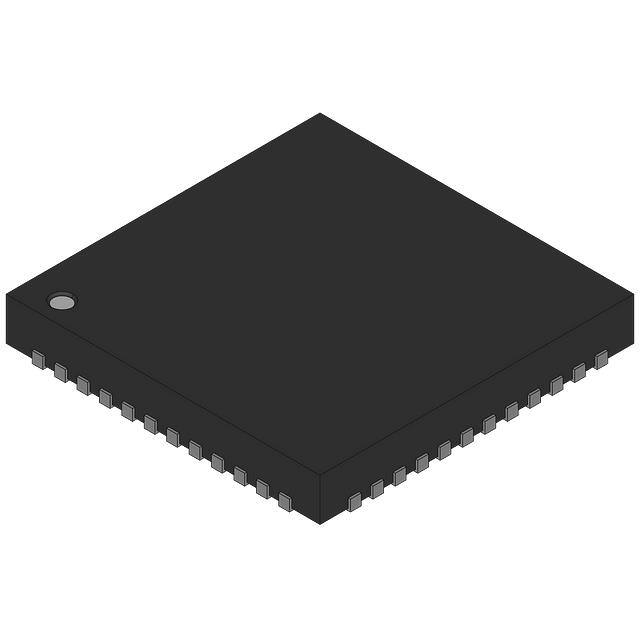
6-Output Clock Generator with
Integrated 1.6 GHz VCO
AD9518-4
FUNCTIONAL BLOCK DIAGRAM
APPLICATIONS
CP
REFIN
REF2
CLK
LF
STATUS
MONITOR
PLL
REF1
SWITCHOVER
AND MONITOR
Low phase noise, phase-locked loop (PLL)
On-chip VCO tunes from 1.45 GHz to 1.80 GHz
External VCO/VCXO to 2.4 GHz optional
1 differential or 2 single-ended reference inputs
Reference monitoring capability
Auto and manual reference switchover/holdover modes
Autorecover from holdover
Accepts LVPECL, LVDS, or CMOS references to 250 MHz
Programmable delays in path to PFD
Digital or analog lock detect, selectable
3 pairs of 1.6 GHz LVPECL outputs
Each output pair shares a 1-to-32 divider with coarse
phase delay
Additive output jitter 225 fs rms
Channel-to-channel skew paired outputs of 1600 MHz Section; Change to Table 21 ..........22
Changes to Table 23 ........................................................................24
Change to Configuration and Register Settings Section............25
Change to Phase Frequency Detector (PFD) Section ................26
Changes to Charge Pump (CP), On-Chip VCO, PLL
External Loop Filter, and PLL Reference Inputs Sections .........27
Change to Figure 31; Added Figure 32 .........................................27
Changes to Reference Switchover and Prescaler Sections .........28
Changes to A and B Counters Section and Table 27 ..................29
Change to Holdover Section ..........................................................31
Changes to VCO Calibration Section ...........................................33
Changes to Clock Distribution Section........................................ 34
Change to Table 32; Change to Channel Frequency
Division (0, 1, and 2) Section ........................................................ 35
Change to Write Section ................................................................ 40
Change to Figure 46 ........................................................................ 42
Added Thermal Performance Section; Added Table 41 ............ 44
Changes to 0x003 Register Address .............................................. 45
Changes to Table 43 ........................................................................ 47
Changes to Table 44 ........................................................................ 48
Changes to Table 45 ........................................................................ 55
Changes to Table 46 ........................................................................ 57
Changes to Table 47 ........................................................................ 58
Changes to Table 48 ........................................................................ 59
Added Frequency Planning Using the AD9518 Section ............ 60
Changes to LVDS Clock Distribution Section ............................ 61
Changes to Figure 52 and Figure 54; Added Figure 53 .............. 61
Added Exposed Paddle Notation to Outline Dimensions;
Changes to Ordering Guide ........................................................... 62
9/07—Revision 0: Initial Version
Rev. A | Page 3 of 64
�AD9518-4
SPECIFICATIONS
Typical (typ) is given for VS = VS_LVPECL = 3.3 V ± 5%; VS ≤ VCP ≤ 5.25 V; TA = 25°C; RSET = 4.12 kΩ; CPRSET = 5.1 kΩ, unless otherwise noted.
Minimum (min) and maximum (max) values are given over full VS and TA (−40°C to +85°C) variation.
POWER SUPPLY REQUIREMENTS
Table 1.
Parameter
VS
VS_LVPECL
VCP
RSET Pin Resistor
CPRSET Pin Resistor
Min
3.135
2.375
VS
2.7
BYPASS Pin Capacitor
Typ
3.3
Max
3.465
VS
5.25
4.12
5.1
Unit
V
V
V
kΩ
kΩ
220
nF
Test Conditions/Comments
3.3 V ± 5%
Nominally 2.5 V to 3.3 V ± 5%
Nominally 3.3 V to 5.0 V ± 5%
Sets internal biasing currents; connect to ground
Sets internal CP current range, nominally 4.8 mA (CP_lsb = 600 μA);
actual current can be calculated by CP_lsb = 3.06/CPRSET;
connect to ground
Bypass for internal LDO regulator; necessary for LDO stability;
connect to ground
PLL CHARACTERISTICS
Table 2.
Parameter
VCO (ON-CHIP)
Frequency Range
VCO Gain (KVCO)
Tuning Voltage (VT)
Min
1450
0.5
Test Conditions/Comments
1800
MHz
MHz/V
V
See Figure 11
See Figure 6
VCP ≤ VS when using internal VCO; outside of this range, the CP
spurs may increase due to CP up/down mismatch
VCP −
0.5
0
MHz/V
dBc/Hz
dBc/Hz
250
250
MHz
mV p-p
1.35
1.30
1.60
1.50
1.75
1.60
V
V
4.0
4.4
4.8
5.3
5.9
6.4
kΩ
kΩ
250
250
MHz
MHz
V p-p
V
V
μA
pF
20
0
0.8
2.0
0.8
+100
−100
2
PHASE/FREQUENCY DETECTOR (PFD)
PFD Input Frequency
Antibacklash Pulse Width
Unit
1
−109
−128
Input Sensitivity
Self-Bias Voltage, REFIN
Self-Bias Voltage, REFIN
Input Resistance, REFIN
Input Resistance, REFIN
Dual Single-Ended Mode (REF1, REF2)
Input Frequency (AC-Coupled)
Input Frequency (DC-Coupled)
Input Sensitivity (AC-Coupled)
Input Logic High
Input Logic Low
Input Current
Input Capacitance
Max
50
Frequency Pushing (Open-Loop)
Phase Noise @ 100 kHz Offset
Phase Noise @ 1 MHz Offset
REFERENCE INPUTS
Differential Mode (REFIN, REFIN)
Input Frequency
Typ
100
45
1.3
2.9
6.0
MHz
MHz
ns
ns
ns
Rev. A | Page 4 of 64
f = 1625 MHz
f = 1625 MHz
Differential mode (can accommodate single-ended input
by ac grounding undriven input)
Frequencies below about 1 MHz should be dc-coupled;
be careful to match VCM (self-bias voltage)
PLL figure of merit (FOM) increases with increasingslew rate;
see Figure 10
Self-bias voltage of REFIN 1
Self-bias voltage of REFIN1
Self-biased1
Self-biased1
Two single-ended CMOS-compatible inputs
Slew rate > 50 V/μs
Slew rate > 50 V/μs; CMOS levels
Should not exceed VS p-p
Each pin, REFIN/REFIN (REF1/REF2)
Antibacklash pulse width = 1.3 ns, 2.9 ns
Antibacklash pulse width = 6.0 ns
Register 0x017[1:0] = 01b
Register 0x017[1:0] = 00b; Register 0x17[1:0] = 11b
Register 0x017[1:0] = 10b
�AD9518-4
Parameter
CHARGE PUMP (CP)
ICP Sink/Source
High Value
Low Value
Absolute Accuracy
CPRSET Range
ICP High Impedance Mode Leakage
Sink-and-Source Current Matching
ICP vs. CPV
ICP vs. Temperature
PRESCALER (PART OF N DIVIDER)
Prescaler Input Frequency
P = 1 FD
P = 2 FD
P = 3 FD
P = 2 DM (2/3)
P = 4 DM (4/5)
P = 8 DM (8/9)
P = 16 DM (16/17)
P = 32 DM (32/33)
Prescaler Output Frequency
PLL DIVIDER DELAYS
000
001
010
011
100
101
110
111
NOISE CHARACTERISTICS
In-Band Phase Noise of the Charge
Pump/Phase Frequency Detector
(In-Band Is Within the LBW of the PLL)
@ 500 kHz PFD Frequency
@ 1 MHz PFD Frequency
@ 10 MHz PFD Frequency
@ 50 MHz PFD Frequency
PLL Figure of Merit (FOM)
Min
Typ
Max
4.8
0.60
2.5
2.7/10
1
2
1.5
2
mA
mA
%
kΩ
nA
%
%
%
300
600
900
600
1000
2400
3000
3000
300
Off
330
440
550
660
770
880
990
Unit
MHz
MHz
MHz
MHz
MHz
MHz
MHz
MHz
MHz
1
2
Programmable
With CPRSET = 5.1 kΩ
CPV = VCP /2 V
0.5 < CPV < VCP − 0.5 V
0.5 < CPV < VCP − 0.5 V
CPV = VCP /2 V
A, B counter input frequency (prescaler
input frequency divided by P)
See Table 44, Register 0x019: R, Bits[5:3]; N, Bits[2:0]
ps
ps
ps
ps
ps
ps
ps
The PLL in-band phase noise floor is estimated by measuring
the in-band phase noise at the output of the VCO and
subtracting 20 log(N) (where N is the value of the N divider)
−165
−162
−151
−143
−220
dBc/Hz
dBc/Hz
dBc/Hz
dBc/Hz
dBc/Hz
3.5
7.5
3.5
ns
ns
ns
Reference slew rate > 0.25 V/ns; FOM +10 log(fPFD) is an
approximation of the PFD/CP in-band phase noise (in the flat
region) inside the PLL loop bandwidth; when running closed
loop, the phase noise, as observed at the VCO output, is increased
by 20 log(N)
Signal available at LD, STATUS, and REFMON pins
when selected by appropriate register settings
Selected by Register 0x017[1:0] and Register 0x018[4]
Register 0x017[1:0] = 00b, 01b,11b; Register 0x018[4] = 1b
Register 0x017[1:0] = 00b, 01b, 11b; Register 0x018[4] = 0b
Register 0x017[1:0] = 10b; Register 0x018[4] = 0b
7
15
11
ns
ns
ns
Register 0x017[1:0] = 00b, 01b, 11b; Register 0x018[4] = 1b
Register 0x017[1:0] = 00b, 01b, 11b; Register 0x018[4] = 0b
Register 0x017[1:0] = 10b; Register 0x018[4] = 0b
PLL DIGITAL LOCK DETECT WINDOW 2
Required to Lock (Coincidence of Edges)
Low Range (ABP 1.3 ns, 2.9 ns)
High Range (ABP 1.3 ns, 2.9 ns)
High Range (ABP 6 ns)
To Unlock After Lock (Hysteresis)2
Low Range (ABP 1.3 ns, 2.9 ns)
High Range (ABP 1.3 ns, 2.9 ns)
High Range (ABP 6 ns)
Test Conditions/Comments
REFIN and REFIN self-bias points are offset slightly to avoid chatter on an open input condition.
For reliable operation of the digital lock detect, the period of the PFD frequency must be greater than the unlock-after-lock time.
Rev. A | Page 5 of 64
�AD9518-4
CLOCK INPUTS
Table 3.
Parameter
CLOCK INPUTS (CLK, CLK)
Input Frequency
Min
Typ
01
01
Input Sensitivity, Differential
1
Unit
2.4
1.6
GHz
GHz
mV p-p
2
V p-p
1.8
1.8
V
V
mV p-p
kΩ
pF
150
Input Level, Differential
Input Common-Mode Voltage, VCM
Input Common-Mode Range, VCMR
Input Sensitivity, Single-Ended
Input Resistance
Input Capacitance
Max
1.3
1.3
3.9
1.57
150
4.7
2
5.7
Test Conditions/Comments
Differential input
High frequency distribution (VCO divider)
Distribution only (VCO divider bypassed)
Measured at 2.4 GHz; jitter performance is
improved with slew rates > 1 V/ns
Larger voltage swings may turn on the
protection diodes and may degrade jitter
performance
Self-biased; enables ac coupling
With 200 mV p-p signal applied; dc-coupled
CLK ac-coupled; CLK ac-bypassed to RF ground
Self-biased
Below about 1 MHz, the input should be dc-coupled. Care should be taken to match VCM.
CLOCK OUTPUTS
Table 4.
Parameter
LVPECL CLOCK OUTPUTS
OUT0, OUT1, OUT2, OUT3, OUT4, OUT5
Output Frequency, Maximum
Output High Voltage (VOH)
Output Low Voltage (VOL)
Output Differential Voltage (VOD)
Min
Typ
Max
Unit
Test Conditions/Comments
Termination = 50 Ω to VS − 2 V
Differential (OUT, OUT)
Using direct to output; see Figure 16
2950
VS − 1.12
VS − 2.03
550
VS − 0.98
VS − 1.77
790
VS − 0.84
VS − 1.49
980
MHz
V
V
mV
Min
Typ
Max
Unit
70
70
180
180
ps
ps
Test Conditions/Comments
Termination = 50 Ω to VS − 2 V; level = 810 mV
20% to 80%, measured differentially
80% to 20%, measured differentially
835
995
1180
ps
See Figure 27
773
933
0.8
1090
ps
ps/°C
See Figure 29
5
13
15
40
220
ps
ps
ps
TIMING CHARACTERISTICS
Table 5.
Parameter
LVPECL
Output Rise Time, tRP
Output Fall Time, tFP
PROPAGATION DELAY, tPECL, CLK-TO-LVPECL
OUTPUT
High Frequency Clock Distribution
Configuration
Clock Distribution Configuration
Variation with Temperature
OUTPUT SKEW, LVPECL OUTPUTS1
LVPECL Outputs That Share the Same Divider
LVPECL Outputs on Different Dividers
All LVPECL Outputs Across Multiple Parts
1
This is the difference between any two similar delay paths while operating at the same voltage and temperature.
Rev. A | Page 6 of 64
�AD9518-4
CLOCK OUTPUT ADDITIVE PHASE NOISE (DISTRIBUTION ONLY; VCO DIVIDER NOT USED)
Table 6.
Parameter
CLK-TO-LVPECL ADDITIVE PHASE NOISE
Min
CLK = 1 GHz, OUTPUT = 1 GHz
Divider = 1
@ 10 Hz Offset
@ 100 Hz Offset
@ 1 kHz Offset
@ 10 kHz Offset
@ 100 kHz Offset
@ 1 MHz Offset
@ 10 MHz Offset
@ 100 MHz Offset
CLK = 1 GHz, OUTPUT = 200 MHz
Divider = 5
@ 10 Hz Offset
@ 100 Hz Offset
@ 1 kHz Offset
@ 10 kHz Offset
@ 100 kHz Offset
@ 1 MHz Offset
>10 MHz Offset
Typ
Max
−109
−118
−130
−139
−144
−146
−147
−149
Unit
Test Conditions/Comments
Distribution section only; does not include
PLL and VCO
Input slew rate > 1 V/ns
dBc/Hz
dBc/Hz
dBc/Hz
dBc/Hz
dBc/Hz
dBc/Hz
dBc/Hz
dBc/Hz
Input slew rate > 1 V/ns
−120
−126
−139
−150
−155
−157
−157
dBc/Hz
dBc/Hz
dBc/Hz
dBc/Hz
dBc/Hz
dBc/Hz
dBc/Hz
CLOCK OUTPUT ABSOLUTE PHASE NOISE (INTERNAL VCO USED)
Table 7.
Parameter
LVPECL ABSOLUTE PHASE NOISE
VCO = 1800 MHz; OUTPUT = 1800 MHz
@ 1 kHz Offset
@ 10 kHz Offset
@ 100 kHz Offset
@ 1 MHz Offset
@ 10 MHz Offset
@ 40 MHz Offset
VCO = 1625 MHz; OUTPUT = 1625 MHz
@ 1 kHz Offset
@ 10 kHz Offset
@ 100 kHz Offset
@ 1 MHz Offset
@ 10 MHz Offset
@ 40 MHz Offset
VCO = 1450 MHz; OUTPUT = 1450 MHz
@ 1 kHz Offset
@ 10 kHz Offset
@ 100 kHz Offset
@ 1 MHz Offset
@ 10 MHz Offset
@ 40 MHz Offset
Min
Typ
Max
Unit
−47
−82
−106
−125
−142
−146
dBc/Hz
dBc/Hz
dBc/Hz
dBc/Hz
dBc/Hz
dBc/Hz
−55
−85
−109
−128
−143
−147
dBc/Hz
dBc/Hz
dBc/Hz
dBc/Hz
dBc/Hz
dBc/Hz
−61
−90
−113
−131
−144
−148
dBc/Hz
dBc/Hz
dBc/Hz
dBc/Hz
dBc/Hz
dBc/Hz
Rev. A | Page 7 of 64
Test Conditions/Comments
Internal VCO; direct to LVPECL output
�AD9518-4
CLOCK OUTPUT ABSOLUTE TIME JITTER (CLOCK GENERATION USING INTERNAL VCO)
Table 8.
Parameter
LVPECL OUTPUT ABSOLUTE TIME JITTER
Min
VCO = 1475 MHz; LVPECL = 491.52 MHz; PLL LBW = 135 kHz
Typ
Max
135
275
145
275
170
305
VCO = 1475 MHz; LVPECL = 122.88 MHz; PLL LBW = 135 kHz
VCO = 1475 MHz; LVPECL = 61.44 MHz; PLL LBW = 135 kHz
Unit
fs rms
fs rms
fs rms
fs rms
fs rms
fs rms
Test Conditions/Comments
Application example based on a typical
setup where the reference source is clean,
so a wider PLL loop bandwidth is used;
reference = 15.36 MHz; R = 1
Integration BW = 200 kHz to 10 MHz
Integration BW = 12 kHz to 20 MHz
Integration BW = 200 kHz to 10 MHz
Integration BW = 12 kHz to 20 MHz
Integration BW = 200 kHz to 10 MHz
Integration BW = 12 kHz to 20 MHz
CLOCK OUTPUT ABSOLUTE TIME JITTER (CLOCK CLEANUP USING INTERNAL VCO)
Table 9.
Parameter
LVPECL OUTPUT ABSOLUTE TIME JITTER
Min
VCO = 1555 MHz; LVPECL = 155.52 MHz; PLL LBW = 500 Hz
VCO = 1475 MHz; LVPECL = 122.88 MHz; PLL LBW = 500 Hz
Typ
Max
500
400
Unit
fs rms
fs rms
Test Conditions/Comments
Application example based on a typical
setup where the reference source is jittery,
so a narrower PLL loop bandwidth is used;
reference = 10.0 MHz; R = 20
Integration BW = 12 kHz to 20 MHz
Integration BW = 12 kHz to 20 MHz
CLOCK OUTPUT ABSOLUTE TIME JITTER (CLOCK GENERATION USING EXTERNAL VCXO)
Table 10.
Parameter
LVPECL OUTPUT ABSOLUTE TIME JITTER
LVPECL = 245.76 MHz; PLL LBW = 125 Hz
LVPECL = 122.88 MHz; PLL LBW = 125 Hz
LVPECL = 61.44 MHz; PLL LBW = 125 Hz
Min
Typ
Max
54
77
109
79
114
163
124
176
259
Rev. A | Page 8 of 64
Unit
fs rms
fs rms
fs rms
fs rms
fs rms
fs rms
fs rms
fs rms
fs rms
Test Conditions/Comments
Application example based on a typical
setup using an external 245.76 MHz VCXO
(Toyocom TCO-2112); reference = 15.36 MHz;
R=1
Integration BW = 200 kHz to 5 MHz
Integration BW = 200 kHz to 10 MHz
Integration BW = 12 kHz to 20 MHz
Integration BW = 200 kHz to 5 MHz
Integration BW = 200 kHz to 10 MHz
Integration BW = 12 kHz to 20 MHz
Integration BW = 200 kHz to 5 MHz
Integration BW = 200 kHz to 10 MHz
Integration BW = 12 kHz to 20 MHz
�AD9518-4
CLOCK OUTPUT ADDITIVE TIME JITTER (VCO DIVIDER NOT USED)
Table 11.
Parameter
LVPECL OUTPUT ADDITIVE TIME JITTER
CLK = 622.08 MHz; LVPECL = 622.08 MHz;
Divider = 1
CLK = 622.08 MHz; LVPECL = 155.52 MHz;
Divider = 4
CLK = 1.6 GHz; LVPECL = 100 MHz; Divider = 16
CLK = 500 MHz; LVPECL = 100 MHz; Divider = 5
Min
Typ
Max
Unit
40
fs rms
Test Conditions/Comments
Distribution section only; does not include PLL and
VCO; uses rising edge of clock signal
BW = 12 kHz to 20 MHz
80
fs rms
BW = 12 kHz to 20 MHz
215
fs rms
245
fs rms
Calculated from SNR of ADC method; DCC not used
for even divides
Calculated from SNR of ADC method; DCC on
CLOCK OUTPUT ADDITIVE TIME JITTER (VCO DIVIDER USED)
Table 12.
Parameter
LVPECL OUTPUT ADDITIVE TIME JITTER
CLK = 2.4 GHz; VCO DIV = 2; LVPECL = 100 MHz;
Divider = 12; Duty-Cycle Correction = Off
Min
Typ
210
Max
Unit
fs rms
Rev. A | Page 9 of 64
Test Conditions/Comments
Distribution section only; does not include PLL and VCO;
uses rising edge of clock signal
Calculated from SNR of ADC method
�AD9518-4
SERIAL CONTROL PORT
Table 13.
Parameter
CS (INPUT)
Input Logic 1 Voltage
Input Logic 0 Voltage
Input Logic 1 Current
Input Logic 0 Current
Input Capacitance
SCLK (INPUT)
Input Logic 1 Voltage
Input Logic 0 Voltage
Input Logic 1 Current
Input Logic 0 Current
Input Capacitance
SDIO (WHEN INPUT)
Input Logic 1 Voltage
Input Logic 0 Voltage
Input Logic 1 Current
Input Logic 0 Current
Input Capacitance
SDIO, SDO (OUTPUTS)
Output Logic 1 Voltage
Output Logic 0 Voltage
TIMING
Clock Rate (SCLK, 1/tSCLK)
Pulse Width High, tHIGH
Pulse Width Low, tLOW
SDIO to SCLK Setup, tDS
SCLK to SDIO Hold, tDH
SCLK to Valid SDIO and SDO, tDV
CS to SCLK Setup and Hold, tS, tH
CS Minimum Pulse Width High, tPWH
Min
Typ
Max
2.0
0.8
3
110
2
Unit
Test Conditions/Comments
CS has an internal 30 kΩ pull-up resistor
V
V
μA
μA
pF
SCLK has an internal 30 kΩ pull-down resistor
2.0
0.8
110
1
2
2.0
0.8
10
20
2
2.7
0.4
25
16
16
2
1.1
8
2
3
V
V
μA
μA
pF
V
V
nA
nA
pF
V
V
MHz
ns
ns
ns
ns
ns
ns
ns
PD, SYNC, AND RESET PINS
Table 14.
Parameter
INPUT CHARACTERISTICS
Min
Logic 1 Voltage
Logic 0 Voltage
Logic 1 Current
Logic 0 Current
Capacitance
RESET TIMING
Pulse Width Low
SYNC TIMING
Pulse Width Low
2.0
Typ
Max
0.8
110
1
2
Unit
Test Conditions/Comments
These pins each have a 30 kΩ internal pull-up
resistor
V
V
μA
μA
pF
50
ns
1.5
High speed
clock cycles
Rev. A | Page 10 of 64
High speed clock is CLK input signal
�AD9518-4
LD, STATUS, AND REFMON PINS
Table 15.
Parameter
OUTPUT CHARACTERISTICS
Min
Output Voltage High (VOH)
Output Voltage Low (VOL)
MAXIMUM TOGGLE RATE
2.7
Max
Unit
0.4
100
V
V
MHz
3
pF
On-chip capacitance; used to calculate RC time constant
for analog lock detect readback; use a pull-up resistor
1.02
MHz
8
kHz
Frequency above which the monitor indicates the
presence of the reference
Frequency above which the monitor indicates the
presence of the reference
ANALOG LOCK DETECT
Capacitance
REF1, REF2, AND VCO FREQUENCY STATUS MONITOR
Normal Range
Extended Range (REF1 and REF2 Only)
LD PIN COMPARATOR
Trip Point
Hysteresis
Typ
1.6
260
Test Conditions/Comments
When selected as a digital output (CMOS); there are other
modes in which these pins are not CMOS digital outputs;
see Table 44, Register 0x017, Register 0x01A, and
Register 0x01B
Applies when mux is set to any divider or counter output,
or PFD up/down pulse; also applies in analog lock detect
mode; usually debug mode only; beware that spurs may
couple to output when any of these pins are toggling
V
mV
POWER DISSIPATION
Table 16.
Parameter
POWER DISSIPATION, CHIP
Power-On Default
Typ
Max
Unit
Test Conditions/Comments
0.76
1.0
W
Full Operation
1.1
1.7
W
PD Power-Down
75
185
mW
PD Power-Down, Maximum Sleep
31
No clock; no programming; default register values;
does not include power dissipated in external resistors
PLL on; internal VCO = 1625 MHz; VCO divider = 2;
all channel dividers on; six LVPECL outputs @ 406 MHz;
does not include power dissipated in external resistors
PD pin pulled low; does not include power dissipated
in terminations
PD pin pulled low; PLL power-down 0x10 = 01b;
SYNC power-down 0x230 = 1b; REF for distribution
power-down 0x230 = 1b
PLL operating; typical closed-loop configuration
Power delta when a function is enabled/disabled
VCO divider not used
All references off to differential reference enabled
All references off to REF1 or REF2 enabled; differential
reference not enabled
CLK input selected to VCO selected
PLL off to PLL on, normal operation; no reference
enabled
Divider bypassed to divide-by-2 to divide-by-32
No LVPECL output on to one LVPECL output on
Second LVPECL output turned on, same channel
VCP Supply
POWER DELTAS, INDIVIDUAL FUNCTIONS
VCO Divider
REFIN (Differential)
REF1, REF2 (Single-Ended)
Min
4
mW
4.8
mW
30
20
4
mW
mW
mW
VCO
PLL
70
75
mW
mW
Channel Divider
LVPECL Channel (Divider Plus Output Driver)
LVPECL Driver
30
160
90
mW
mW
mW
Rev. A | Page 11 of 64
�AD9518-4
TIMING DIAGRAMS
DIFFERENTIAL
tCLK
80%
CLK
20%
tRP
tFP
Figure 3. LVPECL Timing, Differential
Figure 2. CLK/CLK to Clock Output Timing, DIV = 1
Rev. A | Page 12 of 64
06433-061
tPECL
06433-060
LVPECL
�AD9518-4
ABSOLUTE MAXIMUM RATINGS
Table 17.
Parameter
VS, VS_LVPECL to GND
VCP to GND
REFIN, REFIN to GND
REFIN to REFIN
RSET to GND
CPRSET to GND
CLK, CLK to GND
CLK to CLK
SCLK, SDIO, SDO, CS to GND
OUT0, OUT0, OUT1, OUT1, OUT2, OUT2,
OUT3, OUT3,OUT4, OUT4, OUT5, OUT5
to GND
SYNC to GND
REFMON, STATUS, LD to GND
Junction Temperature 1
Storage Temperature Range
Lead Temperature (10 sec)
1
Rating
−0.3 V to +3.6 V
−0.3 V to +5.8 V
−0.3 V to VS + 0.3 V
−3.3 V to +3.3 V
−0.3 V to VS + 0.3 V
−0.3 V to VS + 0.3 V
−0.3 V to VS + 0.3 V
−1.2 V to +1.2 V
−0.3 V to VS + 0.3 V
−0.3 V to VS + 0.3 V
Stresses above those listed under Absolute Maximum Ratings
may cause permanent damage to the device. This is a stress
rating only; functional operation of the device at these or any
other conditions above those indicated in the operational
section of this specification is not implied. Exposure to absolute
maximum rating conditions for extended periods may affect
device reliability.
THERMAL RESISTANCE
Table 18.
Package Type1
48-Lead LFCSP
1
−0.3 V to VS + 0.3 V
−0.3 V to VS + 0.3 V
150°C
−65°C to +150°C
300°C
θJA
24.7
Unit
°C/W
Thermal impedance measurements were taken on a 4-layer board in still air
in accordance with EIA/JESD51-2.
ESD CAUTION
See Table 18 for θJA.
Rev. A | Page 13 of 64
�AD9518-4
1
37 VS
38 OUT1
39 OUT1
40 VS_LVPECL
41 OUT0
42 OUT0
44 RSET
45 VS
46 CPRSET
43 VS
36
PIN 1
INDICATOR
2
35
3
34
4
33
5
32
6
AD9518-4
31
7
TOP VIEW
(Not to Scale)
30
8
NC
VS
GND
OUT2
OUT2
VS_LVPECL
VS_LVPECL
29
OUT3
OUT3
27 GND
26 VS
25 VS
28
9
10
11
06433-003
24
23
22
21
20
19
18
17
16
15
SCLK
CS
SDO
SDIO
RESET
PD
OUT4
OUT4
VS_LVPECL
OUT5
OUT5
VS
14
12
13
REFMON
LD
VCP
CP
STATUS
REF_SEL
SYNC
LF
BYPASS
VS
CLK
CLK
47 REFIN (REF2)
48 REFIN (REF1)
PIN CONFIGURATION AND FUNCTION DESCRIPTIONS
NOTES
1. NC = NO CONNECT.
2. THE EXTERNAL PADDLE ON THE BOTTOM OF THE PACKAGE MUST BE
CONNECTED TO GROUND FOR PROPER OPERATION.
Figure 4. Pin Configuration
Table 19. Pin Function Descriptions
Pin No.
1
Input/
Output
I
Pin Type
3.3 V CMOS
Mnemonic
REFMON
2
O
3.3 V CMOS
LD
3
4
5
6
I
O
O
I
Power
3.3 V CMOS
3.3 V CMOS
VCP
CP
STATUS
REF_SEL
7
I
3.3 V CMOS
SYNC
8
I
Loop filter
LF
9
10, 24, 25,
26, 35, 37,
43, 45
11
O
I
Loop filter
Power
BYPASS
VS
Description
Reference Monitor (Output). This pin has multiple selectable outputs; see Table 44,
Register 0x1B.
Lock Detect (Output). This pin has multiple selectable outputs; see Table 44,
Register 0x1A.
Power Supply for Charge Pump (CP). VS ≤ VCP ≤ 5.0 V.
Charge Pump (Output). Connects to external loop filter.
Status (Output). This pin has multiple selectable outputs; see Table 44, Register 0x17.
Reference Select. Selects REF1 (low) or REF2 (high). This pin has an internal 30 kΩ
pull-down resistor.
Manual Synchronizations and Manual Holdover. This pin initiates a manual
synchronization and is also used for manual holdover. Active low. This pin has an
internal 30 kΩ pull-up resistor.
Loop Filter (Input). Connects to VCO control voltage node internally. This pin has 31 pF of
internal capacitance to ground, which may influence the loop filter design for large
loop bandwidths.
This pin is for bypassing the LDO to ground with a capacitor.
3.3 V Power Pins.
I
CLK
Along with CLK, this is the self-biased differential input for the clock distribution section.
12
I
Differential
clock input
Differential
clock input
CLK
Along with CLK, this is the self-biased differential input for the clock distribution section.
Rev. A | Page 14 of 64
�AD9518-4
Pin No.
13
14
Input/
Output
I
I
Pin Type
3.3 V CMOS
3.3 V CMOS
Mnemonic
SCLK
CS
O
I/O
I
I
O
O
I
3.3 V CMOS
3.3 V CMOS
3.3 V CMOS
3.3 V CMOS
LVPECL
LVPECL
Power
SDO
SDIO
RESET
PD
OUT4
OUT4
VS_LVPECL
Description
Serial Control Port Data Clock Signal.
Serial Control Port Chip Select, Active Low. This pin has an internal 30 kΩ pull-up
resistor.
Serial Control Port Unidirectional Serial Data Out.
Serial Control Port Bidirectional Serial Data In/Out.
Chip Reset, Active Low. This pin has an internal 30 kΩ pull-up resistor.
Chip Power Down, Active Low. This pin has an internal 30 kΩ pull-up resistor.
LVPECL Output; One Side of a Differential LVPECL Output.
LVPECL Output; One Side of a Differential LVPECL Output.
Extended Voltage 2.5 V to 3.3 V LVPECL Power Pins.
O
O
LVPECL
LVPECL
GND
LVPECL
LVPECL
LVPECL
LVPECL
OUT5
OUT5
GND
OUT3
OUT3
OUT2
OUT2
NC
OUT1
OUT1
OUT0
OUT0
RSET
LVPECL Output; One Side of a Differential LVPECL Output.
LVPECL Output; One Side of a Differential LVPECL Output.
Ground. See the description for EPAD.
LVPECL Output; One Side of a Differential LVPECL Output.
LVPECL Output; One Side of a Differential LVPECL Output.
LVPECL Output; One Side of a Differential LVPECL Output.
LVPECL Output; One Side of a Differential LVPECL Output.
No Connection.
LVPECL Output; One Side of a Differential LVPECL Output.
LVPECL Output; One Side of a Differential LVPECL Output.
LVPECL Output; One Side of a Differential LVPECL Output.
LVPECL Output; One Side of a Differential LVPECL Output.
Resistor connected here sets internal bias currents. Nominal value = 4.12 kΩ.
CPRSET
Resistor connected here sets the CP current range. Nominal value = 5.1 kΩ.
REFIN (REF2)
Along with REFIN, this is the (self-biased) differential input for the PLL reference.
Alternatively, this pin is a single-ended input for REF2.
Along with REFIN, this is the (self-biased) differential input for the PLL reference.
Alternatively, this pin is a single-ended input for REF1.
Ground. The external paddle on the bottom of the package must be connected to
ground for proper operation.
15
16
17
18
19
20
21, 30, 31,
40
22
23
27, 34
28
29
32
33
36
38
39
41
42
44
O
O
O
O
O
46
O
47
I
48
I
EPAD
O
O
O
O
LVPECL
LVPECL
LVPECL
LVPECL
Current set
resistor
Current set
resistor
Reference
input
Reference
input
GND
REFIN (REF1)
GND
Rev. A | Page 15 of 64
�AD9518-4
TYPICAL PERFORMANCE CHARACTERISTICS
300
5.0
3 CHANNELS—6 LVPECL
280
4.5
220
3 CHANNELS—3 LVPECL
180
160
2 CHANNELS—2 LVPECL
140
3.5
PUMP DOWN
3.0
2.5
2.0
1.5
1.0
1 CHANNEL—1 LVPECL
0
500
1000
1500
2000
2500
0
06433-007
100
3000
FREQUENCY (MHz)
0
1.0
1.5
2.0
2.5
3.0
3.5
4.0
4.5
5.0
VOLTAGE ON CP PIN (V)
Figure 5. Current vs. Frequency, Direct-to-Output, LVPECL Outputs
Figure 8. Charge Pump Characteristics @ VCP = 5.0 V
–140
45
40
35
30
20
1.45
1.55
1.65
1.75
VCO FREQUENCY (GHz)
–150
–155
–160
–165
–170
0.1
06433-200
25
–145
1
10
100
PFD FREQUENCY (MHz)
Figure 6. KVCO vs. VCO Frequency
06433-013
PFD PHASE NOISE REFERRED TO PFD INPUT
(dBc/Hz)
50
KVCO (MHz/V)
0.5
06433-012
0.5
120
Figure 9. PFD Phase Noise Referred to PFD Input vs. PFD Frequency
–210
5.0
4.5
PLL FIGURE OF MERIT (dBc/Hz)
–212
4.0
3.5
PUMP DOWN
PUMP UP
3.0
2.5
2.0
1.5
1.0
–214
–216
–218
–220
–222
0.5
0
0
0.5
1.0
1.5
2.0
2.5
3.0
VOLTAGE ON CP PIN (V)
06433-011
CURRENT FROM CP PIN (mA)
PUMP UP
Figure 7. Charge Pump Characteristics @ VCP = 3.3 V
–224
0
0.5
1.0
1.5
2.0
2.5
SLEW RATE (V/ns)
Figure 10. PLL Figure of Merit (FOM) vs. Slew Rate at REFIN/REFIN
Rev. A | Page 16 of 64
06433-136
CURRENT (mA)
240
200
4.0
CURRENT FROM CP PIN (mA)
260
�AD9518-4
1.0
DIFFERENTIAL OUTPUT (V)
VCO TUNING VOLTAGE (V)
1.9
1.7
1.5
1.3
1.1
1.50
1.55
1.60
1.65
1.70
1.75
1.80
FREQUENCY (GHz)
0.2
–0.2
–0.6
–1.0
06433-201
0.9
1.45
0.6
0
5
10
15
20
25
TIME (ns)
Figure 11. VCO Tuning Voltage vs. Frequency
06433-014
2.1
Figure 14. LVPECL Output (Differential) @ 100 MHz
10
1.0
0
DIFFERENTIAL OUTPUT (V)
RELATIVE POWER (dB)
–10
–20
–30
–40
–50
–60
–70
–80
–90
0.6
0.2
–0.2
–0.6
CENTER 122.88MHz
5MHz/DIV
SPAN 50MHz
–1.0
0
1
2
TIME (ns)
Figure 12. PFD/CP Spurs; 122.88 MHz; PFD = 15.36 MHz;
LBW = 135 kHz; ICP = 3 mA; fVCO = 1.475 GHz
06433-015
–110
06433-202
–100
Figure 15. LVPECL Output (Differential) @ 1600 MHz
10
1600
0
DIFFERENTIAL SWING (mV p-p)
RELATIVE POWER (dB)
–10
–20
–30
–40
–50
–60
–70
–80
–90
1400
1200
1000
CENTER 122.88MHz
100kHz/DIV
SPAN 1MHz
800
0
1
2
FREQUENCY (GHz)
Figure 13. Output Spectrum, LVPECL; 122.88 MHz; PFD = 15.36 MHz;
LBW = 135 kHz; ICP = 3 mA; fVCO = 1.475 GHz
Rev. A | Page 17 of 64
Figure 16. LVPECL Differential Swing vs. Frequency
3
06433-020
–110
06433-203
–100
�–80
–120
–90
–125
–100
PHASE NOISE (dBc/Hz)
–110
–120
–130
–140
–135
–140
–145
–150
–155
100k
1M
10M
100M
FREQUENCY (Hz)
–160
10
06433-205
–150
10k
–130
Figure 17. Internal VCO Phase Noise (Absolute) Direct to LVPECL @1800 MHz
100
1k
10k
100k
1M
10M
100M
FREQUENCY (Hz)
06433-026
PHASE NOISE (dBc/Hz)
AD9518-4
Figure 20. Phase Noise (Additive) LVPECL @ 245.76 MHz, Divide-by-1
–80
–110
–90
PHASE NOISE (dBc/Hz)
PHASE NOISE (dBc/Hz)
–120
–100
–110
–120
–130
–130
–140
–150
10k
1M
10M
100M
FREQUENCY (Hz)
–160
10
06433-206
–150
10k
100
1k
10k
100k
1M
10M
100M
FREQUENCY (Hz)
Figure 18. Internal VCO Phase Noise (Absolute) Direct to LVPECL @ 1625 MHz
06433-027
–140
Figure 21. Phase Noise (Additive) LVPECL @ 200 MHz, Divide-by-5
–80
–100
–90
PHASE NOISE (dBc/Hz)
PHASE NOISE (dBc/Hz)
–110
–100
–110
–120
–130
–120
–130
–140
100k
1M
FREQUENCY (Hz)
10M
100M
Figure 19. Internal VCO Phase Noise (Absolute) Direct to LVPECL @ 1450 MHz
Rev. A | Page 18 of 64
–150
10
100
1k
10k
100k
1M
10M
100M
FREQUENCY (Hz)
Figure 22. Phase Noise (Additive) LVPECL @ 1600 MHz, Divide-by-1
06433-128
–150
10k
06433-207
–140
�–120
–130
–130
–140
–150
–160
1k
10k
100k
1M
10M
100M
FREQUENCY (Hz)
Figure 23. Phase Noise (Absolute) Clock Generation; Internal VCO @
1.475 GHz; PFD = 15.36 MHz; LBW = 135 kHz; LVPECL Output = 122.88 MHz
PHASE NOISE (dBc/Hz)
–120
–130
–140
1M
10M
100M
06433-209
–150
100k
100k
1M
10M
100M
Figure 25. Phase Noise (Absolute); External VCXO (Toyocom TCO-2112) @
245.76 MHz; PFD = 15.36 MHz; LBW = 250 Hz; LVPECL Output = 245.76 MHz
–110
FREQUENCY (Hz)
10k
FREQUENCY (Hz)
–100
10k
–150
–160
1k
–90
–160
1k
–140
06433-140
PHASE NOISE (dBc/Hz)
–120
06433-208
PHASE NOISE (dBc/Hz)
AD9518-4
Figure 24. Phase Noise (Absolute) Clock Cleanup; Internal VCO @ 1.556 GHz;
PFD = 19.44 MHz; LBW = 12.8 kHz; LVPECL Output = 155.52 MHz
Rev. A | Page 19 of 64
�AD9518-4
TERMINOLOGY
Phase Jitter and Phase Noise
An ideal sine wave can be thought of as having a continuous
and even progression of phase with time from 0° to 360° for
each cycle. Actual signals, however, display a certain amount
of variation from ideal phase progression over time. This
phenomenon is called phase jitter. Although many causes can
contribute to phase jitter, one major cause is random noise,
which is characterized statistically as being Gaussian (normal)
in distribution.
edges from their ideal (regular) times of occurrence. In both
cases, the variations in timing from the ideal are the time jitter.
Because these variations are random in nature, the time jitter is
specified in units of seconds root mean square (rms) or 1 sigma
of the Gaussian distribution.
This phase jitter leads to a spreading out of the energy of the
sine wave in the frequency domain, producing a continuous
power spectrum. This power spectrum is usually reported as
a series of values whose units are dBc/Hz at a given offset in
frequency from the sine wave (carrier). The value is a ratio
(expressed in dB) of the power contained within a 1 Hz
bandwidth with respect to the power at the carrier frequency.
For each measurement, the offset from the carrier frequency is
also given.
Additive Phase Noise
It is meaningful to integrate the total power contained within
some interval of offset frequencies (for example, 10 kHz to
10 MHz). This is called the integrated phase noise over that
frequency offset interval and can be readily related to the time
jitter due to the phase noise within that offset frequency interval.
Phase noise has a detrimental effect on the performance of
ADCs, DACs, and RF mixers. It lowers the achievable dynamic
range of the converters and mixers, although they are affected
in somewhat different ways.
Time Jitter
Phase noise is a frequency domain phenomenon. In the time
domain, the same effect is exhibited as time jitter. When
observing a sine wave, the time of successive zero crossings
varies. In a square wave, the time jitter is a displacement of the
Time jitter that occurs on a sampling clock for a DAC or an
ADC decreases the signal-to-noise ratio (SNR) and dynamic
range of the converter. A sampling clock with the lowest possible
jitter provides the highest performance from a given converter.
Additive phase noise is the amount of phase noise that is
attributable to the device or subsystem being measured. The
phase noise of any external oscillators or clock sources is
subtracted. This makes it possible to predict the degree to which
the device impacts the total system phase noise when used in
conjunction with the various oscillators and clock sources, each
of which contributes its own phase noise to the total. In many
cases, the phase noise of one element dominates the system
phase noise. When there are multiple contributors to phase
noise, the total is the square root of the sum of squares of the
individual contributors.
Additive Time Jitter
Additive time jitter is the amount of time jitter that is
attributable to the device or subsystem being measured. The
time jitter of any external oscillators or clock sources is subtracted.
This makes it possible to predict the degree to which the device
impacts the total system time jitter when used in conjunction with
the various oscillators and clock sources, each of which
contributes its own time jitter to the total. In many cases, the
time jitter of the external oscillators and clock sources dominates
the system time jitter.
Rev. A | Page 20 of 64
�AD9518-4
DETAILED BLOCK DIAGRAM
REF_ SEL
VS
GND
RSET
REFMON
DISTRIBUTION
REFERENCE
REFERENCE
SWITCHOVER
LD
REF1
STATUS
R
DIVIDER
STATUS
REFIN (REF1)
PLL
REFERENCE
LOCK
DETECT
REF2
PROGRAMMABLE
R DELAY
VCO STATUS
REFIN (REF2)
BYPASS
CPRSET VCP
LOW DROPOUT
REGULATOR (LDO)
P, P + 1
PRESCALER
A/B
COUNTERS
PROGRAMMABLE
N DELAY
PHASE
FREQUENCY
DETECTOR
HOLD
CHARGE
PUMP
CP
N DIVIDER
LF
VCO
STATUS
DIVIDE BY
2, 3, 4, 5, OR 6
CLK
CLK
1
OUT0
DIVIDE BY
1 TO 32
PD
SYNC
0
OUT0
LVPECL
OUT1
DIGITAL
LOGIC
OUT1
RESET
OUT2
DIVIDE BY
1 TO 32
OUT3
SERIAL
CONTROL
PORT
OUT3
OUT4
DIVIDE BY
1 TO 32
OUT4
LVPECL
OUT5
OUT5
AD9518-4
Figure 26. Detailed Block Diagram
Rev. A | Page 21 of 64
06433-002
SCLK
SDIO
SDO
CS
OUT2
LVPECL
�AD9518-4
THEORY OF OPERATION
OPERATIONAL CONFIGURATIONS
Table 20. Default Settings of Some PLL Registers
The AD9518 can be configured in several ways. These
configurations must be set up by loading the control registers
(see Table 42 and Table 43 through Table 49). Each section
or function must be individually programmed by setting the
appropriate bits in the corresponding control register or registers.
Register
0x010[1:0] = 01b
0x1E0[2:0] = 010b
0x1E1[0] = 0b
0x1E1[1] = 0b
High Frequency Clock Distribution—CLK or External
VCO > 1600 MHz
When using the internal PLL with an external VCO, the PLL
must be turned on.
The AD9518 power-up default configuration has the PLL
powered off and the routing of the input set so that the
CLK/CLK input is connected to the distribution section
through the VCO divider (divide-by-2/ divide-by-3/divide-by-4/
divide-by-5/divide-by-6). This is a distribution-only mode that
allows for an external input up to 2.4 GHz (see Table 3). The
maximum frequency that can be applied to the channel dividers
is 1600 MHz; therefore, higher input frequencies must be
divided down before reaching the channel dividers. This input
routing can also be used for lower input frequencies, but the
minimum divide is 2 before the channel dividers.
When the PLL is enabled, this routing also allows the use of the
PLL with an external VCO or VCXO with a frequency of less than
2400 MHz. In this configuration, the internal VCO is not used
and is powered off. The external VCO/VCXO feeds directly into
the prescaler.
The register settings shown in Table 20 are the default values
of these registers at power-up or after a reset operation. If the
contents of the registers are altered by prior programming after
power-up or reset, these registers can also be set intentionally to
these values.
Function
PLL asynchronous power-down (PLL off ).
Set VCO divider = 4.
Use the VCO divider.
CLK selected as the source.
Table 21. Settings When Using an External VCO
Register
0x010[1:0] = 00b
0x010 to 0x01E
0x1E1[1] = 0b
Function
PLL normal operation (PLL on).
PLL settings. Select and enable a reference
input; set R, N (P, A, B), PFD polarity, and ICP,
according to the intended loop configuration.
CLK selected as the source.
An external VCO requires an external loop filter that must be
connected between CP and the tuning pin of the VCO. This
loop filter determines the loop bandwidth and stability of the
PLL. Make sure to select the proper PFD polarity for the VCO
being used.
Table 22. Setting the PFD Polarity
Register
0x010[7] = 0b
0x010[7] = 1b
After the appropriate register values are programmed,
Register 0x232 must be set to 0x01 for the values to take effect.
Rev. A | Page 22 of 64
Function
PFD polarity positive (higher control voltage
produces higher frequency).
PFD polarity negative (higher control
voltage produces lower frequency).
�AD9518-4
REF_ SEL
VS
GND
RSET
REFMON
DISTRIBUTION
REFERENCE
REFERENCE
SWITCHOVER
LD
REF1
STATUS
R
DIVIDER
STATUS
REFIN (REF1)
PLL
REFERENCE
LOCK
DETECT
REF2
PROGRAMMABLE
R DELAY
VCO STATUS
REFIN (REF2)
BYPASS
CPRSET VCP
LOW DROPOUT
REGULATOR (LDO)
P, P + 1
PRESCALER
A/B
COUNTERS
PROGRAMMABLE
N DELAY
PHASE
FREQUENCY
DETECTOR
HOLD
CHARGE
PUMP
CP
N DIVIDER
LF
VCO
STATUS
DIVIDE BY
2, 3, 4, 5, OR 6
CLK
CLK
1
OUT0
DIVIDE BY
1 TO 32
PD
SYNC
0
OUT0
LVPECL
OUT1
DIGITAL
LOGIC
OUT1
RESET
OUT2
DIVIDE BY
1 TO 32
OUT3
SERIAL
CONTROL
PORT
OUT3
OUT4
DIVIDE BY
1 TO 32
OUT4
LVPECL
OUT5
AD9518-4
OUT5
Figure 27. High Frequency Clock Distribution or External VCO >1600 MHz
Rev. A | Page 23 of 64
06433-029
SCLK
SDIO
SDO
CS
OUT2
LVPECL
�AD9518-4
Internal VCO and Clock Distribution
Table 23. Settings When Using Internal VCO
When using the internal VCO and PLL, the VCO divider must
be employed to ensure that the frequency presented to the channel
dividers does not exceed its specified maximum frequency
(1.6 GHz, see Table 3). The internal PLL uses an external loop
filter to set the loop bandwidth. The external loop filter is also
crucial to the loop stability.
Register
0x010[1:0] = 00b
0x010 to 0x01E
When using the internal VCO, it is necessary to calibrate the
VCO (Register 0x018[0]) to ensure optimal performance.
For internal VCO and clock distribution applications, the
register settings shown in Table 23 should be used.
0x018[0] = 0b,
0x232[0] = 1b
0x1E0[2:0]
0x1E1[0] = 0b
0x1E1[1] = 1b
0x018[0] = 1b,
0x232[0] = 1b
REF_ SEL
VS
GND
RSET
REFMON
CPRSET VCP
DISTRIBUTION
REFERENCE
REFERENCE
SWITCHOVER
LD
REF1
STATUS
R
DIVIDER
STATUS
REFIN (REF1)
PLL
REFERENCE
LOCK
DETECT
REF2
PROGRAMMABLE
R DELAY
VCO STATUS
REFIN (REF2)
BYPASS
Function
PLL normal operation (PLL on).
PLL settings. Select and enable a reference
input; set R, N (P, A, B), PFD polarity, and ICP
according to the intended loop configuration.
Reset VCO calibration. This process is not
required the first time after power-up, but it
must be performed subsequently.
Set VCO divider to divide-by-2, divide-by-3,
divide-by-4, divide-by-5, or divide-by-6.
Use the VCO divider as source for the
distribution section.
Select VCO as the source.
Initiate VCO calibration.
LOW DROPOUT
REGULATOR (LDO)
P, P + 1
PRESCALER
A/B
COUNTERS
PROGRAMMABLE
N DELAY
PHASE
FREQUENCY
DETECTOR
HOLD
CHARGE
PUMP
CP
N DIVIDER
LF
VCO
STATUS
DIVIDE BY
2, 3, 4, 5, OR 6
CLK
CLK
1
OUT0
DIVIDE BY
1 TO 32
PD
SYNC
0
OUT0
LVPECL
OUT1
DIGITAL
LOGIC
OUT1
RESET
OUT2
DIVIDE BY
1 TO 32
OUT3
SERIAL
CONTROL
PORT
OUT3
OUT4
DIVIDE BY
1 TO 32
OUT4
LVPECL
OUT5
OUT5
AD9518-4
Figure 28. Internal VCO and Clock Distribution
Rev. A | Page 24 of 64
06433-030
SCLK
SDIO
SDO
CS
OUT2
LVPECL
�AD9518-4
REF_ SEL
VS
GND
RSET
REFMON
DISTRIBUTION
REFERENCE
REFERENCE
SWITCHOVER
LD
REF1
STATUS
R
DIVIDER
STATUS
REFIN (REF1)
PLL
REFERENCE
LOCK
DETECT
REF2
PROGRAMMABLE
R DELAY
VCO STATUS
REFIN (REF2)
BYPASS
CPRSET VCP
LOW DROPOUT
REGULATOR (LDO)
P, P + 1
PRESCALER
A/B
COUNTERS
PROGRAMMABLE
N DELAY
PHASE
FREQUENCY
DETECTOR
HOLD
CHARGE
PUMP
CP
N DIVIDER
LF
VCO
STATUS
DIVIDE BY
2, 3, 4, 5, OR 6
CLK
CLK
1
0
OUT0
DIVIDE BY
1 TO 32
PD
SYNC
OUT0
LVPECL
OUT1
DIGITAL
LOGIC
OUT1
RESET
OUT2
DIVIDE BY
1 TO 32
SCLK
SDIO
SDO
CS
OUT2
LVPECL
OUT3
SERIAL
CONTROL
PORT
OUT3
OUT4
DIVIDE BY
1 TO 32
OUT4
LVPECL
OUT5
OUT5
06433-028
AD9518-4
Figure 29. Clock Distribution or External VCO
threshold
Blank
0xE3
0x00
0x00
REF2
power-on
REF1
power-on
Differential
reference
0x00
Holdover
enable
External
holdover
control
Holdover
enable
0x00
REF2
frequency >
threshold
REF1
frequency >
threshold
Digital
lock detect
0x00
N/A
�AD9518-4
Reg.
Addr.
(Hex)
Parameter
LVPECL Outputs
0x0F0
OUT0
Bit 7 (MSB)
Bit 6
Bit 5
Blank
0x0F1
OUT1
Blank
0x0F2
OUT2
Blank
0x0F3
OUT3
Blank
0x0F4
OUT4
Blank
0x0F5
OUT5
Blank
Divider 1
(PECL)
0x194
Divider 1
bypass
0x197
Divider 1
force high
Blank
Divider 2
(PECL)
Divider 2
bypass
0x199
to
0x1A3
0x1A4
to
0x1DF
VCO Divider and CLK Input
0x1E0
VCO divider
0x1E1
Input CLKs
Divider 2
force high
Bit 0 (LSB)
OUT0 power-down
0x08
OUT1 power-down
0x0A
OUT2 power-down
0x08
OUT3 power-down
0x0A
OUT4 power-down
0x08
OUT5 power-down
0x0A
Reserved
Blank
Divider 0
start high
Reserved
Divider 1
start high
Divider 0 high cycles
0x00
Divider 0 phase offset
0x80
Divider 0
direct to
output
Divider 1 high cycles
Divider 0
DCCOFF
Divider 2
start high
Reserved
Divider 1
direct to
output
Divider 2 high cycles
0x00
Divider 1
DCCOFF
0x00
0x00
Divider 2 phase offset
Divider 2
direct to
output
0x00
0xBB
Divider 1 phase offset
Reserved
Divider 2
nosync
Blank
Bit 1
Blank
Divider 2 low cycles
0x198
0x1E2
to
0x22A
Divider 1
nosync
Bit 2
OUT0 LVPECL
differential voltage
OUT1 LVPECL
differential voltage
OUT2 LVPECL
differential voltage
OUT3 LVPECL
differential voltage
OUT4 LVPECL
differential voltage
OUT5 LVPECL
differential voltage
Divider 1 low cycles
0x195
0x196
Bit 3
OUT0
invert
OUT1
invert
OUT2
invert
OUT3
invert
OUT4
invert
OUT5
invert
0x0F6
to
0x13F
0x140
to
0x143
0x144
to
0x18F
LVPECL Channel Dividers
0x190
Divider 0
Divider 0 low cycles
(PECL)
0x191
Divider 0
Divider 0
Divider 0
bypass
nosync
force high
0x192
Blank
0x193
Bit 4
Default
Value
(Hex)
0x00
Divider 2
DCCOFF
0x00
Reserved
Blank
Blank
Reserved
Reserved
Power down
Power
VCO clock
down
interface
clock input
section
Blank
Rev. A | Page 46 of 64
Power
down VCO
and CLK
VCO Divider
Select
Bypass VCO
VCO or CLK
divider
0x02
0x00
�AD9518-4
Reg.
Addr.
(Hex)
Parameter
System
0x230
Power-down
and SYNC
Bit 7 (MSB)
0x231
Update All Registers
0x232
Update all
registers
Bit 6
Bit 5
Bit 4
Bit 3
Reserved
Bit 1
Bit 0 (LSB)
Default
Value
(Hex)
Power
down
distribution
reference
Reserved
Soft SYNC
0x00
Bit 2
Power
down SYNC
Blank
Blank
0x00
Update all
registers
(self-clearing
bit)
0x00
CONTROL REGISTER MAP DESCRIPTIONS
Table 43 through Table 49 provide a detailed description of each of the control register functions. The registers are listed by hexadecimal
address. A range of bits (for example, from Bit 5 through Bit 2) is indicated using a colon and brackets, as follows: [5:2].
Table 43. Serial Port Configuration and Part ID
Reg.
Addr
(Hex)
0x000
Bits
[7:4]
Name
Mirrored, Bits[3:0]
3
Long instruction
2
Soft reset
1
LSB first
0
SDO active
0x003
[7:0]
Part ID (read only)
0x004
0
Read back active registers
Description
Bits[7:4] should always mirror Bits[3:0] so that it does not matter whether the part is in MSB or
LSB first mode (see Bit 1, Register 0x000). The user should set the bits as follows:
Bit 7 = Bit 0.
Bit 6 = Bit 1.
Bit 5 = Bit 2.
Bit 4 = Bit 3.
Short/long instruction mode. This part uses long instruction mode only, so this bit should
always be set to 1.
0: 8-bit instruction (short).
1: 16-bit instruction (long) (default).
Soft reset.
1: soft reset; restores default values to internal registers. Not self-clearing. Must be cleared to 0
to complete reset operation.
MSB or LSB data orientation.
0: data-oriented MSB first; addressing decrements (default).
1: data-oriented LSB first; addressing increments.
Selects unidirectional or bidirectional data transfer mode.
0: SDIO pin used for write and read; SDO set to high impedance; bidirectional mode (default).
1: SDO used for read, SDIO used for write; unidirectional mode.
Uniquely identifies the dash version (-0 through -4) of the AD9518.
AD9518-0: 0x21.
AD9518-1: 0x61.
AD9518-2: 0xA1.
AD9518-3: 0x63.
AD9518-4: 0xE3.
Selects register bank used for a readback.
0: reads back buffer registers (default).
1: reads back active registers.
Rev. A | Page 47 of 64
�AD9518-4
Table 44. PLL
Reg.
Addr.
(Hex)
0x010
Bits
7
Name
PFD polarity
[6:4]
CP current
[3:2]
CP mode
[1:0]
PLL powerdown
0x011
[7:0]
0x012
[5:0]
0x013
0x014
[5:0]
[7:0]
0x015
[4:0]
0x016
7
14-bit R divider,
Bits[7:0] (LSB)
14-bit R divider,
Bits[13:8] (MSB)
6-bit A counter
13-bit B counter,
Bits[7:0] (LSB)
13-bit B counter,
Bits[12:8] (MSB)
Set CP pin to VCP/2
6
Reset R counter
5
Reset A, B counters
4
Reset all counters
3
B counter
bypass
Description
Sets the PFD polarity. Negative polarity is for use (if needed) with external VCO/VCXO only. The on-chip VCO requires
positive polarity; Bit 7 = 0.
0: positive; higher control voltage produces higher frequency (default).
1: negative; higher control voltage produces lower frequency.
Charge pump current (with CPRSET = 5.1 kΩ).
6
5
4
ICP (mA)
0
0
0
0.6.
0
0
1
1.2.
0
1
0
1.8.
0
1
1
2.4.
1
0
0
3.0.
1
0
1
3.6.
1
1
0
4.2.
1
1
1
4.8 (default).
Charge pump operating mode.
3
2
Charge Pump Mode
0
0
High impedance state.
0
1
Force source current (pump up).
1
0
Force sink current (pump down).
1
1
Normal operation (default).
PLL operating mode.
1
0
Mode
0
0
Normal operation.
0
1
Asynchronous power-down (default).
1
0
Normal operation.
1
1
Synchronous power-down.
R divider LSBs—lower eight bits (default = 0x01).
R divider MSBs—upper six bits (default = 0x00).
A counter (part of N divider) (default = 0x00).
B counter (part of N divider)—lower eight bits (default = 0x03).
B counter (part of N divider)—upper five bits (default = 0x00).
Sets the CP pin to one-half of the VCP supply voltage.
0: CP normal operation (default).
1: CP pin set to VCP/2.
Resets R counter (R divider).
0: normal (default).
1: holds the R counter in reset.
Resets A and B counters (part of N divider).
0: normal (default).
1: holds the A and B counters in reset.
Resets R, A, and B counters.
0: normal (default).
1: holds the R, A, and B counters in reset.
B counter bypass. This is valid only when operating the prescaler in FD mode.
0: normal (default).
1: B counter is set to divide-by-1. This allows the prescaler setting to determine the divide for the N divider.
Rev. A | Page 48 of 64
�AD9518-4
Reg.
Addr.
(Hex)
0x016
0x017
Bits
[2:0]
[7:2]
Name
Prescaler P
STATUS pin
control
Description
Prescaler: DM = dual modulus and FD = fixed divide.
2
1
0
Mode
Prescaler
0
0
0
FD
Divide-by-1.
0
0
1
FD
Divide-by-2.
0
1
0
DM
Divide-by-2 (2/3 mode).
0
1
1
DM
Divide-by-4 (4/5 mode).
1
0
0
DM
Divide-by-8 (8/9 mode).
1
0
1
DM
Divide-by-16 (16/17 mode).
1
1
0
DM
Divide-by-32 (32/33 mode) (default).
1
1
1
FD
Divide-by-3.
Selects the signal that is connected to the STATUS pin.
Level or
Dynamic
Signal
Signal at STATUS Pin
7
6
5
4
3
2
0
0
0
0
0
0
LVL
Ground (dc) (default).
0
0
0
0
0
1
DYN
N divider output (after the delay).
0
0
0
0
1
0
DYN
R divider output (after the delay).
0
0
0
0
1
1
DYN
A divider output.
0
0
0
1
0
0
DYN
Prescaler output.
0
0
0
1
0
1
DYN
PFD up pulse.
0
0
0
1
1
0
DYN
PFD down pulse.
0
X
X
X
X
X
LVL
Ground (dc); for all other cases of 0XXXXX not specified above.
The selections that follow are the same as REFMON.
1
0
0
0
0
0
LVL
Ground (dc).
1
0
0
0
0
1
DYN
REF1 clock (differential reference when in differential mode).
1
0
0
0
1
0
DYN
REF2 clock (not available in differential mode).
1
0
0
0
1
1
DYN
Selected reference to PLL (differential reference when in differential mode).
1
0
0
1
0
0
DYN
Unselected reference to PLL (not available in differential mode).
1
0
0
1
0
1
LVL
Status of selected reference (status of differential reference); active high.
1
0
0
1
1
0
LVL
Status of unselected reference (not available in differential mode);
active high.
1
0
0
1
1
1
LVL
Status REF1 frequency; active high.
1
0
1
0
0
0
LVL
Status REF2 frequency; active high.
1
0
1
0
0
1
LVL
(Status REF1 frequency) AND (status REF2 frequency).
1
0
1
0
1
0
LVL
(DLD) AND (status of selected reference) AND (status of VCO).
1
0
1
0
1
1
LVL
Status of VCO frequency; active high.
1
0
1
1
0
0
LVL
Selected reference (low = REF1, high = REF2).
1
0
1
1
0
1
LVL
Digital lock detect (DLD); active high.
1
0
1
1
1
0
LVL
Holdover active; active high.
1
0
1
1
1
1
LVL
LD pin comparator output; active high.
1
1
0
0
0
0
LVL
VS (PLL supply).
1
1
0
0
0
1
DYN
REF1 clock (differential reference when in differential mode).
1
1
0
0
1
0
DYN
REF2 clock (not available in differential mode).
1
1
0
0
1
1
DYN
Selected reference to PLL (differential reference when in differential mode).
1
1
0
1
0
0
DYN
Unselected reference to PLL (not available when in differential mode).
1
1
1
1
1
1
1
1
1
1
0
0
0
1
1
1
1
1
0
0
0
1
1
0
0
1
0
1
0
1
LVL
LVL
LVL
LVL
LVL
Status of selected reference (status of differential reference); active low.
Status of unselected reference (not available in differential mode); active low.
Status of REF1 frequency; active low.
Status of REF2 frequency; active low.
1
1
1
0
1
0
LVL
(Status of REF1 frequency) AND (status of REF2 frequency).
(DLD) AND (status of selected reference) AND (status of VCO).
1
1
1
1
1
1
1
1
1
1
1
1
1
1
1
0
1
1
1
1
1
0
0
1
1
1
0
1
0
1
LVL
LVL
LVL
LVL
LVL
Status of VCO frequency; active low.
Selected reference (low = REF2, high = REF1).
Digital lock detect (DLD); active low.
Holdover active; active low.
LD pin comparator output; active low.
Rev. A | Page 49 of 64
�AD9518-4
Reg.
Addr.
(Hex)
0x017
Bits
[1:0]
Name
Antibacklash
pulse width
0x018
[6:5]
Lock detect
counter
4
Digital lock detect
window
3
Disable digital
lock detect
[2:1]
VCO cal
divider
0
VCO cal now
[7:6]
R, A, B counters
SYNC pin reset
[5:3]
R path delay
R path delay (default = 0x00) (see Table 2).
[2:0]
N path delay
N path delay (default = 0x00) (see Table 2).
0x019
Description
1
0
Antibacklash Pulse Width (ns)
0
0
2.9 (default).
0
1
1.3.
1
0
6.0.
1
1
2.9.
Required consecutive number of PFD cycles with edges inside lock detect window before the DLD indicates a locked
condition.
6
5
PFD Cycles to Determine Lock
0
0
5 (default).
0
1
16.
1
0
64.
1
1
255.
If the time difference of the rising edges at the inputs to the PFD is less than the lock detect window time, the digital lock
detect flag is set. The flag remains set until the time difference is greater than the loss-of-lock threshold.
0: high range (default).
1: low range.
Digital lock detect operation.
0: normal lock detect operation (default).
1: disables lock detect.
VCO calibration divider. Divider used to generate the VCO calibration clock from the PLL reference clock.
2
1
VCO Calibration Clock Divider
0
0
2.
0
1
4.
1
0
8.
1
1
16 (default).
Bit used to initiate the VCO calibration. This bit must be toggled from 0 to 1 in the active registers. To initiate
calibration, use the following three steps: first, ensure that the input reference signal is present; second, set to 0 (if not
zero already), followed by an update bit (Register 0x232, Bit 0); and third, program to 1, followed by another update bit
(Register 0x232, Bit 0).
7
6
Action
0
0
Does nothing on SYNC (default).
0
1
Asynchronous reset.
1
0
Synchronous reset.
1
1
Does nothing on SYNC.
Rev. A | Page 50 of 64
�AD9518-4
Reg.
Addr.
(Hex)
0x01A
Bits
6
Name
Reference
frequency monitor
threshold
[5:0]
LD pin control
Description
Sets the reference (REF1/REF2) frequency monitor’s detection threshold frequency. This does not affect the VCO
frequency monitor’s detection threshold (see Table 15, REF1, REF2, and VCO frequency status monitor).
0: frequency valid if frequency is above the higher frequency threshold (default).
1: frequency valid if frequency is above the lower frequency threshold.
Selects the signal that is connected to the LD pin.
Level or
Dynamic
Signal
Signal at LD Pin
5
4
3
2
1
0
0
0
0
0
0
0
LVL
Digital lock detect (high = lock, low = unlock) (default).
0
0
0
0
0
1
DYN
P-channel, open-drain lock detect (analog lock detect).
0
0
0
0
1
0
DYN
N-channel, open-drain lock detect (analog lock detect).
0
0
0
0
1
1
HIZ
High-Z LD pin.
0
0
0
1
0
0
CUR
Current source lock detect (110 μA when DLD is true).
0
X
X
X
X
X
LVL
Ground (dc); for all other cases of 0XXXXX not specified above.
The selections that follow are the same as REFMON.
1
0
0
0
0
0
LVL
Ground (dc).
1
0
0
0
0
1
DYN
REF1 clock (differential reference when in differential mode).
1
0
0
0
1
0
DYN
REF2 clock (not available in differential mode).
1
0
0
0
1
1
DYN
Selected reference to PLL (differential reference when in differential
mode).
1
0
0
1
0
0
DYN
Unselected reference to PLL (not available in differential mode).
1
0
0
1
0
1
LVL
Status of selected reference (status of differential reference); active
high.
1
0
0
1
1
0
LVL
Status of unselected reference (not available in differential mode);
active high.
1
0
0
1
1
1
LVL
Status REF1 frequency; active high.
1
0
1
0
0
0
LVL
Status REF2 frequency; active high.
1
0
1
0
0
1
LVL
(Status REF1 frequency) AND (status REF2 frequency).
1
0
1
0
1
0
LVL
(DLD) AND (status of selected reference) AND (status of VCO).
1
0
1
0
1
1
LVL
Status of VCO frequency (active high).
1
0
1
1
0
0
LVL
Selected reference (low = REF1, high = REF2).
1
0
1
1
0
1
LVL
Digital lock detect (DLD); active high.
1
0
1
1
1
0
LVL
Holdover active; active high.
1
0
1
1
1
1
LVL
Not available. Do not use.
1
1
0
0
0
0
LVL
VS (PLL supply).
1
1
0
0
0
1
DYN
REF1 clock (differential reference when in differential mode).
1
1
0
0
1
0
DYN
REF2 clock (not available in differential mode).
1
1
0
0
1
1
DYN
1
1
0
1
0
0
DYN
1
1
0
1
0
1
LVL
1
1
0
1
1
0
LVL
1
1
1
1
1
1
0
1
1
1
0
0
1
0
0
1
0
1
LVL
LVL
LVL
Selected reference to PLL (differential reference when in differential
mode).
Unselected reference to PLL (not available in differential mode).
Status of selected reference (status of differential reference); active
low.
Status of unselected reference (not available in differential mode);
active low.
Status of REF1 frequency; active low.
Status of REF2 frequency; active low.
(Status of REF1 frequency) AND (status of REF2 frequency).
1
1
1
0
1
0
LVL
(DLD) AND (status of selected reference) AND (status of VCO).
1
1
1
1
1
1
1
1
1
1
1
1
1
1
1
0
1
1
1
1
1
0
0
1
1
1
0
1
0
1
LVL
LVL
LVL
LVL
LVL
Status of VCO frequency; active low.
Selected reference (low = REF2, high = REF1).
Digital lock detect (DLD); active low.
Holdover active; active low.
Not available. Do not use.
Rev. A | Page 51 of 64
�AD9518-4
Reg.
Addr.
(Hex)
0x01B
Bits
7
Name
VCO
frequency monitor
6
REF2 (REFIN)
frequency monitor
5
REF1 (REFIN)
frequency monitor
[4:0]
REFMON pin
control
Description
Enables or disables VCO frequency monitor.
0: disables VCO frequency monitor (default).
1: enables VCO frequency monitor.
Enables or disables REF2 frequency monitor.
0: disables REF2 frequency monitor (default).
1: enables REF2 frequency monitor.
REF1 (REFIN) frequency monitor enable; this is for both REF1 (single-ended) and REFIN (differential) inputs
(as selected by differential reference mode).
0: disables REF1 (REFIN) frequency monitor (default).
1: enables REF1 (REFIN) frequency monitor.
Selects the signal that is connected to the REFMON pin.
Level or
Dynamic
Signal
4
3
2
1
0
Signal at REFMON Pin
0
0
0
0
0
LVL
Ground (dc) (default).
0
0
0
0
1
DYN
REF1 clock (differential reference when in differential mode).
0
0
0
1
0
DYN
REF2 clock (not available in differential mode).
0
0
0
1
1
DYN
Selected reference to PLL (differential reference when in differential mode).
0
0
1
0
0
DYN
Unselected reference to PLL (not available in differential mode).
0
0
1
0
1
LVL
Status of selected reference (status of differential reference); active high.
0
0
1
1
0
LVL
Status of unselected reference (not available in differential mode); active
high.
0
0
1
1
1
LVL
Status REF1 frequency; active high.
0
1
0
0
0
LVL
Status REF2 frequency; active high.
0
1
0
0
1
LVL
(Status REF1 frequency) AND (status REF2 frequency).
0
1
0
1
0
LVL
(DLD) AND (status of selected reference) AND (status of VCO).
0
1
0
1
1
LVL
Status of VCO frequency; active high.
0
1
1
0
0
LVL
Selected reference (low = REF1, high = REF2).
0
1
1
0
1
LVL
Digital lock detect (DLD); active low.
0
1
1
1
0
LVL
Holdover active; active high.
0
1
1
1
1
LVL
LD pin comparator output; active high.
1
0
0
0
0
LVL
VS (PLL supply).
1
0
0
0
1
DYN
REF1 clock (differential reference when in differential mode).
1
0
0
1
0
DYN
REF2 clock (not available in differential mode).
1
0
0
1
1
DYN
Selected reference to PLL (differential reference when in differential mode).
1
0
1
0
0
DYN
Unselected reference to PLL (not available in differential mode).
1
1
1
1
1
0
0
0
1
1
1
1
1
0
0
0
1
1
0
0
1
0
1
0
1
LVL
LVL
LVL
LVL
LVL
Status of selected reference (status of differential reference); active low.
Status of unselected reference (not available in differential mode); active low.
Status of REF1 frequency; active low.
Status of REF2 frequency; active low.
(Status of REF1 frequency) AND (Status of REF2 frequency).
1
1
0
1
0
LVL
(DLD) AND (Status of selected reference) AND (Status of VCO).
1
1
1
1
1
1
1
1
1
1
0
1
1
1
1
1
0
0
1
1
1
0
1
0
1
LVL
LVL
LVL
LVL
LVL
Status of VCO frequency; active low.
Selected reference (low = REF2, high = REF1).
Digital lock detect (DLD); active low.
Holdover active; active low.
LD pin comparator output; active low.
Rev. A | Page 52 of 64
�AD9518-4
Reg.
Addr.
(Hex)
0x01C
0x01D
Bits
7
6
Name
Disable
switchover
deglitch
Select REF2
5
Use REF_SEL pin
4
3
Automatic
reference
switchover
Stay on REF2
2
REF2 power-on
1
REF1 power-on
0
Differential
reference
4
PLL status
register disable
3
LD pin comparator
enable
2
Holdover enable
1
0x01F
External
Description
Disables or enables the switchover deglitch circuit.
0: enables switchover deglitch circuit (default).
1: disables switchover deglitch circuit.
If Register 0x01C, Bit 5 = 0, select reference for PLL.
0: selects REF1 (default).
1: selects REF2.
If Register 0x01C, Bit 4 = 0 (manual), sets method of PLL reference selection.
0: uses Register 0x01C, Bit 6 (default).
1: uses REF_SEL pin.
Automatic or manual reference switchover. Single-ended reference mode must be selected by Register 0x01C, Bit 0 = 0.
0: manual reference switchover (default).
1: automatic reference switchover.
Stays on REF2 after switchover.
0: returns to REF1 automatically when REF1 status is good again (default).
1: stays on REF2 after switchover. Does not automatically return to REF1.
When automatic reference switchover is disabled, this bit turns the REF2 power on.
0: REF2 power off (default).
1: REF2 power on.
When automatic reference switchover is disabled, this bit turns the REF1 power on.
0: REF1 power off (default).
1: REF1 power on.
Selects the PLL reference mode, differential or single-ended. Single-ended must be selected for the automatic
switchover or REF1 and REF2 to work.
0: single-ended reference mode (default).
1: differential reference mode.
Disables the PLL status register readback.
0: PLL status register enable (default).
1: PLL status register disable.
Enables the LD pin voltage comparator. This function is used with the LD pin current source lock detect mode. When
in the internal (automatic) holdover mode, this function enables the use of the voltage on the LD pin to determine if
the PLL was previously in a locked state (see Figure 37). Otherwise, this function can be used with the REFMON and
STATUS pins to monitor the voltage on this pin.
0: disables LD pin comparator; internal/automatic holdover controller treats this pin as true (high) (default).
1: enables LD pin comparator.
Along with Bit 0, enables the holdover function. Automatic holdover must be disabled during VCO calibration.
0: holdover disabled (default).
1: holdover enabled.
Enables the external hold control through the SYNC pin. (This disables the internal holdover mode.)
holdover control
0: automatic holdover mode; holdover controlled by automatic holdover circuit (default).
1: external holdover mode; holdover controlled by SYNC pin.
0
Holdover enable
6
VCO cal finished
Along with Bit 2, enables the holdover function. Automatic holdover must be disabled during VCO calibration.
0: holdover disabled (default).
1: holdover enabled.
Read-only register. Indicates status of the VCO calibration.
0: VCO calibration not finished.
1: VCO calibration finished.
5
Holdover active
4
REF2 selected
3
VCO frequency >
threshold
Read-only register. Indicates if the part is in the holdover state (see Figure 37). This is not the same as holdover enabled.
0: not in holdover.
1: holdover state active.
Read-only register. Indicates which PLL reference is selected as the input to the PLL.
0: REF1 selected (or differential reference if in differential mode).
1: REF2 selected.
Read-only register. Indicates if the VCO frequency is greater than the threshold (see Table 15, REF1, REF2, and VCO
frequency status monitor).
0: VCO frequency is less than the threshold.
1: VCO frequency is greater than the threshold.
Rev. A | Page 53 of 64
�AD9518-4
Reg.
Addr.
(Hex)
0x01F
Bits
2
Name
REF2 frequency >
threshold
1
REF1 frequency >
threshold
0
Digital lock detect
Description
Read-only register. Indicates if the frequency of the signal at REF2 is greater than the threshold frequency set by
Register 0x1A, Bit 6.
0: REF2 frequency is less than threshold frequency.
1: REF2 frequency is greater than threshold frequency.
Read-only register. Indicates if the frequency of the signal at REF2 is greater than the threshold frequency
set by Register 0x01A, Bit 6.
0: REF1 frequency is less than threshold frequency.
1: REF1 frequency is greater than threshold frequency.
Read-only register. Digital lock detect.
0: PLL is not locked.
1: PLL is locked.
Rev. A | Page 54 of 64
�AD9518-4
Table 45. LVPECL Outputs
Reg.
Addr.
(Hex)
0x0F0
0x0F1
0x0F2
Bits
4
Name
OUT0 invert
[3:2]
OUT0 LVPECL
differential voltage
[1:0]
OUT0 power-down
4
OUT1 invert
[3:2]
OUT1 LVPECL
differential voltage
[1:0]
OUT1 power-down
4
OUT2 invert
[3:2]
OUT2 LVPECL
differential voltage
[1:0]
OUT2 power-down
Description
Sets the output polarity.
0: noninverting (default).
1: inverting.
Sets the LVPECL output differential voltage (VOD).
3
2
VOD (mV)
0
0
400.
0
1
600.
1
0
780 (default).
1
1
960.
LVPECL power-down modes.
1
0
Mode
0
0
Normal operation (default).
0
1
Partial power-down, reference on; use only if there are no external load resistors.
1
0
Partial power-down, reference on, safe LVPECL power-down.
1
1
Total power-down, reference off; use only if there are no external load resistors.
Sets the output polarity.
0: noninverting (default).
1: inverting.
Sets the LVPECL output differential voltage (VOD).
3
2
VOD (mV)
0
0
400.
0
1
600.
1
0
780 (default).
1
1
960.
LVPECL power-down modes.
1
0
Mode
0
0
Normal operation.
0
1
Partial power-down, reference on; use only if there are no external load
resistors.
1
0
Partial power-down, reference on, safe LVPECL power-down (default).
1
1
Total power-down, reference off; use only if there are no external load resistors.
Sets the output polarity.
0: noninverting (default).
1: inverting.
Sets the LVPECL output differential voltage (VOD).
3
2
VOD (mV)
0
0
400.
0
1
600.
1
0
780 (default).
1
1
960.
LVPECL power-down modes.
1
0
Mode
0
0
Normal operation (default).
0
1
Partial power-down, reference on; use only if there are no external load
resistors.
1
0
Partial power-down, reference on, safe LVPECL power-down.
1
1
Total power-down, reference off; use only if there are no external load resistors.
Rev. A | Page 55 of 64
Output
On
Off
Off
Off
Output
On
Off
Off
Off
Output
On
Off
Off
Off
�AD9518-4
Reg.
Addr.
(Hex)
0x0F3
0x0F4
0x0F5
Bits
4
Name
OUT3 invert
[3:2]
OUT3 LVPECL
differential voltage
[1:0]
OUT3 power-down
4
OUT4 invert
[3:2]
OUT4 LVPECL
differential voltage
[1:0]
OUT4 power-down
4
OUT5 invert
[3:2]
OUT5 LVPECL
differential voltage
[1:0]
OUT5 power-down
Description
Sets the output polarity.
0: noninverting (default).
1: inverting.
Sets the LVPECL output differential voltage (VOD).
3
2 VOD (mV)
0
0 400.
0
1 600.
1
0 780 (default).
1
1 960.
LVPECL power-down modes.
1
0 Mode
0
0 Normal operation.
0
1 Partial power-down, reference on; use only if there are no external load resistors.
1
0 Partial power-down, reference on, safe LVPECL power-down (default).
1
1 Total power-down, reference off; use only if there are no external load resistors.
Sets the output polarity.
0: noninverting (default).
1: inverting.
Sets the LVPECL output differential voltage (VOD).
3
2 VOD (mV)
0
0 400.
0
1 600.
1
0 780 (default).
1
1 960.
LVPECL power-down modes.
1
0 Mode
0
0 Normal operation (default).
0
1 Partial power-down, reference on; use only if there are no external load resistors.
1
0 Partial power-down, reference on, safe LVPECL power-down.
1
1 Total power-down, reference off; use only if there are no external load resistors.
Sets the output polarity.
0: noninverting (default).
1: inverting.
Sets the LVPECL output differential voltage (VOD).
3
2 VOD (mV)
0
0 400.
0
1 600.
1
0 780 (default).
1
1 960.
LVPECL power-down modes.
1
0 Mode
0
0 Normal operation.
0
1 Partial power-down, reference on; use only if there are no external load resistors.
1
0 Partial power-down, reference on, safe LVPECL power-down (default).
1
1 Total power-down, reference off; use only if there are no external load resistors.
Rev. A | Page 56 of 64
Output
On
Off
Off
Off
Output
On
Off
Off
Off
Output
On
Off
Off
Off
�AD9518-4
Table 46. LVPECL Channel Dividers
Reg.
Addr.
(Hex)
0x190
0x191
0x192
0x193
0x194
0x195
Bits
[7:4]
Name
Divider 0 low cycles
[3:0]
Divider 0 high cycles
7
Divider 0 bypass
6
Divider 0 nosync
5
Divider 0 force high
4
Divider 0 start high
[3:0]
1
Divider 0 phase offset
Divider 0 direct to output
0
Divider 0 DCCOFF
[7:4]
Divider 1 low cycles
[3:0]
Divider 1 high cycles
7
Divider 1 bypass
6
Divider 1 nosync
5
Divider 1 force high
4
Divider 1 start high
[3:0]
1
Divider 1 phase offset
Divider 1 direct to output
0
Divider 1 DCCOFF
Description
Number of clock cycles (minus 1) of the divider input during which divider output stays low.
A value of 0x0 means that the divider is low for one input clock cycle (default = 0x0).
Number of clock cycles (minus 1) of the divider input during which divider output stays high.
A value of 0x0 means that the divider is high for one input clock cycle (default = 0x0).
Bypasses and powers down the divider; routes input to divider output.
0: uses divider.
1: bypasses divider (default).
Nosync.
0: obeys chip-level SYNC signal (default).
1: ignores chip-level SYNC signal.
Forces divider output to high. This requires that nosync (Bit 6) also be set.
0: divider output forced to low (default).
1: divider output forced to high.
Selects clock output to start high or start low.
0: starts low (default).
1: starts high.
Phase offset (default = 0x0).
Connects OUT0 and OUT1 to Divider 0 or directly to VCO or CLK.
0: OUT0 and OUT1 are connected to Divider 0 (default).
1: If Register 0x1E1[1:0] = 10b, the VCO is routed directly to OUT0 and OUT1.
If Register 0x1E1[1:0] = 00b, the CLK is routed directly to OUT0 and OUT1.
If Register 0x1E1[1:0] = 01b, there is no effect.
Duty-cycle correction function.
0: enables duty-cycle correction (default).
1: disables duty-cycle correction.
Number of clock cycles (minus 1) of the divider input during which divider output stays low.
A value of 0x0 means that the divider is low for one input clock cycle (default = 0xB).
Number of clock cycles (minus 1) of the divider input during which divider output stays high.
A value of 0x0 means that the divider is high for one input clock cycle (default = 0xB).
Bypasses and powers down the divider; routes input to divider output.
0: uses divider (default).
1: bypasses divider.
Nosync.
0: obeys chip-level SYNC signal (default).
1: ignores chip-level SYNC signal.
Forces divider output to high. This requires that nosync (Bit 6) also be set.
0: divider output forced to low (default).
1: divider output forced to high.
Selects clock output to start high or start low.
0: starts low (default).
1: starts high.
Phase offset (default = 0x0).
Connects OUT2 and OUT3 to Divider 1 or directly to VCO or CLK.
0: OUT2 and OUT3 are connected to Divider 1 (default).
1: If Register 0x1E1[1:0] = 10b, the VCO is routed directly to OUT2 and OUT3.
If Register 0x1E1[1:0] = 00b, the CLK is routed directly to OUT2 and OUT3.
If Register 0x1E1[1:0] = 01b, there is no effect.
Duty-cycle correction function.
0: enables duty-cycle correction (default).
1: disables duty-cycle correction.
Rev. A | Page 57 of 64
�AD9518-4
Reg.
Addr.
(Hex)
0x196
0x197
0x198
Bits
[7:4]
Name
Divider 2 low cycles
[3:0]
Divider 2 high cycles
7
Divider 2 bypass
6
Divider 2 nosync
5
Divider 2 force high
4
Divider 2 start high
[3:0]
1
Divider 2 phase offset
Divider 2 direct to output
0
Divider 2 DCCOFF
Description
Number of clock cycles (minus 1) of the divider input during which divider output stays low.
A value of 0x0 means that the divider is low for one input clock cycle (default = 0x0).
Number of clock cycles (minus 1) of the divider input during which divider output stays high.
A value of 0x0 means that the divider is high for one input clock cycle (default = 0x0).
Bypasses and powers down the divider; route input to divider output.
0: uses divider (default).
1: bypasses divider.
Nosync.
0: obeys chip-level SYNC signal (default).
1: ignores chip-level SYNC signal.
Forces divider output to high. This requires that nosync (Bit 6) also be set.
0: divider output forced to low (default).
1: divider output forced to high.
Select clock output to start high or start low.
0: starts low (default).
1: starts high.
Phase offset (default = 0x0).
Connects OUT4 and OUT5 to Divider 2 or directly to VCO or CLK.
0: OUT4 and OUT5 are connected to Divider 2 (default).
1: If Register 0x1E1[1:0] = 10b, the VCO is routed directly to OUT4 and OUT5.
If Register 0x1E1[1:0] = 00b, the CLK is routed directly to OUT4 and OUT5.
If Register 0x1E1[1:0] = 01b, there is no effect.
Duty-cycle correction function.
0: enables duty-cycle correction (default).
1: disables duty-cycle correction.
Table 47. VCO Divider and CLK Input
Reg.
Addr
(Hex)
0x1E0
Bits
[2:0]
Name
VCO divider
0x1E1
4
Power down clock input section
3
Power down VCO clock interface
2
Power down VCO and CLK
Description
2
1 0
0
0 0
0
0 1
0
1 0
0
1 1
1
0 0
1
0 1
Divide
2.
3.
4 (default).
5.
6.
Output static. Note that setting the VCO divider static should occur only
after VCO calibration.
1
1 0 Output static. Note that setting the VCO divider static should occur only
after VCO calibration.
1
1 1 Output static. Note that setting the VCO divider static should occur only
after VCO calibration.
Powers down the clock input section (including CLK buffer, VCO divider, and CLK tree).
0: normal operation (default).
1: power-down.
Powers down the interface block between VCO and clock distribution.
0: normal operation (default).
1: power-down.
Powers down both VCO and CLK input.
0; normal operation (default).
1: power-down.
Rev. A | Page 58 of 64
�AD9518-4
Reg.
Addr
(Hex)
0x1E1
Bits
1
Name
Select VCO or CLK
0
Bypass VCO divider
Description
Selects either the VCO or the CLK as the input to VCO divider.
0: selects external CLK as input to VCO divider (default).
1: selects VCO as input to VCO divider; cannot bypass VCO divider when this is selected.
Bypasses or uses the VCO divider.
0: uses VCO divider (default).
1: bypasses VCO divider; cannot select VCO as input when this is selected.
Table 48. System
Reg.
Addr.
(Hex)
0x230
Bits
2
Name
Power down SYNC
1
Power down
distribution reference
0
Soft SYNC
Description
Powers down the SYNC function.
0: normal operation of the SYNC function (default).
1: powers down SYNC circuitry.
Powers down the reference for distribution section.
0: normal operation of the reference for the distribution section (default).
1: powers down the reference for the distribution section.
The soft SYNC bit works the same as the SYNC pin, except that the polarity of the bit
is reversed. That is, a high level forces selected channels into a predetermined static
state, and a 1-to-0 transition triggers a SYNC.
0: same as SYNC high (default).
1: same as SYNC low.
Table 49. Update All Registers
Reg.
Addr
(Hex)
0x232
Bits
0
Name
Update all registers
Description
This bit must be set to 1 to transfer the contents of the buffer registers into the active
registers, which happens on the next SCLK rising edge. This bit is self-clearing; that is,
it does not have to be set back to 0.
1 (self-clearing): updates all active registers to the contents of the buffer registers.
Rev. A | Page 59 of 64
�AD9518-4
APPLICATIONS INFORMATION
The AD9518 has the following four frequency dividers: the
reference (or R) divider, the feedback (or N) divider, the VCO
divider, and the channel divider. When trying to achieve a
particularly difficult frequency divide ratio requiring a large
amount of frequency division, some of the frequency division
can be done by either the VCO divider or the channel divider,
thus allowing a higher phase detector frequency and more
flexibility in choosing the loop bandwidth.
Within the AD9518 family, lower VCO frequencies generally
result in slightly lower jitter. The difference in integrated jitter
(from 12 kHz to 20 MHz offset) for the same output frequency is
usually less than 150 fs over the entire VCO frequency range
(1.45 GHz to 2.95 GHz) of the AD9518 family. If the desired
frequency plan can be achieved with a version of the AD9518
that has a lower VCO frequency, choosing the lower frequency
part results in the lowest phase noise and the lowest jitter.
However, choosing a higher VCO frequency may result in more
flexibility in frequency planning.
⎛ 1
SNR(dB) = 20 × log ⎜
⎜ 2πf t
A J
⎝
⎞
⎟
⎟
⎠
where:
fA is the highest analog frequency being digitized.
tJ is the rms jitter on the sampling clock.
Figure 51 shows the required sampling clock jitter as a function
of the analog frequency and effective number of bits (ENOB).
110
1
SNR = 20log 2πf t
A J
100
18
16
90
tJ =
10
80
200
fs
400
fs
70
0fs
14
12
1ps
60
2ps
10
10p
s
8
50
40
ENOB
The AD9518 is a highly flexible PLL. When choosing the PLL
settings and version of the AD9518, keep in mind the following
guidelines.
Considering an ideal ADC of infinite resolution where the step
size and quantization error can be ignored, the available SNR
can be expressed approximately by
SNR (dB)
FREQUENCY PLANNING USING THE AD9518
30
10
100
fA (MHz)
1k
06433-044
6
Choosing a nominal charge pump current in the middle of the
allowable range as a starting point allows the designer to increase or
decrease the charge pump current and, thus, allows the designer
to fine-tune the PLL loop bandwidth in either direction.
Figure 51. SNR and ENOB vs. Analog Input Frequency
For more information, see the AN-756 Application Note, Sampled
Systems and the Effects of Clock Phase Noise and Jitter; and the
AN-501 Application Note, Aperture Uncertainty and ADC System
Performance, at www.analog.com.
ADIsimCLK is a powerful PLL modeling tool that can be
downloaded from www.analog.com. It is very accurate in
determining the optimal loop filter for a given application.
USING THE AD9518 OUTPUTS FOR ADC CLOCK
APPLICATIONS
Any high speed ADC is extremely sensitive to the quality of its
sampling clock. An ADC can be thought of as a sampling mixer,
and any noise, distortion, or timing jitter on the clock is combined
with the desired signal at the analog-to-digital output. Clock
integrity requirements scale with the analog input frequency
and resolution, with higher analog input frequency applications
at ≥14-bit resolution being the most stringent. The theoretical
SNR of an ADC is limited by the ADC resolution and the jitter
on the sampling clock.
Many high performance ADCs feature differential clock inputs
to simplify the task of providing the required low jitter clock on
a noisy PCB. (Distributing a single-ended clock on a noisy PCB
may result in coupled noise on the sample clock. Differential
distribution has inherent common-mode rejection that can provide
superior clock performance in a noisy environment.) The AD9518
features LVPECL outputs that provide differential clock outputs,
which enable clock solutions that maximize converter SNR
performance. The input requirements of the ADC (differential
or single-ended, logic level, termination) should be considered
when selecting the best clocking/converter solution.
Rev. A | Page 60 of 64
�AD9518-4
VS_LVPECL
LVPECL CLOCK DISTRIBUTION
In most applications, a LVPECL far-end Thevenin termination
(see Figure 52) or Y-termination (see Figure 53) is recommended.
In both cases, VS of the receiving buffer should match the
VS_LVPECL. If not, ac coupling is recommended (see
Figure 54).
VS_DRV
VS_LVPECL
LVPECL
127Ω
127Ω
SINGLE-ENDED
(NOT COUPLED)
VS
LVPECL
50Ω
83Ω
06433-145
83Ω
Figure 52. DC-Coupled 3.3 V LVPECL Far-End Thevenin Termination
VS_LVPECL
VS = 3.3V
50Ω
50Ω
50Ω
LVPECL
Z0 = 50Ω
Figure 53. DC-Coupled 3.3 V LVPECL Y-Termination
06433-147
Z0 = 50Ω
LVPECL
LVPECL
200Ω
100Ω DIFFERENTIAL
100Ω
(COUPLED)
0.1nF TRANSMISSION LINE
LVPECL
200Ω
06433-146
The LVPECL outputs of the AD9518 provide the lowest jitter
clock signals available from the AD9518. The LVPECL outputs
(because they are open emitter) require a dc termination to bias
the output transistors. The simplified equivalent circuit in
Figure 42 shows the LVPECL output stage.
50Ω
VS
0.1nF
Figure 54. AC-Coupled LVPECL with Parallel Transmission Line
LVPECL Y-termination is an elegant termination scheme that
uses the fewest components and offers both odd- and even-mode
impedance matching. Even-mode impedance matching is an
important consideration for closely coupled transmission lines
at high frequencies. Its main drawback is that it offers limited
flexibility for varying the drive strength of the emitter-follower
LVPECL driver. This can be an important consideration when
driving long trace lengths but is usually not an issue. In the case
where VS_LVPECL = 2.5 V, the 50 Ω termination resistor
connected to ground in Figure 53 should be changed to 19 Ω.
Thevenin-equivalent termination uses a resistor network to provide
50 Ω termination to a dc voltage that is below VOL of the LVPECL
driver. In this case, VS_LVPECL on the AD9518 should equal
VS of the receiving buffer. Although the resistor combination
shown results in a dc bias point of VS_LVPECL − 2 V, the actual
common-mode voltage is VS_LVPECL − 1.3 V because there is
additional current flowing from the AD9518 LVPECL driver
through the pull-down resistor.
The circuit is identical when VS_LVPECL = 2.5 V, except that the
pull-down resistor is 62.5 Ω and the pull-up is 250 Ω.
Rev. A | Page 61 of 64
�AD9518-4
OUTLINE DIMENSIONS
0.30
0.23
0.18
0.60 MAX
7.00
BSC SQ
0.60 MAX
37
36
PIN 1
INDICATOR
6.75
BSC SQ
48
1
0.50
BSC
*5.65
EXPOSED
PAD
5.50 SQ
5.35
(BOTTOM VIEW)
25
24
0.80 MAX
0.65 TYP
12° MAX
0.25 MIN
5.50 REF
FOR PROPER CONNECTION OF
THE EXPOSED PAD, REFER TO
THE PIN CONFIGURATION AND
FUNCTION DESCRIPTIONS
SECTION OF THIS DATA SHEET.
0.05 MAX
0.02 NOM
COPLANARITY
0.08
0.20 REF
SEATING
PLANE
12
090209-A
TOP VIEW
1.00
0.85
0.80
13
0.50
0.40
0.30
PIN 1
INDICATOR
*COMPLIANT TO JEDEC STANDARDS MO-220-VKKD-2
WITH EXCEPTION TO EXPOSED PAD DIMENSION.
Figure 55. 48-Lead Lead Frame Chip Scale Package [LFCSP_VQ]
7 mm × 7 mm Body, Very Thin Quad
(CP-48-8)
Dimensions shown in millimeters
7.00
BSC SQ
0.60 MAX
37
36
PIN 1
INDICATOR
0.50 BSC
1
5.25
5.10 SQ
4.95
(BOTTOM VIEW)
25
24
13
12
0.25 MIN
5.50
REF
0.80 MAX
0.65 TYP
SEATING
PLANE
PIN 1
INDICATOR
EXPOSED
PAD
6.75
BSC SQ
0.50
0.40
0.30
12° MAX
48
0.05 MAX
0.02 NOM
COPLANARITY
0.08
0.20 REF
FOR PROPER CONNECTION OF
THE EXPOSED PAD, REFER TO
THE PIN CONFIGURATION AND
FUNCTION DESCRIPTIONS
SECTION OF THIS DATA SHEET.
COMPLIANT TO JEDEC STANDARDS MO-220-VKKD-2
080108-A
TOP
VIEW
1.00
0.85
0.80
0.30
0.23
0.18
0.60 MAX
Figure 56. 48-Lead Lead Frame Chip Scale Package [LFCSP_VQ]
7 mm × 7 mm Body, Very Thin Quad
(CP-48-1)
Dimensions shown in millimeters
ORDERING GUIDE
Model 1
AD9518-4ABCPZ 2
AD9518-4ABCPZ-RL72
AD9518-4BCPZ
AD9518-4BCPZ-REEL7
AD9518-4/PCBZ
AD9518-4A/PCBZ2
1
2
Temperature Range
−40°C to +85°C
−40°C to +85°C
−40°C to +85°C
−40°C to +85°C
Package Description
48-Lead Lead Frame Chip Scale Package (LFCSP_VQ)
48-Lead Lead Frame Chip Scale Package (LFCSP_VQ)
48-Lead Lead Frame Chip Scale Package (LFCSP_VQ)
48-Lead Lead Frame Chip Scale Package (LFCSP_VQ)
Evaluation Board
Evaluation Board
Z = RoHS Compliant Part.
Recommended for use in new designs; reference PCN 09_156.
Rev. A | Page 62 of 64
Package Option
CP-48-8
CP-48-8
CP-48-1
CP-48-1
�AD9518-4
NOTES
Rev. A | Page 63 of 64
�AD9518-4
NOTES
©2007–2010 Analog Devices, Inc. All rights reserved. Trademarks and
registered trademarks are the property of their respective owners.
D06433-0-1/10(A)
Rev. A | Page 64 of 64
�