a
Precision Low Drift 2.048 V/2.5 V/4.096 V/
5.0 V SOT-23 Reference with Shutdown
ADR390/ADR391/ADR392/ADR395
FEATURES
Initial Accuracy: ⴞ6 mV Max
Low TCVO: 25 ppm/ⴗC Max
Load Regulation: 60 ppm/mA
Line Regulation: 25 ppm/V
Low Supply Headroom: 0.3 V
Wide Operating Range: (VOUT + 0.3 V) to 15 V
Low Power: 120 A Max
Shutdown to Less Than 3 A Max
Output Current: 5 mA
Wide Temperature Range:
–40ⴗC to +85ⴗC for ADR390, ADR391
–40ⴗC to +125ⴗC for ADR392, ADR395
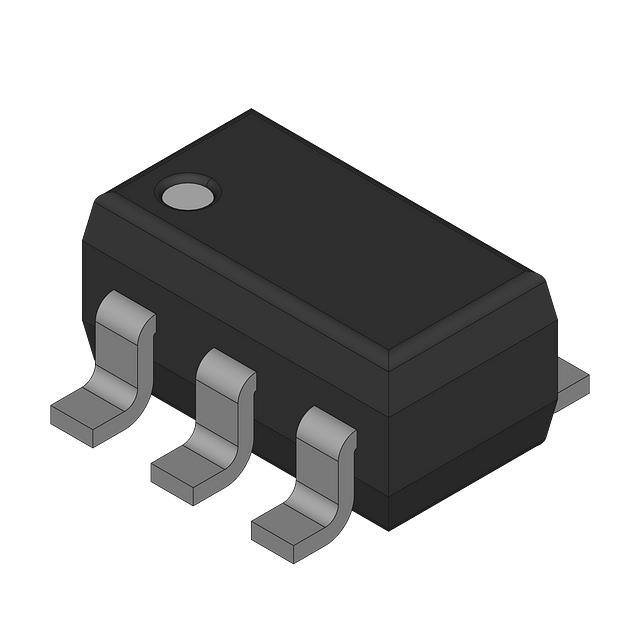
Tiny 5-Lead SOT-23 Package
APPLICATIONS
Battery-Powered Instrumentation
Portable Medical Instruments
Data Acquisition Systems
Industrial Process Control Systems
Fault Protection Critical Systems
Automotive
PIN CONFIGURATION
5-Lead SOT-23
(RT Suffix)
SHDN 1
VIN 2
ADR390/
ADR391/
ADR392/
ADR395
5
GND
VOUT (SENSE) 3
(Not to Scale) 4 VOUT (FORCE)
Table I. ADR39x Products
Part Number
Nominal Output Voltage (V)
ADR390
ADR391
ADR392
ADR395
2.048
2.500
4.096
5.000
GENERAL DESCRIPTION
The ADR390, ADR391, ADR392, and ADR395 are precision
2.048 V, 2.5 V, 4.096 V, and 5 V band gap voltage references
featuring high accuracy and stability and low power consumption in a tiny footprint. Patented temperature drift curvature
correction techniques minimize nonlinearity of the voltage change
with temperature. The wide operating range and low power
consumption with additional shutdown capability make them
ideal for battery-powered applications. The VOUT Sense Pin
enables greater accuracy by supporting full Kelvin operation in
PCBs employing thin or long traces.
The ADR390, ADR391, ADR392, and ADR395 are micropower,
low dropout voltage (LDV) devices that provide a stable output
voltage from supplies as low as 300 mV above the output voltage.
ADR390 and ADR391 are specified over the industrial range
(–40∞C to +85∞C), while ADR392 and ADR395 are specified
over the extended industrial range (–40∞C to +125∞C). Each is
available in the tiny 5-lead SOT-23 package.
The combination of VOUT sense and shutdown functions also
enables a number of unique applications combining precision
reference/regulation with fault decision and overcurrent protection. Details are provided in the Applications section.
REV. C
Information furnished by Analog Devices is believed to be accurate and
reliable. However, no responsibility is assumed by Analog Devices for its
use, nor for any infringements of patents or other rights of third parties that
may result from its use. No license is granted by implication or otherwise
under any patent or patent rights of Analog Devices.
One Technology Way, P.O. Box 9106, Norwood, MA 02062-9106, U.S.A.
Tel: 781/329-4700
www.analog.com
Fax: 781/326-8703
© Analog Devices, Inc., 2002
�ADR390/ADR391/ADR392/ADR395
ADR390 SPECIFICATIONS
ELECTRICAL CHARACTERISTICS
(@ VS = 5.0 V to 15 V, TA = 25ⴗC, unless otherwise noted.)
Parameter
Symbol
Conditions
Initial Accuracy
Initial Accuracy Error
Temperature Coefficient
Minimum Supply Voltage Headroom
Line Regulation
VO
VOERR
TCVO
VIN – VO
⌬VO/⌬VIN
Load Regulation
⌬VO/⌬ILOAD
Quiescent Current
ISY
Voltage Noise
Turn-On Settling Time
Long-Term Stability*
Output Voltage Hysteresis
Ripple Rejection Ratio
Short Circuit to GND
eN
tR
⌬VO
VO_HYS
RRR
ISC
Shutdown Supply Current
Shutdown Logic Input Current
Shutdown Logic Low
Shutdown Logic High
ISHDN
ILOGIC
VINL
VINH
Min
Typ
Max
Unit
2.042
0.29
2.048
5
2.054
0.29
25
V
%
ppm/∞C
mV
10
25
ppm/V
100
60
120
140
ppm/mA
A
A
V p-p
s
ppm/1000 hrs
ppm
dB
mA
mA
A
nA
V
V
–40∞C < TA < +85∞C
300
VIN = 2.5 V to 15 V
–40∞C < TA < +85∞C
VIN = 3 V, ILOAD = 0 mA to 5 mA
–40∞C < TA < +85∞C
No Load
–40∞C < TA < +85∞C
0.1 Hz to 10 Hz
5
20
50
40
85
25
30
fIN = 60 Hz
VIN = 5.0 V
VIN = 15.0 V
3
500
0.8
2.4
*The long-term stability specification is noncumulative. The drift in subsequent 1000 hour periods is significantly lower than in the first 1000 hour period.
Specifications subject to change without notice.
ADR391 SPECIFICATIONS
ELECTRICAL CHARACTERISTICS
(@ VS = 5.0 V to 15 V, TA = 25ⴗC, unless otherwise noted.)
Parameter
Symbol
Initial Accuracy
Initial Accuracy Error
Temperature Coefficient
Minimum Supply Voltage Headroom
Line Regulation
VO
VOERR
TCVO
VIN – VO
⌬VO/⌬VIN
Load Regulation
⌬VO/⌬ILOAD
Quiescent Current
ISY
Voltage Noise
Turn-On Settling Time
Long-Term Stability*
Output Voltage Hysteresis
Ripple Rejection Ratio
Short Circuit to GND
eN
tR
⌬VO
VO_HYS
RRR
ISC
Shutdown Supply Current
Shutdown Logic Input Current
Shutdown Logic Low
Shutdown Logic High
ILOGIC
VINL
VINH
Conditions
Min
Typ
Max
Unit
2.494
0.24
2.5
5
2.506
0.24
25
V
%
ppm/∞C
mV
10
25
ppm/V
100
60
120
140
ppm/mA
A
A
V p-p
s
ppm/1000 hrs
ppm
dB
mA
mA
A
nA
V
V
–40∞C < TA < +85∞C
300
VIN = 2.8 V to 15 V
–40∞C < TA < +85∞C
VSY = 3.5 V,
ILOAD = 0 mA to 5 mA
–40∞C < TA < +85∞C
No Load
–40∞C < TA < +85∞C
0.1 Hz to 10 Hz
5
20
50
75
85
25
30
fIN = 60 Hz
VIN = 5.0 V
VIN = 15.0 V
3
500
0.8
2.4
*The long-term stability specification is noncumulative. The drift in subsequent 1000 hour periods is significantly lower than in the first 1000 hour period.
Specifications subject to change without notice.
–2–
REV. C
�ADR390/ADR391/ADR392/ADR395
ADR392 SPECIFICATIONS
ELECTRICAL CHARACTERISTICS
(@ VS = 5.0 V to 15 V, TA = 25ⴗC, unless otherwise noted.)
Parameter
Symbol
Conditions
Initial Accuracy
Initial Accuracy Error
Temperature Coefficient
Minimum Supply Voltage Headroom
Line Regulation
VO
VOERR
TCVO
VS – VO
⌬VO/⌬VIN
Load Regulation
⌬VO/⌬ILOAD
Quiescent Current
ISY
Voltage Noise
Turn-On Settling Time
Long-Term Stability*
Output Voltage Hysteresis
Ripple Rejection
Short Circuit to GND
eN
tR
⌬VO
VO_HYS
RRR
ISC
Shutdown Supply Current
Shutdown Logic Input Current
Shutdown Logic Low
Shutdown Logic High
ILOGIC
VINL
VINH
Min
Typ
Max
Unit
4.090
0.15
4.096
5
4.912
0.15
25
V
%
ppm/∞C
mV
10
25
ppm/V
100
140
120
140
ppm/mA
A
A
V p-p
s
ppm/1000 hrs
ppm
dB
mA
mA
A
nA
V
V
–40∞C < TA < +125∞C
300
VIN = 4.4 V to 15 V
–40∞C < TA < +125∞C
VSY = 5 V,
ILOAD = 0 mA to 5 mA
–40∞C < TA < +125∞C
No Load
–40∞C < TA < +125∞C
0.1 Hz to 10 Hz
5
20
50
75
85
25
30
fIN = 60 Hz
VIN = 5.0 V
VIN = 15.0 V
3
500
0.8
2.4
*The long-term stability specification is noncumulative. The drift in subsequent 1000 hour periods is significantly lower than in the first 1000 hour period.
Specifications subject to change without notice.
ADR395 SPECIFICATIONS
ELECTRICAL CHARACTERISTICS
(@ VS = 6.0 V to 15 V, TA = 25ⴗC, unless otherwise noted.)
Parameter
Symbol
Initial Accuracy
Initial Accuracy Error
Temperature Coefficient
Minimum Supply Voltage Headroom
Line Regulation
VO
VOERR
TCVO
VS – VO
⌬VO/⌬VIN
Load Regulation
⌬VO/⌬ILOAD
Quiescent Current
ISY
Voltage Noise
Turn-On Settling Time
Long-Term Stability*
Output Voltage Hysteresis
Ripple Rejection
Short Circuit to GND
eN
tR
⌬VO
VO_HYS
RRR
ISC
Shutdown Supply Current
Shutdown Logic Input Current
Shutdown Logic Low
Shutdown Logic High
ILOGIC
VINL
VINH
Conditions
Min
Typ
Max
Unit
4.994
0.12
5.000
5
5.006
0.12
25
V
%
ppm/∞C
mV
10
30
ppm/V
100
140
120
140
ppm/mA
A
A
V p-p
s
ppm/1000 hrs
ppm
dB
mA
mA
A
nA
V
V
–40∞C < TA < +125∞C
300
VIN = 5.3 V to 15 V
–40∞C < TA < +125∞C
VSY = 6 V,
ILOAD = 0 mA to 5 mA
–40∞C < TA < +125∞C
No Load
–40∞C < TA < +125∞C
0.1 Hz to 10 Hz
5
20
50
75
85
25
30
fIN = 60 Hz
VIN = 5.0 V
VIN = 15.0 V
3
500
0.8
2.4
*The long-term stability specification is noncumulative. The drift in subsequent 1000 hour periods is significantly lower than in the first 1000 hour period.
Specifications subject to change without notice.
REV. C
–3–
�ADR390/ADR391/ADR392/ADR395
ABSOLUTE MAXIMUM RATINGS 1, 2
Supply Voltage . . . . . . . . . . . . . . . . . . . . . . . . . . . . . . . . . 18 V
Output Short-Circuit Duration
to GND . . . . . . . . . . . . . . . . . . . . . Observe Derating Curves
Storage Temperature Range
RT Package . . . . . . . . . . . . . . . . . . . . . . . –65∞C to +150∞C
Operating Temperature Range
ADR390/ADR391 . . . . . . . . . . . . . . . . . . . –40∞C to +85∞C
ADR392/ADR395 . . . . . . . . . . . . . . . . . . –40∞C to +125∞C
Junction Temperature Range
RT Package . . . . . . . . . . . . . . . . . . . . . . . –65∞C to +150∞C
Lead Temperature Range (Soldering, 60 Sec) . . . . . . . . 300∞C
Package Type
JA
JC
5-Lead SOT-23 (RT)
230
Unit
∞C/W
NOTES
1
Absolute Maximum Ratings apply at 25∞C, unless otherwise noted.
2
Stresses above those listed under Absolute Maximum Ratings may cause permanent damage to the device. This is a stress rating only; functional operation of the
device at these or any other conditions above those listed in the operational
sections of this specification is not implied. Exposure to absolute maximum rating
conditions for extended periods may affect device reliability.
ORDERING GUIDE
Model
Temperature
Range
Package
Description
Package
Option
Top
Mark
Output
Voltage
Number of
Parts Per Reel
ADR390ART–RL7
ADR390ART–RL
ADR391ART-RL7
ADR391ART-RL
ADR392ART-RL7
ADR392ART-RL
ADR395ART-RL7
–40∞C to +85∞C
–40∞C to +85∞C
–40∞C to +85∞C
–40∞C to +85∞C
–40∞C to +125∞C
–40∞C to +125∞C
–40∞C to +125∞C
5-Lead SOT-23
5-Lead SOT-23
5-Lead SOT-23
5-Lead SOT-23
5-Lead SOT-23
5-Lead SOT-23
5-Lead SOT-23
RT-5
RT-5
RT-5
RT-5
RT-5
RT-5
RT-5
R0A
R0A
R1A
R1A
RCA
RCA
RDA
2.048
2.048
2.500
2.500
4.096
4.096
5.000
3,000
10,000
3,000
10,000
3,000
10,000
3,000
CAUTION
ESD (electrostatic discharge) sensitive device. Electrostatic charges as high as 4000 V readily
accumulate on the human body and test equipment and can discharge without detection. Although
the ADR390/ADR391/ADR392/ADR395 features proprietary ESD protection circuitry, permanent damage may occur on devices subjected to high energy electrostatic discharges. Therefore,
proper ESD precautions are recommended to avoid performance degradation or loss of functionality.
–4–
WARNING!
ESD SENSITIVE DEVICE
REV. C
�ADR390/ADR391/ADR392/ADR395
PARAMETER DEFINITION
Temperature Coefficient (TCV O)
The change of output voltage over the operating temperature
change and normalized by the output voltage at 25∞C, expressed
in ppm/∞C. The equation follows:
[
]
TCVO ppm ∞C =
where:
( ) ( ) ¥ 10
(25∞C ) ¥ (T - T )
VO T2 - VO T1
VO
2
response can be improved with an additional 1 mF to 10 mF
output capacitor in parallel. A capacitor here will act as a source
of stored energy for a sudden increase in load current. The only
parameter that will degrade, by adding an output capacitor, is
turn-on time and it depends on the size of the capacitor chosen.
Long-Term Stability
6
Typical shift in output voltage over 1000 hours at a controlled
temperature. Figure 1 shows a sample of parts measured at different intervals in a controlled environment of 50∞C for 1000 hours.
1
VO(25∞C) = VO at 25∞C
VO(T1) = VO at temperature1
DVO = VO (t0 ) - VO (t1 )
VO(T2) = VO at temperature2
DVO ppm =
[
Line Regulation (⌬VO/⌬VIN)
The change in output voltage due to a specified change in input
voltage. It includes the effects of self-heating. Line regulation is
expressed in either percent per volt, parts per million per volt, or
microvolts per volt change in input voltage.
Input Capacitor
VO (t0 ) - VO (t1 )
VO(t1) = VO after 1000 hours operation at a controlled
temperature
Thermal Hysteresis (VO_HYS)
The change of output voltage after the device is cycled through
temperature from +25∞C to –40∞C to +85∞C and back to
+25∞C. This is a typical value from a sample of parts put
through such a cycle.
VO
VO
_ HYS
_ HYS
= VO (25∞C ) - VO
[ ppm ] =
VO (25∞C ) - VO
where:
The ADR39x does not need output capacitors for stability under
any load condition. An output capacitor, typically 0.1 mF, will
filter out any low level noise voltage and will not affect the
operation of the part. On the other hand, the load transient
150
DRIFT – ppm
100
50
0
ⴚ50
ⴚ100
86
176
250
324
440
TIME – Hours
640
840
1040
Figure 1. ADR391 Typical Long-Term Drift over 1000 Hours
REV. C
_ TC
¥ 106
VO_TC = VO at 25∞C after temperature cycle at +25∞C to
–40∞C to +85∞C and back to +25∞C
DATA TAKEN IN CONTROLLED
ENVIRONMENT @ 50ⴗC ⴞ 1ⴗC
0
VO (25∞C )
_ TC
VO(25∞C) = VO at 25∞C
200
ⴚ150
¥ 106
VO(t0) = VO at time 0
Input capacitors are not required on the ADR39x. There is no
limit for the value of the capacitor used on the input, but a 1 mF
to 10 mF capacitor on the input will improve transient response
in applications where the supply suddenly changes. An additional
0.1 mF in parallel will also help in reducing noise from the supply.
Output Capacitor
VO (t0 )
where:
Load Regulation (⌬VO/⌬ILOAD)
The change in output voltage due to a specified change in load
current. It includes the effects of self-heating. Load regulation is
expressed in either microvolts per milliampere, parts per million
per milliampere, or W of dc output resistance.
]
–5–
�ADR390/ADR391/ADR392/ADR395 –Typical Performance Characteristics
5.006
2.054
SAMPLE 1
2.052
5.004
SAMPLE 3
5.002
2.048
VOUT – V
VOUT – V
2.050
SAMPLE 2
2.046
SAMPLE 2
5.000
SAMPLE 1
4.998
SAMPLE 3
2.044
2.042
ⴚ40
ⴚ15
4.996
10
35
TEMPERATURE – ⴗC
60
4.994
–40
85
TPC 1. ADR390 Output Voltage vs. Temperature
100
125
140
2.504
120
SUPPLY CURRENT – A
SAMPLE 1
2.502
VOUT – V
30
65
TEMPERATURE – ⴗC
TPC 4. ADR395 Output Voltage vs. Temperature
2.506
SAMPLE 2
2.500
2.498
SAMPLE 3
+85ⴗC
100
+25ⴗC
ⴚ40ⴗC
80
60
2.496
2.494
ⴚ40
ⴚ15
10
35
TEMPERATURE – ⴗC
60
40
2.5
85
TPC 2. ADR391 Output Voltage vs. Temperature
5.0
7.5
10.0
INPUT VOLTAGE – V
12.5
15.0
TPC 5. ADR390 Supply Current vs. Input Voltage
4.100
140
4.098
120
SUPPLY CURRENT – A
SAMPLE 3
4.096
SAMPLE 2
VOUT – V
–5
4.094
SAMPLE 1
4.092
+25ⴗC
ⴚ40ⴗC
80
60
4.090
4.088
–40
+85ⴗC
100
0
40
TEMPERATURE – ⴗC
80
40
2.5
125
TPC 3. ADR392 Output Voltage vs. Temperature
5.0
7.5
10.0
INPUT VOLTAGE – V
12.5
15.0
TPC 6. ADR391 Supply Current vs. Input Voltage
–6–
REV. C
�ADR390/ADR391/ADR392/ADR395
140
40
IL= 0mA TO 5mA
SUPPLY CURRENT – A
120
100
LOAD REGULATION – ppm/mA
+125ⴗC
+25ⴗC
–40ⴗC
80
60
30
VIN = 3.5V
25
VIN = 5.0V
20
15
10
ⴚ40
40
5
7
9
11
INPUT VOLTAGE – V
15
13
TPC 7. ADR392 Supply Current vs. Input Voltage
10
35
TEMPERATURE – ⴗC
60
85
90
LINE REGULATION – ppm/mA
+125ⴗC
120
+25ⴗC
100
–40ⴗC
80
60
40
5.5
ⴚ15
TPC 10. ADR391 Load Regulation vs. Temperature
140
SUPPLY CURRENT – A
35
7.0
8.5
10.0
11.5
INPUT VOLTAGE – V
13.0
80
VIN = 7.5V
70
VIN = 5V
60
50
40
–40
14.5
TPC 8. ADR395 Supply Current vs. Input Voltage
–5
30
65
TEMPERATURE – ⴗC
125
100
TPC 11. ADR392 Load Regulation vs. Temperature
80
40
35
LOAD REGULATION – ppm/mA
LOAD REGULATION – ppm/mA
IL= 0mA TO 5mA
30
VIN = 3.0V
25
VIN = 5.0V
20
15
10
ⴚ40
ⴚ15
10
35
TEMPERATURE – ⴗC
60
VIN = 7.5V
VIN = 5V
60
50
40
30
–40
85
TPC 9. ADR390 Load Regulation vs. Temperature
REV. C
70
–5
30
65
TEMPERATURE – ⴗC
100
125
TPC 12. ADR395 Load Regulation vs. Temperature
–7–
�ADR390/ADR391/ADR392/ADR395
14
5
VIN = 2.5V TO 15V
LINE REGULATION – ppm/V
LINE REGULATION – ppm/V
12
4
3
2
10
VIN = 5.3V TO 15V
8
6
4
1
2
0
ⴚ40
ⴚ15
10
35
TEMPERATURE – ⴗC
60
0
–40
85
TPC 13. ADR390 Line Regulation vs. Temperature
–5
30
65
TEMPERATURE – ⴗC
100
125
TPC 16. ADR395 Line Regulation vs. Temperature
2.848
5
4
2.648
VIN_MIN – V
LINE REGULATION – ppm/V
VIN = 2.8V TO 15V
3
2
ⴚ40ⴗC
2.448
+85ⴗC
+25ⴗC
2.248
1
0
ⴚ40
ⴚ15
2.048
10
35
TEMPERATURE – ⴗC
60
85
0
1
2
3
LOAD CURRENT – mA
4
5
TPC 17. ADR390 Minimum Input Voltage vs.
Load Current
TPC 14. ADR391 Line Regulation vs. Temperature
14
3.30
3.10
10
VIN_MIN – V
LINE REGULATION – ppm/V
12
8
VIN = 4.4V TO 15V
6
+85ⴗC
+25ⴗC
2.90
ⴚ40ⴗC
4
2.70
2
0
–40
2.50
–5
30
65
TEMPERATURE – ⴗC
100
125
TPC 15. ADR392 Line Regulation vs. Temperature
0
1
2
3
LOAD CURRENT – mA
4
5
TPC 18. ADR391 Minimum Input Voltage vs. Load Current
–8–
REV. C
�ADR390/ADR391/ADR392/ADR395
4.8
70
TEMPERATURE: +25ⴗC
ⴚ40ⴗC
+85ⴗC
+25ⴗC
60
+125ⴗC
4.6
4.4
FREQUENCY
VIN_MIN – V
50
+25ⴗC
–40ⴗC
4.2
40
30
20
4.0
10
3.8
0
1
2
3
LOAD CURRENT – mA
0
ⴚ0.56
5
4
6.0
1k
+125ⴗC
VIN_MIN – V
5.6
+25ⴗC
–40ⴗC
5.0
4.8
1
2
3
LOAD CURRENT – mA
4
0.34
ADR391
ADR390
100
4.6
0
0.19
VIN = 5V
VOLTAGE NOISE DENSITY – nV/ Hz
5.8
5.2
ⴚ0.11
ⴚ0.26
0.04
VOUT DEVIATION – mV
TPC 22. ADR391 VOUT Hysteresis Distribution
TPC 19. ADR392 Minimum Input Voltage vs. Load Current
5.4
ⴚ0.41
5
TPC 20. ADR395 Minimum Input Voltage vs. Load Current
10
100
1k
FREQUENCY – Hz
10k
TPC 23. Voltage Noise Density vs. Frequency
0
60
TEMPERATURE: +25ⴗC
ⴚ40ⴗC
+85ⴗC
+25ⴗC
0
50
VOLTAGE – 2V/DIV
0
FREQUENCY
40
30
20
0
0
0
0
10
0
0
ⴚ0.24 ⴚ0.18 ⴚ0.12 ⴚ0.06
0
0.06 0.12
VOUT DEVIATION – mV
0.18
0.24
0
0.30
TIME – 1 Sec/DIV
TPC 21. ADR390 VOUT Hysteresis Distribution
REV. C
TPC 24. ADR391 Typical Voltage Noise 0.1 Hz to 10 Hz
–9–
�ADR390/ADR391/ADR392/ADR395
0
0
0
0
0
0
VOLTAGE – 1V/DIV
VOLTAGE – 100V/DIV
CL = 0nF
0
0
0
0
0
VLOAD ON
LOAD OFF
0
0
0
0
0
0
VOUT
0
TIME – 10ms/DIV
TIME – 200s/DIV
TPC 28. ADR391 Load Transient Response
TPC 25. ADR391 Voltage Noise 10 Hz to 10 kHz
0
0
CL = 1nF
CBYPASS = 0F
0
0
0
LINE
INTERRUPTION
0.5V/DIV
VOLTAGE – 1V/DIV
0
VOUT
VOLTAGE
0
0
VOUT
0
0
LOAD OFF
0
VLOAD ON
1V/DIV
0
0
0
0
0
0
TIME – 10s/DIV
TIME – 200s/DIV
TPC 29. ADR391 Load Transient Response
TPC 26. ADR391 Line Transient Response
0
0
CL = 100nF
CBYPASS = 0.1F
0
0
0
0.5V/DIV
LINE
INTERRUPTION
VOLTAGE – 1V/DIV
VOLTAGE
0
0
VOUT
0
0
VOUT
0
0
LOAD OFF
0
VLOAD ON
1V/DIV
0
0
0
0
0
0
TIME – 200s/DIV
TIME – 10s/DIV
TPC 27. ADR391 Line Transient Response
TPC 30. ADR391 Load Transient Response
–10–
REV. C
�ADR390/ADR391/ADR392/ADR395
0
0
RL = 500⍀
VIN = 15V
0
0
5V/DIV
0
0
2V/DIV
0
VOLTAGE
VOLTAGE
VOUT
VIN
0
0
0
0
2V/DIV
VOUT
0
5V/DIV
VIN
0
0
0
0
0
0
TIME – 200s/DIV
TIME – 20s/DIV
TPC 34. ADR391 Turn-On/Turn-Off Response at 5 V
TPC 31. ADR391 Turn-On Response Time at 15 V
0
0
VIN = 15V
0
0
VIN
5V/DIV
0
VOLTAGE – 5V/DIV
VOLTAGE
0
0
0
0
RL = 500⍀
CL = 100nF
VOUT
2V/DIV
2V/DIV
VOUT
0
0
0
5V/DIV
VIN
0
0
0
0
0
0
TIME – 200s/DIV
TIME – 40s/DIV
TPC 32. ADR391 Turn-Off Response at 15 V
TPC 35. ADR391 Turn-On/Turn-Off Response at 5 V
0
80
CBYPASS = 0.1F
60
0
RIPPLE REJECTION – dB
40
0
2V/DIV
VOLTAGE
VOUT
0
0
0
VIN
5V/DIV
0
20
0
ⴚ20
ⴚ40
ⴚ60
ⴚ80
0
ⴚ100
0
ⴚ120
10
TIME – 200s/DIV
1k
10k
FREQUENCY – Hz
100k
1M
TPC 36. Ripple Rejection vs. Frequency
TPC 33. ADR391 Turn-On/Turn-Off Response at 5 V
REV. C
100
–11–
�ADR390/ADR391/ADR392/ADR395
Device Power Dissipation Considerations
100
The ADR390/ADR391/ADR392/ADR395 is capable of delivering load currents to 5 mA with an input voltage that ranges from
2.8 V (ADR391 only) to 15 V. When this device is used in applications with large input voltages, care should be taken to avoid
exceeding the specified maximum power dissipation or junction
temperature that could result in premature device failure. The
following formula should be used to calculate a device’s maximum junction temperature or dissipation:
90
OUTPUT IMPEDANCE – ⍀
80
70
60
CL = 0F
50
40
30
20
10
0
10
100
1k
10k
FREQUENCY – Hz
PD =
CL = 0.1F
CL = 1F
100k
In this equation, TJ and TA are, respectively, the junction and
ambient temperatures, PD is the device power dissipation, and
JA is the device package thermal resistance.
1M
TPC 37. Output Impedance vs. Frequency
Shutdown Mode Operation
THEORY OF OPERATION
Band gap references are the high performance solution for low
supply voltage and low power voltage reference applications, and
the ADR390/ADR391/ADR392/ADR395 is no exception. The
uniqueness of this product lies in its architecture. By observing
Figure 2, the ideal zero TC band gap voltage is referenced to the
output, not to ground. Therefore, if noise exists on the ground
line, it will be greatly attenuated on VOUT. The band gap cell
consists of the pnp pair Q51 and Q52, running at unequal current densities. The difference in VBE results in a voltage with a
R58
. This
R54
PTAT voltage, combined with VBEs of Q51 and Q52, produces
the stable band gap voltage.
positive TC, which is amplified by the ratio of 2 ×
Reduction in the band gap curvature is performed by the ratio of
the resistors R44 and R59, one of which is linearly temperature
dependent. Precision laser trimming and other patented circuit
techniques are used to further enhance the drift performance.
The ADR390/ADR391/ADR392/ADR395 includes a shutdown
feature that is TTL/CMOS level compatible. A logic LOW or a
zero volt condition on the SHDN Pin is required to turn the device
off. During shutdown, the output of the reference becomes a
high impedance state where its potential would then be determined by external circuitry. If the shutdown feature is not used,
the SHDN Pin should be connected to VIN (Pin 2).
APPLICATIONS
BASIC VOLTAGE REFERENCE CONNECTION
The circuit in Figure 3 illustrates the basic configuration for the
ADR39x family. Decoupling capacitors are not required for circuit
stability. The ADR39x family is capable of driving capacitive
loads from 0 µF to 10 µF. However, a 0.1 µF ceramic output
capacitor is recommended to absorb and deliver the charge as is
required by a dynamic load.
SHUTDOWN
SHDN
GND
ADR39x
INPUT
VIN
Q1
TJ − TA
θ JA
CB
*
0.1F
VIN
VOUT(S) VOUT(F)
VOUT (FORCE)
VOUT (SENSE)
R59
* NOT REQUIRED
R58
0.1F
Stacking Reference ICs for Arbitrary Outputs
R54
Q51
CB
Figure 3. Basic Configuration for the ADR39x Family
R49
SHDN
OUTPUT
*
R44
Some applications may require two reference voltage sources,
which are a combined sum of standard outputs. Figure 4
circuit shows how this “stacked output” reference can be
implemented:
R53
Q52
R48
R60
R61
GND
Figure 2. Simplified Schematic
–12–
REV. C
�ADR390/ADR391/ADR392/ADR395
+VDD
OUTPUT TABLE
U1/U2
VOUT1 (V) VOUT2 (V)
ADR390/ADR390
ADR391/ADR391
ADR392/ADR392
ADR395/ADR395
2.048
2.5
4.096
5
2
4.096
5.0
8.192
10
VIN
4 V
OUT(F)
3 V
OUT(S)
VIN
2
U2
VIN
1
C2
0.1F
SHDN
1
SHDN
VOUT(F)
VOUT(S)
4
GND
5
VOUT2
–VREF
A1
3
GND
5
–VDD
Figure 5. Negative Reference
U1
2
VIN
1
C2
0.1F
SHDN
VOUT(F)
VOUT(S)
General-Purpose Current Source
4
VOUT1
3
GND
5
Figure 4. Stacking Voltage References with the
ADR390/ADR391/ADR392/ADR395
Two reference ICs are used, fed from an unregulated input, VIN.
The outputs of the individual ICs are simply connected in series,
which provides two output voltages VOUT1 and VOUT2. VOUT1 is
the terminal voltage of U1, while VOUT2 is the sum of this voltage
and the terminal voltage of U2. U1 and U2 are simply chosen for
the two voltages that supply the required outputs (see Output
Table). For example, if both U1 and U2 are ADR391s, VOUT1
is 2.5 V and VOUT2 is 5.0 V.
While this concept is simple, a precaution is in order. Since the
lower reference circuit must sink a small bias current from U2,
plus the base current from the series PNP output transistor in
U2, either the external load of U1 or R1 must provide a path for
this current. If the U1 minimum load is not well defined, the
resistor R1 should be used, set to a value that will conservatively
pass 600 µA of current with the applicable VOUT1 across it. Note
that the two U1 and U2 reference circuits are locally treated as
macrocells, each having its own bypasses at input and output for
best stability. Both U1 and U2 in this circuit can source dc
currents up to their full rating. The minimum input voltage, VIN,
is determined by the sum of the outputs, VOUT2, plus the dropout voltage of U2.
A Negative Precision Reference without Precision Resistors
A negative reference can be easily generated by adding an op amp,
A1, and configured as shown in Figure 5. VOUTF and VOUTS are
at virtual ground and therefore the negative reference can be
taken directly from the output of the op amp. The op amp must
be dual supply, low offset, and rail-to-rail if the negative supply
voltage is close to the reference output.
Many times in low power applications, the need arises for a precision current source that can operate on low supply voltages. As
shown in Figure 6, the ADR390/ADR391/ADR392/ADR395
can be configured as a precision current source. The circuit
configuration illustrated is a floating current source with a
grounded load. The reference’s output voltage is bootstrapped
across RSET, which sets the output current into the load. With
this configuration, circuit precision is maintained for load currents in the range from the reference’s supply current, typically
90 µA to approximately 5 mA.
VIN
SHDN
VOUT
ADR39x
VIN
ISET
VOUT
R1
0.1F
R1
GND
ISY (ISET)
ISY
ADJUST
P1
}
RSET
IOUT = ISET + ISY (ISET)
RL
Figure 6. A General-Purpose Current Source
High Power Performance with Current Limit
In some cases, the user may want higher output current delivered
to a load and still achieve better than 0.5% accuracy out of the
ADR39x. The accuracy for a reference is normally specified on
the data sheet with no load. However, the output voltage changes
with load current.
The circuit in Figure 7 provides high current without compromising the accuracy of the ADR39x. The series pass transistor
Q1 provides up to 1 A load current. The ADR39x delivers only
the base drive to Q1 through the force pin. The sense pin of the
ADR39x is a regulated output and is connected to the load.
The transistor Q2 protects Q1 during short circuit limit faults by
robbing its base drive. The maximum current is ILMAX ≈ 0.6 V/RS.
REV. C
–13–
�ADR390/ADR391/ADR392/ADR395
VIN
R1
4.7k⍀
U1
SHDN
VIN
GND
GND
VIN
VOUT (FORCE)
ADR39x
U1
SHDN
VIN
VOUT (SENSE)
R1
4.7k⍀
Q1
Q2N4921
Q2
Q2N2222
Q1
Q2
VOUT (SENSE)
RS
RL
Q2N2222
VOUT (FORCE)
ADR39x
IL
Q2N4921
RS
RL
Figure 8. ADR39x High Output Current with
Darlington Drive Configuration
Figure 7. ADR39x for High Power Performance
with Current Limit
A similar circuit function can also be achieved with the Darlington
transistor configuration (see Figure 8).
–14–
REV. C
�ADR390/ADR391/ADR392/ADR395
OUTLINE DIMENSIONS
5-Lead Plastic Surface-Mount Package [SOT-23]
(RT-5)
Dimensions shown in millimeters
2.90
5
4
2.80 BSC
1.60 BSC
1
2
3
PIN 1
0.95 BSC
1.30
1.15
0.90
1.90
BSC
1.45 MAX
0.15 MAX
0.50
0.30
SEATING
PLANE
0.22
0.08
10ⴗ
0ⴗ
COMPLIANT TO JEDEC STANDARDS MO-178AA
REV. C
–15–
0.60
0.45
0.30
�ADR390/ADR391/ADR392/ADR395
Revision History
Location
Page
10/02—Data Sheet changed from REV. B to REV. C.
Changes to FEATURES . . . . . . . . . . . . . . . . . . . . . . . . . . . . . . . . . . . . . . . . . . . . . . . . . . . . . . . . . . . . . . . . . . . . . . . . . . . . . . . . . . 1
Changes to GENERAL DESCRIPTION . . . . . . . . . . . . . . . . . . . . . . . . . . . . . . . . . . . . . . . . . . . . . . . . . . . . . . . . . . . . . . . . . . . . . 1
Additions to Table I . . . . . . . . . . . . . . . . . . . . . . . . . . . . . . . . . . . . . . . . . . . . . . . . . . . . . . . . . . . . . . . . . . . . . . . . . . . . . . . . . . . . . 1
Changes to SPECIFICATIONS . . . . . . . . . . . . . . . . . . . . . . . . . . . . . . . . . . . . . . . . . . . . . . . . . . . . . . . . . . . . . . . . . . . . . . . . . . . . 2
Changes to ORDERING GUIDE . . . . . . . . . . . . . . . . . . . . . . . . . . . . . . . . . . . . . . . . . . . . . . . . . . . . . . . . . . . . . . . . . . . . . . . . . . . 4
C00419–0–10/02(C)
Add parts ADR392 and ADR395 . . . . . . . . . . . . . . . . . . . . . . . . . . . . . . . . . . . . . . . . . . . . . . . . . . . . . . . . . . . . . . . . . . . . Universal
Changes to ABSOLUTE MAXIMUM RATINGS . . . . . . . . . . . . . . . . . . . . . . . . . . . . . . . . . . . . . . . . . . . . . . . . . . . . . . . . . . . . . . 4
New TPCs 3, 4, 7, 8, 11, 12, 15, 16, 19, and 20 . . . . . . . . . . . . . . . . . . . . . . . . . . . . . . . . . . . . . . . . . . . . . . . . . . . . . . . . . . . . . . . . 6
New Figures 4 and 5 . . . . . . . . . . . . . . . . . . . . . . . . . . . . . . . . . . . . . . . . . . . . . . . . . . . . . . . . . . . . . . . . . . . . . . . . . . . . . . . . . . . . 13
Deleted A Negative Precision Reference without Precision Resistors section . . . . . . . . . . . . . . . . . . . . . . . . . . . . . . . . . . . . . . . . . . 13
Edits to General-Purpose Current Source section . . . . . . . . . . . . . . . . . . . . . . . . . . . . . . . . . . . . . . . . . . . . . . . . . . . . . . . . . . . . . . 13
Updated OUTLINE DIMENSIONS . . . . . . . . . . . . . . . . . . . . . . . . . . . . . . . . . . . . . . . . . . . . . . . . . . . . . . . . . . . . . . . . . . . . . . . 15
5/02—Data Sheet changed from REV. A to REV. B.
Change to Figure 6 . . . . . . . . . . . . . . . . . . . . . . . . . . . . . . . . . . . . . . . . . . . . . . . . . . . . . . . . . . . . . . . . . . . . . . . . . . . . . . . . . . . . . 13
PRINTED IN U.S.A.
Edits to layout . . . . . . . . . . . . . . . . . . . . . . . . . . . . . . . . . . . . . . . . . . . . . . . . . . . . . . . . . . . . . . . . . . . . . . . . . . . . . . . . . . . .Universal
–16–
REV. C
�Analog Devices: ADR392: Product Page: Package/Price Information
ADI Site Navigation
ADI Home
ADR392
Package/Price Info
Description
Data Sheets
Selection Tables
For detailed packaging information, please select the Data Sheets button. Price and Availability Section
Pricing displayed for Evaluation Boards and Kits is based on 1-piece pricing.
Technical Library
Packages
Model
Status
Package/Price Information
Package
Description
Pin Temperature
Price*
Count
Range
(100-499)
Order Samples
ADR392ART-R2
Production
5 ld SOT-23
5
Industrial
Purchase
ADR392ART-REEL
PRODUCTION 5 ld SOT-23
5
INDUSTRIAL -
ADR392ART-REEL7
PRODUCTION 5 ld SOT-23
5
INDUSTRIAL -
ADR392AUJZ-R2
Pre-Release
TSOT-23 5, 6, 8 lead 5
Industrial
-
ADR392AUJZ-REEL7 Pre-Release
TSOT-23 5, 6, 8 lead 5
Industrial
-
ADR392BUJZ-R2
Pre-Release
TSOT-23 5, 6, 8 lead 5
Industrial
-
ADR392BUJZ-REEL7 Pre-Release
TSOT-23 5, 6, 8 lead 5
Industrial
-
All Design Resources
Select a resource...
-
Pricing is not available for pre-release parts, please contact: /salesdir/>Sales and Distributors
Privacy | About This Site | Contact ADI | Site Map | Registration
© 1995-2004 Analog Devices, Inc. All Rights Reserved.
http://www.analog.com/Analog_Root/productPage/pd...2526level3%253D%25252D1%2526PDBInd%253DM,00.html [3/1/2004 2:23:26 PM]
�