LTC1647-1/
LTC1647-2/LTC1647-3
Dual Hot Swap Controllers
FEATURES
DESCRIPTION
n
The LTC®1647-1/LTC1647-2/LTC1647-3 are dual Hot
Swap™ controllers that permit a board to be safely inserted
and removed from a live backplane.
n
n
n
n
n
n
Allows Safe Board Insertion and Removal from a
Live Backplane
Programmable Electronic Circuit Breaker
FAULT Output Indication
Programmable Supply Voltage Power-Up Rate
High Side Drive for External MOSFET Switches
Controls Supply Voltages from 2.7V to 16.5V
Undervoltage Lockout
APPLICATIONS
n
n
n
n
Hot Board Insertion
Electronic Circuit Breaker
Portable Computer Device Bays
Hot Plug Disk Drive
L, LT, LTC, LTM, Linear Technology and the Linear logo are registered trademarks of Linear
Technology Corporation. Hot Swap is a trademark of Linear Technology Corporation. All other
trademarks are the property of their respective owners.
Using external N-channel MOSFETs, the board supply
voltages can be ramped up at a programmable rate. A high
side switch driver controls the MOSFET gates for supply
voltages ranging from 2.7V to 16.5V. A programmable
electronic circuit breaker protects against overloads and
shorts. The ON pins are used to control board power or
clear a fault.
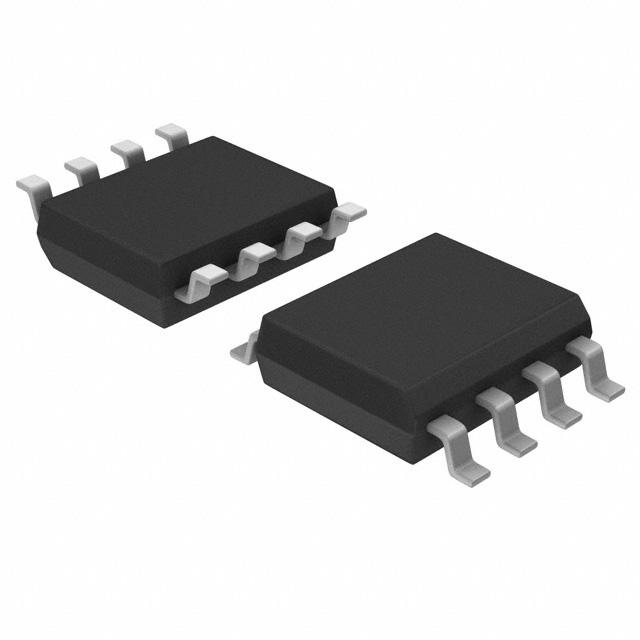
The LTC1647-1 is a dual Hot Swap controller with a
common VCC pin, separate ON pins and is available in an
SO-8 package. The LTC1647-2 is similar to the LTC1647-1
but combines a fault status flag with automatic retry at
the ON pins and is also available in the SO-8 package. The
LTC1647-3 has individual VCC pins, ON pins and FAULT
status pins for each channel and is available in a 16-lead
narrow SSOP package.
TYPICAL APPLICATION
Dual Motherboard Resident Hot Swap Controller
20mΩ
12V
SUPPLY
IRF7413
ON/OFF Sequence
VOUT1
(2.5A)
+
CLOAD
VON
5V/DIV
10Ω
VCC
ON1
ON1
ON2
ON2
GND
SENSE 1 GATE 1
10nF
VGATE
10V/DIV
DDZ23*
LTC1647-1
VOUT
5V/DIV
SENSE 2 GATE 2
10Ω
10ms/DIV
DDZ23*
10nF
20mΩ
IRF7413
1647-1/2/3 TA01a
VOUT2
(2.5A)
+
CLOAD
*REQUIRED FOR VCC > 10V
1647-1/2/3 TA01
1647fa
1
�LTC1647-1/
LTC1647-2/LTC1647-3
ABSOLUTE MAXIMUM RATINGS
PIN CONFIGURATION
(Note 1)
Supply Voltage (VCC) ................................................17V
Input Voltage (SENSE) ................. – 0.3V to (VCC + 0.3V)
Input Voltage (ON) .....................................– 0.3V to 17V
Output Voltage (FAULT) ..............................– 0.3V to 17V
Output Voltage (GATE) ...........Internally Limited (Note 3)
Operating Temperature Range
C-Grade ................................................... 0°C to 70°C
I-Grade................................................. –40°C to 85°C
Storage Temperature Range................... –65°C to 150°C
Lead Temperature (Soldering, 10 sec) .................. 300°C
PIN CONFIGURATION
TOP VIEW
TOP VIEW
TOP VIEW
VCC1
1
16 VCC2
ON1
2
15 SENSE1
VCC 1
8
SENSE1
VCC 1
8
SENSE1
FAULT1
3
14 SENSE2
ON1 2
7
SENSE2
ON1/FAULT1 2
7
SENSE2
ON2
4
13 GATE1
5
12 GATE2
ON2 3
6
GATE1
ON2/FAULT2 3
6
GATE1
FAULT2
GND 4
5
GATE2
GND 4
5
GATE2
NC
6
11 NC
NC
7
10 NC
GND
8
9
S8 PACKAGE
8-LEAD PLASTIC SO
TJMAX = 150°C, qJA = 130°C/W
S8 PACKAGE
8-LEAD PLASTIC SO
TJMAX = 150°C, qJA = 130°C/W
NC
GN PACKAGE
16-LEAD PLASTIC SSOP
TJMAX = 150°C, qJA = 130°C/W
ORDER INFORMATION
LEAD FREE FINISH
TAPE AND REEL
PART MARKING*
PACKAGE DESCRIPTION
TEMPERATURE RANGE
LTC1647-1CS8#PBF
LTC1647-1CS8#TRPBF
16471
8-Lead (4mm ¥ 3mm) Plastic SO
0°C to 70°C
LTC1647-1IS8#PBF
LTC1647-1IS8#TRPBF
16471I
8-Lead (4mm ¥ 3mm) Plastic SO
–40°C to 85°C
0°C to 70°C
LTC1647-2CS8#PBF
LTC1647-2CS8#TRPBF
16472
8-Lead (4mm ¥ 3mm) Plastic SO
LTC1647-2IS8#PBF
LTC1647-2IS8#TRPBF
16472I
8-Lead (4mm ¥ 3mm) Plastic SO
–40°C to 85°C
LTC1647-3CGN#PBF
LTC1647-3CGN#TRPBF
16473
16-Lead Plastic SSOP
0°C to 70°C
LTC1647-3IGN#PBF
LTC1647-3IGN#TRPBF
16473I
16-Lead Plastic SSOP
–40°C to 85°C
Consult LTC Marketing for parts specified with wider operating temperature ranges. *The temperature grade is identified by a label on the shipping container.
For more information on lead free part marking, go to: http://www.linear.com/leadfree/
For more information on tape and reel specifications, go to: http://www.linear.com/tapeandreel/
1647fa
2
�LTC1647-1/
LTC1647-2/LTC1647-3
ELECTRICAL CHARACTERISTICS
The l denotes the specifications which apply over the full operating
temperature range, otherwise specifications are at TA = 25°C.
SYMBOL PARAMETER
VCC
VCCX Supply Range
CONDITIONS
MIN
Operating Range
l
TYP
2.7
MAX
UNITS
16.5
V
ICC
VCC Supply Current (Note 4)
ON1, ON2 = VCC1 = VCC2, ICC = ICC1 + ICC2
l
1.0
6
mA
ICCX
VCCX Supply Current (Note 5, LTC1647-3)
ONX = VCCX, ICCX Individually Measured,
VCC1 = 5V, VCC2 = 12V or VCC1 = 12V, VCC2 = 5V
l
0.5
5
mA
VLKO
VCCX Undervoltage Lockout
Coming Out of UVLO (Rising VCCX)
l
2.45
2.60
VLKH
VCCX Undervoltage Lockout Hysteresis
VCB
Circuit Breaker Trip Voltage
VCB = VCCX – VSENSEX
l
40
50
60
mV
ICP
GATEX Output Current
ONX High, FAULTX High, VGATE = GND (Sourcing)
ONX Low, FAULTX High, VGATE = VCC (Sinking)
ONX High, FAULTX Low, VGATE = 15V (Sinking)
l
6
10
50
50
14
μA
μA
mA
ΔVGATE
External MOSFET Gate Drive
(VGATE – VCC), VCC1 = VCC2 = 5V
(VGATE – VCC), VCC1 = VCC2 = 12V
l
l
10
10
13
15
17
19
V
V
VONHI
ONX Threshold High
l
1.20
1.29
1.38
V
ONX Threshold Low
l
1.17
1.21
1.25
VONLO
2.30
210
VONHYST ONX Hysteresis
70
IIN
ONX Input Current
ON = GND or VCC
l
VOL
FAULTX Output Low Voltage
(LTC1647-2, LTC1647-3)
IO = 1mA, VCC = 5V
IO = 5mA, VCC = 5V
l
ILEAK
FAULTX Output Leakage Current
(LTC1647-3)
No Fault, FAULTX = VCC = 5V
±1
tFAULT
Circuit Breaker Delay Time
VCCX – VSENSEX = 0 to 100mV
0.3
±1
V
mV
V
mV
±10
μA
0.4
V
V
±10
μA
0.8
μs
tRESET
Circuit Breaker Reset Time
ONX High to Low, to FAULTX High
tON
Turn-On Time
ONX Low to High, to GATEX On
2
μs
tOFF
Turn-Off Time
ONX High to Low, to GATEX Off
1
μs
Note 1: Stresses beyond those listed under Absolute Maximum Ratings
may cause permanent damage to the device. Exposure to any Absolute
Maximum Rating condition for extended periods may affect device
reliability and lifetime.
Note 2: All currents into device pins are positive; all currents out of device
pins are negative. All voltages are referenced to ground unless otherwise
specified.
Note 3: An internal Zener on the GATE pins clamp the charge pump
voltage to a typical maximum operating voltage of 28V. External overdrive
l
50
100
μs
of the GATE pin beyond the internal Zener voltage may damage the device.
The GATE capacitance must be < 0.15μF at maximum VCC. If a lower GATE
pin clamp voltage is desired, use an external Zener diode.
Note 4: The total supply current ICC is measured with VCC1 and VCC2
connected internally (LTC1647-1, LTC1647-2) or externally (LTC1647-3).
Note 5: The individual supply current ICCX is measured on the LTC1647-3.
The lower of the two supplies, VCC1 and VCC2, will have its channel’s
current. The higher supply will carry the additional supply current of the
charge pump and the bias generator beside its channel’s current.
1647fa
3
�LTC1647-1/
LTC1647-2/LTC1647-3
PIN TABLES
LTC1647-1 Pinout
PIN
LTC1647-3 Pinout
DESCRIPTION
PIN
DESCRIPTION
PIN
DESCRIPTION
PIN
DESCRIPTION
1
VCC
5
GATE2
1
VCC
9
NC
2
ON1
6
GATE1
2
ON1
10
NC
3
ON2
7
SENSE2
3
FAULT1
11
NC
4
GND
8
SENSE1
4
ON2
12
GATE2
5
FAULT2
13
GATE1
6
NC
14
SENSE2
7
NC
15
SENSE1
8
GND
16
VCC2
LTC1647-1 Does Not Have the FAULT Status Feature.
LTC1647-2 Pinout
PIN
DESCRIPTION
PIN
DESCRIPTION
1
VCC
5
GATE2
2
ON1 and FAULT1
(Internally Tied Together)
6
GATE1
ON1 and FAULT2
(Internally Tied Together)
7
SENSE2
3
8
SENSE1
4
GND
The ONX/FAULTX must be connected to a driver via a resistor if the
autoretry feature is being used.
TYPICAL PERFORMANCE CHARACTERISTICS
ICC vs VCC
ICC vs Temperature
6
TA = 25°C
ICC = ICC1 + ICC2
VCC = VCC1 = VCC2 = ON1 = ON2
5
5
5
ICC = ICC1 + ICC2
VCC = VCC1 = VCC2 = ON1 = ON2
TA = 25°C
4
3
3
2
2
1
1
VCC = 15V
ICC1 (mA)
4
ICC (mA)
4
ICC (mA)
ICC1 vs VCC2
6
VCC = 12V
VCC = 5V
0
2
4
6
8
10 12
VCC (V)
14
16
18
1647-1/2/3 G01
0
–75 –50 –25
3
VCC1 = 15V
VCC1 = 12V
2
VCC1 = 5V
1
VCC1 = 3V
VCC = 3V
0 25 50 75 100 125 150
TEMPERATURE (°C)
1647-1/2/3 G02
0
0
2
4
6
8 10 12 14 16 18 20
VCC2 (V)
1647-1/2/3 G03
1647fa
4
�LTC1647-1/
LTC1647-2/LTC1647-3
TYPICAL PERFORMANCE CHARACTERISTICS
ICC2 vs VCC2
(VGATE – VCC) vs VCC
5
TA = 25°C
25
16
VCC1 = 15V
VCC1 = 12V
2
VCC1 = 3V
1
14
20
12
VGATE (V)
3
(VGATE – VCC) (V)
10
8
4
VCC1 = 5V
0
2
4
6
0
0
2
4
6
8
0
10 12 14 16 18 20
VCC (V)
1647-1/2/3 G04
(VGATE – VCC) vs Temperature
VGATE vs Temperature
8
VGATE (V)
VCC = 15V
VCC = 3V
6
VCC = 5V
VCC = 12V
20
15
VCC = 3V
10
4
5
VCC = VCC1 = VCC2
2
VCC = VCC1 = VCC2
0
–75 –50 –25
0 25 50 75 100 125 150
TEMPERATURE (°C)
6
0
VCC1 = 3V
20
VCC1 = 3V
10
TA = 25°C
(LTC1647-3)
5
0
2
4
6
8 10 12 14 16 18 20
VCC2 (V)
1647-1/2/3 G10
0
2
4
6
8 10 12 14 16 18 20
VCC2 (V)
GATE Output Source Current
vs Temperature
14
TA = 25°C
VCC = VCC1 =VCC2
13
GATE OUTPUT SOURCE CURRENT (μA)
VCC1 = 5V
GATE OUTPUT SOURCE CURRENT (μA)
30
TA = 25°C
(LTC1647-3)
1647-1/2/3 G09
14
VCC1 = 15V
12
11
10
9
8
7
6
VCC1 = 15V
8
GATE Output Source Current
vs VCC
35
VGATE1 (V)
VCC1 = 5V
10
1647-1/2/3 G08
VGATE1 vs VCC2
0
12
2
0 25 50 75 100 125 150
TEMPERATURE (°C)
1647-1/2/3 G07
15
10 12 14 16 18 20
VCC (V)
14
4
VCC1 = 12V
8
16
12
25
6
VCC1 = 12V
18
25
0
–75 –50 –25
4
(VGATE1 – VCC1) vs Temperature
VCC = 15V
30
14
10
2
20
VCC = 12V
VCC = 5V
16
0
1647-1/2/3 G06
35
18
TA = 25°C
VCC = VCC1 = VCC2
1647-1/2/3 G05
20
(VGATE – VCC) (V)
5
TA = 25°C
VCC = VCC1 = VCC2
2
8 10 12 14 16 18 20
VCC2 (V)
15
10
6
(VGATE1 – VCC1) (V)
ICC2 (mA)
30
18
4
0
VGATE vs VCC
20
0
2
4
6
8
10 12 14 16 18 20
VCC (V)
1647-1/2/3 G11
13
VCC = VCC1 = VCC2 = 5V
12
11
10
9
8
7
6
–75 –50 –25
0 25 50 75 100 125 150
TEMPERATURE (°C)
1647-1/2/3 G12
1647fa
5
�LTC1647-1/
LTC1647-2/LTC1647-3
TYPICAL PERFORMANCE CHARACTERISTICS
GATE Output Sink Current
vs Temperature
GATE Output Sink Current vs VCC
GATE OUTPUT SINK CURRENT (μA)
GATE OUTPUT SINK CURRENT (μA)
80
70
60
50
40
30
20
10
0
60
55
TA = 25°C
90
VCC = 5V
54
GATE FAST PULL-DOWN CURRENT (mA)
100
53
52
51
50
49
48
47
46
0
2
4
6
8
45
–75 –50 –25
10 12 14 16 18 20
VCC (V)
30
20
10
0
–75 –50 –25
58
56
54
52
50
48
46
44
42
40
0 25 50 75 100 125 150
TEMPERATURE (°C)
0
2
4
6
8
58
56
54
2.2
2.1
–75 –50 –25
0 25 50 75 100 125 150
TEMPERATURE (°C)
1647-1/2/3 G19
10 12 14 16 18 20
VCC (V)
VCC = 15V
VCC = 12V
VCC = 5V
VCC = 3V
48
46
44
42
0 25 50 75 100 125 150
TEMPERATURE (°C)
1647-1/2/3 G18
ON Threshold Voltage
vs Temperature
1.35
VCC = 5V
1.30
ON THRESHOLD VOLTAGE (V)
ON THRESHOLD VOLTAGE (V)
FALLING EDGE
8
50
TA = 25°C
2.3
6
40
–75 –50 –25
10 12 14 16 18 20
VCC (V)
1.35
2.4
4
52
ON Threshold Voltage vs VCC
2.6
RISING EDGE
2
1647-1/2/3 G17
Undervoltage Lockout Threshold
vs Temperature
2.5
0
60
TA = 25°C
1647-1/2/3 G16
UNDERVOLTAGE LOCKOUT THRESHOLD (V)
35
Circuit Breaker Trip Voltage
vs Temperature
CIRCUIT BREAKER TRIP VOLTAGE (mV)
CIRCUIT BREAKER TRIP VOLTAGE (mV)
GATE FAST PULL-DOWN CURRENT (mA)
40
40
1647-1/2/3 G15
60
50
45
Circuit Breaker Trip Voltage
vs VCC
80
60
50
1647-1/2/3 G14
GATE Fast Pull-Down Current
vs Temperature
VCC = VCC1 = VCC2 = 5V
TA = 25°C
55
30
0 25 50 75 100 125 150
TEMPERATURE (°C)
1647-1/2/3 G13
70
GATE Fast Pull-Down Current
vs VCC
HIGH
1.25
LOW
1.20
1.15
0
2
4
6
8
10 12 14 16 18 20
VCC (V)
1647-1/2/3 G20
1.30
HIGH
1.25
LOW
1.20
1.15
–75 –50 –25
0 25 50 75 100 125 150
TEMPERATURE (°C)
1647-1/2/3 G21
1647fa
6
�LTC1647-1/
LTC1647-2/LTC1647-3
TYPICAL PERFORMANCE CHARACTERISTICS
FAULT VOL vs VCC
FAULT VOL vs Temperature
2.0
1.6
1.4
1.4
FAULT VOL (V)
FAULT VOL (V)
1.6
1.2
IOL = 5mA
1.0
0.8
0.6
TA = 25°C
VCC = 5V
1.8
0.8
1.2
1.0
IOL = 5mA
0.8
0.4
0.2
0.4
IOL = 1mA
0.2
0
2
4
6
8
IOL = 1mA
0.2
0
–75 –50 –25
10 12 14 16 18 20
VCC (V)
0
0 25 50 75 100 125 150
TEMPERATURE (°C)
1647-1/2/3 G22
VCC = 5V
VCC = 12V
0.2
VCC = 15V
0
–75 –50 –25
0 25 50 75 100 125 150
TEMPERATURE (°C)
1647-1/2/3 G25
6
8
10 12 14 16 18 20
VCC (V)
60
TA = 25°C
CIRCUIT BREAKER RESET TIME (μs)
0.4
4
Circuit Breaker Reset Time
vs Temperature
70
CIRCUIT BREAKER RESET TIME (μs)
1.0
VCC = 3V
2
1647-1/2/3 G24
Circuit Breaker Reset Time vs VCC
0.8
0
1647-1/2/3 G23
tFAULT vs Temperature
TFAULT (μs)
0.6
0.6
0.4
0.6
TFAULT (μs)
TA = 25°C
1.8
0
tFAULT vs VCC
1.0
2.0
60
50
40
30
0
2
4
6
8
10 12 14 16 18 20
VCC (V)
1647-1/2/3 G26
58
56
VCC = 3V
54
52
50
48
VCC = 5V
VCC = 12V
46
VCC = 15V
44
42
40
–75 –50 –25
0 25 50 75 100 125 150
TEMPERATURE (°C)
1647-1/2/3 G27
1647fa
7
�LTC1647-1/
LTC1647-2/LTC1647-3
PIN FUNCTIONS
VCC1 (LTC1647-3): Channel 1 Positive Supply Input.
The supply range for normal operation is 2.7V to 16.5V.
The supply current, ICC1, is typically 1mA. Channel 1’s
undervoltage lockout (UVLO) circuit disables GATE 1 until
the supply voltage at VCC1 is greater than VLKO (typically
2.45V). GATE 1 is held at ground potential until UVLO
deactivates. If ON1 is high and VCC1 is above the UVLO
threshold voltage, GATE 1 is pulled high by a 10μA current
source. If VCC1 falls below (VLKO – VLKH), GATE 1 is pulled
immediately to ground. The internal reference and the
common charge pump are powered from the higher of
the two VCC inputs, VCC1 or VCC2.
VCC2 (LTC1647-3): Channel 2 Positive Supply Input. See
VCC1 for functional description.
VCC: The Common Positive Supply Input for the LTC1647-1
and the LTC1647-2. VCC1 and VCC2 are internally connected
together.
GND: Chip Ground.
ON1: Channel 1 ON Input. The threshold at the ON1 pin is
set at 1.29V with 70mV hysteresis. If UVLO and the circuit
breaker of channel 1 are inactive, a logic high at ON1 enables
the 10μA charge pump current source, pulling the GATE
1 pin above VCC1. If the ON1 pin is pulled low, the GATE 1
pin is pulled to ground by a 50μA current sink.
ON1 resets channel 1’s electronic circuit breaker by pulling
ON1 low for greater than one tRESET period (50μs). A
low-to-high transition at ON1 restarts a normal GATE 1
pull-up sequence.
ON2: Channel 2 ON Input. See ON1 for functional
description.
FAULT1: Channel 1 Open-Drain Fault Status Output. FAULT1
pin pulls low after 0.3μs (tFAULT) if the circuit breaker
measures greater than 50mV across the sense resistor
connected between VCC1 and SENSE 1. If FAULT1 pulls
low, GATE 1 also pulls low. FAULT1 remains low until ON1
is pulled low for at least one tRESET period.
FAULT2: Channel 2 Open-Drain Fault Status Output. See
FAULT 1 for functional description.
SENSE1: Channel 1 Circuit Breaker Current Sense Input.
Load current is monitored by a sense resistor connected
between VCC1 and SENSE 1. The circuit breaker trips if the
voltage across the sense resistor exceeds 50mV (VCB). To
disable the circuit breaker, connect SENSE 1 to VCC1. In
order to obtain optimum performance, use Kelvin-sense
connections between the VCC and SENSE pins to the
current sense resistor.
SENSE2: Channel 2 Circuit Breaker Current Sense Input.
See SENSE 1 for functional description.
GATE1: Channel 1 N-channel MOSFET Gate Drive Output.
An internal charge pump guarantees at least 10V of gate
drive from a 5V supply. Two Zener clamps are incorporated
at the GATE 1 pin; one Zener clamps GATE 1 approximately
15V above VCC and the second Zener clamps GATE 1
appoximately 28V above GND. The rise time at GATE 1 is
set by an external capacitor connected between GATE 1
and GND and an internal 10μA current source provided
by the charge pump. The fall time at GATE 1 is set by
the 50μA current sink if ON1 is pulled low. If the circuit
breaker is tripped or the supply voltage hits the UVLO
threshold, a 50mA current sink rapidly pulls GATE 1 low.
An external 23V Zener from GATE1 to GND is required for
supply voltages (VCC1) greater than 10V.
GATE2: Channel 2 N-channel MOSFET Gate Drive Output.
See GATE 1 for functional description.
NC: No Connection.
1647fa
8
�LTC1647-1/
LTC1647-2/LTC1647-3
BLOCK DIAGRAMS
LTC1647-1
+
–
50mV
CHANNEL ONE
+
CP
–
SENSE1 8
1.21V
10μA
+
50μs
FILTER
6 GATE1
–
ON1 2
50μA
2.45V
UVL
VCC 1
GND 4
REFERENCE
CHARGE
PUMP
1.21V
CP
CHANNEL TWO
(DUPLICATE OF CHANNEL ONE)
SENSE2 7
5 GATE2
ON2 3
1647-1/2/3 BD1
LTC1647-2
+
–
50mV
CHANNEL ONE
+
CP
–
SENSE1 8
1.21V
10μA
+
50μs
FILTER
ON1/FAULT1 2
6 GATE1
–
50μA
2.45V
UVL
FAULT
VCC 1
GND 4
SENSE2 7
REFERENCE
1.21V
CHARGE
PUMP
CP
CHANNEL TWO
(DUPLICATE OF CHANNEL ONE)
5 GATE2
ON2/FAULT2 3
1647-1/2/3 BD2
1647fa
9
�LTC1647-1/
LTC1647-2/LTC1647-3
BLOCK DIAGRAMS
LTC1647-3
VCC1 1
+
–
50mV
CHANNEL ONE
+
CP
–
SENSE1 15
1.21V
10μA
+
50μs
FILTER
ON1 2
FAULT1 3
GND 8
13 GATE1
–
50μA
2.45V
UVL
FAULT
REFERENCE
CHARGE
PUMP
1.21V
CP
VCC
SELECTION
VCC2 16
SENSE2 14
12 GATE2
CHANNEL TWO
(DUPLICATE OF CHANNEL ONE)
ON2 4
FAULT2 5
1647-1/2/3 BD3
APPLICATIONS INFORMATION
VCC Selection Circuit
Electronic Circuit Breaker
The LTC1647-3 features separate supply inputs (VCC1
and VCC2) for each channel. The reference and charge
pump circuit draw supply current from the higher of the
two supplies. An internal VCC selection circuit detects and
makes the power connection automatically. This allows
a 3V channel to have standard MOSFET gate overdrive
when the other channel is 5V. An internal Zener clamps
GATE about 15V above VCC.
Each channel of the LTC1647 features an electronic circuit
breaker to protect against excessive load current and shortcircuits. Load current is monitored by sense resistor R1 as
shown in Figure 1. The circuit breaker threshold, VCB, is
50mV and it exhibits a response time, tFAULT, of approximately
300ns. If the voltage between VCC and SENSE exceeds VCB
for more than tFAULT, the circuit breaker trips and immediately
pulls GATE low with a 50mA current sink. The MOSFET turns
off and FAULT pulls low. The circuit breaker is cleared by
pulling the ON pin low for a period of at least tRESET (50μs).
A timing diagram of these events is shown in Figure 2.
If both supplies are connected together (internally for
LTC1647-1 and LTC1647-2 or externally for LTC1647-3),
the reference and charge pump circuit draw equal current
from both pins.
The value of the sense resistor R1 is given by:
R1 = VCB/ITRIP(Ω)
1647fa
10
�LTC1647-1/
LTC1647-2/LTC1647-3
APPLICATIONS INFORMATION
R1
0.01Ω
Q1
IRF7413
VCC
VOUT
+
R3
10k
ON
FAULT
CLOAD
R2
10Ω
2
1
15
13
VCC
SENSE
GATE
ON1
3
FAULT
8
C1
10nF
*D1
DDZ23
LTC1647-3
GND
*D1 REQUIRED FOR VCC > 10V
1647-1/2/3 F01
Figure 1. Supply Control Circuitry
tFAULT
tRESET
VGATE
VFAULT
1647-1/2/3 F02
Figure 2. Current Fault Timing
Q1
IRF7413
R1
0.01Ω
VCC
VOUT
+
C3
10nF
R3
1.5k
CLOAD
R2
10Ω
C1
10nF
VCC
SENSE
IPK = 7.5A
IAV = 2.5A
ITRIP = VCB/R1 = 5A
tDELAY = 10μs
LTC1647
1647-1/2/3 F03
Figure 3. Filtering Current Ripple/Glitches
Q1
VCC
VOUT
D1*
D2
1N4148
Minimize the effects of ripple current by either filtering the
VOUT line or adding an RC filter to the SENSE pin. A series
inductance of 1μH to 10μH inserted between Q1 and CLOAD
is adequate ripple current suppression in most cases.
Alternatively, a filter, consisting of R3 and C3 (Figure 3),
simply filters the ripple component from the SENSE pin at the
expense of response time. The added delay is given by:
tDELAY = – R3•C3•ln[1 – (VCB/R1 – IAV)/(IPK – IAV)]
Power MOSFET Selection
GATE
R1
The circuit breaker trip voltage has a tolerance of 20%;
combined with a 5% sense resistor, the total tolerance is
25%. Therefore, calculate R1 based on a trip current ITRIP
of no less than 125% of the maximum operating current.
Do not neglect the effect of ripple current, which adds to
the maximum DC component of the load current. Ripple
current may arise from any of several sources, but the
worst offenders are switching supplies.
A switching regulator on the load side will attempt to draw
some ripple current from the backplane and this current
passes through the sense resistor. Similarly, output ripple
from a switching regulator supplying the backplane will flow
through the sense resistor and into the load capacitor.
VON
VCC – VSENSE
where VCB is the circuit breaker trip voltage (50mV) and
ITRIP is the value of the load current at which the circuit
breaker trips. Kelvin-sense layout techniques between
the sense resistor and the VCC and SENSE pins are highly
recommended for proper operation.
D2
1N4148
D4*
**D5
*D1, D4 USER SELECTED VOLTAGE CLAMP
1N4688 (5V)
1N4692 (7V): LOGIC-LEVEL MOSFET
1N4695 (9V)
1N4702 (15V): STANDARD-LEVEL MOSFET
**D5 DDZ23 (23V) REQUIRED FOR VCC > 10V
Figure 4. Optional Gate Clamp
1647-1/2/3 F04
Power MOSFETs are classified into two catagories: standard
MOSFETs (RDS(ON) specified at VGS = 10V) and logic-level
MOSFETs (RDS(ON) specified at VGS = 5V). The absolute
maximum rating for VGS is typically 20V for standard
MOSFETs. The maximum rating for logic-level MOSFETs
is lower and ranges from 8V to 16V depending on the
manufacturer and specific part number. Some logic-level
MOSFETs have a 20V maximum VGS rating. The LTC1647
is primarily targeted for standard MOSFETs; low supply
voltage applications should use logic-level MOSFETs. GATE
overdrive as a function of VCC is illustrated in the Typical
Performance Curves. If lower GATE overdrive is desired,
connect a diode in series with a Zener between GATE and
VCC or between GATE and VOUT as shown in Figure 4. For
1647fa
11
�LTC1647-1/
LTC1647-2/LTC1647-3
APPLICATIONS INFORMATION
an input supply greater than 10V at VCC1 or VCC2, a 24V
Zener is recommended between the corresponding GATE1
or GATE2 pin and GND as shown in Figures 1 and 4.
The RDS(ON) of the external pass transistor must be low to
make VDS a small percentage of VCC. At VCC = 3.3V, VDS
+ VCB = 0.1V yields 3% error at maximum load current.
This restricts the choice of MOSFETs to very low RDS(ON).
At higher VCC voltages, the RDS(ON) requirement can be
relaxed. MOSFET package dissipation (PD and TJ) may
restrict the value of RDS(ON).
If the ON pin is connected to VCC, or is pulled high before
VCC is first applied, GATE is held low until VCC rises above
the undervoltage lockout threshold, VLKO (Figure 6). Once
the threshold is exceeded, GATE ramps at a controlled rate
of 10μA/C1. When the power supply is disconnected, the
body diode of Q1 holds VCC about 700mV below VOUT.
The GATE voltage droops at a rate determined by VCC. If
VCC drops below VLKO – VLKH , the LTC1647 enters UVLO
and GATE pulls down to GND.
VGATE
VCC + ΔVGATE
Power Supply Ramping
VOUT is controlled by placing MOSFET Q1 in the power
path (Figure 1). R1 provides load current fault detection
and R2 prevents MOSFET high frequency oscillation. By
ramping the gate of the pass transistor at a controlled
rate (dV/dt = 10μA/C1), the transient surge current
(I = CLOAD•dV/dt = 10μA•CLOAD/C1) drawn from the main
backplane is limited to a safe value when the board is
inserted into the connector.
When power is first applied to VCC , the GATE pin pulls low.
A low-to-high transition at the ON pin initiates GATE rampup. The rising dV/dt of GATE is set by 10μA/C1 (Figure 5),
where C1 is the total external capacitance between
GATE and GND. The ramp-up time for VOUT is equal to
t = (VCC•C1)/10μA.
A high-to-low transition at the ON pin initiates a GATE
ramp-down at a slope of – 50μA/C1. This rate is usually
adequate as the supply bypass capacitors take time to
discharge through the load.
VGATE
VCC + ΔVGATE
VGATE DROOP
DUE TO VCC
RAMP-UP
SLOPE = 10μA/C1
FAST RAMP-DOWN
AT UNDERVOLTAGE
LOCKOUT
VOUT
VCC
CLOAD DISCHARGES
0V
VCC
OUT OF UVLO
VCC
INTO UVLO
VCC
UNPLUGGED
VLKO
VLKO – VLKH
0V
1647-1/2/3 F06
Figure 6. Supply Turn-On/Off with VCC
Q1
IRF7413
R1
0.01Ω
VCC
+
VOUT
CLOAD
R2
10Ω
ON
(5V LOGIC)
1
R3
15k
FAULT
C3
0.1μF
VCC
2
4
ON/FAULT
8
C1
10nF
6
SENSE
GATE
LTC1647-2
GND
RAMP-UP
SLOPE = 10μA/C1
RAMP-DOWN
SLOPE = –50μA/C1
VCC – VSENSE
tRESET
VOUT
VCC
VGATE
CLOAD DISCHARGES
0V
VCC
0V
tDELAY
VFAULT
VON
tRAMP
1647-1/2/3 F07
1647-1/2/3 F05
Figure 5. Supply Turn-On/Off with ON
Figure 7. Autoretry Sequence
1647fa
12
�LTC1647-1/
LTC1647-2/LTC1647-3
APPLICATIONS INFORMATION
Autoretry
The LTC1647-2 and LTC1647-3 are designed to allow an
automatic reset of the electronic circuit breaker after a
fault condition occurs. This is accomplished by pulling
the ON/FAULT (LTC1647-2) pin or the ON and FAULT pins
tied together (LTC1647-3) high through a resistor, R3, as
shown in Figure 7. An autoretry sequence begins if a fault
occurs. If the circuit breaker trips, FAULT pulls the ON
pin low. After a tRESET interval elapses, FAULT resets and
R3 pulls the ON pin up. C3 delays GATE turn-on until the
voltage at the ON pin exceeds VIH. The delay time is
tDELAY = –R3•C3•ln[1–(VIH – VOL)/(VON – VOL)]
GATE ramps up at 10μA/C1 until Q1 conducts. If VOUT is
still shorted to GND, the cycle repeats. The ramp interval
is about tRAMP = VTH•C1/10μA where VTH is the threshold
voltage of the external MOSFET.
Hot Circuit Insertion
When circuit boards are inserted into a live backplane or
a device bay, the supply bypass capacitors on the board
can draw huge transient currents from the backplane or
the device bay power bus as they charge up. The transient
currents can damage the connector pins and glitch the
system supply, causing other boards in the system to
reset or malfunction.
The LTC1647 is designed to turn two positive supplies on
and off in a controlled manner, allowing boards to be safely
inserted or removed from a live backplane or device bay.
The LTC1647 can be located before or after the connector
as shown in Figure 8. A staggered PCB connector can
sequence pin conections when plugging and unplugging
circuit boards. Alternatively, the control signal can be
generated by processor control.
capacitors slow the rate of rise of voltage and heavily
damp any parasitic resonance of lead or trace inductance
working against the supply bypass capacitors.
The opposite is true for LTC1647 Hot Swap circuits on a
daughterboard. In most cases, on the powered side of the
MOSFET switch (VCC) there is no supply bypass capacitor
present. An abrupt connection, produced by plugging a
board into a backplane connector, results in a fast rising
edge applied to the VCC line of the LTC1647.
No bulk capacitance is present to slow the rate of rise and
heavily damp the parasitic resonance. Instead, the fast edge
shock excites a resonant circuit formed by a combination
of wiring harness, backplane and circuit board parasitic
inductances and MOSFET capacitance. In theory, the peak
voltage should rise to 2X the input supply, but in practice
the peak can reach 2.5X, owing to the effects of voltage
dependent MOSFET capacitance.
The absolute maximum VCC potential for the LTC1647 is
17V; any circuit with an input of more than 6.8V should be
scrutinized for ringing. A well-bypassed backplane should
not escape suspicion: circuit board trace inductances
of as little as 10nH can produce sufficient ringing to
overvoltage VCC .
Check ringing with a fast storage oscilloscope (such as a
LECROY 9314AL DSO) by attaching coax or a probe to VCC
and GND, then repeatedly inserting the circuit board into
the backplane. Figures 9a and 9b show typical results in a
12V application with different VCC lead lengths. The peak
amplitude reaches 22V, breaking down the ESD protection
diode in the process.
Ringing
There are two methods for eliminating ringing: clipping
and snubbing. A transient voltage suppressor is an
effective means of limiting peak voltage to a safe level.
Figure 10 shows the effect of adding an ON Semiconductor, 1SMA12CAT3, on the waveform of Figure 9.
Good engineering practice calls for bypassing the supply
rail of any circuit. Bypass capacitors are often placed at
the supply connection of every active device, in addition
to one or more large value bulk bypass capacitors per
supply rail. If power is connected abruptly, the bypass
Figures 11a and 11b show the effects of snubbing with
different RC networks. The capacitor value is chosen as
10X to 100X the MOSFET COSS under bias and R is selected
for best damping—1Ω to 50Ω depending on the value of
parasitic inductance.
1647fa
13
�LTC1647-1/
LTC1647-2/LTC1647-3
APPLICATIONS INFORMATION
Supply Glitching
VID Power Controller
LTC1647 Hot Swap circuits on the backplane are generally
used to provide power-up/down sequence at insertion/
removal as well as overload/short-circuit protection.
If a short-circuit occurs at supply ramp-up, the circuit
breaker trips. The partially enhanced MOSFET, Q1, is easily
disconnected without any supply glitch.
The two Hot Swap channels of the LTC1647 are ideally
suited for VID power control in portable computers.
Figure 13 shows an application using the LTC1647-2 on the
system side of the device bay interface (1394 PHY and/or
USB). The controller detects the presence of a peripheral
in each device bay and controls the LTC1647-2. The timing
waveform illustrates the following sequence of events: t1,
rising out of undervoltage lockout with GATE 1 ramping up;
t2, load current fault at R1; t3, circuit breaker resets with
R5/C3 delay; t4/t5, controller gates off/on device supply
with RC delay; t6, device enters undervoltage lockout.
If a dead short occurs after a supply connection is made
(Figure 12), the sense resistor R1 and the RDS(ON) of fully
enhanced Q1 provide a low impedance path for nearly
unlimited current flow. The LTC1647 discharges the GATE
pin in a few microseconds, but during this discharge time
current on the order of 150 amperes flows from the VCC
power supply. This current spike glitches the power supply, causing VCC to dip (Figure 12a and 12b).
On recovery from overload, some supplies may overshoot.
Other devices attached to this supply may reset or
malfunction and the overshoot may also damage some
components. An inductor (1μH to 10μH) in series with
Q1’s source limits the short-circuit di/dt, thereby limiting
the peak current and the supply glitch (Figure 12a and
12b). Additional power supply bypass capacitance also
reduces the magnitude of the VCC glitch.
If C6 is not connected in Figure 13, FAULT2 and ON2 will
have similar waveforms. t7 initiates an ON sequence; t8, a
load fault is detected at R7 with FAULT2 pulling low. If the
controller wants to stretch the interval between retries, it
can pull ON2 low at t9 ( t9 – t8 < 0.4•tRESET). At t10/t11,
the controller initiates a new power-up/down sequence.
1647fa
14
�LTC1647-1/
LTC1647-2/LTC1647-3
APPLICATIONS INFORMATION
BACKPLANE
CONNECTOR
STAGGERED PCB
EDGE CONNECTOR
Q1
R1
VCC
VOUT
+
R4
CLOAD
R5
R2
ON
R3
Q2
2
3
FAULT
8
1
15
13
VCC
SENSE
GATE
C1
ON
FAULT
LTC1647-3
GND
8a. HOT SWAP CONTROLLER ON MOTHERBOARD
BACKPLANE
CONNECTOR
STAGGERED PCB
EDGE CONNECTOR
Q1
R1
VCC
+
R4
VOUT
CLOAD
R2
FAULT
R3
2
3
8
1
15
13
VCC
SENSE
GATE
C1
ON
FAULT
LTC1647-3
GND
8b. HOT SWAP CONTROLLER ON DAUGHTERBOARD
1647-1/2/3 F08
Figure 8. Staggered Pins Connection
1647fa
15
�LTC1647-1/
LTC1647-2/LTC1647-3
APPLICATIONS INFORMATION
R1
0.01Ω
8'
Q1
IRF7413
+
12V
+
–
POWER
LEADS
VOUT
CLOAD
R2
10Ω
SCOPE
PROBE
C1
10nF
*D1
DDZ23
LTC1647
1647-1/2/3 F09
* REQUIRED FOR VCC >10V
24V
4V/DIV
4V/DIV
24V
0V
0V
1μs/DIV
1μs/DIV
1647-1/2/3 F09a
9a. Undamped VCC Waveform (48” Leads)
1647-1/2/3 F09b
9b. Undamped VCC Waveform (8” Leads)
Figure 9. Ring Experiment
1647fa
16
�LTC1647-1/
LTC1647-2/LTC1647-3
APPLICATIONS INFORMATION
Q1
IRF7413
R1
0.01Ω
VOUT
R2
10Ω
D1*
C1
10nF
2V/DIV
PCB EDGE CONNECTOR
+
–
POWER
LEADS
12V
CLOAD
*D2
DDZ23
LTC1647
0V
1647-1/2/3 F10
1μs/DIV
ON SEMICONDUCTOR
* 1SMA12CAT3, REQUIRED FOR VCC > 10V
1647-1/2/3 F10a
VCC Waveform Clamped
by a Transient Suppressor
Figure 10. Transient Suppressor Clamp
POWER
LEADS
PCB EDGE CONNECTOR
12V
+
–
BACKPLANE CONNECTOR
R1
0.01Ω
Q1
IRF7413
+
R3
10Ω
VOUT
CLOAD
R2
10Ω
C1
0.1μF
C1
10nF
*D1
DDZ232
LTC1647
1647-1/2/3 F11
*REQUIRED FOR VCC > 10V
12V
2V/DIV
12V
2V/DIV
12V
BACKPLANE CONNECTOR
+
0V
0V
1μs/DIV
1μs/DIV
1647-1/2/3 F11a
11a. VCC Waveform Damped by a Snubber (15Ω, 6.8nF)
1647-1/2/3 F11b
11b. VCC Waveform Damped by a Snubber (10Ω, 0.1μF)
Figure 11. Snubber “Fixes”
1647fa
17
�LTC1647-1/
LTC1647-2/LTC1647-3
APPLICATIONS INFORMATION
+
–
Q1
IRF7413
L1
2μH
R2
10Ω
C2
100μF
C1
10nF
*D1
DDZ23
LTC1647
*REQUIRED FOR VCC > 10V
BOARD WITH POSSIBLE
SHORT-CIRCUIT FAULT
12V
+
R1
0.01Ω
BACKPLANE CONNECTOR
SUPPLY
GLITCH
1647-1/2/3 F12
Figure 12. Supply Glitch
GATE OF MOSFET
5V/DIV
GATE OF MOSFET
5V/DIV
VCC
5V/DIV
VCC
5V/DIV
VCC SHORT-CIRCUIT
SUPPLY CURRENT
10A/DIV
VCC SHORT-CIRCUIT
SUPPLY CURRENT
50A/DIV
5μs/DIV
1647-1/2/3 F12a
12a. VCC Short-Circuit Supply Current Glitch without Any Limiting
5μs/DIV
1647-1/2/3 F12b
12b. VCC Supply Glitch with 2μH Series Inductor
1647fa
18
�LTC1647-1/
LTC1647-2/LTC1647-3
R1
0.1Ω
3.3V VID
SUPPLY
Q1
1/2 MMDF3N02HD
R3**
R2
10Ω
ON1
CONNECTOR #1
APPLICATIONS INFORMATION
DEVICE #1
+
CLOAD*
R4**
1394 PHY
AND/OR
USB PORT
R5
10Ω
8
C3
0.1μF
1
2
3
4
R6
10Ω
FAULT2
C1
10nF
6
SENSE1
GATE1
VCC
ON1/FAULT1
CLOAD IS USER-SELECTED BASED
ON THE DEVICE REQUIREMENTS
** R3, R4, R7 AND R8 ARE OPTIONAL DISCHARGE
RESISTORS WHEN DEVICES ARE POWERED-OFF
Q1, Q2: ON SEMICONDUCTOR
*
LTC1647-2
ON2/FAULT2
GND
SENSE2
GATE2
7
C6
0.1μF
5
C4
10nF
R8
10Ω
R7
0.1Ω
Q2
1/2 MMDF3N02HD
VID
VLKO
R9**
CONNECTOR #2
FAULT1
DEVICE BAY
CONTROLLER
WITH 1394 PHY
AND/OR USB
ON2
DEVICE #2
+
CLOAD*
R10**
1394 PHY
AND/OR
USB PORT
VLKO – VLKH
VON1
t4
t5
FAULT 1 WAVEFORM SHOWN WITH C3
VFAULT1
VIH
VIH
VIL
VR1
VGATE1
t1
t2
t3
t6
VON2
t9
t10
t11
FAULT 2 WAVEFORM SHOWN WITHOUT C6
VFAULT2
t7
VR7
t8
VGATE2
1647-1/2/3 F13
Figure 13. VID Power Controller with Fault Status and Retry Sequence
1647fa
19
�LTC1647-1/
LTC1647-2/LTC1647-3
PACKAGE DESCRIPTION
GN Package
16-Lead Plastic SSOP (Narrow .150 Inch)
(Reference LTC DWG # 05-08-1641)
.189 – .196*
(4.801 – 4.978)
.045 ±.005
.009
(0.229)
REF
16 15 14 13 12 11 10 9
.254 MIN
.150 – .165
.229 – .244
(5.817 – 6.198)
.0165 ±.0015
.150 – .157**
(3.810 – 3.988)
.0250 BSC
RECOMMENDED SOLDER PAD LAYOUT
1
.015 ± .004
s 45°
(0.38 ± 0.10)
.007 – .0098
(0.178 – 0.249)
4
2 3
5 6
.0532 – .0688
(1.35 – 1.75)
7
8
.004 – .0098
(0.102 – 0.249)
0° – 8° TYP
.016 – .050
(0.406 – 1.270)
.0250
(0.635)
BSC
.008 – .012
(0.203 – 0.305)
TYP
NOTE:
1. CONTROLLING DIMENSION: INCHES
INCHES
2. DIMENSIONS ARE IN
(MILLIMETERS)
GN16 (SSOP) 0204
*DIMENSION DOES NOT INCLUDE MOLD FLASH. MOLD FLASH
SHALL NOT EXCEED 0.006" (0.152mm) PER SIDE
**DIMENSION DOES NOT INCLUDE INTERLEAD FLASH. INTERLEAD
FLASH SHALL NOT EXCEED 0.010" (0.254mm) PER SIDE
3. DRAWING NOT TO SCALE
S8 Package
8-Lead Plastic Small Outline (Narrow .150 Inch)
(Reference LTC DWG # 05-08-1610)
.189 – .197
(4.801 – 5.004)
NOTE 3
.045 ±.005
.050 BSC
8
.245
MIN
7
6
5
.160 ±.005
.150 – .157
(3.810 – 3.988)
NOTE 3
.228 – .244
(5.791 – 6.197)
.030 ±.005
TYP
1
RECOMMENDED SOLDER PAD LAYOUT
.010 – .020
s 45°
(0.254 – 0.508)
.008 – .010
(0.203 – 0.254)
0°– 8° TYP
.016 – .050
(0.406 – 1.270)
NOTE:
1. DIMENSIONS IN
.053 – .069
(1.346 – 1.752)
.014 – .019
(0.355 – 0.483)
TYP
INCHES
(MILLIMETERS)
2. DRAWING NOT TO SCALE
3. THESE DIMENSIONS DO NOT INCLUDE MOLD FLASH OR PROTRUSIONS.
MOLD FLASH OR PROTRUSIONS SHALL NOT EXCEED .006" (0.15mm)
2
3
4
.004 – .010
(0.101 – 0.254)
.050
(1.270)
BSC
SO8 0303
1647fa
20
�LTC1647-1/
LTC1647-2/LTC1647-3
REVISION HISTORY
REV
DATE
DESCRIPTION
PAGE NUMBER
A
10/10
Replaced Typical Application circuit
1
Updated Order Information section
2
Revised GATE1 description in Pin Functions section
Revised Figures 1, 4, 6, 7, 8, 9, 10, 11 and 12 in Applications Information section
8
11, 12, 15, to 18
Updated references to Figure 12a and 12b in Applications Information section
14
Revised Figure 14 in Typical Applications and updated Related Parts list
20
1647fa
Information furnished by Linear Technology Corporation is believed to be accurate and reliable.
However, no responsibility is assumed for its use. Linear Technology Corporation makes no representation
that the interconnection of its circuits as described herein will not infringe on existing patent rights.
21
�LTC1647-1/
LTC1647-2/LTC1647-3
TYPICAL APPLICATION
Hot Swapping Two Supplies
Two separate supplies can be independently controlled by
using the LTC1647-3. In some applications, sequencing
between the two power supplies is a requirement. For
example, it may be necessary to ramp-up one supply first
before allowing the second supply to power-up, as well
as requiring that this same supply ramp-down last on
power-down. Figure 14’s circuit illustrates how to program
the delays between the two pass transistors using the
Q1
IRF7413
R1
0.01Ω
5V SUPPLY
+
R3
100Ω
R4
4.7k
ON1
ON2
CONNECTOR
FAULT
2
R5
10k
R6
10k
3
4
5
8
GND
ON1 and ON2 pins (time events t1 to t4). t5 and t7 show
both channels being switched on simultaneously where
sequencing is not crucial.
Some applications require that both channels be gated
off if a fault occurs in one channel. This is accomplished
in Figure 14 by using a crisscross FAULT-to-SENSE
arrangement of R3/R4 and R7/R8. t6 and t9 illustrate the
circuit’s operation.
VOUT1
(5A)
CLOAD
1
15
13
VCC1
SENSE1
GATE1
VR1
t6
R2
10Ω
VR10
C1
10nF
t9
VON1
t2
ON1
t3
VON2
FAULT1
t1
t4
t5
t7
t8
LTC1647-3
ON2
VOUT1
FAULT2
GND
R7
12k
VCC2
SENSE2
GATE2
14
12
16
R8
100Ω
VOUT2
1647-1/2/3 F14
C3
10nF
R9
10Ω
R10
0.02Ω
12V SUPPLY
Q2
IRF7413
+
*D1
DDZ23
VOUT2
(2.5A)
CLOAD
*REQUIRED FOR VCC > 10V
Figure 14. Hot Swapping Two Supplies
RELATED PARTS
PART NUMBER
DESCRIPTION
COMMENTS
LTC1421
2-Channel Hot Swap Controller
24-Pin, Operates from 3V to 12V and Supports –12V
LTC1422
Hot Swap Controller in SO-8
System Reset Output with Programmable Delay
LT1640AL/LT1640AH
Negative Voltage Hot Swap Controller in SO-8
Operates from –10V to –80V
LT1641
High Voltage Hot Swap Controller in SO-8
Operates from 9V to 80V
LT1642
Fault Protected Hot Swap Controller
Operates Up to 16.5V, Protected to 33V
LTC1643L/LTC1643H
PCI-Bus Hot Swap Controller
3.3V, 5V and ±12V in Narrow 16-Pin SSOP
LT1645
2-Channel Hot Swap Controller
Operates from 1.2V to 12V, Power Sequencing
1647fa
22 Linear Technology Corporation
LT 1010 REV A • PRINTED IN USA
1630 McCarthy Blvd., Milpitas, CA 95035-7417
(408) 432-1900 ● FAX: (408) 434-0507
●
www.linear.com
” LINEAR TECHNOLOGY CORPORATION 1999
�