Click here to ask about the production status of specific part numbers.
MAX6126
Ultra-High-Precision, Ultra-Low-Noise,
Series Voltage Reference
General Description
The MAX6126 is an ultra-low-noise, high-precision, lowdropout voltage reference. This family of voltage references
feature curvature-correction circuitry and high-stability,
laser-trimmed, thin-film resistors that result in 3ppm/°C
(max) temperature coefficients and an excellent ±0.02%
(max) initial accuracy. The proprietary low-noise reference
architecture produces a low flicker noise of 1.3μVP-P and
wideband noise as low as 60nV/√Hz (2.048V output) without
the increased supply current usually found in low-noise
references. Improve wideband noise to 35nV/√Hz and AC
power-supply rejection by adding a 0.1μF capacitor at the
noise reduction pin. The MAX6126 series mode reference
operates from a wide 2.7V to 12.6V supply voltage range
and load-regulation specifications are guaranteed to be
less than 0.025Ω for sink and source currents up to 10mA.
These devices are available over the automotive temperature
range of -40°C to +125°C.
The MAX6126 typically draws 380μA of supply current
and is available in 2.048V, 2.500V, 2.800V, 3.000V,
3.300V, 3.600V, 4.096V, and 5.000V output voltages. The
MAX6126 also feature dropout voltages as low as 200mV.
Unlike conventional shunt-mode (two-terminal) references
that waste supply current and require an external resistor,
the MAX6126 offers supply current that is virtually independent
of supply voltage and does not require an external resistor.
The MAX6126 is stable with 0.1μF to 10μF of load capacitance.
Benefits and Features
●● Ultra-Low 1.3μVP-P Noise (0.1Hz to 10Hz, 2.048V
Output)
●● Ultra-Low 3ppm/°C (max) Temperature Coefficient
●● ±0.02% (max) Initial Accuracy
●● Wide (VOUT + 200mV) to 12.6V Supply Voltage
Range
●● Low 200mV (max) Dropout Voltage
●● 380μA Quiescent Supply Current
●● 10mA Sink/Source-Current Capability
●● Stable with CLOAD = 0.1μF to 10μF
●● Low 20ppm/1000hr Long-Term Stability
●● 0.025Ω (max) Load Regulation
●● 20μV/V (max) Line Regulation
●● Force and Sense Outputs for Remote Sensing
Pin Configuration
TOP VIEW
NR 1
IN 2
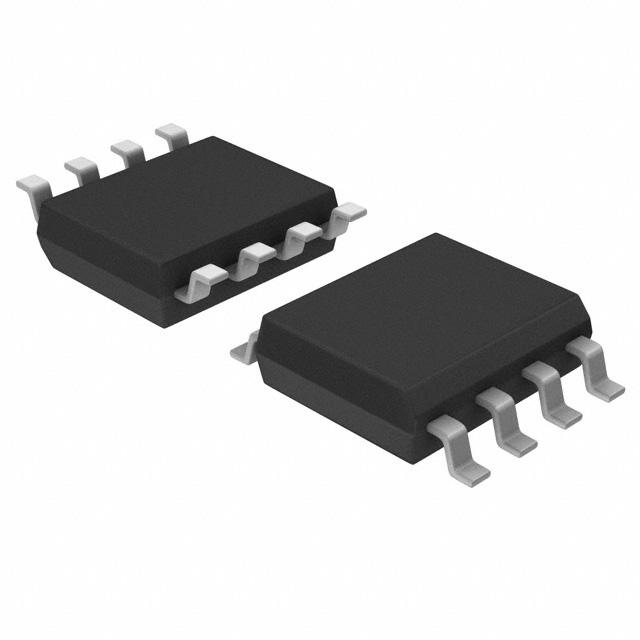
The MAX6126 is available in the tiny 8-pin μMAX®, as
well as 8-pin SO packages.
GND
GNDS 4
Applications
●●
●●
●●
●●
●●
●●
High-Resolution A/D and D/A Converters
ATE Equipment
High-Accuracy Reference Standard
Precision Current Sources
Digital Voltmeters
High-Accuracy Industrial and Process Control
3
MAX6126
8
I.C.*
7
OUTF
6
OUTS
5
I.C.*
SO/µMAX
*I.C. = INTERNALLY CONNECTED. DO NOT USE.
Ordering Information continued at end of data sheet.
μMAX is a registered trademark of Maxim Integrated Products, Inc.
Ordering Information
PART
MAX6126AASA21+
MAX6126BASA21+
MAX6126A21+
TEMP RANGE
-40°C to +125°C
-40°C to +125°C
-40°C to +125°C
PINPACKAGE
8 SO
8 SO
8 µMAX
+Denotes a lead(Pb)-free/RoHS-compliant package.
19-2647; Rev 9; 11/19
OUTPUT
VOLTAGE
(V)
MAXIMUM INITIAL
ACCURACY (%)
MAXIMUM TEMPCO
(-40°C to +85°C
(ppm/°C)
2.048
2.048
2.048
0.02
0.06
0.06
3
5
3
�MAX6126
Ultra-High-Precision, Ultra-Low-Noise,
Series Voltage Reference
Absolute Maximum Ratings
(All voltages referenced to GND)
GNDS....................................................................-0.3V to +0.3V
IN ............................................................................-0.3V to +13V
OUTF, OUTS, NR.......-0.3V to the lesser of (VIN + 0.3V) or +6V
Output Short Circuit to GND or IN......................................... 60s
Continuous Power Dissipation (TA = +70°C)
8-Pin μMAX (derate 4.5mW/°C above +70°C).............362mW
8-Pin SO (derate 5.88mW/°C above +70°C)................471mW
Operating Temperature Range.......................... -40°C to +125°C
Junction Temperature.......................................................+150°C
Storage Temperature Range............................. -65°C to +150°C
Lead Temperature (soldering, 10s).................................. +300°C
Soldering Temperature (reflow)........................................+260°C
Stresses beyond those listed under “Absolute Maximum Ratings” may cause permanent damage to the device. These are stress ratings only, and functional operation of the device at these
or any other conditions beyond those indicated in the operational sections of the specifications is not implied. Exposure to absolute maximum rating conditions for extended periods may affect
device reliability.
Electrical Characteristics—MAX6126_21 (VOUT = 2.048V)
(VIN = 5V, CLOAD = 0.1μF, IOUT = 0, TA = TMIN to TMAX, unless otherwise noted. Typical values are at TA = +25°C.)
PARAMETER
SYMBOL
CONDITIONS
MIN
TYP
MAX
UNITS
OUTPUT
Output Voltage
VOUT
TA = +25°C
Referred to
VOUT,
TA = +25°C
Output Voltage Accuracy
TA = -40°C
to +85°C
Output Voltage Temperature
Coefficient (Note 1)
TCVOUT
TA = -40°C
to +125°C
2.048
V
A grade SO
-0.02
+0.02
B grade SO
-0.06
+0.06
A grade µMAX
-0.06
+0.06
B grade µMAX
-0.1
+0.1
A grade SO
0.5
3
B grade SO
1
5
A grade µMAX
1
3
B grade µMAX
2
7
A grade SO
1
5
B grade SO
2
10
A grade µMAX
2
5
B grade µMAX
3
12
TA = +25°C
2
20
Line Regulation
ΔVOUT/
ΔVIN
2.7V ≤ VIN ≤
12.6V
Load Regulation
ΔVOUT/
ΔIOUT
Sourcing: 0 ≤ IOUT ≤ 10mA
0.7
25
1.3
25
Short to GND
160
Short to IN
20
SO
25
µMAX
80
OUT Short-Circuit Current
ISC
Thermal Hysteresis (Note 2)
ΔVOUT/
cycle
Long-Term Stability
ΔVOUT/
time
www.maximintegrated.com
TA = -40°C to +125°C
Sinking: -10mA ≤ IOUT ≤ 0
1000hr at TA = +25°C
40
SO
20
µMAX
100
%
ppm/°C
µV/V
µV/mA
mA
ppm
ppm/
1000hr
Maxim Integrated │ 2
�MAX6126
Ultra-High-Precision, Ultra-Low-Noise,
Series Voltage Reference
Electrical Characteristics—MAX6126_21 (VOUT = 2.048V) (continued)
(VIN = 5V, CLOAD = 0.1μF, IOUT = 0, TA = TMIN to TMAX, unless otherwise noted. Typical values are at TA = +25°C.)
PARAMETER
SYMBOL
CONDITIONS
MIN
TYP
MAX
UNITS
DYNAMIC CHARACTERISTICS
Noise Voltage
Turn-On Settling Time
Capacitive-Load Stability Range
INPUT
Supply Voltage Range
Quiescent Supply Current
eOUT
tR
CLOAD
VIN
IIN
f = 0.1Hz to 10Hz
1.3
f = 1kHz, CNR = 0
60
f = 1kHz, CNR = 0.1µF
To VOUT = 0.01% of
final value
No sustained oscillations
µVP-P
nV/√Hz
35
CNR = 0
0.8
CNR = 0.1µF
Guaranteed by line-regulation test
ms
20
0.1 to 10
2.7
TA = +25°C
µF
12.6
380
TA = -40°C to +125°C
550
725
V
µA
Electrical Characteristics—MAX6126_25 (VOUT = 2.500V)
(VIN = 5V, CLOAD = 0.1μF, IOUT = 0, TA = TMIN to TMAX, unless otherwise noted. Typical values are at TA = +25°C.)
PARAMETER
SYMBOL
CONDITIONS
MIN
TYP
MAX
UNITS
OUTPUT
Output Voltage
VOUT
TA = +25°C
Referred to VOUT,
TA = +25°C
Output Voltage Accuracy
TA = -40°C to
+85°C
Output Voltage Temperature
Coefficient (Note 1)
TCVOUT
TA = -40°C to
+125°C
Line Regulation
ΔVOUT/
ΔVIN
Load Regulation
ΔVOUT/
ΔIOUT
www.maximintegrated.com
2.7V ≤ VIN ≤ 12.6V
2.500
V
A grade SO
-0.02
+0.02
B grade SO
-0.06
+0.06
A grade µMAX
-0.06
+0.06
B grade µMAX
-0.1
+0.1
A grade SO
0.5
3
B grade SO
1
5
A grade µMAX
1
3
B grade µMAX
2
7
A grade SO
1
5
B grade SO
2
10
A grade µMAX
2
5
B grade µMAX
3
12
TA = +25°C
3
20
TA = -40°C to +125°C
Sourcing: 0 ≤ IOUT ≤ 10mA
Sinking: -10mA ≤ IOUT ≤ 0
%
40
1
25
1.8
25
ppm/°C
µV/V
µV/mA
Maxim Integrated │ 3
�MAX6126
Ultra-High-Precision, Ultra-Low-Noise,
Series Voltage Reference
Electrical Characteristics—MAX6126_25 (VOUT = 2.500V) (continued)
(VIN = 5V, CLOAD = 0.1μF, IOUT = 0, TA = TMIN to TMAX, unless otherwise noted. Typical values are at TA = +25°C.)
PARAMETER
Dropout Voltage (Note 3)
OUT Short-Circuit Current
SYMBOL
CONDITIONS
IOUT = 5mA
VIN - VOUT ΔVOUT = 0.1%
ISC
Thermal Hysteresis (Note 2)
ΔVOUT/
cycle
Long-Term Stability
ΔVOUT/
time
MIN
IOUT = 10mA
Short to GND
TYP
MAX
0.06
0.2
0.12
0.4
160
Short to IN
20
SO
35
µMAX
80
UNITS
V
mA
ppm
SO
20
µMAX
100
ppm/
1000hr
f = 0.1Hz to 10Hz
1.45
f = 1kHz, CNR = 0
75
µVP-P
1000hr at TA = +25°C
DYNAMIC CHARACTERISTICS
Noise Voltage
Turn-On Settling Time
Capacitive-Load Stability Range
INPUT
eOUT
tR
CLOAD
Supply Voltage Range
VIN
Quiescent Supply Current
IIN
f = 1kHz, CNR = 0.1µF
nV/√Hz
45
CNR = 0
To VOUT = 0.01% of
final value
No sustained oscillations
1
CNR = 0.1µF
Guaranteed by line-regulation test
ms
20
0.1 to 10
2.7
TA = +25°C
µF
12.6
380
TA = -40°C to +125°C
550
725
V
µA
Electrical Characteristics—MAX6126_28 (VOUT = 2.800V)
(VIN = 5V, CLOAD = 0.1μF, IOUT = 0, TA = TMIN to TMAX, unless otherwise noted. Typical values are at TA = +25°C.)
PARAMETER
SYMBOL
CONDITIONS
MIN
TYP
MAX
UNITS
OUTPUT
Output Voltage
VOUT
Output Voltage Accuracy
Output Voltage Temperature
Coefficient (Note 1)
TCVOUT
Line Regulation
ΔVOUT/
ΔVIN
Load Regulation
ΔVOUT/
ΔVIN
Dropout Voltage (Note 3)
www.maximintegrated.com
TA = +25°C
2.800
V
Referred to VOUT,
TA = +25°C
A grade µMAX
-0.06
+0.06
B grade µMAX
-0.10
+0.10
TA = -40°C to
+85°C
A grade µMAX
1
3
B grade µMAX
2
7
TA = -40°C to
+125°C
A grade µMAX
2
5
3
12
3.5
23
3.0V ≤ VIN ≤ 12.6V
B grade µMAX
TA = +25°C
TA = -40°C to +125°C
Sourcing: 0 ≤ IOUT ≤ 10mA
Sinking: -10mA ≤ IOUT ≤ 0
VIN - VOUT ΔVOUT = 0.1%
IOUT = 5mA
IOUT = 10mA
45
1.3
28
2.4
28
0.06
0.2
0.12
0.4
%
ppm/°C
µV/V
µV/mA
V
Maxim Integrated │ 4
�MAX6126
Ultra-High-Precision, Ultra-Low-Noise,
Series Voltage Reference
Electrical Characteristics—MAX6126_28 (VOUT = 2.800V) (continued)
(VIN = 5V, CLOAD = 0.1μF, IOUT = 0, TA = TMIN to TMAX, unless otherwise noted. Typical values are at TA = +25°C.)
PARAMETER
OUT Short-Circuit Current
SYMBOL
ISC
CONDITIONS
MIN
TYP
MAX
UNITS
Short to GND
160
Short to IN
20
80
ppm
100
ppm/
1000hr
f = 0.1Hz to 10Hz
1.45
f = 1kHz, CNR = 0
75
µVP-P
Thermal Hysteresis (Note 2)
ΔVOUT/
cycle
µMAX
Long-Term Stability
ΔVOUT/
time
1000hr at TA = +25°C
µMAX
mA
DYNAMIC CHARACTERISTICS
Noise Voltage
Turn-On Settling Time
Capacitive-Load Stability Range
INPUT
Supply Voltage Range
Quiescent Supply Current
eOUT
tR
CLOAD
VIN
IIN
f = 1kHz, CNR = 0.1µF
To VOUT = 0.01% of
final value
nV/√Hz
45
CNR = 0
1
CNR = 0.1µF
No sustained oscillations
Guaranteed by line-regulation test
ms
20
0.1 to 10
3.0
TA = +25°C
µF
12.6
380
TA = -40°C to +125°C
550
725
V
µA
Electrical Characteristics—MAX6126_30 (VOUT = 3.000V)
(VIN = 5V, CLOAD = 0.1μF, IOUT = 0, TA = TMIN to TMAX, unless otherwise noted. Typical values are at TA = +25°C.)
PARAMETER
SYMBOL
CONDITIONS
MIN
TYP
MAX
UNITS
OUTPUT
Output Voltage
VOUT
TA = +25°C
Referred to VOUT,
TA = +25°C
Output Voltage Accuracy
TA = -40°C to
+85°C
Output Voltage Temperature
Coefficient (Note 1)
TCVOUT
TA = -40°C to
+125°C
www.maximintegrated.com
3.000
V
A grade SO
-0.02
+0.02
B grade SO
-0.06
+0.06
A grade µMAX
-0.06
+0.06
B grade µMAX
-0.1
%
+0.1
A grade SO
0.5
3
B grade SO
1
5
A grade µMAX
1
3
B grade µMAX
2
7
A grade SO
1
5
B grade SO
2
10
A grade µMAX
2
5
B grade µMAX
3
12
ppm/°C
Maxim Integrated │ 5
�MAX6126
Ultra-High-Precision, Ultra-Low-Noise,
Series Voltage Reference
Electrical Characteristics—MAX6126_30 (VOUT = 3.000V) (continued)
(VIN = 5V, CLOAD = 0.1μF, IOUT = 0, TA = TMIN to TMAX, unless otherwise noted. Typical values are at TA = +25°C.)
PARAMETER
SYMBOL
Line Regulation
ΔVOUT/
ΔVIN
Load Regulation
ΔVOUT/
ΔIOUT
Dropout Voltage (Note 3)
OUT Short-Circuit Current
CONDITIONS
3.2V ≤ VIN ≤ 12.6V
Thermal Hysteresis (Note 2)
ΔVOUT/
cycle
Long-Term Stability
ΔVOUT/
time
TA = +25°C
TA = -40°C to +125°C
Sinking: -10mA ≤ IOUT ≤ 0
Short to GND
TYP
MAX
4
25
50
Sourcing: 0 ≤ IOUT ≤ 10mA
VIN - VOUT ΔVOUT = 0.1%
ISC
MIN
IOUT = 5mA
IOUT = 10mA
1.5
30
2.8
30
0.06
0.2
0.11
0.4
160
Short to IN
20
SO
20
µMAX
80
UNITS
µV/V
µV/mA
V
mA
ppm
SO
20
µMAX
100
ppm/
1000hr
f = 0.1Hz to 10Hz
1.75
f = 1kHz, CNR = 0
90
µVP-P
1000hr at TA = +25°C
DYNAMIC CHARACTERISTICS
Noise Voltage
Capacitive-Load Stability Range
Turn-On Settling Time
eOUT
CLOAD
tR
f = 1kHz, CNR = 0.1µF
No sustained oscillations
To VOUT = 0.01% of
final value
INPUT
Supply Voltage Range
VIN
Quiescent Supply Current
IIN
www.maximintegrated.com
TA = -40°C to +125°C
0.1 to 10
CNR = 0
µF
1.2
CNR = 0.1µF
Guaranteed by line-regulation test
TA = +25°C
nV/√Hz
55
ms
20
3.2
12.6
380
550
725
V
µA
Maxim Integrated │ 6
�MAX6126
Ultra-High-Precision, Ultra-Low-Noise,
Series Voltage Reference
Electrical Characteristics—MAX6126_33 (VOUT = 3.300V)
(VIN = 5V, CLOAD = 0.1μF, IOUT = 0, TA = TMIN to TMAX, unless otherwise noted. Typical values are at TA = +25°C.)
PARAMETER
SYMBOL
CONDITIONS
MIN
TYP
MAX
UNITS
OUTPUT
Output Voltage
VOUT
TA = +25°C
Referred to VOUT,
TA = +25°C
Output Voltage Accuracy
TA = -40°C to
+85°C
Output Voltage Temperature
Coefficient (Note 1)
TCVOUT
TA = -40°C to
+125°C
Line Regulation
ΔVOUT/
ΔVIN
Load Regulation
ΔVOUT/
ΔIOUT
Dropout Voltage (Note 3)
OUT Short-Circuit Current
3.5V ≤ VIN ≤ 12.6V
Thermal Hysteresis (Note 2)
ΔVOUT/
cycle
Long-Term Stability
ΔVOUT/
time
+0.02
B grade SO
-0.06
+0.06
A grade µMAX
-0.06
+0.06
B grade µMAX
-0.1
0.5
3
B grade SO
1
5
A grade µMAX
1
3
B grade µMAX
2
7
A grade SO
1
5
B grade SO
2
10
A grade µMAX
2
5
B grade µMAX
3
12
TA = +25°C
11
35
TA = -40°C to +125°C
70
IOUT = 5mA
IOUT = 10mA
%
+0.1
A grade SO
Sinking: -10mA ≤ IOUT ≤ 0
Short to GND
V
-0.02
Sourcing: 0 ≤ IOUT ≤ 10mA
VIN - VOUT ΔVOUT = 0.1%
ISC
3.300
A grade SO
2
40
5
40
0.06
0.2
0.12
0.4
160
Short to IN
20
SO
20
µMAX
80
ppm/°C
µV/V
µV/mA
V
mA
ppm
SO
20
µMAX
100
ppm/
1000hr
f = 0.1Hz to 10Hz
1.95
f = 1kHz, CNR = 0
100
µVP-P
1000hr at TA = +25°C
DYNAMIC CHARACTERISTICS
Noise Voltage
Capacitive-Load Stability Range
Turn-On Settling Time
eOUT
CLOAD
tR
f = 1kHz, CNR = 0.1µF
No sustained oscillations
To VOUT = 0.01%
of final value
INPUT
Supply Voltage Range
Quiescent Supply Current
www.maximintegrated.com
VIN
IIN
TA = +25°C
TA = -40°C to +125°C
0.1 to 10
CNR = 0
µF
1.2
CNR = 0.1µF
Guaranteed by line-regulation test
nV/√Hz
60
ms
20
3.5
12.6
380
550
725
V
µA
Maxim Integrated │ 7
�MAX6126
Ultra-High-Precision, Ultra-Low-Noise,
Series Voltage Reference
Electrical Characteristics—MAX6126_36 (VOUT = 3.600V)
(VIN = 5V, CLOAD = 0.1μF, IOUT = 0, TA = TMIN to TMAX, unless otherwise noted. Typical values are at TA = +25°C.)
PARAMETER
SYMBOL
CONDITIONS
MIN
TYP
MAX
UNITS
OUTPUT
Output Voltage
VOUT
TA = +25°C
Referred to VOUT,
TA = +25°C
Output Voltage Accuracy
TA = -40°C to +85°C
Output Voltage Temperature
Coefficient (Note 1)
TCVOUT
TA = -40°C to
+125°C
Line Regulation
ΔVOUT/
ΔVIN
Load Regulation
ΔVOUT/
ΔIOUT
Dropout Voltage (Note 3)
OUT Short-Circuit Current
3.8V ≤ VIN ≤ 12.6V
Thermal Hysteresis (Note 2)
ΔVOUT/
cycle
Long-Term Stability
ΔVOUT/
time
+0.02
B grade SO
-0.06
+0.06
A grade µMAX
-0.06
+0.06
B grade µMAX
-0.1
0.5
3
B grade SO
1
5
A grade µMAX
1
3
B grade µMAX
2
7
A grade SO
1
5
B grade SO
2
10
A grade µMAX
2
5
B grade µMAX
3
12
TA = +25°C
12
40
TA = -40°C to +125°C
80
IOUT = 5mA
IOUT = 10mA
%
+0.1
A grade SO
Sinking: -10mA ≤ IOUT ≤ 0
Short to GND
V
-0.02
Sourcing: 0 ≤ IOUT ≤ 10mA
VIN - VOUT ΔVOUT = 0.1%
ISC
3.6
A grade SO
2
50
6
50
0.05
0.2
0.11
0.4
160
Short to IN
20
SO
20
µMAX
80
ppm/°C
µV/V
µV/mA
V
mA
ppm
SO
20
µMAX
100
ppm/
1000hr
f = 0.1Hz to 10Hz
2.1
f = 1kHz, CNR = 0
110
µVP-P
1000hr at TA = +25°C
DYNAMIC CHARACTERISTICS
Noise Voltage
Capacitive-Load Stability Range
Turn-On Settling Time
eOUT
CLOAD
tR
VIN
Guaranteed by line-regulation test
Quiescent Supply Current
www.maximintegrated.com
IIN
TA = +25°C
TA = -40°C to +125°C
nV/√Hz
66
No sustained oscillations
To VOUT = 0.01% of CNR = 0
final value
CNR = 0.1µF
INPUT
Supply Voltage Range
f = 1kHz, CNR = 0.1µF
0.1 to 10
µF
1.6
ms
20
3.8
12.6
380
550
725
V
µA
Maxim Integrated │ 8
�MAX6126
Ultra-High-Precision, Ultra-Low-Noise,
Series Voltage Reference
Electrical Characteristics—MAX6126_41 (VOUT = 4.096V)
(VIN = 5V, CLOAD = 0.1μF, IOUT = 0, TA = TMIN to TMAX, unless otherwise noted. Typical values are at TA = +25°C.)
PARAMETER
SYMBOL
CONDITIONS
MIN
TYP
MAX
UNITS
OUTPUT
Output Voltage
VOUT
TA = +25°C
Referred to VOUT,
TA = +25°C
Output Voltage Accuracy
TA = -40°C to
+85°C
Output Voltage Temperature
Coefficient (Note 1)
TCVOUT
TA = -40°C to
+125°C
4.096
-0.02
+0.02
B grade SO
-0.06
+0.06
A grade µMAX
-0.06
+0.06
B grade µMAX
-0.1
0.5
3
B grade SO
1
5
A grade µMAX
1
3
B grade µMAX
2
7
A grade SO
1
5
B grade SO
2
10
A grade µMAX
2
5
3
12
Line Regulation
Load Regulation
ΔVOUT/
ΔIOUT
Dropout Voltage (Note 3)
OUT Short-Circuit Current
4.3V ≤ VIN ≤ 12.6V
Thermal Hysteresis (Note 2)
ΔVOUT/
cycle
Long-Term Stability
ΔVOUT/
time
4.5
TA = -40°C to +125°C
Sinking: -10mA ≤ IOUT ≤ 0
Short to GND
30
60
Sourcing: 0 ≤ IOUT ≤ 10mA
VIN - VOUT ΔVOUT = 0.1%
ISC
TA = +25°C
IOUT = 5mA
IOUT = 10mA
%
+0.1
A grade SO
B grade µMAX
ΔVOUT/
ΔVIN
V
A grade SO
2
40
5
40
0.05
0.2
0.1
0.4
160
Short to IN
20
SO
20
µMAX
80
ppm/°C
µV/V
µV/mA
V
mA
ppm
SO
20
µMAX
100
ppm/
1000hr
f = 0.1Hz to 10Hz
2.4
f = 1kHz, CNR = 0
120
µVP-P
1000hr at TA = +25°C
DYNAMIC CHARACTERISTICS
Noise Voltage
Capacitive-Load Stability Range
Turn-On Settling Time
eOUT
CLOAD
tR
f = 1kHz, CNR = 0.1µF
No sustained oscillations
To VOUT = 0.01% of
final value
INPUT
Supply Voltage Range
Quiescent Supply Current
www.maximintegrated.com
VIN
IIN
TA = -40°C to +125°C
0.1 to 10
CNR = 0
µF
1.6
CNR = 0.1µF
Guaranteed by line-regulation test
TA = +25°C
nV/√Hz
80
ms
20
4.3
12.6
380
550
725
V
µA
Maxim Integrated │ 9
�MAX6126
Ultra-High-Precision, Ultra-Low-Noise,
Series Voltage Reference
Electrical Characteristics—MAX6126_50 (VOUT = 5.000V)
(VIN = 5.5V, CLOAD = 0.1μF, IOUT = 0, TA = TMIN to TMAX, unless otherwise noted. Typical values are at TA = +25°C.)
PARAMETER
SYMBOL
CONDITIONS
MIN
TYP
MAX
UNITS
OUTPUT
Output Voltage
VOUT
Output Voltage Accuracy
TA = +25°C
TA = +25°C
TA = -40°C to +85°C
Output Voltage Temperature
Coefficient (Note 1)
TCVOUT
TA = -40°C to
+125°C
Line Regulation
ΔVOUT/
ΔVIN
Load Regulation
ΔVOUT/
ΔIOUT
Dropout Voltage (Note 3)
OUT Short-Circuit Current
5.2V ≤ VIN ≤ 12.6V
Thermal Hysteresis (Note 2)
ΔVOUT/
cycle
Long-Term Stability
ΔVOUT/
time
+0.02
B grade SO
-0.06
+0.06
A grade µMAX
-0.06
+0.06
B grade µMAX
-0.1
0.5
3
B grade SO
1
5
A grade µMAX
1
3
B grade µMAX
2
7
A grade SO
1
5
B grade SO
2
10
A grade µMAX
2
5
B grade µMAX
3
12
TA = +25°C
3
40
TA = -40°C to +125°C
IOUT = 5mA
IOUT = 10mA
%
+0.1
A grade SO
Sinking: -10mA ≤ IOUT ≤ 0
Short to GND
V
-0.02
Sourcing: 0 ≤ IOUT ≤ 10mA
VIN - VOUT ΔVOUT = 0.1%
ISC
5.000
A grade SO
80
2.5
50
6.5
50
0.05
0.2
0.1
0.4
160
Short to IN
20
SO
15
µMAX
80
ppm/°C
µV/V
µV/mA
V
mA
ppm
SO
20
µMAX
100
ppm/
1000hr
f = 0.1Hz to 10Hz
2.85
f = 1kHz, CNR = 0
145
µVP-P
1000hr at TA = +25°C
DYNAMIC CHARACTERISTICS
Noise Voltage
Capacitive-Load Stability Range
www.maximintegrated.com
eOUT
CLOAD
f = 1kHz, CNR = 0.1µF
No sustained oscillations
nV/√Hz
95
0.1 to 10
µF
Maxim Integrated │ 10
�MAX6126
Ultra-High-Precision, Ultra-Low-Noise,
Series Voltage Reference
Electrical Characteristics—MAX6126_50 (VOUT = 5.000V) (continued)
(VIN = 5.5V, CLOAD = 0.1μF, IOUT = 0, TA = TMIN to TMAX, unless otherwise noted. Typical values are at TA = +25°C.)
PARAMETER
SYMBOL
Turn-On Settling Time
CONDITIONS
To VOUT = 0.01% of
final value
tR
INPUT
Supply Voltage Range
VIN
Quiescent Supply Current
IIN
MIN
TYP
CNR = 0
MAX
UNITS
2
CNR = 0.1µF
ms
20
Guaranteed by line-regulation test
5.2
12.6
TA = +25°C
380
V
550
TA = -40°C to +125°C
µA
725
Note 1: Temperature coefficient is measured by the “box” method, i.e., the maximum ΔVOUT/VOUT is divided by the maximum ΔT.
Note 2: Thermal hysteresis is defined as the change in +25°C output voltage before and after cycling the device from TMAX to TMIN.
Note 3: Dropout voltage is defined as the minimum differential voltage (VIN - VOUT) at which VOUT decreases by 0.1% from its
original value at VIN = 5.0V (VIN = 5.5V for VOUT = 5.0V).
Typical Operating Characteristics
(VIN = 5V for MAX6126_21/25/30/33/36/41, VIN = 5.5V for MAX6126_50, CLOAD = 0.1μF, IOUT = 0, TA = +25°C, unless otherwise
specified.) (Note 5)
2.0475
2.0470
5.002
2.0485
2.0480
2.0475
MAX6126A_50
OUTPUT VOLTAGE TEMPERATURE DRIFT
(VOUT = 5.000V) (SO)
MAX6126 toc03
THREE TYPICAL PARTS
OUTPUT VOLTAGE (V)
OUTPUT VOLTAGE (V)
2.0480
MAX6126A_21
OUTPUT VOLTAGE TEMPERATURE DRIFT
(VOUT = 2.048V) (µMAX)
MAX6126 toc02
THREE TYPICAL PARTS
2.0485
OUTPUT VOLTAGE (V)
2.0490
MAX6126 toc01
2.0490
MAX6126A_21
OUTPUT VOLTAGE TEMPERATURE DRIFT
(VOUT = 2.048V) (SO)
THREE TYPICAL PARTS
5.001
5.000
4.999
2.0465
2.0460
-50
-25
0
25
50
75
TEMPERATURE (°C)
www.maximintegrated.com
100
125
2.0470
-50
-25
0
25
50
75
TEMPERATURE (°C)
100
125
4.998
-50
-25
0
25
50
75
100
125
TEMPERATURE (°C)
Maxim Integrated │ 11
�MAX6126
Ultra-High-Precision, Ultra-Low-Noise,
Series Voltage Reference
Typical Operating Characteristics (continued)
(VIN = 5V for MAX6126_21/25/30/33/36/41, VIN = 5.5V for MAX6126_50, CLOAD = 0.1μF, IOUT = 0, TA = +25°C, unless otherwise
specified.) (Note 5)
5.000
4.999
2.0475
TA = -40°C
2.0470
TA = +25°C
5.000
4.999
TA = -40°C
4.998
TA = +125°C
4.997
2.0465
MAX6126 toc06
2.0480
MAX6126_50
LOAD REGULATION
5.001
MAX6126 toc05
TA = +25°C
OUTPUT VOLTAGE (V)
5.001
MAX6126_21
LOAD REGULATION
2.0485
MAX6126 toc04
THREE TYPICAL PARTS
OUTPUT VOLTAGE (V)
OUTPUT VOLTAGE (V)
5.002
MAX6126A_50
OUTPUT VOLTAGE TEMPERATURE DRIFT
(VOUT = 5.000V) (µMAX)
TA = +125°C
0
25
50
75
125
100
-5
-10
TEMPERATURE (°C)
TA = +25°C
100
TA = -40°C
50
3
6
9
MAX6126 toc08
200
0
5
10
MAX6126_21
POWER-SUPPLY REJECTION RATIO
vs. FREQUENCY
-20
-40
150
TA = +125°C
100
TA = +25°C
TA = -40°C
3
0
-60
-80
50
0
15
12
6
9
-100
12
-120
0.001
15
0.01
0.1
1
10
100
1000
SOURCE CURRENT (mA)
SOURCE CURRENT (mA)
FREQUENCY (kHz)
MAX6126_50
POWER-SUPPLY REJECTION RATIO
vs. FREQUENCY
MAX6126_21
SUPPLY CURRENT vs. INPUT VOLTAGE
MAX6126_50
SUPPLY CURRENT vs. INPUT VOLTAGE
-40
-60
-80
-100
-120
0.001
500
TA = +125°C
400
TA = +25°C
TA = -40°C
300
200
0.1
1
10
FREQUENCY (kHz)
www.maximintegrated.com
100
1000
0
800
700
600
TA = +125°C
500
TA = +25°C
400
TA = -40°C
300
200
100
0.01
900
MAX6126 toc12
600
SUPPLY CURRENT (A)
-20
PSRR (dB)
-5
-10
0
SUPPLY CURRENT (A)
0
0
MAX6126 toc10
0
4.996
OUTPUT CURRENT (mA)
250
DROPOUT VOLTAGE (mV)
MAX6126 toc07
DROPOUT VOLTAGE (mV)
TA = +125°C
150
10
MAX6126_50
DROPOUT VOLTAGE
vs. SOURCE CURRENT
250
200
5
OUTPUT CURRENT (mA)
MAX6126_25
DROPOUT VOLTAGE
vs. SOURCE CURRENT
300
0
MAX6126 toc09
-25
PSRR (dB)
-50
2.0460
MAX6126 toc11
4.998
100
0
2
4
6
8
10
INPUT VOLTAGE (V)
12
14
0
0
2
4
6
8
10
12
14
INPUT VOLTAGE (V)
Maxim Integrated │ 12
�MAX6126
Ultra-High-Precision, Ultra-Low-Noise,
Series Voltage Reference
Typical Operating Characteristics (continued)
(VIN = 5V for MAX6126_21/25/30/33/36/41, VIN = 5.5V for MAX6126_50, CLOAD = 0.1μF, IOUT = 0, TA = +25°C, unless otherwise
specified.) (Note 5)
MAX6126_21
OUTPUT NOISE (0.1Hz TO 10Hz)
MAX6126_50
OUTPUT NOISE (0.1Hz TO 10Hz)
MAX6126 toc13
MAX6126 toc14
VOUT = 2.048V
VOUT = 5V
0.4µV/div
1µV/div
1s/div
1s/div
MAX6126_21
LOAD TRANSIENT
MAX6126 toc16
MAX6126 toc15
CNR = 100µF
1mA
IOUT
500µA/div
-100µA
0.6µVP-P
VOUT
AC-COUPLED
20mV/div
6.5s/div
200µs/div
CLOAD = 0.1µF IOUT = -100µA TO 1mA
VIN = 5V
VOUT = 2.048V
MAX6126_21
LOAD TRANSIENT
MAX6126_21
LOAD TRANSIENT
MAX6126 toc17
10mA
-1mA
IOUT
5mA/div
IOUT
5mA/div
0mA
-10mA
VOUT
AC-COUPLED
20mV/div
VOUT
AC-COUPLED
100mV/div
1ms/div
400µs/div
CLOAD = 0.1µF IOUT = -1mA TO -10mA
VIN = 5V
VOUT = 2.048V
www.maximintegrated.com
MAX6126 toc18
CLOAD = 10µF
VIN = 5V
IOUT = 0 TO 10mA
VOUT = 2.048V
Maxim Integrated │ 13
�MAX6126
Ultra-High-Precision, Ultra-Low-Noise,
Series Voltage Reference
Typical Operating Characteristics (continued)
(VIN = 5V for MAX6126_21/25/30/33/36/41, VIN = 5.5V for MAX6126_50, CLOAD = 0.1μF, IOUT = 0, TA = +25°C, unless otherwise
specified.) (Note 5)
MAX6126_21
LOAD TRANSIENT
MAX6126_21
LOAD TRANSIENT
MAX6126 toc19
MAX6126 toc20
+1mA
IOUT
500µA/div
-1mA
IOUT
5mA/div
-100µA
-10mA
VOUT
AC-COUPLED
10mV/div
VOUT
AC-COUPLED
50mV/div
1ms/div
CLOAD = 10µF
VIN = 5V
400µs/div
IOUT = -100µA TO 1mA
VOUT = 2.048V
MAX6126_21
LINE TRANSIENT
CLOAD = 10µF
VIN = 5V
IOUT = -1mA TO -10mA
VOUT = 2.048V
MAX6126_50
LINE TRANSIENT
MAX6126 toc21
3.2V
5.7V
VIN
200mV/div
VIN
200mV/div
2.7V
5.2V
VOUT
AC-COUPLED
20mV/div
VOUT
AC-COUPLED
10mV/div
400µs/div
20µs/div
VOUT = 2.048V
VIN = 5.2V TO 5.7V
VOUT = 5V
CLOAD = 0.1µF
MAX6126_21
TURN-ON TRANSIENT
MAX6126 toc22
CLOAD = 0.1µF
MAX6126_50
TURN-ON TRANSIENT
MAX6126 toc23
MAX6126 toc24
5.5V
5.5V
VIN
2V/div
VIN
2V/div
GND
GND
VOUT
1V/div
VOUT
2V/div
GND
200µs/div
20µs/div
CLOAD = 0.1µF
VOUT = 2.048V
www.maximintegrated.com
CLOAD = 0.1µF
VOUT = 5V
Maxim Integrated │ 14
�MAX6126
Ultra-High-Precision, Ultra-Low-Noise,
Series Voltage Reference
Typical Operating Characteristics (continued)
(VIN = 5V for MAX6126_21/25/30/33/36/41, VIN = 5.5V for MAX6126_50, CLOAD = 0.1μF, IOUT = 0, TA = +25°C, unless otherwise
specified.) (Note 5)
MAX6126 toc26
2.5006
5.5V
5.5V
2.5004
VIN
2V/div
VIN
2V/div
2.5002
GND
GND
2.5000
2.4998
VOUT
2V/div
VOUT
1V/div
2.4996
GND
40µs/div
CLOAD = 10µF
VOUT = 5V
CLOAD = 10µF
VOUT = 2.048V
MAX6126B_25
LONG-TERM STABILITY vs. TIME (µMAX)
2.4994
400µs/div
TWO TYPICAL PARTS
VOUT = 5V
5.0004
200
400
600
800
1000
MAX6126B_50
LONG-TERM STABILITY vs. TIME (µMAX)
MAX6126B_50
LONG-TERM STABILITY vs. TIME (SO)
5.0006
0
TIME (hr)
5.0010
MAX6126 toc29
MAX6126 toc28
2.5010
TWO TYPICAL PARTS
VOUT = 2.5V
2.5005
MAX6126 toc30
MAX6126 toc25
MAX6126B_25
LONG-TERM STABILITY vs. TIME (SO)
MAX6126 toc27
MAX6126_50
TURN-ON TRANSIENT
VOUT (V)
MAX6126_21
TURN-ON TRANSIENT
TWO TYPICAL PARTS
VOUT = 5V
5.0005
VOUT (V)
VOUT (V)
VOUT (V)
5.0002
5.0000
2.5000
5.0000
4.9998
2.4995
2.4990
4.9995
4.9996
TWO TYPICAL PARTS
VOUT = 2.5V
0
200
400
600
TIME (hr)
800
1000
4.9994
0
200
400
600
TIME (hr)
800
1000
4.9990
0
200
400
600
800
1000
TIME (hr)
Note 5: Many of the MAX6126 Typical Operating Characteristics are extremely similar. The extremes of these characteristics are
found in the MAX6126_21 (2.048V output) and the MAX6126_50 (5.000V output). The Typical Operating Characteristics of
the remainder of the MAX6126 family typically lie between those two extremes and can be estimated based on their output
voltages.
www.maximintegrated.com
Maxim Integrated │ 15
�MAX6126
Ultra-High-Precision, Ultra-Low-Noise,
Series Voltage Reference
Pin Description
PIN
NAME
1
NR
Noise Reduction. Connect a 0.1µF
capacitor to improve wideband noise.
Leave unconnected if not used (see
Figure 1).
2
IN
Positive Power-Supply Input
3
GND
Ground
4
GNDS
Ground-Sense Connection. Connect to
ground connection at load.
5, 8
I.C.
Internally Connected. Do not connect
anything to these pins.
6
OUTS
Voltage Reference Sense Output
OUTF
Voltage Reference Force Output.
Short OUTF to OUTS as close to the
load as possible. Bypass OUTF with a
capacitor (0.1µF to 10µF) to GND.
7
(VOUT + 200mV) TO 12.6V INPUT
FUNCTION
Detailed Description
Wideband Noise Reduction
To improve wideband noise and transient power-supply
noise, add a 0.1μF capacitor to NR (Figure 1). A 0.1μF NR
capacitor reduces the noise from 60nV/√Hz to 35nV/√Hz
for the 2.048V output. Noise in the power-supply input
can affect output noise, but can be reduced by adding an
optional bypass capacitor between IN and GND, as shown
in the Typical Operating Circuit. The 0.1Hz to 10Hz noise
when measured with a 0.1μF noise reduction capacitor (NR
pin) is 0.9μVP-P. Using a 100μF noise reduction capacitor
(NR pin) reduces the 0.1Hz to 10Hz noise to 0.6μVP-P.
Output Bypassing
The MAX6126 requires an output capacitor between
0.1μF and 10μF. Locate the output capacitor as close
to OUTF as possible. For applications driving switching
capacitive loads or rapidly changing load currents, it
is advantageous to use a 10μF capacitor in parallel
with a 0.1μF capacitor. Larger capacitor values reduce
transients on the reference output.
Supply Current
The quiescent supply current of the series-mode MAX6126
family is typically 380μA and is virtually independent of
the supply voltage, with only a 2μA/V (max) variation with
supply voltage.
When the supply voltage is below the minimum specified
input voltage during turn-on, the device can draw up to
300μA beyond the nominal supply current. The input voltage
source must be capable of providing this current to ensure
reliable turn-on.
www.maximintegrated.com
IN
OUTF
MAX6126
*
REFERENCE
OUTPUT
OUTS
NR
0.1µF*
GND
GNDS
*OPTIONAL.
Figure 1. Noise-Reduction Capacitor
Thermal Hysteresis
Thermal hysteresis is the change of output voltage at
TA = +25°C before and after the device is cycled over
its entire operating temperature range. The typical thermal
hysteresis value is 20ppm (SO package).
Turn-On Time
These devices typically turn on and settle to within 0.1%
of their final value in 200μs to 2ms depending on the
device. The turn-on time can increase up to 4ms with
the device operating at the minimum dropout voltage and
the maximum load. A noise reduction capacitor of 0.1μF
increases the turn-on time to 20ms.
Output Force and Sense
The MAX6126 provides independent connections for the
power-circuit output (OUTF) supplying current into a load,
and for the circuit input regulating the voltage applied
to that load (OUTS). This configuration allows for the
cancellation of the voltage drop on the lines connecting
the MAX6126 and the load. When using the Kelvin
connection made possible by the independent current
and voltage connections, take the power connection
to the load from OUTF, and bring a line from OUTS to
join the line from OUTF, at the point where the voltage
accuracy is needed. The MAX6126 has the same type
of Kelvin connection to cancel drops in the ground return
line. Connect the load to ground and bring a connection
from GNDS to exactly the same point.
Maxim Integrated │ 16
�MAX6126
Ultra-High-Precision, Ultra-Low-Noise,
Series Voltage Reference
Applications Information
Precision Current Source
Figure 2 shows a typical circuit providing a precision
current source. The OUTF output provides the bias
current for the bipolar transistor. OUTS and GNDS sense
the voltage across the resistor and adjust the current
sourced by OUTF accordingly. For even higher precision,
use a MOSFET to eliminate base current errors.
The voltage range of OUTF is set by the reference output
voltage (OUTS) and the VBE(BJT) or VGS(MOS) of the
output external device:
VOUTF = VBE + VREF
IN
ISOURCE
MAX6126
OUTF
OUTS
GND
R
GNDS
where:
VOUT(NOMINAL) / R = ISOURCE
VOUTF is voltage on OUTF pin
VBE is base-emitter drop across BJT
VREF is the actual voltage reference output this part is
supposed to provide.
Figure 2. Precision Current Source
It translates to supply voltage requirement for voltage
reference:
VIN ≥ VDROP (dropout voltage) + VBEmax + VREF
where:
3V SUPPLY
VDROP is dropout voltage of voltage reference
High-Resolution DAC and Reference from
a Single Supply
Figure 3 shows a typical circuit providing the reference for
a high-resolution, 16-bit MAX541 D/A converter.
Temperature Coefficient vs. Operating
Temperature Range for a 1 LSB Maximum Error
In a data converter application, the reference voltage of
the converter must stay within a certain limit to keep the
error in the data converter smaller than the resolution limit
through the operating temperature range. Figure 4 shows
the maximum allowable reference voltage temperature
coefficient to keep the conversion error to less than 1
LSB, as a function of the operating temperature range
(TMAX - TMIN) with the converter resolution as a parameter.
The graph assumes the reference voltage temperature
coefficient as the only parameter affecting accuracy.
In reality, the absolute static accuracy of a data converter
is dependent on the combination of many parameters
such as integral nonlinearity, differential nonlinearity, offset
error, gain error, as well as voltage reference changes
www.maximintegrated.com
VDD
IN
MAX6126
OUTF
REF
MAX541
DAC OUT
OUTS
GND
GNDS
ANALOG
OUTPUT
GND
Figure 3. 14-Bit High-Resolution DAC and Positive Reference
from a Single 3V Supply
Maxim Integrated │ 17
�MAX6126
Ultra-High-Precision, Ultra-Low-Noise,
Series Voltage Reference
10,000
1000
100
TEMPERATURE
COEFFICIENT
(ppm/°C)
8 BIT
10
10 BIT
12 BIT
1
14 BIT
16 BIT
0.1
18 BIT
0.01
1
10
OPERATING TEMPERATURE RANGE (TMAX - TMIN) (°C)
20 BIT
100
Figure 4. Temperature Coefficient vs. Operating Temperature Range for a 1 LSB Maximum Error
Output Shifts and LTD after Standard IR
Reflow and Mechanical Stress Effects
(MAX6126AASA50+)
There are many factors that contribute to a voltage reference’s drift over time. These can include part soldering to
a board, package stress, board stress and layout, humidity and part-to-part variation. The extreme heat of an IR
reflow can also cause the output voltage to shift since the
materials that make up a semiconductor device and its
package, have different rates of expansion and contraction. After a device going through any IR reflow profile or
a convection soldering oven, the reference voltage output
shifts. The device’s expansion/contraction (due to the
extreme heat/cooling process) applies stresses to the die
which causes the output voltage to shift.
To better quantify the reference output shift due to die
induced mechanical stress as a result of IR reflow as
shown in Figure 5), Maxim has done two experiments:
Experiment 1: with 48 devices going through a 3x IR
reflow process (without soldering down to a PCB)
Experiment 2: with 32 samples are undergone the same
3x IR reflow profile and soldered down to a PCB.
Figure 5. Standard IR Reflow Profile (Peak Temperature = 257°C, Ramping Rate = 0.802°C/s)
www.maximintegrated.com
Maxim Integrated │ 18
�MAX6126
Ultra-High-Precision, Ultra-Low-Noise,
Series Voltage Reference
First Experiment Results:
Experimental results of the first experiment (undergone a
3x IR reflow without solder) are shown in Figure 6, 7 and
8. Figure 6a shows the output voltage (VOUT) accuracy
before the 3x IR reflow, Figure 6b presents the VOUT
accuracy after the 3x IR reflow and Figure 6c shows the
16
shift before and after the 3x IR reflow. Figures 7a, 7b, and
7c show the Tempco Pre, Post, and the Difference (PostPre) 3x IR reflow for the automotive temperature range
respectively. Similarly, Figures 8a, 8b, and 8c plot the
Tempco for the extended temperature range.
VOUT ACCURACY PRE IR REFLOW
14
12
12
NUMBER OF SAMPLES
NUMBER OF SAMPLES
14
10
8
6
4
10
8
6
4
2
2
0
-0.008
VOUT ACCURACY POST IR REFLOW
-0.004
0
0.004
0
-0.008
0.008
Figure 6a. 48 Samples VOUT Accuracy Pre IR Reflow (%)
-0.004
0
0.004
0.008
Figure 6b. 48 Samples VOUT Accuracy Post IR Reflow (%)
VOUT ACCURACY SHIFT
(POST–PRE) IR REFLOW
20
18
NUMBER OF SAMPLES
16
14
12
10
8
6
4
2
0
-0.004
0
0.004
0.008
0.012
Figure 6c. 48 Samples VOUT Accuracy Shift (Post–Pre)
IR Reflow (%)
www.maximintegrated.com
Maxim Integrated │ 19
�MAX6126
Ultra-High-Precision, Ultra-Low-Noise,
Series Voltage Reference
TEMPCO PRE IR REFLOW
(TA = -40°C TO +125°C)
12
14
12
NUMBER OF SAMPLES
NUMBER OF SAMPLES
10
8
6
4
2
0
TEMPCO POST IR REFLOW
(TA = -40°C TO +125°C)
10
8
6
4
2
0.2
0.4
0.6
0.8
1.0
1.2
0
1.4
Figure 7a. 48 Samples Tempco Pre IR Reflow (ppm/°C)
25
0.2
0.4
0.6
0.8
1.0
1.2
1.4
Figure 7b. 48 Samples Tempco Post IR Reflow (ppm/°C)
TEMPCO SHIFT (POST–PRE) IR REFLOW
(TA = -40°C TO +125°C)
NUMBER OF SAMPLES
20
15
10
5
0
-0.4
-0.2
0
0.2
0.4
0.6
0.8
Figure 7c. 48 Samples Tempco Shift (Post–Pre) IR Reflow
(ppm/°C)
www.maximintegrated.com
Maxim Integrated │ 20
�MAX6126
Ultra-High-Precision, Ultra-Low-Noise,
Series Voltage Reference
TEMPCO PRE IR REFLOW
(TA = -40°C TO +85°C)
12
10
9
10
8
NUMBER OF SAMPLES
NUMBER OF SAMPLES
TEMPCO POST IR REFLOW
(TA = -40°C TO +85°C)
8
6
4
7
6
5
4
3
4
2
2
1
0
0.2
0.4
0.6
0.8
1.0
1.2
0
1.4
Figure 8a. 48 Samples Tempco Pre IR Reflow (ppm/°C)
18
0.2
0.4
0.6
0.8
1.0
1.2
1.4
Figure 8b. 48 Samples Tempco Post IR Reflow (ppm/°C)
TEMPCO SHIFT (POST–PRE) IR REFLOW
(TA = -40°C TO +85°C)
NUMBER OF SAMPLES
16
14
12
10
8
6
4
2
0
-0.4
-0.2
0
0.2
0.4
0.6
0.8
Figure 8c. 48 Samples Tempco Shift (Post–Pre) IR Reflow
(ppm/°C)
www.maximintegrated.com
Maxim Integrated │ 21
�MAX6126
Ultra-High-Precision, Ultra-Low-Noise,
Series Voltage Reference
Second Experiment Results:
We can observe that the MAX6126 output accuracy
and temperature coefficient exhibit an additionally
shift due to mechanical stress of PCB soldering
compared to the first experiment where the MAX6126
was only exposed to the extreme heat of the IR reflow
temperature cycle.
In the second experiment, Maxim has evaluated a different
batch of 32 samples before and after soldering down with the
same 3x IR reflow profile. In this experiment, these samples
underwent the effects of both 3x IR reflow and mechanical
stress from soldering. The test board was set up in a humidity-controlled oven. Conditions were set to TA = +35°C and
40% relative humidity. Same as in experiment one, experimental data are presented in Figures 9, 10 and 11.
6
The above extra shift can be addressed with proper
PCB design such that the mechanical stress induced
by soldering is minimized.
VOUT ACCURACY PRE IR
REFLOW SOLDER
8
7
5
6
NUMBER OF SAMPLES
NUMBER OF SAMPLES
VOUT ACCURACY SHIFT POST
IR REFLOW SOLDER
4
3
2
5
4
3
2
1
1
0
-0.027 -0.019 -0.011 -0.003 0.005 0.013
-0.023 -0.015 -0.007 0.001 0.009 0.017
0
-0.003
0.001
0.005
0.009
0.013
-0.001
0.003
0.007
0.011
Figure 9a. 32 Samples Output Voltage Pre IR Reflow Solder (%)
10
Figure 9b. 32 Samples Output Shift Post IR Reflow Solder (%)
VOUT ACCURACY SHIFT
(POST–PRE) IR REFLOW SOLDER
9
NUMBER OF SAMPLES
8
7
6
5
4
3
2
1
0
-0.025
-0.017
-0.021
-0.009
-0.013
-0.001
-0.005
0.007
0.003
Figure 9c. 32 Samples Output Shift (Post–Pre) IR Reflow
Solder (%)
www.maximintegrated.com
Maxim Integrated │ 22
�MAX6126
Ultra-High-Precision, Ultra-Low-Noise,
Series Voltage Reference
TEMPCO PRE IR REFLOW SOLDER
(TA = -40°C TO +125°C)
8
10
9
8
6
NUMBER OF SAMPLES
NUMBER OF SAMPLES
7
5
4
3
2
7
6
5
4
3
2
1
0
TEMPCO POST IR REFLOW SOLDER
(TA = -40°C TO +125°C)
1
0.4
0.6
0.8
1.0
1.2
1.4
1.6
0
1.8
Figure 10a. 32 Samples Tempco Pre IR Reflow Solder (ppm/°C)
0.4
0.8
1.2
1.6
2.0
2.4
2.8
3.2
Figure 10b. 32 Samples Tempco Post IR Reflow Solder (ppm/°C)
TEMPCO SHIFT (POST–PRE) IR REFLOW SOLDER
(TA = -40°C TO +125°C)
14
NUMBER OF SAMPLES
12
10
8
6
4
2
0
-0.5 -0.1 0.3
0.7
1.1
1.5
1.9
2.3
2.7
Figure 10c. 32 Samples Tempco Shift (Post–Pre) IR Reflow
Solder (ppm/°C)
www.maximintegrated.com
Maxim Integrated │ 23
�MAX6126
Ultra-High-Precision, Ultra-Low-Noise,
Series Voltage Reference
TEMPCO PRE IR REFLOW SOLDER
(TA = -40°C TO +85°C)
8
12
10
6
NUMBER OF SAMPLES
NUMBER OF SAMPLES
7
5
4
3
2
8
6
4
2
1
0
TEMPCO POST IR REFLOW SOLDER
(TA = -40°C TO +85°C)
0.2
0.4
0.6
0.8
1.0
1.2
1.4
Figure 11a. 32 Samples Tempco Pre IR Reflow Solder (ppm/°C)
0
0.2
0.8
1.4
2.0
2.6
3.2
3.8
4.4
Figure 11b. 32 Samples Tempco Post IR Reflow Solder (ppm/°C)
TEMPCO SHIFT (POST–PRE) IR REFLOW SOLDER
(TA = -40°C TO +85°C)
12
NUMBER OF SAMPLES
10
8
6
4
2
0
-0.7 -0.3 0.1 0.5 0.9 1.3 1.7 2.1 2.5 2.9 3.3
Figure 11c. 32 Samples Tempco Shift (Post–Pre) IR Reflow
Solder (ppm/°C)
www.maximintegrated.com
Maxim Integrated │ 24
�MAX6126
Ultra-High-Precision, Ultra-Low-Noise,
Series Voltage Reference
Long Term Drift (LTD)
to the experiment above, the test board was set up in a
humidity and temperature controlled oven. The conditions
were set to TA = +35°C and 40% relative humidity (red
trace as shown in Figure 12). The LTD result as shown in
Figure 12.
Besides showing the output voltage shifts due to reflows
and mechanical stresses, Maxim has also collected the
long-term drift of these 32 MAX6126 units in another run
more than 1000 hours after the devices have gone through
3x reflow and eventually soldered down on a PCB. Similar
MAX6126AASA50+T (8-SOIC), TEMP = 35°C
60.00%
45
55.00%
50.00%
35
45.00%
DRIFT (ppm)
25
35.00%
30.00%
15
25.00%
RELATIVE HUMIDITY
40.00%
20.00%
5
15.00%
10.00%
-5
5.00%
-15
0
100
200
300
400
500
600
700
800
900
1000
0.00%
1100
HOURS
Figure 12. MAX6126 AASA50+ LTD after 3x Reflow and being Soldered Down.
www.maximintegrated.com
Maxim Integrated │ 25
�MAX6126
Ultra-High-Precision, Ultra-Low-Noise,
Series Voltage Reference
Typical Operating Circuit
(VOUT + 200mV) TO 12.6V INPUT
IN
OUTF
MAX6126
REFERENCE
OUTPUT
OUTS
*
NR
LOAD
*
GND
GNDS
*OPTIONAL.
Chip Information
PROCESS: BiCMOS
www.maximintegrated.com
Maxim Integrated │ 26
�MAX6126
Ultra-High-Precision, Ultra-Low-Noise,
Series Voltage Reference
Ordering Information (continued)
PART
TEMP RANGE
PINPACKAGE
OUTPUT
VOLTAGE
(V)
MAXIMUM INITIAL
ACCURACY (%)
MAXIMUM TEMPCO
(-40°C to +85°C)
(ppm/°C)
MAX6126B21+
-40°C to +125°C
8 µMAX
2.048
0.1
7
MAX6126AASA25+
-40°C to +125°C
8 SO
2.500
0.02
3
MAX6126BASA25+
-40°C to +125°C
8 SO
2.500
0.06
5
MAX6126A25+
-40°C to +125°C
8 µMAX
2.500
0.06
3
MAX6126B25+
-40°C to +125°C
8 µMAX
2.500
0.1
7
MAX6126A28+
-40°C to +125°C
8 µMAX
2.800
0.06
3
MAX6126B28+
-40°C to +125°C
8 µMAX
2.800
0.1
7
MAX6126AASA30+
-40°C to +125°C
8 SO
3.000
0.02
3
MAX6126BASA30+
-40°C to +125°C
8 SO
3.000
0.06
5
MAX6126A30+
-40°C to +125°C
8 µMAX
3.000
0.06
3
MAX6126B30+
-40°C to +125°C
8 µMAX
3.000
0.1
7
MAX6126AASA33+
-40°C to +125°C
8 SO
3.300
0.02
3
MAX6126BASA33+
-40°C to +125°C
8 SO
3.300
0.06
5
MAX6126A33+
-40°C to +125°C
8 µMAX
3.300
0.06
3
MAX6126B33+
-40°C to +125°C
8 µMAX
3.300
0.1
7
MAX6126AASA36+
-40°C to +125°C
8 SO
3.600
0.02
3
MAX6126BASA36+
-40°C to +125°C
8 SO
3.600
0.06
5
MAX6126A36+
-40°C to +125°C
8 µMAX
3.600
0.06
3
MAX6126B36+
-40°C to +125°C
8 µMAX
3.600
0.1
7
MAX6126AASA41+
-40°C to +125°C
8 SO
4.096
0.02
3
MAX6126BASA41+
-40°C to +125°C
8 SO
4.096
0.06
5
MAX6126BASA41/V+
-40°C to +125°C
8 SO
4.096
0.06
5
MAX6126A41+
-40°C to +125°C
8 µMAX
4.096
0.06
3
MAX6126B41+
-40°C to +125°C
8 µMAX
4.096
0.1
7
MAX6126AASA50+
-40°C to +125°C
8 SO
5.000
0.02
3
MAX6126BASA50+
-40°C to +125°C
8 SO
5.000
0.06
5
MAX6126A50+
-40°C to +125°C
8 µMAX
5.000
0.06
3
MAX6126B50+
-40°C to +125°C
8 µMAX
5.000
0.1
7
+Denotes a lead(Pb)-free/RoHS-compliant package.
/V denotes an automotive qualified part.
Package Information
For the latest package outline information and land patterns (footprints), go to www.maximintegrated.com/packages. Note that a “+”,
“#”, or “-” in the package code indicates RoHS status only. Package drawings may show a different suffix character, but the drawing
pertains to the package regardless of RoHS status.
PACKAGE TYPE
PACKAGE CODE
OUTLINE NO.
LAND
PATTERN NO.
8 µMAX
U8+1
21-0036
90-0092
8 SO
S8+4
21-0041
90-0096
www.maximintegrated.com
Maxim Integrated │ 27
�MAX6126
Ultra-High-Precision, Ultra-Low-Noise,
Series Voltage Reference
Revision History
REVISION
NUMBER
REVISION
DATE
PAGES
CHANGED
0
10/02
Initial release
1
3/03
Remove “future product” and “contact factory” notes
1, 16
2
6/03
Add “A” grade devices
1, 16
3
12/03
Change µMAX part number
1, 16
4
7/04
Add top mark to Ordering Information
5
12/10
Add 2.8V option, add lead-free options, update Package Information
6
8/12
Added automotive package, MAX6126BASA41/V+ to data sheet
7
4/16
Updated Typical Operating Characteristics section (added TOC15)
8
6/16
Added Electrical Characteristics tables, text references, and Ordering Information
references for 3.3V and 3.6V output options.
9
9/19
Added Output Shifts and LTD after Standard IR Reflow and Mechanical Stress
Effects (MAX6126AASA50+) section
DESCRIPTION
—
1, 16
1, 2, 4, 15, 16
17
14, 15
1, 6, 9–13, 17
18–26
For pricing, delivery, and ordering information, please visit Maxim Integrated’s online storefront at https://www.maximintegrated.com/en/storefront/storefront.html.
Maxim Integrated cannot assume responsibility for use of any circuitry other than circuitry entirely embodied in a Maxim Integrated product. No circuit patent licenses
are implied. Maxim Integrated reserves the right to change the circuitry and specifications without notice at any time. The parametric values (min and max limits)
shown in the Electrical Characteristics table are guaranteed. Other parametric values quoted in this data sheet are provided for guidance.
Maxim Integrated and the Maxim Integrated logo are trademarks of Maxim Integrated Products, Inc.
© 2019 Maxim Integrated Products, Inc. │ 28
�