TMS320F28388D, TMS320F28386D, TMS320F28386D-Q1
TMS320F28388D,
TMS320F28386D-Q1
TMS320F28384D, TMS320F28386D,
TMS320F28384D-Q1,
TMS320F28388S
TMS320F28384D,
TMS320F28384D-Q1,
TMS320F28388S
TMS320F28386S, TMS320F28386S-Q1, TMS320F28384S, TMS320F28384S-Q1
TMS320F28386S, TMS320F28386S-Q1,
TMS320F28384S,
TMS320F28384S-Q1
SPRSP14D
– MAY 2019 – REVISED
FEBRUARY 2021
www.ti.com
SPRSP14D – MAY 2019 – REVISED FEBRUARY 2021
TMS320F2838x Real-Time Microcontrollers With Connectivity Manager
1 Features
•
•
•
•
Dual-core C28x architecture
– Two TMS320C28x 32-bit CPUs
• 200 MHz
• IEEE 754 double-precision (64-bit) FloatingPoint Unit (FPU)
• Trigonometric Math Unit (TMU)
• CRC engine and instructions (VCRC)
• Fast Integer Division (FINTDIV)
– 512KB (256KW) of flash on each CPU
(ECC-protected)
– 44KB (22KW) of local RAM on each CPU
– 128KB (64KW) of global RAM shared between
the two CPUs (parity-protected)
Two Control Law Accelerators (CLAs)
– 200 MHz
– IEEE 754 single-precision floating-point
– Executes code independently of C28x CPU
System peripherals
– Two External Memory Interfaces (EMIFs) with
ASRAM and SDRAM support
– Two 6-channel Direct Memory Access (DMA)
controllers
– Up to 169 General-Purpose Input/Output
(GPIO) pins with input filtering
– Expanded Peripheral Interrupt controller (ePIE)
– Low-power mode (LPM) support
– Dual-zone security for third-party development
– Unique Identification (UID) number
– Embedded Real-time Analysis and Diagnostic
(ERAD)
– Background CRC (BGCRC)
Connectivity Manager (CM)
– Arm® Cortex®-M4 processor
– 125 MHz
– 512KB of flash (ECC-protected)
– 96KB of RAM (ECC-protected or parityprotected)
– Advanced Encryption Standard (AES)
accelerator
– Generic CRC (GCRC)
– 32-channel Micro Direct Memory Access
(µDMA) controller
– Universal Asynchronous Receiver/Transmitter
(CM-UART)
•
•
•
•
– Inter-integrated Circuit (CM-I2C)
– Synchronous Serial Interface (SSI)
– 10/100 Ethernet 1588 MII/RMII
– MCAN (CAN-FD)
C28x communications peripherals
– Fast Serial Interface (FSI) with two transmitters
and eight receivers
– Four high-speed (up to 50-MHz) SPI ports (pinbootable)
– Four Serial Communications Interfaces (SCI/
UART) (pin-bootable)
– Two I2C interfaces (pin-bootable)
– Power-Management Bus (PMBus) interface
– Two Multichannel Buffered Serial Ports
(McBSPs)
CM-C28x shared communications peripherals
– EtherCAT® Slave Controller (ESC)
– USB 2.0 (MAC + PHY)
– Two Controller Area Network (CAN) modules
(pin-bootable)
Analog subsystem
– Four Analog-to-Digital Converters (ADCs)
• 16-bit mode
– 1.1 MSPS each
– 12 differential or 24 single-ended inputs
• 12-bit mode
– 3.5 MSPS each
– 24 single-ended inputs
• Single sample-and-hold (S/H) on each ADC
• Hardware post-processing of conversions
– Eight windowed comparators with 12-bit Digitalto-Analog Converter (DAC) references
– Three 12-bit buffered DAC outputs
Control peripherals
– 32 Pulse Width Modulator (PWM) channels
• High resolution on both A and B channels of
8 PWM modules (16 channels)
• Dead-band support (on both standard and
high resolution)
– Seven Enhanced Capture (eCAP) modules
• High-resolution Capture (HRCAP) available
on two of the seven eCAP modules
– Three Enhanced Quadrature Encoder Pulse
(eQEP) modules
– Eight Sigma-Delta Filter Module (SDFM) input
channels, 2 independent filters per channel
An©IMPORTANT
NOTICEIncorporated
at the end of this data sheet addresses availability, warranty, changes, use in
safety-critical
applications,
Copyright
2021 Texas Instruments
Submit
Document
Feedback
intellectual property matters and other important disclaimers. PRODUCTION DATA.
Product Folder Links: TMS320F28388D TMS320F28386D TMS320F28386D-Q1 TMS320F28384D
TMS320F28384D-Q1 TMS320F28388S TMS320F28386S TMS320F28386S-Q1 TMS320F28384S
TMS320F28384S-Q1
1
�TMS320F28388D, TMS320F28386D, TMS320F28386D-Q1
TMS320F28384D, TMS320F28384D-Q1, TMS320F28388S
TMS320F28386S, TMS320F28386S-Q1, TMS320F28384S, TMS320F28384S-Q1
www.ti.com
SPRSP14D – MAY 2019 – REVISED FEBRUARY 2021
•
•
•
•
•
Configurable Logic Block (CLB)
– Augments existing peripheral capability
– Supports position manager solutions
Clock and system control
– Two internal zero-pin 10-MHz oscillators
– On-chip crystal oscillator
– Windowed watchdog timer module
– Missing clock detection circuitry
– Dual-clock Comparator (DCC)
1.2-V core, 3.3-V I/O design
Package options:
– Lead-free, green packaging
– 337-ball New Fine Pitch Ball Grid Array
(nFBGA) [ZWT suffix]
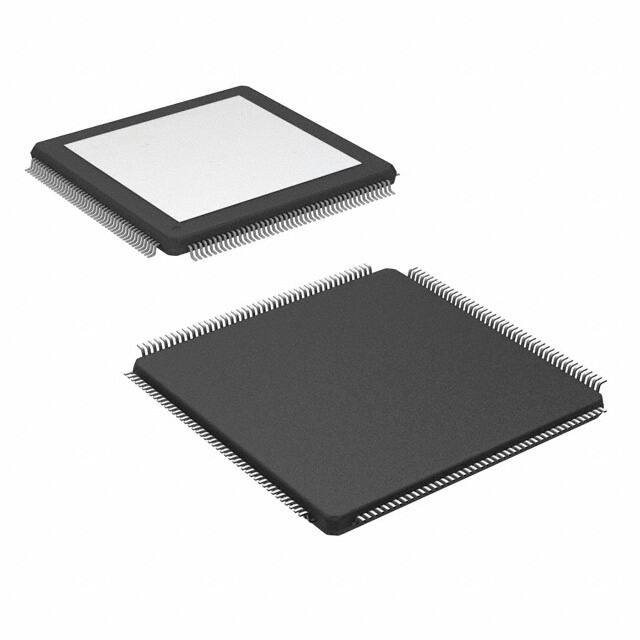
– 176-pin PowerPAD™ Thermally Enhanced Lowprofile Quad Flatpack (HLQFP) [PTP suffix]
Temperature options:
– S: –40°C to 125°C junction
– Q: –40°C to 125°C ambient
(AEC Q100 qualification for automotive
applications)
2 Applications
•
•
•
•
•
•
•
•
•
•
•
•
Medium/short range radar
HVAC large commercial motor control
Automated sorting equipment
CNC control
Central inverter
String inverter
Inverter & motor control
On-board (OBC) & wireless charger
Linear motor segment controller
Servo drive control module
Industrial AC-DC
Three phase UPS
3 Description
The TMS320F2838x (F2838x) is a member of the C2000™ real-time microcontroller family of scalable, ultra-low
latency devices designed for efficiency in power electronics, including but not limited to: high power density, high
switching frequencies, and supporting the use of GaN and SiC technologies.
These include such applications as:
•
•
•
•
•
•
Industrial motor drives
Motor control
Solar inverters
Digital power
Electrical vehicles and transportation
Sensing and signal processing
The real-time control subsystem is based on TI’s 32-bit C28x DSP core, which provides 200 MHz of signalprocessing performance in each core for floating- or fixed-point code running from either on-chip flash or SRAM.
The C28x CPU is further boosted by the Trigonometric Math Unit (TMU) and VCRC (Cyclical Redundancy
Check) extended instruction sets, speeding up common algorithms key to real-time control systems. Extended
instruction sets enable IEEE double-precision 64-bit floating-point math. Finally, the Control Law Accelerator
(CLA) enables an additional 200 MHz per core of independent processing ability.
This device also contains an independent Connectivity Manager (CM), based on the ARM Cortex-M4 processor,
that runs at 125 MHz. With its own dedicated flash and SRAM, the CM allows fully independent control of the
interfaces coming in and out of the F2838x, allowing maximum bandwidth for the C28x DSPs to focus on realtime control.
High-performance analog blocks are tightly integrated with the processing and control units to provide optimal
real-time signal chain performance. Thirty-two frequency-independent PWMs enable control of multiple power
stages, from a 3-phase inverter to advanced multi-level power topologies.
The inclusion of the Configurable Logic Block (CLB) allows the user to add custom logic and potentially integrate
FPGA-like functions into the C2000 real-time MCU.
2
Submit Document Feedback
Copyright © 2021 Texas Instruments Incorporated
Product Folder Links: TMS320F28388D TMS320F28386D TMS320F28386D-Q1 TMS320F28384D
TMS320F28384D-Q1 TMS320F28388S TMS320F28386S TMS320F28386S-Q1 TMS320F28384S
TMS320F28384S-Q1
�TMS320F28388D, TMS320F28386D, TMS320F28386D-Q1
TMS320F28384D, TMS320F28384D-Q1, TMS320F28388S
TMS320F28386S, TMS320F28386S-Q1, TMS320F28384S, TMS320F28384S-Q1
www.ti.com
SPRSP14D – MAY 2019 – REVISED FEBRUARY 2021
For the first time on a C2000 real-time MCU, there is an EtherCAT Slave Controller, along with other industrystandard protocols like CAN-FD and USB 2.0. The Fast Serial Interface (FSI) enables up to 200 Mbps of robust
communications across an isolation boundary.
Want to learn more about features that make C2000 MCUs the right choice for your real-time control system?
Check out The Essential Guide for Developing With C2000™ Real-Time Microcontrollers and visit the C2000™
real-time control MCUs page.
Ready to get started? Check out the TMDSCNCD28388D evaluation board and download C2000Ware.
Device Information
PART NUMBER(1)
(1)
PACKAGE
BODY SIZE
TMS320F28388DZWT
nFBGA (337)
16.0 mm × 16.0 mm
TMS320F28388SZWT
nFBGA (337)
16.0 mm × 16.0 mm
TMS320F28386DZWT
nFBGA (337)
16.0 mm × 16.0 mm
TMS320F28386SZWT
nFBGA (337)
16.0 mm × 16.0 mm
TMS320F28384DZWT
nFBGA (337)
16.0 mm × 16.0 mm
TMS320F28384SZWT
nFBGA (337)
16.0 mm × 16.0 mm
TMS320F28388DPTP
HLQFP (176)
24.0 mm × 24.0 mm
TMS320F28388SPTP
HLQFP (176)
24.0 mm × 24.0 mm
TMS320F28386DPTP
HLQFP (176)
24.0 mm × 24.0 mm
TMS320F28386SPTP
HLQFP (176)
24.0 mm × 24.0 mm
TMS320F28384DPTP
HLQFP (176)
24.0 mm × 24.0 mm
TMS320F28384SPTP
HLQFP (176)
24.0 mm × 24.0 mm
For more information on these devices, see Mechanical, Packaging, and Orderable Information.
Copyright © 2021 Texas Instruments Incorporated
Submit Document Feedback
Product Folder Links: TMS320F28388D TMS320F28386D TMS320F28386D-Q1 TMS320F28384D
TMS320F28384D-Q1 TMS320F28388S TMS320F28386S TMS320F28386S-Q1 TMS320F28384S
TMS320F28384S-Q1
3
�TMS320F28388D, TMS320F28386D, TMS320F28386D-Q1
TMS320F28384D, TMS320F28384D-Q1, TMS320F28388S
TMS320F28386S, TMS320F28386S-Q1, TMS320F28384S, TMS320F28384S-Q1
www.ti.com
SPRSP14D – MAY 2019 – REVISED FEBRUARY 2021
3.1 Functional Block Diagram
The Functional Block Diagram shows the CPU system and associated peripherals.
C28 CPU1
FPU64
FPU32
TMU
VCRC
CPU1.CLA1
BGCRC
Connectivity
Manager (CM)
C28 CPU2
CPU1 - CM
IPC
FPU64
FPU32
TMU
VCRC
MSGRAM0
MSGRAM1
CPU2 - CM
IPC
CPU - CLA
MSGRAM
BGCRC
CPU Timers
DCC
ePIE
ERAD
NMI WD
Windowed WD
CLA ROM
Boot ROM
CPU1 - CPU2
IPC
Secure ROM
MSGRAM0
MSGRAM0
MSGRAM1
CPU2.CLA1
Arm Cortex-M4
CPU2
CPU2.CLA
CPU2.DMA
BGCRC
CPU Timers
BGCRC
ePIE
ERAD
NMI WD
Windowed WD
CPU - CLA
MSGRAM
AES
CPU Timers
GCRC
NVIC
NMI WD
Windowed WD
Boot ROM
CLA ROM
Boot ROM
Secure ROM
Flash (512KB)
GS0-GS15 RAM
(128KB)
D0-D1 RAM (8KB)
DMA - CLA
MSGRAM
Secure
Memories
shown in Red
Flash (512KB)
Flash (512KB)
M0-M1 RAM (4KB)
CM M4 CODE
CM M4 SYS
CM µDMA
CM Bus Matrix
Ethernet DMA
Secure ROM
MSGRAM1
LS0-LS7 RAM
(32KB)
CPU1
CPU1.CLA
CPU1.DMA
C0-C1 RAM (16KB)
M0-M1 RAM (4KB)
E0 RAM (16KB)
D0-D1 RAM (8KB)
LS0-LS7 RAM
(32KB)
S0-S3 RAM (64KB)
CPU2.DMA
DMA - CLA
MSGRAM
CM µDMA
CPU1.DMA
CM Bus
Matrix
PF3
Result
4x ADC
(16-bit / 12-bit)
PF1
PF9
PF2
PF5
PF6
PF10
8x CMPSS
2x I2C
EMIF2
8x CLB
4x SCI
8x FSIRX
2x FSITX
2x McBSP
1x PMBUS
4x SPI
EMIF1
3x DAC
7x eCAP
(2 Hi-Res)
32x ePWM
Channels
(16 Hi-Res)
3x eQEP
8x SD Filters
PF4
Data
MUX
MUX
MUX
MUX
2x CAN
1x USB
1x CAN-FD
1x EtherCAT
(2 Ports)
169x GPIO
INPUT XBAR
OUTPUT XBAR
ePWM XBAR
CLB XBAR
DMA
1x Ethernet
1x CM-I2C
1x CM-UART
1x SSI
CLB INPUT XBAR
CLB OUTPUT XBAR
Figure 3-1. Functional Block Diagram
4
Submit Document Feedback
Copyright © 2021 Texas Instruments Incorporated
Product Folder Links: TMS320F28388D TMS320F28386D TMS320F28386D-Q1 TMS320F28384D
TMS320F28384D-Q1 TMS320F28388S TMS320F28386S TMS320F28386S-Q1 TMS320F28384S
TMS320F28384S-Q1
�TMS320F28388D, TMS320F28386D, TMS320F28386D-Q1
TMS320F28384D, TMS320F28384D-Q1, TMS320F28388S
TMS320F28386S, TMS320F28386S-Q1, TMS320F28384S, TMS320F28384S-Q1
www.ti.com
SPRSP14D – MAY 2019 – REVISED FEBRUARY 2021
Table of Contents
1 Features............................................................................1
2 Applications..................................................................... 2
3 Description.......................................................................2
3.1 Functional Block Diagram........................................... 4
4 Revision History.............................................................. 6
5 Device Comparison......................................................... 8
5.1 Related Products...................................................... 10
6 Terminal Configuration and Functions........................ 11
6.1 Pin Diagrams.............................................................11
6.2 Pin Attributes.............................................................17
6.3 Signal Descriptions................................................... 50
6.4 Pins With Internal Pullup and Pulldown.................... 72
6.5 Pin Multiplexing.........................................................72
6.6 Connections for Unused Pins................................... 86
7 Specifications................................................................ 87
7.1 Absolute Maximum Ratings...................................... 87
7.2 ESD Ratings – Commercial...................................... 88
7.3 ESD Ratings – Automotive....................................... 88
7.4 Recommended Operating Conditions.......................88
7.5 Power Consumption Summary................................. 89
7.6 Electrical Characteristics...........................................94
7.7 Thermal Resistance Characteristics for ZWT
Package...................................................................... 96
7.8 Thermal Resistance Characteristics for PTP
Package...................................................................... 96
7.9 Thermal Design Considerations................................97
7.10 System.................................................................... 98
7.11 C28x Analog Peripherals...................................... 130
Copyright © 2021 Texas Instruments Incorporated
7.12 C28x Control Peripherals......................................162
7.13 C28x Communications Peripherals.......................180
7.14 Connectivity Manager (CM) Peripherals............... 223
8 Detailed Description....................................................244
8.1 Overview................................................................. 244
8.2 Functional Block Diagram....................................... 245
8.3 Memory................................................................... 246
8.4 Identification............................................................254
8.5 Bus Architecture – Peripheral Connectivity.............255
8.6 Boot ROM and Peripheral Booting..........................257
8.7 Dual Code Security Module (DCSM)...................... 263
8.8 C28x (CPU1/CPU2) Subsystem............................. 264
8.9 Connectivity Manager (CM) Subsystem................. 280
9 Applications, Implementation, and Layout............... 290
9.1 TI Reference Design............................................... 290
10 Device and Documentation Support........................291
10.1 Device and Development Support Tool
Nomenclature............................................................ 291
10.2 Markings............................................................... 292
10.3 Tools and Software............................................... 293
10.4 Documentation Support........................................ 294
10.5 Support Resources............................................... 295
10.6 Trademarks........................................................... 295
10.7 Electrostatic Discharge Caution............................295
10.8 Glossary................................................................295
11 Mechanical, Packaging, and Orderable
Information.................................................................. 296
11.1 Packaging Information.......................................... 296
Submit Document Feedback
Product Folder Links: TMS320F28388D TMS320F28386D TMS320F28386D-Q1 TMS320F28384D
TMS320F28384D-Q1 TMS320F28388S TMS320F28386S TMS320F28386S-Q1 TMS320F28384S
TMS320F28384S-Q1
5
�TMS320F28388D, TMS320F28386D, TMS320F28386D-Q1
TMS320F28384D, TMS320F28384D-Q1, TMS320F28388S
TMS320F28386S, TMS320F28386S-Q1, TMS320F28384S, TMS320F28384S-Q1
www.ti.com
SPRSP14D – MAY 2019 – REVISED FEBRUARY 2021
4 Revision History
Changes from November 8, 2020 to February 2, 2021 (from Revision C (November 2020) to
Revision D (February 2021))
Page
• Global: Added TMS320F28386D-Q1, TMS320F28384D-Q1, TMS320F28386S-Q1, and TMS320F28384SQ1....................................................................................................................................................................... 1
• Section 5 (Device Comparison): Added 28386D-Q1, 28384D-Q1, 28386S-Q1, and 28384S-Q1 to column
header. Updated "Temperature and Qualification" section of table with device numbers...................................8
• Section 7.3 (ESD Ratings – Automotive): Updated device numbers. ..............................................................88
• Figure 10-1 (Device Nomenclature): Updated figure to add -Q1 nomenclature............................................. 291
6
Submit Document Feedback
Copyright © 2021 Texas Instruments Incorporated
Product Folder Links: TMS320F28388D TMS320F28386D TMS320F28386D-Q1 TMS320F28384D
TMS320F28384D-Q1 TMS320F28388S TMS320F28386S TMS320F28386S-Q1 TMS320F28384S
TMS320F28384S-Q1
�TMS320F28388D, TMS320F28386D, TMS320F28386D-Q1
TMS320F28384D, TMS320F28384D-Q1, TMS320F28388S
TMS320F28386S, TMS320F28386S-Q1, TMS320F28384S, TMS320F28384S-Q1
www.ti.com
SPRSP14D – MAY 2019 – REVISED FEBRUARY 2021
Changes from May 18, 2020 to November 7, 2020 (from Revision B (May 2020) to Revision C
(November 2020))
Page
• Global: Updated the numbering format for tables, figures, and cross-references throughout the document.... 1
• Global: Added 176-pin PowerPAD™ Thermally Enhanced Low-profile Quad Flatpack (HLQFP) [PTP suffix]. 1
• Section 1 (Features): Updated Package options. .............................................................................................. 1
• Section 3 (Description): Updated section and Device Information table. ...........................................................2
• Figure 3-1 (Functional Block Diagram): Updated figure..................................................................................... 4
• Section 5 (Device Comparison): Updated Device Comparison table. Added 176-pin PTP to Temperature
Options. Updated EMIF2 (16-bit). Updated GPIO I/O pins. Updated Input channels for ADC 16-bit mode.
Updated Input channels for ADC 12-bit mode. Appended "(UART-compatible)" to "Serial Communications
Interface (SCI) - Type 0"..................................................................................................................................... 8
• Figure 6-6 (176-Pin PTP PowerPAD Thermally Enhanced Low-Profile Quad Flatpack (Top View)): Added
figure................................................................................................................................................................. 11
• Section 6.2 (Pin Attributes): Updated Pin Attributes table. Added data for 176-pin package. ......................... 17
• Table 6-2 (Analog Signals): Added data for 176-pin package. ........................................................................ 50
• Table 6-3 (Digital Signals): Added data for 176-pin package. ..........................................................................50
• Table 6-4 (Power and Ground): Added data for 176-pin package. .................................................................. 50
• Table 6-5 (Test, JTAG, and Reset): Added data for 176-pin package. ............................................................ 50
• Section 7.2 (ESD Ratings – Commercial): Added data for 176-pin PTP package. ......................................... 88
• Section 7.3 (ESD Ratings – Automotive): Added data for 176-pin PTP package. ...........................................88
• Section 7.8 (Thermal Resistance Characteristics for PTP Package): Added section. .....................................96
• Section 7.10.2.2.2 (Reset (XRSn) Switching Characteristics): Added tboot-flash................................................99
• Figure 7-5 (Power-on Reset): Added tboot-flash.................................................................................................. 99
• Section 7.10.4 (Flash Parameters): Updated Erase Times in Flash Parameters table.................................. 109
• Section 7.10.5 (Emulation/JTAG): Updated URL of "Hardware Breakpoints and Watchpoints for C28x in
CCS"............................................................................................................................................................... 110
• Figure 7-27 (Analog Subsystem Block Diagram (176-Pin PTP)): Added figure............................................. 130
• Section 7.11.2.1 (Result Register Mapping): Added section.......................................................................... 134
• Section 7.11.2.3.2 (ADC Characteristics (16-bit Differential)): Added footnote about load current on VREFHI...
138
• Section 7.11.2.3.6 (ADC Characteristics (12-bit Single-Ended)): Updated table............................................ 138
• Figure 7-33 (ADC Timings for 12-Bit Mode): Updated tINT............................................................................. 147
• Section 7.13.1 (Controller Area Network (CAN)): Updated Note about the accuracy of the on-chip zero-pin
oscillator .........................................................................................................................................................180
• Figure 7-76 (SCI Block Diagram): Updated figure.......................................................................................... 207
• Section 7.14.2.1.1 (MAC Tx and Rx Features): Updated "Support Ethernet packet timestamping ..." feature....
225
• Figure 8-1 (Functional Block Diagram): Updated figure................................................................................. 245
• Figure 10-2 (Package Symbolization): Updated figure................................................................................... 292
• Section 10.3 (Tools and Software): Updated section......................................................................................293
• Section 10.4 (Documentation Support): Updated section...............................................................................294
• Section 11.1 (Packaging Information): Updated section. ...............................................................................296
Copyright © 2021 Texas Instruments Incorporated
Submit Document Feedback
Product Folder Links: TMS320F28388D TMS320F28386D TMS320F28386D-Q1 TMS320F28384D
TMS320F28384D-Q1 TMS320F28388S TMS320F28386S TMS320F28386S-Q1 TMS320F28384S
TMS320F28384S-Q1
7
�TMS320F28388D, TMS320F28386D, TMS320F28386D-Q1
TMS320F28384D, TMS320F28384D-Q1, TMS320F28388S
TMS320F28386S, TMS320F28386S-Q1, TMS320F28384S, TMS320F28384S-Q1
www.ti.com
SPRSP14D – MAY 2019 – REVISED FEBRUARY 2021
5 Device Comparison
The Device Comparison table lists the features of each 2838x device.
Table 5-1. Device Comparison
FEATURE(1)
28388D
28386D
28386D-Q1
28384D
28384D-Q1
28388S
28386S
28386S-Q1
28384S
28384S-Q1
C28x Subsystem
Number
C28x
2
200
32-bit and 64-bit Floating-Point Unit (FPU)
Yes
VCRC
Yes
TMU – Type 0
Yes
Number
CLA – Type 2
1
Frequency (MHz)
2 (1 per CPU)
1
Frequency (MHz)
200
1MB (512KW)
[512KB (256KW) per CPU]
512KB (256KW)
Dedicated RAM
24KB (12KW)
[12KB (6KW) per CPU]
12KB (6KW)
Local Shared RAM
64KB (32KW)
[32KB (16KW) per CPU]
32KB (16KW)
Global Shared RAM
128KB (64KW)
(Shared between CPUs)
128KB (64KW)
C28x Flash
C28x RAM
Total RAM
216KB (108KW)
172KB (86KW)
Background Cyclic Redundancy Check (BGCRC) module
Configurable Logic Block (CLB)
1
8 tiles
32-bit CPU timers
6 (3 per CPU)
6-Channel DMA – Type 0
2 (1 per CPU)
No
8 tiles
3
1
Dual-zone Code Security Module (DCSM) for on-chip flash and RAM
Yes
Embedded Real-time Analysis and Diagnostic (ERAD)
Yes
EMIF1
(16-bit or 32-bit)
EMIF
EMIF2 (16-bit)
337-ball ZWT
1
176-pin PTP
1
337-ball ZWT
1
176-pin PTP
–
337-ball ZWT
169
176-pin PTP
97
External interrupts
5
I/O pins (shared
among CPU1,
CPU2, and CM)
GPIO
Input XBAR
Yes
Output XBAR
Yes
24KB
(4KB each direction between
each of the three pairs)
8KB
(4KB each direction between
CPU1 and Cortex-M4)
C28x CPUs and CLAs
1KB
(256 bytes each direction between each
CPU and CLA pair)
512 bytes
(256 bytes each direction between CPU
and CLA)
DMAs and CLAs
1KB
(256 bytes each direction between each
DMA and CLA pair)
512 bytes
(256 bytes each direction between DMA
and CLA)
Nonmaskable Interrupt Watchdog (NMIWD) timers
2 (1 per CPU)
1
Watchdog (WD) timers
2 (1 per CPU)
1
C28x CPU1, C28x CPU2, and Cortex-M4
Message RAM
8
No
Submit Document Feedback
Copyright © 2021 Texas Instruments Incorporated
Product Folder Links: TMS320F28388D TMS320F28386D TMS320F28386D-Q1 TMS320F28384D
TMS320F28384D-Q1 TMS320F28388S TMS320F28386S TMS320F28386S-Q1 TMS320F28384S
TMS320F28384S-Q1
�TMS320F28388D, TMS320F28386D, TMS320F28386D-Q1
TMS320F28384D, TMS320F28384D-Q1, TMS320F28388S
TMS320F28386S, TMS320F28386S-Q1, TMS320F28384S, TMS320F28384S-Q1
www.ti.com
SPRSP14D – MAY 2019 – REVISED FEBRUARY 2021
Table 5-1. Device Comparison (continued)
FEATURE(1)
28388D
28386D
28386D-Q1
28384D
28384D-Q1
28388S
28386S
28386S-Q1
28384S
28384S-Q1
Connectivity Manager (CM) Subsystem
Arm Cortex-M4
125 MHz
Flash on Cortex-M4
512KB
RAM on Cortex-M4
96KB
Advanced Encryption Standard (AES) Accelerator
1
CPU timers
3
Generic Cyclic Redundancy Check (GCRC) module
1
Memory Protection Unit (MPU) for Cortex-M4, µDMA, and Ethernet
DMA
3
CM Nonmaskable Interrupt (CMNMI) Module
1
Trace Port Interface Unit (TPIU)
1
µDMA
1
Watchdog (WD) timer
1
C28x Analog Peripherals
Analog-to-Digital Converter (ADC) (configurable to 12-bit or 16-bit)
ADC 16-bit mode
MSPS
1.1
Conversion Time (ns)(2)
915
Input channels
(single-ended
mode)
337-ball ZWT
24
176-pin PTP
20
337-ball ZWT
12
Input channels
(differential mode)
176-pin PTP
9
MSPS
3.5
Conversion Time (ns)(2)
ADC 12-bit mode
4
Input channels
(single-ended)
280
337-ball ZWT
24
176-pin PTP
20
Temperature sensor
1
Comparator subsystem (CMPSS)
(each CMPSS has two comparators and two internal DACs)
8
Buffered Digital-to-Analog Converter (DAC)
3
C28x Control Peripherals
eCAP/HRCAP – Type 2
ePWM/HRPWM – Type 4
Total inputs
7
Channels with high-resolution capability
Total channels
2 (eCAP6 and eCAP7)
32
Channels with high-resolution capability
ePWM XBAR
16 (ePWM1–ePWM8)
Yes
eQEP modules – Type 2
3
SDFM channels – Type 2
8
C28x Communications Peripherals
Fast Serial Interface (FSI) RX - Type 1
8
Fast Serial Interface (FSI) TX - Type 1
2
Inter-Integrated Circuit (I2C) – Type 0
2
Multichannel Buffered Serial Port (McBSP) – Type 1
2
Power Management Bus (PMBus) – Type 0
1
Serial Communications Interface (SCI) – Type 0
(UART-compatible)
4
Serial Peripheral Interface (SPI) – Type 2
4
Copyright © 2021 Texas Instruments Incorporated
Submit Document Feedback
Product Folder Links: TMS320F28388D TMS320F28386D TMS320F28386D-Q1 TMS320F28384D
TMS320F28384D-Q1 TMS320F28388S TMS320F28386S TMS320F28386S-Q1 TMS320F28384S
TMS320F28384S-Q1
9
�TMS320F28388D, TMS320F28386D, TMS320F28386D-Q1
TMS320F28384D, TMS320F28384D-Q1, TMS320F28388S
TMS320F28386S, TMS320F28386S-Q1, TMS320F28384S, TMS320F28384S-Q1
www.ti.com
SPRSP14D – MAY 2019 – REVISED FEBRUARY 2021
Table 5-1. Device Comparison (continued)
FEATURE(1)
28388D
28386D
28386D-Q1
28384D
28384D-Q1
28388S
28386S
28386S-Q1
28384S
28384S-Q1
Connectivity Manager (CM) Communications Peripherals
2
(can be assigned to
CPU1, CPU2, or CM)
Controller Area Network (CAN) 2.0B – Type 0(3)
2
(can be assigned to CPU1 or CM)
CAN with Flexible Data-Rate (CAN-FD)
1
1
(can be
assigned to
CPU1 or
CM)
Ethernet for Control Automation Technology (EtherCAT)
1
(can be
assigned to
CPU1 or
CM)
–
Ethernet Media Access Controller (EMAC)
1
CM Inter-Integrated Circuit (CM-I2C)
1
Synchronous Serial Interface (SSI)
1
CM Universal Asynchronous Receiver-Transmitter (CM-UART)
1
–
1
(shared between CPU1 and CM)
Universal Serial Bus (USB) – Type 0
Temperature and Qualification
Temperature Options
(1)
(2)
(3)
(4)
S: –40°C to 125°C
Junction
Temperature (TJ)
337-ball ZWT
Q: –40°C to
125°C(4) Ambient
Temperature (TA)
337-ball ZWT
–
28386D-Q1
28384D-Q1
–
–
–
176-pin PTP
–
28386D-Q1
28384D-Q1
–
28386S-Q1
28384S-Q1
28388D, 28386D, 28384D
28388S, 28386S, 28384S
176-pin PTP
A type change represents a major functional feature difference in a peripheral module. Within a peripheral type, there may be minor
differences between devices that do not affect the basic functionality of the module. For more information, see the C2000 Real-Time
Control Peripherals Reference Guide.
Time between start of sample-and-hold window to start of sample-and-hold window of the next conversion.
The CAN module uses the IP known as DCAN. This document uses the names CAN and DCAN interchangeably to reference this
peripheral.
The letter Q refers to AEC Q100 qualification for automotive applications.
5.1 Related Products
TMS320F2837xD Real-Time Dual-Core Microcontrollers
The F2837xD series sets a new standard for performance with dual subsystems. Each subsystem consists of a
C28x CPU and a parallel control law accelerator (CLA), each running at 200 MHz. Enhancing performance are
TMU and VCU accelerators. New capabilities include multiple 16-bit/12-bit mode ADCs, DAC, Sigma-Delta
filters, USB, configurable logic block (CLB), on-chip oscillators, and enhanced versions of all peripherals. The
F2837xD is available with up to 1MB of Flash. It is available in a 176-pin QFP or 337-pin BGA package.
TMS320F2837xS Real-Time Microcontrollers
The F2837xS series is a pin-to-pin compatible version of F2837xD but with only one C28x-CPU-and-CLA
subsystem enabled. It is also available in a 100-pin QFP to enable compatibility with the TMS320F2807x series.
10
Submit Document Feedback
Copyright © 2021 Texas Instruments Incorporated
Product Folder Links: TMS320F28388D TMS320F28386D TMS320F28386D-Q1 TMS320F28384D
TMS320F28384D-Q1 TMS320F28388S TMS320F28386S TMS320F28386S-Q1 TMS320F28384S
TMS320F28384S-Q1
�TMS320F28388D, TMS320F28386D, TMS320F28386D-Q1
TMS320F28384D, TMS320F28384D-Q1, TMS320F28388S
TMS320F28386S, TMS320F28386S-Q1, TMS320F28384S, TMS320F28384S-Q1
www.ti.com
SPRSP14D – MAY 2019 – REVISED FEBRUARY 2021
6 Terminal Configuration and Functions
6.1 Pin Diagrams
Figure 6-1 shows the terminal assignments on the 337-ball ZWT New Fine Pitch Ball Grid Array (nFBGA). Figure
6-2 to Figure 6-5 show the terminal assignments on the 337-ball ZWT nFBGA in quadrants.
Figure 6-6 shows the pin assignments on the 176-pin PTP PowerPAD Thermally Enhanced Low-Profile Quad
Flatpack.
1
2
3
4
5
6
7
8
9
10
11
12
13
14
15
16
17
18
19
W
VSSA
ADCINB1
,DACOUTC
ADCINB3
,CMPIN3N
ADCINB5
VREFHIB
VREFLOD
VSS
VDDIO
GPIO128
GPIO116
GPIO29
FLT1
TDI
TMS
TDO
GPIO121
GPIO39
GPIO132
VSS
V
VREFHIA
ADCINB0
,VDAC
ADCINB2
,CMPIN3P
ADCINB4
VREFHID
VREFLOB
VSSA
GPIO124
GPIO127
GPIO131
GPIO28
GPIO115
FLT2
TRSTn
TCK
GPIO36
GPIO40
GPIO134
VDDIO
U
ADCINA0
,DACOUTA
ADCINA2
,CMPIN1P
ADCINA4
,CMPIN2P
ADCIN15
,CMPIN4N
ADCIND1
,CMPIN7N
ADCIND3
,CMPIN8N
ADCIND5
GPIO123
GPIO126
GPIO130
GPIO31
GPIO117
GPIO32
GPIO34
GPIO120
GPIO37
GPIO41
GPIO135
ERRORSTS
T
ADCINA1
,DACOUTB
ADCINA3
,CMPIN1N
ADCINA5
,CMPIN2N
ADCIN14
,CMPIN4P
ADCIND0
,CMPIN7P
ADCIND2
,CMPIN8P
ADCIND4
GPIO122
GPIO125
GPIO129
GPIO30
GPIO118
GPIO33
GPIO35
GPIO119
GPIO38
GPIO136
GPIO137
GPIO138
R
VREFHIC
VREFLOA
ADCINC2
,CMPIN6P
ADCINC4
,CMPIN5P
VSSA
VDDA
VSS
VSS
VDDIO
VDD
VDD3VFL
VDD3VFL
VDD
VSS
VSS
GPIO48
GPIO49
GPIO50
GPIO51
P
VSSA
VREFLOC
ADCINC3
,CMPIN6N
ADCINC5
,CMPIN5N
VSSA
VDDA
VSS
VSS
VDDIO
VDD
VSS
VSS
VDD
VSS
VSS
GPIO52
GPIO53
GPIO54
GPIO55
N
VSS
GPIO109
GPIO114
GPIO113
VSS
VSS
VDDIO
VDDIO
GPIO56
GPIO58
GPIO57
GPIO139
M
VDDIO
GPIO110
GPIO112
GPIO111
VDDIO
VDDIO
VSS
VSS
VSS
VSS
VSS
VSS
VSS
GPIO59
GPIO60
GPIO141
GPIO140
L
GPIO27
GPIO106
GPIO107
GPIO108
VSS
VSS
VSS
VSS
VSS
VSS
VSS
VDDIO
VDDIO
GPIO61
GPIO64
VSS
GPIO142
K
GPIO26
GPIO25
GPIO24
GPIO23
VDD
VDD
VSS
VSS
VSS
VSS
VSS
VSS
VSS
GPIO65
GPIO66
GPIO44
GPIO45
J
GPIO103
GPIO104
GPIO105
GPIO22
VSS
VSS
VSS
VSS
VSS
VSS
VSS
VDD
VDD
GPIO63
GPIO62
NC
X2
H
GPIO100
GPIO101
GPIO102
NC
VDDIO
VDDIO
VSS
VSS
VSS
VSS
VSS
VSS
VSS
VDDOSC
VDDOSC
VSSOSC
VSSOSC
G
GPIO99
GPIO8
GPIO9
VDDIO
VDDIO
VDDIO
VDD
VDD
VSS
VSS
GPIO133
X1
F
GPIO98
GPIO20
GPIO21
VDDIO
VSS
VSS
VDDIO
VSS
VDD
VDDIO
VDD
VSS
VDDIO
VSS
VSS
VDDIO
GPIO144
GPIO143
XRSn
E
GPIO16
GPIO17
GPIO18
GPIO19
VSS
VSS
VDDIO
VSS
VDD
VDDIO
VDD
VSS
VDDIO
VSS
VSS
VDDIO
GPIO145
GPIO47
GPIO46
D
GPIO13
GPIO14
GPIO15
GPIO168
GPIO166
GPIO89
GPIO5
GPIO1
GPIO162
GPIO159
GPIO87
GPIO156
GPIO152
GPIO148
GPIO80
GPIO75
GPIO147
GPIO146
GPIO42
C
GPIO11
GPIO12
GPIO96
GPIO167
GPIO165
GPIO88
GPIO4
GPIO0
GPIO161
GPIO158
GPIO86
GPIO155
GPIO151
GPIO83
GPIO79
GPIO76
GPIO74
GPIO68
GPIO43
B
VDDIO
GPIO10
GPIO95
GPIO93
GPIO91
GPIO7
GPIO3
GPIO164
GPIO160
GPIO157
GPIO85
GPIO154
GPIO150
GPIO82
GPIO78
GPIO72
GPIO71
GPIO69
GPIO67
A
VSS
GPIO97
GPIO94
GPIO92
GPIO90
GPIO6
GPIO2
GPIO163
VDDIO
VSS
GPIO84
GPIO153
GPIO149
GPIO81
GPIO77
GPIO73
GPIO70
VDDIO
VSS
Not to scale
A. Only the GPIO function is shown on GPIO terminals. See the Pin Attributes table for the complete, muxed signal name.
Figure 6-1. 337-Ball ZWT New Fine Pitch Ball Grid Array (Bottom View)
Copyright © 2021 Texas Instruments Incorporated
Submit Document Feedback
Product Folder Links: TMS320F28388D TMS320F28386D TMS320F28386D-Q1 TMS320F28384D
TMS320F28384D-Q1 TMS320F28388S TMS320F28386S TMS320F28386S-Q1 TMS320F28384S
TMS320F28384S-Q1
11
�TMS320F28388D, TMS320F28386D, TMS320F28386D-Q1
TMS320F28384D, TMS320F28384D-Q1, TMS320F28388S
TMS320F28386S, TMS320F28386S-Q1, TMS320F28384S, TMS320F28384S-Q1
www.ti.com
SPRSP14D – MAY 2019 – REVISED FEBRUARY 2021
1
2
3
4
5
6
7
8
9
10
W
VSSA
ADCINB1
,DACOUTC
ADCINB3
,CMPIN3N
ADCINB5
VREFHIB
VREFLOD
VSS
VDDIO
GPIO128
GPIO116
V
VREFHIA
ADCINB0
,VDAC
ADCINB2
,CMPIN3P
ADCINB4
VREFHID
VREFLOB
VSSA
GPIO124
GPIO127
GPIO131
U
ADCINA0
,DACOUTA
ADCINA2
,CMPIN1P
ADCINA4
,CMPIN2P
ADCIN15
,CMPIN4N
ADCIND1
,CMPIN7N
ADCIND3
,CMPIN8N
ADCIND5
GPIO123
GPIO126
GPIO130
T
ADCINA1
,DACOUTB
ADCINA3
,CMPIN1N
ADCINA5
,CMPIN2N
ADCIN14
,CMPIN4P
ADCIND0
,CMPIN7P
ADCIND2
,CMPIN8P
ADCIND4
GPIO122
GPIO125
GPIO129
R
VREFHIC
VREFLOA
ADCINC2
,CMPIN6P
ADCINC4
,CMPIN5P
VSSA
VDDA
VSS
VSS
VDDIO
VDD
P
VSSA
VREFLOC
ADCINC3
,CMPIN6N
ADCINC5
,CMPIN5N
VSSA
VDDA
VSS
VSS
VDDIO
VDD
N
VSS
GPIO109
GPIO114
GPIO113
VSS
VSS
M
VDDIO
GPIO110
GPIO112
GPIO111
VDDIO
VDDIO
VSS
VSS
VSS
L
GPIO27
GPIO106
GPIO107
GPIO108
VSS
VSS
VSS
VSS
VSS
K
GPIO26
GPIO25
GPIO24
GPIO23
VDD
VDD
VSS
VSS
VSS
Not to scale
1
2
3
4
A. Only the GPIO function is shown on GPIO terminals. See the Pin Attributes table for the complete, muxed signal name.
Figure 6-2. 337-Ball ZWT New Fine Pitch Ball Grid Array (Bottom View) – [Quadrant 1]
12
Submit Document Feedback
Copyright © 2021 Texas Instruments Incorporated
Product Folder Links: TMS320F28388D TMS320F28386D TMS320F28386D-Q1 TMS320F28384D
TMS320F28384D-Q1 TMS320F28388S TMS320F28386S TMS320F28386S-Q1 TMS320F28384S
TMS320F28384S-Q1
�TMS320F28388D, TMS320F28386D, TMS320F28386D-Q1
TMS320F28384D, TMS320F28384D-Q1, TMS320F28388S
TMS320F28386S, TMS320F28386S-Q1, TMS320F28384S, TMS320F28384S-Q1
www.ti.com
SPRSP14D – MAY 2019 – REVISED FEBRUARY 2021
11
12
13
14
15
16
17
18
19
W
GPIO29
FLT1
TDI
TMS
TDO
GPIO121
GPIO39
GPIO132
VSS
V
GPIO28
GPIO115
FLT2
TRSTn
TCK
GPIO36
GPIO40
GPIO134
VDDIO
U
GPIO31
GPIO117
GPIO32
GPIO34
GPIO120
GPIO37
GPIO41
GPIO135
ERRORSTS
T
GPIO30
GPIO118
GPIO33
GPIO35
GPIO119
GPIO38
GPIO136
GPIO137
GPIO138
R
VDD3VFL
VDD3VFL
VDD
VSS
VSS
GPIO48
GPIO49
GPIO50
GPIO51
P
VSS
VSS
VDD
VSS
VSS
GPIO52
GPIO53
GPIO54
GPIO55
VDDIO
VDDIO
GPIO56
GPIO58
GPIO57
GPIO139
N
M
VSS
VSS
VSS
VSS
GPIO59
GPIO60
GPIO141
GPIO140
L
VSS
VSS
VDDIO
VDDIO
GPIO61
GPIO64
VSS
GPIO142
K
VSS
VSS
VSS
VSS
GPIO65
GPIO66
GPIO44
GPIO45
Not to scale
1
2
3
4
A. Only the GPIO function is shown on GPIO terminals. See the Pin Attributes table for the complete, muxed signal name.
Figure 6-3. 337-Ball ZWT New Fine Pitch Ball Grid Array (Bottom View) – [Quadrant 2]
Copyright © 2021 Texas Instruments Incorporated
Submit Document Feedback
Product Folder Links: TMS320F28388D TMS320F28386D TMS320F28386D-Q1 TMS320F28384D
TMS320F28384D-Q1 TMS320F28388S TMS320F28386S TMS320F28386S-Q1 TMS320F28384S
TMS320F28384S-Q1
13
�TMS320F28388D, TMS320F28386D, TMS320F28386D-Q1
TMS320F28384D, TMS320F28384D-Q1, TMS320F28388S
TMS320F28386S, TMS320F28386S-Q1, TMS320F28384S, TMS320F28384S-Q1
www.ti.com
SPRSP14D – MAY 2019 – REVISED FEBRUARY 2021
1
2
3
4
5
6
J
GPIO103
GPIO104
GPIO105
GPIO22
VSS
H
GPIO100
GPIO101
GPIO102
NC
G
GPIO99
GPIO8
GPIO9
F
GPIO98
GPIO20
E
GPIO16
D
7
8
9
10
VSS
VSS
VSS
VSS
VDDIO
VDDIO
VSS
VSS
VSS
VDDIO
VDDIO
VDDIO
GPIO21
VDDIO
VSS
VSS
VDDIO
VSS
VDD
VDDIO
GPIO17
GPIO18
GPIO19
VSS
VSS
VDDIO
VSS
VDD
VDDIO
GPIO13
GPIO14
GPIO15
GPIO168
GPIO166
GPIO89
GPIO5
GPIO1
GPIO162
GPIO159
C
GPIO11
GPIO12
GPIO96
GPIO167
GPIO165
GPIO88
GPIO4
GPIO0
GPIO161
GPIO158
B
VDDIO
GPIO10
GPIO95
GPIO93
GPIO91
GPIO7
GPIO3
GPIO164
GPIO160
GPIO157
A
VSS
GPIO97
GPIO94
GPIO92
GPIO90
GPIO6
GPIO2
GPIO163
VDDIO
VSS
Not to scale
1
2
3
4
A. Only the GPIO function is shown on GPIO terminals. See the Pin Attributes table for the complete, muxed signal name.
Figure 6-4. 337-Ball ZWT New Fine Pitch Ball Grid Array (Bottom View) – [Quadrant 3]
14
Submit Document Feedback
Copyright © 2021 Texas Instruments Incorporated
Product Folder Links: TMS320F28388D TMS320F28386D TMS320F28386D-Q1 TMS320F28384D
TMS320F28384D-Q1 TMS320F28388S TMS320F28386S TMS320F28386S-Q1 TMS320F28384S
TMS320F28384S-Q1
�TMS320F28388D, TMS320F28386D, TMS320F28386D-Q1
TMS320F28384D, TMS320F28384D-Q1, TMS320F28388S
TMS320F28386S, TMS320F28386S-Q1, TMS320F28384S, TMS320F28384S-Q1
www.ti.com
SPRSP14D – MAY 2019 – REVISED FEBRUARY 2021
11
12
J
VSS
H
VSS
13
14
15
16
17
18
19
VSS
VDD
VDD
GPIO63
GPIO62
NC
X2
VSS
VSS
VSS
VDDOSC
VDDOSC
VSSOSC
VSSOSC
VDD
VDD
VSS
VSS
GPIO133
X1
G
F
VDD
VSS
VDDIO
VSS
VSS
VDDIO
GPIO144
GPIO143
XRSn
E
VDD
VSS
VDDIO
VSS
VSS
VDDIO
GPIO145
GPIO47
GPIO46
D
GPIO87
GPIO156
GPIO152
GPIO148
GPIO80
GPIO75
GPIO147
GPIO146
GPIO42
C
GPIO86
GPIO155
GPIO151
GPIO83
GPIO79
GPIO76
GPIO74
GPIO68
GPIO43
B
GPIO85
GPIO154
GPIO150
GPIO82
GPIO78
GPIO72
GPIO71
GPIO69
GPIO67
A
GPIO84
GPIO153
GPIO149
GPIO81
GPIO77
GPIO73
GPIO70
VDDIO
VSS
Not to scale
1
2
3
4
A. Only the GPIO function is shown on GPIO terminals. See the Pin Attributes table for the complete, muxed signal name.
Figure 6-5. 337-Ball ZWT New Fine Pitch Ball Grid Array (Bottom View) – [Quadrant 4]
Copyright © 2021 Texas Instruments Incorporated
Submit Document Feedback
Product Folder Links: TMS320F28388D TMS320F28386D TMS320F28386D-Q1 TMS320F28384D
TMS320F28384D-Q1 TMS320F28388S TMS320F28386S TMS320F28386S-Q1 TMS320F28384S
TMS320F28384S-Q1
15
�TMS320F28388D, TMS320F28386D, TMS320F28386D-Q1
TMS320F28384D, TMS320F28384D-Q1, TMS320F28388S
TMS320F28386S, TMS320F28386S-Q1, TMS320F28384S, TMS320F28384S-Q1
www.ti.com
132
131
130
129
128
127
126
125
124
123
122
121
120
119
118
117
116
115
114
113
112
111
110
109
108
107
106
105
104
103
102
101
100
99
98
97
96
95
94
93
92
91
90
89
GPIO67
GPIO43
GPIO42
GPIO47
GPIO46
VDDIO
VDD
VDDOSC
XRSn
X1
VSSOSC
X2
VDDOSC
NC
GPIO133
VDD
VDDIO
GPIO45
VDDIO
GPIO44
GPIO66
GPIO65
GPIO64
GPIO63
GPIO62
GPIO61
VDDIO
GPIO60
GPIO59
GPIO58
GPIO57
GPIO56
GPIO55
VDDIO
GPIO54
GPIO53
GPIO52
GPIO51
GPIO50
GPIO49
ERRORSTS
VDDIO
GPIO48
GPIO41
SPRSP14D – MAY 2019 – REVISED FEBRUARY 2021
133
134
135
136
137
138
139
140
141
142
143
144
145
146
147
148
149
150
151
152
153
154
155
156
157
158
159
160
161
162
163
164
165
166
167
168
169
170
171
172
173
174
175
176
88
87
86
85
84
83
82
81
80
79
78
77
76
75
74
73
72
71
70
69
68
67
66
65
64
63
62
61
60
59
58
57
56
55
54
53
52
51
50
49
48
47
46
45
VDDIO
GPIO40
GPIO39
GPIO38
GPIO37
GPIO36
VDDIO
TCK
TMS
TRSTn
TDO
TDI
VDD
VDDIO
FLT2
FLT1
VDD3VFL
GPIO35
GPIO34
GPIO33
VDDIO
GPIO32
GPIO31
GPIO29
GPIO28
GPIO30
VDDIO
VDD
ADCIND4
ADCIND3,CMPIN8N
ADCIND2,CMPIN8P
ADCIND1,CMPIN7N
ADCIND0,CMPIN7P
VREFHID
VDDA
VREFHIB
VSSA
VREFLOD
VREFLOB
ADCINB3,CMPIN3N
ADCINB2,CMPIN3P
ADCINB1,DACOUTC
ADCINB0,VDAC
ADCIN15,CMPIN4N
1
2
3
4
5
6
7
8
9
10
11
12
13
14
15
16
17
18
19
20
21
22
23
24
25
26
27
28
29
30
31
32
33
34
35
36
37
38
39
40
41
42
43
44
GPIO68
GPIO69
GPIO70
GPIO71
VDD
VDDIO
GPIO72
GPIO73
GPIO74
GPIO75
GPIO76
GPIO77
GPIO78
GPIO79
VDDIO
GPIO80
GPIO81
GPIO82
GPIO83
VDDIO
VDD
GPIO84
GPIO85
GPIO86
GPIO87
VDD
VDDIO
GPIO0
GPIO1
GPIO2
GPIO3
GPIO4
GPIO5
GPIO6
GPIO7
VDDIO
VDD
GPIO88
GPIO89
GPIO90
GPIO91
GPIO92
GPIO93
GPIO94
GPIO10
GPIO11
VDDIO
GPIO12
GPIO13
GPIO14
GPIO15
GPIO16
GPIO17
GPIO18
VDDIO
GPIO19
GPIO20
GPIO21
VDDIO
VDD
GPIO99
GPIO8
GPIO9
VDDIO
VDD
GPIO22
GPIO23
GPIO24
GPIO25
VDDIO
GPIO26
GPIO27
ADCINC4,CMPIN5P
ADCINC3,CMPIN6N
ADCINC2,CMPIN6P
VREFLOC
VREFLOA
VSSA
VREFHIC
VDDA
VREFHIA
ADCINA5,CMPIN2N
ADCINA4,CMPIN2P
ADCINA3,CMPIN1N
ADCINA2,CMPIN1P
ADCINA1,DACOUTB
ADCINA0,DACOUTA
ADCIN14,CMPIN4P
Not to scale
A. Only the GPIO function is shown on GPIO terminals. See the Pin Attributes table for the complete, muxed signal name.
Figure 6-6. 176-Pin PTP PowerPAD Thermally Enhanced Low-Profile Quad Flatpack (Top View)
16
Submit Document Feedback
Copyright © 2021 Texas Instruments Incorporated
Product Folder Links: TMS320F28388D TMS320F28386D TMS320F28386D-Q1 TMS320F28384D
TMS320F28384D-Q1 TMS320F28388S TMS320F28386S TMS320F28386S-Q1 TMS320F28384S
TMS320F28384S-Q1
�TMS320F28388D, TMS320F28386D, TMS320F28386D-Q1
TMS320F28384D, TMS320F28384D-Q1, TMS320F28388S
TMS320F28386S, TMS320F28386S-Q1, TMS320F28384S, TMS320F28384S-Q1
www.ti.com
SPRSP14D – MAY 2019 – REVISED FEBRUARY 2021
6.2 Pin Attributes
Table 6-1. Pin Attributes
SIGNAL NAME
MUX
POSITION
337
176
PIN
TYPE
DESCRIPTION
ANALOG
I
Input 14 to all ADCs. This pin can be used as a general
purpose ADCIN pin or it can be used to calibrate all ADCs
together (either single-ended or differential) from an
external reference
CMPIN4P
I
Comparator 4 positive input
ADCIN15
I
Input 15 to all ADCs. This pin can be used as a general
purpose ADCIN pin or it can be used to calibrate all ADCs
together (either single-ended or differential) from an
external reference
CMPIN4N
I
Comparator 4 negative input
ADCINA0
I
ADC-A Input 0. There is a 50-kΩ internal pulldown on this
pin in both an ADC input or DAC output mode which
cannot be disabled.
DACOUTA
O
Buffered DAC-A Output.
ADCINA1
I
ADC-A Input 1. There is a 50-kΩ internal pulldown on this
pin in both an ADC input or DAC output mode which
cannot be disabled.
DACOUTB
O
Buffered DAC-B Output.
ADCINA2
I
ADC-A Input 2
I
Comparator 1 positive input
I
ADC-A Input 3
ADCIN14
T4
U4
U1
T1
U2
CMPIN1P
ADCINA3
T2
CMPIN1N
44
45
43
42
41
40
I
Comparator 1 negative input
I
ADC-A Input 4
I
Comparator 2 positive input
I
ADC-A Input 5
I
Comparator 2 negative input
I
ADC-B Input 0. There is a 100-pF capacitor to VSSA on
this pin whether used for ADC input or DAC reference
which cannot be disabled. If this pin is being used as a
reference for the on-chip DACs, place at least a 1-µF
capacitor on this pin.
VDAC
I
Optional external reference voltage for on-chip DACs.
ADCINB1
I
ADC-B Input 1. There is a 50-kΩ internal pulldown on this
pin in both an ADC input or DAC output mode which
cannot be disabled.
DACOUTC
O
Buffered DAC-C Output.
ADCINB2
I
ADC-B Input 2
I
Comparator 3 positive input
I
ADC-B Input 3
I
Comparator 3 negative input
ADCINA4
U3
CMPIN2P
ADCINA5
T3
CMPIN2N
ADCINB0
V2
W2
CMPIN3P
ADCINB3
CMPIN3N
39
38
46
47
V3
48
W3
49
ADCINB4
V4
I
ADC-B Input 4
ADCINB5
W4
I
ADC-B Input 5
I
ADC-C Input 2
I
Comparator 6 positive input
I
ADC-C Input 3
I
Comparator 6 negative input
ADCINC2
CMPIN6P
ADCINC3
CMPIN6N
Copyright © 2021 Texas Instruments Incorporated
R3
31
P3
30
Submit Document Feedback
Product Folder Links: TMS320F28388D TMS320F28386D TMS320F28386D-Q1 TMS320F28384D
TMS320F28384D-Q1 TMS320F28388S TMS320F28386S TMS320F28386S-Q1 TMS320F28384S
TMS320F28384S-Q1
17
�TMS320F28388D, TMS320F28386D, TMS320F28386D-Q1
TMS320F28384D, TMS320F28384D-Q1, TMS320F28388S
TMS320F28386S, TMS320F28386S-Q1, TMS320F28384S, TMS320F28384S-Q1
www.ti.com
SPRSP14D – MAY 2019 – REVISED FEBRUARY 2021
Table 6-1. Pin Attributes (continued)
SIGNAL NAME
ADCINC4
CMPIN5P
ADCINC5
MUX
POSITION
337
176
R4
29
P4
CMPIN5N
ADCIND0
CMPIN7P
ADCIND1
CMPIN7N
ADCIND2
T5
56
U5
57
T6
CMPIN8P
ADCIND3
58
U6
59
ADCIND4
T7
60
ADCIND5
U7
CMPIN8N
VREFHIA
V1
VREFHIB
W5
VREFHIC
R1
37
53
35
PIN
TYPE
DESCRIPTION
I
ADC-C Input 4
I
Comparator 5 positive input
I
ADC-C Input 5
I
Comparator 5 negative input
I
ADC-D Input 0
I
Comparator 7 positive input
I
ADC-D Input 1
I
Comparator 7 negative input
I
ADC-D Input 2
I
Comparator 8 positive input
I
ADC-D Input 3
I
Comparator 8 negative input
I
ADC-D Input 4
I
ADC-D Input 5
I
ADC-A high reference. This voltage must be driven into
the pin from external circuitry. Place at least a 2.2-µF
capacitor on this pin for the 12-bit mode, or at least a 22µF capacitor for the 16-bit mode. This capacitor should be
placed as close to the device as possible between the
VREFHIA and VREFLOA pins. NOTE: Do not load this pin
externally
I
ADC-B high reference. This voltage must be driven into
the pin from external circuitry. Place at least a 2.2-µF
capacitor on this pin for the 12-bit mode, or at least a 22µF capacitor for the 16-bit mode. This capacitor should be
placed as close to the device as possible between the
VREFHIB and VREFLOB pins. NOTE: Do not load this pin
externally
I
ADC-C high reference. This voltage must be driven into
the pin from external circuitry. Place at least a 2.2-µF
capacitor on this pin for the 12-bit mode, or at least a 22µF capacitor for the 16-bit mode. This capacitor should be
placed as close to the device as possible between the
VREFHIC and VREFLOC pins. NOTE: Do not load this
pin externally
VREFHID
V5
55
I
ADC-D high reference. This voltage must be driven into
the pin from external circuitry. Place at least a 2.2-µF
capacitor on this pin for the 12-bit mode, or at least a 22µF capacitor for the 16-bit mode. This capacitor should be
placed as close to the device as possible between the
VREFHID and VREFLOD pins. NOTE: Do not load this
pin externally
VREFLOA
R2
33
I
ADC-A Low Reference
VREFLOB
V6
50
I
ADC-B Low Reference
VREFLOC
P2
32
I
ADC-C Low Reference
VREFLOD
W6
51
I
ADC-D Low Reference
18
Submit Document Feedback
Copyright © 2021 Texas Instruments Incorporated
Product Folder Links: TMS320F28388D TMS320F28386D TMS320F28386D-Q1 TMS320F28384D
TMS320F28384D-Q1 TMS320F28388S TMS320F28386S TMS320F28386S-Q1 TMS320F28384S
TMS320F28384S-Q1
�TMS320F28388D, TMS320F28386D, TMS320F28386D-Q1
TMS320F28384D, TMS320F28384D-Q1, TMS320F28388S
TMS320F28386S, TMS320F28386S-Q1, TMS320F28384S, TMS320F28384S-Q1
www.ti.com
SPRSP14D – MAY 2019 – REVISED FEBRUARY 2021
Table 6-1. Pin Attributes (continued)
SIGNAL NAME
MUX
POSITION
337
176
PIN
TYPE
DESCRIPTION
GPIO
GPIO0
0, 4, 8, 12
I/O
General-Purpose Input Output 0
ePWM-1 Output A (High-res available on ePWM1-8)
EPWM1A
1
O
I2CA_SDA
6
I/OD
I2C-A Open-Drain Bidirectional Data
CM-I2CA_SDA
9
I/OD
CM-I2C-A Open-Drain Bidirectional Data
ESC_GPI0
10
I
EtherCAT General-Purpose Input 0
FSITXA_D0
13
O
FSITX-A Data Output 0
GPIO1
C8
160
0, 4, 8, 12
I/O
General-Purpose Input Output 1
EPWM1B
1
O
ePWM-1 Output B (High-res available on ePWM1-8)
MFSRB
3
I
McBSP-B Receive Frame Sync
I2CA_SCL
6
CM-I2CA_SCL
9
ESC_GPI1
10
I
EtherCAT General-Purpose Input 1
FSITXA_D1
13
O
FSITX-A Data Output 1
GPIO2
D8
161
I/OD
I2C-A Open-Drain Bidirectional Clock
I/OD
CM-I2C-A Open-Drain Bidirectional Clock
0, 4, 8, 12
I/O
General-Purpose Input Output 2
EPWM2A
1
O
ePWM-2 Output A (High-res available on ePWM1-8)
OUTPUTXBAR1
5
O
Output X-BAR Output 1
I2CB_SDA
6
ESC_GPI2
10
FSITXA_CLK
GPIO3
EPWM2B
OUTPUTXBAR2
MCLKRB
A7
162
I/OD
I2C-B Open-Drain Bidirectional Data
I
EtherCAT General-Purpose Input 2
13
O
FSITX-A Output Clock
0, 4, 8, 12
I/O
General-Purpose Input Output 3
1
O
ePWM-2 Output B (High-res available on ePWM1-8)
2, 5
O
Output X-BAR Output 2
I
McBSP-B Receive Clock
3
B7
163
I2CB_SCL
6
I/OD
ESC_GPI3
10
I
FSIRXA_D0
I2C-B Open-Drain Bidirectional Clock
EtherCAT General-Purpose Input 3
13
I
0, 4, 8, 12
I/O
General-Purpose Input Output 4
EPWM3A
1
O
ePWM-3 Output A (High-res available on ePWM1-8)
OUTPUTXBAR3
5
O
Output X-BAR Output 3
CANA_TX
6
O
CAN-A Transmit
GPIO4
C7
164
FSIRX-A Data Input 0
MCAN_TX
9
O
CAN/CAN-FD Transmit
ESC_GPI4
10
I
EtherCAT General-Purpose Input 4
FSIRXA_D1
13
I
FSIRX-A Data Input 1
GPIO5
0, 4, 8, 12
I/O
General-Purpose Input Output 5
EPWM3B
1
O
ePWM-3 Output B (High-res available on ePWM1-8)
MFSRA
2
I
McBSP-A Receive Frame Sync
OUTPUTXBAR3
3
O
Output X-BAR Output 3
CANA_RX
6
I
CAN-A Receive
D7
165
MCAN_RX
9
I
CAN/CAN-FD Receive
ESC_GPI5
10
I
EtherCAT General-Purpose Input 5
FSIRXA_CLK
13
I
FSIRX-A Input Clock
Copyright © 2021 Texas Instruments Incorporated
Submit Document Feedback
Product Folder Links: TMS320F28388D TMS320F28386D TMS320F28386D-Q1 TMS320F28384D
TMS320F28384D-Q1 TMS320F28388S TMS320F28386S TMS320F28386S-Q1 TMS320F28384S
TMS320F28384S-Q1
19
�TMS320F28388D, TMS320F28386D, TMS320F28386D-Q1
TMS320F28384D, TMS320F28384D-Q1, TMS320F28388S
TMS320F28386S, TMS320F28386S-Q1, TMS320F28384S, TMS320F28384S-Q1
www.ti.com
SPRSP14D – MAY 2019 – REVISED FEBRUARY 2021
Table 6-1. Pin Attributes (continued)
SIGNAL NAME
GPIO6
MUX
POSITION
337
176
PIN
TYPE
DESCRIPTION
0, 4, 8, 12
I/O
General-Purpose Input Output 6
EPWM4A
1
O
ePWM-4 Output A (High-res available on ePWM1-8)
OUTPUTXBAR4
2
O
Output X-BAR Output 4
EXTSYNCOUT
3
O
External ePWM Synchronization Pulse
EQEP3_A
5
I
eQEP-3 Input A
A6
166
CANB_TX
6
O
CAN-B Transmit
ESC_GPI6
10
I
EtherCAT General-Purpose Input 6
FSITXB_D0
13
O
FSITX-B Data Output 0
0, 4, 8, 12
I/O
General-Purpose Input Output 7
EPWM4B
1
O
ePWM-4 Output B (High-res available on ePWM1-8)
MCLKRA
2
I
McBSP-A Receive Clock
OUTPUTXBAR5
3
O
Output X-BAR Output 5
EQEP3_B
5
I
eQEP-3 Input B
CANB_RX
6
I
CAN-B Receive
ESC_GPI7
10
I
EtherCAT General-Purpose Input 7
13
O
FSITX-B Data Output 1
0, 4, 8, 12
I/O
General-Purpose Input Output 8
GPIO7
FSITXB_D1
GPIO8
B6
167
EPWM5A
1
O
ePWM-5 Output A (High-res available on ePWM1-8)
CANB_TX
2
O
CAN-B Transmit
ADCSOCAO
3
O
ADC Start of Conversion A Output for External ADC (from
ePWM modules)
EQEP3_STROBE
5
I/O
eQEP-3 Strobe
SCIA_TX
6
O
SCI-A Transmit Data
MCAN_TX
9
O
CAN/CAN-FD Transmit
G2
18
ESC_GPO0
10
O
EtherCAT General-Purpose Output 0
FSITXB_CLK
13
O
FSITX-B Output Clock
FSITXA_D1
14
O
FSITX-A Data Output 1
FSIRXA_D0
15
I
0, 4, 8, 12
I/O
General-Purpose Input Output 9
EPWM5B
1
O
ePWM-5 Output B (High-res available on ePWM1-8)
SCIB_TX
2
O
SCI-B Transmit Data
OUTPUTXBAR6
3
O
Output X-BAR Output 6
EQEP3_INDEX
5
I/O
eQEP-3 Index
SCIA_RX
6
ESC_GPO1
FSIRXB_D0
GPIO9
G3
19
FSIRX-A Data Input 0
I
SCI-A Receive Data
10
O
EtherCAT General-Purpose Output 1
13
I
FSIRX-B Data Input 0
FSITXA_D0
14
O
FSITX-A Data Output 0
FSIRXA_CLK
15
I
FSIRX-A Input Clock
20
Submit Document Feedback
Copyright © 2021 Texas Instruments Incorporated
Product Folder Links: TMS320F28388D TMS320F28386D TMS320F28386D-Q1 TMS320F28384D
TMS320F28384D-Q1 TMS320F28388S TMS320F28386S TMS320F28386S-Q1 TMS320F28384S
TMS320F28384S-Q1
�TMS320F28388D, TMS320F28386D, TMS320F28386D-Q1
TMS320F28384D, TMS320F28384D-Q1, TMS320F28388S
TMS320F28386S, TMS320F28386S-Q1, TMS320F28384S, TMS320F28384S-Q1
www.ti.com
SPRSP14D – MAY 2019 – REVISED FEBRUARY 2021
Table 6-1. Pin Attributes (continued)
SIGNAL NAME
GPIO10
MUX
POSITION
337
176
PIN
TYPE
DESCRIPTION
0, 4, 8, 12
I/O
General-Purpose Input Output 10
EPWM6A
1
O
ePWM-6 Output A (High-res available on ePWM1-8)
CANB_RX
2
I
CAN-B Receive
ADCSOCBO
3
O
ADC Start of Conversion B Output for External ADC (from
ePWM modules)
EQEP1_A
5
SCIB_TX
6
B2
1
I
eQEP-1 Input A
O
SCI-B Transmit Data
CAN/CAN-FD Receive
MCAN_RX
9
I
ESC_GPO2
10
O
EtherCAT General-Purpose Output 2
FSIRXB_D1
13
I
FSIRX-B Data Input 1
FSITXA_CLK
14
O
FSITX-A Output Clock
FSIRXA_D1
15
I
FSIRX-A Data Input 1
GPIO11
0, 4, 8, 12
I/O
General-Purpose Input Output 11
EPWM6B
1
O
ePWM-6 Output B (High-res available on ePWM1-8)
SCIB_RX
2, 6
I
SCI-B Receive Data
O
Output X-BAR Output 7
I
eQEP-1 Input B
OUTPUTXBAR7
3
EQEP1_B
5
ESC_GPO3
10
O
EtherCAT General-Purpose Output 3
FSIRXB_CLK
13
I
FSIRX-B Input Clock
FSIRXA_D1
14
I
FSIRX-A Data Input 1
GPIO12
C1
2
0, 4, 8, 12
I/O
General-Purpose Input Output 12
EPWM7A
1
O
ePWM-7 Output A (High-res available on ePWM1-8)
CANB_TX
2
O
CAN-B Transmit
MDXB
3
O
McBSP-B Transmit Serial Data
EQEP1_STROBE
5
I/O
eQEP-1 Strobe
SCIC_TX
6
O
SCI-C Transmit Data
ESC_GPO4
10
O
EtherCAT General-Purpose Output 4
FSIRXC_D0
13
I
FSIRX-C Data Input 0
FSIRXA_D0
14
I
FSIRX-A Data Input 0
GPIO13
C2
4
0, 4, 8, 12
I/O
General-Purpose Input Output 13
EPWM7B
1
O
ePWM-7 Output B (High-res available on ePWM1-8)
CANB_RX
2
I
CAN-B Receive
MDRB
3
I
McBSP-B Receive Serial Data
EQEP1_INDEX
5
D1
5
I/O
eQEP-1 Index
SCIC_RX
6
I
SCI-C Receive Data
ESC_GPO5
10
O
EtherCAT General-Purpose Output 5
FSIRXC_D1
13
I
FSIRX-C Data Input 1
14
I
FSIRX-A Input Clock
0, 4, 8, 12
I/O
FSIRXA_CLK
GPIO14
General-Purpose Input Output 14
EPWM8A
1
O
ePWM-8 Output A (High-res available on ePWM1-8)
SCIB_TX
2
O
SCI-B Transmit Data
MCLKXB
3
O
McBSP-B Transmit Clock
OUTPUTXBAR3
6
O
Output X-BAR Output 3
ESC_GPO6
10
O
EtherCAT General-Purpose Output 6
FSIRXC_CLK
13
I
FSIRX-C Input Clock
Copyright © 2021 Texas Instruments Incorporated
D2
6
Submit Document Feedback
Product Folder Links: TMS320F28388D TMS320F28386D TMS320F28386D-Q1 TMS320F28384D
TMS320F28384D-Q1 TMS320F28388S TMS320F28386S TMS320F28386S-Q1 TMS320F28384S
TMS320F28384S-Q1
21
�TMS320F28388D, TMS320F28386D, TMS320F28386D-Q1
TMS320F28384D, TMS320F28384D-Q1, TMS320F28388S
TMS320F28386S, TMS320F28386S-Q1, TMS320F28384S, TMS320F28384S-Q1
www.ti.com
SPRSP14D – MAY 2019 – REVISED FEBRUARY 2021
Table 6-1. Pin Attributes (continued)
SIGNAL NAME
GPIO15
EPWM8B
MUX
POSITION
337
176
PIN
TYPE
DESCRIPTION
0, 4, 8, 12
I/O
General-Purpose Input Output 15
1
O
ePWM-8 Output B (High-res available on ePWM1-8)
SCIB_RX
2
MFSXB
3
I
SCI-B Receive Data
O
McBSP-B Transmit Frame Sync
OUTPUTXBAR4
6
O
Output X-BAR Output 4
ESC_GPO7
10
O
EtherCAT General-Purpose Output 7
FSIRXD_D0
13
I
FSIRX-D Data Input 0
GPIO16
D3
7
0, 4, 8, 12
I/O
General-Purpose Input Output 16
SPIA_SIMO
1
I/O
SPI-A Slave In, Master Out (SIMO)
CANB_TX
2
O
CAN-B Transmit
OUTPUTXBAR7
3
EPWM9A
5
E1
8
O
Output X-BAR Output 7
O
ePWM-9 Output A (High-res available on ePWM1-8)
SDFM-1 Channel 1 Data Input
SD1_D1
7
I
SSIA_TX
11
I/O
FSIRXD_D1
13
I
GPIO17
SSI-A Serial Data Transmit
FSIRX-D Data Input 1
0, 4, 8, 12
I/O
General-Purpose Input Output 17
SPIA_SOMI
1
I/O
SPI-A Slave Out, Master In (SOMI)
CANB_RX
2
I
CAN-B Receive
OUTPUTXBAR8
3
O
Output X-BAR Output 8
EPWM9B
5
O
ePWM-9 Output B (High-res available on ePWM1-8)
SD1_C1
7
I
SDFM-1 Channel 1 Clock Input
SSIA_RX
11
I/O
FSIRXD_CLK
E2
9
SSI-A Serial Data Receive
13
I
0, 4, 8, 12
I/O
General-Purpose Input Output 18
SPIA_CLK
1
I/O
SPI-A Clock
SCIB_TX
2
O
SCI-B Transmit Data
CANA_RX
3
I
CAN-A Receive
EPWM10A
5
SD1_D2
7
GPIO18
E3
10
FSIRX-D Input Clock
O
ePWM-10 Output A (High-res available on ePWM1-8)
I
SDFM-1 Channel 2 Data Input
MCAN_RX
9
I
CAN/CAN-FD Receive
EMIF1_CS2n
10
O
External memory interface 1 chip select 2
SSIA_CLK
11
I/O
SSI-A Clock
FSIRXE_D0
13
I
0, 4, 8, 12
I/O
SPIA_STEn
1
I/O
SCIB_RX
2
I
GPIO19
FSIRX-E Data Input 0
General-Purpose Input Output 19
SPI-A Slave Transmit Enable (STE)
SCI-B Receive Data
CANA_TX
3
O
CAN-A Transmit
EPWM10B
5
O
ePWM-10 Output B (High-res available on ePWM1-8)
SD1_C2
7
I
SDFM-1 Channel 2 Clock Input
E4
12
MCAN_TX
9
O
CAN/CAN-FD Transmit
EMIF1_CS3n
10
O
External memory interface 1 chip select 3
SSIA_FSS
11
I/O
SSI-A Frame Sync
FSIRXE_D1
13
I
22
Submit Document Feedback
FSIRX-E Data Input 1
Copyright © 2021 Texas Instruments Incorporated
Product Folder Links: TMS320F28388D TMS320F28386D TMS320F28386D-Q1 TMS320F28384D
TMS320F28384D-Q1 TMS320F28388S TMS320F28386S TMS320F28386S-Q1 TMS320F28384S
TMS320F28384S-Q1
�TMS320F28388D, TMS320F28386D, TMS320F28386D-Q1
TMS320F28384D, TMS320F28384D-Q1, TMS320F28388S
TMS320F28386S, TMS320F28386S-Q1, TMS320F28384S, TMS320F28384S-Q1
www.ti.com
SPRSP14D – MAY 2019 – REVISED FEBRUARY 2021
Table 6-1. Pin Attributes (continued)
SIGNAL NAME
GPIO20
MUX
POSITION
337
176
PIN
TYPE
DESCRIPTION
0, 4, 8, 12
I/O
EQEP1_A
1
I
eQEP-1 Input A
MDXA
2
O
McBSP-A Transmit Serial Data
CANB_TX
3
O
CAN-B Transmit
EPWM11A
5
O
ePWM-11 Output A (High-res available on ePWM1-8)
F2
13
General-Purpose Input Output 20
SD1_D3
7
I
SDFM-1 Channel 3 Data Input
EMIF1_BA0
10
O
External memory interface 1 bank address 0
TRACE_DATA0
11
O
Trace Data 0
FSIRXE_CLK
13
I
FSIRX-E Input Clock
SPIC_SIMO
14
I/O
SPI-C Slave In, Master Out (SIMO)
General-Purpose Input Output 21
GPIO21
0, 4, 8, 12
I/O
EQEP1_B
1
I
eQEP-1 Input B
MDRA
2
I
McBSP-A Receive Serial Data
CANB_RX
3
I
CAN-B Receive
EPWM11B
5
O
ePWM-11 Output B (High-res available on ePWM1-8)
F3
14
SD1_C3
7
I
SDFM-1 Channel 3 Clock Input
EMIF1_BA1
10
O
External memory interface 1 bank address 1
TRACE_DATA1
11
O
Trace Data 1
FSIRXF_D0
13
I
FSIRX-F Data Input 0
SPIC_SOMI
14
I/O
SPI-C Slave Out, Master In (SOMI)
GPIO22
0, 4, 8, 12
I/O
General-Purpose Input Output 22
EQEP1_STROBE
1
I/O
eQEP-1 Strobe
MCLKXA
2
O
McBSP-A Transmit Clock
SCIB_TX
3
O
SCI-B Transmit Data
EPWM12A
5
O
ePWM-12 Output A (High-res available on ePWM1-8)
SPIB_CLK
6
I/O
SPI-B Clock
SD1_D4
7
J4
22
I
SDFM-1 Channel 4 Data Input
MCAN_TX
9
O
CAN/CAN-FD Transmit
EMIF1_RAS
10
O
External memory interface 1 row address strobe
TRACE_DATA2
11
O
Trace Data 2
FSIRXF_D1
13
I
FSIRX-F Data Input 1
SPIC_CLK
14
I/O
SPI-C Clock
0, 4, 8, 12
I/O
General-Purpose Input Output 23
EQEP1_INDEX
GPIO23
1
I/O
eQEP-1 Index
MFSXA
2
O
McBSP-A Transmit Frame Sync
SCIB_RX
3
I
SCI-B Receive Data
EPWM12B
5
O
ePWM-12 Output B (High-res available on ePWM1-8)
SPIB_STEn
6
I/O
SPI-B Slave Transmit Enable (STE)
SD1_C4
7
K4
23
I
SDFM-1 Channel 4 Clock Input
MCAN_RX
9
I
CAN/CAN-FD Receive
EMIF1_CAS
10
O
External memory interface 1 column address strobe
TRACE_DATA3
11
O
Trace Data 3
FSIRXF_CLK
13
I
SPIC_STEn
14
I/O
Copyright © 2021 Texas Instruments Incorporated
FSIRX-F Input Clock
SPI-C Slave Transmit Enable (STE)
Submit Document Feedback
Product Folder Links: TMS320F28388D TMS320F28386D TMS320F28386D-Q1 TMS320F28384D
TMS320F28384D-Q1 TMS320F28388S TMS320F28386S TMS320F28386S-Q1 TMS320F28384S
TMS320F28384S-Q1
23
�TMS320F28388D, TMS320F28386D, TMS320F28386D-Q1
TMS320F28384D, TMS320F28384D-Q1, TMS320F28388S
TMS320F28386S, TMS320F28386S-Q1, TMS320F28384S, TMS320F28384S-Q1
www.ti.com
SPRSP14D – MAY 2019 – REVISED FEBRUARY 2021
Table 6-1. Pin Attributes (continued)
SIGNAL NAME
GPIO24
MUX
POSITION
337
176
PIN
TYPE
DESCRIPTION
0, 4, 8, 12
I/O
General-Purpose Input Output 24
OUTPUTXBAR1
1
O
Output X-BAR Output 1
EQEP2_A
2
I
eQEP-2 Input A
MDXB
3
O
McBSP-B Transmit Serial Data
SPIB_SIMO
6
I/O
SPI-B Slave In, Master Out (SIMO)
SD2_D1
7
PMBUSA_SCL
9
I/OD
EMIF1_DQM0
10
O
External memory interface 1 Input/output mask for byte 0
TRACE_CLK
11
O
Trace Clock
EPWM13A
13
O
ePWM-13 Output A (High-res available on ePWM1-8)
FSIRX-G Data Input 0
FSIRXG_D0
K3
24
I
SDFM-2 Channel 1 Data Input
PMBus-A Open-Drain Bidirectional Clock
15
I
0, 4, 8, 12
I/O
General-Purpose Input Output 25
OUTPUTXBAR2
1
O
Output X-BAR Output 2
EQEP2_B
2
I
eQEP-2 Input B
MDRB
3
I
McBSP-B Receive Serial Data
SPIB_SOMI
6
I/O
SD2_C1
7
I
PMBUSA_SDA
9
EMIF1_DQM1
10
O
External memory interface 1 Input/output mask for byte 1
TRACE_SWO
11
O
Trace Single Wire Out
EPWM13B
13
O
ePWM-13 Output B (High-res available on ePWM1-8)
FSITXA_D1
14
O
FSITX-A Data Output 1
15
I
FSIRX-G Data Input 1
0, 4, 8, 12
I/O
General-Purpose Input Output 26
GPIO25
FSIRXG_D1
GPIO26
K2
25
I/OD
SPI-B Slave Out, Master In (SOMI)
SDFM-2 Channel 1 Clock Input
PMBus-A Open-Drain Bidirectional Data
OUTPUTXBAR3
1, 5
O
Output X-BAR Output 3
EQEP2_INDEX
2
I/O
eQEP-2 Index
MCLKXB
3
O
McBSP-B Transmit Clock
SPIB_CLK
6
I/O
SPI-B Clock
SD2_D2
7
I
K1
27
I/OD
SDFM-2 Channel 2 Data Input
PMBUSA_ALERT
9
EMIF1_DQM2
10
O
PMBus-A Open-Drain Bidirectional Alert Signal
External memory interface 1 Input/output mask for byte 2
ESC_MDIO_CLK
11
O
EtherCAT MDIO Clock
EPWM14A
13
O
ePWM-14 Output A (High-res available on ePWM1-8)
FSITXA_D0
14
O
FSITX-A Data Output 0
FSIRXG_CLK
15
I
FSIRX-G Input Clock
24
Submit Document Feedback
Copyright © 2021 Texas Instruments Incorporated
Product Folder Links: TMS320F28388D TMS320F28386D TMS320F28386D-Q1 TMS320F28384D
TMS320F28384D-Q1 TMS320F28388S TMS320F28386S TMS320F28386S-Q1 TMS320F28384S
TMS320F28384S-Q1
�TMS320F28388D, TMS320F28386D, TMS320F28386D-Q1
TMS320F28384D, TMS320F28384D-Q1, TMS320F28388S
TMS320F28386S, TMS320F28386S-Q1, TMS320F28384S, TMS320F28384S-Q1
www.ti.com
SPRSP14D – MAY 2019 – REVISED FEBRUARY 2021
Table 6-1. Pin Attributes (continued)
SIGNAL NAME
GPIO27
MUX
POSITION
337
176
PIN
TYPE
DESCRIPTION
0, 4, 8, 12
I/O
General-Purpose Input Output 27
1, 5
O
Output X-BAR Output 4
EQEP2_STROBE
2
I/O
eQEP-2 Strobe
MFSXB
3
O
McBSP-B Transmit Frame Sync
SPIB_STEn
6
I/O
SPI-B Slave Transmit Enable (STE)
SD2_C2
7
PMBUSA_CTL
9
EMIF1_DQM3
ESC_MDIO_DATA
OUTPUTXBAR4
I
SDFM-2 Channel 2 Clock Input
I
PMBus-A Control Signal
10
O
External memory interface 1 Input/output mask for byte 3
11
I/O
EtherCAT MDIO Data
EPWM14B
13
O
ePWM-14 Output B (High-res available on ePWM1-8)
FSITXA_CLK
14
O
FSITX-A Output Clock
FSIRXH_D0
15
I
FSIRX-H Data Input 0
GPIO28
L1
28
0, 4, 8, 12
I/O
SCIA_RX
1
I
SCI-A Receive Data
EMIF1_CS4n
2
O
External memory interface 1 chip select 4
OUTPUTXBAR5
5
O
Output X-BAR Output 5
EQEP3_A
6
I
eQEP-3 Input A
SD2_D3
7
I
SDFM-2 Channel 3 Data Input
EMIF1_CS2n
9
O
External memory interface 1 chip select 2
EPWM15A
13
O
ePWM-15 Output A (High-res available on ePWM1-8)
FSIRX-H Data Input 1
FSIRXH_D1
V11
64
General-Purpose Input Output 28
15
I
GPIO29
0, 4, 8, 12
I/O
General-Purpose Input Output 29
SCIA_TX
1
O
SCI-A Transmit Data
EMIF1_SDCKE
2
O
External memory interface 1 SDRAM clock enable
OUTPUTXBAR6
5
O
Output X-BAR Output 6
EQEP3_B
6
I
eQEP-3 Input B
SD2_C3
7
I
SDFM-2 Channel 3 Clock Input
W11
65
EMIF1_CS3n
9
O
External memory interface 1 chip select 3
ESC_LATCH0
10
I
EtherCAT LatchSignal Input 0
ESC_I2C_SDA
11
I/OC
EPWM15B
13
O
ePWM-15 Output B (High-res available on ePWM1-8)
ESC_SYNC0
14
O
EtherCAT SyncSignal Output 0
FSIRXH_CLK
GPIO30
15
I
0, 4, 8, 12
I/O
EtherCAT I2C Data
FSIRX-H Input Clock
General-Purpose Input Output 30
CANA_RX
1
I
CAN-A Receive
EMIF1_CLK
2
O
External memory interface 1 clock
MCAN_RX
3
I
CAN/CAN-FD Receive
OUTPUTXBAR7
5
O
Output X-BAR Output 7
EQEP3_STROBE
6
I/O
eQEP-3 Strobe
SD2_D4
7
EMIF1_CS4n
9
O
External memory interface 1 chip select 4
ESC_LATCH1
10
I
EtherCAT LatchSignal Input 1
ESC_I2C_SCL
11
I/OC
EPWM16A
13
O
ePWM-16 Output A (High-res available on ePWM1-8)
ESC_SYNC1
14
O
EtherCAT SyncSignal Output 1
SPID_SIMO
15
I/O
SPI-D Slave In, Master Out (SIMO)
Copyright © 2021 Texas Instruments Incorporated
T11
63
I
SDFM-2 Channel 4 Data Input
EtherCAT I2C Clock
Submit Document Feedback
Product Folder Links: TMS320F28388D TMS320F28386D TMS320F28386D-Q1 TMS320F28384D
TMS320F28384D-Q1 TMS320F28388S TMS320F28386S TMS320F28386S-Q1 TMS320F28384S
TMS320F28384S-Q1
25
�TMS320F28388D, TMS320F28386D, TMS320F28386D-Q1
TMS320F28384D, TMS320F28384D-Q1, TMS320F28388S
TMS320F28386S, TMS320F28386S-Q1, TMS320F28384S, TMS320F28384S-Q1
www.ti.com
SPRSP14D – MAY 2019 – REVISED FEBRUARY 2021
Table 6-1. Pin Attributes (continued)
SIGNAL NAME
GPIO31
MUX
POSITION
337
176
PIN
TYPE
DESCRIPTION
0, 4, 8, 12
I/O
General-Purpose Input Output 31
CANA_TX
1
O
CAN-A Transmit
EMIF1_WEn
2
O
External memory interface 1 write enable
MCAN_TX
3
O
CAN/CAN-FD Transmit
OUTPUTXBAR8
5
O
Output X-BAR Output 8
EQEP3_INDEX
6
SD2_C4
7
U11
66
I/O
eQEP-3 Index
I
SDFM-2 Channel 4 Clock Input
External memory interface 1 read not write
EMIF1_RNW
9
O
I2CA_SDA
10
I/OD
I2C-A Open-Drain Bidirectional Data
CM-I2CA_SDA
11
I/OD
CM-I2C-A Open-Drain Bidirectional Data
EPWM16B
13
O
ePWM-16 Output B (High-res available on ePWM1-8)
SPID_SOMI
15
I/O
SPI-D Slave Out, Master In (SOMI)
General-Purpose Input Output 32
GPIO32
0, 4, 8, 12
I/O
I2CA_SDA
1
I/OD
EMIF1_CS0n
2
O
External memory interface 1 chip select 0
SPIA_SIMO
3
I/O
SPI-A Slave In, Master Out (SIMO)
CLB_OUTPUTXBAR1
7
O
CLB Output X-BAR Output 1
U13
67
I2C-A Open-Drain Bidirectional Data
EMIF1_OEn
9
O
I2CA_SCL
10
I/OD
I2C-A Open-Drain Bidirectional Clock
CM-I2CA_SCL
11
I/OD
CM-I2C-A Open-Drain Bidirectional Clock
SPID_CLK
External memory interface 1 output enable
15
I/O
SPI-D Clock
0, 4, 8, 12
I/O
General-Purpose Input Output 33
I2CA_SCL
1
I/OD
EMIF1_RNW
2
O
External memory interface 1 read not write
SPIA_SOMI
3
I/O
SPI-A Slave Out, Master In (SOMI)
CLB_OUTPUTXBAR2
7
O
CLB Output X-BAR Output 2
EMIF1_BA0
9
O
External memory interface 1 bank address 0
GPIO33
SPID_STEn
T13
69
I2C-A Open-Drain Bidirectional Clock
15
I/O
SPI-D Slave Transmit Enable (STE)
0, 4, 8, 12
I/O
General-Purpose Input Output 34
OUTPUTXBAR1
1
O
Output X-BAR Output 1
EMIF1_CS2n
2
O
External memory interface 1 chip select 2
SPIA_CLK
3
I/O
SPI-A Clock
GPIO34
I2CB_SDA
6
CLB_OUTPUTXBAR3
7
I/OD
U14
70
O
I2C-B Open-Drain Bidirectional Data
CLB Output X-BAR Output 3
EMIF1_BA1
9
O
External memory interface 1 bank address 1
ESC_LATCH0
10
I
EtherCAT LatchSignal Input 0
ENET_MII_CRS
11
I
EMAC MII carrier sense
SCIA_TX
13
O
SCI-A Transmit Data
ESC_SYNC0
14
O
EtherCAT SyncSignal Output 0
26
Submit Document Feedback
Copyright © 2021 Texas Instruments Incorporated
Product Folder Links: TMS320F28388D TMS320F28386D TMS320F28386D-Q1 TMS320F28384D
TMS320F28384D-Q1 TMS320F28388S TMS320F28386S TMS320F28386S-Q1 TMS320F28384S
TMS320F28384S-Q1
�TMS320F28388D, TMS320F28386D, TMS320F28386D-Q1
TMS320F28384D, TMS320F28384D-Q1, TMS320F28388S
TMS320F28386S, TMS320F28386S-Q1, TMS320F28384S, TMS320F28384S-Q1
www.ti.com
SPRSP14D – MAY 2019 – REVISED FEBRUARY 2021
Table 6-1. Pin Attributes (continued)
SIGNAL NAME
GPIO35
MUX
POSITION
337
176
PIN
TYPE
DESCRIPTION
0, 4, 8, 12
I/O
SCIA_RX
1
I
General-Purpose Input Output 35
SCI-A Receive Data
External memory interface 1 chip select 3
EMIF1_CS3n
2
O
SPIA_STEn
3
I/O
I2CB_SCL
6
I/OD
CLB_OUTPUTXBAR4
7
O
CLB Output X-BAR Output 4
EMIF1_A0
9
O
External memory interface 1 address line 0
ESC_LATCH1
10
I
EtherCAT LatchSignal Input 1
ENET_MII_COL
11
I
EMAC MII collision detect
ESC_SYNC1
14
O
EtherCAT SyncSignal Output 1
GPIO36
0, 4, 8, 12
I/O
General-Purpose Input Output 36
SCIA_TX
1
O
SCI-A Transmit Data
EMIF1_WAIT
2
I
External memory interface 1 Asynchronous SRAM WAIT
CANA_RX
6
I
CAN-A Receive
CLB_OUTPUTXBAR5
7
O
CLB Output X-BAR Output 5
T14
V16
71
83
SPI-A Slave Transmit Enable (STE)
I2C-B Open-Drain Bidirectional Clock
EMIF1_A1
9
O
External memory interface 1 address line 1
MCAN_RX
10
I
CAN/CAN-FD Receive
SDFM-1 Channel 1 Data Input
SD1_D1
13
I
GPIO37
0, 4, 8, 12
I/O
General-Purpose Input Output 37
OUTPUTXBAR2
1
O
Output X-BAR Output 2
EMIF1_OEn
2
O
External memory interface 1 output enable
CANA_TX
6
O
CAN-A Transmit
CLB_OUTPUTXBAR6
7
O
CLB Output X-BAR Output 6
EMIF1_A2
9
O
External memory interface 1 address line 2
MCAN_TX
10
O
CAN/CAN-FD Transmit
SD1_D2
13
I
SDFM-1 Channel 2 Data Input
GPIO38
0, 4, 8, 12
I/O
General-Purpose Input Output 38
EMIF1_A0
2
O
External memory interface 1 address line 0
SCIC_TX
5
O
SCI-C Transmit Data
U16
84
CANB_TX
6
O
CAN-B Transmit
CLB_OUTPUTXBAR7
7
O
CLB Output X-BAR Output 7
EMIF1_A3
9
O
External memory interface 1 address line 3
ENET_MII_RX_DV
10
I
EMAC MII receive data valid (or) RMII carrier sense/
receive data valid
ENET_MII_CRS
11
I
EMAC MII carrier sense
SD1_D3
13
I
SDFM-1 Channel 3 Data Input
GPIO39
T16
85
0, 4, 8, 12
I/O
General-Purpose Input Output 39
EMIF1_A1
2
O
External memory interface 1 address line 1
SCIC_RX
5
I
SCI-C Receive Data
CANB_RX
6
CLB_OUTPUTXBAR8
7
W17
86
I
CAN-B Receive
O
CLB Output X-BAR Output 8
EMIF1_A4
9
O
External memory interface 1 address line 4
ENET_MII_RX_ERR
10
I
EMAC MII / RMII receive error
ENET_MII_COL
11
I
EMAC MII collision detect
SD1_D4
13
I
SDFM-1 Channel 4 Data Input
Copyright © 2021 Texas Instruments Incorporated
Submit Document Feedback
Product Folder Links: TMS320F28388D TMS320F28386D TMS320F28386D-Q1 TMS320F28384D
TMS320F28384D-Q1 TMS320F28388S TMS320F28386S TMS320F28386S-Q1 TMS320F28384S
TMS320F28384S-Q1
27
�TMS320F28388D, TMS320F28386D, TMS320F28386D-Q1
TMS320F28384D, TMS320F28384D-Q1, TMS320F28388S
TMS320F28386S, TMS320F28386S-Q1, TMS320F28384S, TMS320F28384S-Q1
www.ti.com
SPRSP14D – MAY 2019 – REVISED FEBRUARY 2021
Table 6-1. Pin Attributes (continued)
SIGNAL NAME
GPIO40
EMIF1_A2
MUX
POSITION
337
176
PIN
TYPE
DESCRIPTION
0, 4, 8, 12
I/O
General-Purpose Input Output 40
2
O
External memory interface 1 address line 2
V17
87
I2CB_SDA
6
ENET_MII_CRS
11
I
ESC_I2C_SDA
14
I/OC
0, 4, 8, 12
I/O
General-Purpose Input Output 41
2
O
External memory interface 1 address line 3
GPIO41
EMIF1_A3
I2CB_SCL
6
ENET_REVMII_MDIO_RST
10
ENET_MII_COL
ESC_I2C_SCL
GPIO42
I2CA_SDA
ENET_MDIO_CLK
U17
89
I/OD
I/OD
I2C-B Open-Drain Bidirectional Data
EMAC MII carrier sense
EtherCAT I2C Data
I2C-B Open-Drain Bidirectional Clock
I
EMAC REVMII MDIO reset
11
I
EMAC MII collision detect
14
I/OC
0, 4, 8, 12
I/O
6
I/OD
10
D19
130
EtherCAT I2C Clock
General-Purpose Input Output 42
I2C-A Open-Drain Bidirectional Data
I/O
EMAC management data clock, Output in MII/RMII
modes, Input in RevMII mode
UARTA_TX
11
I/O
UART-A Serial Data Transmit
SCIA_TX
15
O
SCI-A Transmit Data
USB0DM
ALT
O
USB-0 PHY differential data
GPIO43
0, 4, 8, 12
I/O
General-Purpose Input Output 43
I2CA_SCL
6
I/OD
ENET_MDIO_DATA
10
I/O
EMAC management data
UARTA_RX
11
I/O
UART-A Serial Data Receive
C19
131
I2C-A Open-Drain Bidirectional Clock
SCIA_RX
15
I
SCI-A Receive Data
USB0DP
ALT
O
USB-0 PHY differential data
GPIO44
0, 4, 8, 12
I/O
General-Purpose Input Output 44
2
O
External memory interface 1 address line 4
EMIF1_A4
K18
113
ENET_MII_TX_CLK
11
I
EMAC MII transmit clock
ESC_TX1_CLK
14
I
EtherCAT MII Transmit-1 Clock
0, 4, 8, 12
I/O
General-Purpose Input Output 45
O
External memory interface 1 address line 5
O
EMAC MII / RMII transmit enable
GPIO45
EMIF1_A5
2
ENET_MII_TX_EN
11
ESC_TX1_ENA
GPIO46
EMIF1_A6
14
I/O
EtherCAT MII Transmit-1 Enable
I/O
General-Purpose Input Output 46
2
O
External memory interface 1 address line 6
6
ENET_MII_TX_ERR
11
GPIO47
115
0, 4, 8, 12
SCID_RX
ESC_MDIO_CLK
K19
I
SCI-D Receive Data
O
EMAC MII transmit error
14
O
EtherCAT MDIO Clock
0, 4, 8, 12
I/O
General-Purpose Input Output 47
O
External memory interface 1 address line 7
O
SCI-D Transmit Data
E19
128
EMIF1_A7
2
SCID_TX
6
ENET_PPS0
11
O
EMAC Pulse Per Second Output 0
ESC_MDIO_DATA
14
I/O
EtherCAT MDIO Data
28
Submit Document Feedback
E18
129
Copyright © 2021 Texas Instruments Incorporated
Product Folder Links: TMS320F28388D TMS320F28386D TMS320F28386D-Q1 TMS320F28384D
TMS320F28384D-Q1 TMS320F28388S TMS320F28386S TMS320F28386S-Q1 TMS320F28384S
TMS320F28384S-Q1
�TMS320F28388D, TMS320F28386D, TMS320F28386D-Q1
TMS320F28384D, TMS320F28384D-Q1, TMS320F28388S
TMS320F28386S, TMS320F28386S-Q1, TMS320F28384S, TMS320F28384S-Q1
www.ti.com
SPRSP14D – MAY 2019 – REVISED FEBRUARY 2021
Table 6-1. Pin Attributes (continued)
SIGNAL NAME
GPIO48
MUX
POSITION
337
176
PIN
TYPE
DESCRIPTION
0, 4, 8, 12
I/O
General-Purpose Input Output 48
OUTPUTXBAR3
1
O
Output X-BAR Output 3
EMIF1_A8
2
SCIA_TX
6
SD1_D1
O
External memory interface 1 address line 8
O
SCI-A Transmit Data
7
I
SDFM-1 Channel 1 Data Input
ENET_PPS1
11
O
EMAC Pulse Per Second Output 1
ESC_PHY_CLK
14
O
EtherCAT PHY Clock
GPIO49
R16
90
0, 4, 8, 12
I/O
General-Purpose Input Output 49
OUTPUTXBAR4
1
O
Output X-BAR Output 4
EMIF1_A9
2
O
External memory interface 1 address line 9
SCIA_RX
6
I
SCI-A Receive Data
SD1_C1
7
I
SDFM-1 Channel 1 Clock Input
External memory interface 1 address line 5
R17
93
EMIF1_A5
9
O
ENET_MII_RX_CLK
11
I
EMAC MII receive clock
SD2_D1
13
I
SDFM-2 Channel 1 Data Input
14
O
FSITX-A Data Output 0
0, 4, 8, 12
I/O
General-Purpose Input Output 50
FSITXA_D0
GPIO50
EQEP1_A
1
I
eQEP-1 Input A
EMIF1_A10
2
O
External memory interface 1 address line 10
SPIC_SIMO
6
I/O
SD1_D2
7
I
SDFM-1 Channel 2 Data Input
EMIF1_A6
9
O
External memory interface 1 address line 6
ENET_MII_RX_DV
11
I
EMAC MII receive data valid (or) RMII carrier sense/
receive data valid
SD2_D2
13
I
SDFM-2 Channel 2 Data Input
FSITXA_D1
14
O
FSITX-A Data Output 1
0, 4, 8, 12
I/O
General-Purpose Input Output 51
GPIO51
R18
94
SPI-C Slave In, Master Out (SIMO)
EQEP1_B
1
I
eQEP-1 Input B
EMIF1_A11
2
O
External memory interface 1 address line 11
SPIC_SOMI
6
I/O
SPI-C Slave Out, Master In (SOMI)
SD1_C2
7
EMIF1_A7
I
SDFM-1 Channel 2 Clock Input
9
O
External memory interface 1 address line 7
ENET_MII_RX_ERR
11
I
EMAC MII / RMII receive error
SD2_D3
13
I
SDFM-2 Channel 3 Data Input
FSITXA_CLK
R19
95
14
O
FSITX-A Output Clock
0, 4, 8, 12
I/O
General-Purpose Input Output 52
EQEP1_STROBE
1
I/O
eQEP-1 Strobe
EMIF1_A12
2
O
External memory interface 1 address line 12
SPIC_CLK
6
I/O
SPI-C Clock
SD1_D3
7
I
SDFM-1 Channel 3 Data Input
EMIF1_A8
9
O
External memory interface 1 address line 8
ENET_MII_RX_DATA0
11
I
EMAC MII / RMII receive data 0
SD2_D4
13
I
SDFM-2 Channel 4 Data Input
FSIRXA_D0
14
I
FSIRX-A Data Input 0
GPIO52
Copyright © 2021 Texas Instruments Incorporated
P16
96
Submit Document Feedback
Product Folder Links: TMS320F28388D TMS320F28386D TMS320F28386D-Q1 TMS320F28384D
TMS320F28384D-Q1 TMS320F28388S TMS320F28386S TMS320F28386S-Q1 TMS320F28384S
TMS320F28384S-Q1
29
�TMS320F28388D, TMS320F28386D, TMS320F28386D-Q1
TMS320F28384D, TMS320F28384D-Q1, TMS320F28388S
TMS320F28386S, TMS320F28386S-Q1, TMS320F28384S, TMS320F28384S-Q1
www.ti.com
SPRSP14D – MAY 2019 – REVISED FEBRUARY 2021
Table 6-1. Pin Attributes (continued)
SIGNAL NAME
GPIO53
MUX
POSITION
337
176
PIN
TYPE
DESCRIPTION
0, 4, 8, 12
I/O
General-Purpose Input Output 53
EQEP1_INDEX
1
I/O
eQEP-1 Index
EMIF1_D31
2
I/O
External memory interface 1 data line 31
EMIF2_D15
3
I/O
External memory interface 2 data line 15
SPIC_STEn
6
I/O
SPI-C Slave Transmit Enable (STE)
SD1_C3
7
I
SDFM-1 Channel 3 Clock Input
EMIF1_A9
9
O
External memory interface 1 address line 9
ENET_MII_RX_DATA1
11
I
EMAC MII / RMII receive data 1
SD1_C1
13
I
SDFM-1 Channel 1 Clock Input
FSIRXA_D1
14
I
FSIRX-A Data Input 1
GPIO54
P17
97
0, 4, 8, 12
I/O
General-Purpose Input Output 54
SPIA_SIMO
1
I/O
SPI-A Slave In, Master Out (SIMO)
EMIF1_D30
2
I/O
External memory interface 1 data line 30
EMIF2_D14
3
I/O
External memory interface 2 data line 14
EQEP2_A
5
I
eQEP-2 Input A
SCIB_TX
6
O
SCI-B Transmit Data
SD1_D4
7
I
SDFM-1 Channel 4 Data Input
P18
98
EMIF1_A10
9
O
External memory interface 1 address line 10
ENET_MII_RX_DATA2
11
I
EMAC MII receive data 2
SD1_C2
13
I
SDFM-1 Channel 2 Clock Input
FSIRXA_CLK
14
I
FSIRX-A Input Clock
SSIA_TX
15
I/O
SSI-A Serial Data Transmit
GPIO55
0, 4, 8, 12
I/O
General-Purpose Input Output 55
SPIA_SOMI
1
I/O
SPI-A Slave Out, Master In (SOMI)
EMIF1_D29
2
I/O
External memory interface 1 data line 29
EMIF2_D13
3
I/O
External memory interface 2 data line 13
EQEP2_B
5
I
eQEP-2 Input B
SCIB_RX
6
I
SCI-B Receive Data
SD1_C4
7
I
SDFM-1 Channel 4 Clock Input
P19
100
EMIF1_D0
9
I/O
ENET_MII_RX_DATA3
11
I
EMAC MII receive data 3
SD1_C3
13
I
SDFM-1 Channel 3 Clock Input
FSITXB_D0
14
O
FSITX-B Data Output 0
SSIA_RX
15
I/O
SSI-A Serial Data Receive
30
Submit Document Feedback
External memory interface 1 data line 0
Copyright © 2021 Texas Instruments Incorporated
Product Folder Links: TMS320F28388D TMS320F28386D TMS320F28386D-Q1 TMS320F28384D
TMS320F28384D-Q1 TMS320F28388S TMS320F28386S TMS320F28386S-Q1 TMS320F28384S
TMS320F28384S-Q1
�TMS320F28388D, TMS320F28386D, TMS320F28386D-Q1
TMS320F28384D, TMS320F28384D-Q1, TMS320F28388S
TMS320F28386S, TMS320F28386S-Q1, TMS320F28384S, TMS320F28384S-Q1
www.ti.com
SPRSP14D – MAY 2019 – REVISED FEBRUARY 2021
Table 6-1. Pin Attributes (continued)
SIGNAL NAME
GPIO56
MUX
POSITION
337
176
PIN
TYPE
DESCRIPTION
0, 4, 8, 12
I/O
General-Purpose Input Output 56
SPIA_CLK
1
I/O
SPI-A Clock
External memory interface 1 data line 28
EMIF1_D28
2
I/O
EMIF2_D12
3
I/O
External memory interface 2 data line 12
EQEP2_STROBE
5
I/O
eQEP-2 Strobe
SCIC_TX
6
O
SCI-C Transmit Data
SD2_D1
7
I
SDFM-2 Channel 1 Data Input
N16
101
EMIF1_D1
9
I/O
I2CA_SDA
10
I/OD
ENET_MII_TX_EN
11
O
EMAC MII / RMII transmit enable
SD1_C4
13
I
SDFM-1 Channel 4 Clock Input
FSITXB_CLK
14
O
FSITX-B Output Clock
SSIA_CLK
External memory interface 1 data line 1
I2C-A Open-Drain Bidirectional Data
15
I/O
SSI-A Clock
0, 4, 8, 12
I/O
General-Purpose Input Output 57
SPIA_STEn
1
I/O
SPI-A Slave Transmit Enable (STE)
EMIF1_D27
2
I/O
External memory interface 1 data line 27
EMIF2_D11
3
I/O
External memory interface 2 data line 11
EQEP2_INDEX
5
I/O
eQEP-2 Index
SCIC_RX
6
I
SCI-C Receive Data
SD2_C1
7
I
SDFM-2 Channel 1 Clock Input
GPIO57
N18
102
EMIF1_D2
9
I/O
I2CA_SCL
10
I/OD
ENET_MII_TX_ERR
11
O
EMAC MII transmit error
FSITXB_D1
14
O
FSITX-B Data Output 1
SSIA_FSS
15
I/O
SSI-A Frame Sync
GPIO58
0, 4, 8, 12
I/O
General-Purpose Input Output 58
MCLKRA
1
I
EMIF1_D26
2
I/O
External memory interface 1 data line 26
EMIF2_D10
3
I/O
External memory interface 2 data line 10
OUTPUTXBAR1
5
O
Output X-BAR Output 1
SPIB_CLK
6
I/O
SPI-B Clock
SD2_D2
7
N17
103
I
External memory interface 1 data line 2
I2C-A Open-Drain Bidirectional Clock
McBSP-A Receive Clock
SDFM-2 Channel 2 Data Input
EMIF1_D3
9
I/O
External memory interface 1 data line 3
ESC_LED_LINK0_ACTIVE
10
O
EtherCAT Link-0 Active
ENET_MII_TX_CLK
11
I
EMAC MII transmit clock
SD2_C2
13
I
SDFM-2 Channel 2 Clock Input
FSIRXB_D0
14
I
FSIRX-B Data Input 0
SPIA_SIMO
15
I/O
Copyright © 2021 Texas Instruments Incorporated
SPI-A Slave In, Master Out (SIMO)
Submit Document Feedback
Product Folder Links: TMS320F28388D TMS320F28386D TMS320F28386D-Q1 TMS320F28384D
TMS320F28384D-Q1 TMS320F28388S TMS320F28386S TMS320F28386S-Q1 TMS320F28384S
TMS320F28384S-Q1
31
�TMS320F28388D, TMS320F28386D, TMS320F28386D-Q1
TMS320F28384D, TMS320F28384D-Q1, TMS320F28388S
TMS320F28386S, TMS320F28386S-Q1, TMS320F28384S, TMS320F28384S-Q1
www.ti.com
SPRSP14D – MAY 2019 – REVISED FEBRUARY 2021
Table 6-1. Pin Attributes (continued)
SIGNAL NAME
MUX
POSITION
337
176
PIN
TYPE
DESCRIPTION
GPIO59
0, 4, 8, 12
I/O
MFSRA
1
I
EMIF1_D25
2
I/O
External memory interface 1 data line 25
EMIF2_D9
3
I/O
External memory interface 2 data line 9
OUTPUTXBAR2
5
O
Output X-BAR Output 2
SPIB_STEn
6
I/O
SPI-B Slave Transmit Enable (STE)
SD2_C2
7
M16
104
I
General-Purpose Input Output 59
McBSP-A Receive Frame Sync
SDFM-2 Channel 2 Clock Input
EMIF1_D4
9
I/O
External memory interface 1 data line 4
ESC_LED_LINK1_ACTIVE
10
O
EtherCAT Link-1 Active
ENET_MII_TX_DATA0
11
O
EMAC MII / RMII transmit data 0
SD2_C3
13
I
SDFM-2 Channel 3 Clock Input
FSIRXB_D1
14
I
FSIRX-B Data Input 1
15
I/O
SPI-A Slave Out, Master In (SOMI)
GPIO60
SPIA_SOMI
0, 4, 8, 12
I/O
General-Purpose Input Output 60
MCLKRB
1
I
EMIF1_D24
2
I/O
External memory interface 1 data line 24
EMIF2_D8
3
I/O
External memory interface 2 data line 8
OUTPUTXBAR3
5
O
Output X-BAR Output 3
SPIB_SIMO
6
I/O
SD2_D3
7
M17
105
I
McBSP-B Receive Clock
SPI-B Slave In, Master Out (SIMO)
SDFM-2 Channel 3 Data Input
EMIF1_D5
9
I/O
External memory interface 1 data line 5
ESC_LED_ERR
10
O
EtherCAT Error LED
ENET_MII_TX_DATA1
11
O
EMAC MII / RMII transmit data 1
SD2_C4
13
I
SDFM-2 Channel 4 Clock Input
FSIRXB_CLK
14
I
FSIRX-B Input Clock
15
I/O
SPI-A Clock
GPIO61
SPIA_CLK
0, 4, 8, 12
I/O
General-Purpose Input Output 61
MFSRB
1
I
EMIF1_D23
2
I/O
External memory interface 1 data line 23
EMIF2_D7
3
I/O
External memory interface 2 data line 7
OUTPUTXBAR4
5
O
Output X-BAR Output 4
SPIB_SOMI
6
I/O
SPI-B Slave Out, Master In (SOMI)
SD2_C3
7
EMIF1_D6
9
I/O
External memory interface 1 data line 6
ESC_LED_RUN
10
O
EtherCAT Run LED
ENET_MII_TX_DATA2
11
O
EMAC MII transmit data 2
CANA_RX
14
I
CAN-A Receive
SPIA_STEn
15
I/O
32
Submit Document Feedback
L16
107
I
McBSP-B Receive Frame Sync
SDFM-2 Channel 3 Clock Input
SPI-A Slave Transmit Enable (STE)
Copyright © 2021 Texas Instruments Incorporated
Product Folder Links: TMS320F28388D TMS320F28386D TMS320F28386D-Q1 TMS320F28384D
TMS320F28384D-Q1 TMS320F28388S TMS320F28386S TMS320F28386S-Q1 TMS320F28384S
TMS320F28384S-Q1
�TMS320F28388D, TMS320F28386D, TMS320F28386D-Q1
TMS320F28384D, TMS320F28384D-Q1, TMS320F28388S
TMS320F28386S, TMS320F28386S-Q1, TMS320F28384S, TMS320F28384S-Q1
www.ti.com
SPRSP14D – MAY 2019 – REVISED FEBRUARY 2021
Table 6-1. Pin Attributes (continued)
SIGNAL NAME
GPIO62
MUX
POSITION
337
176
PIN
TYPE
DESCRIPTION
0, 4, 8, 12
I/O
SCIC_RX
1
I
EMIF1_D22
2
I/O
External memory interface 1 data line 22
EMIF2_D6
3
I/O
External memory interface 2 data line 6
EQEP3_A
5
I
CANA_RX
6
I
CAN-A Receive
SD2_D4
7
I
SDFM-2 Channel 4 Data Input
EMIF1_D7
9
I/O
External memory interface 1 data line 7
ESC_LED_STATE_RUN
10
O
EtherCAT State Run
ENET_MII_TX_DATA3
11
O
EMAC MII transmit data 3
14
O
CAN-A Transmit
0, 4, 8, 12
I/O
General-Purpose Input Output 63
CANA_TX
GPIO63
J17
108
General-Purpose Input Output 62
SCI-C Receive Data
eQEP-3 Input A
SCIC_TX
1
O
SCI-C Transmit Data
EMIF1_D21
2
I/O
External memory interface 1 data line 21
EMIF2_D5
3
I/O
External memory interface 2 data line 5
EQEP3_B
5
I
eQEP-3 Input B
CANA_TX
6
O
CAN-A Transmit
I
SDFM-2 Channel 4 Clock Input
J16
109
SD2_C4
7
SSIA_TX
9
I/O
ENET_MII_RX_DATA0
11
I
EMAC MII / RMII receive data 0
SD1_D1
13
I
SDFM-1 Channel 1 Data Input
ESC_RX1_DATA0
14
I
EtherCAT MII Receive-1 Data-0
15
I/O
SPI-B Slave In, Master Out (SIMO)
0, 4, 8, 12
I/O
General-Purpose Input Output 64
SPIB_SIMO
GPIO64
SSI-A Serial Data Transmit
EMIF1_D20
2
I/O
External memory interface 1 data line 20
EMIF2_D4
3
I/O
External memory interface 2 data line 4
EQEP3_STROBE
5
I/O
eQEP-3 Strobe
SCIA_RX
6
I
SSIA_RX
9
I/O
ENET_MII_RX_DV
10
I
EMAC MII receive data valid (or) RMII carrier sense/
receive data valid
ENET_MII_RX_DATA1
11
I
EMAC MII / RMII receive data 1
SD1_C1
13
I
SDFM-1 Channel 1 Clock Input
ESC_RX1_DATA1
14
I
EtherCAT MII Receive-1 Data-1
SPIB_SOMI
L17
110
SCI-A Receive Data
SSI-A Serial Data Receive
15
I/O
SPI-B Slave Out, Master In (SOMI)
0, 4, 8, 12
I/O
General-Purpose Input Output 65
EMIF1_D19
2
I/O
External memory interface 1 data line 19
EMIF2_D3
3
I/O
External memory interface 2 data line 3
EQEP3_INDEX
5
I/O
eQEP-3 Index
O
SCI-A Transmit Data
I/O
SSI-A Clock
GPIO65
SCIA_TX
6
SSIA_CLK
9
ENET_MII_RX_ERR
10
I
EMAC MII / RMII receive error
K16
111
ENET_MII_RX_DATA2
11
I
EMAC MII receive data 2
SD1_D2
13
I
SDFM-1 Channel 2 Data Input
ESC_RX1_DATA2
14
I
EtherCAT MII Receive-1 Data-2
SPIB_CLK
15
I/O
Copyright © 2021 Texas Instruments Incorporated
SPI-B Clock
Submit Document Feedback
Product Folder Links: TMS320F28388D TMS320F28386D TMS320F28386D-Q1 TMS320F28384D
TMS320F28384D-Q1 TMS320F28388S TMS320F28386S TMS320F28386S-Q1 TMS320F28384S
TMS320F28384S-Q1
33
�TMS320F28388D, TMS320F28386D, TMS320F28386D-Q1
TMS320F28384D, TMS320F28384D-Q1, TMS320F28388S
TMS320F28386S, TMS320F28386S-Q1, TMS320F28384S, TMS320F28384S-Q1
www.ti.com
SPRSP14D – MAY 2019 – REVISED FEBRUARY 2021
Table 6-1. Pin Attributes (continued)
SIGNAL NAME
GPIO66
MUX
POSITION
337
176
PIN
TYPE
DESCRIPTION
0, 4, 8, 12
I/O
General-Purpose Input Output 66
EMIF1_D18
2
I/O
External memory interface 1 data line 18
EMIF2_D2
3
I/O
External memory interface 2 data line 2
I2CB_SDA
6
I/OD
SSIA_FSS
9
I/O
ENET_MII_RX_DATA0
10
I
EMAC MII / RMII receive data 0
ENET_MII_RX_DATA3
11
I
EMAC MII receive data 3
K17
112
I2C-B Open-Drain Bidirectional Data
SSI-A Frame Sync
SD1_C2
13
I
SDFM-1 Channel 2 Clock Input
ESC_RX1_DATA3
14
I
EtherCAT MII Receive-1 Data-3
SPIB_STEn
15
I/O
SPI-B Slave Transmit Enable (STE)
0, 4, 8, 12
I/O
General-Purpose Input Output 67
2
I/O
External memory interface 1 data line 17
GPIO67
EMIF1_D17
EMIF2_D1
3
ENET_MII_RX_CLK
10
ENET_REVMII_MDIO_RST
11
B19
132
I/O
External memory interface 2 data line 1
I
EMAC MII receive clock
I
EMAC REVMII MDIO reset
SDFM-1 Channel 3 Data Input
SD1_D3
13
I
GPIO68
0, 4, 8, 12
I/O
General-Purpose Input Output 68
EMIF1_D16
2
I/O
External memory interface 1 data line 16
EMIF2_D0
3
I/O
External memory interface 2 data line 0
I/O
EMAC PHY interrupt, Input in MII/RMII mode, Output in
RevMII mode
ENET_MII_INTR
11
SD1_C3
13
ESC_PHY1_LINKSTATUS
GPIO69
C18
133
I
SDFM-1 Channel 3 Clock Input
14
I
EtherCAT PHY-1 Link Status
0, 4, 8, 12
I/O
General-Purpose Input Output 69
External memory interface 1 data line 15
EMIF1_D15
2
I/O
I2CB_SCL
6
I/OD
ENET_MII_TX_EN
10
O
ENET_MII_RX_CLK
11
SD1_D4
13
ESC_RX1_CLK
SPIC_SIMO
GPIO70
B18
134
I2C-B Open-Drain Bidirectional Clock
EMAC MII / RMII transmit enable
I
EMAC MII receive clock
I
SDFM-1 Channel 4 Data Input
14
I
EtherCAT MII Receive-1 Clock
15
I/O
SPI-C Slave In, Master Out (SIMO)
0, 4, 8, 12
I/O
General-Purpose Input Output 70
EMIF1_D14
2
I/O
External memory interface 1 data line 14
CANA_RX
5
I
CAN-A Receive
SCIB_TX
6
O
SCI-B Transmit Data
MCAN_RX
9
I
CAN/CAN-FD Receive
ENET_MII_RX_DV
11
I
EMAC MII receive data valid (or) RMII carrier sense/
receive data valid
SD1_C4
13
I
SDFM-1 Channel 4 Clock Input
ESC_RX1_DV
14
I
EtherCAT MII Receive-1 Data Valid
SPIC_SOMI
15
I/O
SPI-C Slave Out, Master In (SOMI)
34
Submit Document Feedback
A17
135
Copyright © 2021 Texas Instruments Incorporated
Product Folder Links: TMS320F28388D TMS320F28386D TMS320F28386D-Q1 TMS320F28384D
TMS320F28384D-Q1 TMS320F28388S TMS320F28386S TMS320F28386S-Q1 TMS320F28384S
TMS320F28384S-Q1
�TMS320F28388D, TMS320F28386D, TMS320F28386D-Q1
TMS320F28384D, TMS320F28384D-Q1, TMS320F28388S
TMS320F28386S, TMS320F28386S-Q1, TMS320F28384S, TMS320F28384S-Q1
www.ti.com
SPRSP14D – MAY 2019 – REVISED FEBRUARY 2021
Table 6-1. Pin Attributes (continued)
SIGNAL NAME
GPIO71
MUX
POSITION
337
176
PIN
TYPE
DESCRIPTION
0, 4, 8, 12
I/O
General-Purpose Input Output 71
EMIF1_D13
2
I/O
External memory interface 1 data line 13
CANA_TX
5
O
CAN-A Transmit
SCIB_RX
6
I
SCI-B Receive Data
MCAN_TX
9
O
CAN/CAN-FD Transmit
ENET_MII_RX_DATA0
10
I
EMAC MII / RMII receive data 0
ENET_MII_RX_ERR
11
I
EMAC MII / RMII receive error
ESC_RX1_ERR
14
I
EtherCAT MII Receive-1 Error
SPIC_CLK
15
I/O
SPI-C Clock
0, 4, 8, 12
I/O
General-Purpose Input Output 72
EMIF1_D12
2
I/O
External memory interface 1 data line 12
CANB_TX
5
O
CAN-B Transmit
GPIO72
SCIC_TX
6
ENET_MII_RX_DATA1
10
ENET_MII_TX_DATA3
11
ESC_TX1_DATA3
SPIC_STEn
GPIO73
B17
136
O
SCI-C Transmit Data
I
EMAC MII / RMII receive data 1
O
EMAC MII transmit data 3
14
O
EtherCAT MII Transmit-1 Data-3
15
I/O
SPI-C Slave Transmit Enable (STE)
B16
139
0, 4, 8, 12
I/O
General-Purpose Input Output 73
EMIF1_D11
2
I/O
External memory interface 1 data line 11
XCLKOUT
3
O
External Clock Output. This pin outputs a divided-down
version of a chosen clock signal from within the device.
CANB_RX
5
I
CAN-B Receive
I
SCI-C Receive Data
A16
140
SCIC_RX
6
ENET_RMII_CLK
10
I/O
EMAC RMII clock
ENET_MII_TX_DATA2
11
O
EMAC MII transmit data 2
SD2_D2
13
I
SDFM-2 Channel 2 Data Input
ESC_TX1_DATA2
14
O
EtherCAT MII Transmit-1 Data-2
0, 4, 8, 12
I/O
General-Purpose Input Output 74
2
I/O
External memory interface 1 data line 10
O
CAN/CAN-FD Transmit
GPIO74
EMIF1_D10
MCAN_TX
9
ENET_MII_TX_DATA1
11
SD2_C2
13
ESC_TX1_DATA1
C17
141
O
EMAC MII / RMII transmit data 1
I
SDFM-2 Channel 2 Clock Input
14
O
EtherCAT MII Transmit-1 Data-1
0, 4, 8, 12
I/O
General-Purpose Input Output 75
EMIF1_D9
2
I/O
External memory interface 1 data line 9
MCAN_RX
9
I
GPIO75
D16
142
CAN/CAN-FD Receive
ENET_MII_TX_DATA0
11
O
EMAC MII / RMII transmit data 0
SD2_D3
13
I
SDFM-2 Channel 3 Data Input
ESC_TX1_DATA0
14
O
EtherCAT MII Transmit-1 Data-0
0, 4, 8, 12
I/O
General-Purpose Input Output 76
2
I/O
External memory interface 1 data line 8
O
SCI-D Transmit Data
I
EMAC MII / RMII receive error
GPIO76
EMIF1_D8
SCID_TX
6
ENET_MII_RX_ERR
10
SD2_C3
13
I
SDFM-2 Channel 3 Clock Input
ESC_PHY_RESETn
14
O
EtherCAT PHY Active Low Reset
Copyright © 2021 Texas Instruments Incorporated
C16
143
Submit Document Feedback
Product Folder Links: TMS320F28388D TMS320F28386D TMS320F28386D-Q1 TMS320F28384D
TMS320F28384D-Q1 TMS320F28388S TMS320F28386S TMS320F28386S-Q1 TMS320F28384S
TMS320F28384S-Q1
35
�TMS320F28388D, TMS320F28386D, TMS320F28386D-Q1
TMS320F28384D, TMS320F28384D-Q1, TMS320F28388S
TMS320F28386S, TMS320F28386S-Q1, TMS320F28384S, TMS320F28384S-Q1
www.ti.com
SPRSP14D – MAY 2019 – REVISED FEBRUARY 2021
Table 6-1. Pin Attributes (continued)
SIGNAL NAME
GPIO77
EMIF1_D7
MUX
POSITION
337
176
PIN
TYPE
DESCRIPTION
0, 4, 8, 12
I/O
General-Purpose Input Output 77
2
I/O
External memory interface 1 data line 7
A15
144
SCID_RX
6
I
SCI-D Receive Data
SD2_D4
13
I
SDFM-2 Channel 4 Data Input
ESC_RX0_CLK
14
I
EtherCAT MII Receive-0 Clock
0, 4, 8, 12
I/O
General-Purpose Input Output 78
2
I/O
External memory interface 1 data line 6
GPIO78
EMIF1_D6
B15
145
EQEP2_A
6
I
eQEP-2 Input A
SD2_C4
13
I
SDFM-2 Channel 4 Clock Input
ESC_RX0_DV
14
I
EtherCAT MII Receive-0 Data Valid
0, 4, 8, 12
I/O
General-Purpose Input Output 79
2
I/O
External memory interface 1 data line 5
GPIO79
EMIF1_D5
EQEP2_B
6
SD2_D1
13
ESC_RX0_ERR
GPIO80
EMIF1_D4
General-Purpose Input Output 80
I/O
External memory interface 1 data line 4
I/O
eQEP-2 Strobe
D15
148
I
SDFM-2 Channel 1 Clock Input
14
I
EtherCAT MII Receive-0 Data-0
0, 4, 8, 12
I/O
General-Purpose Input Output 81
I/O
External memory interface 1 data line 3
I/O
eQEP-2 Index
2
EQEP2_INDEX
6
ESC_RX0_DATA1
14
A14
149
I
0, 4, 8, 12
2
GPIO83
EMIF1_D1
B14
150
EtherCAT MII Receive-0 Data-1
I/O
General-Purpose Input Output 82
I/O
External memory interface 1 data line 2
14
I
0, 4, 8, 12
I/O
General-Purpose Input Output 83
I/O
External memory interface 1 data line 1
2
ESC_RX0_DATA3
EtherCAT MII Receive-0 Error
2
EMIF1_D3
ESC_RX0_DATA2
SDFM-2 Channel 1 Data Input
I
6
EMIF1_D2
eQEP-2 Input B
I
I/O
13
GPIO82
I
14
SD2_C1
GPIO81
146
0, 4, 8, 12
EQEP2_STROBE
ESC_RX0_DATA0
C15
C14
151
EtherCAT MII Receive-0 Data-2
14
I
GPIO84
0, 4, 8, 12
I/O
SCIA_TX
5
O
SCI-A Transmit Data
MDXB
6
O
McBSP-B Transmit Serial Data
UARTA_TX
11
I/O
UART-A Serial Data Transmit
ESC_TX0_ENA
14
I/O
EtherCAT MII Transmit-0 Enable
MDXA
15
O
McBSP-A Transmit Serial Data
GPIO85
A11
154
EtherCAT MII Receive-0 Data-3
General-Purpose Input Output 84
0, 4, 8, 12
I/O
General-Purpose Input Output 85
EMIF1_D0
2
I/O
External memory interface 1 data line 0
SCIA_RX
5
MDRB
6
UARTA_RX
11
I/O
ESC_TX0_CLK
14
I
EtherCAT MII Transmit-0 Clock
MDRA
15
I
McBSP-A Receive Serial Data
36
Submit Document Feedback
B11
155
I
SCI-A Receive Data
I
McBSP-B Receive Serial Data
UART-A Serial Data Receive
Copyright © 2021 Texas Instruments Incorporated
Product Folder Links: TMS320F28388D TMS320F28386D TMS320F28386D-Q1 TMS320F28384D
TMS320F28384D-Q1 TMS320F28388S TMS320F28386S TMS320F28386S-Q1 TMS320F28384S
TMS320F28384S-Q1
�TMS320F28388D, TMS320F28386D, TMS320F28386D-Q1
TMS320F28384D, TMS320F28384D-Q1, TMS320F28388S
TMS320F28386S, TMS320F28386S-Q1, TMS320F28384S, TMS320F28384S-Q1
www.ti.com
SPRSP14D – MAY 2019 – REVISED FEBRUARY 2021
Table 6-1. Pin Attributes (continued)
SIGNAL NAME
GPIO86
MUX
POSITION
337
176
PIN
TYPE
DESCRIPTION
0, 4, 8, 12
I/O
General-Purpose Input Output 86
EMIF1_A13
2
O
External memory interface 1 address line 13
EMIF1_CAS
3
O
External memory interface 1 column address strobe
SCIB_TX
5
O
SCI-B Transmit Data
MCLKXB
6
O
McBSP-B Transmit Clock
C11
156
ESC_PHY0_LINKSTATUS
14
I
EtherCAT PHY-0 Link Status
MCLKXA
15
O
McBSP-A Transmit Clock
GPIO87
General-Purpose Input Output 87
0, 4, 8, 12
I/O
EMIF1_A14
2
O
External memory interface 1 address line 14
EMIF1_RAS
3
O
External memory interface 1 row address strobe
SCIB_RX
5
MFSXB
6
D11
157
I
SCI-B Receive Data
O
McBSP-B Transmit Frame Sync
EMIF1_DQM3
9
O
External memory interface 1 Input/output mask for byte 3
ESC_TX0_DATA0
14
O
EtherCAT MII Transmit-0 Data-0
MFSXA
15
O
McBSP-A Transmit Frame Sync
GPIO88
0, 4, 8, 12
I/O
General-Purpose Input Output 88
EMIF1_A15
2
O
External memory interface 1 address line 15
EMIF1_DQM0
3
O
External memory interface 1 Input/output mask for byte 0
EMIF1_DQM1
9
O
External memory interface 1 Input/output mask for byte 1
EtherCAT MII Transmit-0 Data-1
ESC_TX0_DATA1
C6
170
14
O
0, 4, 8, 12
I/O
General-Purpose Input Output 89
EMIF1_A16
2
O
External memory interface 1 address line 16
EMIF1_DQM1
3
O
External memory interface 1 Input/output mask for byte 1
SCIC_TX
6
O
SCI-C Transmit Data
GPIO89
D6
171
EMIF1_CAS
9
O
External memory interface 1 column address strobe
ESC_TX0_DATA2
14
O
EtherCAT MII Transmit-0 Data-2
GPIO90
0, 4, 8, 12
I/O
General-Purpose Input Output 90
EMIF1_A17
2
O
External memory interface 1 address line 17
EMIF1_DQM2
3
O
External memory interface 1 Input/output mask for byte 2
SCIC_RX
6
EMIF1_RAS
9
ESC_TX0_DATA3
A5
172
I
SCI-C Receive Data
O
External memory interface 1 row address strobe
14
O
EtherCAT MII Transmit-0 Data-3
0, 4, 8, 12
I/O
General-Purpose Input Output 91
EMIF1_A18
2
O
External memory interface 1 address line 18
EMIF1_DQM3
3
O
External memory interface 1 Input/output mask for byte 3
I2CA_SDA
6
I/OD
GPIO91
EMIF1_DQM2
9
PMBUSA_SCL
10
SSIA_TX
11
B5
173
O
I/OD
I/O
I2C-A Open-Drain Bidirectional Data
External memory interface 1 Input/output mask for byte 2
PMBus-A Open-Drain Bidirectional Clock
SSI-A Serial Data Transmit
FSIRXF_D0
13
I
FSIRX-F Data Input 0
CLB_OUTPUTXBAR1
14
O
CLB Output X-BAR Output 1
SPID_SIMO
15
I/O
SPI-D Slave In, Master Out (SIMO)
Copyright © 2021 Texas Instruments Incorporated
Submit Document Feedback
Product Folder Links: TMS320F28388D TMS320F28386D TMS320F28386D-Q1 TMS320F28384D
TMS320F28384D-Q1 TMS320F28388S TMS320F28386S TMS320F28386S-Q1 TMS320F28384S
TMS320F28384S-Q1
37
�TMS320F28388D, TMS320F28386D, TMS320F28386D-Q1
TMS320F28384D, TMS320F28384D-Q1, TMS320F28388S
TMS320F28386S, TMS320F28386S-Q1, TMS320F28384S, TMS320F28384S-Q1
www.ti.com
SPRSP14D – MAY 2019 – REVISED FEBRUARY 2021
Table 6-1. Pin Attributes (continued)
SIGNAL NAME
GPIO92
MUX
POSITION
337
176
PIN
TYPE
DESCRIPTION
0, 4, 8, 12
I/O
General-Purpose Input Output 92
EMIF1_A19
2
O
External memory interface 1 address line 19
EMIF1_BA1
3
O
External memory interface 1 bank address 1
I2CA_SCL
6
I/OD
EMIF1_DQM0
9
O
PMBUSA_SDA
10
SSIA_RX
11
A4
174
I/OD
I/O
I2C-A Open-Drain Bidirectional Clock
External memory interface 1 Input/output mask for byte 0
PMBus-A Open-Drain Bidirectional Data
SSI-A Serial Data Receive
FSIRXF_D1
13
I
FSIRX-F Data Input 1
CLB_OUTPUTXBAR2
14
O
CLB Output X-BAR Output 2
SPID_SOMI
15
I/O
SPI-D Slave Out, Master In (SOMI)
0, 4, 8, 12
I/O
General-Purpose Input Output 93
3
O
External memory interface 1 bank address 0
SCI-D Transmit Data
GPIO93
EMIF1_BA0
SCID_TX
6
O
PMBUSA_ALERT
10
I/OD
SSIA_CLK
11
B4
175
I/O
PMBus-A Open-Drain Bidirectional Alert Signal
SSI-A Clock
FSIRXF_CLK
13
I
FSIRX-F Input Clock
CLB_OUTPUTXBAR3
14
O
CLB Output X-BAR Output 3
15
I/O
SPI-D Clock
0, 4, 8, 12
I/O
General-Purpose Input Output 94
SPID_CLK
GPIO94
SCID_RX
6
I
SCI-D Receive Data
EMIF1_BA1
9
O
External memory interface 1 bank address 1
PMBUSA_CTL
10
I
PMBus-A Control Signal
A3
176
SSIA_FSS
11
FSIRXG_D0
13
CLB_OUTPUTXBAR4
14
O
CLB Output X-BAR Output 4
SPID_STEn
15
I/O
SPI-D Slave Transmit Enable (STE)
0, 4, 8, 12
I/O
General-Purpose Input Output 95
O
External memory interface 2 address line 12
I
FSIRX-G Data Input 1
14
O
CLB Output X-BAR Output 5
0, 4, 8, 12
I/O
General-Purpose Input Output 96
GPIO95
EMIF2_A12
3
FSIRXG_D1
13
CLB_OUTPUTXBAR5
GPIO96
EMIF2_DQM1
3
EQEP1_A
5
FSIRXG_CLK
13
CLB_OUTPUTXBAR6
GPIO97
B3
SSI-A Frame Sync
FSIRX-G Data Input 0
External memory interface 2 Input/output mask for byte 1
I
eQEP-1 Input A
I
FSIRX-G Input Clock
14
O
CLB Output X-BAR Output 6
0, 4, 8, 12
I/O
General-Purpose Input Output 97
O
External memory interface 2 Input/output mask for byte 0
I
eQEP-1 Input B
I
FSIRX-H Data Input 0
14
O
CLB Output X-BAR Output 7
0, 4, 8, 12
I/O
General-Purpose Input Output 98
O
External memory interface 2 address line 0
I/O
eQEP-1 Strobe
3
EQEP1_B
5
FSIRXH_D0
13
GPIO98
I
O
EMIF2_DQM0
CLB_OUTPUTXBAR7
I/O
C3
A2
EMIF2_A0
3
EQEP1_STROBE
5
FSIRXH_D1
13
I
FSIRX-H Data Input 1
CLB_OUTPUTXBAR8
14
O
CLB Output X-BAR Output 8
38
Submit Document Feedback
F1
Copyright © 2021 Texas Instruments Incorporated
Product Folder Links: TMS320F28388D TMS320F28386D TMS320F28386D-Q1 TMS320F28384D
TMS320F28384D-Q1 TMS320F28388S TMS320F28386S TMS320F28386S-Q1 TMS320F28384S
TMS320F28384S-Q1
�TMS320F28388D, TMS320F28386D, TMS320F28386D-Q1
TMS320F28384D, TMS320F28384D-Q1, TMS320F28388S
TMS320F28386S, TMS320F28386S-Q1, TMS320F28384S, TMS320F28384S-Q1
www.ti.com
SPRSP14D – MAY 2019 – REVISED FEBRUARY 2021
Table 6-1. Pin Attributes (continued)
SIGNAL NAME
GPIO99
EMIF2_A1
MUX
POSITION
337
176
PIN
TYPE
DESCRIPTION
0, 4, 8, 12
I/O
General-Purpose Input Output 99
3
O
External memory interface 2 address line 1
G1
17
EQEP1_INDEX
5
FSIRXH_CLK
13
I
GPIO100
0, 4, 8, 12
I/O
General-Purpose Input Output 100
EMIF2_A2
3
O
External memory interface 2 address line 2
EQEP2_A
5
I
eQEP-2 Input A
H1
I/O
I/O
eQEP-1 Index
FSIRX-H Input Clock
SPIC_SIMO
6
ESC_GPI0
10
I
SPI-C Slave In, Master Out (SIMO)
EtherCAT General-Purpose Input 0
FSITXA_D0
13
O
FSITX-A Data Output 0
GPIO101
0, 4, 8, 12
I/O
General-Purpose Input Output 101
EMIF2_A3
3
O
External memory interface 2 address line 3
EQEP2_B
5
I
eQEP-2 Input B
SPIC_SOMI
6
ESC_GPI1
10
I
EtherCAT General-Purpose Input 1
FSITXA_D1
13
O
FSITX-A Data Output 1
GPIO102
0, 4, 8, 12
I/O
General-Purpose Input Output 102
EMIF2_A4
3
O
External memory interface 2 address line 4
EQEP2_STROBE
5
I/O
eQEP-2 Strobe
SPIC_CLK
6
I/O
SPI-C Clock
ESC_GPI2
10
I
EtherCAT General-Purpose Input 2
FSITXA_CLK
13
O
FSITX-A Output Clock
GPIO103
0, 4, 8, 12
I/O
General-Purpose Input Output 103
EMIF2_A5
3
O
External memory interface 2 address line 5
EQEP2_INDEX
5
I/O
eQEP-2 Index
SPIC_STEn
6
I/O
SPI-C Slave Transmit Enable (STE)
ESC_GPI3
10
I
EtherCAT General-Purpose Input 3
FSIRXA_D0
13
I
0, 4, 8, 12
I/O
I2CA_SDA
1
I/OD
EMIF2_A6
3
O
External memory interface 2 address line 6
EQEP3_A
5
SCID_TX
6
ESC_GPI4
GPIO104
H2
H3
J1
I/O
SPI-C Slave Out, Master In (SOMI)
FSIRX-A Data Input 0
General-Purpose Input Output 104
I2C-A Open-Drain Bidirectional Data
I
eQEP-3 Input A
O
SCI-D Transmit Data
10
I
EtherCAT General-Purpose Input 4
CM-I2CA_SDA
11
I/OD
FSIRXA_D1
13
I
J2
CM-I2C-A Open-Drain Bidirectional Data
FSIRX-A Data Input 1
GPIO105
0, 4, 8, 12
I/O
I2CA_SCL
1
I/OD
EMIF2_A7
3
O
EQEP3_B
5
I
eQEP-3 Input B
SCID_RX
6
I
SCI-D Receive Data
ESC_GPI5
10
I
EtherCAT General-Purpose Input 5
CM-I2CA_SCL
11
I/OD
FSIRXA_CLK
13
I
ENET_MDIO_CLK
14
I/O
Copyright © 2021 Texas Instruments Incorporated
J3
General-Purpose Input Output 105
I2C-A Open-Drain Bidirectional Clock
External memory interface 2 address line 7
CM-I2C-A Open-Drain Bidirectional Clock
FSIRX-A Input Clock
EMAC management data clock, Output in MII/RMII
modes, Input in RevMII mode
Submit Document Feedback
Product Folder Links: TMS320F28388D TMS320F28386D TMS320F28386D-Q1 TMS320F28384D
TMS320F28384D-Q1 TMS320F28388S TMS320F28386S TMS320F28386S-Q1 TMS320F28384S
TMS320F28384S-Q1
39
�TMS320F28388D, TMS320F28386D, TMS320F28386D-Q1
TMS320F28384D, TMS320F28384D-Q1, TMS320F28388S
TMS320F28386S, TMS320F28386S-Q1, TMS320F28384S, TMS320F28384S-Q1
www.ti.com
SPRSP14D – MAY 2019 – REVISED FEBRUARY 2021
Table 6-1. Pin Attributes (continued)
SIGNAL NAME
MUX
POSITION
337
176
PIN
TYPE
DESCRIPTION
GPIO106
0, 4, 8, 12
I/O
General-Purpose Input Output 106
EMIF2_A8
3
O
External memory interface 2 address line 8
EQEP3_STROBE
5
I/O
eQEP-3 Strobe
SCIC_TX
6
O
SCI-C Transmit Data
ESC_GPI6
10
I
EtherCAT General-Purpose Input 6
FSITXB_D0
13
O
FSITX-B Data Output 0
ENET_MDIO_DATA
14
I/O
EMAC management data
GPIO107
0, 4, 8, 12
I/O
General-Purpose Input Output 107
EMIF2_A9
3
O
External memory interface 2 address line 9
EQEP3_INDEX
5
I/O
eQEP-3 Index
L2
L3
SCIC_RX
6
I
SCI-C Receive Data
ESC_GPI7
10
I
EtherCAT General-Purpose Input 7
FSITXB_D1
13
O
FSITX-B Data Output 1
ENET_REVMII_MDIO_RST
14
I
EMAC REVMII MDIO reset
GPIO108
0, 4, 8, 12
I/O
EMIF2_A10
3
O
External memory interface 2 address line 10
ESC_GPI8
10
I
EtherCAT General-Purpose Input 8
FSITXB_CLK
13
O
FSITX-B Output Clock
ENET_MII_INTR
14
I/O
EMAC PHY interrupt, Input in MII/RMII mode, Output in
RevMII mode
0, 4, 8, 12
I/O
General-Purpose Input Output 109
3
O
External memory interface 2 address line 11
GPIO109
EMIF2_A11
L4
N2
General-Purpose Input Output 108
ESC_GPI9
10
I
EtherCAT General-Purpose Input 9
ENET_MII_CRS
14
I
EMAC MII carrier sense
0, 4, 8, 12
I/O
EMIF2_WAIT
GPIO110
3
I
External memory interface 2 Asynchronous SRAM WAIT
ESC_GPI10
10
I
EtherCAT General-Purpose Input 10
FSIRXB_D0
13
I
FSIRX-B Data Input 0
ENET_MII_COL
14
I
EMAC MII collision detect
GPIO111
M2
General-Purpose Input Output 110
0, 4, 8, 12
I/O
General-Purpose Input Output 111
EMIF2_BA0
3
O
External memory interface 2 bank address 0
ESC_GPI11
10
I
EtherCAT General-Purpose Input 11
FSIRXB_D1
13
I
FSIRX-B Data Input 1
ENET_MII_RX_CLK
14
I
EMAC MII receive clock
GPIO112
M4
0, 4, 8, 12
I/O
General-Purpose Input Output 112
EMIF2_BA1
3
O
External memory interface 2 bank address 1
ESC_GPI12
10
I
EtherCAT General-Purpose Input 12
FSIRXB_CLK
13
I
FSIRX-B Input Clock
ENET_MII_RX_DV
14
I
EMAC MII receive data valid (or) RMII carrier sense/
receive data valid
0, 4, 8, 12
I/O
General-Purpose Input Output 113
O
External memory interface 2 column address strobe
I
EtherCAT General-Purpose Input 13
I
EMAC MII / RMII receive error
GPIO113
EMIF2_CAS
3
ESC_GPI13
10
ENET_MII_RX_ERR
14
40
Submit Document Feedback
M3
N4
Copyright © 2021 Texas Instruments Incorporated
Product Folder Links: TMS320F28388D TMS320F28386D TMS320F28386D-Q1 TMS320F28384D
TMS320F28384D-Q1 TMS320F28388S TMS320F28386S TMS320F28386S-Q1 TMS320F28384S
TMS320F28384S-Q1
�TMS320F28388D, TMS320F28386D, TMS320F28386D-Q1
TMS320F28384D, TMS320F28384D-Q1, TMS320F28388S
TMS320F28386S, TMS320F28386S-Q1, TMS320F28384S, TMS320F28384S-Q1
www.ti.com
SPRSP14D – MAY 2019 – REVISED FEBRUARY 2021
Table 6-1. Pin Attributes (continued)
SIGNAL NAME
GPIO114
MUX
POSITION
337
176
PIN
TYPE
DESCRIPTION
0, 4, 8, 12
I/O
General-Purpose Input Output 114
EMIF2_RAS
3
O
External memory interface 2 row address strobe
ESC_GPI14
10
I
EtherCAT General-Purpose Input 14
ENET_MII_RX_DATA0
14
I
EMAC MII / RMII receive data 0
0, 4, 8, 12
I/O
General-Purpose Input Output 115
EMIF2_CS0n
3
O
External memory interface 2 chip select 0
OUTPUTXBAR5
5
O
Output X-BAR Output 5
ESC_GPI15
10
I
EtherCAT General-Purpose Input 15
FSIRXC_D0
13
I
FSIRX-C Data Input 0
ENET_MII_RX_DATA1
14
I
EMAC MII / RMII receive data 1
0, 4, 8, 12
I/O
General-Purpose Input Output 116
3
O
External memory interface 2 chip select 2
GPIO115
GPIO116
EMIF2_CS2n
OUTPUTXBAR6
5
ESC_GPI16
10
N3
V12
W10
O
Output X-BAR Output 6
I
EtherCAT General-Purpose Input 16
FSIRXC_D1
13
I
FSIRX-C Data Input 1
ENET_MII_RX_DATA2
14
I
EMAC MII receive data 2
0, 4, 8, 12
I/O
GPIO117
EMIF2_SDCKE
3
ESC_GPI17
10
FSIRXC_CLK
ENET_MII_RX_DATA3
GPIO118
General-Purpose Input Output 117
O
External memory interface 2 SDRAM clock enable
I
EtherCAT General-Purpose Input 17
13
I
FSIRX-C Input Clock
14
I
EMAC MII receive data 3
U12
0, 4, 8, 12
I/O
EMIF2_CLK
3
O
External memory interface 2 clock
ESC_GPI18
10
I
EtherCAT General-Purpose Input 18
T12
General-Purpose Input Output 118
FSIRXD_D0
13
I
FSIRX-D Data Input 0
ENET_MII_TX_EN
14
O
EMAC MII / RMII transmit enable
GPIO119
0, 4, 8, 12
I/O
General-Purpose Input Output 119
EMIF2_RNW
3
O
External memory interface 2 read not write
ESC_GPI19
10
I
EtherCAT General-Purpose Input 19
T15
FSIRXD_D1
13
I
FSIRX-D Data Input 1
ENET_MII_TX_ERR
14
O
EMAC MII transmit error
0, 4, 8, 12
I/O
General-Purpose Input Output 120
EMIF2_WEn
GPIO120
3
O
External memory interface 2 write enable
ESC_GPI20
10
I
EtherCAT General-Purpose Input 20
FSIRXD_CLK
13
I
FSIRX-D Input Clock
ENET_MII_TX_CLK
14
I
EMAC MII transmit clock
GPIO121
U15
0, 4, 8, 12
I/O
General-Purpose Input Output 121
EMIF2_OEn
3
O
External memory interface 2 output enable
ESC_GPI21
10
I
EtherCAT General-Purpose Input 21
FSIRXE_D0
13
I
FSIRX-E Data Input 0
ENET_MII_TX_DATA0
14
O
EMAC MII / RMII transmit data 0
Copyright © 2021 Texas Instruments Incorporated
W16
Submit Document Feedback
Product Folder Links: TMS320F28388D TMS320F28386D TMS320F28386D-Q1 TMS320F28384D
TMS320F28384D-Q1 TMS320F28388S TMS320F28386S TMS320F28386S-Q1 TMS320F28384S
TMS320F28384S-Q1
41
�TMS320F28388D, TMS320F28386D, TMS320F28386D-Q1
TMS320F28384D, TMS320F28384D-Q1, TMS320F28388S
TMS320F28386S, TMS320F28386S-Q1, TMS320F28384S, TMS320F28384S-Q1
www.ti.com
SPRSP14D – MAY 2019 – REVISED FEBRUARY 2021
Table 6-1. Pin Attributes (continued)
SIGNAL NAME
GPIO122
MUX
POSITION
337
176
PIN
TYPE
DESCRIPTION
0, 4, 8, 12
I/O
General-Purpose Input Output 122
EMIF2_D15
3
I/O
External memory interface 2 data line 15
SPIC_SIMO
6
SD1_D1
7
ESC_GPI22
10
ENET_MII_TX_DATA1
T8
I/O
SPI-C Slave In, Master Out (SIMO)
I
SDFM-1 Channel 1 Data Input
I
EtherCAT General-Purpose Input 22
14
O
EMAC MII / RMII transmit data 1
0, 4, 8, 12
I/O
General-Purpose Input Output 123
EMIF2_D14
3
I/O
External memory interface 2 data line 14
SPIC_SOMI
6
I/O
SD1_C1
7
ESC_GPI23
ENET_MII_TX_DATA2
GPIO123
GPIO124
U8
SPI-C Slave Out, Master In (SOMI)
I
SDFM-1 Channel 1 Clock Input
10
I
EtherCAT General-Purpose Input 23
14
O
EMAC MII transmit data 2
0, 4, 8, 12
I/O
General-Purpose Input Output 124
EMIF2_D13
3
I/O
External memory interface 2 data line 13
SPIC_CLK
6
SD1_D2
7
ESC_GPI24
10
ENET_MII_TX_DATA3
V8
I/O
SPI-C Clock
I
SDFM-1 Channel 2 Data Input
I
EtherCAT General-Purpose Input 24
14
O
EMAC MII transmit data 3
0, 4, 8, 12
I/O
General-Purpose Input Output 125
EMIF2_D12
3
I/O
External memory interface 2 data line 12
SPIC_STEn
6
I/O
SPI-C Slave Transmit Enable (STE)
SD1_C2
7
ESC_GPI25
FSIRXE_D1
GPIO125
ESC_LATCH0
T9
I
SDFM-1 Channel 2 Clock Input
10
I
EtherCAT General-Purpose Input 25
13
I
FSIRX-E Data Input 1
EtherCAT LatchSignal Input 0
14
I
0, 4, 8, 12
I/O
EMIF2_D11
3
I/O
SD1_D3
7
I
SDFM-1 Channel 3 Data Input
ESC_GPI26
10
I
EtherCAT General-Purpose Input 26
FSIRXE_CLK
13
I
FSIRX-E Input Clock
ESC_LATCH1
14
I
EtherCAT LatchSignal Input 1
GPIO126
GPIO127
U9
0, 4, 8, 12
I/O
EMIF2_D10
3
I/O
SD1_C3
7
ESC_GPI27
ESC_SYNC0
GPIO128
V9
General-Purpose Input Output 127
External memory interface 2 data line 10
SDFM-1 Channel 3 Clock Input
10
I
EtherCAT General-Purpose Input 27
14
O
EtherCAT SyncSignal Output 0
General-Purpose Input Output 128
0, 4, 8, 12
I/O
3
I/O
SD1_D4
7
ESC_GPI28
ESC_SYNC1
GPIO129
External memory interface 2 data line 11
I
EMIF2_D9
EMIF2_D8
General-Purpose Input Output 126
W9
External memory interface 2 data line 9
I
SDFM-1 Channel 4 Data Input
10
I
EtherCAT General-Purpose Input 28
14
O
EtherCAT SyncSignal Output 1
0, 4, 8, 12
I/O
General-Purpose Input Output 129
3
I/O
External memory interface 2 data line 8
T10
SD1_C4
7
I
SDFM-1 Channel 4 Clock Input
ESC_GPI29
10
I
EtherCAT General-Purpose Input 29
ESC_TX1_ENA
14
I/O
42
Submit Document Feedback
EtherCAT MII Transmit-1 Enable
Copyright © 2021 Texas Instruments Incorporated
Product Folder Links: TMS320F28388D TMS320F28386D TMS320F28386D-Q1 TMS320F28384D
TMS320F28384D-Q1 TMS320F28388S TMS320F28386S TMS320F28386S-Q1 TMS320F28384S
TMS320F28384S-Q1
�TMS320F28388D, TMS320F28386D, TMS320F28386D-Q1
TMS320F28384D, TMS320F28384D-Q1, TMS320F28388S
TMS320F28386S, TMS320F28386S-Q1, TMS320F28384S, TMS320F28384S-Q1
www.ti.com
SPRSP14D – MAY 2019 – REVISED FEBRUARY 2021
Table 6-1. Pin Attributes (continued)
SIGNAL NAME
GPIO130
EMIF2_D7
MUX
POSITION
337
176
PIN
TYPE
DESCRIPTION
0, 4, 8, 12
I/O
General-Purpose Input Output 130
3
I/O
External memory interface 2 data line 7
U10
SD2_D1
7
I
SDFM-2 Channel 1 Data Input
ESC_GPI30
10
I
EtherCAT General-Purpose Input 30
ESC_TX1_CLK
14
I
EtherCAT MII Transmit-1 Clock
GPIO131
EMIF2_D6
0, 4, 8, 12
I/O
General-Purpose Input Output 131
3
I/O
External memory interface 2 data line 6
V10
SD2_C1
7
I
SDFM-2 Channel 1 Clock Input
ESC_GPI31
10
I
EtherCAT General-Purpose Input 31
ESC_TX1_DATA0
14
O
EtherCAT MII Transmit-1 Data-0
0, 4, 8, 12
I/O
General-Purpose Input Output 132
3
I/O
External memory interface 2 data line 5
GPIO132
EMIF2_D5
SD2_D2
7
ESC_GPO0
10
ESC_TX1_DATA1
W18
I
SDFM-2 Channel 2 Data Input
O
EtherCAT General-Purpose Output 0
14
O
EtherCAT MII Transmit-1 Data-1
GPIO133
0, 4, 8, 12
I/O
General-Purpose Input Output 133
SD2_C2
7
AUXCLKIN
GPIO134
G18
118
I
SDFM-2 Channel 2 Clock Input
ALT
I
Auxilary Clock Input
0, 4, 8, 12
I/O
General-Purpose Input Output 134
I/O
External memory interface 2 data line 4
EMIF2_D4
3
SD2_D3
7
ESC_GPO1
ESC_TX1_DATA2
I
SDFM-2 Channel 3 Data Input
10
O
EtherCAT General-Purpose Output 1
14
O
EtherCAT MII Transmit-1 Data-2
0, 4, 8, 12
I/O
General-Purpose Input Output 135
EMIF2_D3
3
I/O
External memory interface 2 data line 3
SCIA_TX
6
O
SCI-A Transmit Data
GPIO135
V18
U18
SD2_C3
7
I
SDFM-2 Channel 3 Clock Input
ESC_GPO2
10
O
EtherCAT General-Purpose Output 2
ESC_TX1_DATA3
14
O
EtherCAT MII Transmit-1 Data-3
GPIO136
0, 4, 8, 12
I/O
General-Purpose Input Output 136
EMIF2_D2
3
I/O
External memory interface 2 data line 2
SCIA_RX
6
SD2_D4
7
ESC_GPO3
10
ESC_RX1_DV
GPIO137
T17
I
SCI-A Receive Data
I
SDFM-2 Channel 4 Data Input
O
EtherCAT General-Purpose Output 3
14
I
EtherCAT MII Receive-1 Data Valid
0, 4, 8, 12
I/O
General-Purpose Input Output 137
EPWM13A
1
O
ePWM-13 Output A (High-res available on ePWM1-8)
EMIF2_D1
3
I/O
External memory interface 2 data line 1
SCIB_TX
6
O
SCI-B Transmit Data
SD2_C4
7
I
SDFM-2 Channel 4 Clock Input
ESC_GPO4
10
O
EtherCAT General-Purpose Output 4
ESC_RX1_CLK
14
I
EtherCAT MII Receive-1 Clock
Copyright © 2021 Texas Instruments Incorporated
T18
Submit Document Feedback
Product Folder Links: TMS320F28388D TMS320F28386D TMS320F28386D-Q1 TMS320F28384D
TMS320F28384D-Q1 TMS320F28388S TMS320F28386S TMS320F28386S-Q1 TMS320F28384S
TMS320F28384S-Q1
43
�TMS320F28388D, TMS320F28386D, TMS320F28386D-Q1
TMS320F28384D, TMS320F28384D-Q1, TMS320F28388S
TMS320F28386S, TMS320F28386S-Q1, TMS320F28384S, TMS320F28384S-Q1
www.ti.com
SPRSP14D – MAY 2019 – REVISED FEBRUARY 2021
Table 6-1. Pin Attributes (continued)
SIGNAL NAME
GPIO138
MUX
POSITION
337
176
PIN
TYPE
DESCRIPTION
0, 4, 8, 12
I/O
General-Purpose Input Output 138
EPWM13B
1
O
ePWM-13 Output B (High-res available on ePWM1-8)
EMIF2_D0
3
I/O
External memory interface 2 data line 0
SCIB_RX
6
ESC_GPO5
10
ESC_RX1_ERR
GPIO139
I
SCI-B Receive Data
O
EtherCAT General-Purpose Output 5
14
I
EtherCAT MII Receive-1 Error
0, 4, 8, 12
I/O
EPWM14A
1
SCIC_RX
6
ESC_GPO6
10
ESC_RX1_DATA0
GPIO140
T19
General-Purpose Input Output 139
O
ePWM-14 Output A (High-res available on ePWM1-8)
I
SCI-C Receive Data
O
EtherCAT General-Purpose Output 6
14
I
EtherCAT MII Receive-1 Data-0
0, 4, 8, 12
I/O
General-Purpose Input Output 140
O
ePWM-14 Output B (High-res available on ePWM1-8)
O
SCI-C Transmit Data
N19
EPWM14B
1
SCIC_TX
6
ESC_GPO7
10
O
EtherCAT General-Purpose Output 7
ESC_RX1_DATA1
14
I
EtherCAT MII Receive-1 Data-1
0, 4, 8, 12
I/O
General-Purpose Input Output 141
O
ePWM-15 Output A (High-res available on ePWM1-8)
I
SCI-D Receive Data
GPIO141
M19
EPWM15A
1
SCID_RX
6
ESC_GPO8
10
O
EtherCAT General-Purpose Output 8
ESC_RX1_DATA2
14
I
EtherCAT MII Receive-1 Data-2
GPIO142
M18
0, 4, 8, 12
I/O
General-Purpose Input Output 142
EPWM15B
1
O
ePWM-15 Output B (High-res available on ePWM1-8)
SCID_TX
6
O
SCI-D Transmit Data
ESC_GPO9
10
O
EtherCAT General-Purpose Output 9
ESC_RX1_DATA3
14
I
EtherCAT MII Receive-1 Data-3
GPIO143
L19
0, 4, 8, 12
I/O
General-Purpose Input Output 143
EPWM16A
1
O
ePWM-16 Output A (High-res available on ePWM1-8)
ESC_GPO10
10
O
EtherCAT General-Purpose Output 10
14
O
EtherCAT Link-0 Active
0, 4, 8, 12
I/O
General-Purpose Input Output 144
ESC_LED_LINK0_ACTIVE
GPIO144
EPWM16B
1
ESC_GPO11
10
ESC_LED_LINK1_ACTIVE
F18
O
ePWM-16 Output B (High-res available on ePWM1-8)
O
EtherCAT General-Purpose Output 11
14
O
EtherCAT Link-1 Active
GPIO145
0, 4, 8, 12
I/O
General-Purpose Input Output 145
EPWM1A
1
O
ePWM-1 Output A (High-res available on ePWM1-8)
ESC_GPO12
10
O
EtherCAT General-Purpose Output 12
ESC_LED_ERR
14
O
EtherCAT Error LED
GPIO146
0, 4, 8, 12
I/O
General-Purpose Input Output 146
EPWM1B
1
O
ePWM-1 Output B (High-res available on ePWM1-8)
ESC_GPO13
10
O
EtherCAT General-Purpose Output 13
14
O
EtherCAT Run LED
0, 4, 8, 12
I/O
General-Purpose Input Output 147
O
ePWM-2 Output A (High-res available on ePWM1-8)
O
EtherCAT General-Purpose Output 14
O
EtherCAT State Run
ESC_LED_RUN
GPIO147
EPWM2A
1
ESC_GPO14
10
ESC_LED_STATE_RUN
14
44
Submit Document Feedback
F17
E17
D18
D17
Copyright © 2021 Texas Instruments Incorporated
Product Folder Links: TMS320F28388D TMS320F28386D TMS320F28386D-Q1 TMS320F28384D
TMS320F28384D-Q1 TMS320F28388S TMS320F28386S TMS320F28386S-Q1 TMS320F28384S
TMS320F28384S-Q1
�TMS320F28388D, TMS320F28386D, TMS320F28386D-Q1
TMS320F28384D, TMS320F28384D-Q1, TMS320F28388S
TMS320F28386S, TMS320F28386S-Q1, TMS320F28384S, TMS320F28384S-Q1
www.ti.com
SPRSP14D – MAY 2019 – REVISED FEBRUARY 2021
Table 6-1. Pin Attributes (continued)
SIGNAL NAME
MUX
POSITION
337
176
PIN
TYPE
DESCRIPTION
GPIO148
0, 4, 8, 12
I/O
General-Purpose Input Output 148
EPWM2B
1
O
ePWM-2 Output B (High-res available on ePWM1-8)
ESC_GPO15
10
O
EtherCAT General-Purpose Output 15
ESC_PHY0_LINKSTATUS
14
I
EtherCAT PHY-0 Link Status
0, 4, 8, 12
I/O
GPIO149
EPWM3A
1
ESC_GPO16
10
ESC_PHY1_LINKSTATUS
GPIO150
D14
General-Purpose Input Output 149
O
ePWM-3 Output A (High-res available on ePWM1-8)
O
EtherCAT General-Purpose Output 16
14
I
EtherCAT PHY-1 Link Status
0, 4, 8, 12
I/O
A13
General-Purpose Input Output 150
EPWM3B
1
ESC_GPO17
10
ESC_I2C_SDA
14
I/OC
GPIO151
0, 4, 8, 12
I/O
General-Purpose Input Output 151
EPWM4A
1
O
ePWM-4 Output A (High-res available on ePWM1-8)
ESC_GPO18
10
O
EtherCAT General-Purpose Output 18
ESC_I2C_SCL
14
I/OC
GPIO152
0, 4, 8, 12
I/O
General-Purpose Input Output 152
EPWM4B
1
O
ePWM-4 Output B (High-res available on ePWM1-8)
ESC_GPO19
10
O
EtherCAT General-Purpose Output 19
14
O
EtherCAT MDIO Clock
0, 4, 8, 12
I/O
General-Purpose Input Output 153
O
ePWM-5 Output A (High-res available on ePWM1-8)
O
EtherCAT General-Purpose Output 20
EtherCAT MDIO Data
ESC_MDIO_CLK
GPIO153
B13
C13
D13
O
ePWM-3 Output B (High-res available on ePWM1-8)
O
EtherCAT General-Purpose Output 17
EtherCAT I2C Data
EtherCAT I2C Clock
EPWM5A
1
ESC_GPO20
10
ESC_MDIO_DATA
14
I/O
GPIO154
0, 4, 8, 12
I/O
General-Purpose Input Output 154
EPWM5B
1
O
ePWM-5 Output B (High-res available on ePWM1-8)
ESC_GPO21
10
O
EtherCAT General-Purpose Output 21
ESC_PHY_CLK
14
O
EtherCAT PHY Clock
GPIO155
0, 4, 8, 12
I/O
General-Purpose Input Output 155
EPWM6A
1
O
ePWM-6 Output A (High-res available on ePWM1-8)
ESC_GPO22
10
O
EtherCAT General-Purpose Output 22
14
O
EtherCAT PHY Active Low Reset
0, 4, 8, 12
I/O
General-Purpose Input Output 156
O
ePWM-6 Output B (High-res available on ePWM1-8)
O
EtherCAT General-Purpose Output 23
EtherCAT MII Transmit-0 Enable
ESC_PHY_RESETn
GPIO156
A12
B12
C12
EPWM6B
1
ESC_GPO23
10
ESC_TX0_ENA
14
I/O
GPIO157
0, 4, 8, 12
I/O
General-Purpose Input Output 157
EPWM7A
1
O
ePWM-7 Output A (High-res available on ePWM1-8)
ESC_GPO24
10
O
EtherCAT General-Purpose Output 24
ESC_TX0_CLK
14
I
EtherCAT MII Transmit-0 Clock
D12
B10
GPIO158
0, 4, 8, 12
I/O
General-Purpose Input Output 158
EPWM7B
1
O
ePWM-7 Output B (High-res available on ePWM1-8)
ESC_GPO25
10
O
EtherCAT General-Purpose Output 25
ESC_TX0_DATA0
14
O
EtherCAT MII Transmit-0 Data-0
Copyright © 2021 Texas Instruments Incorporated
C10
Submit Document Feedback
Product Folder Links: TMS320F28388D TMS320F28386D TMS320F28386D-Q1 TMS320F28384D
TMS320F28384D-Q1 TMS320F28388S TMS320F28386S TMS320F28386S-Q1 TMS320F28384S
TMS320F28384S-Q1
45
�TMS320F28388D, TMS320F28386D, TMS320F28386D-Q1
TMS320F28384D, TMS320F28384D-Q1, TMS320F28388S
TMS320F28386S, TMS320F28386S-Q1, TMS320F28384S, TMS320F28384S-Q1
www.ti.com
SPRSP14D – MAY 2019 – REVISED FEBRUARY 2021
Table 6-1. Pin Attributes (continued)
SIGNAL NAME
MUX
POSITION
337
176
PIN
TYPE
DESCRIPTION
GPIO159
0, 4, 8, 12
I/O
General-Purpose Input Output 159
EPWM8A
1
O
ePWM-8 Output A (High-res available on ePWM1-8)
ESC_GPO26
10
O
EtherCAT General-Purpose Output 26
ESC_TX0_DATA1
14
O
EtherCAT MII Transmit-0 Data-1
0, 4, 8, 12
I/O
General-Purpose Input Output 160
O
ePWM-8 Output B (High-res available on ePWM1-8)
O
EtherCAT General-Purpose Output 27
14
O
EtherCAT MII Transmit-0 Data-2
0, 4, 8, 12
I/O
General-Purpose Input Output 161
O
ePWM-9 Output A (High-res available on ePWM1-8)
O
EtherCAT General-Purpose Output 28
EtherCAT MII Transmit-0 Data-3
GPIO160
EPWM8B
1
ESC_GPO27
10
ESC_TX0_DATA2
GPIO161
D10
B9
EPWM9A
1
ESC_GPO28
10
ESC_TX0_DATA3
14
O
GPIO162
0, 4, 8, 12
I/O
General-Purpose Input Output 162
EPWM9B
1
O
ePWM-9 Output B (High-res available on ePWM1-8)
ESC_GPO29
10
O
EtherCAT General-Purpose Output 29
ESC_RX0_DV
14
I
EtherCAT MII Receive-0 Data Valid
General-Purpose Input Output 163
GPIO163
C9
D9
0, 4, 8, 12
I/O
EPWM10A
1
O
ePWM-10 Output A (High-res available on ePWM1-8)
ESC_GPO30
10
O
EtherCAT General-Purpose Output 30
14
I
EtherCAT MII Receive-0 Clock
0, 4, 8, 12
I/O
ESC_RX0_CLK
GPIO164
EPWM10B
1
ESC_GPO31
10
ESC_RX0_ERR
GPIO165
A8
General-Purpose Input Output 164
O
ePWM-10 Output B (High-res available on ePWM1-8)
O
EtherCAT General-Purpose Output 31
14
I
EtherCAT MII Receive-0 Error
B8
0, 4, 8, 12
I/O
General-Purpose Input Output 165
EPWM11A
1
O
ePWM-11 Output A (High-res available on ePWM1-8)
MDXA
10
O
McBSP-A Transmit Serial Data
ESC_RX0_DATA0
14
I
EtherCAT MII Receive-0 Data-0
GPIO166
C5
0, 4, 8, 12
I/O
General-Purpose Input Output 166
EPWM11B
1
O
ePWM-11 Output B (High-res available on ePWM1-8)
MDRA
10
I
McBSP-A Receive Serial Data
14
I
EtherCAT MII Receive-0 Data-1
0, 4, 8, 12
I/O
ESC_RX0_DATA1
GPIO167
EPWM12A
1
MCLKXA
10
ESC_RX0_DATA2
GPIO168
D5
General-Purpose Input Output 167
O
ePWM-12 Output A (High-res available on ePWM1-8)
O
McBSP-A Transmit Clock
14
I
EtherCAT MII Receive-0 Data-2
C4
0, 4, 8, 12
I/O
General-Purpose Input Output 168
EPWM12B
1
O
ePWM-12 Output B (High-res available on ePWM1-8)
MFSXA
10
O
McBSP-A Transmit Frame Sync
ESC_RX0_DATA3
14
I
EtherCAT MII Receive-0 Data-3
D4
TEST, JTAG, AND RESET
ERRORSTS
U19
92
O
Error Status Output. When used, this signal requires an
external pulldown.
FLT1
W12
73
I/O
Flash test pin 1. Reserved for TI. Must be left
unconnected.
46
Submit Document Feedback
Copyright © 2021 Texas Instruments Incorporated
Product Folder Links: TMS320F28388D TMS320F28386D TMS320F28386D-Q1 TMS320F28384D
TMS320F28384D-Q1 TMS320F28388S TMS320F28386S TMS320F28386S-Q1 TMS320F28384S
TMS320F28384S-Q1
�TMS320F28388D, TMS320F28386D, TMS320F28386D-Q1
TMS320F28384D, TMS320F28384D-Q1, TMS320F28388S
TMS320F28386S, TMS320F28386S-Q1, TMS320F28384S, TMS320F28384S-Q1
www.ti.com
SPRSP14D – MAY 2019 – REVISED FEBRUARY 2021
Table 6-1. Pin Attributes (continued)
337
176
PIN
TYPE
FLT2
V13
74
I/O
NC
H4
119
TCK
V15
81
I
JTAG test-mode select (TMS) with internal pullup. This
serial control input is clocked into the TAP controller on
the rising edge of TCK.
TDI
W13
77
I
JTAG test data input (TDI) with internal pullup. TDI is
clocked into the selected register (instruction or data) on a
rising edge of TCK.
TDO
W15
78
O
JTAG scan out, test data output (TDO). The contents of
the selected register (instruction or data) are shifted out of
TDO on the falling edge of TCK.
I
JTAG test-mode select (TMS) with internal pullup. This
serial control input is clocked into the TAP controller on
the rising edge of TCK. An external pullup resistor
(recommended 2.2 kΩ) on the TMS pin to VDDIO should
be placed on the board to keep JTAG in reset during
normal operation.
I
JTAG test reset with internal pulldown. TRSTn, when
driven high, gives the scan system control of the
operations of the device. If this signal is driven low, the
device operates in its functional mode, and the test reset
signals are ignored. NOTE: TRST must be maintained low
at all times during normal device operation. An external
pulldown resistor is required on this pin. The value of this
resistor should be based on drive strength of the
debugger pods applicable to the design. A 2.2-kΩ or
smaller resistor generally offers adequate protection. The
value of the resistor is application-specific. TI
recommends that each target board be validated for
proper operation of the debugger and the application. This
pin has an internal 50-ns (nominal) glitch filter.
SIGNAL NAME
MUX
POSITION
TMS
W14
TRSTn
V14
80
79
DESCRIPTION
Flash test pin 2. Reserved for TI. Must be left
unconnected.
No Connection. This pin is not internally connected to the
device. This pin may be left open or connected to any
voltage within the maximum operating conditions.
X1
G19
123
I
Crystal oscillator input or single-ended clock input. The
device initialization software must configure this pin before
the crystal oscillator is enabled. To use this oscillator, a
quartz crystal circuit must be connected to X1 and X2.
This pin can also be used to feed a single-ended 3.3-V
level clock.
X2
J19
121
O
Crystal oscillator output.
XRSn
F19
Copyright © 2021 Texas Instruments Incorporated
124
I/OD
Device Reset (in) and Watchdog Reset (out). During a
power-on condition, this pin is driven low by the device.
An external circuit may also drive this pin to assert a
device reset. This pin is also driven low by the MCU when
a watchdog reset occurs. During watchdog reset, the
XRSn pin is driven low for the watchdog reset duration of
512 OSCCLK cycles. A resistor between 2.2 kΩ and 10
kΩ should be placed between XRSn and VDDIO. If a
capacitor is placed between XRSn and VSS for noise
filtering, it should be 100 nF or smaller. These values will
allow the watchdog to properly drive the XRSn pin to VOL
within 512 OSCCLK cycles when the watchdog reset is
asserted. The output buffer of this pin is an open-drain
with an internal pullup. If this pin is driven by an external
device, it should be done using an open-drain device. If
this pin is driven by an external device, it should be done
using an open-drain device.
Submit Document Feedback
Product Folder Links: TMS320F28388D TMS320F28386D TMS320F28386D-Q1 TMS320F28384D
TMS320F28384D-Q1 TMS320F28388S TMS320F28386S TMS320F28386S-Q1 TMS320F28384S
TMS320F28384S-Q1
47
�TMS320F28388D, TMS320F28386D, TMS320F28386D-Q1
TMS320F28384D, TMS320F28384D-Q1, TMS320F28388S
TMS320F28386S, TMS320F28386S-Q1, TMS320F28384S, TMS320F28384S-Q1
www.ti.com
SPRSP14D – MAY 2019 – REVISED FEBRUARY 2021
Table 6-1. Pin Attributes (continued)
SIGNAL NAME
MUX
POSITION
337
176
PIN
TYPE
DESCRIPTION
POWER AND GROUND
VDD
E9, E11,
F9, F11,
G14,
61, 76,
G15,
117, 126,
J14, J15, 137, 153,
K5, K6, 158, 169,
P10,
16, 21
P13,
R10, R13
1.2-V Digital Logic Power Pins. TI recommends placing a
decoupling capacitor near each VDD pin with a minimum
total capacitance of approximately 20 µF. The exact value
of the decoupling capacitance should be determined by
your system voltage regulation solution. A single 56Ω
resistor (10% tolerance) should be placed between
between VDD and VSS. This resistor provides a load to
consume an internal VDD3VFL to VDD current source
and avoid VDD voltage rising during low power device
conditions.
VDD3VFL
R11, R12
72
3.3-V Flash power pin. Place a minimum 0.1-µF
decoupling capacitor on each pin
VDDA
P6, R6
54, 36
VDDIO
A9, A18,
B1, E7,
E10,
E13, F7,
F10,
F13, G5,
G6, H5,
H6, L14,
L15, M1,
M5, M6,
N14,
N15, P9,
R9, V19,
W8, F4,
G4, E16,
F16
62, 68,
75, 82,
88, 91,
99, 106,
114, 116,
127, 138,
147, 152,
159, 168,
3, 11, 15,
20, 26
VDDOSC
H16, H17 120, 125
48
Submit Document Feedback
3.3-V Analog Power Pins. Place a minimum 2.2-µF
decoupling capacitor to VSSA on each pin.
3.3-V Digital I/O Power Pins. Place a minimum 0.1-µF
decoupling capacitor on each pin.
Power pins for the 3.3-V on-chip crystal oscillator (X1 and
X2) and the two zero-pin internal oscillators (INTOSC).
Place a 0.1-µF (minimum) decoupling capacitor on each
pin.
Copyright © 2021 Texas Instruments Incorporated
Product Folder Links: TMS320F28388D TMS320F28386D TMS320F28386D-Q1 TMS320F28384D
TMS320F28384D-Q1 TMS320F28388S TMS320F28386S TMS320F28386S-Q1 TMS320F28384S
TMS320F28384S-Q1
�TMS320F28388D, TMS320F28386D, TMS320F28386D-Q1
TMS320F28384D, TMS320F28384D-Q1, TMS320F28388S
TMS320F28386S, TMS320F28386S-Q1, TMS320F28384S, TMS320F28384S-Q1
www.ti.com
SPRSP14D – MAY 2019 – REVISED FEBRUARY 2021
Table 6-1. Pin Attributes (continued)
SIGNAL NAME
MUX
POSITION
337
176
A1, A10,
A19, E5,
E6, E8,
E12,
E14,
E15, F5,
F6, F8,
F12,
F14,
F15,
G16,
G17, H8,
H9, H10,
H11,
H12,
H14,
H15, J5,
J6, J8,
J9, J10,
J11, J12,
K8, K9,
178, 179,
K10,
180, 177
K11,
K12,
K14,
K15, L5,
L6, L8,
L9, L10,
L11, L12,
L18, M8,
M9, M10,
M11,
M12,
M14,
M15, N1,
N5, N6,
P7, P8,
P11,
P12,
P14,
P15, R7,
R8, R14,
R15, W7,
W19
VSS
P1, P5,
R5, V7,
W1
VSSA
VSSOSC
H18, H19
Copyright © 2021 Texas Instruments Incorporated
52, 34
122
PIN
TYPE
DESCRIPTION
Digital Ground
Analog Ground
Crystal oscillator (X1 and X2) ground pin. When using an
external crystal, do not connect this pin to the board
ground. Instead, connect it to the ground reference of the
external crystal oscillator circuit. If an external crystal is
not used, this pin may be connected to the board ground.
Submit Document Feedback
Product Folder Links: TMS320F28388D TMS320F28386D TMS320F28386D-Q1 TMS320F28384D
TMS320F28384D-Q1 TMS320F28388S TMS320F28386S TMS320F28386S-Q1 TMS320F28384S
TMS320F28384S-Q1
49
�TMS320F28388D, TMS320F28386D, TMS320F28386D-Q1
TMS320F28384D, TMS320F28384D-Q1, TMS320F28388S
TMS320F28386S, TMS320F28386S-Q1, TMS320F28384S, TMS320F28384S-Q1
www.ti.com
SPRSP14D – MAY 2019 – REVISED FEBRUARY 2021
6.3 Signal Descriptions
6.3.1 Analog Signals
Table 6-2. Analog Signals
SIGNAL NAME
DESCRIPTION
PIN
TYPE
GPIO
337 BGA
176 Pin
ADCIN14
Input 14 to all ADCs. This pin can be used as a
general purpose ADCIN pin or it can be used to
calibrate all ADCs together (either single-ended or
differential) from an external reference
I
T4
44
ADCIN15
Input 15 to all ADCs. This pin can be used as a
general purpose ADCIN pin or it can be used to
calibrate all ADCs together (either single-ended or
differential) from an external reference
I
U4
45
ADCINA0
ADC-A Input 0. There is a 50-kΩ internal pulldown on
this pin in both an ADC input or DAC output mode
which cannot be disabled.
I
U1
43
ADCINA1
ADC-A Input 1. There is a 50-kΩ internal pulldown on
this pin in both an ADC input or DAC output mode
which cannot be disabled.
I
T1
42
ADCINA2
ADC-A Input 2
I
U2
41
ADCINA3
ADC-A Input 3
I
T2
40
ADCINA4
ADC-A Input 4
I
U3
39
ADCINA5
ADC-A Input 5
I
T3
38
ADCINB0
ADC-B Input 0. There is a 100-pF capacitor to VSSA
on this pin whether used for ADC input or DAC
reference which cannot be disabled. If this pin is being
used as a reference for the on-chip DACs, place at
least a 1-µF capacitor on this pin.
I
V2
46
ADCINB1
ADC-B Input 1. There is a 50-kΩ internal pulldown on
this pin in both an ADC input or DAC output mode
which cannot be disabled.
I
W2
47
ADCINB2
ADC-B Input 2
I
V3
48
ADCINB3
ADC-B Input 3
I
W3
49
ADCINB4
ADC-B Input 4
I
V4
ADCINB5
ADC-B Input 5
I
W4
ADCINC2
ADC-C Input 2
I
R3
ADCINC3
ADC-C Input 3
I
P3
30
ADCINC4
ADC-C Input 4
I
R4
29
ADCINC5
ADC-C Input 5
I
P4
ADCIND0
ADC-D Input 0
I
T5
56
ADCIND1
ADC-D Input 1
I
U5
57
ADCIND2
ADC-D Input 2
I
T6
58
ADCIND3
ADC-D Input 3
I
U6
59
ADCIND4
ADC-D Input 4
I
T7
60
31
ADCIND5
ADC-D Input 5
I
U7
CMPIN1N
Comparator 1 negative input
I
T2
CMPIN1P
Comparator 1 positive input
I
U2
41
CMPIN2N
Comparator 2 negative input
I
T3
38
CMPIN2P
Comparator 2 positive input
I
U3
39
CMPIN3N
Comparator 3 negative input
I
W3
49
CMPIN3P
Comparator 3 positive input
I
V3
48
CMPIN4N
Comparator 4 negative input
I
U4
45
50
Submit Document Feedback
40
Copyright © 2021 Texas Instruments Incorporated
Product Folder Links: TMS320F28388D TMS320F28386D TMS320F28386D-Q1 TMS320F28384D
TMS320F28384D-Q1 TMS320F28388S TMS320F28386S TMS320F28386S-Q1 TMS320F28384S
TMS320F28384S-Q1
�TMS320F28388D, TMS320F28386D, TMS320F28386D-Q1
TMS320F28384D, TMS320F28384D-Q1, TMS320F28388S
TMS320F28386S, TMS320F28386S-Q1, TMS320F28384S, TMS320F28384S-Q1
www.ti.com
SPRSP14D – MAY 2019 – REVISED FEBRUARY 2021
Table 6-2. Analog Signals (continued)
SIGNAL NAME
DESCRIPTION
PIN
TYPE
GPIO
337 BGA
176 Pin
44
CMPIN4P
Comparator 4 positive input
I
T4
CMPIN5N
Comparator 5 negative input
I
P4
CMPIN5P
Comparator 5 positive input
I
R4
29
CMPIN6N
Comparator 6 negative input
I
P3
30
CMPIN6P
Comparator 6 positive input
I
R3
31
CMPIN7N
Comparator 7 negative input
I
U5
57
CMPIN7P
Comparator 7 positive input
I
T5
56
CMPIN8N
Comparator 8 negative input
I
U6
59
CMPIN8P
Comparator 8 positive input
I
T6
58
DACOUTA
Buffered DAC-A Output.
O
U1
43
DACOUTB
Buffered DAC-B Output.
O
T1
42
DACOUTC
Buffered DAC-C Output.
O
W2
47
VDAC
Optional external reference voltage for on-chip DACs.
I
V2
46
VREFHIA
ADC-A high reference. This voltage must be driven
into the pin from external circuitry. Place at least a 2.2µF capacitor on this pin for the 12-bit mode, or at least
a 22-µF capacitor for the 16-bit mode. This capacitor
should be placed as close to the device as possible
between the VREFHIA and VREFLOA pins. NOTE: Do
not load this pin externally
I
V1
37
VREFHIB
ADC-B high reference. This voltage must be driven
into the pin from external circuitry. Place at least a 2.2µF capacitor on this pin for the 12-bit mode, or at least
a 22-µF capacitor for the 16-bit mode. This capacitor
should be placed as close to the device as possible
between the VREFHIB and VREFLOB pins. NOTE: Do
not load this pin externally
I
W5
53
VREFHIC
ADC-C high reference. This voltage must be driven
into the pin from external circuitry. Place at least a 2.2µF capacitor on this pin for the 12-bit mode, or at least
a 22-µF capacitor for the 16-bit mode. This capacitor
should be placed as close to the device as possible
between the VREFHIC and VREFLOC pins. NOTE: Do
not load this pin externally
I
R1
35
VREFHID
ADC-D high reference. This voltage must be driven
into the pin from external circuitry. Place at least a 2.2µF capacitor on this pin for the 12-bit mode, or at least
a 22-µF capacitor for the 16-bit mode. This capacitor
should be placed as close to the device as possible
between the VREFHID and VREFLOD pins. NOTE: Do
not load this pin externally
I
V5
55
VREFLOA
ADC-A Low Reference
I
R2
33
VREFLOB
ADC-B Low Reference
I
V6
50
VREFLOC
ADC-C Low Reference
I
P2
32
VREFLOD
ADC-D Low Reference
I
W6
51
Copyright © 2021 Texas Instruments Incorporated
Submit Document Feedback
Product Folder Links: TMS320F28388D TMS320F28386D TMS320F28386D-Q1 TMS320F28384D
TMS320F28384D-Q1 TMS320F28388S TMS320F28386S TMS320F28386S-Q1 TMS320F28384S
TMS320F28384S-Q1
51
�TMS320F28388D, TMS320F28386D, TMS320F28386D-Q1
TMS320F28384D, TMS320F28384D-Q1, TMS320F28388S
TMS320F28386S, TMS320F28386S-Q1, TMS320F28384S, TMS320F28384S-Q1
www.ti.com
SPRSP14D – MAY 2019 – REVISED FEBRUARY 2021
6.3.2 Digital Signals
Table 6-3. Digital Signals
SIGNAL NAME
DESCRIPTION
PIN
TYPE
GPIO
337 BGA
176 Pin
ADCSOCAO
ADC Start of Conversion A Output for External ADC
(from ePWM modules)
O
8
G2
18
ADCSOCBO
ADC Start of Conversion B Output for External ADC
(from ePWM modules)
O
10
B2
1
AUXCLKIN
Auxilary Clock Input
I
133
G18
118
CANA_RX
CAN-A Receive
I
A17, D7, 10, 107,
18, 30,
E3, J17, 108, 135,
36, 5, 61,
L16, T11, 165, 63,
62, 70
V16
83
CANA_TX
CAN-A Transmit
O
B17, C7, 108, 109,
19, 31,
E4, J16, 12, 136,
37, 4, 62,
J17, U11, 164, 66,
63, 71
U16
84
CANB_RX
CAN-B Receive
I
10, 13,
17, 21,
39, 7, 73
A16, B2,
1, 14,
B6, D1,
140, 167,
E2, F3,
5, 86, 9
W17
A6, B16,
C2, E1,
F2, G2,
T16
13, 139,
166, 18,
4, 8, 85
B5, U13
173, 67
CANB_TX
CAN-B Transmit
O
12, 16,
20, 38, 6,
72, 8
CLB_OUTPUTXBAR1
CLB Output X-BAR Output 1
O
32, 91
CLB_OUTPUTXBAR2
CLB Output X-BAR Output 2
O
33, 92
A4, T13
174, 69
CLB_OUTPUTXBAR3
CLB Output X-BAR Output 3
O
34, 93
B4, U14
175, 70
CLB_OUTPUTXBAR4
CLB Output X-BAR Output 4
O
35, 94
A3, T14
176, 71
CLB_OUTPUTXBAR5
CLB Output X-BAR Output 5
O
36, 95
B3, V16
83
CLB_OUTPUTXBAR6
CLB Output X-BAR Output 6
O
37, 96
C3, U16
84
CLB_OUTPUTXBAR7
CLB Output X-BAR Output 7
O
38, 97
A2, T16
85
CLB_OUTPUTXBAR8
CLB Output X-BAR Output 8
O
39, 98
F1, W17
86
CM-I2CA_SCL
CM-I2C-A Open-Drain Bidirectional Clock
I/OD
1, 105,
32
D8, J3,
U13
161, 67
CM-I2CA_SDA
CM-I2C-A Open-Drain Bidirectional Data
I/OD
0, 104,
31
C8, J2,
U11
160, 66
EMIF1_CAS
External memory interface 1 column address strobe
O
23, 86,
89
EMIF1_CLK
External memory interface 1 clock
O
30
T11
63
EMIF1_OEn
External memory interface 1 output enable
O
32, 37
U13, U16
67, 84
EMIF1_RAS
External memory interface 1 row address strobe
O
22, 87,
90
A5, D11, 157, 172,
J4
22
EMIF1_RNW
External memory interface 1 read not write
O
31, 33
T13, U11
66, 69
EMIF1_SDCKE
External memory interface 1 SDRAM clock enable
O
29
W11
65
EMIF1_WAIT
External memory interface 1 Asynchronous SRAM
WAIT
I
36
V16
83
EMIF1_WEn
External memory interface 1 write enable
O
31
U11
66
C11, D6, 156, 171,
K4
23
EMIF2_CAS
External memory interface 2 column address strobe
O
113
N4
EMIF2_CLK
External memory interface 2 clock
O
118
T12
EMIF2_OEn
External memory interface 2 output enable
O
121
W16
EMIF2_RAS
External memory interface 2 row address strobe
O
114
N3
EMIF2_RNW
External memory interface 2 read not write
O
119
T15
52
Submit Document Feedback
Copyright © 2021 Texas Instruments Incorporated
Product Folder Links: TMS320F28388D TMS320F28386D TMS320F28386D-Q1 TMS320F28384D
TMS320F28384D-Q1 TMS320F28388S TMS320F28386S TMS320F28386S-Q1 TMS320F28384S
TMS320F28384S-Q1
�TMS320F28388D, TMS320F28386D, TMS320F28386D-Q1
TMS320F28384D, TMS320F28384D-Q1, TMS320F28388S
TMS320F28386S, TMS320F28386S-Q1, TMS320F28384S, TMS320F28384S-Q1
www.ti.com
SPRSP14D – MAY 2019 – REVISED FEBRUARY 2021
Table 6-3. Digital Signals (continued)
SIGNAL NAME
DESCRIPTION
PIN
TYPE
GPIO
337 BGA
176 Pin
EMIF2_SDCKE
External memory interface 2 SDRAM clock enable
O
117
U12
EMIF2_WAIT
External memory interface 2 Asynchronous SRAM
WAIT
I
110
M2
EMIF2_WEn
External memory interface 2 write enable
O
120
U15
EMIF1_A0
External memory interface 1 address line 0
O
35, 38
T14, T16
71, 85
EMIF1_A1
External memory interface 1 address line 1
O
36, 39
V16, W17
83, 86
EMIF1_A2
External memory interface 1 address line 2
O
37, 40
U16, V17
84, 87
EMIF1_A3
External memory interface 1 address line 3
O
38, 41
T16, U17
85, 89
EMIF1_A4
External memory interface 1 address line 4
O
39, 44
K18, W17
113, 86
EMIF1_A5
External memory interface 1 address line 5
O
45, 49
K19, R17
115, 93
EMIF1_A6
External memory interface 1 address line 6
O
46, 50
E19, R18
128, 94
EMIF1_A7
External memory interface 1 address line 7
O
47, 51
E18, R19
129, 95
EMIF1_A8
External memory interface 1 address line 8
O
48, 52
P16, R16
90, 96
EMIF1_A9
External memory interface 1 address line 9
O
49, 53
P17, R17
93, 97
EMIF1_A10
External memory interface 1 address line 10
O
50, 54
P18, R18
94, 98
EMIF1_A11
External memory interface 1 address line 11
O
51
R19
95
EMIF1_A12
External memory interface 1 address line 12
O
52
P16
96
EMIF1_A13
External memory interface 1 address line 13
O
86
C11
156
EMIF1_A14
External memory interface 1 address line 14
O
87
D11
157
EMIF1_A15
External memory interface 1 address line 15
O
88
C6
170
EMIF1_A16
External memory interface 1 address line 16
O
89
D6
171
EMIF1_A17
External memory interface 1 address line 17
O
90
A5
172
EMIF1_A18
External memory interface 1 address line 18
O
91
B5
173
EMIF1_A19
External memory interface 1 address line 19
O
92
A4
174
B4, F2,
T13
13, 175,
69
EMIF1_BA0
External memory interface 1 bank address 0
O
20, 33,
93
EMIF1_BA1
External memory interface 1 bank address 1
O
21, 34,
92, 94
A3, A4,
F3, U14
14, 174,
176, 70
EMIF1_CS0n
External memory interface 1 chip select 0
O
32
U13
67
EMIF1_CS2n
External memory interface 1 chip select 2
O
18, 28,
34
E3, U14,
V11
10, 64,
70
EMIF1_CS3n
External memory interface 1 chip select 3
O
19, 29,
35
E4, T14,
W11
12, 65,
71
EMIF1_CS4n
External memory interface 1 chip select 4
O
28, 30
T11, V11
63, 64
EMIF1_D0
External memory interface 1 data line 0
I/O
55, 85
B11, P19
100, 155
EMIF1_D1
External memory interface 1 data line 1
I/O
56, 83
C14, N16 101, 151
EMIF1_D2
External memory interface 1 data line 2
I/O
57, 82
B14, N18 102, 150
EMIF1_D3
External memory interface 1 data line 3
I/O
58, 81
A14, N17 103, 149
EMIF1_D4
External memory interface 1 data line 4
I/O
59, 80
D15, M16 104, 148
EMIF1_D5
External memory interface 1 data line 5
I/O
60, 79
C15, M17 105, 146
EMIF1_D6
External memory interface 1 data line 6
I/O
61, 78
B15, L16
107, 145
EMIF1_D7
External memory interface 1 data line 7
I/O
62, 77
A15, J17
108, 144
EMIF1_D8
External memory interface 1 data line 8
I/O
76
C16
143
EMIF1_D9
External memory interface 1 data line 9
I/O
75
D16
142
EMIF1_D10
External memory interface 1 data line 10
I/O
74
C17
141
EMIF1_D11
External memory interface 1 data line 11
I/O
73
A16
140
Copyright © 2021 Texas Instruments Incorporated
Submit Document Feedback
Product Folder Links: TMS320F28388D TMS320F28386D TMS320F28386D-Q1 TMS320F28384D
TMS320F28384D-Q1 TMS320F28388S TMS320F28386S TMS320F28386S-Q1 TMS320F28384S
TMS320F28384S-Q1
53
�TMS320F28388D, TMS320F28386D, TMS320F28386D-Q1
TMS320F28384D, TMS320F28384D-Q1, TMS320F28388S
TMS320F28386S, TMS320F28386S-Q1, TMS320F28384S, TMS320F28384S-Q1
www.ti.com
SPRSP14D – MAY 2019 – REVISED FEBRUARY 2021
Table 6-3. Digital Signals (continued)
SIGNAL NAME
DESCRIPTION
PIN
TYPE
GPIO
337 BGA
176 Pin
EMIF1_D12
External memory interface 1 data line 12
I/O
72
B16
139
EMIF1_D13
External memory interface 1 data line 13
I/O
71
B17
136
EMIF1_D14
External memory interface 1 data line 14
I/O
70
A17
135
EMIF1_D15
External memory interface 1 data line 15
I/O
69
B18
134
EMIF1_D16
External memory interface 1 data line 16
I/O
68
C18
133
EMIF1_D17
External memory interface 1 data line 17
I/O
67
B19
132
EMIF1_D18
External memory interface 1 data line 18
I/O
66
K17
112
EMIF1_D19
External memory interface 1 data line 19
I/O
65
K16
111
EMIF1_D20
External memory interface 1 data line 20
I/O
64
L17
110
EMIF1_D21
External memory interface 1 data line 21
I/O
63
J16
109
EMIF1_D22
External memory interface 1 data line 22
I/O
62
J17
108
EMIF1_D23
External memory interface 1 data line 23
I/O
61
L16
107
EMIF1_D24
External memory interface 1 data line 24
I/O
60
M17
105
EMIF1_D25
External memory interface 1 data line 25
I/O
59
M16
104
EMIF1_D26
External memory interface 1 data line 26
I/O
58
N17
103
EMIF1_D27
External memory interface 1 data line 27
I/O
57
N18
102
EMIF1_D28
External memory interface 1 data line 28
I/O
56
N16
101
EMIF1_D29
External memory interface 1 data line 29
I/O
55
P19
100
EMIF1_D30
External memory interface 1 data line 30
I/O
54
P18
98
EMIF1_D31
External memory interface 1 data line 31
I/O
53
P17
97
EMIF1_DQM0
External memory interface 1 Input/output mask for byte
0
O
24, 88,
92
A4, C6,
K3
170, 174,
24
EMIF1_DQM1
External memory interface 1 Input/output mask for byte
1
O
25, 88,
89
C6, D6,
K2
170, 171,
25
EMIF1_DQM2
External memory interface 1 Input/output mask for byte
2
O
26, 90,
91
A5, B5,
K1
172, 173,
27
EMIF1_DQM3
External memory interface 1 Input/output mask for byte
3
O
27, 87,
91
B5, D11, 157, 173,
L1
28
EMIF2_A0
External memory interface 2 address line 0
O
98
F1
EMIF2_A1
External memory interface 2 address line 1
O
99
G1
EMIF2_A2
External memory interface 2 address line 2
O
100
H1
EMIF2_A3
External memory interface 2 address line 3
O
101
H2
EMIF2_A4
External memory interface 2 address line 4
O
102
H3
EMIF2_A5
External memory interface 2 address line 5
O
103
J1
EMIF2_A6
External memory interface 2 address line 6
O
104
J2
EMIF2_A7
External memory interface 2 address line 7
O
105
J3
EMIF2_A8
External memory interface 2 address line 8
O
106
L2
EMIF2_A9
External memory interface 2 address line 9
O
107
L3
EMIF2_A10
External memory interface 2 address line 10
O
108
L4
EMIF2_A11
External memory interface 2 address line 11
O
109
N2
EMIF2_A12
External memory interface 2 address line 12
O
95
B3
EMIF2_BA0
External memory interface 2 bank address 0
O
111
M4
EMIF2_BA1
External memory interface 2 bank address 1
O
112
M3
EMIF2_CS0n
External memory interface 2 chip select 0
O
115
V12
EMIF2_CS2n
External memory interface 2 chip select 2
O
116
W10
EMIF2_D0
External memory interface 2 data line 0
I/O
138, 68
C18, T19
54
Submit Document Feedback
17
133
Copyright © 2021 Texas Instruments Incorporated
Product Folder Links: TMS320F28388D TMS320F28386D TMS320F28386D-Q1 TMS320F28384D
TMS320F28384D-Q1 TMS320F28388S TMS320F28386S TMS320F28386S-Q1 TMS320F28384S
TMS320F28384S-Q1
�TMS320F28388D, TMS320F28386D, TMS320F28386D-Q1
TMS320F28384D, TMS320F28384D-Q1, TMS320F28388S
TMS320F28386S, TMS320F28386S-Q1, TMS320F28384S, TMS320F28384S-Q1
www.ti.com
SPRSP14D – MAY 2019 – REVISED FEBRUARY 2021
Table 6-3. Digital Signals (continued)
SIGNAL NAME
DESCRIPTION
PIN
TYPE
GPIO
337 BGA
176 Pin
EMIF2_D1
External memory interface 2 data line 1
I/O
137, 67
B19, T18
132
EMIF2_D2
External memory interface 2 data line 2
I/O
136, 66
K17, T17
112
EMIF2_D3
External memory interface 2 data line 3
I/O
135, 65
K16, U18
111
EMIF2_D4
External memory interface 2 data line 4
I/O
134, 64
L17, V18
110
EMIF2_D5
External memory interface 2 data line 5
I/O
132, 63
J16, W18
109
EMIF2_D6
External memory interface 2 data line 6
I/O
131, 62
J17, V10
108
EMIF2_D7
External memory interface 2 data line 7
I/O
130, 61
L16, U10
107
EMIF2_D8
External memory interface 2 data line 8
I/O
129, 60
M17, T10
105
EMIF2_D9
External memory interface 2 data line 9
I/O
128, 59
M16, W9
104
EMIF2_D10
External memory interface 2 data line 10
I/O
127, 58
N17, V9
103
EMIF2_D11
External memory interface 2 data line 11
I/O
126, 57
N18, U9
102
EMIF2_D12
External memory interface 2 data line 12
I/O
125, 56
N16, T9
101
EMIF2_D13
External memory interface 2 data line 13
I/O
124, 55
P19, V8
100
EMIF2_D14
External memory interface 2 data line 14
I/O
123, 54
P18, U8
98
EMIF2_D15
External memory interface 2 data line 15
I/O
122, 53
P17, T8
97
EMIF2_DQM0
External memory interface 2 Input/output mask for byte
0
O
97
A2
EMIF2_DQM1
External memory interface 2 Input/output mask for byte
1
O
96
C3
ENET_MDIO_CLK
EMAC management data clock, Output in MII/RMII
modes, Input in RevMII mode
I/O
105, 42
D19, J3
130
ENET_MDIO_DATA
EMAC management data
I/O
106, 43
C19, L2
131
71, 86,
89
ENET_MII_COL
EMAC MII collision detect
I
110, 35,
39, 41
M2, T14,
U17,
W17
ENET_MII_CRS
EMAC MII carrier sense
I
109, 34,
38, 40
N2, T16,
U14, V17
70, 85,
87
ENET_MII_INTR
EMAC PHY interrupt, Input in MII/RMII mode, Output
in RevMII mode
I/O
108, 68
C18, L4
133
ENET_MII_RX_CLK
EMAC MII receive clock
I
111, 49,
67, 69
B18, B19, 132, 134,
M4, R17
93
ENET_MII_RX_DATA0
EMAC MII / RMII receive data 0
I
114, 52,
63, 66,
71
B17, J16,
109, 112,
K17, N3,
136, 96
P16
ENET_MII_RX_DATA1
EMAC MII / RMII receive data 1
I
115, 53,
64, 72
B16, L17, 110, 139,
P17, V12
97
ENET_MII_RX_DATA2
EMAC MII receive data 2
I
116, 54,
65
K16, P18,
W10
ENET_MII_RX_DATA3
EMAC MII receive data 3
I
117, 55,
66
K17, P19,
100, 112
U12
ENET_MII_RX_DV
EMAC MII receive data valid (or) RMII carrier sense/
receive data valid
I
112, 38,
50, 64,
70
A17, L17,
110, 135,
M3, R18,
85, 94
T16
B17,
C16,
K16, N4,
R19,
W17
K18,
103, 113
N17, U15
ENET_MII_RX_ERR
EMAC MII / RMII receive error
I
113, 39,
51, 65,
71, 76
ENET_MII_TX_CLK
EMAC MII transmit clock
I
120, 44,
58
Copyright © 2021 Texas Instruments Incorporated
111, 98
111, 136,
143, 86,
95
Submit Document Feedback
Product Folder Links: TMS320F28388D TMS320F28386D TMS320F28386D-Q1 TMS320F28384D
TMS320F28384D-Q1 TMS320F28388S TMS320F28386S TMS320F28386S-Q1 TMS320F28384S
TMS320F28384S-Q1
55
�TMS320F28388D, TMS320F28386D, TMS320F28386D-Q1
TMS320F28384D, TMS320F28384D-Q1, TMS320F28388S
TMS320F28386S, TMS320F28386S-Q1, TMS320F28384S, TMS320F28384S-Q1
www.ti.com
SPRSP14D – MAY 2019 – REVISED FEBRUARY 2021
Table 6-3. Digital Signals (continued)
SIGNAL NAME
DESCRIPTION
PIN
TYPE
GPIO
337 BGA
176 Pin
ENET_MII_TX_DATA0
EMAC MII / RMII transmit data 0
O
121, 59,
75
D16,
M16,
W16
104, 142
ENET_MII_TX_DATA1
EMAC MII / RMII transmit data 1
O
122, 60,
74
C17,
M17, T8
105, 141
ENET_MII_TX_DATA2
EMAC MII transmit data 2
O
123, 61,
73
A16, L16,
107, 140
U8
ENET_MII_TX_DATA3
EMAC MII transmit data 3
O
124, 62,
72
B16, J17,
108, 139
V8
ENET_MII_TX_EN
EMAC MII / RMII transmit enable
O
118, 45,
56, 69
B18, K19, 101, 115,
N16, T12
134
ENET_MII_TX_ERR
EMAC MII transmit error
O
119, 46,
57
E19,
102, 128
N18, T15
ENET_PPS0
EMAC Pulse Per Second Output 0
O
47
ENET_PPS1
EMAC Pulse Per Second Output 1
O
E18
129
48
R16
90
I
107, 41,
67
B19, L3,
U17
132, 89
ENET_REVMII_MDIO_RST
EMAC REVMII MDIO reset
ENET_RMII_CLK
EMAC RMII clock
I/O
73
A16
140
EPWM10A
ePWM-10 Output A (High-res available on ePWM1-8)
O
163, 18
A8, E3
10
EPWM10B
ePWM-10 Output B (High-res available on ePWM1-8)
O
164, 19
B8, E4
12
EPWM11A
ePWM-11 Output A (High-res available on ePWM1-8)
O
165, 20
C5, F2
13
EPWM11B
ePWM-11 Output B (High-res available on ePWM1-8)
O
166, 21
D5, F3
14
EPWM12A
ePWM-12 Output A (High-res available on ePWM1-8)
O
167, 22
C4, J4
22
EPWM12B
ePWM-12 Output B (High-res available on ePWM1-8)
O
168, 23
D4, K4
23
EPWM13A
ePWM-13 Output A (High-res available on ePWM1-8)
O
137, 24
K3, T18
24
EPWM13B
ePWM-13 Output B (High-res available on ePWM1-8)
O
138, 25
K2, T19
25
EPWM14A
ePWM-14 Output A (High-res available on ePWM1-8)
O
139, 26
K1, N19
27
EPWM14B
ePWM-14 Output B (High-res available on ePWM1-8)
O
140, 27
L1, M19
28
EPWM15A
ePWM-15 Output A (High-res available on ePWM1-8)
O
141, 28
M18, V11
64
EPWM15B
ePWM-15 Output B (High-res available on ePWM1-8)
O
142, 29
L19, W11
65
EPWM16A
ePWM-16 Output A (High-res available on ePWM1-8)
O
143, 30
F18, T11
63
EPWM16B
ePWM-16 Output B (High-res available on ePWM1-8)
O
144, 31
F17, U11
66
EPWM1A
ePWM-1 Output A (High-res available on ePWM1-8)
O
0, 145
C8, E17
160
EPWM1B
ePWM-1 Output B (High-res available on ePWM1-8)
O
1, 146
D18, D8
161
EPWM2A
ePWM-2 Output A (High-res available on ePWM1-8)
O
147, 2
A7, D17
162
EPWM2B
ePWM-2 Output B (High-res available on ePWM1-8)
O
148, 3
B7, D14
163
EPWM3A
ePWM-3 Output A (High-res available on ePWM1-8)
O
149, 4
A13, C7
164
EPWM3B
ePWM-3 Output B (High-res available on ePWM1-8)
O
150, 5
B13, D7
165
EPWM4A
ePWM-4 Output A (High-res available on ePWM1-8)
O
151, 6
A6, C13
166
EPWM4B
ePWM-4 Output B (High-res available on ePWM1-8)
O
152, 7
B6, D13
167
EPWM5A
ePWM-5 Output A (High-res available on ePWM1-8)
O
153, 8
A12, G2
18
EPWM5B
ePWM-5 Output B (High-res available on ePWM1-8)
O
154, 9
B12, G3
19
EPWM6A
ePWM-6 Output A (High-res available on ePWM1-8)
O
10, 155
B2, C12
1
EPWM6B
ePWM-6 Output B (High-res available on ePWM1-8)
O
11, 156
C1, D12
2
EPWM7A
ePWM-7 Output A (High-res available on ePWM1-8)
O
12, 157
B10, C2
4
EPWM7B
ePWM-7 Output B (High-res available on ePWM1-8)
O
13, 158
C10, D1
5
EPWM8A
ePWM-8 Output A (High-res available on ePWM1-8)
O
14, 159
D10, D2
6
56
Submit Document Feedback
Copyright © 2021 Texas Instruments Incorporated
Product Folder Links: TMS320F28388D TMS320F28386D TMS320F28386D-Q1 TMS320F28384D
TMS320F28384D-Q1 TMS320F28388S TMS320F28386S TMS320F28386S-Q1 TMS320F28384S
TMS320F28384S-Q1
�TMS320F28388D, TMS320F28386D, TMS320F28386D-Q1
TMS320F28384D, TMS320F28384D-Q1, TMS320F28388S
TMS320F28386S, TMS320F28386S-Q1, TMS320F28384S, TMS320F28384S-Q1
www.ti.com
SPRSP14D – MAY 2019 – REVISED FEBRUARY 2021
Table 6-3. Digital Signals (continued)
SIGNAL NAME
DESCRIPTION
PIN
TYPE
GPIO
337 BGA
176 Pin
EPWM8B
ePWM-8 Output B (High-res available on ePWM1-8)
O
15, 160
B9, D3
7
EPWM9A
ePWM-9 Output A (High-res available on ePWM1-8)
O
16, 161
C9, E1
8
EPWM9B
ePWM-9 Output B (High-res available on ePWM1-8)
O
162, 17
D9, E2
9
B2, C3,
F2, R18
1, 13, 94
EQEP1_A
eQEP-1 Input A
I
10, 20,
50, 96
EQEP1_B
eQEP-1 Input B
I
11, 21,
51, 97
A2, C1,
F3, R19
14, 2, 95
EQEP1_INDEX
eQEP-1 Index
I/O
13, 23,
53, 99
D1, G1,
K4, P17
17, 23, 5,
97
EQEP1_STROBE
eQEP-1 Strobe
I/O
12, 22,
52, 98
C2, F1,
J4, P16
22, 4, 96
EQEP2_A
eQEP-2 Input A
I
100, 24,
54, 78
B15, H1,
K3, P18
145, 24,
98
EQEP2_B
eQEP-2 Input B
I
101, 25,
55, 79
C15, H2, 100, 146,
K2, P19
25
EQEP2_INDEX
eQEP-2 Index
I/O
103, 26,
57, 81
A14, J1,
K1, N18
EQEP2_STROBE
eQEP-2 Strobe
I/O
102, 27,
56, 80
D15, H3, 101, 148,
L1, N16
28
EQEP3_A
eQEP-3 Input A
I
104, 28,
6, 62
A6, J17,
J2, V11
108, 166,
64
EQEP3_B
eQEP-3 Input B
I
105, 29,
63, 7
B6, J16,
J3, W11
109, 167,
65
EQEP3_INDEX
eQEP-3 Index
I/O
107, 31,
65, 9
G3, K16,
L3, U11
111, 19,
66
EQEP3_STROBE
eQEP-3 Strobe
I/O
106, 30,
64, 8
G2, L17,
L2, T11
110, 18,
63
ESC_GPI0
EtherCAT General-Purpose Input 0
I
0, 100
C8, H1
160
ESC_GPI1
EtherCAT General-Purpose Input 1
I
1, 101
D8, H2
161
102, 149,
27
ESC_GPI2
EtherCAT General-Purpose Input 2
I
102, 2
A7, H3
162
ESC_GPI3
EtherCAT General-Purpose Input 3
I
103, 3
B7, J1
163
ESC_GPI4
EtherCAT General-Purpose Input 4
I
104, 4
C7, J2
164
ESC_GPI5
EtherCAT General-Purpose Input 5
I
105, 5
D7, J3
165
ESC_GPI6
EtherCAT General-Purpose Input 6
I
106, 6
A6, L2
166
ESC_GPI7
EtherCAT General-Purpose Input 7
I
107, 7
B6, L3
167
ESC_GPI8
EtherCAT General-Purpose Input 8
I
108
L4
ESC_GPI9
EtherCAT General-Purpose Input 9
I
109
N2
ESC_GPI10
EtherCAT General-Purpose Input 10
I
110
M2
ESC_GPI11
EtherCAT General-Purpose Input 11
I
111
M4
ESC_GPI12
EtherCAT General-Purpose Input 12
I
112
M3
ESC_GPI13
EtherCAT General-Purpose Input 13
I
113
N4
ESC_GPI14
EtherCAT General-Purpose Input 14
I
114
N3
ESC_GPI15
EtherCAT General-Purpose Input 15
I
115
V12
ESC_GPI16
EtherCAT General-Purpose Input 16
I
116
W10
ESC_GPI17
EtherCAT General-Purpose Input 17
I
117
U12
ESC_GPI18
EtherCAT General-Purpose Input 18
I
118
T12
ESC_GPI19
EtherCAT General-Purpose Input 19
I
119
T15
ESC_GPI20
EtherCAT General-Purpose Input 20
I
120
U15
Copyright © 2021 Texas Instruments Incorporated
Submit Document Feedback
Product Folder Links: TMS320F28388D TMS320F28386D TMS320F28386D-Q1 TMS320F28384D
TMS320F28384D-Q1 TMS320F28388S TMS320F28386S TMS320F28386S-Q1 TMS320F28384S
TMS320F28384S-Q1
57
�TMS320F28388D, TMS320F28386D, TMS320F28386D-Q1
TMS320F28384D, TMS320F28384D-Q1, TMS320F28388S
TMS320F28386S, TMS320F28386S-Q1, TMS320F28384S, TMS320F28384S-Q1
www.ti.com
SPRSP14D – MAY 2019 – REVISED FEBRUARY 2021
Table 6-3. Digital Signals (continued)
SIGNAL NAME
DESCRIPTION
PIN
TYPE
GPIO
337 BGA
176 Pin
ESC_GPI21
EtherCAT General-Purpose Input 21
I
121
W16
ESC_GPI22
EtherCAT General-Purpose Input 22
I
122
T8
ESC_GPI23
EtherCAT General-Purpose Input 23
I
123
U8
ESC_GPI24
EtherCAT General-Purpose Input 24
I
124
V8
ESC_GPI25
EtherCAT General-Purpose Input 25
I
125
T9
ESC_GPI26
EtherCAT General-Purpose Input 26
I
126
U9
ESC_GPI27
EtherCAT General-Purpose Input 27
I
127
V9
ESC_GPI28
EtherCAT General-Purpose Input 28
I
128
W9
ESC_GPI29
EtherCAT General-Purpose Input 29
I
129
T10
ESC_GPI30
EtherCAT General-Purpose Input 30
I
130
U10
ESC_GPI31
EtherCAT General-Purpose Input 31
I
131
V10
ESC_GPO0
EtherCAT General-Purpose Output 0
O
132, 8
G2, W18
18
ESC_GPO1
EtherCAT General-Purpose Output 1
O
134, 9
G3, V18
19
ESC_GPO2
EtherCAT General-Purpose Output 2
O
10, 135
B2, U18
1
ESC_GPO3
EtherCAT General-Purpose Output 3
O
11, 136
C1, T17
2
ESC_GPO4
EtherCAT General-Purpose Output 4
O
12, 137
C2, T18
4
ESC_GPO5
EtherCAT General-Purpose Output 5
O
13, 138
D1, T19
5
ESC_GPO6
EtherCAT General-Purpose Output 6
O
139, 14
D2, N19
6
ESC_GPO7
EtherCAT General-Purpose Output 7
O
140, 15
D3, M19
7
ESC_GPO8
EtherCAT General-Purpose Output 8
O
141
M18
ESC_GPO9
EtherCAT General-Purpose Output 9
O
142
L19
ESC_GPO10
EtherCAT General-Purpose Output 10
O
143
F18
ESC_GPO11
EtherCAT General-Purpose Output 11
O
144
F17
ESC_GPO12
EtherCAT General-Purpose Output 12
O
145
E17
ESC_GPO13
EtherCAT General-Purpose Output 13
O
146
D18
ESC_GPO14
EtherCAT General-Purpose Output 14
O
147
D17
ESC_GPO15
EtherCAT General-Purpose Output 15
O
148
D14
ESC_GPO16
EtherCAT General-Purpose Output 16
O
149
A13
ESC_GPO17
EtherCAT General-Purpose Output 17
O
150
B13
ESC_GPO18
EtherCAT General-Purpose Output 18
O
151
C13
ESC_GPO19
EtherCAT General-Purpose Output 19
O
152
D13
ESC_GPO20
EtherCAT General-Purpose Output 20
O
153
A12
ESC_GPO21
EtherCAT General-Purpose Output 21
O
154
B12
ESC_GPO22
EtherCAT General-Purpose Output 22
O
155
C12
ESC_GPO23
EtherCAT General-Purpose Output 23
O
156
D12
ESC_GPO24
EtherCAT General-Purpose Output 24
O
157
B10
ESC_GPO25
EtherCAT General-Purpose Output 25
O
158
C10
ESC_GPO26
EtherCAT General-Purpose Output 26
O
159
D10
ESC_GPO27
EtherCAT General-Purpose Output 27
O
160
B9
ESC_GPO28
EtherCAT General-Purpose Output 28
O
161
C9
ESC_GPO29
EtherCAT General-Purpose Output 29
O
162
D9
ESC_GPO30
EtherCAT General-Purpose Output 30
O
163
A8
ESC_GPO31
EtherCAT General-Purpose Output 31
O
164
B8
ESC_I2C_SCL
EtherCAT I2C Clock
I/OC
151, 30,
41
C13, T11,
U17
58
Submit Document Feedback
63, 89
Copyright © 2021 Texas Instruments Incorporated
Product Folder Links: TMS320F28388D TMS320F28386D TMS320F28386D-Q1 TMS320F28384D
TMS320F28384D-Q1 TMS320F28388S TMS320F28386S TMS320F28386S-Q1 TMS320F28384S
TMS320F28384S-Q1
�TMS320F28388D, TMS320F28386D, TMS320F28386D-Q1
TMS320F28384D, TMS320F28384D-Q1, TMS320F28388S
TMS320F28386S, TMS320F28386S-Q1, TMS320F28384S, TMS320F28384S-Q1
www.ti.com
SPRSP14D – MAY 2019 – REVISED FEBRUARY 2021
Table 6-3. Digital Signals (continued)
SIGNAL NAME
DESCRIPTION
PIN
TYPE
GPIO
337 BGA
176 Pin
150, 29, B13, V17,
40
W11
65, 87
I
125, 29,
34
T9, U14,
W11
65, 70
EtherCAT LatchSignal Input 1
I
126, 30,
35
T11, T14,
U9
63, 71
ESC_LED_ERR
EtherCAT Error LED
O
145, 60
E17, M17
105
ESC_LED_LINK0_ACTIVE
EtherCAT Link-0 Active
O
143, 58
F18, N17
103
ESC_LED_LINK1_ACTIVE
EtherCAT Link-1 Active
O
144, 59
F17, M16
104
ESC_LED_RUN
EtherCAT Run LED
O
146, 61
D18, L16
107
ESC_LED_STATE_RUN
EtherCAT State Run
O
147, 62
D17, J17
108
ESC_MDIO_CLK
EtherCAT MDIO Clock
O
152, 26,
46
D13,
E19, K1
128, 27
ESC_MDIO_DATA
EtherCAT MDIO Data
I/O
153, 27, A12, E18,
47
L1
ESC_PHY0_LINKSTATUS
EtherCAT PHY-0 Link Status
I
148, 86
C11, D14
156
ESC_PHY1_LINKSTATUS
EtherCAT PHY-1 Link Status
I
149, 68
A13, C18
133
ESC_PHY_CLK
EtherCAT PHY Clock
O
154, 48
B12, R16
90
ESC_PHY_RESETn
EtherCAT PHY Active Low Reset
O
155, 76
C12, C16
143
ESC_RX0_CLK
EtherCAT MII Receive-0 Clock
I
163, 77
A15, A8
144
ESC_RX0_DV
EtherCAT MII Receive-0 Data Valid
I
162, 78
B15, D9
145
ESC_RX0_ERR
EtherCAT MII Receive-0 Error
I
164, 79
B8, C15
146
ESC_RX1_CLK
EtherCAT MII Receive-1 Clock
I
137, 69
B18, T18
134
ESC_RX1_DV
EtherCAT MII Receive-1 Data Valid
I
136, 70
A17, T17
135
ESC_RX1_ERR
EtherCAT MII Receive-1 Error
I
138, 71
B17, T19
136
ESC_RX0_DATA0
EtherCAT MII Receive-0 Data-0
I
165, 80
C5, D15
148
ESC_RX0_DATA1
EtherCAT MII Receive-0 Data-1
I
166, 81
A14, D5
149
ESC_RX0_DATA2
EtherCAT MII Receive-0 Data-2
I
167, 82
B14, C4
150
ESC_RX0_DATA3
EtherCAT MII Receive-0 Data-3
I
168, 83
C14, D4
151
ESC_RX1_DATA0
EtherCAT MII Receive-1 Data-0
I
139, 63
J16, N19
109
ESC_RX1_DATA1
EtherCAT MII Receive-1 Data-1
I
140, 64
L17, M19
110
ESC_RX1_DATA2
EtherCAT MII Receive-1 Data-2
I
141, 65
K16, M18
111
ESC_RX1_DATA3
EtherCAT MII Receive-1 Data-3
I
142, 66
K17, L19
112
U14, V9,
W11
65, 70
ESC_I2C_SDA
EtherCAT I2C Data
ESC_LATCH0
EtherCAT LatchSignal Input 0
ESC_LATCH1
I/OC
129, 28
ESC_SYNC0
EtherCAT SyncSignal Output 0
O
127, 29,
34
ESC_SYNC1
EtherCAT SyncSignal Output 1
O
128, 30,
35
T11, T14,
W9
63, 71
ESC_TX0_CLK
EtherCAT MII Transmit-0 Clock
I
157, 85
B10, B11
155
ESC_TX0_ENA
EtherCAT MII Transmit-0 Enable
I/O
156, 84
A11, D12
154
ESC_TX1_CLK
EtherCAT MII Transmit-1 Clock
I
130, 44
K18, U10
113
ESC_TX1_ENA
EtherCAT MII Transmit-1 Enable
I/O
129, 45
K19, T10
115
ESC_TX0_DATA0
EtherCAT MII Transmit-0 Data-0
O
158, 87
C10, D11
157
ESC_TX0_DATA1
EtherCAT MII Transmit-0 Data-1
O
159, 88
C6, D10
170
ESC_TX0_DATA2
EtherCAT MII Transmit-0 Data-2
O
160, 89
B9, D6
171
ESC_TX0_DATA3
EtherCAT MII Transmit-0 Data-3
O
161, 90
A5, C9
172
ESC_TX1_DATA0
EtherCAT MII Transmit-1 Data-0
O
131, 75
D16, V10
142
Copyright © 2021 Texas Instruments Incorporated
Submit Document Feedback
Product Folder Links: TMS320F28388D TMS320F28386D TMS320F28386D-Q1 TMS320F28384D
TMS320F28384D-Q1 TMS320F28388S TMS320F28386S TMS320F28386S-Q1 TMS320F28384S
TMS320F28384S-Q1
59
�TMS320F28388D, TMS320F28386D, TMS320F28386D-Q1
TMS320F28384D, TMS320F28384D-Q1, TMS320F28388S
TMS320F28386S, TMS320F28386S-Q1, TMS320F28384S, TMS320F28384S-Q1
www.ti.com
SPRSP14D – MAY 2019 – REVISED FEBRUARY 2021
Table 6-3. Digital Signals (continued)
SIGNAL NAME
DESCRIPTION
PIN
TYPE
GPIO
337 BGA
176 Pin
C17,
W18
141
ESC_TX1_DATA1
EtherCAT MII Transmit-1 Data-1
O
132, 74
ESC_TX1_DATA2
EtherCAT MII Transmit-1 Data-2
O
134, 73
A16, V18
140
ESC_TX1_DATA3
EtherCAT MII Transmit-1 Data-3
O
135, 72
B16, U18
139
EXTSYNCOUT
External ePWM Synchronization Pulse
O
6
A6
166
165, 19,
5, 98
FSIRXA_CLK
FSIRX-A Input Clock
I
105, 13,
5, 54, 9
D1, D7,
G3, J3,
P18
FSIRXA_D0
FSIRX-A Data Input 0
I
103, 12,
3, 52, 8
B7, C2,
G2, J1,
P16
163, 18,
4, 96
FSIRXA_D1
FSIRX-A Data Input 1
I
10, 104,
11, 4, 53
B2, C1,
C7, J2,
P17
1, 164, 2,
97
FSIRXB_CLK
FSIRX-B Input Clock
I
11, 112,
60
C1, M17,
M3
105, 2
FSIRXB_D0
FSIRX-B Data Input 0
I
110, 58, 9
G3, M2,
N17
103, 19
FSIRXB_D1
FSIRX-B Data Input 1
I
10, 111,
59
B2, M16,
M4
1, 104
FSIRXC_CLK
FSIRX-C Input Clock
I
117, 14
D2, U12
6
FSIRXC_D0
FSIRX-C Data Input 0
I
115, 12
C2, V12
4
FSIRXC_D1
FSIRX-C Data Input 1
I
116, 13
D1, W10
5
FSIRXD_CLK
FSIRX-D Input Clock
I
120, 17
E2, U15
9
FSIRXD_D0
FSIRX-D Data Input 0
I
118, 15
D3, T12
7
FSIRXD_D1
FSIRX-D Data Input 1
I
119, 16
E1, T15
8
FSIRXE_CLK
FSIRX-E Input Clock
I
126, 20
F2, U9
13
FSIRXE_D0
FSIRX-E Data Input 0
I
121, 18
E3, W16
10
FSIRXE_D1
FSIRX-E Data Input 1
I
125, 19
E4, T9
12
FSIRXF_CLK
FSIRX-F Input Clock
I
23, 93
B4, K4
175, 23
FSIRXF_D0
FSIRX-F Data Input 0
I
21, 91
B5, F3
14, 173
FSIRXF_D1
FSIRX-F Data Input 1
I
22, 92
A4, J4
174, 22
FSIRXG_CLK
FSIRX-G Input Clock
I
26, 96
C3, K1
27
FSIRXG_D0
FSIRX-G Data Input 0
I
24, 94
A3, K3
176, 24
FSIRXG_D1
FSIRX-G Data Input 1
I
25, 95
B3, K2
25
FSIRXH_CLK
FSIRX-H Input Clock
I
29, 99
G1, W11
17, 65
FSIRXH_D0
FSIRX-H Data Input 0
I
27, 97
A2, L1
28
FSIRXH_D1
FSIRX-H Data Input 1
I
28, 98
F1, V11
64
1, 162,
28, 95
FSITXA_CLK
FSITX-A Output Clock
O
10, 102,
2, 27, 51
A7, B2,
H3, L1,
R19
FSITXA_D0
FSITX-A Data Output 0
O
0, 100,
26, 49, 9
C8, G3,
H1, K1,
R17
160, 19,
27, 93
FSITXA_D1
FSITX-A Data Output 1
O
1, 101,
25, 50, 8
D8, G2,
H2, K2,
R18
161, 18,
25, 94
FSITXB_CLK
FSITX-B Output Clock
O
108, 56,
8
G2, L4,
N16
101, 18
60
Submit Document Feedback
Copyright © 2021 Texas Instruments Incorporated
Product Folder Links: TMS320F28388D TMS320F28386D TMS320F28386D-Q1 TMS320F28384D
TMS320F28384D-Q1 TMS320F28388S TMS320F28386S TMS320F28386S-Q1 TMS320F28384S
TMS320F28384S-Q1
�TMS320F28388D, TMS320F28386D, TMS320F28386D-Q1
TMS320F28384D, TMS320F28384D-Q1, TMS320F28388S
TMS320F28386S, TMS320F28386S-Q1, TMS320F28384S, TMS320F28384S-Q1
www.ti.com
SPRSP14D – MAY 2019 – REVISED FEBRUARY 2021
Table 6-3. Digital Signals (continued)
SIGNAL NAME
DESCRIPTION
PIN
TYPE
GPIO
337 BGA
176 Pin
FSITXB_D0
FSITX-B Data Output 0
O
106, 55,
6
A6, L2,
P19
100, 166
FSITXB_D1
FSITX-B Data Output 1
O
107, 57,
7
B6, L3,
N18
102, 167
GPIO0
General-Purpose Input Output 0
I/O
0
C8
160
GPIO1
General-Purpose Input Output 1
I/O
1
D8
161
GPIO2
General-Purpose Input Output 2
I/O
2
A7
162
GPIO3
General-Purpose Input Output 3
I/O
3
B7
163
GPIO4
General-Purpose Input Output 4
I/O
4
C7
164
GPIO5
General-Purpose Input Output 5
I/O
5
D7
165
GPIO6
General-Purpose Input Output 6
I/O
6
A6
166
GPIO7
General-Purpose Input Output 7
I/O
7
B6
167
GPIO8
General-Purpose Input Output 8
I/O
8
G2
18
GPIO9
General-Purpose Input Output 9
I/O
9
G3
19
GPIO10
General-Purpose Input Output 10
I/O
10
B2
1
GPIO11
General-Purpose Input Output 11
I/O
11
C1
2
GPIO12
General-Purpose Input Output 12
I/O
12
C2
4
GPIO13
General-Purpose Input Output 13
I/O
13
D1
5
GPIO14
General-Purpose Input Output 14
I/O
14
D2
6
GPIO15
General-Purpose Input Output 15
I/O
15
D3
7
GPIO16
General-Purpose Input Output 16
I/O
16
E1
8
GPIO17
General-Purpose Input Output 17
I/O
17
E2
9
GPIO18
General-Purpose Input Output 18
I/O
18
E3
10
GPIO19
General-Purpose Input Output 19
I/O
19
E4
12
GPIO100
General-Purpose Input Output 100
I/O
100
H1
GPIO101
General-Purpose Input Output 101
I/O
101
H2
GPIO102
General-Purpose Input Output 102
I/O
102
H3
GPIO103
General-Purpose Input Output 103
I/O
103
J1
GPIO104
General-Purpose Input Output 104
I/O
104
J2
GPIO105
General-Purpose Input Output 105
I/O
105
J3
GPIO106
General-Purpose Input Output 106
I/O
106
L2
GPIO107
General-Purpose Input Output 107
I/O
107
L3
GPIO108
General-Purpose Input Output 108
I/O
108
L4
GPIO109
General-Purpose Input Output 109
I/O
109
N2
GPIO110
General-Purpose Input Output 110
I/O
110
M2
GPIO111
General-Purpose Input Output 111
I/O
111
M4
GPIO112
General-Purpose Input Output 112
I/O
112
M3
GPIO113
General-Purpose Input Output 113
I/O
113
N4
GPIO114
General-Purpose Input Output 114
I/O
114
N3
GPIO115
General-Purpose Input Output 115
I/O
115
V12
GPIO116
General-Purpose Input Output 116
I/O
116
W10
GPIO117
General-Purpose Input Output 117
I/O
117
U12
GPIO118
General-Purpose Input Output 118
I/O
118
T12
GPIO119
General-Purpose Input Output 119
I/O
119
T15
GPIO120
General-Purpose Input Output 120
I/O
120
U15
Copyright © 2021 Texas Instruments Incorporated
Submit Document Feedback
Product Folder Links: TMS320F28388D TMS320F28386D TMS320F28386D-Q1 TMS320F28384D
TMS320F28384D-Q1 TMS320F28388S TMS320F28386S TMS320F28386S-Q1 TMS320F28384S
TMS320F28384S-Q1
61
�TMS320F28388D, TMS320F28386D, TMS320F28386D-Q1
TMS320F28384D, TMS320F28384D-Q1, TMS320F28388S
TMS320F28386S, TMS320F28386S-Q1, TMS320F28384S, TMS320F28384S-Q1
www.ti.com
SPRSP14D – MAY 2019 – REVISED FEBRUARY 2021
Table 6-3. Digital Signals (continued)
SIGNAL NAME
DESCRIPTION
PIN
TYPE
GPIO
337 BGA
GPIO121
General-Purpose Input Output 121
I/O
121
W16
GPIO122
General-Purpose Input Output 122
I/O
122
T8
GPIO123
General-Purpose Input Output 123
I/O
123
U8
GPIO124
General-Purpose Input Output 124
I/O
124
V8
GPIO125
General-Purpose Input Output 125
I/O
125
T9
GPIO126
General-Purpose Input Output 126
I/O
126
U9
GPIO127
General-Purpose Input Output 127
I/O
127
V9
GPIO128
General-Purpose Input Output 128
I/O
128
W9
GPIO129
General-Purpose Input Output 129
I/O
129
T10
GPIO130
General-Purpose Input Output 130
I/O
130
U10
GPIO131
General-Purpose Input Output 131
I/O
131
V10
GPIO132
General-Purpose Input Output 132
I/O
132
W18
GPIO133
General-Purpose Input Output 133
I/O
133
G18
GPIO134
General-Purpose Input Output 134
I/O
134
V18
GPIO135
General-Purpose Input Output 135
I/O
135
U18
GPIO136
General-Purpose Input Output 136
I/O
136
T17
GPIO137
General-Purpose Input Output 137
I/O
137
T18
GPIO138
General-Purpose Input Output 138
I/O
138
T19
GPIO139
General-Purpose Input Output 139
I/O
139
N19
GPIO140
General-Purpose Input Output 140
I/O
140
M19
GPIO141
General-Purpose Input Output 141
I/O
141
M18
GPIO142
General-Purpose Input Output 142
I/O
142
L19
GPIO143
General-Purpose Input Output 143
I/O
143
F18
GPIO144
General-Purpose Input Output 144
I/O
144
F17
GPIO145
General-Purpose Input Output 145
I/O
145
E17
GPIO146
General-Purpose Input Output 146
I/O
146
D18
GPIO147
General-Purpose Input Output 147
I/O
147
D17
GPIO148
General-Purpose Input Output 148
I/O
148
D14
GPIO149
General-Purpose Input Output 149
I/O
149
A13
GPIO150
General-Purpose Input Output 150
I/O
150
B13
GPIO151
General-Purpose Input Output 151
I/O
151
C13
GPIO152
General-Purpose Input Output 152
I/O
152
D13
GPIO153
General-Purpose Input Output 153
I/O
153
A12
GPIO154
General-Purpose Input Output 154
I/O
154
B12
GPIO155
General-Purpose Input Output 155
I/O
155
C12
GPIO156
General-Purpose Input Output 156
I/O
156
D12
GPIO157
General-Purpose Input Output 157
I/O
157
B10
GPIO158
General-Purpose Input Output 158
I/O
158
C10
GPIO159
General-Purpose Input Output 159
I/O
159
D10
GPIO160
General-Purpose Input Output 160
I/O
160
B9
GPIO161
General-Purpose Input Output 161
I/O
161
C9
GPIO162
General-Purpose Input Output 162
I/O
162
D9
GPIO163
General-Purpose Input Output 163
I/O
163
A8
GPIO164
General-Purpose Input Output 164
I/O
164
B8
GPIO165
General-Purpose Input Output 165
I/O
165
C5
62
Submit Document Feedback
176 Pin
118
Copyright © 2021 Texas Instruments Incorporated
Product Folder Links: TMS320F28388D TMS320F28386D TMS320F28386D-Q1 TMS320F28384D
TMS320F28384D-Q1 TMS320F28388S TMS320F28386S TMS320F28386S-Q1 TMS320F28384S
TMS320F28384S-Q1
�TMS320F28388D, TMS320F28386D, TMS320F28386D-Q1
TMS320F28384D, TMS320F28384D-Q1, TMS320F28388S
TMS320F28386S, TMS320F28386S-Q1, TMS320F28384S, TMS320F28384S-Q1
www.ti.com
SPRSP14D – MAY 2019 – REVISED FEBRUARY 2021
Table 6-3. Digital Signals (continued)
SIGNAL NAME
DESCRIPTION
PIN
TYPE
GPIO
337 BGA
176 Pin
GPIO166
General-Purpose Input Output 166
I/O
166
D5
GPIO167
General-Purpose Input Output 167
I/O
167
C4
GPIO168
General-Purpose Input Output 168
I/O
168
D4
GPIO20
General-Purpose Input Output 20
I/O
20
F2
13
GPIO21
General-Purpose Input Output 21
I/O
21
F3
14
GPIO22
General-Purpose Input Output 22
I/O
22
J4
22
GPIO23
General-Purpose Input Output 23
I/O
23
K4
23
GPIO24
General-Purpose Input Output 24
I/O
24
K3
24
GPIO25
General-Purpose Input Output 25
I/O
25
K2
25
GPIO26
General-Purpose Input Output 26
I/O
26
K1
27
GPIO27
General-Purpose Input Output 27
I/O
27
L1
28
GPIO28
General-Purpose Input Output 28
I/O
28
V11
64
GPIO29
General-Purpose Input Output 29
I/O
29
W11
65
GPIO30
General-Purpose Input Output 30
I/O
30
T11
63
GPIO31
General-Purpose Input Output 31
I/O
31
U11
66
GPIO32
General-Purpose Input Output 32
I/O
32
U13
67
GPIO33
General-Purpose Input Output 33
I/O
33
T13
69
GPIO34
General-Purpose Input Output 34
I/O
34
U14
70
GPIO35
General-Purpose Input Output 35
I/O
35
T14
71
GPIO36
General-Purpose Input Output 36
I/O
36
V16
83
GPIO37
General-Purpose Input Output 37
I/O
37
U16
84
GPIO38
General-Purpose Input Output 38
I/O
38
T16
85
GPIO39
General-Purpose Input Output 39
I/O
39
W17
86
GPIO40
General-Purpose Input Output 40
I/O
40
V17
87
GPIO41
General-Purpose Input Output 41
I/O
41
U17
89
GPIO42
General-Purpose Input Output 42
I/O
42
D19
130
GPIO43
General-Purpose Input Output 43
I/O
43
C19
131
GPIO44
General-Purpose Input Output 44
I/O
44
K18
113
GPIO45
General-Purpose Input Output 45
I/O
45
K19
115
GPIO46
General-Purpose Input Output 46
I/O
46
E19
128
GPIO47
General-Purpose Input Output 47
I/O
47
E18
129
GPIO48
General-Purpose Input Output 48
I/O
48
R16
90
GPIO49
General-Purpose Input Output 49
I/O
49
R17
93
GPIO50
General-Purpose Input Output 50
I/O
50
R18
94
GPIO51
General-Purpose Input Output 51
I/O
51
R19
95
GPIO52
General-Purpose Input Output 52
I/O
52
P16
96
GPIO53
General-Purpose Input Output 53
I/O
53
P17
97
GPIO54
General-Purpose Input Output 54
I/O
54
P18
98
GPIO55
General-Purpose Input Output 55
I/O
55
P19
100
GPIO56
General-Purpose Input Output 56
I/O
56
N16
101
GPIO57
General-Purpose Input Output 57
I/O
57
N18
102
GPIO58
General-Purpose Input Output 58
I/O
58
N17
103
GPIO59
General-Purpose Input Output 59
I/O
59
M16
104
GPIO60
General-Purpose Input Output 60
I/O
60
M17
105
GPIO61
General-Purpose Input Output 61
I/O
61
L16
107
Copyright © 2021 Texas Instruments Incorporated
Submit Document Feedback
Product Folder Links: TMS320F28388D TMS320F28386D TMS320F28386D-Q1 TMS320F28384D
TMS320F28384D-Q1 TMS320F28388S TMS320F28386S TMS320F28386S-Q1 TMS320F28384S
TMS320F28384S-Q1
63
�TMS320F28388D, TMS320F28386D, TMS320F28386D-Q1
TMS320F28384D, TMS320F28384D-Q1, TMS320F28388S
TMS320F28386S, TMS320F28386S-Q1, TMS320F28384S, TMS320F28384S-Q1
www.ti.com
SPRSP14D – MAY 2019 – REVISED FEBRUARY 2021
Table 6-3. Digital Signals (continued)
SIGNAL NAME
DESCRIPTION
PIN
TYPE
GPIO
337 BGA
176 Pin
GPIO62
General-Purpose Input Output 62
I/O
62
J17
108
GPIO63
General-Purpose Input Output 63
I/O
63
J16
109
GPIO64
General-Purpose Input Output 64
I/O
64
L17
110
GPIO65
General-Purpose Input Output 65
I/O
65
K16
111
GPIO66
General-Purpose Input Output 66
I/O
66
K17
112
GPIO67
General-Purpose Input Output 67
I/O
67
B19
132
GPIO68
General-Purpose Input Output 68
I/O
68
C18
133
GPIO69
General-Purpose Input Output 69
I/O
69
B18
134
GPIO70
General-Purpose Input Output 70
I/O
70
A17
135
GPIO71
General-Purpose Input Output 71
I/O
71
B17
136
GPIO72
General-Purpose Input Output 72
I/O
72
B16
139
GPIO73
General-Purpose Input Output 73
I/O
73
A16
140
GPIO74
General-Purpose Input Output 74
I/O
74
C17
141
GPIO75
General-Purpose Input Output 75
I/O
75
D16
142
GPIO76
General-Purpose Input Output 76
I/O
76
C16
143
GPIO77
General-Purpose Input Output 77
I/O
77
A15
144
GPIO78
General-Purpose Input Output 78
I/O
78
B15
145
GPIO79
General-Purpose Input Output 79
I/O
79
C15
146
GPIO80
General-Purpose Input Output 80
I/O
80
D15
148
GPIO81
General-Purpose Input Output 81
I/O
81
A14
149
GPIO82
General-Purpose Input Output 82
I/O
82
B14
150
GPIO83
General-Purpose Input Output 83
I/O
83
C14
151
GPIO84
General-Purpose Input Output 84
I/O
84
A11
154
GPIO85
General-Purpose Input Output 85
I/O
85
B11
155
GPIO86
General-Purpose Input Output 86
I/O
86
C11
156
GPIO87
General-Purpose Input Output 87
I/O
87
D11
157
GPIO88
General-Purpose Input Output 88
I/O
88
C6
170
GPIO89
General-Purpose Input Output 89
I/O
89
D6
171
GPIO90
General-Purpose Input Output 90
I/O
90
A5
172
GPIO91
General-Purpose Input Output 91
I/O
91
B5
173
GPIO92
General-Purpose Input Output 92
I/O
92
A4
174
GPIO93
General-Purpose Input Output 93
I/O
93
B4
175
GPIO94
General-Purpose Input Output 94
I/O
94
A3
176
GPIO95
General-Purpose Input Output 95
I/O
95
B3
GPIO96
General-Purpose Input Output 96
I/O
96
C3
GPIO97
General-Purpose Input Output 97
I/O
97
A2
GPIO98
General-Purpose Input Output 98
I/O
98
F1
GPIO99
General-Purpose Input Output 99
I/O
99
I/OD
1, 105,
32, 33,
43, 57,
92
A4, C19,
102, 131,
D8, J3,
161, 174,
N18, T13,
67, 69
U13
I/OD
0, 104,
31, 32,
42, 56,
91
B5, C8,
101, 130,
D19, J2,
160, 173,
N16, U11,
66, 67
U13
I2CA_SCL
I2C-A Open-Drain Bidirectional Clock
I2CA_SDA
64
I2C-A Open-Drain Bidirectional Data
Submit Document Feedback
G1
17
Copyright © 2021 Texas Instruments Incorporated
Product Folder Links: TMS320F28388D TMS320F28386D TMS320F28386D-Q1 TMS320F28384D
TMS320F28384D-Q1 TMS320F28388S TMS320F28386S TMS320F28386S-Q1 TMS320F28384S
TMS320F28384S-Q1
�TMS320F28388D, TMS320F28386D, TMS320F28386D-Q1
TMS320F28384D, TMS320F28384D-Q1, TMS320F28388S
TMS320F28386S, TMS320F28386S-Q1, TMS320F28384S, TMS320F28384S-Q1
www.ti.com
SPRSP14D – MAY 2019 – REVISED FEBRUARY 2021
Table 6-3. Digital Signals (continued)
SIGNAL NAME
DESCRIPTION
PIN
TYPE
GPIO
337 BGA
176 Pin
I2CB_SCL
I2C-B Open-Drain Bidirectional Clock
I/OD
3, 35, 41, B18, B7, 134, 163,
69
T14, U17
71, 89
I2CB_SDA
I2C-B Open-Drain Bidirectional Data
I/OD
2, 34, 40, A7, K17, 112, 162,
66
U14, V17
70, 87
MCAN_RX
CAN/CAN-FD Receive
I
10, 18,
A17, B2,
1, 10,
23, 30, D16, D7, 135, 142,
36, 5, 70, E3, K4,
165, 23,
75
T11, V16
63, 83
B17,
12, 136,
19, 22, C17, C7,
141, 164,
31, 37, 4, E4, G2,
18, 22,
71, 74, 8 J4, U11,
66, 84
U16
MCAN_TX
CAN/CAN-FD Transmit
O
MCLKRA
McBSP-A Receive Clock
I
MCLKRB
McBSP-B Receive Clock
I
58, 7
B6, N17
103, 167
3, 60
B7, M17
105, 163
C11, C4,
J4
156, 22
MCLKXA
McBSP-A Transmit Clock
O
167, 22,
86
MCLKXB
McBSP-B Transmit Clock
O
14, 26,
86
C11, D2,
K1
156, 27,
6
MDRA
McBSP-A Receive Serial Data
I
166, 21,
85
B11, D5,
F3
14, 155
MDRB
McBSP-B Receive Serial Data
I
13, 25,
85
B11, D1,
K2
155, 25,
5
MDXA
McBSP-A Transmit Serial Data
O
165, 20,
84
A11, C5,
F2
13, 154
MDXB
McBSP-B Transmit Serial Data
O
12, 24,
84
A11, C2,
K3
154, 24,
4
MFSRA
McBSP-A Receive Frame Sync
I
5, 59
D7, M16
104, 165
MFSRB
McBSP-B Receive Frame Sync
I
1, 61
D8, L16
107, 161
MFSXA
McBSP-A Transmit Frame Sync
O
168, 23,
87
D11, D4,
K4
157, 23
MFSXB
McBSP-B Transmit Frame Sync
O
15, 27,
87
D11, D3,
L1
157, 28,
7
OUTPUTXBAR1
Output X-BAR Output 1
O
2, 24, 34, A7, K3, 103, 162,
58
N17, U14 24, 70
OUTPUTXBAR2
Output X-BAR Output 2
O
25, 3, 37, B7, K2, 104, 163,
59
M16, U16 25, 84
OUTPUTXBAR3
Output X-BAR Output 3
O
14, 26, 4,
48, 5, 60
OUTPUTXBAR4
Output X-BAR Output 4
O
15, 27,
49, 6, 61
A6, D3,
L1, L16,
R17
107, 166,
28, 7, 93
OUTPUTXBAR5
Output X-BAR Output 5
O
115, 28, 7
B6, V11,
V12
167, 64
OUTPUTXBAR6
Output X-BAR Output 6
O
116, 29, 9
G3, W10,
W11
19, 65
OUTPUTXBAR7
Output X-BAR Output 7
O
11, 16, 30
C1, E1,
T11
2, 63, 8
OUTPUTXBAR8
Output X-BAR Output 8
O
17, 31
E2, U11
66, 9
PMBUSA_ALERT
PMBus-A Open-Drain Bidirectional Alert Signal
I/OD
26, 93
B4, K1
175, 27
PMBUSA_CTL
PMBus-A Control Signal
I
27, 94
A3, L1
176, 28
PMBUSA_SCL
PMBus-A Open-Drain Bidirectional Clock
I/OD
24, 91
B5, K3
173, 24
Copyright © 2021 Texas Instruments Incorporated
C7, D2, 105, 164,
D7, K1,
165, 27,
M17, R16
6, 90
Submit Document Feedback
Product Folder Links: TMS320F28388D TMS320F28386D TMS320F28386D-Q1 TMS320F28384D
TMS320F28384D-Q1 TMS320F28388S TMS320F28386S TMS320F28386S-Q1 TMS320F28384S
TMS320F28384S-Q1
65
�TMS320F28388D, TMS320F28386D, TMS320F28386D-Q1
TMS320F28384D, TMS320F28384D-Q1, TMS320F28388S
TMS320F28386S, TMS320F28386S-Q1, TMS320F28384S, TMS320F28384S-Q1
www.ti.com
SPRSP14D – MAY 2019 – REVISED FEBRUARY 2021
Table 6-3. Digital Signals (continued)
SIGNAL NAME
PMBUSA_SDA
DESCRIPTION
PMBus-A Open-Drain Bidirectional Data
SCIA_RX
SCI-A Receive Data
SCIA_TX
SCI-A Transmit Data
SCIB_RX
SCI-B Receive Data
SCIB_TX
SCI-B Transmit Data
SCIC_RX
SCI-C Receive Data
PIN
TYPE
I/OD
GPIO
337 BGA
176 Pin
25, 92
A4, K2
174, 25
I
136, 28, B11, C19, 110, 131,
35, 43,
G3, L17, 155, 19,
49, 64, R17, T14, 64, 71,
85, 9
T17, V11
93
O
135, 29,
34, 36,
42, 48,
65, 8, 84
A11, D19,
G2, K16, 111, 130,
R16,
154, 18,
U14,
65, 70,
U18,
83, 90
V16, W11
I
11, 138,
15, 19,
23, 55,
71, 87
B17, C1,
100, 12,
D11, D3,
136, 157,
E4, K4,
2, 23, 7
P19, T19
O
10, 137,
14, 18,
22, 54,
70, 86, 9
A17, B2,
1, 10,
C11, D2,
135, 156,
E3, G3,
19, 22, 6,
J4, P18,
98
T18
I
107, 13,
139, 39,
57, 62,
73, 90
A16, A5,
D1, J17, 102, 108,
L3, N18, 140, 172,
N19,
5, 86
W17
B16, C2,
101, 109,
D6, J16,
139, 171,
L2, M19,
4, 85
N16, T16
SCIC_TX
SCI-C Transmit Data
O
106, 12,
140, 38,
56, 63,
72, 89
SCID_RX
SCI-D Receive Data
I
105, 141, A15, A3,
128, 144,
46, 77,
E19, J3,
176
94
M18
SCID_TX
SCI-D Transmit Data
O
104, 142, B4, C16,
129, 143,
47, 76,
E18, J2,
175
93
L19
SD1_C1
SDFM-1 Channel 1 Clock Input
I
123, 17,
49, 53,
64
E2, L17,
P17,
R17, U8
110, 9,
93, 97
SD1_C2
SDFM-1 Channel 2 Clock Input
I
125, 19,
51, 54,
66
E4, K17,
P18,
R19, T9
112, 12,
95, 98
SD1_C3
SDFM-1 Channel 3 Clock Input
I
127, 21, C18, F3,
100, 133,
53, 55, P17, P19,
14, 97
68
V9
SD1_C4
SDFM-1 Channel 4 Clock Input
I
129, 23,
55, 56,
70
A17, K4,
100, 101,
N16,
135, 23
P19, T10
SD1_D1
SDFM-1 Channel 1 Data Input
I
122, 16,
36, 48,
63
E1, J16,
R16, T8,
V16
109, 8,
83, 90
SD1_D2
SDFM-1 Channel 2 Data Input
I
124, 18,
37, 50,
65
E3, K16,
R18,
U16, V8
10, 111,
84, 94
SD1_D3
SDFM-1 Channel 3 Data Input
I
126, 20,
38, 52,
67
B19, F2,
P16, T16,
U9
13, 132,
85, 96
66
Submit Document Feedback
Copyright © 2021 Texas Instruments Incorporated
Product Folder Links: TMS320F28388D TMS320F28386D TMS320F28386D-Q1 TMS320F28384D
TMS320F28384D-Q1 TMS320F28388S TMS320F28386S TMS320F28386S-Q1 TMS320F28384S
TMS320F28384S-Q1
�TMS320F28388D, TMS320F28386D, TMS320F28386D-Q1
TMS320F28384D, TMS320F28384D-Q1, TMS320F28388S
TMS320F28386S, TMS320F28386S-Q1, TMS320F28384S, TMS320F28384S-Q1
www.ti.com
SPRSP14D – MAY 2019 – REVISED FEBRUARY 2021
Table 6-3. Digital Signals (continued)
SIGNAL NAME
DESCRIPTION
PIN
TYPE
GPIO
337 BGA
176 Pin
134, 22,
86, 98
SD1_D4
SDFM-1 Channel 4 Data Input
I
128, 22,
39, 54,
69
B18, J4,
P18,
W17, W9
SD2_C1
SDFM-2 Channel 1 Clock Input
I
131, 25,
57, 80
D15, K2, 102, 148,
N18, V10
25
SD2_C2
SDFM-2 Channel 2 Clock Input
I
133, 27,
58, 59,
74
C17,
103, 104,
G18, L1, 118, 141,
M16, N17
28
SD2_C3
SDFM-2 Channel 3 Clock Input
I
135, 29, C16, L16,
104, 107,
59, 61,
M16,
143, 65
76
U18, W11
SD2_C4
SDFM-2 Channel 4 Clock Input
I
137, 31,
60, 63,
78
B15, J16,
105, 109,
M17,
145, 66
T18, U11
SD2_D1
SDFM-2 Channel 1 Data Input
I
130, 24,
49, 56,
79
C15, K3,
101, 146,
N16,
24, 93
R17, U10
A16, K1,
N17,
103, 140,
R18,
27, 94
W18
SD2_D2
SDFM-2 Channel 2 Data Input
I
132, 26,
50, 58,
73
SD2_D3
SDFM-2 Channel 3 Data Input
I
D16,
134, 28,
M17,
105, 142,
51, 60,
R19, V11, 64, 95
75
V18
SD2_D4
SDFM-2 Channel 4 Data Input
I
136, 30,
52, 62,
77
A15, J17,
108, 144,
P16, T11,
63, 96
T17
SPIA_CLK
SPI-A Clock
I/O
18, 34,
56, 60
E3, M17,
N16, U14
10, 101,
105, 70
SPIA_SIMO
SPI-A Slave In, Master Out (SIMO)
I/O
16, 32,
54, 58
E1, N17,
P18, U13
103, 67,
8, 98
SPIA_SOMI
SPI-A Slave Out, Master In (SOMI)
I/O
17, 33,
55, 59
E2, M16, 100, 104,
P19, T13
69, 9
SPIA_STEn
SPI-A Slave Transmit Enable (STE)
I/O
19, 35,
57, 61
E4, L16, 102, 107,
N18, T14
12, 71
SPIB_CLK
SPI-B Clock
I/O
22, 26,
58, 65
J4, K1, 103, 111,
K16, N17
22, 27
SPIB_SIMO
SPI-B Slave In, Master Out (SIMO)
I/O
24, 60,
63
J16, K3,
M17
105, 109,
24
SPIB_SOMI
SPI-B Slave Out, Master In (SOMI)
I/O
25, 61,
64
K2, L16,
L17
107, 110,
25
SPIB_STEn
SPI-B Slave Transmit Enable (STE)
I/O
23, 27,
59, 66
K17, K4,
L1, M16
104, 112,
23, 28
SPIC_CLK
SPI-C Clock
I/O
102, 124, B17, H3,
22, 52,
J4, P16,
71
V8
136, 22,
96
SPIC_SIMO
SPI-C Slave In, Master Out (SIMO)
I/O
100, 122, B18, F2,
20, 50, H1, R18,
69
T8
13, 134,
94
SPIC_SOMI
SPI-C Slave Out, Master In (SOMI)
I/O
101, 123, A17, F3,
21, 51, H2, R19,
70
U8
135, 14,
95
SPIC_STEn
SPI-C Slave Transmit Enable (STE)
I/O
103, 125, B16, J1,
23, 53,
K4, P17,
72
T9
139, 23,
97
Copyright © 2021 Texas Instruments Incorporated
Submit Document Feedback
Product Folder Links: TMS320F28388D TMS320F28386D TMS320F28386D-Q1 TMS320F28384D
TMS320F28384D-Q1 TMS320F28388S TMS320F28386S TMS320F28386S-Q1 TMS320F28384S
TMS320F28384S-Q1
67
�TMS320F28388D, TMS320F28386D, TMS320F28386D-Q1
TMS320F28384D, TMS320F28384D-Q1, TMS320F28388S
TMS320F28386S, TMS320F28386S-Q1, TMS320F28384S, TMS320F28384S-Q1
www.ti.com
SPRSP14D – MAY 2019 – REVISED FEBRUARY 2021
Table 6-3. Digital Signals (continued)
SIGNAL NAME
DESCRIPTION
PIN
TYPE
GPIO
337 BGA
176 Pin
SPID_CLK
SPI-D Clock
I/O
32, 93
B4, U13
175, 67
SPID_SIMO
SPI-D Slave In, Master Out (SIMO)
I/O
30, 91
B5, T11
173, 63
SPID_SOMI
SPI-D Slave Out, Master In (SOMI)
I/O
31, 92
A4, U11
174, 66
SPID_STEn
SPI-D Slave Transmit Enable (STE)
I/O
33, 94
A3, T13
176, 69
SSIA_CLK
SSI-A Clock
I/O
18, 56,
65, 93
B4, E3,
K16, N16
10, 101,
111, 175
SSIA_FSS
SSI-A Frame Sync
I/O
19, 57,
66, 94
A3, E4, 102, 112,
K17, N18 12, 176
SSIA_RX
SSI-A Serial Data Receive
I/O
17, 55,
64, 92
A4, E2, 100, 110,
L17, P19
174, 9
SSIA_TX
SSI-A Serial Data Transmit
I/O
16, 54,
63, 91
B5, E1, 109, 173,
J16, P18
8, 98
TRACE_CLK
Trace Clock
O
24
K3
24
TRACE_DATA0
Trace Data 0
O
20
F2
13
TRACE_DATA1
Trace Data 1
O
21
F3
14
TRACE_DATA2
Trace Data 2
O
22
J4
22
TRACE_DATA3
Trace Data 3
O
23
K4
23
TRACE_SWO
Trace Single Wire Out
O
25
K2
25
UARTA_RX
UART-A Serial Data Receive
I/O
43, 85
B11, C19 131, 155
UARTA_TX
UART-A Serial Data Transmit
I/O
42, 84
A11, D19 130, 154
USB0DM
USB-0 PHY differential data
O
42
D19
130
USB0DP
USB-0 PHY differential data
O
43
C19
131
XCLKOUT
External Clock Output. This pin outputs a divided-down
version of a chosen clock signal from within the device.
O
73
A16
140
68
Submit Document Feedback
Copyright © 2021 Texas Instruments Incorporated
Product Folder Links: TMS320F28388D TMS320F28386D TMS320F28386D-Q1 TMS320F28384D
TMS320F28384D-Q1 TMS320F28388S TMS320F28386S TMS320F28386S-Q1 TMS320F28384S
TMS320F28384S-Q1
�TMS320F28388D, TMS320F28386D, TMS320F28386D-Q1
TMS320F28384D, TMS320F28384D-Q1, TMS320F28388S
TMS320F28386S, TMS320F28386S-Q1, TMS320F28384S, TMS320F28384S-Q1
www.ti.com
SPRSP14D – MAY 2019 – REVISED FEBRUARY 2021
6.3.3 Power and Ground
Table 6-4. Power and Ground
SIGNAL NAME
DESCRIPTION
PIN
TYPE
GPIO
337 BGA
176 Pin
VDD
1.2-V Digital Logic Power Pins. TI recommends
placing a decoupling capacitor near each VDD pin with
a minimum total capacitance of approximately 20 µF.
The exact value of the decoupling capacitance should
be determined by your system voltage regulation
solution. A single 56Ω resistor (10% tolerance) should
be placed between between VDD and VSS. This
resistor provides a load to consume an internal
VDD3VFL to VDD current source and avoid VDD
voltage rising during low power device conditions.
E11, E9,
F11, F9,
117, 126,
G14,
137, 153,
G15, J14,
158, 16,
J15, K5,
169, 21,
K6, P10,
61, 76
P13,
R10, R13
VDD3VFL
3.3-V Flash power pin. Place a minimum 0.1-µF
decoupling capacitor on each pin
R11, R12
72
VDDA
3.3-V Analog Power Pins. Place a minimum 2.2-µF
decoupling capacitor to VSSA on each pin.
P6, R6
36, 54
106, 11,
114, 116,
127, 138,
147, 15,
152, 159,
168, 20,
26, 3, 62,
68, 75,
82, 88,
91, 99
VDDIO
3.3-V Digital I/O Power Pins. Place a minimum 0.1-µF
decoupling capacitor on each pin.
A18, A9,
B1, E10,
E13, E16,
E7, F10,
F13, F16,
F4, F7,
G4, G5,
G6, H5,
H6, L14,
L15, M1,
M5, M6,
N14,
N15, P9,
R9, V19,
W8
VDDOSC
Power pins for the 3.3-V on-chip crystal oscillator (X1
and X2) and the two zero-pin internal oscillators
(INTOSC). Place a 0.1-μF (minimum) decoupling
capacitor on each pin.
H16, H17 120, 125
Copyright © 2021 Texas Instruments Incorporated
Submit Document Feedback
Product Folder Links: TMS320F28388D TMS320F28386D TMS320F28386D-Q1 TMS320F28384D
TMS320F28384D-Q1 TMS320F28388S TMS320F28386S TMS320F28386S-Q1 TMS320F28384S
TMS320F28384S-Q1
69
�TMS320F28388D, TMS320F28386D, TMS320F28386D-Q1
TMS320F28384D, TMS320F28384D-Q1, TMS320F28388S
TMS320F28386S, TMS320F28386S-Q1, TMS320F28384S, TMS320F28384S-Q1
www.ti.com
SPRSP14D – MAY 2019 – REVISED FEBRUARY 2021
Table 6-4. Power and Ground (continued)
SIGNAL NAME
DESCRIPTION
VSS
Digital Ground
VSSA
Analog Ground
VSSOSC
Crystal oscillator (X1 and X2) ground pin. When using
an external crystal, do not connect this pin to the board
ground. Instead, connect it to the ground reference of
the external crystal oscillator circuit. If an external
crystal is not used, this pin may be connected to the
board ground.
70
Submit Document Feedback
PIN
TYPE
GPIO
337 BGA
176 Pin
A1, A10,
A19, E12,
E14, E15,
E5, E6,
E8, F12,
F14, F15,
F5, F6,
F8, G16,
G17,
H10, H11,
H12,
H14,
H15, H8,
H9, J10,
J11, J12,
J5, J6,
J8, J9,
K10, K11,
K12, K14, 177, 178,
K15, K8, 179, 180
K9, L10,
L11, L12,
L18, L5,
L6, L8,
L9, M10,
M11,
M12,
M14,
M15, M8,
M9, N1,
N5, N6,
P11, P12,
P14, P15,
P7, P8,
R14,
R15, R7,
R8, W19,
W7
P1, P5,
R5, V7,
W1
34, 52
H18, H19
122
Copyright © 2021 Texas Instruments Incorporated
Product Folder Links: TMS320F28388D TMS320F28386D TMS320F28386D-Q1 TMS320F28384D
TMS320F28384D-Q1 TMS320F28388S TMS320F28386S TMS320F28386S-Q1 TMS320F28384S
TMS320F28384S-Q1
�TMS320F28388D, TMS320F28386D, TMS320F28386D-Q1
TMS320F28384D, TMS320F28384D-Q1, TMS320F28388S
TMS320F28386S, TMS320F28386S-Q1, TMS320F28384S, TMS320F28384S-Q1
www.ti.com
SPRSP14D – MAY 2019 – REVISED FEBRUARY 2021
6.3.4 Test, JTAG, and Reset
Table 6-5. Test, JTAG, and Reset
SIGNAL NAME
DESCRIPTION
PIN
TYPE
GPIO
337 BGA
176 Pin
ERRORSTS
Error Status Output. When used, this signal requires
an external pulldown.
O
U19
92
FLT1
Flash test pin 1. Reserved for TI. Must be left
unconnected.
I/O
W12
73
FLT2
Flash test pin 2. Reserved for TI. Must be left
unconnected.
I/O
V13
74
NC
No Connection. This pin is not internally connected to
the device. This pin may be left open or connected to
any voltage within the maximum operating conditions.
H4, J18
119
TCK
JTAG test-mode select (TMS) with internal pullup. This
serial control input is clocked into the TAP controller on
the rising edge of TCK.
I
V15
81
TDI
JTAG test data input (TDI) with internal pullup. TDI is
clocked into the selected register (instruction or data)
on a rising edge of TCK.
I
W13
77
TDO
JTAG scan out, test data output (TDO). The contents
of the selected register (instruction or data) are shifted
out of TDO on the falling edge of TCK.
O
W15
78
TMS
JTAG test-mode select (TMS) with internal pullup. This
serial control input is clocked into the TAP controller on
the rising edge of TCK. An external pullup resistor
(recommended 2.2 kΩ) on the TMS pin to VDDIO
should be placed on the board to keep JTAG in reset
during normal operation.
I
W14
80
TRSTn
JTAG test reset with internal pulldown. TRSTn, when
driven high, gives the scan system control of the
operations of the device. If this signal is driven low, the
device operates in its functional mode, and the test
reset signals are ignored. NOTE: TRST must be
maintained low at all times during normal device
operation. An external pulldown resistor is required on
this pin. The value of this resistor should be based on
drive strength of the debugger pods applicable to the
design. A 2.2-kΩ or smaller resistor generally offers
adequate protection. The value of the resistor is
application-specific. TI recommends that each target
board be validated for proper operation of the
debugger and the application. This pin has an internal
50-ns (nominal) glitch filter.
I
V14
79
X1
Crystal oscillator input or single-ended clock input. The
device initialization software must configure this pin
before the crystal oscillator is enabled. To use this
oscillator, a quartz crystal circuit must be connected to
X1 and X2. This pin can also be used to feed a singleended 3.3-V level clock.
I
G19
123
X2
Crystal oscillator output.
O
J19
121
Copyright © 2021 Texas Instruments Incorporated
Submit Document Feedback
Product Folder Links: TMS320F28388D TMS320F28386D TMS320F28386D-Q1 TMS320F28384D
TMS320F28384D-Q1 TMS320F28388S TMS320F28386S TMS320F28386S-Q1 TMS320F28384S
TMS320F28384S-Q1
71
�TMS320F28388D, TMS320F28386D, TMS320F28386D-Q1
TMS320F28384D, TMS320F28384D-Q1, TMS320F28388S
TMS320F28386S, TMS320F28386S-Q1, TMS320F28384S, TMS320F28384S-Q1
www.ti.com
SPRSP14D – MAY 2019 – REVISED FEBRUARY 2021
Table 6-5. Test, JTAG, and Reset (continued)
DESCRIPTION
PIN
TYPE
Device Reset (in) and Watchdog Reset (out). During a
power-on condition, this pin is driven low by the
device. An external circuit may also drive this pin to
assert a device reset. This pin is also driven low by the
MCU when a watchdog reset occurs. During watchdog
reset, the XRSn pin is driven low for the watchdog
reset duration of 512 OSCCLK cycles. A resistor
between 2.2 kΩ and 10 kΩ should be placed between
XRSn and VDDIO. If a capacitor is placed between
XRSn and VSS for noise filtering, it should be 100 nF
or smaller. These values will allow the watchdog to
properly drive the XRSn pin to VOL within 512
OSCCLK cycles when the watchdog reset is asserted.
The output buffer of this pin is an open-drain with an
internal pullup. If this pin is driven by an external
device, it should be done using an open-drain device.
If this pin is driven by an external device, it should be
done using an open-drain device.
I/OD
SIGNAL NAME
XRSn
GPIO
337 BGA
176 Pin
F19
124
6.4 Pins With Internal Pullup and Pulldown
Some pins on the device have internal pullups or pulldowns. Table 6-6 lists the pull direction and when it is
active. The pullups on GPIO pins are disabled by default and can be enabled through software. In order to avoid
any floating unbonded inputs, the Boot ROM will enable internal pullups on GPIO pins that are not bonded out in
a particular package. Other pins noted in Table 6-6 with pullups and pulldowns are always on and cannot be
disabled.
Table 6-6. Pins With Internal Pullup and Pulldown
PIN
GPIOx
TRSTn
RESET
(XRSn = 0)
DEVICE BOOT
APPLICATION SOFTWARE
Pullup disabled
Pullup disabled(1)
Pullup enable is applicationdefined
Pulldown active
TCK
Pullup active
TMS
Pullup active
TDI
Pullup active
XRSn
Pullup active
ERRORSTS
Pulldown active
DACOUTx
Pulldown active
Other pins
No pullup or pulldown present
(1)
Pins not bonded out in a given package will have the internal pullups enabled by the Boot ROM.
6.5 Pin Multiplexing
GPIO muxed pins are listed in the GPIO Muxed Pins table in Section 6.5.1.
72
Submit Document Feedback
Copyright © 2021 Texas Instruments Incorporated
Product Folder Links: TMS320F28388D TMS320F28386D TMS320F28386D-Q1 TMS320F28384D
TMS320F28384D-Q1 TMS320F28388S TMS320F28386S TMS320F28386S-Q1 TMS320F28384S
TMS320F28384S-Q1
�TMS320F28388D, TMS320F28386D, TMS320F28386D-Q1
TMS320F28384D, TMS320F28384D-Q1, TMS320F28388S
TMS320F28386S, TMS320F28386S-Q1, TMS320F28384S, TMS320F28384S-Q1
www.ti.com
SPRSP14D – MAY 2019 – REVISED FEBRUARY 2021
6.5.1 GPIO Muxed Pins Table
Table 6-7. GPIO Muxed Pins
0, 4, 8, 12
1
2
3
5
6
9
10
I2CA_SDA
CM-I2CA_SDA
ESC_GPI0
I2CA_SCL
CM-I2CA_SCL
ESC_GPI1
FSITXA_D1
ESC_GPI2
FSITXA_CLK
ESC_GPI3
FSIRXA_D0
GPIO0
EPWM1A
GPIO1
EPWM1B
GPIO2
EPWM2A
GPIO3
EPWM2B
GPIO4
EPWM3A
GPIO5
EPWM3B
MFSRA
GPIO6
EPWM4A
OUTPUTXBAR4
EXTSYNCOUT
EQEP3_A
GPIO7
EPWM4B
MCLKRA
OUTPUTXBAR5
EQEP3_B
SCIA_TX
SCIA_RX
MFSRB
OUTPUTXBAR2
MCLKRB
7
11
13
14
15
OUTPUTXBAR1
I2CB_SDA
OUTPUTXBAR2
I2CB_SCL
OUTPUTXBAR3
CANA_TX
MCAN_TX
ESC_GPI4
FSIRXA_D1
CANA_RX
MCAN_RX
ESC_GPI5
FSIRXA_CLK
CANB_TX
ESC_GPI6
FSITXB_D0
CANB_RX
ESC_GPI7
FSITXB_D1
ESC_GPO0
FSITXB_CLK
FSITXA_D1
FSIRXA_D0
ESC_GPO1
FSIRXB_D0
FSITXA_D0
FSIRXA_CLK
FSIRXA_D1
OUTPUTXBAR3
GPIO8
EPWM5A
CANB_TX
ADCSOCAO
EQEP3_STROB
E
GPIO9
EPWM5B
SCIB_TX
OUTPUTXBAR6
EQEP3_INDEX
GPIO10
EPWM6A
CANB_RX
ADCSOCBO
EQEP1_A
SCIB_TX
ESC_GPO2
FSIRXB_D1
FSITXA_CLK
GPIO11
EPWM6B
SCIB_RX
OUTPUTXBAR7
EQEP1_B
SCIB_RX
ESC_GPO3
FSIRXB_CLK
FSIRXA_D1
GPIO12
EPWM7A
CANB_TX
MDXB
EQEP1_STROB
E
SCIC_TX
ESC_GPO4
FSIRXC_D0
FSIRXA_D0
GPIO13
EPWM7B
CANB_RX
MDRB
EQEP1_INDEX
SCIC_RX
ESC_GPO5
FSIRXC_D1
FSIRXA_CLK
GPIO14
EPWM8A
SCIB_TX
MCLKXB
OUTPUTXBAR3
ESC_GPO6
FSIRXC_CLK
MCAN_TX
MCAN_RX
OUTPUTXBAR4
GPIO15
EPWM8B
SCIB_RX
MFSXB
GPIO16
SPIA_SIMO
CANB_TX
OUTPUTXBAR7
EPWM9A
SD1_D1
SSIA_TX
FSIRXD_D1
GPIO17
SPIA_SOMI
CANB_RX
OUTPUTXBAR8
EPWM9B
SD1_C1
SSIA_RX
FSIRXD_CLK
ESC_GPO7
FSIRXD_D0
FSIRXE_D0
GPIO18
SPIA_CLK
SCIB_TX
CANA_RX
EPWM10A
SD1_D2
MCAN_RX
EMIF1_CS2n
SSIA_CLK
GPIO19
SPIA_STEn
SCIB_RX
CANA_TX
EPWM10B
SD1_C2
MCAN_TX
EMIF1_CS3n
SSIA_FSS
FSIRXE_D1
GPIO20
EQEP1_A
MDXA
CANB_TX
EPWM11A
SD1_D3
EMIF1_BA0
TRACE_DATA0
FSIRXE_CLK
SPIC_SIMO
GPIO21
EQEP1_B
MDRA
CANB_RX
EPWM11B
SD1_C3
EMIF1_BA1
TRACE_DATA1
FSIRXF_D0
SPIC_SOMI
GPIO22
EQEP1_STROB
E
MCLKXA
SCIB_TX
EPWM12A
SPIB_CLK
SD1_D4
MCAN_TX
EMIF1_RAS
TRACE_DATA2
FSIRXF_D1
SPIC_CLK
GPIO23
EQEP1_INDEX
MFSXA
SCIB_RX
EPWM12B
SPIB_STEn
SD1_C4
MCAN_RX
EMIF1_CAS
TRACE_DATA3
FSIRXF_CLK
SPIC_STEn
GPIO24
OUTPUTXBAR1
EQEP2_A
MDXB
SPIB_SIMO
SD2_D1
PMBUSA_SCL
EMIF1_DQM0
TRACE_CLK
EPWM13A
GPIO25
OUTPUTXBAR2
EQEP2_B
MDRB
SPIB_SOMI
SD2_C1
PMBUSA_SDA
EMIF1_DQM1
TRACE_SWO
EPWM13B
FSITXA_D1
FSIRXG_D1
EMIF1_DQM2
ESC_MDIO_CL
K
EPWM14A
FSITXA_D0
FSIRXG_CLK
EMIF1_DQM3
ESC_MDIO_DA
TA
EPWM14B
FSITXA_CLK
FSIRXH_D0
FSIRXG_D0
GPIO26
OUTPUTXBAR3
EQEP2_INDEX
MCLKXB
OUTPUTXBAR3
SPIB_CLK
SD2_D2
PMBUSA_ALER
T
GPIO27
OUTPUTXBAR4
EQEP2_STROB
E
MFSXB
OUTPUTXBAR4
SPIB_STEn
SD2_C2
PMBUSA_CTL
GPIO28
SCIA_RX
EMIF1_CS4n
OUTPUTXBAR5
EQEP3_A
SD2_D3
EMIF1_CS2n
GPIO29
SCIA_TX
EMIF1_SDCKE
OUTPUTXBAR6
EQEP3_B
SD2_C3
EMIF1_CS3n
ESC_LATCH0
ESC_I2C_SDA
EPWM15B
ESC_SYNC0
FSIRXH_CLK
GPIO30
CANA_RX
EMIF1_CLK
MCAN_RX
OUTPUTXBAR7
EQEP3_STROB
E
SD2_D4
EMIF1_CS4n
ESC_LATCH1
ESC_I2C_SCL
EPWM16A
ESC_SYNC1
SPID_SIMO
GPIO31
CANA_TX
EMIF1_WEn
MCAN_TX
OUTPUTXBAR8
EQEP3_INDEX
SD2_C4
EMIF1_RNW
I2CA_SDA
CM-I2CA_SDA
EPWM16B
CLB_OUTPUTX
BAR1
EMIF1_OEn
I2CA_SCL
CM-I2CA_SCL
GPIO32
I2CA_SDA
EMIF1_CS0n
SPIA_SIMO
Copyright © 2021 Texas Instruments Incorporated
ALT
FSITXA_D0
EPWM15A
FSIRXH_D1
SPID_SOMI
SPID_CLK
Submit Document Feedback
Product Folder Links: TMS320F28388D TMS320F28386D TMS320F28386D-Q1 TMS320F28384D TMS320F28384D-Q1 TMS320F28388S TMS320F28386S
TMS320F28386S-Q1 TMS320F28384S TMS320F28384S-Q1
73
�TMS320F28388D, TMS320F28386D, TMS320F28386D-Q1
TMS320F28384D, TMS320F28384D-Q1, TMS320F28388S
TMS320F28386S, TMS320F28386S-Q1, TMS320F28384S, TMS320F28384S-Q1
www.ti.com
SPRSP14D – MAY 2019 – REVISED FEBRUARY 2021
Table 6-7. GPIO Muxed Pins (continued)
0, 4, 8, 12
1
2
3
5
6
7
9
CLB_OUTPUTX
BAR2
EMIF1_BA0
10
11
13
GPIO33
I2CA_SCL
EMIF1_RNW
SPIA_SOMI
GPIO34
OUTPUTXBAR1
EMIF1_CS2n
SPIA_CLK
I2CB_SDA
CLB_OUTPUTX
BAR3
EMIF1_BA1
ESC_LATCH0
ENET_MII_CRS
GPIO35
SCIA_RX
EMIF1_CS3n
SPIA_STEn
I2CB_SCL
CLB_OUTPUTX
BAR4
EMIF1_A0
ESC_LATCH1
ENET_MII_COL
EMIF1_A1
MCAN_RX
SD1_D1
SD1_D2
SCIA_TX
SCIA_TX
EMIF1_WAIT
CANA_RX
GPIO37
OUTPUTXBAR2
EMIF1_OEn
CANA_TX
CLB_OUTPUTX
BAR6
EMIF1_A2
MCAN_TX
CANB_TX
CLB_OUTPUTX
BAR7
EMIF1_A3
ENET_MII_RX_
DV
ENET_MII_CRS
SD1_D3
CANB_RX
CLB_OUTPUTX
BAR8
EMIF1_A4
ENET_MII_RX_
ERR
ENET_MII_COL
SD1_D4
GPIO39
EMIF1_A1
GPIO40
EMIF1_A2
GPIO41
SCIC_TX
SCIC_RX
I2CB_SDA
EMIF1_A3
GPIO42
GPIO43
ESC_SYNC0
ENET_MII_CRS
ESC_I2C_SDA
I2CB_SCL
ENET_REVMII_
MDIO_RST
ENET_MII_COL
ESC_I2C_SCL
I2CA_SDA
ENET_MDIO_C
LK
UARTA_TX
SCIA_TX
USB0DM
I2CA_SCL
ENET_MDIO_D
ATA
UARTA_RX
SCIA_RX
USB0DP
GPIO44
EMIF1_A4
ENET_MII_TX_
CLK
ESC_TX1_CLK
GPIO45
EMIF1_A5
ENET_MII_TX_
EN
ESC_TX1_ENA
GPIO46
EMIF1_A6
SCID_RX
ENET_MII_TX_
ERR
ESC_MDIO_CL
K
GPIO47
EMIF1_A7
SCID_TX
ENET_PPS0
ESC_MDIO_DA
TA
EMIF1_A8
SCIA_TX
SD1_D1
ENET_PPS1
ESC_PHY_CLK
SD1_C1
EMIF1_A5
ENET_MII_RX_
CLK
SD2_D1
FSITXA_D0
SD2_D2
FSITXA_D1
GPIO48
GPIO49
OUTPUTXBAR3
OUTPUTXBAR4
EMIF1_A9
SCIA_RX
GPIO50
EQEP1_A
EMIF1_A10
SPIC_SIMO
SD1_D2
EMIF1_A6
ENET_MII_RX_
DV
GPIO51
EQEP1_B
EMIF1_A11
SPIC_SOMI
SD1_C2
EMIF1_A7
ENET_MII_RX_
ERR
SD2_D3
FSITXA_CLK
GPIO52
EQEP1_STROB
E
EMIF1_A12
SPIC_CLK
SD1_D3
EMIF1_A8
ENET_MII_RX_
DATA0
SD2_D4
FSIRXA_D0
SD1_C1
FSIRXA_D1
SPIC_STEn
SD1_C3
EMIF1_A9
ENET_MII_RX_
DATA1
EQEP2_A
SCIB_TX
SD1_D4
EMIF1_A10
ENET_MII_RX_
DATA2
SD1_C2
FSIRXA_CLK
SSIA_TX
EMIF2_D13
EQEP2_B
SCIB_RX
SD1_C4
EMIF1_D0
ENET_MII_RX_
DATA3
SD1_C3
FSITXB_D0
SSIA_RX
EMIF1_D28
EMIF2_D12
EQEP2_STROB
E
SCIC_TX
SD2_D1
EMIF1_D1
I2CA_SDA
ENET_MII_TX_
EN
SD1_C4
FSITXB_CLK
SSIA_CLK
EMIF1_D27
EMIF2_D11
EQEP2_INDEX
SCIC_RX
SD2_C1
EMIF1_D2
I2CA_SCL
ENET_MII_TX_
ERR
FSITXB_D1
SSIA_FSS
GPIO53
EQEP1_INDEX
EMIF1_D31
EMIF2_D15
GPIO54
SPIA_SIMO
EMIF1_D30
EMIF2_D14
GPIO55
SPIA_SOMI
EMIF1_D29
GPIO56
SPIA_CLK
GPIO57
SPIA_STEn
74
Submit Document Feedback
ALT
ESC_SYNC1
GPIO36
EMIF1_A0
15
SPID_STEn
CLB_OUTPUTX
BAR5
GPIO38
14
Copyright © 2021 Texas Instruments Incorporated
Product Folder Links: TMS320F28388D TMS320F28386D TMS320F28386D-Q1 TMS320F28384D TMS320F28384D-Q1 TMS320F28388S TMS320F28386S
TMS320F28386S-Q1 TMS320F28384S TMS320F28384S-Q1
�TMS320F28388D, TMS320F28386D, TMS320F28386D-Q1
TMS320F28384D, TMS320F28384D-Q1, TMS320F28388S
TMS320F28386S, TMS320F28386S-Q1, TMS320F28384S, TMS320F28384S-Q1
www.ti.com
SPRSP14D – MAY 2019 – REVISED FEBRUARY 2021
Table 6-7. GPIO Muxed Pins (continued)
0, 4, 8, 12
1
2
3
5
6
7
9
10
11
13
14
15
ENET_MII_TX_
CLK
SD2_C2
FSIRXB_D0
SPIA_SIMO
GPIO58
MCLKRA
EMIF1_D26
EMIF2_D10
OUTPUTXBAR1
SPIB_CLK
SD2_D2
EMIF1_D3
ESC_LED_LINK
0_ACTIVE
GPIO59
MFSRA
EMIF1_D25
EMIF2_D9
OUTPUTXBAR2
SPIB_STEn
SD2_C2
EMIF1_D4
ESC_LED_LINK
1_ACTIVE
ENET_MII_TX_
DATA0
SD2_C3
FSIRXB_D1
SPIA_SOMI
GPIO60
MCLKRB
EMIF1_D24
EMIF2_D8
OUTPUTXBAR3
SPIB_SIMO
SD2_D3
EMIF1_D5
ESC_LED_ERR
ENET_MII_TX_
DATA1
SD2_C4
FSIRXB_CLK
SPIA_CLK
CANA_RX
SPIA_STEn
CANA_TX
GPIO61
MFSRB
EMIF1_D23
EMIF2_D7
OUTPUTXBAR4
SPIB_SOMI
SD2_C3
EMIF1_D6
ESC_LED_RUN
ENET_MII_TX_
DATA2
GPIO62
SCIC_RX
EMIF1_D22
EMIF2_D6
EQEP3_A
CANA_RX
SD2_D4
EMIF1_D7
ESC_LED_STAT
E_RUN
ENET_MII_TX_
DATA3
GPIO63
SCIC_TX
EMIF1_D21
EMIF2_D5
EQEP3_B
CANA_TX
SD2_C4
SSIA_TX
SCIA_RX
GPIO64
EMIF1_D20
EMIF2_D4
EQEP3_STROB
E
GPIO65
EMIF1_D19
EMIF2_D3
EQEP3_INDEX
GPIO66
EMIF1_D18
EMIF2_D2
ENET_MII_RX_
DATA0
SD1_D1
ESC_RX1_DAT
A0
SPIB_SIMO
SPIB_SOMI
SSIA_RX
ENET_MII_RX_
DV
ENET_MII_RX_
DATA1
SD1_C1
ESC_RX1_DAT
A1
SCIA_TX
SSIA_CLK
ENET_MII_RX_
ERR
ENET_MII_RX_
DATA2
SD1_D2
ESC_RX1_DAT
A2
SPIB_CLK
I2CB_SDA
SSIA_FSS
ENET_MII_RX_
DATA0
ENET_MII_RX_
DATA3
SD1_C2
ESC_RX1_DAT
A3
SPIB_STEn
ENET_MII_RX_
CLK
ENET_REVMII_
MDIO_RST
SD1_D3
ENET_MII_INTR
SD1_C3
ESC_PHY1_LIN
KSTATUS
ENET_MII_RX_
CLK
SD1_D4
ESC_RX1_CLK
SPIC_SIMO
ENET_MII_RX_
DV
SD1_C4
ESC_RX1_DV
SPIC_SOMI
GPIO67
EMIF1_D17
EMIF2_D1
GPIO68
EMIF1_D16
EMIF2_D0
GPIO69
EMIF1_D15
GPIO70
EMIF1_D14
CANA_RX
SCIB_TX
MCAN_RX
GPIO71
EMIF1_D13
CANA_TX
SCIB_RX
MCAN_TX
GPIO72
EMIF1_D12
CANB_TX
GPIO73
EMIF1_D11
CANB_RX
GPIO74
EMIF1_D10
GPIO75
EMIF1_D9
GPIO76
EMIF1_D8
GPIO77
EMIF1_D7
GPIO78
EMIF1_D6
GPIO79
EMIF1_D5
GPIO80
ENET_MII_TX_
EN
I2CB_SCL
ENET_MII_RX_
DATA0
ENET_MII_RX_
ERR
ESC_RX1_ERR
SPIC_CLK
SCIC_TX
ENET_MII_RX_
DATA1
ENET_MII_TX_
DATA3
ESC_TX1_DATA
3
SPIC_STEn
SCIC_RX
ENET_RMII_CL
K
ENET_MII_TX_
DATA2
SD2_D2
ESC_TX1_DATA
2
MCAN_TX
ENET_MII_TX_
DATA1
SD2_C2
ESC_TX1_DATA
1
MCAN_RX
ENET_MII_TX_
DATA0
SD2_D3
ESC_TX1_DATA
0
SD2_C3
ESC_PHY_RES
ETn
SCID_RX
SD2_D4
ESC_RX0_CLK
EQEP2_A
SD2_C4
ESC_RX0_DV
EQEP2_B
SD2_D1
ESC_RX0_ERR
EMIF1_D4
EQEP2_STROB
E
SD2_C1
ESC_RX0_DAT
A0
GPIO81
EMIF1_D3
EQEP2_INDEX
GPIO82
EMIF1_D2
XCLKOUT
Copyright © 2021 Texas Instruments Incorporated
SCID_TX
ENET_MII_RX_
ERR
ALT
ESC_RX0_DAT
A1
ESC_RX0_DAT
A2
Submit Document Feedback
Product Folder Links: TMS320F28388D TMS320F28386D TMS320F28386D-Q1 TMS320F28384D TMS320F28384D-Q1 TMS320F28388S TMS320F28386S
TMS320F28386S-Q1 TMS320F28384S TMS320F28384S-Q1
75
�TMS320F28388D, TMS320F28386D, TMS320F28386D-Q1
TMS320F28384D, TMS320F28384D-Q1, TMS320F28388S
TMS320F28386S, TMS320F28386S-Q1, TMS320F28384S, TMS320F28384S-Q1
www.ti.com
SPRSP14D – MAY 2019 – REVISED FEBRUARY 2021
Table 6-7. GPIO Muxed Pins (continued)
0, 4, 8, 12
1
GPIO83
2
3
5
6
7
9
10
11
13
14
EMIF1_D1
GPIO84
GPIO85
EMIF1_D0
GPIO86
EMIF1_A13
15
EMIF1_CAS
SCIA_TX
MDXB
UARTA_TX
ESC_TX0_ENA
MDXA
SCIA_RX
MDRB
UARTA_RX
ESC_TX0_CLK
MDRA
SCIB_TX
MCLKXB
ESC_PHY0_LIN
KSTATUS
MCLKXA
MFSXB
EMIF1_DQM3
ESC_TX0_DATA
0
MFSXA
EMIF1_DQM1
ESC_TX0_DATA
1
GPIO87
EMIF1_A14
EMIF1_RAS
GPIO88
EMIF1_A15
EMIF1_DQM0
GPIO89
EMIF1_A16
EMIF1_DQM1
SCIC_TX
EMIF1_CAS
ESC_TX0_DATA
2
GPIO90
EMIF1_A17
EMIF1_DQM2
SCIC_RX
EMIF1_RAS
ESC_TX0_DATA
3
GPIO91
EMIF1_A18
EMIF1_DQM3
I2CA_SDA
EMIF1_DQM2
PMBUSA_SCL
SSIA_TX
FSIRXF_D0
CLB_OUTPUTX
BAR1
SPID_SIMO
GPIO92
EMIF1_A19
EMIF1_BA1
I2CA_SCL
EMIF1_DQM0
PMBUSA_SDA
SSIA_RX
FSIRXF_D1
CLB_OUTPUTX
BAR2
SPID_SOMI
EMIF1_BA0
SCID_TX
PMBUSA_ALER
T
SSIA_CLK
FSIRXF_CLK
CLB_OUTPUTX
BAR3
SPID_CLK
PMBUSA_CTL
SSIA_FSS
FSIRXG_D0
CLB_OUTPUTX
BAR4
SPID_STEn
FSIRXG_D1
CLB_OUTPUTX
BAR5
GPIO93
SCIB_RX
GPIO94
SCID_RX
EMIF1_BA1
GPIO95
EMIF2_A12
GPIO96
EMIF2_DQM1
EQEP1_A
FSIRXG_CLK
CLB_OUTPUTX
BAR6
GPIO97
EMIF2_DQM0
EQEP1_B
FSIRXH_D0
CLB_OUTPUTX
BAR7
GPIO98
EMIF2_A0
EQEP1_STROB
E
FSIRXH_D1
CLB_OUTPUTX
BAR8
GPIO99
EMIF2_A1
EQEP1_INDEX
GPIO100
EMIF2_A2
EQEP2_A
SPIC_SIMO
ESC_GPI0
FSITXA_D0
GPIO101
EMIF2_A3
EQEP2_B
SPIC_SOMI
ESC_GPI1
FSITXA_D1
EMIF2_A4
EQEP2_STROB
E
SPIC_CLK
ESC_GPI2
FSITXA_CLK
GPIO102
GPIO103
FSIRXH_CLK
EMIF2_A5
EQEP2_INDEX
SPIC_STEn
ESC_GPI3
GPIO104
I2CA_SDA
EMIF2_A6
EQEP3_A
SCID_TX
ESC_GPI4
CM-I2CA_SDA
FSIRXA_D1
GPIO105
I2CA_SCL
EMIF2_A7
EQEP3_B
SCID_RX
ESC_GPI5
CM-I2CA_SCL
FSIRXA_CLK
ENET_MDIO_C
LK
GPIO106
EMIF2_A8
EQEP3_STROB
E
SCIC_TX
ESC_GPI6
FSITXB_D0
ENET_MDIO_D
ATA
GPIO107
EMIF2_A9
EQEP3_INDEX
SCIC_RX
ESC_GPI7
FSITXB_D1
ENET_REVMII_
MDIO_RST
GPIO108
EMIF2_A10
ESC_GPI8
FSITXB_CLK
ENET_MII_INTR
GPIO109
EMIF2_A11
ESC_GPI9
GPIO110
EMIF2_WAIT
ESC_GPI10
76
Submit Document Feedback
ALT
ESC_RX0_DAT
A3
FSIRXA_D0
ENET_MII_CRS
FSIRXB_D0
ENET_MII_COL
Copyright © 2021 Texas Instruments Incorporated
Product Folder Links: TMS320F28388D TMS320F28386D TMS320F28386D-Q1 TMS320F28384D TMS320F28384D-Q1 TMS320F28388S TMS320F28386S
TMS320F28386S-Q1 TMS320F28384S TMS320F28384S-Q1
�TMS320F28388D, TMS320F28386D, TMS320F28386D-Q1
TMS320F28384D, TMS320F28384D-Q1, TMS320F28388S
TMS320F28386S, TMS320F28386S-Q1, TMS320F28384S, TMS320F28384S-Q1
www.ti.com
SPRSP14D – MAY 2019 – REVISED FEBRUARY 2021
Table 6-7. GPIO Muxed Pins (continued)
0, 4, 8, 12
1
2
3
5
6
7
9
10
11
13
14
GPIO111
EMIF2_BA0
ESC_GPI11
FSIRXB_D1
ENET_MII_RX_
CLK
GPIO112
EMIF2_BA1
ESC_GPI12
FSIRXB_CLK
ENET_MII_RX_
DV
GPIO113
EMIF2_CAS
ESC_GPI13
ENET_MII_RX_
ERR
GPIO114
EMIF2_RAS
ESC_GPI14
ENET_MII_RX_
DATA0
GPIO115
EMIF2_CS0n
OUTPUTXBAR5
ESC_GPI15
FSIRXC_D0
ENET_MII_RX_
DATA1
GPIO116
EMIF2_CS2n
OUTPUTXBAR6
ESC_GPI16
FSIRXC_D1
ENET_MII_RX_
DATA2
GPIO117
EMIF2_SDCKE
ESC_GPI17
FSIRXC_CLK
ENET_MII_RX_
DATA3
GPIO118
EMIF2_CLK
ESC_GPI18
FSIRXD_D0
ENET_MII_TX_
EN
GPIO119
EMIF2_RNW
ESC_GPI19
FSIRXD_D1
ENET_MII_TX_
ERR
GPIO120
EMIF2_WEn
ESC_GPI20
FSIRXD_CLK
ENET_MII_TX_
CLK
GPIO121
EMIF2_OEn
ESC_GPI21
FSIRXE_D0
ENET_MII_TX_
DATA0
GPIO122
EMIF2_D15
SPIC_SIMO
SD1_D1
ESC_GPI22
ENET_MII_TX_
DATA1
GPIO123
EMIF2_D14
SPIC_SOMI
SD1_C1
ESC_GPI23
ENET_MII_TX_
DATA2
GPIO124
EMIF2_D13
SPIC_CLK
SD1_D2
ESC_GPI24
ENET_MII_TX_
DATA3
GPIO125
EMIF2_D12
SPIC_STEn
SD1_C2
ESC_GPI25
FSIRXE_D1
ESC_LATCH0
GPIO126
EMIF2_D11
SD1_D3
ESC_GPI26
FSIRXE_CLK
ESC_LATCH1
GPIO127
EMIF2_D10
SD1_C3
ESC_GPI27
GPIO128
EMIF2_D9
SD1_D4
ESC_GPI28
ESC_SYNC1
GPIO129
EMIF2_D8
SD1_C4
ESC_GPI29
ESC_TX1_ENA
GPIO130
EMIF2_D7
SD2_D1
ESC_GPI30
ESC_TX1_CLK
GPIO131
EMIF2_D6
SD2_C1
ESC_GPI31
GPIO132
EMIF2_D5
SD2_D2
ESC_GPO0
ESC_TX1_DATA
1
SD2_D3
ESC_GPO1
ESC_TX1_DATA
2
ESC_TX1_DATA
3
SD2_C2
AUXCLKIN
GPIO134
EMIF2_D4
GPIO135
EMIF2_D3
SCIA_TX
SD2_C3
ESC_GPO2
GPIO136
EMIF2_D2
SCIA_RX
SD2_D4
ESC_GPO3
ESC_RX1_DV
GPIO137
EPWM13A
EMIF2_D1
SCIB_TX
SD2_C4
ESC_GPO4
ESC_RX1_CLK
GPIO138
EPWM13B
EMIF2_D0
SCIB_RX
ESC_GPO5
ESC_RX1_ERR
Copyright © 2021 Texas Instruments Incorporated
ALT
ESC_SYNC0
ESC_TX1_DATA
0
GPIO133
15
Submit Document Feedback
Product Folder Links: TMS320F28388D TMS320F28386D TMS320F28386D-Q1 TMS320F28384D TMS320F28384D-Q1 TMS320F28388S TMS320F28386S
TMS320F28386S-Q1 TMS320F28384S TMS320F28384S-Q1
77
�TMS320F28388D, TMS320F28386D, TMS320F28386D-Q1
TMS320F28384D, TMS320F28384D-Q1, TMS320F28388S
TMS320F28386S, TMS320F28386S-Q1, TMS320F28384S, TMS320F28384S-Q1
www.ti.com
SPRSP14D – MAY 2019 – REVISED FEBRUARY 2021
Table 6-7. GPIO Muxed Pins (continued)
0, 4, 8, 12
1
2
3
5
6
7
9
10
11
13
14
GPIO139
EPWM14A
SCIC_RX
ESC_GPO6
ESC_RX1_DAT
A0
GPIO140
EPWM14B
SCIC_TX
ESC_GPO7
ESC_RX1_DAT
A1
GPIO141
EPWM15A
SCID_RX
ESC_GPO8
ESC_RX1_DAT
A2
GPIO142
EPWM15B
SCID_TX
ESC_GPO9
ESC_RX1_DAT
A3
GPIO143
EPWM16A
ESC_GPO10
ESC_LED_LINK
0_ACTIVE
GPIO144
EPWM16B
ESC_GPO11
ESC_LED_LINK
1_ACTIVE
GPIO145
EPWM1A
ESC_GPO12
ESC_LED_ERR
GPIO146
EPWM1B
ESC_GPO13
ESC_LED_RUN
GPIO147
EPWM2A
ESC_GPO14
ESC_LED_STAT
E_RUN
GPIO148
EPWM2B
ESC_GPO15
ESC_PHY0_LIN
KSTATUS
GPIO149
EPWM3A
ESC_GPO16
ESC_PHY1_LIN
KSTATUS
GPIO150
EPWM3B
ESC_GPO17
ESC_I2C_SDA
GPIO151
EPWM4A
ESC_GPO18
ESC_I2C_SCL
GPIO152
EPWM4B
ESC_GPO19
ESC_MDIO_CL
K
GPIO153
EPWM5A
ESC_GPO20
ESC_MDIO_DA
TA
GPIO154
EPWM5B
ESC_GPO21
ESC_PHY_CLK
GPIO155
EPWM6A
ESC_GPO22
ESC_PHY_RES
ETn
GPIO156
EPWM6B
ESC_GPO23
ESC_TX0_ENA
GPIO157
EPWM7A
ESC_GPO24
ESC_TX0_CLK
GPIO158
EPWM7B
ESC_GPO25
ESC_TX0_DATA
0
GPIO159
EPWM8A
ESC_GPO26
ESC_TX0_DATA
1
GPIO160
EPWM8B
ESC_GPO27
ESC_TX0_DATA
2
GPIO161
EPWM9A
ESC_GPO28
ESC_TX0_DATA
3
GPIO162
EPWM9B
ESC_GPO29
ESC_RX0_DV
GPIO163
EPWM10A
ESC_GPO30
ESC_RX0_CLK
GPIO164
EPWM10B
ESC_GPO31
ESC_RX0_ERR
GPIO165
EPWM11A
MDXA
ESC_RX0_DAT
A0
GPIO166
EPWM11B
MDRA
ESC_RX0_DAT
A1
78
Submit Document Feedback
15
ALT
Copyright © 2021 Texas Instruments Incorporated
Product Folder Links: TMS320F28388D TMS320F28386D TMS320F28386D-Q1 TMS320F28384D TMS320F28384D-Q1 TMS320F28388S TMS320F28386S
TMS320F28386S-Q1 TMS320F28384S TMS320F28384S-Q1
�TMS320F28388D, TMS320F28386D, TMS320F28386D-Q1
TMS320F28384D, TMS320F28384D-Q1, TMS320F28388S
TMS320F28386S, TMS320F28386S-Q1, TMS320F28384S, TMS320F28384S-Q1
www.ti.com
SPRSP14D – MAY 2019 – REVISED FEBRUARY 2021
Table 6-7. GPIO Muxed Pins (continued)
0, 4, 8, 12
1
2
3
5
6
7
9
10
11
13
14
GPIO167
EPWM12A
MCLKXA
ESC_RX0_DAT
A2
GPIO168
EPWM12B
MFSXA
ESC_RX0_DAT
A3
Copyright © 2021 Texas Instruments Incorporated
15
Submit Document Feedback
Product Folder Links: TMS320F28388D TMS320F28386D TMS320F28386D-Q1 TMS320F28384D TMS320F28384D-Q1 TMS320F28388S TMS320F28386S
TMS320F28386S-Q1 TMS320F28384S TMS320F28384S-Q1
ALT
79
�TMS320F28388D, TMS320F28386D, TMS320F28386D-Q1
TMS320F28384D, TMS320F28384D-Q1, TMS320F28388S
TMS320F28386S, TMS320F28386S-Q1, TMS320F28384S, TMS320F28384S-Q1
www.ti.com
SPRSP14D – MAY 2019 – REVISED FEBRUARY 2021
6.5.2 Input X-BAR
The Input X-BAR is used to route any GPIO input to the ADC, eCAP, and ePWM peripherals as well as to
external interrupts (XINT) (see Figure 6-7). Table 6-8 lists the input X-BAR destinations. For details on
configuring the Input X-BAR, see the Crossbar (X-BAR) chapter of the TMS320F2838x Real-Time
Microcontrollers Technical Reference Manual.
Figure 6-7. Input X-BAR
80
Submit Document Feedback
Copyright © 2021 Texas Instruments Incorporated
Product Folder Links: TMS320F28388D TMS320F28386D TMS320F28386D-Q1 TMS320F28384D
TMS320F28384D-Q1 TMS320F28388S TMS320F28386S TMS320F28386S-Q1 TMS320F28384S
TMS320F28384S-Q1
�TMS320F28388D, TMS320F28386D, TMS320F28386D-Q1
TMS320F28384D, TMS320F28384D-Q1, TMS320F28388S
TMS320F28386S, TMS320F28386S-Q1, TMS320F28384S, TMS320F28384S-Q1
www.ti.com
SPRSP14D – MAY 2019 – REVISED FEBRUARY 2021
Table 6-8. Input X-BAR Destinations
INPUT
DESTINATION
INPUT1
eCAPx, ePWM X-BAR, ePWM[TZ1,TRIP1], Output X-BAR, EtherCAT, ERAD
INPUT2
eCAPx, ePWM X-BAR, ePWM[TZ2,TRIP2], Output X-BAR, EtherCAT, ERAD
INPUT3
eCAPx, ePWM X-BAR, ePWM[TZ3,TRIP3], Output X-BAR, EtherCAT, ERAD
INPUT4
eCAPx, ePWM X-BAR, XINT1, Output X-BAR, EtherCAT, ERAD
INPUT5
eCAPx, ePWM X-BAR, XINT2, ADCEXTSOC, EXTSYNCIN1, ePWM SYNC, eCAP SYNC, Output X-BAR,
EtherCAT, ERAD
INPUT6
eCAPx, ePWM X-BAR, XINT3, ePWM[TRIP6], EXTSYNCIN2, Output X-BAR, ePWM SYNC, eCAP SYNC,
Output X-BAR, EtherCAT, ERAD
INPUT7
eCAPx, ePWM X-BAR, EtherCAT, ERAD, eCAP1 Capture Input
INPUT8
eCAPx, ePWM X-BAR, EtherCAT, ERAD, eCAP2 Capture Input
INPUT9
eCAPx, ePWM X-BAR, EtherCAT, ERAD, eCAP3 Capture Input
INPUT10
eCAPx, ePWM X-BAR, EtherCAT, ERAD, eCAP4 Capture Input
INPUT11
eCAPx, ePWM X-BAR, EtherCAT, ERAD, eCAP5 Capture Input
INPUT12
eCAPx, ePWM X-BAR, EtherCAT, ERAD, eCAP6 Capture Input
INPUT13
eCAPx, ePWM X-BAR, XINT4, EtherCAT
INPUT14
eCAPx, ePWM X-BAR, XINT5, EtherCAT, ERAD
INPUT15
eCAPx, EtherCAT
INPUT16
eCAPx, EtherCAT, DCCx
Copyright © 2021 Texas Instruments Incorporated
Submit Document Feedback
Product Folder Links: TMS320F28388D TMS320F28386D TMS320F28386D-Q1 TMS320F28384D
TMS320F28384D-Q1 TMS320F28388S TMS320F28386S TMS320F28386S-Q1 TMS320F28384S
TMS320F28384S-Q1
81
�TMS320F28388D, TMS320F28386D, TMS320F28386D-Q1
TMS320F28384D, TMS320F28384D-Q1, TMS320F28388S
TMS320F28386S, TMS320F28386S-Q1, TMS320F28384S, TMS320F28384S-Q1
www.ti.com
SPRSP14D – MAY 2019 – REVISED FEBRUARY 2021
6.5.3 Output X-BAR, CLB X-BAR, CLB Output X-BAR, and ePWM X-BAR
The Output X-BAR has eight outputs that can be selected on the GPIO mux as OUTPUTXBARx. The CLB XBAR has eight outputs that are connected to the CLB global mux as AUXSIGx. The CLB Output X-BAR has
eight outputs that can be selected on the GPIO mux as CLB_OUTPUTXBARx. The ePWM X-BAR has eight
outputs that are connected to the TRIPx inputs of the ePWM. The sources for the Output X-BAR, CLB X-BAR,
CLB Output X-BAR, and ePWM X-BAR are shown in Figure 6-8. For details on the Output X-BAR, CLB X-BAR,
CLB Output X-BAR, and ePWM X-BAR, see the Crossbar (X-BAR) chapter of the TMS320F2838x Real-Time
Microcontrollers Technical Reference Manual.
82
Submit Document Feedback
Copyright © 2021 Texas Instruments Incorporated
Product Folder Links: TMS320F28388D TMS320F28386D TMS320F28386D-Q1 TMS320F28384D
TMS320F28384D-Q1 TMS320F28388S TMS320F28386S TMS320F28386S-Q1 TMS320F28384S
TMS320F28384S-Q1
�TMS320F28388D, TMS320F28386D, TMS320F28386D-Q1
TMS320F28384D, TMS320F28384D-Q1, TMS320F28388S
TMS320F28386S, TMS320F28386S-Q1, TMS320F28384S, TMS320F28384S-Q1
www.ti.com
SPRSP14D – MAY 2019 – REVISED FEBRUARY 2021
CMPSSx
ePWM and eCAP
Sync Chain
CTRIPOUTH
CTRIPOUTL
(Output X-BAR only)
CTRIPH
CTRIPL
(ePWM X-BAR only)
EXTSYNCOUT
ADCSOCA0
Select Circuit
ADCSOCA0
ADCSOCB0
Select Circuit
ADCSOCB0
eCAPx
ECAPxOUT
ADCx
EVT1
EVT2
EVT3
EVT4
CLB
X-BAR
CLAHALT
CLB
Global
Mux
TRIP4
TRIP5
EPWM
X-BAR
INPUT1-6
INPUT7-14
(ePWM X-BAR only)
Input X-BAR
AUXSIG1
AUXSIG2
AUXSIG3
AUXSIG4
AUXSIG5
AUXSIG6
AUXSIG7
AUXSIG8
TRIP7
TRIP8
TRIP9
TRIP10
TRIP11
TRIP12
All
ePWM
Modules
eQEPx
CLAHALT
FLT1.COMPH
FLT1.COMPL
SDFMx
Output
X-BAR
FLT4.COMPH
FLT4.COMPL
OUTPUTXBAR1
OUTPUTXBAR2
OUTPUTXBAR3
OUTPUTXBAR4
OUTPUTXBAR5
OUTPUTXBAR6
OUTPUTXBAR7
OUTPUTXBAR8
GPIO
Mux
X-BAR Flags
(shared)
CLB Input X-BAR
CLB TILEx
CLB
Output
X-BAR
CLB_OUTPUTXBAR1
CLB_OUTPUTXBAR2
CLB_OUTPUTXBAR3
CLB_OUTPUTXBAR4
CLB_OUTPUTXBAR5
CLB_OUTPUTXBAR6
CLB_OUTPUTXBAR7
CLB_OUTPUTXBAR8
Figure 6-8. Output X-BAR, CLB X-BAR, CLB Output X-BAR, and ePWM X-BAR Sources
Copyright © 2021 Texas Instruments Incorporated
Submit Document Feedback
Product Folder Links: TMS320F28388D TMS320F28386D TMS320F28386D-Q1 TMS320F28384D
TMS320F28384D-Q1 TMS320F28388S TMS320F28386S TMS320F28386S-Q1 TMS320F28384S
TMS320F28384S-Q1
83
�TMS320F28388D, TMS320F28386D, TMS320F28386D-Q1
TMS320F28384D, TMS320F28384D-Q1, TMS320F28388S
TMS320F28386S, TMS320F28386S-Q1, TMS320F28384S, TMS320F28384S-Q1
www.ti.com
SPRSP14D – MAY 2019 – REVISED FEBRUARY 2021
6.5.4 USB Pin Muxing
Table 6-9 lists assignment of the alternate USB function mapping. These can be configured with the GPBAMSEL
register.
Table 6-9. Alternate USB Function
GPIO
GPBAMSEL SETTING
USB FUNCTION
GPIO42
GPBAMSEL[10] = 1b
USB0DM
GPIO43
GPBAMSEL[11] = 1b
USB0DP
6.5.5 High-Speed SPI Pin Muxing
The SPI module on this device has a high-speed mode. To achieve the highest possible speed, a special GPIO
configuration is used on a single GPIO mux option for each SPI. These GPIOs may also be used by the SPI
when not in high-speed mode (HS_MODE = 0).
To select the mux options that enable the SPI high-speed mode, configure the GPyGMUX and GPyMUX
registers as shown in Table 6-10.
Table 6-10. GPIO Configuration for High-Speed SPI
GPIO
SPI SIGNAL
MUX CONFIGURATION
SPIA
GPIO58
SPISIMOA
GPBGMUX2[21:20]=11b
GPBMUX2[21:20]=11b
GPIO59
SPISOMIA
GPBGMUX2[23:22]=11b
GPBMUX2[23:22]=11b
GPIO60
SPICLKA
GPBGMUX2[25:24]=11b
GPBMUX2[25:24]=11b
GPIO61
SPISTEA
GPBGMUX2[27:26]=11b
GPBMUX2[27:26]=11b
GPIO63
SPISIMOB
GPBGMUX2[31:30]=11b
GPBMUX2[31:30]=11b
SPIB
GPIO64
SPISOMIB
GPCGMUX1[1:0]=11b
GPCMUX1[1:0]=11b
GPIO65
SPICLKB
GPCGMUX1[3:2]=11b
GPCMUX1[3:2]=11b
GPIO66
SPISTEB
GPCGMUX1[5:4]=11b
GPCMUX1[5:4]=11b
GPIO69
SPISIMOC
GPCGMUX1[11:10]=11b
GPCMUX1[11:10]=11b
SPIC
GPIO70
SPISOMIC
GPCGMUX1[13:12]=11b
GPCMUX1[13:12]=11b
GPIO71
SPICLKC
GPCGMUX1[15:14]=11b
GPCMUX1[15:14]=11b
GPIO72
SPISTEC
GPCGMUX1[17:16]=11b
GPCMUX1[17:16]=11b
SPID
84
GPIO91
SPISIMOD
GPCGMUX2[23:22]=11b
GPCMUX2[23:22]=11b
GPIO92
SPISOMID
GPCGMUX2[25:24]=11b
GPCMUX2[25:24]=11b
GPIO93
SPICLKD
GPCGMUX2[27:26]=11b
GPCMUX2[27:26]=11b
GPIO94
SPISTED
GPCGMUX2[29:28]=11b
GPCMUX2[29:28]=11b
Submit Document Feedback
Copyright © 2021 Texas Instruments Incorporated
Product Folder Links: TMS320F28388D TMS320F28386D TMS320F28386D-Q1 TMS320F28384D
TMS320F28384D-Q1 TMS320F28388S TMS320F28386S TMS320F28386S-Q1 TMS320F28384S
TMS320F28384S-Q1
�TMS320F28388D, TMS320F28386D, TMS320F28386D-Q1
TMS320F28384D, TMS320F28384D-Q1, TMS320F28388S
TMS320F28386S, TMS320F28386S-Q1, TMS320F28384S, TMS320F28384S-Q1
www.ti.com
SPRSP14D – MAY 2019 – REVISED FEBRUARY 2021
6.5.6 High-Speed SSI Pin Muxing
The SSI module on this device has a high-speed mode. To enable the high-speed mode on the SSI module,
enable the high-speed clock and the high-speed capabilities of the SSI module (SSICR1[HSCLKEN] and
SSIPP[HSCLK]). The GPIO Configuration for High-Speed SSI table lists the SSI high-speed-capable pinmux
options.
Table 6-11. GPIO Configuration for High-Speed SSI
GPIO
SSI SIGNAL
GPIO MUX SELECTION INDEX
GPIO16
SSIA_TX
11
GPIO17
SSIA_RX
11
GPIO18
SSIA_CLK
11
GPIO19
SSIA_FSS
11
Copyright © 2021 Texas Instruments Incorporated
Submit Document Feedback
Product Folder Links: TMS320F28388D TMS320F28386D TMS320F28386D-Q1 TMS320F28384D
TMS320F28384D-Q1 TMS320F28388S TMS320F28386S TMS320F28386S-Q1 TMS320F28384S
TMS320F28384S-Q1
85
�TMS320F28388D, TMS320F28386D, TMS320F28386D-Q1
TMS320F28384D, TMS320F28384D-Q1, TMS320F28388S
TMS320F28386S, TMS320F28386S-Q1, TMS320F28384S, TMS320F28384S-Q1
www.ti.com
SPRSP14D – MAY 2019 – REVISED FEBRUARY 2021
6.6 Connections for Unused Pins
For applications that do not need to use all functions of the device, Table 6-12 lists acceptable conditioning for
any unused pins. When multiple options are listed in Table 6-12, any are acceptable. Pins not listed in Table 6-12
must be connected according to the Pin Attributes table.
Table 6-12. Connections for Unused Pins
SIGNAL NAME
ACCEPTABLE PRACTICE
Analog
VREFHIx
Tie to VDDA
VREFLOx
Tie to VSSA
ADCINx (except DAC pins)
•
•
No Connect
Tie to VSSA
ADCINx (DAC pins)
•
•
No Connect
Pulldown to VSSA through 5-kΩ resistor
Digital
•
•
•
GPIOx
No connection (input mode with internal pullup enabled)
No connection (output mode with internal pullup disabled)
Pullup or pulldown resistor (any value resistor, input mode, and with internal pullup
disabled)
X1
Tie to VSS
X2
No Connect
TCK
•
•
No Connect
Pullup resistor
TDI
•
•
No Connect
Pullup resistor
TDO
No Connect
TMS
No Connect
TRSTn
Pulldown resistor (2.2 kΩ or smaller)
ERRORSTS
No Connect
FLT1
No Connect
FLT2
No Connect
VDD
All VDD pins must be connected per the Pin Attributes table.
Power and Ground
VDDA
If a dedicated analog supply is not used, tie to VDDIO.
VDDIO
All VDDIO pins must be connected per the Pin Attributes table.
VDD3VFL
Must be tied to VDDIO
VDDOSC
Must be tied to VDDIO
VSS
All VSS pins must be connected to board ground.
VSSA
If a dedicated analog ground is not used, tie to VSS.
VSSOSC
If an external crystal is not used, this pin may be connected to the board ground.
86
Submit Document Feedback
Copyright © 2021 Texas Instruments Incorporated
Product Folder Links: TMS320F28388D TMS320F28386D TMS320F28386D-Q1 TMS320F28384D
TMS320F28384D-Q1 TMS320F28388S TMS320F28386S TMS320F28386S-Q1 TMS320F28384S
TMS320F28384S-Q1
�TMS320F28388D, TMS320F28386D, TMS320F28386D-Q1
TMS320F28384D, TMS320F28384D-Q1, TMS320F28388S
TMS320F28386S, TMS320F28386S-Q1, TMS320F28384S, TMS320F28384S-Q1
www.ti.com
SPRSP14D – MAY 2019 – REVISED FEBRUARY 2021
7 Specifications
Stresses beyond those listed under Absolute Maximum Ratings may cause permanent damage to the device.
These are stress ratings only, and functional operation of the device at these or any other conditions beyond
those indicated under the Recommended Operating Conditions is not implied. Exposure to absolute-maximumrated conditions for extended periods may affect device reliability. All voltage values are with respect to VSS,
unless otherwise noted.
7.1 Absolute Maximum Ratings
over operating free-air temperature range (unless otherwise noted)
Supply voltage
MIN
MAX
VDDIO with respect to VSS
–0.3
4.6
VDDA with respect to VSSA
–0.3
4.6
VDD3VFL with respect to VSS
–0.3
4.6
VDDOSC with respect to VSS
–0.3
4.6
1.5
UNIT
V
VDD with respect to VSS
–0.3
Input voltage
VIN (3.3 V)
–0.3
4.6
V
Output voltage
VO
–0.3
4.6
V
Digital/analog input (per pin), IIK (VIN < VSS/VSSA or VIN > VDDIO/
VDDA)(2)
–20
20
Total for all inputs, IIKTOTAL
(VIN < VSS/VSSA or VIN > VDDIO/VDDA)
–20
20
Output current
Digital output (per pin), IOUT
–20
20
mA
Ambient temperature
TA
–40
125
°C
Operating junction temperature
TJ
–40
150
°C
Storage temperature(1)
Tstg
–65
150
°C
Input clamp current
(1)
(2)
mA
Long-term high-temperature storage or extended use at maximum temperature conditions may result in a reduction of overall device
life. For additional information, see the Semiconductor and IC Package Thermal Metrics Application Report.
Continuous clamp current per pin is ±2 mA. Do not operate in this condition continuously as VDDIO/VDDA voltage may internally rise and
impact other electrical specifications.
Copyright © 2021 Texas Instruments Incorporated
Submit Document Feedback
Product Folder Links: TMS320F28388D TMS320F28386D TMS320F28386D-Q1 TMS320F28384D
TMS320F28384D-Q1 TMS320F28388S TMS320F28386S TMS320F28386S-Q1 TMS320F28384S
TMS320F28384S-Q1
87
�TMS320F28388D, TMS320F28386D, TMS320F28386D-Q1
TMS320F28384D, TMS320F28384D-Q1, TMS320F28388S
TMS320F28386S, TMS320F28386S-Q1, TMS320F28384S, TMS320F28384S-Q1
www.ti.com
SPRSP14D – MAY 2019 – REVISED FEBRUARY 2021
7.2 ESD Ratings – Commercial
VALUE
UNIT
TMS320F28388D, TMS320F28386D, TMS320F28384D, TMS320F28388S, TMS320F28386S, and TMS320F28384S in 337-ball ZWT
package
V(ESD)
Electrostatic discharge (ESD)
Human-body model (HBM), per ANSI/ESDA/JEDEC JS-001(1)
±2000
Charged-device model (CDM), per JEDEC specification JESD22C101 or ANSI/ESDA/JEDEC JS-002(2)
±500
V
TMS320F28388D, TMS320F28386D, TMS320F28384D, TMS320F28388S, TMS320F28386S, and TMS320F28384S in 176-pin PTP
package
V(ESD)
(1)
(2)
Electrostatic discharge (ESD)
Human-body model (HBM), per ANSI/ESDA/JEDEC JS-001(1)
±2000
Charged-device model (CDM), per JEDEC specification JESD22C101 or ANSI/ESDA/JEDEC JS-002(2)
±500
V
JEDEC document JEP155 states that 500-V HBM allows safe manufacturing with a standard ESD control process.
JEDEC document JEP157 states that 250-V CDM allows safe manufacturing with a standard ESD control process.
7.3 ESD Ratings – Automotive
VALUE
UNIT
TMS320F28386D-Q1 and TMS320F28384D-Q1 in 337-ball ZWT package
V(ESD)
Electrostatic discharge
Human body model (HBM), per
AEC Q100-002(1)
All pins
±2000
Charged device model (CDM),
per AEC Q100-011
All pins
±500
Corner balls on 337-ball ZWT:
A1, A19, W1, W19
±750
V
TMS320F28386D-Q1, TMS320F28384D-Q1, TMS320F28386S-Q1, and TMS320F28384S-Q1 in 176-pin PTP package
V(ESD)
(1)
Electrostatic discharge
Human body model (HBM), per
AEC Q100-002(1)
All pins
±2000
Charged device model (CDM),
per AEC Q100-011
All pins
±500
Corner pins on 176-pin PTP:
1, 44, 45, 88, 89, 132, 133, 176
±750
V
AEC Q100-002 indicates HBM stressing is done in accordance with the ANSI/ESDA/JEDEC JS-001 specification.
7.4 Recommended Operating Conditions
MIN
NOM
MAX
UNIT
Device supply voltage, VDDIO(1)
3.14
3.3
3.47
V
Analog supply voltage, VDDA
3.14
3.3
3.47
V
Device supply voltage, VDD
1.14
1.2
1.26
V
Device ground, VSS
0
V
Analog ground, VSSA
0
V
SRSUPPLY
Supply ramp rate of VDDIO, VDD,
VDDA with respect to VSS(2)
tVDDIO-RAMP
VDDIO supply ramp time from 1V to
VDDIOMIN
VIN
Digital input voltage
VIN
Analog input voltage
Junction temperature, TJ
Free-Air temperature, TA
(1)
(2)
(3)
88
105
V/s
10
ms
VSS – 0.3
VDDIO + 0.3
VSSA – 0.3
VDDA + 0.3
V
V
S version(3)
–40
125
°C
Q version(3) (AEC Q100 qualification)
–40
125
°C
VDDIO, VDD3VFL, and VDDOSC should be maintained within 0.3 V of each other.
Supply ramp rate faster than this can trigger the on-chip ESD protection.
Operation above TJ = 105°C for extended duration will reduce the lifetime of the device. See Calculating Useful Lifetimes of Embedded
Processors for more information.
Submit Document Feedback
Copyright © 2021 Texas Instruments Incorporated
Product Folder Links: TMS320F28388D TMS320F28386D TMS320F28386D-Q1 TMS320F28384D
TMS320F28384D-Q1 TMS320F28388S TMS320F28386S TMS320F28386S-Q1 TMS320F28384S
TMS320F28384S-Q1
�TMS320F28388D, TMS320F28386D, TMS320F28386D-Q1
TMS320F28384D, TMS320F28384D-Q1, TMS320F28388S
TMS320F28386S, TMS320F28386S-Q1, TMS320F28384S, TMS320F28384S-Q1
www.ti.com
SPRSP14D – MAY 2019 – REVISED FEBRUARY 2021
7.5 Power Consumption Summary
Current values listed in this section are representative for the test conditions given and not the absolute
maximum possible. The actual device currents in an application will vary with application code and pin
configurations. Section 7.5.1 lists the system current consumption values for an external supply.
7.5.1 System Current Consumption (External Supply)
over operating free-air temperature range (unless otherwise noted).
TYP : Vnom, 30℃
PARAMETER
TEST CONDITIONS
MIN
TYP
MAX
UNIT
288
475
mA
OPERATING MODE
IDD
VDD current consumption during
operational usage(3)
IDDIO
VDDIO current consumption during
operational usage(2)
IDDA
VDDA current consumption during
operational usage
See Section 7.5.2.
45
mA
8
15
mA
90
265
mA
4
7
mA
0.002
0.010
mA
30
200
mA
4
7
mA
0.002
0.010
mA
242
360
mA
56
75
mA
0.01
0.15
mA
IDLE MODE
VDD current consumption while device is in
Idle mode(3)
IDD
IDDIO
VDDIO current consumption while device is
in Idle mode(2)
IDDA
VDDA current consumption while device is
in Idle mode
CPU is in IDLE mode
•
Flash is powered down
•
XCLKOUT is turned off
STANDBY MODE
VDD current consumption while device is in
Standby mode(3)
IDD
IDDIO
VDDIO current consumption while device is
in Standby mode(2)
IDDA
VDDA current consumption while device is
in Standby mode
CPU is in STANDBY mode
•
Flash is powered down
•
XCLKOUT is turned off
FLASH ERASE/PROGRAM
IDD
VDD Current consumption during Erase/
Program cycle(1) (3)
IDDIO
VDDIO Current consumption during Erase/
Program cycle(1) (2)
IDDA
VDDA Current consumption during Erase/
Program cycle
CPU is running from Flash, performing
Erase and Program on the unused sector.
•
SYSCLK is running at 200 MHz.
•
I/Os are inputs with pullups enabled.
•
Peripheral clocks are turned OFF.
RESET MODE
IDD
VDD current consumption while held in
reset via XRSn(3)
CPU is held in reset via external low signal
driven onto XRSn
•
XRSn held low through power-up
55
mA
IDDIO
VDDIO current consumption while held in
reset via XRSn(2)
CPU is held in reset via external low signal
driven onto XRSn
•
XRSn held low through power-up
15
mA
IDDA
VDDA current consumption while held in
reset via XRSn
CPU is held in reset via external low signal
driven onto XRSn
•
XRSn held low through power-up
0.05
mA
(1)
(2)
(3)
Brown-out events during flash programming can corrupt flash data and permanently lock the device. Programming environments using
alternate power sources (such as a USB programmer) must be capable of supplying the rated current for the device and other system
components with sufficient margin to avoid supply brown-out conditions.
Includes current consumption for VDD3VFL supply (VDDIO + VDD3VFL).
VDD current values in this table do not include the 21-mA current from VDD to VSS through the 56Ω resistor that is mentioned in the
Signal Descriptions section
Copyright © 2021 Texas Instruments Incorporated
Submit Document Feedback
Product Folder Links: TMS320F28388D TMS320F28386D TMS320F28386D-Q1 TMS320F28384D
TMS320F28384D-Q1 TMS320F28388S TMS320F28386S TMS320F28386S-Q1 TMS320F28384S
TMS320F28384S-Q1
89
�TMS320F28388D, TMS320F28386D, TMS320F28386D-Q1
TMS320F28384D, TMS320F28384D-Q1, TMS320F28388S
TMS320F28386S, TMS320F28386S-Q1, TMS320F28384S, TMS320F28384S-Q1
www.ti.com
SPRSP14D – MAY 2019 – REVISED FEBRUARY 2021
7.5.2 Operating Mode Test Description
Section 7.5.1 and the Typical Current Reduction per Disabled Peripheral table list the current consumption
values for the operational mode of the device. The operational mode provides an estimation of what an
application might encounter. The test condition for these measurements has the following properties:
• Code is executing from RAM.
• FLASH is read and kept in active state.
• No external components are driven by I/O pins.
• All peripherals have clocks enabled.
• All CPUs are actively executing code.
• CPU1 and CPU2 are operating at 200 MHz and CM is operating at 125 MHz.
• All analog peripherals are powered up. ADCs and DACs are periodically converting.
90
Submit Document Feedback
Copyright © 2021 Texas Instruments Incorporated
Product Folder Links: TMS320F28388D TMS320F28386D TMS320F28386D-Q1 TMS320F28384D
TMS320F28384D-Q1 TMS320F28388S TMS320F28386S TMS320F28386S-Q1 TMS320F28384S
TMS320F28384S-Q1
�TMS320F28388D, TMS320F28386D, TMS320F28386D-Q1
TMS320F28384D, TMS320F28384D-Q1, TMS320F28388S
TMS320F28386S, TMS320F28386S-Q1, TMS320F28384S, TMS320F28384S-Q1
www.ti.com
SPRSP14D – MAY 2019 – REVISED FEBRUARY 2021
7.5.3 Current Consumption Graphs
Figure 7-1, Figure 7-2, and Figure 7-3 show a typical representation of the relationship between frequency,
temperature, core supply, and current consumption on the device. Actual results will vary based on the system
implementation and conditions.
Figure 7-1 shows the typical operating current profile across temperature and core supply voltage. Figure 7-2
shows the typical standby current profile across temperature and core supply voltage. Figure 7-3 shows how the
typical operating currents change with changing clock frequency of the C28x CPUs and changing clock
frequency of the CM module.
330
325
320
Vdd = 1.14
Vdd = 1.2
Vdd = 1.26
315
310
Idd (mA)
305
300
295
290
285
280
275
270
265
-40
-20
0
20
40
60
80 100
Temperature (°C)
120
140
160
D001
Figure 7-1. Typical Operating Current Versus Temperature
57
54
Vdd = 1.14
Vdd = 1.2
Vdd = 1.26
51
48
Idd (mA)
45
42
39
36
33
30
27
24
21
-40
-20
0
20
40
60
80 100
Temperature (°C)
120
140
160
D002
Figure 7-2. Typical Standby Current Versus Temperature
Copyright © 2021 Texas Instruments Incorporated
Submit Document Feedback
Product Folder Links: TMS320F28388D TMS320F28386D TMS320F28386D-Q1 TMS320F28384D
TMS320F28384D-Q1 TMS320F28388S TMS320F28386S TMS320F28386S-Q1 TMS320F28384S
TMS320F28384S-Q1
91
�TMS320F28388D, TMS320F28386D, TMS320F28386D-Q1
TMS320F28384D, TMS320F28384D-Q1, TMS320F28388S
TMS320F28386S, TMS320F28386S-Q1, TMS320F28384S, TMS320F28384S-Q1
www.ti.com
SPRSP14D – MAY 2019 – REVISED FEBRUARY 2021
300
275
CMCLK = 125 MHz
CMCLK = 75 MHz
CMCLK = 25 MHz
250
225
Idd (mA)
200
175
150
125
100
75
50
25
20
40
60
80
100 120 140
SYSCLK (MHz)
160
180
200
D003
Figure 7-3. Typical Operating Current Versus SYSCLK
92
Submit Document Feedback
Copyright © 2021 Texas Instruments Incorporated
Product Folder Links: TMS320F28388D TMS320F28386D TMS320F28386D-Q1 TMS320F28384D
TMS320F28384D-Q1 TMS320F28388S TMS320F28386S TMS320F28386S-Q1 TMS320F28384S
TMS320F28384S-Q1
�TMS320F28388D, TMS320F28386D, TMS320F28386D-Q1
TMS320F28384D, TMS320F28384D-Q1, TMS320F28388S
TMS320F28386S, TMS320F28386S-Q1, TMS320F28384S, TMS320F28384S-Q1
www.ti.com
SPRSP14D – MAY 2019 – REVISED FEBRUARY 2021
7.5.4 Reducing Current Consumption
The F2838x devices provide some methods to reduce the device current consumption:
• One of the two low-power modes—IDLE or STANDBY—could be entered during idle periods in the
application.
• The flash module may be powered down if the code is run from RAM.
• Disable the pullups on pins that assume an output function.
• Each peripheral has an individual clock-enable bit (PCLKCRx). Reduced current consumption may be
achieved by turning off the clock to any peripheral that is not used in a given application. The Typical Current
Reduction per Disabled Peripheral table lists the typical current reduction that may be achieved by disabling
the clocks using the PCLKCRx register.
• To realize the lowest VDDA current consumption in an LPM, see the Analog-to-Digital Converter (ADC)
chapter of the TMS320F2838x Real-Time Microcontrollers Technical Reference Manual to ensure each
module is powered down as well.
Table 7-1. Typical Current Reduction per Disabled Peripheral
PERIPHERAL(1)
IDD CURRENT REDUCTION (mA)
ADC(2)
2.6
CLA
1.5
CLA BGCRC
0.3
CLB
1.6
CM - AES
0.4
CM - GCRC
2.4
CM - I2C
1.4
CM - SSI
0.4
CM - uDMA
0.4
CM - UART
0.7
CMPSS(2)
0.7
CPU BGCRC
0.5
CPU TIMER
0.1
DAC(2)
0.4
DCAN
1.6
DCC
0.2
DMA
1.4
eCAP1 to eCAP5
eCAP6 to
0.3
eCAP7(3)
0.7
EMIF
1.0
ERAD
4.0
ePWM1 - ePWM8(4)
2.0
ePWM9 - ePWM16
1.1
eQEP
0.5
EtherCAT
2.9
Ethernet
3.7
FSI RX
0.7
FSI TX
0.9
I2C
0.4
MCAN (CAN-FD)
1.5
McBSP
2.4
PMBUS
0.6
SCI
0.3
Copyright © 2021 Texas Instruments Incorporated
Submit Document Feedback
Product Folder Links: TMS320F28388D TMS320F28386D TMS320F28386D-Q1 TMS320F28384D
TMS320F28384D-Q1 TMS320F28388S TMS320F28386S TMS320F28386S-Q1 TMS320F28384S
TMS320F28384S-Q1
93
�TMS320F28388D, TMS320F28386D, TMS320F28386D-Q1
TMS320F28384D, TMS320F28384D-Q1, TMS320F28388S
TMS320F28386S, TMS320F28386S-Q1, TMS320F28384S, TMS320F28384S-Q1
www.ti.com
SPRSP14D – MAY 2019 – REVISED FEBRUARY 2021
Table 7-1. Typical Current Reduction per Disabled Peripheral (continued)
PERIPHERAL(1)
IDD CURRENT REDUCTION (mA)
SDFM
2.7
SPI
0.7
USB
5.4
(1)
(2)
(3)
(4)
All peripherals are disabled upon reset. Use the PCLKCRx register to individually enable peripherals. For peripherals with multiple
instances, the current quoted is for a single module.
This current represents the current drawn by the digital portion of the each module.
eCAP6 and eCAP7 can also be configured as HRCAP.
ePWM1 to ePWM8 can also be configured as HRPWM.
7.6 Electrical Characteristics
over recommended operating conditions (unless otherwise noted)
TEST
CONDITIONS
PARAMETER
VOH
High-level output voltage
VOL
Low-level output voltage
IOH
High-level output source current for all output pins
IOL
Low-level output sink current for all output pins
IOH = IOH MIN
VDDIO * 0.8
IOH = –100 μA
VDDIO – 0.2
TYP
MAX
UNIT
V
IOL = IOL MAX
0.4
IOL = 100 µA
0.2
–4
V
mA
4
mA
Group 1(1)
High-level output
impedance for group 1
output pins
70
Ω
Group 2(2)
High-level output
impedance for group 2
output pins
35
Ω
Group 3(3)
High-level output
impedance for group 3
output pins
45
Ω
Group 4(4)
High-level output
impedance for group 4
output pins
60
Ω
Group 1(1)
Low-level output
impedance for group 1
output pins
70
Ω
Group 2(2)
Low-level output
impedance for group 2
output pins
35
Ω
Group 3(3)
Low-level output
impedance for group 3
output pins
45
Ω
Group 4(4)
Low-level output
impedance for group 4
output pins
60
Ω
ROH
ROL
High-level input voltage
(3.3V)
VIH
MIN
GPIO42, GPIO43
All other pins
VDDIO * 0.7
V
2.0
V
VIL
Low-level input voltage (3.3V)
VHYSTERESIS
Input hysteresis
IPULLDOWN
Input current
Digital Inputs with
pulldown(5)
VDDIO = 3.3 V
VIN = VDDIO
120
µA
IPULLUP
Input current
Digital Inputs with pullup VDDIO = 3.3 V
enabled(5)
VIN = 0 V
150
µA
94
Submit Document Feedback
0.8
150
V
mV
Copyright © 2021 Texas Instruments Incorporated
Product Folder Links: TMS320F28388D TMS320F28386D TMS320F28386D-Q1 TMS320F28384D
TMS320F28384D-Q1 TMS320F28388S TMS320F28386S TMS320F28386S-Q1 TMS320F28384S
TMS320F28384S-Q1
�TMS320F28388D, TMS320F28386D, TMS320F28386D-Q1
TMS320F28384D, TMS320F28384D-Q1, TMS320F28388S
TMS320F28386S, TMS320F28386S-Q1, TMS320F28384S, TMS320F28384S-Q1
www.ti.com
SPRSP14D – MAY 2019 – REVISED FEBRUARY 2021
7.6 Electrical Characteristics (continued)
over recommended operating conditions (unless otherwise noted)
TEST
CONDITIONS
PARAMETER
Digital
ILEAK
Pin leakage
Analog (except
ADCINB0 or
DACOUTx)
ADCINB0(6)
Pullups and outputs
disabled
0 V ≤ VIN ≤ VDDIO
0 V ≤ VIN ≤ VDDA
DACOUTx
CI
Input capacitance(7)
VDDIO-POR
VDDIO power on reset
voltage
(1)
(2)
(3)
(4)
(5)
(6)
(7)
MIN
TYP
MAX
UNIT
-2
2
µA
-0.3
0.3
µA
11
µA
2
66
µA
2
pF
2.5
V
Group 1: GPIO0-2, 6, 8-10, 16, 18-29, 31-41, 44-70, 72-117, 119-132, 134-138
Group 2: GPIO3-5, 7, 11-15, 17, 133, 139-168
Group 3: GPIO30, 71, 118
Group 4: USB pins (GPIO42, 43)
See Table 6-6 for a list of pins with a pullup or pulldown.
The MAX input leakage shown on ADCINB0 is at high temperature.
The analog pins are specified separately; see Table 7-8.
Copyright © 2021 Texas Instruments Incorporated
Submit Document Feedback
Product Folder Links: TMS320F28388D TMS320F28386D TMS320F28386D-Q1 TMS320F28384D
TMS320F28384D-Q1 TMS320F28388S TMS320F28386S TMS320F28386S-Q1 TMS320F28384S
TMS320F28384S-Q1
95
�TMS320F28388D, TMS320F28386D, TMS320F28386D-Q1
TMS320F28384D, TMS320F28384D-Q1, TMS320F28388S
TMS320F28386S, TMS320F28386S-Q1, TMS320F28384S, TMS320F28384S-Q1
www.ti.com
SPRSP14D – MAY 2019 – REVISED FEBRUARY 2021
7.7 Thermal Resistance Characteristics for ZWT Package
°C/W(1)
AIR FLOW (lfm)(2)
RΘJC
Junction-to-case thermal resistance
8.3
N/A
RΘJB
Junction-to-board thermal resistance
11.6
N/A
RΘJA (High k PCB)
Junction-to-ambient thermal resistance
20.6
0
18.6
150
17.4
250
16.5
500
RΘJMA
PsiJT
Junction-to-package top
PsiJB
(1)
(2)
Junction-to-moving air thermal resistance
Junction-to-board
0.3
0
0.4
150
0.5
250
0.6
500
11.4
0
11.2
150
11.1
250
11.1
500
These values are based on a JEDEC-defined 2S2P system (with the exception of the Theta JC [RΘJC] value, which is based on a
JEDEC-defined 1S0P system) and will change based on environment as well as application. For more information, see these EIA/
JEDEC standards:
• JESD51-2, Integrated Circuits Thermal Test Method Environmental Conditions - Natural Convection (Still Air)
• JESD51-3, Low Effective Thermal Conductivity Test Board for Leaded Surface Mount Packages
• JESD51-7, High Effective Thermal Conductivity Test Board for Leaded Surface Mount Packages
• JESD51-9, Test Boards for Area Array Surface Mount Package Thermal Measurements
lfm = linear feet per minute
7.8 Thermal Resistance Characteristics for PTP Package
°C/W(1)
AIR FLOW (lfm)(2)
RΘJC
Junction-to-case thermal resistance
6.97
N/A
RΘJB
Junction-to-board thermal resistance
6.05
N/A
RΘJA (High k PCB)
Junction-to-ambient thermal resistance
17.8
0
12.8
150
RΘJMA
Junction-to-moving air thermal resistance
11.4
250
10.1
500
0.11
0
0.24
150
0.33
250
0.42
500
6.1
0
5.5
150
5.4
250
5.3
500
PsiJT
PsiJB
(1)
(2)
96
Junction-to-package top
Junction-to-board
These values are based on a JEDEC-defined 2S2P system (with the exception of the Theta JC [RΘJC] value, which is based on a
JEDEC-defined 1S0P system) and will change based on environment as well as application. For more information, see these EIA/
JEDEC standards:
• JESD51-2, Integrated Circuits Thermal Test Method Environmental Conditions - Natural Convection (Still Air)
• JESD51-3, Low Effective Thermal Conductivity Test Board for Leaded Surface Mount Packages
• JESD51-7, High Effective Thermal Conductivity Test Board for Leaded Surface Mount Packages
• JESD51-9, Test Boards for Area Array Surface Mount Package Thermal Measurements
lfm = linear feet per minute
Submit Document Feedback
Copyright © 2021 Texas Instruments Incorporated
Product Folder Links: TMS320F28388D TMS320F28386D TMS320F28386D-Q1 TMS320F28384D
TMS320F28384D-Q1 TMS320F28388S TMS320F28386S TMS320F28386S-Q1 TMS320F28384S
TMS320F28384S-Q1
�TMS320F28388D, TMS320F28386D, TMS320F28386D-Q1
TMS320F28384D, TMS320F28384D-Q1, TMS320F28388S
TMS320F28386S, TMS320F28386S-Q1, TMS320F28384S, TMS320F28384S-Q1
www.ti.com
SPRSP14D – MAY 2019 – REVISED FEBRUARY 2021
7.9 Thermal Design Considerations
Based on the end application design and operational profile, the IDD and IDDIO currents could vary. Systems that
exceed the recommended maximum power dissipation in the end product may require additional thermal
enhancements. Ambient temperature (TA) varies with the end application and product design. The critical factor
that affects reliability and functionality is TJ, the junction temperature, not the ambient temperature. Hence, care
should be taken to keep TJ within the specified limits. Tcase should be measured to estimate the operating
junction temperature TJ. Tcase is normally measured at the center of the package top-side surface. The thermal
application report Semiconductor and IC Package Thermal Metrics helps to understand the thermal metrics and
definitions.
Copyright © 2021 Texas Instruments Incorporated
Submit Document Feedback
Product Folder Links: TMS320F28388D TMS320F28386D TMS320F28386D-Q1 TMS320F28384D
TMS320F28384D-Q1 TMS320F28388S TMS320F28386S TMS320F28386S-Q1 TMS320F28384S
TMS320F28384S-Q1
97
�TMS320F28388D, TMS320F28386D, TMS320F28386D-Q1
TMS320F28384D, TMS320F28384D-Q1, TMS320F28388S
TMS320F28386S, TMS320F28386S-Q1, TMS320F28384S, TMS320F28384S-Q1
www.ti.com
SPRSP14D – MAY 2019 – REVISED FEBRUARY 2021
7.10 System
7.10.1 Power Sequencing
Signal Pin Requirements: Before powering the device, no voltage larger than 0.3 V above VDDIO can be
applied to any digital pin, and no voltage larger than 0.3 V above VDDA can be applied to any analog pin
(including VREFHI).
VDDIO and VDDA Requirements: The 3.3-V supplies VDDIO and VDDA should be powered up together and
kept within 0.3 V of each other during functional operation.
VDD Requirements: During the supply ramp, VDD should be kept no more than 0.3 V above VDDIO.
A single 56Ω resistor (10% tolerance) should be placed between VDD and VSS. This resistor provides a load to
consume an internal VDD3VFL-to-VDD current source and avoid VDD voltage rising during low-power device
conditions.
7.10.2 Reset Timing
XRSn is the device reset pin. It functions as an input and open-drain output. The device has a built-in power-on
reset (POR). During power up, the POR circuit drives the XRSn pin low. A watchdog or NMI watchdog reset also
drives the pin low. An external circuit may drive the pin to assert a device reset.
A resistor with a value from 2.2 kΩ to 10 kΩ should be placed between XRSn and VDDIO. A capacitor should be
placed between XRSn and VSS for noise filtering; the capacitance should be 100 nF or smaller. These values will
allow the watchdog to properly drive the XRSn pin to V OL within 512 OSCCLK cycles when the watchdog reset is
asserted. Figure 7-4 shows the recommended reset circuit.
VDDIO
2.2 kW to 10 kW
XRSn
Optional open-drain
Reset source
£100 nF
Figure 7-4. Reset Circuit
7.10.2.1 Reset Sources
The following reset sources exist on this device: XRSn, WDRSn, NMIWDRSn, SYSRSn, SCCRESET,
ECAT_RESET_OUT, SIMRESET_XRSn, and SIMRESET_CPU1RSn. See the Reset Signals table in the
System Control chapter of the TMS320F2838x Real-Time Microcontrollers Technical Reference Manual.
The parameter th(boot-mode) must account for a reset initiated from any of these sources.
CAUTION
Some reset sources are internally driven by the device. Some of these sources will drive XRSn low.
Use this to disable any other devices driving the boot pins. The SCCRESET and debugger reset
sources do not drive XRSn; therefore, the pins used for boot mode should not be actively driven by
other devices in the system. The boot configuration has a provision for changing the boot pins in
OTP; for more details, see the TMS320F2838x Real-Time Microcontrollers Technical Reference
Manual.
98
Submit Document Feedback
Copyright © 2021 Texas Instruments Incorporated
Product Folder Links: TMS320F28388D TMS320F28386D TMS320F28386D-Q1 TMS320F28384D
TMS320F28384D-Q1 TMS320F28388S TMS320F28386S TMS320F28386S-Q1 TMS320F28384S
TMS320F28384S-Q1
�TMS320F28388D, TMS320F28386D, TMS320F28386D-Q1
TMS320F28384D, TMS320F28384D-Q1, TMS320F28388S
TMS320F28386S, TMS320F28386S-Q1, TMS320F28384S, TMS320F28384S-Q1
www.ti.com
SPRSP14D – MAY 2019 – REVISED FEBRUARY 2021
7.10.2.2 Reset Electrical Data and Timing
Section 7.10.2.2.1 lists the reset (XRSn) timing requirements. Section 7.10.2.2.2 lists the reset (XRSn) switching
characteristics. Figure 7-5 shows the power-on reset. Figure 7-6 shows the warm reset.
7.10.2.2.1 Reset (XRSn) Timing Requirements
MIN
MAX
UNIT
th(boot-mode)
Hold time for boot-mode pins
1.5
ms
tw(RSL2)
Pulse duration, XRSn low on warm reset
3.2
µs
7.10.2.2.2 Reset (XRSn) Switching Characteristics
over recommended operating conditions (unless otherwise noted)
PARAMETER
MIN
tw(RSL1)
Pulse duration, XRSn driven low by device after supplies are stable
tw(WDRS)
Pulse duration, reset pulse generated by watchdog
tboot-flash
Boot-ROM execution time to first instruction fetch in flash
TYP
MAX
100
UNIT
µs
512tc(OSCCLK)
cycles
1.2
ms
7.10.2.2.3 Reset Timing Diagrams
VDDIO, VDDA
(3.3 V)
VDD (1.2 V)
tw(RSL1)
XRSn
(A)
tboot-flash
Boot ROM
CPU
Execution
Phase
User-code
th(boot-mode)(B)
User-code dependent
GPIO pins as input
Boot-Mode Pins
Boot-ROM execution starts
I/O Pins
Peripheral/GPIO function
Based on boot code
GPIO pins as input (pullups are disabled)
User-code dependent
A. The XRSn pin can be driven externally by a supervisor or an external pullup resistor, see the Pin Attributes table.
B. After reset from any source (see Section 7.10.2.1), the boot ROM code samples Boot Mode pins. Based on the status of the Boot Mode
pin, the boot code branches to destination memory or boot code function. If boot ROM code executes after power-on conditions (in
debugger environment), the boot code execution time is based on the current SYSCLK speed. The SYSCLK will be based on user
environment and could be with or without PLL enabled.
Figure 7-5. Power-on Reset
Copyright © 2021 Texas Instruments Incorporated
Submit Document Feedback
Product Folder Links: TMS320F28388D TMS320F28386D TMS320F28386D-Q1 TMS320F28384D
TMS320F28384D-Q1 TMS320F28388S TMS320F28386S TMS320F28386S-Q1 TMS320F28384S
TMS320F28384S-Q1
99
�TMS320F28388D, TMS320F28386D, TMS320F28386D-Q1
TMS320F28384D, TMS320F28384D-Q1, TMS320F28388S
TMS320F28386S, TMS320F28386S-Q1, TMS320F28384S, TMS320F28384S-Q1
www.ti.com
SPRSP14D – MAY 2019 – REVISED FEBRUARY 2021
tw(RSL2)
XRSn
User Code
CPU
Execution
Phase
User Code
Boot ROM
Boot-ROM execution starts
(initiated by any reset source)
Boot-Mode Pins
Peripheral/GPIO Function
GPIO Pins as Input
th(boot-mode)(A)
Peripheral/GPIO Function
User-Code Execution Starts
I/O Pins
User-Code Dependent
GPIO Pins as Input (Pullups are Disabled)
User-Code Dependent
A. After reset from any source (see Section 7.10.2.1), the Boot ROM code samples BOOT Mode pins. Based on the status of the Boot
Mode pin, the boot code branches to destination memory or boot code function. If Boot ROM code executes after power-on conditions (in
debugger environment), the Boot code execution time is based on the current SYSCLK speed. The SYSCLK will be based on user
environment and could be with or without PLL enabled.
Figure 7-6. Warm Reset
100
Submit Document Feedback
Copyright © 2021 Texas Instruments Incorporated
Product Folder Links: TMS320F28388D TMS320F28386D TMS320F28386D-Q1 TMS320F28384D
TMS320F28384D-Q1 TMS320F28388S TMS320F28386S TMS320F28386S-Q1 TMS320F28384S
TMS320F28384S-Q1
�TMS320F28388D, TMS320F28386D, TMS320F28386D-Q1
TMS320F28384D, TMS320F28384D-Q1, TMS320F28388S
TMS320F28386S, TMS320F28386S-Q1, TMS320F28384S, TMS320F28384S-Q1
www.ti.com
SPRSP14D – MAY 2019 – REVISED FEBRUARY 2021
7.10.3 Clock Specifications
7.10.3.1 Clock Sources
Table 7-2 lists four possible clock sources. Figure 7-7 provides an overview of the device's clocking system.
Table 7-2. Possible Reference Clock Sources
CLOCK SOURCE
MODULES CLOCKED
COMMENTS
INTOSC1
Can be used to provide clock for:
• Watchdog block
• Main PLL
• CPU-Timer 2
Internal oscillator 1.
Zero-pin overhead 10-MHz internal oscillator.
INTOSC2(1)
Can be used to provide clock for:
• Main PLL
• Auxiliary PLL
• CPU-Timer 2
Internal oscillator 2.
Zero-pin overhead 10-MHz internal oscillator.
XTAL
Can be used to provide clock for:
• Main PLL
• Auxiliary PLL
• CPU-Timer 2
External crystal or resonator connected between the X1 and X2 pins
or single-ended clock connected to the X1 pin.
AUXCLKIN
Can be used to provide clock for:
• Auxiliary PLL
• CPU-Timer 2
Single-ended 3.3-V level clock source. GPIO133/AUXCLKIN pin
should be used to provide the input clock.
(1)
On reset, internal oscillator 2 (INTOSC2) is the default clock source for both system PLL (OSCCLK) and auxiliary PLL (AUXOSCCLK).
Copyright © 2021 Texas Instruments Incorporated
Submit Document Feedback
Product Folder Links: TMS320F28388D TMS320F28386D TMS320F28386D-Q1 TMS320F28384D
TMS320F28384D-Q1 TMS320F28388S TMS320F28386S TMS320F28386S-Q1 TMS320F28384S
TMS320F28384S-Q1
101
�TMS320F28388D, TMS320F28386D, TMS320F28386D-Q1
TMS320F28384D, TMS320F28384D-Q1, TMS320F28388S
TMS320F28386S, TMS320F28386S-Q1, TMS320F28384S, TMS320F28384S-Q1
www.ti.com
SPRSP14D – MAY 2019 – REVISED FEBRUARY 2021
AUXPLLCLKEN
AUXOSCCLK
AUXCLKDIV
AUX PLL
AUXCLK
Divider
SYSCLKDIVSEL
AUXCLKSRCCEL
SYS
Divider
PLLRAWCLK
SYS PLL
AUXPLLRAWCLK
USBBITCLK
PLLCLKEN
OSCCLKSRCSEL
PLLSYSCLK
One per CMCLK peripheral
CMCLK
DIVIDER
DIVSRCSEL
NMIWDs
GSx RAMs
GPIOs
MSG RAMs
IPC
XBARs
AnalogSubsys
SystemControl
EMIF1
CPU1
CPU2
CM.PERx.SYSCLK
ECATDIV
ETHERCATCLK
Divider
CM.PERx.SYSCLK
FPU
TMU
VCRC
Flash
DCSM
MxRAM
DxRAM
BootROM
HWBIST
CPU1.SYSCLK
CPU2.SYSCLK
CPUTIMERx
DMA
CLA1
XINT
PIE
LSx RAM
MSG RAMs
BGCRC
ERAD
PHYCLKEN
/4
ETHERCAT
ETHERCATPHYCLK
CPU1.PCLKCRx
PALLOCATE0
.USB
USB
CPU1_CPU2_CM
.PERx.SYSCLK
CPU2.PCLKCRx
CPU2.PERx.SYSCLK
CANx
PALLOCATE0.CANx
CPUSELx.CANx
CPU2.SYSCLK
CPU1.SYSCLK
CPUTIMERx
DMA
CLA1
XINT
PIE
LSx RAM
MSG RAMs
MxRAM
DxRAM
BootROM
BGCRC
ERAD
EMIF2
WD
ETHERCATCLK
CPU2.CPUCLK
CPU1.CPUCLK
FPU
TMU
VCRC
Flash
DCSM
HWBIST
CMCLK
CPU1.PERx.SYSCLK
Watch Dog
Timers
CMPCLKCRx.PERx
CMDIVSRCSEL
PLLSYSCLK
WDCLK
X1 (XTAL)
One per SYSCLK peripheral
CPU2.PCLKCRx
AUXCLKIN
CPUSELx
One per LSPCLK peripheral
CANxBITCLK
CPU1.PCLKCRx
CPUSELx
CPU2.PCLKCRx
CANxBIT Clock
CPU1.PCLKCRx
LSPCLKDIV
PERx.SYSCLK
PLLSYSCLK
LSP
Divider
PERx.SYSCLK
EPWMCLKDIV
/1
/2
PERx.LSPCLK
One per ePWM peripheral
SPIx Bit Clock
SCIx Bit Clock
McBSPx Bit
Clock
CPU1.PCLKCRx
CPUSELx
EPWMCLK
CPU2.PCLKCRx
ePWM
HRPWM
HRCAL
CPU1.PCLKCRx
HRCAL
ECAPx
EQEPx
SDFMx
SPIx
SCIx
McBSPx
ADC
CMPSSx
DACx
FSIx
I2C
PMBUS
DCCx
HRCALCLK
Figure 7-7. Clocking System
102
Submit Document Feedback
Copyright © 2021 Texas Instruments Incorporated
Product Folder Links: TMS320F28388D TMS320F28386D TMS320F28386D-Q1 TMS320F28384D
TMS320F28384D-Q1 TMS320F28388S TMS320F28386S TMS320F28386S-Q1 TMS320F28384S
TMS320F28384S-Q1
�TMS320F28388D, TMS320F28386D, TMS320F28386D-Q1
TMS320F28384D, TMS320F28384D-Q1, TMS320F28388S
TMS320F28386S, TMS320F28386S-Q1, TMS320F28384S, TMS320F28384S-Q1
www.ti.com
SPRSP14D – MAY 2019 – REVISED FEBRUARY 2021
SYSPLL / AUXPLL
OSCCLK/
AUXOSCCLK
÷
(REFDIV+1)
INTCLK/
AUXINTCLK
VCOCLK/
AUXVCOCLK
VCO
÷
(ODIV+1)
PLLRAWCLK/
AUXPLLRAWCLK
÷
IMULT
Figure 7-8. SYSPLL/AUXPLL
In Figure 7-8,
f PLLRAWCLK
f AUXPLLRAWCLK
Copyright © 2021 Texas Instruments Incorporated
f OSCCLK
REVDIV 1
u
IMULT
ODIV 1
f AUXOSCCLK u
REVDIV 1
IMULT
ODIV 1
Submit Document Feedback
Product Folder Links: TMS320F28388D TMS320F28386D TMS320F28386D-Q1 TMS320F28384D
TMS320F28384D-Q1 TMS320F28388S TMS320F28386S TMS320F28386S-Q1 TMS320F28384S
TMS320F28384S-Q1
103
�TMS320F28388D, TMS320F28386D, TMS320F28386D-Q1
TMS320F28384D, TMS320F28384D-Q1, TMS320F28388S
TMS320F28386S, TMS320F28386S-Q1, TMS320F28384S, TMS320F28384S-Q1
www.ti.com
SPRSP14D – MAY 2019 – REVISED FEBRUARY 2021
7.10.3.2 Clock Frequencies, Requirements, and Characteristics
This section provides the frequencies and timing requirements of the input clocks, PLL lock times, frequencies of
the internal clocks, and the frequency and switching characteristics of the output clock.
7.10.3.2.1 Input Clock Frequency and Timing Requirements, PLL Lock Times
Section 7.10.3.2.1.1 lists the frequency requirements for the input clocks. Section 7.10.3.2.1.2 lists the XTAL
oscillator characteristics. Section 7.10.3.2.1.3 and Section 7.10.3.2.1.4 list the timing requirements for the input
clocks. Section 7.10.3.2.1.5 lists the PLL lock times for SYSPLL and AUXPLL.
7.10.3.2.1.1 Input Clock Frequency
MIN
MAX
UNIT
Frequency, X1/X2, from external crystal or resonator
10
20
MHz
f(X1)
Frequency, X1, from external oscillator
10
25
MHz
f(AUXI)
Frequency, AUXCLKIN, from external oscillator
10
60
MHz
f(XTAL)
7.10.3.2.1.2 XTAL Oscillator Characteristics
over recommended operating conditions (unless otherwise noted)
PARAMETER
MIN
X1 VIL
Valid low-level input voltage
X1 VIH
Valid high-level input voltage
TYP
MAX
UNIT
–0.3
0.3 * VDDIO
V
0.7 * VDDIO
VDDIO + 0.3
V
7.10.3.2.1.3 X1 Timing Requirements
MIN
MAX
UNIT
tf(X1)
Fall time, X1
6
ns
tr(X1)
Rise time, X1
6
ns
tw(X1L)
Pulse duration, X1 low as a percentage of tc(X1)
45%
55%
tw(X1H)
Pulse duration, X1 high as a percentage of tc(X1)
45%
55%
MIN
MAX
7.10.3.2.1.4 AUXCLKIN Timing Requirements
UNIT
tf(AUXI)
Fall time, AUXCLKIN
6
ns
tr(AUXI)
Rise time, AUXCLKIN
6
ns
tw(AUXL)
Pulse duration, AUXCLKIN low as a percentage of tc(XCI)
45%
55%
tw(AUXH)
Pulse duration, AUXCLKIN high as a percentage of tc(XCI)
45%
55%
7.10.3.2.1.5 APLL Characteristics
over operating free-air temperature range (unless otherwise noted)
PARAMETER
MIN
TYP
MAX UNIT
PLL Lock Time
SYSPLL / AUXPLL Lock time(1)
(1)
104
5µs + (1024 * (REFDIV + 1) * tc(OSCCLK))
µs
The PLL lock time here defines the typical time that takes for the PLL to lock once PLL is enabled (SYSPLLCTL1[PLLENA]=1 or
AUXPLLCTL1[PLLENA]=1). Additional time to verify the PLL clock using Dual Clock Comparator (DCC) is not accounted here. TI
recommends using the latest example software from C2000Ware for initializing the PLLs. For the system PLL, see InitSysPll() or
SysCtl_setClock(). For the auxiliary PLL, see InitAuxPll() or SysCtl_setAuxClock().
Submit Document Feedback
Copyright © 2021 Texas Instruments Incorporated
Product Folder Links: TMS320F28388D TMS320F28386D TMS320F28386D-Q1 TMS320F28384D
TMS320F28384D-Q1 TMS320F28388S TMS320F28386S TMS320F28386S-Q1 TMS320F28384S
TMS320F28384S-Q1
�TMS320F28388D, TMS320F28386D, TMS320F28386D-Q1
TMS320F28384D, TMS320F28384D-Q1, TMS320F28388S
TMS320F28386S, TMS320F28386S-Q1, TMS320F28384S, TMS320F28384S-Q1
www.ti.com
SPRSP14D – MAY 2019 – REVISED FEBRUARY 2021
7.10.3.2.2 Internal Clock Frequencies
Section 7.10.3.2.2.1 provides the clock frequencies for the internal clocks. Up to 1000 ppm of variation is
accounted for in the frequencies below when using an external clock source such as a crystal or resonator.
7.10.3.2.2.1 Internal Clock Frequencies
MIN
MAX
UNIT
2
200
MHz
Period, device (system) clock
5
500
ns
Frequency, Connectivity Manager (CM) clock
2
125
MHz
f(SYSCLK)
Frequency, device (system) clock
tc(SYSCLK)
f(CMCLK)
tc(CMCLK)
Period, Connectivity Manager (CM) clock
f(INTCLK)
Frequency, system PLL going into VCO (after REFDIV)(1)
f(VCOCLK)
Frequency, system PLL VCO (before ODIV)
TYP
8
500
ns
10
25
MHz
220
600
MHz
MHz
f(PLLRAWCLK)
Frequency, system PLL output (before SYSCLK divider)
6
400
f(AUXINTCLK)
Frequency, auxiliary PLL going into VCO (after REFDIV)
10
25
MHz
f(AUXVCOCLK)
Frequency, auxiliary PLL VCO (before ODIV)
220
600
MHz
f(AUXPLLRAWCLK)
Frequency, auxiliary PLL output (before AUXCLK divider)
6
400
MHz
f(PLL)
Frequency, PLLSYSCLK
2
200
MHz
f(PLL_LIMP)
Frequency, PLL Limp Frequency (2)
f(AUXPLL)
Frequency, AUXPLLCLK
f(AUXPLL_LIMP)
Frequency, AUXPLL Limp Frequency (3)
45/(ODIV+1)
MHz
2
150
45/(ODIV+1)
MHz
MHz
f(LSP)
Frequency, LSPCLK
2
200
MHz
tc(LSPCLK)
Period, LSPCLK
5
500
ns
f(OSCCLK)
Frequency, OSCCLK (INTOSC1 or INTOSC2 or XTAL or
X1)
See respective clock
MHz
f(AUXOSCCLK)
Frequency, auxiliary OSCCLK (INTOSC1 or INTOSC2 or
XTAL or X1 or AUXCLKIN)
See respective clock
MHz
f(EPWM)
Frequency, EPWMCLK
f(HRPWM)
Frequency, HRPWMCLK
(1)
(2)
(3)
60
200
MHz
200
MHz
INTOSC1 and INTOSC2 with +/-3% resolution can be used as a Reference Clock to PLL
PLL output frequency when OSCCLK is dead (Loss of OSCCLK causes PLL to Limp)
PLL output frequency when AUXOSCCLK is dead (Loss of AUXOSCCCLK causes AUXPLL to Limp)
7.10.3.2.3 Output Clock Frequency and Switching Characteristics
Section 7.10.3.2.3.1 lists the frequency and switching characteristics of the output clock, XCLKOUT.
7.10.3.2.3.1 XCLKOUT Switching Characteristics (PLL Bypassed or Enabled)
over recommended operating conditions (unless otherwise noted)
PARAMETER(1)
MIN
MAX
UNIT
tf(XCO)
Fall time, XCLKOUT
5
ns
tr(XCO)
Rise time, XCLKOUT
5
ns
tw(XCOL)
Pulse duration, XCLKOUT low
H – 2(2)
H + 2(2)
ns
tw(XCOH)
Pulse duration, XCLKOUT high
H – 2(2)
H + 2(2)
ns
f(XCO)
Frequency, XCLKOUT
(1)
(2)
50
MHz
A load of 40 pF is assumed for these parameters.
H = 0.5tc(XCO)
Copyright © 2021 Texas Instruments Incorporated
Submit Document Feedback
Product Folder Links: TMS320F28388D TMS320F28386D TMS320F28386D-Q1 TMS320F28384D
TMS320F28384D-Q1 TMS320F28388S TMS320F28386S TMS320F28386S-Q1 TMS320F28384S
TMS320F28384S-Q1
105
�TMS320F28388D, TMS320F28386D, TMS320F28386D-Q1
TMS320F28384D, TMS320F28384D-Q1, TMS320F28388S
TMS320F28386S, TMS320F28386S-Q1, TMS320F28384S, TMS320F28384S-Q1
www.ti.com
SPRSP14D – MAY 2019 – REVISED FEBRUARY 2021
7.10.3.3 Input Clocks
In addition to the internal 0-pin oscillators, multiple external clock source options are available. Figure 7-9 shows
the recommended methods of connecting crystals, resonators, and oscillators to pins X1/X2 (also referred to as
XTAL) and AUXCLKIN.
X1
vssosc
X2
X1
vssosc
X2
RESONATOR
CRYSTAL
RD
C L2
C L1
X1
vssosc
X2
GPIO133/AUXCLKIN
NC
3.3V
CLK
VDD
OUT
3.3V
CLK
VDD
OUT
GND
3.3V OSCILLATOR
GND
3.3V OSCILLATOR
Figure 7-9. Connecting Input Clocks to a 2838x Device
106
Submit Document Feedback
Copyright © 2021 Texas Instruments Incorporated
Product Folder Links: TMS320F28388D TMS320F28386D TMS320F28386D-Q1 TMS320F28384D
TMS320F28384D-Q1 TMS320F28388S TMS320F28386S TMS320F28386S-Q1 TMS320F28384S
TMS320F28384S-Q1
�TMS320F28388D, TMS320F28386D, TMS320F28386D-Q1
TMS320F28384D, TMS320F28384D-Q1, TMS320F28388S
TMS320F28386S, TMS320F28386S-Q1, TMS320F28384S, TMS320F28384S-Q1
www.ti.com
SPRSP14D – MAY 2019 – REVISED FEBRUARY 2021
7.10.3.4 Crystal Oscillator
When using a quartz crystal, it may be necessary to include a damping resistor (RD) in the crystal circuit to
prevent over-driving the crystal (drive level can be found in the crystal data sheet). In higher-frequency
applications (10 MHz or greater), RD is generally not required. If a damping resistor is required, RD should be as
small as possible because the size of the resistance affects start-up time (smaller RD = faster start-up time). TI
recommends that the crystal manufacturer characterize the crystal with the application board. Section 7.10.3.4.1
lists the crystal oscillator parameters. Table 7-3 lists the crystal equivalent series resistance (ESR) requirements.
Section 7.10.3.4.3 lists the crystal oscillator electrical characteristics.
7.10.3.4.1 Crystal Oscillator Parameters
CL1, CL2
Load capacitance
C0
Crystal shunt capacitance
MIN
MAX
12
24
UNIT
pF
7
pF
7.10.3.4.2 Crystal Equivalent Series Resistance (ESR) Requirements Table
For Table 7-3, ESR = Negative Resistance/3.
Table 7-3. Crystal Equivalent Series Resistance (ESR) Requirements
MAXIMUM ESR (Ω)
(CL1 = CL2 = 12 pF)
MAXIMUM ESR (Ω)
(CL1 = CL2 = 24 pF)
10
55
110
12
50
95
14
50
90
16
45
75
18
45
65
20
45
50
CRYSTAL FREQUENCY (MHz)
7.10.3.4.3 Crystal Oscillator Electrical Characteristics
over recommended operating conditions (unless otherwise noted)
PARAMETER
TEST CONDITIONS
MIN
TYP
UNIT
f = 10 MHz
4
ms
f = 20 MHz
ESR MAX = 50 Ω
CL1 = CL2 = 24 pF
C0 = 7 pF
2
ms
Start-up
time(1)
Crystal drive level (DL)
(1)
MAX
ESR MAX = 110 Ω
CL1 = CL2 = 24 pF
C0 = 7 pF
1
mW
Start-up time is dependent on the crystal and tank circuit components. TI recommends that the crystal vendor characterize the
application with the chosen crystal.
Copyright © 2021 Texas Instruments Incorporated
Submit Document Feedback
Product Folder Links: TMS320F28388D TMS320F28386D TMS320F28386D-Q1 TMS320F28384D
TMS320F28384D-Q1 TMS320F28388S TMS320F28386S TMS320F28386S-Q1 TMS320F28384S
TMS320F28384S-Q1
107
�TMS320F28388D, TMS320F28386D, TMS320F28386D-Q1
TMS320F28384D, TMS320F28384D-Q1, TMS320F28388S
TMS320F28386S, TMS320F28386S-Q1, TMS320F28384S, TMS320F28384S-Q1
www.ti.com
SPRSP14D – MAY 2019 – REVISED FEBRUARY 2021
7.10.3.5 Internal Oscillators
All F2838x devices contain two independent internal oscillators, referred to as INTOSC1 and INTOSC2. By
default, both oscillators are enabled at power up. INTOSC2 is set as the source for the system reference clock
(OSCCLK) and INTOSC1 is set as the backup clock source. INTOSC1 can also be manually configured as the
system reference clock (OSCCLK).
Section 7.10.3.5.1 provides the electrical characteristics of the internal oscillators to determine if this module
meets the clocking requirements of the application.
Note
This oscillator cannot be used as the PLL source if the PLLSYSCLK is configured to frequencies
above 194 MHz.
7.10.3.5.1 INTOSC Characteristics
over recommended operating conditions (unless otherwise noted)
PARAMETER
fINTOSC
Frequency, INTOSC1 and
INTOSC2
Frequency stability at room
fINTOSC-STABILITY temperature
Frequency stability over VDD
tINT0SC-ST
108
TEST
CONDITIONS
MIN
TYP
MAX
UNIT
9.7
10
10.3
MHz
30°C, Nominal
VDD
±0.1
%
30°C
±0.2
%
Start-up and settling time
Submit Document Feedback
20
µs
Copyright © 2021 Texas Instruments Incorporated
Product Folder Links: TMS320F28388D TMS320F28386D TMS320F28386D-Q1 TMS320F28384D
TMS320F28384D-Q1 TMS320F28388S TMS320F28386S TMS320F28386S-Q1 TMS320F28384S
TMS320F28384S-Q1
�TMS320F28388D, TMS320F28386D, TMS320F28386D-Q1
TMS320F28384D, TMS320F28384D-Q1, TMS320F28388S
TMS320F28386S, TMS320F28386S-Q1, TMS320F28384S, TMS320F28384S-Q1
www.ti.com
SPRSP14D – MAY 2019 – REVISED FEBRUARY 2021
7.10.4 Flash Parameters
The on-chip flash memory is tightly integrated to the CPU, allowing code execution directly from flash through
128-bit-wide prefetch reads and a pipeline buffer. Flash performance for sequential code is equal to execution
from RAM. Factoring in discontinuities, most applications will run with an efficiency of approximately 80% relative
to code executing from RAM.
This device also has an One-Time-Programmable (OTP) sector used for the dual code security module (DCSM),
which cannot be erased after it is programmed.
Table 7-4 lists the minimum required flash wait states at different frequencies. The Flash Parameters table lists
the flash parameters.
Table 7-4. Flash Wait States
CPUCLK (MHz)
MINIMUM WAIT STATES (1)
EXTERNAL OSCILLATOR OR CRYSTAL
INTOSC1 OR INTOSC2
150 < CPUCLK ≤ 200
145 < CPUCLK ≤ 194
3
100 < CPUCLK ≤ 150
97 < CPUCLK ≤ 145
2
50 < CPUCLK ≤ 100
48 < CPUCLK ≤ 97
1
CPUCLK ≤ 50
CPUCLK ≤ 48
0
(1)
Minimum required FRDCNTL[RWAIT].
Table 7-5. Flash Parameters
PARAMETER
TYP
MAX
128 data bits + 16 ECC bits
40
300
µs
8KW sector
90
180
ms
Program Time(1)
32KW sector
360
720
ms
EraseTime(2) at < 25 cycles
8KW or 32KW sector
30
55
ms
EraseTime(2)
Program Time(1)
MIN
UNIT
at 1000 cycles
8KW or 32KW sector
40
350
ms
EraseTime(2) at 2000 cycles
8KW or 32KW sector
50
600
ms
EraseTime(2)
8KW or 32KW sector
110
at 20K cycles
Nwec Write/Erase Cycles
tretention Data retention duration at TJ = 85oC
(1)
(2)
20
4000
ms
20000
cycles
years
Program time is at the maximum device frequency. Program time includes overhead of the flash state machine but does not include
the time to transfer the following into RAM:
• Code that uses flash API to program the flash
• Flash API itself
• Flash data to be programmed
In other words, the time indicated in this table is applicable after all the required code/data is available in the device RAM, ready for
programming. The transfer time will significantly vary depending on the speed of the emulator used.
Program time calculation is based on programming 144 bits at a time at the specified operating frequency. Program time includes
Program verify by the CPU. The program time does not degrade with write/erase (W/E) cycling, but the erase time does.
Erase time includes Erase verify by the CPU and does not involve any data transfer.
Erase time includes Erase verify by the CPU.
Note
The Main Array flash programming must be aligned to 64-bit address boundaries and each 64-bit
word may only be programmed once per write/erase cycle. For more details, see the "Flash: Minimum
Programming Word Size" advisory in the TMS320F2838x Real-Time MCUs Silicon Errata.
Copyright © 2021 Texas Instruments Incorporated
Submit Document Feedback
Product Folder Links: TMS320F28388D TMS320F28386D TMS320F28386D-Q1 TMS320F28384D
TMS320F28384D-Q1 TMS320F28388S TMS320F28386S TMS320F28386S-Q1 TMS320F28384S
TMS320F28384S-Q1
109
�TMS320F28388D, TMS320F28386D, TMS320F28386D-Q1
TMS320F28384D, TMS320F28384D-Q1, TMS320F28388S
TMS320F28386S, TMS320F28386S-Q1, TMS320F28384S, TMS320F28384S-Q1
www.ti.com
SPRSP14D – MAY 2019 – REVISED FEBRUARY 2021
7.10.5 Emulation/JTAG
The JTAG port has five dedicated pins: TRSTn, TMS, TDI, TDO, and TCK. The TRSTn signal should always be
pulled down through a 2.2-kΩ pulldown resistor on the board. This MCU does not support the EMU0 and EMU1
signals that are present on 14-pin and 20-pin emulation headers. These signals should always be pulled up at
the emulation header through a pair of board pullup resistors ranging from 2.2 kΩ to 4.7 kΩ (depending on the
drive strength of the debugger ports). Typically, a 2.2-kΩ value is used.
See Figure 7-10 to see how the 14-pin JTAG header connects to the MCU’s JTAG port signals. Figure 7-11
shows how to connect to the 20-pin header. The 20-pin JTAG header terminals EMU2, EMU3, and EMU4 are
not used and should be grounded.
The PD (Power Detect) terminal of the JTAG debug probe header should be connected to the board 3.3-V
supply. Header GND terminals should be connected to board ground. TDIS (Cable Disconnect Sense) should
also be connected to board ground. The JTAG clock should be looped from the header TCK output terminal back
to the RTCK input terminal of the header (to sense clock continuity by the JTAG debug probe). Header terminal
RESETn is an open-drain output from the JTAG debug probe header that enables board components to be reset
through JTAG debug probe commands (available only through the 20-pin header).
Typically, no buffers are needed on the JTAG signals when the distance between the MCU target and the JTAG
header is smaller than 6 inches (15.24 cm), and no other devices are present on the JTAG chain. Otherwise,
each signal should be buffered. Additionally, for most JTAG debug probe operations at 10 MHz, no series
resistors are needed on the JTAG signals. However, if high emulation speeds are expected, 22-Ω resistors
should be placed in series on each JTAG signal.
For more information about hardware breakpoints and watchpoints, see Hardware Breakpoints and Watchpoints
for C28x in CCS.
For more information about JTAG emulation, see the XDS Target Connection Guide.
Distance between the header and the target
should be less than 6 inches (15.24 cm).
2.2 kW
GND
TRSTn
1
TMS
3
TDI
100 W
MCU
3.3 V
5
7
TDO
9
11
TCK
4.7 kW
3.3 V
13
TMS
TRSTn
TDI
TDIS
PD
KEY
TDO
GND
RTCK
GND
TCK
GND
EMU0
EMU1
2
4
GND
6
8
10
12
14
4.7 kW
3.3 V
Figure 7-10. Connecting to the 14-Pin JTAG Header
110
Submit Document Feedback
Copyright © 2021 Texas Instruments Incorporated
Product Folder Links: TMS320F28388D TMS320F28386D TMS320F28386D-Q1 TMS320F28384D
TMS320F28384D-Q1 TMS320F28388S TMS320F28386S TMS320F28386S-Q1 TMS320F28384S
TMS320F28384S-Q1
�TMS320F28388D, TMS320F28386D, TMS320F28386D-Q1
TMS320F28384D, TMS320F28384D-Q1, TMS320F28388S
TMS320F28386S, TMS320F28386S-Q1, TMS320F28384S, TMS320F28384S-Q1
www.ti.com
SPRSP14D – MAY 2019 – REVISED FEBRUARY 2021
Distance between the header and the target
should be less than 6 inches (15.24 cm).
2.2 kW
TRSTn
GND
1
TMS
3
TDI
100 W
MCU
3.3V
5
7
TDO
9
11
TCK
TMS
TRSTn
TDI
TDIS
PD
KEY
TDO
GND
RTCK
GND
TCK
GND
2
4
GND
6
8
10
12
4.7 kW
4.7 kW
13
EMU0
EMU1
15
RESETn
GND
17
EMU2
EMU3
19
A low pulse from the JTAG debug probe
can be tied with other reset sources
to reset the board.
GND
EMU4
GND
3.3 V
open
drain
14
3.3 V
16
18
20
GND
Figure 7-11. Connecting to the 20-Pin JTAG Header
Copyright © 2021 Texas Instruments Incorporated
Submit Document Feedback
Product Folder Links: TMS320F28388D TMS320F28386D TMS320F28386D-Q1 TMS320F28384D
TMS320F28384D-Q1 TMS320F28388S TMS320F28386S TMS320F28386S-Q1 TMS320F28384S
TMS320F28384S-Q1
111
�TMS320F28388D, TMS320F28386D, TMS320F28386D-Q1
TMS320F28384D, TMS320F28384D-Q1, TMS320F28388S
TMS320F28386S, TMS320F28386S-Q1, TMS320F28384S, TMS320F28384S-Q1
www.ti.com
SPRSP14D – MAY 2019 – REVISED FEBRUARY 2021
7.10.5.1 JTAG Electrical Data and Timing
Section 7.10.5.1.1 lists the JTAG timing requirements. Section 7.10.5.1.2 lists the JTAG switching
characteristics. Figure 7-12 shows the JTAG timing.
7.10.5.1.1 JTAG Timing Requirements
NO.
MIN
MAX
UNIT
1
tc(TCK)
Cycle time, TCK
66.66
1a
tw(TCKH)
Pulse duration, TCK high (40% of tc)
26.66
ns
1b
tw(TCKL)
Pulse duration, TCK low (40% of tc)
26.66
ns
tsu(TDI-TCKH)
Input setup time, TDI valid to TCK high
13
tsu(TMS-TCKH)
Input setup time, TMS valid to TCK high
13
th(TCKH-TDI)
Input hold time, TDI valid from TCK high
11
th(TCKH-TMS)
Input hold time, TMS valid from TCK high
11
3
4
ns
ns
ns
7.10.5.1.2 JTAG Switching Characteristics
over recommended operating conditions (unless otherwise noted)
NO.
2
PARAMETER
td(TCKL-TDO)
Delay time, TCK low to TDO valid
MIN
MAX
6
30
UNIT
ns
7.10.5.1.3 JTAG Timing
1
1a
1b
TCK
2
TDO
3
4
TDI/TMS
Figure 7-12. JTAG Timing
112
Submit Document Feedback
Copyright © 2021 Texas Instruments Incorporated
Product Folder Links: TMS320F28388D TMS320F28386D TMS320F28386D-Q1 TMS320F28384D
TMS320F28384D-Q1 TMS320F28388S TMS320F28386S TMS320F28386S-Q1 TMS320F28384S
TMS320F28384S-Q1
�TMS320F28388D, TMS320F28386D, TMS320F28386D-Q1
TMS320F28384D, TMS320F28384D-Q1, TMS320F28388S
TMS320F28386S, TMS320F28386S-Q1, TMS320F28384S, TMS320F28384S-Q1
www.ti.com
SPRSP14D – MAY 2019 – REVISED FEBRUARY 2021
7.10.6 GPIO Electrical Data and Timing
The peripheral signals are multiplexed with general-purpose input/output (GPIO) signals. On reset, GPIO pins
are configured as inputs. For specific inputs, the user can also select the number of input qualification cycles to
filter unwanted noise glitches.
The GPIO module contains an Output X-BAR which allows an assortment of internal signals to be routed to a
GPIO in the GPIO mux positions denoted as OUTPUTXBARx. The GPIO module also contains an Input X-BAR
which is used to route signals from any GPIO input to different IP blocks such as the ADC(s), eCAP(s),
ePWM(s), and external interrupts. For more details, see the X-BAR chapter in the TMS320F2838x Real-Time
Microcontrollers Technical Reference Manual.
7.10.6.1 GPIO - Output Timing
Section 7.10.6.1.1 lists the general-purpose output switching characteristics. Figure 7-13 shows the generalpurpose output timing.
7.10.6.1.1 General-Purpose Output Switching Characteristics
over recommended operating conditions (unless otherwise noted)
PARAMETER
MIN
MAX
UNIT
tr(GPO)
Rise time, GPIO switching low to high
All GPIOs
8(1)
tf(GPO)
Fall time, GPIO switching high to low
All GPIOs
8(1)
ns
tfGPO
Toggling frequency, GPIO pins
50
MHz
(1)
ns
Rise time and fall time vary with load. These values assume a 40-pF load.
7.10.6.1.2 General-Purpose Output Timing
GPIO
tf(GPO)
tr(GPO)
Figure 7-13. General-Purpose Output Timing
Copyright © 2021 Texas Instruments Incorporated
Submit Document Feedback
Product Folder Links: TMS320F28388D TMS320F28386D TMS320F28386D-Q1 TMS320F28384D
TMS320F28384D-Q1 TMS320F28388S TMS320F28386S TMS320F28386S-Q1 TMS320F28384S
TMS320F28384S-Q1
113
�TMS320F28388D, TMS320F28386D, TMS320F28386D-Q1
TMS320F28384D, TMS320F28384D-Q1, TMS320F28388S
TMS320F28386S, TMS320F28386S-Q1, TMS320F28384S, TMS320F28384S-Q1
www.ti.com
SPRSP14D – MAY 2019 – REVISED FEBRUARY 2021
7.10.6.2 GPIO - Input Timing
Section 7.10.6.2.1 lists the general-purpose input timing requirements. Figure 7-14 shows the sampling mode.
7.10.6.2.1 General-Purpose Input Timing Requirements
MIN
tw(SP)
Sampling period
tw(IQSW)
Input qualifier sampling window
tw(GPI) (2)
Pulse duration, GPIO low/high
(1)
(2)
MAX
UNIT
QUALPRD = 0
1tc(SYSCLK)
cycles
QUALPRD ≠ 0
2tc(SYSCLK) * QUALPRD
cycles
tw(SP) * (n(1) – 1)
cycles
2tc(SYSCLK)
cycles
tw(IQSW) + tw(SP) + 1tc(SYSCLK)
cycles
Synchronous mode
With input qualifier
"n" represents the number of qualification samples as defined by GPxQSELn register.
For tw(GPI), pulse width is measured from VIL to VIL for an active low signal and VIH to VIH for an active high signal.
7.10.6.2.2 Sampling Mode
(A)
GPIO Signal
GPxQSELn = 1,0 (6 samples)
1
1
0
0
0
0
0
0
0
1
tw(SP)
0
0
0
1
1
1
1
Sampling Window
1
1
1
1
Sampling Period determined
by GPxCTRL[QUALPRD]
tw(IQSW)
1
(SYSCLK cycle * 2 * QUALPRD) * 5
(B)
(C)
SYSCLK
QUALPRD = 1
(SYSCLK/2)
(D)
Output From
Qualifier
A. This glitch will be ignored by the input qualifier. The QUALPRD bit field specifies the qualification sampling period. It can vary from 00 to
0xFF. If QUALPRD = 00, then the sampling period is 1 SYSCLK cycle. For any other value "n", the qualification sampling period in 2n
SYSCLK cycles (that is, at every 2n SYSCLK cycles, the GPIO pin will be sampled).
B. The qualification period selected through the GPxCTRL register applies to groups of 8 GPIO pins.
C. The qualification block can take either three or six samples. The GPxQSELn Register selects which sample mode is used.
D. In the example shown, for the qualifier to detect the change, the input should be stable for 10 SYSCLK cycles or greater. In other words,
the inputs should be stable for (5 x QUALPRD x 2) SYSCLK cycles. This would ensure 5 sampling periods for detection to occur.
Because external signals are driven asynchronously, an 13-SYSCLK-wide pulse ensures reliable recognition.
Figure 7-14. Sampling Mode
114
Submit Document Feedback
Copyright © 2021 Texas Instruments Incorporated
Product Folder Links: TMS320F28388D TMS320F28386D TMS320F28386D-Q1 TMS320F28384D
TMS320F28384D-Q1 TMS320F28388S TMS320F28386S TMS320F28386S-Q1 TMS320F28384S
TMS320F28384S-Q1
�TMS320F28388D, TMS320F28386D, TMS320F28386D-Q1
TMS320F28384D, TMS320F28384D-Q1, TMS320F28388S
TMS320F28386S, TMS320F28386S-Q1, TMS320F28384S, TMS320F28384S-Q1
www.ti.com
SPRSP14D – MAY 2019 – REVISED FEBRUARY 2021
7.10.6.3 Sampling Window Width for Input Signals
The following section summarizes the sampling window width for input signals for various input qualifier
configurations.
Sampling frequency denotes how often a signal is sampled with respect to SYSCLK.
Sampling frequency = SYSCLK/(2 ´ QUALPRD), if QUALPRD ¹ 0
(1)
Sampling frequency = SYSCLK, if QUALPRD = 0
(2)
Sampling period = SYSCLK cycle ´ 2 ´ QUALPRD, if QUALPRD ¹ 0
(3)
In Equation 1, Equation 2, and Equation 3, SYSCLK cycle indicates the time period of SYSCLK.
Sampling period = SYSCLK cycle, if QUALPRD = 0
In a given sampling window, either 3 or 6 samples of the input signal are taken to determine the validity of the
signal. This is determined by the value written to GPxQSELn register.
Case 1:
Qualification using 3 samples
Sampling window width = (SYSCLK cycle × 2 × QUALPRD) × 2, if QUALPRD ≠ 0
Sampling window width = (SYSCLK cycle) × 2, if QUALPRD = 0
Case 2:
Qualification using 6 samples
Sampling window width = (SYSCLK cycle × 2 × QUALPRD) × 5, if QUALPRD ≠ 0
Sampling window width = (SYSCLK cycle) × 5, if QUALPRD = 0
Figure 7-15 shows the general-purpose input timing.
SYSCLK
GPIOxn
tw(GPI)
Figure 7-15. General-Purpose Input Timing
Copyright © 2021 Texas Instruments Incorporated
Submit Document Feedback
Product Folder Links: TMS320F28388D TMS320F28386D TMS320F28386D-Q1 TMS320F28384D
TMS320F28384D-Q1 TMS320F28388S TMS320F28386S TMS320F28386S-Q1 TMS320F28384S
TMS320F28384S-Q1
115
�TMS320F28388D, TMS320F28386D, TMS320F28386D-Q1
TMS320F28384D, TMS320F28384D-Q1, TMS320F28388S
TMS320F28386S, TMS320F28386S-Q1, TMS320F28384S, TMS320F28384S-Q1
www.ti.com
SPRSP14D – MAY 2019 – REVISED FEBRUARY 2021
7.10.7 Interrupts
Figure 7-16 provides a high-level view of the interrupt architecture.
As shown in Figure 7-16, the devices support five external interrupts (XINT1 to XINT5) that can be mapped onto
any of the GPIO pins.
In this device, 16 ePIE block interrupts are grouped into 1 CPU interrupt. In total, there are 12 CPU interrupt
groups, with 16 interrupts per group.
CM_STATUS
SYS_ERR
CPU1.CRC
CPU1.CLA1.CRC
CPU1.TIMER0
CPU1.LPMINT
LPM Logic
Input
X-Bar
CPU1.NMIWD
CPU1.WAKEINT
NMI
CPU1.WD
GPIO0
GPIO1
...
...
GPIOx
CPU1.TINT0
CPU1.WDINT
CPU1
ePIE
INPUTXBAR4
CPU1.XINT1 Control
INPUTXBAR5
CPU1.XINT2 Control
INPUTXBAR6
INPUTXBAR13
CPU1.XINT3 Control
INPUTXBAR14
CPU1.XINT5 Control
CMNMIWDRSn
CPU1
INT1
To
INT12
CPU1.XINT4 Control
CPU1.TINT1
INT13
CPU1.TIMER1
CPU1.TINT2
IPC
4 CPU-to-CPU
8 CM-to-CPU
Interrupts
CPU1.TIMER2
INT14
CPU2.NMIWD
NMI
Peripherals
CPU2
CPU2.XINT1 Control
INT1
To
INT12
CPU2.XINT2 Control
CPU2.XINT3 Control
CPU2.XINT4 Control
CPU2.XINT5 Control
LPM Logic
CPU2.WD
CPU2.LPMINT
CPU2
ePIE
CPU2.TINT1
INT13
CPU2.TIMER1
CPU2.WAKEINT
CPU2.TINT2
CPU2.TIMER2
CPU2.WDINT
CPU2.TIMER0
INT14
CPU2.TINT0
CPU2.CRC
CPU2.CLA1.CRC
SYS_ERR
Figure 7-16. External and ePIE Interrupt Sources
116
Submit Document Feedback
Copyright © 2021 Texas Instruments Incorporated
Product Folder Links: TMS320F28388D TMS320F28386D TMS320F28386D-Q1 TMS320F28384D
TMS320F28384D-Q1 TMS320F28388S TMS320F28386S TMS320F28386S-Q1 TMS320F28384S
TMS320F28384S-Q1
�TMS320F28388D, TMS320F28386D, TMS320F28386D-Q1
TMS320F28384D, TMS320F28384D-Q1, TMS320F28388S
TMS320F28386S, TMS320F28386S-Q1, TMS320F28384S, TMS320F28384S-Q1
www.ti.com
SPRSP14D – MAY 2019 – REVISED FEBRUARY 2021
7.10.7.1 External Interrupt (XINT) Electrical Data and Timing
Section 7.10.7.1.1 lists the external interrupt timing requirements. Section 7.10.7.1.2 lists the external interrupt
switching characteristics. Figure 7-17 shows the external interrupt timing. For an explanation of the input qualifier
parameters, see Section 7.10.6.2.1.
7.10.7.1.1 External Interrupt Timing Requirements
MIN
tw(INT)
Pulse duration, INT input low/high
MAX
UNIT
Synchronous
2tc(SYSCLK)
cycles
With qualifier
tw(IQSW) + tw(SP) + 1tc(SYSCLK)
cycles
7.10.7.1.2 External Interrupt Switching Characteristics
over recommended operating conditions (unless otherwise noted)
PARAMETER
td(INT)
(1)
Delay time, INT low/high to interrupt-vector
fetch(1)
MIN
MAX
UNIT
tw(IQSW) + 14tc(SYSCLK)
tw(IQSW) + tw(SP) + 14tc(SYSCLK)
cycles
This assumes that the ISR is in a single-cycle memory.
7.10.7.1.3 External Interrupt Timing
tw(INT)
XINT1, XINT2, XINT3,
XINT4, XINT5
td(INT)
Address bus
(internal)
Interrupt Vector
Figure 7-17. External Interrupt Timing
Copyright © 2021 Texas Instruments Incorporated
Submit Document Feedback
Product Folder Links: TMS320F28388D TMS320F28386D TMS320F28386D-Q1 TMS320F28384D
TMS320F28384D-Q1 TMS320F28388S TMS320F28386S TMS320F28386S-Q1 TMS320F28384S
TMS320F28384S-Q1
117
�TMS320F28388D, TMS320F28386D, TMS320F28386D-Q1
TMS320F28384D, TMS320F28384D-Q1, TMS320F28388S
TMS320F28386S, TMS320F28386S-Q1, TMS320F28384S, TMS320F28384S-Q1
www.ti.com
SPRSP14D – MAY 2019 – REVISED FEBRUARY 2021
7.10.8 Low-Power Modes
This device has two clock-gating low-power modes.
Further details, as well as the entry and exit procedure, for all of the low-power modes can be found in the Low
Power Modes section of the TMS320F2838x Real-Time Microcontrollers Technical Reference Manual.
7.10.8.1 Clock-Gating Low-Power Modes
IDLE and STANDBY modes on this device are similar to those on other C28x devices. Table 7-6 describes the
effect on the system when any of the clock-gating low-power modes are entered.
Table 7-6. Effect of Clock-Gating Low-Power Modes on the Device
MODULES/CLOCK DOMAIN
CPU1 IDLE
CPU1 STANDBY
CPU2 IDLE
CPU2 STANDBY
CPU1.CLKIN
Active
Gated
N/A
N/A
CPU1.SYSCLK
Active
Gated
N/A
N/A
CPU1.CPUCLK
Gated
Gated
N/A
N/A
CPU2.CLKIN
N/A
N/A
Active
Gated
CPU2.SYSCLK
N/A
N/A
Active
Gated
CPU2.CPUCLK
N/A
N/A
Gated
Gated
Clock to modules Connected to
PERx.SYSCLK
Active
Gated if CPUSEL.PERx =
CPU1
Active
Gated if CPUSEL.PERx =
CPU2
CPU1.WDCLK
Active
Active
N/A
N/A
CPU2.WDCLK
N/A
N/A
Active
Active
Active
Active
Active
Active
PLL
Powered
Powered
Powered
Powered
INTOSC1
Powered
Powered
Powered
Powered
AUXPLLCLK
INTOSC2
Powered
Powered
Powered
Powered
Flash(1)
Powered
Powered
Powered
Powered
X1/X2 Crystal Oscillator
Powered
Powered
Powered
Powered
(1)
118
Entering any of the low-power modes does not automatically power down the flash. The application should always power down the
flash memory before entering a low-power mode.
Submit Document Feedback
Copyright © 2021 Texas Instruments Incorporated
Product Folder Links: TMS320F28388D TMS320F28386D TMS320F28386D-Q1 TMS320F28384D
TMS320F28384D-Q1 TMS320F28388S TMS320F28386S TMS320F28386S-Q1 TMS320F28384S
TMS320F28384S-Q1
�TMS320F28388D, TMS320F28386D, TMS320F28386D-Q1
TMS320F28384D, TMS320F28384D-Q1, TMS320F28388S
TMS320F28386S, TMS320F28386S-Q1, TMS320F28384S, TMS320F28384S-Q1
www.ti.com
SPRSP14D – MAY 2019 – REVISED FEBRUARY 2021
7.10.8.2 Low-Power Mode Wakeup Timing
Section 7.10.8.2.1 lists the IDLE mode timing requirements, Section 7.10.8.2.2 lists the switching characteristics,
and Figure 7-18 shows the timing diagram for IDLE mode. For an explanation of the input qualifier parameters,
see Section 7.10.6.2.1.
7.10.8.2.1 IDLE Mode Timing Requirements
MIN
tw(WAKE)
Pulse duration, external wake-up signal
Without input qualifier
MAX
2tc(SYSCLK)
With input qualifier
UNIT
cycles
2tc(SYSCLK) + tw(IQSW)
7.10.8.2.2 IDLE Mode Switching Characteristics
over recommended operating conditions (unless otherwise noted)
PARAMETER
td(WAKE-IDLE)
Delay time,
external wake
signal to program
execution
resume(1)
Wakeup from Flash
(Flash module in active state)
Wakeup from Flash
(Flash module in sleep state)
Wakeup from RAM
(1)
(2)
TEST CONDITIONS
MIN
MAX
UNIT
40tc(SYSCLK)
cycles
40tc(SYSCLK) + tw(WAKE)
cycles
(2)
cycles
Without input qualifier
With input qualifier
Without input qualifier
With input qualifier
6700tc(SYSCLK)
6700tc(SYSCLK) (2) + tw(WAKE)
cycles
25tc(SYSCLK)
cycles
25tc(SYSCLK) + tw(WAKE)
cycles
Without input qualifier
With input qualifier
This is the time taken to begin execution of the instruction that immediately follows the IDLE instruction. Execution of an ISR (triggered
by the wake-up signal) involves additional latency.
This value is based on the flash power-up time, which is a function of the SYSCLK frequency, flash wait states (RWAIT), and
FPAC1[PSLEEP]. This value can be realized when SYSCLK is 200 MHz, RWAIT is 3, and FPAC1[PSLEEP] is 0x860.
7.10.8.2.3 IDLE Entry and Exit Timing Diagram
td(WAKE-IDLE)
Address/Data
(internal)
XCLKOUT
tw(WAKE)
WAKE
(A)
A. WAKE can be any enabled interrupt, WDINT or XRSn. After the IDLE instruction is executed, a delay of five OSCCLK cycles (minimum)
is needed before the wake-up signal could be asserted.
Figure 7-18. IDLE Entry and Exit Timing Diagram
Copyright © 2021 Texas Instruments Incorporated
Submit Document Feedback
Product Folder Links: TMS320F28388D TMS320F28386D TMS320F28386D-Q1 TMS320F28384D
TMS320F28384D-Q1 TMS320F28388S TMS320F28386S TMS320F28386S-Q1 TMS320F28384S
TMS320F28384S-Q1
119
�TMS320F28388D, TMS320F28386D, TMS320F28386D-Q1
TMS320F28384D, TMS320F28384D-Q1, TMS320F28388S
TMS320F28386S, TMS320F28386S-Q1, TMS320F28384S, TMS320F28384S-Q1
www.ti.com
SPRSP14D – MAY 2019 – REVISED FEBRUARY 2021
Section 7.10.8.2.4 lists the STANDBY mode timing requirements, Section 7.10.8.2.5 lists the switching
characteristics, and Figure 7-19 shows the timing diagram for STANDBY mode.
7.10.8.2.4 STANDBY Mode Timing Requirements
MIN
tw(WAKE-INT)
(1)
Pulse duration, external
wake-up signal
QUALSTDBY = 0 | 2tc(OSCCLK)
QUALSTDBY > 0 |
(2 + QUALSTDBY)tc(OSCCLK) (1)
MAX
UNIT
3tc(OSCCLK)
cycles
(2 + QUALSTDBY) * tc(OSCCLK)
QUALSTDBY is a 6-bit field in the LPMCR register.
7.10.8.2.5 STANDBY Mode Switching Characteristics
over recommended operating conditions (unless otherwise noted)
PARAMETER
td(IDLE-XCOS)
td(WAKE-STBY)
td(WAKE-STBY)
Delay time, external wake signal to program
execution resume(1)
td(WAKE-STBY)
(1)
(2)
120
TEST CONDITIONS
Delay time, IDLE instruction executed to
XCLKOUT stop
MIN
MAX
UNIT
16tc(INTOSC1) cycles
Wakeup from flash
(Flash module in
active state)
175tc(SYSCLK) + tw(WAKE-INT) cycles
Wakeup from flash
(Flash module in
sleep state)
6700tc(SYSCLK) (2) + tw(WAKE-INT) cycles
Wakeup from RAM
3tc(OSC) + 15tc(SYSCLK) + tw(WAKE-INT) cycles
This is the time taken to begin execution of the instruction that immediately follows the IDLE instruction. Execution of an ISR (triggered
by the wake-up signal) involves additional latency.
This value is based on the flash power-up time, which is a function of the SYSCLK frequency, flash wait states (RWAIT), and
FPAC1[PSLEEP]. This value can be realized when SYSCLK is 200 MHz, RWAIT is 3, and FPAC1[PSLEEP] is 0x860.
Submit Document Feedback
Copyright © 2021 Texas Instruments Incorporated
Product Folder Links: TMS320F28388D TMS320F28386D TMS320F28386D-Q1 TMS320F28384D
TMS320F28384D-Q1 TMS320F28388S TMS320F28386S TMS320F28386S-Q1 TMS320F28384S
TMS320F28384S-Q1
�TMS320F28388D, TMS320F28386D, TMS320F28386D-Q1
TMS320F28384D, TMS320F28384D-Q1, TMS320F28388S
TMS320F28386S, TMS320F28386S-Q1, TMS320F28384S, TMS320F28384S-Q1
www.ti.com
SPRSP14D – MAY 2019 – REVISED FEBRUARY 2021
7.10.8.2.6 STANDBY Entry and Exit Timing Diagram
(C)
(A)
(B)
Device
Status
(F)
(D)(E)
STANDBY
STANDBY
(G)
Normal Execution
Flushing Pipeline
Wake-up
Signal
tw(WAKE-INT)
td(WAKE-STBY)
OSCCLK
XCLKOUT
td(IDLE-XCOS)
A. IDLE instruction is executed to put the device into STANDBY mode.
B. The LPM block responds to the STANDBY signal, SYSCLK is held for a maximum 16 INTOSC1 clock cycles before being turned off.
This delay enables the CPU pipeline and any other pending operations to flush properly.
C. Clock to the peripherals are turned off. However, the PLL and watchdog are not shut down. The device is now in STANDBY mode. After
the IDLE instruction is executed, a delay of five OSCCLK cycles (minimum) is needed before the wake-up signal could be asserted.
D. The external wake-up signal is driven active.
E. The wake-up signal fed to a GPIO pin to wake up the device must meet the minimum pulse width requirement. Furthermore, this signal
must be free of glitches. If a noisy signal is fed to a GPIO pin, the wakeup behavior of the device will not be deterministic and the device
may not exit low-power mode for subsequent wakeup pulses.
F. After a latency period, the STANDBY mode is exited.
G. Normal execution resumes. The device will respond to the interrupt (if enabled).
Figure 7-19. STANDBY Entry and Exit Timing Diagram
Copyright © 2021 Texas Instruments Incorporated
Submit Document Feedback
Product Folder Links: TMS320F28388D TMS320F28386D TMS320F28386D-Q1 TMS320F28384D
TMS320F28384D-Q1 TMS320F28388S TMS320F28386S TMS320F28386S-Q1 TMS320F28384S
TMS320F28384S-Q1
121
�TMS320F28388D, TMS320F28386D, TMS320F28386D-Q1
TMS320F28384D, TMS320F28384D-Q1, TMS320F28388S
TMS320F28386S, TMS320F28386S-Q1, TMS320F28384S, TMS320F28384S-Q1
www.ti.com
SPRSP14D – MAY 2019 – REVISED FEBRUARY 2021
7.10.9 External Memory Interface (EMIF)
The EMIF provides a means of connecting the CPU to various external storage devices like asynchronous
memories (SRAM, NOR flash) or synchronous memory (SDRAM).
7.10.9.1 Asynchronous Memory Support
The EMIF supports asynchronous memories:
• SRAMs
• NOR Flash memories
There is an external wait input that allows slower asynchronous memories to extend the memory access. The
EMIF module supports up to three chip selects ( EMIF_CS[4:2]). Each chip select has the following individually
programmable attributes:
• Data bus width
• Read cycle timings: setup, hold, strobe
• Write cycle timings: setup, hold, strobe
• Bus turnaround time
• Extended wait option with programmable time-out
• Select strobe option
7.10.9.2 Synchronous DRAM Support
The EMIF memory controller is compliant with the JESD21-C SDR SDRAMs that use a 32-bit or 16-bit data bus.
The EMIF has a single SDRAM chip select ( EMIF_CS[0]).
The address space of the EMIF, for the synchronous memory (SDRAM), lies beyond the 22-bit range of the
program address bus and can only be accessed through the data bus, which places a restriction on the C
compiler being able to work effectively on data in this space. Therefore, when using SDRAM, the user is advised
to copy data (using the DMA) from external memory to RAM before working on it. See the examples in
C2000Ware for C2000 MCUs and the TMS320F2838x Real-Time Microcontrollers Technical Reference Manual.
SDRAM configurations supported are:
•
•
•
•
•
One-bank, two-bank, and four-bank SDRAM devices
Devices with 8-, 9-, 10-, and 11-column addresses
CAS latency of two or three clock cycles
16-bit/32-bit data bus width
3.3-V LVCMOS interface
Additionally, the EMIF supports placing the SDRAM in self-refresh and power-down modes. Self-refresh mode
allows the SDRAM to be put in a low-power state while still retaining memory contents because the SDRAM will
continue to refresh itself even without clocks from the microcontroller. Power-down mode achieves even lower
power, except the microcontroller must periodically wake up and issue refreshes if data retention is required. The
EMIF module does not support mobile SDRAM devices.
On this device, the EMIF does not support burst access for SDRAM configurations. This means every access to
an external SDRAM device will have CAS latency.
122
Submit Document Feedback
Copyright © 2021 Texas Instruments Incorporated
Product Folder Links: TMS320F28388D TMS320F28386D TMS320F28386D-Q1 TMS320F28384D
TMS320F28384D-Q1 TMS320F28388S TMS320F28386S TMS320F28386S-Q1 TMS320F28384S
TMS320F28384S-Q1
�TMS320F28388D, TMS320F28386D, TMS320F28386D-Q1
TMS320F28384D, TMS320F28384D-Q1, TMS320F28388S
TMS320F28386S, TMS320F28386S-Q1, TMS320F28384S, TMS320F28384S-Q1
www.ti.com
SPRSP14D – MAY 2019 – REVISED FEBRUARY 2021
7.10.9.3 EMIF Electrical Data and Timing
7.10.9.3.1 Asynchronous RAM
Section 7.10.9.3.1.1 lists the EMIF asynchronous memory timing requirements. Section 7.10.9.3.1.2 lists the
EMIF asynchronous memory switching characteristics. Figure 7-20 through Figure 7-23 show the EMIF
asynchronous memory timing diagrams.
7.10.9.3.1.1 EMIF Asynchronous Memory Timing Requirements
NO.
MIN
MAX
UNIT
Reads and Writes
E
2
EMIF clock period
tw(EM_WAIT)
Pulse duration, EMxWAIT assertion and deassertion
tc(SYSCLK)
ns
2E(1)
ns
Reads
12
tsu(EMDV-EMOEH)
Setup time, EMxD[y:0] valid before EMxOE high
13
th(EMOEH-EMDIV)
Hold time, EMxD[y:0] valid after EMxOE high
15
ns
0
ns
14
tsu(EMOEL-EMWAIT)
Setup Time, EMxWAIT asserted before end of Strobe
Phase(2)
4E+20(1)
ns
tsu(EMWEL-EMWAIT)
Setup Time, EMxWAIT asserted before end of Strobe
Phase(2)
4E+20(1)
ns
Writes
28
(1)
(2)
E = EMxCLK period in ns.
Setup before end of STROBE phase (if no extended wait states are inserted) by which EMxWAIT must be asserted to add extended
wait states. Figure 7-21 and Figure 7-23 describe EMIF transactions that include extended wait states inserted during the STROBE
phase. However, cycles inserted as part of this extended wait period should not be counted; the 4E requirement is to the start of where
the HOLD phase would begin if there were no extended wait cycles.
7.10.9.3.1.2 EMIF Asynchronous Memory Switching Characteristics
PARAMETER(1) (2) (3)
NO.
1
td(TURNAROUND)
MIN
MAX
(TA)*E–3
(TA)*E+2
ns
EMIF read cycle time (EW = 0)
(RS+RST+RH)*E–3
(RS+RST+RH)*E+2
ns
EMIF read cycle time (EW = 1)
(RS+RST+RH+
(EWC*16))*E–3
(RS+RST+RH+
(EWC*16))*E+2
ns
Output setup time, EMxCS[y:2] low to
EMxOE low (SS = 0)
(RS)*E–3
(RS)*E+2
ns
Output setup time, EMxCS[y:2] low to
EMxOE low (SS = 1)
–3
2
ns
Output hold time, EMxOE high to
EMxCS[y:2] high (SS = 0)
(RH)*E–3
(RH)*E
ns
Output hold time, EMxOE high to
EMxCS[y:2] high (SS = 1)
–3
0
ns
Turn around time
UNIT
Reads
3
4
5
tc(EMRCYCLE)
tsu(EMCEL-EMOEL)
th(EMOEH-EMCEH)
6
tsu(EMBAV-EMOEL)
Output setup time, EMxBA[y:0] valid to
EMxOE low
(RS)*E–3
(RS)*E+2
ns
7
th(EMOEH-EMBAIV)
Output hold time, EMxOE high to
EMxBA[y:0] invalid
(RH)*E–3
(RH)*E
ns
8
tsu(EMAV-EMOEL)
Output setup time, EMxA[y:0] valid to
EMxOE low
(RS)*E–3
(RS)*E+2
ns
9
th(EMOEH-EMAIV)
Output hold time, EMxOE high to
EMxA[y:0] invalid
(RH)*E–3
(RH)*E
ns
10
tw(EMOEL)
11
td(EMWAITH-EMOEH)
29
30
EMxOE active low width (EW = 0)
(RST)*E–1
(RST)*E+1
ns
EMxOE active low width (EW = 1)
(RST+(EWC*16))*E–1
(RST+(EWC*16))*E+1
ns
Delay time from EMxWAIT deasserted
to EMxOE high
4*E+10
5*E+15
ns
tsu(EMDQMV-EMOEL)
Output setup time, EMxDQM[y:0] valid
to EMxOE low
(RS)*E–3
(RS)*E+2
ns
th(EMOEH-EMDQMIV)
Output hold time, EMxOE high to
EMxDQM[y:0] invalid
(RH)*E–3
(RH)*E
ns
Copyright © 2021 Texas Instruments Incorporated
Submit Document Feedback
Product Folder Links: TMS320F28388D TMS320F28386D TMS320F28386D-Q1 TMS320F28384D
TMS320F28384D-Q1 TMS320F28388S TMS320F28386S TMS320F28386S-Q1 TMS320F28384S
TMS320F28384S-Q1
123
�TMS320F28388D, TMS320F28386D, TMS320F28386D-Q1
TMS320F28384D, TMS320F28384D-Q1, TMS320F28388S
TMS320F28386S, TMS320F28386S-Q1, TMS320F28384S, TMS320F28384S-Q1
www.ti.com
SPRSP14D – MAY 2019 – REVISED FEBRUARY 2021
7.10.9.3.1.2 EMIF Asynchronous Memory Switching Characteristics (continued)
PARAMETER(1) (2) (3)
NO.
MIN
MAX
UNIT
EMIF write cycle time (EW = 0)
(WS+WST+WH)*E–3
(WS+WST+WH)*E+2
ns
EMIF write cycle time (EW = 1)
(WS+WST+WH+
(EWC*16))*E–3
(WS+WST+WH+
(EWC*16))*E+2
ns
Output setup time, EMxCS[y:2] low to
EMxWE low (SS = 0)
(WS)*E–3
(WS)*E+2
ns
Output setup time, EMxCS[y:2] low to
EMxWE low (SS = 1)
–3
2
ns
Output hold time, EMxWE high to
EMxCS[y:2] high (SS = 0)
(WH)*E–3
(WH)*E
ns
Output hold time, EMxWE high to
EMxCS[y:2] high (SS = 1)
–3
0
ns
Writes
15
16
17
(2)
(3)
124
tsu(EMCEL-EMWEL)
th(EMWEH-EMCEH)
18
tsu(EMDQMV-EMWEL)
Output setup time, EMxDQM[y:0] valid
to EMxWE low
(WS)*E–3
(WS)*E+2
ns
19
th(EMWEH-EMDQMIV)
Output hold time, EMxWE high to
EMxDQM[y:0] invalid
(WH)*E–3
(WH)*E
ns
20
tsu(EMBAV-EMWEL)
Output setup time, EMxBA[y:0] valid to
EMxWE low
(WS)*E–3
(WS)*E+2
ns
21
th(EMWEH-EMBAIV)
Output hold time, EMxWE high to
EMxBA[y:0] invalid
(WH)*E–3
(WH)*E
ns
22
tsu(EMAV-EMWEL)
Output setup time, EMxA[y:0] valid to
EMxWE low
(WS)*E–3
(WS)*E+2
ns
23
th(EMWEH-EMAIV)
Output hold time, EMxWE high to
EMxA[y:0] invalid
(WH)*E–3
(WH)*E
ns
EMxWE active low width
(EW = 0)
(WST)*E–1
(WST)*E+1
ns
EMxWE active low width
(EW = 1)
(WST+(EWC*16))*E–1
(WST+(EWC*16))*E+1
ns
4*E+10
5*E+15
ns
24
(1)
tc(EMWCYCLE)
tw(EMWEL)
25
td(EMWAITH-EMWEH)
Delay time from EMxWAIT deasserted
to EMxWE high
26
tsu(EMDV-EMWEL)
Output setup time, EMxD[y:0] valid to
EMxWE low
(WS)*E–3
(WS)*E+2
ns
27
th(EMWEH-EMDIV)
Output hold time, EMxWE high to
EMxD[y:0] invalid
(WH)*E–3
(WH)*E
ns
TA = Turn around, RS = Read setup, RST = Read strobe, RH = Read hold, WS = Write setup, WST = Write strobe, WH = Write hold,
MEWC = Maximum external wait cycles. These parameters are programmed through the Asynchronous Bank and Asynchronous Wait
Cycle Configuration Registers. These support the following ranges of values: TA[4–1], RS[16–1], RST[64–4], RH[8–1], WS[16–1],
WST[64–1], WH[8–1], and MEWC[1–256]. See the TMS320F2838x Real-Time Microcontrollers Technical Reference Manual for more
information.
E = EMxCLK period in ns.
EWC = external wait cycles determined by EMxWAIT input signal. EWC supports the following range of values. EWC[256–1]. The
maximum wait time before time-out is specified by bit field MEWC in the Asynchronous Wait Cycle Configuration Register. See the
TMS320F2838x Real-Time Microcontrollers Technical Reference Manual for more information.
Submit Document Feedback
Copyright © 2021 Texas Instruments Incorporated
Product Folder Links: TMS320F28388D TMS320F28386D TMS320F28386D-Q1 TMS320F28384D
TMS320F28384D-Q1 TMS320F28388S TMS320F28386S TMS320F28386S-Q1 TMS320F28384S
TMS320F28384S-Q1
�TMS320F28388D, TMS320F28386D, TMS320F28386D-Q1
TMS320F28384D, TMS320F28384D-Q1, TMS320F28388S
TMS320F28386S, TMS320F28386S-Q1, TMS320F28384S, TMS320F28384S-Q1
www.ti.com
SPRSP14D – MAY 2019 – REVISED FEBRUARY 2021
7.10.9.3.1.3 EMIF Asynchronous Memory Timing Diagrams
3
1
EMxCS[y:2]
EMxBA[y:0]
EMxA[y:0]
EMxDQM[y:0]
4
8
5
9
6
29
7
30
10
EMxOE
13
12
EMxD[y:0]
EMxWE
Figure 7-20. Asynchronous Memory Read Timing
SETUP
Extended Due to EMxWAIT
STROBE
STROBE HOLD
EMxCS[y:2]
EMxBA[y:0]
EMxA[y:0]
EMxD[y:0]
14
11
EMxOE
2
EMxWAIT
Asserted
2
Deasserted
Figure 7-21. EMxWAIT Read Timing Requirements
Copyright © 2021 Texas Instruments Incorporated
Submit Document Feedback
Product Folder Links: TMS320F28388D TMS320F28386D TMS320F28386D-Q1 TMS320F28384D
TMS320F28384D-Q1 TMS320F28388S TMS320F28386S TMS320F28386S-Q1 TMS320F28384S
TMS320F28384S-Q1
125
�TMS320F28388D, TMS320F28386D, TMS320F28386D-Q1
TMS320F28384D, TMS320F28384D-Q1, TMS320F28388S
TMS320F28386S, TMS320F28386S-Q1, TMS320F28384S, TMS320F28384S-Q1
www.ti.com
SPRSP14D – MAY 2019 – REVISED FEBRUARY 2021
15
1
EMxCS[y:2]
EMxBA[y:0]
EMxA[y:0]
EMxDQM[y:0]
16
17
18
19
20
21
24
22
23
EMxWE
27
26
EMxD[y:0]
EMxOE
Figure 7-22. Asynchronous Memory Write Timing
SETUP
Extended Due to EMxWAIT
STROBE
STROBE HOLD
EMxCS[y:2]
EMxBA[y:0]
EMxA[y:0]
EMxD[y:0]
28
25
EMxWE
2
Asserted
EMxWAIT
2
Deasserted
Figure 7-23. EMxWAIT Write Timing Requirements
126
Submit Document Feedback
Copyright © 2021 Texas Instruments Incorporated
Product Folder Links: TMS320F28388D TMS320F28386D TMS320F28386D-Q1 TMS320F28384D
TMS320F28384D-Q1 TMS320F28388S TMS320F28386S TMS320F28386S-Q1 TMS320F28384S
TMS320F28384S-Q1
�TMS320F28388D, TMS320F28386D, TMS320F28386D-Q1
TMS320F28384D, TMS320F28384D-Q1, TMS320F28388S
TMS320F28386S, TMS320F28386S-Q1, TMS320F28384S, TMS320F28384S-Q1
www.ti.com
SPRSP14D – MAY 2019 – REVISED FEBRUARY 2021
7.10.9.3.2 Synchronous RAM
Section 7.10.9.3.2.1 lists the EMIF synchronous memory timing requirements. Section 7.10.9.3.2.2 lists the
EMIF synchronous memory switching characteristics. Figure 7-24 and Figure 7-25 show the synchronous
memory timing diagrams.
7.10.9.3.2.1 EMIF Synchronous Memory Timing Requirements
NO.
MIN
19
tsu(EMIFDV-EM_CLKH)
Input setup time, read data valid on EMxD[y:0] before EMxCLK rising
20
th(CLKH-DIV)
Input hold time, read data valid on EMxD[y:0] after EMxCLK rising
MAX
UNIT
2
ns
1.5
ns
7.10.9.3.2.2 EMIF Synchronous Memory Switching Characteristics
NO.
PARAMETER
1
tc(CLK)
Cycle time, EMIF clock EMxCLK
2
tw(CLK)
Pulse width, EMIF clock EMxCLK high or low
3
td(CLKH-CSV)
Delay time, EMxCLK rising to EMxCS[y:2] valid
4
toh(CLKH-CSIV)
Output hold time, EMxCLK rising to EMxCS[y:2] invalid
5
td(CLKH-DQMV)
Delay time, EMxCLK rising to EMxDQM[y:0] valid
6
toh(CLKH-DQMIV)
Output hold time, EMxCLK rising to EMxDQM[y:0] invalid
7
td(CLKH-AV)
Delay time, EMxCLK rising to EMxA[y:0] and EMxBA[y:0] valid
8
toh(CLKH-AIV)
Output hold time, EMxCLK rising to EMxA[y:0] and EMxBA[y:0] invalid
9
td(CLKH-DV)
Delay time, EMxCLK rising to EMxD[y:0] valid
10
toh(CLKH-DIV)
Output hold time, EMxCLK rising to EMxD[y:0] invalid
11
td(CLKH-RASV)
Delay time, EMxCLK rising to EMxRAS valid
12
toh(CLKH-RASIV)
Output hold time, EMxCLK rising to EMxRAS invalid
13
td(CLKH-CASV)
Delay time, EMxCLK rising to EMxCAS valid
14
toh(CLKH-CASIV)
Output hold time, EMxCLK rising to EMxCAS invalid
15
td(CLKH-WEV)
Delay time, EMxCLK rising to EMxWE valid
16
toh(CLKH-WEIV)
Output hold time, EMxCLK rising to EMxWE invalid
17
td(CLKH-DHZ)
Delay time, EMxCLK rising to EMxD[y:0] tri-stated
18
toh(CLKH-DLZ)
Output hold time, EMxCLK rising to EMxD[y:0] driving
Copyright © 2021 Texas Instruments Incorporated
MIN
MAX
UNIT
10
ns
3
ns
8
1
ns
8
ns
8
ns
8
ns
8
ns
1
ns
1
ns
1
ns
1
ns
8
1
ns
ns
8
1
ns
ns
8
1
ns
ns
ns
Submit Document Feedback
Product Folder Links: TMS320F28388D TMS320F28386D TMS320F28386D-Q1 TMS320F28384D
TMS320F28384D-Q1 TMS320F28388S TMS320F28386S TMS320F28386S-Q1 TMS320F28384S
TMS320F28384S-Q1
127
�TMS320F28388D, TMS320F28386D, TMS320F28386D-Q1
TMS320F28384D, TMS320F28384D-Q1, TMS320F28388S
TMS320F28386S, TMS320F28386S-Q1, TMS320F28384S, TMS320F28384S-Q1
www.ti.com
SPRSP14D – MAY 2019 – REVISED FEBRUARY 2021
7.10.9.3.2.3 EMIF Synchronous Memory Timing Diagrams
BASIC SDRAM
READ OPERATION
1
2
2
EMxCLK
4
3
EMxCS[y:2]
6
5
EMxDQM[y:0]
7
8
7
8
EMxBA[y:0]
EMxA[y:0]
19
2 EM_CLK Delay
17
20
18
EMxD[y:0]
11
12
EMxRAS
13
14
EMxCAS
EMxWE
Figure 7-24. Basic SDRAM Read Operation
128
Submit Document Feedback
Copyright © 2021 Texas Instruments Incorporated
Product Folder Links: TMS320F28388D TMS320F28386D TMS320F28386D-Q1 TMS320F28384D
TMS320F28384D-Q1 TMS320F28388S TMS320F28386S TMS320F28386S-Q1 TMS320F28384S
TMS320F28384S-Q1
�TMS320F28388D, TMS320F28386D, TMS320F28386D-Q1
TMS320F28384D, TMS320F28384D-Q1, TMS320F28388S
TMS320F28386S, TMS320F28386S-Q1, TMS320F28384S, TMS320F28384S-Q1
www.ti.com
SPRSP14D – MAY 2019 – REVISED FEBRUARY 2021
BASIC SDRAM
WRITE OPERATION
1
2
2
EMxCLK
4
3
EMxCS[y:2]
6
5
EMxDQM[y:0]
7
8
7
8
EMxBA[y:0]
EMxA[y:0]
9
10
EMxD[y:0]
11
12
EMxRAS
13
EMxCAS
15
16
EMxWE
Figure 7-25. Basic SDRAM Write Operation
Copyright © 2021 Texas Instruments Incorporated
Submit Document Feedback
Product Folder Links: TMS320F28388D TMS320F28386D TMS320F28386D-Q1 TMS320F28384D
TMS320F28384D-Q1 TMS320F28388S TMS320F28386S TMS320F28386S-Q1 TMS320F28384S
TMS320F28384S-Q1
129
�TMS320F28388D, TMS320F28386D, TMS320F28386D-Q1
TMS320F28384D, TMS320F28384D-Q1, TMS320F28388S
TMS320F28386S, TMS320F28386S-Q1, TMS320F28384S, TMS320F28384S-Q1
www.ti.com
SPRSP14D – MAY 2019 – REVISED FEBRUARY 2021
7.11 C28x Analog Peripherals
7.11.1 Analog Subsystem
The analog modules on this device include the Analog-to-Digital Converter (ADC), Temperature Sensor, Buffered
Digital-to-Analog Converter (DAC), and Comparator Subsystem (CMPSS).
The analog subsystem has the following features:
• Flexible voltage references
– The ADCs are referenced to VREFHIx and VREFLOx pins
• VREFHIx pin voltage must be driven in externally
• The buffered DACs are referenced to VREFHIx and VSSA
– Alternately, these DACs can be referenced to the VDAC pin and VSSA
• The comparator DACs are referenced to VDDA and VSSA
– Alternately, these DACs can be referenced to the VDAC pin and VSSA
• Flexible pin usage
– Buffered DAC and comparator subsystem functions multiplexed with ADC inputs
• Internal connection to VREFLO on all ADCs for offset self-calibration
Figure 7-26 shows the Analog Subsystem Block Diagram for the 337-ball ZWT package.
Figure 7-27 shows the Analog Subsystem Block Diagram for the 176-pin PTP package.
130
Submit Document Feedback
Copyright © 2021 Texas Instruments Incorporated
Product Folder Links: TMS320F28388D TMS320F28386D TMS320F28386D-Q1 TMS320F28384D
TMS320F28384D-Q1 TMS320F28388S TMS320F28386S TMS320F28386S-Q1 TMS320F28384S
TMS320F28384S-Q1
�TMS320F28388D, TMS320F28386D, TMS320F28386D-Q1
TMS320F28384D, TMS320F28384D-Q1, TMS320F28388S
TMS320F28386S, TMS320F28386S-Q1, TMS320F28384S, TMS320F28384S-Q1
www.ti.com
SPRSP14D – MAY 2019 – REVISED FEBRUARY 2021
TEMP SENSOR
CMPIN4P/ADCIN14
CMPIN4N/ADCIN15
REFHI
VREFHIA
VDAC
DACREFSEL
ADC-A
16-bits
or
12-bits
(selectable)
VDDA or VDAC
Digital
Filter
CTRIP1H
CTRIPOUT1H
Digital
Filter
CTRIP1L
CTRIPOUT1L
DAC12
DAC12
VSSA
VDAC
DACREFSEL
VREFLOA
Comparator Subsystem 1
CMPIN1N
VREFHIA
REFLO
CMPIN1P
12-bit
Buffered
DAC
DACOUTB
VREFLOA
VREFLOA
0
1
2
3
4
5
6
7
8
9
10
11
12
13
14
15
DACOUTA
VREFHIA
DACOUTA/ADCINA0
DACOUTB/ADCINA1
CMPIN1P/ADCINA2
CMPIN1N/ADCINA3
CMPIN2P/ADCINA4
CMPIN2N/ADCINA5
12-bit
Buffered
DAC
CMPIN2P
Comparator Subsystem 2
VDDA or VDAC
Digital
Filter
CTRIP2H
CTRIPOUT2H
Digital
Filter
CTRIP2L
CTRIPOUT2L
DAC12
DAC12
CMPIN2N
VREFHIB
VSSA
VREFLOB
VREFLOB
0
1
2
3
4
5
6
7
8
9
10
11
12
13
14
15
REFHI
CMPIN3P
VREFHIB
VDAC
DACREFSEL
ADC-B
16-bits
or
12-bits
(selectable)
12-bit
Buffered
DAC
DACOUTC
VDAC/ADCINB0
DACOUTC/ADCINB1
CMPIN3P/ADCINB2
CMPIN3N/ADCINB3
ADCINB4
ADCINB5
Comparator Subsystem 3
VDDA or VDAC
DAC12
CMPIN4P
Digital
Filter
CTRIP3L
CTRIPOUT3L
Comparator Subsystem 4
VDDA or VDAC
Digital
Filter
CTRIP4H
CTRIPOUT4H
Digital
Filter
CTRIP4L
CTRIPOUT4L
DAC12
REFLO
DAC12
VREFLOB
CTRIP3H
CTRIPOUT3H
DAC12
CMPIN3N
VSSA
Digital
Filter
CMPIN4N
VREFHIC
CMPIN6P/ADCINC2
CMPIN6N/ADCINC3
CMPIN5P/ADCINC4
CMPIN5N/ADCINC5
VREFLOC
VREFLOC
0
1
2
3
4
5
6
7
8
9
10
11
12
13
14
15
REFHI
CMPIN5P
Comparator Subsystem 5
VDDA or VDAC
Digital
Filter
CTRIP5H
CTRIPOUT5H
Digital
Filter
CTRIP5L
CTRIPOUT5L
DAC12
ADC-C
16-bits
or
12-bits
(selectable)
DAC12
CMPIN5N
CMPIN6P
Comparator Subsystem 6
VDDA or VDAC
CTRIP6H
CTRIPOUT6H
Digital
Filter
CTRIP6L
CTRIPOUT6L
DAC12
REFLO
DAC12
VREFLOC
Digital
Filter
CMPIN6N
VREFHID
CMPIN7P/ADCIND0
CMPIN7N/ADCIND1
CMPIN8P/ADCIND2
CMPIN8N/ADCIND3
ADCIND4
ADCIND5
VREFLOD
VREFLOD
0
1
2
3
4
5
6
7
8
9
10
11
12
13
14
15
REFHI
CMPIN7P
Comparator Subsystem 7
VDDA or VDAC
Digital
Filter
CTRIP7H
CTRIPOUT7H
Digital
Filter
CTRIP7L
CTRIPOUT7L
DAC12
ADC-D
16-bits
or
12-bits
(selectable)
DAC12
CMPIN7N
CMPIN8P
Comparator Subsystem 8
VDDA or VDAC
CTRIP8H
CTRIPOUT8H
Digital
Filter
CTRIP8L
CTRIPOUT8L
DAC12
REFLO
DAC12
VREFLOD
Digital
Filter
CMPIN8N
Figure 7-26. Analog Subsystem Block Diagram (337-Ball ZWT)
Copyright © 2021 Texas Instruments Incorporated
Submit Document Feedback
Product Folder Links: TMS320F28388D TMS320F28386D TMS320F28386D-Q1 TMS320F28384D
TMS320F28384D-Q1 TMS320F28388S TMS320F28386S TMS320F28386S-Q1 TMS320F28384S
TMS320F28384S-Q1
131
�TMS320F28388D, TMS320F28386D, TMS320F28386D-Q1
TMS320F28384D, TMS320F28384D-Q1, TMS320F28388S
TMS320F28386S, TMS320F28386S-Q1, TMS320F28384S, TMS320F28384S-Q1
www.ti.com
SPRSP14D – MAY 2019 – REVISED FEBRUARY 2021
VREFLOA
VREFLOA
TEMP SENSOR
CMPIN4P/ADCIN14
CMPIN4N/ADCIN15
REFHI
VREFHIA
VDAC
DACREFSEL
ADC-A
16-bits
or
12-bits
(selectable)
VDDA or VDAC
Digital
Filter
CTRIP1H
CTRIPOUT1H
Digital
Filter
CTRIP1L
CTRIPOUT1L
DAC12
DAC12
VSSA
VDAC
DACREFSEL
VREFLOA
Comparator Subsystem 1
CMPIN1N
VREFHIA
REFLO
CMPIN1P
12-bit
Buffered
DAC
DACOUTB
0
1
2
3
4
5
6
7
8
9
10
11
12
13
14
15
DACOUTA
VREFHIA
DACOUTA/ADCINA0
DACOUTB/ADCINA1
CMPIN1P/ADCINA2
CMPIN1N/ADCINA3
CMPIN2P/ADCINA4
CMPIN2N/ADCINA5
12-bit
Buffered
DAC
VREFHIB
CMPIN2P
Comparator Subsystem 2
VDDA or VDAC
Digital
Filter
CTRIP2H
CTRIPOUT2H
Digital
Filter
CTRIP2L
CTRIPOUT2L
DAC12
DAC12
CMPIN2N
VSSA
0
1
2
3
4
5
6
7
8
9
10
11
12
13
14
15
VREFLOB
VREFLOB
REFHI
CMPIN3P
VREFHIB
DACOUTC
VDAC/ADCINB0
DACOUTC/ADCINB1
CMPIN3P/ADCINB2
CMPIN3N/ADCINB3
VDAC
DACREFSEL
ADC-B
16-bits
or
12-bits
(selectable)
Comparator Subsystem 3
VDDA or VDAC
CMPIN3N
VSSA
CMPIN4P
Digital
Filter
CTRIP3L
CTRIPOUT3L
Comparator Subsystem 4
VDDA or VDAC
Digital
Filter
CTRIP4H
CTRIPOUT4H
Digital
Filter
CTRIP4L
CTRIPOUT4L
DAC12
REFLO
DAC12
VREFLOB
CTRIP3H
CTRIPOUT3H
DAC12
DAC12
12-bit
Buffered
DAC
Digital
Filter
CMPIN4N
VREFHIC
0
1
2
3
4
5
6
7
8
9
10
11
12
13
14
15
CMPIN6P/ADCINC2
CMPIN6N/ADCINC3
CMPIN5P/ADCINC4
VREFLOC
VREFLOC
REFHI
CMPIN5P
Comparator Subsystem 5
VDDA or VDAC
Digital
Filter
CTRIP5H
CTRIPOUT5H
Digital
Filter
CTRIP5L
CTRIPOUT5L
DAC12
ADC-C
DAC12
16-bits
or
12-bits
(selectable)
CMPIN6P
Comparator Subsystem 6
VDDA or VDAC
CTRIP6H
CTRIPOUT6H
Digital
Filter
CTRIP6L
CTRIPOUT6L
DAC12
REFLO
DAC12
VREFLOC
Digital
Filter
CMPIN6N
VREFHID
CMPIN7P/ADCIND0
CMPIN7N/ADCIND1
CMPIN8P/ADCIND2
CMPIN8N/ADCIND3
ADCIND4
0
1
2
3
4
5
6
7
8
9
10
11
12
13
14
15
VREFLOD
VREFLOD
REFHI
CMPIN7P
Comparator Subsystem 7
VDDA or VDAC
CTRIP7H
CTRIPOUT7H
Digital
Filter
CTRIP7L
CTRIPOUT7L
DAC12
ADC-D
16-bits
or
12-bits
(selectable)
DAC12
CMPIN7N
CMPIN8P
Comparator Subsystem 8
VDDA or VDAC
Digital
Filter
CTRIP8H
CTRIPOUT8H
Digital
Filter
CTRIP8L
CTRIPOUT8L
DAC12
REFLO
DAC12
VREFLOD
Digital
Filter
CMPIN8N
Figure 7-27. Analog Subsystem Block Diagram (176-Pin PTP)
132
Submit Document Feedback
Copyright © 2021 Texas Instruments Incorporated
Product Folder Links: TMS320F28388D TMS320F28386D TMS320F28386D-Q1 TMS320F28384D
TMS320F28384D-Q1 TMS320F28388S TMS320F28386S TMS320F28386S-Q1 TMS320F28384S
TMS320F28384S-Q1
�TMS320F28388D, TMS320F28386D, TMS320F28386D-Q1
TMS320F28384D, TMS320F28384D-Q1, TMS320F28388S
TMS320F28386S, TMS320F28386S-Q1, TMS320F28384S, TMS320F28384S-Q1
www.ti.com
SPRSP14D – MAY 2019 – REVISED FEBRUARY 2021
7.11.2 Analog-to-Digital Converter (ADC)
The ADC module is a successive approximation (SAR) style ADC with a selectable resolution of either 16 bits or
12 bits. The ADC is composed of a core and a wrapper. The core is composed of the analog circuits, which
include the channel select MUX, the sample-and-hold (S/H) circuit, the successive approximation circuits,
voltage reference circuits, and other analog support circuits. The wrapper is composed of the digital circuits that
configure and control the ADC. These circuits include the logic for programmable conversions, result registers,
interfaces to analog circuits, interfaces to the peripheral buses, post-processing circuits, and interfaces to other
on-chip modules.
Each ADC module consists of a single sample-and-hold (S/H) circuit. The ADC module is designed to be
duplicated multiple times on the same chip, allowing simultaneous sampling or independent operation of multiple
ADCs. The ADC wrapper is start-of-conversion (SOC) based (see the SOC Principle of Operation section of the
Analog-to-Digital Converter (ADC) chapter in the TMS320F2838x Real-Time Microcontrollers Technical
Reference Manual).
Each ADC has the following features:
• Selectable resolution of 12 bits or 16 bits
• Ratiometric external reference set by VREFHI and VREFLO pins
• Differential signal conversions (16-bit mode only)
• Single-ended signal conversions
• Input multiplexer with up to 16 channels (single-ended) or 8 channels (differential)
• 16 configurable SOCs
• 16 individually addressable result registers
• Multiple trigger sources
– S/W: software immediate start
– All ePWMs: ADCSOC A or B
– GPIO Input X-BAR INPUT5
– CPU Timer 0, CPU Timer 1, CPU Timer 2 (from each C28x core present)
– ADCINT1, ADCINT2
• Four flexible PIE interrupts
• Configurable interrupt placement
• Burst mode
• Four post-processing blocks, each with:
– Saturating offset calibration
– Error from setpoint calculation
– High, low, and zero-crossing compare, with interrupt and ePWM trip capability
– Trigger-to-sample delay capture
Note
Not every channel may be pinned out from all ADCs. See Section 6 to determine which channels are
available.
Copyright © 2021 Texas Instruments Incorporated
Submit Document Feedback
Product Folder Links: TMS320F28388D TMS320F28386D TMS320F28386D-Q1 TMS320F28384D
TMS320F28384D-Q1 TMS320F28388S TMS320F28386S TMS320F28386S-Q1 TMS320F28384S
TMS320F28384S-Q1
133
�TMS320F28388D, TMS320F28386D, TMS320F28386D-Q1
TMS320F28384D, TMS320F28384D-Q1, TMS320F28388S
TMS320F28386S, TMS320F28386S-Q1, TMS320F28384S, TMS320F28384S-Q1
www.ti.com
SPRSP14D – MAY 2019 – REVISED FEBRUARY 2021
Figure 7-28 shows the ADC module block diagram.
Analog to Digital Core
Analog to Digital Wrapper Logic
SIGNALMODE
RESOLUTION
CHSEL
ADCSOC
0
1
SOCx (0-15)
[15:0]
ACQPS
[15:0]
CHSEL
3
6
xV1IN+
7
u
DOUT1
8
xV
2 IN-
9
10
11
12
13
14
S/H Circuit
EOCx[15:0]
5
ADCCOUNTER
ADCRESULT
0–15 Regs
+
-
S
Trigger
Timestamp
ADCPPBxOFFCAL
saturate
ADCPPBxOFFREF
-
+
S
VREFHI
CONFIG
VREFLO
Reference Voltage Levels
TRIGGER[15:0]
SOC Delay
Timestamp
Converter
RESULT
15
...
4
SOCxSTART[15:0]
2
...
ADCIN0
ADCIN1
ADCIN2
ADCIN3
ADCIN4
ADCIN5
ADCIN6
ADCIN7
ADCIN8
ADCIN9
ADCIN10
ADCIN11
ADCIN12
ADCIN13
ADCIN14
ADCIN15
[15:0]
SOC
Arbitration
& Control
TRIGSEL
Triggers
Input Circuit
SIGNALMODE
RESOLUTION
ADCPPBxRESULT
Event
Logic
ADCEVT
ADCEVTINT
Post Processing Block (1-4)
Interrupt Block (1-4)
ADCINT1-4
Figure 7-28. ADC Module Block Diagram
7.11.2.1 Result Register Mapping
The ADC results and the ADC PPB results are duplicated for each memory bus controller in the system. Bus
controllers include all C28x CPUs, C28x DMAs, and CLAs present on the specific part family and part number.
For each bus controller, no access configuration is needed to allow read access to the result registers and no
contention occurs in cases where multiple bus controllers try to read the ADC results simultaneously.
134
Submit Document Feedback
Copyright © 2021 Texas Instruments Incorporated
Product Folder Links: TMS320F28388D TMS320F28386D TMS320F28386D-Q1 TMS320F28384D
TMS320F28384D-Q1 TMS320F28388S TMS320F28386S TMS320F28386S-Q1 TMS320F28384S
TMS320F28384S-Q1
�TMS320F28388D, TMS320F28386D, TMS320F28386D-Q1
TMS320F28384D, TMS320F28384D-Q1, TMS320F28388S
TMS320F28386S, TMS320F28386S-Q1, TMS320F28384S, TMS320F28384S-Q1
www.ti.com
SPRSP14D – MAY 2019 – REVISED FEBRUARY 2021
7.11.2.2 ADC Configurability
Some ADC configurations are individually controlled by the SOCs, while others are globally controlled per ADC
module. Table 7-7 summarizes the basic ADC options and their level of configurability.
Table 7-7. ADC Options and Configuration Levels
OPTIONS
CONFIGURABILITY
Clock
Per module(1)
Resolution
Per module(1)
Signal mode
Per module
Reference voltage source
Not configurable (external reference only)
Trigger source
Per SOC(1)
Converted channel
Per SOC
Acquisition window duration
Per SOC(1)
EOC location
Per module
Burst Mode
Per module(1)
(1)
Writing these values differently to different ADC modules could cause the ADCs to operate
asynchronously. For guidance on when the ADCs are operating synchronously or asynchronously,
see the Ensuring Synchronous Operation section of the Analog-to-Digital Converter (ADC) chapter
in the TMS320F2838x Real-Time Microcontrollers Technical Reference Manual.
7.11.2.2.1 Signal Mode
The ADC supports two signal modes: single-ended and differential. In single-ended mode, the input voltage to
the converter is sampled through a single pin (ADCINx), referenced to VREFLO. In differential signaling mode,
the input voltage to the converter is sampled through a pair of input pins, one of which is the positive input
(ADCINxP) and the other is the negative input (ADCINxN). The actual input voltage is the difference between the
two (ADCINxP – ADCINxN). Figure 7-29 shows the differential signaling mode. Figure 7-30 shows the singleended signaling mode.
Copyright © 2021 Texas Instruments Incorporated
Submit Document Feedback
Product Folder Links: TMS320F28388D TMS320F28386D TMS320F28386D-Q1 TMS320F28384D
TMS320F28384D-Q1 TMS320F28388S TMS320F28386S TMS320F28386S-Q1 TMS320F28384S
TMS320F28384S-Q1
135
�TMS320F28388D, TMS320F28386D, TMS320F28386D-Q1
TMS320F28384D, TMS320F28384D-Q1, TMS320F28388S
TMS320F28386S, TMS320F28386S-Q1, TMS320F28384S, TMS320F28384S-Q1
www.ti.com
SPRSP14D – MAY 2019 – REVISED FEBRUARY 2021
Pin Voltages
VREFHI
VREFHI
ADCINxP
ADCINxP
ADC
VREFHI/2
ADCINxN
ADCINxN
VREFLO
VREFLO
(VSSA)
Input Common Mode
VREFHI
VREFHI/2 ± 50mV
Vin Common Mode
VREFLO
(VSSA)
Effective Input Voltage
+VREFHI
ADC Vin
0
-VREFHI
Digital Output
2n - 1
ADC Vin
0
Figure 7-29. Differential Signaling Mode
136
Submit Document Feedback
Copyright © 2021 Texas Instruments Incorporated
Product Folder Links: TMS320F28388D TMS320F28386D TMS320F28386D-Q1 TMS320F28384D
TMS320F28384D-Q1 TMS320F28388S TMS320F28386S TMS320F28386S-Q1 TMS320F28384S
TMS320F28384S-Q1
�TMS320F28388D, TMS320F28386D, TMS320F28386D-Q1
TMS320F28384D, TMS320F28384D-Q1, TMS320F28388S
TMS320F28386S, TMS320F28386S-Q1, TMS320F28384S, TMS320F28384S-Q1
www.ti.com
SPRSP14D – MAY 2019 – REVISED FEBRUARY 2021
Pin Voltage
VREFHI
VREFHI
ADCINx
ADCINx
ADC
VREFHI/2
VREFLO
VREFLO
(VSSA)
Digital Output
2n - 1
ADC Vin
0
Figure 7-30. Single-ended Signaling Mode
Copyright © 2021 Texas Instruments Incorporated
Submit Document Feedback
Product Folder Links: TMS320F28388D TMS320F28386D TMS320F28386D-Q1 TMS320F28384D
TMS320F28384D-Q1 TMS320F28388S TMS320F28386S TMS320F28386S-Q1 TMS320F28384S
TMS320F28384S-Q1
137
�TMS320F28388D, TMS320F28386D, TMS320F28386D-Q1
TMS320F28384D, TMS320F28384D-Q1, TMS320F28388S
TMS320F28386S, TMS320F28386S-Q1, TMS320F28384S, TMS320F28384S-Q1
www.ti.com
SPRSP14D – MAY 2019 – REVISED FEBRUARY 2021
7.11.2.3 ADC Electrical Data and Timing
Section 7.11.2.3.1 lists the ADC operating conditions for the 16-bit differential mode. Section 7.11.2.3.2 lists the
ADC characteristics for the 16-bit differential mode. Section 7.11.2.3.3 lists the ADC operating conditions for the
16-bit single-ended mode. Section 7.11.2.3.4 lists the ADC characteristics for the 16-bit single-ended mode.
Section 7.11.2.3.5 lists the ADC operating conditions for the 12-bit single-ended mode. Section 7.11.2.3.6 lists
the ADC characteristics for the 12-bit single-ended mode. Section 7.11.2.3.7 lists the ADCEXTSOC timing
requirements.
7.11.2.3.1 ADC Operating Conditions (16-bit Differential)
over operating free-air temperature range (unless otherwise noted)
PARAMETER
TEST CONDITIONS
ADCCLK (derived from PERx.SYSCLK)
TYP
MAX UNIT
5
Sample rate
200-MHz SYSCLK
Sample window duration (set by ACQPS and
PERx.SYSCLK)(1)
With 50 Ω or less Rs
VREFHI
VREFLO
Conversion range
50
MHz
1.1 MSPS
320
ns
2.4
2.5 or 3.0
VDDA
V
VSSA
VSSA
VSSA
V
VREFCM
VREFCM + 50
VREFLO
ADC input signal common mode voltage(2) (3)
(1)
(2)
(3)
MIN
VREFCM – 50
VREFHI
V
mV
The sample window must also be at least as long as 1 ADCCLK cycle for correct ADC operation.
VREFCM = (VREFHI + VREFLO)/2
The VREFCM requirements will not be met if the negative ADC input pin is connected to VSSA or VREFLO.
7.11.2.3.1.1 ADC Operating Conditions (16-bit Differential) Notes
Note
The ADC inputs should be kept below VDDA + 0.3 V during operation. If an ADC input exceeds this
level, the VREF internal to the device may be disturbed, which can impact results for other ADC or
DAC inputs using the same VREF.
Note
The VREFHI pin must be kept below VDDA for the ADC and DAC to meet specified performance
parameters. The VREFHI pin must be kept below VDDA + 0.3 V for functional operation. If the
VREFHI pin exceeds VDDA + 0.3 V, a blocking circuit may activate, causing the interval value of
VREFHI to float to 0 V internally, giving improper ADC conversion or DAC output.
138
Submit Document Feedback
Copyright © 2021 Texas Instruments Incorporated
Product Folder Links: TMS320F28388D TMS320F28386D TMS320F28386D-Q1 TMS320F28384D
TMS320F28384D-Q1 TMS320F28388S TMS320F28386S TMS320F28386S-Q1 TMS320F28384S
TMS320F28384S-Q1
�TMS320F28388D, TMS320F28386D, TMS320F28386D-Q1
TMS320F28384D, TMS320F28384D-Q1, TMS320F28388S
TMS320F28386S, TMS320F28386S-Q1, TMS320F28384S, TMS320F28384S-Q1
www.ti.com
SPRSP14D – MAY 2019 – REVISED FEBRUARY 2021
7.11.2.3.2 ADC Characteristics (16-bit Differential)
over operating free-air temperature range (unless otherwise noted)
PARAMETER
TEST CONDITIONS
MIN
TYP
MAX
UNIT
General
ADCCLK Conversion Cycles
29.6
31 ADCCLKs
Power Up Time
500
VREFHI input current (1)
190
External Reference Capacitor
Value(2)
µs
µA
22
µF
DC Characteristics
Gain Error
–64
Offset Error
–6
Channel-to-Channel Gain Error
Channel-to-Channel Offset Error
ADC-to-ADC Gain Error
Identical VREFHI and VREFLO for all ADCs
ADC-to-ADC Offset Error
Identical VREFHI and VREFLO for all ADCs
DNL Error
INL Error
ADC-to-ADC Isolation
VREFHI = 2.5 V, synchronous ADCs
VREFHI = 2.5 V, asynchronous ADCs
±9
64
LSB
±4
6
LSB
±6
LSB
±3
LSB
±6
LSB
±3
LSB
>–1
±0.5
1
LSB
–3.5
±1.0
3.5
LSB
–2
2
Not Supported
LSBs
AC Characteristics
VREFHI = 2.5 V, fin = 10 kHz, SYSCLK from X1
90.2
dB
SNR(3)
VREFHI = 2.5 V, fin = 10 kHz, SYSCLK from
INTOSC
90.2
dB
THD(3)
VREFHI = 2.5 V, fin = 10 kHz
–105
dB
SFDR(3)
VREFHI = 2.5 V, fin = 10 kHz
106
dB
VREFHI = 2.5 V, fin = 10 kHz, SYSCLK from X1
90.0
VREFHI = 2.5 V, fin = 10 kHz, SYSCLK from
INTOSC
90.0
VREFHI = 2.5 V, fin = 10 kHz, SYSCLK from
X1, Single ADC
14.65
VREFHI = 2.5 V, fin = 10 kHz, SYSCLK from
X1, synchronous ADCs
14.65
VREFHI = 2.5 V, fin = 10 kHz, SYSCLK from
X1, asynchronous ADCs
Not
Supported
SINAD(3)
ENOB(3)
PSRR
(1)
(2)
(3)
VDD = 1.2-V DC + 200mV
DC up to Sine at 1 kHz
77
VDD = 1.2-V DC + 200 mV
Sine at 800 kHz
74
VDDA = 3.3-V DC + 200 mV
DC up to Sine at 800 kHz
77
VDDA = 3.3-V DC + 200 mV
Sine at 800 kHz
74
dB
bits
dB
Load current on VREFHI increases when ADC input is greater than VDDA. This causes inaccurate conversions.
A ceramic capacitor with package size of 0805 or smaller is preferred. Up to ±20% tolerance is acceptable.
IO activity is minimized on pins adjacent to ADC input and VREFHI pins as part of best practices to reduce capacitive coupling and
crosstalk
Copyright © 2021 Texas Instruments Incorporated
Submit Document Feedback
Product Folder Links: TMS320F28388D TMS320F28386D TMS320F28386D-Q1 TMS320F28384D
TMS320F28384D-Q1 TMS320F28388S TMS320F28386S TMS320F28386S-Q1 TMS320F28384S
TMS320F28384S-Q1
139
�TMS320F28388D, TMS320F28386D, TMS320F28386D-Q1
TMS320F28384D, TMS320F28384D-Q1, TMS320F28388S
TMS320F28386S, TMS320F28386S-Q1, TMS320F28384S, TMS320F28384S-Q1
www.ti.com
SPRSP14D – MAY 2019 – REVISED FEBRUARY 2021
7.11.2.3.3 ADC Operating Conditions (16-bit Single-Ended)
over operating free-air temperature range (unless otherwise noted)
PARAMETER
TEST CONDITIONS
ADCCLK (derived from PERx.SYSCLK)
200-MHz SYSCLK
Sample window duration (set by ACQPS and
PERx.SYSCLK)(1)
With 50 Ω or less Rs
VREFHI
VREFLO
(1)
TYP
5
Sample rate
Conversion range
MIN
External reference
MAX
UNIT
50
MHz
1.1 MSPS
320
ns
2.4
2.5 or 3.0
VDDA
V
VSSA
VSSA
VSSA
V
VREFHI
V
VREFLO
The sample window must also be at least as long as 1 ADCCLK cycle for correct ADC operation.
7.11.2.3.3.1 ADC Operating Conditions (16-bit Single-Ended) Notes
Note
The ADC inputs should be kept below VDDA + 0.3 V during operation. If an ADC input exceeds this
level, the VREF internal to the device may be disturbed, which can impact results for other ADC or
DAC inputs using the same VREF.
Note
The VREFHI pin must be kept below VDDA for the ADC and DAC to meet specified performance
parameters. The VREFHI pin must be kept below VDDA + 0.3 V for functional operation. If the
VREFHI pin exceeds VDDA + 0.3 V, a blocking circuit may activate, causing the interval value of
VREFHI to float to 0 V internally, giving improper ADC conversion or DAC output.
140
Submit Document Feedback
Copyright © 2021 Texas Instruments Incorporated
Product Folder Links: TMS320F28388D TMS320F28386D TMS320F28386D-Q1 TMS320F28384D
TMS320F28384D-Q1 TMS320F28388S TMS320F28386S TMS320F28386S-Q1 TMS320F28384S
TMS320F28384S-Q1
�TMS320F28388D, TMS320F28386D, TMS320F28386D-Q1
TMS320F28384D, TMS320F28384D-Q1, TMS320F28388S
TMS320F28386S, TMS320F28386S-Q1, TMS320F28384S, TMS320F28384S-Q1
www.ti.com
SPRSP14D – MAY 2019 – REVISED FEBRUARY 2021
7.11.2.3.4 ADC Characteristics (16-bit Single-Ended)
over operating free-air temperature range (unless otherwise noted)
PARAMETER
TEST CONDITIONS
MIN
TYP
MAX
UNIT
General
ADCCLK Conversion Cycles
29.6
31 ADCCLKs
Power Up Time
500
VREFHI input current(1)
190
External Reference Capacitor
Value(2)
µs
µA
22
µF
DC Characteristics
Gain Error
–64
Offset Error
–6
Channel-to-Channel Gain Error
Channel-to-Channel Offset Error
ADC-to-ADC Gain Error
Identical VREFHI and VREFLO for all ADCs
ADC-to-ADC Offset Error
Identical VREFHI and VREFLO for all ADCs
DNL Error
INL Error
ADC-to-ADC Isolation
VREFHI = 2.5 V, synchronous ADCs
VREFHI = 2.5 V, asynchronous ADCs
±20
64
LSB
±4
6
LSB
±6
LSB
±6
LSB
±6
LSB
±6
LSB
>–1
±0.5
1
LSB
–6
±1.5
6
LSB
–2
2
Not Supported
LSBs
AC Characteristics
SNR(3)
VREFHI = 2.5 V, fin = 10 kHz, SYSCLK from X1 via
PLL
83.5
dB
VREFHI = 2.5 V, fin = 10 kHz, SYSCLK from
INTOSC via PLL
83.5
dB
THD(3)
VREFHI = 2.5 V, fin = 10 kHz, SYSCLK from X1 via
PLL
-94
dB
SFDR(3)
VREFHI = 2.5 V, fin = 10 kHz SYSCLK from X1 via
PLL
93
dB
VREFHI = 2.5 V, fin = 10 kHz, SYSCLK from X1 via
PLL
83.4
VREFHI = 2.5 V, fin = 10 kHz, SYSCLK from
INTOSC via PLL
83.4
VREFHI = 2.5 V, fin = 10 kHz, SYSCLK from
X1, Single ADC
13.5
VREFHI = 2.5 V, fin = 10 kHz, SYSCLK from
X1, synchronous ADCs
13.5
VREFHI = 2.5 V, fin = 10 kHz, SYSCLK from
X1, asynchronous ADCs
Not
Supported
SINAD(3)
ENOB(3)
PSRR
(1)
(2)
(3)
dB
VDD = 1.2-V DC + 200mV
DC up to Sine at 1 kHz
77
Sine at 800 kHz
74
VDDA = 3.3-V DC + 200 mV
DC up to Sine at 1 kHz
77
Sine at 800 kHz
74
bits
dB
Load current on VREFHI increases when ADC input is greater than VDDA. This causes inaccurate conversions.
A ceramic capacitor with package size of 0805 or smaller is preferred. Up to ±20% tolerance is acceptable.
IO activity is minimized on pins adjacent to ADC input and VREFHI pins as part of best practices to reduce capacitive coupling and
crosstalk
Copyright © 2021 Texas Instruments Incorporated
Submit Document Feedback
Product Folder Links: TMS320F28388D TMS320F28386D TMS320F28386D-Q1 TMS320F28384D
TMS320F28384D-Q1 TMS320F28388S TMS320F28386S TMS320F28386S-Q1 TMS320F28384S
TMS320F28384S-Q1
141
�TMS320F28388D, TMS320F28386D, TMS320F28386D-Q1
TMS320F28384D, TMS320F28384D-Q1, TMS320F28388S
TMS320F28386S, TMS320F28386S-Q1, TMS320F28384S, TMS320F28384S-Q1
www.ti.com
SPRSP14D – MAY 2019 – REVISED FEBRUARY 2021
7.11.2.3.5 ADC Operating Conditions (12-bit Single-Ended)
over operating free-air temperature range (unless otherwise noted)
PARAMETER
TEST CONDITIONS
ADCCLK (derived from PERx.SYSCLK)
200-MHz SYSCLK
Sample window duration (set by ACQPS and
PERx.SYSCLK)(1)
With 50 Ω or less Rs
VREFHI
VREFLO
(1)
TYP
MAX
UNIT
50
MHz
5
Sample rate
Conversion range
MIN
External reference
3.45 MSPS
75
ns
2.4
2.5 or 3.0
VDDA
V
VSSA
VSSA
VSSA
V
VREFHI
V
VREFLO
The sample window must also be at least as long as 1 ADCCLK cycle for correct ADC operation.
7.11.2.3.5.1 ADC Operating Conditions (12-bit Single-Ended) Notes
Note
The ADC inputs should be kept below VDDA + 0.3 V during operation. If an ADC input exceeds this
level, the VREF internal to the device may be disturbed, which can impact results for other ADC or
DAC inputs using the same VREF.
Note
The VREFHI pin must be kept below VDDA for the ADC and DAC to meet specified performance
parameters. The VREFHI pin must be kept below VDDA + 0.3 V for functional operation. If the
VREFHI pin exceeds VDDA + 0.3 V, a blocking circuit may activate, causing the interval value of
VREFHI to float to 0 V internally, giving improper ADC conversion or DAC output.
7.11.2.3.6 ADC Characteristics (12-bit Single-Ended)
over operating free-air temperature range (unless otherwise noted)
PARAMETER
TEST CONDITIONS
MIN
TYP
MAX
UNIT
General
ADCCLK Conversion Cycles
10.1
11 ADCCLKs
Power Up Time
VREFHI input
500
current(1)
130
External Reference Capacitor
Value(2)
µs
µA
2.2
µF
DC Characteristics
Gain Error
–5
±3
5
LSB
Offset Error
–4
±2
4
LSB
Channel-to-Channel Gain Error
±4
LSB
Channel-to-Channel Offset Error
±2
LSB
ADC-to-ADC Gain Error
Identical VREFHI and VREFLO for all ADCs
±4
LSB
ADC-to-ADC Offset Error
Identical VREFHI and VREFLO for all ADCs
±2
LSB
DNL Error
>–1
±0.5
1
LSB
INL Error
–2
±1.0
2
LSB
ADC-to-ADC Isolation
VREFHI = 2.5 V, synchronous ADCs
–1
1
LSBs
ADC-to-ADC Isolation
VREFHI = 2.5 V, asynchronous ADCs, 337-ball
ZWT package
-2
2
LSBs
ADC-to-ADC Isolation
VREFHI = 2.5 V, asynchronous ADCs, 176-pin
PTP package
-9
9
LSBs
142
Submit Document Feedback
Copyright © 2021 Texas Instruments Incorporated
Product Folder Links: TMS320F28388D TMS320F28386D TMS320F28386D-Q1 TMS320F28384D
TMS320F28384D-Q1 TMS320F28388S TMS320F28386S TMS320F28386S-Q1 TMS320F28384S
TMS320F28384S-Q1
�TMS320F28388D, TMS320F28386D, TMS320F28386D-Q1
TMS320F28384D, TMS320F28384D-Q1, TMS320F28388S
TMS320F28386S, TMS320F28386S-Q1, TMS320F28384S, TMS320F28384S-Q1
www.ti.com
SPRSP14D – MAY 2019 – REVISED FEBRUARY 2021
7.11.2.3.6 ADC Characteristics (12-bit Single-Ended) (continued)
over operating free-air temperature range (unless otherwise noted)
PARAMETER
TEST CONDITIONS
MIN
TYP
MAX
UNIT
AC Characteristics
VREFHI = 2.5 V, fin = 100 kHz, SYSCLK from X1
via PLL
69.1
dB
VREFHI = 2.5 V, fin = 100 kHz, SYSCLK from
INTOSC via PLL
69.1
dB
THD(3)
VREFHI = 2.5 V, fin = 100 kHz, SYSCLK from X1
via PLL
–88
dB
SFDR(3)
VREFHI = 2.5 V, fin = 100 kHz, SYSCLK from X1
via PLL
89
dB
VREFHI = 2.5 V, fin = 100 kHz, SYSCLK from X1
via PLL
69.0
VREFHI = 2.5 V, fin = 100 kHz, SYSCLK from
INTOSC via PLL
69.0
VREFHI = 2.5 V, fin = 100 kHz, SYSCLK from
X1, Single ADC
11.2
VREFHI = 2.5 V, fin = 100 kHz, SYSCLK from
X1, synchronous ADCs
11.2
ENOB(3)
VREFHI = 2.5 V, fin = 100 kHz, SYSCLK from
X1, asynchronous ADCs, 337-ball ZWT package
10.9
bits
ENOB(3)
VREFHI = 2.5 V, fin = 100 kHz, SYSCLK from
X1, asynchronous ADCs, 176-pin PTP package
9.7
bits
VDD = 1.2-V DC + 100mV
DC up to Sine at 1 kHz
60
VDD = 1.2-V DC + 100 mV
Sine at 800 kHz
57
VDDA = 3.3-V DC + 200 mV
DC up to Sine at 1 kHz
60
VDDA = 3.3-V DC + 200 mV
Sine at 800 kHz
57
SNR(3)
SINAD(3)
ENOB(3)
PSRR
(1)
(2)
(3)
dB
bits
dB
Load current on VREFHI increases when ADC input is greater than VDDA. This causes inaccurate conversions.
A ceramic capacitor with package size of 0805 or smaller is preferred. Up to ±20% tolerance is acceptable.
IO activity is minimized on pins adjacent to ADC input and VREFHI pins as part of best practices to reduce capacitive coupling and
crosstalk
7.11.2.3.7 ADCEXTSOC Timing Requirements
MIN
tw(INT)
(1)
Pulse duration, INT input low/high
Synchronous
With qualifier(1)
MAX
UNIT
2tc(SYSCLK)
cycles
tw(IQSW) + tw(SP) + 1tc(SYSCLK)
cycles
For an explanation of the input qualifier parameters, see Section 7.10.6.2.1.
Copyright © 2021 Texas Instruments Incorporated
Submit Document Feedback
Product Folder Links: TMS320F28388D TMS320F28386D TMS320F28386D-Q1 TMS320F28384D
TMS320F28384D-Q1 TMS320F28388S TMS320F28386S TMS320F28386S-Q1 TMS320F28384S
TMS320F28384S-Q1
143
�TMS320F28388D, TMS320F28386D, TMS320F28386D-Q1
TMS320F28384D, TMS320F28384D-Q1, TMS320F28388S
TMS320F28386S, TMS320F28386S-Q1, TMS320F28384S, TMS320F28384S-Q1
www.ti.com
SPRSP14D – MAY 2019 – REVISED FEBRUARY 2021
7.11.2.3.8 ADC Input Models
Note
ADC channels ADCINA0, ADCINA1, and ADCINB1 have a 50-kΩ pulldown resistor to VSSA.
For single-ended operation, the ADC input characteristics are given by Section 7.11.2.3.8.1, Section
7.11.2.3.8.2, and Figure 7-31.
7.11.2.3.8.1 Single-Ended Input Model Parameters (12-bit Resolution)
DESCRIPTION
VALUE
Cp
Parasitic input capacitance
See Table 7-8
Ron
Sampling switch resistance
425 Ω
Ch
Sampling capacitor
Rs
Nominal source impedance
14.5 pF
50 Ω
7.11.2.3.8.2 Single-Ended Input Model Parameters (16-bit Resolution)
DESCRIPTION
Cp
VALUE
Parasitic input capacitance
See Table 7-8
Ron
Sampling switch resistance
Ch
Sampling capacitor
Rs
Nominal source impedance
425 Ω
32.5 pF
50 Ω
7.11.2.3.8.3 Single-Ended Input Model
ADC
Rs
ADCINx
Switch
AC
Ron
Cp
Ch
VREFLO
Figure 7-31. Single-Ended Input Model
144
Submit Document Feedback
Copyright © 2021 Texas Instruments Incorporated
Product Folder Links: TMS320F28388D TMS320F28386D TMS320F28386D-Q1 TMS320F28384D
TMS320F28384D-Q1 TMS320F28388S TMS320F28386S TMS320F28386S-Q1 TMS320F28384S
TMS320F28384S-Q1
�TMS320F28388D, TMS320F28386D, TMS320F28386D-Q1
TMS320F28384D, TMS320F28384D-Q1, TMS320F28388S
TMS320F28386S, TMS320F28386S-Q1, TMS320F28384S, TMS320F28384S-Q1
www.ti.com
SPRSP14D – MAY 2019 – REVISED FEBRUARY 2021
For differential operation, the ADC input characteristics are given by Section 7.11.2.3.8.4 and Figure 7-32.
7.11.2.3.8.4 Differential Input Model Parameters (16-bit Resolution)
DESCRIPTION
VALUE
Cp
Parasitic input capacitance
See Table 7-8
Ron
Sampling switch resistance
700 Ω
Ch
Sampling capacitor
Rs
Nominal source impedance
16.5 pF
50 Ω
7.11.2.3.8.5 Differential Input Model
ADC
ADCINxP
Rs
Cp
Switch
Ron
Ch
VSSA
AC
Cp
ADCINxN
Switch
Ron
Rs
Figure 7-32. Differential Input Model
Table 7-8 lists the parasitic capacitance on each channel. Also, enabling a comparator adds approximately
1.4 pF of capacitance on positive comparator inputs and 2.5 pF of capacitance on negative comparator inputs.
Table 7-8. Per-Channel Parasitic Capacitance
ADC CHANNEL
(1)
Cp (pF)
COMPARATOR DISABLED
COMPARATOR ENABLED
ADCINA0
12.9
N/A
ADCINA1
10.3
N/A
ADCINA2
5.9
7.3
ADCINA3
6.3
8.8
ADCINA4
5.9
7.3
ADCINA5
6.3
8.8
ADCINB0(1)
117.0
N/A
ADCINB1
10.6
N/A
ADCINB2
5.9
7.3
ADCINB3
6.2
8.7
ADCINB4
5.2
N/A
ADCINB5
5.1
N/A
ADCINC2
5.5
6.9
ADCINC3
5.8
8.3
ADCINC4
5.0
6.4
ADCINC5
5.3
7.8
ADCIND0
5.3
6.7
ADCIND1
5.7
8.2
ADCIND2
5.3
6.7
ADCIND3
5.6
8.1
ADCIND4
4.3
N/A
ADCIND5
4.3
N/A
ADCIN14
8.6
10.0
ADCIN15
9.0
11.5
The increased capacitance is due to VDAC functionality.
Copyright © 2021 Texas Instruments Incorporated
Submit Document Feedback
Product Folder Links: TMS320F28388D TMS320F28386D TMS320F28386D-Q1 TMS320F28384D
TMS320F28384D-Q1 TMS320F28388S TMS320F28386S TMS320F28386S-Q1 TMS320F28384S
TMS320F28384S-Q1
145
�TMS320F28388D, TMS320F28386D, TMS320F28386D-Q1
TMS320F28384D, TMS320F28384D-Q1, TMS320F28388S
TMS320F28386S, TMS320F28386S-Q1, TMS320F28384S, TMS320F28384S-Q1
www.ti.com
SPRSP14D – MAY 2019 – REVISED FEBRUARY 2021
These input models should be used along with actual signal source impedance to determine the acquisition
window duration. See the Choosing an Acquisition Window Duration section of the TMS320F2838x Real-Time
Microcontrollers Technical Reference Manual for more information.
The user should analyze the ADC input setting assuming worst-case initial conditions on Ch. This will require
assuming that Ch could start the S+H window completely charged to VREFHI or completely discharged to
VREFLO. When the ADC transitions from an odd-numbered channel to an even-numbered channel, or viceversa, the actual initial voltage on Ch will be close to being completely discharged to VREFLO. For even-to-even
or odd-to-odd channel transitions, the initial voltage on Ch will be close to the voltage of the previously converted
channel.
7.11.2.3.9 ADC Timing Diagrams
Section 7.11.2.3.9.1 lists the ADC timings in 12-bit mode (SYSCLK cycles). Section 7.11.2.3.9.2 lists the ADC
timings in 16-bit mode. Figure 7-33 and Figure 7-34 show the ADC conversion timings for two SOCs given the
following assumptions:
• SOC0 and SOC1 are configured to use the same trigger.
• No other SOCs are converting or pending when the trigger occurs.
• The round robin pointer is in a state that causes SOC0 to convert first.
• ADCINTSEL is configured to set an ADCINT flag upon end of conversion for SOC0 (whether this flag
propagates through to the CPU to cause an interrupt is determined by the configurations in the PIE module).
Table 7-9 lists the descriptions of the ADC timing parameters that are in Figure 7-33 and Figure 7-34.
Table 7-9. ADC Timing Parameters
PARAMETER
DESCRIPTION
The duration of the S+H window.
tSH
At the end of this window, the value on the S+H capacitor becomes the voltage to be converted into a digital
value. The duration is given by (ACQPS + 1) SYSCLK cycles. ACQPS can be configured individually for each
SOC, so tSH will not necessarily be the same for different SOCs.
Note: The value on the S+H capacitor will be captured approximately 5 ns before the end of the S+H window
regardless of device clock settings.
The time from the end of the S+H window until the ADC conversion results latch in the ADCRESULTx register.
tLAT
tEOC
If the ADCRESULTx register is read before this time, the previous conversion results will be returned.
The time from the end of the S+H window until the next ADC conversion S+H window can begin. The
subsequent sample can start before the conversion results are latched.
The time from the end of the S+H window until an ADCINT flag is set (if configured).
tINT
If the INTPULSEPOS bit in the ADCCTL1 register is set, tINT will coincide with the conversion results being
latched into the result register.
If the INTPULSEPOS bit is 0, tINT will coincide with the end of the S+H window. If tINT triggers a read of the
ADC result register (directly through DMA or indirectly by triggering an ISR that reads the result), care must be
taken to ensure the read occurs after the results latch (otherwise, the previous results will be read).
146
Submit Document Feedback
Copyright © 2021 Texas Instruments Incorporated
Product Folder Links: TMS320F28388D TMS320F28386D TMS320F28386D-Q1 TMS320F28384D
TMS320F28384D-Q1 TMS320F28388S TMS320F28386S TMS320F28386S-Q1 TMS320F28384S
TMS320F28384S-Q1
�TMS320F28388D, TMS320F28386D, TMS320F28386D-Q1
TMS320F28384D, TMS320F28384D-Q1, TMS320F28388S
TMS320F28386S, TMS320F28386S-Q1, TMS320F28384S, TMS320F28384S-Q1
www.ti.com
SPRSP14D – MAY 2019 – REVISED FEBRUARY 2021
7.11.2.3.9.1 ADC Timings in 12-Bit Mode (SYSCLK Cycles)
ADCCLK PRESCALE
ADCCTL2
[PRESCALE]
(1)
ADCCLK
CYCLES
SYSCLK CYCLES
RATIO
ADCCLK:SYSCLK
tEOC
tLAT (1)
0
1
11
13
1
1.5
tINT(EARLY)
tINT(LATE)
tEOC
1
11
11.0
Invalid
2
2
21
23
1
21
10.5
3
2.5
26
28
1
26
10.4
4
3
31
34
1
31
10.3
5
3.5
36
39
1
36
10.3
6
4
41
44
1
41
10.3
7
4.5
46
49
1
46
10.2
8
5
51
55
1
51
10.2
9
5.5
56
60
1
56
10.2
10
6
61
65
1
61
10.2
11
6.5
66
70
1
66
10.2
12
7
71
76
1
71
10.1
13
7.5
76
81
1
76
10.1
14
8
81
86
1
81
10.1
15
8.5
86
91
1
86
10.1
Refer to the "ADC: DMA Read of Stale Result" advisory in the TMS320F2838x Real-Time MCUs Silicon Errata.
Copyright © 2021 Texas Instruments Incorporated
Submit Document Feedback
Product Folder Links: TMS320F28388D TMS320F28386D TMS320F28386D-Q1 TMS320F28384D
TMS320F28384D-Q1 TMS320F28388S TMS320F28386S TMS320F28386S-Q1 TMS320F28384S
TMS320F28384S-Q1
147
�TMS320F28388D, TMS320F28386D, TMS320F28386D-Q1
TMS320F28384D, TMS320F28384D-Q1, TMS320F28388S
TMS320F28386S, TMS320F28386S-Q1, TMS320F28384S, TMS320F28384S-Q1
www.ti.com
SPRSP14D – MAY 2019 – REVISED FEBRUARY 2021
Sample n
Input on SOC0.CHSEL
Input on SOC1.CHSEL
Sample n+1
ADC S+H
SOC0
SOC1
SYSCLK
ADCCLK
ADCTRIG
ADCSOCFLG.SOC0
ADCSOCFLG.SOC1
ADCRESULT0
(old data)
ADCRESULT1
(old data)
Sample n
Sample n+1
ADCINTFLG.ADCINTx
tSH
tLAT
tEOC
tINT
Figure 7-33. ADC Timings for 12-Bit Mode
148
Submit Document Feedback
Copyright © 2021 Texas Instruments Incorporated
Product Folder Links: TMS320F28388D TMS320F28386D TMS320F28386D-Q1 TMS320F28384D
TMS320F28384D-Q1 TMS320F28388S TMS320F28386S TMS320F28386S-Q1 TMS320F28384S
TMS320F28384S-Q1
�TMS320F28388D, TMS320F28386D, TMS320F28386D-Q1
TMS320F28384D, TMS320F28384D-Q1, TMS320F28388S
TMS320F28386S, TMS320F28386S-Q1, TMS320F28384S, TMS320F28384S-Q1
www.ti.com
SPRSP14D – MAY 2019 – REVISED FEBRUARY 2021
7.11.2.3.9.2 ADC Timings in 16-Bit Mode
ADCCLK PRESCALE
ADCCTL2
[PRESCALE]
(1)
ADCCLK
CYCLES
SYSCLK CYCLES
RATIO
ADCCLK:SYSCLK
tEOC
tLAT (1)
0
1
31
32
1
1.5
tINT(EARLY)
tINT(LATE)
tEOC
1
31
31.0
Invalid
2
2
60
61
1
60
30.0
3
2.5
75
75
1
75
30.0
4
3
90
91
1
90
30.0
5
3.5
104
106
1
104
29.7
6
4
119
120
1
119
29.8
7
4.5
134
134
1
134
29.8
8
5
149
150
1
149
29.8
9
5.5
163
165
1
163
29.6
10
6
178
179
1
178
29.7
11
6.5
193
193
1
193
29.7
12
7
208
209
1
208
29.7
13
7.5
222
224
1
222
29.6
14
8
237
238
1
237
29.6
15
8.5
252
252
1
252
29.6
Refer to the "ADC: DMA Read of Stale Result" advisory in the TMS320F2838x Real-Time MCUs Silicon Errata.
Sample n
Input on SOC0.CHSEL
Input on SOC1.CHSEL
Sample n+1
ADC S+H
SOC0
SOC1
SYSCLK
ADCCLK
ADCTRIG
ADCSOCFLG.SOC0
ADCSOCFLG.SOC1
ADCRESULT0
(old data)
ADCRESULT1
(old data)
Sample n
Sample n+1
ADCINTFLG.ADCINTx
tSH
tLAT
tEOC
tINT
Figure 7-34. ADC Timings for 16-Bit Mode
Copyright © 2021 Texas Instruments Incorporated
Submit Document Feedback
Product Folder Links: TMS320F28388D TMS320F28386D TMS320F28386D-Q1 TMS320F28384D
TMS320F28384D-Q1 TMS320F28388S TMS320F28386S TMS320F28386S-Q1 TMS320F28384S
TMS320F28384S-Q1
149
�TMS320F28388D, TMS320F28386D, TMS320F28386D-Q1
TMS320F28384D, TMS320F28384D-Q1, TMS320F28388S
TMS320F28386S, TMS320F28386S-Q1, TMS320F28384S, TMS320F28384S-Q1
www.ti.com
SPRSP14D – MAY 2019 – REVISED FEBRUARY 2021
7.11.2.4 Temperature Sensor Electrical Data and Timing
The temperature sensor can be used to measure the device junction temperature. The temperature sensor is
sampled through an internal connection to the ADC and translated into a temperature through TI-provided
software. When sampling the temperature sensor, the ADC must meet the acquisition time listed in Section
7.11.2.4.1.
7.11.2.4.1 Temperature Sensor Characteristics
over recommended operating conditions (unless otherwise noted)
PARAMETER
Tacc
Temperature Accuracy
tstartup
Start-up time
(TSNSCTL[ENABLE] to
sampling temperature sensor)
tacq
ADC acquisition time
150
Submit Document Feedback
TEST CONDITIONS
MIN
External reference
TYP
MAX
UNIT
±15
°C
500
µs
700
ns
Copyright © 2021 Texas Instruments Incorporated
Product Folder Links: TMS320F28388D TMS320F28386D TMS320F28386D-Q1 TMS320F28384D
TMS320F28384D-Q1 TMS320F28388S TMS320F28386S TMS320F28386S-Q1 TMS320F28384S
TMS320F28384S-Q1
�TMS320F28388D, TMS320F28386D, TMS320F28386D-Q1
TMS320F28384D, TMS320F28384D-Q1, TMS320F28388S
TMS320F28386S, TMS320F28386S-Q1, TMS320F28384S, TMS320F28384S-Q1
www.ti.com
SPRSP14D – MAY 2019 – REVISED FEBRUARY 2021
7.11.3 Comparator Subsystem (CMPSS)
The comparator subsystem is built around a number of modules. Each subsystem contains two comparators,
two reference 12-bit DACs, two digital filters, and one ramp generator. Comparators are denoted "H" or "L" within
each module, where “H” and “L” represent high and low, respectively. Each comparator generates a digital
output which indicates whether the voltage on the positive input is greater than the voltage on the negative input.
The positive input of the comparator is driven from an external pin. The negative input can be driven by an
external pin or by the programmable reference 12-bit DAC. Each comparator output passes through a
programmable digital filter that can remove spurious trip signals. An unfiltered output is also available if filtering
is not required. A ramp generator circuit is optionally available to control the reference 12-bit DAC value for the
high comparator in the subsystem.
Each CMPSS includes:
• Two analog comparators
• Two programmable reference 12-bit DACs
• One ramp generator
• Two digital filters
• Ability to synchronize submodules with EPWMSYNCPER
• Ability to extend clear signal with EPWMBLANK
• Ability to synchronize output with SYSCLK
• Ability to latch output
• Ability to invert output
• Option to use hysteresis on the input
• Option for negative input of comparator to be driven by an external signal or by the reference DAC
• Option to choose between VDDA or VDAC to be the DAC reference voltage
The block diagram for the CMPSS is shown in Figure 7-35.
• CTRIPx (x= "H" or "L") signals are connected to the ePWM X-BAR for ePWM trip response. For more details
on the ePWM X-BAR mux configuration, see the Enhanced Pulse Width Modulator (ePWM) chapter of the
TMS320F2838x Real-Time Microcontrollers Technical Reference Manual.
• CTRIPxOUTx (x= "H" or "L") signals are connected to the Output X-BAR for external signaling. For more
details on the Output X-BAR mux configuration, see the General-Purpose Input/Output (GPIO) chapter of the
TMS320F2838x Real-Time Microcontrollers Technical Reference Manual.
Copyright © 2021 Texas Instruments Incorporated
Submit Document Feedback
Product Folder Links: TMS320F28388D TMS320F28386D TMS320F28386D-Q1 TMS320F28384D
TMS320F28384D-Q1 TMS320F28388S TMS320F28386S TMS320F28386S-Q1 TMS320F28384S
TMS320F28384S-Q1
151
�TMS320F28388D, TMS320F28386D, TMS320F28386D-Q1
TMS320F28384D, TMS320F28384D-Q1, TMS320F28388S
TMS320F28386S, TMS320F28386S-Q1, TMS320F28384S, TMS320F28384S-Q1
www.ti.com
SPRSP14D – MAY 2019 – REVISED FEBRUARY 2021
Figure 7-35. CMPSS Module Block Diagram
Figure 7-36 shows the CMPSS connectivity on the 337-ball ZWT and 176-pin PTP packages.
Comparator Subsystem 1
CMPIN1P Pin
VDDA or VDAC
Digital
Filter
CTRIP1H
CTRIPOUT1H
Digital
Filter
CTRIP1L
CTRIPOUT1L
DAC12
DAC12
CMPIN1N Pin
Comparator Subsystem 2
CMPIN2P Pin
VDDA or VDAC
Digital
Filter
CTRIP2H
CTRIPOUT2H
Digital
Filter
CTRIP2L
CTRIPOUT2L
CTRIP1H
CTRIP1L
CTRIP2H
CTRIP2L
ePWM X-BAR
ePWMs
Output X-BAR
GPIO Mux
CTRIP8H
CTRIP8L
DAC12
DAC12
CMPIN2N Pin
Comparator Subsystem 8
CMPIN8P Pin
VDDA or VDAC
Digital
Filter
CTRIP8H
CTRIPOUT8H
CTRIPOUT8H
CTRIPOUT8L
DAC12
DAC12
CMPIN8N Pin
CTRIPOUT1H
CTRIPOUT1L
CTRIPOUT2H
CTRIPOUT2L
Digital
Filter
CTRIP8L
CTRIPOUT8L
Figure 7-36. CMPSS Connectivity (337-Ball ZWT and 176-Pin PTP)
152
Submit Document Feedback
Copyright © 2021 Texas Instruments Incorporated
Product Folder Links: TMS320F28388D TMS320F28386D TMS320F28386D-Q1 TMS320F28384D
TMS320F28384D-Q1 TMS320F28388S TMS320F28386S TMS320F28386S-Q1 TMS320F28384S
TMS320F28384S-Q1
�TMS320F28388D, TMS320F28386D, TMS320F28386D-Q1
TMS320F28384D, TMS320F28384D-Q1, TMS320F28388S
TMS320F28386S, TMS320F28386S-Q1, TMS320F28384S, TMS320F28384S-Q1
www.ti.com
SPRSP14D – MAY 2019 – REVISED FEBRUARY 2021
7.11.3.1 CMPSS Electrical Data and Timing
Section 7.11.3.1.1 lists the comparator electrical characteristics. Figure 7-37 shows the CMPSS comparator
input referred offset. Figure 7-38 shows the CMPSS comparator hysteresis.
7.11.3.1.1 Comparator Electrical Characteristics
over recommended operating conditions (unless otherwise noted)
PARAMETER
TPU
TEST CONDITIONS
MIN
TYP
MAX
UNIT
500
µs
0
VDDA
V
–20
20
Power-up time
Comparator input (CMPINxx)
range
Low common mode, inverting
input set to 50 mV
Input referred offset error
Hysteresis(1)
1x
12
2x
24
3x
36
mV
LSB
4x
48
Response time (delay from
CMPINx input change to output
on ePWM X-BAR or Output XBAR)
Step response
21
Ramp response (1.65 V/µs)
26
Ramp response (8.25 mV/µs)
30
ns
PSRR
Power Supply Rejection Ratio
Up to 250 kHz
46
dB
CMRR
Common Mode Rejection Ratio
(1)
40
60
ns
dB
The CMPSS DAC is used as the reference to determine how much hysteresis to apply. Therefore, hysteresis will scale with the
CMPSS DAC reference voltage. Hysteresis is available for all comparator input source configurations.
7.11.3.1.2 CMPSS Comparator Input Referred Offset and Hysteresis
Note
The CMPSS inputs must be kept below VDDA + 0.3 V to ensure proper functional operation. If a
CMPSS input exceeds this level, an internal blocking circuit will isolate the internal comparator from
the external pin until the external pin voltage returns below VDDA + 0.3 V. During this time, the
internal comparator input will be floating and can decay below VDDA within approximately 0.5 µs.
After this time, the comparator could begin to output an incorrect result depending on the value of the
other comparator input.
Input Referred Offset
CTRIPx
Logic Level
CTRIPx = 1
CTRIPx = 0
0
CMPINxN or
DACxVAL
COMPINxP
Voltage
Figure 7-37. CMPSS Comparator Input Referred Offset
Copyright © 2021 Texas Instruments Incorporated
Submit Document Feedback
Product Folder Links: TMS320F28388D TMS320F28386D TMS320F28386D-Q1 TMS320F28384D
TMS320F28384D-Q1 TMS320F28388S TMS320F28386S TMS320F28386S-Q1 TMS320F28384S
TMS320F28384S-Q1
153
�TMS320F28388D, TMS320F28386D, TMS320F28386D-Q1
TMS320F28384D, TMS320F28384D-Q1, TMS320F28388S
TMS320F28386S, TMS320F28386S-Q1, TMS320F28384S, TMS320F28384S-Q1
www.ti.com
SPRSP14D – MAY 2019 – REVISED FEBRUARY 2021
Hysteresis
CTRIPx
Logic Level
CTRIPx = 1
CTRIPx = 0
0
CMPINxN or
DACxVAL
COMPINxP
Voltage
Figure 7-38. CMPSS Comparator Hysteresis
Section 7.11.3.1.3 lists the CMPSS DAC static electrical characteristics.
7.11.3.1.3 CMPSS DAC Static Electrical Characteristics
over recommended operating conditions (unless otherwise noted)
PARAMETER
CMPSS DAC output range
TEST CONDITIONS
TYP
MAX
UNIT
0
VDDA
External reference
0
VDAC(4)
–25
25
mV
Static offset error(1)
Static gain
MIN
Internal reference
error(1)
V
–2
2
% of FSR
Static DNL
Endpoint corrected
>–1
4
LSB
Static INL
Endpoint corrected
–16
16
LSB
Settling time
Settling to 1LSB after full-scale output change
1
Resolution
12
CMPSS DAC output disturbance(2)
Error induced by comparator trip or CMPSS
DAC code change within the same CMPSS
module
–100
CMPSS DAC disturbance time(2)
When VDAC is reference
VDAC load(3)
When VDAC is reference
(1)
(2)
(3)
(4)
100
200
VDAC reference voltage
2.4
2.5 or 3.0
6
µs
bits
LSB
ns
VDDA
V
kΩ
Includes comparator input referred errors.
Disturbance error may be present on the CMPSS DAC output for a certain amount of time after a comparator trip.
Per active CMPSS module.
The maximum output voltage is VDDA when VDAC > VDDA.
7.11.3.1.4 CMPSS Illustrative Graphs
Note
The VDAC pin must be kept below VDDA for the DAC and CMPSS to meet specified performance
parameters. The VDAC pin must be kept below VDDA + 0.3 V for functional operation. If the VDAC
pin exceeds VDDA + 0.3 V, a blocking circuit may activate, causing the interval value of VDAC to float
to 0 V internally, giving improper DAC output or CMPSS trips.
Figure 7-39 shows the CMPSS DAC static offset. Figure 7-40 shows the CMPSS DAC static gain. Figure 7-41
shows the CMPSS DAC static linearity.
154
Submit Document Feedback
Copyright © 2021 Texas Instruments Incorporated
Product Folder Links: TMS320F28388D TMS320F28386D TMS320F28386D-Q1 TMS320F28384D
TMS320F28384D-Q1 TMS320F28388S TMS320F28386S TMS320F28386S-Q1 TMS320F28384S
TMS320F28384S-Q1
�TMS320F28388D, TMS320F28386D, TMS320F28386D-Q1
TMS320F28384D, TMS320F28384D-Q1, TMS320F28388S
TMS320F28386S, TMS320F28386S-Q1, TMS320F28384S, TMS320F28384S-Q1
www.ti.com
SPRSP14D – MAY 2019 – REVISED FEBRUARY 2021
Offset Error
Figure 7-39. CMPSS DAC Static Offset
Ideal Gain
Actual Gain
Actual Linear Range
Figure 7-40. CMPSS DAC Static Gain
Copyright © 2021 Texas Instruments Incorporated
Submit Document Feedback
Product Folder Links: TMS320F28388D TMS320F28386D TMS320F28386D-Q1 TMS320F28384D
TMS320F28384D-Q1 TMS320F28388S TMS320F28386S TMS320F28386S-Q1 TMS320F28384S
TMS320F28384S-Q1
155
�TMS320F28388D, TMS320F28386D, TMS320F28386D-Q1
TMS320F28384D, TMS320F28384D-Q1, TMS320F28388S
TMS320F28386S, TMS320F28386S-Q1, TMS320F28384S, TMS320F28384S-Q1
www.ti.com
SPRSP14D – MAY 2019 – REVISED FEBRUARY 2021
Linearity Error
Figure 7-41. CMPSS DAC Static Linearity
156
Submit Document Feedback
Copyright © 2021 Texas Instruments Incorporated
Product Folder Links: TMS320F28388D TMS320F28386D TMS320F28386D-Q1 TMS320F28384D
TMS320F28384D-Q1 TMS320F28388S TMS320F28386S TMS320F28386S-Q1 TMS320F28384S
TMS320F28384S-Q1
�TMS320F28388D, TMS320F28386D, TMS320F28386D-Q1
TMS320F28384D, TMS320F28384D-Q1, TMS320F28388S
TMS320F28386S, TMS320F28386S-Q1, TMS320F28384S, TMS320F28384S-Q1
www.ti.com
SPRSP14D – MAY 2019 – REVISED FEBRUARY 2021
7.11.4 Buffered Digital-to-Analog Converter (DAC)
The buffered DAC module consists of an internal 12-bit DAC and an analog output buffer that is capable of
driving an external load. An integrated pulldown resistor on the DAC output helps to provide a known pin voltage
when the output buffer is disabled. This pulldown resistor cannot be disabled and remains as a passive
component on the pin, even for other shared pinmux functions. The buffered DAC is a general-purpose DAC that
can be used to generate a DC voltage in addition to AC waveforms such as sine waves, square waves, triangle
waves, and so forth. Software writes to the DAC value register can take effect immediately or can be
synchronized with EPWMSYNCPER events.
Each buffered DAC has the following features:
• 12-bit programmable internal DAC
• Selectable reference voltage source
• Pulldown resistor on output
• Ability to synchronize with EPWMSYNCPER
The block diagram for the buffered DAC is shown in Figure 7-42.
DACCTL[DACREFSEL]
VDAC
0
DACREF
VREFHI 1
VDDA
SYSCLK
DACVALS
>
D Q
DACCTL[LOADMODE]
0
DACVALA
D Q
EPWM1SYNCPER 0
EPWM2SYNCPER 1
EPWM3SYNCPER 2
...
Y
EPWMnSYNCPER n-1
1
12-bit
DAC
Buffer
DACOUT
RPD
EN
VSSA
VSSA
DACCTL[SYNCSEL]
Figure 7-42. DAC Module Block Diagram
Copyright © 2021 Texas Instruments Incorporated
Submit Document Feedback
Product Folder Links: TMS320F28388D TMS320F28386D TMS320F28386D-Q1 TMS320F28384D
TMS320F28384D-Q1 TMS320F28388S TMS320F28386S TMS320F28386S-Q1 TMS320F28384S
TMS320F28384S-Q1
157
�TMS320F28388D, TMS320F28386D, TMS320F28386D-Q1
TMS320F28384D, TMS320F28384D-Q1, TMS320F28388S
TMS320F28386S, TMS320F28386S-Q1, TMS320F28384S, TMS320F28384S-Q1
www.ti.com
SPRSP14D – MAY 2019 – REVISED FEBRUARY 2021
7.11.4.1 Buffered DAC Electrical Data and Timing
Section 7.11.4.1.1 lists the buffered DAC operating conditions. Section 7.11.4.1.2 lists the buffered DAC
electrical characteristics. Figure 7-43 shows the buffered DAC offset. Figure 7-44 shows the buffered DAC gain.
Figure 7-45 shows the buffered DAC linearity.
7.11.4.1.1 Buffered DAC Operating Conditions
over recommended operating conditions (unless otherwise noted)
PARAMETER
RL
Resistive Load
CL
Capacitive Load
VOUT
Valid Output Voltage
Reference Voltage(3)
(1)
(2)
(3)
158
TEST CONDITIONS
MIN(1)
TYP(1)
MAX(1)
5
kΩ
100
Range(2)
RL = 5 kΩ
0.3
VDAC or VREFHI
2.4
UNIT
2.5 or 3.0
pF
VDDA – 0.3
V
VDDA
V
Typical values are measured with VREFHI = 3.3 V unless otherwise noted. Minimum and maximum values are tested or characterized
with VREFHI = 2.5 V.
This is the linear output range of the DAC. The DAC can generate voltages outside this range, but the output voltage will not be linear
due to the buffer.
For best PSRR performance, VDAC or VREFHI should be less than VDDA.
Submit Document Feedback
Copyright © 2021 Texas Instruments Incorporated
Product Folder Links: TMS320F28388D TMS320F28386D TMS320F28386D-Q1 TMS320F28384D
TMS320F28384D-Q1 TMS320F28388S TMS320F28386S TMS320F28386S-Q1 TMS320F28384S
TMS320F28384S-Q1
�TMS320F28388D, TMS320F28386D, TMS320F28386D-Q1
TMS320F28384D, TMS320F28384D-Q1, TMS320F28388S
TMS320F28386S, TMS320F28386S-Q1, TMS320F28384S, TMS320F28384S-Q1
www.ti.com
SPRSP14D – MAY 2019 – REVISED FEBRUARY 2021
7.11.4.1.2 Buffered DAC Electrical Characteristics
over recommended operating conditions (unless otherwise noted)
PARAMETER
TEST CONDITIONS
MIN(1)
TYP(1)
MAX(1)
UNIT
General
Resolution
RPD
12
Pulldown Resistor
50
Load Regulation
–1
Glitch Energy
kΩ
1
1.5
mV/V
V-ns
Voltage Output Settling Time
Full-Scale
Settling to 2 LSBs after 0.3Vto-3V transition
2
µs
Voltage Output Settling Time
1/4th Full-Scale
Settling to 2 LSBs after 0.3Vto-0.75V transition
1.6
µs
Voltage Output Slew Rate
Slew rate from 0.3V-to-3V
transition
Load Transient Settling
Time(6)
5-kΩ Load
2.8
Reference Input Resistance(2) VDAC or VREFHI
TPU
bits
Power-up Time
4.5
V/µs
328
ns
170
External Reference mode
kΩ
500
µs
10
mV
2.5
% of FSR
DC Characteristics
Offset
Offset Error
Midpoint
–10
Error(3)
Gain
Gain
DNL
Differential Non Linearity(4)
Endpoint corrected
> –1
–2.5
±0.4
1
LSB
INL
Integral Non Linearity
Endpoint corrected
–5
±2
5
LSB
AC Characteristics
Output Noise
Integrated noise from 100 Hz
to 100 kHz
500
µVrms
Noise density at 10 kHz
711
nVrms/√Hz
SNR
Signal to Noise Ratio
1020 Hz, 1 MSPS
67
dB
THD
Total Harmonic Distortion
1020 Hz, 1 MSPS
–63
dB
SFDR
PSRR
(1)
(2)
(3)
(4)
(5)
(6)
Spurious Free Dynamic
Range
Power Supply Rejection
Ratio(5)
1020 Hz, 1 MSPS (including
harmonics and spurs)
66
1020 Hz, 1 MSPS (including
only spurs)
104
dBc
DC
70
100 kHz
30
dB
Typical values are measured with VREFHI = 3.3 V unless otherwise noted. Minimum and maximum values are tested or characterized
with VREFHI = 2.5 V.
Per active Buffered DAC module.
Gain error is calculated for linear output range.
The DAC output is monotonic.
VREFHI = 3.2 V, VDDA = 3.3 V DC + 100 mV Sine.
Settling to within 3LSBs.
7.11.4.1.3 Buffered DAC Notes and Illustrative Graphs
Note
The VDAC pin must be kept below VDDA for the DAC and CMPSS to meet specified performance
parameters. The VDAC pin must be kept below VDDA + 0.3 V for functional operation. If the VDAC
pin exceeds VDDA + 0.3 V, a blocking circuit may activate, causing the interval value of VDAC to float
to 0 V internally, giving improper DAC output or CMPSS trips.
Copyright © 2021 Texas Instruments Incorporated
Submit Document Feedback
Product Folder Links: TMS320F28388D TMS320F28386D TMS320F28386D-Q1 TMS320F28384D
TMS320F28384D-Q1 TMS320F28388S TMS320F28386S TMS320F28386S-Q1 TMS320F28384S
TMS320F28384S-Q1
159
�TMS320F28388D, TMS320F28386D, TMS320F28386D-Q1
TMS320F28384D, TMS320F28384D-Q1, TMS320F28388S
TMS320F28386S, TMS320F28386S-Q1, TMS320F28384S, TMS320F28384S-Q1
www.ti.com
SPRSP14D – MAY 2019 – REVISED FEBRUARY 2021
Note
The VREFHI pin must be kept below VDDA for the ADC and DAC to meet specified performance
parameters. The VREFHI pin must be kept below VDDA + 0.3 V for functional operation. If the
VREFHI pin exceeds VDDA + 0.3 V, a blocking circuit may activate, causing the interval value of
VREFHI to float to 0 V internally, giving improper ADC conversion or DAC output.
Offset Error
Code 2048
Figure 7-43. Buffered DAC Offset
160
Submit Document Feedback
Copyright © 2021 Texas Instruments Incorporated
Product Folder Links: TMS320F28388D TMS320F28386D TMS320F28386D-Q1 TMS320F28384D
TMS320F28384D-Q1 TMS320F28388S TMS320F28386S TMS320F28386S-Q1 TMS320F28384S
TMS320F28384S-Q1
�TMS320F28388D, TMS320F28386D, TMS320F28386D-Q1
TMS320F28384D, TMS320F28384D-Q1, TMS320F28388S
TMS320F28386S, TMS320F28386S-Q1, TMS320F28384S, TMS320F28384S-Q1
www.ti.com
SPRSP14D – MAY 2019 – REVISED FEBRUARY 2021
Actual Gain
Ideal Gain
Code 3722
Code 373
Linear Range
(3.3-V Reference)
Figure 7-44. Buffered DAC Gain
Linearity Error
Code 3722
Code 373
Linear Range
(3.3-V Reference)
Figure 7-45. Buffered DAC Linearity
Copyright © 2021 Texas Instruments Incorporated
Submit Document Feedback
Product Folder Links: TMS320F28388D TMS320F28386D TMS320F28386D-Q1 TMS320F28384D
TMS320F28384D-Q1 TMS320F28388S TMS320F28386S TMS320F28386S-Q1 TMS320F28384S
TMS320F28384S-Q1
161
�TMS320F28388D, TMS320F28386D, TMS320F28386D-Q1
TMS320F28384D, TMS320F28384D-Q1, TMS320F28388S
TMS320F28386S, TMS320F28386S-Q1, TMS320F28384S, TMS320F28384S-Q1
www.ti.com
SPRSP14D – MAY 2019 – REVISED FEBRUARY 2021
7.12 C28x Control Peripherals
Note
For the actual number of each peripheral on a specific device, see the Device Comparison table.
7.12.1 Enhanced Capture and High-Resolution Capture (eCAP, HRCAP)
The eCAP module can be used in systems where accurate timing of external events is important.
Applications for eCAP include:
• Speed measurements of rotating machinery (for example, toothed sprockets sensed through Hall sensors)
• Elapsed time measurements between position sensor pulses
• Period and duty cycle measurements of pulse train signals
• Decoding current or voltage amplitude derived from duty cycle encoded current/voltage sensors
The eCAP module includes the following features:
• 4-event time-stamp registers (each 32 bits)
• Edge-polarity selection for up to four sequenced time-stamp capture events
• Interrupt on either of the four events
• Single shot capture of up to four event timestamps
• Continuous mode capture of timestamps in a four-deep circular buffer
• Absolute time-stamp capture
• Difference (Delta) mode time-stamp capture
• All of the above resources dedicated to a single input pin
• When not used in capture mode, the eCAP module can be configured as a single-channel PWM output
(APWM).
The capture functionality of the Type-2 eCAP is enhanced from the Type-0 eCAP with the following added
features:
• Event filter reset bit
– Writing a 1 to ECCTL2[CTRFILTRESET] will clear the event filter, the modulo counter, and any pending
interrupts flags. Resetting the bit is useful for initialization and debug.
• Modulo counter status bits
– The modulo counter (ECCTL2 [MODCTRSTS]) indicates which capture register will be loaded next. In the
Type-0 eCAP, it was not possible to know current state of modulo counter.
• DMA trigger source
– eCAPxDMA is added as a DMA trigger. CEVT[1–4] can be configured as the source for eCAPxDMA.
• Input multiplexer
– ECCTL0 [INPUTSEL] selects one of 128 input signals.
• EALLOW protection
– EALLOW protection is added to critical registers. To maintain software compatibility with the Type-0 eCAP,
configure DEV_CFG_REGS.ECAPTYPE to make these registers unprotected.
• ECAPxSYNCINSEL register
– The ECAPSxYNCINSEL register is added for each eCAP to select an external SYNCIN. Every eCAP can
have a separate SYNCIN signal.
The eCAP inputs connect to any GPIO input through the Input X-BAR. The APWM outputs connect to GPIO pins
through the Output X-BAR to OUTPUTx positions in the GPIO mux. See Section 6.5.2 and Section 6.5.3.
Figure 7-46 shows the eCAP and HRCAP block diagram.
162
Submit Document Feedback
Copyright © 2021 Texas Instruments Incorporated
Product Folder Links: TMS320F28388D TMS320F28386D TMS320F28386D-Q1 TMS320F28384D
TMS320F28384D-Q1 TMS320F28388S TMS320F28386S TMS320F28386S-Q1 TMS320F28384S
TMS320F28384S-Q1
�TMS320F28388D, TMS320F28386D, TMS320F28386D-Q1
TMS320F28384D, TMS320F28384D-Q1, TMS320F28388S
TMS320F28386S, TMS320F28386S-Q1, TMS320F28384S, TMS320F28384S-Q1
www.ti.com
SPRSP14D – MAY 2019 – REVISED FEBRUARY 2021
ECCTL2 [ SYNCI_EN, SYNCOSEL, SWSYNC]
ECCTL2[CAP/APWM]
SYNC
CTRPHS
(phase register−32 bit)
ECAPxSYNCIN
APWM Mode
OVF
TSCTR
(counter−32 bit)
ECAPxSYNCOUT
RST
CTR_OVF
CTR [0−31]
Delta−Mode
PRD [0−31]
PWM
Compare
Logic
Output
X-Bar
CMP [0−31]
32
CTR=PRD
CTR [0−31]
CTR=CMP
32
PRD [0−31]
ECCTL1 [ CAPLDEN, CTRRSTx]
HRCTRL[HRE]
32
32
APRD
shadow
HRCTRL[HRE]
LD1
CAP1
(APRD Active)
Polarity
Select
LD
32
CMP [0−31]
32
HRCTRL[HRE]
32
32
CAP2
(ACMP Active)
32
Polarity
Select
LD2
LD
Other
Sources
[127:16]
Event
qualifier
ACMP
shadow
HRCTRL[HRE]
Event
Prescale
16
ECCTL1[PRESCALE]
[15:0]
Input
X-Bar
32
32
Polarity
Select
LD3
CAP3
(APRD Shadow)
LD
CAP4
(ACMP Shadow)
LD
HRCTRL[HRE]
32
32
LD4
Polarity
Select
4
Capture Events
4
Edge Polarity Select
ECCTL1[CAPxPOL]
CEVT[1:4]
ECAPxDMA_INT
ECCTL2[CTRFILTRESET]
ECCTL2[DMAEVTSEL]
ECAPx
(to ePIE)
Interrupt
Trigger
and
Flag
Control
Continuous /
Oneshot
Capture Control
CTR_OVF
MODCNTRSTS
CTR=PRD
CTR=CMP
ECCTL2 [ REARM, CONT_ONESHT, STOP_WRAP]
Registers: ECEINT, ECFLG, ECCLR, ECFRC
Capture Pulse
SYSCLK
HRCLK
HR Submodule
(A)
HR Input
ECAPx_HRCAL
(to ePIE)
Copyright © 2018, Texas Instruments Incorporated
A. The HRCAP submodule is not available on all eCAP modules; in this case, the high-resolution muxes and hardware are not
implemented.
Figure 7-46. eCAP and HRCAP Block Diagram
The eCAP module is clocked by PERx.SYSCLK.
The clock enable bits (ECAPx) in the PCLKCR3 register turn off the eCAP module individually (for low-power
operation). Upon reset, ECAP1ENCLK is set to low, indicating that the peripheral clock is off.
The eCAP6 and eCAP7 modules can be configured as high-resolution capture (HRCAP) submodules. The
HRCAP submodule measures the difference, in time, between pulses asynchronously to the system clock. This
submodule is new to the eCAP Type 2 module, and features many enhancements over the Type 0 HRCAP
module.
Copyright © 2021 Texas Instruments Incorporated
Submit Document Feedback
Product Folder Links: TMS320F28388D TMS320F28386D TMS320F28386D-Q1 TMS320F28384D
TMS320F28384D-Q1 TMS320F28388S TMS320F28386S TMS320F28386S-Q1 TMS320F28384S
TMS320F28384S-Q1
163
�TMS320F28388D, TMS320F28386D, TMS320F28386D-Q1
TMS320F28384D, TMS320F28384D-Q1, TMS320F28388S
TMS320F28386S, TMS320F28386S-Q1, TMS320F28384S, TMS320F28384S-Q1
www.ti.com
SPRSP14D – MAY 2019 – REVISED FEBRUARY 2021
Applications for the HRCAP include:
• Capacitive touch applications
• High-resolution period and duty-cycle measurements of pulse train cycles
• Instantaneous speed measurements
• Instantaneous frequency measurements
• Voltage measurements across an isolation boundary
• Distance/sonar measurement and scanning
• Flow measurements
The HRCAP submodule includes the following features:
• Pulse-width capture in either non-high-resolution or high-resolution modes
• Absolute mode pulse-width capture
• Continuous or "one-shot" capture
• Capture on either falling or rising edge
• Continuous mode capture of pulse widths in 4-deep buffer
• Hardware calibration logic for precision high-resolution capture
• All of the resources in this list are available on any pin using the Input X-BAR.
The HRCAP submodule includes one high-resolution capture channel in addition to a calibration block. The
calibration block allows the HRCAP submodule to be continually recalibrated, at a set interval, with no “down
time”. Because the HRCAP submodule now uses the same hardware as its respective eCAP, if the HRCAP is
used, the corresponding eCAP will be unavailable.
Each high-resolution-capable channel has the following independent key resources.
• All hardware of the respective eCAP
• High-resolution calibration logic
• Dedicated calibration interrupt
7.12.1.1 eCAP Synchronization
The eCAP modules can be synchronized with each other by selecting a common SYNCIN source. SYNCIN
source for eCAP can be either software sync-in or external sync-in. The external sync-in signal can come from
EPWM or eCAP or X-Bar or EtherCAT. The SYNC signal is defined by the selection in the
ECAPxSYNCINSEL[SEL] bit for ECAPx as shown in Figure 7-47.
ECAPx
Disable
0x0
0x1
ECAPxSYNCIN
EPWM[1..16]SYNCOUT
ECCTL2[SWSYNC]
CTR=PRD
Disable
Disable
ECAP[1..7]SYNCOUT
INPUT5 (Input X-Bar)
INPUT6 (Input X-Bar)
ETHERCATSYNC0
ETHERCATSYNC1
EPWMxSYNCOUT
EXTSYNCOUT
ECAPxSYNCOUT
SYNCSELECT[SYNCOUT]
0x1f
ECCTL2[SYNCOSEL]
ECAPSYNCINSEL[SEL]
Figure 7-47. eCAPSynchronization Scheme
164
Submit Document Feedback
Copyright © 2021 Texas Instruments Incorporated
Product Folder Links: TMS320F28388D TMS320F28386D TMS320F28386D-Q1 TMS320F28384D
TMS320F28384D-Q1 TMS320F28388S TMS320F28386S TMS320F28386S-Q1 TMS320F28384S
TMS320F28384S-Q1
�TMS320F28388D, TMS320F28386D, TMS320F28386D-Q1
TMS320F28384D, TMS320F28384D-Q1, TMS320F28388S
TMS320F28386S, TMS320F28386S-Q1, TMS320F28384S, TMS320F28384S-Q1
www.ti.com
SPRSP14D – MAY 2019 – REVISED FEBRUARY 2021
7.12.1.2 eCAP Electrical Data and Timing
Section 7.12.1.2.1 lists the eCAP timing requirements and Section 7.12.1.2.2 lists the eCAP switching
characteristics.
7.12.1.2.1 eCAP Timing Requirements
MIN
Asynchronous
tw(CAP)
Capture input pulse width
Synchronous
With input qualifier
NOM
MAX
UNIT
2tc(SYSCLK)
2tc(SYSCLK)
ns
1tc(SYSCLK) + tw_(IQSW)
7.12.1.2.2 eCAP Switching Charcteristics
over recommended operating conditions (unless otherwise noted)
PARAMETER
tw(APWM)
Pulse duration, APWMx output high/low
Copyright © 2021 Texas Instruments Incorporated
MIN
TYP
MAX
20
UNIT
ns
Submit Document Feedback
Product Folder Links: TMS320F28388D TMS320F28386D TMS320F28386D-Q1 TMS320F28384D
TMS320F28384D-Q1 TMS320F28388S TMS320F28386S TMS320F28386S-Q1 TMS320F28384S
TMS320F28384S-Q1
165
�TMS320F28388D, TMS320F28386D, TMS320F28386D-Q1
TMS320F28384D, TMS320F28384D-Q1, TMS320F28388S
TMS320F28386S, TMS320F28386S-Q1, TMS320F28384S, TMS320F28384S-Q1
www.ti.com
SPRSP14D – MAY 2019 – REVISED FEBRUARY 2021
7.12.1.3 HRCAP Electrical Data and Timing
Section 7.12.1.3.1 lists the HRCAP switching characteristics. Figure 7-48 shows the HRCAP accuracy precision
and resolution. Figure 7-49 shows the HRCAP standard deviation characteristics.
7.12.1.3.1 HRCAP Switching Characteristics
over recommended operating conditions (unless otherwise noted)
PARAMETER
TEST CONDITIONS
Input pulse width
MIN
Measurement length > 5 µs
Standard deviation
UNIT
±390
540
ps
±450
1450
ps
See Figure 7-49
Resolution
(4)
MAX
ns
Measurement length ≤ 5 µs
Accuracy(1) (2) (3) (4)
(1)
(2)
(3)
TYP
110
300
ps
Value obtained using an oscillator of 100 PPM, oscillator accuracy directly affects the HRCAP accuracy.
Measurement is completed using rising-rising or falling-falling edges
Opposite polarity edges will have an additional inaccuracy due to the difference between VIH and VIL. This effect is dependent on the
signal’s slew rate.
Accuracy only applies to time-converted measurements.
7.12.1.3.2 HRCAP Graphs
HRCAP’s Mean
HRCAP Result
Probability
Accuracy
Resolution
(Step Size)
Actual
Input Signal
Precision
(Standard Deviation)
A. The HRCAP has some variation in performance, this results in a probability distribution which is described using the following terms:
• Accuracy: The time difference between the input signal and the mean of the HRCAP’s distribution.
• Precision: The width of the HRCAP’s distribution, this is given as a standard deviation.
• Resolution: The minimum measurable increment.
Figure 7-48. HRCAP Accuracy Precision and Resolution
166
Submit Document Feedback
Copyright © 2021 Texas Instruments Incorporated
Product Folder Links: TMS320F28388D TMS320F28386D TMS320F28386D-Q1 TMS320F28384D
TMS320F28384D-Q1 TMS320F28388S TMS320F28386S TMS320F28386S-Q1 TMS320F28384S
TMS320F28384S-Q1
�TMS320F28388D, TMS320F28386D, TMS320F28386D-Q1
TMS320F28384D, TMS320F28384D-Q1, TMS320F28388S
TMS320F28386S, TMS320F28386S-Q1, TMS320F28384S, TMS320F28384S-Q1
www.ti.com
SPRSP14D – MAY 2019 – REVISED FEBRUARY 2021
2
7.4
1.8
6.66
1.6
5.92
1.4
5.18
1.2
4.44
1
3.7
0.8
2.96
0.6
2.22
0.4
1.48
0.2
0
1000
2000
3000
4000
5000
6000
Time Between Edges(nS)
7000
8000
9000
Standard Deviation (Steps)
Standard Deviation (nS)
Typical Core Conditions
Noisy Core Supply
0.74
10000
A. Typical core conditions: All peripheral clocks are enabled.
B. Noisy core supply: All core clocks are enabled and disabled with a regular period during the measurement. This resulted in the 1.2-V rail
experiencing a 18.5-mA swing during the measurement.
C. Fluctuations in current and voltage on the 1.2-V rail cause the standard deviation of the HRCAP to rise. Care should be taken to ensure
that the 1.2-V supply is clean, and that noisy internal events, such as enabling and disabling clock trees, have been minimized while
using the HRCAP.
Figure 7-49. HRCAP Standard Deviation Characteristics
Copyright © 2021 Texas Instruments Incorporated
Submit Document Feedback
Product Folder Links: TMS320F28388D TMS320F28386D TMS320F28386D-Q1 TMS320F28384D
TMS320F28384D-Q1 TMS320F28388S TMS320F28386S TMS320F28386S-Q1 TMS320F28384S
TMS320F28384S-Q1
167
�TMS320F28388D, TMS320F28386D, TMS320F28386D-Q1
TMS320F28384D, TMS320F28384D-Q1, TMS320F28388S
TMS320F28386S, TMS320F28386S-Q1, TMS320F28384S, TMS320F28384S-Q1
www.ti.com
SPRSP14D – MAY 2019 – REVISED FEBRUARY 2021
7.12.2 Enhanced Pulse Width Modulator (ePWM)
The ePWM peripheral is a key element in controlling many of the power electronic systems found in both
commercial and industrial equipment. The ePWM type-4 module is able to generate complex pulse width
waveforms with minimal CPU overhead by building the peripheral up from smaller modules with separate
resources that can operate together to form a system. Some of the highlights of the ePWM type-4 module
include complex waveform generation, dead-band generation, a flexible synchronization scheme, advanced tripzone functionality, and global register reload capabilities.
Figure 7-50 shows the signal interconnections with the ePWM. Figure 7-51 shows the ePWM trip input
connectivity.
168
Submit Document Feedback
Copyright © 2021 Texas Instruments Incorporated
Product Folder Links: TMS320F28388D TMS320F28386D TMS320F28386D-Q1 TMS320F28384D
TMS320F28384D-Q1 TMS320F28388S TMS320F28386S TMS320F28386S-Q1 TMS320F28384S
TMS320F28384S-Q1
�TMS320F28388D, TMS320F28386D, TMS320F28386D-Q1
TMS320F28384D, TMS320F28384D-Q1, TMS320F28388S
TMS320F28386S, TMS320F28386S-Q1, TMS320F28384S, TMS320F28384S-Q1
www.ti.com
SPRSP14D – MAY 2019 – REVISED FEBRUARY 2021
Time-Base (TB)
TBPRD Shadow (24)
ePWM
SYNC
Scheme
EXTSYNCIN
TBPRDHR (8)
TBPRD Active (24)
EXTSYNCOUT
CTR=PRD
EPWMxSYNCI
TBCTL[PHSEN]
TBCTL[SWFSYNC]
Counter
Up/Down
(16 bit)
DCAEVT1/sync(A)
DCBEVT1/sync(A)
CTR=ZERO
TBCTR
Active (16)
CTR=PRD
CTR=ZERO
CTR_Dir
TBPHSHR (8)
16
Phase
Control
Event
Trigger
And
Interrupt
(ET)
CTR=CMPD
CTR_Dir
Counter Compare (CC)
CTR=CMPA
EPWMxSOCA
CTR=PRD or ZERO
CTR=CMPA
CTR=CMPB
CTR=CMPC
8
TBPHS Active (24)
EPWMx_INT
Action
Qualifier
(AQ)
EPWMxSOCB
On-chip
ADC
ADCSOCOUTSELECT
DCAEVT1.soc(A)
DCBEVT1.soc(A)
Select and pulse stretch
for external ADC
CMPAHR (8)
16
HiRes PWM (HRPWM)
CMPAHR (8)
ADCSOCAO
ADCSOCBO
CMPA Active (24)
CMPA Shadow (24)
EPWMA
ePWMxA
Dead
Band
(DB)
CTR=CMPB
CMPBHR (8)
PWM
Chopper
(DB)
Trip
Zone
(TZ)
16
CMPB Active (16)
EPWMB
ePWMxB
CMPB Shadow (16)
CMPBHR (8)
TBCNT (16)
CTR=CMPC
CTR=ZERO
DCAEVT1.inter
CMPC[15-0]
DCBEVT1.inter
16
DCAEVT2.inter
CMPC Active (16)
DCBEVT2.inter
CMPC Shadow (16)
EPWMx_TZ_INT
TZ1 to TZ3
EMUSTOP
CLOCKFAIL
EQEPxERR
DCAEVT1.force(A)
DCBEVT1.force(A)
TBCNT (16)
CTR=CMPD
DCAEVT2.force(A)
DCBEVT2.force(A)
CMPD[15-0]
16
CMPD Active (16)
CMPD Shadow (16)
A. These events are generated by the ePWM digital compare (DC) submodule based on the levels of the TRIPIN inputs.
Figure 7-50. ePWM Submodules and Critical Internal Signal Interconnects
Copyright © 2021 Texas Instruments Incorporated
Submit Document Feedback
Product Folder Links: TMS320F28388D TMS320F28386D TMS320F28386D-Q1 TMS320F28384D
TMS320F28384D-Q1 TMS320F28388S TMS320F28386S TMS320F28386S-Q1 TMS320F28384S
TMS320F28384S-Q1
169
�TMS320F28388D, TMS320F28386D, TMS320F28386D-Q1
TMS320F28384D, TMS320F28384D-Q1, TMS320F28388S
TMS320F28386S, TMS320F28386S-Q1, TMS320F28384S, TMS320F28384S-Q1
www.ti.com
SPRSP14D – MAY 2019 – REVISED FEBRUARY 2021
GPIO0
Async/
Sync/
Sync+Filter
GPIOx
Input X-Bar
INPUT7
INPUT8
INPUT9
INPUT10
INPUT11
INPUT12
INPUT13
INPUT14
INPUT15
INPUT16
INPUT1
INPUT2
INPUT3
INPUT4
INPUT5
INPUT6
Other Sources
16:127
eCAPx
INPUT[1:16]
0:15
XINT1
XINT2
ADC
XINT3
Wrapper(s)
ePWM
eCAP
Sync Chain
XINT4
INPUT[1:14]
CMPSSx.TRIPH
CMPSSx.TRIPHORL
CMPSSx.TRIPL
ADCx.EVT1-4
ECAPx.OUT
SD1.FLTx.COMPx
SD1.FLTx.DRINTx
EXTSYNCOUT
ADCSOCx
CLAHALT
CPU1.PIEVECTERROR
CPU2.PIEVECTERROR
CPU1.EMUSTOP
CPU2.EMUSTOP
XINT5
EXTSYNCIN1
EXTSYNCIN2
ePWM
X-Bar
TZ1
TZ2
TZ3
TRIP1
TRIP2
TRIP3
TRIP6
TRIP4
TRIP5
TRIP7
TRIP8
TRIP9
TRIP10
TRIP11
TRIP12
PIE,
CLA
EPWMINT
TZINT
EPWMx.EPWMCLK
PCLKCR2[EPWMx]
TBCLKSYNC
PCLKCR0[TBCLKSYNC]
SDFM
All
ePWM
Modules
FLT1
FLT2
FLT3
FLT4
ADCSOCAO Select
ADCSOCBO Select
ECCERR
EQEPERR
CLKFAIL
EPWMn.EMUSTOP
TRIP14
TRIP15
TZ4
TZ5
TZ6
SOCA
SOCB
EPWMSYNCPER
ADC
Wrapper(s)
DAC
CPUSEL0.EPWMx
Blanking Window
CMPSS
Figure 7-51. ePWM Trip Input Connectivity
170
Submit Document Feedback
Copyright © 2021 Texas Instruments Incorporated
Product Folder Links: TMS320F28388D TMS320F28386D TMS320F28386D-Q1 TMS320F28384D
TMS320F28384D-Q1 TMS320F28388S TMS320F28386S TMS320F28386S-Q1 TMS320F28384S
TMS320F28384S-Q1
�TMS320F28388D, TMS320F28386D, TMS320F28386D-Q1
TMS320F28384D, TMS320F28384D-Q1, TMS320F28388S
TMS320F28386S, TMS320F28386S-Q1, TMS320F28384S, TMS320F28384S-Q1
www.ti.com
SPRSP14D – MAY 2019 – REVISED FEBRUARY 2021
7.12.2.1 Control Peripherals Synchronization
The ePWM and eCAP synchronization scheme on the device provides flexibility in partitioning the ePWM and
eCAP modules between CPU1 and CPU2 and allows localized synchronization within the modules belonging to
the same CPU. Like the other peripherals, the partitioning of the ePWM and eCAP modules needs to be done
using the CPUSELx registers. Figure 7-52 shows the synchronization scheme.
CTR=CMPD
CLR
One Shot
Latch
DCAEVT1.sync
DCBEVT1.sync
0
EPWMSYNCOUTEN
TBCTL2[OSHTSYNCMODE]
CTR=CMPC
TBCTL3[OSSFRCEN]
CTR=ZERO
CTR=CMPB
:ULWH ³1´ WR
TBCTL2[OSHTSYNC]
:ULWH ³1´ WR
GLDCTL2[OSHTLD]
TBCTL
SWFSYNC
Set
Q
1
SWEN
ZEROEN
0
CMPBEN
1
OR
CMPCEN
0
EPWMxSYNCOUT
1
0
CMPDEN
DCARVT1EN
TBCTL2[SELFCLRTRREM]
DCBEVT1EN
Clear
Register
Disable
0
EPWM1SYNCOUT
|
|
|
EPWMxSYNCOUT
EPWMxSYNCIN
ECAP1SYNCOUT
HRPCTL[PWMSYNCSELX]
CTR=CMPC UP
|
|
|
CTR=CMPC DOWN
ECAPySYNCOUT
CTR=CMPD UP
Other Sources
CTR=CMPD DOWN
HRPCTL[PWMSYNCSEL]
EPWMSYNCINSEL
EPWMxSYNCPER
CMPSS
DAC
CTR=PRD
CTR=ZERO
Note: SYNCO and SYNCOUT are used interchangeably
Figure 7-52. Synchronization Chain Architecture
Copyright © 2021 Texas Instruments Incorporated
Submit Document Feedback
Product Folder Links: TMS320F28388D TMS320F28386D TMS320F28386D-Q1 TMS320F28384D
TMS320F28384D-Q1 TMS320F28388S TMS320F28386S TMS320F28386S-Q1 TMS320F28384S
TMS320F28384S-Q1
171
�TMS320F28388D, TMS320F28386D, TMS320F28386D-Q1
TMS320F28384D, TMS320F28384D-Q1, TMS320F28388S
TMS320F28386S, TMS320F28386S-Q1, TMS320F28384S, TMS320F28384S-Q1
www.ti.com
SPRSP14D – MAY 2019 – REVISED FEBRUARY 2021
7.12.2.2 ePWM Electrical Data and Timing
Section 7.12.2.2.1 lists the PWM timing requirements and Section 7.12.2.2.2 lists the PWM switching
characteristics. For an explanation of the input qualifier parameters, see Section 7.10.6.2.1.
7.12.2.2.1 ePWM Timing Requirements
MIN
f(EPWM)
Frequency, EPWMCLK
tw(SYNCIN)
Sync input pulse width
Asynchronous
2tc(EPWMCLK)
Synchronous
2tc(EPWMCLK)
With input qualifier
MAX
UNIT
200
MHz
cycles
1tc(EPWMCLK) + tw(IQSW)
7.12.2.2.2 ePWM Switching Characteristics
over recommended operating conditions (unless otherwise noted)
PARAMETER
MIN
MAX
tw(PWM)
Pulse duration, PWMx output high/low
tw(SYNCOUT)
Sync output pulse width
td(TZ-PWM) (1)
Delay time, trip input active to PWM forced high
Delay time, trip input active to PWM forced low
Delay time, trip input active to PWM Hi-Z
30
ns
tskew(PWM)
Skew between any two PWM outputs
2.5
ns
(1)
20
UNIT
ns
8tc(SYSCLK)
cycles
The delay time is only for GPIO sources, it excludes the CMPSS.
7.12.2.2.3 Trip-Zone Input Timing
Section 7.12.2.2.3.1 lists the trip-zone input timing requirements. Figure 7-53 shows the PWM Hi-Z
characteristics. For an explanation of the input qualifier parameters, see Section 7.10.6.2.1.
7.12.2.2.3.1 Trip-Zone Input Timing Requirements
MIN
Asynchronous
tw(TZ)
Pulse duration, TZx input low
1tc(EPWMCLK)
Synchronous
With input qualifier
MAX
UNIT
cycles
2tc(EPWMCLK)
cycles
1tc(EPWMCLK) + tw(IQSW)
cycles
EPWMCLK
tw(TZ)
(A)
TZ
td(TZ-PWM)
(B)
PWM
A. TZ: TZ1, TZ2, TZ3, TRIP1–TRIP12
B. PWM refers to all the PWM pins in the device. The state of the PWM pins after TZ is taken high depends on the PWM recovery software.
Figure 7-53. PWM Hi-Z Characteristics
172
Submit Document Feedback
Copyright © 2021 Texas Instruments Incorporated
Product Folder Links: TMS320F28388D TMS320F28386D TMS320F28386D-Q1 TMS320F28384D
TMS320F28384D-Q1 TMS320F28388S TMS320F28386S TMS320F28386S-Q1 TMS320F28384S
TMS320F28384S-Q1
�TMS320F28388D, TMS320F28386D, TMS320F28386D-Q1
TMS320F28384D, TMS320F28384D-Q1, TMS320F28388S
TMS320F28386S, TMS320F28386S-Q1, TMS320F28384S, TMS320F28384S-Q1
www.ti.com
SPRSP14D – MAY 2019 – REVISED FEBRUARY 2021
7.12.2.3 External ADC Start-of-Conversion Electrical Data and Timing
Section 7.12.2.3.1 lists the external ADC start-of-conversion switching characteristics. Figure 7-54 shows the
ADCSOCAO or ADCSOCBO timing.
7.12.2.3.1 External ADC Start-of-Conversion Switching Characteristics
over recommended operating conditions (unless otherwise noted)
PARAMETER
tw(ADCSOCL)
MIN
Pulse duration, ADCSOCxO low
MAX
32tc(SYSCLK)
UNIT
cycles
tw(ADCSOCL)
ADCSOCAO
or
ADCSOCBO
Figure 7-54. ADCSOCAO or ADCSOCBO Timing
Copyright © 2021 Texas Instruments Incorporated
Submit Document Feedback
Product Folder Links: TMS320F28388D TMS320F28386D TMS320F28386D-Q1 TMS320F28384D
TMS320F28384D-Q1 TMS320F28388S TMS320F28386S TMS320F28386S-Q1 TMS320F28384S
TMS320F28384S-Q1
173
�TMS320F28388D, TMS320F28386D, TMS320F28386D-Q1
TMS320F28384D, TMS320F28384D-Q1, TMS320F28388S
TMS320F28386S, TMS320F28386S-Q1, TMS320F28384S, TMS320F28384S-Q1
www.ti.com
SPRSP14D – MAY 2019 – REVISED FEBRUARY 2021
7.12.3 High-Resolution Pulse Width Modulator (HRPWM)
The HRPWM combines multiple delay lines in a single module and a simplified calibration system by using a
dedicated calibration delay line. For each ePWM module, there are two HR outputs:
• HR Duty and Deadband control on Channel A
• HR Duty and Deadband control on Channel B
The HRPWM module offers PWM resolution (time granularity) that is significantly better than what can be
achieved using conventionally derived digital PWM methods. The key points for the HRPWM module are:
• Significantly extends the time resolution capabilities of conventionally derived digital PWM
• This capability can be used in both single edge (duty cycle and phase-shift control) as well as dual edge
control for frequency/period modulation.
• Finer time granularity control or edge positioning is controlled through extensions to the Compare A, B,
phase, period and deadband registers of the ePWM module.
Note
The minimum HRPWMCLK frequency allowed for HRPWM is 60 MHz.
7.12.3.1 HRPWM Electrical Data and Timing
Section 7.12.3.1.1 lists the high-resolution PWM switching characteristics.
7.12.3.1.1 High-Resolution PWM Characteristics
PARAMETER
Micro Edge Positioning (MEP) step size(1)
(1)
174
MIN
TYP
150
MAX UNIT
310
ps
The MEP step size will be largest at high temperature and minimum voltage on VDD. MEP step size will increase with higher
temperature and lower voltage and decrease with lower temperature and higher voltage.
Applications that use the HRPWM feature should use MEP Scale Factor Optimizer (SFO) estimation software functions. See the TI
software libraries for details of using SFO functions in end applications. SFO functions help to estimate the number of MEP steps per
SYSCLK period dynamically while the HRPWM is in operation.
Submit Document Feedback
Copyright © 2021 Texas Instruments Incorporated
Product Folder Links: TMS320F28388D TMS320F28386D TMS320F28386D-Q1 TMS320F28384D
TMS320F28384D-Q1 TMS320F28388S TMS320F28386S TMS320F28386S-Q1 TMS320F28384S
TMS320F28384S-Q1
�TMS320F28388D, TMS320F28386D, TMS320F28386D-Q1
TMS320F28384D, TMS320F28384D-Q1, TMS320F28388S
TMS320F28386S, TMS320F28386S-Q1, TMS320F28384S, TMS320F28384S-Q1
www.ti.com
SPRSP14D – MAY 2019 – REVISED FEBRUARY 2021
7.12.4 Enhanced Quadrature Encoder Pulse (eQEP)
The eQEP module on this device is Type-2. The eQEP interfaces directly with linear or rotary incremental
encoders to obtain position, direction, and speed information from rotating machines used in high-performance
motion and position control systems.
The eQEP peripheral contains the following major functional units (see Figure 7-55):
• Programmable input qualification for each pin (part of the GPIO MUX)
• Quadrature decoder unit (QDU)
• Position counter and control unit for position measurement (PCCU)
• Quadrature edge-capture unit for low-speed measurement (QCAP)
• Unit time base for speed/frequency measurement (UTIME)
• Watchdog timer for detecting stalls (QWDOG)
• Quadrature Mode Adapter (QMA)
System
control registers
To CPU
EQEPxENCLK
Data bus
SYSCLK
QCPRD
QCTMR
QCAPCTL
16
Enhanced QEP (eQEP) peripheral
16
16
Quadrature
capture unit
(QCAP)
QCTMRLAT
QCPRDLAT
QUTMR
QUPRD
Registers
used by
multiple units
QWDTMR
QWDPRD
32
QEPCTL
QEPSTS
QFLG
UTIME
16
UTOUT
QDECCTL
16
QWDOG
WDTOUT
PIE
QCLK
QDIR
QI
QS
PHE
EQEPxINT
32
Position counter/
control unit
(PCCU)
QPOSLAT
QPOSSLAT
QPOSILAT
QMA
Quadrature
decoder
(QDU)
QPOSCNT
QPOSINIT
QPOSMAX
32
QPOSCMP
EQEPx_A
EQEPxBIN
EQEPx_B
EQEPxIIN
EQEPxIOUT
EQEPxIOE
GPIO
MUX
EQEPxSIN
EQEPxSOUT
EQEPxSOE
PCSOUT
32
EQEPxAIN
16
EQEPx_INDEX
EQEPx_STROBE
QEINT
QFRC
QCLR
QPOSCTL
Copyright © 2017, Texas Instruments Incorporated
Figure 7-55. eQEP Block Diagram
Copyright © 2021 Texas Instruments Incorporated
Submit Document Feedback
Product Folder Links: TMS320F28388D TMS320F28386D TMS320F28386D-Q1 TMS320F28384D
TMS320F28384D-Q1 TMS320F28388S TMS320F28386S TMS320F28386S-Q1 TMS320F28384S
TMS320F28384S-Q1
175
�TMS320F28388D, TMS320F28386D, TMS320F28386D-Q1
TMS320F28384D, TMS320F28384D-Q1, TMS320F28388S
TMS320F28386S, TMS320F28386S-Q1, TMS320F28384S, TMS320F28384S-Q1
www.ti.com
SPRSP14D – MAY 2019 – REVISED FEBRUARY 2021
7.12.4.1 eQEP Electrical Data and Timing
Section 7.12.4.1.1 lists the eQEP timing requirement. GPIO asynchronous mode should not be used for eQEP
input pins. For an explanation of the input qualifier parameters, see Section 7.10.6.2.1.
Section 7.12.4.1.2 lists the eQEP switching characteristics.
7.12.4.1.1 eQEP Timing Requirements
MIN
Synchronous(1)
tw(QEPP)
QEP input period
tw(INDEXH)
QEP Index Input High time
tw(INDEXL)
QEP Index Input Low time
tw(STROBH)
QEP Strobe High time
tw(STROBL)
QEP Strobe Input Low time
(1)
With input qualifier
2tc(SYSCLK)
2tc(SYSCLK)
With input qualifier
2tc(SYSCLK)
2tc(SYSCLK)
cycles
2tc(SYSCLK) + tw(IQSW)
Synchronous(1)
With input qualifier
cycles
2tc(SYSCLK) + tw(IQSW)
Synchronous(1)
With input qualifier
cycles
2tc(SYSCLK) + tw(IQSW)
Synchronous(1)
UNIT
cycles
2[1tc(SYSCLK) + tw(IQSW)]
Synchronous(1)
With input qualifier
MAX
2tc(SYSCLK)
cycles
2tc(SYSCLK) + tw(IQSW)
The GPIO GPxQSELn Asynchronous mode should not be used for eQEP module input pins.
7.12.4.1.2 eQEP Switching Characteristics
over recommended operating conditions (unless otherwise noted)
PARAMETER
MIN
MAX
UNIT
td(CNTR)xin
Delay time, external clock to counter increment
4tc(SYSCLK)
cycles
td(PCS-OUT)QEP
Delay time, QEP input edge to position compare sync output
6tc(SYSCLK)
cycles
176
Submit Document Feedback
Copyright © 2021 Texas Instruments Incorporated
Product Folder Links: TMS320F28388D TMS320F28386D TMS320F28386D-Q1 TMS320F28384D
TMS320F28384D-Q1 TMS320F28388S TMS320F28386S TMS320F28386S-Q1 TMS320F28384S
TMS320F28384S-Q1
�TMS320F28388D, TMS320F28386D, TMS320F28386D-Q1
TMS320F28384D, TMS320F28384D-Q1, TMS320F28388S
TMS320F28386S, TMS320F28386S-Q1, TMS320F28384S, TMS320F28384S-Q1
www.ti.com
SPRSP14D – MAY 2019 – REVISED FEBRUARY 2021
7.12.5 Sigma-Delta Filter Module (SDFM)
The SDFM is a four-channel digital filter designed specifically for current measurement and resolver position
decoding in motor control applications. Each input channel can receive an independent sigma-delta (ΣΔ)
modulated bit stream. The bit streams are processed by four individually programmable digital decimation filters.
The filter set includes a fast comparator (secondary filter) for immediate digital threshold comparisons for overcurrent and under-current monitoring, and zeros-crossing detection. Figure 7-56 shows a block diagram of the
SDFMs.
SDFM features include:
• Eight external pins per SDFM module
– Four sigma-delta data input pins per SDFM module (SD-Dx, where x = 1 to 4)
– Four sigma-delta clock input pins per SDFM module (SD-Cx, where x = 1 to 4)
• Configurable modulator clock mode supported:
– Mode 0: Modulator clock rate equals the modulator data rate.
• Four independent, configurable secondary filter (comparator) units per SDFM module:
– Four different filter type selection (Sinc1/Sinc2/Sincfast/Sinc3) options available
– Ability to detect over-value condition, under-value condition, and Threshold-crossing conditions
1. Two independent Higher Threshold comparators (used to detect over-value condition)
2. Two independent Lower Threshold comparators (used to detect under-value condition)
3. One independent Threshold-Crossing comparator (used to measure duty cycle/frequency with eCAP)
– OSR value for comparator filter unit (COSR) programmable from 1 to 32
• Four independent configurable primary filter (data filter) units per SDFM module:
– Four different filter type selection (Sinc1/Sinc2/Sincfast/Sinc3) options available
– OSR value for data filter unit (DOSR) programmable from 1 to 256
– Ability to enable or disable (or both) individual filter module
– Ability to synchronize all four independent filters of an SDFM module by using the Master Filter Enable
(MFE) bit or by using PWM signals
• Data filter output can be represented in either 16 bits or 32 bits.
• Data filter unit has a programmable mode FIFO to reduce interrupt overhead. The FIFO has the following
features:
– The primary filter (data filter) has a 16-deep x 32-bit FIFO.
– The FIFO can interrupt the CPU after programmable number of data-ready events.
– FIFO Wait-for-Sync feature: Ability to ignore data-ready events until the PWM synchronization signal
(SDSYNC) is received. Once the SDSYNC event is received, the FIFO is populated on every data-ready
event.
– Data filter output can be represented in either 16 bits or 32 bits.
• PWMx.SOCA/SOCB can be configured to serve as SDSYNC source on a per-data-filter-channel basis.
• PWMs can be used to generate a modulator clock for sigma-delta modulators.
• Configurable Input Qualification available for both SD-Cx and SD-Dx
• Ability to use one filter channel clock (SD-C1) to provide clock to other filter clock channels.
• Configurable digital filter available on comparator filter events to blankout comparator events caused by
spurious noise
Note
Care should be taken to avoid noise on the SDx_Cy input. If the minimum pulse width requirements
are not met (for example, through a noise glitch), then the SDFM results could become undefined.
Copyright © 2021 Texas Instruments Incorporated
Submit Document Feedback
Product Folder Links: TMS320F28388D TMS320F28386D TMS320F28386D-Q1 TMS320F28384D
TMS320F28384D-Q1 TMS320F28388S TMS320F28386S TMS320F28386S-Q1 TMS320F28384S
TMS320F28384S-Q1
177
�TMS320F28388D, TMS320F28386D, TMS320F28386D-Q1
TMS320F28384D, TMS320F28384D-Q1, TMS320F28388S
TMS320F28386S, TMS320F28386S-Q1, TMS320F28384S, TMS320F28384S-Q1
www.ti.com
SPRSP14D – MAY 2019 – REVISED FEBRUARY 2021
Figure 7-56 shows the SDFM block diagram.
Output XBAR
PWM XBAR
SDyFLTx_CEVT1 SDyFLTx_CEVT2
Comparator
Signals
SDyFLTx.DR
SDFM- Sigma Delta Filter Module
G4
Streams
DMA
Filter Module 1
Input
Ctrl
SDy_C1
PWMi.SOCA / SOCB
PWMj.CMPC
Secondary
(Comparator)
Filter
Primary (Data) R
Filter
SDy_D2
GPIO
MUX
Interrupt
Unit
R
SDy_ERR
SDyFLTx.DR
FIFO
Peripheral Frame 1
SDy_D1
Filter Module 2
SDy_C2
PWMi.SOCA / SOCB
PWMj.CMPC
SDy_D3
Filter Module 3
SDy_C3
PWMi.SOCA / SOCB
PWMj.CMPD
SDy_D4
Filter Module 4
Register
Map
SDy_ERR
SDyFLTx.DR
CLA
C28x
SDyFLTx_CEVT1
SDyFLTx_CEVT2
ECAP
SDy_C4
PWMi.SOCA / SOCB
PWMj.CMPD
LEGEND
Interrupt / trigger sources from SDFM
Internal secondary filter signals
Where,
j =
i =
y =
x =
11 for SDFM1 & 12 for SDFM2
1 to Max. no of PWMs
1 for SDFM1 & 2 for SDFM2
1t4
Figure 7-56. SDFM Block Diagram
178
Submit Document Feedback
Copyright © 2021 Texas Instruments Incorporated
Product Folder Links: TMS320F28388D TMS320F28386D TMS320F28386D-Q1 TMS320F28384D
TMS320F28384D-Q1 TMS320F28388S TMS320F28386S TMS320F28386S-Q1 TMS320F28384S
TMS320F28384S-Q1
�TMS320F28388D, TMS320F28386D, TMS320F28386D-Q1
TMS320F28384D, TMS320F28384D-Q1, TMS320F28388S
TMS320F28386S, TMS320F28386S-Q1, TMS320F28384S, TMS320F28384S-Q1
www.ti.com
SPRSP14D – MAY 2019 – REVISED FEBRUARY 2021
7.12.5.1 SDFM Electrical Data and Timing (Using ASYNC)
Section 7.12.5.1.1 lists the SDFM timing requirements. The following configurations should be made:
• SDFM GPIO pins should be configured in ASYNC mode only (using GPYQSELn = 0b11).
• Both SDx-Cy and SDx-Dy signals need to be synchronized to PLLRAWCLK (using SDCTLPARMx registers).
Figure 7-57 shows the SDFM timing diagram.
7.12.5.1.1 SDFM Timing Requirements When Using Asynchronous GPIO (ASYNC) Option
MIN
MAX
256 * SYSCLK period
UNIT
Mode 0
tc(SDC)M0
Cycle time, SDx_Cy
4 * tc(PLLRAWCLK)
tw(SDDHL)M0
Pulse duration, SDx_Dy (high / Low)
2 * tc(PLLRAWCLK)
ns
ns
tsu(SDDV-SDCH)M0
Setup time, SDx_Dy valid before SDx_Cy goes high
1 * tc(PLLRAWCLK) + 5
ns
th(SDCH-SDD)M0
Hold time, SDx_Dy wait after SDx_Cy goes high
1 * tc(PLLRAWCLK) + 5
ns
7.12.5.1.2 SDFM Timing Diagram
WARNING
Special precautions should be taken on both SD-Cx and SD-Dx signals to ensure a clean and noisefree signal that meets SDFM timing requirements. Precautions such as series termination resistors
for ringing noise due to any impedance mismatch of clock driver and spacing of traces from other
noisy signals are recommended.
Note
The SDFM SD-Cx and SD-Dx signals, when synchronized to PLLRAWCLK, provide protection against
SDFM module corruption due to occasional random noise glitches that may result in a false
comparator trip and filter output. However, the signals do not provide protection against persistent
violations of the above timing requirements. Timing violations will result in data corruption proportional
to the number of bits which violate the requirements.
Mode 0
tw(SDCH)M0
tc(SDC)M0
SDx_Cy
tsu(SDDV-SDCH)M0
th(SDCH-SDD)M0
SDx_Dy
Figure 7-57. SDFM Timing Diagram – Mode 0
Copyright © 2021 Texas Instruments Incorporated
Submit Document Feedback
Product Folder Links: TMS320F28388D TMS320F28386D TMS320F28386D-Q1 TMS320F28384D
TMS320F28384D-Q1 TMS320F28388S TMS320F28386S TMS320F28386S-Q1 TMS320F28384S
TMS320F28384S-Q1
179
�TMS320F28388D, TMS320F28386D, TMS320F28386D-Q1
TMS320F28384D, TMS320F28384D-Q1, TMS320F28388S
TMS320F28386S, TMS320F28386S-Q1, TMS320F28384S, TMS320F28384S-Q1
www.ti.com
SPRSP14D – MAY 2019 – REVISED FEBRUARY 2021
7.13 C28x Communications Peripherals
Note
For the actual number of each peripheral on a specific device, see the Device Comparison table.
7.13.1 Controller Area Network (CAN)
This device uses the CAN IP known as DCAN.
The CAN module performs CAN protocol communication according to ISO 11898-1 (identical to Bosch® CAN
protocol specification 2.0 A, B). The bit rate can be programmed to values up to 1 Mbps. A CAN transceiver chip
is required for the connection to the physical layer (CAN bus).
For communication on a CAN network, individual message objects can be configured. The message objects and
identifier masks are stored in the Message RAM.
All functions concerning the handling of messages are implemented in the message handler. These functions
are: acceptance filtering; the transfer of messages between the CAN Core and the Message RAM; and the
handling of transmission requests as well as the generation of interrupts or DMA requests.
The register set of the CAN may be accessed directly by the CPU through the module interface. These registers
are used to control and configure the CAN core and the message handler, and to access the message RAM.
The CAN module implements the following features:
• Complies with ISO11898-1 ( Bosch® CAN protocol specification 2.0 A and B)
• Bit rates up to 1 Mbps
• Multiple clock sources
• 32 message objects (mailboxes), each with the following properties:
– Configurable as receive or transmit
– Configurable with standard (11-bit) or extended (29-bit) identifier
– Supports programmable identifier receive mask
– Supports data and remote frames
– Holds 0 to 8 bytes of data
– Parity-checked configuration and data RAM
• Individual identifier mask for each message object
• Programmable FIFO mode for message objects
• Programmable loop-back modes for self-test operation
• Suspend mode for debug support
• Software module reset
• Automatic bus-on, after bus-off state by a programmable 32-bit timer
• Message-RAM parity-check mechanism
• Two interrupt lines
• DMA support
Note
For a CAN bit clock of 200 MHz, the smallest bit rate possible is 7.8125 kbps.
Note
The accuracy of the on-chip zero-pin oscillator is in Section 7.10.3.5.1. Depending on parameters
such as the CAN bit timing settings, bit rate, bus length, and propagation delay, the accuracy of this
oscillator may not meet the requirements of the CAN protocol. In this situation, an external clock
source must be used.
180
Submit Document Feedback
Copyright © 2021 Texas Instruments Incorporated
Product Folder Links: TMS320F28388D TMS320F28386D TMS320F28386D-Q1 TMS320F28384D
TMS320F28384D-Q1 TMS320F28388S TMS320F28386S TMS320F28386S-Q1 TMS320F28384S
TMS320F28384S-Q1
�TMS320F28388D, TMS320F28386D, TMS320F28386D-Q1
TMS320F28384D, TMS320F28384D-Q1, TMS320F28388S
TMS320F28386S, TMS320F28386S-Q1, TMS320F28384S, TMS320F28384S-Q1
www.ti.com
SPRSP14D – MAY 2019 – REVISED FEBRUARY 2021
Figure 7-58 shows the CAN block diagram.
CAN_H
CAN Bus
CAN_L
External connections
Device
3.3V CAN Transceiver
CANx RX pin
CANx TX pin
CAN
CAN Core
Message RAM
Message Handler
Message
RAM
Interface
32
Message
Objects
(Mailboxes)
Register and Message
Object Access (IFx)
Test Modes
Only
Module Interface
CANINT0 CANINT1
(to ePIE)
CPU Bus
Figure 7-58. CAN Block Diagram
Copyright © 2021 Texas Instruments Incorporated
Submit Document Feedback
Product Folder Links: TMS320F28388D TMS320F28386D TMS320F28386D-Q1 TMS320F28384D
TMS320F28384D-Q1 TMS320F28388S TMS320F28386S TMS320F28386S-Q1 TMS320F28384S
TMS320F28384S-Q1
181
�TMS320F28388D, TMS320F28386D, TMS320F28386D-Q1
TMS320F28384D, TMS320F28384D-Q1, TMS320F28388S
TMS320F28386S, TMS320F28386S-Q1, TMS320F28384S, TMS320F28384S-Q1
www.ti.com
SPRSP14D – MAY 2019 – REVISED FEBRUARY 2021
7.13.2 Fast Serial Interface (FSI)
The Fast Serial Interface (FSI) module is a serial communication peripheral capable of reliable and robust highspeed communications. The FSI is designed to ensure data robustness across many system conditions such as
chip-to-chip as well as board-to-board across an isolation barrier. Payload integrity checks such as CRC, startand end-of-frame patterns, and user-defined tags, are encoded before transmit and then verified after receipt
without additional CPU interaction. Line breaks can be detected using periodic transmissions, all managed and
monitored by hardware. The FSI is also tightly integrated with other control peripherals on the device. To ensure
that the latest sensor data or control parameters are available, frames can be transmitted on every control loop
period. An integrated skew-compensation block has been added on the receiver to handle skew that may occur
between the clock and data signals due to a variety of factors, including trace-length mismatch and skews
induced by an isolation chip. With embedded data robustness checks, data-link integrity checks, skew
compensation, and integration with control peripherals, the FSI can enable high-speed, robust communication in
any system. These and many other features of the FSI follow.
The FSI module includes the following features:
• Independent transmitter and receiver cores
• Source-synchronous transmission
• Double data rate (DDR)
• One or two data lines
• Programmable data length
• Skew adjustment block to compensate for board and system delay mismatches
• Frame error detection
• Programmable frame tagging for message filtering
• Hardware ping to detect line breaks during communication (ping watchdog)
• Two interrupts per FSI core
• Externally triggered frame generation
• Hardware- or software-calculated CRC
• Embedded ECC computation module
• Register write protection
• DMA support
• CLA task triggering
• SPI signaling mode (limited features available)
Operating the FSI at maximum speed (50 MHz) at dual data rate (100 Mbps) may require the integrated skew
compensation block to be configured according to the specific operating conditions on a case-by-case basis.
The Fast Serial Interface (FSI) Skew Compensation Application Report provides example software on how to
configure and set up the integrated skew compensation block on the Fast Serial Interface.
The FSI consists of independent transmitter (FSITX) and receiver (FSIRX) cores. The FSITX and FSIRX cores
are configured and operated independently. The features available on the FSITX and FSIRX are described in
Section 7.13.2.1 and Section 7.13.2.2, respectively.
182
Submit Document Feedback
Copyright © 2021 Texas Instruments Incorporated
Product Folder Links: TMS320F28388D TMS320F28386D TMS320F28386D-Q1 TMS320F28384D
TMS320F28384D-Q1 TMS320F28388S TMS320F28386S TMS320F28386S-Q1 TMS320F28384S
TMS320F28384S-Q1
�TMS320F28388D, TMS320F28386D, TMS320F28386D-Q1
TMS320F28384D, TMS320F28384D-Q1, TMS320F28388S
TMS320F28386S, TMS320F28386S-Q1, TMS320F28384S, TMS320F28384S-Q1
www.ti.com
SPRSP14D – MAY 2019 – REVISED FEBRUARY 2021
7.13.2.1 FSI Transmitter
The FSI transmitter module handles the framing of data, CRC generation, signal generation of TXCLK, TXD0,
and TXD1, as well as interrupt generation. The operation of the transmitter core is controlled and configured
through programmable control registers. The transmitter control registers let the CPU (or the CLA) program,
control, and monitor the operation of the FSI transmitter. The transmit data buffer is accessible by the CPU, CLA,
and the DMA.
The transmitter has the following features:
• Automated ping frame generation
• Externally triggered ping frames
• Externally triggered data frames
• Software-configurable frame lengths
• 16-word data buffer
• Data buffer underrun and overrun detection
• Hardware-generated CRC on data bits
• Software ECC calculation on select data
• DMA support
• CLA task triggering
Figure 7-59 shows the FSITX CPU interface. Figure 7-60 shows the high-level block diagram of the FSITX. Not
all data paths and internal connections are shown. This diagram provides a high-level overview of the internal
modules present in the FSITX.
PLLRAWCLK
PCLKCR18
SYSCLK
SYSRSN
C28x
ePIE
FSITXyINT1
FSITXyINT2
FSITXyCLK
FSITX
FSITXyD1
FSITXyDMA
Trigger Muxes(A)
32
FSITXyD0
GPIO MUX
DMA
Registers
Register Interface
CLA
A. The signals connected to the trigger muxes are described in the External Frame Trigger Mux section of the Fast Serial Interface (FSI)
chapter in the TMS320F2838x Real-Time Microcontrollers Technical Reference Manual.
Figure 7-59. FSITX CPU Interface
Copyright © 2021 Texas Instruments Incorporated
Submit Document Feedback
Product Folder Links: TMS320F28388D TMS320F28386D TMS320F28386D-Q1 TMS320F28384D
TMS320F28384D-Q1 TMS320F28388S TMS320F28386S TMS320F28386S-Q1 TMS320F28384S
TMS320F28384S-Q1
183
�TMS320F28388D, TMS320F28386D, TMS320F28386D-Q1
TMS320F28384D, TMS320F28384D-Q1, TMS320F28388S
TMS320F28386S, TMS320F28386S-Q1, TMS320F28384S, TMS320F28384S-Q1
www.ti.com
SPRSP14D – MAY 2019 – REVISED FEBRUARY 2021
PLLRAWCLK
FSITX
SYSRSN
SYSCLK
Transmit Clock
Generator
TXCLKIN
Register Interface
FSI Mode:
TXCLK = TXCLKIN/2
SPI Signaling Mode:
TXCLK = TXCLKIN
Core Reset
FSITXINT1
FSITXINT2
Control Registers,
Interrupt Management
TXCLK
Ping Time-out Counter
FSITX_DMA_EVT
Transmitter Core
External Frame Triggers
TXD0
TXD1
Transmit Data
Buffer
ECC Logic
Figure 7-60. FSITX Block Diagram
7.13.2.1.1 FSITX Electrical Data and Timing
Section 7.13.2.1.1.1 lists the FSITX switching characteristics. Figure 7-61 shows the FSITX timings.
7.13.2.1.1.1 FSITX Switching Characteristics
over operating free-air temperature range (unless otherwise noted)
NO.
PARAMETER
1
tc(TXCLK)
2
tw(TXCLK)
Pulse width, TXCLK low or TXCLK high
td(TXCLKL–TXD)
Delay time, Data valid after TXCLK high or
low
3
MIN
Cycle time, TXCLK
MAX
20
UNIT
ns
(0.5tc(TXCLK)) – 1
(0.5tc(TXCLK)) + 1
ns
(0.25tc(TXCLK)) – 2
(0.25tc(TXCLK)) + 2.5
ns
7.13.2.1.1.2 FSITX Timings
1
2
FSITXCLK
FSITXD0
FSITXD1
3
Figure 7-61. FSITX Timings
184
Submit Document Feedback
Copyright © 2021 Texas Instruments Incorporated
Product Folder Links: TMS320F28388D TMS320F28386D TMS320F28386D-Q1 TMS320F28384D
TMS320F28384D-Q1 TMS320F28388S TMS320F28386S TMS320F28386S-Q1 TMS320F28384S
TMS320F28384S-Q1
�TMS320F28388D, TMS320F28386D, TMS320F28386D-Q1
TMS320F28384D, TMS320F28384D-Q1, TMS320F28388S
TMS320F28386S, TMS320F28386S-Q1, TMS320F28384S, TMS320F28384S-Q1
www.ti.com
SPRSP14D – MAY 2019 – REVISED FEBRUARY 2021
7.13.2.2 FSI Receiver
The receiver module interfaces to the FSI clock (RXCLK) and the data lines (RXD0 and RXD1) after they pass
through the programmable delay line. The receiver core handles the data framing, CRC computation, and framerelated error checking. The receiver bit clock and state machine are run by the RXCLK input, which is
asynchronous to the device system clock.
The receiver control registers let the CPU (or the CLA) program, control, and monitor the operation of the FSIRX.
The receive data buffer is accessible by the CPU, CLA, and the DMA.
The receiver core has the following features:
• 16-word data buffer
• Multiple supported frame types
• Ping frame watchdog
• Frame watchdog
• CRC calculation and comparison in hardware
• ECC detection
• Programmable delay line control on incoming signals
• DMA support
• CLA task triggering
Figure 7-62 shows the FSIRX CPU interface. Figure 7-63 provides a high-level overview of the internal modules
present in the FSIRX. Not all data paths and internal connections are shown.
PCLKCR18
SYSCLK
SYSRSN
C28x
ePIE
FSIRXyINT1
FSIRXyINT2
FSIRXyCLK
FSIRX
FSIRXyD0
FSIRXyD1
GPIO MUX
Registers
DMA
Register Interface
CLA
FSIRXyDMA
Figure 7-62. FSIRX CPU Interface
Copyright © 2021 Texas Instruments Incorporated
Submit Document Feedback
Product Folder Links: TMS320F28388D TMS320F28386D TMS320F28386D-Q1 TMS320F28384D
TMS320F28384D-Q1 TMS320F28388S TMS320F28386S TMS320F28386S-Q1 TMS320F28384S
TMS320F28384S-Q1
185
�TMS320F28388D, TMS320F28386D, TMS320F28386D-Q1
TMS320F28384D, TMS320F28384D-Q1, TMS320F28388S
TMS320F28386S, TMS320F28386S-Q1, TMS320F28384S, TMS320F28384S-Q1
www.ti.com
SPRSP14D – MAY 2019 – REVISED FEBRUARY 2021
FSIRX
SYSRSn
SYSCLK
Frame Watchdog
Register Interface
Core Reset
FSIRXINT1
FSIRXINT2
Control Registers,
Interrupt Management
RXCLK
Ping Watchdog
FSIRX_DMA_EVT
Receiver Core
Skew
Control
RXD0
RXD1
Receive Data
Buffer
ECC Check
Logic
Figure 7-63. FSIRX Block Diagram
186
Submit Document Feedback
Copyright © 2021 Texas Instruments Incorporated
Product Folder Links: TMS320F28388D TMS320F28386D TMS320F28386D-Q1 TMS320F28384D
TMS320F28384D-Q1 TMS320F28388S TMS320F28386S TMS320F28386S-Q1 TMS320F28384S
TMS320F28384S-Q1
�TMS320F28388D, TMS320F28386D, TMS320F28386D-Q1
TMS320F28384D, TMS320F28384D-Q1, TMS320F28388S
TMS320F28386S, TMS320F28386S-Q1, TMS320F28384S, TMS320F28384S-Q1
www.ti.com
SPRSP14D – MAY 2019 – REVISED FEBRUARY 2021
7.13.2.2.1 FSIRX Electrical Data and Timing
Section 7.13.2.2.1.1 lists the FSIRX timing requirements. Section 7.13.2.2.1.2 lists the FSIRX electrical
characteristics. Figure 7-64 shows the FSIRX timings.
7.13.2.2.1.1 FSIRX Timing Requirements
NO.
MIN
1
tc(RXCLK)
Cycle time, RXCLK
2
tw(RXCLK)
Pulse width, RXCLK low or RXCLK high.
3
tsu(RXCLK–RXD)
Setup time with respect to RXCLK, applies to
both edges of the clock
4
th(RXCLK–RXD)
Hold time with respect to RXCLK, applies to
both edges of the clock
MAX
20
(0.5tc(RXCLK)) – 1
UNIT
ns
(0.5tc(RXCLK)) + 1
ns
3
ns
2.5
ns
7.13.2.2.1.2 FSIRX Switching Characteristics
NO.
PARAMETER
MIN
MAX
UNIT
10
30
ns
1
td(RXCLK)
RXCLK delay compensation at
RX_DLYLINE_CTRL[RXCLK_DLY]=31
2
td(RXD0)
RXD0 delay compensation at
RX_DLYLINE_CTRL[RXD0_DLY]=31
10
30
ns
3
td(RXD1)
RXD1 delay compensation
at RX_DLYLINE_CTRL[RXD1_DLY]=31
10
30
ns
4
td(DELAY_ELEMENT)
Incremental delay of each delay line element
for RXCLK, RXD0, and RXD1
0.3
1
ns
7.13.2.2.1.3 FSIRX Timing Diagram
1
2
FSIRXCLK
FSIRXD0
FSIRXD1
3
4
Figure 7-64. FSIRX Timings
Copyright © 2021 Texas Instruments Incorporated
Submit Document Feedback
Product Folder Links: TMS320F28388D TMS320F28386D TMS320F28386D-Q1 TMS320F28384D
TMS320F28384D-Q1 TMS320F28388S TMS320F28386S TMS320F28386S-Q1 TMS320F28384S
TMS320F28384S-Q1
187
�TMS320F28388D, TMS320F28386D, TMS320F28386D-Q1
TMS320F28384D, TMS320F28384D-Q1, TMS320F28388S
TMS320F28386S, TMS320F28386S-Q1, TMS320F28384S, TMS320F28384S-Q1
www.ti.com
SPRSP14D – MAY 2019 – REVISED FEBRUARY 2021
7.13.2.3 SPI Signaling Mode
The FSI supports a SPI signaling mode to enable communication with programmable SPI devices. In this mode,
the FSI transmits its data in the same manner as a SPI in a single clock configuration mode. While the FSI is
able to physically interface with a SPI in this mode, the external device must be able to encode and decode an
FSI frame to communicate successfully. This is because the FSI transmits all SPI frame phases with the
exception of the preamble and postamble. The FSI provides the same data validation and frame checking as if it
was in standard FSI mode, allowing for more robust communication without consuming CPU cycles. The
external SPI is required to send all relevant information and can access standard FSI features such as the ping
frame watchdog on the FSIRX, frame tagging, or custom CRC values. The list of features of the SPI signaling
mode follows:
• Data will transmit on rising edge and receive on falling edge of the clock.
• Only 16-bit word size is supported.
• TXD1 will be driven like an active-low chip-select signal. The signal will be low for the duration of the full
frame transmission.
• No receiver chip-select input is required. RXD1 is not used. Data is shifted into the receiver on every active
clock edge.
• No preamble or postamble clocks will be transmitted. All signals return to the idle state after the frame phase
is finished.
• It is not possible to transmit in the SPI slave configuration because the FSI TXCLK cannot take an external
clock source.
7.13.2.3.1 FSITX SPI Signaling Mode Electrical Data and Timing
Section 7.13.2.3.1.1 lists the FSITX SPI signaling mode switching characteristics. Figure 7-65 shows the FSITX
SPI signaling mode timings. Special timings are not required for the FSIRX in SPI signaling mode. FSIRX
timings listed in Section 7.13.2.2.1.1 are applicable in the SPI signaling mode. Setup and Hold times are only
valid on the falling edge of FSIRXCLK because this is the active edge in SPI signaling mode.
7.13.2.3.1.1 FSITX SPI Signaling Mode Switching Characteristics
over operating free-air temperature range (unless otherwise noted)
NO.
PARAMETER
MIN
MAX
20
UNIT
1
tc(TXCLK)
Cycle time, TXCLK
2
tw(TXCLK)
Pulse width, TXCLK low or TXCLK high
3
td(TXCLKH–TXD0)
Delay time, TXD0 valid after TXCLK high
4
td(TXD1-TXCLK)
Delay time, TXCLK high after TXD1 low
tw(TXCLK) – 3
ns
5
td(TXCLK-TXD1)
Delay time, TXD1 high after TXCLK low
tw(TXCLK) – 2
ns
(0.5tc(TXCLK)) – 1
ns
(0.5tc(TXCLK)) + 1
3
ns
ns
7.13.2.3.1.2 FSITX SPI Signaling Mode Timings
1
2
FSITXCLK
3
FSITXD0
5
4
FSITXD1
Figure 7-65. FSITX SPI Signaling Mode Timings
188
Submit Document Feedback
Copyright © 2021 Texas Instruments Incorporated
Product Folder Links: TMS320F28388D TMS320F28386D TMS320F28386D-Q1 TMS320F28384D
TMS320F28384D-Q1 TMS320F28388S TMS320F28386S TMS320F28386S-Q1 TMS320F28384S
TMS320F28384S-Q1
�TMS320F28388D, TMS320F28386D, TMS320F28386D-Q1
TMS320F28384D, TMS320F28384D-Q1, TMS320F28388S
TMS320F28386S, TMS320F28386S-Q1, TMS320F28384S, TMS320F28384S-Q1
www.ti.com
SPRSP14D – MAY 2019 – REVISED FEBRUARY 2021
7.13.3 Inter-Integrated Circuit (I2C)
The I2C module has the following features:
• Compliance with the NXP™ Semiconductors I2C bus specification (version 2.1):
– Support for 8-bit format transfers
– 7-bit and 10-bit addressing modes
– General call
– START byte mode
– Support for multiple master-transmitters and slave-receivers
– Support for multiple slave-transmitters and master-receivers
– Combined master transmit/receive and receive/transmit mode
– Data transfer rate from 10 kbps up to 400 kbps (Fast-mode)
• Receive FIFO and Transmitter FIFO (16-deep x 8-bit FIFO)
• Supports two ePIE interrupts:
– I2Cx Interrupt – Any of the below events can be configured to generate an I2Cx interrupt:
• Transmit-data ready
• Receive-data ready
• Register-access ready
• No-acknowledgment received
• Arbitration lost
• Stop condition detected
• Addressed as slave
– I2Cx_FIFO interrupts:
• Transmit FIFO interrupt
• Receive FIFO interrupt
• Module enable/disable capability
• Free data format mode
Figure 7-66 shows the I2C block diagram.
Copyright © 2021 Texas Instruments Incorporated
Submit Document Feedback
Product Folder Links: TMS320F28388D TMS320F28386D TMS320F28386D-Q1 TMS320F28384D
TMS320F28384D-Q1 TMS320F28388S TMS320F28386S TMS320F28386S-Q1 TMS320F28384S
TMS320F28384S-Q1
189
�TMS320F28388D, TMS320F28386D, TMS320F28386D-Q1
TMS320F28384D, TMS320F28384D-Q1, TMS320F28388S
TMS320F28386S, TMS320F28386S-Q1, TMS320F28384S, TMS320F28384S-Q1
www.ti.com
SPRSP14D – MAY 2019 – REVISED FEBRUARY 2021
I2C module
I2CXSR
I2CDXR
TX FIFO
FIFO Interrupt
to CPU/PIE
SDA
RX FIFO
Peripheral bus
I2CRSR
SCL
Clock
synchronizer
I2CDRR
Control/status
registers
CPU
Prescaler
Noise filters
I2C INT
Interrupt to
CPU/PIE
Arbitrator
Figure 7-66. I2C Module Conceptual Block Diagram
190
Submit Document Feedback
Copyright © 2021 Texas Instruments Incorporated
Product Folder Links: TMS320F28388D TMS320F28386D TMS320F28386D-Q1 TMS320F28384D
TMS320F28384D-Q1 TMS320F28388S TMS320F28386S TMS320F28386S-Q1 TMS320F28384S
TMS320F28384S-Q1
�TMS320F28388D, TMS320F28386D, TMS320F28386D-Q1
TMS320F28384D, TMS320F28384D-Q1, TMS320F28388S
TMS320F28386S, TMS320F28386S-Q1, TMS320F28384S, TMS320F28384S-Q1
www.ti.com
SPRSP14D – MAY 2019 – REVISED FEBRUARY 2021
7.13.3.1 I2C Electrical Data and Timing
Section 7.13.3.1.1 lists the I2C timing requirements. Section 7.13.3.1.2 lists the I2C switching characteristics.
Figure 7-67 shows the I2C timing diagram.
Note
To meet all of the I2C protocol timing specifications, the I2C module clock (Fmod) must be configured
from 7 MHz to 12 MHz.
7.13.3.1.1 I2C Timing Requirements
NO.
MIN
MAX
UNIT
7
12
MHz
Standard mode
T0
fmod
I2C module frequency
T1
th(SDA-SCL)START
Hold time, START condition, SCL fall delay after
SDA fall
4.0
µs
T2
tsu(SCL-SDA)START
Setup time, Repeated START, SCL rise before SDA
fall delay
4.7
µs
T3
th(SCL-DAT)
Hold time, data after SCL fall
0
µs
T4
tsu(DAT-SCL)
Setup time, data before SCL rise
250
ns
T5
tr(SDA)
Rise time, SDA
1000
ns
T6
tr(SCL)
Rise time, SCL
1000
ns
T7
tf(SDA)
Fall time, SDA
300
ns
T8
tf(SCL)
Fall time, SCL
300
ns
T9
tsu(SCL-SDA)STOP
Setup time, STOP condition, SCL rise before SDA
rise delay
4.0
T10
tw(SP)
Pulse duration of spikes that will be suppressed by
filter
0
T11
Cb
capacitance load on each bus line
T0
fmod
I2C module frequency
T1
th(SDA-SCL)START
Hold time, START condition, SCL fall delay after
SDA fall
0.6
µs
T2
tsu(SCL-SDA)START
Setup time, Repeated START, SCL rise before SDA
fall delay
0.6
µs
0
µs
100
ns
µs
50
ns
400
pF
12
MHz
Fast mode
7
T3
th(SCL-DAT)
Hold time, data after SCL fall
T4
tsu(DAT-SCL)
Setup time, data before SCL rise
T5
tr(SDA)
Rise time, SDA
20
300
ns
T6
tr(SCL)
Rise time, SCL
20
300
ns
T7
tf(SDA)
Fall time, SDA
11.4
300
ns
T8
tf(SCL)
Fall time, SCL
11.4
300
ns
T9
tsu(SCL-SDA)STOP
Setup time, STOP condition, SCL rise before SDA
rise delay
0.6
T10
tw(SP)
Pulse duration of spikes that will be suppressed by
filter
0
T11
Cb
capacitance load on each bus line
Copyright © 2021 Texas Instruments Incorporated
µs
50
ns
400
pF
Submit Document Feedback
Product Folder Links: TMS320F28388D TMS320F28386D TMS320F28386D-Q1 TMS320F28384D
TMS320F28384D-Q1 TMS320F28388S TMS320F28386S TMS320F28386S-Q1 TMS320F28384S
TMS320F28384S-Q1
191
�TMS320F28388D, TMS320F28386D, TMS320F28386D-Q1
TMS320F28384D, TMS320F28384D-Q1, TMS320F28388S
TMS320F28386S, TMS320F28386S-Q1, TMS320F28384S, TMS320F28384S-Q1
www.ti.com
SPRSP14D – MAY 2019 – REVISED FEBRUARY 2021
7.13.3.1.2 I2C Switching Characteristics
over recommended operating conditions (unless otherwise noted)
NO.
PARAMETER
TEST CONDITIONS
MIN
MAX
UNIT
0
100
kHz
Standard mode
S1
fSCL
SCL clock frequency
S2
TSCL
SCL clock period
10
µs
S3
tw(SCLL)
Pulse duration, SCL clock low
4.7
µs
S4
tw(SCLH)
Pulse duration, SCL clock high
4.0
µs
S5
tBUF
Bus free time between STOP and START
conditions
4.7
µs
S6
tv(SCL-DAT)
Valid time, data after SCL fall
S7
tv(SCL-ACK)
Valid time, Acknowledge after SCL fall
S8
II
Input current on pins
3.45
0.1 Vbus < Vi < 0.9 Vbus
µs
3.45
µs
–10
10
µA
0
400
kHz
Fast mode
S1
fSCL
SCL clock frequency
S2
TSCL
SCL clock period
2.5
µs
S3
tw(SCLL)
Pulse duration, SCL clock low
1.3
µs
S4
tw(SCLH)
Pulse duration, SCL clock high
0.6
µs
S5
tBUF
Bus free time between STOP and START
conditions
1.3
µs
S6
tv(SCL-DAT)
Valid time, data after SCL fall
S7
tv(SCL-ACK)
Valid time, Acknowledge after SCL fall
S8
II
Input current on pins
192
Submit Document Feedback
0.9
0.1 Vbus < Vi < 0.9 Vbus
–10
µs
0.9
µs
10
µA
Copyright © 2021 Texas Instruments Incorporated
Product Folder Links: TMS320F28388D TMS320F28386D TMS320F28386D-Q1 TMS320F28384D
TMS320F28384D-Q1 TMS320F28388S TMS320F28386S TMS320F28386S-Q1 TMS320F28384S
TMS320F28384S-Q1
�TMS320F28388D, TMS320F28386D, TMS320F28386D-Q1
TMS320F28384D, TMS320F28384D-Q1, TMS320F28388S
TMS320F28386S, TMS320F28386S-Q1, TMS320F28384S, TMS320F28384S-Q1
www.ti.com
SPRSP14D – MAY 2019 – REVISED FEBRUARY 2021
7.13.3.1.3 I2C Timing Diagram
STOP
START
SDA
ACK
T5
S6
T7
Contd...
S7
T10
S3
Contd...
S4
SCL
T6
Repeated
START
9th
clock
T8
S2
SDA
STOP
S5
ACK
T2
T9
T1
SCL
9th
clock
Figure 7-67. I2C Timing Diagram
Copyright © 2021 Texas Instruments Incorporated
Submit Document Feedback
Product Folder Links: TMS320F28388D TMS320F28386D TMS320F28386D-Q1 TMS320F28384D
TMS320F28384D-Q1 TMS320F28388S TMS320F28386S TMS320F28386S-Q1 TMS320F28384S
TMS320F28384S-Q1
193
�TMS320F28388D, TMS320F28386D, TMS320F28386D-Q1
TMS320F28384D, TMS320F28384D-Q1, TMS320F28388S
TMS320F28386S, TMS320F28386S-Q1, TMS320F28384S, TMS320F28384S-Q1
www.ti.com
SPRSP14D – MAY 2019 – REVISED FEBRUARY 2021
7.13.4 Multichannel Buffered Serial Port (McBSP)
The McBSPs feature:
• Full-duplex communication
• Double-buffered transmission and triple-buffered reception, allowing a continuous data stream
• Independent clocking and framing for reception and transmission
• The capability to send interrupts to the CPU and to send DMA events to the DMA controller
• 128 channels for transmission and reception
• Multichannel selection modes that enable or disable block transfers in each of the channels
• Direct interface to industry-standard codecs, analog interface chips (AICs), and other serially connected A/D
and D/A devices
• Support for external generation of clock signals and frame-synchronization signals
• A programmable sample rate generator for internal generation and control of clock signals and framesynchronization signals
• Programmable polarity for frame-synchronization pulses and clock signals
• Direct interface to:
– T1/E1 framers
– IOM-2 compliant devices
– AC97-compliant devices (the necessary multiphase frame capability is provided)
– I2S compliant devices
– SPI devices
• A wide selection of data sizes: 8, 12, 16, 20, 24, and 32 bits
Note
A value of the chosen data size is referred to as a serial word or word throughout the McBSP
documentation. Elsewhere, word is used to describe a 16-bit value.
•
•
•
•
194
μ-law and A-law companding
The option of transmitting/receiving 8-bit data with the LSB first
Status bits for flagging exception/error conditions
ABIS mode is not supported
Submit Document Feedback
Copyright © 2021 Texas Instruments Incorporated
Product Folder Links: TMS320F28388D TMS320F28386D TMS320F28386D-Q1 TMS320F28384D
TMS320F28384D-Q1 TMS320F28388S TMS320F28386S TMS320F28386S-Q1 TMS320F28384S
TMS320F28384S-Q1
�TMS320F28388D, TMS320F28386D, TMS320F28386D-Q1
TMS320F28384D, TMS320F28384D-Q1, TMS320F28388S
TMS320F28386S, TMS320F28386S-Q1, TMS320F28384S, TMS320F28384S-Q1
www.ti.com
SPRSP14D – MAY 2019 – REVISED FEBRUARY 2021
Figure 7-68 shows the block diagram of the McBSP module.
TX
Interrupt
MXINT
To CPU
16
16
DXR2 Transmit Buffer
DXR1 Transmit Buffer
McBSP Transmit
Interrupt Select Logic
PERx.LSPCLK
Bridge
DMA Bus
Peripheral Bus
16
CPU
CPU
Peripheral Write Bus
TX Interrupt Logic
16
MFSXx
Compand Logic
MCLKXx
XSR2
XSR1
RSR2
RSR1
16
16
Expand Logic
RBR2 Register
RBR1 Register
16
16
MDXx
MDRx
MCLKRx
MFSRx
McBSP Receive
Interrupt Select Logic
MRINT
RX Interrupt Logic
To CPU
RX
Interrupt
DRR2 Receive Buffer
DRR1 Receive Buffer
16
16
Peripheral Read Bus
CPU
Figure 7-68. McBSP Block Diagram
Copyright © 2021 Texas Instruments Incorporated
Submit Document Feedback
Product Folder Links: TMS320F28388D TMS320F28386D TMS320F28386D-Q1 TMS320F28384D
TMS320F28384D-Q1 TMS320F28388S TMS320F28386S TMS320F28386S-Q1 TMS320F28384S
TMS320F28384S-Q1
195
�TMS320F28388D, TMS320F28386D, TMS320F28386D-Q1
TMS320F28384D, TMS320F28384D-Q1, TMS320F28388S
TMS320F28386S, TMS320F28386S-Q1, TMS320F28384S, TMS320F28384S-Q1
www.ti.com
SPRSP14D – MAY 2019 – REVISED FEBRUARY 2021
7.13.4.1 McBSP Electrical Data and Timing
7.13.4.1.1 McBSP Transmit and Receive Timing
Section 7.13.4.1.1.1 lists the McBSP timing requirements:
•
Polarity bits CLKRP = CLKXP = FSRP = FSXP = 0. If the polarity of any of the signals is inverted, then the
timing references of that signal are also inverted.
2P = 1/CLKG in ns. CLKG is the output of sample rate generator mux. CLKG = CLKSRG / (1 + CLKGDV).
CLKSRG can be LSPCLK, CLKX, CLKR as source. CLKSRG ≤ (SYSCLK/2).
•
Section 7.13.4.1.1.2 lists the McBSP switching characteristics:
•
Polarity bits CLKRP = CLKXP = FSRP = FSXP = 0. If the polarity of any of the signals is inverted, then the
timing references of that signal are also inverted.
2P = 1/CLKG in ns.
•
Figure 7-69 and Figure 7-70 show the McBSP timing diagrams.
7.13.4.1.1.1 McBSP Timing Requirements
NO.
MIN
McBSP module cycle time (CLKG, CLKX, CLKR) range
CLKR/X ext
2P
M12
tw(CKRX)
Pulse duration, CLKR/X high or CLKR/X low
CLKR/X ext
P–7
M13
tr(CKRX)
Rise time, CLKR/X
CLKR/X ext
M14
tf(CKRX)
Fall time, CLKR/X
Setup time, external FSR high before CLKR low
M16
th(CKRL-FRH)
Hold time, external FSR high after CLKR low
M17
tsu(DRV-CKRL)
Setup time, DR valid before CLKR low
M18
th(CKRL-DRV)
Hold time, DR valid after CLKR low
M19
tsu(FXH-CKXL)
Setup time, external FSX high before CLKX low
M20
th(CKXL-FXH)
Hold time, external FSX high after CLKX low
196
Submit Document Feedback
MHz
kHz
ns
1
Cycle time, CLKR/X
tsu(FRH-CKRL)
25
40
tc(CKRX)
M15
UNIT
1
McBSP module clock (CLKG, CLKX, CLKR) range
M11
MAX
CLKR/X ext
CLKR int
21
CLKR ext
2
CLKR int
0
CLKR ext
6
CLKR int
21
CLKR ext
5
CLKR int
0
CLKR ext
3
CLKX int
21
CLKX ext
2
CLKX int
0
CLKX ext
6
ms
ns
ns
7
ns
7
ns
ns
ns
ns
ns
ns
ns
Copyright © 2021 Texas Instruments Incorporated
Product Folder Links: TMS320F28388D TMS320F28386D TMS320F28386D-Q1 TMS320F28384D
TMS320F28384D-Q1 TMS320F28388S TMS320F28386S TMS320F28386S-Q1 TMS320F28384S
TMS320F28384S-Q1
�TMS320F28388D, TMS320F28386D, TMS320F28386D-Q1
TMS320F28384D, TMS320F28384D-Q1, TMS320F28388S
TMS320F28386S, TMS320F28386S-Q1, TMS320F28384S, TMS320F28384S-Q1
www.ti.com
SPRSP14D – MAY 2019 – REVISED FEBRUARY 2021
7.13.4.1.1.2 McBSP Switching Characteristics
over recommended operating conditions (unless otherwise noted)
NO.
MIN
MAX
UNIT
tc(CKRX)
Cycle time, CLKR/X
CLKR/X int
2P
M2
tw(CKRXH)
Pulse duration, CLKR/X high
CLKR/X int
D – 5 (1)
D + 5 (1)
ns
CLKR/X int
(1)
(1)
ns
M3
tw(CKRXL)
Pulse duration, CLKR/X low
C–5
ns
C+5
CLKR int
–3
4
CLKR ext
3
27
CLKX int
–3
4
CLKX ext
3
27
M4
td(CKRH-FRV)
Delay time, CLKR high to internal FSR valid
M5
td(CKXH-FXV)
Delay time, CLKX high to internal FSX valid
M6
tdis(CKXH-DXHZ)
Disable time, CLKX high to DX high impedance
following last data bit
CLKX int
–8
8
CLKX ext
4
25
Delay time, CLKX high to DX valid.
CLKX int
–3
5
This applies to all bits except the first bit
transmitted.
CLKX ext
7
25
Delay time, CLKX high to DX
DXENA = 0
valid
CLKX int
–3
5
CLKX ext
7
25
Only applies to first bit
transmitted when in Data
Delay 1 or 2 (XDATDLY=01b
or 10b) modes
CLKX int
P–3
P+5
DXENA = 1
CLKX ext
P+7
P + 25
Enable time, CLKX high to
DX driven
DXENA = 0
CLKX int
–8
M7
td(CKXH-DXV)
M8
ten(CKXH-DX)
M9
td(FXH-DXV)
M10
(1)
PARAMETER
M1
ten(FXH-DX)
Only applies to first bit
transmitted when in Data
Delay 1 or 2 (XDATDLY=01b
or 10b) modes
DXENA = 1
Delay time, FSX high to DX
valid
DXENA = 0
Only applies to first bit
transmitted when in Data
Delay 0 (XDATDLY=00b)
mode.
DXENA = 1
Enable time, FSX high to DX
driven
DXENA = 0
Only applies to first bit
transmitted when in Data
Delay 0 (XDATDLY=00b)
mode
DXENA = 1
CLKX ext
5
CLKX int
P–8
CLKX ext
P+5
FSX int
ns
ns
ns
ns
ns
8
FSX ext
18.5
FSX int
P+8
FSX ext
P + 18.5
FSX int
–2
FSX ext
6
FSX int
P–2
FSX ext
P+6
ns
ns
C = CLKRX low pulse width = P
D = CLKRX high pulse width = P
Copyright © 2021 Texas Instruments Incorporated
Submit Document Feedback
Product Folder Links: TMS320F28388D TMS320F28386D TMS320F28386D-Q1 TMS320F28384D
TMS320F28384D-Q1 TMS320F28388S TMS320F28386S TMS320F28386S-Q1 TMS320F28384S
TMS320F28384S-Q1
197
�TMS320F28388D, TMS320F28386D, TMS320F28386D-Q1
TMS320F28384D, TMS320F28384D-Q1, TMS320F28388S
TMS320F28386S, TMS320F28386S-Q1, TMS320F28384S, TMS320F28384S-Q1
www.ti.com
SPRSP14D – MAY 2019 – REVISED FEBRUARY 2021
7.13.4.1.1.3 McBSP Receive and Transmit Timing Diagrams
M1, M11
M2, M12
M13
M3, M12
CLKR
M4
M4
M14
FSR (int)
M15
M16
FSR (ext)
M18
M17
DR
(RDATDLY=00b)
Bit (n−1)
(n−2)
(n−3)
M17
(n−4)
M18
DR
(RDATDLY=01b)
Bit (n−1)
(n−2)
(n−3)
M17
M18
DR
(RDATDLY=10b)
Bit (n−1)
(n−2)
Figure 7-69. McBSP Receive Timing
M1, M11
M2, M12
M13
M3, M12
CLKX
M5
M5
FSX (int)
M19
M20
FSX (ext)
M9
M7
M10
DX
(XDATDLY=00b)
Bit 0
Bit (n−1)
(n−2)
(n−3)
M7
M8
DX
(XDATDLY=01b)
Bit 0
Bit (n−1)
M7
M6
DX
(XDATDLY=10b)
(n−2)
M8
Bit 0
Bit (n−1)
Figure 7-70. McBSP Transmit Timing
198
Submit Document Feedback
Copyright © 2021 Texas Instruments Incorporated
Product Folder Links: TMS320F28388D TMS320F28386D TMS320F28386D-Q1 TMS320F28384D
TMS320F28384D-Q1 TMS320F28388S TMS320F28386S TMS320F28386S-Q1 TMS320F28384S
TMS320F28384S-Q1
�TMS320F28388D, TMS320F28386D, TMS320F28386D-Q1
TMS320F28384D, TMS320F28384D-Q1, TMS320F28388S
TMS320F28386S, TMS320F28386S-Q1, TMS320F28384S, TMS320F28384S-Q1
www.ti.com
SPRSP14D – MAY 2019 – REVISED FEBRUARY 2021
7.13.4.1.2 McBSP as SPI Master or Slave Timing
Section 7.13.4.1.2.1 lists the McBSP as SPI master timing requirements. Section 7.13.4.1.2.2 lists the McBSP as
SPI master switching characteristics. Section 7.13.4.1.2.3 lists the McBSP as SPI slave timing requirements.
Section 7.13.4.1.2.4 lists the McBSP as SPI slave switching characteristics.
Figure 7-71 through Figure 7-74 show the McBSP as SPI master or slave timing diagrams.
7.13.4.1.2.1 McBSP as SPI Master Timing Requirements
NO.
MIN
MAX
UNIT
CLOCK
M33,
M42,
M52,
M61
tc(CLKG)
Cycle time, CLKG(1)
P
Cycle time, LSPCLK(1)
tc(CKX)
2 * tc(LSPCLK)
ns
tc(LSPCLK)
ns
Cycle time, CLKX
2P
ns
30
ns
1
ns
30
ns
1
ns
30
ns
1
ns
30
ns
1
ns
CLKSTP = 10b, CLKXP = 0
M30
tsu(DRV-CKXL)
Setup time, DR valid before CLKX low
M31
th(CKXL-DRV)
Hold time, DR valid after CLKX low
CLKSTP = 11b, CLKXP = 0
M39
tsu(DRV-CKXH)
Setup time, DR valid before CLKX high
M40
th(CKXH-DRV)
Hold time, DR valid after CLKX high
CLKSTP = 10b, CLKXP = 1
M49
tsu(DRV-CKXH)
Setup time, DR valid before CLKX high
M50
th(CKXH-DRV)
Hold time, DR valid after CLKX high
CLKSTP = 11b, CLKXP = 1
(1)
M58
tsu(DRV-CKXL)
Setup time, DR valid before CLKX low
M59
th(CKXL-DRV)
Hold time, DR valid after CLKX low
CLKG should be configured to LSPCLK/2 by setting CLKSM = 1 and CLKGDV = 1
Copyright © 2021 Texas Instruments Incorporated
Submit Document Feedback
Product Folder Links: TMS320F28388D TMS320F28386D TMS320F28386D-Q1 TMS320F28384D
TMS320F28384D-Q1 TMS320F28388S TMS320F28386S TMS320F28386S-Q1 TMS320F28384S
TMS320F28384S-Q1
199
�TMS320F28388D, TMS320F28386D, TMS320F28386D-Q1
TMS320F28384D, TMS320F28384D-Q1, TMS320F28388S
TMS320F28386S, TMS320F28386S-Q1, TMS320F28384S, TMS320F28384S-Q1
www.ti.com
SPRSP14D – MAY 2019 – REVISED FEBRUARY 2021
7.13.4.1.2.2 McBSP as SPI Master Switching Characteristics
over operating free-air temperature range (unless otherwise noted)
NO.
PARAMETER
MIN
TYP
MAX
UNIT
CLOCK
M33
Cycle time, CLKG(1) (n * tc(LSPCLK))
40
P
Half CLKG cycle; 0.5 * tc(CLKG)
20
ns
n
LSPCLK to CLKG divider
2
ns
2P – 4
ns
tc(CLKG)
ns
CLKSTP = 10b, CLKXP = 0
M24
th(CKXL-FXL)
Hold time, FSX high after CLKX low
M25
td(FXL-CKXH)
Delay time, FSX low to CLKX high
P-4
M26
td(CLKXH-DXV)
Delay time, CLKX high to DX valid
–3
M28
tdis(FXH-DXHZ)
Disable time, DX high impedance following last data bit from
CLKX low
P–8
M29
td(FXL-DXV)
Delay time, FSX low to DX valid
P–3
ns
5
ns
ns
P+6
ns
CLKSTP = 11b, CLKXP = 0
M34
th(CKXL-FXH)
Hold time, FSX high after CLKX low
M35
td(FXL-CKXH)
Delay time, FSX low to CLKX high
M36
td(CLKXL-DXV)
Delay time, CLKX low to DX valid
M37
tdis(CKXL-DXHZ)
Disable time, DX high impedance following last data bit from
CLKX low
M38
td(FXL-DXV)
Delay time, FSX low to DX valid
P–4
ns
2P – 4
ns
–3
5
P–8
–3
ns
ns
5
ns
CLKSTP = 10b, CLKXP = 1
M43
th(CKXH-FXH)
Hold time, FSX high after CLKX high
2P – 4
M44
td(FXL-CKXL)
Delay time, FSX low to CLKX low
P–4
M45
td(CLKXL-DXV)
Delay time, CLKX low to DX valid
–3
M47
tdis(CKXH-DXHZ)
Disable time, DX high impedance following last data bit from
CLKX high
M48
td(FXL-DXV)
Delay time, FSX low to DX valid
ns
ns
5
P–8
–3
ns
ns
5
ns
CLKSTP = 11b, CLKXP = 1
(1)
200
M53
th(CKXH-FXH)
Hold time, FSX high after CLKX high
M54
td(FXL-CKXL)
Delay time, FSX low to CLKX low
M55
td(CLKXH-DXV)
Delay time, CLKX high to DX valid
M56
tdis(CKXH-DXHZ)
Disable time, DX high impedance following last data bit from
CLKX high
M57
td(FXL-DXV)
Delay time, FSX low to DX valid
P–4
ns
2P – 4
–3
ns
5
P–8
–3
ns
ns
5
ns
CLKG should be configured to LSPCLK/2 by setting CLKSM = 1 and CLKGDV = 1.
Submit Document Feedback
Copyright © 2021 Texas Instruments Incorporated
Product Folder Links: TMS320F28388D TMS320F28386D TMS320F28386D-Q1 TMS320F28384D
TMS320F28384D-Q1 TMS320F28388S TMS320F28386S TMS320F28386S-Q1 TMS320F28384S
TMS320F28384S-Q1
�TMS320F28388D, TMS320F28386D, TMS320F28386D-Q1
TMS320F28384D, TMS320F28384D-Q1, TMS320F28388S
TMS320F28386S, TMS320F28386S-Q1, TMS320F28384S, TMS320F28384S-Q1
www.ti.com
SPRSP14D – MAY 2019 – REVISED FEBRUARY 2021
7.13.4.1.2.3 McBSP as SPI Slave Timing Requirements
NO.
MIN
MAX
UNIT
CLOCK
M33,
M42,
M52,
M61
tc(CLKG)
Cycle time, CLKG(1)
P
Cycle time, LSPCLK(1)
tc(CKX)
Cycle time, CLKX(2)
2 * tc(LSPCLK)
ns
tc(LSPCLK)
ns
16P
ns
CLKSTP = 10b, CLKXP = 0
M30
tsu(DRV-CKXL)
Setup time, DR valid before CLKX low
8P – 10
ns
M31
th(CKXL-DRV)
Hold time, DR valid after CLKX low
8P – 10
ns
M32
tsu(BFXL-CKXH)
Setup time, FSX low before CLKX high
8P+10
ns
CLKSTP = 11b, CLKXP = 0
M39
tsu(DRV-CKXH)
Setup time, DR valid before CLKX high
8P – 10
ns
M40
th(CKXH-DRV)
Hold time, DR valid after CLKX high
8P – 10
ns
M41
tsu(FXL-CKXH)
Setup time, FSX low before CLKX high
16P+10
ns
CLKSTP = 10b, CLKXP = 1
M49
tsu(DRV-CKXH)
Setup time, DR valid before CLKX high
8P – 10
ns
M50
th(CKXH-DRV)
Hold time, DR valid after CLKX high
8P – 10
ns
M51
tsu(FXL-CKXL)
Setup time, FSX low before CLKX low
8P+10
ns
CLKSTP = 11b, CLKXP = 1
(1)
(2)
M58
tsu(DRV-CKXL)
Setup time, DR valid before CLKX low
8P – 10
ns
M59
th(CKXL-DRV)
Hold time, DR valid after CLKX low
8P – 10
ns
M60
tsu(FXL-CKXL)
Setup time, FSX low before CLKX low
16P+10
ns
CLKG should be configured to LSPCLK/2 by setting CLKSM = 1 and CLKGDV = 1
For SPI slave modes CLKX must be a minimum of 8 CLKG cycles
Copyright © 2021 Texas Instruments Incorporated
Submit Document Feedback
Product Folder Links: TMS320F28388D TMS320F28386D TMS320F28386D-Q1 TMS320F28384D
TMS320F28384D-Q1 TMS320F28388S TMS320F28386S TMS320F28386S-Q1 TMS320F28384S
TMS320F28384S-Q1
201
�TMS320F28388D, TMS320F28386D, TMS320F28386D-Q1
TMS320F28384D, TMS320F28384D-Q1, TMS320F28388S
TMS320F28386S, TMS320F28386S-Q1, TMS320F28384S, TMS320F28384S-Q1
www.ti.com
SPRSP14D – MAY 2019 – REVISED FEBRUARY 2021
7.13.4.1.2.4 McBSP as SPI Slave Switching Characteristics
over operating free-air temperature range (unless otherwise noted)
NO.
PARAMETER
MIN
TYP
MAX
UNIT
CLOCK
2P
Cycle time, CLKG
ns
CLKSTP = 10b, CLKXP = 0
M26
td(CLKXH-DXV)
Delay time, CLKX high to DX valid
3P+6
5P+20
ns
M28
tdis(CKXL-DXHZ)
Disable time, DX high impedance following last data bit from
CLKX low
6P+6
ns
M29
td(FXL-DXV)
Delay time, FSX low to DX valid
4P + 6
ns
CLKSTP = 11b, CLKXP = 0
M36
td(CLKXL-DXV)
Delay time, CLKX low to DX valid
3P+6
M37
tdis(CKXL-DXHZ)
Disable time, DX high impedance following last data bit from
CLKX low
5P+20
ns
7P+6
ns
M38
td(FXL-DXV)
Delay time, FSX low to DX valid
4P + 6
ns
CLKSTP = 10b, CLKXP = 1
M45
td(CLKXL-DXV)
Delay time, CLKX low to DX valid
3P+6
5P+20
ns
M47
tdis(CLKXH-DXHZ)
Disable time, DX high impedance following last data bit from
CLKX high
6P+6
ns
M48
td(FXL-DXV)
Delay time, FSX low to DX valid
4P + 6
ns
CLKSTP = 11b, CLKXP = 1
M55
td(CLKXH-DXV)
Delay time, CLKX high to DX valid
M56
tdis(CKXH-DXHZ)
Disable time, DX high impedance following last data bit from
CLKX high
3P+6
5P + 20
ns
7P + 6
ns
M57
td(FXL-DXV)
Delay time, FSX low to DX valid
4P + 6
ns
7.13.4.1.2.5 McBSP as SPI Master or Slave Timing Diagrams
M32
LSB
M33
MSB
CLKX
M25
M24
FSX
M28
DX
M26
M29
Bit 0
Bit(n-1)
M30
DR
Bit 0
(n-2)
(n-3)
(n-4)
M31
Bit(n-1)
(n-2)
(n-3)
(n-4)
Figure 7-71. McBSP as SPI Master or Slave: CLKSTP = 10b, CLKXP = 0
202
Submit Document Feedback
Copyright © 2021 Texas Instruments Incorporated
Product Folder Links: TMS320F28388D TMS320F28386D TMS320F28386D-Q1 TMS320F28384D
TMS320F28384D-Q1 TMS320F28388S TMS320F28386S TMS320F28386S-Q1 TMS320F28384S
TMS320F28384S-Q1
�TMS320F28388D, TMS320F28386D, TMS320F28386D-Q1
TMS320F28384D, TMS320F28384D-Q1, TMS320F28388S
TMS320F28386S, TMS320F28386S-Q1, TMS320F28384S, TMS320F28384S-Q1
www.ti.com
SPRSP14D – MAY 2019 – REVISED FEBRUARY 2021
LSB
M42
MSB
M41
CLKX
M35
M34
FSX
M37
DX
M36
M38
Bit 0
Bit(n-1)
M39
DR
Bit 0
(n-2)
(n-3)
(n-4)
M40
Bit(n-1)
(n-2)
(n-3)
(n-4)
Figure 7-72. McBSP as SPI Master or Slave: CLKSTP = 11b, CLKXP = 0
M51
LSB
M52
MSB
CLKX
M43
M44
FSX
M48
M47
DX
M45
Bit 0
Bit(n-1)
M49
DR
Bit 0
(n-2)
(n-3)
(n-4)
M50
Bit(n-1)
(n-2)
(n-3)
(n-4)
Figure 7-73. McBSP as SPI Master or Slave: CLKSTP = 10b, CLKXP = 1
M60
LSB
M61
MSB
CLKX
M53
M54
FSX
M56
DX
M55
M57
Bit 0
Bit(n-1)
M58
DR
Bit 0
(n-2)
(n-3)
(n-4)
M59
Bit(n-1)
(n-2)
(n-3)
(n-4)
Figure 7-74. McBSP as SPI Master or Slave: CLKSTP = 11b, CLKXP = 1
Copyright © 2021 Texas Instruments Incorporated
Submit Document Feedback
Product Folder Links: TMS320F28388D TMS320F28386D TMS320F28386D-Q1 TMS320F28384D
TMS320F28384D-Q1 TMS320F28388S TMS320F28386S TMS320F28386S-Q1 TMS320F28384S
TMS320F28384S-Q1
203
�TMS320F28388D, TMS320F28386D, TMS320F28386D-Q1
TMS320F28384D, TMS320F28384D-Q1, TMS320F28388S
TMS320F28386S, TMS320F28386S-Q1, TMS320F28384S, TMS320F28384S-Q1
www.ti.com
SPRSP14D – MAY 2019 – REVISED FEBRUARY 2021
7.13.5 Power Management Bus (PMBus)
The PMBus module provides an interface between the microcontroller and devices compliant with the SMI
Forum PMBus Specification Part I version 1.0 and Part II version 1.1. PMBus is based on SMBus, which uses a
similar physical layer to I2C.
The PMBus module has the following features:
• Compliance with the SMI Forum PMBus Specification (Part I v1.0 and Part II v1.1)
• Support for master and slave modes
• Support for two speeds:
– Standard Mode: Up to 100 kHz
– Fast Mode: Up to 400 kHz
• Packet error checking
• CONTROL and ALERT signals
• Clock high and low time-outs
• Four-byte transmit and receive buffers
• One maskable interrupt, which can be generated by several conditions:
– Receive data ready
– Transmit buffer empty
– Slave address received
– End of message
– ALERT input asserted
– Clock low time-out
– Clock high time-out
– Bus free
Figure 7-75 shows the PMBus block diagram.
PCLKCR20
SYSCLK
Div
PMBCTRL
ALERT
DMA
Bit clock
Other registers
CTL
GPIO Mux
CPU
PMBTXBUF
SCL
Shift register
PMBRXBUF
SDA
PMBUSA_INT
PIE
PMBus Module
Figure 7-75. PMBus Block Diagram
204
Submit Document Feedback
Copyright © 2021 Texas Instruments Incorporated
Product Folder Links: TMS320F28388D TMS320F28386D TMS320F28386D-Q1 TMS320F28384D
TMS320F28384D-Q1 TMS320F28388S TMS320F28386S TMS320F28386S-Q1 TMS320F28384S
TMS320F28384S-Q1
�TMS320F28388D, TMS320F28386D, TMS320F28386D-Q1
TMS320F28384D, TMS320F28384D-Q1, TMS320F28388S
TMS320F28386S, TMS320F28386S-Q1, TMS320F28384S, TMS320F28384S-Q1
www.ti.com
SPRSP14D – MAY 2019 – REVISED FEBRUARY 2021
7.13.5.1 PMBus Electrical Data and Timing
Section 7.13.5.1.1 lists the PMBus electrical characteristics. Section 7.13.5.1.2 lists the PMBus fast mode
switching characteristics. Section 7.13.5.1.3 lists the PMBus standard mode switching characteristics.
7.13.5.1.1 PMBus Electrical Characteristics
over recommended operating conditions (unless otherwise noted)
PARAMETER
VIL
Valid low-level input voltage
VIH
Valid high-level input voltage
TEST CONDITIONS
MIN
TYP
2.1
VOL
Low-level output voltage
At Ipullup = 4 mA
IOL
Low-level output current
VOL ≤ 0.4 V
tSP
Pulse width of spikes that must be
suppressed by the input filter
Ii
Input leakage current on each pin
Ci
Capacitance on each pin
MAX
V
VDDIO
V
0.4
4
V
mA
0
0.1 Vbus < Vi < 0.9 Vbus
UNIT
0.8
–10
50
ns
10
µA
10
pF
7.13.5.1.2 PMBus Fast Mode Switching Characteristics
over recommended operating conditions (unless otherwise noted)
PARAMETER
TEST CONDITIONS
MIN
TYP
MAX
UNIT
400
kHz
fSCL
SCL clock frequency
10
tBUF
Bus free time between STOP and
START conditions
1.3
µs
tHD;STA
START condition hold time -- SDA fall
to SCL fall delay
0.6
µs
tSU;STA
Repeated START setup time -- SCL
rise to SDA fall delay
0.6
µs
tSU;STO
STOP condition setup time -- SCL rise
to SDA rise delay
0.6
µs
tHD;DAT
Data hold time after SCL fall
300
ns
tSU;DAT
Data setup time before SCL rise
100
tTimeout
Clock low time-out
ns
25
35
ms
50
µs
tLOW
Low period of the SCL clock
1.3
tHIGH
High period of the SCL clock
0.6
tLOW;SEXT
Cumulative clock low extend time
(slave device)
From START to STOP
25
ms
tLOW;MEXT
Cumulative clock low extend time
(master device)
Within each byte
10
ms
tr
Rise time of SDA and SCL
5% to 95%
20
300
ns
tf
Fall time of SDA and SCL
95% to 5%
20
300
ns
Copyright © 2021 Texas Instruments Incorporated
µs
Submit Document Feedback
Product Folder Links: TMS320F28388D TMS320F28386D TMS320F28386D-Q1 TMS320F28384D
TMS320F28384D-Q1 TMS320F28388S TMS320F28386S TMS320F28386S-Q1 TMS320F28384S
TMS320F28384S-Q1
205
�TMS320F28388D, TMS320F28386D, TMS320F28386D-Q1
TMS320F28384D, TMS320F28384D-Q1, TMS320F28388S
TMS320F28386S, TMS320F28386S-Q1, TMS320F28384S, TMS320F28384S-Q1
www.ti.com
SPRSP14D – MAY 2019 – REVISED FEBRUARY 2021
7.13.5.1.3 PMBus Standard Mode Switching Characteristics
over recommended operating conditions (unless otherwise noted)
PARAMETER
TEST CONDITIONS
MIN
TYP
MAX
UNIT
100
kHz
fSCL
SCL clock frequency
10
tBUF
Bus free time between STOP and
START conditions
4.7
µs
tHD;STA
START condition hold time -- SDA fall
to SCL fall delay
4
µs
tSU;STA
Repeated START setup time -- SCL
rise to SDA fall delay
4.7
µs
tSU;STO
STOP condition setup time -- SCL rise
to SDA rise delay
4
µs
tHD;DAT
Data hold time after SCL fall
300
ns
tSU;DAT
Data setup time before SCL rise
250
tTimeout
Clock low time-out
25
tLOW
Low period of the SCL clock
4.7
tHIGH
High period of the SCL clock
4
tLOW;SEXT
Cumulative clock low extend time
(slave device)
tLOW;MEXT
Cumulative clock low extend time
(master device)
tr
tf
206
ns
35
ms
50
µs
From START to STOP
25
ms
Within each byte
10
ms
Rise time of SDA and SCL
1000
ns
Fall time of SDA and SCL
300
ns
Submit Document Feedback
µs
Copyright © 2021 Texas Instruments Incorporated
Product Folder Links: TMS320F28388D TMS320F28386D TMS320F28386D-Q1 TMS320F28384D
TMS320F28384D-Q1 TMS320F28388S TMS320F28386S TMS320F28386S-Q1 TMS320F28384S
TMS320F28384S-Q1
�TMS320F28388D, TMS320F28386D, TMS320F28386D-Q1
TMS320F28384D, TMS320F28384D-Q1, TMS320F28388S
TMS320F28386S, TMS320F28386S-Q1, TMS320F28384S, TMS320F28384S-Q1
www.ti.com
SPRSP14D – MAY 2019 – REVISED FEBRUARY 2021
7.13.6 Serial Communications Interface (SCI)
The SCI is a 2-wire asynchronous serial port, commonly known as a UART. The SCI module supports digital
communications between the CPU and other asynchronous peripherals that use the standard non-return-to-zero
(NRZ) format
The SCI receiver and transmitter each have a 16-level-deep FIFO for reducing servicing overhead, and each has
its own separate enable and interrupt bits. Both can be operated independently for half-duplex communication,
or simultaneously for full-duplex communication. To specify data integrity, the SCI checks received data for break
detection, parity, overrun, and framing errors. The bit rate is programmable to different speeds through a 16-bit
baud-select register. Figure 7-76 shows the SCI block diagram.
Features of the SCI module include:
• Two external pins:
– SCITXD: SCI transmit-output pin
– SCIRXD: SCI receive-input pin
– Baud rate programmable to 64K different rates
• Data-word format
– One start bit
– Data-word length programmable from 1 to 8 bits
– Optional even/odd/no parity bit
– 1 or 2 stop bits
• Four error-detection flags: parity, overrun, framing, and break detection
• Two wakeup multiprocessor modes: idle-line and address bit
• Half- or full-duplex operation
• Double-buffered receive and transmit functions
• Transmitter and receiver operations can be accomplished through interrupt-driven or polled algorithms with
status flags.
– Transmitter: TXRDY flag (transmitter-buffer register is ready to receive another character) and TX EMPTY
flag (transmitter-shift register is empty)
– Receiver: RXRDY flag (receiver-buffer register is ready to receive another character), BRKDT flag (break
condition occurred), and RX ERROR flag (monitoring four interrupt conditions)
• Separate enable bits for transmitter and receiver interrupts (except BRKDT)
• NRZ format
• Auto baud-detect hardware logic
• 16-level transmit and receive FIFO
Note
All registers in this module are 8-bit registers. When a register is accessed, the register data is in the
lower byte (bits 7–0), and the upper byte (bits 15–8) is read as zeros. Writing to the upper byte has no
effect.
Copyright © 2021 Texas Instruments Incorporated
Submit Document Feedback
Product Folder Links: TMS320F28388D TMS320F28386D TMS320F28386D-Q1 TMS320F28384D
TMS320F28384D-Q1 TMS320F28388S TMS320F28386S TMS320F28386S-Q1 TMS320F28384S
TMS320F28384S-Q1
207
�TMS320F28388D, TMS320F28386D, TMS320F28386D-Q1
TMS320F28384D, TMS320F28384D-Q1, TMS320F28388S
TMS320F28386S, TMS320F28386S-Q1, TMS320F28384S, TMS320F28384S-Q1
www.ti.com
SPRSP14D – MAY 2019 – REVISED FEBRUARY 2021
TXENA
SCICTL1.1
TXSHF
Register
Frame
Format and Mode
SCITXD
8
Parity
Even/Odd
0
TXEMPTY
1
SCICCR.6
SCICTL2.6
8
Enable
TX FIFO_0
SCICCR.5
88
TX FIFO_1
TX Interrupt
Logic
TX FIFO Interrupts
TXINT
To CPU
TX FIFO_N
TXINTENA
8
0
TXWAKE
SCICTL2.0
TXRDY
1
SCICTL2.7
SCICTL1.3
SCI TX Interrupt Select Logic
8
WUT
Transmit Data
Buffer Register
SCITXBUF.7-0
Auto Baud Detect Logic
RXENA
LSPCLK
Baud Rate
MSB/LSB
Registers
SCICTL1.0
RXSHF
Register
SCIHBAUD.15-8
SCIRXD
RXWAKE
8
SCILBAUD.7-0
SCIRXST.1
0
1
8
SCIFFENA
RX FIFO_0
SCIFFTX.14
8
RX FIFO_1
RX FIFO Interrupts
RX Interrupt
Logic
RXINT
To CPU
RX FIFO_N
RXFFOVF
8
0
SCIFFRX.15
1
RXBKINTENA
SCICTL2.1
RXRDY
SCIRXST.6
RXENA
BRKDT
SCICTL1.0
RXERRINTENA
SCIRXST.5
8
SCICTL1.6
SCI RX Interrupt Select Logic
SCIRXST.5-2
Receive Data
Buffer Register
SCIRXBUF.7-0
BRKDT
FE OE PE
RXERROR
SCIRXST.7
Figure 7-76. SCI Block Diagram
208
Submit Document Feedback
Copyright © 2021 Texas Instruments Incorporated
Product Folder Links: TMS320F28388D TMS320F28386D TMS320F28386D-Q1 TMS320F28384D
TMS320F28384D-Q1 TMS320F28388S TMS320F28386S TMS320F28386S-Q1 TMS320F28384S
TMS320F28384S-Q1
�TMS320F28388D, TMS320F28386D, TMS320F28386D-Q1
TMS320F28384D, TMS320F28384D-Q1, TMS320F28388S
TMS320F28386S, TMS320F28386S-Q1, TMS320F28384S, TMS320F28384S-Q1
www.ti.com
SPRSP14D – MAY 2019 – REVISED FEBRUARY 2021
7.13.7 Serial Peripheral Interface (SPI)
The SPI is a high-speed synchronous serial input/output (I/O) port that allows a serial bit stream of programmed
length (1 to 16 bits) to be shifted into and out of the device at a programmed bit-transfer rate. The SPI is
normally used for communications between the microcontroller and external peripherals or another controller.
Typical applications include external I/O or peripheral expansion through devices such as shift registers, display
drivers, and ADCs. Multidevice communications are supported by the master/slave operation of the SPI. The
port supports 16-level receive and transmit FIFOs for reducing CPU servicing overhead.
The SPI module features include:
• SPISOMI: SPI slave-output/master-input pin
• SPISIMO: SPI slave-input/master-output pin
• SPISTE: SPI slave transmit-enable pin
• SPICLK: SPI serial-clock pin
• Two operational modes: master and slave
• Baud rate: 125 different programmable rates
• Data word length: 1 to 16 data bits
• Four clocking schemes (controlled by clock polarity and clock phase bits) include:
– Falling edge without phase delay: SPICLK active-high. SPI transmits data on the falling edge of the
SPICLK signal and receives data on the rising edge of the SPICLK signal.
– Falling edge with phase delay: SPICLK active-high. SPI transmits data one half-cycle ahead of the falling
edge of the SPICLK signal and receives data on the falling edge of the SPICLK signal.
– Rising edge without phase delay: SPICLK inactive-low. SPI transmits data on the rising edge of the
SPICLK signal and receives data on the falling edge of the SPICLK signal.
– Rising edge with phase delay: SPICLK inactive-low. SPI transmits data one half-cycle ahead of the rising
edge of the SPICLK signal and receives data on the rising edge of the SPICLK signal.
• Simultaneous receive-and-transmit operation (transmit function can be disabled in software)
• Transmitter and receiver operations are accomplished through either interrupt-driven or polled algorithms.
• 16-level transmit and receive FIFO
• Delayed transmit control
• 3-wire SPI mode
• SPISTE inversion for digital audio interface receive mode on devices with two SPI modules
• DMA support
• High-speed mode for up to 50-MHz full-duplex communication
Copyright © 2021 Texas Instruments Incorporated
Submit Document Feedback
Product Folder Links: TMS320F28388D TMS320F28386D TMS320F28386D-Q1 TMS320F28384D
TMS320F28384D-Q1 TMS320F28388S TMS320F28386S TMS320F28386S-Q1 TMS320F28384S
TMS320F28384S-Q1
209
�TMS320F28388D, TMS320F28386D, TMS320F28386D-Q1
TMS320F28384D, TMS320F28384D-Q1, TMS320F28388S
TMS320F28386S, TMS320F28386S-Q1, TMS320F28384S, TMS320F28384S-Q1
www.ti.com
SPRSP14D – MAY 2019 – REVISED FEBRUARY 2021
Figure 7-77 shows the SPI CPU Interface.
PCLKCR8
Low-Speed
Prescaler
SYSCLK
Bit
Clock
CPU
Peripheral Bus
LSPCLK
SYSRS
SPISIMO
GPIO
MUX
SPISOMI
SPICLK
SPI
SPIINT
SPITXINT
PIE
SPIRXDMA
SPITXDMA
DMA
SPISTE
Figure 7-77. SPI CPU Interface
210
Submit Document Feedback
Copyright © 2021 Texas Instruments Incorporated
Product Folder Links: TMS320F28388D TMS320F28386D TMS320F28386D-Q1 TMS320F28384D
TMS320F28384D-Q1 TMS320F28388S TMS320F28386S TMS320F28386S-Q1 TMS320F28384S
TMS320F28384S-Q1
�TMS320F28388D, TMS320F28386D, TMS320F28386D-Q1
TMS320F28384D, TMS320F28384D-Q1, TMS320F28388S
TMS320F28386S, TMS320F28386S-Q1, TMS320F28384S, TMS320F28384S-Q1
www.ti.com
SPRSP14D – MAY 2019 – REVISED FEBRUARY 2021
7.13.7.1 SPI Electrical Data and Timing
Note
All timing parameters for SPI High-Speed Mode assume a load capacitance of 5 pF on SPICLK,
SPISIMO, and SPISOMI.
For more information about the SPI in High-Speed mode, see the Serial Peripheral Interface (SPI) chapter of the
TMS320F2838x Real-Time Microcontrollers Technical Reference Manual.
To use the SPI in High-Speed mode, the application must use the high-speed enabled GPIOs (see Section
6.5.5).
7.13.7.1.1 SPI Master Mode Timings
Section 7.13.7.1.1.1 lists the SPI master mode timing requirements. Section 7.13.7.1.1.2 lists the SPI master
mode switching characteristics (clock phase = 0). Section 7.13.7.1.1.3 lists the SPI master mode switching
characteristics (clock phase = 1). Figure 7-78 shows the SPI master mode external timing where the clock phase
= 0. Figure 7-79 shows the SPI master mode external timing where the clock phase = 1.
7.13.7.1.1.1 SPI Master Mode Timing Requirements
(BRR + 1)
CONDITION(1)
NO.
MIN
MAX
UNIT
High-Speed Mode
8
tsu(SOMI)M
Setup time, SPISOMI valid before SPICLK
Even, Odd
1
ns
9
th(SOMI)M
Hold time, SPISOMI valid after SPICLK
Even, Odd
5
ns
Normal Mode
(1)
8
tsu(SOMI)M
Setup time, SPISOMI valid before SPICLK
Even, Odd
20
ns
9
th(SOMI)M
Hold time, SPISOMI valid after SPICLK
Even, Odd
0
ns
The (BRR + 1) condition is Even when (SPIBRR + 1) is even or SPIBRR is 0 or 2. It is Odd when (SPIBRR + 1) is odd and SPIBRR is
greater than 3.
Copyright © 2021 Texas Instruments Incorporated
Submit Document Feedback
Product Folder Links: TMS320F28388D TMS320F28386D TMS320F28386D-Q1 TMS320F28384D
TMS320F28384D-Q1 TMS320F28388S TMS320F28386S TMS320F28386S-Q1 TMS320F28384S
TMS320F28384S-Q1
211
�TMS320F28388D, TMS320F28386D, TMS320F28386D-Q1
TMS320F28384D, TMS320F28384D-Q1, TMS320F28388S
TMS320F28386S, TMS320F28386S-Q1, TMS320F28384S, TMS320F28384S-Q1
www.ti.com
SPRSP14D – MAY 2019 – REVISED FEBRUARY 2021
7.13.7.1.1.2 SPI Master Mode Switching Characteristics (Clock Phase = 0)
over recommended operating conditions (unless otherwise noted)
NO.
PARAMETER
(BRR + 1)
CONDITION(1)
MIN
MAX UNIT
General
1
tc(SPC)M
Cycle time, SPICLK
2
tw(SPC1)M
Pulse duration, SPICLK, first pulse
3
tw(SPC2)M
Pulse duration, SPICLK, second
pulse
Even
4tc(LSPCLK)
128tc(LSPCLK)
Odd
5tc(LSPCLK)
127tc(LSPCLK)
Even
23
24
td(SPC)M
tv(STE)M
0.5tc(SPC)M – 1
0.5tc(SPC)M + 1
0.5tc(SPC)M +0.5tc(LSPCLK)
–1
0.5tc(SPC)M +0.5tc(LSPCLK)
+1
0.5tc(SPC)M – 1
0.5tc(SPC)M + 1
0.5tc(SPC)M –0.5tc(LSPCLK) –
1
0.5tc(SPC)M –0.5tc(LSPCLK)
+1
Even
1.5tc(SPC)M –3tc(SYSCLK) –
3
1.5tc(SPC)M –3tc(SYSCLK) +
3
Odd
1.5tc(SPC)M –4tc(SYSCLK) –
3
1.5tc(SPC)M –4tc(SYSCLK) +
3
0.5tc(SPC)M – 3
0.5tc(SPC)M + 3
0.5tc(SPC)M –0.5tc(LSPCLK) –
3
0.5tc(SPC)M –0.5tc(LSPCLK)
+3
ns
1
ns
Odd
Even
Odd
Delay time, SPISTE active to SPICLK
Valid time, SPICLK to SPISTE
inactive
ns
Even
Odd
ns
ns
ns
High-Speed Mode
4
td(SIMO)M
Delay time, SPICLK to SPISIMO valid Even, Odd
5
tv(SIMO)M
Valid time, SPISIMO valid after
SPICLK
Even
Odd
0.5tc(SPC)M – 1
ns
0.5tc(SPC)M –0.5tc(LSPCLK) –
1
Normal Mode
4
5
(1)
212
td(SIMO)M
tv(SIMO)M
Delay time, SPICLK to SPISIMO valid Even, Odd
Valid time, SPISIMO valid after
SPICLK
Even
Odd
5
ns
0.5tc(SPC)M – 3
0.5tc(SPC)M –0.5tc(LSPCLK) –
3
ns
The (BRR + 1) condition is Even when (SPIBRR + 1) is even or SPIBRR is 0 or 2. It is Odd when (SPIBRR + 1) is odd and SPIBRR is
greater than 3.
Submit Document Feedback
Copyright © 2021 Texas Instruments Incorporated
Product Folder Links: TMS320F28388D TMS320F28386D TMS320F28386D-Q1 TMS320F28384D
TMS320F28384D-Q1 TMS320F28388S TMS320F28386S TMS320F28386S-Q1 TMS320F28384S
TMS320F28384S-Q1
�TMS320F28388D, TMS320F28386D, TMS320F28386D-Q1
TMS320F28384D, TMS320F28384D-Q1, TMS320F28388S
TMS320F28386S, TMS320F28386S-Q1, TMS320F28384S, TMS320F28384S-Q1
www.ti.com
SPRSP14D – MAY 2019 – REVISED FEBRUARY 2021
7.13.7.1.1.3 SPI Master Mode Switching Characteristics (Clock Phase = 1)
over recommended operating conditions (unless otherwise noted)
NO.
PARAMETER
(BRR + 1)
CONDITION(1)
MIN
MAX UNIT
General
1
tc(SPC)M
Cycle time, SPICLK
2
tw(SPCH)M
Pulse duration, SPICLK, first
pulse
3
tw(SPC2)M
Pulse duration, SPICLK,
second pulse
23
td(SPC)M
Delay time, SPISTE valid to
SPICLK
24
tv(STE)M
Valid time, SPICLK to SPISTE
invalid
Even
4tc(LSPCLK)
128tc(LSPCLK)
Odd
5tc(LSPCLK)
127tc(LSPCLK)
0.5tc(SPC)M – 1
0.5tc(SPC)M + 1
0.5tc(SPC)M – 0.5tc(LSPCLK) – 1
0.5tc(SPC)M –
0.5tc(LSPCLK) + 1
0.5tc(SPC)M – 1
0.5tc(SPC)M + 1
0.5tc(SPC)M + 0.5tc(LSPCLK) – 1
0.5tc(SPC)M +
0.5tc(LSPCLK) + 1
2tc(SPC)M – 3tc(SYSCLK) – 3
2tc(SPC)M – 3tc(SYSCLK) +
3
Even
–3
+3
Odd
–3
+3
Even
Odd
Even
Odd
Even, Odd
ns
ns
ns
ns
ns
High-Speed Mode
Even
0.5tc(SPC)M – 1
4
td(SIMO)M
Delay time, SPISIMO valid to
SPICLK
5
tv(SIMO)M
Valid time, SPISIMO valid after Even
SPICLK
Odd
0.5tc(SPC)M – 0.5tc(LSPCLK) – 1
Even
0.5tc(SPC)M – 5
Odd
ns
0.5tc(SPC)M + 0.5tc(LSPCLK) – 1
0.5tc(SPC)M – 1
ns
Normal Mode
4
td(SIMO)M
Delay time, SPISIMO valid to
SPICLK
5
tv(SIMO)M
Valid time, SPISIMO valid after Even
SPICLK
Odd
(1)
Odd
ns
0.5tc(SPC)M + 0.5tc(LSPCLK) – 5
0.5tc(SPC)M – 3
ns
0.5tc(SPC)M – 0.5tc(LSPCLK) – 3
The (BRR + 1) condition is Even when (SPIBRR + 1) is even or SPIBRR is 0 or 2. It is Odd when (SPIBRR + 1) is odd and SPIBRR is
greater than 3.
Copyright © 2021 Texas Instruments Incorporated
Submit Document Feedback
Product Folder Links: TMS320F28388D TMS320F28386D TMS320F28386D-Q1 TMS320F28384D
TMS320F28384D-Q1 TMS320F28388S TMS320F28386S TMS320F28386S-Q1 TMS320F28384S
TMS320F28384S-Q1
213
�TMS320F28388D, TMS320F28386D, TMS320F28386D-Q1
TMS320F28384D, TMS320F28384D-Q1, TMS320F28388S
TMS320F28386S, TMS320F28386S-Q1, TMS320F28384S, TMS320F28384S-Q1
www.ti.com
SPRSP14D – MAY 2019 – REVISED FEBRUARY 2021
7.13.7.1.1.4 SPI Master Mode External Timing
1
SPICLK
(clock polarity = 0)
2
3
SPICLK
(clock polarity = 1)
4
5
SPISIMO
Master Out Data Is Valid
8
9
Master In Data
Must Be Valid
SPISOMI
24
23
(A)
SPISTE
A. On the trailing end of the word, SPISTE will go inactive except between back-to-back transmit words in both FIFO and non-FIFO modes.
Figure 7-78. SPI Master Mode External Timing (Clock Phase = 0)
1
SPICLK
(clock polarity = 0)
2
3
SPICLK
(clock polarity = 1)
4
5
Master Out Data Is Valid
SPISIMO
8
9
Master In Data Must
Be Valid
SPISOMI
24
23
(A)
SPISTE
A. On the trailing end of the word, SPISTE will go inactive except between back-to-back transmit words in both FIFO and non-FIFO modes.
Figure 7-79. SPI Master Mode External Timing (Clock Phase = 1)
214
Submit Document Feedback
Copyright © 2021 Texas Instruments Incorporated
Product Folder Links: TMS320F28388D TMS320F28386D TMS320F28386D-Q1 TMS320F28384D
TMS320F28384D-Q1 TMS320F28388S TMS320F28386S TMS320F28386S-Q1 TMS320F28384S
TMS320F28384S-Q1
�TMS320F28388D, TMS320F28386D, TMS320F28386D-Q1
TMS320F28384D, TMS320F28384D-Q1, TMS320F28388S
TMS320F28386S, TMS320F28386S-Q1, TMS320F28384S, TMS320F28384S-Q1
www.ti.com
SPRSP14D – MAY 2019 – REVISED FEBRUARY 2021
7.13.7.1.2 SPI Slave Mode Timings
Section 7.13.7.1.2.1 lists the SPI slave mode timing requirements. Section 7.13.7.1.2.2 lists the SPI slave mode
switching characteristics. Figure 7-80 shows the SPI slave mode external timing where the clock phase = 0.
Figure 7-81 shows the SPI slave mode external timing where the clock phase = 1.
7.13.7.1.2.1 SPI Slave Mode Timing Requirements
NO.
MIN
12
tc(SPC)S
Cycle time, SPICLK
13
tw(SPC1)S
14
19
20
25
26
MAX
UNIT
4tc(SYSCLK)
ns
Pulse duration, SPICLK, first pulse
2tc(SYSCLK) – 1
ns
tw(SPC2)S
Pulse duration, SPICLK, second pulse
2tc(SYSCLK) – 1
ns
tsu(SIMO)S
Setup time, SPISIMO valid before SPICLK
1.5tc(SYSCLK)
ns
th(SIMO)S
Hold time, SPISIMO valid after SPICLK
tsu(STE)S
th(STE)S
1.5tc(SYSCLK)
ns
Setup time, SPISTE valid before
SPICLK (Clock Phase = 0)
2tc(SYSCLK) + 11
ns
Setup time, SPISTE valid before
SPICLK (Clock Phase = 1)
2tc(SYSCLK) + 20
ns
1.5tc(SYSCLK)
ns
Hold time, SPISTE invalid after SPICLK
7.13.7.1.2.2 SPI Slave Mode Switching Characteristics
over recommended operating conditions (unless otherwise noted)
NO.
PARAMETER
MIN
MAX
UNIT
High-Speed Mode
15
td(SOMI)S
Delay time, SPICLK to SPISOMI valid
16
tv(SOMI)S
Valid time, SPISOMI valid after SPICLK
9
0
ns
ns
Normal Mode
15
td(SOMI)S
Delay time, SPICLK to SPISOMI valid
16
tv(SOMI)S
Valid time, SPISOMI valid after SPICLK
Copyright © 2021 Texas Instruments Incorporated
20
0
ns
ns
Submit Document Feedback
Product Folder Links: TMS320F28388D TMS320F28386D TMS320F28386D-Q1 TMS320F28384D
TMS320F28384D-Q1 TMS320F28388S TMS320F28386S TMS320F28386S-Q1 TMS320F28384S
TMS320F28384S-Q1
215
�TMS320F28388D, TMS320F28386D, TMS320F28386D-Q1
TMS320F28384D, TMS320F28384D-Q1, TMS320F28388S
TMS320F28386S, TMS320F28386S-Q1, TMS320F28384S, TMS320F28384S-Q1
www.ti.com
SPRSP14D – MAY 2019 – REVISED FEBRUARY 2021
7.13.7.1.2.3 SPI Slave Mode External Timing
12
SPICLK
(clock polarity = 0)
13
14
SPICLK
(clock polarity = 1)
15
SPISOMI
16
SPISOMI Data Is Valid
19
20
SPISIMO Data
Must Be Valid
SPISIMO
25
26
SPISTE
Figure 7-80. SPI Slave Mode External Timing (Clock Phase = 0)
12
SPICLK
(clock polarity = 0)
13
14
SPICLK
(clock polarity = 1)
15
SPISOMI
Data Valid
SPISOMI Data Is Valid
Data Valid
16
19
20
SPISIMO Data
Must Be Valid
SPISIMO
26
25
SPISTE
Figure 7-81. SPI Slave Mode External Timing (Clock Phase = 1)
216
Submit Document Feedback
Copyright © 2021 Texas Instruments Incorporated
Product Folder Links: TMS320F28388D TMS320F28386D TMS320F28386D-Q1 TMS320F28384D
TMS320F28384D-Q1 TMS320F28388S TMS320F28386S TMS320F28386S-Q1 TMS320F28384S
TMS320F28384S-Q1
�TMS320F28388D, TMS320F28386D, TMS320F28386D-Q1
TMS320F28384D, TMS320F28384D-Q1, TMS320F28388S
TMS320F28386S, TMS320F28386S-Q1, TMS320F28384S, TMS320F28384S-Q1
www.ti.com
SPRSP14D – MAY 2019 – REVISED FEBRUARY 2021
7.13.8 EtherCAT Slave Controller (ESC)
Ethernet for Control Automation Technology ( EtherCAT®) is an Ethernet-based fieldbus system, invented by
Beckhoff Automation and is standardized in IEC 61158. All the slave nodes connected to the bus interpret,
process, and modify the data addressed to them quickly, without having to buffer the frame inside the node. This
real-time behavior, frame processing, and forwarding requirements are implemented by the EtherCAT slave
controller (ESC) hardware. EtherCAT does not require software interaction for data transmission inside the
slaves. EtherCAT only defines the MAC layer while the higher-layer protocols and stack are implemented in
software on the microcontrollers connected to the ESC.
The EtherCAT:
• Involves master and slave(s) setup where slave nodes are physically connected daisy-chain style but
logically operate on a loop
• Specializes in precise, low-jitter synchronization across slave nodes
• Uses IEEE 802.3 Ethernet physical layer and standard Ethernet frames
7.13.8.1 ESC Features
The ESC on this MCU provides the following functionality:
• Up to 2 MII ports to connect to EtherCAT PHYs
• Process data interface through 16-bit asynchronous interface
• 64-bit distributed clocking
– Sync output signals to synchronize device events and latch input signals supporting time-stamping for
events
– Distributed clock features of SYNC0/1 (o/ps) and LATCH0/1 able to synchronize GPIOs and allow inputs
from any GPIOs as well as other muxing options for internal device events
• 8 Field bus Memory Management Units (FMMUs)
– Support all native types of RD/, WR/, RDWR, and built-in features of bit- and byte-addressing
• 8 Sync Managers
• I2C EEPROM interface
• Up-to 32 general-purpose inputs (GPIs) and 32 general-purpose outputs (GPOs)
• 2 SYNC and 2 LATCH signals connected to GPIO pads
• 16KB RAM with parity
7.13.8.2 ESC Subsystem Integrated Features
In addition to the ESC features, the following are the device-specific features provided by the integration of the
ESC and the MCU:
• ESC access allocation to either the CM subsystem or CPU1 subsystem during initialization
• EtherCAT reset request from master can be routed to NMI or general interrupt controller on MCU
• RAM Parity error routed to NMI on MCU
• DMA access to EtherCAT RAM
• Up to 32 GPIs and up to 32 GPOs feature integrated to 16-bit ASYNC PDI interface
• Interface to CLB
• Distributed clock feature of SYNC0/1 able to synchronize PWMs, generate interrupt/DMA requests, or trigger
eCAP capture to allow external component action through GPIO access.
• EtherCAT SYNC0/1 pulse can trigger a CLA task.
• Distributed clock feature of LATCH0/1 allows inputs from any GPIO or PWM crossbar triggers
Copyright © 2021 Texas Instruments Incorporated
Submit Document Feedback
Product Folder Links: TMS320F28388D TMS320F28386D TMS320F28386D-Q1 TMS320F28384D
TMS320F28384D-Q1 TMS320F28388S TMS320F28386S TMS320F28386S-Q1 TMS320F28384S
TMS320F28384S-Q1
217
�TMS320F28388D, TMS320F28386D, TMS320F28386D-Q1
TMS320F28384D, TMS320F28384D-Q1, TMS320F28388S
TMS320F28386S, TMS320F28386S-Q1, TMS320F28384S, TMS320F28384S-Q1
www.ti.com
SPRSP14D – MAY 2019 – REVISED FEBRUARY 2021
7.13.8.3 EtherCAT IP Block Diagram
Figure 7-82 shows the general functionality of EtherCAT IP.
MII Ports towards
PHYs
0
Misc.
Config.
PHY MDIO
Reset
PDI Bus, IRQ, / General
purpose IOs, WD trig
1
Clocks
(25,,100 MHz)
Processing Unit
PHY
Management
AutoForwarder
+
Loopback
PDI
ECAT Interface
Reset
Controller
PDI Interface
SYNC
LATCH
PROM
Interface
LED
Distributed
clock
EEPROM
Interface
Proc.
Memory
Interface
FMMU
RAM
User
&
Process
8KB *2
Status
Indicators
Monitoring
Sync Manager
ESC Address Space
Registers
EtherCAT IP Core
Figure 7-82. EtherCAT IP Block Diagram
218
Submit Document Feedback
Copyright © 2021 Texas Instruments Incorporated
Product Folder Links: TMS320F28388D TMS320F28386D TMS320F28386D-Q1 TMS320F28384D
TMS320F28384D-Q1 TMS320F28388S TMS320F28386S TMS320F28386S-Q1 TMS320F28384S
TMS320F28384S-Q1
�TMS320F28388D, TMS320F28386D, TMS320F28386D-Q1
TMS320F28384D, TMS320F28384D-Q1, TMS320F28388S
TMS320F28386S, TMS320F28386S-Q1, TMS320F28384S, TMS320F28384S-Q1
www.ti.com
SPRSP14D – MAY 2019 – REVISED FEBRUARY 2021
7.13.8.4 EtherCAT Electrical Data and Timing
Section 7.13.8.4.1 lists the EtherCAT timing requirements. Section 7.13.8.4.2 lists the EtherCAT switching
characteristics. Figure 7-83 through Figure 7-87 show the EtherCAT timing diagrams.
7.13.8.4.1 EtherCAT Timing Requirements
NO.
MIN
NOM
MAX
UNIT
EtherCAT
tc(ECATCLK)
Cycle time, ECATCLK
10
ns
tc(TXCLK)
Cycle time, ESC_TXy_CLK
40
ns
MII2/MII3
tw(TXCK)
Pulse duration, ESC_TXy_CLK high or low
MII4
tc(RXCK)
Cycle time, ESC_RXy_CLK
MII5/MII6
tw(RXCK)
Pulse duration, ESC_RXy_CLK high or low
16
MII8
tsu(RXDV-RXCKH)
Setup time, receive signals valid before ESC_RXy_CLK
high
10
ns
MII9
th(RXCKH-RXDV)
Hold time, receive signals valid after ESC_RXy_CLK high
2
ns
MDIO4
tsu(MDV-MCKH)
Setup time, ESC_MDIO_DATA valid before
ESC_MDIO_CLK high
20
ns
MDIO5
th(MCKH-MDV)
Hold time, ESC_MDIO_DATA valid after ESC_MDIO_CLK
high
–1
ns
MII1
16
24
40
ns
ns
24
ns
MDIO
7.13.8.4.2 EtherCAT Switching Characteristics
over operating free-air temperature range (unless otherwise noted)
NO.
PARAMETER
MIN
TYP
MAX
UNIT
Auto Shift Compensation
MII7
td(TXCLK-TXDV)
Delay time, ESC_TXy_CLK to
ESC_TXy_DATA[3:0] and
ESC_TXy_ENA
20 + input_dly +
output_dly +
TX_SHIFT*tc(CLK_100)
30 + input_dly +
output_dly +
TX_SHIFT*tc(CLK_100)
ns
MDIO
MDIO1
tc(MCK)
MDIO2/MDIO3 tw(MCK)
MDIO7
Cycle time, ESC_MDIO_CLK
Pulse duration, ESC_MDIO_CLK
high or low
td(MCKH-MDV)
Delay time, ESC_MDIO_CLK
high to ESC_MDIO_DATA valid
tv(MCKH-MDV)
Valid time, ESC_MDIO_DATA
valid after ESC_MDIO_CLK high
Copyright © 2021 Texas Instruments Incorporated
400
ns
160
240
ns
0.5tc(MCK) + 30
ns
0.5tc(MCK) – 3.0
ns
Submit Document Feedback
Product Folder Links: TMS320F28388D TMS320F28386D TMS320F28386D-Q1 TMS320F28384D
TMS320F28384D-Q1 TMS320F28388S TMS320F28386S TMS320F28386S-Q1 TMS320F28384S
TMS320F28384S-Q1
219
�TMS320F28388D, TMS320F28386D, TMS320F28386D-Q1
TMS320F28384D, TMS320F28384D-Q1, TMS320F28388S
TMS320F28386S, TMS320F28386S-Q1, TMS320F28384S, TMS320F28384S-Q1
www.ti.com
SPRSP14D – MAY 2019 – REVISED FEBRUARY 2021
7.13.8.4.3 EtherCAT Timing Diagrams
MII1
MII3
MII2
ESC_TXy_CLK
Figure 7-83. EtherCAT Transmit Clock Timing (MII Operation)
MII7
ESC_TXy_CLK (input)
ESC_TXy_DATA3–ESC_TXy_DATA0,
ESC_TXy_EN (outputs)
Figure 7-84. EtherCAT Transmit Interface Timing (MII Operation)
MII4
MII5
MII6
ESC_RXy_CLK
Figure 7-85. EtherCAT Receive Clock Timing (MII Operation)
MII8
MII9
ESC_RXy_CLK (input)
ESC_RXy_DATA3–ESC_RXy_DATA0,
ESC_RXy_DV, ESC_RXy_ERR (inputs)
Figure 7-86. EtherCAT Receive Interface Timing (MII Operation)
MDIO1
MDIO2
MDIO3
ESC_MDIO_CLK
MDIO4
MDIO5
ESC_MDIO_DATA (input)
MDIO7
ESC_MDIO_DATA (output)
Figure 7-87. EtherCAT MDIO Timing Diagrams
220
Submit Document Feedback
Copyright © 2021 Texas Instruments Incorporated
Product Folder Links: TMS320F28388D TMS320F28386D TMS320F28386D-Q1 TMS320F28384D
TMS320F28384D-Q1 TMS320F28388S TMS320F28386S TMS320F28386S-Q1 TMS320F28384S
TMS320F28384S-Q1
�TMS320F28388D, TMS320F28386D, TMS320F28386D-Q1
TMS320F28384D, TMS320F28384D-Q1, TMS320F28388S
TMS320F28386S, TMS320F28386S-Q1, TMS320F28384S, TMS320F28384S-Q1
www.ti.com
SPRSP14D – MAY 2019 – REVISED FEBRUARY 2021
7.13.9 Universal Serial Bus (USB) Controller
The USB controller operates as a full-speed or low-speed function controller during point-to-point
communications with USB host or device functions.
The USB module has the following features:
• USB 2.0 full-speed and low-speed operation
• Integrated PHY
• Three transfer types: control, interrupt, and bulk
• 32 endpoints
– One dedicated control IN endpoint and one dedicated control OUT endpoint
– 15 configurable IN endpoints and 15 configurable OUT endpoints
• 4KB of dedicated endpoint memory
Figure 7-88 shows the USB block diagram.
Endpoint Control
Transmit
EP0 –31
Control
Receive
CPU Interface
Combine
Endpoints
Host
Transaction
Scheduler
Interrupt
Control
Interrupts
EP Reg.
Decoder
USB FS/LS
PHY
UTM
Synchronization
Packet
Encode/Decode
Data Sync
Packet Encode
HNP/SRP
Packet Decode
Timers
CRC Gen/Check
FIFO RAM
Controller
Rx
Rx
Buff
Buff
Tx
Buff
Common
Regs
CPU Bus
Cycle
Control
Tx
Buff
Cycle Control
FIFO
Decoder
USB DataLines
D+ andD-
Figure 7-88. USB Block Diagram
Note
The accuracy of the on-chip zero-pin oscillator (Section 7.10.3.5.1, INTOSC Characteristics) will not
meet the accuracy requirements of the USB protocol. An external clock source must be used for
applications using USB. For applications using the USB boot mode, see Section 8.6 for clock
frequency requirements.
Copyright © 2021 Texas Instruments Incorporated
Submit Document Feedback
Product Folder Links: TMS320F28388D TMS320F28386D TMS320F28386D-Q1 TMS320F28384D
TMS320F28384D-Q1 TMS320F28388S TMS320F28386S TMS320F28386S-Q1 TMS320F28384S
TMS320F28384S-Q1
221
�TMS320F28388D, TMS320F28386D, TMS320F28386D-Q1
TMS320F28384D, TMS320F28384D-Q1, TMS320F28388S
TMS320F28386S, TMS320F28386S-Q1, TMS320F28384S, TMS320F28384S-Q1
www.ti.com
SPRSP14D – MAY 2019 – REVISED FEBRUARY 2021
7.13.9.1 USB Electrical Data and Timing
Section 7.13.9.1.1 lists the USB input ports DP and DM timing requirements. Section 7.13.9.1.2 lists the USB
output ports DP and DM switching characteristics.
7.13.9.1.1 USB Input Ports DP and DM Timing Requirements
MIN
MAX
V(CM)
Differential input common mode range
0.8
2.5
Z(IN)
Input impedance
300
UNIT
V
kΩ
VCRS
Crossover voltage
1.3
VIL
Static SE input logic-low level
0.8
2.0
V
VIH
Static SE input logic-high level
2.0
V
VDI
Differential input voltage
0.2
V
V
7.13.9.1.2 USB Output Ports DP and DM Switching Characteristics
over recommended operating conditions (unless otherwise noted)
MIN
MAX
VOH
D+, D– single-ended
PARAMETER
USB 2.0 load conditions
2.8
3.6
VOL
D+, D– single-ended
USB 2.0 load conditions
0
0.3
V
Z(DRV)
D+, D– impedance
28
44
Ω
tr
Rise time
Full speed, differential, CL = 50 pF, 10%/90%,
Rpu on D+
4
20
ns
tf
Fall time
Full speed, differential, CL = 50 pF, 10%/90%,
Rpu on D+
4
20
ns
222
Submit Document Feedback
TEST CONDITIONS
UNIT
V
Copyright © 2021 Texas Instruments Incorporated
Product Folder Links: TMS320F28388D TMS320F28386D TMS320F28386D-Q1 TMS320F28384D
TMS320F28384D-Q1 TMS320F28388S TMS320F28386S TMS320F28386S-Q1 TMS320F28384S
TMS320F28384S-Q1
�TMS320F28388D, TMS320F28386D, TMS320F28386D-Q1
TMS320F28384D, TMS320F28384D-Q1, TMS320F28388S
TMS320F28386S, TMS320F28386S-Q1, TMS320F28384S, TMS320F28384S-Q1
www.ti.com
SPRSP14D – MAY 2019 – REVISED FEBRUARY 2021
7.14 Connectivity Manager (CM) Peripherals
Note
For the actual number of each peripheral on a specific device, see the Device Comparison table.
7.14.1 Modular Controller Area Network (MCAN) [CAN FD]
The Controller Area Network (CAN) is a serial communications protocol that efficiently supports distributed realtime control with a high level of security. CAN has high immunity to electrical interference and the ability to selfdiagnose and repair data errors. In a CAN network, many short messages are broadcasted to the entire network,
which provides data consistency in every node of the system.
The MCAN module supports both Classic CAN and CAN FD (CAN with flexible data-rate) specifications. The
CAN FD feature allows high throughput and increased payload per data frame. Classic CAN and CAN FD
devices can coexist on the same network without any conflict. The MCAN module is compliant to ISO
11898-1:2015.
The MCAN module implements the following features:
• Conforms with CAN Protocol 2.0 A, B and ISO 11898-1:2015
• Full CAN FD support (up to 64 data bytes)
• AUTOSAR and SAE J1939 support
• Up to 32 dedicated transmit buffers
• Configurable transmit FIFO, up to 32 elements
• Configurable transmit queue, up to 32 elements
• Configurable transmit Event FIFO, up to 32 elements
• Up to 64 dedicated receive buffers
• Two configurable receive FIFOs, up to 64 elements each
• Up to 128 filter elements
• Loop-back mode for self-test
• Maskable interrupt (two configurable interrupt lines, correctable ECC, counter overflow and clock stop/
wakeup)
• Non-maskable interrupt (uncorrectable ECC)
• Two clock domains (CAN clock/host clock)
• ECC check for Message RAM
• Clock stop and wakeup support
• Timestamp counter
Non-supported features:
• Host bus firewall
• GPIO is not integrated, such as DCAN
• Clock calibration
• Debug over CAN
Copyright © 2021 Texas Instruments Incorporated
Submit Document Feedback
Product Folder Links: TMS320F28388D TMS320F28386D TMS320F28386D-Q1 TMS320F28384D
TMS320F28384D-Q1 TMS320F28388S TMS320F28386S TMS320F28386S-Q1 TMS320F28384S
TMS320F28384S-Q1
223
�TMS320F28388D, TMS320F28386D, TMS320F28386D-Q1
TMS320F28384D, TMS320F28384D-Q1, TMS320F28388S
TMS320F28386S, TMS320F28386S-Q1, TMS320F28384S, TMS320F28384S-Q1
www.ti.com
SPRSP14D – MAY 2019 – REVISED FEBRUARY 2021
Figure 7-89 provides an overview of the MCAN module.
Device
MCANSS
Uncorrectable ECC
CM NMI
Correctable ECC
Configurable Interrupts (2 lines)
Counter Overflow and Clock Stop/
Wakeup
NVIC
mcanss_tx
CPU BUS
CM.PERx.SYSCLK
MCAN Bit Clock
Peripheral Clock
Clock disable/
enable
mcanss_rx
Bit Timing Clock
Wakeup
Clock Stop and Wakeup
CMSOFTPRESET1
Reset
Figure 7-89. MCAN Module Overview
224
Submit Document Feedback
Copyright © 2021 Texas Instruments Incorporated
Product Folder Links: TMS320F28388D TMS320F28386D TMS320F28386D-Q1 TMS320F28384D
TMS320F28384D-Q1 TMS320F28388S TMS320F28386S TMS320F28386S-Q1 TMS320F28384S
TMS320F28384S-Q1
�TMS320F28388D, TMS320F28386D, TMS320F28386D-Q1
TMS320F28384D, TMS320F28384D-Q1, TMS320F28388S
TMS320F28386S, TMS320F28386S-Q1, TMS320F28384S, TMS320F28384S-Q1
www.ti.com
SPRSP14D – MAY 2019 – REVISED FEBRUARY 2021
7.14.2 Ethernet Media Access Controller (EMAC)
The Ethernet module enables a host to transmit and receive data over the Ethernet in compliance with IEEE
802.3-2015. The Ethernet module contains the following characteristics:
• IEEE 802.3-2015 for Ethernet MAC, Media Independent Interface (MII)
• IEEE 1588-2008 for precision networked clock synchronization
• IEEE 802.3az-2010 for Energy Efficient Ethernet (EEE)
• Reduced Media Independent Interface (RMII) specification version 1.2 from RMII consortium
• Reverse Media Independent Interface (RevMII)
For more information about the Ethernet module, see the Ethernet chapter of the TMS320F2838x Real-Time
Microcontrollers Technical Reference Manual.
7.14.2.1 MAC Features
The Ethernet controller supports a number of Tx and Rx MAC features. The MAC includes the following feature
groups:
• MAC Tx and Rx features
• MAC Tx features
• MAC Rx features
7.14.2.1.1 MAC Tx and Rx Features
The combined features for Tx and Rx are as follows:
• Separate transmission, reception, and control interfaces to the application
• Little-endian mode for Transmit and Receive paths
• 10, 100 data transfer rates with the following PHY interfaces:
– IEEE 802.3-compliant MII (default) interface to communicate with an external Ethernet PHY
– RMII interface to communicate with an external Fast Ethernet PHY
– RevMII interface to directly communicate with a remote MAC
• Half-duplex operation:
– CSMA/CD Protocol support
– Flow control using backpressure support (based on implementation-specific white papers and UNH
Ethernet Clause 4 MAC Test Suite - Annex D)
• Standard IEEE 802.3az-2010 for Energy Efficient Ethernet in MII PHYs.
• Full-duplex flow control operations (IEEE 802.3x Pause packets and Priority flow control)
• Network statistics with RMON or MIB Counters (RFC2819/RFC2665)
• Support Ethernet packet timestamping as described in IEEE 1588-2002 and IEEE 1588-2008 (64-bit
timestamps given in the Tx or Rx status of PTP packet). Both one-step and two-step timestamping is
supported in the TX direction.
• Flexibility to control the Pulse-Per-Second (PPS) output signal
• MDIO (Clause 22 and Clause 45) master interface for PHY device configuration and management
Copyright © 2021 Texas Instruments Incorporated
Submit Document Feedback
Product Folder Links: TMS320F28388D TMS320F28386D TMS320F28386D-Q1 TMS320F28384D
TMS320F28384D-Q1 TMS320F28388S TMS320F28386S TMS320F28386S-Q1 TMS320F28384S
TMS320F28384S-Q1
225
�TMS320F28388D, TMS320F28386D, TMS320F28386D-Q1
TMS320F28384D, TMS320F28384D-Q1, TMS320F28388S
TMS320F28386S, TMS320F28386S-Q1, TMS320F28384S, TMS320F28384S-Q1
www.ti.com
SPRSP14D – MAY 2019 – REVISED FEBRUARY 2021
7.14.2.1.2 MAC Tx Features
The MAC Tx features are as follows:
• Preamble and start-of-packet data (SFD) insertion
• Separate 32-bit status for each packet transmitted from the application
• Automatic CRC and pad generation controllable on a per-packet basis
• Programmable packet length to support Standard or Jumbo Ethernet packets up to 16KB in size
• Programmable Inter Packet Gap (40–96 bit times in steps of 8)
• IEEE 802.3x Flow Control automatic transmission of zero-quanta Pause packet when flow control input
transitions from assertion to deassertion (in full-duplex mode)
• Source Address field insertion or replacement, and VLAN insertion, replacement, and deletion in transmitted
packets with per-packet or static-global control
• Insertion, replacement, or deletion of up to two VLAN tags
• Insert, replace, or delete queue/channel-based VLAN tags
7.14.2.1.3 MAC Rx Features
The MAC Rx features are as follows:
• Flexible address filtering modes:
– Destination Address filters with masks for each byte
– Source Address comparison check with masks for each byte
– 64-bit Hash filter for multicast and unicast (DA) addresses
– Option to pass all multicast addressed packets
– Promiscuous mode to pass all packets without any filtering for network monitoring
– Pass all incoming packets (as per filter) with a status report
• Additional packet filtering:
– VLAN tag-based: Perfect match and Hash-based filtering. Filtering based on either outer or inner VLAN
tag is possible.
– Layer 3 and Layer 4-based: TCP or UDP over IPv4 or IPv6
– Extended VLAN-tag based filtering 4-filter selection
• IEEE 802.1Q VLAN tag detection and option to delete the VLAN tags in received packets
• Module to detect remote wake-up packets and AMD magic packets
• Forwarding of received Pause packets to the application (in full-duplex mode)
• Receive module for Layer-3/Layer-4 checksum offload for received packets
• Stripping of up to two VLAN Tags and providing the tags in the status.
226
Submit Document Feedback
Copyright © 2021 Texas Instruments Incorporated
Product Folder Links: TMS320F28388D TMS320F28386D TMS320F28386D-Q1 TMS320F28384D
TMS320F28384D-Q1 TMS320F28388S TMS320F28386S TMS320F28386S-Q1 TMS320F28384S
TMS320F28384S-Q1
�TMS320F28388D, TMS320F28386D, TMS320F28386D-Q1
TMS320F28384D, TMS320F28384D-Q1, TMS320F28388S
TMS320F28386S, TMS320F28386S-Q1, TMS320F28384S, TMS320F28384S-Q1
www.ti.com
SPRSP14D – MAY 2019 – REVISED FEBRUARY 2021
7.14.2.2 Ethernet Electrical Data and Timing
Section 7.14.2.2.1 lists the Ethernet timing requirements. Section 7.14.2.2.2 lists the Ethernet switching
characteristics. Figure 7-90 through Figure 7-96 show the Ethernet timing diagrams.
7.14.2.2.1 Ethernet Timing Requirements
NO.
MIN
NOM
MAX
UNIT
MII 100 Mbps
MII1
tc(TXCK)
Cycle time, ENET_MII_TX_CLK
MII2/
MII3
40
tw(TXCK)
Pulse duration, ENET_MII_TX_CLK high or low
MII4
tc(RXCK)
Cycle time, ENET_MII_RX_CLK
MII5/
MII6
tw(RXCK)
Pulse duration, ENET_MII_RX_CLK high or low
16
MII8
tsu(MRXDV-RXCKH)
Setup time, receive signals valid before ENET_MII_RX_CLK
high
10
ns
MII9
th(RXCKH-MRXDV)
Hold time, receive signals valid after ENET_MII_RX_CLK high
2
ns
16
ns
24
40
ns
ns
24
ns
MII 10 Mbps
MII1
tc(TXCK)
Cycle time, ENET_MII_TX_CLK
MII2/
MII3
tw(TXCK)
Pulse duration, ENET_MII_TX_CLK high or low
MII4
tc(RXCK)
Cycle time, ENET_MII_RX_CLK
MII5/
MII6
tw(RXCK)
Pulse duration, ENET_MII_RX_CLK high or low
MII8
tsu(MRXDV-RXCKH)
Setup time, receive signals valid before ENET_MII_RX_CLK
high
MII9
th(RXCKH-MRXDV)
Hold time, receive signals valid after ENET_MII_RX_CLK high
400
160
ns
240
400
160
ns
ns
240
ns
10
ns
2
ns
RMII (Internal Clock) 100 Mbps
RMII5
tsu(MRXDV-RCKH)
Setup time, receive signals valid before ENET_RMII_CLK high
4
ns
RMII6
th(RCKH-MRXDV)
Hold time, receive signals valid after ENET_RMII_CLK high
2
ns
RMII (Internal Clock) 10 Mbps
RMII5
tsu(MRXDV-RCKH)
Setup time, receive signals valid before ENET_RMII_CLK high
4
ns
RMII6
th(RCKH-MRXDV)
Hold time, receive signals valid after ENET_RMII_CLK high
2
ns
RMII (External Clock) 100 Mbps
RMII1
tc(RCK)
Cycle time, ENET_RMII_CLK
RMII2/
RMII3
20
ns
tw(RCK)
Pulse duration, ENET_RMII_CLK high or low
8
RMII5
tsu(MRXDV-RCKH)
Setup time, receive signals valid before ENET_RMII_CLK high
4
ns
RMII6
th(RCKH-MRXDV)
Hold time, receive signals valid after ENET_RMII_CLK high
2
ns
12
ns
RMII (External Clock) 10 Mbps
RMII1
tc(RCK)
Cycle time, ENET_RMII_CLK
RMII2/
RMII3
200
tw(RCK)
Pulse duration, ENET_RMII_CLK high or low
RMII5
tsu(MRXDV-RCKH)
Setup time, receive signals valid before ENET_RMII_CLK high
4
ns
RMII6
th(RCKH-MRXDV)
Hold time, receive signals valid after ENET_RMII_CLK high
2
ns
tc(MCK)
Cycle time, ENET_MDIO_CLK
80
ns
120
ns
MDIO
MDIO1
MDIO2/
t
MDIO3 w(MCK)
Pulse duration, ENET_MDIO_CLK high or low
MDIO4
Setup time, ENET_MDIO_DATA valid before
ENET_MDIO_CLK high
tsu(MDV-MCKH)
Copyright © 2021 Texas Instruments Incorporated
400
160
20
ns
240
ns
ns
Submit Document Feedback
Product Folder Links: TMS320F28388D TMS320F28386D TMS320F28386D-Q1 TMS320F28384D
TMS320F28384D-Q1 TMS320F28388S TMS320F28386S TMS320F28386S-Q1 TMS320F28384S
TMS320F28384S-Q1
227
�TMS320F28388D, TMS320F28386D, TMS320F28386D-Q1
TMS320F28384D, TMS320F28384D-Q1, TMS320F28388S
TMS320F28386S, TMS320F28386S-Q1, TMS320F28384S, TMS320F28384S-Q1
www.ti.com
SPRSP14D – MAY 2019 – REVISED FEBRUARY 2021
7.14.2.2.1 Ethernet Timing Requirements (continued)
NO.
MDIO5
MIN
th(MCKH-MDV)
Hold time, ENET_MDIO_DATA valid after ENET_MDIO_CLK
high
NOM
MAX
–1
UNIT
ns
7.14.2.2.2 Ethernet Switching Characteristics
over operating free-air temperature range (unless otherwise noted)
NO.
PARAMETER
MIN
TYP
MAX
UNIT
MII 100 Mbps
MII7
td(TXCKH-MTXDV)
Delay time, ENET_MII_TX_CLK high to
transmit signals valid
0
15
ns
0
15
ns
MII 10 Mbps Switching Characteristics
MII7
td(TXCKH-MTXDV)
Delay time, ENET_MII_TX_CLK high to
transmit signals valid
RMII (Internal Clk) 100 Mbps
tc(RCK)
Cycle time, ENET_RMII_CLK
RMII8/
RMII9
RMII7
tw(RCK)
Pulse duration, ENET_RMII_CLK high or
low
RMII11
td(RCKH-MTXDV)
Delay time, ENET_RMII_CLK high to
transmit signals valid
20
ns
8
12
ns
14
ns
RMII (Internal Clk) 10 Mbps
RMII7
tc(RCK)
Cycle time, ENET_RMII_CLK
RMII8/
RMII9
tw(RCK)
Pulse duration, ENET_RMII_CLK high or
low
RMII11
td(RCKH-MTXDV)
200
ns
80
120
ns
Delay time, ENET_RMII_CLK high to
transmit signals valid
0
14
ns
Delay time, ENET_RMII_TX_CLK high to
transmit signals valid
0
14
ns
td(RCKH-MTXDV)
Delay time, ENET_RMII_CLK high to
transmit signals valid
0
14
ns
tc(MCK)
Cycle time, ENET_MDIO_CLK
RMII (External Clk) 100 Mbps
RMII11
td(RCKH-MTXDV)
RMII (External Clk) 10 Mbps
RMII11
MDIO
MDIO1
MDIO2/
t
MDIO3 w(MCK)
Pulse duration, ENET_MDIO_CLK high or
low
td(MCKH-MDV)
Delay time, ENET_MDIO_CLK high to
ENET_MDIO_DATA valid
tv(MCKH-MDV)
Valid time, ENET_MDIO_DATA valid
after ENET_MDIO_CLK high
MDIO7
228
Submit Document Feedback
400
ns
160
240
ns
0.5tc(MCK) + 30
ns
0.5tc(MCK)
ns
Copyright © 2021 Texas Instruments Incorporated
Product Folder Links: TMS320F28388D TMS320F28386D TMS320F28386D-Q1 TMS320F28384D
TMS320F28384D-Q1 TMS320F28388S TMS320F28386S TMS320F28386S-Q1 TMS320F28384S
TMS320F28384S-Q1
�TMS320F28388D, TMS320F28386D, TMS320F28386D-Q1
TMS320F28384D, TMS320F28384D-Q1, TMS320F28388S
TMS320F28386S, TMS320F28386S-Q1, TMS320F28384S, TMS320F28384S-Q1
www.ti.com
SPRSP14D – MAY 2019 – REVISED FEBRUARY 2021
7.14.2.2.3 Ethernet Timing Diagrams
MII1
MII3
MII2
ENET_MII_TX_CLK
Figure 7-90. Transmit Clock Timing (MII Operation)
MII7
ENET_MII_TX_CLK (input)
ENET_MII_TX_DATA3–ENET_MII_TX_DATA0,
ENET_MII_TX_EN (outputs)
Figure 7-91. Transmit Interface Timing (MII Operation)
MII4
MII5
MII6
ENET_MII_RX_CLK
Figure 7-92. Receive Clock Timing (MII Operation)
MII8
MII9
ENET_MII_RX_CLK (input)
ENET_MII_RX_DATA3–ENET_MII_RX_DATA0,
ENET_MII_RX_DV, ENET_MII_RX_ERR (inputs)
Figure 7-93. Receive Interface Timing (MII Operation)
MDIO1
MDIO2
MDIO3
ENET_MDIO_CLK
MDIO4
MDIO5
ENET_MDIO_DATA (input)
MDIO7
ENET_MDIO_DATA (output)
Figure 7-94. MDIO Timing Diagrams
Copyright © 2021 Texas Instruments Incorporated
Submit Document Feedback
Product Folder Links: TMS320F28388D TMS320F28386D TMS320F28386D-Q1 TMS320F28384D
TMS320F28384D-Q1 TMS320F28388S TMS320F28386S TMS320F28386S-Q1 TMS320F28384S
TMS320F28384S-Q1
229
�TMS320F28388D, TMS320F28386D, TMS320F28386D-Q1
TMS320F28384D, TMS320F28384D-Q1, TMS320F28388S
TMS320F28386S, TMS320F28386S-Q1, TMS320F28384S, TMS320F28384S-Q1
www.ti.com
SPRSP14D – MAY 2019 – REVISED FEBRUARY 2021
RMII1
RMII3
RMII2
RMII5
RMII6
ENET_RMII_CLK
ENET_MII_RX_DATA1–ENET_MII_RX_DATA0,
ENET_MII_CRS, ENET_MII_RX_ERR (inputs)
Figure 7-95. Receive Interface Timing (RMII Operation)
RMII7
RMII8
RMII9
RMII11
ENET_RMII_CLK
ENET_MII_TX_DATA1–ENET_MII_TX_DATA0,
ENET_MII_TX_EN (outputs)
Figure 7-96. Transmit Interface Timing (RMII Operation)
230
Submit Document Feedback
Copyright © 2021 Texas Instruments Incorporated
Product Folder Links: TMS320F28388D TMS320F28386D TMS320F28386D-Q1 TMS320F28384D
TMS320F28384D-Q1 TMS320F28388S TMS320F28386S TMS320F28386S-Q1 TMS320F28384S
TMS320F28384S-Q1
�TMS320F28388D, TMS320F28386D, TMS320F28386D-Q1
TMS320F28384D, TMS320F28384D-Q1, TMS320F28388S
TMS320F28386S, TMS320F28386S-Q1, TMS320F28384S, TMS320F28384S-Q1
www.ti.com
SPRSP14D – MAY 2019 – REVISED FEBRUARY 2021
7.14.2.3 Ethernet REVMII Electrical Data and Timing
Section 7.14.2.3.1 lists the Ethernet REVMII timing requirements. Section 7.14.2.3.2 lists the Ethernet REVMII
switching characteristics.
7.14.2.3.1 Ethernet REVMII Timing Requirements
MIN
NOM
MAX
UNIT
REVMII
tc(RXCK)
Cycle time, ENET_MII_RX_CLK
tw(RXCK)
Pulse duration, ENET_MII_RX_CLK high or low
16
40
ns
tsu(MRXDV-RXCKH)
Setup time, ENET_MII_RX_DATA[3:0], ENET_MII_RX_EN valid
before ENET_MII_RX_CLK high
15
ns
th(RXCKH-MRXDV)
Hold time, ENET_MII_RX_DATA[3:0], ENET_MII_RX_EN valid after
ENET_MII_RX_CLK high
0
ns
24
ns
MDIO
tc(MCK)
Cycle time, ENET_MDIO_CLK
tw(MCK)
Pulse duration, ENET_MDIO_CLK high or low
tsu(MDV-MCKH)
Setup time, ENET_MDIO_DATA valid before ENET_MDIO_CLK high
th(MCKH-MDV)
Hold time, ENET_MDIO_DATA valid after ENET_MDIO_CLK high
400
160
ns
240
ns
30
ns
3
ns
7.14.2.3.2 Ethernet REVMII Switching Characteristics
over operating free-air temperature range (unless otherwise noted)
PARAMETER
MIN
TYP
MAX
UNIT
REVMII
tc(TXCK)
Cycle time, ENET_MII_TX_CLK
tw(TXCK)
Pulse duration, ENET_MII_TX_CLK high or low
td(TXCKH-DV)
Delay time, ENET_MII_TX_CLK high to
ENET_MII_TX_DATA[3:0], ENET_MII_TX_DV,
ENET_MII_TX_ERR valid
tv(TXCKH-DV)
Valid time, ENET_MII_TX_CLK high to
ENET_MII_TX_DATA[3:0], ENET_MII_TX_DV,
ENET_MII_TX_ERR invalid
40
16
ns
24
ns
10
ns
1
ns
MDIO
tc(MCK)
Cycle time, ENET_MDIO_CLK
tw(MCK)
Pulse duration, ENET_MDIO_CLK high or low
td(MCKH-MDV)
Delay time, ENET_MDIO_CLK high to
ENET_MDIO_DATA valid
tv(MCKH-MDV)
Valid time, ENET_MDIO_DATA valid
after ENET_MDIO_CLK high
Copyright © 2021 Texas Instruments Incorporated
400
160
1
ns
240
ns
40
ns
ns
Submit Document Feedback
Product Folder Links: TMS320F28388D TMS320F28386D TMS320F28386D-Q1 TMS320F28384D
TMS320F28384D-Q1 TMS320F28388S TMS320F28386S TMS320F28386S-Q1 TMS320F28384S
TMS320F28384S-Q1
231
�TMS320F28388D, TMS320F28386D, TMS320F28386D-Q1
TMS320F28384D, TMS320F28384D-Q1, TMS320F28388S
TMS320F28386S, TMS320F28386S-Q1, TMS320F28384S, TMS320F28384S-Q1
www.ti.com
SPRSP14D – MAY 2019 – REVISED FEBRUARY 2021
7.14.3 Inter-Integrated Circuit (CM-I2C)
The CM-I2C bus provides bidirectional data transfer through a two-wire design; a serial data line (SDA) and a
serial clock line (SCL); and interfaces to external I2C devices such as serial memory (RAMs and ROMs),
networking devices, LCDs, tone generators, and so on. The CM-I2C bus can also be used for system testing and
diagnostic purposes in product development and manufacturing.
The CM-I2C modules support the following features:
• Devices on the CM-I2C bus can be designated as either a master or a slave.
– Support both transmitting and receiving data as either a master or a slave
– Support simultaneous master and slave operation
• Four CM-I2C modes:
– Master transmit
– Master receive
– Slave transmit
– Slave receive
• Receive FIFO and Transmitter FIFO (8 deep × 8 bits FIFO)
– FIFOs can be independently assigned to master or slave
• Three transmission speeds:
– Standard (100 kbps)
– Fast mode (400 kbps)
– Fast-mode plus (1 Mbps)
• Glitch suppression
• SMBus support through software
– Clock low time-out interrupt
– Dual slave address capability
– Quick command capability
• Master and slave interrupt generation
– Master generates interrupts when a transmit or receive operation completes (or aborts because of an
error)
– Slave generates interrupts when data has been transferred or requested by a master or when a START or
STOP condition is detected
• Master with arbitration and clock synchronization, multiple-master support, and 7-bit addressing mode
• Efficient transfers using a Micro Direct Memory Access (µDMA) Controller
– Separate channels for transmit and receive
– Ability to execute single data transfers or burst data transfers using the RX and TX FIFOs in the CM-I2C
Figure 7-97 shows the CM-I2C block diagram.
232
Submit Document Feedback
Copyright © 2021 Texas Instruments Incorporated
Product Folder Links: TMS320F28388D TMS320F28386D TMS320F28386D-Q1 TMS320F28384D
TMS320F28384D-Q1 TMS320F28388S TMS320F28386S TMS320F28386S-Q1 TMS320F28384S
TMS320F28384S-Q1
�TMS320F28388D, TMS320F28386D, TMS320F28386D-Q1
TMS320F28384D, TMS320F28384D-Q1, TMS320F28388S
TMS320F28386S, TMS320F28386S-Q1, TMS320F28384S, TMS320F28384S-Q1
www.ti.com
SPRSP14D – MAY 2019 – REVISED FEBRUARY 2021
dma_done
dma_req
dma_sreq
Master Core
RXFIFO
RX_FIFO_7
I2CMSA
RX_FIFO_6
I2CMCS
RX_FIFO_5
I2CMDR
RX_FIFO_4
I2CMTPR
RX_FIFO_3
I2CMIMR
RX_FIFO_2
RX_FIFO_1
interrupt
Master I2CSDA
I2CMRIS
I2CMMIS
RX_FIFO_0
I2CMICR
8 bits
I2CMCR
TX_FIFO_7
I2CMCLKOCNT
TX FIFO
TX_FIFO_6
TX_FIFO_5
Slave I2CSDA
TX_FIFO_4
TX_FIFO_3
Master I2CSCL
I2CMBMON
I2CMBMLEN
Master I2CSDA
I2CMBCNT
TX_FIFO_2
TX_FIFO_1
TX_FIFO_0
Slave I2CSCL
Slave Core
I2C I/O Select
Data
I2CSCL
I2CSDA
I2CSOAR
TXFIFO
I2CSCSR
Slave I2CSDA
I2CSDR
I2CSIMR
I2C Status and Control
I2CFIFODATA
I2CSRIS
I2CSMIS
I2CFIFOCTL
I2CSICR
I2CFIFOSTATUS
I2CSSOAR2
I2CPP
I2CSACKCTL
Figure 7-97. CM-I2C Block Diagram
Copyright © 2021 Texas Instruments Incorporated
Submit Document Feedback
Product Folder Links: TMS320F28388D TMS320F28386D TMS320F28386D-Q1 TMS320F28384D
TMS320F28384D-Q1 TMS320F28388S TMS320F28386S TMS320F28386S-Q1 TMS320F28384S
TMS320F28384S-Q1
233
�TMS320F28388D, TMS320F28386D, TMS320F28386D-Q1
TMS320F28384D, TMS320F28384D-Q1, TMS320F28388S
TMS320F28386S, TMS320F28386S-Q1, TMS320F28384S, TMS320F28384S-Q1
www.ti.com
SPRSP14D – MAY 2019 – REVISED FEBRUARY 2021
7.14.3.1 CM-I2C Electrical Data and Timing
Section 7.14.3.1.1 lists the CM-I2C timing requirements. Section 7.14.3.1.2 lists the CM-I2C switching
characteristics. Figure 7-98 shows the CM-I2C timing diagram.
7.14.3.1.1 CM-I2C Timing Requirements
NO.
MIN
MAX
UNIT
Standard mode
T1
th(SDA-SCL)START
Hold time, START condition, SCL fall delay after
SDA fall
4.0
µs
T2
tsu(SCL-SDA)START
Setup time, Repeated START, SCL rise before SDA
fall delay
4.7
µs
0
µs
250
ns
T3
th(SCL-DAT)
Hold time, data after SCL fall
T4
tsu(DAT-SCL)
Setup time, data before SCL rise
T5
tr(SDA)
Rise time, SDA
1000
ns
T6
tr(SCL)
Rise time, SCL
1000
ns
T7
tf(SDA)
Fall time, SDA
300
ns
T8
tf(SCL)
Fall time, SCL
300
ns
T9
tsu(SCL-SDA)STOP
Setup time, STOP condition, SCL rise before SDA
rise delay
4.0
T10
tw(SP)
Pulse duration of spikes that will be suppressed by
filter
tc(CMCLK)
T11
Cb
capacitance load on each bus line
T1
th(SDA-SCL)START
Hold time, START condition, SCL fall delay after
SDA fall
0.6
µs
T2
tsu(SCL-SDA)START
Setup time, Repeated START, SCL rise before SDA
fall delay
0.6
µs
T3
th(SCL-DAT)
Hold time, data after SCL fall
0
µs
µs
31 * tc(CMCLK)
ns
400
pF
Fast mode
T4
tsu(DAT-SCL)
Setup time, data before SCL rise
T5
tr(SDA)
Rise time, SDA
100
20
300
ns
ns
T6
tr(SCL)
Rise time, SCL
20
300
ns
T7
tf(SDA)
Fall time, SDA
11.4
300
ns
T8
tf(SCL)
Fall time, SCL
11.4
300
ns
T9
tsu(SCL-SDA)STOP
Setup time, STOP condition, SCL rise before SDA
rise delay
0.6
T10
tw(SP)
Pulse duration of spikes that will be suppressed by
filter
tc(CMCLK)
T11
Cb
capacitance load on each bus line
µs
31 * tc(CMCLK)
ns
400
pF
Fast mode plus
T1
th(SDA-SCL)START
Hold time, START condition, SCL fall delay after
SDA fall
0.26
µs
T2
tsu(SCL-SDA)START
Setup time, Repeated START, SCL rise before SDA
fall delay
0.26
µs
T3
th(SCL-DAT)
Hold time, data after SCL fall
0
µs
T4
tsu(DAT-SCL)
Setup time, data before SCL rise
T5
tr(SDA)
Rise time, SDA
T6
tr(SCL)
Rise time, SCL
T7
tf(SDA)
Fall time, SDA
11.4
T8
tf(SCL)
Fall time, SCL
11.4
120
ns
tsu(SCL-SDA)STOP
Setup time, STOP condition, SCL rise before SDA
rise delay
0.26
T9
234
Submit Document Feedback
50
ns
120
ns
120
ns
120
ns
µs
Copyright © 2021 Texas Instruments Incorporated
Product Folder Links: TMS320F28388D TMS320F28386D TMS320F28386D-Q1 TMS320F28384D
TMS320F28384D-Q1 TMS320F28388S TMS320F28386S TMS320F28386S-Q1 TMS320F28384S
TMS320F28384S-Q1
�TMS320F28388D, TMS320F28386D, TMS320F28386D-Q1
TMS320F28384D, TMS320F28384D-Q1, TMS320F28388S
TMS320F28386S, TMS320F28386S-Q1, TMS320F28384S, TMS320F28384S-Q1
www.ti.com
SPRSP14D – MAY 2019 – REVISED FEBRUARY 2021
7.14.3.1.1 CM-I2C Timing Requirements (continued)
NO.
T10
tw(SP)
Pulse duration of spikes that will be suppressed by
filter
T11
Cb
capacitance load on each bus line
MIN
MAX
UNIT
tc(CMCLK)
31 * tc(CMCLK)
ns
550
pF
7.14.3.1.2 CM-I2C Switching Characteristics
over recommended operating conditions (unless otherwise noted)
NO.
PARAMETER
TEST CONDITIONS
MIN
MAX
UNIT
0
100
kHz
Standard mode
S1
fSCL
SCL clock frequency
S2
TSCL
SCL clock period
10
µs
S3
tw(SCLL)
Pulse duration, SCL clock low
4.7
µs
S4
tw(SCLH)
Pulse duration, SCL clock high
4.0
µs
S5
tBUF
Bus free time between STOP and START
conditions
4.7
µs
S6
tv(SCL-DAT)
Valid time, data after SCL fall
S7
tv(SCL-ACK)
Valid time, Acknowledge after SCL fall
S8
II
Input current on pins
3.45
0.1 Vbus < Vi < 0.9 Vbus
µs
3.45
µs
–10
10
µA
0
400
kHz
Fast mode
S1
fSCL
SCL clock frequency
S2
TSCL
SCL clock period
2.5
µs
S3
tw(SCLL)
Pulse duration, SCL clock low
1.3
µs
S4
tw(SCLH)
Pulse duration, SCL clock high
0.6
µs
S5
tBUF
Bus free time between STOP and START
conditions
1.3
µs
S6
tv(SCL-DAT)
Valid time, data after SCL fall
0.9
µs
S7
tv(SCL-ACK)
Valid time, Acknowledge after SCL fall
0.9
µs
S8
II
Input current on pins
–10
10
µA
1000
kHz
0.1 Vbus < Vi < 0.9 Vbus
Fast mode plus
S1
fSCL
SCL clock frequency
0
S2
TSCL
SCL clock period
1
S3
tw(SCLL)
Pulse duration, SCL clock low
0.5
µs
S4
tw(SCLH)
Pulse duration, SCL clock high
0.26
µs
S5
tBUF
Bus free time between STOP and START
conditions
0.5
µs
S6
tv(SCL-DAT)
Valid time, data after SCL fall
0.45
µs
S7
tv(SCL-ACK)
Valid time, Acknowledge after SCL fall
0.45
µs
S8
II
Input current on pins
10
µA
Copyright © 2021 Texas Instruments Incorporated
0.1 Vbus < Vi < 0.9 Vbus
–10
µs
Submit Document Feedback
Product Folder Links: TMS320F28388D TMS320F28386D TMS320F28386D-Q1 TMS320F28384D
TMS320F28384D-Q1 TMS320F28388S TMS320F28386S TMS320F28386S-Q1 TMS320F28384S
TMS320F28384S-Q1
235
�TMS320F28388D, TMS320F28386D, TMS320F28386D-Q1
TMS320F28384D, TMS320F28384D-Q1, TMS320F28388S
TMS320F28386S, TMS320F28386S-Q1, TMS320F28384S, TMS320F28384S-Q1
www.ti.com
SPRSP14D – MAY 2019 – REVISED FEBRUARY 2021
7.14.3.1.3 CM-I2C Timing Diagram
STOP
START
SDA
ACK
T5
S6
T7
Contd...
S7
T10
S3
Contd...
S4
SCL
T6
Repeated
START
SDA
9th
clock
T8
S2
STOP
S5
ACK
T2
T9
T1
SCL
9th
clock
Figure 7-98. CM-I2C Timing Diagram
236
Submit Document Feedback
Copyright © 2021 Texas Instruments Incorporated
Product Folder Links: TMS320F28388D TMS320F28386D TMS320F28386D-Q1 TMS320F28384D
TMS320F28384D-Q1 TMS320F28388S TMS320F28386S TMS320F28386S-Q1 TMS320F28384S
TMS320F28384S-Q1
�TMS320F28388D, TMS320F28386D, TMS320F28386D-Q1
TMS320F28384D, TMS320F28384D-Q1, TMS320F28388S
TMS320F28386S, TMS320F28386S-Q1, TMS320F28384S, TMS320F28384S-Q1
www.ti.com
SPRSP14D – MAY 2019 – REVISED FEBRUARY 2021
7.14.4 Synchronous Serial Interface (SSI)
The SSI module includes the following features:
• Programmable interface operation for Freescale® SPI, or Texas Instruments Synchronous Serial Interfaces.
In this SSI module, only the Legacy SSI mode is supported.
• Master or slave operation
• Programmable clock bit rate and prescaler
• Separate transmit and receive FIFOs, each 16 bits wide and 8 locations deep
• Programmable data frame size from 4 to 16 bits
• Internal loopback test mode for diagnostic and debug testing
• Standard FIFO-based interrupts and End-of-Transmission interrupt
• Efficient transfers using Micro Direct Memory Access Controller (µDMA)
– Separate channels for transmit and receive
– Receive single request asserted when data is in the FIFO; burst request asserted when FIFO contains
four entries
– Transmit single request asserted when there is space in the FIFO; burst request asserted when FIFO
contains four or more entries are available to be written in the FIFO
– Maskable μDMA interrupts for receive and transmit complete
Copyright © 2021 Texas Instruments Incorporated
Submit Document Feedback
Product Folder Links: TMS320F28388D TMS320F28386D TMS320F28386D-Q1 TMS320F28384D
TMS320F28384D-Q1 TMS320F28388S TMS320F28386S TMS320F28386S-Q1 TMS320F28384S
TMS320F28384S-Q1
237
�TMS320F28388D, TMS320F28386D, TMS320F28386D-Q1
TMS320F28384D, TMS320F28384D-Q1, TMS320F28388S
TMS320F28386S, TMS320F28386S-Q1, TMS320F28384S, TMS320F28384S-Q1
www.ti.com
SPRSP14D – MAY 2019 – REVISED FEBRUARY 2021
Figure 7-99. SSI Block Diagram
238
Submit Document Feedback
Copyright © 2021 Texas Instruments Incorporated
Product Folder Links: TMS320F28388D TMS320F28386D TMS320F28386D-Q1 TMS320F28384D
TMS320F28384D-Q1 TMS320F28388S TMS320F28386S TMS320F28386S-Q1 TMS320F28384S
TMS320F28384S-Q1
�TMS320F28388D, TMS320F28386D, TMS320F28386D-Q1
TMS320F28384D, TMS320F28384D-Q1, TMS320F28388S
TMS320F28386S, TMS320F28386S-Q1, TMS320F28384S, TMS320F28384S-Q1
www.ti.com
SPRSP14D – MAY 2019 – REVISED FEBRUARY 2021
7.14.4.1 SSI Electrical Data and Timing
Section 7.14.4.1.1 lists the SSI timing requirements. Section 7.14.4.1.2 lists the SSI switching characteristics.
Figure 7-100 through Figure 7-102 show the SSI timing diagrams.
7.14.4.1.1 SSI Timing Requirements
NO.
MIN
NOM
MAX
UNIT
MASTER MODE
S8
tRXDMS
Rx Data setup time (high-speed mode)
S8
tRXDMS
Rx Data setup time (normal mode)
S9
tRXDMH
Rx Data hold time
4
ns
14
ns
2
ns
SLAVE MODE
(1)
S1
tCLK_PER
SSIClk cycle time(1)
12 × tc(CMCLK)
ns
S2
tCLK_HIGH
SSIClk high time
0.4 × tCLK_PER
ns
0.4 × tCLK_PER
ns
0
ns
4 × tc(CMCLK)
ns
S3
tCLK_LOW
SSIClk low time
S12
tRXDSSU
Rx Data setup time
S13
tRXDSH
Rx Data hold time
In slave mode, the SSICPSR must be configured to set SSICLK to less than one twelfth of CMCLK.
7.14.4.1.2 SSI Characteristics
over operating free-air temperature range (unless otherwise noted)
NO.
PARAMETER
MIN
TYP
MAX
UNIT
MASTER MODE
S1
tCLK_PER
SSIClk cycle time(1)
2 × tCMCLK
ns
S2
tCLK_HIGH
SSIClk high time
0.4 × tCLK_PER
ns
S3
tCLK_LOW
SSIClk low time
0.4 × tCLK_PER
S6
tTXDMOV
Tx Data output valid time from SSIClk
S7
tTXDMOH
Tx Data output hold time after next SSIClk
ns
6
0
ns
ns
SLAVE MODE
S10
tTXDSOV
Tx Data output valid time from edge of SSIClk
S11
tTXDSOH
Tx Data output hold time from next SSIClk
(1)
4 × tCMCLK+14
4 × tCMCLK + 4
ns
ns
In master mode, the SSICPSR must be configured to set SSICLK to less than half of CMCLK. For master mode normal mode (nonhigh speed), a larger SSICPSR divider may be needed to meet the master RX input setup requirements.
Copyright © 2021 Texas Instruments Incorporated
Submit Document Feedback
Product Folder Links: TMS320F28388D TMS320F28386D TMS320F28386D-Q1 TMS320F28384D
TMS320F28384D-Q1 TMS320F28388S TMS320F28386S TMS320F28386S-Q1 TMS320F28384S
TMS320F28384S-Q1
239
�TMS320F28388D, TMS320F28386D, TMS320F28386D-Q1
TMS320F28384D, TMS320F28384D-Q1, TMS320F28388S
TMS320F28386S, TMS320F28386S-Q1, TMS320F28384S, TMS320F28384S-Q1
www.ti.com
SPRSP14D – MAY 2019 – REVISED FEBRUARY 2021
7.14.4.1.3 SSI Timing Diagrams
S1
S2
SSIClk
S3
SSIFss
SSITx
SSIRx
MSB
LSB
4 to 16 bits
Figure 7-100. SSI Timing for TI Frame Format (FRF = 01), Single Transfer Timing Measurement
S1
S2
SSIClk
(SPO=1)
S3
SSIClk
(SPO=0)
S7
S6
SSITx
(to slave)
MSB
LSB
S8 S9
SSIRx
(from slave)
MSB
LSB
SSIFss
Figure 7-101. Master Mode SSI Timing for SPI Frame Format (FRF = 00), with SPH = 1
S1
S2
SSIClk
(SPO=1)
SSIClk
(SPO=0)
SSITx
(from master)
S3
S10
S11
MSB
LSB
S12
S13
SSIRx
(to master)
MSB
LSB
SSIFss
Figure 7-102. Slave Mode SSI Timing for SPI Frame Format (FRF = 00), with SPH = 1
240
Submit Document Feedback
Copyright © 2021 Texas Instruments Incorporated
Product Folder Links: TMS320F28388D TMS320F28386D TMS320F28386D-Q1 TMS320F28384D
TMS320F28384D-Q1 TMS320F28388S TMS320F28386S TMS320F28386S-Q1 TMS320F28384S
TMS320F28384S-Q1
�TMS320F28388D, TMS320F28386D, TMS320F28386D-Q1
TMS320F28384D, TMS320F28384D-Q1, TMS320F28388S
TMS320F28386S, TMS320F28386S-Q1, TMS320F28384S, TMS320F28384S-Q1
www.ti.com
SPRSP14D – MAY 2019 – REVISED FEBRUARY 2021
7.14.5 Universal Asynchronous Receiver/Transmitter (CM-UART)
The Universal Asynchronous Receiver/Transmitter (UART) module in this device contains the following features:
• Programmable baud-rate generator allowing speeds of up to 7.8125 Mbps for regular speed (divide by 16)
and 15.625 Mbps for high speed (divide by 8)
• Separate 16-level-deep and 8-bit-wide transmit (TX) and receive (RX) FIFOs to reduce CPU interrupt service
loading
• Programmable FIFO length, including 1-byte-deep operation providing conventional double-buffered interface
• FIFO trigger levels of ⅛, ¼, ½, ¾, and ⅞
• Standard asynchronous communication bits for start, stop, and parity
• Line-break generation and detection
• Fully programmable serial interface characteristics
– 5, 6, 7, or 8 data bits
– Even, odd, stick, or no parity-bit generation and detection
– 1 or 2 stop-bit generation
• IrDA serial-IR (SIR) encoder and decoder providing:
– Programmable use of IrDA SIR or UART input/output
– Support of IrDA SIR encoder and decoder functions for data rates of up to 115.2 kbps half-duplex
– Support of normal 3/16 and low-power (1.41 to 2.23 μs) bit durations
– Programmable internal clock generator enabling division of reference clock by 1 to 256 for low-powermode bit duration
• EIA-485 9-bit support
• Standard FIFO-level and End-of-Transmission (EOT) interrupts
• Efficient transfers using Micro Direct Memory Access (µDMA) Controller
– Separate channels for transmit and receive
– Receive single request asserted when data is in the FIFO; burst request asserted at programmed FIFO
level
– Transmit single request asserted when there is space in the FIFO; burst request asserted at programmed
FIFO level
Figure 7-103 shows the CM-UART module block diagram.
Copyright © 2021 Texas Instruments Incorporated
Submit Document Feedback
Product Folder Links: TMS320F28388D TMS320F28386D TMS320F28386D-Q1 TMS320F28384D
TMS320F28384D-Q1 TMS320F28388S TMS320F28386S TMS320F28386S-Q1 TMS320F28384S
TMS320F28384S-Q1
241
�TMS320F28388D, TMS320F28386D, TMS320F28386D-Q1
TMS320F28384D, TMS320F28384D-Q1, TMS320F28388S
TMS320F28386S, TMS320F28386S-Q1, TMS320F28384S, TMS320F28384S-Q1
www.ti.com
SPRSP14D – MAY 2019 – REVISED FEBRUARY 2021
Clock Control
CMCLK
UARTCC
UARTCTL
DMA Request
Baud Clock
DMA Control
UARTDMACTL
Interrupt
Identification Registers
Interrupt Control
UARTIFLS
UARTIM
UARTPCellID0
UARTPCellID1
UARTMIS
UARTRIS
UARTPCellID2
UARTICR
UARTPCellID3
UARTPeriphID0
Data Register
UARTPeriphID1
UARTDR
UARTPeriphID2
UARTPeriphID3
UARTPeriphID4
UARTPeriphID5
UARTPeriphID6
UARTPeriphID7
TxFIFO
16x8
.
.
.
Transmitter
Baud Rate
Generator
UARTIBRD
UARTFBRD
Receiver
RxFIFO
16x8
(with SIR
Receive
Decoder)
Control/Status
UARTRSR/ECR
UARTFR
UARTLCRH
UARTCTL
UARTILPR
UnTx
(with SIR
Transmit
Encoder)
UnRx
.
.
.
UART9BITADDR
UART9BITAMASK
UARTPP
Figure 7-103. CM-UART Module Block Diagram
242
Submit Document Feedback
Copyright © 2021 Texas Instruments Incorporated
Product Folder Links: TMS320F28388D TMS320F28386D TMS320F28386D-Q1 TMS320F28384D
TMS320F28384D-Q1 TMS320F28388S TMS320F28386S TMS320F28386S-Q1 TMS320F28384S
TMS320F28384S-Q1
�TMS320F28388D, TMS320F28386D, TMS320F28386D-Q1
TMS320F28384D, TMS320F28384D-Q1, TMS320F28388S
TMS320F28386S, TMS320F28386S-Q1, TMS320F28384S, TMS320F28384S-Q1
www.ti.com
SPRSP14D – MAY 2019 – REVISED FEBRUARY 2021
7.14.6 Trace Port Interface Unit (TPIU)
Trace capability from the Cortex-M4 is supported on the CM subsystem.
The Cortex-M4 supports two trace interfaces:
• Single wire trace, which follows a UART protocol and is asynchronous
• Five-pin (four data pins and one clock pin) and parallel trace
Both options are supported on this device. Figure 7-104 shows the high-level clock and signal hook-up to and
from the TPIU.
Cortex-M4 with customizable components
NVIC
DWT
Serial Wire Trace
(SWO)
TRACESWO
Cortex-M4
Core
FCLK
CMCLK
TRACEDATA[3]
TPIU
HCLK
TRACEDATA[2]
TRACEDATA[1]
TRACECLKIN
Divide By 2
TRACEDATA[0]
TRACECLK
Figure 7-104. Debug Trace
Table 7-10 lists the key attributes of the two trace data export mechanisms. For more details about TPIU and
trace mechanisms, see the Arm Architecture Reference Manual.
Table 7-10. Key Attributes of Trace Data Export
ATTRIBUTE PARALLEL TRACE
SERIAL WIRE TRACE
PARALLEL TRACE
Protocol
UART Protocol/Manchester-encoded data stream
Trace Data changes on both
edges of TRACECLK.
Data throughput rate
Frequency(CMHCLK)/(TPIU_ACPR + 1)
Frequency(CMHCLK)/2
You must configure the GPIO mux to select a trace function on the GPIO pin to use it.
7.14.6.1 TPIU Electrical Data and Timing
Section 7.14.6.1.1 lists the trace port switching characteristics.
7.14.6.1.1 Trace Port Switching Characteristics
over operating free-air temperature range (unless otherwise noted)
PARAMETER
tc(TRACE_CLK)
Cycle time, TRACE_CLK
tw(TRACE_CLK)
Pulse duration, TRACE_CLK high or low
td(TRACE_DATA,
Delay time, TRACE_CLK high to valid TRACE_DATA
TRACE_SWO)
Copyright © 2021 Texas Instruments Incorporated
MIN
TYP
MAX
16
UNIT
ns
6
10
ns
-2
2
ns
Submit Document Feedback
Product Folder Links: TMS320F28388D TMS320F28386D TMS320F28386D-Q1 TMS320F28384D
TMS320F28384D-Q1 TMS320F28388S TMS320F28386S TMS320F28386S-Q1 TMS320F28384S
TMS320F28384S-Q1
243
�TMS320F28388D, TMS320F28386D, TMS320F28386D-Q1
TMS320F28384D, TMS320F28384D-Q1, TMS320F28388S
TMS320F28386S, TMS320F28386S-Q1, TMS320F28384S, TMS320F28384S-Q1
www.ti.com
SPRSP14D – MAY 2019 – REVISED FEBRUARY 2021
8 Detailed Description
8.1 Overview
The TMS320F2838x is a powerful 32-bit floating-point real-time microcontroller unit (MCU) designed for
advanced closed-loop control applications such as industrial drives and servo motor control; solar inverters and
converters; digital power; electric vehicles; and DSP and sensing applications. The F2838x supports a dual-core
C28x architecture along with a new Connectivity Manager that offloads critical communication tasks, significantly
boosting system performance. The integrated analog and control peripherals with advanced connectivity
peripherals like EtherCAT and Ethernet also let designers consolidate real-time control and real-time
communications architectures reducing requirements for multicontroller systems.
The dual real-time control subsystems are based on TI’s 32-bit C28x floating-point CPUs, which provide
200 MHz of signal processing performance in each core. The C28x CPUs are further boosted by the TMU
accelerator, which enables fast execution of algorithms with trigonometric operations common in transforms and
torque loop calculations.
The F2838x real-time microcontroller family features two CLA real-time control coprocessors. The CLA is an
independent 32-bit floating-point processor that runs at the same speed as the main CPU. The CLA responds to
peripheral triggers and executes code concurrently with the main C28x CPU. This parallel processing capability
can effectively double the computational performance of a real-time control system. By using the CLA to service
time-critical functions, the main C28x CPU is free to perform other tasks, such as communications and
diagnostics. The dual C28x+CLA architecture enables intelligent partitioning between various system tasks. For
example, one C28x+CLA core can be used to track speed and position, while the other C28x+CLA core can be
used to control torque and current loops.
The Connectivity Manager subsystem is based on the Cortex-M4 CPU and has access to advanced
communication IPs like EtherCAT, Ethernet, MCAN (CAN-FD) and AES.
The TMS320F2838x supports up to 1.5MB (512KB per CPU) of flash memory with error correction code (ECC)
and up to 312KB (216KB total for C28x CPU1 and CPU2, and 96KB on the Cortex-M4) of SRAM. Two 128-bit
secure zones are also available on the device for code protection.
Performance analog and control peripherals are also integrated on the F2838x MCU to further enable system
consolidation. Four independent 16-bit ADCs provide precise and efficient management of multiple analog
signals, which ultimately boosts system throughput. The sigma-delta filter module (SDFM) works in conjunction
with the sigma-delta modulator to enable isolated current shunt measurements. The Comparator Subsystem
(CMPSS) with windowed comparators allows for protection of power stages when current limit conditions are
exceeded or not met. Other analog and control peripherals include DACs, PWMs, eCAPs, eQEPs, and other
peripherals.
Peripherals such as EMIFs, CAN modules (ISO 11898-1/CAN 2.0B-compliant), EtherCAT, Ethernet, and MCAN
(CAN-FD) extend the connectivity of the F2838x. Lastly, a USB 2.0 port with MAC and PHY lets users easily add
universal serial bus (USB) connectivity to their application.
244
Submit Document Feedback
Copyright © 2021 Texas Instruments Incorporated
Product Folder Links: TMS320F28388D TMS320F28386D TMS320F28386D-Q1 TMS320F28384D
TMS320F28384D-Q1 TMS320F28388S TMS320F28386S TMS320F28386S-Q1 TMS320F28384S
TMS320F28384S-Q1
�TMS320F28388D, TMS320F28386D, TMS320F28386D-Q1
TMS320F28384D, TMS320F28384D-Q1, TMS320F28388S
TMS320F28386S, TMS320F28386S-Q1, TMS320F28384S, TMS320F28384S-Q1
www.ti.com
SPRSP14D – MAY 2019 – REVISED FEBRUARY 2021
8.2 Functional Block Diagram
Figure 8-1 shows the CPU system and associated peripherals.
C28 CPU1
FPU64
FPU32
TMU
VCRC
CPU1.CLA1
BGCRC
Connectivity
Manager (CM)
C28 CPU2
CPU1 - CM
IPC
FPU64
FPU32
TMU
VCRC
MSGRAM0
MSGRAM1
CPU2 - CM
IPC
CPU - CLA
MSGRAM
BGCRC
CPU Timers
DCC
ePIE
ERAD
NMI WD
Windowed WD
CLA ROM
Boot ROM
CPU1 - CPU2
IPC
Secure ROM
MSGRAM0
MSGRAM0
MSGRAM1
CPU2.CLA1
Arm Cortex-M4
CPU2
CPU2.CLA
CPU2.DMA
BGCRC
CPU Timers
BGCRC
ePIE
ERAD
NMI WD
Windowed WD
CPU - CLA
MSGRAM
AES
CPU Timers
GCRC
NVIC
NMI WD
Windowed WD
Boot ROM
CLA ROM
Boot ROM
Secure ROM
Flash (512KB)
GS0-GS15 RAM
(128KB)
D0-D1 RAM (8KB)
DMA - CLA
MSGRAM
Secure
Memories
shown in Red
Flash (512KB)
MSGRAM1
M0-M1 RAM (4KB)
CM M4 CODE
CM M4 SYS
CM µDMA
CM Bus Matrix
Ethernet DMA
Secure ROM
Flash (512KB)
LS0-LS7 RAM
(32KB)
CPU1
CPU1.CLA
CPU1.DMA
C0-C1 RAM (16KB)
M0-M1 RAM (4KB)
E0 RAM (16KB)
D0-D1 RAM (8KB)
LS0-LS7 RAM
(32KB)
S0-S3 RAM (64KB)
CPU2.DMA
DMA - CLA
MSGRAM
CM µDMA
CPU1.DMA
CM Bus
Matrix
PF3
Result
4x ADC
(16-bit / 12-bit)
PF1
PF9
PF2
PF5
PF6
PF10
8x CMPSS
2x I2C
EMIF2
8x CLB
4x SCI
8x FSIRX
2x FSITX
2x McBSP
1x PMBUS
4x SPI
EMIF1
3x DAC
7x eCAP
(2 Hi-Res)
32x ePWM
Channels
(16 Hi-Res)
3x eQEP
8x SD Filters
PF4
Data
MUX
MUX
MUX
MUX
2x CAN
1x USB
1x CAN-FD
1x EtherCAT
(2 Ports)
169x GPIO
INPUT XBAR
OUTPUT XBAR
ePWM XBAR
CLB XBAR
DMA
1x Ethernet
1x CM-I2C
1x CM-UART
1x SSI
CLB INPUT XBAR
CLB OUTPUT XBAR
Figure 8-1. Functional Block Diagram
Copyright © 2021 Texas Instruments Incorporated
Submit Document Feedback
Product Folder Links: TMS320F28388D TMS320F28386D TMS320F28386D-Q1 TMS320F28384D TMS320F28384D-Q1 TMS320F28388S TMS320F28386S
TMS320F28386S-Q1 TMS320F28384S TMS320F28384S-Q1
245
�TMS320F28388D, TMS320F28386D, TMS320F28386D-Q1
TMS320F28384D, TMS320F28384D-Q1, TMS320F28388S
TMS320F28386S, TMS320F28386S-Q1, TMS320F28384S, TMS320F28384S-Q1
www.ti.com
SPRSP14D – MAY 2019 – REVISED FEBRUARY 2021
8.3 Memory
8.3.1 C28x Memory Map
Both C28x CPUs on the device have the same memory map except where noted in the C28x Memory Map
table. The GSx_RAM (Global Shared RAM) should be assigned to either CPU by the GSxMSEL register.
Memories accessible by the CLA or DMA (direct memory access) are noted as well.
Table 8-1. C28x Memory Map
SIZE
START
ADDRESS
END ADDRESS
M0 RAM
1K x 16
0x0000 0000
M1 RAM
1K x 16
0x0000 0400
PieVectTable
512 x 16
0x0000 0D00
0x0000 0EFF
CPUx.CLA1 to CPUx
MSGRAM
128 x 16
0x0000 1480
0x0000 14FF
Yes
Parity
CPUx to CPUx.CLA1
MSGRAM
128 x 16
0x0000 1500
0x0000 157F
Yes
Parity
CPUx.CLA1 to CPUx.DMA
MSGRAM
128 x 16
0x0000 1680
0x0000 16FF
Yes
Yes
Parity
CPUx.DMA to CPUx.CLA1
MSGRAM
128 x 16
0x0000 1700
0x0000 177F
Yes
Yes
Parity
LS0 RAM
2K x 16
0x0000 8000
0x0000 87FF
Yes
ECC
Yes
Yes
LS1 RAM
2K x 16
0x0000 8800
0x0000 8FFF
Yes
ECC
Yes
Yes
LS2 RAM
2K x 16
0x0000 9000
0x0000 97FF
Yes
ECC
Yes
Yes
LS3 RAM
2K x 16
0x0000 9800
0x0000 9FFF
Yes
ECC
Yes
Yes
LS4 RAM
2K x 16
0x0000 A000
0x0000 A7FF
Yes
ECC
Yes
Yes
LS5 RAM
2K x 16
0x0000 A800
0x0000 AFFF
Yes
ECC
Yes
Yes
LS6 RAM
2K x 16
0x0000 B000
0x0000 B7FF
Yes
ECC
Yes
Yes
LS7 RAM
2K x 16
0x0000 B800
0x0000 BFFF
Yes
ECC
Yes
Yes
D0 RAM
2K x 16
0x0000 C000
0x0000 C7FF
ECC
Yes
Yes
D1 RAM
2K x 16
0x0000 C800
0x0000 CFFF
ECC
Yes
Yes
GS0 RAM(1)
4K x 16
0x0000 D000
0x0000 DFFF
Yes
Parity
Yes
GS1 RAM(1)
4K x 16
0x0000 E000
0x0000 EFFF
Yes
Parity
Yes
Yes
Parity
Yes
MEMORY
CLA
ACCESS
ECC/
PARITY
ACCESS
PROTECTION
0x0000 03FF
ECC
Yes
0x0000 07FF
ECC
Yes
CLA DATA
ROM(5)
DMA
ACCESS
GS2
RAM(1)
4K x 16
0x0000 F000
0x0000 FFFF
GS3
RAM(1)
4K x 16
0x0001 0000
0x0001 0FFF
Yes
Parity
Yes
GS4 RAM(1)
4K x 16
0x0001 1000
0x0001 1FFF
Yes
Parity
Yes
GS5 RAM(1)
4K x 16
0x0001 2000
0x0001 2FFF
Yes
Parity
Yes
RAM(1)
4K x 16
0x0001 3000
0x0001 3FFF
Yes
Parity
Yes
GS7 RAM(1)
4K x 16
0x0001 4000
0x0001 4FFF
Yes
Parity
Yes
GS8 RAM(1)
4K x 16
0x0001 5000
0x0001 5FFF
Yes
Parity
Yes
GS9 RAM(1)
4K x 16
0x0001 6000
0x0001 6FFF
Yes
Parity
Yes
GS10 RAM(1)
4K x 16
0x0001 7000
0x0001 7FFF
Yes
Parity
Yes
GS11 RAM(1)
4K x 16
0x0001 8000
0x0001 8FFF
Yes
Parity
Yes
RAM(1)
4K x 16
0x0001 9000
0x0001 9FFF
Yes
Parity
Yes
GS13 RAM(1)
4K x 16
0x0001 A000
0x0001 AFFF
Yes
Parity
Yes
GS14 RAM(1)
4K x 16
0x0001 B000
0x0001 BFFF
Yes
Parity
Yes
GS15 RAM(1)
4K x 16
0x0001 C000
0x0001 CFFF
Yes
Parity
Yes
(2)
8K x 16
0x0003 0800
0x0003 27FF
Yes
Parity
CM to CPUx MSGRAM0
1K x 16
0x0003 8000
0x0003 83FF
Yes
Parity
Yes
CM to CPUx MSGRAM1
1K x 16
0x0003 8400
0x0003 87FF
Yes
Parity
Yes
CPUx to CM MSGRAM0
1K x 16
0x0003 9000
0x0003 93FF
Yes
Parity
Yes
CPUx to CM MSGRAM1
1K x 16
0x0003 9400
0x0003 97FF
Yes
Parity
Yes
CPU1 to CPU2 MSGRAM0
1K x 16
0x0003 A000
0x0003 A3FF
Yes
Parity
Yes
GS6
GS12
EtherCAT RAM (direct access)
246
Submit Document Feedback
SECURITY
Yes
Yes
Yes
Copyright © 2021 Texas Instruments Incorporated
Product Folder Links: TMS320F28388D TMS320F28386D TMS320F28386D-Q1 TMS320F28384D
TMS320F28384D-Q1 TMS320F28388S TMS320F28386S TMS320F28386S-Q1 TMS320F28384S
TMS320F28384S-Q1
�TMS320F28388D, TMS320F28386D, TMS320F28386D-Q1
TMS320F28384D, TMS320F28384D-Q1, TMS320F28388S
TMS320F28386S, TMS320F28386S-Q1, TMS320F28384S, TMS320F28384S-Q1
www.ti.com
SPRSP14D – MAY 2019 – REVISED FEBRUARY 2021
Table 8-1. C28x Memory Map (continued)
SIZE
START
ADDRESS
END ADDRESS
CPU1 to CPU2 MSGRAM1
1K x 16
0x0003 A400
CPU2 to CPU1 MSGRAM0
1K x 16
0x0003 B000
CPU2 to CPU1 MSGRAM1
1K x 16
USB RAM(2)
2K x 16
CAN A Message RAM
2K x 16
0x0004 9000
0x0004 97FF
Parity
CAN B Message RAM
2K x 16
0x0004 B000
0x0004 B7FF
Parity
TI OTP(4)
1K x 16
0x0007 0000
0x0007 03FF
ECC
User OTP
1K x 16
0x0007 8000
0x0007 83FF
Flash
256K x 16
0x0008 0000
0x000B FFFF
ECC
Yes
Secure ROM
32K x 16
0x003E 0000
0x003E 7FFF
Parity
Yes
Boot ROM
96K x 16
0x003E 8000
0x003F FFFF
Parity
Pie Vector Fetch Error (part of
Boot ROM)
1 x 16
0x003F FFBE
0x003F FFBF
Parity
Default Vectors (part of Boot
ROM)
64 x 16
0x003F FFC0
0x003F FFFF
Parity
CLA Data ROM
4K x 16
0x0100 1000
0x0100 1FFF
MEMORY
(1)
(2)
(3)
(4)
(5)
CLA
ACCESS
DMA
ACCESS
ECC/
PARITY
ACCESS
PROTECTION
0x0003 A7FF
Yes
Parity
Yes
0x0003 B3FF
Yes
Parity
Yes
0x0003 B400
0x0003 B7FF
Yes
Parity
Yes
0x0004 1000
0x0004 17FF
Yes
SECURITY
Yes
Yes(3)
Shared between CPU subsystems.
Only on the CPU1 subsystem.
Only CPU1 User OTP is secure. CPU2 User OTP is non-secure.
TI OTP is for TI internal use only.
CLA has its Data ROM mapped at this address space.
Copyright © 2021 Texas Instruments Incorporated
Submit Document Feedback
Product Folder Links: TMS320F28388D TMS320F28386D TMS320F28386D-Q1 TMS320F28384D
TMS320F28384D-Q1 TMS320F28388S TMS320F28386S TMS320F28386S-Q1 TMS320F28384S
TMS320F28384S-Q1
247
�TMS320F28388D, TMS320F28386D, TMS320F28386D-Q1
TMS320F28384D, TMS320F28384D-Q1, TMS320F28388S
TMS320F28386S, TMS320F28386S-Q1, TMS320F28384S, TMS320F28384S-Q1
www.ti.com
SPRSP14D – MAY 2019 – REVISED FEBRUARY 2021
8.3.2 C28x Flash Memory Map
On the F28388D, F28386D, and F28384D devices, each CPU has its own flash bank [512KB (256KW)], the total
flash for each device is 1MB (512KW). Only one bank can be programmed or erased at a time and the code to
program and erase the flash should be executed out of RAM.
The F28388S, F28386S, and F28384S devices have one flash bank of 512KB (256KW) and the code to
program the flash should be executed out of RAM. See Section 7.10.4 for details on flash wait states.
The C28x Flash Memory Map table lists the addresses of the flash sectors.
Table 8-2. C28x Flash Memory Map
SECTOR
SIZE
START ADDRESS
END ADDRESS
OTP Sectors
TI OTP
1K x 16
0x0007 0000
0x0007 03FF
User OTP(1)
1K x 16
0x0007 8000
0x0007 83FF
Sector 0
8K x 16
0x0008 0000
0x0008 1FFF
Sector 1
8K x 16
0x0008 2000
0x0008 3FFF
Sector 2
8K x 16
0x0008 4000
0x0008 5FFF
Sector 3
8K x 16
0x0008 6000
0x0008 7FFF
Sector 4
32K x 16
0x0008 8000
0x0008 FFFF
Sector 5
32K x 16
0x0009 0000
0x0009 7FFF
Sector 6
32K x 16
0x0009 8000
0x0009 FFFF
Sector 7
32K x 16
0x000A 0000
0x000A 7FFF
Sector 8
32K x 16
0x000A 8000
0x000A FFFF
Sector 9
32K x 16
0x000B 0000
0x000B 7FFF
Sectors
Sector 10
8K x 16
0x000B 8000
0x000B 9FFF
Sector 11
8K x 16
0x000B A000
0x000B BFFF
Sector 12
8K x 16
0x000B C000
0x000B DFFF
Sector 13
8K x 16
0x000B E000
0x000B FFFF
TI OTP ECC
128 x 16
User OTP ECC
128 x 16
0x0107 1000
0x0107 107F
Flash ECC (Sector 0)
1K x 16
0x0108 0000
0x0108 03FF
Flash ECC Locations
0x0107 0000
0x0107 007F
Flash ECC (Sector 1)
1K x 16
0x0108 0400
0x0108 07FF
Flash ECC (Sector 2)
1K x 16
0x0108 0800
0x0108 0BFF
Flash ECC (Sector 3)
1K x 16
0x0108 0C00
0x0108 0FFF
Flash ECC (Sector 4)
4K x 16
0x0108 1000
0x0108 1FFF
Flash ECC (Sector 5)
4K x 16
0x0108 2000
0x0108 2FFF
Flash ECC (Sector 6)
4K x 16
0x0108 3000
0x0108 3FFF
Flash ECC (Sector 7)
4K x 16
0x0108 4000
0x0108 4FFF
Flash ECC (Sector 8)
4K x 16
0x0108 5000
0x0108 5FFF
Flash ECC (Sector 9)
4K x 16
0x0108 6000
0x0108 6FFF
Flash ECC (Sector 10)
1K x 16
0x0108 7000
0x0108 73FF
Flash ECC (Sector 11)
1K x 16
0x0108 7400
0x0108 77FF
Flash ECC (Sector 12)
1K x 16
0x0108 7800
0x0108 7BFF
Flash ECC (Sector 13)
1K x 16
0x0108 7C00
0x0108 7FFF
(1)
248
CPU1 User OTP is used for security (DCSM) configuration; so, it is not available for general-purpose use. CPU2 User OTP is available
for general-purpose use.
Submit Document Feedback
Copyright © 2021 Texas Instruments Incorporated
Product Folder Links: TMS320F28388D TMS320F28386D TMS320F28386D-Q1 TMS320F28384D
TMS320F28384D-Q1 TMS320F28388S TMS320F28386S TMS320F28386S-Q1 TMS320F28384S
TMS320F28384S-Q1
�TMS320F28388D, TMS320F28386D, TMS320F28386D-Q1
TMS320F28384D, TMS320F28384D-Q1, TMS320F28388S
TMS320F28386S, TMS320F28386S-Q1, TMS320F28384S, TMS320F28384S-Q1
www.ti.com
SPRSP14D – MAY 2019 – REVISED FEBRUARY 2021
8.3.3 EMIF Chip Select Memory Map
The EMIF1 memory map is the same for both CPU subsystems. EMIF2 is available only on the CPU1
subsystem. The EMIF memory map is shown in the EMIF Chip Select Memory Map table.
Table 8-3. EMIF Chip Select Memory Map
EMIF CS
EMIF1 CS0n - Data(1)
SIZE(3)
START
ADDRESS
END ADDRESS
CLA ACCESS
DMA ACCESS
256M x 16
0x8000 0000
0x8FFF FFFF
Yes
EMIF1 CS0n - Program + Data(1)
1M x 16
0x0020 0000
0x002F FFFF
Yes
EMIF1 CS2n - Program + Data
2M x 16
0x0010 0000
0x002F FFFF
Yes
EMIF1 CS3n - Program + Data
512K x 16
0x0030 0000
0x0037 FFFF
Yes
EMIF1 CS4n - Program + Data
393K x 16
0x0038 0000
0x003D FFFF
Yes
32M x 16
0x9000 0000
0x91FF FFFF
4K x 16
0x0000 2000
0x0000 2FFF
EMIF2 CS0n -
Data(2)
EMIF2 CS2n - Program + Data(2)
(1)
(2)
(3)
Yes (Data only)
Dual Map - When EMIF1 CS0n is mapped at address 0x2x_xxxx, EMIF1 CS2n is only avaialble from 0x10_0000 to 0x1F_FFFF (1M x
16).
Only on the CPU1 subsystem.
Available memory size listed in this table is the maximum possible size assuming 32-bit memory. This may not apply to other memory
sizes because of pin mux setting.
Copyright © 2021 Texas Instruments Incorporated
Submit Document Feedback
Product Folder Links: TMS320F28388D TMS320F28386D TMS320F28386D-Q1 TMS320F28384D
TMS320F28384D-Q1 TMS320F28388S TMS320F28386S TMS320F28386S-Q1 TMS320F28384S
TMS320F28384S-Q1
249
�TMS320F28388D, TMS320F28386D, TMS320F28386D-Q1
TMS320F28384D, TMS320F28384D-Q1, TMS320F28388S
TMS320F28386S, TMS320F28386S-Q1, TMS320F28384S, TMS320F28384S-Q1
www.ti.com
SPRSP14D – MAY 2019 – REVISED FEBRUARY 2021
8.3.4 CM Memory Map
The CM Memory Map table shows the CM memory map.
Table 8-4. CM Memory Map
SIZE
START
ADDRESS
END ADDRESS
ECC/
PARITY
ACCESS
PROTECTION
Boot ROM
64K x 8
0x0000 0000
0x0000 FFFF
Parity
Yes(1)
Secure ROM
32K x 8
0x0001 0000
0x0001 7FFF
Parity
Yes(1)
Flash
Yes
512K x 8
0x0020 0000
0x0027 FFFF
ECC
Yes(1)
Yes
TI OTP(2)
2K x 8
0x0038 0000
0x0038 07FF
ECC
Yes(1)
USER OTP
2K x 8
0x003C 0000
0x003C 07FF
ECC
Yes(1)
C1 RAM
8K x 8
0x1FFF C000
0x1FFF DFFF
Parity
Yes(1)
Yes
C0 RAM
8K x 8
0x1FFF E000
0x1FFF FFFF
Parity
Yes(1)
Yes
S0 RAM
16K x 8
0x2000 0000
0x2000 3FFF
Yes
Yes
Parity
Yes(1)
S1 RAM
16K x 8
0x2000 4000
0x2000 7FFF
Yes
Yes
Parity
Yes(1)
S2 RAM
16K x 8
0x2000 8000
0x2000 BFFF
Yes
Yes
Parity
Yes(1)
S3 RAM
16K x 8
0x2000 C000
0x2000 FFFF
Yes
Yes
Parity
Yes(1)
E0 RAM
16K x 8
0x2001 0000
0x2001 3FFF
Yes
Yes
ECC
Yes(1)
CPU1 to CM MSGRAM0
2K x 8
0x2008 0000
0x2008 07FF
Yes
Yes
Parity
Yes(1)
CPU1 to CM MSGRAM1
2K x 8
0x2008 0800
0x2008 0FFF
Yes
Yes
Parity
Yes(1)
CM to CPU1 MSGRAM0
2K x 8
0x2008 2000
0x2008 27FF
Yes
Yes
Parity
Yes(1)
CM to CPU1 MSGRAM1
2K x 8
0x2008 2800
0x2008 2FFF
Yes
Yes
Parity
Yes(1)
CPU2 to CM MSGRAM0
2K x 8
0x2008 4000
0x2008 47FF
Yes
Yes
Parity
Yes(1)
CPU2 to CM MSGRAM1
2K x 8
0x2008 4800
0x2008 4FFF
Yes
Yes
Parity
Yes(1)
CM to CPU2 MSGRAM0
2K x 8
0x2008 6000
0x2008 67FF
Yes
Yes
Parity
Yes(1)
CM to CPU2 MSGRAM1
2K x 8
0x2008 6800
0x2008 6FFF
Yes
Yes
Parity
Yes(1)
32M x 8
0x2200 0000
0x23FF FFFF
Yes
Yes
Parity
Yes(1)
CAN A Message RAM
4K x 8
0x4007 2000
0x4007 2FFF
Parity
Yes(1)
CAN B Message RAM
4K x 8
0x4007 6000
0x4007 6FFF
Parity
Yes(1)
MCAN Message RAM
17K x 8
0x4007 8000
0x4007 C3FF
ECC
Yes(1)
EtherCAT RAM (direct access)
16K x 8
0x400B 1000
0x400B 4FFF
Parity
Yes(1)
MEMORY
Bit Band RAM Zone
(1)
(2)
250
µDMA
ACCESS
Yes
ENET DMA
ACCESS
SECURITY
Yes
Yes
Yes
Yes
Access protection is done via MPU.
TI OTP is for TI internal use only.
Submit Document Feedback
Copyright © 2021 Texas Instruments Incorporated
Product Folder Links: TMS320F28388D TMS320F28386D TMS320F28386D-Q1 TMS320F28384D
TMS320F28384D-Q1 TMS320F28388S TMS320F28386S TMS320F28386S-Q1 TMS320F28384S
TMS320F28384S-Q1
�TMS320F28388D, TMS320F28386D, TMS320F28386D-Q1
TMS320F28384D, TMS320F28384D-Q1, TMS320F28388S
TMS320F28386S, TMS320F28386S-Q1, TMS320F28384S, TMS320F28384S-Q1
www.ti.com
SPRSP14D – MAY 2019 – REVISED FEBRUARY 2021
8.3.5 CM Flash Memory Map
The CM Flash Memory Map table shows the CM Flash memory map.
Table 8-5. CM Flash Memory Map
SECTOR
SIZE
START ADDRESS
END ADDRESS
OTP Sectors
TI OTP
2K x 8
0x0038 0000
0x0038 07FF
User OTP(1)
2K x 8
0x003C 0000
0x003C 07FF
Sector 0
16K x 8
0x0020 0000
Sector 1
16K x 8
0x0020 4000
0x0020 7FFF
Sector 2
16K x 8
0x0020 8000
0x0020 BFFF
Sectors
0x0020 3FFF
Sector 3
16K x 8
0x0020 C000
0x0020 FFFF
Sector 4
64K x 8
0x0021 0000
0x0021 FFFF
Sector 5
64K x 8
0x0022 0000
0x0022 FFFF
Sector 6
64K x 8
0x0023 0000
0x0023 FFFF
Sector 7
64K x 8
0x0024 0000
0x0024 FFFF
Sector 8
64K x 8
0x0025 0000
0x0025 FFFF
Sector 9
64K x 8
0x0026 0000
0x0026 FFFF
Sector 10
16K x 8
0x0027 0000
0x0027 3FFF
Sector 11
16K x 8
0x0027 4000
0x0027 7FFF
Sector 12
16K x 8
0x0027 8000
0x0027 BFFF
Sector 13
16K x 8
0x0027 C000
0x0027 FFFF
TI OTP ECC
256 x 8
0x0088 0000
0x0088 00FF
User OTP ECC
256 x 8
0x0088 8000
0x0088 80FF
Flash ECC (Sector 0)
2K x 8
0x0080 0000
0x0080 07FF
Flash ECC (Sector 1)
2K x 8
0x0080 0800
0x0080 0FFF
Flash ECC (Sector 2)
2K x 8
0x0080 1000
0x0080 17FF
Flash ECC (Sector 3)
2K x 8
0x0080 1800
0x0080 1FFF
Flash ECC (Sector 4)
8K x 8
0x0080 2000
0x0080 3FFF
Flash ECC (Sector 5)
8K x 8
0x0080 4000
0x0080 5FFF
Flash ECC (Sector 6)
8K x 8
0x0080 6000
0x0080 7FFF
Flash ECC (Sector 7)
8K x 8
0x0080 8000
0x0080 9FFF
Flash ECC (Sector 8)
8K x 8
0x0080 A000
0x0080 BFFF
Flash ECC (Sector 9)
8K x 8
0x0080 C000
0x0080 DFFF
Flash ECC (Sector 10)
2K x 8
0x0080 E000
0x0080 E7FF
Flash ECC Locations
Flash ECC (Sector 11)
2K x 8
0x0080 E800
0x0080 EFFF
Flash ECC (Sector 12)
2K x 8
0x0080 F000
0x0080 F7FF
Flash ECC (Sector 13)
2K x 8
0x0080 F800
0x0080 FFFF
(1)
CM User OTP is available for general-purpose use.
Copyright © 2021 Texas Instruments Incorporated
Submit Document Feedback
Product Folder Links: TMS320F28388D TMS320F28386D TMS320F28386D-Q1 TMS320F28384D
TMS320F28384D-Q1 TMS320F28388S TMS320F28386S TMS320F28386S-Q1 TMS320F28384S
TMS320F28384S-Q1
251
�TMS320F28388D, TMS320F28386D, TMS320F28386D-Q1
TMS320F28384D, TMS320F28384D-Q1, TMS320F28388S
TMS320F28386S, TMS320F28386S-Q1, TMS320F28384S, TMS320F28384S-Q1
www.ti.com
SPRSP14D – MAY 2019 – REVISED FEBRUARY 2021
8.3.6 Memory Types
8.3.6.1 Dedicated RAM (Mx and Dx RAM)
The CPU subsystem has four dedicated ECC-capable RAM blocks: M0, M1, D0, and D1. M0/M1 memories are
small nonsecure blocks that are tightly coupled with the CPU (that is, only the CPU has access to them). D0/D1
memories are secure blocks and also have the access-protection feature (CPU write/CPU fetch protection).
8.3.6.2 Local Shared RAM (LSx RAM)
RAM blocks which are dedicated to each subsystem and are accessible to its CPU and CLA only, are called
local shared RAMs (LSx RAMs).
All LSx RAM blocks have ECC. These memories are secure and have the access protection (CPU write/CPU
fetch) feature.
By default, these memories are dedicated to the CPU only, and the user could choose to share these memories
with the CLA by configuring the MSEL_LSx bit field in the LSxMSEL registers appropriately.
Table 8-6 lists the master access for the LSx RAM.
Table 8-6. Master Access for LSx RAM
(With Assumption That all Other Access Protections are Disabled)
MSEL_LSx
CLAPGM_LSx
CPU ALLOWED ACCESS CLA ALLOWED ACCESS
COMMENT
00
X
All
–
LSx memory is configured
as CPU dedicated RAM.
01
0
All
Data Read
Data Write
LSx memory is shared
between CPU and CLA1.
01
1
Emulation Read
Emulation Write
Fetch Only
LSx memory is CLA1
program memory.
8.3.6.3 Global Shared RAM (GSx RAM)
RAM blocks which are accessible from both the CPU and DMA are called global shared RAMs (GSx RAMs).
Each shared RAM block can be owned by either CPU subsystem based on the configuration of respective bits in
the GSxMSEL register.
All GSx RAM blocks have parity.
When a GSx RAM block is owned by a CPU subsystem, the CPUx and CPUx.DMA will have full access to that
RAM block whereas the other CPUy and CPUy.DMA will only have read access (no fetch/write access).
Table 8-7 lists the master access for the GSx RAM.
252
Submit Document Feedback
Copyright © 2021 Texas Instruments Incorporated
Product Folder Links: TMS320F28388D TMS320F28386D TMS320F28386D-Q1 TMS320F28384D
TMS320F28384D-Q1 TMS320F28388S TMS320F28386S TMS320F28386S-Q1 TMS320F28384S
TMS320F28384S-Q1
�TMS320F28388D, TMS320F28386D, TMS320F28386D-Q1
TMS320F28384D, TMS320F28384D-Q1, TMS320F28388S
TMS320F28386S, TMS320F28386S-Q1, TMS320F28384S, TMS320F28384S-Q1
www.ti.com
SPRSP14D – MAY 2019 – REVISED FEBRUARY 2021
Table 8-7. Master Access for GSx RAM
(With Assumption That all Other Access Protections are Disabled)
GSxMSEL
0
1
CPU
INSTRUCTION
FETCH
CPU1
CPU2
CPUx.DMA READ
CPUx.DMA
WRITE
Yes
Yes
Yes
–
Yes
–
READ
WRITE
Yes
Yes
–
Yes
CPU1
–
Yes
–
Yes
–
CPU2
Yes
Yes
Yes
Yes
Yes
The GSx RAMs have access protection (CPU write/CPU fetch/DMA write).
8.3.6.4 CPU Message RAM (CPU MSGRAM)
These RAM blocks can be used to share data between CPU1 and CPU2. Since these RAMs are used for
interprocessor communication, they are also called IPC RAMs. The CPU MSGRAMs have CPU/DMA read/write
access from its own CPU subsystem, and CPU/DMA read only access from the other subsystem.
This RAM has parity.
8.3.6.5 CLA Message RAM (CLA MSGRAM)
These RAM blocks can be used to share data between the CPU and CLA. The CLA has read and write access
to the CLA-to-CPU MSGRAM. The CPU has read and write access to the CPU-to-CLA MSGRAM. The CPU and
CLA both have read access to both MSGRAMs. This RAM has parity.
8.3.6.6 CLA - DMA Message RAM (CLA-DMA MSGRAM)
These RAM blocks can be used to share data between the DMA and CLA. The CLA has read and write access
to the CLA-to-DMA MSGRAM. The DMA has read and write access to the DMA-to-CLA MSGRAM. The DMA
and CLA both have read access to both MSGRAMs. This RAM has parity.
8.3.6.7 CPUx - CM Message RAM (CPUx-CM MSGRAM)
These RAM blocks can be used to share data between CPU1/CPU2 and the CM. CPU1/CPU2 has read and
write access to the CPUx-to-CM MSGRAM. The CM has read and write access to the CM-to-CPUx MSGRAM.
CPUx and the CM both have read access to both MSGRAMs. This RAM has parity.
8.3.6.8 Dedicated RAM (C0/C1 RAM)
The CM subsystem has two dedicated RAM blocks: C0 and C1. These RAM blocks are tightly coupled with the
Cortex-M4 (that is, only the CPU has access to them) and are connected via the ICODE/DCODE bus. These
RAM blocks have an interleaving feature to improve performance. These RAMs have parity.
8.3.6.9 Shared RAM (E0 and Sx RAM)
The CM subsystem has shared RAMs that are accessible from the Cortex-M4 as well as other masters like
µDMA and EtherNET DMA. These RAMs are connected via the system bus. These RAMs have an interleaving
feature to improve performance. There are two types of shared RAM:
• E0 – This shared RAM block has ECC.
• Sx – This shared RAM block has parity.
Copyright © 2021 Texas Instruments Incorporated
Submit Document Feedback
Product Folder Links: TMS320F28388D TMS320F28386D TMS320F28386D-Q1 TMS320F28384D
TMS320F28384D-Q1 TMS320F28388S TMS320F28386S TMS320F28386S-Q1 TMS320F28384S
TMS320F28384S-Q1
253
�TMS320F28388D, TMS320F28386D, TMS320F28386D-Q1
TMS320F28384D, TMS320F28384D-Q1, TMS320F28388S
TMS320F28386S, TMS320F28386S-Q1, TMS320F28384S, TMS320F28384S-Q1
www.ti.com
SPRSP14D – MAY 2019 – REVISED FEBRUARY 2021
8.4 Identification
Table 8-8 lists the Device Identification Registers.
Table 8-8. Device Identification Registers
NAME
ADDRESS
SIZE (x16)
DESCRIPTION
Device part identification number
PARTIDH
0x0005 D00A
2
TMS320F28388D
0x03FF 0300
TMS320F28386D
0x03FD 0300
TMS320F28384D
0x03FB 0300
TMS320F28388S
0x03FF 0400
TMS320F28386S
0x03FD 0400
TMS320F28384S
0x03FB 0400
Silicon revision number
REVID
UID_UNIQUE
0x0005 D00C
0x0007 020C
2
2
Revision 0
0x0000 0000
Revision A
0x0000 0001
Unique identification number. This number is different on each
individual device with the same PARTIDH. This can be used as
a serial number in the application. This number is present only
on TMS devices.
CPU identification number
CPU ID
0x0007 0223
0x0038 0446
1
N/A
N/A
JTAGID
254
1
Submit Document Feedback
CPU1
0xXX01
CPU2
0xXX02
CM
0xXX03
JTAG Device ID
0x0BB4 002F
Copyright © 2021 Texas Instruments Incorporated
Product Folder Links: TMS320F28388D TMS320F28386D TMS320F28386D-Q1 TMS320F28384D
TMS320F28384D-Q1 TMS320F28388S TMS320F28386S TMS320F28386S-Q1 TMS320F28384S
TMS320F28384S-Q1
�TMS320F28388D, TMS320F28386D, TMS320F28386D-Q1
TMS320F28384D, TMS320F28384D-Q1, TMS320F28388S
TMS320F28386S, TMS320F28386S-Q1, TMS320F28384S, TMS320F28384S-Q1
www.ti.com
SPRSP14D – MAY 2019 – REVISED FEBRUARY 2021
8.5 Bus Architecture – Peripheral Connectivity
The C28x Bus Master Peripheral Access table provides a broad view of the peripheral and configuration register
accessibility from each bus master on the C28x. Peripherals can be individually assigned to the CPU1 or CPU2
subsystem (for example, ePWM can be assigned to CPU1 and eQEP assigned to CPU2).
Table 8-9. C28x Bus Master Peripheral Access
PERIPHERALS (BY BUS ACCESS TYPE)
CPU1.DMA
CPU1.CLA1
CPU1
CPU2
CPU2.CLA1
CPU2.DMA
Peripherals that can be assigned to CPU1 or CPU2 and have Secondary Masters
Peripheral Frame 1:
- ePWM
- SDFM
- eCAP(1)
- eQEP(1)
- CMPSS(1)
- DAC(1)
- HRPWM
Y
Y
Y
Y
Y
Y
Peripheral Frame 2:
- SPI
- McBSP
- FSI
- PMBus
Y
Y
Y
Y
Y
Y
Peripherals that can be assigned to CPU1 or CPU2 subsystems
SCI
Y
Y
I2C
Y
Y
Y
Y
Y
Y
Y
Y
CAN(5)
Y
ADC Configuration
Y
EMIF1
Y
Y
Y
Y
Peripherals and Device Configuration Registers only on CPU1 subsystem
EMIF2
Y
USB(5)
Y
Y
EtherCAT(5)
Y
Y
Y
DCC
Y
Device Capability, Peripheral Reset, Peripheral
CPU Select
Y
GPIO Pin Mapping and Configuration
Y
Analog System Control
Y
Reset Configuration
Y
Accessible by only one CPU at a time with Semaphore
Clock and PLL Configuration
Y
Y
Peripherals and Registers with Unique Copies of Registers for each CPU and CLA Master(2)
System Configuration (WD, NMIWD, LPM,
Peripheral Clock Gating)
Y
Y
Flash Configuration(3)
Y
Y
CPU Timers
Y
Y
DMA and CLA Trigger Source Select
Y
Y
ERAD
Y
Y
Y
Y
Y
Y
Y
Y
Y
Y
GPIO Data(4)
ADC Results
(1)
(2)
(3)
(4)
(5)
Y
Y
These modules are on a Peripheral Frame with DMA access; however, they cannot trigger a DMA transfer.
Each CPUx and CPUx.CLA1 can only access its own copy of these registers.
At any given time, only one CPU can perform program or erase operations on the Flash.
The GPIO Data Registers are unique for each CPUx and CPUx.CLAx. When the GPIO Pin Mapping Register is configured to assign a
GPIO to a particular master, the respective GPIO Data Register will control the GPIO.
Accessible from CM as well.
Copyright © 2021 Texas Instruments Incorporated
Submit Document Feedback
Product Folder Links: TMS320F28388D TMS320F28386D TMS320F28386D-Q1 TMS320F28384D
TMS320F28384D-Q1 TMS320F28388S TMS320F28386S TMS320F28386S-Q1 TMS320F28384S
TMS320F28384S-Q1
255
�TMS320F28388D, TMS320F28386D, TMS320F28386D-Q1
TMS320F28384D, TMS320F28384D-Q1, TMS320F28388S
TMS320F28386S, TMS320F28386S-Q1, TMS320F28384S, TMS320F28384S-Q1
www.ti.com
SPRSP14D – MAY 2019 – REVISED FEBRUARY 2021
The CM Bus Master Peripheral Access table provides details about peripheral sharing between CPUx and the
CM subsystem. It also provides details about accessibility from different masters within the CM subsystem to
peripherals that are only accessible from the CM subsystem. Peripherals can be individually assigned to CPUx
or to the CM subsystem (for example, CAN can be assigned to CPUx and USB assigned to CM).
Table 8-10. CM Bus Master Peripheral Access
PERIPHERALS (BY BUS ACCESS TYPE)
ETHERNET
DMA
µDMA
M4
CPU1
SUBSYSTEM
CPU2
SUBSYSTEM
Y
Y
Peripherals that can be assigned to CM, CPU1, or CPU2 subsystem
CAN
Y
Y
Peripherals that can be assigned to CM or CPU1 subsystem
EtherCAT
Y
Y
Y
USB
Y
Y
Y
Peripherals and System Registers only on CM subsystem
AES
Y
Y
GCRC
Y
Y
CM-I2C
Y
Y
CM-UART
Y
Y
SSI
Y
Y
EtherNet
Y
Y
MCAN (CAN-FD)
Y
GPIO Data
Y
Peripheral Reset
Y
CM System Configuration (WD, NMIWD, LPM,
Peripheral Clock Gating)
Y
Flash Configuration
Y
CPU Timers
Y
µDMA
Y
256
Submit Document Feedback
Copyright © 2021 Texas Instruments Incorporated
Product Folder Links: TMS320F28388D TMS320F28386D TMS320F28386D-Q1 TMS320F28384D
TMS320F28384D-Q1 TMS320F28388S TMS320F28386S TMS320F28386S-Q1 TMS320F28384S
TMS320F28384S-Q1
�TMS320F28388D, TMS320F28386D, TMS320F28386D-Q1
TMS320F28384D, TMS320F28384D-Q1, TMS320F28388S
TMS320F28386S, TMS320F28386S-Q1, TMS320F28384S, TMS320F28384S-Q1
www.ti.com
SPRSP14D – MAY 2019 – REVISED FEBRUARY 2021
8.6 Boot ROM and Peripheral Booting
On every reset, the device executes a boot sequence in the ROM, depending on the reset type and boot
configuration. This sequence initializes the device to run the application code. For CPU1, the boot ROM also
contains peripheral bootloaders that can be used to load an application into RAM. These bootloaders can be
disabled for safety or security purposes.
Table 8-11 summarizes available boot features across CPU1, CPU2, and CM. Table 8-12 lists the sizes of the
various ROMs on the device.
Table 8-11. Boot System Overview
BOOT FEATURE
CPU1 (MASTER)
CPU2
CM
Initiate boot process
Device Reset
CPU1 Application
CPU1 Application
Boot mode selection
GPIOs
IPC Register
IPC Register
Supported boot modes:
• Flash boot
• Secure Flash boot
• RAM boot
Yes
Yes
Yes
Boot to User OTP
No
Yes
Yes
Copy from IPC Message RAM and
boot to RAM
No
Yes
Yes
Peripheral boot loader support
Yes
No
No
Table 8-12. ROM Memory
ROM
CPU1 SIZE
CPU2 SIZE
CM SIZE
Unsecure boot ROM
192KB
64KB
64KB
Secure ROM
64KB
64KB
32KB
CLA data ROM
8KB
8KB
N/A
8.6.1 Device Boot
This section describes the general boot ROM procedure each time a CPU core is reset. CPU1 is the master and
always boots first. Once CPU1 boots to the application, then the user's application code in CPU1 can configure
the CPU2/CM boot IPC registers and release CPU2/CM from reset to boot. Table 8-13, Table 8-14, and Table
8-15 list the general boot-up procedures for each core.
During boot, each CPU's boot ROM code updates a boot status location in RAM that details the actions taken
during this process. Additionally, CPU2 writes the boot status to the CPU2TOCPU1IPCBOOTSTS register and
CM writes to CMTOCPU1IPCBOOTSTS to communicate the statuses to CPU1.
For more details, see the Boot Status information section of the TMS320F2838x Real-Time Microcontrollers
Technical Reference Manual.
Copyright © 2021 Texas Instruments Incorporated
Submit Document Feedback
Product Folder Links: TMS320F28388D TMS320F28386D TMS320F28386D-Q1 TMS320F28384D
TMS320F28384D-Q1 TMS320F28388S TMS320F28386S TMS320F28386S-Q1 TMS320F28384S
TMS320F28384S-Q1
257
�TMS320F28388D, TMS320F28386D, TMS320F28386D-Q1
TMS320F28384D, TMS320F28384D-Q1, TMS320F28388S
TMS320F28386S, TMS320F28386S-Q1, TMS320F28384S, TMS320F28384S-Q1
www.ti.com
SPRSP14D – MAY 2019 – REVISED FEBRUARY 2021
Table 8-13. CPU1 Boot ROM Procedure
STEP
1
CPU1 ACTION
After reset, check for HWBIST reset. If there is a HWBIST reset, immediately branch and return to the user
application. If there is no HWBIST reset, then continue boot and check the FUSE error register for any errors
and handle accordingly.
2
Clock configuration and flash power up
3
Peripheral trimming and device configuration registers are loaded from OTP.
4
On power-on reset (POR), all CPU1 RAMs are initialized.
5
Nonmaskable interrupt (NMI) handling is enabled and DCSM initialization is performed.
6
Device calibration is performed; trimming the specified peripherals with set OTP values.
7
Determine if polling the GPIO pins are needed for determining the boot mode and, if so, read the boot mode
GPIO pins to determine the boot mode to run.
8
Based on the boot mode and options, the appropriate boot sequence is executed. For a flow chart of the CPU1
boot sequences, see the CPU1 Device Boot Flow figure in the TMS320F2838x Real-Time Microcontrollers
Technical Reference Manual.
Table 8-14. CPU2 Boot ROM Procedure
STEP
CPU2 ACTION
1
CPU2 is released from reset by CPU1 application.
2
Once CPU1TOCPU2IPCFLG0 is set, read the CPU1TOCPU2IPCBOOTMODE register. If it is not set correctly
or has an invalid value, the IPC error command is sent to CPU1, and the CPU2 core will enter an infinite loop
and will not continue booting until the user corrects the register values and reset the CPU2.
3
Flash power up
4
On POR, all CPU2 RAMs are initialized.
5
NMI handling is enabled.
6
Based on the boot mode set in the CPU1TOCPU2IPCBOOTMODE register, CPU2 either enters the "wait for
command" mode to wait for a future CPU1 boot mode command, or CPU2 executes the requested boot
sequence. For a flow chart of the CPU2 boot sequences, see the CPU2 Boot Flow figure in the TMS320F2838x
Real-Time Microcontrollers Technical Reference Manual.
Table 8-15. CM Boot ROM Procedure
STEP
258
CM ACTION
1
CM is released from reset by the CPU1 application.
2
Once CPU1TOCMIPCFLG0 is set, read the CPU1TOCMIPCBOOTMODE register. If it is not set correctly or
has an invalid value, the IPC error command is sent to CPU1, and the CM will enter an infinite loop and will not
continue booting until the user corrects the register values and reset the CM.
3
Flash power up
4
On POR, all CM RAMs are initialized.
5
NMI handling is enabled.
6
Based on the boot mode set in the CPU1TOCPU2IPCBOOTMODE register, CM either enters the "wait for
command" mode to wait for a future CPU1 boot mode command, or CM executes the requested boot
sequence. For a flow chart of the CM boot sequences, see the CM Boot Flow figure in the TMS320F2838x
Real-Time Microcontrollers Technical Reference Manual.
Submit Document Feedback
Copyright © 2021 Texas Instruments Incorporated
Product Folder Links: TMS320F28388D TMS320F28386D TMS320F28386D-Q1 TMS320F28384D
TMS320F28384D-Q1 TMS320F28388S TMS320F28386S TMS320F28386S-Q1 TMS320F28384S
TMS320F28384S-Q1
�TMS320F28388D, TMS320F28386D, TMS320F28386D-Q1
TMS320F28384D, TMS320F28384D-Q1, TMS320F28388S
TMS320F28386S, TMS320F28386S-Q1, TMS320F28384S, TMS320F28384S-Q1
www.ti.com
SPRSP14D – MAY 2019 – REVISED FEBRUARY 2021
8.6.2 Device Boot Modes
This section explains the default boot modes, as well as all the available boot modes, supported on this device.
The CPU1 boot ROM uses the boot-mode select, general-purpose input/output (GPIO) pins to determine the
boot mode configuration. The CPU2 boot ROM uses the CPU1TOCPU2IPCBOOTMODE register to determine
the boot mode configuration. The CM boot ROM uses the CPU1TOCMIPCBOOTMODE register to determine
the boot mode configuration.
Table 8-16 lists the CPU1 boot mode options available for selection by the default boot-mode select pins. Users
have the option to program the device to customize the boot modes selectable in the boot-up table as well as the
boot-mode select pin GPIOs used.
All the available boot modes on the device are listed in Table 8-18.
Table 8-16. Device Default Boot Modes for CPU1
GPIO72
(DEFAULT BOOT MODE SELECT PIN 1)
BOOT MODE
(1)
(2)
GPIO84
(DEFAULT BOOT MODE SELECT PIN 0)
Parallel IO
0
0
SCI/Wait Boot(1)
0
1
CAN
1
0
Flash/USB(2)
1
1
SCI boot mode can be used as a wait boot mode as long as SCI continues to wait for an 'A' or 'a' during the SCI autobaud lock
process.
On an unprogrammed device, selecting flash boot when the default flash entry address is unprogrammed will switch the boot mode
from flash boot to USB boot. For more details, see Table 8-17.
Table 8-17. CPU1 Flash-to-USB Boot Decision Table
VALUE AT FLASH ENTRY POINT
ADDRESS
REASON FOR VALUE
REALIZED BOOT MODE
0x00000000
Flash is locked/secured
Boot to Flash
0xFFFFFFFF
Flash is not programmed
USB Boot
Any other value
Flash is programmed
Boot to Flash
Note
The switch from flash boot mode to USB boot mode when flash is locked/secured or not programmed
is only available as part of the default boot mode table on an unprogrammed device. Once a custom
boot table is programmed in OTP or RAM, a selection of flash boot mode will not switch to USB boot
even when the flash is unprogrammed.
Copyright © 2021 Texas Instruments Incorporated
Submit Document Feedback
Product Folder Links: TMS320F28388D TMS320F28386D TMS320F28386D-Q1 TMS320F28384D
TMS320F28384D-Q1 TMS320F28388S TMS320F28386S TMS320F28386S-Q1 TMS320F28384S
TMS320F28384S-Q1
259
�TMS320F28388D, TMS320F28386D, TMS320F28386D-Q1
TMS320F28384D, TMS320F28384D-Q1, TMS320F28388S
TMS320F28386S, TMS320F28386S-Q1, TMS320F28384S, TMS320F28384S-Q1
www.ti.com
SPRSP14D – MAY 2019 – REVISED FEBRUARY 2021
Table 8-18. All Available Boot Modes
BOOT MODE
CPU SUPPORT
Parallel IO
CPU1
SCI / Wait
CPU1
CAN
CPU1
Flash
CPU1, CPU2, CM
Wait
CPU1, CPU2, CM
RAM
CPU1, CPU2, CM
SPI
CPU1
DETAILS
For functional details of the boot modes, see the Boot
Modes section of the TMS320F2838x Real-Time
Microcontrollers Technical Reference Manual.
For boot table values and GPIOs for the boot modes, see
Section 8.6.4.
I2C
CPU1
USB
CPU1
Secure Flash
CPU1, CPU2, CM
User OTP
CPU2, CM
IPC Message Copy to RAM
CPU2, CM
Note
All the peripheral boot modes that are supported use the first instance of the peripheral module (SCIA,
SPIA, I2CA, CANA, and so forth). Whenever these boot modes are referred to in this section, such as
SCI boot, it is actually referring to the first module instance, which means the SCI boot on the SCIA
port. The same applies to the other peripheral boots.
8.6.3 Device Boot Configurations
This device supports from 0 boot-mode select pin to up to 3 boot-mode select pins as well as from 1 configured
boot mode to up to 8 configured boot modes.
To change and configure the device from the default settings to custom settings for your application, do the
following steps:
1. Determine all the various ways you want the application to be able to boot. (For example: Primary boot option
of Flash boot for your main application, secondary boot option of CAN boot for firmware updates, tertiary boot
option of SCI boot for debugging, and so forth.)
2. Based on the number of boot modes needed, determine how many boot-mode select pins (BMSPs) are
required to select between your selected boot modes. (For example: 2 BMSPs are required to select between
3 boot-mode options.)
3. Assign the required BMSPs to a physical GPIO pin. (For example, BMSP0 to GPIO50, BMSP1 to GPIO51,
and BMSP2 left as default which is disabled.) For details on performing these configurations, see the
Configuring Boot Mode Pins for CPU1 section of the TMS320F2838x Real-Time Microcontrollers Technical
Reference Manual.
4. Assign the determined boot mode definitions to indexes in your custom boot table that correlate to the
decoded value of the BMSPs. (For example, BOOTDEF0 = Boot to Flash, BOOTDEF1 = CAN Boot,
BOOTDEF2 = SCI Boot; all other BOOTDEFx are left as default/nothing.) For details on setting up and
configuring the custom boot mode table, see the Configuring Boot Mode Table Options for CPU1 section of
the TMS320F2838x Real-Time Microcontrollers Technical Reference Manual.
For example use cases on how to configure the BMSPs and custom boot tables, see the Boot Mode Example
Use Cases section of the TMS320F2838x Real-Time Microcontrollers Technical Reference Manual.
260
Submit Document Feedback
Copyright © 2021 Texas Instruments Incorporated
Product Folder Links: TMS320F28388D TMS320F28386D TMS320F28386D-Q1 TMS320F28384D
TMS320F28384D-Q1 TMS320F28388S TMS320F28386S TMS320F28386S-Q1 TMS320F28384S
TMS320F28384S-Q1
�TMS320F28388D, TMS320F28386D, TMS320F28386D-Q1
TMS320F28384D, TMS320F28384D-Q1, TMS320F28388S
TMS320F28386S, TMS320F28386S-Q1, TMS320F28384S, TMS320F28384S-Q1
www.ti.com
SPRSP14D – MAY 2019 – REVISED FEBRUARY 2021
8.6.4 GPIO Assignments for CPU1
This section details the GPIOs and boot option values used for each CPU1 boot mode set in the BOOT_DEF
memory location located at Z1-OTP-BOOTDEF-LOW/ Z2-OTP-BOOTDEF-LOW and Z1-OTP-BOOTDEF-HIGH/
Z2-OTP-BOOTDEF-HIGH. See the Configuring Boot Mode Table Options for CPU1 section of the
TMS320F2838x Real-Time Microcontrollers Technical Reference Manual on how to configure BOOT_DEF.
When selecting a boot mode option, be sure to verify that the necessary pins are available in the pin mux
options for the specific device package being used.
Note
These configurations only apply to CPU1. For details on configuring CPU2 and CM boot modes, see
the Booting CPU2 and CM section of the TMS320F2838x Real-Time Microcontrollers Technical
Reference Manual.
Table 8-19. SCI Boot Options
OPTION
BOOTDEF VALUE
SCITXDA GPIO
SCIRXDA GPIO
0 (default)
0x01
GPIO29
GPIO28
1
0x21
GPIO84
GPIO85
2
0x41
GPIO36
GPIO35
3
0x61
GPIO42
GPIO43
4
0x81
GPIO65
GPIO64
5
0xA1
GPIO135
GPIO136
6
0xC1
GPIO8
GPIO9
OPTION
BOOTDEF VALUE
0 (default)
0x02
GPIO37
GPIO36
1
0x22
GPIO71
GPIO70
Table 8-20. CAN Boot Options
CANTXA GPIO
CANRXA GPIO
2
0x42
GPIO63
GPIO62
3
0x62
GPIO19
GPIO18
4
0x82
GPIO4
GPIO5
5
0xA2
GPIO31
GPIO30
OPTION
BOOTDEF VALUE
SDAA GPIO
SCLA GPIO
Table 8-21. I2C Boot Options
0
0x07
GPIO91
GPIO92
1
0x27
GPIO32
GPIO33
2
0x47
GPIO42
GPIO43
3
0x67
GPIO0
GPIO1
4
0x87
GPIO104
GPIO105
OPTION
BOOTDEF VALUE
USBDM GPIO
USBDP GPIO
0 (default)
0x09
GPIO42
GPIO43
Table 8-22. USB Boot Options
Table 8-23. RAM Boot Options
OPTION
BOOTDEF VALUE
RAM ENTRY POINT
(ADDRESS)
0
0x05
0x0000 0000
Copyright © 2021 Texas Instruments Incorporated
Submit Document Feedback
Product Folder Links: TMS320F28388D TMS320F28386D TMS320F28386D-Q1 TMS320F28384D
TMS320F28384D-Q1 TMS320F28388S TMS320F28386S TMS320F28386S-Q1 TMS320F28384S
TMS320F28384S-Q1
261
�TMS320F28388D, TMS320F28386D, TMS320F28386D-Q1
TMS320F28384D, TMS320F28384D-Q1, TMS320F28388S
TMS320F28386S, TMS320F28386S-Q1, TMS320F28384S, TMS320F28384S-Q1
www.ti.com
SPRSP14D – MAY 2019 – REVISED FEBRUARY 2021
Table 8-24. Flash Boot Options
BOOTDEF VALUE
FLASH ENTRY POINT
(ADDRESS)
0 (default)
0x03
0x0008 0000
CPU1 Bank 0 Sector 0
1
0x23
0x0008 8000
CPU1 Bank 0 Sector 4
2
0x43
0x000A 8000
CPU1 Bank 0 Sector 8
3
0x63
0x000B E000
CPU1 Bank 0 Sector 13
OPTION
FLASH SECTOR
Table 8-25. Secure Flash Boot Options
OPTION
BOOTDEF VALUE
FLASH ENTRY POINT
(ADDRESS)
FLASH SECTOR
0
0x0A
0x0008 0000
CPU1 Bank 0 Sector 0
1
0x2A
0x0008 8000
CPU1 Bank 0 Sector 4
2
0x4A
0x000A 8000
CPU1 Bank 0 Sector 8
3
0x6A
0x000B E000
CPU1 Bank 0 Sector 13
Table 8-26. Wait Boot Options
OPTION
BOOTDEF VALUE
WATCHDOG
0
0x04
Enabled
1
0x24
Disabled
Table 8-27. SPI Boot Options
OPTION
BOOTDEF VALUE
SPISIMOA
SPISOMIA
SPICLKA
SPISTEA
0
0x06
GPIO58
GPIO59
GPIO60
GPIO61
1
0x26
GPIO16
GPIO17
GPIO18
GPIO19
2
0x46
GPIO32
GPIO33
GPIO34
GPIO35
3
0x66
GPIO16
GPIO17
GPIO56
GPIO57
4
0x86
GPIO54
GPIO55
GPIO56
GPIO57
Table 8-28. Parallel Boot Options
OPTION
BOOTDEF VALUE
D0-D7 GPIO
DSP CONTROL GPIO
HOST CONTROL GPIO
GPIO91
GPIO92
D0 - GPIO89
D1 - GPIO90
D2 - GPIO58
0 (default)
0x0
D3 - GPIO59
D4 - GPIO60
D5 - GPIO61
D6 - GPIO62
D7 - GPIO88
262
Submit Document Feedback
Copyright © 2021 Texas Instruments Incorporated
Product Folder Links: TMS320F28388D TMS320F28386D TMS320F28386D-Q1 TMS320F28384D
TMS320F28384D-Q1 TMS320F28388S TMS320F28386S TMS320F28386S-Q1 TMS320F28384S
TMS320F28384S-Q1
�TMS320F28388D, TMS320F28386D, TMS320F28386D-Q1
TMS320F28384D, TMS320F28384D-Q1, TMS320F28388S
TMS320F28386S, TMS320F28386S-Q1, TMS320F28384S, TMS320F28384S-Q1
www.ti.com
SPRSP14D – MAY 2019 – REVISED FEBRUARY 2021
8.7 Dual Code Security Module (DCSM)
The dual code security module (DCSM) is a security feature incorporated in this device. It prevents access and
visibility to on-chip secure memories (and other secure resources) by unauthorized persons. It also prevents
duplication and reverse-engineering of proprietary code. The term “secure” means that access to on-chip secure
memories and resources is blocked. The term “unsecure” means that access is allowed; that is, the contents of
the memory could be read by any means (for example, through a debugging tool such as Code Composer
Studio™).
There are two security zones, Zone1 (Z1) and Zone2 (Z2). Unlike earlier C2000 devices where each CPU
subsystem had two security zones, on this device, both security zones are shared by each CPU subsystem. This
means secure resources from each CPU subsystem are allocated to Zone1 or Zone2. All the security
configurations are controlled by the CPU1 subsystem only (programmed in CPU1 USER OTP), but other CPU
subsystems have access to these configurations via their own memory map registers.
The security of each zone is ensured by its own 128-bit password (CSM password). The password for each zone
is stored in CPU1 USER OTP memory location based on a zone-specific link pointer. The link pointer value can
be changed to program a different set of security settings (including passwords) in OTP.
Code Security Module Disclaimer
THE CODE SECURITY MODULE (CSM) INCLUDED ON THIS DEVICE WAS DESIGNED TO
PASSWORD PROTECT THE DATA STORED IN THE ASSOCIATED MEMORY AND IS
WARRANTED BY TEXAS INSTRUMENTS (TI), IN ACCORDANCE WITH ITS STANDARD TERMS
AND CONDITIONS, TO CONFORM TO TI'S PUBLISHED SPECIFICATIONS FOR THE WARRANTY
PERIOD APPLICABLE FOR THIS DEVICE.
TI DOES NOT, HOWEVER, WARRANT OR REPRESENT THAT THE CSM CANNOT BE
COMPROMISED OR BREACHED OR THAT THE DATA STORED IN THE ASSOCIATED MEMORY
CANNOT BE ACCESSED THROUGH OTHER MEANS. MOREOVER, EXCEPT AS SET FORTH
ABOVE, TI MAKES NO WARRANTIES OR REPRESENTATIONS CONCERNING THE CSM OR
OPERATION OF THIS DEVICE, INCLUDING ANY IMPLIED WARRANTIES OF MERCHANTABILITY
OR FITNESS FOR A PARTICULAR PURPOSE.
IN NO EVENT SHALL TI BE LIABLE FOR ANY CONSEQUENTIAL, SPECIAL, INDIRECT,
INCIDENTAL, OR PUNITIVE DAMAGES, HOWEVER CAUSED, ARISING IN ANY WAY OUT OF
YOUR USE OF THE CSM OR THIS DEVICE, WHETHER OR NOT TI HAS BEEN ADVISED OF THE
POSSIBILITY OF SUCH DAMAGES. EXCLUDED DAMAGES INCLUDE, BUT ARE NOT LIMITED
TO LOSS OF DATA, LOSS OF GOODWILL, LOSS OF USE OR INTERRUPTION OF BUSINESS OR
OTHER ECONOMIC LOSS.
Copyright © 2021 Texas Instruments Incorporated
Submit Document Feedback
Product Folder Links: TMS320F28388D TMS320F28386D TMS320F28386D-Q1 TMS320F28384D
TMS320F28384D-Q1 TMS320F28388S TMS320F28386S TMS320F28386S-Q1 TMS320F28384S
TMS320F28384S-Q1
263
�TMS320F28388D, TMS320F28386D, TMS320F28386D-Q1
TMS320F28384D, TMS320F28384D-Q1, TMS320F28388S
TMS320F28386S, TMS320F28386S-Q1, TMS320F28384S, TMS320F28384S-Q1
www.ti.com
SPRSP14D – MAY 2019 – REVISED FEBRUARY 2021
8.8 C28x (CPU1/CPU2) Subsystem
8.8.1 C28x Processor
The CPU is a 32-bit fixed-point processor. This device draws from the best features of digital signal processing;
reduced instruction set computing (RISC); and microcontroller architectures, firmware, and tool sets.
The CPU features include a modified Harvard architecture and circular addressing. The RISC features are
single-cycle instruction execution, register-to-register operations, and modified Harvard architecture. The
microcontroller features include ease of use through an intuitive instruction set, byte packing and unpacking, and
bit manipulation. The modified Harvard architecture of the CPU enables instruction and data fetches to be
performed in parallel. The CPU can read instructions and data while it writes data simultaneously to maintain the
single-cycle instruction operation across the pipeline. The CPU does this over six separate address/data buses.
For more information on CPU architecture and instruction set, see the TMS320C28x CPU and Instruction Set
Reference Guide. For more information on the C28x Floating Point Unit (FPU), Trigonometric Math Unit, and
Cyclic Redundancy Check (VCRC) instruction sets, see the TMS320C28x Extended Instruction Sets Technical
Reference Manual. A brief overview of the FPU, TMU, and VCRC are provided here.
8.8.1.1 Floating-Point Unit
The C28x plus floating-point (C28x+FPU64) processor extends the capabilities of the C28x fixed-point CPU by
adding registers and instructions to support both IEEE single-precision and double-percision floating-point
operations.
Devices with the C28x+FPU64 include the standard C28x register set plus an additional set of floating-point unit
registers. The additional floating-point unit registers are the following:
• Eight floating-point Result registers, RnH (where n = 0–7)
• Floating-point Status register (STF)
• Repeat Block register (RB)
All of the floating-point registers, except the repeat block register, are shadowed. This shadowing can be used in
high-priority interrupts for fast context save and restore of the floating-point registers.
8.8.1.2 Trigonometric Math Unit
The TMU extends the capabilities of a C28x+FPU64 by adding instructions and leveraging existing FPU
instructions to speed up the execution of common trigonometric and arithmetic operations listed in Table 8-29.
Table 8-29. TMU Supported Instructions
INSTRUCTIONS
C EQIVALENT OPERATION
PIPELINE CYCLES
MPY2PIF32/64 RaH,RbH
a = b * 2pi
2/3
DIV2PIF32/64 RaH,RbH
a = b / 2pi
2/3
DIVF32/64 RaH,RbH,RcH
a = b/c
5
SQRTF32/64 RaH,RbH
a = sqrt(b)
5
SINPUF32/64 RaH,RbH
a = sin(b*2pi)
4
COSPUF32/64 RaH,RbH
a = cos(b*2pi)
4
ATANPUF32/64 RaH,RbH
a = atan(b)/2pi
4
QUADF32/64 RaH,RbH,RcH,RdH
Operation to assist in calculating ATANPU2
5
No changes have been made to existing instructions, pipeline or memory bus architecture. All TMU instructions
use the existing FPU register set (R0H to R7H) to carry out their operations.
264
Submit Document Feedback
Copyright © 2021 Texas Instruments Incorporated
Product Folder Links: TMS320F28388D TMS320F28386D TMS320F28386D-Q1 TMS320F28384D
TMS320F28384D-Q1 TMS320F28388S TMS320F28386S TMS320F28386S-Q1 TMS320F28384S
TMS320F28384S-Q1
�TMS320F28388D, TMS320F28386D, TMS320F28386D-Q1
TMS320F28384D, TMS320F28384D-Q1, TMS320F28388S
TMS320F28386S, TMS320F28386S-Q1, TMS320F28384S, TMS320F28384S-Q1
www.ti.com
SPRSP14D – MAY 2019 – REVISED FEBRUARY 2021
8.8.1.3 Fast Integer Division Unit
The Fast Integer Division (FINTDIV) unit of the C28x CPU uniquely supports three types of integer division
(Truncated, Modulus, Euclidean) of varying data type sizes (16/16, 32/16, 32/32, 64/32, 64/64) in unsigned or
signed formats.
• Truncated integer division is naturally supported by C language (/, % operators).
• Modulus and Euclidean divisions are variants that are more efficient for control algorithms and are supported
by C intrinsics.
All three types of integer division produce both a quotient and remainder component, are interruptible, and
execute in a minimum number of deterministic cycles (10 cycles for a 32/32 division). In addition, the Fast
Division capabilities of the C28x CPU uniquely support fast execution of floating-point 32-bit (in 5 cycles) and 64bit (in 20 cycles) division.
For more information about fast integer division, see the Fast Integer Division – A Differentiated Offering From
C2000™ Product Family Application Report.
8.8.1.4 VCRC Unit
Cyclic redundancy check (CRC) algorithms provide a straightforward method for verifying data integrity over
large data blocks, communication packets, or code sections. The C28x+VCRC can perform 8-bit, 16-bit, 24-bit,
and 32-bit CRCs. For example, the VCRC can compute the CRC for a block length of 10 bytes in 10 cycles. A
CRC result register contains the current CRC, which is updated whenever a CRC instruction is executed.
The following are the CRC polynomials used by the CRC calculation logic of the VCRC:
• CRC8 polynomial = 0x07
• CRC16 polynomial1 = 0x8005
• CRC16 polynomial2 = 0x1021
• CRC24 polynomial = 0x5d6dcb
• CRC32 polynomial1 = 0x04c11db7
• CRC32 polynomial2 = 0x1edc6f41
This module can calculate CRCs for a byte of data in a single cycle. The CRC calculation for CRC8, CRC16,
CRC24, and CRC32 is done byte-wise (instead of computing on a complete 16-bit or 32-bit data read by the
C28x core) to match the byte-wise computation requirement mandated by various standards.
The VCRC Unit also allows the user to provide the size (1b-32b) and value of any polynomial to fit custom CRC
requirements. The CRC execution time increases to three cycles when using a custom polynomial.
Copyright © 2021 Texas Instruments Incorporated
Submit Document Feedback
Product Folder Links: TMS320F28388D TMS320F28386D TMS320F28386D-Q1 TMS320F28384D
TMS320F28384D-Q1 TMS320F28388S TMS320F28386S TMS320F28386S-Q1 TMS320F28384S
TMS320F28384S-Q1
265
�TMS320F28388D, TMS320F28386D, TMS320F28386D-Q1
TMS320F28384D, TMS320F28384D-Q1, TMS320F28388S
TMS320F28386S, TMS320F28386S-Q1, TMS320F28384S, TMS320F28384S-Q1
www.ti.com
SPRSP14D – MAY 2019 – REVISED FEBRUARY 2021
8.8.2 Embedded Real-Time Analysis and Diagnostic (ERAD)
The ERAD module enhances the debug and system-analysis capabilities of the device. The debug and systemanalysis enhancements provided by the ERAD module is done outside of the CPU. The ERAD module consists
of the Enhanced Bus Comparator units and the System Event Counter units.
• The Enhanced Bus Comparator units are used to generate hardware breakpoints, hardware watch points,
and other output events.
• The System Event Counter units are used to analyze and profile the system. The ERAD module is accessible
by the debugger and by the application software.
This significantly increases the debug capabilities of many real-time systems. In the TMS320F2838x devices, the
ERAD module contains eight Enhanced Bus Comparator units (which increases the number of Hardware
breakpoints from two to ten) and four System Event Counter units. Figure 8-2 shows the ERAD module.
ERAD
Cyclic Redundancy
Check (CRC) Units
CRC Qualifiers
C28x
Address Bus
Data Bus
Enhanced Bus
Comparator
(EBC) Units
Program Counter
AU1
AU2
Debug
Triggers
Event
Outputs
System Event
Counter
(SEC) Units
System Events
Counter
Events
Figure 8-2. ERAD Overview
266
Submit Document Feedback
Copyright © 2021 Texas Instruments Incorporated
Product Folder Links: TMS320F28388D TMS320F28386D TMS320F28386D-Q1 TMS320F28384D
TMS320F28384D-Q1 TMS320F28388S TMS320F28386S TMS320F28386S-Q1 TMS320F28384S
TMS320F28384S-Q1
�TMS320F28388D, TMS320F28386D, TMS320F28386D-Q1
TMS320F28384D, TMS320F28384D-Q1, TMS320F28388S
TMS320F28386S, TMS320F28386S-Q1, TMS320F28384S, TMS320F28384S-Q1
www.ti.com
SPRSP14D – MAY 2019 – REVISED FEBRUARY 2021
8.8.3 Background CRC-32 (BGCRC)
The Background CRC (BGCRC) module computes a CRC-32 on a configurable block of memory. It
accomplishes this by fetching the specified block of memory during idle cycles (when the CPU, CLA, or DMA is
not accessing the memory block). The calculated CRC-32 value is compared against a golden CRC-32 value to
indicate a pass or fail. In essence, the BGCRC helps identify memory faults and corruption. There are two
BGCRC modules (CPU_CRC and CLA_CRC) per CPU subsystem. The two BGCRC modules differ only in the
memories they test.
The BGCRC module has the following features:
• One cycle CRC-32 computation on 32 bits of data
• No CPU bandwidth impact for zero wait state memory
• Minimal CPU bandwidth impact for non-zero wait state memory
• Dual operation modes (CRC-32 mode and scrub mode)
• Watchdog timer to time CRC-32 completion
• Ability to pause and resume CRC-32 computation
Figure 8-3 shows the memory map of the BGCRC module.
Figure 8-3. BGCRC Memory Map
Copyright © 2021 Texas Instruments Incorporated
Submit Document Feedback
Product Folder Links: TMS320F28388D TMS320F28386D TMS320F28386D-Q1 TMS320F28384D
TMS320F28384D-Q1 TMS320F28388S TMS320F28386S TMS320F28386S-Q1 TMS320F28384S
TMS320F28384S-Q1
267
�TMS320F28388D, TMS320F28386D, TMS320F28386D-Q1
TMS320F28384D, TMS320F28384D-Q1, TMS320F28388S
TMS320F28386S, TMS320F28386S-Q1, TMS320F28384S, TMS320F28384S-Q1
www.ti.com
SPRSP14D – MAY 2019 – REVISED FEBRUARY 2021
8.8.4 Control Law Accelerator (CLA)
The CLA Type-2 is an independent, fully programmable, 32-bit floating-point math processor that brings
concurrent control-loop execution to the C28x family. The low interrupt-latency of the CLA allows it to read ADC
samples "just-in-time." This significantly reduces the ADC sample to output delay to enable faster system
response and higher frequency control loops. By using the CLA to service time-critical control loops, the main
CPU is free to perform other system tasks such as communications and diagnostics.
The control law accelerator extends the capabilities of the C28x CPU by adding parallel processing. Time-critical
control loops serviced by the CLA can achieve low ADC sample to output delay. Thus, the CLA enables faster
system response and higher frequency control loops. Using the CLA for time-critical tasks frees up the main
CPU to perform other system and communication functions concurrently.
The following is a list of major features of the CLA:
• C compilers are available for CLA software development.
• Clocked at the same rate as the main CPU (SYSCLKOUT).
• An independent architecture allowing CLA algorithm execution independent of the main C28x CPU.
– Complete bus architecture:
• Program Address Bus (PAB) and Program Data Bus (PDB)
• Data Read Address Bus (DRAB), Data Read Data Bus (DRDB), Data Write Address Bus (DWAB), and
Data Write Data Bus (DWDB)
– Independent 8-stage pipeline
– 16-bit program counter (MPC)
– Four 32-bit result registers (MR0 to MR3)
– Two 16-bit auxiliary registers (MAR0, MAR1)
– Status register (MSTF)
• Instruction set includes:
– IEEE single-precision (32-bit) floating-point math operations
– Floating-point math with parallel load or store
– Floating-point multiply with parallel add or subtract
– 1/X and 1/sqrt(X) estimations
– Data type conversions
– Conditional branch and call
– Data load/store operations
• The CLA program code can consist of up to eight tasks or interrupt service routines, or seven tasks and a
main background task.
– The start address of each task is specified by the MVECT registers.
– There is no limit on task size as long as the tasks fit within the configurable CLA program memory space.
– One task is serviced at a time until its completion. There is no nesting of tasks.
– Upon task completion, a task-specific interrupt is flagged within the PIE.
– When a task finishes, the next highest-priority pending task is automatically started.
– The Type-2 CLA can have a main task that runs continuously in the background, while other high-priority
events trigger a foreground task.
• Task trigger mechanisms:
– C28x CPU through the IACK instruction
– Task1 to Task8: Up to 256 possible trigger sources from peripherals connected to the shared bus on which
the CLA assumes secondary ownership
– Task8 can be set to be the background task, while Tasks 1 to 7 take peripheral triggers.
268
Submit Document Feedback
Copyright © 2021 Texas Instruments Incorporated
Product Folder Links: TMS320F28388D TMS320F28386D TMS320F28386D-Q1 TMS320F28384D
TMS320F28384D-Q1 TMS320F28388S TMS320F28386S TMS320F28386S-Q1 TMS320F28384S
TMS320F28384S-Q1
�TMS320F28388D, TMS320F28386D, TMS320F28386D-Q1
TMS320F28384D, TMS320F28384D-Q1, TMS320F28388S
TMS320F28386S, TMS320F28386S-Q1, TMS320F28384S, TMS320F28384S-Q1
www.ti.com
•
SPRSP14D – MAY 2019 – REVISED FEBRUARY 2021
Memory and shared peripherals:
– Two dedicated message RAMs for communication between the CLA and the main CPU.
– Two dedicated message RAMs for communication between the CLA and the DMA.
– The C28x CPU can map CLA program and data memory to the main CPU space or CLA space.
Figure 8-4 shows the CLA block diagram.
CLA Control
Register Set
MIFR(16)
From Shared
Peripherals
MPERINT1
to
MPERINT8
CLA_INT1
to
CLA_INT8
MIOVF(16)
MICLR(16)
MICLROVF(16)
PIE
MIFRC(16)
MIER(16)
MIRUN(16)
MCTLBGRND(16)
MSTSBGRND(16)
CLA1SOFTINTEN(16)
CLA1INTFRC(16)
INT11
INT12
C28x
CPU
LVF
LUF
SYSCLK
CLA Clock Enable
MVECT1(16)
MVECT2(16)
MVECT3(16)
SYSRS
CPU Read/Write Data Bus
MVECT4(16)
MVECT5(16)
MVECT6(16)
MVECT7(16)
MVECT8(16)
CLA Program
Memory (LSx)
CLA Program Bus
LSxMSEL[MSEL_LSx]
LSxCLAPGM[CLAPGM_LSx]
MVECTBGRND(16)
MVECTBGRNDACTIVE(16)
MPSA1(32)
MPSA2(32)
CLA Data
Memory (LSx)
CLA Data Bus
MCTL(16)
CLA Execution
Register Set
CPU Data Bus
MPSACTL(16)
CLA Message
RAMs
MPC(16)
MSTF(32)
MR0(32)
MR1(32)
MR2(32)
MR3(32)
Shared
Peripherals
MEALLOW
MAR0(16)
MAR1(16)
CPU Read Data Bus
Figure 8-4. CLA Block Diagram
Copyright © 2021 Texas Instruments Incorporated
Submit Document Feedback
Product Folder Links: TMS320F28388D TMS320F28386D TMS320F28386D-Q1 TMS320F28384D
TMS320F28384D-Q1 TMS320F28388S TMS320F28386S TMS320F28386S-Q1 TMS320F28384S
TMS320F28384S-Q1
269
�TMS320F28388D, TMS320F28386D, TMS320F28386D-Q1
TMS320F28384D, TMS320F28384D-Q1, TMS320F28388S
TMS320F28386S, TMS320F28386S-Q1, TMS320F28384S, TMS320F28384S-Q1
www.ti.com
SPRSP14D – MAY 2019 – REVISED FEBRUARY 2021
8.8.5 Direct Memory Access (DMA)
Each CPU has its own 6-channel DMA module. The DMA module provides a hardware method of transferring
data between peripherals and/or memory without intervention from the CPU, thereby freeing up bandwidth for
other system functions. Additionally, the DMA has the capability to orthogonally rearrange the data as it is
transferred as well as “ping-pong” data between buffers. These features are useful for structuring data into
blocks for optimal CPU processing.
The DMA module is an event-based machine, meaning it requires a peripheral or software trigger to start a DMA
transfer. Although it can be made into a periodic time-driven machine by configuring a timer as the DMA trigger
source, there is no mechanism within the module itself to start memory transfers periodically. The DMA module
has six independent DMA channels that can be configured separately. Each channel contains its own
independent PIE interrupt to let the CPU know when a DMA transfer has either started or completed. Five of the
six channels are exactly the same, while Channel 1 has the ability to be configured at a higher priority than the
others. At the heart of the DMA is a state machine and tightly coupled address control logic. It is this address
control logic that allows for rearrangement of the block of data during the transfer as well as the process of pingponging data between buffers.
DMA features include:
• Six channels with independent PIE interrupts
• Each DMA channel can be triggered from multiple peripheral trigger sources independently.
• Word Size: 16-bit or 32-bit (SPI limited to 16-bit)
• Throughput: 3 cycles/word without arbitration
270
Submit Document Feedback
Copyright © 2021 Texas Instruments Incorporated
Product Folder Links: TMS320F28388D TMS320F28386D TMS320F28386D-Q1 TMS320F28384D
TMS320F28384D-Q1 TMS320F28388S TMS320F28386S TMS320F28386S-Q1 TMS320F28384S
TMS320F28384S-Q1
�TMS320F28388D, TMS320F28386D, TMS320F28386D-Q1
TMS320F28384D, TMS320F28384D-Q1, TMS320F28388S
TMS320F28386S, TMS320F28386S-Q1, TMS320F28384S, TMS320F28384S-Q1
www.ti.com
SPRSP14D – MAY 2019 – REVISED FEBRUARY 2021
Figure 8-5 shows a device-level block diagram of the DMA.
Global Shared
GSxRAM
ADC
RESULTS
Message RAM
CPU1 - CPU2
Message RAM
Message RAM
CPU1.DMA-CLA CPU2.DMA-CLA
DMA Trigger
Source Selection
DMACHSRCSEL1.CHx
DMACHSRCSEL2.CHx
CHx.MODE.PERINTSEL
(x = 1 to 6)
CPU1.
DMA
DMA_CHx(1-6)
CPU1. DMA bus
CPU1.
C28x
PIE
DMA Trigger
Source Selection
DMACHSRCSEL1.CHx
DMACHSRCSEL2.CHx
CHx.MODE.PERINTSEL
(x = 1 to 6)
CPU2.
DMA
DMA_CHx(1-6)
DMA Trigger sources
CPU2.
C28x
PIE
PMBus
FSI
EMIF1
USB
CAN
McBSP
SPI
eCAP
SDFM
DAC
EPWM
eQEP
CMPSS
CPU2. DMA bus
Figure 8-5. DMA Block Diagram
Copyright © 2021 Texas Instruments Incorporated
Submit Document Feedback
Product Folder Links: TMS320F28388D TMS320F28386D TMS320F28386D-Q1 TMS320F28384D
TMS320F28384D-Q1 TMS320F28388S TMS320F28386S TMS320F28386S-Q1 TMS320F28384S
TMS320F28384S-Q1
271
�TMS320F28388D, TMS320F28386D, TMS320F28386D-Q1
TMS320F28384D, TMS320F28384D-Q1, TMS320F28388S
TMS320F28386S, TMS320F28386S-Q1, TMS320F28384S, TMS320F28384S-Q1
www.ti.com
SPRSP14D – MAY 2019 – REVISED FEBRUARY 2021
8.8.6 Interprocessor Communication (IPC) Module
The Interprocessor Communication (IPC) module allows communications between the CPU subsystems.
IPC features include:
• Message RAMs
• IPC flags and interrupts
• IPC command registers
• Flash pump semaphore
• Clock configuration semaphore
• Free-running counter
All IPC features are independent of each other, and most do not require any specific data format. There are also
two registers for boot mode and status communication. For more information on these registers, see the ROM
Code and Peripheral Booting chapter of the TMS320F2838x Real-Time Microcontrollers Technical Reference
Manual.
This device has three cores [one Cortex-M4 core and two C28x cores (CPU1, CPU2)] and three different IPC
modules:
• CPU1_TO_CPU2 IPC architecture (see Figure 8-6)
• CPUx_TO_CM IPC architecture (where x = 1, 2) (see Figure 8-7)
272
Submit Document Feedback
Copyright © 2021 Texas Instruments Incorporated
Product Folder Links: TMS320F28388D TMS320F28386D TMS320F28386D-Q1 TMS320F28384D
TMS320F28384D-Q1 TMS320F28388S TMS320F28386S TMS320F28386S-Q1 TMS320F28384S
TMS320F28384S-Q1
�TMS320F28388D, TMS320F28386D, TMS320F28386D-Q1
TMS320F28384D, TMS320F28384D-Q1, TMS320F28388S
TMS320F28386S, TMS320F28386S-Q1, TMS320F28384S, TMS320F28384S-Q1
www.ti.com
SPRSP14D – MAY 2019 – REVISED FEBRUARY 2021
SET31
CLR31
ACK31
FLG31
R=0/W=1
CPU1TOCPU2IPCSET[31:0]
R=0/W=1
CPU1TOCPU2IPCCLR[31:0]
SET0
CLR0
ACK0
CPU2TOCPU1IPCACK[31:0]
R=0/W=1
FLG0
CPU1TOCPU2_IPCINTR[3:0]
ePIE
Gen Int Pulse
(on FLG 0->1)
R
CPU1TOCPU2IPCFLG[31:0]
CPU1TOCPU2IPCSTS[31:0]
R
R/W
CPU1TOCPU2IPCSENDCOM
CPU1TOCPU2IPCRECVCOM
R
R/W
CPU1TOCPU2IPCSENDADDR
CPU1TOCPU2IPCRECVADDR
R
R/W
CPU1TOCPU2IPCSENDDATA
CPU1TOCPU2IPCRECVDATA
R
R
R/W
CPU1TOCPU2IPCREPLY
CPU1.HALT
64-bit Free Run Counter
R
CPU2.HALT
PLLSYSCLK
R
IPCCOUNTERH/L[31:0]
R/W
R
CPU1TOCPU2IPCBOOTMODE
CPU1
CPU2
R
CPU2TOCPU1IPCBOOTSTS
R/W
SET0
CPU2TOCPU1IPCSET
R=0/W=1
CLR0
CPU2TOCPU1IPCCLR
R=0/W=1
CPU2TOCPU1IPCBOOTSTS
SET31
CLR31
ACK31
FLG31
R=0/W=1
ACK0
CPU1TOCPU2IPCACK[31:0]
FLG0
ePIE
CPU2TOCPU1_IPCINTR[3:0]
Gen Int Pulse
(on FLG 0->1)
R
CPU2TOCPU1IPCSTS[31:0]
CPU2TOCPU1IPCFLG[31:0]
R
R
CPU2TOCPU1IPCRECVCOM
CPU2TOCPU1IPCSENDCOM
R/W
R
CPU2TOCPU1IPCRECVADDR
CPU2TOCPU1IPCSENDADDR
R/W
R
CPU2TOCPU1IPCRECVDATA
CPU2TOCPU1IPCSENDDATA
R/W
R/W
CPU1TOCPU2IPCREPLY
R
Figure 8-6. CPU1_TO_CPU2 IPC Module
Copyright © 2021 Texas Instruments Incorporated
Submit Document Feedback
Product Folder Links: TMS320F28388D TMS320F28386D TMS320F28386D-Q1 TMS320F28384D
TMS320F28384D-Q1 TMS320F28388S TMS320F28386S TMS320F28386S-Q1 TMS320F28384S
TMS320F28384S-Q1
273
�TMS320F28388D, TMS320F28386D, TMS320F28386D-Q1
TMS320F28384D, TMS320F28384D-Q1, TMS320F28388S
TMS320F28386S, TMS320F28386S-Q1, TMS320F28384S, TMS320F28384S-Q1
www.ti.com
SPRSP14D – MAY 2019 – REVISED FEBRUARY 2021
SET31
CLR31
ACK31
FLG31
R=0/W=1
CPUxTOCMIPCSET[31:0]
R=0/W=1
CPUxTOCMIPCCLR[31:0]
SET0
CLR0
ACK0
CMTOCPUxIPCACK[31:0]
R=0/W=1
FLG0
CPUxTOCM_IPCINTR[7:0]
NVIC
Gen Int Pulse
(on FLG 0->1)
R
CPUxTOCMIPCFLG[31:0]
CPUxTOCMIPCSTS[31:0]
R
R/W
CPUxTOCMIPCSENDCOM
CPUxTOCMIPCRECVCOM
R
R/W
CPUxTOCMIPCSENDADDR
CPUxTOCMIPCRECVADDR
R
R/W
CPUxTOCMIPCSENDDATA
CPUxTOCMIPCRECVDATA
R
R
PLLSYSCLK
CPUx.HALT
CMTOCPUxIPCREPLY
R/W
64-bit Free Run Counter
R
M4.HALT
R
IPCCOUNTERH/L[31:0]
R/W
R
CPUxTOCMIPCBOOTMODE
M4
CPUx
R
CMTOCPU1IPCBOOTSTS
R/W
SET0
CMTOCPUxIPCSET
R=0/W=1
CLR0
CMTOCPUxIPCCLR
R=0/W=1
CMTOCPU1IPCBOOTSTS
SET31
CLR31
ACK31
FLG31
R=0/W=1
ACK0
CPUxTOCMIPCACK[31:0]
FLG0
ePIE
CMTOCPUx_IPCINTR[3:0]
Gen Int Pulse
(on FLG 0->1)
R
CMTOCPUxIPCSTS[31:0]
CMTOCPUxIPCFLG[31:0]
R
R
CMTOCPUxIPCRECVCOM
CMTOCPUxIPCSENDCOM
R/W
R
CMTOCPUxIPCRECVADDR
CMTOCPUxIPCSENDADDR
R/W
R
CMTOCPUxIPCRECVDATA
CMTOCPUxIPCSENDDATA
R/W
R/W
CPUxTOCMIPCREPLY
R
Where,
x can be 1 (or) 2
Figure 8-7. CPUx_to_CM IPC Module
274
Submit Document Feedback
Copyright © 2021 Texas Instruments Incorporated
Product Folder Links: TMS320F28388D TMS320F28386D TMS320F28386D-Q1 TMS320F28384D
TMS320F28384D-Q1 TMS320F28388S TMS320F28386S TMS320F28386S-Q1 TMS320F28384S
TMS320F28384S-Q1
�TMS320F28388D, TMS320F28386D, TMS320F28386D-Q1
TMS320F28384D, TMS320F28384D-Q1, TMS320F28388S
TMS320F28386S, TMS320F28386S-Q1, TMS320F28384S, TMS320F28384S-Q1
www.ti.com
SPRSP14D – MAY 2019 – REVISED FEBRUARY 2021
8.8.7 C28x Timers
CPU-Timers 0, 1, and 2 are identical 32-bit timers with presettable periods and with 16-bit clock prescaling. The
timers have a 32-bit count-down register that generates an interrupt when the counter reaches zero. The counter
is decremented at the CPU clock speed divided by the prescale value setting. When the counter reaches zero, it
is automatically reloaded with a 32-bit period value.
CPU-Timer 0 is for general use and is connected to the PIE block. CPU-Timer 1 is also for general use and is
connected to INT13 of the CPU. CPU-Timer 2 is reserved for TI-RTOS. It is connected to INT14 of the CPU. If
TI-RTOS is not being used, CPU-Timer 2 is available for general use.
CPU-Timer 2 can be clocked by any one of the following:
• SYSCLK (default)
• Internal zero-pin oscillator 1 (INTOSC1)
• Internal zero-pin oscillator 2 (INTOSC2)
• X1 (XTAL)
• AUXPLLCLK
8.8.8 Dual-Clock Comparator (DCC)
There are three Dual-Clock Comparators (DCC0, DCC1, and DCC2) on the device. All three DCCs are only
accessible through CPU1. The DCC module is used for evaluating and monitoring the clock input based on a
second clock, which can be a more accurate and reliable version. This instrumentation is used to detect faults in
clock source or clock structures, thereby enhancing the system's safety metrics.
8.8.8.1 Features
The DCC has the following features:
• Allows the application to ensure that a fixed ratio is maintained between frequencies of two clock signals.
• Supports the definition of a programmable tolerance window in terms of the number of reference clock cycles.
• Supports continuous monitoring without requiring application intervention.
• Supports a single-sequence mode for spot measurements.
• Allows the selection of a clock source for each of the counters, resulting in several specific use cases.
8.8.8.2 Mapping of DCCx (DCC0, DCC1, and DCC2) Clock Source Inputs
Table 8-30. DCCx Clock Source0 Table
DCCxCLKSRC0[3:0]
CLOCK NAME
0x0
XTAL/X1
0x1
INTOSC1
0x2
INTOSC2
0x5
CPU1.SYSCLK
0x6
CPU2.SYSCLK
0xC
INPUT XBAR (Output16 of input-xbar)
others
Reserved
Copyright © 2021 Texas Instruments Incorporated
Submit Document Feedback
Product Folder Links: TMS320F28388D TMS320F28386D TMS320F28386D-Q1 TMS320F28384D
TMS320F28384D-Q1 TMS320F28388S TMS320F28386S TMS320F28386S-Q1 TMS320F28384S
TMS320F28384S-Q1
275
�TMS320F28388D, TMS320F28386D, TMS320F28386D-Q1
TMS320F28384D, TMS320F28384D-Q1, TMS320F28388S
TMS320F28386S, TMS320F28386S-Q1, TMS320F28384S, TMS320F28384S-Q1
www.ti.com
SPRSP14D – MAY 2019 – REVISED FEBRUARY 2021
Table 8-31. DCCx Clock Source1 Table
DCCxCLKSRC1[4:0]
CLOCK NAME
0x0
PLLRAWCLK
0x1
AUXPLLRAWCLK
0x2
INTOSC1
0x3
INTOSC2
0x5
CMCLK
0x6
CPU1.SYSCLK
0x7
Ethernet RX Clock (ENET_MII_RX_CLK)
0x8
CPU2.SYSCLK
0x9
Input XBAR (Output15 of the input-xbar)
0xA
AUXCLKIN
0xB
EPWMCLK
0xC
LSPCLK
0xD
Ethercat MII0 RX Clock (ESC_RX0_CLK)
0xE
WDCLK
0xF
CAN0BITCLK
0x17
Ethercat MII1 RX Clock (ESC_RX1_CLK)
others
Reserved
8.8.9 Nonmaskable Interrupt With Watchdog Timer (NMIWD)
The NMIWD module is used to handle system-level errors. There is an NMIWD module for each CPU. The
conditions monitored are:
• Missing system clock due to oscillator failure
• Uncorrectable ECC error on CPU access to flash memory
• Uncorrectable ECC or parity error on CPU, CLA, or DMA access to RAM
• Parity error on CPU access to ROM
• Vector fetch error on the other CPU
• CRC Fail error from BGCRC module
• Reset request from EtherCAT master or uncorrectable error on access to EtherCAT RAM
• CPU1/CPU2 HWBIST error
• NMI from ERAD module
• CPU1 only: Watchdog or NMI watchdog reset on CPU2
• CPU1 only: NMIWD reset on CM (configurable)
If the CPU does not respond to the latched error condition, then the NMI watchdog will trigger a reset after a
programmable time interval. The default time is 65536 SYSCLK cycles.
276
Submit Document Feedback
Copyright © 2021 Texas Instruments Incorporated
Product Folder Links: TMS320F28388D TMS320F28386D TMS320F28386D-Q1 TMS320F28384D
TMS320F28384D-Q1 TMS320F28388S TMS320F28386S TMS320F28386S-Q1 TMS320F28384S
TMS320F28384S-Q1
�TMS320F28388D, TMS320F28386D, TMS320F28386D-Q1
TMS320F28384D, TMS320F28384D-Q1, TMS320F28388S
TMS320F28386S, TMS320F28386S-Q1, TMS320F28384S, TMS320F28384S-Q1
www.ti.com
SPRSP14D – MAY 2019 – REVISED FEBRUARY 2021
8.8.10 Watchdog
The watchdog module is the same as the one on previous TMS320C2000 devices, but with an optional lower
limit on the time between software resets of the counter. This windowed countdown is disabled by default, so the
watchdog is fully backwards-compatible.
The watchdog generates either a reset or an interrupt. It is clocked from the internal oscillator with a selectable
frequency divider.
Figure 8-8 shows the various functional blocks within the watchdog module.
WDCR.WDPRECLKDIV
WDCR.WDPS
WDCR.WDDIS
WDCNTR
WDCLK
(INTOSC1)
WDCLK
Divider
8-bit
Watchdog
Counter
Watchdog
Prescaler
Overflow
1-count
delay
SYSRSn
Clear
Count
WDWCR.MIN
WDKEY (7:0)
WDCR(WDCHK(2:0))
Watchdog
Key Detector
55 + AA
Good Key
Out of Window
Watchdog
Window
Detector
Bad Key
WDRSTn
1
0
1
WDINTn
Generate
512-WDCLK
Output Pulse
Watchdog Time-out
SCSR.WDENINT
Figure 8-8. Windowed Watchdog
Copyright © 2021 Texas Instruments Incorporated
Submit Document Feedback
Product Folder Links: TMS320F28388D TMS320F28386D TMS320F28386D-Q1 TMS320F28384D
TMS320F28384D-Q1 TMS320F28388S TMS320F28386S TMS320F28386S-Q1 TMS320F28384S
TMS320F28384S-Q1
277
�TMS320F28388D, TMS320F28386D, TMS320F28386D-Q1
TMS320F28384D, TMS320F28384D-Q1, TMS320F28388S
TMS320F28386S, TMS320F28386S-Q1, TMS320F28384S, TMS320F28384S-Q1
www.ti.com
SPRSP14D – MAY 2019 – REVISED FEBRUARY 2021
8.8.11 Configurable Logic Block (CLB)
The C2000 configurable logic block (CLB) is a collection of blocks that can be interconnected using software to
implement custom digital logic functions or enhance existing on-chip peripherals. The CLB is able to enhance
existing peripherals through a set of crossbar interconnections, which provide a high level of connectivity to
existing control peripherals such as enhanced pulse width modulators (ePWM), enhanced capture modules
(eCAP), and enhanced quadrature encoder pulse modules (eQEP). The crossbars also allow the CLB to be
connected to external GPIO pins. In this way, the CLB can be configured to interact with device peripherals to
perform small logical functions such as comparators, or to implement custom serial data exchange protocols.
Through the CLB, functions that would otherwise be accomplished using external logic devices can now be
implemented inside the MCU.
The CLB peripheral is configured through the CLB tool. For more information on the CLB tool, available
examples, application reports and users guide, please refer to the following location in your C2000Ware package
(C2000Ware_2_00_00_03 and higher):
C2000WARE_INSTALL_LOCATION\utilities\clb_tool\clb_syscfg\doc
•
•
•
CLB Tool User's Guide
Designing With the C2000™ Configurable Logic Block (CLB) Application Report
How to Migrate Custom Logic From an FPGA/CPLD to C2000™ Microcontrollers Application Report
The CLB module and its interconnects are shown in Figure 8-9.
278
Submit Document Feedback
Copyright © 2021 Texas Instruments Incorporated
Product Folder Links: TMS320F28388D TMS320F28386D TMS320F28386D-Q1 TMS320F28384D
TMS320F28384D-Q1 TMS320F28388S TMS320F28386S TMS320F28386S-Q1 TMS320F28384S
TMS320F28384S-Q1
�TMS320F28388D, TMS320F28386D, TMS320F28386D-Q1
TMS320F28384D, TMS320F28384D-Q1, TMS320F28388S
TMS320F28386S, TMS320F28386S-Q1, TMS320F28384S, TMS320F28384S-Q1
www.ti.com
SPRSP14D – MAY 2019 – REVISED FEBRUARY 2021
Figure 8-9. CLB Overview
Absolute encoder protocol interfaces are now provided as Position Manager solutions in the C2000Ware
MotorControl SDK. Configuration files, application programmer interface (API), and use examples for such
solutions are provided with C2000Ware MotorControl SDK. In some solutions, the TI-configured CLB is used
with other on-chip resources, such as the SPI port or the C28x CPU, to perform more complex functionality.
Copyright © 2021 Texas Instruments Incorporated
Submit Document Feedback
Product Folder Links: TMS320F28388D TMS320F28386D TMS320F28386D-Q1 TMS320F28384D
TMS320F28384D-Q1 TMS320F28388S TMS320F28386S TMS320F28386S-Q1 TMS320F28384S
TMS320F28384S-Q1
279
�TMS320F28388D, TMS320F28386D, TMS320F28386D-Q1
TMS320F28384D, TMS320F28384D-Q1, TMS320F28388S
TMS320F28386S, TMS320F28386S-Q1, TMS320F28384S, TMS320F28384S-Q1
www.ti.com
SPRSP14D – MAY 2019 – REVISED FEBRUARY 2021
8.9 Connectivity Manager (CM) Subsystem
The TMS320F2838x supports dual-core C28x architecture along with a new Connectivity Manager subsystem.
The CM subsystem is based on the industry-standard 32-bit Arm® Cortex®-M4 CPU and features a wide variety
of communication peripherals, including EtherCAT, Ethernet, USB, MCAN (CAN-FD), DCAN, UART, SSI, I2C,
and so on. Targeting performance and flexibility, the CM is based on 125-MHz Cortex-M4 architecture and
provides a variety of integrated memories as well as multiple programmable GPIOs.
8.9.1 Arm Cortex-M4 Processor
The Arm Cortex-M4 processor provides a high-performance, low-cost platform that meets the system
requirements of minimal memory implementation, reduced pin count, and low power consumption, while
delivering outstanding computational performance and exceptional system response to interrupts.
The Arm Cortex-M4 processor includes the following:
• 32-bit Arm Cortex-M4 architecture optimized for small-footprint embedded applications
• Arm Cortex-M4 CPU can be operated at maximum frequency of 125 MHz
• Arm® Thumb®-2 mixed, 16-/32-bit instruction set delivers the high performance expected of a 32-bit Arm core
in a compact memory size usually associated with 8- and 16-bit devices, typically in the range of a few
kilobytes of memory for microcontroller-class applications
– Single-cycle multiply instruction and hardware divide
– Atomic bit manipulation (bit-banding), delivering maximum memory utilization and streamlined peripheral
control
– Unaligned data access, enabling data to be efficiently packed into memory
• Fast code execution permits slower processor clock or increases sleep mode time
• Harvard architecture characterized by separate buses for instruction and data
• Efficient processor core, system and memories
• Deterministic, high-performance interrupt handling for time-critical applications
• Memory protection unit (MPU) to provide a privileged mode for protected operating system functionality
• Enhanced system debug with extensive breakpoint and trace capabilities
8.9.2 Nested Vectored Interrupt Controller (NVIC)
The NVIC multiplexes interrupts from various peripherals into the CM interrupt lines. In essence, the NVIC is the
PIE (Peripheral Interrupt Expansion) equivalent for the CM. The features supported by the NVIC are as follows:
• 80 interrupts
• A programmable priority level of 0–7 for each interrupt. A higher level corresponds to a lower priority, so level
0 is the highest interrupt priority.
• Low-latency exception and interrupt handling.
• Level and pulse detection of interrupt signals.
• Dynamic reprioritization of interrupts.
• Grouping of priority values into group priority and subpriority fields.
• Interrupt tail-chaining.
• An external nonmaskable interrupt.
For more information about the NVIC, see the Nested Vectored Interrupt Controller (NVIC) section of the
TMS320F2838x Real-Time Microcontrollers Technical Reference Manual.
280
Submit Document Feedback
Copyright © 2021 Texas Instruments Incorporated
Product Folder Links: TMS320F28388D TMS320F28386D TMS320F28386D-Q1 TMS320F28384D
TMS320F28384D-Q1 TMS320F28388S TMS320F28386S TMS320F28386S-Q1 TMS320F28384S
TMS320F28384S-Q1
�TMS320F28388D, TMS320F28386D, TMS320F28386D-Q1
TMS320F28384D, TMS320F28384D-Q1, TMS320F28388S
TMS320F28386S, TMS320F28386S-Q1, TMS320F28384S, TMS320F28384S-Q1
www.ti.com
SPRSP14D – MAY 2019 – REVISED FEBRUARY 2021
8.9.3 Advance Encryption Standard (AES) Accelerator
The AES module provides hardware-accelerated data encryption and decryption operations based on a binary
key. The AES is a symmetric cipher module that supports a 128-, 192-, or 256-bit key in hardware for encryption
and decryption. The AES module is based on a symmetric algorithm, which means that the encryption and
decryption keys are identical. To encrypt data means to convert it from plain text to an unintelligible form called
cipher text. Decrypting cipher text converts previously encrypted data to its original plain text form. The main
features of the AES accelerator are discussed below.
Basic AES encrypt and decrypt operations are supported by:
• Galois/Counter mode (GCM), with basic GHASH operation
• Counter mode with CBC-MAC (CCM)
• XTS mode
The following feedback operating modes are available:
• Electronic code book mode (ECB)
• Cipher block chaining mode (CBC)
• Counter mode (CTR)
• Cipher feedback mode (CFB), 128-bit
• F8 mode
• Key sizes: 128, 192, and 256 bits
• Support for CBC_MAC and Fedora 9 (F9) authentication modes
• Basic GHASH operation (when selecting no encryption)
• Key scheduling in hardware
• Support for µDMA transfers
• Fully synchronous design
Figure 8-10 shows the AES block diagram.
I/O Control FSM/µDMA Request
Interface
Mode
Control
FSM
AES
Feedback
Mode
Control
AES Core
Context
Registers
Polynomial
Multiplication
HASH Block
Figure 8-10. AES Block Diagram
For more information about the AES accelerator, see the Advance Encryption Standard Accelerator (AES)
chapter of the TMS320F2838x Real-Time Microcontrollers Technical Reference Manual.
Copyright © 2021 Texas Instruments Incorporated
Submit Document Feedback
Product Folder Links: TMS320F28388D TMS320F28386D TMS320F28386D-Q1 TMS320F28384D
TMS320F28384D-Q1 TMS320F28388S TMS320F28386S TMS320F28386S-Q1 TMS320F28384S
TMS320F28384S-Q1
281
�TMS320F28388D, TMS320F28386D, TMS320F28386D-Q1
TMS320F28384D, TMS320F28384D-Q1, TMS320F28388S
TMS320F28386S, TMS320F28386S-Q1, TMS320F28384S, TMS320F28384S-Q1
www.ti.com
SPRSP14D – MAY 2019 – REVISED FEBRUARY 2021
8.9.4 Generic Cyclic Redundancy Check (GCRC) Module
The Generic CRC (GCRC) is a designated Connectivity Manager module for computing the CRC value on a
configurable block of memory. It accomplishes this by fetching the specified block of memory and using the
integrated CRC engine. The calculated CRC value can be compared against a golden CRC value in software to
indicate a pass or fail. In essence, the GCRC can help identify memory faults and corruption in the Conectivity
Manager's accessible raw data.
The Generic CRC (GCRC) module has the following features:
• Support for programmable polynomials of any order between 1 and 32
• Calculate a CRC on byte (8-bit), halfword (16-bit), and word (32-bit) data blocks
• Define the endianness and data type of the source data
• Reverse the bit order
• Select which data bits participate in the CRC computation
Figure 8-11 shows the block diagram of the GCRC module.
CRC Engine is triggered
when a write function to the
CRCDATAIN/CRCDATAOUT
register is performed.
CRCTRIGGER
CRCPOLY
DATASIZE
CRCDATAIN
CRCDATATRANS
CRC Engine
CRCDATAOUT
CRCDATAMASK
ENDIANNESS
BITREVERSE
CRCCTRL
POLYSIZE
DATATYPE
REMAINDER [31:0]
Figure 8-11. GCRC Block Diagram
282
Submit Document Feedback
Copyright © 2021 Texas Instruments Incorporated
Product Folder Links: TMS320F28388D TMS320F28386D TMS320F28386D-Q1 TMS320F28384D
TMS320F28384D-Q1 TMS320F28388S TMS320F28386S TMS320F28386S-Q1 TMS320F28384S
TMS320F28384S-Q1
�TMS320F28388D, TMS320F28386D, TMS320F28386D-Q1
TMS320F28384D, TMS320F28384D-Q1, TMS320F28388S
TMS320F28386S, TMS320F28386S-Q1, TMS320F28384S, TMS320F28384S-Q1
www.ti.com
SPRSP14D – MAY 2019 – REVISED FEBRUARY 2021
8.9.5 CM Nonmaskable Interrupt (CMNMI) Module
The CM subsystem has the capability of detecting all serious errors that could occur in the entire system
(including all the subsystems), and informing the main CPU core about the errors. An NMI exception to the
Cortex-M4 CPU on the CM subsystem will be generated only when at least one or more of the below NMI error
sources become active. For more details on each of the sources, see the CM Subsystem NMI Sources section
of the TMS320F2838x Real-Time Microcontrollers Technical Reference Manual.
1. RAM/ROM uncorrectable error
2. Reset request from the EtherCAT
3. Clock failure
4. MCAN uncorrectable error
5. CM windowed watchdog timed out
6. Flash uncorrectable error
All these NMI sources are "OR-ed" to generate the NMI input to the Cortex-M4 NVIC. The NMI triggers a
CMNMIWD counter running at the CM subsystem frequency. The CMNMIWD counter will stop counting only if all
the pending NMIs are acknowledged by clearing the pending flags in the CMNMIFLG register. If the pending NMI
is not acknowledged before the CMNMIWD counter reaches the value programmed in the NMI Watchdog period
register (CMNMIWDPRD), an NMIWD reset is generated to the CM subsystem, which will reset the entire
device.
Figure 8-12 shows different sources that can trigger an NMI to the Cortex-M4 on the CM subsystem and the
registers associated with them.
Figure 8-12. CM Subsystem NMI Sources and NMIWD
All the NMI sources shown in Figure 8-12 are enabled by default on reset. CMNMICFG.NMIE is disabled on
reset and needs to be enabled by setting it to 1.
For more information about the CMNMI, see the CM Subsystem Non-Maskable Interrupt (CMNMI) Module
section of the TMS320F2838x Real-Time Microcontrollers Technical Reference Manual.
Copyright © 2021 Texas Instruments Incorporated
Submit Document Feedback
Product Folder Links: TMS320F28388D TMS320F28386D TMS320F28386D-Q1 TMS320F28384D
TMS320F28384D-Q1 TMS320F28388S TMS320F28386S TMS320F28386S-Q1 TMS320F28384S
TMS320F28384S-Q1
283
�TMS320F28388D, TMS320F28386D, TMS320F28386D-Q1
TMS320F28384D, TMS320F28384D-Q1, TMS320F28388S
TMS320F28386S, TMS320F28386S-Q1, TMS320F28384S, TMS320F28384S-Q1
www.ti.com
SPRSP14D – MAY 2019 – REVISED FEBRUARY 2021
8.9.6 Memory Protection Unit (MPU)
The CM subsystem has multiple masters accessing the memory blocks and peripherals. Below is the list of
masters on the CM subsystem:
• Cortex-M4
• µDMA
• EtherNET DMA
In a multi-master system, it is important to have a protection mechanism to prevent unauthorized access to
critical code, data, or peripherals from different masters or threads. This protection mechanism will:
• Prevent a process or a task from accessing memory that is not allocated to it.
• Protect Cortex-M4 code from unintended corruption by other bus masters on the CM subsystem.
• Protect stack corruption by other bus masters on CM systems.
The Cortex-M4 has the ARM native MPU (Cortex-M4 MPU) that provides such protection (see the Memory
Protection Unit chapter of the ARM® Cortex®-M4 Processor Technical Reference Manual). For other masters
(µDMA and Ethernet DMA), a generic memory protection unit (CM-MPU) has been provided, which users can
configure based on the use case, to enable the protection. Basically, one MPU for each master is provided to
protect the accesses from that master. For more details, see the Memory Controller Module section of the
TMS320F2838x Real-Time Microcontrollers Technical Reference Manual.
Cx RAM
ICODE
M
P
U
Cortex-M4
Bus Matrix-1
Flash
DCODE
ROM
SBUS
Sx RAM
MSGx RAM
µDMA
µDMA
MPU
µDMA
Bus Matrix-2
EtherNET
DMA
EtherNET
MPU
EtherNET
Peripherals
- EtherNET
- EtherCAT
- DCAN
- MCAN
- USB etc
Figure 8-13. CM Block Diagram
284
Submit Document Feedback
Copyright © 2021 Texas Instruments Incorporated
Product Folder Links: TMS320F28388D TMS320F28386D TMS320F28386D-Q1 TMS320F28384D
TMS320F28384D-Q1 TMS320F28388S TMS320F28386S TMS320F28386S-Q1 TMS320F28384S
TMS320F28384S-Q1
�TMS320F28388D, TMS320F28386D, TMS320F28386D-Q1
TMS320F28384D, TMS320F28384D-Q1, TMS320F28388S
TMS320F28386S, TMS320F28386S-Q1, TMS320F28384S, TMS320F28384S-Q1
www.ti.com
SPRSP14D – MAY 2019 – REVISED FEBRUARY 2021
8.9.7 Micro Direct Memory Access (µDMA)
The µDMA controller provides a way to offload data transfer tasks from the Arm Cortex-M4 processor, allowing
for more efficient use of the processor and the available bus bandwidth. The µDMA controller can perform
transfers between memory and peripherals. It has dedicated channels for each supported on-chip module and
can be programmed to automatically perform transfers between peripherals and memory when the peripheral is
ready to transfer more data.
The µDMA controller provides the following features:
• Arm® PrimeCell® 32-channel configurable µDMA controller
• Support for memory-to-memory, memory-to-peripheral, and peripheral-to-memory in multiple transfer modes:
– Basic mode
– Ping-pong mode
– Memory scatter-gather mode
– Peripheral scatter-gather mode
– Auto request mode
• Highly flexible and configurable channel operation
– Independently configured and operated channels
– Dedicated channels for supported on-chip modules
– Flexible channel assignments
– One channel each for receive and transmit path for bidirectional modules
– Dedicated channel for software-initiated transfers
– Per-channel configurable priority scheme
– Optional software-initiated requests for any channel
• Two levels of priority
• Data sizes of 8, 16, and 32 bits
• Programmable transfer size in binary steps from 1 to 1024
• Source and destination address increment size of byte, halfword, word, or no increment
• Maskable peripheral requests
• Supports two interrupts:
– µDMA Software interrupt: µDMA generates an interrupt when a software channel completes all its
transfers
– µDMA Error interrupt: µDMA generates an interrupt an when error is detected on a DMA transfer
• DMA transfers triggered by a peripheral event generates a corresponding peripheral interrupt when DMA
completes all its transfers.
Figure 8-14 shows the µDMA block diagram.
Copyright © 2021 Texas Instruments Incorporated
Submit Document Feedback
Product Folder Links: TMS320F28388D TMS320F28386D TMS320F28386D-Q1 TMS320F28384D
TMS320F28384D-Q1 TMS320F28388S TMS320F28386S TMS320F28386S-Q1 TMS320F28384S
TMS320F28384S-Q1
285
�TMS320F28388D, TMS320F28386D, TMS320F28386D-Q1
TMS320F28384D, TMS320F28384D-Q1, TMS320F28388S
TMS320F28386S, TMS320F28386S-Q1, TMS320F28384S, TMS320F28384S-Q1
www.ti.com
SPRSP14D – MAY 2019 – REVISED FEBRUARY 2021
µDMA
Controller
DMA Error
System Memory
CH Control Table
dma_req
General Peripheral N
dma_sreq
IRQ
dma_done
Registers
dma_req
Nested Vectored
Interrupt
Controller
(NVIC)
General Peripheral N
IRQ
dma_sreq
Registers
dma_done
DMASTAT
DMACFG
DMACTLBASE
DMAALTBASE
DMAWAITSTAT
DMASWREQ
DMAUSEBURSTSET
DMAUSEBURSTCLR
DMAREQMASKSET
DMAREQMASKCLR
DMAENASET
DMAENACLR
DMAALTSET
DMAALTCLR
DMAPRIOSET
DMAPRIOCLR
DMAERRCLR
DMACHMAPn
DMASRCENDP
DMADSTENDP
DMACHCTRL
‡
‡
‡
DMASRCENDP
DMADSTENDP
DMACHCTRL
Transfer Buffers Used by
µDMA
Arm
Cortex-M4
Figure 8-14. µDMA Block Diagram
286
Submit Document Feedback
Copyright © 2021 Texas Instruments Incorporated
Product Folder Links: TMS320F28388D TMS320F28386D TMS320F28386D-Q1 TMS320F28384D
TMS320F28384D-Q1 TMS320F28388S TMS320F28386S TMS320F28386S-Q1 TMS320F28384S
TMS320F28384S-Q1
�TMS320F28388D, TMS320F28386D, TMS320F28386D-Q1
TMS320F28384D, TMS320F28384D-Q1, TMS320F28388S
TMS320F28386S, TMS320F28386S-Q1, TMS320F28384S, TMS320F28384S-Q1
www.ti.com
SPRSP14D – MAY 2019 – REVISED FEBRUARY 2021
8.9.8 Watchdog
The Connectivity Manager (CM) has one watchdog (also referred to as windowed watchdog) timer. The
functionality of this watchdog timer is the same as the one used on CPUx subsystems. For details about this
module, see the Watchdog Timers section of the System Control chapter in the TMS320F2838x Real-Time
Microcontrollers Technical Reference Manual. Following are some differences in the configuration of the
watchdog timer on the CM versus CPUx:
• The Watchdog timer on CM is disabled by default. Software needs to clear the WDDIS bit in the WDCR
register to enable the watchdog.
• Whenever the watchdog counter (WDCR) overflows or an incorrect value is written to WDCR[WDCHK], an
NMI gets generated (not reset or interrupt such as CPUx watchdog timers) to the CMNMIWD module. If
software is not able to service the NMI, then the NMIWD module will trigger a reset to the CM.
The CM watchdog timer counter stops incrementing when the Cortex-M4 is halted during the debug session.
8.9.9 CM Clocking
8.9.9.1 CM Clock Sources
Table 8-32 lists four possible clock sources. Figure 8-15 provides an overview of the device's clocking system.
Table 8-32. Possible Reference Clock Sources
CLOCK SOURCE
MODULES CLOCKED
COMMENTS
INTOSC1
Can be used to provide clock for:
• Watchdog block
• Main PLL
• CPU-Timer 2
Internal oscillator 1.
Zero-pin overhead 10-MHz internal oscillator.
INTOSC2(1)
Can be used to provide clock for:
• Main PLL
• Auxiliary PLL
• CPU-Timer 2
Internal oscillator 2.
Zero-pin overhead 10-MHz internal oscillator.
XTAL
Can be used to provide clock for:
• Main PLL
• Auxiliary PLL
• CPU-Timer 2
External crystal or resonator connected between the X1 and X2 pins
or single-ended clock connected to the X1 pin.
AUXCLKIN
Can be used to provide clock for:
• Auxiliary PLL
• CPU-Timer 2
Single-ended 3.3-V level clock source. GPIO133/AUXCLKIN pin
should be used to provide the input clock.
(1)
On reset, internal oscillator 2 (INTOSC2) is the default clock source for both system PLL (OSCCLK) and auxiliary PLL (AUXOSCCLK).
Copyright © 2021 Texas Instruments Incorporated
Submit Document Feedback
Product Folder Links: TMS320F28388D TMS320F28386D TMS320F28386D-Q1 TMS320F28384D
TMS320F28384D-Q1 TMS320F28388S TMS320F28386S TMS320F28386S-Q1 TMS320F28384S
TMS320F28384S-Q1
287
�TMS320F28388D, TMS320F28386D, TMS320F28386D-Q1
TMS320F28384D, TMS320F28384D-Q1, TMS320F28388S
TMS320F28386S, TMS320F28386S-Q1, TMS320F28384S, TMS320F28384S-Q1
www.ti.com
SPRSP14D – MAY 2019 – REVISED FEBRUARY 2021
AUXPLLCLKEN
AUXOSCCLK
AUXCLKDIV
AUX PLL
AUXCLK
Divider
SYSCLKDIVSEL
SYS PLL
AUXCLKSRCCEL
SYS
Divider
PLLRAWCLK
AUXPLLRAWCLK
USBBITCLK
PLLCLKEN
OSCCLKSRCSEL
PLLSYSCLK
DIVSRCSEL
PLLSYSCLK
CMDIVSRCSEL
CPU2
CPU1
ETHERNETCLK
CMCLK
DIVIDER
CMCLK
ETHDIV
One per CMCLK peripheral
CMPCLKCRx.PERx
ETHERNET_SS_CLK100
ETHERNET_SS_CLK50
ETHERNETCLK
Divider
ETHERNET
CM.PERx.SYSCLK
CMCLK
CM.PERx.SYSCLK
CPU1.SYSCLK
USB
CPU2.PCLKCRx
CM.PERx.SYSCLK
CPU1.PCLKCRx
CPU1.PERx.SYSCLK
CPU2.SYSCLK
I2C
SSI
UART
MCAN
CANx
ETHERCAT
ETHERNET
GCRC
AES
UDMA
CPUTimers
AUXPLLRAWCLK
PALLOCATE0
.USB
CM Flash
GPIO
DCSM
MSG RAMs
IPC
WD
CPU1/CPU2/CM
.PERx.SYSCLK
CPU1.PERx.SYSCLK
CPU2.PERx.SYSCLK
CANx
PALLOCATE0.CANx
CPUSELx.CANx
X1 (XTAL)
AUXCLKIN
CANxBCLKSEL
CANxBIT Clock
MCANBCLKSEL
MCANBIT Clock
Figure 8-15. Clocking System
288
Submit Document Feedback
Copyright © 2021 Texas Instruments Incorporated
Product Folder Links: TMS320F28388D TMS320F28386D TMS320F28386D-Q1 TMS320F28384D
TMS320F28384D-Q1 TMS320F28388S TMS320F28386S TMS320F28386S-Q1 TMS320F28384S
TMS320F28384S-Q1
�TMS320F28388D, TMS320F28386D, TMS320F28386D-Q1
TMS320F28384D, TMS320F28384D-Q1, TMS320F28388S
TMS320F28386S, TMS320F28386S-Q1, TMS320F28384S, TMS320F28384S-Q1
www.ti.com
SPRSP14D – MAY 2019 – REVISED FEBRUARY 2021
8.9.10 CM Timers
The Connectivity Manager (CM) has three 32-bit timers that are identical, with 16-bit clock prescaling. These
timers operate on CMCLK. The timers have a 32-bit count-down register that generates an interrupt when the
counter reaches zero. The counter is decremented at the CPU clock speed divided by the prescale value setting.
When the counter reaches zero, it is automatically reloaded with a 32-bit period value.
Copyright © 2021 Texas Instruments Incorporated
Submit Document Feedback
Product Folder Links: TMS320F28388D TMS320F28386D TMS320F28386D-Q1 TMS320F28384D
TMS320F28384D-Q1 TMS320F28388S TMS320F28386S TMS320F28386S-Q1 TMS320F28384S
TMS320F28384S-Q1
289
�TMS320F28388D, TMS320F28386D, TMS320F28386D-Q1
TMS320F28384D, TMS320F28384D-Q1, TMS320F28388S
TMS320F28386S, TMS320F28386S-Q1, TMS320F28384S, TMS320F28384S-Q1
www.ti.com
SPRSP14D – MAY 2019 – REVISED FEBRUARY 2021
9 Applications, Implementation, and Layout
Note
Information in the following sections is not part of the TI component specification, and TI does not
warrant its accuracy or completeness. TI’s customers are responsible for determining suitability of
components for their purposes. Customers should validate and test their design implementation to
confirm system functionality.
9.1 TI Reference Design
The TI Reference Design Library is a robust reference design library spanning analog, embedded processor,
and connectivity. Created by TI experts to help you jump start your system design, all reference designs include
schematic or block diagrams, BOMs, and design files to speed your time to market. Search and download
designs at Select TI reference designs.
290
Submit Document Feedback
Copyright © 2021 Texas Instruments Incorporated
Product Folder Links: TMS320F28388D TMS320F28386D TMS320F28386D-Q1 TMS320F28384D
TMS320F28384D-Q1 TMS320F28388S TMS320F28386S TMS320F28386S-Q1 TMS320F28384S
TMS320F28384S-Q1
�TMS320F28388D, TMS320F28386D, TMS320F28386D-Q1
TMS320F28384D, TMS320F28384D-Q1, TMS320F28388S
TMS320F28386S, TMS320F28386S-Q1, TMS320F28384S, TMS320F28384S-Q1
www.ti.com
SPRSP14D – MAY 2019 – REVISED FEBRUARY 2021
10 Device and Documentation Support
10.1 Device and Development Support Tool Nomenclature
To designate the stages in the product development cycle, TI assigns prefixes to the part numbers of all TMS320
MCU devices and support tools. Each TMS320™ MCU commercial family member has one of three prefixes:
TMX, TMP, or TMS (for example, TMS320F28386D). Texas Instruments recommends two of three possible
prefix designators for its support tools: TMDX and TMDS. These prefixes represent evolutionary stages of
product development from engineering prototypes (with TMX for devices and TMDX for tools) through fully
qualified production devices and tools (with TMS for devices and TMDS for tools).
Device development evolutionary flow:
TMX Experimental device that is not necessarily representative of the final device's electrical specifications and
may not use production assembly flow.
TMP Prototype device that is not necessarily the final silicon die and may not necessarily meet final electrical
specifications.
TMS Production version of the silicon die that is fully qualified.
Support tool development evolutionary flow:
TMDX Development-support product that has not yet completed Texas Instruments internal qualification testing.
TMDS Fully-qualified development-support product.
TMX and TMP devices and TMDX development-support tools are shipped against the following disclaimer:
"Developmental product is intended for internal evaluation purposes."
Production devices and TMDS development-support tools have been characterized fully, and the quality and
reliability of the device have been demonstrated fully. TI's standard warranty applies.
Predictions show that prototype devices (X or P) have a greater failure rate than the standard production
devices. Texas Instruments recommends that these devices not be used in any production system because their
expected end-use failure rate still is undefined. Only qualified production devices are to be used.
TI device nomenclature also includes a suffix with the device family name. This suffix indicates the package type
(for example, ZWT) and temperature range (for example, S). Figure 10-1 provides a legend for reading the
complete device name for any family member.
For device part numbers and further ordering information, see the TI website (www.ti.com) or contact your TI
sales representative.
For additional description of the device nomenclature markings on the die, see the TMS320F2838x Real-Time
MCUs Silicon Errata.
Copyright © 2021 Texas Instruments Incorporated
Submit Document Feedback
Product Folder Links: TMS320F28388D TMS320F28386D TMS320F28386D-Q1 TMS320F28384D
TMS320F28384D-Q1 TMS320F28388S TMS320F28386S TMS320F28386S-Q1 TMS320F28384S
TMS320F28384S-Q1
291
�TMS320F28388D, TMS320F28386D, TMS320F28386D-Q1
TMS320F28384D, TMS320F28384D-Q1, TMS320F28388S
TMS320F28386S, TMS320F28386S-Q1, TMS320F28384S, TMS320F28384S-Q1
www.ti.com
SPRSP14D – MAY 2019 – REVISED FEBRUARY 2021
320
F
28386D
(blank)
F
28386D
Generic Part Number: TMS
Orderable Part Number:
X
-Q1
ZWT
R
Q
(A)
PREFIX
TMX (X) = experimental device
TMS (blank) = qualified device
SHIPPING OPTIONS
(blank) = Tray
R = Tape and Reel
QUALIFICATION (in Generic Part Number)
blank = Non-Automotive
-Q1 = Q1 refers to Automotive AEC Q100 Grade 1 qualification.
DEVICE FAMILY
320 = TMS320 MCU Family
TEMPERATURE RANGE (in Orderable Part Number)
S = −40°C to 125°C (TJ)
Q = −40°C to 125°C (T )
TECHNOLOGY
F = Flash
A
PACKAGE TYPE
337-Ball ZWT New Fine Pitch Ball Grid Array (nFBGA)
176-Pin PTP PowerPAD Thermally Enhanced Low-Profile Quad Flatpack (HLQFP)
DEVICE
28388D
28386D
28384D
28388S
28386S
28384S
A. Prefix X is used in orderable part numbers.
Figure 10-1. Device Nomenclature
10.2 Markings
Figure 10-2 shows the package symbolization and Table 10-1 lists the silicon revision codes.
YMLLLLS = Lot Trace Code
F28388DZWTS
$$#-YMLLLLS
G1
Package
Pin 1
F28388DPTPS
$$#-YMLLLLS
G4
YM
LLLL
S
$$
#
=
=
=
=
=
2-Digit Year/Month Code
Assembly Lot
Assembly Site Code
Wafer Fab Code as applicable
Silicon Revision Code
Package
Pin 1
Figure 10-2. Package Symbolization
Table 10-1. Revision Identification
SILICON REVISION CODE
SILICON REVISION
REVID(1)
Address: 0x5D00C
Blank
0
0x0000 0000
This silicon revision is available as TMX.
A
A
0x0000 0001
This silicon revision is available as TMX and
TMS.
(1)
292
COMMENTS
Silicon Revision ID
Submit Document Feedback
Copyright © 2021 Texas Instruments Incorporated
Product Folder Links: TMS320F28388D TMS320F28386D TMS320F28386D-Q1 TMS320F28384D
TMS320F28384D-Q1 TMS320F28388S TMS320F28386S TMS320F28386S-Q1 TMS320F28384S
TMS320F28384S-Q1
�TMS320F28388D, TMS320F28386D, TMS320F28386D-Q1
TMS320F28384D, TMS320F28384D-Q1, TMS320F28388S
TMS320F28386S, TMS320F28386S-Q1, TMS320F28384S, TMS320F28384S-Q1
www.ti.com
SPRSP14D – MAY 2019 – REVISED FEBRUARY 2021
10.3 Tools and Software
TI offers an extensive line of development tools. Some of the tools and software to evaluate the performance of
the device, generate code, and develop solutions are listed below. To view all available tools and software for
C2000™ real-time control MCUs, visit the C2000 real-time control MCUs – Design & development page.
Development Tools
F28388D controlCARD for C2000 Real time control development kit
HSEC180 controlCARD development tool for the F2838xD and F2838xS series. controlCARDs are ideal to use
for initial evaluation and system prototyping. They are complete board-level modules that provide a low-profile,
single-board controller solution.
F28388D Experimenter Kit
The Experimenter Kit is an evaluation bundle that consists of a controlCARD and a TMDSHSECDOCK
Baseboard Docking Station. The docking station provides power to the included controlCARD and has a
breadboard area for prototyping. Access to the controller’s key signals is available using a series of header pins.
Software Tools
C2000Ware for C2000 MCUs
C2000Ware for C2000 microcontrollers is a cohesive set of development software and documentation designed
to minimize software development time. From device-specific drivers and libraries to device peripheral examples,
C2000Ware provides a solid foundation to begin development and evaluation. C2000Ware is now the
recommended content delivery tool versus controlSUITE™.
Code Composer Studio™ (CCS) Integrated Development Environment (IDE) for C2000 Microcontrollers
Code Composer Studio is an integrated development environment (IDE) that supports TI's Microcontroller and
Embedded Processors portfolio. Code Composer Studio comprises a suite of tools used to develop and debug
embedded applications. It includes an optimizing C/C++ compiler, source code editor, project build environment,
debugger, profiler, and many other features. The intuitive IDE provides a single user interface taking the user
through each step of the application development flow. Familiar tools and interfaces allow users to get started
faster than ever before. Code Composer Studio combines the advantages of the Eclipse software framework
with advanced embedded debug capabilities from TI resulting in a compelling feature-rich development
environment for embedded developers.
Pin mux tool
The Pin Mux Utility is a software tool which provides a Graphical User Interface for configuring pin multiplexing
settings, resolving conflicts and specifying I/O cell characteristics for TI MPUs.
F021 Flash Application Programming Interface (API)
The F021 Flash Application Programming Interface (API) provides a software library of functions to program,
erase, and verify F021 on-chip Flash memory.
UniFlash Standalone Flash Tool
UniFlash is a standalone tool used to program on-chip flash memory through a GUI, command line, or scripting
interface.
Models
Various models are available for download from the product Design & development pages. These models
include I/O Buffer Information Specification (IBIS) Models and Boundary-Scan Description Language (BSDL)
Models. To view all available models, visit the Design tools & simulation section of the Design & development
page for each device.
Copyright © 2021 Texas Instruments Incorporated
Submit Document Feedback
Product Folder Links: TMS320F28388D TMS320F28386D TMS320F28386D-Q1 TMS320F28384D
TMS320F28384D-Q1 TMS320F28388S TMS320F28386S TMS320F28386S-Q1 TMS320F28384S
TMS320F28384S-Q1
293
�TMS320F28388D, TMS320F28386D, TMS320F28386D-Q1
TMS320F28384D, TMS320F28384D-Q1, TMS320F28388S
TMS320F28386S, TMS320F28386S-Q1, TMS320F28384S, TMS320F28384S-Q1
www.ti.com
SPRSP14D – MAY 2019 – REVISED FEBRUARY 2021
Training
To help assist design engineers in taking full advantage of the C2000 microcontroller features and performance,
TI has developed a variety of training resources. Utilizing the online training materials and downloadable handson workshops provides an easy means for gaining a complete working knowledge of the C2000 microcontroller
family. These training resources have been designed to decrease the learning curve, while reducing
development time, and accelerating product time to market. For more information on the various training
resources, visit the C2000™ real-time control MCUs – Support & training site.
10.4 Documentation Support
To receive notification of documentation updates, navigate to the device product folder on ti.com. Click on
Subscribe to updates to register and receive a weekly digest of any product information that has changed. For
change details, review the revision history included in any revised document.
The current documentation that describes the processor, related peripherals, and other technical collateral is
listed below.
Errata
TMS320F2838x Real-Time MCUs Silicon Errata describes known advisories on silicon and provides
workarounds.
Technical Reference Manual
TMS320F2838x Real-Time Microcontrollers Technical Reference Manual details the integration, the
environment, the functional description, and the programming models for each peripheral and subsystem in the
2838x microcontrollers.
CPU User's Guides
TMS320C28x CPU and Instruction Set Reference Guide describes the central processing unit (CPU) and the
assembly language instructions of the TMS320C28x fixed-point digital signal processors (DSPs). This Reference
Guide also describes emulation features available on these DSPs.
TMS320C28x Extended Instruction Sets Technical Reference Manual describes the architecture, pipeline, and
instruction set of the TMU, VCU-II, and FPU accelerators.
Peripheral Guides
C2000 Real-Time Control Peripherals Reference Guide describes the peripheral reference guides of the 28x
DSPs.
Tools Guides
TMS320C28x Assembly Language Tools v20.8.0.STS User's Guide describes the assembly language tools
(assembler and other tools used to develop assembly language code), assembler directives, macros, common
object file format, and symbolic debugging directives for the TMS320C28x device.
TMS320C28x Optimizing C/C++ Compiler v20.8.0.STS User's Guide describes the TMS320C28x C/C++
compiler. This compiler accepts ANSI standard C/C++ source code and produces TMS320 DSP assembly
language source code for the TMS320C28x device.
Application Reports
The SMT & packaging application notes website lists documentation on TI’s surface mount technology (SMT)
and application notes on a variety of packaging-related topics.
Semiconductor Packing Methodology describes the packing methodologies employed to prepare semiconductor
devices for shipment to end users.
Calculating Useful Lifetimes of Embedded Processors provides a methodology for calculating the useful lifetime
of TI embedded processors (EPs) under power when used in electronic systems. It is aimed at general
engineers who wish to determine if the reliability of the TI EP meets the end system reliability requirement.
294
Submit Document Feedback
Copyright © 2021 Texas Instruments Incorporated
Product Folder Links: TMS320F28388D TMS320F28386D TMS320F28386D-Q1 TMS320F28384D
TMS320F28384D-Q1 TMS320F28388S TMS320F28386S TMS320F28386S-Q1 TMS320F28384S
TMS320F28384S-Q1
�TMS320F28388D, TMS320F28386D, TMS320F28386D-Q1
TMS320F28384D, TMS320F28384D-Q1, TMS320F28388S
TMS320F28386S, TMS320F28386S-Q1, TMS320F28384S, TMS320F28384S-Q1
www.ti.com
SPRSP14D – MAY 2019 – REVISED FEBRUARY 2021
An Introduction to IBIS (I/O Buffer Information Specification) Modeling discusses various aspects of IBIS
including its history, advantages, compatibility, model generation flow, data requirements in modeling the input/
output structures and future trends.
Serial Flash Programming of C2000™ Microcontrollers discusses using a flash kernel and ROM loaders for
serial programming a device.
Fast Integer Division – A Differentiated Offering From C2000™ Product Family provides an overview of the
different division and modulo (remainder) functions and its associated properties.
C2000™ Key Technology Guide provides a deeper look into the components that differentiate the C2000
Microcontroller Unit (MCU) as it pertains to Real-Time Control Systems.
10.5 Support Resources
TI E2E™ support forums are an engineer's go-to source for fast, verified answers and design help — straight
from the experts. Search existing answers or ask your own question to get the quick design help you need.
Linked content is provided "AS IS" by the respective contributors. They do not constitute TI specifications and do
not necessarily reflect TI's views; see TI's Terms of Use.
10.6 Trademarks
PowerPAD™, C2000™, Code Composer Studio™, TMS320™, controlSUITE™, TI E2E™ are trademarks of Texas
Instruments.
NXP™ is a trademark of NXP B.V.
Arm®, Cortex®, Thumb®, PrimeCell® are registered trademarks of Arm Limited (or its subsidiaries) in the US
and/or elsewhere.
EtherCAT® are registered trademarks of Beckhoff Automation GmbH, Germany.
Bosch® are registered trademarks of Robert Bosch GmbH.
Freescale® is a registered trademark of NXP USA, INC.
All trademarks are the property of their respective owners.
10.7 Electrostatic Discharge Caution
This integrated circuit can be damaged by ESD. Texas Instruments recommends that all integrated circuits be handled
with appropriate precautions. Failure to observe proper handling and installation procedures can cause damage.
ESD damage can range from subtle performance degradation to complete device failure. Precision integrated circuits may
be more susceptible to damage because very small parametric changes could cause the device not to meet its published
specifications.
10.8 Glossary
TI Glossary
This glossary lists and explains terms, acronyms, and definitions.
Copyright © 2021 Texas Instruments Incorporated
Submit Document Feedback
Product Folder Links: TMS320F28388D TMS320F28386D TMS320F28386D-Q1 TMS320F28384D
TMS320F28384D-Q1 TMS320F28388S TMS320F28386S TMS320F28386S-Q1 TMS320F28384S
TMS320F28384S-Q1
295
�TMS320F28388D, TMS320F28386D, TMS320F28386D-Q1
TMS320F28384D, TMS320F28384D-Q1, TMS320F28388S
TMS320F28386S, TMS320F28386S-Q1, TMS320F28384S, TMS320F28384S-Q1
www.ti.com
SPRSP14D – MAY 2019 – REVISED FEBRUARY 2021
11 Mechanical, Packaging, and Orderable Information
11.1 Packaging Information
The following pages include mechanical, packaging, and orderable information. This information is the most
current data available for the designated devices. This data is subject to change without notice and revision of
this document. For browser-based versions of this data sheet, refer to the left-hand navigation.
To learn more about TI packaging, visit the Packaging information website.
296
Submit Document Feedback
Copyright © 2021 Texas Instruments Incorporated
Product Folder Links: TMS320F28388D TMS320F28386D TMS320F28386D-Q1 TMS320F28384D
TMS320F28384D-Q1 TMS320F28388S TMS320F28386S TMS320F28386S-Q1 TMS320F28384S
TMS320F28384S-Q1
�TMS320F28388D, TMS320F28386D, TMS320F28386D-Q1
TMS320F28384D, TMS320F28384D-Q1, TMS320F28388S
TMS320F28386S, TMS320F28386S-Q1, TMS320F28384S, TMS320F28384S-Q1
www.ti.com
SPRSP14D – MAY 2019 – REVISED FEBRUARY 2021
PACKAGE OUTLINE
TM
PTP0176F
PowerPAD
HLQFP - 1.6 mm max height
SCALE 0.550
PLASTIC QUAD FLATPACK
24.2
NOTE 3
23.8
PIN 1 ID
B
133
176
1
132
24.2
23.8
NOTE 3
26.2
TYP
25.8
44
89
45
88
A
176X
172X 0.5
4X 21.5
0.27
0.17
0.08
C A B
C
SEATING PLANE
SEE DETAIL A
(0.13)
TYP
1.6 MAX
88
45
89
44
0.25
GAGE PLANE
4X 0.78 MAX
NOTE 4
7.33
6.78
177
4X
0.54 MAX
NOTE 4
0.08 C
0 -7
0.75
0.45
4X
0.2 MAX
NOTE 4
1
(1.4)
0.15
0.05
DETAIL A
TYPICAL
EXPOSED
THERMAL PAD
132
176
8.07
7.53
133
4223382/A 03/2017
PowerPAD is a trademark of Texas Instruments.
NOTES:
1. All linear dimensions are in millimeters. Any dimensions in parenthesis are for reference only. Dimensioning and tolerancing
per ASME Y14.5M.
2. This drawing is subject to change without notice.
3. This dimension does not include mold flash, protrusions, or gate burrs.
4. Strap features my not present.
5. Reference JEDEC registration MS-026.
www.ti.com
DETAIL A
SCALE: 12
Copyright © 2021 Texas Instruments Incorporated
Submit Document Feedback
Product Folder Links: TMS320F28388D TMS320F28386D TMS320F28386D-Q1 TMS320F28384D
TMS320F28384D-Q1 TMS320F28388S TMS320F28386S TMS320F28386S-Q1 TMS320F28384S
TMS320F28384S-Q1
297
�TMS320F28388D, TMS320F28386D, TMS320F28386D-Q1
TMS320F28384D, TMS320F28384D-Q1, TMS320F28388S
TMS320F28386S, TMS320F28386S-Q1, TMS320F28384S, TMS320F28384S-Q1
www.ti.com
SPRSP14D – MAY 2019 – REVISED FEBRUARY 2021
EXAMPLE BOARD LAYOUT
PTP0176F
PowerPAD
TM
HLQFP - 1.6 mm max height
PLASTIC QUAD FLATPACK
(8.07)
SYMM
176
SOLDER MASK
DEFINED PAD
133
176X (1.45)
1
132
176X (0.3)
172X (0.5)
177
SYMM
(1.5 TYP)
(25.5)
(7.33)
( 22)
NOTE 10
(R0.05) TYP
( 0.2) TYP
VIA
89
44
SEE DETAILS
88
45
(1.5 TYP)
METAL COVERED
BY SOLDER MASK
(25.5)
LAND PATTERN EXAMPLE
EXPOSED METAL SHOWN
SCALE:4X
0.05 MAX
ALL AROUND
0.05 MIN
ALL AROUND
SOLDER MASK
OPENING
METAL
EXPOSED METAL
EXPOSED METAL
METAL UNDER
SOLDER MASK
SOLDER MASK
OPENING
NON SOLDER MASK
DEFINED
SOLDER MASK DETAILS
SOLDER MASK
DEFINED
4223382/A 03/2017
NOTES: (continued)
6. Publication IPC-7351 may have alternate designs.
7. Solder mask tolerances between and around signal pads can vary based on board fabrication site.
8. This package is designed to be soldered to a thermal pad on the board. See technical brief, Powerpad thermally enhanced package,
Texas Instruments Literature No. SLMA002 (www.ti.com/lit/slma002) and SLMA004 (www.ti.com/lit/slma004).
9. Vias are optional depending on application, refer to device data sheet. It is recommended that vias under paste be filled, plugged
or tented.
10. Size of metal pad may vary due to creepage requirement.
298
Submit Document Feedback
Copyright © 2021 Texas Instruments Incorporated
Product Folder Links: TMS320F28388D TMS320F28386D TMS320F28386D-Q1 TMS320F28384D
TMS320F28384D-Q1 TMS320F28388S TMS320F28386S TMS320F28386S-Q1 TMS320F28384S
TMS320F28384S-Q1
�TMS320F28388D, TMS320F28386D, TMS320F28386D-Q1
TMS320F28384D, TMS320F28384D-Q1, TMS320F28388S
TMS320F28386S, TMS320F28386S-Q1, TMS320F28384S, TMS320F28384S-Q1
www.ti.com
SPRSP14D – MAY 2019 – REVISED FEBRUARY 2021
EXAMPLE STENCIL DESIGN
PTP0176F
PowerPAD
TM
HLQFP - 1.6 mm max height
PLASTIC QUAD FLATPACK
SYMM
(8.07)
BASED ON
0.125 THICK STENCIL
176
133
176X (1.45)
1
132
176X (0.3)
172X (0.5)
(25.5)
SYMM
(7.33)
BASED ON
0.125 THICK
STENCIL
177
(R0.05) TYP
SEE TABLE FOR
DIFFERENT OPENINGS
FOR OTHER STENCIL
THICKNESSES
44
METAL COVERED
BY SOLDER MASK
89
88
45
(25.5)
SOLDER PASTE EXAMPLE
EXPOSED PAD
100% PRINTED SOLDER COVERAGE BY AREA
SCALE:4X
STENCIL
THICKNESS
SOLDER STENCIL
OPENING
0.1
0.125
0.150
0.175
9.02 X 8.2
8.07 X 7.33 (SHOWN)
7.37 X 6.69
6.82 X 6.2
4223382/A 03/2017
NOTES: (continued)
11. Laser cutting apertures with trapezoidal walls and rounded corners may offer better paste release. IPC-7525 may have alternate
design recommendations.
12. Board assembly site may have different recommendations for stencil design.
www.ti.com
Copyright © 2021 Texas Instruments Incorporated
Submit Document Feedback
Product Folder Links: TMS320F28388D TMS320F28386D TMS320F28386D-Q1 TMS320F28384D
TMS320F28384D-Q1 TMS320F28388S TMS320F28386S TMS320F28386S-Q1 TMS320F28384S
TMS320F28384S-Q1
299
�PACKAGE OPTION ADDENDUM
www.ti.com
19-May-2021
PACKAGING INFORMATION
Orderable Device
Status
(1)
Package Type Package Pins Package
Drawing
Qty
Eco Plan
(2)
Lead finish/
Ball material
MSL Peak Temp
Op Temp (°C)
(3)
Device Marking
(4/5)
(6)
F28384DPTPQR
ACTIVE
HLQFP
PTP
176
200
RoHS & Green
NIPDAU
Level-3-260C-168 HR
-40 to 125
F28384DPTPQ
F28384DPTPS
ACTIVE
HLQFP
PTP
176
40
RoHS & Green
NIPDAU
Level-3-260C-168 HR
-40 to 125
F28384DPTPS
F28384DZWTQR
ACTIVE
NFBGA
ZWT
337
1000
RoHS & Green
SNAGCU
Level-3-260C-168 HR
-40 to 125
F28384DZWTQ
F28384DZWTS
ACTIVE
NFBGA
ZWT
337
90
RoHS & Green
SNAGCU
Level-3-260C-168 HR
-40 to 125
F28384DZWTS
F28384SPTPQR
ACTIVE
HLQFP
PTP
176
200
RoHS & Green
NIPDAU
Level-3-260C-168 HR
-40 to 125
F28384SPTPQ
F28384SPTPS
ACTIVE
HLQFP
PTP
176
40
RoHS & Green
NIPDAU
Level-3-260C-168 HR
-40 to 125
F28384SPTPS
F28384SZWTS
ACTIVE
NFBGA
ZWT
337
90
RoHS & Green
SNAGCU
Level-3-260C-168 HR
-40 to 125
F28384SZWTS
F28386DPTPQ
ACTIVE
HLQFP
PTP
176
40
RoHS & Green
NIPDAU
Level-3-260C-168 HR
-40 to 125
F28386DPTPQ
F28386DPTPQR
ACTIVE
HLQFP
PTP
176
200
RoHS & Green
NIPDAU
Level-3-260C-168 HR
-40 to 125
F28386DPTPQ
F28386DPTPS
ACTIVE
HLQFP
PTP
176
40
RoHS & Green
NIPDAU
Level-3-260C-168 HR
-40 to 125
F28386DPTPS
F28386DZWTQ
ACTIVE
NFBGA
ZWT
337
90
RoHS & Green
SNAGCU
Level-3-260C-168 HR
-40 to 125
F28386DZWTQ
F28386DZWTQR
ACTIVE
NFBGA
ZWT
337
1000
RoHS & Green
SNAGCU
Level-3-260C-168 HR
-40 to 125
F28386DZWTQ
F28386DZWTS
ACTIVE
NFBGA
ZWT
337
90
RoHS & Green
SNAGCU
Level-3-260C-168 HR
-40 to 125
F28386DZWTS
F28386SPTPQR
ACTIVE
HLQFP
PTP
176
200
RoHS & Green
NIPDAU
Level-3-260C-168 HR
-40 to 125
F28386SPTPQ
F28386SPTPS
ACTIVE
HLQFP
PTP
176
40
RoHS & Green
NIPDAU
Level-3-260C-168 HR
-40 to 125
F28386SPTPS
F28386SZWTS
ACTIVE
NFBGA
ZWT
337
90
RoHS & Green
SNAGCU
Level-3-260C-168 HR
-40 to 125
F28386SZWTS
F28388DPTPS
ACTIVE
HLQFP
PTP
176
40
RoHS & Green
NIPDAU
Level-3-260C-168 HR
-40 to 125
F28388DPTPS
F28388DPTPSR
ACTIVE
HLQFP
PTP
176
200
RoHS & Green
NIPDAU
Level-3-260C-168 HR
-40 to 125
F28388DPTPS
F28388DZWTS
ACTIVE
NFBGA
ZWT
337
90
RoHS & Green
SNAGCU
Level-3-260C-168 HR
-40 to 125
F28388DZWTS
F28388DZWTSR
ACTIVE
NFBGA
ZWT
337
1000
RoHS & Green
SNAGCU
Level-3-260C-168 HR
-40 to 125
F28388DZWTS
Addendum-Page 1
Samples
�PACKAGE OPTION ADDENDUM
www.ti.com
Orderable Device
19-May-2021
Status
(1)
Package Type Package Pins Package
Drawing
Qty
Eco Plan
(2)
Lead finish/
Ball material
MSL Peak Temp
Op Temp (°C)
(3)
Device Marking
(4/5)
(6)
F28388SPTPS
ACTIVE
HLQFP
PTP
176
40
RoHS & Green
NIPDAU
Level-3-260C-168 HR
-40 to 125
F28388SPTPS
F28388SPTPSR
ACTIVE
HLQFP
PTP
176
200
RoHS & Green
NIPDAU
Level-3-260C-168 HR
-40 to 125
F28388SPTPS
F28388SZWTS
ACTIVE
NFBGA
ZWT
337
90
RoHS & Green
SNAGCU
Level-3-260C-168 HR
-40 to 125
F28388SZWTS
F28388SZWTSR
ACTIVE
NFBGA
ZWT
337
1000
RoHS & Green
SNAGCU
Level-3-260C-168 HR
-40 to 125
F28388SZWTS
(1)
The marketing status values are defined as follows:
ACTIVE: Product device recommended for new designs.
LIFEBUY: TI has announced that the device will be discontinued, and a lifetime-buy period is in effect.
NRND: Not recommended for new designs. Device is in production to support existing customers, but TI does not recommend using this part in a new design.
PREVIEW: Device has been announced but is not in production. Samples may or may not be available.
OBSOLETE: TI has discontinued the production of the device.
(2)
RoHS: TI defines "RoHS" to mean semiconductor products that are compliant with the current EU RoHS requirements for all 10 RoHS substances, including the requirement that RoHS substance
do not exceed 0.1% by weight in homogeneous materials. Where designed to be soldered at high temperatures, "RoHS" products are suitable for use in specified lead-free processes. TI may
reference these types of products as "Pb-Free".
RoHS Exempt: TI defines "RoHS Exempt" to mean products that contain lead but are compliant with EU RoHS pursuant to a specific EU RoHS exemption.
Green: TI defines "Green" to mean the content of Chlorine (Cl) and Bromine (Br) based flame retardants meet JS709B low halogen requirements of