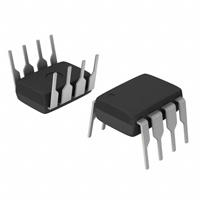
TL431, TL432
SLVS543S – AUGUST 2004 – REVISED MAY 2024
TL431, TL432 Precision Programmable Reference
1 Features
3 Description
•
The TL431 and TL432 devices are three-terminal
adjustable shunt regulators, with specified thermal
stability over applicable automotive, commercial, and
military temperature ranges. The output voltage can
be set to any value between Vref (approximately
2.5V) and 36V, with two external resistors. These
devices have a typical output impedance of 0.2Ω.
Active output circuitry provides a very sharp turnon characteristic, making these devices excellent
replacements for Zener diodes in many applications,
such as on-board regulation, adjustable power
supplies, and switching power supplies. The TL432
device has exactly the same functionality and
electrical specifications as the TL431 device, but has
different pinouts for the DBV, DBZ, and PK packages.
•
•
•
•
•
•
Reference voltage tolerance at 25°C
– 0.5% (B grade)
– 1% (A grade)
– 2% (Standard grade)
Adjustable output voltage: Vref to 36V
Operation from −40°C to 125°C
Typical temperature drift (TL43xB)
– 6mV (C temp)
– 14mV (I temp, Q temp)
Low Output Noise
0.2Ω Typical output impedance
Sink-current capability: 1mA to 100mA
2 Applications
•
•
•
•
•
Rack server power
Industrial AC/DC
AC inverter & VF drives
Servo drive control module
Notebook PC power adapter design
VKA
Input
IKA
Vref
Both the TL431 and TL432 devices are offered in
three grades, with initial tolerances (at 25°C) of
0.5%, 1%, and 2%, for the B, A, and standard
grade, respectively. In addition, low output drift versus
temperature verifies good stability over the entire
temperature range.
The TL43xxC devices are characterized for operation
from 0°C to 70°C, the TL43xxI devices are
characterized for operation from –40°C to 85°C, and
the TL43xxQ devices are characterized for operation
from –40°C to 125°C.
Device Information
PART NUMBER
Simplified Schematic
TL43x
(1)
(2)
PACKAGE (PIN) (1)
BODY SIZE (NOM)
(2)
SOT-23-3 (3)
2.90mm × 1.30mm
SOT-23-5 (5)
2.90mm × 1.60mm
SOIC (8)
4.90mm × 3.90mm
PDIP (8)
9.50mm × 6.35mm
SOP (8)
6.20mm × 5.30mm
For all available packages, see the orderable addendum at
the end of the data sheet.
The package size (length × width) is a nominal value and
includes pins, where applicable.
An IMPORTANT NOTICE at the end of this data sheet addresses availability, warranty, changes, use in safety-critical applications,
intellectual property matters and other important disclaimers. PRODUCTION DATA.
�TL431, TL432
www.ti.com
SLVS543S – AUGUST 2004 – REVISED MAY 2024
Table of Contents
1 Features............................................................................1
2 Applications..................................................................... 1
3 Description.......................................................................1
4 Device Comparison Table...............................................3
5 Pin Configuration and Functions...................................4
6 Specifications.................................................................. 5
6.1 Absolute Maximum Ratings........................................ 5
6.2 ESD Ratings............................................................... 5
6.3 Thermal Information....................................................5
6.4 Recommended Operating Conditions.........................5
6.5 Electrical Characteristics, TL431C, TL432C............... 6
6.6 Electrical Characteristics, TL431I, TL432I.................. 7
6.7 Electrical Characteristics, TL431Q, TL432Q...............8
6.8 Electrical Characteristics, TL431AC, TL432AC.......... 9
6.9 Electrical Characteristics, TL431AI, TL432AI........... 10
6.10 Electrical Characteristics, TL431AQ, TL432AQ...... 11
6.11 Electrical Characteristics, TL431BC, TL432BC...... 12
6.12 Electrical Characteristics, TL431BI, TL432BI......... 13
6.13 Electrical Characteristics, TL431BQ, TL432BQ......14
6.14 Typical Characteristics............................................ 15
7 Parameter Measurement Information.......................... 19
7.1 Temperature Coefficient............................................19
7.2 Dynamic Impedance................................................. 20
2
8 Detailed Description......................................................21
8.1 Overview................................................................... 21
8.2 Functional Block Diagram......................................... 21
8.3 Feature Description...................................................22
8.4 Device Functional Modes..........................................22
9 Applications and Implementation................................ 23
9.1 Application Information............................................. 23
9.2 Typical Applications.................................................. 23
9.3 System Examples..................................................... 28
9.4 Power Supply Recommendations.............................31
9.5 Layout....................................................................... 31
10 Device and Documentation Support..........................32
10.1 Device Nomenclature..............................................32
10.2 Related Links.......................................................... 32
10.3 Receiving Notification of Documentation Updates..32
10.4 Support Resources................................................. 32
10.5 Trademarks............................................................. 32
10.6 Electrostatic Discharge Caution..............................33
10.7 Glossary..................................................................33
11 Revision History.......................................................... 33
12 Mechanical, Packaging, and Orderable
Information.................................................................... 33
Submit Document Feedback
Copyright © 2024 Texas Instruments Incorporated
Product Folder Links: TL431 TL432
�TL431, TL432
www.ti.com
SLVS543S – AUGUST 2004 – REVISED MAY 2024
4 Device Comparison Table
DEVICE PINOUT
INITIAL ACCURACY
OPERATING FREE-AIR TEMPERATURE (TA)
TL431
TL432
B: 0.5%
A: 1%
(Blank): 2%
C: 0°C to 70°C
I: -40°C to 85°C
Q: -40°C to 125°C
Submit Document Feedback
Copyright © 2024 Texas Instruments Incorporated
Product Folder Links: TL431 TL432
3
�TL431, TL432
www.ti.com
SLVS543S – AUGUST 2004 – REVISED MAY 2024
5 Pin Configuration and Functions
*
* - Must be connected to ANODE or left open
TL431, TL431A, TL431B . . . D (SOIC) PACKAGE
(TOP VIEW)
CATHODE
ANODE
ANODE
NC
1
8
2
7
3
6
4
5
TL431, TL431A, TL431B . . . P (PDIP), PS (SOP),
OR PW (TSSOP) PACKAGE
(TOP VIEW)
REF
ANODE
ANODE
NC
CATHODE
NC
NC
NC
NC − No internal connection
1
8
2
7
3
6
4
5
REF
NC
ANODE
NC
NC − No internal connection
TL431, TL431A, TL431B . . . PK (SOT-89) PACKAGE
(TOP VIEW)
TL432, TL432A, TL432B . . . PK (SOT-89) PACKAGE
(TOP VIEW)
REF
ANODE
ANODE
CATHODE
ANODE
ANODE
REF
CATHODE
TL432, TL432A, TL432B . . . DBV (SOT-23-5) PACKAGE
(TOP VIEW)
TL431, TL431A, TL431B . . . DBV (SOT-23-5) PACKAGE
(TOP VIEW)
NC
1
†
2
CATHODE
3
5
ANODE
4
REF
2
NC
3
REF
1
CATHODE
2
1
3
5
REF
4
CATHODE
TL432, TL432A, TL432B . . . DBZ (SOT-23-3) PACKAGE
(TOP VIEW)
TL431, TL431A, TL431B . . . DBZ (SOT-23-3) PACKAGE
(TOP VIEW)
REF
1
NC − No internal connection
NC − No internal connection
† Pin 2 is attached to Substrate and must be
connected to ANODE or left open.
CATHODE
NC
ANODE
ANODE
3
2
ANODE
Table 5-1. Pin Functions
PIN
TL431x
NAME
TYPE
DESCRIPTION
DBZ
DBV
PK
D
CATHODE
1
3
3
1
1
1
1
2
4
1
I/O
REF
2
4
1
8
8
3
3
1
5
3
I
Threshold relative to common anode
2
2, 3, 6,
7
6
2
6
3
2
2
O
Common pin, normally connected to ground
ANODE
4
TL432x
P, PS
PW
3
5
LP
DCK
DBZ
DBV
PK
Submit Document Feedback
Shunt Current/Voltage input
Copyright © 2024 Texas Instruments Incorporated
Product Folder Links: TL431 TL432
�TL431, TL432
www.ti.com
SLVS543S – AUGUST 2004 – REVISED MAY 2024
6 Specifications
6.1 Absolute Maximum Ratings
over operating free-air temperature range (unless otherwise noted)(1)
MIN
MAX
37
V
150
mA
Voltage(2)
VKA
Cathode
IKA
Continuos Cathode Current Range
–100
II(ref)
Reference Input Current
–0.05
TJ
Operating Junction Temperature Range
Tstg
Storage Temperature Range
(1)
(2)
–65
UNIT
10
mA
150
°C
150
°C
Stresses beyond those listed under Absolute Maximum Ratings may cause permanent damage to the device. These are stress
ratings only, which do not imply functional operation of the device at these or any other conditions beyond those indicated under
Recommended Operating Conditions. Exposure to absolute-maximum-rated conditions for extended periods may affect device
reliability.
All voltage values are with respect to ANODE, unless otherwise noted.
6.2 ESD Ratings
VALUE
V(ESD)
(1)
(2)
Electrostatic
discharge
Human body model (HBM), per ANSI/ESDA/JEDEC JS-001pins(1)
±2000
Charged-device model (CDM), per JEDEC specification JESD22-C101 (2)
±1000
UNIT
V
JEDEC document JEP155 states that 500V HBM allows safe manufacturing with a standard ESD control process. Manufacturing with
less than 500V HBM is possible with the necessary precautions.
JEDEC document JEP157 states that 250V CDM allows safe manufacturing with a standard ESD control process. Manufacturing with
less than 250V CDM is possible with the necessary precautions.
6.3 Thermal Information
TL43xx
THERMAL
METRIC(1)
P
PW
D
PS
8 PINS
DCK
DBV
6 PINS
5 PINS
DBZ
LP
PK
UNIT
3 PINS
RθJA
Junction-to-ambient
thermal resistance
85
149
97
95
259
206
206
140
52
°C/W
RθJC(top)
Junction-to-case
(top) thermal
resistance
57
65
39
46
87
131
76
55
9
°C/W
(1)
For more information about traditional and new thermal metrics, see the IC Package Thermal Metrics application report (SPRA953)
6.4 Recommended Operating Conditions
See (1)
VKA
Cathode Voltage
IKA
Continuous Cathode Current Range
TL43xxC
TA
(1)
Operating Free-Air Temperature
MIN
MAX
Vref
36
V
1
100
mA
0
70
TL43xxI
–40
85
TL43xxQ
–40
125
UNIT
°C
Maximum power dissipation is a function of TJ(max), θJA, and TA. The maximum allowable power dissipation at any allowable ambient
temperature is PD = (TJ(max) – TA)/θJA. Operating at the absolute maximum TJ of 150°C can affect reliability.
Submit Document Feedback
Copyright © 2024 Texas Instruments Incorporated
Product Folder Links: TL431 TL432
5
�TL431, TL432
www.ti.com
SLVS543S – AUGUST 2004 – REVISED MAY 2024
6.5 Electrical Characteristics, TL431C, TL432C
over recommended operating conditions, TA = 25°C (unless otherwise noted)
PARAMETER
TEST CONDITIONS
Reference Voltage
See Figure 7-1
VKA = Vref, IKA = 10mA
VI(dev)
Deviation of reference
input voltage over full
temperature range (1)
See Figure 7-1
VKA = Vref, IKA = 10mA
ΔVref /
ΔVKA
Ratio of change in
reference voltage to
the change in cathode
voltage
Iref
Reference Input Current See Figure 7-2
II(dev)
Deviation of reference
input current over full
temperature range (1)
Imin
Minimum cathode
current for regulation
Ioff
|ZKA|
(1)
(2)
6
TEST CIRCUIT
Vref
SOT23-3 and TL432
devices
All other devices
ΔVKA = 10V- Vref
See Figure 7-2
IKA = 10mA
UNIT
mV
6
16
4
25
–1.4 –2.7
mV
mV
mV/V
–1
–2
mV/V
IKA = 10mA, R1 = 10kΩ, R2 = ∞
2
4
µA
See Figure 7-2
IKA = 10mA, R1 = 10kΩ, R2 = ∞
0.4
1.2
µA
See Figure 7-1
VKA = Vref
0.4
1
mA
Off-state cathode current See Figure 7-3
VKA = 36V, Vref = 0
0.1
1
µA
Dynamic Impedance (2)
VKA = Vref, f ≤ 1kHz,
IKA = 1mA to 100mA
0.2
0.5
Ω
See Figure 7-1
ΔVKA = 36V- 10V
MIN TYP MAX
2440 2495 2550
The deviation parameters VI(dev) and II(dev) are defined as the differences between the maximum and minimum values obtained over
the rated temperature range. For more details on VI(dev) and how it relates to the average temperature coefficient, see Temperature
Coefficient.
The dynamic impedance is defined by |ZKA| = ΔVKA/ΔIKA. For more details on |ZKA| and how it relates to VKA, see Dynamic
Impedance.
Submit Document Feedback
Copyright © 2024 Texas Instruments Incorporated
Product Folder Links: TL431 TL432
�TL431, TL432
www.ti.com
SLVS543S – AUGUST 2004 – REVISED MAY 2024
6.6 Electrical Characteristics, TL431I, TL432I
over recommended operating conditions, TA = 25°C (unless otherwise noted)
PARAMETER
TEST CIRCUIT
TEST CONDITIONS
Vref
Reference Voltage
See Figure 7-1
VKA = Vref, IKA = 10mA
VI(dev)
Deviation of reference
input voltage over full
temperature range (1)
See Figure 7-1
VKA = Vref, IKA = 10mA
ΔVref /
ΔVKA
Ratio of change in
reference voltage to
the change in cathode
voltage
Iref
Reference Input Current See Figure 7-2
II(dev)
Deviation of reference
input current over full
temperature range (1)
Imin
Minimum cathode
current for regulation
Ioff
|ZKA|
(1)
(2)
SOT23-3 and TL432
devices
All other devices
ΔVKA = 10V- Vref
See Figure 7-2
IKA = 10mA
UNIT
mV
14
34
5
50
–1.4 –2.7
mV
mV
mV/V
–1
–2
mV/V
IKA = 10mA, R1 = 10kΩ, R2 = ∞
2
4
µA
See Figure 7-2
IKA = 10mA, R1 = 10kΩ, R2 = ∞
0.8
2.5
µA
See Figure 7-1
VKA = Vref
0.4
1
mA
Off-state cathode current See Figure 7-3
VKA = 36V, Vref = 0
0.1
1
µA
Dynamic Impedance (2)
VKA = Vref, f ≤ 1kHz,
IKA = 1mA to 100mA
0.2
0.5
Ω
See Figure 7-1
ΔVKA = 36V- 10V
MIN TYP MAX
2440 2495 2550
The deviation parameters VI(dev) and II(dev) are defined as the differences between the maximum and minimum values obtained over
the rated temperature range. For more details on VI(dev) and how it relates to the average temperature coefficient, see Temperature
Coefficient.
The dynamic impedance is defined by |ZKA| = ΔVKA/ΔIKA. For more details on |ZKA| and how it relates to VKA, see Dynamic
Impedance.
Submit Document Feedback
Copyright © 2024 Texas Instruments Incorporated
Product Folder Links: TL431 TL432
7
�TL431, TL432
www.ti.com
SLVS543S – AUGUST 2004 – REVISED MAY 2024
6.7 Electrical Characteristics, TL431Q, TL432Q
over recommended operating conditions, TA = 25°C (unless otherwise noted)
PARAMETER
TEST CONDITIONS
Reference Voltage
See Figure 7-1
VKA = Vref, IKA = 10mA
VI(dev)
Deviation of reference
input voltage over full
temperature range (1)
See Figure 7-1
VKA = Vref, IKA = 10mA
ΔVref /
ΔVKA
Ratio of change in
reference voltage to
the change in cathode
voltage
Iref
Reference Input Current See Figure 7-2
II(dev)
Deviation of reference
input current over full
temperature range (1)
Imin
Minimum cathode
current for regulation
Ioff
|ZKA|
(1)
(2)
8
TEST CIRCUIT
Vref
IKA = 10mA
UNIT
mV
14
ΔVKA = 10V- Vref
See Figure 7-2
MIN TYP MAX
2440 2495 2550
–1.4 –2.7
mV
mV/V
–1
–2
mV/V
IKA = 10mA, R1 = 10kΩ, R2 = ∞
2
4
µA
See Figure 7-2
IKA = 10mA, R1 = 10kΩ, R2 = ∞
0.8
2.5
µA
See Figure 7-1
VKA = Vref
0.4
1
mA
Off-state cathode current See Figure 7-3
VKA = 36V, Vref = 0
0.1
1
µA
Dynamic Impedance (2)
VKA = Vref, f ≤ 1kHz,
IKA = 1mA to 100mA
0.2
0.5
Ω
See Figure 7-1
ΔVKA = 36V- 10V
34
The deviation parameters VI(dev) and II(dev) are defined as the differences between the maximum and minimum values obtained over
the rated temperature range. For more details on VI(dev) and how it relates to the average temperature coefficient, see Temperature
Coefficient.
The dynamic impedance is defined by |ZKA| = ΔVKA/ΔIKA. For more details on |ZKA| and how it relates to VKA, see Dynamic
Impedance.
Submit Document Feedback
Copyright © 2024 Texas Instruments Incorporated
Product Folder Links: TL431 TL432
�TL431, TL432
www.ti.com
SLVS543S – AUGUST 2004 – REVISED MAY 2024
6.8 Electrical Characteristics, TL431AC, TL432AC
over recommended operating conditions, TA = 25°C (unless otherwise noted)
PARAMETER
TEST CIRCUIT
TEST CONDITIONS
Vref
Reference Voltage
See Figure 7-1
VKA = Vref, IKA = 10mA
VI(dev)
Deviation of reference
input voltage over full
temperature range (1)
See Figure 7-1
VKA = Vref, IKA = 10mA
ΔVref /
ΔVKA
Ratio of change in
reference voltage to
the change in cathode
voltage
Iref
Reference Input Current See Figure 7-2
II(dev)
Deviation of reference
input current over full
temperature range (1)
Imin
Minimum cathode
current for regulation
Ioff
|ZKA|
(1)
(2)
SOT23-3 and TL432
devices
All other devices
ΔVKA = 10V- Vref
See Figure 7-2
IKA = 10mA
UNIT
mV
6
16
4
25
–1.4 –2.7
mV
mV
mV/V
–1
–2
mV/V
IKA = 10mA, R1 = 10kΩ, R2 = ∞
2
4
µA
See Figure 7-2
IKA = 10mA, R1 = 10kΩ, R2 = ∞
0.8
1.2
µA
See Figure 7-1
VKA = Vref
0.4
0.6
mA
Off-state cathode current See Figure 7-3
VKA = 36V, Vref = 0
0.1
0.5
µA
Dynamic Impedance (2)
VKA = Vref, f ≤ 1kHz,
IKA = 1mA to 100mA
0.2
0.5
Ω
See Figure 7-1
ΔVKA = 36V- 10V
MIN TYP MAX
2470 2495 2520
The deviation parameters VI(dev) and II(dev) are defined as the differences between the maximum and minimum values obtained over
the rated temperature range. For more details on VI(dev) and how it relates to the average temperature coefficient, see Temperature
Coefficient.
The dynamic impedance is defined by |ZKA| = ΔVKA/ΔIKA. For more details on |ZKA| and how it relates to VKA, see Dynamic
Impedance.
Submit Document Feedback
Copyright © 2024 Texas Instruments Incorporated
Product Folder Links: TL431 TL432
9
�TL431, TL432
www.ti.com
SLVS543S – AUGUST 2004 – REVISED MAY 2024
6.9 Electrical Characteristics, TL431AI, TL432AI
over recommended operating conditions, TA = 25°C (unless otherwise noted)
PARAMETER
TEST CIRCUIT
TEST CONDITIONS
Vref
Reference Voltage
See Figure 7-1
VKA = Vref, IKA = 10mA
VI(dev)
Deviation of reference
input voltage over full
temperature range (1)
See Figure 7-1
VKA = Vref, IKA = 10mA
ΔVref /
ΔVKA
Ratio of change in
reference voltage to
the change in cathode
voltage
Iref
Reference Input Current See Figure 7-2
II(dev)
Deviation of reference
input current over full
temperature range (1)
Imin
Minimum cathode
current for regulation
Ioff
|ZKA|
(1)
(2)
10
SOT23-3 and TL432
devices
All other devices
ΔVKA = 10V- Vref
See Figure 7-2
IKA = 10mA
UNIT
mV
14
34
5
50
–1.4 –2.7
mV
mV
mV/V
–1
–2
mV/V
IKA = 10mA, R1 = 10kΩ, R2 = ∞
2
4
µA
See Figure 7-2
IKA = 10mA, R1 = 10kΩ, R2 = ∞
0.8
2.5
µA
See Figure 7-1
VKA = Vref
0.4
0.7
mA
Off-state cathode current See Figure 7-3
VKA = 36V, Vref = 0
0.1
0.5
µA
Dynamic Impedance (2)
VKA = Vref, f ≤ 1kHz,
IKA = 1mA to 100mA
0.2
0.5
Ω
See Figure 7-1
ΔVKA = 36V- 10V
MIN TYP MAX
2470 2495 2520
The deviation parameters VI(dev) and II(dev) are defined as the differences between the maximum and minimum values obtained over
the rated temperature range. For more details on VI(dev) and how it relates to the average temperature coefficient, see Temperature
Coefficient.
The dynamic impedance is defined by |ZKA| = ΔVKA/ΔIKA. For more details on |ZKA| and how it relates to VKA, see Dynamic
Impedance.
Submit Document Feedback
Copyright © 2024 Texas Instruments Incorporated
Product Folder Links: TL431 TL432
�TL431, TL432
www.ti.com
SLVS543S – AUGUST 2004 – REVISED MAY 2024
6.10 Electrical Characteristics, TL431AQ, TL432AQ
over recommended operating conditions, TA = 25°C (unless otherwise noted)
PARAMETER
TEST CIRCUIT
TEST CONDITIONS
Vref
Reference Voltage
See Figure 7-1
VKA = Vref, IKA = 10mA
VI(dev)
Deviation of reference
input voltage over full
temperature range (1)
See Figure 7-1
VKA = Vref, IKA = 10mA
ΔVref /
ΔVKA
Ratio of change in
reference voltage to
the change in cathode
voltage
Iref
Reference Input Current See Figure 7-2
II(dev)
Deviation of reference
input current over full
temperature range (1)
Imin
Minimum cathode
current for regulation
Ioff
|ZKA|
(1)
(2)
IKA = 10mA
UNIT
mV
14
ΔVKA = 10V- Vref
See Figure 7-2
MIN TYP MAX
2470 2495 2520
–1.4 –2.7
mV
mV/V
–1
–2
mV/V
IKA = 10mA, R1 = 10kΩ, R2 = ∞
2
4
µA
See Figure 7-2
IKA = 10mA, R1 = 10kΩ, R2 = ∞
0.8
2.5
µA
See Figure 7-1
VKA = Vref
0.4
0.7
mA
Off-state cathode current See Figure 7-3
VKA = 36V, Vref = 0
0.1
0.5
µA
Dynamic Impedance (2)
VKA = Vref, f ≤ kHz,
IKA = 1mA to 100mA
0.2
0.5
Ω
See Figure 7-1
ΔVKA = 36V- 10V
34
The deviation parameters VI(dev) and II(dev) are defined as the differences between the maximum and minimum values obtained over
the rated temperature range. For more details on VI(dev) and how it relates to the average temperature coefficient, see Temperature
Coefficient.
The dynamic impedance is defined by |ZKA| = ΔVKA/ΔIKA. For more details on |ZKA| and how it relates to VKA, see Dynamic
Impedance.
Submit Document Feedback
Copyright © 2024 Texas Instruments Incorporated
Product Folder Links: TL431 TL432
11
�TL431, TL432
www.ti.com
SLVS543S – AUGUST 2004 – REVISED MAY 2024
6.11 Electrical Characteristics, TL431BC, TL432BC
over recommended operating conditions, TA = 25°C (unless otherwise noted)
PARAMETER
TEST CIRCUIT
TEST CONDITIONS
Vref
Reference Voltage
See Figure 7-1
VKA = Vref, IKA = 10mA
VI(dev)
Deviation of reference
input voltage over full
temperature range (1)
See Figure 7-1
VKA = Vref, IKA = 10mA
ΔVref /
ΔVKA
Ratio of change in
reference voltage to
the change in cathode
voltage
Iref
Reference Input Current See Figure 7-2
II(dev)
Deviation of reference
input current over full
temperature range (1)
Imin
Minimum cathode
current for regulation
Ioff
|ZKA|
(1)
(2)
12
IKA = 10mA
UNIT
mV
6
ΔVKA = 10V- Vref
See Figure 7-2
MIN TYP MAX
2483 2495 2507
–1.4 –2.7
mV
mV/V
–1
–2
mV/V
IKA = 10mA, R1 = 10kΩ, R2 = ∞
2
4
µA
See Figure 7-2
IKA = 10mA, R1 = 10kΩ, R2 = ∞
0.8
1.2
µA
See Figure 7-1
VKA = Vref
0.4
0.6
mA
Off-state cathode current See Figure 7-3
VKA = 36V, Vref = 0
0.1
0.5
µA
Dynamic Impedance (2)
VKA = Vref, f ≤ 1kHz,
IKA = 1mA to 100mA
0.2
0.5
Ω
See Figure 7-1
ΔVKA = 36V- 10V
16
The deviation parameters VI(dev) and II(dev) are defined as the differences between the maximum and minimum values obtained over
the rated temperature range. For more details on VI(dev) and how it relates to the average temperature coefficient, see Temperature
Coefficient.
The dynamic impedance is defined by |ZKA| = ΔVKA/ΔIKA. For more details on |ZKA| and how it relates to VKA, see Dynamic
Impedance.
Submit Document Feedback
Copyright © 2024 Texas Instruments Incorporated
Product Folder Links: TL431 TL432
�TL431, TL432
www.ti.com
SLVS543S – AUGUST 2004 – REVISED MAY 2024
6.12 Electrical Characteristics, TL431BI, TL432BI
over recommended operating conditions, TA = 25°C (unless otherwise noted)
PARAMETER
TEST CIRCUIT
TEST CONDITIONS
Vref
Reference Voltage
See Figure 7-1
VKA = Vref, IKA = 10mA
VI(dev)
Deviation of reference
input voltage over full
temperature range (1)
See Figure 7-1
VKA = Vref, IKA = 10mA
ΔVref /
ΔVKA
Ratio of change in
reference voltage to
the change in cathode
voltage
Iref
Reference Input Current See Figure 7-2
II(dev)
Deviation of reference
input current over full
temperature range (1)
Imin
Minimum cathode
current for regulation
Ioff
|ZKA|
(1)
(2)
IKA = 10mA
UNIT
mV
14
ΔVKA = 10V- Vref
See Figure 7-2
MIN TYP MAX
2483 2495 2507
–1.4 –2.7
mV
mV/V
–1
–2
mV/V
IKA = 10mA, R1 = 10kΩ, R2 = ∞
2
4
µA
See Figure 7-2
IKA = 10mA, R1 = 10kΩ, R2 = ∞
0.8
2.5
µA
See Figure 7-1
VKA = Vref
0.4
0.7
mA
Off-state cathode current See Figure 7-3
VKA = 36V, Vref = 0
0.1
0.5
µA
Dynamic Impedance (2)
VKA = Vref, f ≤ 1kHz,
IKA = 1mA to 100mA
0.2
0.5
Ω
See Figure 7-1
ΔVKA = 36V- 10V
34
The deviation parameters VI(dev) and II(dev) are defined as the differences between the maximum and minimum values obtained over
the rated temperature range. For more details on VI(dev) and how it relates to the average temperature coefficient, see Temperature
Coefficient.
The dynamic impedance is defined by |ZKA| = ΔVKA/ΔIKA. For more details on |ZKA| and how it relates to VKA, see Dynamic
Impedance.
Submit Document Feedback
Copyright © 2024 Texas Instruments Incorporated
Product Folder Links: TL431 TL432
13
�TL431, TL432
www.ti.com
SLVS543S – AUGUST 2004 – REVISED MAY 2024
6.13 Electrical Characteristics, TL431BQ, TL432BQ
over recommended operating conditions, TA = 25°C (unless otherwise noted)
PARAMETER
TEST CIRCUIT
TEST CONDITIONS
Vref
Reference Voltage
See Figure 7-1
VKA = Vref, IKA = 10mA
VI(dev)
Deviation of reference
input voltage over full
temperature range (1)
See Figure 7-1
VKA = Vref, IKA = 10mA
ΔVref /
ΔVKA
Ratio of change in
reference voltage to
the change in cathode
voltage
Iref
Reference Input Current See Figure 7-2
II(dev)
Deviation of reference
input current over full
temperature range (1)
Imin
Minimum cathode
current for regulation
Ioff
|ZKA|
(1)
(2)
14
IKA = 10mA
UNIT
mV
14
ΔVKA = 10V- Vref
See Figure 7-2
MIN TYP MAX
2483 2495 2507
–1.4 –2.7
mV
mV/V
–1
–2
mV/V
IKA = 10mA, R1 = 10kΩ, R2 = ∞
2
4
µA
See Figure 7-2
IKA = 10mA, R1 = 10kΩ, R2 = ∞
0.8
2.5
µA
See Figure 7-1
VKA = Vref
0.4
0.7
mA
Off-state cathode current See Figure 7-3
VKA = 36V, Vref = 0
0.1
0.5
µA
Dynamic Impedance (2)
VKA = Vref, f ≤ 1kHz,
IKA = 1mA to 100mA
0.2
0.5
Ω
See Figure 7-1
ΔVKA = 36V- 10V
34
The deviation parameters VI(dev) and II(dev) are defined as the differences between the maximum and minimum values obtained over
the rated temperature range. For more details on VI(dev) and how it relates to the average temperature coefficient, see Temperature
Coefficient.
The dynamic impedance is defined by |ZKA| = ΔVKA/ΔIKA. For more details on |ZKA| and how it relates to VKA, see Dynamic
Impedance.
Submit Document Feedback
Copyright © 2024 Texas Instruments Incorporated
Product Folder Links: TL431 TL432
�TL431, TL432
www.ti.com
SLVS543S – AUGUST 2004 – REVISED MAY 2024
6.14 Typical Characteristics
Data at high and low temperatures are applicable only within the recommended operating free-air temperature
ranges of the various devices.
2600
5
Vref = 2550 mV
2560
4
I ref − Reference Current − µA
V ref − Reference Voltage − mV
R1 = 10 kΩ
R2 =∞
IKA = 10 mA
VKA = Vref
IKA = 10 mA
2580
2540
2520
Vref = 2495 mV
2500
2480
2460
Vref = 2440 mV
2440
3
2
1
2420
2400
−75
−50
−25
0
25
50
75
100
0
−75
125
−50
Figure 6-1. Reference Voltage vs Free-Air
Temperature
25
0
50
75
100
125
Figure 6-2. Reference Current vs Free-Air
Temperature
800
150
VKA = Vref
TA = 25°C
125
VKA = Vref
TA = 25°C
600
I KA − Cathode Current − µ A
100
I KA − Cathode Current − mA
−25
TA − Free-Air Temperature − °C
TA − Free-Air Temperature − °C
75
50
25
0
−25
−50
Imin
400
200
0
−75
−100
−2
−1
0
1
2
−200
−1
3
0
VKA − Cathode Voltage − V
1
Figure 6-3. Cathode Current vs Cathode Voltage
3
Figure 6-4. Cathode Current vs Cathode Voltage
− 0.85
2.5
VKA = 36 V
Vref = 0
VKA = 3 V to 36 V
− 0.95
2
∆V ref / ∆V KA − mV/V
I off − Off-State Cathode Current − µA
2
VKA − Cathode Voltage − V
1.5
1
0.5
−1.05
−1.15
−1.25
−1.35
16
0
−75
16
−50
−25
0
25
50
75
100
125
−1.45
−75
TA − Free-Air Temperature − °C
−50
−25
0
25
50
75
100
125
TA − Free-Air Temperature − °C
Figure 6-5. Off-State Cathode Current vs Free-Air
Temperature
Figure 6-6. Ratio of Delta Reference Voltage to
Delta Cathode Voltage vs Free-Air Temperature
Submit Document Feedback
Copyright © 2024 Texas Instruments Incorporated
Product Folder Links: TL431 TL432
15
�TL431, TL432
www.ti.com
SLVS543S – AUGUST 2004 – REVISED MAY 2024
6
IO = 10 mA
TA = 25°C
240
220
200
180
160
140
120
5
V n − Equivalent Input Noise V oltage − µV
Vn − Equivalent Input Noise V oltage − nV/
Hz
260
16
4
3
2
1
0
−1
−2
−3
f = 0.1 to 10 Hz
IKA = 10 mA
TA = 25°C
−4
−5
−6
100
10
100
1k
10 k
0
100 k
1
2
3
4
5
6
7
8
9
10
t − Time − s
f − Frequency − Hz
Figure 6-7. Equivalent Input Noise Voltage vs
Frequency
Figure 6-8. Equivalent Input Noise Voltage Over a
10S Period
19.1 V
1 kΩ
910 Ω
500 µF
2000 µF
VCC
TL431
(DUT)
+
VCC
1 µF
TLE2027
AV = 10 V/mV
820 Ω
+
−
16 kΩ
16 kΩ
1 µF
22 µF
To
Oscilloscope
−
16 Ω
160 kΩ
TLE2027
33 kΩ
AV = 2 V/V
0.1 µF
33 kΩ
VEE
VEE
Figure 6-9. Test Circuit for Equivalent Input Noise Voltage Over a 10S Period
IKA = 10 mA
TA = 25°C
A V − Small-Signal V oltage Amplification − dB
60
IKA = 10 mA
TA = 25°C
50
Output
40
15 kΩ
30
232 Ω
9 µF
20
+
10
0
1k
IKA
8.25 kΩ
10 k
100 k
1M
10 M
−
GND
f − Frequency − Hz
Figure 6-10. Small-Signal Voltage Amplification vs
Frequency
16
Figure 6-11. Test Circuit for Voltage Amplification
Submit Document Feedback
Copyright © 2024 Texas Instruments Incorporated
Product Folder Links: TL431 TL432
�TL431, TL432
www.ti.com
SLVS543S – AUGUST 2004 – REVISED MAY 2024
|z KA| − Reference Impedance − Ω
100
1 kΩ
Output
IKA = 10 mA
TA = 25°C
IKA
50 Ω
10
−
+
GND
1
Figure 6-13. Test Circuit for Reference Impedance
0.1
1k
10 k
100 k
1M
10 M
f − Frequency − Hz
Figure 6-12. Reference Impedance vs Frequency
6
220 Ω
TA = 25°C
Output
Input
Input and Output V oltage − V
5
Pulse
Generator
f = 100 kHz
4
3
50 Ω
Output
GND
2
Figure 6-15. Test Circuit for Pulse Response
1
0
−1
0
1
2
3
4
5
6
7
t − Time − µs
Figure 6-14. Pulse Response
100
90
I KA − Cathode Current − mA
80
A V KA
B V KA
C VKA
D VKA
150 Ω
= Vref
=5V
= 10 V
= 15 Vf
TA = 25°C
IKA
+
B
VBATT
CL
70
−
Stable
60
C
Stable
50
A
40
TEST CIRCUIT FOR CURVE A
30
D
20
IKA
10
0
0.001
R1 = 10 kΩ
0.01
0.1
1
150 Ω
10
CL
CL − Load Capacitance − µF
The areas under the curves represent conditions that can
cause the device to oscillate. For curves B, C, and D, R2 and
V+ are adjusted to establish the initial VKA and IKA conditions,
with CL = 0. VBATT and CL then are adjusted to determine the
ranges of stability.
Figure 6-16. Stability Boundary Conditions for All
TL431 and TL431A Devices (Except for SOT23-3,
SC-70, and Q-Temp Devices)
+
R2
VBATT
−
TEST CIRCUIT FOR CURVES B, C, AND D
Figure 6-17. Test Circuits for Stability Boundary
Conditions
Submit Document Feedback
Copyright © 2024 Texas Instruments Incorporated
Product Folder Links: TL431 TL432
17
�TL431, TL432
www.ti.com
SLVS543S – AUGUST 2004 – REVISED MAY 2024
100
90
I KA − Cathode Current − mA
80
A VKA
B V KA
C VKA
D VKA
150 Ω
= Vref
=5V
= 10 V
= 15 Vf
IKA
+
B
70
VBATT
CL
TA = 25°C
−
60
C
Stable
Stable
50
A
40
A
TEST CIRCUIT FOR CURVE A
30
D
20
B
IKA
10
0
0.001
R1 = 10 kΩ
0.01
0.1
1
CL
CL − Load Capacitance − µF
The areas under the curves represent conditions that can
cause the device to oscillate. For curves B, C, and D, R2 and
V+ are adjusted to establish the initial VKA and IKA conditions,
with CL = 0. VBATT and CL then are adjusted to determine the
ranges of stability.
Figure 6-18. Stability Boundary Conditions for
All TL431B, TL432, SOT-23, SC-70, and Q-Temp
Devices
18
150 Ω
10
+
R2
VBATT
−
TEST CIRCUIT FOR CURVES B, C, AND D
Figure 6-19. Test Circuit for Stability Boundary
Conditions
Submit Document Feedback
Copyright © 2024 Texas Instruments Incorporated
Product Folder Links: TL431 TL432
�TL431, TL432
www.ti.com
SLVS543S – AUGUST 2004 – REVISED MAY 2024
7 Parameter Measurement Information
VKA
Input
IKA
Vref
Figure 7-1. Test Circuit for VKA = Vref
Input
VKA
IKA
R1
Iref
R2
Vref
R1 ö
æ
VKA = Vref ç 1 +
÷ + Iref × R1
R2 ø
è
Figure 7-2. Test Circuit for VKA > Vref
Input
VKA
Ioff
Figure 7-3. Test Circuit for Ioff
7.1 Temperature Coefficient
The deviation of the reference voltage, Vref, over the full temperature range is known as VI(dev). The parameter
of VI(dev) can be used to find the temperature coefficient of the device. The average full-range temperature
coefficient of the reference input voltage, αVref, is defined as:
αVref is positive or negative, depending on whether minimum Vref or maximum Vref, respectively, occurs at the
lower temperature. The full-range temperature coefficient is an average and therefore any subsection of the
rated operating temperature range can yield a value that is greater or less than the average. For more details on
temperature coefficient, refer to the Voltage Reference Selection Basics White Paper.
Submit Document Feedback
Copyright © 2024 Texas Instruments Incorporated
Product Folder Links: TL431 TL432
19
�TL431, TL432
www.ti.com
SLVS543S – AUGUST 2004 – REVISED MAY 2024
7.2 Dynamic Impedance
'VKA
'IKA . When the device is operating with two external resistors
The dynamic impedance is defined as
'V
z'
'I , which is approximately equal
(see Figure 6-13), the total dynamic impedance of the circuit is given by
R1 ·
§
ZKA ¨ 1
¸
© R2 ¹ .
to
ZKA
Itest
P/
IKA (mA)
The VKA of the device can be affected by the dynamic impedance. The device test current Itest for VKA is
specified in the Electrical Characteristics. Any deviation from Itest can cause deviation on the output VKA. Figure
7-4 shows the effect of the dynamic impedance on the VKA.
IKA
IKA(min)
0
VKA (V)
Ps
Figure 7-4. Dynamic Impedance
20
Submit Document Feedback
Copyright © 2024 Texas Instruments Incorporated
Product Folder Links: TL431 TL432
�TL431, TL432
www.ti.com
SLVS543S – AUGUST 2004 – REVISED MAY 2024
8 Detailed Description
8.1 Overview
This standard device has proven ubiquity and versatility across a wide range of applications, ranging from power
to signal path. This is due to its key components containing an accurate voltage reference & opamp, which are
very fundamental analog building blocks. TL43xx is used in conjunction with its key components to behave as a
single voltage reference, error amplifier, voltage clamp or comparator with integrated reference.
TL43xx can be operated and adjusted to cathode voltages from 2.5V to 36V, making this part optimum for a
wide range of end equipments in industrial, auto, telecom & computing. In order for this device to behave as a
shunt regulator or error amplifier, >1mA (Imin(max)) must be supplied in to the cathode pin. Under this condition,
feedback can be applied from the Cathode and Ref pins to create a replica of the internal reference voltage.
Various reference voltage options can be purchased with initial tolerances (at 25°C) of 0.5%, 1%, and 2%. These
reference options are denoted by B (0.5%), A (1.0%) and blank (2.0%) after the TL431 or TL432. TL431 &
TL432 are both functionaly, but have separate pinout options.
The TL43xxC devices are characterized for operation from 0°C to 70°C, the TL43xxI devices are characterized
for operation from –40°C to 85°C, and the TL43xxQ devices are characterized for operation from –40°C to
125°C.
8.2 Functional Block Diagram
CATHODE
+
REF
_
Vref
ANODE
Figure 8-1. Equivalent Schematic
CATHODE
800 Ω
800 Ω
20 pF
REF
150 Ω
3.28 kΩ
2.4 kΩ
7.2 kΩ
4 kΩ
10 kΩ
20 pF
1 kΩ
800 Ω
ANODE
Figure 8-2. Detailed Schematic
Submit Document Feedback
Copyright © 2024 Texas Instruments Incorporated
Product Folder Links: TL431 TL432
21
�TL431, TL432
www.ti.com
SLVS543S – AUGUST 2004 – REVISED MAY 2024
8.3 Feature Description
TL43xx consists of an internal reference and amplifier that outputs a sink current base on the difference between
the reference pin and the virtual internal pin. The sink current is produced by the internal Darlington pair, shown
in the above schematic (Figure 8-2). A Darlington pair is used for this device to be able to sink a maximum
current of 100mA.
When operated with enough voltage headroom (≥ 2.5V) and cathode current (IKA), TL431 forces the reference
pin to 2.5V. However, the reference pin can not be left floating, as it needs IREF ≥ 4µA (please see Electrical
Characteristics, TL431C, TL432C). This is because the reference pin is driven into an npn, which needs base
current in order operate properly.
When feedback is applied from the Cathode and Reference pins, TL43xx behaves as a Zener diode, regulating
to a constant voltage dependent on current being supplied into the cathode. This is due to the internal amplifier
and reference entering the proper operating regions. The same amount of current needed in the above feedback
situation must be applied to this device in open loop, servo or error amplifying implementations for it to be in the
proper linear region giving TL43xx enough gain.
Unlike many linear regulators, TL43xx is internally compensated to be stable without an output capacitor
between the cathode and anode. However, if it is desired to use an output capacitor Figure 6-18 can be used as
a guide to assist in choosing the correct capacitor to maintain stability.
8.4 Device Functional Modes
8.4.1 Open Loop (Comparator)
When the cathode/output voltage or current of TL43xx is not being fed back to the reference/input pin in any
form, this device is operating in open loop. With proper cathode current (Ika) applied to this device, TL43xx
will have the characteristics shown in Figure 9-2. With such high gain in this configuration, TL43xx is typically
used as a comparator. With the reference integrated makes TL43xx the prefered choice when users are trying to
monitor a certain level of a single signal.
8.4.2 Closed Loop
When the cathode/output voltage or current of TL43xx is being fed back to the reference/input pin in any form,
this device is operating in closed loop. The majority of applications involving TL43xx use it in this manner to
regulate a fixed voltage or current. The feedback enables this device to behave as an error amplifier, computing
a portion of the output voltage and adjusting it to maintain the desired regulation. This is done by relating the
output voltage back to the reference pin in a manner to make it equal to the internal reference voltage, which can
be accomplished via resistive or direct feedback.
22
Submit Document Feedback
Copyright © 2024 Texas Instruments Incorporated
Product Folder Links: TL431 TL432
�TL431, TL432
www.ti.com
SLVS543S – AUGUST 2004 – REVISED MAY 2024
9 Applications and Implementation
Note
Information in the following applications sections is not part of the TI component specification, and
TI does not warrant its accuracy or completeness. TI’s customers are responsible for determining
suitability of components for their purposes. Customers should validate and test their design
implementation to confirm system functionality.
9.1 Application Information
As this device has many applications and setups, there are many situations that this datasheet can not
characterize in detail. The linked application notes will help the designer make the best choices when using
this part.
Application note Understanding Stability Boundary Conditions Charts in TL431, TL432 Data Sheet (SLVA482)
will provide a deeper understanding of this devices stability characteristics and aid the user in making the right
choices when choosing a load capacitor. Application note Setting the Shunt Voltage on an Adjustable Shunt
Regulator (SLVA445) assists designers in setting the shunt voltage to achieve optimum accuracy for this device.
9.2 Typical Applications
9.2.1 Comparator With Integrated Reference
Vsup
Rsup
Vout
CATHODE
R1
VIN
RIN
REF
VL
+
R2
2.5V
ANODE
Figure 9-1. Comparator Application Schematic
Submit Document Feedback
Copyright © 2024 Texas Instruments Incorporated
Product Folder Links: TL431 TL432
23
�TL431, TL432
www.ti.com
SLVS543S – AUGUST 2004 – REVISED MAY 2024
9.2.1.1 Design Requirements
For this design example, use the parameters listed in Table 9-1 as the input parameters.
Table 9-1. Design Parameters
DESIGN PARAMETER
EXAMPLE VALUE
Input Voltage Range
0Vto 5V
Input Resistance
10kΩ
Supply Voltage
24V
Cathode Current (Ik)
5mA
Output Voltage Level
~2V– VSUP
Logic Input Thresholds VIH/VIL
VL
9.2.1.2 Detailed Design Procedure
When using TL431 as a comparator with reference, determine the following:
•
•
•
•
Input Voltage Range
Reference Voltage Accuracy
Output logic input high and low level thresholds
Current Source resistance
9.2.1.2.1 Basic Operation
In the configuration shown in Figure 9-1 TL431 will behave as a comparator, comparing the VREF pin voltage
to the internal virtual reference voltage. When provided a proper cathode current (IK), TL43xx will have enough
open loop gain to provide a quick response. This can be seen in Figure 9-2, where the RSUP=10 kΩ (IKA=500 µA)
situation responds much slower than RSUP=1 kΩ (IKA=5mA). Operation near and below Imin could result in low
gain, leading to a slow response.
9.2.1.2.1.1 Overdrive
Slow or inaccurate responses can also occur when the reference pin is not provided enough overdrive voltage.
This is the amount of voltage that is higher than the internal virtual reference. The internal virtual reference
voltage will be within the range of 2.5V±(0.5%, 1.0% or 1.5%) depending on which version is being used. The
more overdrive voltage provided, the faster the TL431 will respond.
For applications where TL431 is being used as a comparator, it is best to set the trip point to greater than the
positive expected error (i.e. +1.0% for the A version). For fast response, setting the trip point to >10% of the
internal VREF should suffice.
For minimal voltage drop or difference from Vin to the ref pin, it is recommended to use an input resistor