TPS7B6333-Q1, TPS7B6350-Q1
TPS7B6333-Q1,
SLVSDU9B – FEBRUARY
2017 – REVISEDTPS7B6350-Q1
SEPTEMBER 2020
SLVSDU9B – FEBRUARY 2017 – REVISED SEPTEMBER 2020
www.ti.com
TPS7B63xx-Q1
300-mA, 40-V High-Voltage, Ultra-Low-Quiescent-Current Watchdog LDO
1 Features
3 Description
•
In automotive microcontroller or microprocessor
power-supply applications, the watchdog is used to
monitor the microcontroller working status to prevent
software runaway. It is necessary for the watchdog to
be independent of the microcontroller in a reliable
system.
•
•
•
•
•
•
•
•
•
•
•
•
•
•
•
•
AEC-Q100 qualified for automotive applications:
– Temperature grade 1: –40°C to 125°C, TA
Maximum output current: 300 mA
4-V to 40-V wide VIN input-voltage range with up to
45-V transients
Fixed 3.3-V and 5-V outputs
Maximum dropout voltage: 400 mV at 300 mA
Stable with output capacitor in wide range of
capacitance (4.7 µF to 500 µF) and ESR (0.001 Ω
to 20 Ω)
Low quiescent current (I(Q)):
– < 4 µA when EN is low (shutdown mode)
– 19 µA typical at light loads with WD_EN high
(watchdog disabled)
Configurable for window watchdog or standard
watchdog
Open-to-closed window ratio configurable as 1:1 or
8:1
Fully adjustable watchdog period (from 10 ms to
500 ms)
10% accurate watchdog period
Dedicated WD_EN pin to control watchdog ONOFF
Fully adjustable power-good threshold and powergood delay period
Low input-voltage tracking to UVLO
Integrated fault protection
– Overload current-limit protection
– Thermal shutdown
Functional Safety-Capable
– Documentation available to aid functional safety
system design
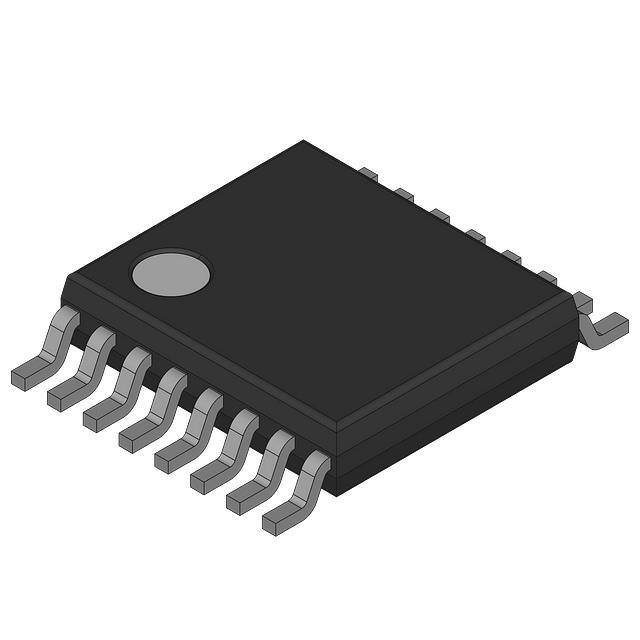
16-pin HTSSOP package
2 Applications
•
•
•
•
•
•
•
The TPS7B63xx-Q1 is a family of 300-mA watchdog
low-dropout regulators (LDOs) designed for an
operating voltage up to 40 V, with typical quiescent
current of only 19 µA at light load. The devices
integrate a programmable function for selecting a
window watchdog or standard watchdog, with an
external resistor to set the watchdog time within 10%
accuracy.
The PG pin on the TPS7B63xx-Q1 devices indicate
when the output voltage is stable and in regulation.
The power-good delay period and power-good
threshold can be adjusted by selecting external
components. The devices also feature integrated
short-circuit and overcurrent protection. The
combination of such features makes these devices
particularly flexible and suitable to supply
microcontroller in automotive applications.
Device Information
PART NUMBER (1)
Fixed 3.3 V
TPS7B6350-Q1
Fixed 5 V
(1)
PACKAGE
HTSSOP (16)
For all available packages, see the orderable addendum at
the end of the data sheet.
IN
Battery
OUT
MCU Supply
EN
RADJ
Digital Output
Automotive MCU power supplies
Body control modules (BCM)
Seat comfort modules
EV and HEV battery management systems (BMS)
Electronic gear shifters
Transmissions
Electrical power steering (EPS)
OUTPUT VOLTAGE
TPS7B6333-Q1
WD_EN
WD
TPS7B63xx-Q1
MCU O
WTS
WDO
PG
ROSC
FSEL
DELAY
WRS
MCU I
MCU RESET
Typical Application Schematic
An IMPORTANT NOTICE at the end of this data sheet addresses availability, warranty, changes, use in safety-critical applications,
Submit Document Feedback
Copyright
© 2020 Texas
Instruments
Incorporated
intellectual
property
matters
and other important disclaimers. PRODUCTION DATA.
Product Folder Links: TPS7B6333-Q1 TPS7B6350-Q1
1
�TPS7B6333-Q1, TPS7B6350-Q1
www.ti.com
SLVSDU9B – FEBRUARY 2017 – REVISED SEPTEMBER 2020
Table of Contents
1 Features............................................................................1
2 Applications..................................................................... 1
3 Description.......................................................................1
4 Revision History.............................................................. 2
5 Pin Configuration and Functions...................................3
Pin Functions.................................................................... 3
6 Specifications.................................................................. 4
6.1 Absolute Maximum Ratings........................................ 4
6.2 ESD Ratings............................................................... 4
6.3 Recommended Operating Conditions.........................4
6.4 Thermal Information....................................................5
6.5 Electrical Characteristics.............................................5
6.6 Switching Characteristics............................................7
6.7 Typical Characteristics................................................ 8
7 Detailed Description......................................................12
7.1 Overview................................................................... 12
7.2 Functional Block Diagram......................................... 12
7.3 Feature Description...................................................12
7.4 Device Functional Modes..........................................19
8 Application and Implementation.................................. 20
8.1 Application Information............................................. 20
8.2 Typical Application.................................................... 20
9 Power Supply Recommendations................................23
10 Layout...........................................................................23
10.1 Layout Guidelines................................................... 23
10.2 Layout Example...................................................... 23
11 Device and Documentation Support..........................24
11.1 Documentation Support.......................................... 24
11.2 Receiving Notification of Documentation Updates.. 24
11.3 Support Resources................................................. 24
11.4 Trademarks............................................................. 24
11.5 Electrostatic Discharge Caution.............................. 24
11.6 Glossary.................................................................. 24
12 Mechanical, Packaging, and Orderable
Information.................................................................... 24
4 Revision History
NOTE: Page numbers for previous revisions may differ from page numbers in the current version.
Changes from Revision A (March 2017) to Revision B (September 2020)
Page
• Updated the numbering format for tables, figures, and cross-references throughout the document..................1
• Changed automotive-specific applications bullets in Features section...............................................................1
• Changed accurate watchdog period from 9% to 10% in Features section......................................................... 1
• Added Functional Safety-Capable bullets to Features section........................................................................... 1
• Changed accuracy from 9% to 10% in Description section................................................................................ 1
• Added ESD classification levels to ESD Ratings table....................................................................................... 4
• Changed VOUT parameter: added temperature range to test conditions of first parameter row and added
second row to parameter.................................................................................................................................... 5
• Changed V(dropout) maximum specification in second row of parameter from 260 mV to 325 mV...................... 5
• Changed t(DEGLITCH) minimum specification from 100 μs to 50 μs, changed t(DLY_FIX) maximum specification
from 550 μs to 900 μs, and deleted t(DLY_FIX) minimum specification................................................................. 7
• Changed fault 1 maximum open-window duration from t(WD) / 2 to t(WD) .........................................................18
Changes from Revision * (February 2017) to Revision A (March 2017)
Page
• Changed Typical Application Schematic ............................................................................................................1
• Changed Dropout Voltage vs Output Current graph...........................................................................................8
• Changed Load Regulation graph........................................................................................................................8
• Changed TPS7B63xx-Q1 Typical Application Schematic ................................................................................20
2
Submit Document Feedback
Copyright © 2020 Texas Instruments Incorporated
Product Folder Links: TPS7B6333-Q1 TPS7B6350-Q1
�TPS7B6333-Q1, TPS7B6350-Q1
www.ti.com
SLVSDU9B – FEBRUARY 2017 – REVISED SEPTEMBER 2020
5 Pin Configuration and Functions
IN
1
16
OUT
EN
2
15
PGADJ
FSEL
3
14
PG
WTS
4
13
GND
Thermal
pad
GND
5
12
WRS
NC
6
11
WD_EN
ROSC
7
10
WDO
DELAY
8
9
WD
Not to scale
NC - No internal connection
Figure 5-1. PWP PowerPAD™ Package, 16-Pin HTSSOP With Exposed Thermal Pad, Top View
Pin Functions
PIN
NAME
NO.
I/O
DESCRIPTION
DELAY
8
O
Power-good delay-period adjustment pin. Connect this pin via a capacitor to ground to adjust the
power-good delay time.
EN
2
I
Device enable pin. Pull this pin down to low-level voltage to disable the device. Pull this pin up to
high-level voltage to enable the device.
FSEL
3
I
Internal oscillator-frequency selection pin. Pull this pin down to low-level voltage to select the
high-frequency oscillator. Pull this pin up to high-level voltage to select the low-frequency
oscillator.
GND
5, 13
—
IN
1
I
Ground reference
NC
6
—
OUT
16
O
Device 3.3-V or 5-V regulated output-voltage pin
Device input power supply pin
Not connected
PG
14
O
Power-good pin. Open-drain output pin. Pull this pin up to VOUT or to a reference through a
resistor. When the output voltage is not ready, this pin is pulled down to ground.
PGADJ
15
O
Power-good threshold-adjustment pin. Connect a resistor divider between the PGADJ and OUT
pins to set the power-good threshold. Connect this pin to ground to set the threshold to 91.6% of
output voltage VOUT.
ROSC
7
O
Watchdog timer adjustment pin. Connect a resistor between the ROSC pin and the GND pin to
set the duration of the watchdog monitor. Leaving this pin open or connecting this pin to ground
results in the watchdog reporting a fault at the watchdog output (WDO).
WD
9
I
Watchdog service-signal input pin.
WDO
10
O
Watchdog status pin. Open-drain output pin. Pull this pin up to OUT or a reference voltage
through a resistor. When watchdog fault occurs, this pin is pulled down to a low-level voltage.
WD_EN
11
I
Watchdog enable pin. Pull this pin down to a low level to enable the watchdog. Pull this pin up to
a high level to disable the watchdog.
WRS
12
I
Window ratio-selection pin (only applicable for the window watchdog). Pull this pin down to a low
level to set the open:closed window ratio to 1:1. Pull this pin up to high level to set the
open:closed window ratio to 8:1.
WTS
4
O
Watchdog type-selection pin. To set the window watchdog, connect this pin to the GND pin. To
set the standard watchdog, pull this pin high.
Thermal pad
—
—
Solder to board to improve the thermal performance.
Submit Document Feedback
Copyright © 2020 Texas Instruments Incorporated
Product Folder Links: TPS7B6333-Q1 TPS7B6350-Q1
3
�TPS7B6333-Q1, TPS7B6350-Q1
www.ti.com
SLVSDU9B – FEBRUARY 2017 – REVISED SEPTEMBER 2020
6 Specifications
6.1 Absolute Maximum Ratings
over operating ambient temperature range (unless otherwise noted)(1) (2)
MIN
MAX
UNIT
Unregulated input
IN, EN
–0.3
45
V
Internal oscillator reference voltage
ROSC
–0.3
7
V
Power-good delay-timer output
DELAY
–0.3
7
V
Regulated output
OUT
–0.3
7
V
Power-good output voltage
PG
–0.3
7
V
Watchdog status output voltage
WDO
–0.3
7
V
Watchdog frequency selection, watchdog-type selection
FSEL, WTS
–0.3
45
V
Watchdog enable
WD_EN
–0.3
7
V
Watchdog service signal voltage
WD
–0.3
7
V
V
Window ratio selection
WRS
–0.3
7
Power-good threshold-adjustment voltage
PGADJ
–0.3
7
V
Operating junction temperature, TJ
–40
150
°C
Storage temperature, Tstg
–65
150
°C
(1)
(2)
Stresses beyond those listed under Absolute Maximum Ratings may cause permanent damage to the device. These are stress ratings
only, which do not imply functional operation of the device at these or any other conditions beyond those indicated under
Recommended Operating Conditions. Exposure to absolute-maximum-rated conditions for extended periods may affect device
reliability.
All voltage values are with respect to ground.
6.2 ESD Ratings
VALUE
V(ESD)
(1)
Electrostatic
discharge
Human-body model (HBM), per AEC
level 2
Q100-002(1),
device HBM ESD classification
Charged-device model (CDM), per AEC Q100-011,
device CDM ESD classification level C4B
UNIT
±2000
All pins
±500
Corner pins (1, 14, 15, and 28)
±750
V
AEC Q100-002 indicates that HBM stressing shall be in accordance with the ANSI/ESDA/JEDEC JS-001 specification.
6.3 Recommended Operating Conditions
Over operating ambient temperature range (unless otherwise noted)
MIN
MAX
Unregulated input
IN
4
40
V
40-V pins
EN, FSEL, WTS
0
VIN
V
Regulated output
OUT
0
5.5
V
Power good, watchdog status,
reference oscillator
PG, WDO, ROSC
0
5.5
V
Low voltage pins
WD, WD_EN, PGADJ, DELAY, WRS
0
5.5
V
0
300
mA
–40
125
°C
Output current
Ambient temperature, TA
4
Submit Document Feedback
UNIT
Copyright © 2020 Texas Instruments Incorporated
Product Folder Links: TPS7B6333-Q1 TPS7B6350-Q1
�TPS7B6333-Q1, TPS7B6350-Q1
www.ti.com
SLVSDU9B – FEBRUARY 2017 – REVISED SEPTEMBER 2020
6.4 Thermal Information
TPS7B63xx-Q1
THERMAL
METRIC(1)
UNIT
PWP (HTSSOP)
16 PINS
RθJA
Junction-to-ambient thermal resistance
39.7
°C/W
RθJC(top)
Junction-to-case (top) thermal resistance
28.9
°C/W
RθJB
Junction-to-board thermal resistance
23.8
°C/W
ψJT
Junction-to-top characterization parameter
1.3
°C/W
ψJB
Junction-to-board characterization parameter
23.7
°C/W
RθJC(bot)
Junction-to-case (bottom) thermal resistance
3.1
°C/W
(1)
For more information about traditional and new thermal metrics, see the Semiconductor and IC Package Thermal Metrics application
report.
6.5 Electrical Characteristics
VIN = 14 V, COUT ≥ 4.7 µF, 1 mΩ < ESR < 20 Ω, and TJ = –40°C to 150°C (unless otherwise noted)
PARAMETER
TEST CONDITIONS
MIN
TYP
MAX
UNIT
SUPPLY VOLTAGE AND CURRENT (IN)
VIN
Input voltage
I(SLEEP)
Input sleep current
I(Q)
V(UVLO)
4
EN = OFF
Input quiescent current
Undervoltage lockout, falling
40
V
4
µA
VIN = 5.6 V to 40 V for fixed 5-V VOUT;
VIN = 4 V to 40 V for fixed 3.3-V VOUT;
EN = ON; watchdog disabled; IOUT < 1 mA;
TJ < 80°C
19
29.6
VIN = 5.6 V to 40 V for fixed 5-V VOUT;
VIN = 4 V to 40 V for fixed 3.3-V VOUT;
EN = ON; watchdog enabled; IOUT < 1 mA
28
42
VIN = 5.6 V to 40 V for fixed 5-V VOUT;
VIN = 4 V to 40 V for fixed 3.3-V VOUT;
EN = ON; watchdog enabled;
IOUT < 100 mA
78
98
Ramp VIN down until output is turned off
2.6
V(UVLO_HYST) UVLO hysteresis
0.5
µA
V
V
ENABLE INPUT, WATCHDOG TYPE SELECTION AND FSEL (EN, WTS, AND FSEL)
VIL
Low-level input voltage
VIH
High-level input voltage
Vhys
Hysteresis
0.7
2
V
V
150
mV
WATCHDOG ENABLE (WD_EN PIN)
VIL
Low-level input threshold voltage
for watchdog enable pin
VIH
High-level input threshold voltage
Watchdog disabled
for watchdog enable pin
IWD_EN
Pulldown current for watchdog
enable pin
Watchdog enabled
0.7
2
VWD_EN = 5 V
V
V
3
µA
REGULATED OUTPUT (OUT)
VOUT
ΔVOUT(ΔVIN)
Regulated output
Line regulation
VIN = 5.6 V to 40 V for fixed 5-V VOUT,
VIN = 4 V to 40 V for fixed 3.3-V VOUT,
IOUT = 0 to 300 mA, –40°C ≤ TJ ≤ 125°C
VIN = 5.6 V to 40 V for fixed 5-V VOUT;
VIN = 4 V to 40 V for fixed 3.3-V VOUT;
IOUT = 0 to 300 mA
VIN = 5.6 V to 40 V
–2%
2%
–2.5%
2.5%
10
mV
Submit Document Feedback
Copyright © 2020 Texas Instruments Incorporated
Product Folder Links: TPS7B6333-Q1 TPS7B6350-Q1
5
�TPS7B6333-Q1, TPS7B6350-Q1
www.ti.com
SLVSDU9B – FEBRUARY 2017 – REVISED SEPTEMBER 2020
VIN = 14 V, COUT ≥ 4.7 µF, 1 mΩ < ESR < 20 Ω, and TJ = –40°C to 150°C (unless otherwise noted)
PARAMETER
TEST CONDITIONS
ΔVOUT(ΔIOUT) Load regulation
400
170
325
Output current
VOUT in regulation
Output current limit
VOUT shorted to ground, VIN = 5.6 V to
40 V
Power-supply ripple
20
300
IOUT
rejection(1)
MAX
IOUT = 200 mA(2)
IOUT = 300
Dropout voltage (VIN – VOUT)
PSRR
TYP
mA(2)
V(dropout)
I(LIM)
MIN
IOUT = 1 mA to 300 mA
0
301
680
IOUT = 100 mA; COUT = 10 µF;
frequency (f) = 100 Hz
60
IOUT = 100 mA; COUT = 10 µF;
frequency (f) = 100 kHz
40
UNIT
mV
mV
300
mA
1000
mA
dB
POWER-GOOD (PG, PGADJ)
VOL(PG)
PG output, low voltage
IOL = 5 mA, PG pulled low
Ilkg(PG)
PG pin leakage current
PG pulled to VOUT through a 10-kΩ resistor
V(PG_TH)
Default power-good threshold
VOUT powered above the internally set
tolerance, PGADJ pin shorted to ground
V(PG_HYST)
Power-good hysteresis
VOUT falling below the internally set
tolerance hysteresis
Switching voltage for the powergood adjust pin
VOUT is falling
0.4
1
89.6
91.6
93.6
V
µA
% of
VOUT
% of
VOUT
2
PGADJ
V(PGADJ_TH)
1.067
1.1
1.133
V
3
5
10
µA
0.95
1
1.05
V
POWER-GOOD DELAY
I(DLY_CHG)
DELAY capacitor charging current
V(DLY_TH)
DELAY pin threshold to release
PG high
Voltage at DELAY pin is ramped up
I(DLY_DIS)
DELAY capacitor discharging
current
VDELAY = 1 V
0.5
mA
CURRENT VOLTAGE REFERENCE (ROSC)
VROSC
Voltage reference
0.95
1
1.05
V
WATCHDOG (WD, WDO, WRS)
VIL
Low-level threshold voltage for
the watchdog input and windowratio select
For WD and WRS pins
VIH
High-level threshold voltage for
the watchdog input and windowratio select
For WD and WRS pins
V(HYST)
Hysteresis
IWD
Pulldown current for the WD pin
VWDO = 5 V
VOL
Low-levlel watchdog output
IWDO = 5 mA
Ilkg
WDO pin leakage current
WDO pin pulled to VOUT through 10-kΩ
resistor
30
% of
VOUT
% of
VOUT
70
% of
VOUT
10
2
4
µA
0.4
V
1
µA
150
°C
OPERATING TEMPERATURE RANGE
TJ
–40
T(SD)
Junction shutdown temperature
175
°C
T(HYST)
Hysteresis of thermal shutdown
25
°C
(1)
(2)
6
Junction temperature
Design information – not tested, determined by characterization.
This test is done with VOUT in regulation, measuring the VIN – VOUT when VOUT drops by 100 mV from the rated output voltage at the
specified load.
Submit Document Feedback
Copyright © 2020 Texas Instruments Incorporated
Product Folder Links: TPS7B6333-Q1 TPS7B6350-Q1
�TPS7B6333-Q1, TPS7B6350-Q1
www.ti.com
SLVSDU9B – FEBRUARY 2017 – REVISED SEPTEMBER 2020
6.6 Switching Characteristics
VI = 14 V, CO ≥ 4.7 µF, 1 mΩ < ESR < 20 Ω, and TJ = –40°C to 150°C (unless otherwise noted)
PARAMETER
TEST CONDITIONS
MIN
TYP
MAX
UNIT
50
180
250
µs
248
900
POWER-GOOD DELAY (DELAY)
t(DEGLITCH)
Power-good deglitch time
t(DLY_FIX)
Fixed power-good delay
No capacitor connect at DELAY pin
t(DLY)
Power-on-reset delay
Delay capacitor value: C(DELAY) = 100 nF
20
µs
ms
WATCHDOG (WD, WDO, WRS)
t(WD)
Watchdog window duration
t(WD_TOL)
Tolerance of watchdog window
duration using external resistor
tp(WD)
Watchdog service-signal duration
t(WD_HOLD)
Watchdog output resetting time
(percentage of settled watchdog
window duration)
t(WD_RESET)
Watchdog output resetting time
R(ROSC) = 20 kΩ ±1%, FSEL = LOW
9
10
11
R(ROSC) = 20 kΩ ±1%, FSEL = HIGH
45
50
55
Excludes tolerance of R(ROSC) = 20 kΩ to
100 kΩ
–10%
ms
10%
100
µs
20
% of t(WD)
R(ROSC) = 20 kΩ ± 1%, FSEL = LOW
1.8
2
2.2
R(ROSC) = 20 kΩ ± 1%, FSEL = HIGH
9
10
11
ms
Submit Document Feedback
Copyright © 2020 Texas Instruments Incorporated
Product Folder Links: TPS7B6333-Q1 TPS7B6350-Q1
7
�TPS7B6333-Q1, TPS7B6350-Q1
www.ti.com
SLVSDU9B – FEBRUARY 2017 – REVISED SEPTEMBER 2020
6.7 Typical Characteristics
VIN = 14 V, VEN ≥ 2 V, TJ = –40°C to 150°C unless otherwise noted
80
400
40 °C
25 °C
125 °C
IOUT = 1 mA
IOUT = 100 mA
IOUT = 200 mA
350
60
Quiescent Current (PA)
Quiescent Current (PA)
70
50
40
30
20
10
300
250
200
150
100
50
0
0
0
50
100
150
200
Output Current (mA)
250
300
0
5
10
15
20
25
Input Voltage (V)
D001
Figure 6-1. Quiescent Current vs Output Current
30
35
40
D002
Figure 6-2. Quiescent Current vs Input Voltage
4
35
Quiescent Current (PA)
Shudown Current (PA)
30
3
2
1
25
20
IOUT = 1 mA
IOUT = 100 mA
15
10
5
0
-40
-25
-10
5
20 35 50 65 80
Ambient Temperature (qC)
95
0
-40
110 125
Figure 6-3. Shutdown Current vs Ambient
Temperature
-10
5
20 35 50 65 80
Ambient Temperature (°C)
95
110 125
D004
Figure 6-4. Quiescent Current vs Ambient
Temperature
300
350
40 °C
25 °C
125 °C
250
Dropout Voltage (mV)
300
250
Dropout Voltage (mV)
-25
D003
200
150
100
200
150
100
50
50
0
0
50
100
150
200
250
Output Current (mA)
300
350
D005
0
-40
-25
-10
5
20 35 50 65 80
Ambient Temperature (°C)
95
110 125
D006
IOUT = 200 mA
Figure 6-5. Dropout Voltage vs Output Current
8
Figure 6-6. Dropout Voltage vs Ambient
Temperature
Submit Document Feedback
Copyright © 2020 Texas Instruments Incorporated
Product Folder Links: TPS7B6333-Q1 TPS7B6350-Q1
�TPS7B6333-Q1, TPS7B6350-Q1
www.ti.com
SLVSDU9B – FEBRUARY 2017 – REVISED SEPTEMBER 2020
6
5.06
5
Output Voltage (V)
Output Voltage (V)
5.03
5
4.97
4
3
2
-40qC
25qC
125qC
1
4.94
-40
-25
-10
5
20 35 50 65 80
Ambient Temperature (°C)
95
0
110 125
0
5
10
15
20
25
Input Voltage (V)
D007
VOUT = 5 V
30
35
40
D008
VOUT = 5 V
Figure 6-7. Output Voltage vs Ambient
Temperature
Figure 6-8. Output Voltage vs Input Voltage
900
1
0.8
0.6
Line Regulation (%)
Current Limit (mA)
800
700
600
0.4
0.2
0
-0.2
-0.4
-0.6
40 °C
25 °C
125 °C
-0.8
500
-40
-1
-25
-10
5
20 35 50 65 80
Ambient Temperature (°C)
95
0
110 125
50
100
D009
150
200
250
Output Current (mA)
300
350
D010
VIN = 5.6 V
Figure 6-10. Load Regulation
Figure 6-9. Output Current Limit (ILIM) vs Ambient
Temperature
120
1
-40qC
25qC
125qC
0.8
100
0.4
80
PSRR (dB)
Line Regulation (%)
0.6
0.2
0
-0.2
60
40
-0.4
-0.6
20
-0.8
-1
0
5
10
15
20
25
Input Voltage (V)
30
35
40
0
10
100
D011
1k
10k
100k
Frequency (Hz)
1M
10M
D012
COUT = 10 μF, IOUT = 1 mA, TA = 25°C
Figure 6-11. Line Regulation
Figure 6-12. PSRR vs Frequency
Submit Document Feedback
Copyright © 2020 Texas Instruments Incorporated
Product Folder Links: TPS7B6333-Q1 TPS7B6350-Q1
9
�TPS7B6333-Q1, TPS7B6350-Q1
www.ti.com
SLVSDU9B – FEBRUARY 2017 – REVISED SEPTEMBER 2020
120
1k
Unstable Region
500
Output Capacitance (µF)
100
PSRR (dB)
80
60
40
20
100
Stable Region
10
4.7
Unstable Region
0
10
100
1k
10k
100k
Frequency (Hz)
1M
10M
1
0.001
0.01
D013
0.1
ESR (W)
1
10 20
D014
COUT = 10 μF, IOUT = 100 mA, TA = 25°C
Figure 6-13. PSRR vs Frequency
Figure 6-14. ESR Stability vs Output Capacitance
VIN (10 V/div)
VOUT (1 V/div)
VOUT (1 V/div)
VIN (10 V/div)
VOUT(AC) (100 mV/div)
VOUT(AC) (100 mV/div)
IOUT (10 mA/div)
IOUT (10 mA/div)
VIN = 6 V to 40 V, VOUT = 5 V, COUT = 10 µF, IOUT = 1 mA
Figure 6-15. Line Transient
VIN = 40 V to 6 V, VOUT = 5 V, COUT = 10 µF, IOUT = 1 mA
Figure 6-16. Line Transient
VIN (5 V/div)
VIN (5 V/div)
VOUT (1 V/div)
VOUT (1 V/div)
VOUT(AC) (50 mV/div)
VOUT(AC) (50 mV/div)
IOUT (200 mA/div)
IOUT (200 mA/div)
VIN = 6 V to 40 V, VOUT = 5 V, COUT = 10 µF, IOUT = 200 mA
Figure 6-17. Line Transient
10
VIN = 40 V to 6 V, VOUT = 5 V, COUT = 10 µF, IOUT = 200 mA
Figure 6-18. Line Transient
Submit Document Feedback
Copyright © 2020 Texas Instruments Incorporated
Product Folder Links: TPS7B6333-Q1 TPS7B6350-Q1
�TPS7B6333-Q1, TPS7B6350-Q1
www.ti.com
SLVSDU9B – FEBRUARY 2017 – REVISED SEPTEMBER 2020
VIN (5 V/div)
VIN (5 V/div)
VOUT (1 V/div)
VOUT (1 V/div)
VOUT(AC) (500 mV/div)
VOUT(AC) (500 mV/div)
IOUT (200 mA/div)
IOUT (200 mA/div)
VOUT = 5 V, COUT = 10 µF, IOUT = 1 mA to 200 mA
Figure 6-19. Load Transient
VOUT = 5 V, COUT = 10 µF, IOUT = 200 mA to 1 mA
Figure 6-20. Load Transient
Submit Document Feedback
Copyright © 2020 Texas Instruments Incorporated
Product Folder Links: TPS7B6333-Q1 TPS7B6350-Q1
11
�TPS7B6333-Q1, TPS7B6350-Q1
www.ti.com
SLVSDU9B – FEBRUARY 2017 – REVISED SEPTEMBER 2020
7 Detailed Description
7.1 Overview
The TPS7B63xx-Q1 device is a family of 300-mA, 40-V monolithic low-dropout linear voltage regulators with
integrated watchdog and adjustable power-good threshold functionality. These voltage regulators consume only
19-µA quiescent current in light-load applications. Because of the adjustable power-good delay (also called
power-on-reset delay) and the adjustable power-good threshold, these devices are well-suited as power supplies
for microprocessors and microcontrollers in automotive applications.
7.2 Functional Block Diagram
IN
OUT
VREG
VBAT
Overcurrent
Protection
Regulator
Control
Undervoltage
Lockout
Band Gap
Thermal
Shutdown
Error
Amp
Vref
EN
PG
DELAY
Power-Good
Control With
Delay
ROSC
Current
Regulator
V(PG_REF )
Watchdog
Oscillator
Amp
PGADJ
WD
MCU I/O
Timer
WD_EN
WDO
Digital I/O
Watchdog
Fault Control
GND
FSEL
WTS
WRS
7.3 Feature Description
7.3.1 Device Enable (EN)
The EN pin is a high-voltage-tolerant pin. A high input activates the device and turns the regulator ON. Connect
this input pin to an external microcontroller or a digital control circuit to enable and disable the device, or connect
to the IN pin for self-bias applications.
12
Submit Document Feedback
Copyright © 2020 Texas Instruments Incorporated
Product Folder Links: TPS7B6333-Q1 TPS7B6350-Q1
�TPS7B6333-Q1, TPS7B6350-Q1
www.ti.com
SLVSDU9B – FEBRUARY 2017 – REVISED SEPTEMBER 2020
7.3.2 Adjustable Power-Good Threshold (PG, PGADJ)
The PG pin is an open-drain output with an external pullup resistor to the regulated supply, and the PGADJ pin is
a power-good threshold adjustment pin. Connecting the PGADJ pin to GND sets the power-good threshold value
to the default, V(PG_TH). When VOUT exceeds the default power-good threshold, the PG output turns high after
the power-good delay period has expired. When VOUT falls below V(PG_TH) – V(PG_HYST), the PG output turns low
after a short deglitch time.
The power-good threshold is also adjustable from 1.1 V to 5 V by using an external resistor divider between
PGADJ and OUT. The threshold can be calculated using Equation 1:
V PG _ ADJ
falling
V PGADJ _ TH
falling
V PG _ ADJ
risng
ªV
¬ PGADJ _ TH
falling
u
R1 R2
R2
R1 R2
26 mV typ º u
¼
R2
(1)
where
•
•
V(PG_ADJ) is the adjustable power-good threshold
V(PG_REF) is the internal comparator reference voltage of the PGADJ pin, 1.1 V typical, 2% accuracy specified
under all conditions
By setting the power-good threshold V(PG_ADJ), when VOUT exceeds this threshold, the PG output turns high after
the power-good delay period has expired. When VOUT falls below V(PG_ADJ) – V(PG_HYST), the PG output turns
low after a short deglitch time. Figure 7-1 shows typical hardware connections for the PGADJ pin and DELAY
pin.
OUT
VREG
Adjustable PowerGood Threshold
PG
R1
DELAY
Power-Good
Control
R2
V(PG_REF)
Amp
PGADJ
Figure 7-1. Adjustable Power-Good Threshold
Submit Document Feedback
Copyright © 2020 Texas Instruments Incorporated
Product Folder Links: TPS7B6333-Q1 TPS7B6350-Q1
13
�TPS7B6333-Q1, TPS7B6350-Q1
www.ti.com
SLVSDU9B – FEBRUARY 2017 – REVISED SEPTEMBER 2020
7.3.3 Adjustable Power-Good Delay Timer (DELAY)
The power-good delay period is a function of the value set by an external capacitor on the DELAY pin before
turning the PG pin high. Figure 7-2 illustrates typical power-good and delay behavior. Connecting an external
capacitor from this pin to GND sets the power-good delay period. The constant current charges an external
capacitor until the voltage exceeds a threshold to trip an internal comparator, and Equation 2 determines the
power-good delay period:
P:&.;; = P@HU _BET +
%&'.#; T 18
5 ä#
(2)
where
•
•
t(DLY) is the adjustable power-good delay period
CDELAY is the value of the power-good delay capacitor
VIN
V(UVLO)
t < t(DEGLITCH)
VOUT
V(PG_HYST)
V(PG_TH) rising
V(PG_ADJ) rising
DELAY
V(PG_TH) falling
V(PG_ADJ) falling
V(DLY _TH)
t(DEGLITCH)
t(DLY )
t(DEGLITCH)
t(DLY )
PG
Power Up
Input Voltage Drop
Undervoltage
Power Down
Figure 7-2. Power Up and Conditions for Activating Power-Good
If the DELAY pin is open, the default delay time is t(DLY_FIX).
7.3.4 Undervoltage Shutdown
These devices have an integrated undervoltage lockout (UVLO) circuit to shut down the output if the input
voltage falls below an internal UVLO threshold, V(UVLO). This ensures that the regulator does not latch into an
unknown state during low-input-voltage conditions. If the input voltage has a negative transient which drops
below the UVLO threshold and recovers, the regulator shuts down and powers up with a normal power-up
sequence once the input voltage is above the required level.
7.3.5 Current Limit
These devices feature current-limit protection to keep the device in a safe operating area when an overload or
output short-to-ground condition occurs. This protects devices from excessive power dissipation. For example,
during a short-circuit condition on the output, fault protection limits the current through the pass element to I(LIM)
to protect the device from excessive power dissipation.
7.3.6 Thermal Shutdown
These devices incorporate a thermal shutdown (TSD) circuit as a protection from overheating. For continuous
normal operation, the junction temperature should not exceed the TSD trip point. The junction temperature
exceeding the TSD trip point causes the output to turn off. When the junction temperature falls below the T(SD) –
T(HYST), the output turns on again.
14
Submit Document Feedback
Copyright © 2020 Texas Instruments Incorporated
Product Folder Links: TPS7B6333-Q1 TPS7B6350-Q1
�TPS7B6333-Q1, TPS7B6350-Q1
www.ti.com
SLVSDU9B – FEBRUARY 2017 – REVISED SEPTEMBER 2020
7.3.7 Integrated Watchdog
These devices have an integrated watchdog with fault (WDO) output option. Both window watchdog and
standard watchdog are available in one device. The watchdog operation, service fault conditions, and
differences between window watchdog and standard watchdog are described as follows.
7.3.7.1 Window Watchdog (WTS, ROSC, FSEL and WRS)
These devices work in the window watchdog mode when the watchdog type selection (WTS) pin is connected to
a to low voltage level. The user can set the duration of the watchdog window by connecting an external resistor
(RROSC) to ground at the ROSC pin and setting the voltage level at the FSEL pin. The current through the RROSC
resistor sets the clock frequency of the internal oscillator. The user can adjust the duration of the watchdog
window (the watchdog timer period) by changing the resistor value. A high voltage level at the FSEL pin sets the
watchdog window duration to 5 times as long as that of a low voltage level with same external component
configuration.
The duration of the watchdog window and the duration of the fault output are multiples of the internal oscillator
frequency, as shown by the following equations:
FSEL low
t(WD) = RROSC × 0.5 × 10⁻⁶
(3)
FSEL high
t(WD) = RROSC × 2.5 × 10⁻⁶
(4)
t(WD_INI) = 8 × t(WD)
(5)
t(WD) = t(OW) + t(CW)
(6)
t(OW) = t(CW) = 50% × t(WD)
(7)
t(OW) = 8 × t(CW) = (8 / 9) × t(WD)
(8)
Watchdog initialization
Open and closed windows
WRS low
WRS high
where:
• t(WD) is the duration of the watchdog window
• RROSC is the resistor connected at the ROSC pin
• t(WD_INI) is the duration of the watchdog initialization
• t(OW) is the duration of the open watchdog window
• t(CW) is the duration of the closed watchdog window
For all the foregoing items, the unit of resistance is Ω and the unit of time is s.
Table 7-1 illustrates several periods of watchdog window with typical conditions.
Submit Document Feedback
Copyright © 2020 Texas Instruments Incorporated
Product Folder Links: TPS7B6333-Q1 TPS7B6350-Q1
15
�TPS7B6333-Q1, TPS7B6350-Q1
www.ti.com
SLVSDU9B – FEBRUARY 2017 – REVISED SEPTEMBER 2020
Table 7-1. Several Typical Periods of Watchdog Window
FSEL
High
Low
R(ROSC) (kΩ)
I(ROSC) (µA)
t(WD) (ms)
WATCHDOG PERIOD
TOLERANCE
200
5
500
15%
100
10
250
50
20
125
40
25
100
25
40
62.5
10%
20
50
50
100
10
50
50
20
25
40
25
20
25
40
12.5
20
50
10
10%
As illustrated in Figure 7-3, each watchdog window consists of an open window and a closed window. While the
window ratio selection (WRS) pin is low, each open window (t(OW)) and closed window (t (CW)) has a width
approximately 50% of the watchdog window (t (WD)). While the WRS pin is high, the ratio between open window
and closed window is about 8:1. However, there is an exception to this; the first open window after watchdog
initialization (t(WD_INI)) is eight times the duration of the watchdog window. The watchdog must receive the
service signal (by software, external microcontroller, and so forth) during this initialization open window.
A watchdog fault occurs when servicing the watchdog during a closed window, or not servicing during an open
window.
t(WD_INI)
WRS = Low
t(WD)
Open Window
Closed Window
Open Window
After Watchdog Initialization
(Must Be Serviced to Prevent Fault)
(Must Not Be Serviced
to Prevent Fault)
(Must Be Serviced
to Prevent Fault)
8 ´ t(WD)
t(CW) = ½ ´ t(WD)
t(OW) = ½ ´ t(WD)
Open Window
WRS = High
After Watchdog Initialization
(Must Be Serviced to Prevent Fault)
Open Window
CW
(Must Be Serviced
to Prevent Fault)
t(OW) = 8 / 9 ´ t(WD)
8 ´ t(WD)
Closed Window
Event Causing
Watchdog Initialization
(Must Not Be Serviced
to Prevent Fault)
t(CW) = 1 / 9 ´ t(WD)
Figure 7-3. Watchdog Initialization, Open Window and Closed Window
7.3.7.2 Standard Watchdog (WTS, ROSC and FSEL)
These devices work in the standard watchdog mode when the watchdog type selection (WTS) pin is connected
to a high voltage level. The same as in window watchdog mode, the user can set the duration of the watchdog
window by adjusting the external resistor (RROSC) value at the ROSC pin and setting the voltage level at the
FSEL pin. The current through the RROSC resistor sets the clock frequency of the internal oscillator. The user can
adjust the duration of the watchdog window (the watchdog timer period) by changing the resistor value. A high
voltage level at the FSEL pin sets the watchdog window duration to 5 times as long as that of a low voltage level
with same external component configuration.
16
Submit Document Feedback
Copyright © 2020 Texas Instruments Incorporated
Product Folder Links: TPS7B6333-Q1 TPS7B6350-Q1
�TPS7B6333-Q1, TPS7B6350-Q1
www.ti.com
SLVSDU9B – FEBRUARY 2017 – REVISED SEPTEMBER 2020
The duration of the watchdog window and the duration of the fault output are multiples of the internal oscillator
frequency, as shown by the following equations:
FSEL low
t(WD) = RROSC × 0.5 × 10⁻⁶
(9)
FSEL high
t(WD) = RROSC × 2.5 × 10⁻⁶
(10)
t(WD_INI) = 8 × t(WD)
(11)
Watchdog initialization
where:
•
•
•
t(WD) is the duration of the watchdog window
RROSC is the resistor connected at the ROSC pin
t(WD_INI) is the duration of the watchdog initialization
For all the foregoing items, the unit of resistance is Ω and the unit of time is s
Compared with window watchdog, there is no closed window in standard watchdog mode. The standard
watchdog receives a service signal at any time within the watchdog window. The watchdog fault occurs when not
servicing watchdog during the watchdog window.
7.3.7.3 Watchdog Service Signal and Watchdog Fault Outputs (WD and WDO)
The watchdog service signal (WD) must stay high for at least 100 µs. The WDO pin is the fault output terminal
and is tied high through a pullup resistor to a regulated output supply. When a watchdog fault occurs, the devices
momentarily pull WDO low for a duration of t(WD_HOLD).
t (WD _ HOLD) = 20% ´ t (WD)
(12)
7.3.7.4 ROSC Status Detection (ROSC)
When a watchdog function is enabled, if the ROSC pin is shorted to GND or open, the watchdog output (WDO)
pin remains low, indicating a fault status. If the watchdog function is disabled, ROSC pin status detection does
not work.
7.3.7.5 Watchdog Enable (PG and WD_EN)
When PG (power good) is high, an external microcontroller or a digital circuit can apply a high or low logic signal
to the WD_EN pin to disable or enable the watchdog. A low input to this pin turns the watchdog on, and a high
input turns the watchdog off. If PG is low, the watchdog is disabled and the watchdog-fault output (WDO) pin
stays in the high-impedance state.
7.3.7.6 Watchdog Initialization
On power up and during normal operation, the watchdog initializes under the conditions shown in Table 7-2.
Table 7-2. Conditions for Watchdog Initialization
EDGE
WHAT CAUSES THE WATCHDOG TO INITIALIZE
↑
Rising edge of PG (power good) while the watchdog is in the enabled state, for example,
during soft power up
↓
Falling edge of WD_EN while PG is already high, for example, when the microprocessor
enables the watchdog after the device is powered up
↑
Rising edge of WDO while PG is already high and the watchdog is in the enabled state, for
example, right after a closed window is serviced
Submit Document Feedback
Copyright © 2020 Texas Instruments Incorporated
Product Folder Links: TPS7B6333-Q1 TPS7B6350-Q1
17
�TPS7B6333-Q1, TPS7B6350-Q1
www.ti.com
SLVSDU9B – FEBRUARY 2017 – REVISED SEPTEMBER 2020
7.3.7.7 Window Watchdog Operation (WTS = Low)
The window watchdog is able to monitor whether the frequency of the watchdog service signal (WD) is within
certain ranges. A watchdog low-voltage fault is reported when the frequency of the watchdog service signal is
out of the setting range. Figure 7-4 shows the window watchdog initialization and operation for the TPS7B63xxQ1 (WRS is low). After the output voltage is in regulation and PG is high, the window watchdog becomes
enabled when an external signal pulls WD_EN (the watchdog enable pin) low. This causes the watchdog to
initialize and wait for a service signal during the first initialization window for 8 times the duration of t(WD). A
service signal applied to the WD pin during the initialization open window resets the watchdog counter and a
closed window starts. To prevent a fault condition from occurring, watchdog service must not occur during the
closed window. Watchdog service must occur during the following open window to prevent a fault condition from
occurring. The fault output (WDO), externally pulled up to VOUT (typical), stays high as long as the watchdog
receives a proper service signal and there is no other fault condition.
VIN
VOUT
DELAY
V(PG_TH) rising
V(PG_ADJ) rising
)
V(PG_TH) falling
V(PG_ADJ) falling
V(DLY_TH)
t(DLY)
t(DLY)
PG
t(DEGLITCH)
WD_EN
WD
NA
OW
WD Initialization
CW
OW
F
CW L
T