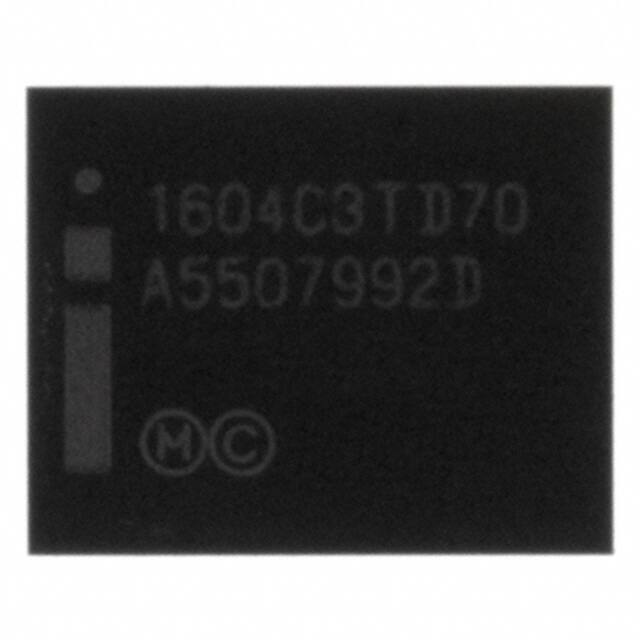
Intel® Advanced+ Boot Block Flash
Memory (C3)
SCSP Family
Datasheet
Product Features
■
■
■
■
Flash Memory Plus SRAM
— Reduces Memory Board Space
Required, Simplifying PCB Design
Complexity
SCSP Technology
— Smallest Memory Subsystem Footprint
— Area : 8 x 10 mm for 16 Mbit (0.13 µm)
Flash + 2 Mbit or 4 Mbit SRAM
— Area : 8 x 12 mm for 32 Mbit (0.13 µm)
Flash + 4 Mbit or 8 Mbit SRAM
— Height : 1.20 mm for 16 Mbit (0.13 µm)
Flash + 2 Mbit or 4 Mbit SRAM, and 32
Mbit (0.13um) Flash + 8 Mbit SRAM
— Height : 1.40 mm for 32 Mbit (0.13 µm)
Flash + 4 Mbit SRAM
— This Family also includes 0.25 µm, 0.18
µm, and 0.13 µm technologies
Advanced SRAM Technology
— 70 ns Access Time
— Low Power Operation
— Low Voltage Data Retention Mode
Intel® Flash Data Integrator (FDI)
Software
— Real-Time Data Storage and Code
Execution in the Same Memory Device
— Full Flash File Manager Capability
■
■
■
■
Advanced+ Boot Block Flash Memory
—70 ns Access Time
—Instant, Individual Block Locking
—128 bit Protection Register
—12 V Production Programming
—Fast Program and Erase Suspend
—Extended Temperature –25 °C to +85 °C
Blocking Architecture
—Block Sizes for Code + Data Storage
—4-Kword Parameter Blocks
—64-Kbyte Main Blocks
—100,000 Erase Cycles per Block
Low Power Operation
—Asynchronous Read Current: 9 mA
(Flash)
—Standby Current: 7 µA (Flash)
—Automatic Power Saving Mode
Flash Technologies
—0.25 µm ETOX™ VI, 0.18 µm ETOX™
VII and 0.13 µm ETOX™ VIII Flash
Technologies
The Intel® Advanced+ Boot Block Flash Memory (C3) Stacked Chip Scale Package (SCSP)
device delivers a feature-rich solution for low-power applications. The C3 SCSP memory device
incorporates flash memory and static RAM in one package with low voltage capability to
achieve the smallest system memory solution form-factor together with high-speed, low-power
operations. The C3 SCSP memory device offers a protection register and flexible block locking
to enable next generation security capability. Combined with the Intel® Flash Data Integrator
(Intel® FDI) software, the C3 SCSP memory device provides a cost-effective, flexible, code plus
data storage solution.
Order Number: 252636, Revision: 004
26 Aug 2005
�INFORMATION IN THIS DOCUMENT IS PROVIDED IN CONNECTION WITH INTEL ® PRODUCTS. EXCEPT AS PROVIDED IN INTEL’S TERMS
AND CONDITIONS OF SALE FOR SUCH PRODUCTS, INTEL ASSUMES NO LIABILITY WHATSOEVER, AND INTEL DISCLAIMS ANY EXPRESS
OR IMPLIED WARRANTY RELATING TO SALE AND/OR USE OF INTEL PRODUCTS, INCLUDING LIABILITY OR WARRANTIES RELATING TO
FITNESS FOR A PARTICULAR PURPOSE, MERCHANTABILITY, OR INFRINGEMENT OF ANY PATENT, COPYRIGHT, OR OTHER
INTELLECTUAL PROPERTY RIGHT.
Intel Corporation may have patents or pending patent applications, trademarks, copyrights, or other intellectual property rights that relate to the
presented subject matter. The furnishing of documents and other materials and information does not provide any license, express or implied, by
estoppel or otherwise, to any such patents, trademarks, copyrights, or other intellectual property rights.
Intel products are not intended for use in medical, life saving, life sustaining, critical control or safety systems, or in nuclear facility applications.
Intel may make changes to specifications and product descriptions at any time, without notice.
The Intel® Advanced+ Boot Block Flash Memory (C3) may contain design defects or errors known as errata which may cause the product to deviate
from published specifications. Current characterized errata are available on request.
Contact your local Intel sales office or your distributor to obtain the latest specifications and before placing your product order.
Copies of documents which have an ordering number and are referenced in this document, or other Intel literature may be obtained by calling
1-800-548-4725 or by visiting Intel's website at http://www.intel.com.
Intel, the Intel logo, Intel StrataFlash, and ETOX are trademarks or registered trademarks of Intel Corporation or its subsidiaries in the United States
and other countries.
*Other names and brands may be claimed as the property of others.
Copyright © 2005, Intel Corporation. All rights reserved.
26 Aug 2005
2
Intel® Advanced+ Boot Block Flash Memory (C3) SCSP Family
Order Number: 252636, Revision: 004
Datasheet
�C3 SCSP Flash Memory
Contents
1.0
Introduction....................................................................................................................................6
1.1
1.2
1.3
1.4
2.0
Principles of Operation ...............................................................................................................11
2.1
3.0
3.4
3.5
3.6
3.7
3.8
Read Array (FFh) ................................................................................................................ 14
Read Identifier (90h) ........................................................................................................... 14
Read Status Register (70h) ................................................................................................ 15
3.3.1 Clear Status Register (50h) ................................................................................... 16
CFI Query (98h) .................................................................................................................. 16
Word Program (40h/10h) .................................................................................................... 16
3.5.1 Suspending and Resuming Program (B0h/D0h)....................................................17
Block Erase (20h) ...............................................................................................................18
3.6.1 Suspending and Resuming Erase (B0h/D0h) ........................................................ 18
Block Locking......................................................................................................................20
3.7.1 Block Locking Operation Summary........................................................................ 21
3.7.2 Locked State .......................................................................................................... 21
3.7.3 Unlocked State ...................................................................................................... 21
3.7.4 Lock-Down State ................................................................................................... 21
3.7.5 Reading Lock Status for a Block............................................................................ 22
3.7.6 Locking Operation During Erase Suspend ............................................................ 22
3.7.7 Status Register Error Checking ............................................................................. 22
128 Bit Protection Register .................................................................................................23
3.8.1 Reading the Protection Register ............................................................................ 23
3.8.2 Programming the Protection Register (C0h).......................................................... 24
3.8.3 Locking the Protection Register ............................................................................. 24
Power and Reset Considerations .............................................................................................. 25
4.1
4.2
5.0
Bus Operation ..................................................................................................................... 11
2.1.1 Read ......................................................................................................................12
2.1.2 Output Disable ....................................................................................................... 12
2.1.3 Standby.................................................................................................................. 13
2.1.4 Flash Reset............................................................................................................ 13
2.1.5 Write ......................................................................................................................13
Flash Memory Modes of Operation............................................................................................14
3.1
3.2
3.3
4.0
Document Conventions ........................................................................................................ 6
Product Overview .................................................................................................................6
Package Ballout .................................................................................................................... 8
Signal Definitions .................................................................................................................. 9
Power-Up/Down Characteristics ......................................................................................... 25
Additional Flash Features ................................................................................................... 25
4.2.1 Improved 12 Volt Production Programming ...........................................................25
4.2.2 F-VPP £ VPPLK for Complete Protection .............................................................. 25
Electrical Specifications ............................................................................................................. 26
5.1
5.2
5.3
Datasheet
Absolute Maximum Ratings ................................................................................................ 26
Operating Conditions .......................................................................................................... 27
Capacitance ........................................................................................................................ 27
Intel® Advanced+ Boot Block Flash Memory (C3) SCSP Family
Order Number: 252636, Revision: 004
26 Aug 2005
3
�C3 SCSP Flash Memory
5.4
5.5
5.6
5.7
5.8
5.9
5.10
5.11
DC Characteristics.............................................................................................................. 28
Flash AC Characteristics. ................................................................................................... 32
Flash AC Characteristics—Write Operations...................................................................... 33
Flash Erase and Program Timings(1)................................................................................. 34
Flash Reset Operations ...................................................................................................... 36
SRAM AC Characteristics—Read Operations.................................................................... 37
SRAM AC Characteristics—Write Operations .................................................................... 38
SRAM Data Retention Characteristics—Extended Temperature ....................................... 40
6.0
Migration Guide Information ...................................................................................................... 41
7.0
System Design Considerations.................................................................................................. 41
7.1
7.2
7.3
7.4
7.5
7.6
Background......................................................................................................................... 41
7.1.1 Flash + SRAM Footprint Integration ...................................................................... 41
7.1.2 C3 Flash Memory Features ................................................................................... 42
Flash Control Considerations ............................................................................................. 42
7.2.1 F-RP# Connected to System Reset....................................................................... 42
7.2.2 F-VCC, F-VPP and F-RP# Transition .................................................................... 42
Noise Reduction ................................................................................................................. 43
Simultaneous Operation ..................................................................................................... 44
7.4.1 SRAM Operation during Flash “Busy” ................................................................... 45
7.4.2 Simultaneous Bus Operations ............................................................................... 45
Printed Circuit Board Notes ................................................................................................ 45
System Design Notes Summary......................................................................................... 45
A
Program/Erase Flowcharts ............................................................................................................ 46
B
CFI Query Structure ...................................................................................................................... 52
B.1
B.2
B.3
B.4
B.5
B.6
B.7
Query Structure Output....................................................................................................... 52
Query Structure Overview .................................................................................................. 53
Block Lock Status Register................................................................................................. 54
CFI Query Identification String............................................................................................ 54
System Interface Information.............................................................................................. 55
Device Geometry Definition ................................................................................................ 56
Intel-Specific Extended Query Table .................................................................................. 57
C
Word-Wide Memory Map Diagrams .............................................................................................. 59
D
Device ID Table ............................................................................................................................. 66
E
Protection Register Addressing ..................................................................................................... 67
F
Mechanical and Shipping Media Details........................................................................................ 68
F.8
F.9
Mechanical Specification .................................................................................................... 68
Media Information ............................................................................................................... 71
G
Additional Information.................................................................................................................... 73
H
Ordering Information...................................................................................................................... 74
26 Aug 2005
4
Intel® Advanced+ Boot Block Flash Memory (C3) SCSP Family
Order Number: 252636, Revision: 004
Datasheet
�C3 SCSP Flash Memory
Revision History
Date of
Revision
Version
Description
02/11/03
-001
Initial release, Stacked Chip Scale Package
01/29/04
-002
Minor text edits.
03/05
-003
Updated Ordering Information figures and table in Appendix H.
26 Aug 2005
-004
Updated Ordering Information to add PF28F1602C3TD70.
Datasheet
Intel® Advanced+ Boot Block Flash Memory (C3) SCSP Family
Order Number: 252636, Revision: 004
26 Aug 2005
5
�C3 SCSP Flash Memory
1.0
Introduction
This document contains the specifications for the Intel® Advanced+ Boot Block Flash Memory
(C3) Stacked Chip Scale Package (SCSP) device. C3 SCSP memory solutions are offered in the
following combinations:
•
•
•
•
1.1
32-Mbit flash + 8-Mbit SRAM
32-Mbit flash + 4-Mbit SRAM
16-Mbit flash + 4-Mbit SRAM
16-Mbit flash memory + 2-Mbit SRAM
Document Conventions
Throughout this document, the following conventions have been adopted.
• Voltages:
— 2.7 V refers to the full voltage range, 2.7 V–3.3V
— 12 V refers to 11.4 V to 12.6 V
• Main block(s): 32-Kword block
• Parameter block(s): 4-Kword block
1.2
Product Overview
The C3 SCSP device combines flash memory and SRAM into a single package, which provides
secure low-voltage memory solutions for portable applications.
The flash memory provides the following features:
• Enhanced security.
• Instant locking/unlocking of any flash block with zero-latency
• A 128-bit protection register that enables unique device identification, to meet the needs of
next generation portable applications.
• Improved 12 V production programming for increased factory throughput.
Table 1.
Block Organization (x16)
Memory Device
32-Mbit Flash
2048
16-Mbit Flash
1024
2-Mbit SRAM
128
4-Mbit SRAM
256
8-Mbit SRAM
512
Note:
26 Aug 2005
6
Kwords
All words are 16 bits each.
Intel® Advanced+ Boot Block Flash Memory (C3) SCSP Family
Order Number: 252636, Revision: 004
Datasheet
�C3 SCSP Flash Memory
The flash memory is asymmetrically-blocked to enable system integration of code and data storage
in a single device. Each flash block can be erased independently of the others up to 100,000 times.
The flash memory has eight 8-KB parameter blocks located at either the top (denoted by -T suffix)
or the bottom (-B suffix) of the address map, to accommodate different microprocessor protocols
for kernel code location.
The remaining flash memory is grouped into 32-Kword main blocks.
Any individual flash memory block can be locked or unlocked instantly to provide complete
protection for code or data (see Section 5.7, “Flash Erase and Program Timings(1)” on page 34 for
details).
The flash memory contains both a Command User Interface (CUI) and a Write State Machine
(WSM).
• The CUI is the interface between the microcontroller and the internal operation of the flash
memory.
• The internal WSM automatically executes the algorithms and timings necessary for program
and erase operations, including verification, thereby unburdening the microprocessor or
microcontroller. To indicate the status of the WSM, the flash memory status register signifies
block erase or word program completion and status.
Flash program and erase automation enables executing program and erase operations using an
industry-standard two-write command sequence to the CUI.
• Program operations are performed in word increments.
• Erase operations erase all locations within a block simultaneously.
The system software can suspend both program and erase operations to read from any other flash
block. In addition, data can be programmed to another flash block during an erase suspend.
The C3 SCSP memory device offers two low-power savings features to significantly reduce power
consumption:
• Automatic Power Savings (APS) for flash memory. The C3 SCSP memory device
automatically enters APS mode after a read cycle completes from the flash memory.
• Standby mode for flash and SRAM. This mode is initiated when the system deselects the
device by driving F-CE# and S-CS1# or S-CS2 inactive.
To reset the flash memory, lower the F-RP# signal to GND. Setting F-RP# to GND provides CPU
memory reset synchronization and additional protection against bus noise that can occur during
system reset and power-up/power-down sequences.
Datasheet
Intel® Advanced+ Boot Block Flash Memory (C3) SCSP Family
Order Number: 252636, Revision: 004
26 Aug 2005
7
�C3 SCSP Flash Memory
1.3
Package Ballout
72-
Figure 1.
66-Ball SCSP Package Ballout
1
2
3
4
5
6
7
A20
A11
A15
A14
A13
A16
A8
A10
A9
F-WE# NC
A21
8
9
10
11
12
A
NC
A12 F-VSS F-VCCQ
NC
B
DQ15 S-WE# DQ14 DQ7
C
DQ13 DQ6
DQ4
DQ5
D
DQ12 S-CS2 S-VCC F-VCC
S-VSS F-RP# A22
E
F-WP# F-VPP A19
DQ11
DQ10
DQ2
DQ3
DQ9 DQ8
DQ0
DQ1
F
S-LB# S-UB# S-OE#
G
A18
A17
A7
A6
A3
A2
A1 S-CS1#
NC
A5
A4
A0 F-CE# F-VSS F-OE# NC
H
NC
NC
Top View, Balls Down
Notes:
1.
Flash memory upgrade balls are shown up to A21 (64-Mbit flash) and A22 (128-Mbit flash). In all flash
memory and SRAM combinations, 66 balls are populated on lower density devices. (Upper address
balls are not populated). Ball location A10 is NC on 16/2 devices only.
2.
To maintain compatibility with all JEDEC Variation B options for the C6 ball location, connect this C6
land pad directly to the land pad for the G4 (A17) ball.
26 Aug 2005
8
Intel® Advanced+ Boot Block Flash Memory (C3) SCSP Family
Order Number: 252636, Revision: 004
Datasheet
�C3 SCSP Flash Memory
1.4
Signal Definitions
Table 2 defines the signals shown in Figure 1 “66-Ball SCSP Package Ballout” on page 8.
Table 2.
Symbol
Intel® Advanced+ Boot Block SCSP Ball Descriptions (Sheet 1 of 2)
Type
Name and Function
ADDRESS INPUTS for memory addresses. Addresses are internally latched during a program or
erase cycle.
• 2-Mbit : A[16:0]
A[20:0]
INPUT
• 4-Mbit : A[18:0]
• 16-Mbit : A[19:0]
• 32-Mbit A[20:0]
DATA INPUTS/OUTPUTS:
• Inputs array data for SRAM write operations and on the second F-CE# and F-WE# cycle
during a flash program command.
DQ[15:0]
INPUT /
OUTPUT
• Inputs commands to the flash memory Command User Interface when F-CE# and F-WE# are
asserted.
• Data is internally latched.
• Outputs array, configuration, and status register data.
The data balls float to tristate when the chip is deselected or the outputs are disabled.
FLASH CHIP ENABLE: Activates the flash internal control logic, input buffers, decoders, and
sense amplifiers.
F-CE#
INPUT
• F-CE# is active low.
• F-CE# high deselects the flash memory device and reduces power consumption to standby
levels.
SRAM CHIP SELECT1: Activates the SRAM internal control logic, input buffers, decoders, and
sense amplifiers.
S-CS1#
INPUT
• S-CS1# is active low.
• S-CS1# high deselects the SRAM memory device and reduces power consumption to standby
levels.
SRAM CHIP SELECT2: Activates the SRAM internal control logic, input buffers, decoders, and
sense amplifiers.
S-CS2
INPUT
• S-CS2 is active high.
• S-CS2 low deselects the SRAM memory device and reduces power consumption to standby
levels.
F-OE#
INPUT
FLASH OUTPUT ENABLE: Enables flash memory outputs through the data buffers during a read
operation. F-OE# is active low.
S-OE#
INPUT
SRAM OUTPUT ENABLE: Enables SRAM outputs through the data buffers during a read
operation. S-OE# is active low.
F-WE#
INPUT
FLASH WRITE ENABLE: Controls writes to the flash memory command register and memory
array. F-WE# is active low. Addresses and data are latched on the rising edge of the second
F-WE# pulse.
S-WE#
INPUT
SRAM WRITE ENABLE: Controls writes to the SRAM memory array. S-WE# is active low.
S-UB#
INPUT
SRAM UPPER BYTE ENABLE: Enables the upper byte for SRAM (DQ8–DQ15).
S-UB# is active low.
S-LB#
INPUT
SRAM LOWER BYTE ENABLE: Enables the lower byte for SRAM (DQ 0–DQ7).
S-LB# is active low.
Datasheet
Intel® Advanced+ Boot Block Flash Memory (C3) SCSP Family
Order Number: 252636, Revision: 004
26 Aug 2005
9
�C3 SCSP Flash Memory
Table 2.
Symbol
Intel® Advanced+ Boot Block SCSP Ball Descriptions (Sheet 2 of 2)
Type
Name and Function
FLASH RESET/DEEP POWER-DOWN: Uses two voltage levels (VIL, V IH) to control reset/deep
power-down mode.
F-RP#
INPUT
• When F-RP# is at logic low, the device is in reset/deep power-down mode, which drives
the outputs to High-Z, resets the Write State Machine, and minimizes current levels (ICCD).
• When F-RP# is at logic high, the device is in standard operation.
• When F-RP# transitions from logic-low to logic-high, the device resets all blocks to locked and
defaults to the read array mode.
FLASH WRITE PROTECT: Controls the lock-down function of the flexible Locking feature.
F-WP#
INPUT
• When F-WP# is a logic low, the lock-down mechanism is enabled and blocks marked
lock-down cannot be unlocked through software. After F-WP# goes low, any blocks previously
marked lock-down revert to that state.
• When F-WP# is logic high, the lock-down mechanism is disabled. Blocks previously
locked-down are now locked, and can be unlocked or locked through software.
See Section 7.0, “System Design Considerations” on page 41 for details on block locking.
F-VCC
SUPPLY
FLASH POWER SUPPLY: [2.7 V–3.3 V] Supplies power for device core operations.
F-VCCQ
SUPPLY
FLASH I/O POWER SUPPLY: [2.7 V–3.3 V] Supplies power for device I/O operations.
S-VCC
SUPPLY
SRAM POWER SUPPLY: [2.7 V–3.3 V] Supplies power for device operations.
See Section 7.2.2, “F-VCC, F-VPP and F-RP# Transition” on page 42 for details of power
connections.
FLASH PROGRAM/ERASE POWER SUPPLY: [1.65 V–3.3 V or 11.4 V–12.6 V] Operates as an
input at logic levels to control complete flash memory protection. Supplies power for accelerated
flash memory program and erase operations in 12 V ± 5% range. This ball cannot be left floating.
Lower F-VPP ≤ VPPLK, to protect all contents against Program and Erase commands.
F-VPP
INPUT /
SUPPLY
Set F-VPP = F-VCC for in-system read, program and erase operations. In this configuration,
F-V PP can drop as low as 1.65 V to allow for resistor or diode drop from the system supply.
Note:
If F-VPP is driven by a logic signal, then V IH = 1.65 V. That is, F-VPP must remain above
1.65 V to modify in-system flash memory.
Raise F-VPP to 12 V ± 5% for faster program and erase in a production environment. 12 V ±
5% to F-VPP can be applied for a maximum of 1000 cycles on the main blocks and 2500 cycles on
the parameter blocks. F-VPP can be connected to 12 V for a total of 80 hours maximum.
F-VSS
SUPPLY
FLASH GROUND: For all internal circuitry. All ground inputs must be connected.
S-VSS
SUPPLY
SRAM GROUND: For all internal circuitry. All ground inputs must be connected.
NC
26 Aug 2005
10
NOT CONNECTED: Internally disconnected within the device.
Intel® Advanced+ Boot Block Flash Memory (C3) SCSP Family
Order Number: 252636, Revision: 004
Datasheet
�C3 SCSP Flash Memory
2.0
Principles of Operation
The flash memory uses a CUI and automated algorithms to simplify program and erase operations.
To automate program and erase operations, the WSM handles data and address latches, WE#, and
system status requests.
Figure 2.
Intel® Advanced+ Boot Block SCSP Block Diagram
F-VCC
F-OE#
F-CE#
F-WP#
F-RP#
F-VCCQ
Flash
F-WE#
28F160C3
or
28F320C3
F-VPP
F-VSS
D[15:0]
A[Max:0]
S-VCC
S-CS1
SRAM
S-VSS
2-, 4- or 8-Mbit
S-WE#
S-CS2
S-UB#
S-OE#
S-LB#
.
2.1
Bus Operation
All bus cycles to or from the SCSP conform to standard microcontroller bus cycles. Four control
signals dictate the data flow in and out of the flash component:
•
•
•
•
F-CE#
F-OE#
F-WE#
F-RP#
Four separate control signals handle the data flow in and out of the SRAM component:
•
•
•
•
S-CS1#
S-CS2
S-OE#
S-WE#
Table 2 on page 9 and Table 3 on page 12 summarize these bus operations .
Datasheet
Intel® Advanced+ Boot Block Flash Memory (C3) SCSP Family
Order Number: 252636, Revision: 004
26 Aug 2005
11
�C3 SCSP Flash Memory
2.1.1
Read
The flash memory device provides four read modes:
•
•
•
•
Read array
Read identifier
Read status
CFI query
These flash memory read modes do not depend on the F-VPP voltage. Upon initial device power-up
or after exit from reset, the flash memory device automatically defaults to read array mode. F-CE#
and F-OE# must be asserted to obtain data from the flash memory device.
The SRAM provides only one read mode. S-CS1#, S-CS2, and S-OE# must be asserted to obtain
data from the SRAM device. See Table 3 for a summary of operations.
Intel Advanced+ Boot Block Flash Memory SCSP Bus Operations
Memory Bus Control
H
D0 –
D15
Flash
DOUT
2,3,4
S-UB#,S-LB#(1)
L
Memory Output
S-WE#
L
S-OE1#
F-WE#
H
S-CS1#
F-OE1#
Read
F-CE#
Modes
SRAM Signals
F-RP#
Flash Signals
S-CS2
Table 3.
FLASH
SRAM must be in High Z
Write
H
L
H
L
Flash
DIN
2,4
Standby
H
H
X
X
Other
High Z
5,6
Output Disable
H
L
H
H
Other
High Z
5,6
Reset
L
X
X
X
Other
High Z
5,6
Read
Any SRAM mode is allowable
L
H
L
H
L
SRAM
DOUT
2,4
L
H
H
L
L
SRAM
DIN
2,4
H
X
X
X
X
Other
High Z
4,5,6
X
L
X
X
X
H
H
H
X
Other
High Z
4,5,6
Other
High Z
4,5,7
FLASH must be in High Z
Write
SRAM
Notes
Standby
Any FLASH mode is allowable
Output Disable
L
Data Retention
same as a standby
Notes:
1.
Two devices cannot drive the memory bus at the same time.
2.
To place the SRAM into data retention mode, lower the S-VCC signal to the VDR range, as specified.
2.1.2
Output Disable
When F-OE# and S-OE# are deasserted, the SCSP output signals are placed in a high-impedance
state.
26 Aug 2005
12
Intel® Advanced+ Boot Block Flash Memory (C3) SCSP Family
Order Number: 252636, Revision: 004
Datasheet
�C3 SCSP Flash Memory
2.1.3
Standby
When F-CE# and S-CS1# or S-CS2 are deasserted, the SCSP enters a standby mode, which
substantially reduces device power consumption. In standby mode, outputs are placed in a highimpedance state independent of F-OE# and S-OE#. If the flash memory device is deselected during
a program or erase operation, the flash memory continues to consume active power until the
program or erase operation is complete.
2.1.4
Flash Reset
The flash memory device enters a reset mode when RP# is driven low. In reset mode, internal
circuitry is turned off and outputs are placed in a high-impedance state.
After returning from reset, a time tPHQV is required until outputs are valid. A delay (tPHWL or
tPHEL) is required before a write sequence can be initiated. After this wake-up interval, normal
operation is restored.
• The flash memory device defaults to read array mode.
• The status register is set to 80h.
• The read configuration register defaults to asynchronous reads.
If RP# is taken low during a block erase or program operation, the operation aborts and the
memory contents at the aborted location are no longer valid.
2.1.5
Write
• Writes to flash memory occur when both F-CE# and F-WE# are asserted and F-OE# is
deasserted.
• Writes to SRAM occur when both S-CS1# and S-WE# are asserted and S-OE# and S-CS2 are
deasserted.
Commands are written to the flash memory Command User Interface (CUI), using standard
microprocessor write timings to control flash memory operations. The CUI does not occupy an
addressable memory location within the flash memory device. The address and data buses are
latched on the rising edge of the second F-WE# or F-CE# pulse, whichever occurs first. (See
Figure 6 on page 33 and Figure 7 on page 35 for read and write waveforms.)
Datasheet
Intel® Advanced+ Boot Block Flash Memory (C3) SCSP Family
Order Number: 252636, Revision: 004
26 Aug 2005
13
�C3 SCSP Flash Memory
3.0
Flash Memory Modes of Operation
The flash memory has four read modes:
•
•
•
•
Read array
Read configuration
Read status
CFI query
The write modes are:
• Program
• Erase
Three additional modes are available only during suspended operations:
• Erase suspend to program
• Erase suspend to read
• Program suspend to read
These modes are reached using the commands summarized in Table 5 “Flash Memory Command
Definitions” on page 19.
3.1
Read Array (FFh)
When F-RP# transitions from VIL (reset) to VIH, the flash memory device defaults to read array
mode and responds to the read control inputs without additional CUI commands.
In addition, the address of the desired location must be applied to the address balls. If the flash
memory device is not in read array mode, such as after a program or erase operation, the Read
Array command (FFh) must be written to the CUI before array reads can take place.
3.2
Read Identifier (90h)
The Read Configuration mode outputs three types of information:
• Manufacturer/device identifier
• Block locking status
• Protection register
1. To switch the flash memory device to this mode, write the read configuration command (90h).
In this mode, read cycles from addresses shown in Table 4 “Read Configuration Table” on
page 15 retrieve the specified information.
2. To return to read array mode, write the Read Array command (FFh).
26 Aug 2005
14
Intel® Advanced+ Boot Block Flash Memory (C3) SCSP Family
Order Number: 252636, Revision: 004
Datasheet
�C3 SCSP Flash Memory
Table 4.
Read Configuration Table
Item
Address
Data
Manufacturer Code (x16)
0x00000
0x0089
Device ID (See Appendix D)
0x00001
ID
Block Lock Configuration
0xXX002
LOCK
• Block Is Unlocked
• Block Is Locked
• Block Is Locked-Down
Notes
1, 2
DQ0 = 0
DQ0 = 1
DQ1 = 1
Protection Register Lock
0x80
PR-LK
Protection Register (x16)
0x81-0x88
PR
3
Notes:
1.
See Section 3.7 for valid lock status outputs.
2.
“XX” specifies the block address of lock configuration being
read.
3.
See Section 3.8 for protection register information.
Intel reserves other locations within the configuration address space for future use.
3.3
Read Status Register (70h)
The status register indicates the status of device operations, and the success/failure of that
operation.
1. After you issue the Read Status Register (70h) command, subsequent reads output data from
the status register until another command is issued.
2. To return to reading from the array, issue a Read Array (FFh) command.
The status register bits are output on DQ[7:0]. The upper byte, DQ[15:8], outputs 00h during a
Read Status Register command.
The contents of the status register are latched on the falling edge of F-OE# or F-CE#, whichever
occurs last. Latching on the falling edge prevents possible bus errors that might occur if status
register contents change while being read. F-CE# or F-OE# must be toggled with each subsequent
status read, or the status register does not indicate completion of a program or erase operation.
When the WSM is active, SR7 indicates the status of the WSM. The remaining bits in the status
register indicate whether the WSM was successful in performing the desired operation (see Table 6
“Flash Memory Status Register Definition” on page 19).
Datasheet
Intel® Advanced+ Boot Block Flash Memory (C3) SCSP Family
Order Number: 252636, Revision: 004
26 Aug 2005
15
�C3 SCSP Flash Memory
3.3.1
Clear Status Register (50h)
The WSM sets status bits 1 through 7 to a 1 value, and clears bits 2, 6 and 7 to a 0 value. However,
WSM cannot clear status bits 1 or 3 through 5 to a 0 value. Because bits 1, 3, 4, and 5 indicate
various error conditions, only the Clear Status Register (50h) command can clear these bits.
If the system software controls resetting these bits, several operations (such as cumulatively
programming several addresses or erasing multiple blocks in sequence) can be performed before
reading the status register to determine whether an error occurred during that series.
• Clear the status register before beginning another command or sequence.
• A Read Array command must be issued before data can be read from the memory array.
• Resetting the flash memory device also clears the status register.
3.4
CFI Query (98h)
The CFI query mode outputs Common Flash Interface (CFI) data when the flash memory device is
read.
The CFI data structure contains information such as:
•
•
•
•
block size
density
command set
electrical specifications
1. To access this mode, write the CFI Query Command (98h).
In this mode, read cycles from addresses shown in Appendix B, “CFI Query Structure”
retrieve the specified information.
2. To return to read array mode, write the Read Array command (FFh).
3.5
Word Program (40h/10h)
Programming uses a two-write sequence.
1. The Program Setup command (40h) is written to the CUI.
2. A second write specifies the address and data to program.
3. The WSM executes a sequence of internally timed events to program desired bits of the
addressed location
4. The WSM then verifies that the bits are sufficiently programmed.
Programming the memory changes the value of specific bits within an address to 0.
Note:
26 Aug 2005
16
If you attempt to program a 1 value, the memory cell contents do not change and no error occurs.
Intel® Advanced+ Boot Block Flash Memory (C3) SCSP Family
Order Number: 252636, Revision: 004
Datasheet
�C3 SCSP Flash Memory
The status register indicates programming status:
• While the program sequence executes, status bit 7 has a 0 value.
• To poll the status register, toggle either F-CE# or F-OE#.
While programming, the only valid commands are:
• Read Status Register
• Program Suspend
• Program Resume
1. When programming is complete, check the program status bits.
— If the programming operation was unsuccessful, status register but SR.4 is set to indicate a
program failure.
— If SR.3 is set, then F-VPP was not within acceptable limits, and the WSM did not execute
the program command.
— If SR.1 is set, a program operation was attempted on a locked block and the operation
aborted.
2. Clear the status register before attempting the next operation.
Any CUI instruction can follow after programming is completed.
3. To prevent inadvertent status register reads, reset the CUI to read array mode.
3.5.1
Suspending and Resuming Program (B0h/D0h)
The Program Suspend command halts an in-progress program operation, so that data can be read
from other locations of memory.
1. After the programming process starts, write the Program Suspend command to the CUI.
— This command requests that the WSM suspend the program sequence (at predetermined
points in the program algorithm).
— The flash memory device continues to output status register data after the Program
Suspend command is written.
2. Poll status register bits SR.7 and SR.2 to determine when the program operation has been
suspended (both are set to 1).
Note:
tWHRH1/tEHRH1 specifies the program suspend latency.
A Read Array command can be written to the CUI to read data from any block other than the
suspended block. The only other valid commands, while program is suspended, are:
•
•
•
•
Datasheet
Read Status Register
Read Configuration
CFI Query
Program Resume.
Intel® Advanced+ Boot Block Flash Memory (C3) SCSP Family
Order Number: 252636, Revision: 004
26 Aug 2005
17
�C3 SCSP Flash Memory
After the Program Resume command is written to the flash memory:
• WSM continues the programming process.
• Status register bits SR.2 and SR.7 are automatically cleared.
• The flash memory device automatically outputs status register data when read (see Appendix
A, “Program/Erase Flowcharts”).
Note:
F-VPP must remain at the same F-V PP level used for program while in program suspend mode.
F-RP# must also remain at V IH.
3.6
Block Erase (20h)
To erase a block, write the Erase Set-up and Erase Confirm commands to the CUI, along with an
address identifying the block to be erased. This address is latched internally when the Erase
Confirm command is issued. Block erasure results in all bits within the block being set to “1.” Only
one block can be erased at a time. The WSM will execute a sequence of internally timed events to
program all bits within the block to “0,” erase all bits within the block to “1,” then verify that all
bits within the block are sufficiently erased. While the erase executes, status bit 7 is a “0.”
When the status register indicates that erasure is complete, check the erase status bit to verify that
the erase operation was successful. If the Erase operation was unsuccessful, SR.5 of the status
register will be set to a “1,” indicating an erase failure. If F-VPP was not within acceptable limits
after the Erase Confirm command was issued, the WSM will not execute the erase sequence;
instead, SR.5 of the status register is set to indicate an erase error, and SR.3 is set to a “1” to
identify that F-V PP supply voltage was not within acceptable limits.
After an erase operation, clear the status register (50h) before attempting the next operation. Any
CUI instruction can follow after erasure is completed; however, to prevent inadvertent status
register reads, it is advisable to place the flash in read array mode after the erase is complete.
3.6.1
Suspending and Resuming Erase (B0h/D0h)
An erase operation can take several seconds to complete, therefore, the Erase Suspend command is
provided to allow erase-sequence interruption in order to read data from, or program data to,
another block in memory. Once an erase sequence has started, writing the Erase Suspend command
to the CUI causes the device to suspend the erase sequence at a predetermined point in the erase
algorithm. Block erase is suspended when Status Register bits SR[7,6] are set. Suspend latency is
specified in Section 5.7, “Flash Erase and Program Timings” on page 31.
When an erase operation has been suspended, a Word Program or Read operation can be performed
within any block, except the block that is in an erase suspend state. An erase operation cannot be
nested within another erase suspend operation.
A suspended erase operation cannot resume until the nested program operation has completed.
Read Array, Read Status Register, Clear Status Register, Read Identifier, CFI Query, Erase
Resume, are all valid commands during Erase Suspend. Additionally, Program, Program Suspend,
Program Resume, Lock Block, Unlock Block and Lock-Down Block are valid commands during
Erase Suspend.
To resume an erase suspend operation, issue the Resume command. The Resume command can be
written to any device address. When a program operation is nested within an Erase Suspend
operation and the Program Suspend command is issued, the device will suspend the program
26 Aug 2005
18
Intel® Advanced+ Boot Block Flash Memory (C3) SCSP Family
Order Number: 252636, Revision: 004
Datasheet
�C3 SCSP Flash Memory
operation. When the resume command is issued, the device will resume the program operation
first. Once the nested program operation is completed, an additional Resume command is required
to complete the block operation.
Table 5.
Flash Memory Command Definitions
First Bus Cycle
Command
Second Bus Cycle
Note
Operation
Read Array
Address
Data
Operation
Address
Data
1
Write
X
FFh
Read Identifier
1, 2
Write
X
90h
Read
IA
ID
CFI Query
1, 2
Write
X
98h
Read
QA
QD
1
Write
X
70h
Read
X
SRD
Read Status Register
Clear Status Register
1
Write
X
50h
1, 3
Write
X
40h/10h
Write
PA
PD
Block Erase/Confirm
1
Write
X
20h
Write
BA
D0h
Program/Erase Suspend
1
Write
X
B0h
Program/Erase Resume
1
Write
X
D0h
Lock Block
1
Write
X
60h
Write
BA
01h
1, 4
Write
X
60h
Write
BA
D0h
Lock-Down Block
1
Write
X
60h
Write
BA
2Fh
Protection Register Program
1
Write
X
C0h
Write
PA
PD
Lock Protection Register
1
Write
X
C0h
Write
PA
FFFD
Word Program
Unlock Block
X = Don’t Care
PA = Program Address
SRD = Status Register Data
PD = Program Data
BA = Block Address
IA = Identifier Address
QA = Query Address
ID = Identifier Data
QD = Query Data
Notes:
1.
When writing commands, the upper data bus [DQ8–DQ15] should be either VIL or V IH, to minimize current draw.
2.
Following the Read Configuration or CFI Query commands, read operations output device configuration or CFI query
information, respectively.
3.
Either 40h or 10h command is valid, but the Intel standard is 40h.
4.
When unlocking a block, WP# must be held for three clock cycles (1 clock cycle after the second command bus cycle).
Table 6.
Flash Memory Status Register Definition
WSMS
ESS
ES
PS
VPPS
PSS
BLS
R
7
6
5
4
3
2
1
0
Datasheet
Intel® Advanced+ Boot Block Flash Memory (C3) SCSP Family
Order Number: 252636, Revision: 004
26 Aug 2005
19
�C3 SCSP Flash Memory
Bit Number
NOTES:
SR.7 WRITE STATE MACHINE STATUS
1 = Ready (WSMS)
0 = Busy
Check Write State Machine bit first to determine Word Program or
Block Erase completion, before checking Program or Erase Status
bits.
SR.6 = ERASE-SUSPEND STATUS (ESS)
1 = Erase Suspended
0 = Erase In Progress/Completed
When Erase Suspend is issued, WSM halts execution and sets
both WSMS and ESS bits to 1. ESS bit remains set to 1 until an
Erase Resume command is issued.
SR.5 = ERASE STATUS (ES)
1 = Error In Block Erase
0 = Successful Block Erase
When this bit is set to 1, WSM has applied the max. number of
erase pulses and is still unable to verify successful block erasure.
SR.4 = PROGRAM STATUS (PS)
1 = Error in Programming
0 = Successful Programming
When this bit is set to 1, WSM has attempted but failed to program
a word/byte.
SR.3 = F-VPP STATUS (VPPS)
1 = F-VPP Low Detect, Operation Abort
0 = F-VPP OK
The F-V PP status bit does not provide continuous indication of VPP
level. The WSM interrogates F-VPP level only after the Program or
Erase command sequences have been entered, and informs the
system if F-VPP has not been switched on. The F-VPP is also
checked before the operation is verified by the WSM. The F-VPP
status bit is not guaranteed to report accurate feedback between
VPPLK and VPP1 min.
SR.2 = PROGRAM SUSPEND STATUS (PSS)
1 = Program Suspended
0 = Program in Progress/Completed
When Program Suspend is issued, WSM halts execution and sets
both WSMS and PSS bits to 1. PSS bit remains set to 1 until a
Program Resume command is issued.
SR.1 = BLOCK LOCK STATUS
1 = Prog/Erase attempted on a locked block; Operation
aborted.
0 = No operation to locked blocks
If a program or erase operation is attempted to one of the locked
blocks, this bit is set by the WSM. The operation specified is
aborted and the device is returned to read status mode.
SR.0 = RESERVED FOR FUTURE ENHANCEMENTS (R)
This bit is reserved for future use and should be masked out when
polling the status register.
Note:
A Command Sequence Error is indicated when SR.4, SR.5 and SR.7 are set.
3.7
Block Locking
The instant, individual block locking feature that allows any flash block to be locked or unlocked
with no latency, which enables instant code and data protection.
This locking offers two levels of protection. The first level allows software-only control of block
locking (useful for data blocks that change frequently), while the second level requires hardware
interaction before locking can be changed (useful for code blocks that change infrequently).
The following sections will discuss the operation of the locking system. The term “state [XYZ]”
will be used to specify locking states; e.g., “state [001],” where X = value of WP#, Y = bit DQ1 of
the Block Lock status register, and Z = bit DQ0 of the Block Lock status register. Table 8 “Block
Locking State Transitions” on page 23 defines all of these possible locking states.
26 Aug 2005
20
Intel® Advanced+ Boot Block Flash Memory (C3) SCSP Family
Order Number: 252636, Revision: 004
Datasheet
�C3 SCSP Flash Memory
3.7.1
Block Locking Operation Summary
The following concisely summarizes the locking functionality.
All blocks are locked when powered-up, and can be unlocked or locked with the Unlock and Lock
commands.
• The Lock-Down command locks a block and prevents it from being unlocked when WP# = 0.
• When WP# = 1, Lock-Down is overridden and commands can unlock/lock locked-down
blocks.
• When WP# returns to 0, locked-down blocks return to Lock-Down.
• Lock-Down is cleared only when the device is reset or powered-down.
The locking status of each block can set to Locked, Unlocked, and Lock-Down, each of which will
be described in the following sections. A comprehensive state table for the locking functions is
shown in Table 8 on page 23, and a flowchart for locking operations is shown in Figure 19 on
page 50.
3.7.2
Locked State
The default status of all blocks upon power-up or reset is locked (states [001] or [101]). Locked
blocks are fully protected from alteration. Any program or erase operations attempted on a locked
block will return an error on bit SR.1 of the status register. The status of a locked block can be
changed to Unlocked or Lock-Down using the appropriate software commands. Unlocked blocks
can be locked issuing the “Lock” command sequence, 60h followed by 01h.
3.7.3
Unlocked State
Unlocked blocks (states [000], [100], [110]) can be programmed or erased. All unlocked blocks
return to the Locked state when the device is reset or powered down. The status of an unlocked
block can be changed to Locked or Locked-Down using the appropriate software commands. A
Locked block can be unlocked by writing the Unlock command sequence, 60h followed by D0h.
3.7.4
Lock-Down State
Blocks that are Locked-Down (state [011]) are protected from program and erase operations (just
like Locked blocks), but their protection status cannot be changed using software commands alone.
A Locked or Unlocked block can be Locked-down by writing the Lock-Down command sequence,
60h followed by 2Fh. Locked-Down blocks revert to the Locked state when the device is reset or
powered down.
The Lock-Down function is dependent on the WP# input ball. When WP# = 0, blocks in LockDown [011] are protected from program, erase, and lock status changes. When WP# = 1, the LockDown function is disabled ([111]) and locked-down blocks can be individually unlocked by
software command to the [110] state, where they can be erased and programmed. These blocks can
then be re-locked [111] and unlocked [110] as desired while WP# remains high. When WP# goes
low, blocks that were previously locked-down return to the Lock-Down state [011] regardless of
any changes made while WP# was high. Device reset or power-down resets all blocks, including
those in Lock-Down, to Locked state.
Datasheet
Intel® Advanced+ Boot Block Flash Memory (C3) SCSP Family
Order Number: 252636, Revision: 004
26 Aug 2005
21
�C3 SCSP Flash Memory
3.7.5
Reading Lock Status for a Block
The lock status of every block can be read in the configuration read mode of the device. To enter
this mode, write 90h to the device. Subsequent reads at Block Address + 00002 will output the lock
status of that block. The lock status is represented by the least significant outputs, DQ0 and DQ1.
DQ0 indicates the Block Lock/Unlock status and is set by the Lock command and cleared by the
Unlock command. It is also automatically set when entering Lock-Down. DQ1 indicates LockDown status and is set by the Lock-Down command. It cannot be cleared by software, only by
device reset or power-down.
Table 7.
Block Lock Status
Item
Block Lock Configuration
3.7.6
Address
Data
XX002
LOCK
• Block Is Unlocked
DQ0 = 0
• Block Is Locked
DQ0 = 1
• Block Is Locked-Down
DQ1 = 1
Locking Operation During Erase Suspend
Changes to block lock status can be performed during an erase suspend by using the standard
locking command sequences to unlock, lock, or lock-down a block. This is useful in the case when
another block needs to be updated while an erase operation is in progress.
To change block locking during an erase operation, first write the erase suspend command (B0h),
then check the status register until it indicates that the erase operation has been suspended. Next
write the desired lock command sequence to a block and the lock status will be changed. After
completing any desired lock, read, or program operations, resume the erase operation with the
Erase Resume command (D0h).
If a block is locked or locked-down during a suspended erase of the same block, the locking status
bits will be changed immediately, but when the erase is resumed, the erase operation will complete.
Locking operations cannot be performed during a program suspend.
3.7.7
Status Register Error Checking
Using nested locking or program command sequences during erase suspend can introduce
ambiguity into status register results.
Since locking changes are performed using a two cycle command sequence, e.g., 60h followed by
01h to lock a block, following the Configuration Setup command (60h) with an invalid command
will produce a lock command error (SR.4 and SR.5 will be set to 1) in the status register. If a lock
command error occurs during an erase suspend, SR.4 and SR.5 will be set to 1, and will remain at 1
after the erase is resumed. When erase is complete, any possible error during the erase cannot be
detected via the status register because of the previous locking command error.
A similar situation happens if an error occurs during a program operation error nested within an
erase suspend.
26 Aug 2005
22
Intel® Advanced+ Boot Block Flash Memory (C3) SCSP Family
Order Number: 252636, Revision: 004
Datasheet
�C3 SCSP Flash Memory
Table 8.
Block Locking State Transitions
Current State
Next State after Command Input
WP#
DQ1
DQ0
Name
Erase/
Program
Allowed?
0
0
0
Unlocked
Yes
Go To [001]
–
Go To [011]
1
0
0
Unlocked
Yes
Go To [101]
–
Go To [111]
0
0
1
Locked (Default)
No
–
Go To [000]
Go To [011]
1
0
1
Locked
No
–
Go To [100]
Go To [111]
0
1
1
Locked-Down
No
–
–
–
1
1
0
Yes
Go To [111]
–
Go To [111]
1
1
1
Lock-Down
Disabled
No
-
Go To [110]
–
Lock
Unlock
Lock-Down
Notes:
1.
“–” indicates no change in the current state.
2.
In this table, the notation [XYZ] denotes the locking state of a block, where X = WP#, Y = DQ 1, and Z = DQ0. The
current locking state of a block is defined by the state of WP# and the two bits of the block lock status (DQ0, DQ1). DQ 0
indicates if a block is locked (1) or unlocked (0). DQ1 indicates if a block has been locked-down (1) or not (0).
3.
At power-up or device reset, all blocks default to Locked state [001] (if WP# = 0). holding WP# = 0 is the recommended
default.
4.
The “Erase/Program Allowed?” column shows whether erase and program operations are enabled (Yes) or disabled
(No) in that block’s current locking state.
5.
The “Lock Command Input Result [Next State]” column shows the result of writing the three locking commands (Lock,
Unlock, Lock-Down) in the current locking state. For example, “Goes To [001]” would mean that writing the command to
a block in the current locking state would change it to [001].
6.
The 128 bits of the protection register are divided into two 64-bit segments. One of the segments is programmed at the
Intel factory with a unique 64 bit number, which is unchangeable. The other segment is left blank for customer designs
to program as desired. Once the customer segment is programmed, it can be locked to prevent reprogramming.
3.8
128 Bit Protection Register
The C3 SCSP architecture includes a 128-bit protection register than can be used to increase the
security of a system design. For example, the number contained in the protection register can be
used to “mate” the flash component with other system components such as the CPU or ASIC,
preventing device substitution.
3.8.1
Reading the Protection Register
The protection register is read in the configuration read mode. The device is switched to this mode
by writing the Read Configuration command (90h). Once in this mode, read cycles from addresses
shown in Appendix E retrieve the specified information. To return to read array mode, write the
Read Array command (FFh).
Datasheet
Intel® Advanced+ Boot Block Flash Memory (C3) SCSP Family
Order Number: 252636, Revision: 004
26 Aug 2005
23
�C3 SCSP Flash Memory
3.8.2
Programming the Protection Register (C0h)
The protection register bits are programmed using the two-cycle Protection Program command.
The 64-bit number is programmed 16 bits at a time for word-wide parts. First write the Protection
Program Setup command, C0h. The next write to the device will latch in address and data and
program the specified location. The allowable addresses are shown in Appendix E. See Figure 20
“Protection Register Programming Flowchart” on page 51.
Any attempt to address Protection Program commands outside the defined protection register
address space will result in a status register error (program error bit SR.4 will be set to 1).
Attempting to program or to a previously locked protection register segment will result in a status
register error (program error bit SR.4 and lock error bit SR.1 will be set to 1).
3.8.3
Locking the Protection Register
The user-programmable segment of the protection register is lockable by programming Bit 1 of the
PR-LOCK location to 0. Bit 0 of this location is programmed to 0 at the Intel factory to protect the
unique device number. This bit is set using the Protection Program command to program FFFDh to
the PR-LOCK location. After these bits have been programmed, no further changes can be made to
the values stored in the protection register. A Protection Program command to locked words will
result in a status register error (program error bit SR.4 and Lock Error bit SR.1 will be set to 1).
The protection register lockout state is not reversible.
Figure 3.
Protection Register Memory Map
88H
4 Words
User Programmed
85H
84H
4 Words
Factory Programmed
81H
80H
26 Aug 2005
24
PR-LOCK
Intel® Advanced+ Boot Block Flash Memory (C3) SCSP Family
Order Number: 252636, Revision: 004
Datasheet
�C3 SCSP Flash Memory
4.0
Power and Reset Considerations
4.1
Power-Up/Down Characteristics
In order to prevent any condition that may result in a spurious write or erase operation, it is
recommended to power-up F-V CC, F-VCCQ and S-VCC together. Conversely, F-VCC, F-VCCQ and
S-VCC must power-down together. It is also recommended to power-up F-VPP with or slightly after
F-VCC. Conversely, F-VPP must power down with or slightly before F-VCC.
If F-VCCQ and/or F-VPP are not connected to the F-VCC supply, then F-VCC should attain FVCCMin before applying F-VCCQ and F-VPP. Device inputs should not be driven before supply
voltage = F-VCCMin. Power supply transitions should only occur when F-RP# is low.
4.2
Additional Flash Features
C3 SCSP products provide in-system programming and erase in the 1.65 V–3.3 V range. For fast
production programming, it also includes a low-cost, backward-compatible 12 V programming
feature.
4.2.1
Improved 12 Volt Production Programming
When F-VPP is between 1.65 V and 3.3 V, all program and erase current is drawn through the
F-VCC signal. Note that if F-VPP is driven by a logic signal, VIH min = 1.65 V. That is, F-VPP must
remain above 1.65 V to perform in-system flash modifications. When F-VPP is connected to a 12 V
power supply, the device draws program and erase current directly from the F-VPP signal. This
eliminates the need for an external switching transistor to control the voltage F-VPP. Figure 12
“Example Power Supply Configurations” on page 43 shows examples of how the flash power
supplies can be configured for various usage models.
The 12 V F-VPP mode enhances programming performance during the short period of time
typically found in manufacturing processes; however, it is not intended for extended use. 12 V may
be applied to F-VPP during program and erase operations for a maximum of 1000 cycles on the
main blocks and 2500 cycles on the parameter blocks. F-V PP may be connected to 12 V for a total
of 80 hours maximum. Stressing the device beyond these limits may cause permanent damage.
4.2.2
F-VPP ≤ VPPLK for Complete Protection
In addition to the flexible block locking, the F-VPP programming voltage can be held low for
absolute hardware write protection of all blocks in the flash device. When F-VPP is below VPPLK,
any program or erase operation will result in a error, prompting the corresponding status register bit
(SR.3) to be set.
Datasheet
Intel® Advanced+ Boot Block Flash Memory (C3) SCSP Family
Order Number: 252636, Revision: 004
26 Aug 2005
25
�C3 SCSP Flash Memory
5.0
Electrical Specifications
5.1
Absolute Maximum Ratings
Warning:
Stressing the device beyond the Absolute Maximum Ratings in Table 9 might cause permanent
damage. These are stress ratings only. Do not operate the flash memory device beyond the
Operating Conditions in Table 10. Extended exposure beyond these Operating Conditions might
affect device reliability.
NOTICE: This datasheet contains information on products in full production. The specifications are subject to
change without notice. Verify with your local Intel Sales office that you have the latest datasheet before finalizing a
design.
Table 9.
Absolute Maximum Ratings
Parameter
Maximum Rating
Notes
Extended Operating Temperature
During Read
–25°C to +85°C
During Flash Block Erase and Program
Temperature under Bias
Storage Temperature
–65°C to +125°C
Voltage on Any Ball (except F-VCC /F-VCCQ / S-VCC and F-VPP) with
Respect to GND
–0.5 V to +3.3 V
1
1,2,4
F-VPP Voltage (for Block Erase and Program) with Respect to GND
–0.5 V to +13.5 V
F-VCC / F-VCCQ / S-VCC Supply Voltage with Respect to GND
–0.2V to +3.3 V
Output Short Circuit Current
100 mA
3
Notes:
1.
Minimum DC voltage is –0.5 V on input/output balls. During transitions, this level may undershoot
to –2.0 V for periods < 20 ns. Maximum DC voltage on input/output balls is F-VCC / F-VCCQ / S-VCC
+ 0.5 V which, during transitions, may overshoot to
F-VCC / F-VCCQ / S-VCC + 2.0 V for periods < 20 ns.
2.
Maximum DC voltage on F-VPP may overshoot to +14.0 V for periods < 20 ns.
3.
F-VPP voltage is normally 1.65 V–3.3 V. Connection to supply of 11.4 V–12.6 V can only be done
for 1000 cycles on the main blocks and 2500 cycles on the parameter blocks during program/
erase. F-VPP may be connected to 12 V for a total of 80 hours maximum. See Section 4.2.1 for
details
4.
Output shorted for no more than one second. No more than one output shorted at a time.
26 Aug 2005
26
Intel® Advanced+ Boot Block Flash Memory (C3) SCSP Family
Order Number: 252636, Revision: 004
Datasheet
�C3 SCSP Flash Memory
5.2
Operating Conditions
Table 10.
Maximum Operating Conditions
Symbol
Parameter
Notes
Min
Max
Units
–25
+85
°C
TCASE
Operating Temperature
VCC / V CCQ
F-VCC /F-VCCQ /S-VCC Supply
Voltage
1
2.7
3.3
Volts
VPP1
Supply Voltage
1
1.65
3.3
Volts
1, 2
11.4
12.6
Volts
2
100,000
VPP2
Cycling
Block Erase Cycling
Cycles
Notes:
1.
F-VCC/F-VCCQ must share the same supply. F-V CC/S-VCC must share the same supply when not in
data retention.
2.
Applying F-VPP = 11.4 V–12.6 V during a program/erase can only be done for a maximum of 1000
cycles on the main blocks and 2500 cycles on the parameter blocks. F-VPP may be connected to 12 V
for a total of 80 hours maximum. See Section 4.2.1 for details.
5.3
Capacitance
TCASE = +25°C, f = 1 MHz
Table 11.
Capacitance
Sym
Notes
Typ
Max
Units
Conditions
CIN
Input Capacitance
1
16
18
pF
VIN = 0 V
COUT
Output Capacitance
1
20
22
pF
VOUT = 0 V
Note:
Datasheet
Parameter
Sampled, not 100% tested.
Intel® Advanced+ Boot Block Flash Memory (C3) SCSP Family
Order Number: 252636, Revision: 004
26 Aug 2005
27
�C3 SCSP Flash Memory
5.4
DC Characteristics
Table 12.
DC Characteristics (Sheet 1 of 2)
2.7 V – 3.3 V
Symbol
Parameter
Device
Note
Unit
Typ
ILI
Input Load Current
Flash/
SRAM
1
ILO
Output Leakage Current
Flash/
SRAM
1
0.25µm
Flash
1
ICCS
ICCD
ICC
ICC2
ICCR
VCC Standby Current
VCC Deep Power-Down Current
Operating Power Supply Current
(cycle time = 1 µs)
Operating Power Supply Current
(min cycle time)
VCC Read Current
26 Aug 2005
28
±2
µA
0.2
± 10
µA
10
25
F-VCC/S-VCC = VCC Max
VIN = VCC Max or GND
F-VCC/S-VCC = VCC Max
VIN = VCC Max or GND
µA
F-V CC = VCC Max
F-CE# = F-RP# = VCC
F-WP# = VCC or GND
VIN = VCC Max or GND
µA
S-VCC = VCC Max
0.13µm
and
0.18µm
Flash
1
7
15
2-Mb
SRAM
1
-
10
4-Mb
SRAM
1
-
15
µA
8-Mb
SRAM
1
-
25
µA
0.25µm
Flash
1
7
25
0.13µm
and
0.18µm
Flash
1
7
15
2-Mb
SRAM
1
-
7
S-CS1# = VCC, S-CS2 = VCC
or S-CS2 = GND
VIN = VCC Max or GND
F-VCC = VCC Max
µA
VIN = VCC Max or GND
F-RP# = GND ± 0.2 V
mA
IIO = 0 mA, S-CS1# = VIL
S-CS2 = S-WE# = V IH
VIN = VIL or VIH
4-Mb
SRAM
1
-
10
mA
8-Mb
SRAM
1
-
10
mA
2-Mb
SRAM
1
-
40
mA
4-Mb
SRAM
1
-
45
mA
8-Mb
SRAM
1
-
50
mA
0.25µm
Flash
1,2
10
18
mA
0.13µm
and
0.18µm
Flash
Test Conditions
Max
Cycle time = Min, 100% duty,
IIO = 0 mA, S-CS1# = V IL,
S-CS2 = VIH, VIN = VIL or VIH
F-V CC = VCC Max
F-OE# = VIH , F-CE# = VIL
1,2
9
18
mA
f = 5 MHz, IOUT = 0 mA
VIN = VIL or V IH
Intel® Advanced+ Boot Block Flash Memory (C3) SCSP Family
Order Number: 252636, Revision: 004
Datasheet
�C3 SCSP Flash Memory
Table 12.
DC Characteristics (Sheet 2 of 2)
2.7 V – 3.3 V
Symbol
ICCW
Parameter
VCC Program Current
VCC Erase Current
ICCE
VCC Erase Suspend Current
ICCES
ICCWS
VCC Program Suspend Current
Device
Flash
Flash
Note
Unit
Typ
Max
18
55
mA
8
22
mA
16
45
mA
8
15
mA
µA
Test Conditions
F-VPP = VPP1
Program in Progress
1,3
F-VPP = VPP2 (12 V)
Program in Progress
F-VPP = VPP1
Erase in Progress
1,3
Flash
1,3,4
7
15
0.25µm
Flash
1,3,4
10
25
0.13µm
and
0.18µm
Flash
1,3,4
7
15
µA
F-VPP = VPP2 (12 V)
Erase in Progress
F-CE# = VCC, Erase Suspend
in Progress
F-CE# = VCC, Program
Suspend in Progress
F-RP# = GND ± 0.2 V
IPPD
F-VPP Deep Power-Down Current
Flash
1
0.2
5
µA
IPPS
F-VPP Standby Current
Flash
1
0.2
5
µA
F-VPP ≤ VCC
1
2
F-VPP Read Current
Flash
±15
µA
IPPR
F-VPP ≤ VCC
1,2
50
200
µA
IPPW
F-VPP Program Current
F-VPP Erase Current
IPPE
IPPES
F-VPP Erase Suspend Current
F-VPP Program Suspend Current
IPPWS
Notes:
1.
2.
3.
4.
Flash
Flash
Flash
Flash
0.05
0.1
mA
8
22
mA
0.05
0.1
ma
0.2
5
µA
50
200
µA
0.2
5
µA
50
200
µA
F-VPP ≤ VCC
F-VPP ≥ VCC
F-VPP =VPP1
Program in Progress
1,2
1,2
F-VPP = VPP2 (12 V)
Program in Progress
F-VPP = VPP1
Erase in Progress
F-VPP = VPP1
Erase Suspend in Progress
1,2
1,2
F-VPP = VPP2 (12 V)
Erase Suspend in Progress
F-VPP = VPP1
Program Suspend in Progress
F-VPP = VPP2 (12 V)
Program Suspend in Progress
All currents are in RMS unless otherwise noted. Typical values at nominal F-VCC/S-VCC , TCASE = +25 °C.
Automatic Power Savings (APS) reduces ICCR to approximately standby levels in static operation (CMOS inputs).
Sampled, not 100% tested.
ICCES and ICCWS are specified with device de-selected. If device is read while in erase suspend, current draw is sum of
ICCES and ICCR. If the device is read while in program suspend, current draw is the sum of ICCWS and ICCR.
Datasheet
Intel® Advanced+ Boot Block Flash Memory (C3) SCSP Family
Order Number: 252636, Revision: 004
26 Aug 2005
29
�C3 SCSP Flash Memory
Table 13.
DC Characteristics
2.7 V – 3.3 V
Symbol
Parameter
Device
Note
Units
Min
Max
VIL
Input Low Voltage
Flash/
SRAM
–0.2
0.6
V
V IH
Input High Voltage
Flash/
SRAM
2.3
V CC
+0.2
V
V OL
Output Low Voltage
Flash/
SRAM
–0.10
0.10
V
V OH
Output High Voltage
Flash/
SRAM
VCC –
0.1
VPPLK
F-VPP Lock-Out Voltage
Flash
VPP1
F-VPP during Program / Erase
Flash
VPP2
Operations
V LKO
VCC Prog/Erase Lock Voltage
Flash
1.5
V
VLKO2
VCCQ Prog/Erase Lock Voltage
Flash
1.2
V
1
V
1.0
V
V
1
1.65
3.3
1,2
11.4
12.6
Test Conditions
F-VCC /S-VCC = VCC Min
IOL = 100 µA
F-VCC /S-VCC = VCC Min
IOH = –100 µA
Complete Write Protection
Notes:
1.
Erase and Program are inhibited when F-Vpp < VPPLK and not guaranteed outside the valid F-Vpp ranges of VPP1 and
VPP2.
2.
Applying F-Vpp = 11.4V–12.6V during program/erase can only be done for a maximum of 1000 cycles on the main
blocks and 2500 cycles on the parameter blocks. F-Vpp may be connected to 12 V for a total of 80 hours maximum. See
Section 4.2.1 for details.
Figure 4.
Input/Output Reference Waveform
VCC
VCC
INPUT
2
VCC
TEST POINTS
2
OUTPUT
0.0
Note:
Figure 5.
AC test inputs are driven at VCCQ for a logic “1” and 0.0V for a logic “0.” Input timing begins, and output
timing ends, at VCCQ/2. Input rise and fall times (10%–90%) t PLRH
Table 17.
Reset Specifications(1)
F-VCC 2.7 V – 3.3 V
Symbol
Parameter
Unit
Note
Min
Max
tPLPH
F-RP# Low to Reset during Read (If F-RP# is tied
to VCC , this specification is not applicable)
2,4
tPLRH1
F-RP# Low to Reset during Block Erase
3,4
22
µs
tPLRH2
F-RP# Low to Reset during Program
3,4
12
µs
100
ns
Notes:
1.
See Section 2.1.4, “Flash Reset” on page 13 for a full description of these conditions.
2.
If tPLPH is < 100 ns the device may still reset but this is not guaranteed.
3.
If F-RP# is asserted while a block erase or word program operation is not executing, the reset will
complete within 100 ns.
4.
Sampled, but not 100% tested.
26 Aug 2005
36
Intel® Advanced+ Boot Block Flash Memory (C3) SCSP Family
Order Number: 252636, Revision: 004
Datasheet
�C3 SCSP Flash Memory
5.9
SRAM AC Characteristics—Read Operations
Table 18.
SRAM AC Characteristics—Read Operations(1)
#
Sym
Parameter
Density
2/4/8-Mbit
Voltage Range
2.7 V– 3.3 V
Note
Datasheet
Max
R1
tRC
Read Cycle Time
70
–
ns
R2
tAA
Address to Output Delay
–
70
ns
R3
tCO1, tCO2
S-CS1#, S-CS2 to Output Delay
–
70
ns
R4
tOE
S-OE# to Output Delay
–
35
ns
R5
tBA
S-UB#, LB# to Output Delay
–
70
ns
R6
tLZ1, tLZ2
S-CS1#, S-CS2 to Output in Low Z
2,3
5
–
ns
R7
tOLZ
S-OE# to Output in Low Z
3
0
–
ns
R8
tHZ1, tHZ2
S-CS1#, S-CS2 to Output in High Z
2,3,4
0
25
ns
R9
tOHZ
S-OE# to Output in High Z
3,4
0
25
ns
R10
tOH
Output Hold from Address, S-CS1#,
S-CS2, or S-OE# Change, Whichever Occurs
First
0
–
ns
R11
tBLZ
S-UB#, S-LB# to Output in Low Z
3
0
–
ns
R12
tBHZ
S-UB#, S-LB# to Output in High Z
3
0
25
ns
Note:
1.
2.
3.
4.
Min
Unit
See Figure 9 “AC Waveform: SRAM Read Operations” on page 38.
At any given temperature and voltage condition, tHZ (Max) is less than and tLZ (Max) both for a given
device and from device to device interconnection.
Sampled, but not 100% tested.
Timings of tHZ and tOHZ are defined as the time at which the outputs achieve the open circuit
conditions and are not referenced to output voltage levels.
Intel® Advanced+ Boot Block Flash Memory (C3) SCSP Family
Order Number: 252636, Revision: 004
26 Aug 2005
37
�C3 SCSP Flash Memory
Figure 9.
AC Waveform: SRAM Read Operations
Standby
Device
Address Selection
Data Valid
VIH
ADDRESSES (A)
Address Stable
VIL
R1
VIH
CS1# (E1)
VIL
VIH
CS2 (E2)
R3
VIL
R2
OE# (G)
R8
VIH
VIL
WE# (W)
R9
VIH
R4
VIL
DATA (D/Q)
R7
VOH
High Z
VOL
UB#, LB#
R10
R6
High Z
Valid Output
R11
R5
VIH
R12
VIH
5.10
SRAM AC Characteristics—Write Operations
Table 19.
SRAM AC Characteristics—Write Operations(1,2)
Density
#
Sym
Parameter
Volt
Note
26 Aug 2005
38
2/4/8-Mbit
2.7 V – 3.3 V
Unit
Min
Max
70
–
ns
W1
tWC
Write Cycle Time
W2
tAS
Address Setup to S-WE# (S-CS1#) and S-UB#,
S-LB# Going Low
3
0
–
ns
W3
tWP
S-WE# (S-CS 1#) Pulse Width
4
55
–
ns
W4
tDW
Data to Write Time Overlap
30
–
ns
W5
tAW
Address Setup to S-WE# (S-CS1#) Going High
60
–
ns
W6
tCW
S-CE# (S-WE#) Setup to S-WE# (S-CS1#) Going
High
60
–
ns
W7
tDH
Data Hold Time from S-WE# (S-CS1#) High
0
–
ns
Intel® Advanced+ Boot Block Flash Memory (C3) SCSP Family
Order Number: 252636, Revision: 004
Datasheet
�C3 SCSP Flash Memory
SRAM AC Characteristics—Write Operations(1,2)
Table 19.
Density
#
Sym
Parameter
Volt
W8
tWR
Write Recovery
W9
tBW
S-UB#, S-LB# Setup to S-WE# (S-CS1#) Going High
2/4/8-Mbit
2.7 V – 3.3 V
Unit
Note
Min
Max
5
0
–
ns
60
–
ns
Notes:
1.
See Figure 10 “AC Waveform: SRAM Write Operations” on page 39.
2.
A write occurs during the overlap (tWP) of low S-CS 1# and low S-WE#. A write begins when S-CS1#
goes low and S-WE# goes low with asserting S-UB# or S-LB# for single byte operation or
simultaneously asserting
S-UB# and S-LB# for double byte operation. A write ends at the earliest transition when S-CS1# goes
high and S-WE# goes high. The tWP is measured from the beginning of write to the end of write.
3.
tAS is measured from the address valid to the beginning of write.
4.
tWP is measured from S-CS1# going low to end of write.
5.
tWR is measured from the end of write to the address change. tWR applied in case a write ends as SCS1# or S-WE# going high.
Figure 10.
AC Waveform: SRAM Write Operations
Standby
Device
Address Selection
VIH
ADDRESSES (A)
Address Stable
VIL
W1
VIH
CS1# (E1)
W8
VIL
VIH
CS2 (E2)
OE# (G)
VIL
W6
VIH
W5
VIL
WE# (W)
W3
VIH
VIL
W7
W4
DATA (D/Q)
VOH
High Z
Data In
High Z
VOL
W2
VIH
UB#, LB#
Datasheet
W9
VIH
Intel® Advanced+ Boot Block Flash Memory (C3) SCSP Family
Order Number: 252636, Revision: 004
26 Aug 2005
39
�C3 SCSP Flash Memory
5.11
SRAM Data Retention Characteristics—Extended
Temperature
Table 20.
SRAM Data Retention Characteristics(1)—Extended Temperature
Sym
VDR
Parameter
Note
S-VCC for Data Retention
Deep Retention Current 8-Mbit
IDR
Deep Retention Current Deep Retention Current 2-Mbit
Data Retention Set-up Time
tRDR
Recovery Time
Typ
Max
Unit
1.5
–
3.3
V
–
–
6
µA
–
–
5
µA
–
–
4
µA
0
–
–
ns
tRC
–
–
ns
2
4-Mbit
tSDR
Min
Test Conditions
CS1# ≥ VCC – 0.2 V
S-VCC = 1.5 V
CS1# ≥ VCC – 0.2 V
See Data Retention Waveform
Notes:
1.
Typical values at nominal S-VCC, TCASE = +25 °C.
2.
S-CS1# ≥ VCC – 0.2 V, S-CS2 ≥ VCC – 0.2 V (S-CS1# controlled) or S-CS2 ≤ 0.2 V (S-CS2 controlled).
Figure 11.
SRAM Data Retention Waveform
CS1# Controlled
tSDR
Data Retention Mode
tRDR
VCC
3.0/2.7V
CS1# (E1) 2.2V
VDR
GND
CS2 Controlled tSDR
Data Retention Mode
tRDR
VCC
3.0/2.7V
CS2 (E2)
VDR
0.4V
GND
26 Aug 2005
40
Intel® Advanced+ Boot Block Flash Memory (C3) SCSP Family
Order Number: 252636, Revision: 004
Datasheet
�C3 SCSP Flash Memory
6.0
Migration Guide Information
Typically, it is important to discuss footprint migration compatibility between a new product and
existing products. In this specific case, the SCSP allows the system designer to remove two
separate memory footprints for individual flash and SRAM and replace them with a single
footprint, thus resulting in an overall reduction in board space required. This implies that a new
printed circuit board would be used to take advantage of this feature.
Since the flash in SCSP shares the same features as the C3 features, conversions from the C3 are
described in AP-658 Designing for Upgrade to the Advanced+ Boot Block Flash Memory, order
number 292216.
Please contact your local Intel representation for detailed information about specific Flash +
SRAM system migrations.
7.0
System Design Considerations
This section contains information that would have been contained in a product design guide in
earlier generations. In an effort to simplify the amount of documentation, relevant system design
considerations have been combined into this document.
7.1
Background
The C3 SCSP combines the features of the C3 flash memory architecture with a low-power SRAM
to achieve an overall reduction in system board space. This enables applications to integrate
security with simple software and hardware configurations, while also combining the system
SRAM and flash into one common footprint. This section discusses how to take full advantage of
the C3 SCSP.
7.1.1
Flash + SRAM Footprint Integration
The SCSP memory solution can be used to replace a subset of the memory subsystem within a
design. Where a previous design may have used two separate footprints for SRAM and Flash, you
can now replace with the industry-standard I-ballout of the SCSP device. This allows for an overall
reduction in board space, which allows the design to integrate both the flash and the SRAM into
one component.
Datasheet
Intel® Advanced+ Boot Block Flash Memory (C3) SCSP Family
Order Number: 252636, Revision: 004
26 Aug 2005
41
�C3 SCSP Flash Memory
7.1.2
C3 Flash Memory Features
C3 adds the following new features to Intel Advanced Boot Block architecture:
• Instant, individual block locking provides software/hardware controlled, independent locking/
unlocking of any block with zero latency to protect code and data.
• A 128-bit Protection Register enables system security implementations.
• Improved 12 V production programming simplifies the system configuration required to
implement 12 V fast programming.
• Common Flash Interface (CFI) provides component information on the chip to allow softwareindependent device upgrades.
For more information on specific advantages of the C3, please see AP-658 Designing with the
Advanced+ Boot Block Flash Memory Architecture.
7.2
Flash Control Considerations
The flash device is protected against accidental block erasure or programming during power
transitions. Power supply sequencing is not required, since the device is indifferent as to which
power supply, F-VPP or F-VCC, powers-up first. Example flash power supply configurations are
shown in Figure 12 “Example Power Supply Configurations” on page 43.
7.2.1
F-RP# Connected to System Reset
The use of F-RP# during system reset is important with automated program/erase devices since the
system expects to read from the flash memory when it comes out of reset. If a CPU reset occurs
without a flash memory reset, proper CPU initialization will not occur because the flash memory
may be providing status information instead of array data. Intel recommends connecting F-RP# to
the system CPU RESET# signal to allow proper CPU/flash initialization following system reset.
System designers must guard against spurious writes when F-VCC voltages are above V LKO. Since
both F-WE# and F-CE# must be low for a command write, driving either signal to V IH will inhibit
writes to the device. The CUI architecture provides additional protection since alteration of
memory contents can only occur after successful completion of the two-step command sequences.
The device is also disabled until F-RP# is brought to VIH, regardless of the state of its control
inputs.
By holding the device in reset (F-RP# connected to system PowerGood) during power-up/down,
invalid bus conditions during power-up can be masked, providing yet another level of memory
protection.
7.2.2
F-VCC, F-VPP and F-RP# Transition
The CUI latches commands as issued by system software and is not altered by F-VPP or F-CE#
transitions or WSM actions. Its default state upon power-up, after exit from reset mode or after
F-VCC transitions above V LKO (Lockout voltage), is read array mode.
After any program or block erase operation is complete (even after F-VPP transitions down to
VPPLK), the CUI must be reset to read array mode via the Read Array command if access to the
flash memory array is desired.
26 Aug 2005
42
Intel® Advanced+ Boot Block Flash Memory (C3) SCSP Family
Order Number: 252636, Revision: 004
Datasheet
�C3 SCSP Flash Memory
Figure 12.
Example Power Supply Configurations
System Supply
System Supply
12 V Supply
VPP
10 ≤ KΩ
12 V Fast Programming
Absolute Write Protection With V
Prot#
(Logic Signal)
VPP
Low-Voltage Programming
PP
≤ V PPLK
System Supply
(Note 1)
VCC
VCC
Absolute Write Protection via Logic Signal
System Supply
VCC
VCC
VPP
VPP
12 V Supply
Low Voltage and 12 V Fast Programming
Note:
7.3
Low-Voltage Programming
1. A resistor can be used if the F-VCC supply can sink adequate current based on resistor value.
Noise Reduction
SCSP memory’s power switching characteristics require careful device decoupling. System
designers should consider three supply current issues for both the flash and SRAM:
• Standby current levels (ICCS)
• Read current levels (ICCR)
• Transient peaks produced by falling and rising edges of F-CE#, S-CS1#, and S-CS2.
Transient current magnitudes depend on the device outputs’ capacitive and inductive loading. Twoline control and proper decoupling capacitor selection will suppress these transient voltage peaks.
Each device should have a capacitors between individual power (F-VCC, F-VCCQ , F-VPP,
S-VCC) and ground (GND) signals. High-frequency, inherently low-inductance capacitors should
be placed as close as possible to the package leads.
Noise issues within a system can cause devices to operate erratically if it is not adequately filtered.
In order to avoid any noise interaction issues within a system, it is recommended that the design
contain the appropriate number of decoupling capacitors in the system. Noise issues can also be
reduced if leads to the device are kept very short, in order to reduce inductance.
Decoupling capacitors between VCC and VSS reduce voltage spikes by supplying the extra current
needed during switching. Placing these capacitors as close to the device as possible reduces line
inductance. The capacitors should be low inductance capacitors; surface mount capacitors typically
exhibit lower inductance.
It is highly recommended that systems use a 0.1 µf capacitor for each of the D9, D10, A10 and E4
grid ballout locations (see Figure 1 “66-Ball SCSP Package Ballout” on page 8 for ballout). These
capacitors are necessary to avoid undesired conditions created by excess noise. Smaller capacitors
can be used to decouple higher frequencies.
Datasheet
Intel® Advanced+ Boot Block Flash Memory (C3) SCSP Family
Order Number: 252636, Revision: 004
26 Aug 2005
43
�C3 SCSP Flash Memory
Figure 13.
Typical Flash + SRAM Substrate Power and Ground Connections
SUBSTRATE
FLASH DIE
SRAM DIE
S-V SSQ
A9
F-V SSQ
D3
S-V SS
S-V CC
D9
S-V CCQ
E4
F-V PP
XX
Substrate connection to package ball
S-X
SRAM die bond pad connection
F-X
Flash die bond pad connection
F-V CC
D10
F-V CCQ
A10
F-V SS
H8
Notes:
1.
Substrate connections refer to ballout locations shown in Figure 1 “66-Ball SCSP Package Ballout” on
page 8.
2.
0.1µf capacitors should be used with D9, D10, A10and E4.
3.
Some SRAM devices do not have a S-VSSQ; in this case, this pad is a S-VSS.
4.
Some SRAM devices do not have a S-VSSQ; in this case, this pad is a VCC.
7.4
Simultaneous Operation
The term simultaneous operation in used to describe the ability to read or write to the SRAM while
also programming or erasing flash. In addition, F-CE#, S-CS1# and S-CS2 should not be enabled at
the same time. (See Table 2 “Intel® Advanced+ Boot Block SCSP Ball Descriptions” on page 9 for
a summary of recommended operating modes.) Simultaneous operation of the can be summarized
by the following:
• SRAM read/write are during a Flash Program or Erase Operation are allowed.
• Simultaneous Bus Operations between the Flash and SRAM are not allowed (because of bus
contention).
26 Aug 2005
44
Intel® Advanced+ Boot Block Flash Memory (C3) SCSP Family
Order Number: 252636, Revision: 004
Datasheet
�C3 SCSP Flash Memory
7.4.1
SRAM Operation during Flash “Busy”
This functionality provides the ability to use both the flash and the SRAM “at the same time”
within a system, similar to the operation of two devices with separate footprints. This operation can
be achieved by following the appropriate timing constraints within a system.
7.4.2
Simultaneous Bus Operations
Operations that require both the SRAM and Flash to be in active mode are disallowed. An example
of these cases would include simultaneous reads on both the flash and SRAM, which would result
in contention for the data bus. Finally, a read of one device while attempting to write to the other
(similar to the conditions of direct memory access (DMA) operation) are also not within the
recommended operating conditions. Basically, only one memory can drive the outputs out the
device at one given point in time.
7.5
Printed Circuit Board Notes
The Intel SCSP will save significant space on your PCB by combining two chips into one BGA
style package. Intel SCSP has a 0.8 mm pitch that can be routed on your Printed Circuit Board with
conventional design rules. Trace widths of 0.127 mm (0.005 inches) are typical. Unused balls in the
center of the package are not populated to further increase the routing options. Standard surface
mount process and equipment can be used for the Intel SCSP.
Figure 14.
Standard PCB Design Rules Can be Used with SCSP Device
Land Pad Diameter: 0.35 mm (0.0138 in)
Solder Mask Opening: 0.50 mm (0.0198 in)
Trace Width: 0.127 mm (0.005 in)
Trace Spaces: 0.160 mm (0.00625 in)
Via Capture Pad: 0.51 mm (0.020 in)
Via Drill Size: 0.25 mm (0.010 in)
Note:
7.6
Top View
System Design Notes Summary
The C3 SCSP allows higher levels of memory component integration. Different power supply
configurations can be used within the system to achieve different objectives. At least three different
0.1 µf capacitors should be used to decouple the devices within a system. SRAM reads or writes
during a flash program or erase are supported operations. Standard printed circuit board technology
can be used.
Datasheet
Intel® Advanced+ Boot Block Flash Memory (C3) SCSP Family
Order Number: 252636, Revision: 004
26 Aug 2005
45
�C3 SCSP Flash Memory
Appendix A Program/Erase Flowcharts
Figure 15.
Automated Word Programming Flowchart
Start
Write 40H
Bus Operation
Command
Write
Program Setup
Write
Program
Program Address/Data
Data = 40H
Data = Data to Program
Addr = Location to Program
Status Register Data Toggle
CE# or OE# to Update Status
Register Data
Read
Read Status Register
Check SR.7
1 = WSM Ready
0 = WSM Busy
Standby
Repeat for subsequent programming operations.
No
SR.7 = 1?
Comments
SR Full Status Check can be done after each program or after a sequence of
program operations.
Yes
Write FFH after the last program operation to reset device to read array mode.
Full Status
Check if Desired
Program Complete
FULL STATUS CHECK PROCEDURE
Read Status Register
Data (See Above)
Bus Operation
1
SR.3 =
VPP Range Error
0
Programming Error
0
1
SR.1 =
Comments
Standby
Check SR.3
1 = VPP Low Detect
Standby
Check SR.4
1 = VPP Program Error
Standby
Check SR.1
1 = Attempted Program to
Locked Block - Program
Aborted
1
SR.4 =
Command
SR.3 MUST be cleared, if set during a program attempt, before further
attempts are allowed by the Write State Machine.
Attempted Program to
Locked Block - Aborted
SR.1, SR.3 and SR.4 are only cleared by the Clear Staus Register Command,
in cases where multiple bytes are programmed before full status is checked.
0
Program Successful
26 Aug 2005
46
If an error is detected, clear the status register before attempting retry or other
error recovery.
Intel® Advanced+ Boot Block Flash Memory (C3) SCSP Family
Order Number: 252636, Revision: 004
Datasheet
�C3 SCSP Flash Memory
Figure 16.
Program Suspend/Resume Flowchart
Start
Bus
Operation
Command
Write
Program
Suspend
Data = B0H
Addr = X
Write
Read Status
Data = 70H
Addr = X
Comments
Write B0H
Status Register Data Toggle
CE# or OE# to Update Status
Register Data
Addr = X
Write 70H
Read
Read Status Register
Standby
Check SR.7
1 = WSM Ready
0 = WSM Busy
Standby
Check SR.2
1 = Program Suspended
0 = Program Completed
0
SR.7 =
Write
1
0
SR.2 =
Program Completed
Write
Data = FFH
Addr = X
Read array data from block
other than the one being
programmed.
Read
1
Write FFH
Read Array
Program
Resume
Data = D0H
Addr = X
Read Array Data
No
Done
Reading
Yes
Write D0H
Write FFH
Program Resumed
Read Array Data
0645_13
Datasheet
Intel® Advanced+ Boot Block Flash Memory (C3) SCSP Family
Order Number: 252636, Revision: 004
26 Aug 2005
47
�C3 SCSP Flash Memory
Figure 17.
Automated Block Erase Flowchart
Start
Bus Operation
Write 20H
Write D0H and
Block Address
Command
Write
Erase Setup
Write
Erase Confirm
Data = D0H
Addr = Within Block to Be
Erased
Status Register Data Toggle
CE# or OE# to Update Status
Register Data
Read
Read Status Register
Suspend
Erase Loop
0
SR.7 =
No
Suspend Erase
Comments
Data = 20H
Addr = Within Block to Be
Erased
Check SR.7
1 = WSM Ready
0 = WSM Busy
Standby
Yes
Repeat for subsequent block erasures.
Full Status Check can be done after each block erase or after a sequence of
block erasures.
1
Full Status
Check if Desired
Write FFH after the last write operation to reset device to read array mode.
Block Erase Complete
FULL STATUS CHECK PROCEDURE
Read Status Register
Data (See Above)
Bus Operation
1
SR.3 =
1
SR.4,5 =
Command Sequence
Error
0
1
SR.5 =
Block Erase Error
Comments
Standby
Check SR.3
1 = VPP Low Detect
Standby
Check SR.4,5
Both 1 = Command Sequence
Error
Standby
Check SR.5
1 = Block Erase Error
Standby
Check SR.1
1 = Attempted Erase of
Locked Block - Erase Aborted
VPP Range Error
0
Command
SR. 1 and 3 MUST be cleared, if set during an erase attempt, before further
attempts are allowed by the Write State Machine.
0
1
SR.1 =
0
Attempted Erase of
Locked Block - Aborted
SR.1, 3, 4, 5 are only cleared by the Clear Staus Register Command, in cases
where multiple bytes are erased before full status is checked.
If an error is detected, clear the status register before attempting retry or other
error recovery.
Block Erase
Successful
0645_14
26 Aug 2005
48
Intel® Advanced+ Boot Block Flash Memory (C3) SCSP Family
Order Number: 252636, Revision: 004
Datasheet
�C3 SCSP Flash Memory
Figure 18.
Erase Suspend/Resume Flowchart
Start
Bus
Operation
Command
Write
Erase Suspend
Data = B0H
Addr = X
Write
Read Status
Data = 70H
Addr = X
Comments
Write B0H
Status Register Data Toggle
CE# or OE# to Update Status
Register Data
Addr = X
Write 70H
Read
Read Status Register
Standby
Check SR.7
1 = WSM Ready
0 = WSM Busy
Standby
Check SR.6
1 = Erase Suspended
0 = Erase Completed
0
SR.7 =
Write
1
0
SR.6 =
Erase Completed
Read Array
Read array data from block
other than the one being
erased.
Read
1
Write
Write FFH
Data = FFH
Addr = X
Erase Resume
Data = D0H
Addr = X
Read Array Data
No
Done
Reading
Yes
Write D0H
Write FFH
Erase Resumed
Read Array Data
0645_15
Datasheet
Intel® Advanced+ Boot Block Flash Memory (C3) SCSP Family
Order Number: 252636, Revision: 004
26 Aug 2005
49
�C3 SCSP Flash Memory
Figure 19.
Locking Operations Flowchart
Start
Write 60H
(Configuration Setup)
Write
01H, D0H, or 2FH
Write 90H
(Read Configuration)
Bus
Operation
Command
Write
Config. Setup
Data = 60H
Addr = X
Write
Lock, Unlock,
or Lockdown
Data= 01H (Lock Block)
D0H (Unlock Block)
2FH (Lockdown Block)
Addr=Within block to lock
Write
(Optional)
Read
Configuration
Data = 90H
Addr = X
Read
(Optional)
Block Lock
Status
Optional
Standby
(Optional)
Read Block Lock Status
Comments
Block Lock Status Data
Addr = Second addr of block
Confirm Locking Change on
DQ1, DQ0. (See Block Locking
State Table for valid
combinations.)
Locking
Change
Confirmed?
No
Write FFh
(Read Array)
Locking Change
Complete
0645_16
26 Aug 2005
50
Intel® Advanced+ Boot Block Flash Memory (C3) SCSP Family
Order Number: 252636, Revision: 004
Datasheet
�C3 SCSP Flash Memory
Figure 20.
Protection Register Programming Flowchart
Start
Bus Operation
Command
Write C0H
(Protection Reg.
Program Setup)
Write
Protection Program
Setup
Data = C0H
Write
Protection Program
Data = Data to Program
Addr = Location to Program
Write Protect. Register
Address/Data
Read
Status Register Data Toggle
CE# or OE# to Update Status
Register Data
Check SR.7
1 = WSM Ready
0 = WSM Busy
Standby
Read Status Register
Protection Program operations can only be addressed within the protection
register address space. Addresses outside the defined space will return an
error.
No
SR.7 = 1?
Comments
Repeat for subsequent programming operations.
Yes
SR Full Status Check can be done after each program or after a sequence of
program operations.
Full Status
Check if Desired
Write FFH after the last program operation to reset device to read array mode.
Program Complete
FULL STATUS CHECK PROCEDURE
Bus Operation
Read Status Register
Data (See Above)
VPP Range Error
0,1
SR.1, SR.4 =
Protection Register
Programming Error
Comments
Standby
SR.1 SR.3 SR.4
0
1
1
V
Standby
0
0
1
Prot. Reg.
Prog. Error
1
0
1
Register
Locked:
Aborted
1, 1
SR.3, SR.4 =
Command
Standby
PP
Low
SR.3 MUST be cleared, if set during a program attempt, before further
attempts are allowed by the Write State Machine.
1,1
SR.1, SR.4 =
Program Successful
Attempted Program to
Locked Register Aborted
SR.1, SR.3 and SR.4 are only cleared by the Clear Staus Register Command,
in cases of multiple protection register program operations before full status is
checked.
If an error is detected, clear the status register before attempting retry or other
error recovery.
0645_17
Datasheet
Intel® Advanced+ Boot Block Flash Memory (C3) SCSP Family
Order Number: 252636, Revision: 004
26 Aug 2005
51
�C3 SCSP Flash Memory
Appendix B CFI Query Structure
This appendix defines the data structure or “database” returned by the Common Flash Interface
(CFI) Query command. System software should parse this structure to gain critical information
such as block size, density, x8/x16, and electrical specifications. Once this information has been
obtained, the software will know which command sets to use to enable flash writes, block erases,
and otherwise control the flash component. The Query is part of an overall specification for
multiple command set and control interface descriptions called Common Flash Interface, or CFI.
B.1
Query Structure Output
The Query “database” allows system software to gain information for controlling the flash
component. This section describes the device’s CFI-compliant interface that allows the host system
to access Query data.
Query data are always presented on the lowest-order data outputs (DQ0-7) only. The numerical
offset value is the address relative to the maximum bus width supported by the device. On this
family of devices, the Query table device starting address is a 10h, which is a word address for x16
devices.
For a word-wide (x16) device, the first two bytes of the Query structure, “Q” and “R” in ASCII,
appear on the low byte at word addresses 10h and 11h. This CFI-compliant device outputs 00h data
on upper bytes. Thus, the device outputs ASCII “Q” in the low byte (DQ0-7) and 00h in the high
byte (DQ8-15).
At Query addresses containing two or more bytes of information, the least significant data byte is
presented at the lower address, and the most significant data byte is presented at the higher address.
In all of the following tables, addresses and data are represented in hexadecimal notation, so the
“h” suffix has been dropped. In addition, since the upper byte of word-wide devices is always
“00h,” the leading “00” has been dropped from the table notation and only the lower byte value is
shown. Any x16 device outputs can be assumed to have 00h on the upper byte in this mode.
Table 21.
Summary of Query Structure Output as a Function of Device and Mode
Device
Device Address
26 Aug 2005
52
Hex Offset
Code
ASCII Value
10:
51
“Q”
11:
52
“R”
12:
59
“Y”
Intel® Advanced+ Boot Block Flash Memory (C3) SCSP Family
Order Number: 252636, Revision: 004
Datasheet
�C3 SCSP Flash Memory
Table 22.
Example of Query Structure Output of x16 and x8 Devices
Word Addressing
Offset
Hex Code
A15–A0
B.2
Byte Addressing
Value
D15–D0
Offset
Hex Code
A7–A 0
Value
D7–D0
0010h
0051
“Q”
10h
51
“Q”
0011h
0052
“R”
11h
52
“R”
0012h
0059
“Y”
12h
59
“Y”
0013h
P_IDLO
PrVendor
13h
P_IDLO
PrVendor
0014h
P_IDHI
ID #
14h
P_IDLO
ID #
0015h
PLO
PrVendor
15h
P_IDHI
ID #
...
...
0016h
PHI
TblAdr
16h
0017h
A_IDLO
AltVendor
17h
0018h
A_IDHI
ID #
18h
...
...
...
...
Query Structure Overview
The Query command causes the flash component to display the Common Flash Interface (CFI)
Query structure or “database.” The structure sub-sections and address locations are summarized
below.
Table 23.
Offset
Query Structure
Sub-Section Name
Description
Notes
00h
Manufacturer Code
1
01h
Device Code
1
(BA+2)h
Block Status Register
Block-specific information
1,2
04-0Fh
Reserved
Reserved for vendor-specific information
1
10h
CFI Query Identification String
Command set ID and vendor data offset
1
1Bh
System Interface Information
Device timing & voltage information
1
27h
Device Geometry Definition
Flash device layout
1
P
Primary Intel-Specific Extended
Query Table
Vendor-defined additional information specific to the
Primary Vendor Algorithm
1,3
Notes:
1.
Refer to the Query Structure Output section and offset 28h for the detailed definition of offset address
as a function of device bus width and mode.
2.
BA = The beginning location of a Block Address (e.g., 08000h is the beginning location of block 1
when the block size is 32 Kword).
3.
Offset 15 defines “P” which points to the Primary Intel-specific Extended Query Table.
Datasheet
Intel® Advanced+ Boot Block Flash Memory (C3) SCSP Family
Order Number: 252636, Revision: 004
26 Aug 2005
53
�C3 SCSP Flash Memory
B.3
Block Lock Status Register
The Block Status Register indicates whether an erase operation completed successfully or whether
a given block is locked or can be accessed for flash program/erase operations.
Block Erase Status (BSR.1) allows system software to determine the success of the last block erase
operation. BSR.1 can be used just after power-up to verify that the VCC supply was not
accidentally removed during an erase operation. This bit is only reset by issuing another erase
operation to the block. The Block Status Register is accessed from word address 02h within each
block.
Table 24.
Block Status Register
Offset
Length
(BA+2)h
Note:
Description
1
Address
Value
Notes
Block Lock Status Register
BA+2:
--00 or --01
1
BSR.0 Block Lock Status
0 = Unlocked
1 = Locked
BA+2:
(bit 0): 0 or 1
BSR.1 Block Lock-Down Status
0 = Not locked down
1 = Locked down
BA+2:
(bit 1): 0 or 1
BSR 2–7: Reserved for future use
BA+2:
(bit 2–7): 0
1. BA = The beginning location of a Block Address (i.e., 008000h is the beginning location of block 1
in word mode.)
B.4
CFI Query Identification String
The Identification String provides verification that the component supports the Common Flash
Interface specification. It also indicates the specification version and supported vendor-specified
command set(s).
Table 25.
CFI Identification
Offset
Length
10h
3
13h
15h
17h
19h
26 Aug 2005
54
2
2
2
2
Description
Query-unique ASCII string “QRY“
Addr.
Hex
Code
Value
10
--51
“Q”
11:
--52
“R”
12:
--59
“Y”
Primary vendor command set and control interface ID code.
13:
--03
16-bit ID code for vendor-specified algorithms
14:
--00
Extended Query Table primary algorithm address
15:
--35
16:
--00
Alternate vendor command set and control interface ID code
17:
--00
0000h means no second vendor-specified algorithm exists
18:
--00
Secondary algorithm Extended Query Table address.
19:
--00
0000h means none exists
1A:
--00
Intel® Advanced+ Boot Block Flash Memory (C3) SCSP Family
Order Number: 252636, Revision: 004
Datasheet
�C3 SCSP Flash Memory
B.5
System Interface Information
Table 26.
System Interface Information
Addr.
Hex
Code
Value
VCC logic supply minimum program/erase voltage
bits 0–3 BCD 100 mV
bits 4–7 BCD volts
1B:
--27
2.7 V
1
VCC logic supply maximum program/erase voltage
bits 0–3 BCD 100 mV
bits 4–7 BCD volts
1C:
--36
3.3 V
1Dh
1
VPP [programming] supply minimum program/erase voltage
bits 0–3 BCD 100 mV
bits 4–7 HEX volts
1D:
--B4
11.4 V
1Eh
1
VPP [programming] supply maximum program/erase voltage
bits 0–3 BCD 100 mV
bits 4–7 HEX volts
1E:
--C6
12.6 V
1Fh
1
“n” such that typical single word program time-out = 2n µs
1F:
--05
32 µs
1Bh
1
VCC logic supply minimum program/erase voltage
bits 0–3 BCD 100 mV
bits 4–7 BCD volts
1B:
--27
2.7 V
1Ch
1
VCC logic supply maximum program/erase voltage
bits 0–3 BCD 100 mV
bits 4–7 BCD volts
1C:
--36
3.3 V
1Dh
1
VPP [programming] supply minimum program/erase voltage
bits 0–3 BCD 100 mV
bits 4–7 HEX volts
1D:
--B4
11.4 V
1Eh
1
VPP [programming] supply maximum program/erase voltage
bits 0–3 BCD 100 mV
bits 4–7 HEX volts
1E:
--C6
12.6 V
1Fh
1
“n” such that typical single word program time-out = 2n µs
1F:
--05
32 µs
1Bh
1
VCC logic supply minimum program/erase voltage
bits 0–3 BCD 100 mV
bits 4–7 BCD volts
1B:
--27
2.7 V
1Ch
1
VCC logic supply maximum program/erase voltage
bits 0–3 BCD 100 mV
bits 4–7 BCD volts
1C:
--36
3.3 V
1Dh
1
VPP [programming] supply minimum program/erase voltage
bits 0–3 BCD 100 mV
bits 4–7 HEX volts
1D:
--B4
11.4 V
20h
1
“n” such that typical max. buffer write time-out = 2n µs
20:
--00
n/a
Offset
Length
1Bh
1
1Ch
Description
n
21h
1
“n” such that typical block erase time-out = 2 ms
21:
--0A
1s
22h
1
“n” such that typical full chip erase time-out = 2n ms
22:
--00
n/a
23h
1
“n” such that maximum word program time-out = 2n times typical
23:
--04
512 µs
24:
--00
n/a
24h
1
n
“n” such that maximum buffer write time-out = 2 times typical
n
25h
1
“n” such that maximum block erase time-out = 2 times typical
25:
--03
8s
26h
1
“n” such that maximum chip erase time-out = 2n times typical
26:
--00
NA
Datasheet
Intel® Advanced+ Boot Block Flash Memory (C3) SCSP Family
Order Number: 252636, Revision: 004
26 Aug 2005
55
�C3 SCSP Flash Memory
B.6
Device Geometry Definition
n
Table 27.
Device Geometry Definition
Code
See Table Below
Offset
Length
27h
1
“n” such that device size = 2n in number of bytes
27:
28h
2
Flash device interface: x8 async x16 async x8/x16 async
28:
--01
28:00,29:00 28:01,29:00 28:02,29:00
29:
--00
2A:
--00
2B:
--00
2C:
--02
2Ah
2
Description
“n” such that maximum number of bytes in write buffer = 2
n
x16
0
Number of erase block regions within device:
1. x = 0 means no erase blocking; the device erases in “bulk”
2Ch
1
2. x specifies the number of device or partition regions with one or
more contiguous same-size erase blocks.
2
3. Symmetrically blocked partitions have one blocking region
4. Partition size = (total blocks) x (individual block size)
2Dh
4
Erase Block Region 1 Information
2D:
bits 0–15 = y, y+1 = number of identical-size erase blocks
2E:
bits 16–31 = z, region erase block(s) size are z x 256 bytes
2F:
Erase Block Region 2 Information
31:
bits 0–15 = y, y+1 = number of identical-size erase blocks
32:
bits 16–31 = z, region erase block(s) size are z x 256 bytes
33:
30:
31h
4
34:
26 Aug 2005
56
Intel® Advanced+ Boot Block Flash Memory (C3) SCSP Family
Order Number: 252636, Revision: 004
Datasheet
�C3 SCSP Flash Memory
Device Geometry Definition
16-Mbit
32-Mbit
Address
B.7
–B
–T
–B
–T
27:
--15
--15
--16
--16
28:
--01
--01
--01
--01
29:
--00
--00
--00
--00
2A:
--00
--00
--00
--00
2B:
--00
--00
--00
--00
2C:
--02
--02
--02
--02
2D:
--07
--1E
--07
--3E
2E:
--00
--00
--00
--00
2F:
--20
--00
--20
--00
30:
--00
--01
--00
--01
31:
--1E
--07
--3E
--07
32:
--00
--00
--00
--00
33:
--00
--20
--00
--20
34:
--01
--00
--01
--00
Intel-Specific Extended Query Table
Certain flash features and commands are optional. The Intel-Specific Extended Query table
specifies this and other similar types of information.
Table 28.
Primary-Vendor Specific Extended Query (Sheet 1 of 2)
Offset(1)
P = 35h
Length
(P+0)h
3
(P+1)h
Description
(Optional Flash Features and Commands)
1
Hex
Code
35:
--50
“P”
Unique ASCII string “PRI”
36:
--52
“R”
37:
--49
“I”
38:
--31
“1”
“0”
Major version number, ASCII
(P+4)h
1
Minor version number, ASCII
39:
--30
(P+5)h
4
Optional feature and command support (1=yes, 0=no)
3A:
--66
3B:
--00
3C:
--00
3D:
--00
(P+6)h
(P+7)h
(P+8)h
Datasheet
Value
Primary extended query table
(P+2)h
(P+3)h
Addr.
bits 9–31 are reserved; undefined bits are “0.” If bit 31 is “1” then
another 31 bit field of optional features follows at the end of the bit-30
field.
bit 0 Chip erase supported
bit 0 = 0
No
bit 1 Suspend erase supported
bit 1 = 1
Yes
bit 2 Suspend program supported
bit 2 = 1
Yes
bit 3 Legacy lock/unlock supported
bit 3 = 0
No
Intel® Advanced+ Boot Block Flash Memory (C3) SCSP Family
Order Number: 252636, Revision: 004
26 Aug 2005
57
�C3 SCSP Flash Memory
Table 28.
Offset (1)
P = 35h
Primary-Vendor Specific Extended Query (Sheet 2 of 2)
Length
Description
(Optional Flash Features and Commands)
bit 4 Queued erase supported
(P+9)h
1
2
(P+B)h
Hex
Code
bit 4 = 0
Value
No
bit 5 Instant individual block locking supported
bit 5 = 1
Yes
bit 6 Protection bits supported
bit 6 = 1
Yes
bit 7 Page mode read supported
bit 7 = 0
No
bit 8 Synchronous read supported
bit 8 = 0
No
Supported functions after suspend: read array, status, query
Other supported operations are:
bits 1–7 reserved; undefined bits are “0”
bit 0 Program supported after erase suspend
(P+A)h
Addr.
3E:
--01
bit 0 = 1
Block status register mask
3F:
--03
bits 2–15 are Reserved; undefined bits are “0”
40:
--00
Yes
bit 0 Block Lock-Bit Status register active
bit 0 = 1
Yes
bit 1 Block Lock-Down Bit Status active
bit 1 = 1
Yes
(P+C)h
1
VCC logic supply highest performance program/erase voltage
bits 0–3 BCD value in 100 mV
bits 4–7 BCD value in volts
41:
--33
3.3 V
(P+D)h
1
VPP optimum program/erase supply voltage
bits 0–3 BCD value in 100 mV
bits 4–7 HEX value in volts
42:
--C0
12.0 V
Addr.
Hex
Code
Value
Number of Protection register fields in JEDEC ID space.
“00h,” indicates that 256 protection bytes are available
43:
--01
01
(P+F)h
Protection Field 1: Protection Description
44:
--80
80h
(P+10)h
This field describes user-available One Time Programmable (OTP)
Protection register bytes. Some are pre-programmed with deviceunique serial numbers. Others are user programmable. Bits 0–15 point
to the Protection register Lock byte, the section’s first byte. The
following bytes are factory pre-programmed and user-programmable.
45:
--00
00h
bits 0–7 = Lock/bytes JEDEC-plane physical low address
bits 8–15 = Lock/bytes JEDEC -plane physical high address
bits 16–23 = “n” such that 2n = factory pre- programmed bytes
bits 24–31 = “n” such that 2n = user programmable bytes
46:
--03
8 byte
47:
--03
8 byte
Table 29.
Protection Register Information
Offset (1)
P = 35h
Length
(P+E)h
1
4
(P+11)h
Description
(Optional Flash Features and Commands)
(P+12)h
(P+13)h
Note:
Reserved for future use
48:
1. The variable P is a pointer which is defined at CFI offset 15h.
26 Aug 2005
58
Intel® Advanced+ Boot Block Flash Memory (C3) SCSP Family
Order Number: 252636, Revision: 004
Datasheet
�C3 SCSP Flash Memory
Appendix C Word-Wide Memory Map Diagrams
Table 30.
16, 32, and 64 Mbit Memory Addressing (Sheet 1 of 3)
16-Mbit, 32-Mbit 64-Mbit Word-Wide Memory Addressing
Top Boot
Bottom Boot
Size
(KW)
16-Mbit
32-Mbit
64-Mbit
Size
(KW)
4
FF000-FFFFF
1FF0001FFFFF
3FF000-3FFFFF
32
3F80003FFFFF
4
FE000-FEFFF
1FE0001FEFFF
3FE0003FEFFF
32
3F00003F7FFF
4
FD000-FDFFF
1FD0001FDFFF
3FD0003FDFFF
32
3E80003EFFFF
4
FC000-FCFFF
1FC0001FCFFF
3FC0003FCFFF
32
3E00003E7FFF
4
FB000-FBFFF
1FB0001FBFFF
3FB0003FBFFF
32
3D80003DFFFF
4
FA000-FAFFF
1FA0001FAFFF
3FA000-3FAFFF
32
3D00003D7FFF
4
F9000-F9FFF
1F90001F9FFF
3F9000-3F9FFF
32
3C80003CFFFF
4
F8000-F8FFF
1F80001F8FFF
3F8000-3F8FFF
32
3C00003C7FFF
32
F0000-F7FFF
1F00001F7FFF
3F0000-3F7FFF
32
3B80003BFFFF
32
E8000-EFFFF
1E80001EFFFF
3E80003EFFFF
32
3B00003B7FFF
32
E0000-E7FFF
1E00001E7FFF
3E0000-3E7FFF
32
3A80003AFFFF
32
D8000-DFFFF
1D80001DFFFF
3D80003DFFFF
32
3A00003A7FFF
32
D0000-D7FFF
1D00001D7FFF
3D00003D7FFF
32
39800039FFFF
32
C8000-CFFFF
1C80001CFFFF
3C80003CFFFF
32
390000397FFF
32
C0000-C7FFF
1C00001C7FFF
3C00003C7FFF
32
38800038FFFF
32
B8000-BFFFF
1B80001BFFFF
3B80003BFFFF
32
380000387FFF
32
B0000-B7FFF
1B00001B7FFF
3B0000-3B7FFF
32
37800037FFFF
Datasheet
16-Mbit
32-Mbit
Intel® Advanced+ Boot Block Flash Memory (C3) SCSP Family
Order Number: 252636, Revision: 004
64-Mbit
26 Aug 2005
59
�C3 SCSP Flash Memory
Table 30.
16, 32, and 64 Mbit Memory Addressing (Sheet 2 of 3)
16-Mbit, 32-Mbit 64-Mbit Word-Wide Memory Addressing
Top Boot
Bottom Boot
Size
(KW)
16-Mbit
32-Mbit
64-Mbit
Size
(KW)
32
A8000-AFFFF
1A80001AFFFF
3A80003AFFFF
32
370000377FFF
32
A0000-A7FFF
1A00001A7FFF
3A0000-3A7FFF
32
36800036FFFF
32
98000-9FFFF
19800019FFFF
398000-39FFFF
32
360000367FFF
32
90000-97FFF
190000197FFF
390000-397FFF
32
35800035FFFF
32
88000-8FFFF
18800018FFFF
388000-38FFFF
32
350000357FFF
32
80000-87FFF
180000187FFF
380000-387FFF
32
34800034FFFF
32
78000-7FFFF
17800017FFFF
378000-37FFFF
32
340000347FFF
32
70000-77FFF
170000177FFF
370000-377FFF
32
33800033FFFF
32
68000-6FFFF
16800016FFFF
368000-36FFFF
32
330000337FFF
32
60000-67FFF
160000167FFF
360000-367FFF
32
32800032FFFF
32
58000-5FFFF
15800015FFFF
358000-35FFFF
32
320000327FFF
32
50000-57FFF
150000157FFF
350000-357FFF
32
31800031FFFF
32
48000-4FFFF
14800014FFFF
348000-34FFFF
32
310000317FFF
32
40000-47FFF
140000147FFF
340000-347FFF
32
30800030FFFF
32
38000-3FFFF
13800013FFFF
338000-33FFFF
32
300000307FFF
32
30000-37FFF
130000137FFF
330000-337FFF
32
2F80002FFFFF
32
28000-2FFFF
12800012FFFF
328000-32FFFF
32
2F00002F7FFF
32
20000-27FFF
120000127FFF
320000-327FFF
32
2E80002EFFFF
32
18000-1FFFF
11800011FFFF
318000-31FFFF
32
2E00002E7FFF
26 Aug 2005
60
16-Mbit
32-Mbit
Intel® Advanced+ Boot Block Flash Memory (C3) SCSP Family
Order Number: 252636, Revision: 004
64-Mbit
Datasheet
�C3 SCSP Flash Memory
Table 30.
16, 32, and 64 Mbit Memory Addressing (Sheet 3 of 3)
16-Mbit, 32-Mbit 64-Mbit Word-Wide Memory Addressing
Top Boot
Bottom Boot
Size
(KW)
16-Mbit
32-Mbit
64-Mbit
Size
(KW)
32
10000-17FFF
110000117FFF
310000-317FFF
32
2D80002DFFFF
32
08000-0FFFF
10800010FFFF
308000-30FFFF
32
2D00002D7FFF
32
00000-07FFF
100000107FFF
300000-307FFF
32
2C80002CFFFF
32
0F80000FFFFF
2F8000-2FFFFF
32
2C00002C7FFF
32
0F00000F7FFF
2F0000-2F7FFF
32
2B80002BFFFF
32
0E80000EFFFF
2E80002EFFFF
32
2B00002B7FFF
32
0E00000E7FFF
2E0000-2E7FFF
32
2A80002AFFFF
32
0D80000DFFFF
2D80002DFFFF
32
2A00002A7FFF
32
0D00000D7FFF
2D00002D7FFF
32
29800029FFFF
32
0C80000CFFFF
2C80002CFFFF
32
290000297FFF
32
0C00000C7FFF
2C00002C7FFF
32
28800028FFFF
32
0B80000BFFFF
2B80002BFFFF
32
280000287FFF
32
0B00000B7FFF
2B0000-2B7FFF
32
27800027FFFF
32
0A80000AFFFF
2A80002AFFFF
32
270000277FFF
This column continues on next page
Datasheet
16-Mbit
32-Mbit
64-Mbit
This column continues on next page
Intel® Advanced+ Boot Block Flash Memory (C3) SCSP Family
Order Number: 252636, Revision: 004
26 Aug 2005
61
�C3 SCSP Flash Memory
Table 31.
16, 32, and 64 Mbit Memory Addressing (Sheet 1 of 3)
16-Mbit, 32-Mbit 64-Mbit Word-Wide Memory Addressing
Top Boot
Bottom Boot
32-Mbit
64-Mbit
Size
(KW)
32
0A00000A7FFF
2A0000-2A7FFF
32
26800026FFFF
32
09800009FFFF
298000-29FFFF
32
260000267FFF
32
090000097FFF
290000-297FFF
32
25800025FFFF
32
08800008FFFF
288000-28FFFF
32
250000257FFF
32
080000087FFF
280000-287FFF
32
24800024FFFF
32
07800007FFFF
278000-27FFFF
32
240000247FFF
32
070000077FFF
270000-277FFF
32
23800023FFFF
32
06800006FFFF
268000-26FFFF
32
230000237FFF
32
060000067FFF
260000-267FFF
32
22800022FFFF
32
05800005FFFF
258000-25FFFF
32
220000227FFF
32
050000057FFF
250000-257FFF
32
21800021FFFF
32
04800004FFFF
248000-24FFFF
32
210000217FFF
32
040000047FFF
240000-247FFF
32
20800020FFFF
32
03800003FFFF
238000-23FFFF
32
200000207FFF
32
030000037FFF
230000-237FFF
32
1F80001FFFFF
1F80001FFFFF
32
02800002FFFF
228000-22FFFF
32
1F00001F7FFF
1F00001F7FFF
32
020000027FFF
220000-227FFF
32
1E80001EFFFF
1E80001EFFFF
32
01800001FFFF
218000-21FFFF
32
1E00001E7FFF
1E00001E7FFF
32
010000017FFF
210000-217FFF
32
1D80001DFFFF
1D80001DFFFF
Size
(KW)
16-Mbit
26 Aug 2005
62
16-Mbit
32-Mbit
Intel® Advanced+ Boot Block Flash Memory (C3) SCSP Family
Order Number: 252636, Revision: 004
64-Mbit
Datasheet
�C3 SCSP Flash Memory
Table 31.
16, 32, and 64 Mbit Memory Addressing (Sheet 2 of 3)
16-Mbit, 32-Mbit 64-Mbit Word-Wide Memory Addressing
Top Boot
Bottom Boot
32-Mbit
64-Mbit
Size
(KW)
32
00800000FFFF
208000-21FFFF
32
000000007FFF
Size
(KW)
32-Mbit
64-Mbit
32
1D00001D7FFF
1D00001D7FFF
200000-207FFF
32
1C80001CFFFF
1C80001CFFFF
32
1F8000-1FFFFF
32
1C00001C7FFF
1C00001C7FFF
32
1F0000-1F7FFF
32
1B80001BFFFF
1B80001BFFFF
32
1E80001EFFFF
32
1B00001B7FFF
1B00001B7FFF
32
1E0000-1E7FFF
32
1A80001AFFFF
1A80001AFFFF
32
1D80001DFFFF
32
1A00001A7FFF
1A00001A7FFF
32
1D00001D7FFF
32
19800019FFFF
19800019FFFF
32
1C80001CFFFF
32
190000197FFF
190000197FFF
32
1C00001C7FFF
32
18800018FFFF
18800018FFFF
32
1B80001BFFFF
32
180000187FFF
180000187FFF
32
1B0000-1B7FFF
32
17800017FFFF
17800017FFFF
32
1A80001AFFFF
32
170000177FFF
170000177FFF
32
1A0000-1A7FFF
32
16800016FFFF
16800016FFFF
32
198000-19FFFF
32
160000167FFF
160000167FFF
32
190000-197FFF
32
15800015FFFF
15800015FFFF
32
188000-18FFFF
32
150000157FFF
150000157FFF
32
180000-187FFF
32
14800014FFFF
14800014FFFF
32
178000-17FFFF
32
140000147FFF
140000147FFF
Datasheet
16-Mbit
16-Mbit
Intel® Advanced+ Boot Block Flash Memory (C3) SCSP Family
Order Number: 252636, Revision: 004
26 Aug 2005
63
�C3 SCSP Flash Memory
Table 31.
16, 32, and 64 Mbit Memory Addressing (Sheet 3 of 3)
16-Mbit, 32-Mbit 64-Mbit Word-Wide Memory Addressing
Top Boot
Bottom Boot
64-Mbit
Size
(KW)
32
170000-177FFF
32
Size
(KW)
32-Mbit
64-Mbit
32
13800013FFFF
13800013FFFF
168000-16FFFF
32
130000137FFF
130000137FFF
32
160000-167FFF
32
12800012FFFF
12800012FFFF
32
158000-15FFFF
32
120000127FFF
120000127FFF
32
150000-157FFF
32
11800011FFFF
11800011FFFF
32
148000-14FFFF
32
110000117FFF
110000117FFF
32
140000-147FFF
32
10800010FFFF
10800010FFFF
32
138000-13FFFF
32
100000107FFF
100000107FFF
32
130000-137FFF
32
F8000-FFFFF
F8000-FFFFF
F8000-FFFFF
32
128000-12FFFF
32
F0000-F7FFF
F0000-F7FFF
F0000-F7FFF
32
120000-127FFF
32
E8000-EFFFF
E8000-EFFFF
E8000-EFFFF
32
118000-11FFFF
32
E0000-E7FFF
E0000-E7FFF
E0000-E7FFF
32
110000-117FFF
32
D8000-DFFFF
D8000DFFFF
D8000-DFFFF
32
108000-10FFFF
32
D0000-D7FFF
D0000-D7FFF
D0000-D7FFF
32
100000-107FFF
32
C8000-CFFFF
C8000CFFFF
C8000-CFFFF
32
0F8000-0FFFFF
32
C0000-C7FFF
C0000-C7FFF
C0000-C7FFF
16-Mbit
32-Mbit
This column continues on next page
26 Aug 2005
64
16-Mbit
This column continues on next page
Intel® Advanced+ Boot Block Flash Memory (C3) SCSP Family
Order Number: 252636, Revision: 004
Datasheet
�C3 SCSP Flash Memory
Table 32.
16, 32, and 64 Mbit Memory Addressing (Sheet 1 of 2)
16-Mbit, 32-Mbit 64-Mbit Word-Wide Memory Addressing
Top Boot
Bottom Boot
64-Mbit
Size
(KW)
16-Mbit
32-Mbit
64-Mbit
32
0F0000-0F7FFF
32
B8000-BFFFF
B8000-BFFFF
B8000-BFFFF
32
0E80000EFFFF
32
B0000-B7FFF
B0000-B7FFF
B0000-B7FFF
32
0E0000-0E7FFF
32
A8000-AFFFF
A8000-AFFFF
A8000-AFFFF
32
0D80000DFFFF
32
A0000-A7FFF
A0000-A7FFF
A0000-A7FFF
32
0D00000D7FFF
32
98000-9FFFF
98000-9FFFF
98000-9FFFF
32
0C80000CFFFF
32
90000-97FFF
90000-97FFF
90000-97FFF
32
0C00000C7FFF
32
88000-8FFFF
88000-8FFFF
88000-8FFFF
32
0B80000BFFFF
32
80000-87FFF
80000-87FFF
80000-87FFF
32
0B0000-0B7FFF
32
78000-7FFFF
78000-7FFFF
78000-7FFFF
32
0A80000AFFFF
32
70000-77FFF
70000-77FFF
70000-77FFF
32
0A0000-0A7FFF
32
68000-6FFFF
68000-6FFFF
68000-6FFFF
32
098000-09FFFF
32
60000-67FFF
60000-67FFF
60000-67FFF
32
090000-097FFF
32
58000-5FFFF
58000-5FFFF
58000-5FFFF
32
088000-08FFFF
32
50000-57FFF
50000-57FFF
50000-57FFF
32
080000-087FFF
32
48000-4FFFF
48000-4FFFF
48000-4FFFF
32
078000-07FFFF
32
40000-47FFF
40000-47FFF
40000-47FFF
32
070000-077FFF
32
38000-3FFFF
38000-3FFFF
38000-3FFFF
32
068000-06FFFF
32
30000-37FFF
30000-37FFF
30000-37FFF
32
060000-067FFF
32
28000-2FFFF
28000-2FFFF
28000-2FFFF
32
058000-05FFFF
32
20000-27FFF
20000-27FFF
20000-27FFF
32
050000-057FFF
32
18000-1FFFF
18000-1FFFF
18000-1FFFF
32
048000-04FFFF
32
10000-17FFF
10000-17FFF
10000-17FFF
32
040000-047FFF
32
08000-0FFFF
08000-0FFFF
08000-0FFFF
32
038000-03FFFF
4
07000-07FFF
07000-07FFF
07000-07FFF
Size
(KW)
Datasheet
16-Mbit
32-Mbit
Intel® Advanced+ Boot Block Flash Memory (C3) SCSP Family
Order Number: 252636, Revision: 004
26 Aug 2005
65
�C3 SCSP Flash Memory
Table 32.
16, 32, and 64 Mbit Memory Addressing (Sheet 2 of 2)
16-Mbit, 32-Mbit 64-Mbit Word-Wide Memory Addressing
Top Boot
Bottom Boot
64-Mbit
Size
(KW)
16-Mbit
32-Mbit
64-Mbit
32
030000-037FFF
4
06000-06FFF
06000-06FFF
06000-06FFF
32
028000-02FFFF
4
05000-05FFF
05000-05FFF
05000-05FFF
32
020000-027FFF
4
04000-04FFF
04000-04FFF
04000-04FFF
32
018000-01FFFF
4
03000-03FFF
03000-03FFF
03000-03FFF
32
010000-017FFF
4
02000-02FFF
02000-02FFF
02000-02FFF
32
008000-00FFFF
4
01000-01FFF
01000-01FFF
01000-01FFF
32
000000-007FFF
4
00000-00FFF
00000-00FFF
00000-00FFF
Size
(KW)
16-Mbit
32-Mbit
Appendix D Device ID Table
Table 33.
Device ID
Read Configuration Address and Data
Item
Address
Data
x16
00000
0089
16-Mbit x 16-T
x16
00001
88C2
16-Mbit x 16-B
x16
00001
88C3
32-Mbit x 16-T
x16
00001
88C4
32-Mbit x 16-B
x16
00001
88C5
Manufacturer Code
Device Code
Note:
26 Aug 2005
66
Other locations within the configuration address space are reserved by Intel for future use.
Intel® Advanced+ Boot Block Flash Memory (C3) SCSP Family
Order Number: 252636, Revision: 004
Datasheet
�C3 SCSP Flash Memory
Appendix E Protection Register Addressing
Table 34.
Protection Register Addressing
Word-Wide Protection Register Addressing
Word
Use
A7
A6
A5
A4
A3
A2
A1
A0
LOCK
Both
1
0
0
0
0
0
0
0
0
Factory
1
0
0
0
0
0
0
1
1
Factory
1
0
0
0
0
0
1
0
2
Factory
1
0
0
0
0
0
1
1
3
Factory
1
0
0
0
0
1
0
0
4
User
1
0
0
0
0
1
0
1
5
User
1
0
0
0
0
1
1
0
6
User
1
0
0
0
0
1
1
1
7
User
1
0
0
0
1
0
0
0
Note:
All address lines not specified in the above table must be 0 when accessing the Protection Register—for example,
A21–A8 = 0.
Datasheet
Intel® Advanced+ Boot Block Flash Memory (C3) SCSP Family
Order Number: 252636, Revision: 004
26 Aug 2005
67
�C3 SCSP Flash Memory
Appendix F Mechanical and Shipping Media Details
F.8
Mechanical Specification
A1
Index
1
E
2
S2
3
4
5
6
7
8
9
10
11
12
12
11
10
9
8
7
6
5
4
3
2
S1
1
A
A
B
B
C
C
D
D
E
E
F
F
G
G
H
H
b
e
D
Top View - Ball Down
Bottom View - Ball Up
A2
A
Y
A1
Note:
Table 35.
Shaded pins indicate upper address balls for 64-Mbit and 128-Mbit devices. In all Flash and SRAM
combinations, 66 balls are populated on lower density devices. (Upper address balls are not populated).
Packaging Specifications (0.18µm and 0.25µm) (Sheet 1 of 2)
Millimeters
Sym
Package Height
A
Ball Height
A1
Package Body Thickness
A2
Ball Lead Diameter
b
Package Body Length – 16-Mbit/2-Mbit
Package Body Length –
32-Mbit/4-Mbit, 16-Mbit/4-Mbit
D
Package Body Length –
32-Mbit/8-Mbit
Min
Nom
Inches
Max
Min
Nom
Max
1. 400
0.250
0.0551
0.0098
0.960
0.0378
0.350
0.400
0.450
0.0138
0.0157
0.0177
9.900
10.00
10.100
0.3898
0.3937
0.3976
11.900
12.000
12.100
0.4685
0.4724
0.4764
13.900
14.000
14.100
0.5472
0.5512
0.5551
7.900
8.000
8.100
0.3110
0.3150
0.3189
Package Body Width –
16-Mbit/2-Mbit, 16-Mbit/4-Mbit,
E
32-Mbit/4-Mbit, 32-Mbit/8-Mbit
26 Aug 2005
68
Intel® Advanced+ Boot Block Flash Memory (C3) SCSP Family
Order Number: 252636, Revision: 004
Datasheet
�C3 SCSP Flash Memory
Table 35.
Packaging Specifications (0.18µm and 0.25µm) (Sheet 2 of 2)
Millimeters
Sym
Min
Nom
Inches
Max
Min
Nom
Pitch
e
0.800
0.0315
Ball (Lead) Count
N
66
66
Seating Plane Coplanarity
Y
0.100
Max
0.0039
Corner to Ball A1 Distance Along E
16-Mbit/2-Mbit, 16-Mbit/4-Mbit,
S1
1.100
1.200
1.300
0.0433
0.0472
0.0512
0.500
0.600
0.700
0.0197
0.0236
0.0276
1.500
1.600
1.700
0.0591
0.0630
0.0669
2.500
2.600
2.700
0.0984
0.1024
0.1063
32-Mbit/4-Mbit, 32-Mbit/8-Mbit
Corner to Ball A1 Distance Along D
16-Mbit/2-Mbit
Corner to Ball A1 Distance Along D
32-Mbit/4-Mbit, 16-Mbit/4-Mbit
Corner to Ball A1 Distance Along D
32-Mbit/8-Mbit
Datasheet
S2
Intel® Advanced+ Boot Block Flash Memory (C3) SCSP Family
Order Number: 252636, Revision: 004
26 Aug 2005
69
�C3 SCSP Flash Memory
Table 36. Packaging Specifications (0.13µm)
Millimeters
Sym
Min
Nom
Package Height
16/02-Mb, 16/04-Mb, 32/08-Mb
Inches
Max
Min
Nom
Max
1. 200
0.0472
1. 400
0.0551
A
Package Height
32/04-Mb
Ball Height
16/02-Mb, 16/04-Mb, 32/08-Mb
0.200
0.0079
0.250
0.0098
A1
Ball Height
32/04-Mb
Package Body Thickness
16/02-Mb, 16/04-Mb, 32/08-Mb
0.860
0.0339
0.960
0.0378
A2
Package Body Thickness
32/04-Mb
Ball (Lead) Width
16/02-Mb, 16/04-Mb, 32/08-Mb
0.325
0.375
0.425
0.0128
0.0148
0.0167
0.350
0.40
0.450
0.0138
0.0157
0.0177
9.900
10.000
10.100
0.3898
0.3937
0.3976
11.900
12.000
12.100
0.4685
0.4724
0.4764
7.900
8.000
8.100
0.3110
0.3150
0.3189
b
Ball (Lead) Width
32/04-Mb
Package Body Length
16/02-Mb, 16/04-Mb
D
Package Body Length
32/04-Mb, 32/08-Mb
Package Body Width
16/02-Mb, 16/04-Mb, 32/04-Mb, 32/08-Mb
E
Pitch
e
0.800
0.0315
Ball (Lead) Count
N
66
66
Seating Plane Coplanarity
Y
Corner to Ball A1 Distance Along E
16/02-Mb, 16/04-Mb, 32/04-Mb, 32/08-Mb
Corner to Ball A1 Distance Along D
16/02-Mb, 16/04-Mb
Corner to Ball A1 Distance Along D
32/04-Mb, 32/08-Mb
26 Aug 2005
70
0.100
0.0039
S1
1.100
1.200
1.300
0.0433
0.0472
0.0512
S2
0.500
0.600
0.700
0.0197
0.0236
0.0276
S2
1.500
1.600
1.700
0.0591
0.0630
0.0669
Intel® Advanced+ Boot Block Flash Memory (C3) SCSP Family
Order Number: 252636, Revision: 004
Datasheet
�C3 SCSP Flash Memory
F.9
Media Information
Device Pin 1
Tray Chamfer
Note:
Datasheet
Top view, ball side down. Drawing is not to scale and is only designed to show orientation of devices.
Intel® Advanced+ Boot Block Flash Memory (C3) SCSP Family
Order Number: 252636, Revision: 004
26 Aug 2005
71
�C3 SCSP Flash Memory
Figure 21.
SCSP Device in 24 mm Tape (10 mm x 8 mm and 12 mm x 8 mm)
Device Pin 1
Note:
26 Aug 2005
72
Top view, ball side down.
Intel® Advanced+ Boot Block Flash Memory (C3) SCSP Family
Order Number: 252636, Revision: 004
Datasheet
�C3 SCSP Flash Memory
Appendix G Additional Information
Table 37.
Related Documents
Order Number
Document/Tool
292216
AP-658 Designing for Upgrade to the Advanced+ Boot Block Flash Memory
292215
AP-657 Designing with the Advanced+ Boot Block Flash Memory Architecture
Contact Your Intel
Representative
297874
Flash Data Integrator (FDI) Software Developer’s Kit
FDI Interactive: Play with Intel’s Flash Data Integrator on Your PC
Notes:
1.
Please call the Intel Literature Center at (800) 548-4725 to request Intel documentation.
International customers should contact their local Intel or distribution sales office.
2.
Visit Intel’s World Wide Web home page at http://www.Intel.com or http://developer.intel.com for
technical documentation and tools.
Datasheet
Intel® Advanced+ Boot Block Flash Memory (C3) SCSP Family
Order Number: 252636, Revision: 004
26 Aug 2005
73
�C3 SCSP Flash Memory
Appendix H Ordering Information
.
Table 38.
Ordering Information for Product Combinations with 0.25 µm to 0.13 µm Flash
R D 2 8 F 1 6 0 2 C 3 T D 7 0
Package
16 Mbit = 70, 90, or 110 ns
32 Mbit = 70 or 90 ns
Product Line Designator
Technology
Differentiator
®
28F or 38F = Intel Flash Memory
Flash Density
320 = x16 (32 Mbit)
160 = x16 (16 Mbit)
SRAM Device Density
8 = x16 (8 Mbit)
4 = x16 (4 Mbit)
2 = x16 (2 Mbit)
Table 39.
Access Speed (ns)
RD = Leaded Ball Stacked -CSP
PF = Lead-Free Ball Stacked-CSP
D = 0.13µm
= 0.25µm or
0.18µm (refer to access
speed for differientation)
Parameter Location
T = Top Blocking
B = Bottom Blocking
Product Family
C = Advanced+ Boot Block
Flash Memory
Ordering Information for Combinations specific to 32M 0.13 µm Flash
R D 3 8 F 1 0 1 0 C 0 Z T L 0
Package
RD = Leaded Ball Stacked-CSP
PF = Lead-Free Ball Stacked-CSP
Product Line Designator
38F = Intel®
Flash Stacked Memory
Device Details
0 = Original Version of
this product:
Flash Speed = 70 ns
Flash Process = 0.13 µm
Vccq = 2.7 V to 3.3 V
Density
Flash #1 = 1 = 32 Mbit
Flash #2 = 0 = No Die
Flash #3 = 1 = 4 Mbit SRAM
= 2 = 8 Mbit SRAM
Flash #4 = 0 = No Die
Product Family
C = Advanced+ Boot Block Flash Memory
Pinout Indicator
L = 72 ball "I"-ballout
Parameter Location
T = Top Blocking
B = Bottom Blocking
Voltage
Z = 3.0 V I/O
26 Aug 2005
74
Intel® Advanced+ Boot Block Flash Memory (C3) SCSP Family
Order Number: 252636, Revision: 004
Datasheet
�C3 SCSP Flash Memory
Table 40.
Ordering Information Valid Combinations
0.25µm C3 SCSP
32-Mbit
No longer available.
0.18µm C3 SCSP
0.13µm C3 SCSP
RD28F3208C3T70
RD38F1010C0ZTL0
RD28F3208C3B70
RD38F1010C0ZBL0
RD28F3208C3T90
PF38F1010C0ZTL0
RD28F3208C3B90
PF38F1010C0ZBL0
RD28F3204C3T70
RD38F1020C0ZTL0
RD28F3204C3B70
RD38F1020C0ZBL0
RD28F1604C3T90
RD28F1604C3B90
PF28F1602C3TD70
RD28F1604C3T110
16-Mbit
RD28F1604C3B110
RD28F1602C3T70
RD28F1602C3T90
RD28F1602C3B70
RD28F1602C3B90
RD28F1602C3T110
RD28F1602C3TD70
RD28F1602C3BD70
RD28F1604C3TD70
RD28F1604C3BD70
RD28F1602C3B110
Datasheet
Intel® Advanced+ Boot Block Flash Memory (C3) SCSP Family
Order Number: 252636, Revision: 004
26 Aug 2005
75
�