16
RL78/G1E
User’s Manual: Hardware
16-Bit Microcontrollers with Smart Analog IC
All information contained in these materials, including products and product specifications,
represents information on the product at the time of publication and is subject to change by
Renesas Electronics Corp. without notice. Please review the latest information published by
Renesas Electronics Corp. through various means, including the Renesas Electronics Corp.
website (http://www.renesas.com).
www.renesas.com
Rev.2.00 Mar 2014
�Notice
1.
Descriptions of circuits, software and other related information in this document are provided only to illustrate the operation of
semiconductor products and application examples. You are fully responsible for the incorporation of these circuits, software,
and information in the design of your equipment. Renesas Electronics assumes no responsibility for any losses incurred by you
or third parties arising from the use of these circuits, software, or information.
2.
Renesas Electronics has used reasonable care in preparing the information included in this document, but Renesas Electronics
does not warrant that such information is error free. Renesas Electronics assumes no liability whatsoever for any damages
incurred by you resulting from errors in or omissions from the information included herein.
3.
Renesas Electronics does not assume any liability for infringement of patents, copyrights, or other intellectual property rights of
third parties by or arising from the use of Renesas Electronics products or technical information described in this document. No
license, express, implied or otherwise, is granted hereby under any patents, copyrights or other intellectual property rights of
Renesas Electronics or others.
4.
You should not alter, modify, copy, or otherwise misappropriate any Renesas Electronics product, whether in whole or in part.
Renesas Electronics assumes no responsibility for any losses incurred by you or third parties arising from such alteration,
modification, copy or otherwise misappropriation of Renesas Electronics product.
5.
Renesas Electronics products are classified according to the following two quality grades: “Standard” and “High Quality”. The
recommended applications for each Renesas Electronics product depends on the product’s quality grade, as indicated below.
“Standard”:
Computers; office equipment; communications equipment; test and measurement equipment; audio and visual
equipment; home electronic appliances; machine tools; personal electronic equipment; and industrial robots etc.
“High Quality”: Transportation equipment (automobiles, trains, ships, etc.); traffic control systems; anti-disaster systems; anticrime systems; and safety equipment etc.
Renesas Electronics products are neither intended nor authorized for use in products or systems that may pose a direct threat to
human life or bodily injury (artificial life support devices or systems, surgical implantations etc.), or may cause serious property
damages (nuclear reactor control systems, military equipment etc.). You must check the quality grade of each Renesas
Electronics product before using it in a particular application. You may not use any Renesas Electronics product for any
application for which it is not intended. Renesas Electronics shall not be in any way liable for any damages or losses incurred
by you or third parties arising from the use of any Renesas Electronics product for which the product is not intended by Renesas
Electronics.
6.
You should use the Renesas Electronics products described in this document within the range specified by Renesas Electronics,
especially with respect to the maximum rating, operating supply voltage range, movement power voltage range, heat radiation
characteristics, installation and other product characteristics. Renesas Electronics shall have no liability for malfunctions or
damages arising out of the use of Renesas Electronics products beyond such specified ranges.
7.
Although Renesas Electronics endeavors to improve the quality and reliability of its products, semiconductor products have
specific characteristics such as the occurrence of failure at a certain rate and malfunctions under certain use conditions. Further,
Renesas Electronics products are not subject to radiation resistance design. Please be sure to implement safety measures to
guard them against the possibility of physical injury, and injury or damage caused by fire in the event of the failure of a Renesas
Electronics product, such as safety design for hardware and software including but not limited to redundancy, fire control and
malfunction prevention, appropriate treatment for aging degradation or any other appropriate measures. Because the evaluation
of microcomputer software alone is very difficult, please evaluate the safety of the final products or systems manufactured by
you.
8.
Please contact a Renesas Electronics sales office for details as to environmental matters such as the environmental compatibility
of each Renesas Electronics product. Please use Renesas Electronics products in compliance with all applicable laws and
regulations that regulate the inclusion or use of controlled substances, including without limitation, the EU RoHS Directive.
Renesas Electronics assumes no liability for damages or losses occurring as a result of your noncompliance with applicable laws
and regulations.
9.
Renesas Electronics products and technology may not be used for or incorporated into any products or systems whose
manufacture, use, or sale is prohibited under any applicable domestic or foreign laws or regulations. You should not use
Renesas Electronics products or technology described in this document for any purpose relating to military applications or use
by the military, including but not limited to the development of weapons of mass destruction. When exporting the Renesas
Electronics products or technology described in this document, you should comply with the applicable export control laws and
regulations and follow the procedures required by such laws and regulations.
10. It is the responsibility of the buyer or distributor of Renesas Electronics products, who distributes, disposes of, or otherwise
places the product with a third party, to notify such third party in advance of the contents and conditions set forth in this
document, Renesas Electronics assumes no responsibility for any losses incurred by you or third parties as a result of
unauthorized use of Renesas Electronics products.
11. This document may not be reproduced or duplicated in any form, in whole or in part, without prior written consent of Renesas
Electronics.
12. Please contact a Renesas Electronics sales office if you have any questions regarding the information contained in this document
or Renesas Electronics products, or if you have any other inquiries.
(Note 1) “Renesas Electronics” as used in this document means Renesas Electronics Corporation and also includes its majorityowned subsidiaries.
(Note 2) “Renesas Electronics product(s)” means any product developed or manufactured by or for Renesas Electronics.
(2012.4)
�NOTES FOR CMOS DEVICES
(1) VOLTAGE APPLICATION WAVEFORM AT INPUT PIN: Waveform distortion due to input noise or a
reflected wave may cause malfunction. If the input of the CMOS device stays in the area between VIL
(MAX) and VIH (MIN) due to noise, etc., the device may malfunction. Take care to prevent chattering noise
from entering the device when the input level is fixed, and also in the transition period when the input level
passes through the area between VIL (MAX) and VIH (MIN).
(2) HANDLING OF UNUSED INPUT PINS: Unconnected CMOS device inputs can be cause of malfunction. If
an input pin is unconnected, it is possible that an internal input level may be generated due to noise, etc.,
causing malfunction. CMOS devices behave differently than Bipolar or NMOS devices. Input levels of
CMOS devices must be fixed high or low by using pull-up or pull-down circuitry. Each unused pin should be
connected to VDD or GND via a resistor if there is a possibility that it will be an output pin. All handling
related to unused pins must be judged separately for each device and according to related specifications
governing the device.
(3) PRECAUTION AGAINST ESD: A strong electric field, when exposed to a MOS device, can cause
destruction of the gate oxide and ultimately degrade the device operation. Steps must be taken to stop
generation of static electricity as much as possible, and quickly dissipate it when it has occurred.
Environmental control must be adequate. When it is dry, a humidifier should be used. It is recommended
to avoid using insulators that easily build up static electricity. Semiconductor devices must be stored and
transported in an anti-static container, static shielding bag or conductive material. All test and measurement
tools including work benches and floors should be grounded. The operator should be grounded using a wrist
strap. Semiconductor devices must not be touched with bare hands. Similar precautions need to be taken
for PW boards with mounted semiconductor devices.
(4) STATUS BEFORE INITIALIZATION: Power-on does not necessarily define the initial status of a MOS
device. Immediately after the power source is turned ON, devices with reset functions have not yet been
initialized. Hence, power-on does not guarantee output pin levels, I/O settings or contents of registers. A
device is not initialized until the reset signal is received. A reset operation must be executed immediately
after power-on for devices with reset functions.
(5) POWER ON/OFF SEQUENCE: In the case of a device that uses different power supplies for the internal
operation and external interface, as a rule, switch on the external power supply after switching on the internal
power supply. When switching the power supply off, as a rule, switch off the external power supply and then
the internal power supply. Use of the reverse power on/off sequences may result in the application of an
overvoltage to the internal elements of the device, causing malfunction and degradation of internal elements
due to the passage of an abnormal current. The correct power on/off sequence must be judged separately
for each device and according to related specifications governing the device.
(6) INPUT OF SIGNAL DURING POWER OFF STATE : Do not input signals or an I/O pull-up power supply
while the device is not powered. The current injection that results from input of such a signal or I/O pull-up
power supply may cause malfunction and the abnormal current that passes in the device at this time may
cause degradation of internal elements. Input of signals during the power off state must be judged
separately for each device and according to related specifications governing the device.
�How to Use This Manual
Readers
This manual is intended for user engineers who wish to understand the functions of the
RL78/G1E and design and develop application systems and programs for these devices.
The target products are as follows.
Purpose
• 64-pin:
R5F10FLx (x = C, D, E)
• 80-pin:
R5F10FMx (x = C, D, E)
This manual is intended to give users an understanding of the functions described in the
Organization below.
Organization
The RL78/G1E manual is separated into three parts: this manual, RL78/G1A user’s manual,
and the RL78 family software user’s manual.
RL78/G1E
RL78/G1A
RL78 family
User’s Manual
Hardware
Software
(This Manual)
User’s Manual
User’s Manual
• Pin functions
• Pin functions
• CPU functions
• Internal block functions
• Internal block functions
• Instruction set
• On-chip peripheral
• Interrupts
• Explanation of each
functions
• Electrical specifications
• Other on-chip peripheral
functions
• Electrical specifications
instruction
�How to Read This Manual
It is assumed that the readers of this manual have general knowledge of electrical
engineering, logic circuits, and microcontrollers.
• To gain a general understanding of functions:
→ Read this manual in the order of the CONTENTS. The mark “” shows major
revised points. The revised points can be easily searched by copying an “” in the
PDF file and specifying it in the “Find what:” field.
• How to interpret the register format:
→ For a bit number enclosed in angle brackets, the bit name is defined as a reserved
word in the assembler, and is defined as an sfr variable using the #pragma sfr
directive in the compiler.
• To know details of the microcontroller block:
→ Refer to the separate document RL78/G1A Hardware User’s Manual (R01UH0305E).
• To know details of the RL78 microcontroller instructions:
→ Refer
to
the separate document
RL78
family
User’s
Manual
(R01US0015E).
Conventions
Data significance:
Higher digits on the left and lower digits on the right
Active low representations: ××× (overscore over pin and signal name)
Note:
Footnote for item marked with Note in the text
Caution:
Information requiring particular attention
Supplementary information
...×××× or ××××B
Numerical representations: Binary
...××××
Decimal
Remark:
Hexadecimal
...××××H
Software
�Related Documents
The related documents indicated in this publication may include preliminary versions.
However, preliminary versions are not marked as such.
Documents Related to Devices
Document Name
Document No.
RL78/G1E User’s Manual Hardware
This manual
RL78/G1A User’s Manual Hardware
R01UH0305E
RL78 family User’s Manual Software
R01US0015E
Documents Related to Flash Memory Programming
Document Name
PG-FP5 Flash Memory Programmer User’s Manual
Document No.
R02UT0008E
Other Documents
Document Name
Document No.
Renesas MPUs & MCUs RL78 Family
R01CS0003E
Semiconductor Package Mount Manual
Note
Quality Grades on NEC Semiconductor Devices
C11531E
Guide to Prevent Damage for Semiconductor Devices by Electrostatic Discharge (ESD)
C11892E
NEC Semiconductor Device Reliability/Quality Control System
R51ZZ0001E
Note See the “Semiconductor Device Mount Manual” website
(http://www.renesas.com/products/package/manual/index.jsp).
Caution The related documents listed above are subject to change without notice. Be sure to use the latest
version of each document when designing.
�All trademarks and registered trademarks are the property of their respective owners.
EEPROM is a trademark of Renesas Electronics Corporation.
SuperFlash is a registered trademark of Silicon Storage Technology, Inc. in several countries including the
United States and Japan.
Caution: This product uses SuperFlash® technology licensed from Silicon Storage Technology, Inc.
�CONTENTS
CHAPTER 1 OUTLINE............................................................................................................................... 1
1. 1 Features .......................................................................................................................................... 1
1. 1. 1 Microcontroller block ........................................................................................................................ 1
1. 1. 2 Analog block ..................................................................................................................................... 3
1. 2 List of Part Numbers ..................................................................................................................... 4
1. 3 Pin Configuration (Top View) ....................................................................................................... 5
1. 3. 1 64-pin products................................................................................................................................. 5
1. 3. 2 80-pin products................................................................................................................................. 6
1. 4 Pin Identification............................................................................................................................ 7
1. 5 Block Diagram ............................................................................................................................... 9
1. 5. 1 64-pin products................................................................................................................................. 9
1. 5. 2 80-pin products............................................................................................................................... 12
1. 6 Outline of Functions.................................................................................................................... 15
CHAPTER 2 PIN FUNCTIONS ............................................................................................................... 18
2. 1 Pin Functions in Microcontroller Block .................................................................................... 18
2. 1. 1 Port functions ................................................................................................................................. 22
2. 1. 1. 1 64-pin products ...................................................................................................................... 23
2. 1. 1. 2 80-pin products ...................................................................................................................... 25
2. 1. 2 Functions other than port functions ................................................................................................ 27
2. 1. 2. 1 Functions available for each product...................................................................................... 27
2. 1. 2. 2 Description of each function ................................................................................................... 30
2. 2 Pin Functions in Analog Block .................................................................................................. 32
2. 2. 1 64-pin products............................................................................................................................... 32
2. 2. 2 80-pin products............................................................................................................................... 33
2. 3 Connection of Unused Pins ....................................................................................................... 34
2. 4 Block Diagrams of Pins .............................................................................................................. 36
2. 5 Instruction of Pin Functions ....................................................................................................... 48
2. 5. 1 Port 0 (P00 to P04)......................................................................................................................... 48
2. 5. 2 Port 1 (P10 to P15)......................................................................................................................... 50
2. 5. 3 Port 2 (P20 to P24)......................................................................................................................... 51
2. 5. 4 Port 4 (P40 to P42)......................................................................................................................... 52
2. 5. 5 Port 5 (P50, P51)............................................................................................................................ 53
2. 5. 6 Port 7 (P70 to P73)......................................................................................................................... 54
2. 5. 7 Port 12 (P121, P122)...................................................................................................................... 55
2. 5. 8 Port 13 (P130, P137)...................................................................................................................... 56
2. 5. 9 Port 14 (P140) ................................................................................................................................ 57
2. 5. 10 AVDD, AVSS, VDD, VSS .................................................................................................................... 58
Index-1
�2. 5. 11 RESET ......................................................................................................................................... 58
2. 5. 12 REGC ........................................................................................................................................... 58
2. 5. 13 AVDD3 ............................................................................................................................................ 59
2. 5. 14 SC_IN ........................................................................................................................................... 59
2. 5. 15 CLK_SYNCH ................................................................................................................................ 59
2. 5. 16 SYNCH_OUT ............................................................................................................................... 59
2. 5. 17 AGND2 ......................................................................................................................................... 59
2. 5. 18 GAINAMP_OUT ........................................................................................................................... 59
2. 5. 19 GAINAMP_IN ............................................................................................................................... 59
2. 5. 20 MPXIN10, MPXIN11, MPXIN20, MPXIN21, MPXIN30, MPXIN31, MPXIN40, MPXIN41,
MPXIN50, MPXIN51, MPXIN60, MPXIN61................................................................................... 59
2. 5. 21 AMP1_OUT, AMP2_OUT, AMP3_OUT........................................................................................ 59
2. 5. 22 DAC1_OUT, DAC2_OUT, DAC3_OUT, DAC4_OUT ................................................................... 59
2. 5. 23 VREFIN1, VREFIN2, VREFIN3, VREFIN4 ................................................................................... 59
2. 5. 24 AGND1 ......................................................................................................................................... 60
2. 5. 25 AVDD1 ............................................................................................................................................ 60
2. 5. 26 AGND3 ......................................................................................................................................... 60
2. 5. 27 BGR_OUT .................................................................................................................................... 60
2. 5. 28 AVDD2 ............................................................................................................................................ 60
2. 5. 29 LDO_OUT .................................................................................................................................... 60
2. 5. 30 TEMP_OUT .................................................................................................................................. 60
2. 5. 31 ARESET ....................................................................................................................................... 60
2. 5. 32 DVDD ............................................................................................................................................. 60
2. 5. 33 SCLK ............................................................................................................................................ 60
2. 5. 34 SDO.............................................................................................................................................. 60
2. 5. 35 SDI ............................................................................................................................................... 61
2. 5. 36 CS ................................................................................................................................................ 61
2. 5. 37 DGND ........................................................................................................................................... 61
2. 5. 38 HPF_OUT..................................................................................................................................... 61
2. 5. 39 CLK_HPF ..................................................................................................................................... 61
2. 5. 40 CLK_LPF ...................................................................................................................................... 61
2. 5. 41 AGND4 ......................................................................................................................................... 61
2. 5. 42 LPF_OUT ..................................................................................................................................... 61
2. 5. 43 I.C................................................................................................................................................. 61
CHAPTER 3 MICROCONTROLLER BLOCK ........................................................................................ 62
3. 1 Outline of This Chapter ............................................................................................................... 62
3. 2 Comparison of Each Function with RL78/G1A (64-pin products) .......................................... 63
3. 3 CPU Architecture ......................................................................................................................... 67
3. 3. 1 Memory space ................................................................................................................................ 67
3. 3. 2 Processor registers ........................................................................................................................ 67
Index-2
�3. 3. 2. 1 Control registers...................................................................................................................... 67
3. 3. 2. 2 General-purpose registers ...................................................................................................... 67
3. 3. 2. 3 ES and CS registers ............................................................................................................... 67
3. 3. 2. 4 Special function registers (SFRs)............................................................................................ 68
3. 3. 2. 5 Expanded special function registers (2nd SFRs) ................................................................... 76
3. 3. 3 Instruction address addressing....................................................................................................... 88
3. 3. 4 Addressing for processing data addresses..................................................................................... 88
3. 4 Port Functions ............................................................................................................................. 89
3. 4. 1 Port functions ................................................................................................................................. 89
3. 4. 2 Port configuration ........................................................................................................................... 89
3. 4. 2. 1 Port 0 ..................................................................................................................................... 90
3. 4. 2. 2 Port 1 ..................................................................................................................................... 90
3. 4. 2. 3 Port 2 ..................................................................................................................................... 90
3. 4. 2. 4 Port 3 ..................................................................................................................................... 91
3. 4. 2. 5 Port 4 ..................................................................................................................................... 91
3. 4. 2. 6 Port 5 ..................................................................................................................................... 91
3. 4. 2. 7 Port 6 ..................................................................................................................................... 91
3. 4. 2. 8 Port 7 ..................................................................................................................................... 91
3. 4. 2. 9 Port 12 ................................................................................................................................... 92
3. 4. 2. 10 Port 13 ................................................................................................................................. 92
3. 4. 2. 11 Port 14 ................................................................................................................................. 92
3. 4. 2. 12 Port 15 ................................................................................................................................. 92
3. 4. 3 Registers controlling port function .................................................................................................. 93
3. 4. 3. 1 Port mode register (PMxx) ..................................................................................................... 95
3. 4. 3. 2 Port register (Pxx) .................................................................................................................. 96
3. 4. 3. 3 Pull-up resistor option register (PUxx) ................................................................................... 97
3. 4. 3. 4 Port input mode register (PIMxx) ............................................................................................ 97
3. 4. 3. 5 Port output mode register (POMxx) ........................................................................................ 98
3. 4. 3. 6 Port mode control register (PMCxx) ....................................................................................... 98
3. 4. 3. 7 A/D port configuration register (ADPC) .................................................................................. 99
3. 4. 3. 8 Peripheral I/O redirection register (PIOR) ............................................................................ 101
3. 4. 3. 9 Global digital input disable register (GDIDIS) ....................................................................... 101
3. 4. 3. 10 Global analog input disable register (GAIDIS).................................................................... 101
3. 4. 4 Port function operation ................................................................................................................. 102
3. 4. 4. 1 Writing to I/O port ................................................................................................................. 102
3. 4. 4. 2 Reading from I/O port ........................................................................................................... 102
3. 4. 4. 3 Operation on I/O port ........................................................................................................... 102
3. 4. 4. 4 Handling different potential (1.8 V, 2.5 V or 3 V) by using EVDD ≤ VDD ................................. 102
3. 4. 4. 5 Handling different potential (1.8 V, 2.5 V or 3V) by using I/O buffers ................................... 103
3. 4. 5 Register settings when using alternate function ........................................................................... 105
3. 4. 6 Cautions when using port function ............................................................................................... 105
Index-3
�3. 5 Clock Generator......................................................................................................................... 106
3. 5. 1 Functions of clock generator ....................................................................................................... 106
3. 5. 2 Configuration of clock generator................................................................................................... 108
3. 5. 3 Registers controlling clock generator ........................................................................................... 111
3. 5. 3. 1 Clock operation mode control register (CMC) ....................................................................... 111
3. 5. 3. 2 System clock control register (CKC) ..................................................................................... 112
3. 5. 3. 3 Clock operation status control register (CSC) ....................................................................... 113
3. 5. 3. 4 Oscillation stabilization time counter status register (OSTC) ................................................ 114
3. 5. 3. 5 Oscillation stabilization time select register (OSTS) ............................................................. 114
3. 5. 3. 6 Peripheral enable register 0 (PER0) ..................................................................................... 115
3. 5. 3. 7 Subsystem clock supply mode control register (OSMC) ....................................................... 116
3. 5. 3. 8 High-speed on-chip oscillator frequency select register (HOCODIV) .................................... 116
3. 5. 3. 9 High-speed on-chip oscillator trimming register (HIOTRM) .................................................. 116
3. 5. 4 System clock oscillator ................................................................................................................. 117
3. 5. 5 Clock generator operation ............................................................................................................ 117
3. 5. 6 Controlling clock ........................................................................................................................... 117
3. 5. 7 Resonator and oscillator constants .............................................................................................. 118
3. 6 Timer Array Unit ........................................................................................................................ 122
3. 6. 1 Functions of timer array unit ......................................................................................................... 124
3. 6. 1. 1 Independent channel operation function ............................................................................... 124
3. 6. 1. 2 Simultaneous channel operation function ............................................................................. 126
3. 6. 1. 3 8-bit timer operation function (channels 1 and 3 only) .......................................................... 127
3. 6. 1. 4 LIN-bus supporting function (channel 7 of unit 0 only) .......................................................... 128
3. 6. 2 Configuration of timer array unit ................................................................................................... 129
3. 6. 2. 1 Timer count register mn (TCRmn) ........................................................................................ 133
3. 6. 2. 2 Timer data register mn (TDRmn) .......................................................................................... 133
3. 6. 3 Registers controlling timer array unit ............................................................................................ 134
3. 6. 3. 1 Peripheral enable register 0 (PER0) ..................................................................................... 134
3. 6. 3. 2 Timer clock select register m (TPSm) ................................................................................... 134
3. 6. 3. 3 Timer mode register mn (TMRmn) ........................................................................................ 135
3. 6. 3. 4 Timer status register mn (TSRmn)........................................................................................ 140
3. 6. 3. 5 Timer channel enable status register m (TEm) ..................................................................... 140
3. 6. 3. 6 Timer channel start register m (TSm) ................................................................................... 140
3. 6. 3. 7 Timer channel stop register m (TTm) .................................................................................... 140
3. 6. 3. 8 Timer input select register 0 (TIS0)....................................................................................... 140
3. 6. 3. 9 Timer output enable register m (TOEm) ............................................................................... 141
3. 6. 3. 10 Timer output register m (TOm) ........................................................................................... 141
3. 6. 3. 11 Timer output level register m (TOLm) ................................................................................. 142
3. 6. 3. 12 Timer output mode register m (TOMm) .............................................................................. 142
3. 6. 3. 13 Input switch control register (ISC) ....................................................................................... 143
3. 6. 3. 14 Noise filter enable register 1 (NFEN1) ................................................................................ 143
Index-4
�3. 6. 3. 15 Registers controlling port functions of pins to be used for timer I/O ................................... 144
3. 6. 4 Basic rules of timer array unit ....................................................................................................... 145
3. 6. 5 Operation of counter..................................................................................................................... 145
3. 6. 6 Channel output (TOmn pin) control .............................................................................................. 145
3. 6. 7 Timer input (TImn) control ............................................................................................................ 145
3. 6. 8 Independent channel operation function of timer array unit .......................................................... 145
3. 6. 9 Simultaneous channel operation function of timer array unit ........................................................ 145
3. 6. 10 Cautions when using timer array unit ......................................................................................... 145
3. 7 Real-Time Clock........................................................................................................................ 146
3. 8 12-bit Interval Timer .................................................................................................................. 147
3. 8. 1 Functions of 12-bit interval timer .................................................................................................. 147
3. 8. 2 Configuration of 12-bit interval timer............................................................................................. 147
3. 8. 3 Registers controlling 12-bit interval timer...................................................................................... 148
3. 8. 3. 1 Peripheral enable register0 (PER0) ...................................................................................... 148
3. 8. 3. 2 Subsystem clock supply mode control register (OSMC) ....................................................... 148
3. 8. 3. 3 Interval timer control register (ITMC) .................................................................................... 149
3. 8. 4 12- bit interval timer operation ...................................................................................................... 149
3. 9 Clock Output/Buzzer Output Controller .................................................................................. 150
3. 9. 1 Functions of clock output/buzzer output controller ....................................................................... 150
3. 9. 2 Configuration of clock output/buzzer output controller.................................................................. 151
3. 9. 3 Registers controlling clock output/buzzer output controller .......................................................... 151
3. 9. 3. 1 Clock output select register 0 (CKS0) ................................................................................... 152
3. 9. 3. 2 Registers controlling port functions of pins to be used for clock or buzzer output................. 153
3. 9. 4 Operations of clock output/buzzer output controller ..................................................................... 153
3. 9. 5 Cautions of clock output/buzzer output controller ......................................................................... 153
3. 10 Watchdog Timer ...................................................................................................................... 154
3. 11 A/D Converter .......................................................................................................................... 155
3. 11. 1 Function of A/D converter ........................................................................................................... 155
3. 11. 2 Configuration of A/D converter ................................................................................................... 158
3. 11. 3 Registers used in A/D converter ................................................................................................. 160
3. 11. 3. 1 Peripheral enable register 0 (PER0) ................................................................................... 160
3. 11. 3. 2 A/D converter mode register 0 (ADM0) ............................................................................... 160
3. 11. 3. 3 A/D converter mode register 1 (ADM1) ............................................................................... 161
3. 11. 3. 4 A/D converter mode register 2 (ADM2) ............................................................................... 162
3. 11. 3. 5 12-bit A/D conversion result register (ADCR) ..................................................................... 162
3. 11. 3. 6 8-bit A/D conversion result register (ADCRH) ..................................................................... 162
3. 11. 3. 7 Analog input channel specification register (ADS) .............................................................. 163
3. 11. 3. 8 Conversion result comparison upper limit setting register (ADUL)...................................... 167
3. 11. 3. 9 Conversion result comparison lower limit setting register (ADLL) ....................................... 167
3. 11. 3. 10 A/D test register (ADTES) ................................................................................................. 167
3. 11. 3. 11 Registers controlling port function of analog input pins ..................................................... 167
Index-5
�3. 11. 4 A/D converter conversion operations ......................................................................................... 168
3. 11. 5 Input voltage and conversion results .......................................................................................... 168
3. 11. 6 A/D converter operation modes .................................................................................................. 168
3. 11. 7 A/D converter setup flowchart .................................................................................................... 168
3. 11. 8 SNOOZE mode function ............................................................................................................. 168
3. 11. 9 How to read A/D converter characteristics table......................................................................... 168
3. 11. 10 Cautions for A/D converter ....................................................................................................... 168
3. 12 Serial Array Unit ...................................................................................................................... 169
3. 12. 1 Functions of serial array unit ...................................................................................................... 170
3. 12. 1. 1 3-wire serial I/O (CSI00, CSI10, CSI20, CSI21).................................................................. 170
3. 12. 1. 2 UART (UART0 to UART2) .................................................................................................. 171
2
3. 12. 1. 3 Simplified I C (IIC00, IIC10, IIC20) ..................................................................................... 172
3. 12. 2 Configuration of serial array unit................................................................................................. 173
3. 12. 2. 1 Shift register ....................................................................................................................... 177
3. 12. 2. 2 Lower 8/9 bits of the serial data register mn (SDRmn) ....................................................... 177
3. 12. 3 Registers controlling serial array unit ......................................................................................... 179
3. 12. 3. 1 Peripheral enable register 0 (PER0) ................................................................................... 179
3. 12. 3. 2 Serial clock select register m (SPSm) ................................................................................ 179
3. 12. 3. 3 Serial mode register mn (SMRmn) ..................................................................................... 180
3. 12. 3. 4 Serial communication operation setting register mn (SCRmn) ........................................... 182
3. 12. 3. 5 Higher 7 bits of the serial data register mn (SDRmn) ......................................................... 186
3. 12. 3. 6 Serial flag clear trigger register mn (SIRmn) ...................................................................... 186
3. 12. 3. 7 Serial status register mn (SSRmn) ..................................................................................... 186
3. 12. 3. 8 Serial channel start register m (SSm) ................................................................................. 186
3. 12. 3. 9 Serial channel stop register m (STm) ................................................................................. 186
3. 12. 3. 10 Serial channel enable status register m (SEm) ................................................................ 186
3. 12. 3. 11 Serial output enable register m (SOEm) ........................................................................... 186
3. 12. 3. 12 Serial output register m (SOm) ......................................................................................... 186
3. 12. 3. 13 Serial output level register m (SOLm)............................................................................... 187
3. 12. 3. 14 Serial standby control register 0 (SSC0) .......................................................................... 187
3. 12. 3. 15 Input switch control register (ISC)..................................................................................... 187
3. 12. 3. 16 Noise filter enable register 0 (NFEN0) .............................................................................. 187
3. 12. 3. 17 Registers controlling port functions of serial input/output pins .......................................... 188
3. 12. 4 Operation stop mode .................................................................................................................. 189
3. 12. 5 Operation of 3-Wire serial I/O (CSI00, CSI10, CSI20, CSI21) communication ........................... 189
3. 12. 6 Operation of UART (UART0 to UART2) communication ............................................................ 189
3. 12. 7 LIN communication operation ..................................................................................................... 189
2
3. 12. 8 Operation of simplified I C (IIC00, IIC10, IIC20) communication ................................................ 189
3. 13 Serial Interface IICA................................................................................................................. 190
3. 14 Multiplier and Divider/Multiply-Accumulator ........................................................................ 191
3. 15 DMA Controller ........................................................................................................................ 192
Index-6
�3. 16 Interrupt Functions.................................................................................................................. 193
3. 16. 1 Interrupt function types ............................................................................................................... 193
3. 16. 2 Interrupt sources and configuration ............................................................................................ 193
3. 16. 3 Registers controlling interrupt functions...................................................................................... 199
3. 16. 3. 1 Interrupt request flag register (IF0L, IF0H, IF1L, IF1H, IF2L, IF2H) ................................... 204
3. 16. 3. 2 Interrupt mask flag register (MK0L, MK0H, MK1L, MK1H, MK2L, MK2H) .......................... 206
3. 16. 3. 3 Priority specification flag registers (PR00L, PR00H, PR01L, PR01H, PR10L, PR10H,
PR11L, PR11H, PR12L, PR12H, PR02L, PR02H) ............................................................. 208
3. 16. 3. 4 External interrupt rising edge enable register (EGP0), External interrupt falling edge
enable register (EGN0) ...................................................................................................... 212
3. 16. 3. 5 Program status word (PSW) ............................................................................................... 213
3. 16. 4 Interrupt servicing operations ..................................................................................................... 213
3. 17 Key Interrupt Function ............................................................................................................ 214
3. 17. 1 Functions of key interrupt ........................................................................................................... 214
3. 17. 2 Configuration of key interrupt ..................................................................................................... 215
3. 17. 3 Register controlling key interrupt ................................................................................................ 217
3. 17. 3. 1 Key return control register (KRCTL) ................................................................................... 217
3. 17. 3. 2 Key return mode register 0 (KRM0) ................................................................................... 217
3. 17. 3. 3 Key return flag register (KRF) ............................................................................................ 217
3. 17. 3. 4 Port mode registers 0 to 2, 7 (PM0 to PM2, PM7) .............................................................. 218
3. 17. 3. 5 Peripheral I/O redirection register (PIOR) ......................................................................... 219
3. 17. 4 Key interrupt operation ............................................................................................................... 219
3. 18 Standby Function .................................................................................................................... 220
3. 19 Reset Function ......................................................................................................................... 221
3. 20 Power-On-Reset Circuit .......................................................................................................... 222
3. 21 Voltage Detector ...................................................................................................................... 223
3. 21. 1 Functions of voltage detector ..................................................................................................... 223
3. 21. 2 Configuration of voltage detector................................................................................................ 224
3. 21. 3 Registers controlling voltage detector ........................................................................................ 225
3. 21. 3. 1 Voltage detection register (LVIM) ....................................................................................... 225
3. 21. 3. 2 Voltage detection level register (LVIS) ............................................................................... 225
3. 21. 4 Operation of voltage detector ..................................................................................................... 228
3. 21. 5 Cautions for voltage detector...................................................................................................... 228
3. 22 Safety Functions...................................................................................................................... 229
3. 22. 1 Overview of safety functions....................................................................................................... 229
3. 22. 2 Registers used by safety functions ............................................................................................. 230
3. 22. 3 Operation of safety functions ...................................................................................................... 230
3. 22. 3. 1 Flash memory CRC operation function (high-speed CRC) ................................................ 230
3. 22. 3. 2 CRC operation function (general-purpose CRC) ................................................................ 230
3. 22. 3. 3 RAM parity error detection function .................................................................................... 230
3. 22. 3. 4 RAM guard function ........................................................................................................... 230
Index-7
�3. 22. 3. 5 SFR guard function ............................................................................................................ 230
3. 22. 3. 6 Invalid memory access detection function .......................................................................... 230
3. 22. 3. 7 Frequency detection function ............................................................................................. 231
3. 22. 3. 8 A/D test function ................................................................................................................. 231
3. 23 Regulator .................................................................................................................................. 232
3. 24 Option Byte .............................................................................................................................. 233
3. 24. 1 Functions of option bytes............................................................................................................ 233
3. 24. 1. 1 User option byte (000C0H to 000C2H/010C0H to 010C2H) .............................................. 233
3. 24. 1. 2 On-chip debug option byte (000C3H/010C3H)................................................................... 234
3. 24. 2 Format of user option byte.......................................................................................................... 235
3. 24. 3 Format of on-chip debug option byte .......................................................................................... 238
3. 24. 4 Setting of option byte .................................................................................................................. 238
3. 25 Flash Memory .......................................................................................................................... 239
3. 25. 1 Serial Programming Using Flash Memory Programmer ............................................................. 239
3. 25. 1. 1 Programming environment ................................................................................................. 240
3. 25. 1. 2 Communication mode ........................................................................................................ 240
3. 25. 2 Serial programming using external device (that Incorporates UART) ......................................... 241
3. 25. 3 Connection of pins on board....................................................................................................... 241
3. 25. 4 Serial programming method ....................................................................................................... 241
3. 25. 5 Processing time for each command when PG-FP5 Is in use (Reference value) ........................ 241
3. 25. 6 Self-programming ....................................................................................................................... 241
3. 25. 7 Security Settings ........................................................................................................................ 241
3. 25. 8 Data flash ................................................................................................................................... 241
3. 26 On-chip Debug Function ........................................................................................................ 242
3. 26. 1 Connecting E1 on-chip debugging emulator to RL78/G1E ......................................................... 242
3. 26. 2 On-chip debug security ID .......................................................................................................... 243
3. 26. 3 Securing of user resources......................................................................................................... 243
3. 27 BCD Correction Circuit ........................................................................................................... 244
3. 28 Instruction Set ......................................................................................................................... 245
CHAPTER 4 ANALOG BLOCK ............................................................................................................. 246
4. 1 Configurable Amplifier .............................................................................................................. 246
4. 1. 1 Overview of configurable amplifier features.................................................................................. 246
4. 1. 2 Block diagram............................................................................................................................... 247
4. 1. 3 Registers controlling the configurable amplifiers .......................................................................... 250
4. 1. 4 Procedure for operating the configurable amplifiers ..................................................................... 268
4. 2 Gain Adjustment Amplifier ....................................................................................................... 282
4. 2. 1 Overview of gain adjustment amplifier features ............................................................................ 282
4. 2. 2 Block diagram............................................................................................................................... 282
4. 2. 3 Registers controlling the gain adjustment amplifier ...................................................................... 284
Index-8
�4. 2. 4 Procedure for operating the gain adjustment amplifier ................................................................. 287
4. 3 D/A Converter ............................................................................................................................ 288
4. 3. 1 Overview of D/A converter features .............................................................................................. 288
4. 3. 2 Block diagram............................................................................................................................... 288
4. 3. 3 Registers controlling the D/A converters ...................................................................................... 289
4. 3. 4 Procedure for operating the D/A converters ................................................................................. 291
4. 3. 5 Notes on using D/A converters ..................................................................................................... 292
4. 4 Low-Pass Filter .......................................................................................................................... 293
4. 4. 1 Overview of low-pass filter features .............................................................................................. 293
4. 4. 2 Block diagram............................................................................................................................... 294
4. 4. 3 Registers controlling the low-pass filter ........................................................................................ 295
4. 4. 4 Procedure for operating the low-pass filter ................................................................................... 297
4. 5 High-Pass Filter ......................................................................................................................... 298
4. 5. 1 Overview of high-pass filter features ............................................................................................ 298
4. 5. 2 Block diagram............................................................................................................................... 299
4. 5. 3 Registers controlling the high-pass filter ....................................................................................... 300
4. 5. 4 Procedure for operating the high-pass filter.................................................................................. 302
4 .6 Temperature Sensor.................................................................................................................. 303
4. 6. 1 Overview of temperature sensor features..................................................................................... 303
4. 6. 2 Block diagram............................................................................................................................... 303
4. 6. 3 Registers controlling the temperature sensor ............................................................................... 304
4. 6. 4 Procedure for operating the temperature sensor .......................................................................... 305
4. 7 Variable Output Voltage Regulator ......................................................................................... 306
4. 7. 1 Overview of variable output voltage regulator features ................................................................ 306
4. 7. 2 Block diagram............................................................................................................................... 306
4. 7. 3 Registers controlling the variable output voltage regulator ........................................................... 307
4. 7. 4 Procedure for operating the variable output voltage regulator ...................................................... 309
4. 8 Reference Voltage Generator ................................................................................................... 310
4. 8. 1 Overview of reference voltage generator features........................................................................ 310
4. 8. 2 Block diagram............................................................................................................................... 310
4. 8. 3 Registers controlling the reference voltage generator .................................................................. 311
4. 8. 4 Procedure for operating the reference voltage generator ............................................................. 311
4. 8. 5 Notes on using the reference voltage generator........................................................................... 311
4. 9 SPI ............................................................................................................................................... 312
4. 9. 1 Overview of SPI features .............................................................................................................. 312
4. 9. 2 SPI communication ...................................................................................................................... 313
4. 10 Analog Reset ............................................................................................................................ 315
4. 10. 1 Overview of analog reset feature ................................................................................................ 315
4. 10. 2 Registers controlling the analog reset ........................................................................................ 318
Index-9
�CHAPTER 5 ELECTRICAL SPECIFICATIONS ................................................................................... 319
5. 1 Absolute Maximum Ratings ..................................................................................................... 320
5. 1. 1 Absolute maximum ratings of microcontroller block ..................................................................... 320
5. 1. 2 Absolute maximum ratings of analog block .................................................................................. 322
5. 1. 3 Absolute maximum ratings (common to microcontroller block and analog block) ........................ 323
5. 2 Electrical Specifications of Microcontroller Block ................................................................ 324
5. 2. 1 Oscillator characteristics............................................................................................................... 324
5. 2. 1. 1 X1 oscillator characteristics .................................................................................................. 324
5. 2. 1. 2 On-chip oscillator characteristics .......................................................................................... 325
5. 2. 2 DC characteristics ....................................................................................................................... 326
5. 2. 2. 1 Pin characteristics ............................................................................................................... 326
5. 2. 2. 2 Supply current characteristics .............................................................................................. 332
5. 2. 3 AC characteristics ........................................................................................................................ 337
5. 2. 4 Peripheral functions characteristics .............................................................................................. 342
5. 2. 4. 1 Serial array unit .................................................................................................................... 342
5. 2. 5 Analog block characteristics ......................................................................................................... 372
5. 2. 5. 1 A/D converter characteristics................................................................................................ 372
5. 2. 5. 2 Temperature sensor, internal reference voltage output characteristics ................................ 378
5. 2. 5. 3 POR circuit characteristics ................................................................................................... 378
5. 2. 5. 4 LVD circuit characteristics .................................................................................................... 379
5. 2. 5. 5 Supply voltage rise slope characteristics .............................................................................. 380
5. 2. 6 Data memory STOP mode low supply voltage data retention characteristics ............................. 381
5. 2. 7 Flash memory programming characteristics ................................................................................ 381
5. 2. 8 Dedicated flash memory programmer communication (UART) .................................................... 382
5. 2. 9 Timing specs for switching flash memory programming modes .................................................... 383
5. 3 Electrical Specifications of Analog Block .............................................................................. 384
5. 3. 1 Operating conditions of analog block ........................................................................................... 384
5. 3. 2 Supply current characteristics ...................................................................................................... 385
5. 3. 3 Electrical specifications of each block ......................................................................................... 387
5. 3. 3. 1 Configurable amplifier characteristics .................................................................................. 387
5. 3. 3. 2 Gain adjustment amplifier characteristics ............................................................................. 397
5. 3. 3. 3 D/A converter characteristics................................................................................................ 399
5. 3. 3. 4 Low-pass filter characteristics .............................................................................................. 400
5. 3. 3. 5 High-pass filter characteristics .............................................................................................. 401
5. 3. 3. 6 Temperature sensor characteristics ..................................................................................... 402
5. 3. 3. 7 Variable output voltage regulator characteristics .................................................................. 402
5. 3. 3. 8 Reference voltage generator characteristics ........................................................................ 402
5. 3. 3. 9 SPI characteristics ................................................................................................................ 403
Index-10
�CHAPTER 6 PACKAGE DRAWINGS .................................................................................................. 405
APPENDIX A CHARACTERISTICS CURVE (TA = 25°C, TYP.) (REFERENCE VALUE) ............. 407
APPENDIX B REVISION HISTORY ...................................................................................................... 414
B. 1 Major Revisions in This Edition .............................................................................................. 414
B. 2 Revision History of Preceding Editions ................................................................................. 418
Index-11
�R01UH0353EJ0200
Rev.2.00
Mar 31, 2014
RL78/G1E
RENESAS MCU
CHAPTER 1 OUTLINE
1. 1 Features
The RL78/G1E is a multi-chip package (MCP) device that integrates a chip of an analog block and a chip of 16-bit
microcontroller block in a single package. The chip of analog block features a range of front-end analog circuits for
small sensor signal processing such as a configurable gain amplifier, gain adjustment amplifier, filter circuit, D/A
converter, and temperature sensor. The chip of 16-bit microcontroller block corresponds to the RL78/G1A (64-pin
products).
1. 1. 1 Microcontroller block
Low power consumption technology by standby function
• HALT mode
• STOP mode
• SNOOZE mode
RL78 CPU core
• CISC architecture with 3-stage pipeline
• Minimum instruction execution time: Can be changed from 0.03125 μs (32 MHz operation with high-speed on-chip
oscillator) to 0.05 μs (20 MHz operation with high-speed system clock)
• Address space: 1 MB
• General-purpose registers: (8-bit register × 8) × 4 banks
• On-chip RAM: 2 to 4 KB
Code flash memory
• Code flash memory: 32 to 64 KB
• Block size: 1 KB
• Prohibition of block erase and rewriting (security function)
• On-chip debug function
• Self-programming (with boot swap function/flash shield window function)
Data flash memory
• Data flash memory: 4 KB
• Back ground operation (BGO): Instructions can be executed from the program memory while rewriting the data
flash memory.
• Number of rewrites: 1,000,000 times (TYP.)
• Voltage of rewrites: VDD = 1.8 to 5.5 V
R01UH0353EJ0200 Rev.2.00
Mar 31, 2014
1
�RL78/G1E
CHAPTER 1 OUTLINE
High-speed on-chip oscillator
• Select from 32 MHz, 24 MHz, 16 MHz, 12 MHz, 8 MHz, 6 MHz, 4 MHz, 3 MHz, 2 MHz, and 1 MHz
• High accuracy ±1.0 % (VDD = 1.8 to 5.5 V, TA = -20 to +85°C)
Operating ambient temperature
• TA = -40 to +85°C (A: Consumer applications, D: Industrial applications)
Power supply voltage
• VDD (Power supply for microcontroller block) = 1.6 to 5.5 V
• AVDD (Power supply for A/D converter in microcontroller block) = 1.6 to 3.6 V
• AVDDn (Power supply for analog block) = 3.0 to 5.5 V
• DVDD (Power supply for SPI in analog block) = 3.0 to 5.5 V
Power management and reset function
• On-chip power-on-reset (POR) circuit
• On-chip voltage detector (LVD) (Select interrupt and reset from 3 levels)
DMA (Direct Memory Access) controller
• 2 channels
• Number of clocks during transfer between 8/16-bit SFR and internal RAM: 2 clocks
Multiplier and divider/multiply-accumulator
• 16 bits × 16 bits = 32 bits (Unsigned or signed)
• 32 bits ÷ 32 bits = 32 bits (Unsigned)
• 16 bits × 16 bits + 32 bits = 32 bits (Unsigned or signed)
Serial interface
• CSI
: 2 channels (64-pin products), 6 channels (80-pin products)
• UART / UART (LIN-bus supported) : 2 channels / 1channel
2
2
• I C/Simplified I C communication
: 1 channel (64-pin products), 3 channels (80-pin products)
Timer
• 16-bit timer
: 8 channels
• 12-bit interval timer
: 1 channel
• Watchdog timer
: 1 channel (operable with the dedicated low-speed on-chip oscillator)
A/D converter
• 8/12-bit resolution A/D converter
• Analog input: 13 channels (64-pin products), 17 channels (80-pin products)
• Internal reference voltage (1.45 V) and temperature sensor
Note
Note Can be selected only in HS (high-speed main) mode
Remarks 1. n = 1 to 3
2. The functions mounted depend on the product. See 1.6 Outline of Functions.
R01UH0353EJ0200 Rev.2.00
Mar 31, 2014
2
�RL78/G1E
CHAPTER 1 OUTLINE
I/O port
• I/O port : 24 (64-pin products), 30 (80-pin products)
• Can be set to N-ch open drain, TTL input buffer, and on-chip pull-up resistor
• Different potential interface: Can connect to a 1.8/2.5/3 V device
• On-chip key interrupt function
• On-chip clock output/buzzer output controller
Others
• On-chip BCD (binary-coded decimal) correction circuit
ROM, RAM capacities
Flash ROM
Data Flash
RAM
RL78/G1E
64 pins
80 pins
32 KB
4 KB
2 KB
R5F10FLC
R5F10FMC
48 KB
4 KB
3 KB
R5F10FLD
R5F10FMD
64 KB
4 KB
4 KB
R5F10FLE
R5F10FME
Remark The functions mounted depend on the product. See 1.6 Outline of Functions.
1. 1. 2 Analog block
• Configurable amplifier: 3 channels
• Gain adjustment amplifier: 1 channel
• High-pass filter: 1 channel
Note
• Low-pass filter: 1 channel
• D/A converter: 4 channels
• Variable output voltage regulator: 1 channel
• Reference voltage generator: 1 channel
• Temperature sensor: 1 channel
• SPI (for analog block): 1 channel
Note 80-pin products only.
Remark The functions mounted depend on the product. See 1.6 Outline of Functions.
R01UH0353EJ0200 Rev.2.00
Mar 31, 2014
3
�RL78/G1E
CHAPTER 1 OUTLINE
1. 2 List of Part Numbers
Part No. R 5 F 1 0 F M E A x x x F B # v 0
Packaging specification:
#U0 : Tray (HWQFN)
#V0 : Tray (LFQFP)
#W0 : Embossed Tape (HWQFN)
#X0 : Embossed Tape (LFQFP)
Package type:
FB : LFQFP, 0.5 mm pitch
NA : HWQFN, 0.5 mm pitch
ROM number (Omitted with blank products)
Fields of application:
A : Consumer applications
D : Industrial applications
ROM capacity:
C : 32 KB
D : 48 KB
E : 64 KB
Pin count:
L : 64-pin
M : 80-pin
RL78/G1E group
Memory type:
F : Flash memory
Renesas MCU
Renesas semiconductor product
Pin count
64 pins
Package
64-pin plastic HWQFN
Data Flash
Mounted
(fine pitch) (9 × 9)
Part Number
R5F10FLCANA#U0, R5F10FLCANA#W0,
R5F10FLDANA#U0, R5F10FLDANA#W0,
R5F10FLEANA#U0, R5F10FLEANA#W0,
R5F10FLCDNA#U0, R5F10FLCDNA#W0,
R5F10FLDDNA#U0, R5F10FLDDNA#W0,
R5F10FLEDNA#U0, R5F10FLEDNA#W0
80 pins
80-pin plastic LFQFP
(12 × 12)
Mounted
R5F10FMCAFB#V0, R5F10FMCAFB#X0,
R5F10FMDAFB#V0, R5F10FMDAFB#X0,
R5F10FMEAFB#V0, R5F10FMEAFB#X0,
R5F10FMCDFB#V0, R5F10FMCDFB#X0,
R5F10FMDDFB#V0, R5F10FMDDFB#X0,
R5F10FMEDFB#V0, R5F10FMEDFB#X0
Caution
The part number above is valid as of when this manual was issued. For the latest part number,
see the web page of the target product on the Renesas Electronics website.
R01UH0353EJ0200 Rev.2.00
Mar 31, 2014
4
�RL78/G1E
1. 3 Pin Configuration (Top View)
1. 3. 1 64-pin products
AMP3_OUT
DGND
DAC3_OUT/VREFIN3
AMP2_OUT
AGND1
AMP1_OUT
AVDD1
DAC2_OUT/VREFIN2
DAC1_OUT/VREFIN1
MPXIN41
MPXIN31
MPXIN40
MPXIN30
MPXIN21
MPXIN11
MPXIN20
64-pin plastic WQFN (fine pitch) (9 × 9)
48 47 46 45 44 43 42 41 40 39 38 37 36 35 34 33
MPXIN10
49
32
MPXIN50
AGND3
50
31
MPXIN60
BGR_OUT
51
30
AGND2
AVDD2
52
29
DAC4_OUT/VREFIN4
I.C
56
25
AVDD3
P73/KR3/CS
57
24
LPF_OUT
TEMP_OUT
58
23
DGND
ARESET
59
22
VDD
DVDD
60
21
VSS
P14/ANI23/RxD2/(KR4)
61
20
REGC
P13/ANI22/TxD2/(KR3)
62
19
P121/X1
P12/ANI21/SO00/TxD0/TOOLTxD/(KR2)
63
18
P122/X2/EXCLK
P11/ANI20/SI00/SDA00/RxD0/TOOLRxD/(KR1)
64
17
P137/INTP0
7
8
9
10 11 12 13 14 15 16
RESET
6
P40/TOOL0
5
P41/ANI30/TI07/TO07
4
P42/TI04/TO04
3
P00/TI00/(KR0)
2
P01/TO00/(KR1)
1
P02/ANI17/TxD1/(KR2)
P72/SO21/KR2/SDI
P03/ANI16/RxD1/(KR3)
CLK_LPF
P130
26
P20/ANI0/AVREFP
55
P21/ANI1/AVREFM
AGND4
P71/SI21/KR1/SDO
P22/ANI2/(KR5)
27
P23/ANI3/(KR6)
28
54
AVSS
53
AVDD
LDO_OUT
P70/ANI28/SCK21/KR0/SCLK
P10/ANI18/SCK00/SCL00/(KR0)
CHAPTER 1 OUTLINE
Cautions 1. Connect the REGC pin to VSS via a capacitor (0.47 to 1 μF).
2. Make the potential of VDD, AVDD1, AVDD2, AVDD3, and DVDD the same.
3. Make the potential of VSS, AGND1, AGND2, AGND3, AGND4, and DGND the same.
4. Leave I.C open.
5. Connect the LDO_OUT pin to AGND3 via a capacitor (4.7 μF: recommended).
6. Connect the BGR_OUT pin to AGND3 via a capacitor (0.1 μF: recommended).
7. When using Low-pass filter or High-pass filter,
connect the DAC4_OUT/VREFIN4 pin to AGND1 via a capacitor (470 pF: recommended).
R01UH0353EJ0200 Rev.2.00
Mar 31, 2014
5
�RL78/G1E
1. 3. 2 80-pin products
DGND
DGND
DGND
MPXIN11
MPXIN21
MPXIN30
MPXIN40
MPXIN31
MPXIN41
DAC1_OUT/VREFIN1
DAC2_OUT/VREFIN2
AV DD1
AMP1_OUT
AGND1
AMP2_OUT
DAC3_OUT/VREFIN3
AMP3_OUT
MPXIN50
MPXIN60
MPXIN51
80-pin plastic LQFP (fine pitch) (12 × 12)
60 59 58 57 56 55 54 53 52 51 50 49 48 47 46 45 44 43 42 41
MPXIN20
61
40
MPXIN61
MPXIN10
62
39
GAINAMP_IN
AGND3
63
38
GAINAMP_OUT
BGR_OUT
64
37
AGND2
AV DD2
65
36
DAC4_OUT/VREFIN4
SYNCH_OUT
LDO_OUT
66
35
P70/ANI28/SCK21/KR0/SCLK
67
34
AGND4
P71/SI21/KR1/SDO
68
33
CLK_SYNCH
P72/SO21/KR2/SDI
69
32
CLK_LPF
P73/KR3/CS
70
31
SCIN
TEMP_OUT
71
30
CLK_HPF
ARESET
DVDD
72
29
AV DD3
73
28
HPF_OUT
P50/ANI26/INTP1
74
27
LPF_OUT
P51/ANI25/INTP2
75
26
DGND
P15/ANI24/SCK20/SCL20/(KR5)
76
25
VDD
P14/ANI23/SI20/SDA20/RxD2/(KR4)
77
24
VSS
P13/ANI22/SO20/TxD2/(KR3)
78
23
REGC
P12/ANI21/SO00/TxD0/TOOLTxD/(KR2)
79
22
P121/X1
P11/ANI20/SI00/SDA00/RxD0/TOOLRxD/(KR1)
80
21
P122/X2/EXCLK
1 2 3 4 5 6 7 8 9 10 11 12 13 14 15 16 17 18 19 20
P10/ANI18/SCK00/SCL00/(KR0)
AV DD
AV SS
P24/ANI4/(KR7)
P23/ANI3/(KR6)
P22/ANI2/(KR5)
P21/ANI1/AV REFM
P20/ANI0/AV REFP
P130
P04/SCK10/SCL10/(KR4)
P03/ANI16/SI10/RxD1/SDA10/(KR3)
P02/ANI17/SO10/TxD1/(KR2)
P01/TO00/(KR1)
P00/TI00/(KR0)
P140/PCLBUZ0/INTP6
P42/TI04/TO04
P41/ANI30/TI07/TO07
P40/TOOL0
RESET
P137/INTP0
CHAPTER 1 OUTLINE
Cautions 1. Connect the REGC pin to VSS via a capacitor (0.47 to 1 μF).
2. Make the potential of VDD, AVDD1, AVDD2, AVDD3, and DVDD the same.
3. Make the potential of VSS, AGND1, AGND2, AGND3, AGND4, and DGND the same.
4. Connect the LDO_OUT pin to AGND3 via a capacitor (4.7 μF: recommended).
5. Connect the BGR_OUT pin to AGND3 via a capacitor (0.1 μF: recommended).
6. When using Low-pass filter or High-pass filter,
connect the DAC4_OUT/VREFIN4 pin to AGND1 via a capacitor (470 pF: recommended).
R01UH0353EJ0200 Rev.2.00
Mar 31, 2014
6
�RL78/G1E
CHAPTER 1 OUTLINE
1. 4 Pin Identification
Microcontroller Block
RxD0-RxD2
Receive Data
ANI16-ANI18,
SCK00, SCK10,
Serial Clock Input/Output
ANI20-ANI26,
SCK20, SCK21
ANI28, ANI30
SCL00, SCL10,
ANI0-ANI4,
AVREFM
AVREFP
EXCLK
INTP0-INTP2
Analog Input
Analog Reference Voltage
SCL20
Minus
SDA00, SDA10,
Analog Reference Voltage
SDA20
Plus
SI00, SI10,
External Clock Input
SI20, SI21
(Main System Clock)
SO00, SO10
External Interrupt Input
SO20, SO21
TI00, TI04,
INTP6
KR0-KR7
Key Return
TI07
P00-P04
Port 0
TO00, TO04,
P10-P15
Port 1
TO07
P20-P24
Port 2
TOOL0
P40-P42
Port 4
TOOLRxD,
Serial Clock Input/Output
Serial Data Input/Output
Serial Data Input
Serial Data Output
Timer Input
Timer Output
Data Input/Output for Tool
Data Input/Output for External
Device
P50, P51
Port 5
P70-P73
Port 7
TOOLTxD
P121, P122
Port 12
TxD0-TxD2
Transmit Data
P130, P137
Port 13
VDD
Power Supply
P140
Port 14
VSS
Ground
PCLBUZ0
Programmable Clock Output/
X1, X2
Crystal Oscillator
(Main System Clock)
Buzzer Output
REGC
Regulator Capacitance
AVDD
Analog Power Supply
RESET
Reset
AVSS
Analog Ground
R01UH0353EJ0200 Rev.2.00
Mar 31, 2014
7
�RL78/G1E
CHAPTER 1 OUTLINE
Analog Block
Power supply for configurable
AMP1_OUT,
amplifiers
AMP2_OUT,
Power supply for variable output
AMP3_OUT
voltage regulator and reference
DAC1_OUT,
voltage generator
DAC2_OUT,
Power supply for low-pass filter and
DAC3_OUT,
high-pass filter
DAC4_OUT
AGND1
Ground for configurable amplifiers
VREFIN1,
AGND2
Ground for gain adjustment amplifier
VREFIN2,
AGND3
Ground for variable output voltage
VREFIN3
AVDD1
AVDD2
AVDD3
AGND4
D/A converter output
Reference voltage input for
configurable amplifier
regulator and reference voltage
generator
Configurable amplifier output
VREFIN4
Reference voltage input for
Ground for low-pass filter and
Gain adjustment amplifier,
high-pass filter
low-pass filter, and high-pass filter
SCLK
Serial clock input
MPXIN11,
SDO
Serial data output
MPXIN20,
SDI
Serial data input
MPXIN21,
CS
Chip select input
MPXIN30,
TEMP_OUT
Temperature sensor output
MPXIN31,
ARESET
Reset for analog block
MPXIN40,
DVDD
Power supply for SPI
MPXIN41,
DGND
Ground for SPI
MPXIN50,
HPF_OUT
High-pass filter output
MPXIN51,
CLK_HPF
Pin for inputting high-pass filter
MPXIN10,
Multiplexer input
MPXIN60,
control clock
MPXIN61
CLK_LPF
Pin for inputting low-pass filter
SC_IN
Input for filter signal processing
CLK_SYNCH
Synchronous detector control clock
LPF_OUT
Low-pass filter output
input
BGR_OUT
Reference voltage generator output
SYNCH_OUT
Synchronous detector output
LDO_OUT
Variable output voltage regulator
GAINAMP_IN
Gain adjustment amplifier input
I.C
Internal connect
control clock
GAINAMP_OUT Gain adjustment amplifier output
R01UH0353EJ0200 Rev.2.00
Mar 31, 2014
8
�RL78/G1E
CHAPTER 1 OUTLINE
1. 5 Block Diagram
MPXIN20
MPXIN11
MPXIN21
MPXIN30
MPXIN40
MPXIN31
MPXIN41
DAC1_OUT/VREFIN1
DAC2_OUT/VREFIN2
AVDD1
AMP1_OUT
AGND1
AMP2_OUT
DAC3_OUT/VREFIN3
AMP3_OUT
1. 5. 1 64-pin products
MPXIN10
SDO
SCLK
P70/ANI28/SCK21/SCL21/KR0
SDI
P71/SI21/SDA21/KR1
DVDD
CS
ARESET
P72/SO21/KR2
LDO_OUT
TEMP_OUT
P73/SO01/KR3
AVDD2
Analog chip
AGND3
BGR_OUT
MPXIN50
MPXIN60
AGND2
DAC4_OUT/VREFIN4
I.C
AGND4
CLK_LPF
AVDD3
LPF_OUT
DGND
VDD
VSS
REGC
P121/X1
P122/X2/EXCLK
P137/INTP0
P10/ANI18/SCK00/SCL00/(KR0)
AVDD
AVSS
P23/ANI3/(KR6)
P22/ANI2/(KR5)
P21/ANI1/AVREFM
P20/ANI0/AVREFP
P130
P03/ANI16/RxD1/(KR3)
P02/ANI17/TxD1/(KR2)
P01/TO00/(KR1)
P00/TI00/(KR0)
P42/TI04/TO04
P41/ANI30/TI07/TO07
P40/TOOL0
RESET
P14/ANI23/SI20/SDA20/RxD2/(KR4)
P13/ANI22/SO20/TxD2/(KR3)
P12/ANI21/SO00/TxD0/TOOLTxD/(KR2)
P11/ANI20/SI00/SDA00/RxD0/TOOLRxD/(KR1)
16-bit Micro.
(RL78/G1A 64-pin)
P70/ANI28/SCK21/KR0/SCLK
P71/SI21/KR1/SDO
P72/SO21/KR2/SDI
P73/KR3/CS
Remark The RL78/G1E (64-pin products) is a multi-chip package (MCP) device that integrates a chip of an analog
block and a chip of 16-bit microcontroller block in a single package.
R01UH0353EJ0200 Rev.2.00
Mar 31, 2014
9
�RL78/G1E
CHAPTER 1 OUTLINE
(1) Block diagram in microcontroller block (64-pin products)
TIMER ARRAY
UNIT (8ch)
TI00/P00
TO00/P01
PORT0
4
P00 to P03
PORT1
5
P10 to P14
PORT2
4
P20 to P23
PORT4
3
P40 to P42
PORT7
4
P70 to P72
P73Note To SPI
PORT12
2
P121, P122
ch00
ch01
ch02
ch03
TI04/TO04/P42
ch04
ch05
ch06
TI07/TO07/P41
ch07
WINDOW
WATCHDOG
TIMER
CODE FLASH MEMORY
RL78
CPU
CORE
DATA FLASH MEMORY
LOW-SPEED
ON-CHIP
OSCILLATOR
INTERVAL
TIMER
SERIAL ARRAY
UNIT0 (4ch)
RxD0/P11
TxD0/P12
UART0
RxD1/P03
TxD1/P02
UART1
SCK00/P10
SI00/P11
SO00/P12
CSI00
SCL00/P10
SDA00/P11
IIC00
P130
PORT13
P137
4
A/D
CONVERTER
9
KEY RETURN
4(6)
RAM
ANI0/P20 to ANI3/P23
ANI16/P03, ANI17/P02, ANI8/P10,
ANI20/P11 to ANI23/P14,
ANI28/P70, ANI30/P41
AVREFP/P20
AVREFM/P21
KR0/P70 to KR3/P73
(KR0/P00 to KR3/P03,
KR5/P22, KR6/23)
(KR0/P10 to KR4/P14)
POWER ON RESET
/VOLTAGE DETECTOR
VDD
VSS
MULTIPLIER&
DIVIDER,
MULITIPLYACCUMULATOR
DIRECT MEMORY
ACCESS CONTROL
POR/LVD
CONTROL
TOOLRxD/P11,
TOOLTxD/P12
RESET
CONTROL
ON-CHIP
DEBUG
SYSTEM
CONTROL
HIGH-SPEED
ON-CHIP
OSCILLATOR
TOOL0/P40
RESET
X1/P121
X2/EXCLK/P122
SERIAL ARRAY
UNIT1 (2ch)
RxD2/P14
TxD2/P13
To SPI
SCK21/P70
SI21/P71
SO21/P72
UART2
LINSEL
CSI21Note
BCD
ADJUSTMENT
VOLTAGE
REGULATOR
REGC
INTERRUPT
CONTROL
RxD2/P14
INTP0/P137
Note Connected inside the package.
R01UH0353EJ0200 Rev.2.00
Mar 31, 2014
10
�RL78/G1E
CHAPTER 1 OUTLINE
(2) Block diagram in analog block (64-pin products)
DAC_OUT1/VREFIN1
DAC_OUT2/VREFIN2
DAC_OUT3/VREFIN3
DAC_OUT4/VREFIN4
AVDD1
Configurable amplifier × 3 channels
MPXIN10
MPXIN11
MPXIN20
MPXIN21
AMP1_OUT
Ch1
MPXIN30
MPXIN31
MPXIN40
MPXIN41
AMP2_OUT
Ch2
D/A converter × 4 channels
AGND1
AVDD2
Variable output voltage regulator
MPXIN50
LDO_OUT
AGND3
MPXIN60
Ch3
AMP3_OUT
AGND1
Reference voltage generator
BGR_OUT
AGND2
Gain adjustment
amplifier
Temperature sensor
AVDD3
TEMP_OUT
Filter circuit
CLK_LPF
Low-pass filter
LPF_OUT
AGND4
SPI
R01UH0353EJ0200 Rev.2.00
Mar 31, 2014
DVDD
SCLK
SDI
SDO
CS
DGND
ARESET
To CSI21
11
�RL78/G1E
CHAPTER 1 OUTLINE
CS
SDI
SDO
SCLK
MPXIN20
MPXIN10
AGND3
BGR_OUT
AV DD2
LDO_OUT
TEMP_OUT
ARESET
DVDD
Analog chip
MPXIN11
MPXIN21
MPXIN30
MPXIN40
MPXIN31
MPXIN41
DAC1_OUT/VREFIN1
DAC2_OUT/VREFIN2
AV DD1
AMP1_OUT
AGND1
AMP2_OUT
DAC3_OUT/VREFIN3
AMP3_OUT
MPXIN50
MPXIN60
MPXIN51
1. 5. 2 80-pin products
MPXIN61
GAINAMP_IN
GAINAMP_OUT
AGND2
DAC4_OUT/VREFIN4
SYNCH_OUT
AGND4
CLK_SYNCH
CLK_LPF
SC_IN
CLK_HPF
AV DD3
HPF_OUT
LPF_OUT
DGND
VDD
VSS
REGC
P121/X1
P122/X2/EXCLK
P10/ANI18/SCK00/SCL00/(KR0)
AV DD
AV SS
P24/ANI4/(KR7)
P23/ANI3/(KR6)
P22/ANI2/(KR5)
P21/ANI1/AV REFM
P20/ANI0/AV REFP
P130
P04/SCK10/SCL10/(KR4)
P03/ANI16/SI10/RxD1/SDA10/(KR3)
P02/ANI17/SO10/TxD1/(KR2)
P01/TO00/(KR1)
P00/TI00/(KR0)
P140/PCLBUZ0/INTP6
P42/TI04/TO04
P41/ANI30/TI07/TO07
P40/TOOL0
RESET
P137/INTP0
P12/ANI21/SO00/TxD0/TOOLTxD/(KR2)
P11/ANI20/SI00/SDA00/RxD0/TOOLRxD/(KR1)
P73/SO01/KR3
P72/SO21/KR2
P71/SI21/SDA21/KR1
P70/ANI28/SCK21/SCL21/KR0
P50/ANI26/INTP1
P51/ANI25/INTP2
P15/ANI24/SCK20/SCL20/(KR5)
P14/ANI23/SI20/SDA20/RxD2/(KR4)
P13/ANI22/SO20/TxD2/(KR3)
16-bit Micro.
(RL78/G1A 64-pin)
P70/ANI28/SCK21/KR0/SCLK
P71/SI21/KR1/SDO
P72/SO21/KR2/SDI
P73/KR3/CS
Remark The RL78/G1E (80-pin products) is a multi-chip package (MCP) device that integrates a chip of an analog
block and a chip of 16-bit microcontroller block in a single package.
R01UH0353EJ0200 Rev.2.00
Mar 31, 2014
12
�RL78/G1E
CHAPTER 1 OUTLINE
(1) Block diagram in microcontroller block (80-pin products)
TIMER ARRAY
UNIT (8ch)
TI00/P00
TO00/P01
PORT0
5
P00 to P04
PORT1
5
P10 to P15
PORT2
5
P20 to P24
PORT4
4
P40 to P42
PORT5
2
P50, P51
PORT7
4
P70 to P72
P73Note To SPI
PORT12
2
P121, P122
ch00
ch01
ch02
ch03
TI04/TO04/P42
ch04
ch05
ch06
TI07/TO07/P41
ch07
WINDOW
WATCHDOG
TIMER
P130
PORT13
LOW-SPEED
ON-CHIP
OSCILLATOR
CODE FLASH MEMORY
RL78
CPU
CORE
P137
PORT14
P140
DATA FLASH MEMORY
5
INTERVAL
TIMER
A/D
CONVERTER
SERIAL ARRAY
UNIT0 (4ch)
RxD0/P11
TxD0/P12
UART0
RxD1/P03
TxD1/P02
UART1
SCK00/P10
SI00/P11
SO00/P12
CSI00
SCK10/P04
SI10/P03
SO10/P02
CSI10
RAM
IIC00
IIC10
CLOCK OUTPUT
CONTROL
MULTIPLIER&
DIVIDER,
MULITIPLYACCUMULATOR
SERIAL ARRAY
UNIT1 (2ch)
RxD2/P14
TxD2/P13
To SPI
SCK20/P15
SI20/P14
SO20/P13
SCK21/P70
SI21/P71
SO21/P72
SCL20/P15
SDA20/P14
UART2
LINSEL
KR0/P70 to KR3/P73
(KR0/P00 to KR4/P04,
KR5/P22 to KR7/P24)
(KR0/P10 to KR5/P15)
POWER ON RESET
/VOLTAGE DETECTOR
VSS
POR/LVD
CONTROL
TOOLRxD/P11,
TOOLTxD/P12
BUZZER OUTPUT
SCL10/P04
SDA10/P03
ANI16/P03, ANI17/P02, ANI8/P10,
12 ANI20/P11 to ANI24/P15, ANI25/P51,
ANI26/P50, ANI28/P70, ANI30/P41
AVREFP/P20
AVREFM/P21
KEY RETURN 4(8)
VDD
SCL00/P10
SDA00/P11
ANI0/P20 to ANI4/P24
PCLBUZ0/P140
RESET
CONTROL
ON-CHIP
DEBUG
TOOL0/P40
SYSTEM
CONTROL
RESET
X1/P121
X2/EXCLK/P122
HIGH-SPEED
ON-CHIP
OSCILLATOR
DIRECT MEMORY
ACCESS CONTROL
CSI20
CSI21Note
IIC20
BCD
ADJUSTMENT
VOLTAGE
REGULATOR
REGC
INTERRUPT
CONTROL
RxD2/P14
INTP0/P137
INTP1/P50,
INTP2/P51,
INTP6/P140
3
Note Connected inside the package.
R01UH0353EJ0200 Rev.2.00
Mar 31, 2014
13
�RL78/G1E
CHAPTER 1 OUTLINE
(2) Block diagram in analog block (80-pin products)
DAC_OUT1/VREFIN1
DAC_OUT2/VREFIN2
DAC_OUT3/VREFIN3
DAC_OUT4/VREFIN4
AVDD1
Configurable amplifier × 3 channels
MPXIN10
MPXIN11
MPXIN20
MPXIN21
AMP1_OUT
Ch1
MPXIN30
MPXIN31
MPXIN40
MPXIN41
AMP2_OUT
Ch2
MPXIN50
MPXIN51
MPXIN60
MPXIN61
AMP3_OUT
D/A converter × 4 channels
AGND1
AVDD2
Variable output voltage regulator
LDO_OUT
AGND3
Ch3
AGND1
Reference voltage generator
BGR_OUT
AGND2
GAINAMP-IN
Gain adjustment
amplifier
GAINAMP_OUT
SYNCH_OUT
Temperature sensor
CLK_SYNCH
AVDD3
TEMP_OUT
Filter circuit
CLK_LPF
SC_IN
Low-pass filter
LPF_OUT
SPI
CLK_HPF
High-pass filter
HPF_OUT
DVDD
SCLK
SDI
SDO
CS
DGND
ARESET
To CSI21
AGND4
R01UH0353EJ0200 Rev.2.00
Mar 31, 2014
14
�RL78/G1E
CHAPTER 1 OUTLINE
1. 6 Outline of Functions
Table 1-1 Outline of Functions (Microcontroller Block) (1/2)
Item
64-pin products
80-pin products
R5F10FLx
R5F10FMx
Code flash memory (KB)
32 to 64
32 to 64
Data flash memory (KB)
4
4
RAM (KB)
2 to 4
Note1
Memory space
2 to 4 Note1
1 MB
Main system
High-speed system
X1 (crystal/ceramic) oscillation, external main system clock input (EXCLK)
clock
clock
1 to 20 MHz: VDD = 2.7 to 5.5 V, 1 to 8 MHz: VDD = 1.8 to 2.7 V, 1 to 4 MHz: VDD = 1.6 to 1.8 V
High-speed on-chip
HS (High-speed main) mode: 1 to 32 MHz (VDD = 2.7 to 5.5 V),
oscillator
HS (High-speed main) mode: 1 to 16 MHz (VDD = 2.4 to 5.5 V),
LS (Low-speed main) mode: 1 to 8 MHz (VDD = 1.8 to 5.5 V),
LV (low-voltage main) mode: 1 to 4 MHz (VDD = 1.6 to 5.5 V)
−
Subsystem clock
Low-speed on-chip oscillator
15 kHz (TYP.)
(8-bit register × 8) × 4 banks
General-purpose register
Minimum instruction execution time
0.03125 μs (High-speed on-chip oscillator: fIH = 32 MHz operation)
0.05 μs (High-speed system clock: fMX = 20 MHz operation)
• Data transfer (8/16 bits)
Instruction set
• Adder and subtractor / logical operation (8/16 bits)
• Multiplication (8 bits × 8 bits)
• Rotate, barrel shift, and bit manipulation (Set, reset, test, and Boolean operation), etc.
I/O port
Total
24
30
CMOS I/O
20
26
CMOS input
3
3
CMOS output
1
1
–
–
N-ch open-drain I/O
(6 V tolerance)
Timer
16-bit timer
8 channels
Watchdog timer
1 channel
Real-time clock (RTC)
–
12-bit Interval timer (IT)
1 channel
Timer output
3 channels (PWM outputs: 2 channels Note2)
RTC output
–
Clock output / buzzer output
1 channel
–
• 2.44 kHz, 4.88 kHz,9.76 kHz, 1.25 MHz,
2.5 MHz, 5 MHz, 10 MHz (Main system
clock: fMAIN = 20 MHz operation)
8/12-bit resolution A/D converter
Notes 1.
13 channels
17 channels
In the case of the 4 KB, this is about 3 KB when the self-programming function and data flash function are
used. (For details, see 3. 3 CPU Architecture)
2.
The number of PWM outputs varies depending on the setting of channels in use. (For details, see 3. 6
Timer Array Unit)
R01UH0353EJ0200 Rev.2.00
Mar 31, 2014
15
�RL78/G1E
CHAPTER 1 OUTLINE
Table 1-1 Outline of Functions (Microcontroller Block) (2/2)
Item
64-pin products
80-pin products
R5F10FLx
R5F10FMx
• 64-pin products
Serial interface
CSI: 1 channel / simplified I2C: 1 channel / UART: 1 channel
UART: 1 channel
CSI: 1 channel / UART (LIN-bus supported): 1 channel
• 80-pin products
CSI: 1 channel / simplified I2C: 1 channel / UART: 1 channel
CSI: 1 channel / simplified I2C: 1 channel / UART: 1 channel
CSI: 2 channels / simplified I2C: 1 channel / UART (LIN-bus supported): 1 channel
2
I C bus
–
Multiplier and divider / multiply
Multiplier: 16 bits × 16 bits (Unsigned or signed)
accumulator
Divider: 32 bits ÷ 32 bits (Unsigned)
Multiply accumulator: 16 bits × 16 bits + 32 bits (Unsigned or signed)
DMA controller
Vectored interrupt sources
2 channels
Internal
External
Key interrupt
25
2
4 ch (7)
5
Note 1
4 ch (8) Note 1
• Reset by RESET pin
Reset
• Internal reset by watchdog timer
• Internal reset by power-on-reset
• Internal reset by voltage detector
• Internal reset by illegal instruction execution Note 2
• Internal reset by RAM parity error
• Internal reset by illegal-memory access
Power-on-reset circuit
• Power-on-reset: 1.51 ±0.03 V
• Power-down-reset: 1.50 ±0.03 V
Voltage detector
On-chip debug function
Detection level: 3 stages
Provided
Notes 1. The number in parentheses is the channels of key interrupt when using the peripheral I/O redirection register
(PIOR).
2. The illegal instruction is generated when instruction code FFH is executed. Rest by the illegal instruction
execution is not issued by emulation with the in-circuit emulator or on-chip debug emulator.
R01UH0353EJ0200 Rev.2.00
Mar 31, 2014
16
�RL78/G1E
CHAPTER 1 OUTLINE
Table 1-2 Outline of Functions (Analog Block)
Item
64-pin products
80-pin products
R5F10FLx
R5F10FMx
Sensor interface amplifier
Gain adjustment amplifier
Configurable amplifiers: 3 channels
1 channel
Low-pass filter
1 channel (with synchronous detector)
1 channel
High-pass filter
–
1 channel
8-bit D/A converter
4 channels
Variable output voltage regulator
1 channel
Reference voltage generator
1 channel
Temperature sensor circuit
1 channel
Power supply voltage
VDD = 1.6 to 5.5 V, AVDD = 1.6 to 3.6 V,
Operating ambient temperature
TA = −40°C to +85°C
AVDDn = 3.0 to 5.5 V, DVDD = 3.0 to 5.5 V
Remark n = 1 to 3
R01UH0353EJ0200 Rev.2.00
Mar 31, 2014
17
�RL78/G1E
CHAPTER 2 PIN FUNCTIONS
CHAPTER 2 PIN FUNCTIONS
2. 1 Pin Functions in Microcontroller Block
The microcontroller block in the RL78/G1E is the RL78/G1A (64-pin products), but a part of pin functions of them are
different from each other. The microcontroller function pins in the RL78/G1E (64-pin and 80-pin products) that differ
from those in the RL78/G1A (64-pin products) are shown in the table below.
(1) Comparison of port functions (64-pin products)
(1/2)
RL78/G1E (64-pin products)
Function Name
Alternate Function
RL78/G1A (64-pin products)
Function Name
Alternate Function
P00
Same as RL78/G1A (64-pin products)
P00
TI00/(KR0)
P01
Same as RL78/G1A (64-pin products)
P01
TO00/(KR1)
P02
ANI17/TxD1/(KR2)
P02
ANI17/SO10/TxD1/(KR2)
P03
P03/ANI6/RxD1/(KR3)
P03
ANI16/SI10/SDA10/RxD1/(KR3)
P04
SCK10/SCL10/(KR4)
P05
TI05/TO05/KR8
P06
TI06/TO06/KR9
P10
Same as RL78/G1A (64-pin products)
P10
ANI18/SCK00/SCL00/(KR0)
P11
Same as RL78/G1A (64-pin products)
P11
ANI20/SI00/RxD0/TOOLRxD/SDA00/(KR1)
P12
Same as RL78/G1A (64-pin products)
P12
ANI21/SO00/TxD0/TOOLTxD/(KR2)
P13
ANI22/TxD2/(KR3)
P13
ANI22/SO20/TxD2/(KR3)
P14
ANI23/RxD2/(KR4)
P14
ANI23/SI20/SDA20/RxD2/(KR4)
P15
ANI24/SCK20/SCL20/(KR5)
P16
TI01/TO01/INTP5
P20
Same as RL78/G1A (64-pin products)
P20
ANI0/AVREFP
P21
Same as RL78/G1A (64-pin products)
P21
ANI1/AVREFM
P22
Same as RL78/G1A (64-pin products)
P22
ANI2/(KR5)
P23
Same as RL78/G1A (64-pin products)
P23
ANI3/(KR6)
P24
ANI4/(KR7)
P25
ANI5/(KR8)
P26
ANI6/(KR9)
P27
ANI7
P30
ANI27/SCK11/SCL11/INTP3/RTC1HZ
P31
ANI29/TI03/TO03/INTP4
P40
Same as RL78/G1A (64-pin products)
P40
TOOL0
P41
Same as RL78/G1A (64-pin products)
P41
ANI30/TI07/TO07
P42
Same as RL78/G1A (64-pin products)
P42
TI04/TO04
P43
–
P50
ANI26/SI11/SDA11/INTP1
P51
ANI25/SO11/INTP2
P60
SCLA0
P61
SDAA0
P62
–
P63
–
Remark Functions in parentheses in the above figure can be assigned via settings in the peripheral I/O redirection
register (PIOR). About format, see Figure in 3. 4. 3. 8 Peripheral I/O redirection register (PIOR).
R01UH0353EJ0200 Rev.2.00
Mar 31, 2014
18
�RL78/G1E
CHAPTER 2 PIN FUNCTIONS
(2/2)
RL78/G1E (64-pin products)
Function Name
Alternate Function
Note
RL78/G1A (64-pin products)
Function Name
P70
Alternate Function
P70
ANI28/SCK21/KR0/SCLK
P71
SI21/KR1/SDO Note
P71
ANI28/SCK21/SCL21/KR0
SI21/SDA21/KR1
P72
SO21/KR2/SDI Note
P72
SO21/KR2
P73
KR3/CS Note
P73
SO01/KR3
P74
SI01/SDA01/INTP8/KR4
P75
SCK01/SCL01/INTP9/KR5
P76
INTP10/KR6
P77
INTP11/KR7
P120
ANI19
P121
Same as RL78/G1A (64-pin products)
P121
X1
P122
Same as RL78/G1A (64-pin products)
P122
X2/EXCLK
P123
XT1
P130
Same as RL78/G1A (64-pin products)
P137
Same as RL78/G1A (64-pin products)
Note
P124
XT2/EXCLKS
P130
–
P137
INTP0
P140
PCLBUZ0/INTP6
P141
PCLBUZ1/INTP7
P150
ANI8
P151
ANI9/(KR6)
P152
ANI10/(KR7)
P153
ANI11/(KR8)
P154
ANI12/(KR9)
SCLK, SDO, SDI, CS represent the pin functions of analog block. P70 to P73 which are connected to the pins
of the chip of analog block inside the package have some alternate functions for analog block.
Remark Functions in parentheses in the above figure can be assigned via settings in the peripheral I/O redirection
register (PIOR). About format, see Figure in 3. 4. 3. 8 Peripheral I/O redirection register (PIOR).
R01UH0353EJ0200 Rev.2.00
Mar 31, 2014
19
�RL78/G1E
CHAPTER 2 PIN FUNCTIONS
(2) Comparison of port functions (80-pin products)
(1/2)
RL78/G1E (80-pin products)
Function Name
Alternate Function
RL78/G1A (64-pin products)
Function Name
Alternate Function
P00
Same as RL78/G1A (64-pin products)
P00
TI00/(KR0)
P01
Same as RL78/G1A (64-pin products)
P01
TO00/(KR1)
P02
Same as RL78/G1A (64-pin products)
P02
ANI17/SO10/TxD1/(KR2)
P03
Same as RL78/G1A (64-pin products)
P03
ANI16/SI10/SDA10/RxD1/(KR3)
P04
Same as RL78/G1A (64-pin products)
P04
SCK10/SCL10/(KR4)
P05
TI05/TO05/KR8
P06
TI06/TO06/KR9
P10
Same as RL78/G1A (64-pin products)
P10
ANI18/SCK00/SCL00/(KR0)
P11
Same as RL78/G1A (64-pin products)
P11
ANI20/SI00/RxD0/TOOLRxD/SDA00/(KR1)
P12
Same as RL78/G1A (64-pin products)
P12
ANI21/SO00/TxD0/TOOLTxD/(KR2)
P13
Same as RL78/G1A (64-pin products)
P13
ANI22/SO20/TxD2/(KR3)
P14
Same as RL78/G1A (64-pin products)
P14
ANI23/SI20/SDA20/RxD2/(KR4)
P15
Same as RL78/G1A (64-pin products)
P15
ANI24/SCK20/SCL20/(KR5)
P16
TI01/TO01/INTP5
P20
Same as RL78/G1A (64-pin products)
P20
ANI0/AVREFP
P21
Same as RL78/G1A (64-pin products)
P21
ANI1/AVREFM
P22
Same as RL78/G1A (64-pin products)
P22
ANI2/(KR5)
P23
Same as RL78/G1A (64-pin products)
P23
ANI3/(KR6)
P24
Same as RL78/G1A (64-pin products)
P24
ANI4/(KR7)
P25
ANI5/(KR8)
P26
ANI6/(KR9)
P27
ANI7
P30
ANI27/SCK11/SCL11/INTP3/RTC1HZ
P31
ANI29/TI03/TO03/INTP4
P40
Same as RL78/G1A (64-pin products)
P40
TOOL0
P41
Same as RL78/G1A (64-pin products)
P41
ANI30/TI07/TO07
P42
Same as RL78/G1A (64-pin products)
P42
TI04/TO04
P43
–
ANI26/SI11/SDA11/INTP1
P50
ANI26/INTP1
P50
P51
ANI25/INTP2
P51
ANI25/SO11/INTP2
P60
SCLA0
P61
SDAA0
P62
–
P63
–
Remark Functions in parentheses in the above figure can be assigned via settings in the peripheral I/O redirection
register (PIOR). About format, see Figure in 3. 4. 3. 8 Peripheral I/O redirection register (PIOR).
R01UH0353EJ0200 Rev.2.00
Mar 31, 2014
20
�RL78/G1E
CHAPTER 2 PIN FUNCTIONS
(2/2)
RL78/G1E (80-pin products)
Function Name
Alternate Function
Note
RL78/G1A (64-pin products)
Function Name
P70
Alternate Function
P70
ANI28/SCK21/KR0/SCLK
P71
SI21/KR1/SDO Note
P71
ANI28/SCK21/SCL21/KR0
SI21/SDA21/KR1
P72
SO21/KR2/SDI Note
P72
SO21/KR2
P73
KR3/CS Note
P73
SO01/KR3
P74
SI01/SDA01/INTP8/KR4
P75
SCK01/SCL01/INTP9/KR5
P76
INTP10/KR6
P77
INTP11/KR7
P120
ANI19
P121
Same as RL78/G1A (64-pin products)
P121
X1
P122
Same as RL78/G1A (64-pin products)
P122
X2/EXCLK
P123
XT1
P130
Same as RL78/G1A (64-pin products)
P124
XT2/EXCLKS
P130
–
P137
Same as RL78/G1A (64-pin products)
P137
INTP0
P140
Same as RL78/G1A (64-pin products)
P140
PCLBUZ0/INTP6
Note
P141
PCLBUZ1/INTP7
P150
ANI8
P151
ANI9/(KR6)
P152
ANI10/(KR7)
P153
ANI11/(KR8)
P154
ANI12/(KR9)
SCLK, SDO, SDI, CS represent the pin functions of analog block. P70 to P73 which are connected to the pins of
the chip of analog block inside the package have some alternate functions for analog block.
Remark Functions in parentheses in the above figure can be assigned via settings in the peripheral I/O redirection
register (PIOR). About format, see Figure in 3. 4. 3. 8 Peripheral I/O redirection register (PIOR).
(3) Comparison of functions other than port functions (60-pin products and 80-pin products)
About the comparison of functions other than port pins, See 2. 1. 2. 1 Functions available for each product.
R01UH0353EJ0200 Rev.2.00
Mar 31, 2014
21
�RL78/G1E
CHAPTER 2 PIN FUNCTIONS
2. 1. 1 Port functions
The relationship between pin I/O buffer power supplies and the pins is shown below.
Table 2-1. Pin I/O Buffer Power Supplies
(1) 64-pin products
Power Supply
VDD
Corresponding Pins
• Port pins other than P20 to P23
• RESET, REGC
AVDD
• P20 to P23
(2) 80-pin products
Power Supply
VDD
Corresponding Pins
• Port pins other than P20 to P24
• RESET, REGC
AVDD
R01UH0353EJ0200 Rev.2.00
Mar 31, 2014
• P20 to P24
22
�RL78/G1E
CHAPTER 2 PIN FUNCTIONS
2. 1. 1. 1 64-pin products
(1/2)
Function
Pin
Name
Type
P00
8-1-1
I/O
I/O
After Reset
Input port
7-3-2
P03
8-3-2
Function
TI00/(KR0)
Port 0.
TO00/(KR1)
4-bit I/O port.
Analog input
ANI17/TxD1/(KR2)
Input of P00, P01, and P03 can be set to TTL input buffer.
port
ANI16/RxD1/(KR3)
P01
P02
Alternate Function
Output of P02 and P03 can be set to N-ch open-drain output (VDD
tolerance).
P02 and P03 can be set to analog input. Note1
Input/output can be specified in 1-bit units.
Use of an on-chip pull-up resistor can be specified by a software
setting at input port.
P10
8-3-2
I/O
Analog input
ANI18/SCK00/SCL00/
Port 1.
port
(KR0)
5-bit I/O port.
ANI20/SI00/RxD0/
Input of P10, P11, and P14 can be set to TTL input buffer.
P11
P12
TOOLRxD/SDA00/
Output of P10 to P14 can be set to N-ch open-drain output (VDD
(KR1)
tolerance).
ANI21/SO00/TxD0/
7-3-2
TOOLTxD/(KR2)
P13
ANI22/TxD2/(KR3)
P14
8-3-2
P20
4-3-1
P10 to P14 can be set to analog input. Note 1
Input/output can be specified in 1-bit units.
Use of an on-chip pull-up resistor can be specified by a software
setting at input port.
ANI23/RxD2/(KR4)
I/O
Analog input
port
ANI0/AVREFP
Port 2.
ANI1/AVREFM
4-bit I/O port.
P22
ANI2/(KR5)
Can be set to analog input. Note 2
P23
ANI3/(KR6)
Input/output can be specified in 1-bit units.
Input port
TOOL0
Port 4.
Analog input
ANI30/TI07/TO07
3-bit I/O port.
P21
P40
7-1-1
P41
7-3-1
I/O
P41 can be set to analog input. Note 1
port
P42
Input port
7-1-1
TI04/TO04
Input/output can be specified in 1-bit units.
Use of an on-chip pull-up resistor can be specified by a software
setting at input port.
P70
7-3-1
P71
7-1-2
P72
7-1-1
I/O
Analog input
ANI28/KR0/SCK21/
Port 7.
port
SCLK Note3
4-bit I/O port.
Input port
KR1/SI21/SDO Note3
P73
P70 can be set to analog input. Note 1
Input/output can be specified in 1-bit units.
KR2/SO21/SDI Note3
Use of an on-chip pull-up resistor can be specified by a software
KR3/CS Note3
setting at input port.
Notes 1. Digital or analog for each pin can be selected with the port mode control register x (PMCx) (can be set in 1-bit
units).
2. Digital or analog for each pin can be selected with the A/D port configuration register (ADPC).
3. SCLK, SDO, SDI, CS represent the pin functions of analog block. P70 to P73 which are connected to the pins
of the chip of analog block inside the package have some alternate functions for analog block.
Remark Functions in parentheses in the above figure can be assigned via settings in the peripheral I/O redirection
register (PIOR). About format, see Figure in 3. 4. 3. 8 Peripheral I/O redirection register (PIOR).
R01UH0353EJ0200 Rev.2.00
Mar 31, 2014
23
�RL78/G1E
CHAPTER 2 PIN FUNCTIONS
(2/2)
P121
2-2-1
Input
Input port
P122
Port 12.
X1
2-bit input port.
X2/EXCLK
P130
1-1-1
Output Output port
P137
2-1-2
Input
RESET
2-1-1
Input
Input port
−
−
Port 13.
1-bit output port and 1-bit input port.
INTP0
−
Input only pin for external reset.
When external reset is not used, connect this pin to VDD directly or
via a resistor.
R01UH0353EJ0200 Rev.2.00
Mar 31, 2014
24
�RL78/G1E
CHAPTER 2 PIN FUNCTIONS
2. 1. 1. 2 80-pin products
(1/2)
Function
Name
P00
Pin
I/O
After Reset
Alternate Function
Function
Type
8-1-1
I/O
Input port
P01
P02
7-3-2
Analog input
P03
8-3-2
port
P04
8-1-2
Input port
TI00/(KR0)
Port 0.
TO00/(KR1)
5-bit I/O port.
ANI17/SO10/TxD1/(KR2) Input of P00, P01, P03, and P04 can be set to TTL input
buffer.
ANI16/SI10/RxD1/
Output of P02 to P04 can be set to N-ch open-drain output
SDA10/(KR3)
(VDD tolerance).
SCK10/SCL10/(KR4)
P02 and P03 can be set to analog input. Note 1
Input/output can be specified in 1-bit units.
Use of an on-chip pull-up resistor can be specified by a
software setting at input port.
P10
8-3-2
I/O
Analog input
ANI18/SCK00/
Port 1.
port
SCL00/(KR0)
6-bit I/O port.
ANI20/SI00/RxD0/
Input of P10, P11, P14, and P15 can be set to TTL input
TOOLRxD/SDA00/(KR1)
buffer.
ANI21/SO00/TxD0/
Output of P10 to P15 can be set to N-ch open-drain output
P11
P12
7-3-2
TOOLTxD/(KR2)
P13
P14
ANI22/TxD2/SO20/(KR3)
8-3-2
ANI23/RxD2/SI20/
SDA20/(KR4)
P15
ANI24/SCK20/
(VDD tolerance).
P10 to P15 can be set to analog input. Note 1
Input/output can be specified in 1-bit units.
Use of an on-chip pull-up resistor can be specified by a
software setting at input port.
SCL20/(KR5)
P20
4-3-1
I/O
Analog input
ANI0/AVREFP
Port 2.
port
ANI1/AVREFM
5-bit I/O port.
P22
ANI2/(KR5)
Can be set to analog input. Note 2
P23
ANI3/(KR6)
Input/output can be specified in 1-bit units.
P24
ANI4/(KR7)
P21
P40
7-1-1
P41
7-3-1
I/O
Input port
TOOL0
Port 4.
Analog input
ANI30/TI07/TO07
3-bit I/O port.
P41 can be set to analog input. Note 1
port
P42
7-1-1
Input port
TI04/TO04
Input/output can be specified in 1-bit units.
Use of an on-chip pull-up resistor can be specified by a
software setting at input port.
Notes 1. Digital or analog for each pin can be selected with the port mode control register x (PMCx) (can be set in 1-bit
units).
2. Digital or analog for each pin can be selected with the A/D port configuration register (ADPC).
Remark Functions in parentheses in the above figure can be assigned via settings in the peripheral I/O redirection
register (PIOR). About format, see Figure in 3. 4. 3. 8 Peripheral I/O redirection register (PIOR).
R01UH0353EJ0200 Rev.2.00
Mar 31, 2014
25
�RL78/G1E
CHAPTER 2 PIN FUNCTIONS
(2/2)
Function
Name
Pin
I/O
After Reset
Alternate Function
Function
Type
P50
7-3-2
P51
7-3-1
I/O
Analog input
ANI26/INTP1
Port 5.
port
ANI25/INTP2
2-bit I/O port.
Output of P50 can be set to N-ch open-drain output (VDD
tolerance).
P50 and P51 can be set to analog input. Note 1
Input/output can be specified in 1-bit units.
Use of an on-chip pull-up resistor can be specified by software
setting at input port.
P70
7-3-1
I/O
Analog input
SCK21/SCLK
port
P71
7-1-2
P72
7-1-1
Input port
P73
Port 7.
ANI28/KR0/
Note2
4-bit I/O port.
KR1/SI21/SDO
P70 can be set to analog input. Note 1
KR2/SO21/SDINote2
Input/output can be specified in 1-bit units.
KR3/CSNote2
Use of an on-chip pull-up resistor can be specified by software
Note2
setting at input port.
P121
2-2-1
Input
Input port
P122
X1
Port 12.
X2/EXCLK
2-bit input port.
−
P130
1-1-1
Output
Output port
Port 13.
P137
2-1-2
Input
Input port
INTP0
1-bit output port and 1-bit input port.
P140
7-1-1
I/O
Input port
PCLBUZ0/INTP6
Port 14.
1-bit I/O port.
Input/output can be specified in 1-bit units.
Use of an on-chip pull-up resistor can be specified by a software
setting at input port.
RESET
2-1-1
Input
−
−
Input only pin for external reset.
When external reset is not used, connect this pin to VDD directly
or via a resistor.
Notes 1. Digital or analog for each pin can be selected with the port mode control register x (PMCx) (can be set in 1-bit
units).
2. SCLK, SDO, SDI, CS represent the pin functions of analog block. P70 to P73 which are connected to the pins of
the chip of analog block inside the package have some alternate functions for analog block.
R01UH0353EJ0200 Rev.2.00
Mar 31, 2014
26
�RL78/G1E
CHAPTER 2 PIN FUNCTIONS
2. 1. 2 Functions other than port functions
2. 1. 2. 1 Functions available for each product
(1/3)
Function Name
RL78/G1E
(64-pin)
RL78/G1E
(80-pin)
RL78/G1A
(64-pin)
ANI0
ANI1
√
√
√
√
√
√
ANI2
ANI3
√
√
√
√
√
√
ANI4
ANI5
−
−
√
−
√
√
ANI6
ANI7
−
−
−
−
√
√
ANI8
ANI9
−
−
−
−
√
√
ANI10
ANI11
−
−
−
−
√
√
ANI12
ANI16
−
√
−
√
√
√
ANI17
ANI18
√
√
√
√
√
√
ANI19
ANI20
−
√
−
√
√
√
ANI21
ANI22
√
√
√
√
√
√
ANI23
ANI24
√
−
√
√
√
√
ANI25
ANI26
−
−
√
√
√
√
ANI27
ANI28
−
√
−
√
√
√
ANI29
ANI30
−
√
−
√
√
√
INTP0
INTP1
√
−
√
√
√
√
INTP2
INTP3
−
−
√
−
√
√
INTP4
INTP5
−
−
−
−
√
√
INTP6
INTP7
−
−
√
−
√
√
INTP8
INTP9
−
−
−
−
√
√
INTP10
INTP11
−
−
−
−
√
√
R01UH0353EJ0200 Rev.2.00
Mar 31, 2014
27
�RL78/G1E
CHAPTER 2 PIN FUNCTIONS
(2/3)
Function Name
RL78/G1E
(64-pin)
RL78/G1E
(80-pin)
RL78/G1A
(64-pin)
KR0
KR1
√
√
√
√
√
√
KR2
KR3
√
√
√
√
√
√
KR4
KR5
(√)
(√)
(√)
(√)
√
√
KR6
KR7
(√)
−
(√)
(√)
√
√
KR8
KR9
−
−
–
–
√
√
PCLBUZ0
PCLBUZ1
−
−
√
–
√
√
REGC
RTC1HZ
√
–
√
–
√
√
RESET
RXD0
√
√
√
√
√
√
RXD1
RXD2
√
√
√
√
√
√
SCK00
SCK01
√
–
√
–
√
√
SCK10
SCK11
–
–
√
–
√
√
SCK20
SCK21
–
√
√
√
√
√
SCLA0
SCL00
–
√
–
√
√
√
SCL01
SCL10
–
–
–
√
√
√
SCL11
SCL20
–
–
–
√
√
√
SCL21
SDAA0
–
–
–
–
√
√
SDA00
SDA01
√
–
√
–
√
√
SDA10
SDA11
–
–
√
–
√
√
SDA20
SDA21
–
–
√
–
√
√
SI00
SI01
√
–
√
–
√
√
SI10
SI11
–
–
√
–
√
√
SI20
SI21
–
√
√
√
√
√
Remark Functions in parentheses in the above figure can be assigned via settings in the peripheral I/O redirection
register (PIOR).
R01UH0353EJ0200 Rev.2.00
Mar 31, 2014
28
�RL78/G1E
CHAPTER 2 PIN FUNCTIONS
(3/3)
Function Name
RL78/G1E
(64-pin)
RL78/G1E
(80-pin)
RL78/G1A
(64-pin)
SO00
√
√
√
SO01
SO10
–
–
–
√
√
√
SO11
SO20
–
–
–
√
√
√
SO21
TI00
√
√
√
√
√
√
TI01
TI03
–
–
–
–
√
√
TI04
TI05
√
–
√
–
√
√
TI06
TI07
–
√
–
√
√
√
TO00
TO01
√
–
√
–
√
√
TO03
TO04
–
√
–
√
√
√
TO05
TO06
–
–
–
–
√
√
TO07
TxD0
√
√
√
√
√
√
TxD1
TxD2
√
√
√
√
√
√
X1
X2
√
√
√
√
√
√
EXCLK
EXCLKS
√
–
√
–
√
√
XT1
XT2
–
–
–
–
√
√
√
√
√
VDD
EVDD0
√
–
Note
–
Note
AVDD
AVREFP
√
√
√
√
√
√
AVREFM
VSS
√
√
√
√
√
√
Note
Note
√
√
√
√
TOOLRxD
TOOLTxD
√
√
√
√
√
√
TOOL0
√
√
√
EVSS0
AVSS
–
–
Note EVDD0 is connected to VDD, and EVSS0 is connected to VSS inside the package.
R01UH0353EJ0200 Rev.2.00
Mar 31, 2014
29
�RL78/G1E
CHAPTER 2 PIN FUNCTIONS
2. 1. 2. 2 Description of each function
The functions of RL78/G1E (64-pin products and 80-pin products) are described below.
(1/2)
Function Name
ANI0- ANI4, ANI16- ANI18,
I/O
Function
Input
A/D converter analog input
INTP0- INTP2, INTP6
Input
External interrupt request input
KR0- KR7
Input
Key interrupt input
PCLBUZ0
Output
ANI20- ANI26, ANI28, ANI30
REGC
–
Clock output / buzzer output
Pin for connecting to regulator output stabilization capacitance for
internal operation.
Connect this pin to VSS via a capacitor (0.47 to 1 μF).
Also, use a capacitor with good characteristics, since it is used to
stabilize internal voltage.
RESET
Input
External reset signal input for the functions of microcontroller block
RxD0- RxD2
Input
Serial data input pins of serial interface UART0 to UART2
TxD0-TxD2
Output
SCK00, SCK10, SCK20, SCK21
I/O
Serial data output pins of serial interface UART0 to UART2
Serial clock I/O pins of serial interface CSI00, CSI10, CSI20 and
CSI21
SCL00, SCL10, SCL20
Output
SDA00, SDA10, SDA20
I/O
SI00, SI10, SI20, SI21
Input
Serial clock output pins of serial interface IIC00, IIC10 and IIC20
Serial data I/O pins of serial interface IIC00, IIC10 and IIC20
Serial data input pins of serial interface CSI00, CSI10, CSI20 and
CSI21
SO00, SO10, SO20, SO21
Output
Serial data output pins of serial interface CSI00, CSI10, CSI20 and
CSI21
TI00, TI04, TI07
Input
The pins for inputting an external count clock/capture trigger to 16-bit
timers 00, 04 and 07
TO00, TO04, TO07
Output
X1, X2
–
EXCLK
Input
R01UH0353EJ0200 Rev.2.00
Mar 31, 2014
Timer output pins of 16-bit timers 00, 04 and 07
Resonator connection for main system clock
External clock input for main system clock
30
�RL78/G1E
CHAPTER 2 PIN FUNCTIONS
(2/2)
Function Name
VDD
I/O
–
Function
< 64-pin products >
Positive power supply for port pins other than P20 to P23
and also for RESET, REGC pin.
< 80-pin products >
Positive power supply for port pins other than P20 to P24
and also for RESET, REGC pin.
AVDD
–
Positive power supply for P20 to P24 and A/D converter
AVREFP
Input
A/D converter reference potential (+ side) input
AVREFM
Input
A/D converter reference potential (− side) input
Make the potential of AVREFM pin the same as AVSS pin and VSS pin.
VSS
–
< 64-pin products >
Ground potential for port pins other than P20 to P23
and also for RESET, REGC pin.
< 80-pin products >
Ground potential for port pins other than P20 to P24
and also for RESET, REGC pin.
AVSS
–
Ground potential for P20 to P24 and A/D converter
Make the potential of AVSS pin the same as VSS pin.
TOOLRxD
Input
UART reception pin for the external device connection used during
flash memory programming
TOOLTxD
Output
UART transmission pin for the external device connection used
during flash memory programming
TOOL0
I/O
Data I/O for flash memory programmer / debugger
Caution After reset release, the relationships between P40/TOOL0 and the operating mode are as follows.
Table 2-2. Relationship Between P40/TOOL0 and Operation Mode After Reset Release
P40/TOOL0
Operating Mode
VDD
Normal operation mode
0V
Flash memory programming mode
For details, see 3. 25. 4 Serial programming method.
Remark Use bypass capacitors (about 0.1 μF) as noise and latch up countermeasures with relatively thick wires at
the shortest distance to VDD to VSS line.
R01UH0353EJ0200 Rev.2.00
Mar 31, 2014
31
�RL78/G1E
CHAPTER 2 PIN FUNCTIONS
2. 2 Pin Functions in Analog Block
About I/O circuit type, see 2. 4 Block Diagrams of Pins.
2. 2. 1 64-pin products
Function Name
I/O Circuit
Type
I/O
Function
AVDD3
–
−
Power supply pin for filter
AGND2
–
−
GND pin for gain adjustment amplifier
MPXIN60
ANALOG6
Input
MPXIN50
ANALOG6
AMP3_OUT
ANALOG10
Output
DAC3_OUT/
VREFIN3
ANALOG2
I/O
AMP2_OUT
ANALOG11
Output
–
−
ANALOG11
Output
–
−
DAC2_OUT/
VREFIN2
ANALOG2
I/O
DAC1_OUT/
VREFIN1
ANALOG2
MPXIN41
ANALOG6
MPXIN31
ANALOG6
Multiplexer 3 input pin 1 (Configurable amplifier Ch2 input pin 1 (-))
MPXIN40
ANALOG6
Multiplexer 4 input pin 0 (Configurable amplifier Ch2 input pin 0 (+))
MPXIN30
ANALOG6
Multiplexer 3 input pin 0 (Configurable amplifier Ch2 input pin 0 (-))
MPXIN21
ANALOG6
Multiplexer 2 input pin 1 (Configurable amplifier Ch1 input pin 1 (+))
MPXIN11
ANALOG6
Multiplexer 1 input pin 1 (Configurable amplifier Ch1 input pin 1 (-))
MPXIN20
ANALOG6
Multiplexer 2 input pin 0 (Configurable amplifier Ch1 input pin 0 (+))
MPXIN10
ANALOG6
AGND1
AMP1_OUT
AVDD1
Multiplexer 6 input pin 0 (Configurable amplifier Ch3 input pin 0 (+))
Multiplexer 5 input pin 0 (Configurable amplifier Ch3 input pin 0 (-))
Configurable amplifier Ch3 output pin
D/A converter Ch3 output pin/configurable amplifier Ch3 reference voltage input pin
Configurable amplifier Ch2 output pin
GND pin for configurable amplifiers Ch1 to Ch3.
Configurable amplifier Ch1 output pin
Power supply pin for configurable amplifiers Ch1 to Ch3
D/A converter Ch2 output pin/configurable amplifier Ch2 reference voltage input pin
D/A converter Ch1 output pin/configurable amplifier Ch1 reference voltage input pin
Input
Multiplexer 4 input pin 1 (Configurable amplifier Ch2 input pin 1 (+))
Multiplexer 1 input pin 0 (Configurable amplifier Ch1 input pin 0 (-))
–
−
ANALOG9
Output
–
−
LDO_OUT
ANALOG3
Output
Variable output voltage regulator output pin
TEMP_OUT
ANALOG4
Output
Temperature sensor output pin
ARESET
ANALOG5
Input
AGND3
BGR_OUT
AVDD2
GND pin for variable output voltage regulator and reference voltage generator
Reference voltage generator output pin
Power supply pin for variable output voltage regulator and reference voltage generator
External reset signal input for the functions of analog block
DVDD
–
−
SCLK
ANALOG8
Input
Serial clock input pin for SPI
SDO
ANALOG12
Output
Serial data output pin for SPI
SDI
ANALOG8
Input
Serial data input pin for SPI
CS
ANALOG8
Input
Chip select input pin for SPI
–
−
DAC4_OUT/
VREFIN4
ANALOG13
I/O
CLK_LPF
ANALOG7
Input
DGND
AGND4
LPF_OUT
–
−
ANALOG1
Output
R01UH0353EJ0200 Rev.2.00
Mar 31, 2014
Power supply pin for SPI
GND pin for SPI
D/A converter Ch4 output pin/gain adjustment amplifier, filter reference voltage input pin
Pin for inputting low-pass filter control clock
GND pin for filter
Low-pass filter output pin
32
�RL78/G1E
CHAPTER 2 PIN FUNCTIONS
2. 2. 2 80-pin products
Function Name
I/O Circuit
Type
I/O
AVDD3
–
−
SC_IN
ANALOG6
Input
CLK_SYNCH
ANALOG7
Input
SYNCH_OUT
ANALOG11
Output
Function
Power supply pin for filter
Input pin for filter signal processing
Pin for inputting synchronous detector control clock
Synchronous detector output pin
–
−
GAINAMP_OUT
ANALOG10
Output
GAINAMP_IN
ANALOG6
Input
Input pin for gain adjustment amplifier
MPXIN61
ANALOG6
Input
Multiplexer 6 input pin 1 (Configurable amplifier Ch3 input pin 1 (+))
MPXIN51
ANALOG6
Multiplexer 5 input pin 1 (Configurable amplifier Ch3 input pin 1 (-))
MPXIN60
ANALOG6
Multiplexer 6 input pin 0 (Configurable amplifier Ch3 input pin 0 (+))
MPXIN50
ANALOG6
AMP3_OUT
ANALOG10
Output
DAC3_OUT/
VREFIN3
ANALOG2
I/O
AMP2_OUT
ANALOG11
Output
–
−
ANALOG11
Output
AGND2
AGND1
AMP1_OUT
GND pin for gain adjustment amplifier
Output pin for gain adjustment amplifier
Multiplexer 5 input pin 0 (Configurable amplifier Ch3 input pin 0 (-))
Configurable amplifier Ch3 output pin
D/A converter Ch3 output pin/configurable amplifier Ch3 reference voltage input pin
Configurable amplifier Ch2 output pin
GND pin for configurable amplifiers Ch1 to Ch3
Configurable amplifier Ch1 output pin
–
−
DAC2_OUT/
VREFIN2
ANALOG2
I/O
DAC1_OUT/
VREFIN1
ANALOG2
MPXIN41
ANALOG6
MPXIN31
ANALOG6
Multiplexer 3 input pin 1 (Configurable amplifier Ch2 input pin 1 (-))
MPXIN40
ANALOG6
Multiplexer 4 input pin 0 (Configurable amplifier Ch2 input pin 0 (+))
MPXIN30
ANALOG6
Multiplexer 3 input pin 0 (Configurable amplifier Ch2 input pin 0 (-))
MPXIN21
ANALOG6
Multiplexer 2 input pin 1 (Configurable amplifier Ch1 input pin 1 (+))
MPXIN11
ANALOG6
Multiplexer 1 input pin 1 (Configurable amplifier Ch1 input pin 1 (-))
MPXIN20
ANALOG6
Multiplexer 2 input pin 0 (Configurable amplifier Ch1 input pin 0 (+))
MPXIN10
ANALOG6
AVDD1
AGND3
BGR_OUT
Power supply pin for configurable amplifiers Ch1 to Ch3
D/A converter Ch2 output pin/configurable amplifier Ch2 reference voltage input pin
D/A converter Ch1 output pin/configurable amplifier Ch1 reference voltage input pin
Input
Multiplexer 4 input pin 1 (Configurable amplifier Ch2 input pin 1 (+))
Multiplexer 1 input pin 0 (Configurable amplifier Ch1 input pin 0 (-))
–
−
ANALOG9
Output
GND pin for variable output voltage regulator and reference voltage generator
Reference voltage generator output pin
–
−
LDO_OUT
ANALOG3
Output
Variable output voltage regulator output pin
TEMP_OUT
ANALOG4
Output
Temperature sensor output pin
ARESET
AVDD2
Power supply pin for variable output voltage regulator and reference voltage generator
ANALOG5
Input
DVDD
–
−
SCLK
ANALOG8
Input
Serial clock input pin for SPI
SDO
ANALOG12
Output
Serial data output pin for SPI
SDI
ANALOG8
Input
Serial data input pin for SPI
CS
ANALOG8
Input
–
−
DAC4_OUT/
VREFIN4
ANALOG13
I/O
HPF_OUT
ANALOG1
Output
CLK_HPF
ANALOG7
Input
Pin for inputting high-pass filter control clock
CLK_LPF
ANALOG7
Input
Pin for inputting low-pass filter control clock
–
−
ANALOG1
Output
DGND
AGND4
LPF_OUT
R01UH0353EJ0200 Rev.2.00
Mar 31, 2014
External reset signal input for the functions of analog block
Power supply pin for SPI
Chip select input pin for SPI
GND pin for SPI
D/A converter Ch4 output pin/gain adjustment amplifier, filter reference voltage input pin
High-pass filter output pin
GND pin for filter
Low-pass filter output pin
33
�RL78/G1E
CHAPTER 2 PIN FUNCTIONS
2. 3 Connection of Unused Pins
Table 2-3 shows the recommended connections of unused pins.
Remark The provided pins differ depending on the products. See 1. 3 Pin Configuration (Top View), 2. 1 Pin
Functions in Microcontroller Block, and 2. 2 Pin Functions in Analog Block.
Table 2-3. Connections of Unused Pins
(1/2)
Pin Name
I/O
Recommended Connection of Unused Pins
P00
I/O
Input:
P01
I/O
Output: Leave open
P02
I/O
P03
I/O
P04
I/O
P10
I/O
P11
I/O
P12
I/O
P13
I/O
P14
I/O
P15
I/O
P20
I/O
Input:
P21
I/O
Output: Leave open
P22
I/O
P23
I/O
P24
I/O
P40
I/O
Input:
Independently connect to VDD or VSS via a resistor.
Independently connect to AVDD or AVSS via a resistor.
Independently connect to VDD via a resistor, or leave open.
Output: Leave open
P41
I/O
Input:
P42
I/O
Output: Leave open
P50
I/O
P51
I/O
P70
I/O
P71
I/O
P72
I/O
P73
I/O
P121
Input
P122
Input
P130
Output
P137
Input
P140
I/O
Independently connect to VDD or VSS via a resistor.
Independently connect to VDD or VSS via a resistor.
Leave open
Independently connect to VDD or VSS via a resistor.
Input:
Independently connect to VDD or VSS via a resistor.
Output: Leave open
RESET
Input
R01UH0353EJ0200 Rev.2.00
Mar 31, 2014
Connect directly or via a resistor to VDD.
34
�RL78/G1E
CHAPTER 2 PIN FUNCTIONS
(2/2)
Pin Name
Recommended Connection of Unused Pins
SC_IN
Input
Connect to AGND4.
CLK_SYNCH
Input
Leave open
SYNCH_OUT
Output
GAINAMP_OUT
Output
GAINAMP_IN
Input
Connect to AGND2.
MPXIN61
Input
Connect to AGND1.
MPXIN51
Input
MPXIN60
Input
MPXIN50
Input
AMP3_OUT
Output
Leave open
DAC3_OUT/
VREFIN3
I/O
Leave open
AMP2_OUT
Output
Leave open
AMP1_OUT
Output
Connect to AGND1.
DAC2_OUT/
VREFIN2
I/O
DAC1_OUT/VREFIN1
Input
MPXIN31
Input
MPXIN40
Input
MPXIN30
Input
MPXIN21
Input
MPXIN11
Input
MPXIN20
Input
Connect to AGND1.
Input
TEMP_OUT
Output
SCLK
Input
SDO
Output
SDI
Input
CS
Input
DAC4_OUT/
VREFIN4
HPF_OUT
Leave open
I/O
Output
CLK_HPF
Input
CLK_LPF
Input
LPF_OUT
Output
LDO_OUT
Output
BGR_OUT
Output
−
I.C
ARESET
Note
Leave open
I/O
MPXIN41
MPXIN10
I/O
Input
− Note
When the resource pin for ARESET is to be Hi-Z, connect ARESET to DGND via a resistor.
For details of functions, see 2. 5. 31 ARESET.
R01UH0353EJ0200 Rev.2.00
Mar 31, 2014
35
�RL78/G1E
CHAPTER 2 PIN FUNCTIONS
2. 4 Block Diagrams of Pins
Figures 2-1 to 2-12 show the block diagrams of the pins described in 2. 1. 1 Port functions.
Figure 2-13 shows the I/O circuit type described in 2. 2 Pin Functions in Analog Block.
Figure 2-1. Pin Block Diagram for Pin Type 1-1-1
Internal bus
RD
VDD
WRPORT
P-ch
Output latch
Pmn
(Pmn)
N-ch
VSS
Figure 2-2. Pin Block Diagram for Pin Type 2-1-1
RESET
RESET
Internal bus
Figure 2-3. Pin Block Diagram for Pin Type 2-1-2
Alternate
function
RD
Pmn
Remark For alternate functions, see 2. 1. 1 Port functions.
R01UH0353EJ0200 Rev.2.00
Mar 31, 2014
36
�RL78/G1E
CHAPTER 2 PIN FUNCTIONS
Figure 2-4. Pin Block Diagram for Pin Type 2-2-1
Clock generator
CMC
OSCSEL
Internal bus
RD
Alternate
function
P122/X2/EXCLK/Alternate function
CMC
EXCLK, OSCSEL
N-ch P-ch
RD
Alternate
function
P121/X1/Alternate function
Remark For alternate functions, see 2. 1. 1 Port functions.
R01UH0353EJ0200 Rev.2.00
Mar 31, 2014
37
�RL78/G1E
CHAPTER 2 PIN FUNCTIONS
Figure 2-5. Pin Block Diagram for Pin Type 4-3-1
WRADPC
0: Analog input
1: Digital I/O
ADPC
ADPC2 to ADPC0
RD
Internal bus
1
0
WRPORT
VDD
Output latch
(Pmn)
P-ch
Pmn
WRPM
N-ch
PM register
(PMmn)
VSS
P-ch
A/D converter
N-ch
R01UH0353EJ0200 Rev.2.00
Mar 31, 2014
38
�RL78/G1E
CHAPTER 2 PIN FUNCTIONS
Figure 2-6. Pin Block Diagram for Pin Type 7-1-1
VDD
WRPU
PU register
(PUmn)
P-ch
Alternate
function
Internal bus
RD
1
0
WRPORT
VDD
Output latch
(Pmn)
P-ch
WRPM
Pmn
PM register
(PMmn)
N-ch
VSS
Alternate function
(SAU)
Alternate function
(other than SAU)
Remarks 1.
2.
For alternate functions, see 2. 1. 1 Port functions.
SAU: Serial array unit
R01UH0353EJ0200 Rev.2.00
Mar 31, 2014
39
�RL78/G1E
CHAPTER 2 PIN FUNCTIONS
Figure 2-7. Pin Block Diagram for Pin Type 7-1-2
VDD
WRPU
PU register
(PUmn)
P-ch
Alternate
function
RD
Internal bus
1
0
WRPORT
VDD
Output latch
(Pmn)
P-ch
WRPM
Pmn
PM register
(PMmn)
N-ch
VSS
Alternate function
(SAU)
Alternate function
(other than SAU)
Remarks 1.
2.
For alternate functions, see 2. 1. 1 Port functions.
SAU: Serial array unit
R01UH0353EJ0200 Rev.2.00
Mar 31, 2014
40
�RL78/G1E
CHAPTER 2 PIN FUNCTIONS
Figure 2-8. Pin Block Diagram for Pin Type 7-3-1
VDD
WRPU
PU register
(PUmn)
P-ch
WRPMC
PMC register
(PMCmn)
Alternate
function
RD
Internal bus
1
0
WRPORT
VDD
Output latch
(Pmn)
P-ch
Pmn
WRPM
N-ch
PM register
(PMmn)
VSS
Alternate function
(SAU)
Alternate function
(other than SAU)
P-ch
A/D converter
N-ch
Remarks 1.
2.
For alternate functions, see 2. 1. 1 Port functions.
SAU: Serial array unit
R01UH0353EJ0200 Rev.2.00
Mar 31, 2014
41
�RL78/G1E
CHAPTER 2 PIN FUNCTIONS
Figure 2-9. Pin Block Diagram for Pin Type 7-3-2
WRPU
VDD
PU register
(PUmn)
P-ch
WRPMC
PMC register
(PMCmn)
Alternate
function
RD
Internal bus
1
0
WRPORT
VDD
Output latch
(Pmn)
P-ch
Pmn
WRPM
WRPOM
N-ch
PM register
(PMmn)
VSS
POM register
(POMmn)
Alternate function
(SAU)
Alternate function
(other than SAU)
P-ch
A/D converter
N-ch
Remarks 1.
2.
For alternate functions, see 2. 1. 1 Port functions.
SAU: Serial array unit
R01UH0353EJ0200 Rev.2.00
Mar 31, 2014
42
�RL78/G1E
CHAPTER 2 PIN FUNCTIONS
Figure 2-10. Pin Block Diagram for Pin Type 8-1-1
VDD
WRPU
PU register
(PUmn)
P-ch
WRPIM
PIM register
(PIMmn)
Alternate
function
CMOS
Internal bus
RD
1
TTL
0
WRPORT
VDD
Output latch
(Pmn)
P-ch
WRPM
Pmn
PM register
(PMmn)
N-ch
VSS
Alternate function
(SAU)
Alternate function
(other than SAU)
Remarks 1.
2.
For alternate functions, see 2. 1. 1 Port functions.
SAU: Serial array unit
R01UH0353EJ0200 Rev.2.00
Mar 31, 2014
43
�RL78/G1E
CHAPTER 2 PIN FUNCTIONS
Figure 2-11. Pin Block Diagram for Pin Type 8-1-2
VDD
WRPU
PU register
(PUmn)
P-ch
WRPIM
PIM register
(PIMmn)
Alternate
function
CMOS
RD
Internal bus
1
TTL
0
WRPORT
VDD
Output latch
(Pmn)
P-ch
WRPM
Pmn
PM register
(PMmn)
N-ch
WRPOM
VSS
POM register
(POMmn)
Alternate function
(SAU)
Alternate function
(other than SAU)
Remarks 1.
2.
For alternate functions, see 2. 1. 1 Port functions.
SAU: Serial array unit
R01UH0353EJ0200 Rev.2.00
Mar 31, 2014
44
�RL78/G1E
CHAPTER 2 PIN FUNCTIONS
Figure 2-12. Pin Block Diagram for Pin Type 8-3-2
WRPU
VDD
PU register
(PUmn)
P-ch
WRPIM
PIM register
(PMCmn)
WRPMC
PMC register
(PMCmn)
Alternate
function
CMOS
RD
1
Internal bus
TTL
0
WRPORT
VDD
Output latch
(Pmn)
P-ch
Pmn
WRPM
WRPOM
N-ch
PM register
(PMmn)
VSS
POM register
(POMmn)
Alternate function
(SAU)
Alternate function
(other than SAU)
P-ch
A/D converter
N-ch
Remarks 1.
2.
For alternate functions, see 2. 1. 1 Port functions.
SAU: Serial array unit
R01UH0353EJ0200 Rev.2.00
Mar 31, 2014
45
�RL78/G1E
CHAPTER 2 PIN FUNCTIONS
Figure 2-13. Pin I/O Circuit List (1/2)
ANALOG1
ANALOG2
AVDD3
AVDD1
OUT
IN/OUT
AGND4
AGND1
AGND1
ANALOG3
ANALOG4
AVDD2
AVDD2
OUT
OUT
AGND3
AGND3 AGND3
AGND3
ANALOG5
ANALOG6
IN
IN
Schmitt-triggered input with hysteresis characteristics
ANALOG7
ANALOG8
DVDD
AVDD3
DVDD
IN
IN
AGND4
R01UH0353EJ0200 Rev.2.00
Mar 31, 2014
AGND4
DGND
46
�RL78/G1E
CHAPTER 2 PIN FUNCTIONS
Figure 2-13. Pin I/O Circuit List (2/2)
ANALOG9
ANALOG10
AVDD2
AVDD1
OUT
OUT
AGND3
AGND1
AGND3
ANALOG11
ANALOG12
OUT
OUT
DGND
ANALOG13
AVDD2
IN/OUT
AGND3
AGND3
R01UH0353EJ0200 Rev.2.00
Mar 31, 2014
47
�RL78/G1E
CHAPTER 2 PIN FUNCTIONS
2. 5 Instruction of Pin Functions
Remark The pins mounted depend on the product. See 1. 3 Pin Configuration (Top View), 2. 1 Pin Functions in
Microcontroller Block, and 2. 2 Pin Functions in Analog Block.
2. 5. 1 Port 0 (P00 to P04)
(1) Port mode
P00 to P04 function as an I/O port. P00 to P04 can be set to input or output port in 1-bit units using port mode register
0 (PM0).
(2) Control mode
P00 to P04 function as A/D converter analog input, serial interface data I/O, clock I/O, and key return input.
(a) ANI16, ANI17
These are the analog input pins of A/D converter.
(b) SI10
This is a serial data input pin of serial interface CSI10.
(c) SO10
This is a serial data output pin of serial interface CSI10.
(d) SCK10
This is a serial clock I/O pin of serial interface CSI10.
(e) TxD1
This is a serial data output pin of serial interface UART1.
(f)
RxD1
This is a serial data input pin of serial interface UART1.
(g) SDA10
This is a serial data I/O pin of serial interface IIC10.
(h) SCL10
This is a serial clock output pin of serial interface IIC10.
R01UH0353EJ0200 Rev.2.00
Mar 31, 2014
48
�RL78/G1E
(i)
CHAPTER 2 PIN FUNCTIONS
TI00
This is a pin for inputting an external count clock/capture trigger to 16-bit timer 00.
(j)
TO00
This is the timer output pin of 16-bit timer 00.
(k) KR0 to KR4
These are the key interrupt input pins.
R01UH0353EJ0200 Rev.2.00
Mar 31, 2014
49
�RL78/G1E
CHAPTER 2 PIN FUNCTIONS
2. 5. 2 Port 1 (P10 to P15)
(1) Port mode
P10 to P15 function as an I/O port. P10 to P15 can be set to input or output port in 1-bit units using port mode register
1 (PM1).
(2) Control mode
P10 to P15 function as A/D converter analog input, serial interface data I/O, clock I/O, and programming UART I/O.
(a) ANI18, ANI20 to ANI24
These are the analog input pins of A/D converter.
(b) TxD0, TxD2
These are the serial data output pins of serial interface UART0 and UART2.
(c) RxD0, RxD2
These are the serial data input pins of serial interface UART0 and UART2.
(d) SCK00, SCK20
These are the serial clock I/O pins of serial interface CSI00 and CSI20.
(e) SI00, SI20
These are the serial data input pins of serial interface CSI00 and CSI20.
(f)
SO00, SO20
These are the serial data output pins of serial interface CSI00 and CSI20.
(g) TOOLTxD
This UART serial data output pin for an external device connection is used during flash memory programming.
(h) TOOLRxD
This UART serial data input pin for an external device connection is used during flash memory programming.
(i)
SDA00, SDA20
These are the serial data I/O pins of serial interface IIC00 and IIC20.
(j)
SCL00, SCL20
These are the serial clock output pins of serial interface IIC00 and IIC20.
(k) KR0 to KR5
These are the key interrupt input pins.
R01UH0353EJ0200 Rev.2.00
Mar 31, 2014
50
�RL78/G1E
CHAPTER 2 PIN FUNCTIONS
2. 5. 3 Port 2 (P20 to P24)
(1) Port mode
P20 to P24 function as an I/O port. P20 to P24 can be set to input or output port in 1-bit units using port mode register
2 (PM2).
(2) Control mode
P20 to P24 function as A/D converter analog input, and reference voltage input.
(a) ANI0 to ANI4
These are the analog input pins of A/D converter.
(b) AVREFP
This is a pin that inputs the A/D converter reference potential (+ side).
(c) AVREFM
This is a pin that inputs the A/D converter reference potential (− side).
(d) KR5 to KR7
These are the key interrupt input pins.
R01UH0353EJ0200 Rev.2.00
Mar 31, 2014
51
�RL78/G1E
CHAPTER 2 PIN FUNCTIONS
2. 5. 4 Port 4 (P40 to P42)
(1) Port mode
P40 to P42 function as an I/O port. P40 to P42 can be set to input or output port in 1-bit units using port mode register
4 (PM4).
(2) Control mode
P40 to P42 function as A/D converter analog input, data I/O for a flash memory programmer/debugger, and timer I/O.
(a) TI04, TI07
These are the pins for inputting an external count clock/capture trigger to 16-bit timers 04 and 07.
(b) TO04, TO07
These are the timer output pins from 16-bit timers 04 and 07.
(c) TOOL0
This is a data I/O pin for a flash memory programmer/debugger.
Be sure to pull up this pin externally when on-chip debugging is enabled (pulling it down is prohibited).
(d) ANI30
This is an analog input pin of A/D converter.
R01UH0353EJ0200 Rev.2.00
Mar 31, 2014
52
�RL78/G1E
CHAPTER 2 PIN FUNCTIONS
2. 5. 5 Port 5 (P50, P51)
(1) Port mode
P50 and P51 function as an I/O port. P50 and P51 can be set to input or output port in 1-bit units using port mode
register 5 (PM5).
(2) Control mode
P50 and P51 function as A/D converter analog input, and external interrupt request input.
(a) ANI25, ANI26
These are the analog input pins of A/D converter.
(b) INTP1, INTP2
These are the external interrupt request input pins for which the valid edge (rising edge, falling edge, or both
rising and falling edges) can be specified.
R01UH0353EJ0200 Rev.2.00
Mar 31, 2014
53
�RL78/G1E
CHAPTER 2 PIN FUNCTIONS
2. 5. 6 Port 7 (P70 to P73)
(1) Port mode
P70 to P73 function as an I/O port. P70 to P73 can be set to input or output port in 1-bit units using port mode register
7 (PM7).
(2) Control mode
P70 to P73 function as key interrupt input, A/D converter analog input, serial interface data I/O, and clock I/O.
(a) ANI28
This is the analog input pin of A/D converter.
(b) KR0 to KR2
These are the key interrupt input pins.
(c) SI21
This is the serial data input pin of serial interface CSI21.
(d) SO21
This is the serial data output pin of serial interface CSI21.
(e) SCK21
This is the serial clock I/O pin of serial interface CSI21.
R01UH0353EJ0200 Rev.2.00
Mar 31, 2014
54
�RL78/G1E
CHAPTER 2 PIN FUNCTIONS
2. 5. 7 Port 12 (P121, P122)
(1) Port mode
P121 and P122 function as an input port.
(2) Control mode
P121 and P122 function as connecting resonator for main system clock, and external clock input for main system
clock.
(a) X1, X2
These are the pins for connecting a resonator for main system clock.
(c) EXCLK
This is an external clock input pin for main system clock.
R01UH0353EJ0200 Rev.2.00
Mar 31, 2014
55
�RL78/G1E
CHAPTER 2 PIN FUNCTIONS
2. 5. 8 Port 13 (P130, P137)
(1) Port mode
P130 functions as an output port.
P137 functions as an input port.
(2) Control mode
P137 functions as external interrupt request input.
(a) INTP0
This is an external interrupt request input pin for which the valid edge (rising edge, falling edge, or both rising and
falling edges) can be specified.
R01UH0353EJ0200 Rev.2.00
Mar 31, 2014
56
�RL78/G1E
CHAPTER 2 PIN FUNCTIONS
2. 5. 9 Port 14 (P140)
(1) Port mode
P140 functions as an I/O port. P140 can be set to input or output port in 1-bit units using port mode register 14
(PM14).
(2) Control mode
P140 functions as clock/buzzer output, and external interrupt request input.
(a) INTP6
This is the external interrupt request input pin for which the valid edge (rising edge, falling edge, or both rising
and falling edges) can be specified.
(b) PCLBUZ0
This is the clock/buzzer output pin.
R01UH0353EJ0200 Rev.2.00
Mar 31, 2014
57
�RL78/G1E
CHAPTER 2 PIN FUNCTIONS
2. 5. 10 AVDD, AVSS, VDD, VSS
(a) AVDD
This is the A/D converter reference voltage input pin and the positive power supply pin of P20 to P24, and A/D
converter.
(b) AVSS
This is the A/D converter ground potential pin. Even when the A/D converter is not used, always use this pin with
the same potential as the VSS pin.
(c) VDD
This is the positive power supply pin.
(d) VSS
This is the ground potential pin.
Remark Use bypass capacitors (about 0.1 μF) as noise and latch up countermeasures with relatively thick wires at
the shortest distance to VDD to VSS line.
2. 5. 11 RESET
This is the active-low system reset input pin for the functions of microcontroller block. When the external reset pin is not
used, connect this pin directly or via a resistor to VDD. When the external reset pin is used, design the circuit based on
VDD. For details of the functions, see 3. 5. 5 Clock generator operation, 3. 19 Reset Function, 3. 20 Power-OnReset Circuit.
2. 5. 12 REGC
This is the pin for connecting regulator output stabilization capacitance for internal operation. Connect this pin to VSS via
a capacitor (0.47 to 1 μF).
Also, use a capacitor with good characteristics, since it is used to stabilize internal voltage.
REGC
VSS
Caution Keep the wiring length as short as possible for the broken-line part in the above figure.
R01UH0353EJ0200 Rev.2.00
Mar 31, 2014
58
�RL78/G1E
CHAPTER 2 PIN FUNCTIONS
2. 5. 13 AVDD3
This is the power supply pin for high-pass filter
Note
and low-pass filter.
2. 5. 14 SC_IN
This is the input pin for filter signal processing.
2. 5. 15 CLK_SYNCH
This is the pin for inputting synchronous detector control clock.
2. 5. 16 SYNCH_OUT
This is the synchronous detector output pin.
2. 5. 17 AGND2
This is the ground pin for gain adjustment amplifier.
2. 5. 18 GAINAMP_OUT
This is the output pin for gain adjustment amplifier.
2. 5. 19 GAINAMP_IN
This is the input pin for gain adjustment amplifier.
2. 5. 20 MPXIN10, MPXIN11, MPXIN20, MPXIN21, MPXIN30, MPXIN31, MPXIN40, MPXIN41, MPXIN50, MPXIN51,
MPXIN60, MPXIN61
These are the input pins for multiplexer.
2. 5. 21 AMP1_OUT, AMP2_OUT, AMP3_OUT
These are the output pins for configurable amplifiers Ch1 to Ch3.
2. 5. 22 DAC1_OUT, DAC2_OUT, DAC3_OUT, DAC4_OUT
These are the output pins for D/A converters Ch1 to Ch4.
2. 5. 23 VREFIN1, VREFIN2, VREFIN3, VREFIN4
These are the reference voltage input pins for configurable amplifiers Ch1 to Ch3, gain adjustment amplifier, low-pass
filer, and high-pass filter
Note
.
Note 80-pin products only
R01UH0353EJ0200 Rev.2.00
Mar 31, 2014
59
�RL78/G1E
CHAPTER 2 PIN FUNCTIONS
2. 5. 24 AGND1
This is the ground pin for configurable amplifiers Ch1 to Ch3.
2. 5. 25 AVDD1
This is the power supply pin for configurable amplifiers Ch1 to Ch3.
2. 5. 26 AGND3
This is the GND pin for variable output voltage regulator and reference voltage generator.
2. 5. 27 BGR_OUT
This is the output pin for reference voltage generator.
2. 5. 28 AVDD2
This is the power supply pin for variable output voltage regulator and reference voltage generator.
2. 5. 29 LDO_OUT
This is the output pin for variable output voltage regulator.
2. 5. 30 TEMP_OUT
This is the output pin for temperature sensor.
2. 5. 31 ARESET
This is the active-low system reset input pin for the function of analog block. After turning on DVDD, it is necessary to
input the external reset signal to this pin before starting SPI communication. When controlling the external reset signal
by the microcontroller block of this package, it is recommended to directly connect this pin to P130 which is to be a lowlevel output port on reset. If the resource pin of ARESET is to be Hi-Z at a short moment, this pin must be connected to
DGND via a resistor. For details of the functions, see 4. 10 Analog Reset.
2. 5. 32 DVDD
This is the power supply pin for SPI.
2. 5. 33 SCLK
This is the serial clock input pin for SPI.
2. 5. 34 SDO
This is the serial data output pin for SPI.
R01UH0353EJ0200 Rev.2.00
Mar 31, 2014
60
�RL78/G1E
CHAPTER 2 PIN FUNCTIONS
2. 5. 35 SDI
This is the serial data input pin for SPI.
2. 5. 36 CS
This is the chip select input pin for SPI.
2. 5. 37 DGND
This is the GND pin for SPI.
2. 5. 38 HPF_OUT
This is the output pin for high-pass filter.
2. 5. 39 CLK_HPF
This is the control clock input pin for high-pass filter.
2. 5. 40 CLK_LPF
This is the control clock input pin for low-pass filter.
2. 5. 41 AGND4
This is the GND pin for low-pass filter and high-pass filter.
2. 5. 42 LPF_OUT
This is the output pin for low-pass filter.
2. 5. 43 I.C
The I.C (internally connected) pin has no function and is simply connected inside the chip. This pin must always be left
open.
R01UH0353EJ0200 Rev.2.00
Mar 31, 2014
61
�RL78/G1E
CHAPTER 3 MICROCONTROLLER BLOCK
CHAPTER 3 MICROCONTROLLER BLOCK
3. 1 Outline of This Chapter
The 16-bit microcontroller block in the RL78/G1E corresponds to the RL78/G1A (64-pin products). For the details of
each function in microcontroller block, see the RL78/G1A Hardware User’s Manual (R01UH0305E).
Not all of the functions of the RL78/G1A are available to be used in the RL78/G1E package because not all pins of
function are drawn out of the package. In this chapter, the differences in functions and registers between the RL78/G1A
and the RL78/G1E are described.
R01UH0353EJ0200 Rev.2.00
Mar 31, 2014
62
�RL78/G1E
CHAPTER 3 MICROCONTROLLER BLOCK
3. 2 Comparison of Each Function with RL78/G1A (64-pin products)
The differences of each function between RL78/G1E (64-pin products, 80-pin products) and RL78/G1A (64-pin
products) are as follows. For details, see the section showed in column of Remarks in the tables below.
(1/4)
Item
RL78/G1E
RL78/G1A
64-pin products
80-pin products
(64-pin products)
Code flash memory (KB)
32 to 64
32 to 64
32 to 64
Data flash memory (KB)
4
4
4
2 to 4
2 to 4
2 to 4
RAM (KB)
Memory space
Processor registers
I/O port
1 MB
Remarks
See the section 3. 3
about details.
1 MB
Control registers; PC, PSW, SP
Control registers; PC, PSW, SP
General-purpose register;
General-purpose register;
(8-bit register × 8) × 4 banks
(8-bit register × 8) × 4 banks
Special function registers (SFRs)
Special function registers (SFRs)
Some differences.
Extended special function registers
Extended special function registers
See the section 3. 3
(2nd SFRs)
(2nd SFRs)
about details.
Total
24
30
56
Some differences.
COMS I/O
20
26
46
See the section 3. 4
about details.
COMS input
3
5
COMS output
1
1
N-ch open-
–
4
drain I/O (6 V
tolerance)
Main
High-speed
X1 (crystal/ceramic) oscillation,
X1 (crystal/ceramic) oscillation, external There are some
system
system clock
external main system clock input
main system clock input (EXCLK)
differences between
(EXCLK)
1 to 20 MHz: VDD = 2.7 to 3.6 V,
RL78/G1E and
1 to 20 MHz: VDD = 2.7 to 5.5 V,
1 to 8 MHz: VDD = 1.8 to 2.7 V,
RL78/G1A.
1 to 8 MHz: VDD = 1.8 to 2.7 V,
1 to 4 MHz: VDD = 1.6 to 1.8 V
See the section 3. 5
clock
1 to 4 MHz: VDD = 1.6 to 1.8 V
High-speed
HS (High-speed main) mode:
1 to 32 MHz (VDD = 2.7 to 5.5 V),
on-chip
oscillator
HS (High-speed main) mode:
1 to 16 MHz (VDD = 2.4 to 5.5 V),
LS (Low-speed main) mode:
1 to 8 MHz (VDD = 1.8 to 5.5 V),
LV (Low-voltage main) mode:
1 to 4 MHz (VDD = 1.6 to 5.5 V)
Subsystem clock
−
about details.
HS (High-speed main) mode:
1 to 32 MHz (VDD = 2.7 to 3.6 V),
HS (High-speed main) mode:
1 to 16 MHz (VDD = 2.4 to 3.6 V),
Subsystem clock is
not available for
RL78/G1E.
LS (Low-speed main) mode:
1 to 8 MHz (VDD = 1.8 to 3.6 V),
LV (Low-voltage main) mode:
1 to 4 MHz (VDD = 1.6 to 3.6 V)
XT1 (crystal) oscillation, external
subsystem clock input (EXCLKS)
32.768 kHz (TYP.): VDD = 1.6 to 3.6 V
R01UH0353EJ0200 Rev.2.00
Mar 31, 2014
63
�RL78/G1E
CHAPTER 3 MICROCONTROLLER BLOCK
(2/4)
Item
RL78/G1E
64-pin products
Low-speed on-chip
RL78/G1A
(64-pin products)
80-pin products
15 kHz (TYP.): VDD = 1.6 to 5.5 V
Remarks
15 kHz (TYP.): VDD = 1.6 to 3.6 V
oscillator
Some differences.
See the section 3. 5
Minimum instruction
0.03125 μs (High-speed on-chip
0.03125 μs (High-speed on-chip
about details.
execution time
oscillator: fIH = 32 MHz operation)
oscillator: fIH = 32 MHz operation)
Subsystem clock is
0.05 μs (High-speed system clock:
0.05 μs (High-speed system clock:
not available for
fMX = 20 MHz operation)
fMX = 20 MHz operation)
RL78/G1E.
−
30.5 μs (Subsystem clock:
fSUB = 32.768 kHz operation)
Timer
16-bit timer
8 channels
8 channels
Some differences.
See the section 3. 6
about details.
Watchdog
1 channel
1 channel
Timer
See the section 3. 10
about details.
−
Real-time clock
1 channel
(RTC)
RTC is not provided
in RL78/G1E.
(See 3. 7)
12-bit Interval
1 channel
1 channel
timer (IT)
Timer output
See the section 3. 8
about details.
3 channels (PWM outputs: 2 Note)
7 channels (PWM outputs: 6 Note)
See the section 3. 6
about details.
RTC output
−
1 channel
RTC is not provided
• 1 Hz (subsystem clock:
in RL78/G1E.
fSUB = 32.768 kHz)
Note
(See 3. 7)
The number of PWM outputs varies depending on the setting of channels in use.
R01UH0353EJ0200 Rev.2.00
Mar 31, 2014
64
�RL78/G1E
CHAPTER 3 MICROCONTROLLER BLOCK
(3/4)
Item
RL78/G1E
RL78/G1A
64-pin products
80-pin products
−
1 channel
Clock output
• 2.44 kHz, 4.88 kHz,
/ Buzzer output
Remarks
(64-pin products)
2 channels
• 2.44 kHz, 4.88 kHz,
There are some
differences between
9.76 kHz, 1.25 MHz,
9.76 kHz, 1.25 MHz,
RL78/G1E and
2.5 MHz, 5 MHz,
2.5 MHz, 5 MHz,
RL78/G1A.
10 MHz
10 MHz (Main system
See the section 3. 9
(Main system clock:
clock: fMAIN = 20 MHz
about details.
fMAIN = 20 MHz operation)
operation)
• 256 Hz, 512 Hz,
1.024 kHz, 2.048 kHz,
4.096 kHz, 8.192 kHz,
16.384 kHz, 32.768 kHz
(Subsystem clock:
fSUB = 32.768 kHz
operation)
13 channels
8/12-bit resolution
17 channels
28 channels
Some differences.
A/D converter
See the section 3. 11
(AVDD = 1.6 to 3.6 V)
about details.
Serial array unit
• CSI: 1 channel/
• CSI: 1 channel/
• CSI: 2 channel/
2
2
simplified I C:
simplified I C:
1 channel/
UART: 1 channel
Some differences.
2
simplified I C:
UART: 1 channel
1 channel/
UART: 1 channel
• CSI: 1 channel/
2
simplified I C:
1 channel/
UART: 1 channel
2 channel/
UART: 1 channel
• CSI: 2 channel/
2
simplified I C:
2 channel/
UART: 1 channel
(LIN-bus supported)
• UART: 1 channel
• CSI: 1 channel/
• CSI: 2 channel/
2
I C bus
2
simplified I C:
1 channel/
UART: 1 channel
2 channel/
UART: 1 channel
–
about details.
• CSI: 2 channel/
simplified I C:
(LIN-bus supported)
2
See the section 3. 12
(LIN-bus supported)
1 channel
Not provided in
RL78/G1E.
(See 3. 13)
Multiplier and divider/
5 functions
5 functions
multiply accumulator
(Multiplier, divider, multiply accumulator)
(Multiplier, divider,
See the section 3. 14
about details.
multiply accumulator)
DMA controller
2 channels
2 channels
25
27
See the section 3. 15
about details.
Vectored
interrupt
sources
Internal
External
Key interrupt
2
Note
4 (7)
channels
5
Note
4 (8)
channels
13
10 channels
Some differences.
See the section 3. 16
about details.
Some differences.
See the section 3. 17
about details.
Note Functions in parentheses in the above figure can be assigned via settings in the peripheral I/O redirection register
(PIOR).
R01UH0353EJ0200 Rev.2.00
Mar 31, 2014
65
�RL78/G1E
CHAPTER 3 MICROCONTROLLER BLOCK
(4/4)
Item
RL78/G1E
64-pin products
Standby function
(64-pin products)
80-pin products
HALT, STOP, SNOOZE mode
See 3. 18.
7 reset source
7 reset source
See 3. 19.
Power-on-reset: 1.51 +/- 0.03V
Power-on-reset: 1.51 +/- 0.03V
Power-down-reset: 1.50 +/- 0.03V
Power-down-reset: 1.50 +/- 0.03V
Voltage detector
Remarks
HALT, STOP, SNOOZE mode
Reset function
Power-on-reset circuit
RL78/G1A
Detection level: 3 stages
Detection level: 12 stages
See 3. 20.
Some differences.
See the section 3. 21
about details.
Safety functions
- Flash memory CRC operation function
- Flash memory CRC operation function Some differences.
- CRC operation function
- CRC operation function
See the section 3. 22
- RAM parity error detection function
- RAM parity error detection function
about details.
- RAM guard function
- RAM guard function
- SFR guard function
- SFR guard function
- Invalid memory access detection
- Invalid memory access detection
function
function
- Frequency detection function
- Frequency detection function
- A/D test function
- A/D test function
Regulator
1 channel
1 channel
See 3. 23
Option byte
Available
Available
Some differences.
See the section 3. 24
about details.
Flash memory
Available
Available
Some differences.
See the section 3. 25
about details.
On-chip debug function
Available
Available
See 3. 26
BCD correction circuit
Available
Available
See 3. 27
• Data transfer (8/16 bits)
• Data transfer (8/16 bits)
See 3. 28
• Adder and subtractor/logical operation
• Adder and subtractor / logical operation
Instruction set
(8/16 bits)
(8/16 bits)
• Multiplication (8 bits × 8 bits)
• Multiplication (8 bits × 8 bits)
• Rotate, barrel shift,
• Rotate, barrel shift, and bit
and bit manipulation (Set, reset, test,
and Boolean operation), etc.
Power supply voltage
VDD = 1.6 to 5.5 V
manipulation (Set, reset, test, and
Boolean operation), etc.
VDD = 1.6 to 3.6 V
VDD range is
different.
R01UH0353EJ0200 Rev.2.00
Mar 31, 2014
66
�RL78/G1E
CHAPTER 3 MICROCONTROLLER BLOCK
3. 3 CPU Architecture
In this section, the differences of the functions and registers from RL78/G1A (64-pin products) are described. For
details, see CHAPTER 3 CPU ARCHITECURE in RL78/G1A Hardware User’s Manual (R01UH0305E).
3. 3. 1 Memory space
See 3. 1 Memory Space in RL78/G1A Hardware User’s Manual (R01UH0305E).
3. 3. 2 Processor registers
3. 3. 2. 1 Control registers
See 3. 2. 1 Control registers in RL78/G1A Hardware User’s Manual (R01UH0305E).
3. 3. 2. 2 General-purpose registers
See 3. 2. 2 General-purpose registers in RL78/G1A Hardware User’s Manual (R01UH0305E).
3. 3. 2. 3 ES and CS registers
See 3. 2. 3 ES and CS registers in RL78/G1A Hardware User’s Manual (R01UH0305E).
R01UH0353EJ0200 Rev.2.00
Mar 31, 2014
67
�RL78/G1E
CHAPTER 3 MICROCONTROLLER BLOCK
3. 3. 2. 4 Special function registers (SFRs)
The differences in special function registers (SFRs) between RL78/G1E (64-pin products, 80-pin products) and
RL78/G1A (64-pin products) are shown in the tables below.
(1) 64-pin products
Table 3-1. List of Differences in Special Function Registers (SFRs) (1/4)
Address
RL78/G1E (64-pin products)
SFRs Name
RL78/G1A (64-pin products)
Symbol
SFRs Name
Symbol
FFF00H
Port register 0 Note
P0
Port register 0
P0
FFF01H
Port register 1 Note
P1
Port register 1
P1
FFF02H
Port register 2 Note
P2
Port register 2
P2
Port register 3
P3
Port register 4 Note
P4
FFF03H
FFF04H
FFF05H
FFF06H
Port register 4
P4
Port register 5
P5
Port register 6
P6
FFF07H
Port register 7 Note
P7
Port register 7
P7
FFF0CH
Port register 12 Note
P12
Port register 12
P12
FFF0DH
Same as RL78/G1A (64-pin products)
P13
Port register 13
P13
Port register 14
P14
FFF0EH
FFF0FH
FFF10H
Same as RL78/G1A (64-pin products)
TXD0/
SDR00
Port register 15
Serial data register 00
SIO00
FFF11H
FFF12H
Same as RL78/G1A (64-pin products)
-
RXD0/
SDR00
SIO00
SDR01
Serial data register 01
SIO01
-
RXD0/
SDR01
SIO01
Same as RL78/G1A (64-pin products)
-
TDR00
Timer data register 00
-
TDR00
Same as RL78/G1A (64-pin products)
TDR01L TDR01
Timer data register 01
TDR01L TDR01
Same as RL78/G1A (64-pin products)
ADCR
12-bit A/D conversion result register
TDR01H
ADCR
8-bit A/D conversion result register
ADCRH
FFF13H
FFF18H
P15
TXD0/
FFF19H
FFF1AH
FFF1BH
FFF1EH
FFF1FH
TDR01H
Same as RL78/G1A (64-pin)
ADCRH
FFF20H
Port mode register 0 Note
PM0
Port mode register 0
PM0
FFF21H
Port mode register 1 Note
PM1
Port mode register 1
PM1
FFF22H
Note
PM2
Port mode register 2
PM2
Port mode register 3
PM3
Port mode register 4
PM4
Port mode register 2
FFF23H
FFF24H
Port mode register 4
Note
PM4
FFF25H
Port mode register 5
PM5
FFF26H
Port mode register 6 Note
PM6
Port mode register 6
PM6
FFF27H
Port mode register 7 Note
PM7
Port mode register 7
PM7
FFF2CH
Port mode register 12
PM12
PM14
Port mode register 14
PM14
FFF2EH
Port mode register 14 Note
FFF2FH
Port mode register 15 Note
PM15
Port mode register 15
PM15
FFF30H
Same as RL78/G1A (64-pin products)
ADM0
A/D converter mode register 0
ADM0
FFF31H
Analog input channel
ADS
Analog input channel
ADS
specification register
FFF32H
Note
Note
A/D converter mode register 1
specification register
Note
ADM1
A/D converter mode register 1
ADM1
The bit setting is different from that of RL78/G1A (64-pin products).
Caution Do not write data to the registers which is in the row with painted gray.
R01UH0353EJ0200 Rev.2.00
Mar 31, 2014
68
�RL78/G1E
CHAPTER 3 MICROCONTROLLER BLOCK
Table 3-1. List of Differences in Special Function Registers (SFRs) (2/4)
Address
RL78/G1E (64-pin products)
SFRs Name
RL78/G1A (64-pin products)
Symbol
SFRs Name
Symbol
FFF34H
Same as RL78/G1A (64-pin products) KRCTL
Key return control register
KRCTL
FFF35H
Same as RL78/G1A (64-pin products) KRF
Key return flag register
KRF
Key return mode control register 1
KRM1
KRM0
Key return mode control register 0
KRM0
EGP0
External interrupt rising edge
EGP0
FFF36H
FFF37H
Key return mode control register 0
FFF38H
External interrupt rising edge
enable register 0
FFF39H
Note
External interrupt falling edge
enable register 0
Note
enable register 0
EGN0
External interrupt falling edge
Note
EGN0
enable register 0
FFF3AH
External interrupt rising edge
EGP1
enable register 1
FFF3BH
External interrupt falling edge
EGN1
enable register 1
Same as RL78/G1A (64-pin products) TXD1/
SIO10
FFF44H
SDR02
Serial data register 02
Same as RL78/G1A (64-pin products) RXD1/
SIO11
FFF46H
-
SDR03
Serial data register 03
Same as RL78/G1A (64-pin products) TXD2/
SIO20
FFF48H
Same as RL78/G1A (64-pin products) RXD2/
SIO21
FFF4AH
SDR10
Serial data register 10
TXD2/
SDR10
SIO20
-
SDR11
Serial data register 11
RXD2/
SDR11
SIO21
-
FFF4BH
SDR03
-
-
FFF49H
RXD1/
SIO11
-
FFF47H
SDR02
SIO10
-
FFF45H
TXD1/
-
FFF50H
IICA shift register 0
IICA0
FFF51H
IICA status register 0
IICS0
FFF52H
IICA flag register 0
IICF0
FFF64H
Timer data register 02
TDR02
Same as RL78/G1A (64-pin products) TDR02
FFF65H
Timer data register 03
FFF66H
Same as RL78/G1A (64-pin products) TDR03L
FFF67H
TDR03H
FFF68H
Same as RL78/G1A (64-pin products) TDR04
Timer data register 04
TDR04
Same as RL78/G1A (64-pin products) TDR05
Timer data register 05
TDR05
Same as RL78/G1A (64-pin products) TDR06
Timer data register 06
TDR06
Same as RL78/G1A (64-pin products) TDR07
Timer data register 07
TDR07
TDR03
TDR03L
TDR03
TDR03H
FFF69H
FFF6AH
FFF6BH
FFF6CH
FFF6DH
FFF6EH
FFF6FH
Note
The bit setting is different from that of RL78/G1A (64-pin products).
Caution
Do not write data to the registers which is in the row with painted gray.
R01UH0353EJ0200 Rev.2.00
Mar 31, 2014
69
�RL78/G1E
CHAPTER 3 MICROCONTROLLER BLOCK
Table 3-1. List of Differences in Special Function Registers (SFRs) (3/4)
Address
RL78/G1E (64-pin products)
SFRs Name
RL78/G1A (64-pin products)
Symbol
SFRs Name
Symbol
Interval timer control register
ITMC
FFF92H
Second count register
SEC
FFF93H
Minute count register
MIN
FFF94H
Hour count register
HOUR
FFF95H
Week count register
WEEK
FFF96H
Day count register
DAY
FFF97H
Month count register
MONTH
FFF98H
Year count register
YEAR
FFF99H
Watch error correction register
SUBCUD
FFF9AH
Alarm minute register
ALARMWM
FFF9BH
Alarm hour register
ALARMWH
FFF9CH
Alarm week register
ALARMWW
FFF9DH
Real-time clock control register 0
RTCC0
FFF90H
Same as RL78/G1A (64-pin products)
ITMC
FFF91H
FFF9EH
Real-time clock control register 1
RTCC1
Clock operation mode control register
CMC
CSC
Clock operation status control register
CSC
OSTC
Oscillation stabilization time
OSTC
FFFA0H
Clock operation mode control register Note
CMC
FFFA1H
Clock operation status control register Note
Same as RL78/G1A (64-pin products)
FFFA2H
counter status register
FFFA3H
Same as RL78/G1A (64-pin products)
FFFA4H
System clock control register
OSTS
Oscillation stabilization time
OSTS
CKC
System clock control register
CKC
Clock output select register 0
CKS0
select register
Note
FFFA5H
FFFA6H
Clock output select register 1
CKS1
Reset control flag register
RESF
FFFA8H
Same as RL78/G1A (64-pin products)
RESF
FFFA9H
Same as RL78/G1A (64-pin products)
LVIM
Voltage detection register
LVIM
FFFAAH
Same as RL78/G1A (64-pin products)
LVIS
Voltage detection level register
LVIS
FFFABH
Same as RL78/G1A (64-pin products)
WDTE
Watchdog timer enable register
WDTE
FFFACH
Same as RL78/G1A (64-pin products)
CRCIN
CRC input register
CRCIN
Note
The bit setting is different from that of RL78/G1A (64-pin products).
Caution Do not write data to the registers which is in the row with painted gray.
R01UH0353EJ0200 Rev.2.00
Mar 31, 2014
70
�RL78/G1E
CHAPTER 3 MICROCONTROLLER BLOCK
Table 3-1. List of Differences in Special Function Registers (SFRs) (4/4)
Address
RL78/G1E (64-pin products)
SFRs Name
RL78/G1A (64-pin products)
Symbol
FFFB0H
Same as RL78/G1A (64-pin products)
DSA0
FFFB1H
Same as RL78/G1A (64-pin products)
DSA1
FFFB2H
Same as RL78/G1A (64-pin products)
DRA0L
FFFB3H
Same as RL78/G1A (64-pin products)
DRA0H
FFFB4H
Same as RL78/G1A (64-pin products)
DRA1L
Same as RL78/G1A (64-pin products)
DRA1H
FFFB6H
Same as RL78/G1A (64-pin products)
DBC0L
FFFB7H
Same as RL78/G1A (64-pin products)
DBC0H
FFFB8H
Same as RL78/G1A (64-pin products)
DBC1L
FFFB9H
Same as RL78/G1A (64-pin products)
FFFBAH
DRA0
DRA1
SFRs Name
Symbol
DMA SFR address register 0
DSA0
DMA SFR address register 1
DSA1
DMA RAM address register 0L
DRA0L DRA0
DMA RAM address register 0H
DRA0H
DMA RAM address register 1L
DRA1L DRA1
DMA RAM address register 1H
DRA1H
DBC0
DMA byte count register 0L
DBC0L DBC0
DMA byte count register 0H
DBC0H
DBC1
DMA byte count register 1L
DBC1L DBC1
DBC1H
DMA byte count register 1H
DBC1H
Same as RL78/G1A (64-pin products)
DMC0
DMA mode control register 0
DMC0
FFFBBH
Same as RL78/G1A (64-pin products)
DMC1
DMA mode control register 1
DMC1
FFFBCH
Same as RL78/G1A (64-pin products)
DRC0
DMA operation control register 0
DRC0
Same as RL78/G1A (64-pin products)
DRC1
DMA operation control register 1
DRC1
FFFB5H
FFFBDH
FFFD0H
Interrupt mask flag register 2L
Note
IF2L
FFFD1H
Interrupt mask flag register 2H Note
IF2H
FFFD4H
Interrupt mask flag register 0L Note
MK2L
FFFD5H
Interrupt mask flag register 2H Note
MK2H
FFFD8H
Priority specification flag register 02L Note
FFFD9H
Priority specification flag register 02H
Note
PR02H
FFFDCH
Priority specification flag register 12L Note
PR12L
FFFDDH
Priority specification flag register 12H
Note
FFFE0H
Interrupt mask flag register 0L Note
IF0L
FFFE1H
Interrupt mask flag register 0H Note
IF0H
FFFE2H
Interrupt mask flag register 1L Note
IF1L
FFFE3H
Interrupt mask flag register 1H Note
IF1H
FFFE4H
Interrupt mask flag register 0L Note
MK0L
FFFE5H
Interrupt mask flag register 0H
Note
MK0H
FFFE6H
Interrupt mask flag register 1L Note
MK1L
FFFE7H
Interrupt mask flag register 1H
Note
FFFE8H
Priority specification flag register 00L Note
PR00L
FFFE9H
Priority specification flag register 00H Note
PR00H
FFFEAH
Priority specification flag register 01L Note
PR01L
FFFEBH
Priority specification flag register 01H Note
PR01H
FFFECH
Priority specification flag register 10L Note
PR10L
FFFEDH
Priority specification flag register 10H
Note
PR10H
FFFEEH
Priority specification flag register 11L Note
PR11L
FFFEFH
Priority specification flag register 11H
Note
FFFF0H
Same as RL78/G1A (64-pin products)
PR02L
Note
MK2L
Interrupt mask flag register 2H
MK2H
PR02
Priority specification flag register 02L
PR02L
Priority specification flag register 02H
PR02H
PR12
Priority specification flag register 12L
PR12L
Priority specification flag register 12H
PR12H
IF0
IF1
Interrupt mask flag register 0L
IF0L
Interrupt mask flag register 0H
IF0H
Interrupt mask flag register 1L
IF1L
Interrupt mask flag register 1H
IF1H
MK0
Interrupt mask flag register 0L
MK0L
Interrupt mask flag register 0H
MK0H
MK1
Interrupt mask flag register 1L
MK1L
Interrupt mask flag register 1H
MK1H
PR00
Priority specification flag register 00L
PR00L
Priority specification flag register 00H
PR00H
PR01L
Priority specification flag register 01H
PR01H
PR10
Priority specification flag register 10L
PR10L
Priority specification flag register 10H
PR10H
PR11
Priority specification flag register 11L
PR11L
PR11H
MDAL
Priority specification flag register 11H
Multiplication/division data
register A (L)
PR11H
MDAL
Same as RL78/G1A (64-pin products)
MDAH
Multiplication/division data
register A (H)
MDAH
Same as RL78/G1A (64-pin products)
MDBH
Multiplication/division data
register B (L)
MDBH
Same as RL78/G1A (64-pin products)
MDBL
Multiplication/division data
register B (H)
MDBL
Same as RL78/G1A (64-pin products)
PMC
Processor mode control register
PMC
FFFF7H
FFFFEH
Interrupt mask flag register 0L
MK2
Priority specification flag register 01L
FFFF5H
FFFF6H
IF2L
IF2H
MK1H
FFFF3H
FFFF4H
Interrupt mask flag register 2L
Interrupt mask flag register 2H
PR12H
FFFF1H
FFFF2H
IF2
PR01
IF2
MK2
PR02
PR12
IF0
IF1
MK0
MK1
PR00
PR01
PR10
PR11
The bit setting is different from that of RL78/G1A (64-pin products).
R01UH0353EJ0200 Rev.2.00
Mar 31, 2014
71
�RL78/G1E
CHAPTER 3 MICROCONTROLLER BLOCK
(2) 80-pin products
Table 3-2. List of Differences in Special Function Registers (SFRs) (1/4)
Address
RL78/G1E (80-pin products)
SFRs Name
RL78/G1A (64-pin products)
Symbol
SFRs Name
Symbol
FFF00H
Port register 0
Note
P0
Port register 0
P0
FFF01H
Port register 1 Note
P1
Port register 1
P1
FFF02H
Note
P2
Port register 2
FFF03H
Port register 2
P2
Port register 3
P3
FFF04H
Port register 4 Note
P4
Port register 4
P4
FFF05H
Same as RL78/G1A (64-pin products)
P5
Port register 5
P5
Port register 6
P6
FFF06H
Note
FFF07H
Port register 7
P7
Port register 7
P7
FFF0CH
Port register 12 Note
P12
Port register 12
P12
FFF0DH
Same as RL78/G1A (64-pin products)
P13
Port register 13
P13
P14
Port register 14
P14
FFF0EH
Port register 14
Note
FFF0FH
FFF10H
Same as RL78/G1A (64-pin products)
TXD0/
SDR00
Port register 15
Serial data register 00
SIO00
FFF11H
FFF12H
Same as RL78/G1A (64-pin products)
-
RXD0/
SDR00
SIO00
SDR01
Serial data register 01
SIO01
-
RXD0/
SDR01
SIO01
Same as RL78/G1A (64-pin products)
-
TDR00
Timer data register 00
-
TDR00
Same as RL78/G1A (64-pin products)
TDR01L TDR01
Timer data register 01
TDR01L TDR01
Same as RL78/G1A (64-pin products)
ADCR
12-bit A/D conversion result register
TDR01H
ADCR
8-bit A/D conversion result register
ADCRH
FFF13H
FFF18H
P15
TXD0/
FFF19H
FFF1AH
FFF1BH
FFF1EH
FFF1FH
TDR01H
Same as RL78/G1A (64-pin)
ADCRH
FFF20H
Port mode register 0 Note
PM0
Port mode register 0
PM0
FFF21H
Port mode register 1 Note
PM1
Port mode register 1
PM1
FFF22H
Note
PM2
Port mode register 2
PM2
Port mode register 2
FFF23H
Port mode register 3
PM3
FFF24H
Port mode register 4 Note
PM4
Port mode register 4
PM4
FFF25H
Same as RL78/G1A (64-pin products)
PM5
Port mode register 5
PM5
FFF26H
Port mode register 6 Note
PM6
Port mode register 6
PM6
FFF27H
Note
PM7
Port mode register 7
PM7
Port mode register 7
FFF2CH
Port mode register 12
PM12
PM14
Port mode register 14
PM14
FFF2EH
Port mode register 14 Note
FFF2FH
Port mode register 15 Note
PM15
Port mode register 15
PM15
FFF30H
Same as RL78/G1A (64-pin products)
ADM0
A/D converter mode register 0
ADM0
FFF31H
Analog input channel
ADS
Analog input channel
ADS
ADM1
A/D converter mode register 1
specification register
FFF32H
Note
Note
A/D converter mode register 1
specification register
Note
ADM1
The bit setting is different from that of RL78/G1A (64-pin products).
Caution Do not write data to the registers which is in the row with painted gray.
R01UH0353EJ0200 Rev.2.00
Mar 31, 2014
72
�RL78/G1E
CHAPTER 3 MICROCONTROLLER BLOCK
Table 3-2. List of Differences in Special Function Registers (SFRs) (2/4)
Address
RL78/G1E (80-pin products)
SFRs Name
RL78/G1A (64-pin products)
Symbol
SFRs Name
Symbol
FFF34H
Same as RL78/G1A (64-pin products) KRCTL
Key return control register
KRCTL
FFF35H
Same as RL78/G1A (64-pin products) KRF
Key return flag register
KRF
Key return mode control register 1
KRM1
FFF36H
FFF37H
Same as RL78/G1A (64-pin products) KRM0
Key return mode control register 0
KRM0
FFF38H
External interrupt rising edge
External interrupt rising edge
EGP0
enable register 0
FFF39H
Note
External interrupt falling edge
enable register 0
EGP0
enable register 0
EGN0
External interrupt falling edge
Note
EGN0
enable register 0
FFF3AH
External interrupt rising edge
EGP1
enable register 1
FFF3BH
External interrupt falling edge
EGN1
enable register 1
Same as RL78/G1A (64-pin products) TXD1/
SIO10
FFF44H
SDR02
Serial data register 02
Same as RL78/G1A (64-pin products) RXD1/
SIO11
FFF46H
-
SDR03
Serial data register 03
Same as RL78/G1A (64-pin products) TXD2/
SIO20
FFF48H
Same as RL78/G1A (64-pin products) RXD2/
SIO21
FFF4AH
SDR10
Serial data register 10
TXD2/
SDR10
SIO20
-
SDR11
Serial data register 11
RXD2/
SDR11
SIO21
-
FFF4BH
SDR03
-
-
FFF49H
RXD1/
SIO11
-
FFF47H
SDR02
SIO10
-
FFF45H
TXD1/
-
FFF50H
IICA shift register 0
IICA0
FFF51H
IICA status register 0
IICS0
FFF52H
IICA flag register 0
IICF0
FFF64H
Timer data register 02
TDR02
Same as RL78/G1A (64-pin products) TDR02
FFF65H
Timer data register 03
FFF66H
Same as RL78/G1A (64-pin products) TDR03L
FFF67H
TDR03H
FFF68H
Same as RL78/G1A (64-pin products) TDR04
Timer data register 04
TDR04
Same as RL78/G1A (64-pin products) TDR05
Timer data register 05
TDR05
Same as RL78/G1A (64-pin products) TDR06
Timer data register 06
TDR06
Same as RL78/G1A (64-pin products) TDR07
Timer data register 07
TDR07
TDR03
TDR03L
TDR03
TDR03H
FFF69H
FFF6AH
FFF6BH
FFF6CH
FFF6DH
FFF6EH
FFF6FH
Note
The bit setting is different from that of RL78/G1A (64-pin products).
Caution
Do not write data to the registers which is in the row with painted gray.
R01UH0353EJ0200 Rev.2.00
Mar 31, 2014
73
�RL78/G1E
CHAPTER 3 MICROCONTROLLER BLOCK
Table 3-2. List of Differences in Special Function Registers (SFRs) (3/4)
Address
RL78/G1E (80-pin products)
SFRs Name
RL78/G1A (64-pin products)
Symbol
SFRs Name
Symbol
Interval timer control register
ITMC
FFF92H
Second count register
SEC
FFF93H
Minute count register
MIN
FFF94H
Hour count register
HOUR
FFF95H
Week count register
WEEK
FFF96H
Day count register
DAY
FFF97H
Month count register
MONTH
FFF98H
Year count register
YEAR
FFF99H
Watch error correction register
SUBCUD
FFF9AH
Alarm minute register
ALARMWM
FFF9BH
Alarm hour register
ALARMWH
FFF9CH
Alarm week register
ALARMWW
FFF9DH
Real-time clock control register 0
RTCC0
FFF90H
Same as RL78/G1A (64-pin products)
ITMC
FFF91H
FFF9EH
Real-time clock control register 1
RTCC1
Clock operation mode control register
CMC
CSC
Clock operation status control register
CSC
OSTC
Oscillation stabilization time
OSTC
FFFA0H
Clock operation mode control register Note
CMC
FFFA1H
Clock operation status control register Note
Same as RL78/G1A (64-pin products)
FFFA2H
counter status register
OSTS
Oscillation stabilization time
CKC
System clock control register
CKC
CKS0
Clock output select register 0
CKS0
Clock output select register 1
CKS1
Same as RL78/G1A (64-pin products)
RESF
Reset control flag register
RESF
Same as RL78/G1A (64-pin products)
LVIM
Voltage detection register
LVIM
FFFAAH
Same as RL78/G1A (64-pin products)
LVIS
Voltage detection level register
LVIS
FFFABH
Same as RL78/G1A (64-pin products)
WDTE
Watchdog timer enable register
WDTE
FFFACH
Same as RL78/G1A (64-pin products)
CRCIN
CRC input register
CRCIN
FFFA3H
Same as RL78/G1A (64-pin products)
FFFA4H
System clock control register
FFFA5H
Clock output select register 0 Note
FFFA8H
FFFA9H
OSTS
select register
Note
FFFA6H
Note
The bit setting is different from that of RL78/G1A (64-pin products).
Caution
Do not write data to the registers which is in the row with painted gray.
R01UH0353EJ0200 Rev.2.00
Mar 31, 2014
74
�RL78/G1E
CHAPTER 3 MICROCONTROLLER BLOCK
Table 3-2. List of Differences in Special Function Registers (SFRs) (4/4)
Address
RL78/G1E (80-pin products)
SFRs Name
RL78/G1A (64-pin products)
Symbol
FFFB0H
Same as RL78/G1A (64-pin products)
DSA0
FFFB1H
Same as RL78/G1A (64-pin products)
DSA1
FFFB2H
Same as RL78/G1A (64-pin products)
DRA0L
FFFB3H
Same as RL78/G1A (64-pin products)
DRA0H
FFFB4H
Same as RL78/G1A (64-pin products)
DRA1L
Same as RL78/G1A (64-pin products)
DRA1H
FFFB6H
Same as RL78/G1A (64-pin products)
DBC0L
FFFB7H
Same as RL78/G1A (64-pin products)
DBC0H
FFFB8H
Same as RL78/G1A (64-pin products)
DBC1L
FFFB9H
Same as RL78/G1A (64-pin products)
FFFBAH
DRA0
DRA1
SFRs Name
Symbol
DMA SFR address register 0
DSA0
DMA SFR address register 1
DSA1
DMA RAM address register 0L
DRA0L DRA0
DMA RAM address register 0H
DRA0H
DMA RAM address register 1L
DRA1L DRA1
DMA RAM address register 1H
DRA1H
DBC0
DMA byte count register 0L
DBC0L DBC0
DMA byte count register 0H
DBC0H
DBC1
DMA byte count register 1L
DBC1L DBC1
DBC1H
DMA byte count register 1H
DBC1H
Same as RL78/G1A (64-pin products)
DMC0
DMA mode control register 0
DMC0
FFFBBH
Same as RL78/G1A (64-pin products)
DMC1
DMA mode control register 1
DMC1
FFFBCH
Same as RL78/G1A (64-pin products)
DRC0
DMA operation control register 0
DRC0
Same as RL78/G1A (64-pin products)
DRC1
DMA operation control register 1
DRC1
FFFB5H
FFFBDH
FFFD0H
Interrupt mask flag register 2L
Note
IF2L
FFFD1H
Interrupt mask flag register 2H Note
IF2H
FFFD4H
Interrupt mask flag register 0L Note
MK2L
FFFD5H
Interrupt mask flag register 2H Note
MK2H
FFFD8H
Priority specification flag register 02L Note
FFFD9H
Priority specification flag register 02H
Note
PR02H
FFFDCH
Priority specification flag register 12L Note
PR12L
FFFDDH
Priority specification flag register 12H
Note
FFFE0H
Interrupt mask flag register 0L Note
IF0L
FFFE1H
Interrupt mask flag register 0H Note
IF0H
FFFE2H
Interrupt mask flag register 1L Note
IF1L
FFFE3H
Interrupt mask flag register 1H Note
IF1H
FFFE4H
Interrupt mask flag register 0L Note
MK0L
FFFE5H
Interrupt mask flag register 0H
Note
MK0H
FFFE6H
Interrupt mask flag register 1L Note
MK1L
FFFE7H
Interrupt mask flag register 1H
Note
FFFE8H
Priority specification flag register 00L Note
PR00L
FFFE9H
Priority specification flag register 00H Note
PR00H
FFFEAH
Priority specification flag register 01L Note
PR01L
FFFEBH
Priority specification flag register 01H Note
PR01H
FFFECH
Priority specification flag register 10L Note
PR10L
FFFEDH
Priority specification flag register 10H
Note
PR10H
FFFEEH
Priority specification flag register 11L Note
PR11L
FFFEFH
Priority specification flag register 11H
Note
FFFF0H
Same as RL78/G1A (64-pin products)
PR02L
Note
MK2L
Interrupt mask flag register 2H
MK2H
PR02
Priority specification flag register 02L
PR02L
Priority specification flag register 02H
PR02H
PR12
Priority specification flag register 12L
PR12L
Priority specification flag register 12H
PR12H
IF0
IF1
Interrupt mask flag register 0L
IF0L
Interrupt mask flag register 0H
IF0H
Interrupt mask flag register 1L
IF1L
Interrupt mask flag register 1H
IF1H
MK0
Interrupt mask flag register 0L
MK0L
Interrupt mask flag register 0H
MK0H
MK1
Interrupt mask flag register 1L
MK1L
Interrupt mask flag register 1H
MK1H
PR00
Priority specification flag register 00L
PR00L
Priority specification flag register 00H
PR00H
PR01L
Priority specification flag register 01H
PR01H
PR10
Priority specification flag register 10L
PR10L
Priority specification flag register 10H
PR10H
PR11
Priority specification flag register 11L
PR11L
PR11H
MDAL
Priority specification flag register 11H
Multiplication/division data
register A (L)
PR11H
MDAL
Same as RL78/G1A (64-pin products)
MDAH
Multiplication/division data
register A (H)
MDAH
Same as RL78/G1A (64-pin products)
MDBH
Multiplication/division data
register B (L)
MDBH
Same as RL78/G1A (64-pin products)
MDBL
Multiplication/division data
register B (H)
MDBL
Same as RL78/G1A (64-pin products)
PMC
Processor mode control register
PMC
FFFF7H
FFFFEH
Interrupt mask flag register 0L
MK2
Priority specification flag register 01L
FFFF5H
FFFF6H
IF2L
IF2H
MK1H
FFFF3H
FFFF4H
Interrupt mask flag register 2L
Interrupt mask flag register 2H
PR12H
FFFF1H
FFFF2H
IF2
PR01
IF2
MK2
PR02
PR12
IF0
IF1
MK0
MK1
PR00
PR01
PR10
PR11
The bit setting is different from that of RL78/G1A (64-pin products).
R01UH0353EJ0200 Rev.2.00
Mar 31, 2014
75
�RL78/G1E
CHAPTER 3 MICROCONTROLLER BLOCK
3. 3. 2. 5 Expanded special function registers (2nd SFRs)
The differences in expanded special function registers (2nd SFRs) between RL78/G1E (64-pin products, 80-pin
products) and RL78/G1A (64-pin products) are shown in the tables below.
(1) 64-pin products
Table 3-3. List of Differences in Expanded Special Function Registers (2nd SFRs) (1/6)
Address
RL78/G1E (64-pin products)
2nd SFRs Name
RL78/G1A (64-pin products)
Symbol
2nd SFRs Name
Symbol
F0010H
Same as RL78/G1A (64-pin products)
ADM2
A/D converter mode register 2
ADM2
F0011H
Same as RL78/G1A (64-pin products)
ADUL
Conversion result comparison
ADUL
upper limit setting register
F0012H
Same as RL78/G1A (64-pin products)
ADLL
Conversion result comparison
ADLL
lower limit setting register
ADTES
A/D test register
ADTES
Pull-up resistor option register 0
Note
PU0
Pull-up resistor option register 0
PU0
Pull-up resistor option register 1
Note
PU1
Pull-up resistor option register 1
PU1
Pull-up resistor option register 3
PU3
Pull-up resistor option register 4
PU4
Pull-up resistor option register 5
PU5
Pull-up resistor option register 7
PU7
F003CH
Pull-up resistor option register 12
PU12
F003EH
Pull-up resistor option register 14
PU14
F0013H
Same as RL78/G1A (64-pin products)
F0030H
F0031H
F0033H
F0034H
Pull-up resistor option register 4
Note
PU4
F0035H
F0037H
Pull-up resistor option register 7
Note
PU7
F0040H
Port input mode register 0
Note
PIM0
Port input mode register 0
PIM0
F0041H
Port input mode register 1 Note
PIM1
Port input mode register 1
PIM1
Port output mode register 0
Note
POM0
Port output mode register 0
POM0
Port output mode register 1
Note
POM1
F0050H
F0051H
Port output mode register 1
POM1
F0055H
Port output mode register 5
POM5
F0057H
Port output mode register 7
POM7
F0060H
Same as RL78/G1A (64-pin products)
F0061H
Port mode control register 1
Note
PMC0
Port mode control register 0
PMC0
PMC1
Port mode control register 1
PMC1
Port mode control register 3
PMC3
Port mode control register 4
PMC4
Port mode control register 5
PMC5
Port mode control register 7
PMC7
F0063H
F0064H
Same as RL78/G1A (64-pin products)
PMC4
F0065H
F0067H
Same as RL78/G1A (64-pin products)
PMC7
F006CH
F0070H
Same as RL78/G1A (64-pin products)
F0071H
Noise filter enable register 1
Note
Note
Port mode control register 12
PMC12
NFEN0
Noise filter enable register 0
NFEN0
NFEN1
Noise filter enable register 1
NFEN1
The bit setting is different from that of RL78/G1A (64-pin products).
Caution
Do not write data to the registers which is in the row with painted gray.
R01UH0353EJ0200 Rev.2.00
Mar 31, 2014
76
�RL78/G1E
CHAPTER 3 MICROCONTROLLER BLOCK
Table 3-3. List of Differences in Expanded Special Function Registers (2nd SFRs) (2/6)
Address
RL78/G1E (64-pin products)
RL78/G1A (64-pin products)
2nd SFRs Name
Symbol
F0073H
Same as RL78/G1A (64-pin products)
F0074H
Timer input select register 0
F0076H
A/D port configuration register
F0077H
Peripheral I/O redirection register
F0078H
Same as RL78/G1A (64-pin products)
Note
Note
Note
2nd SFRs Name
ISC
Input switch control register
Symbol
ISC
TIS0
Timer input select register 0
TIS0
ADPC
A/D port configuration register
ADPC
PIOR
Peripheral I/O redirection register
PIOR
IAWCTL
Invalid memory access
IAWCTL
detection control register
Same as RL78/G1A (64-pin products)
GAIDIS
Global analog input disable register
GAIDIS
Global digital input disable register
GDIDIS
F0090H
Same as RL78/G1A (64-pin products)
DFLCTL
Data flash control register
DFLCTL
F00A0H
Same as RL78/G1A (64-pin products)
HIOTRM
High-speed on-chip oscillator
HIOTRM
F007CH
F007DH
trimming register
F00A8H
Same as RL78/G1A (64-pin products)
HOCODIV
High-speed on-chip oscillator
HOCODIV
frequency select register
F00E0H
Same as RL78/G1A (64-pin products)
MDCL
Multiplication/division
MDCL
Same as RL78/G1A (64-pin products)
MDCH
Multiplication/division
Same as RL78/G1A (64-pin products)
MDUC
Multiplication/division control register
MDUC
PER0
Peripheral enable register 0
PER0
OSMC
Subsystem clock supply mode
OSMC
data register C (L)
F00E2H
MDCH
data register C (H)
F00E8H
Note
F00F0H
Peripheral enable register 0
F00F3H
Subsystem clock supply mode
control register
Note
control register
F00F5H
Same as RL78/G1A (64-pin products)
RPECTL
RAM parity error control register
RPECTL
F00FEH
Same as RL78/G1A (64-pin products)
BCDADJ
BCD adjust result register
BCDADJ
F0100H
Same as RL78/G1A (64-pin products)
SSR00L SSR00
Serial status register 00
SSR00L
-
F0101H
F0102H
Same as RL78/G1A (64-pin products)
SSR01L SSR01
Same as RL78/G1A (64-pin products)
SSR02L SSR02
F0104H
Same as RL78/G1A (64-pin products)
SSR03L SSR03
Same as RL78/G1A (64-pin products)
SIR01L SIR01
Same as RL78/G1A (64-pin products)
SIR02L SIR02
Same as RL78/G1A (64-pin products)
SIR03L SIR03
SSR03L
SSR02
-
SSR03
-
Serial flag clear trigger register 00
SIR00L
SIR00
-
Serial flag clear trigger register 01
SIR01L
Serial flag clear trigger register 02
SIR02L
Serial flag clear trigger register 03
SIR03L
SIR01
-
-
SIR02
-
-
F010FH
Note
Serial status register 03
SSR01
-
-
F010DH
F010EH
SIR00L SIR00
Same as RL78/G1A (64-pin products)
F010BH
F010CH
SSR02L
-
F0109H
F010AH
Serial status register 02
-
F0107H
F0108H
SSR01L
-
F0105H
F0106H
Serial status register 01
-
F0103H
SSR00
-
SIR03
-
The bit setting is different from that of RL78/G1A (64-pin products).
Caution
Do not write data to the registers which is in the row with painted gray.
R01UH0353EJ0200 Rev.2.00
Mar 31, 2014
77
�RL78/G1E
CHAPTER 3 MICROCONTROLLER BLOCK
Table 3-3. List of Differences in Expanded Special Function Registers (2nd SFRs) (3/6)
Address
RL78/G1E (64-pin products)
RL78/G1A (64-pin products)
2nd SFRs Name
F0110H
Same as RL78/G1A (64-pin products)
Symbol
2nd SFRs Name
Symbol
SMR00
Serial mode register 00
SMR00
SMR01
Serial mode register 01
SMR01
SMR02
Serial mode register 02
SMR02
SMR03
Serial mode register 03
SMR03
Serial communication operation
SCR00
F0111H
F0112H
Serial mode register 01
Note
F0113H
F0114H
Serial mode register 02
Note
F0115H
F0116H
Serial mode register 03
Note
F0117H
F0118H
Same as RL78/G1A (64-pin products)
SCR00
setting register 00
F0119H
F011AH
Serial communication operation
F011BH
setting register 01
F011CH
Serial communication operation
SCR01
Serial communication operation
Note
SCR02
Serial communication operation
Note
F011DH
setting register 02
F011EH
Serial communication operation
F011FH
setting register 03
F0120H
SCR01
setting register 01
SCR02
setting register 02
SCR03
Serial communication operation
SCR03
Same as RL78/G1A (64-pin products)
SE0L
SE0
setting register 03
Serial channel enable status register 0
SE0L
F0121H
-
F0122H
Same as RL78/G1A (64-pin products)
SS0L
SS0
Serial channel start register 0
SS0L
Same as RL78/G1A (64-pin products)
ST0L
ST0
Serial channel stop register 0
ST0L
Same as RL78/G1A (64-pin products)
SPS0L
SPS0
Serial clock select register 0
SPS0L
Note
F0124H
F0128H
Same as RL78/G1A (64-pin products)
SO0
Same as RL78/G1A (64-pin products)
SOE0L
Same as RL78/G1A (64-pin products)
SOL0L
Same as RL78/G1A (64-pin products)
SSC0L
ST0
-
-
F0127H
SS0
-
-
F0125H
F0126H
-
-
F0123H
SE0
SPS0
-
Serial output register 0
SO0
SOE0
Serial output enable register 0
SOE0L
SOL0
Serial output level register 0
SOL0L
SSC0
Serial standby control register 0
SSC0L
F0129H
F012AH
-
F012BH
F0134H
F0138H
-
-
F0135H
Same as RL78/G1A (64-pin products)
SSR10L SSR10 Serial status register 10
Same as RL78/G1A (64-pin products)
SSR11L SSR11 Serial status register 11
-
F0141H
F0142H
-
F0143H
Note
SOL0
-
-
F0140H
SOE0
SSC0
-
SSR10L SSR10
-
SSR11L SSR11
-
The bit setting is different from that of RL78/G1A (64-pin products).
R01UH0353EJ0200 Rev.2.00
Mar 31, 2014
78
�RL78/G1E
CHAPTER 3 MICROCONTROLLER BLOCK
Table 3-3. List of Differences in Expanded Special Function Registers (2nd SFRs) (4/6)
Address
RL78/G1E (64-pin products)
RL78/G1A (64-pin products)
2nd SFRs Name
F0148H
Same as RL78/G1A (64-pin products)
SIR10L
Same as RL78/G1A (64-pin products)
SIR11L
Symbol
SIR10
Serial flag clear trigger register 10
SIR10L
SIR11
Serial flag clear trigger register 11
SIR11L
SIR10
-
SIR11
-
-
F014BH
F0150H
2nd SFRs Name
-
F0149H
F014AH
Symbol
Serial mode register 10 Note
SMR10
Serial mode register 10
SMR10
Serial mode register 11 Note
SMR11
Serial mode register 11
SMR11
SCR10
F0151H
F0152H
F0153H
F0158H
Serial communication operation setting SCR10
Serial communication operation setting
F0159H
register 10 Note
register 10
F015AH
Serial communication operation setting SCR11
Serial communication operation setting
F015BH
register 11 Note
F0160H
Same as RL78/G1A (64-pin products)
SE1L
Same as RL78/G1A (64-pin products)
-
SS1L
Same as RL78/G1A (64-pin products)
-
ST1L
Same as RL78/G1A (64-pin products)
SE1L
SE1
SS1
Serial channel start register 1
-
SS1L
SS1
ST1
Serial channel stop register 1
-
ST1L
ST1
-
SPS1L SPS1
Serial clock select register 1
-
SPS1L
SPS1
Same as RL78/G1A (64-pin products)
-
SO1
Serial output register 1
-
SO1
Same as RL78/G1A (64-pin products)
SOE1L SOE1
Serial output enable register 1
SOE1L
SOE1
Same as RL78/G1A (64-pin products)
-
SOL1L SOL1
Serial output level register 1
-
SOL1L
SOL1
F0163H
F0164H
F0165H
F0166H
F0167H
F0168H
register 11
Serial channel enable status register 1
F0161H
F0162H
SCR11
SE1
F0169H
F016AH
F016BH
F0174H
-
F0175H
Note
-
The bit setting is different from that of RL78/G1A (64-pin products).
R01UH0353EJ0200 Rev.2.00
Mar 31, 2014
79
�RL78/G1E
CHAPTER 3 MICROCONTROLLER BLOCK
Table 3-3. List of Differences in Expanded Special Function Registers (2nd SFRs) (5/6)
Address
RL78/G1E (64-pin products)
2nd SFRs Name
F0180H
RL78/G1A (64-pin products)
Same as RL78/G1A (64-pin products)
Symbol
TCR00
2nd SFRs Name
Timer counter register 00
Symbol
TCR00
Same as RL78/G1A (64-pin products)
TCR01
Timer counter register 01
TCR01
Same as RL78/G1A (64-pin products)
TCR02
Timer counter register 02
TCR02
Same as RL78/G1A (64-pin products)
TCR03
Timer counter register 03
TCR03
Same as RL78/G1A (64-pin products)
TCR04
Timer counter register 04
TCR04
Same as RL78/G1A (64-pin products)
TCR05
Timer counter register 05
TCR05
Same as RL78/G1A (64-pin products)
TCR06
Timer counter register 06
TCR06
Same as RL78/G1A (64-pin products)
TCR07
Timer counter register 07
TCR07
Same as RL78/G1A (64-pin products)
TMR00
Timer mode register 00
TMR00
Timer mode register 01 Note
TMR01
Timer mode register 01
TMR01
Timer mode register 02 Note
TMR02
Timer mode register 02
TMR02
Timer mode register 03 Note
TMR03
Timer mode register 03
TMR03
Same as RL78/G1A (64-pin products)
TMR04
Timer mode register 04
TMR04
Timer mode register 05 Note
TMR05
Timer mode register 05
TMR05
Timer mode register 06 Note
TMR06
Timer mode register 06
TMR06
Same as RL78/G1A (64-pin products)
TMR07
Timer mode register 07
TMR07
Same as RL78/G1A (64-pin products)
TSR00L TSR00
Timer status register 00
TSR00L TSR00
Same as RL78/G1A (64-pin products)
-
TSR01L TSR01
Timer status register 01
-
TSR01L TSR01
Same as RL78/G1A (64-pin products)
-
TSR02L TSR02
Timer status register 02
-
TSR02L TSR02
Same as RL78/G1A (64-pin products)
-
TSR03L TSR03
Timer status register 03
-
TSR03L TSR03
Same as RL78/G1A (64-pin products)
-
TSR04L TSR04
Timer status register 04
-
TSR04L TSR04
Same as RL78/G1A (64-pin products)
-
TSR05L TSR05
Timer status register 05
-
TSR05L TSR05
Same as RL78/G1A (64-pin products)
-
TSR06L TSR06
Timer status register 06
-
TSR06L TSR06
Same as RL78/G1A (64-pin products)
-
TSR07L TSR07
Timer status register 07
-
TSR07L TSR07
F0181H
F0182H
F0183H
F0184H
F0185H
F0186H
F0187H
F0188H
F0189H
F018AH
F018BH
F018CH
F018DH
F018EH
F018FH
F0190H
F0191H
F0192H
F0193H
F0194H
F0195H
F0196H
F0197H
F0198H
F0199H
F019AH
F019BH
F019CH
F019DH
F019EH
F019FH
F01A0H
F01A1H
F01A2H
F01A3H
F01A4H
F01A5H
F01A6H
F01A7H
F01A8H
F01A9H
F01AAH
F01ABH
F01ACH
F01ADH
F01AEH
-
F01AFH
Note
-
The bit setting is different from that of RL78/G1A (64-pin products).
R01UH0353EJ0200 Rev.2.00
Mar 31, 2014
80
�RL78/G1E
CHAPTER 3 MICROCONTROLLER BLOCK
Table 3-3. List of Differences in Expanded Special Function Registers (2nd SFRs) (6/6)
Address
RL78/G1E (64-pin products)
2nd SFRs Name
F01B0H
Same as RL78/G1A (64-pin products) TE0L
Same as RL78/G1A (64-pin products) TS0L
Same as RL78/G1A (64-pin products) TT0L
Symbol
TE0L
TE0
–
TS0
Timer channel start register 0
TS0L
TS0
–
TT0
Timer channel stop register 0
TT0L
Timer clock select register 0
TPS0
–
F01B5H
F01B6H
Timer channel enable status register 0
–
F01B3H
F01B4H
TE0
2nd SFRs Name
–
F01B1H
F01B2H
RL78/G1A (64-pin products)
Symbol
TT0
–
Same as RL78/G1A (64-pin products) TPS0
F01B7H
F01B8H
TO0L
Timer output register 0 Note
F01B9H
F01BAH
Timer output enable register 0 Note
Timer output level register 0 Note
TOE0L
TOL0L
Timer output mode register 0
Note
TOM0L
TOE0
Timer output enable register 0
TO0
TOE0L
TOE0
–
TOL0
Timer output level register 0
TOL0L
TOL0
–
TOM0
Timer output mode register 0
–
F01BFH
TO0L
–
–
F01BDH
F01BEH
Timer output register 0
–
F01BBH
F01BCH
TO0
–
TOM0L
TOM0
–
F0230H
IICA control register 00
IICCTL00
F0231H
IICA control register 01
IICCTL01
F0232H
IICA low-level width setting register 0
IICWL0
F0233H
IICA high-level width setting register 0
IICWH0
F0234H
Slave address register 0
SVA40
F02F0H
Same as RL78/G1A (64-pin products) CRC0CTL
Flash memory CRC control register
CRC0CTL
F02F2H
Same as RL78/G1A (64-pin products) PGCRCL
Flash memory CRC operation
PGCRCL
F02FAH
Same as RL78/G1A (64-pin products) CRCD
CRC data register
result register
Note
CRCD
The bit setting is different from that of RL78/G1A (64-pin products).
Caution
Do not write data to the registers which is in the row with painted gray.
R01UH0353EJ0200 Rev.2.00
Mar 31, 2014
81
�RL78/G1E
CHAPTER 3 MICROCONTROLLER BLOCK
(2) 80-pin products
Table 3-4. List of Differences in Expanded Special Function Registers (2nd SFRs) (1/6)
Address
RL78/G1E (80-pin products)
2nd SFRs Name
RL78/G1A (64-pin products)
Symbol
2nd SFRs Name
Symbol
Same as RL78/G1A (64-pin products)
ADM2
A/D converter mode register 2
ADM2
Same as RL78/G1A (64-pin products)
ADUL
Conversion result comparison
ADUL
Same as RL78/G1A (64-pin products)
ADLL
Conversion result comparison
F0013H
Same as RL78/G1A (64-pin products)
ADTES
A/D test register
F0030H
Pull-up resistor option register 0 Note
PU0
Pull-up resistor option register 0
PU0
F0031H
Pull-up resistor option register 1 Note
PU1
Pull-up resistor option register 1
PU1
Pull-up resistor option register 3
PU3
F0010H
F0011H
upper limit setting register
F0012H
ADLL
lower limit setting register
F0033H
Note
ADTES
F0034H
Pull-up resistor option register 4
PU4
Pull-up resistor option register 4
PU4
F0035H
Same as RL78/G1A (64-pin products)
PU5
Pull-up resistor option register 5
PU5
F0037H
Pull-up resistor option register 7 Note
PU7
Pull-up resistor option register 7
PU7
Pull-up resistor option register 12
PU12
PU14
Pull-up resistor option register 14
PU14
F003CH
Note
F003EH
Pull-up resistor option register 14
F0040H
Same as RL78/G1A (64-pin products)
PIM0
Port input mode register 0
PIM0
F0041H
Port input mode register 1 Note
PIM1
Port input mode register 1
PIM1
F0050H
Same as RL78/G1A (64-pin products)
POM0
Port output mode register 0
POM0
F0051H
Same as RL78/G1A (64-pin products)
POM1
Port output mode register 1
POM1
F0055H
Same as RL78/G1A (64-pin products)
POM5
Port output mode register 5
POM5
Port output mode register 7
POM7
F0060H
Same as RL78/G1A (64-pin products)
PMC0
Port mode control register 0
PMC0
F0061H
Same as RL78/G1A (64-pin products)
PMC1
Port mode control register 1
PMC1
Port mode control register 3
PMC3
F0064H
Same as RL78/G1A (64-pin products)
PMC4
Port mode control register 4
PMC4
F0065H
Same as RL78/G1A (64-pin products)
PMC5
Port mode control register 5
PMC5
F0067H
Same as RL78/G1A (64-pin products)
PMC7
Port mode control register 7
PMC7
Port mode control register 12
PMC12
F0070H
Same as RL78/G1A (64-pin products)
NFEN0
Noise filter enable register 0
NFEN0
F0071H
Noise filter enable register 1
NFEN1
Noise filter enable register 1
NFEN1
F0057H
F0063H
F006CH
Note
Note
The bit setting is different from that of RL78/G1A (64-pin products).
Caution
Do not write data to the registers which is in the row with painted gray.
R01UH0353EJ0200 Rev.2.00
Mar 31, 2014
82
�RL78/G1E
CHAPTER 3 MICROCONTROLLER BLOCK
Table 3-4. List of Differences in Expanded Special Function Registers (2nd SFRs) (2/6)
Address
RL78/G1E (80-pin products)
RL78/G1A (64-pin products)
2nd SFRs Name
Symbol
F0073H
Same as RL78/G1A (64-pin products)
F0074H
Timer input select register 0
F0076H
A/D port configuration register
F0077H
Peripheral I/O redirection register
F0078H
Same as RL78/G1A (64-pin products)
Note
Note
Note
2nd SFRs Name
Symbol
ISC
Input switch control register
ISC
TIS0
Timer input select register 0
TIS0
ADPC
A/D port configuration register
ADPC
PIOR
Peripheral I/O redirection register
PIOR
IAWCTL
Invalid memory access
IAWCTL
detection control register
Same as RL78/G1A (64-pin products)
GAIDIS
Global analog input disable register
GAIDIS
Global digital input disable register
GDIDIS
F0090H
Same as RL78/G1A (64-pin products)
DFLCTL
Data flash control register
DFLCTL
F00A0H
Same as RL78/G1A (64-pin products)
HIOTRM
High-speed on-chip oscillator
HIOTRM
F007CH
F007DH
trimming register
F00A8H
Same as RL78/G1A (64-pin products)
HOCODIV
High-speed on-chip oscillator
HOCODIV
frequency select register
F00E0H
Same as RL78/G1A (64-pin products)
MDCL
Multiplication/division
Same as RL78/G1A (64-pin products)
MDCH
Multiplication/division
Same as RL78/G1A (64-pin products)
MDUC
Multiplication/division control register
MDCL
data register C (L)
F00E2H
MDCH
data register C (H)
F00E8H
F00F3H
Peripheral enable register 0
Subsystem clock supply mode
F00F5H
F00F0H
Note
OSMC
Peripheral enable register 0
Subsystem clock supply mode
Same as RL78/G1A (64-pin products)
RPECTL
RAM parity error control register
RPECTL
F00FEH
Same as RL78/G1A (64-pin products)
BCDADJ
BCD adjust result register
BCDADJ
F0100H
Same as RL78/G1A (64-pin products)
SSR00L SSR00
Serial status register 00
SSR00L
Same as RL78/G1A (64-pin products)
SSR01L SSR01
Serial status register 01
SSR01L
Same as RL78/G1A (64-pin products)
SSR02L SSR02
Serial status register 02
SSR02L
control registerr
Note
F0106H
Same as RL78/G1A (64-pin products)
Same as RL78/G1A (64-pin products)
Same as RL78/G1A (64-pin products)
SIR01L SIR01
Same as RL78/G1A (64-pin products)
SIR02L SIR02
F010EH
Same as RL78/G1A (64-pin products)
SIR03L SIR03
SSR02
SSR03L
SSR03
SIR00L
SIR00
-
Serial flag clear trigger register 01
SIR01L
Serial flag clear trigger register 02
SIR02L
SIR01
-
SIR02
-
Serial flag clear trigger register 03
-
F010FH
Note
Serial flag clear trigger register 00
-
F010DH
SSR01
-
-
F010BH
F010CH
Serial status register 03
-
F0109H
F010AH
SIR00L SIR00
SSR00
-
-
F0107H
F0108H
SSR03L SSR03
OSMC
-
-
F0105H
PER0
-
-
F0103H
F0104H
control register
-
F0101H
F0102H
PER0
MDUC
SIR03L
SIR03
-
The bit setting is different from that of RL78/G1A (64-pin products).
Caution
Do not write data to the registers which is in the row with painted gray.
R01UH0353EJ0200 Rev.2.00
Mar 31, 2014
83
�RL78/G1E
CHAPTER 3 MICROCONTROLLER BLOCK
Table 3-4. List of Differences in Expanded Special Function Registers (2nd SFRs) (3/6)
Address
RL78/G1E (80-pin products)
RL78/G1A (64-pin products)
2nd SFRs Name
F0110H
Same as RL78/G1A (64-pin products)
Symbol
2nd SFRs Name
Symbol
SMR00
Serial mode register 00
SMR00
SMR01
Serial mode register 01
SMR01
SMR02
Serial mode register 02
SMR02
SMR03
Serial mode register 03
SMR03
Serial communication operation
SCR00
F0111H
F0112H
Serial mode register 01
Note
F0113H
F0114H
Same as RL78/G1A (64-pin products)
F0115H
F0116H
Serial mode register 03
Note
F0117H
F0118H
Same as RL78/G1A (64-pin products)
SCR00
setting register 00
F0119H
F011AH
Serial communication operation
F011BH
setting register 01
F011CH
Same as RL78/G1A (64-pin products)
SCR02
F011EH
Serial communication operation
SCR03
Serial communication operation
SCR03
F011FH
setting register 03
F0120H
Same as RL78/G1A (64-pin products)
SE0L
SE0
setting register 03
Serial channel enable status register 0
SE0L
F0121H
-
F0122H
Same as RL78/G1A (64-pin products)
SS0L
SS0
Serial channel start register 0
SS0L
Same as RL78/G1A (64-pin products)
ST0L
ST0
Serial channel stop register 0
ST0L
Same as RL78/G1A (64-pin products)
SPS0L
SPS0
Serial clock select register 0
SPS0L
SCR01
Serial communication operation
Note
Serial communication operation
Note
F0128H
Same as RL78/G1A (64-pin products)
SO0
Same as RL78/G1A (64-pin products)
SOE0L
Same as RL78/G1A (64-pin products)
SOL0L
Same as RL78/G1A (64-pin products)
SSC0L
ST0
-
-
F0127H
SS0
-
-
F0125H
SE0
-
-
F0123H
F0126H
SCR02
setting register 02
F011DH
F0124H
SCR01
setting register 01
SPS0
-
Serial output register 0
SO0
SOE0
Serial output enable register 0
SOE0L SOE0
SOL0
Serial output level register 0
SOL0L
SSC0
Serial standby control register 0
SSC0L
F0129H
F012AH
-
F012BH
F0134H
-
F0135H
F0138H
-
-
-
F0140H
Same as RL78/G1A (64-pin products)
SSR10L SSR10 Serial status register 10
Same as RL78/G1A (64-pin products)
SSR11L SSR11 Serial status register 11
-
F0141H
F0142H
-
F0143H
Note
SOL0
SSC0
-
SSR10L SSR10
-
SSR11L SSR11
-
The bit setting is different from that of RL78/G1A (64-pin products).
R01UH0353EJ0200 Rev.2.00
Mar 31, 2014
84
�RL78/G1E
CHAPTER 3 MICROCONTROLLER BLOCK
Table 3-4. List of Differences in Expanded Special Function Registers (2nd SFRs) (4/6)
Address
RL78/G1E (80-pin products)
RL78/G1A (64-pin products)
2nd SFRs Name
F0148H
Same as RL78/G1A (64-pin products)
SIR10L
Same as RL78/G1A (64-pin products)
SIR11L
Symbol
SIR10
Serial flag clear trigger register 10
SIR10L
SIR11
Serial flag clear trigger register 11
SIR11L
SIR10
-
SIR11
-
-
F014BH
F0150H
2nd SFRs Name
-
F0149H
F014AH
Symbol
Same as RL78/G1A (64-pin products)
SMR10
Serial mode register 10
SMR10
Serial mode register 11 Note
SMR11
Serial mode register 11
SMR11
Same as RL78/G1A (64-pin products)
SCR10
Serial communication operation setting
SCR10
F0151H
F0152H
F0153H
F0158H
F0159H
register 10
F015AH
Serial communication operation setting SCR11
F015BH
register 11 Note
F0160H
Same as RL78/G1A (64-pin products)
SE1L
Same as RL78/G1A (64-pin products)
-
SS1L
Same as RL78/G1A (64-pin products)
-
ST1L
Same as RL78/G1A (64-pin products)
SE1
SS1
Serial channel start register 1
-
SS1L
SS1
ST1
Serial channel stop register 1
-
ST1L
ST1
-
SPS1L SPS1
Serial clock select register 1
-
SPS1L
SPS1
Same as RL78/G1A (64-pin products)
-
SO1
Serial output register 1
-
SO1
Same as RL78/G1A (64-pin products)
SOE1L SOE1
Serial output enable register 1
SOE1L SOE1
Same as RL78/G1A (64-pin products)
-
SOL1L SOL1
Serial output level register 1
-
SOL1L
F0165H
F0166H
F0167H
F0168H
register 11
SE1L
F0163H
F0164H
SCR11
Serial channel enable status register 1
F0161H
F0162H
Serial communication operation setting
SE1
F0169H
F016AH
F016BH
F0174H
-
F0175H
Note
SOL1
-
The bit setting is different from that of RL78/G1A (64-pin products).
R01UH0353EJ0200 Rev.2.00
Mar 31, 2014
85
�RL78/G1E
CHAPTER 3 MICROCONTROLLER BLOCK
Table 3-4. List of Differences in Expanded Special Function Registers (2nd SFRs) (5/6)
Address
RL78/G1E (80-pin products)
2nd SFRs Name
F0180H
RL78/G1A (64-pin products)
Same as RL78/G1A (64-pin products)
Symbol
TCR00
2nd SFRs Name
Timer counter register 00
Symbol
TCR00
Same as RL78/G1A (64-pin products)
TCR01
Timer counter register 01
TCR01
Same as RL78/G1A (64-pin products)
TCR02
Timer counter register 02
TCR02
Same as RL78/G1A (64-pin products)
TCR03
Timer counter register 03
TCR03
Same as RL78/G1A (64-pin products)
TCR04
Timer counter register 04
TCR04
Same as RL78/G1A (64-pin products)
TCR05
Timer counter register 05
TCR05
Same as RL78/G1A (64-pin products)
TCR06
Timer counter register 06
TCR06
Same as RL78/G1A (64-pin products)
TCR07
Timer counter register 07
TCR07
Same as RL78/G1A (64-pin products)
TMR00
Timer mode register 00
TMR00
Timer mode register 01 Note
TMR01
Timer mode register 01
TMR01
Timer mode register 02 Note
TMR02
Timer mode register 02
TMR02
Timer mode register 03 Note
TMR03
Timer mode register 03
TMR03
Same as RL78/G1A (64-pin products)
TMR04
Timer mode register 04
TMR04
Timer mode register 05 Note
TMR05
Timer mode register 05
TMR05
Timer mode register 06 Note
TMR06
Timer mode register 06
TMR06
Same as RL78/G1A (64-pin products)
TMR07
Timer mode register 07
TMR07
Same as RL78/G1A (64-pin products)
TSR00L TSR00
Timer status register 00
TSR00L TSR00
Same as RL78/G1A (64-pin products)
-
TSR01L TSR01
Timer status register 01
-
TSR01L TSR01
Same as RL78/G1A (64-pin products)
-
TSR02L TSR02
Timer status register 02
-
TSR02L TSR02
Same as RL78/G1A (64-pin products)
-
TSR03L TSR03
Timer status register 03
-
TSR03L TSR03
Same as RL78/G1A (64-pin products)
-
TSR04L TSR04
Timer status register 04
-
TSR04L TSR04
Same as RL78/G1A (64-pin products)
-
TSR05L TSR05
Timer status register 05
-
TSR05L TSR05
Same as RL78/G1A (64-pin products)
-
TSR06L TSR06
Timer status register 06
-
TSR06L TSR06
Same as RL78/G1A (64-pin products)
-
TSR07L TSR07
Timer status register 07
-
TSR07L TSR07
F0181H
F0182H
F0183H
F0184H
F0185H
F0186H
F0187H
F0188H
F0189H
F018AH
F018BH
F018CH
F018DH
F018EH
F018FH
F0190H
F0191H
F0192H
F0193H
F0194H
F0195H
F0196H
F0197H
F0198H
F0199H
F019AH
F019BH
F019CH
F019DH
F019EH
F019FH
F01A0H
F01A1H
F01A2H
F01A3H
F01A4H
F01A5H
F01A6H
F01A7H
F01A8H
F01A9H
F01AAH
F01ABH
F01ACH
F01ADH
F01AEH
-
F01AFH
Note
-
The bit setting is different from that of RL78/G1A (64-pin products).
R01UH0353EJ0200 Rev.2.00
Mar 31, 2014
86
�RL78/G1E
CHAPTER 3 MICROCONTROLLER BLOCK
Table 3-4. List of Differences in Expanded Special Function Registers (2nd SFRs) (6/6)
Address
RL78/G1E (80-pin products)
2nd SFRs Name
F01B0H
Same as RL78/G1A (64-pin products) TE0L
Same as RL78/G1A (64-pin products) TS0L
Same as RL78/G1A (64-pin products) TT0L
Symbol
TE0L
TE0
–
TS0
Timer channel start register 0
TS0L
TS0
–
TT0
Timer channel stop register 0
TT0L
Timer clock select register 0
TPS0
–
F01B5H
F01B6H
Timer channel enable status register 0
–
F01B3H
F01B4H
TE0
2nd SFRs Name
–
F01B1H
F01B2H
RL78/G1A (64-pin products)
Symbol
TT0
–
Same as RL78/G1A (64-pin products) TPS0
F01B7H
F01B8H
TO0L
Timer output register 0 Note
F01B9H
F01BAH
Timer output enable register 0 Note
Timer output level register 0 Note
TOE0L
TOL0L
Timer output mode register 0
Note
TOM0L
TOE0
Timer output enable register 0
TO0
TOE0L
TOE0
–
TOL0
Timer output level register 0
TOL0L
TOL0
–
TOM0
Timer output mode register 0
–
F01BFH
TO0L
–
–
F01BDH
F01BEH
Timer output register 0
–
F01BBH
F01BCH
TO0
–
TOM0L
TOM0
–
F0230H
IICA control register 00
IICCTL00
F0231H
IICA control register 01
IICCTL01
F0232H
IICA low-level width setting register 0
IICWL0
F0233H
IICA high-level width setting register 0
IICWH0
F0234H
Slave address register 0
SVA40
F02F0H
Same as RL78/G1A (64-pin products) CRC0CTL
Flash memory CRC control register
CRC0CTL
F02F2H
Same as RL78/G1A (64-pin products) PGCRCL
Flash memory CRC operation
PGCRCL
F02FAH
Same as RL78/G1A (64-pin products) CRCD
CRC data register
result register
Note
CRCD
The bit setting is different from that of RL78/G1A (64-pin products).
Caution
Do not write data to the registers which is in the row with painted gray.
R01UH0353EJ0200 Rev.2.00
Mar 31, 2014
87
�RL78/G1E
CHAPTER 3 MICROCONTROLLER BLOCK
3. 3. 3 Instruction address addressing
See 3. 3 Instruction Address Addressing in RL78/G1A Hardware User’s Manual (R01UH0305E).
3. 3. 4 Addressing for processing data addresses
See 3. 4 Addressing for Processing Data Addresses in RL78/G1A Hardware User’s Manual (R01UH0305E).
R01UH0353EJ0200 Rev.2.00
Mar 31, 2014
88
�RL78/G1E
CHAPTER 3 MICROCONTROLLER BLOCK
3. 4 Port Functions
In this section, the differences of the functions and registers from RL78/G1A (64-pin products) are described. For
details, see CHAPTER 4 PORT FUNCTIONS in RL78/G1A Hardware User’s Manual (R01UH0305E).
3. 4. 1 Port functions
The RL78/G1E microcontrollers (64-pin products, 80-pin products) are provided with digital I/O ports, which enable
variety of control operations. In addition to the function as digital I/O ports, these ports have several alternate functions.
For details of the alternate functions, see CHAPTER 2 PIN FUNCTIONS.
3. 4. 2 Port configuration
Ports include the following hardware.
Table 3-5. Port Configuration
Item
Control registers
Configuration
Port mode registers (PM0 to PM2, PM4 to PM7, PM14, PM15)
Port registers (P0 to P2, P4, P5, P7, P12 to P14)
Pull-up resistor option registers (PU0, PU1, PU4, PU5, PU7, PU14)
Port input mode registers (PIM0, PIM1)
Port output mode registers (POM0, POM1, POM5)
Port mode control registers (PMC0, PMC1, PMC3, PMC5, PMC7)
A/D port configuration register (ADPC)
Peripheral I/O redirection register (PIOR)
Global analog input disable register (GAIDIS)
Port
• 64-pin products
Total: 24 (CMOS I/O: 20, CMOS input: 3, CMOS output: 1)
• 80-pin products
Total: 30 (CMOS I/O: 26, CMOS input: 3, CMOS output: 1)
Pull-up resistor
• 64-pin products
Total: 16
• 80-pin products
Total: 21
For details of each port, also see 4. 2 Port Configuration in RL78/G1A Hardware User’s Manual (R01UH0305E).
R01UH0353EJ0200 Rev.2.00
Mar 31, 2014
89
�RL78/G1E
CHAPTER 3 MICROCONTROLLER BLOCK
3. 4. 2. 1 Port 0
Port 0 is an I/O port with an output latch. Port 0 can be set to the input mode or output mode in 1-bit units using port
mode register 0 (PM0). When the P00 to P04 pins are used as an input port, use of an on-chip pull-up resistor can be
specified in 1-bit units by pull-up resistor option register 0 (PU0). Input to the P00, P01, P03 and P04 pins can be
specified through a normal input buffer or a TTL input buffer in 1-bit units using port input mode register 0 (PIM0).
Output from the P02 to P04 pins can be specified as normal CMOS output or N-ch open-drain output (VDD tolerance) in
1-bit units using port output mode register 0 (POM0). The P02 and P03 pins can be specified as digital input/output or
analog input in 1-bit units, using port mode control register 0 (PMC0). This port can be also used for timer I/O, A/D
converter analog input, serial interface data I/O, clock I/O, and key interrupt input.
When reset signal is generated, the following configuration will be set.
· P00, P01 and P04 pins ··· Input mode
· P02 and P03 pins ··· Analog input
3. 4. 2. 2 Port 1
Port 1 is an I/O port with an output latch. Port 1 can be set to the input mode or output mode in 1-bit units using port
mode register 1 (PM1). When the P10 to P15 pins are used as an input port, use of an on-chip pull-up resistor can be
specified in 1-bit units by pull-up resistor option register 1 (PU1). Input to the P10, P11, P14 to P15 pins can be
specified through a normal input buffer or a TTL input buffer in 1-bit units using port input mode register 1 (PIM1).
Output from the P10 to P15 pins can be specified as normal CMOS output or N-ch open-drain output (VDD tolerance) in
1-bit units using port output mode register 1 (POM1). The P10 to P15 pins can be specified as digital input/output or
analog input in 1-bit units, using port mode control register 1 (PMC1). This port can be also used for A/D converter
analog input, serial interface data I/O, programming UART I/O, and key return input.
When reset signal is generated, the P10 to P15 pins will be set to analog input.
3. 4. 2. 3 Port 2
Port 2 is an I/O port with an output latch. Port 2 can be set to the input mode or output mode in 1-bit units using port
mode register 2 (PM2). This port can be also used for A/D converter analog input and reference voltage input, and key
return input pin. Setting digital or analog to each pin can be done in A/D port configuration register (ADPC).
When reset signal is generated, the P20/ANI0 to P24/ANI4 pins will be set to analog input.
R01UH0353EJ0200 Rev.2.00
Mar 31, 2014
90
�RL78/G1E
CHAPTER 3 MICROCONTROLLER BLOCK
3. 4. 2. 4 Port 3
Port 3 is not available for RL78/G1E.
3. 4. 2. 5 Port 4
Port 4 is an I/O port with an output latch. Port 4 can be set to the input mode or output mode in 1-bit units using port
mode register 4 (PM4). When the P40 to P42 pins are used as an input port, use of an on-chip pull-up resistor can be
specified in 1-bit units by pull-up resistor option register 4 (PU4). The P41 pin can be specified as digital input/output or
analog input, using port mode control register 4 (PMC4). This port can be also used for A/D converter analog input,
data I/O for a flash memory programmer/debugger, and timer I/O. Be sure to connect an external pull-up resistor to the
P40 pins when on-chip debugging is enabled to P40 (by using an option byte).
When reset signal is generated, the P40 to P42 pins will be set to input mode.
3. 4. 2. 6 Port 5
Port 5 is an I/O port with an output latch. Port 5 can be set to the input mode or output mode in 1-bit units using port
mode register 5 (PM5). When the P50 and P51 pins are used as an input port, use of an on-chip pull-up resistor can be
specified in 1-bit units by pull-up resistor option register 5 (PU5). Output from the P50 pins can be specified as normal
CMOS output or N-ch open-drain output (VDD tolerance) in 1-bit units using port output mode register 5 (POM5). The
P50 and P51 pins can be specified as digital input/output or analog input in 1-bit units, using port mode control
register 5 (PMC5). This port can be also used for A/D converter analog input, and external interrupt request input.
When reset signal is generated, the P50 and P51 pins will be set to input mode.
3. 4. 2. 7 Port 6
Port 6 is not available for RL78/G1E.
3. 4. 2. 8 Port 7
Port 7 is an I/O port with an output latch. Port 7 can be set to the input mode or output mode in 1-bit units using port
mode register 7 (PM7). When the P70 to P73 pins are used as an input port, use of an on-chip pull-up resistor can be
specified in 1-bit units by pull-up resistor option register 7 (PU7). The P70 pin can be specified as digital input/output or
analog input, using port mode control register 7 (PMC7). This port can be also used for A/D converter analog input,
serial interface data I/O, and clock I/O.
When reset signal is generated, the P70 to P73 pins will be set to input mode.
R01UH0353EJ0200 Rev.2.00
Mar 31, 2014
91
�RL78/G1E
CHAPTER 3 MICROCONTROLLER BLOCK
3. 4. 2. 9 Port 12
P121 and P122 pins are specified as an input-only port. This port can be also used for the pin connecting resonator for
main system clock, and external clock input for main system clock.
When reset signal is generated, the P121 and P122 pins will be set to input mode.
3. 4. 2. 10 Port 13
P130 pin is specified as a 1-bit output-only port with an output latch. P137 pin is specified as a 1-bit input-only port and
can be also used for external interrupt request input.
3. 4. 2. 11 Port 14
Port 14 is an I/O port with an output latch. Port 14 can be set to the input mode or output mode in 1-bit units using port
mode register 14 (PM14). When the P140 pin is used as an input port, use of an on-chip pull-up resistor can be
specified in 1-bit units by pull-up resistor option register 14 (PU14). This port can be also used for clock/buzzer output,
and external interrupt request input.
When reset signal is generated, the P140 pin will be set to input mode.
3. 4. 2. 12 Port 15
Port 15 is not available for RL78/G1E.
R01UH0353EJ0200 Rev.2.00
Mar 31, 2014
92
�RL78/G1E
CHAPTER 3 MICROCONTROLLER BLOCK
3. 4. 3 Registers controlling port function
The bit settings which are different from that of RL78/G1A (64-pin products) are shown below. For details of each
register, see 4. 3 Registers Controlling Port Function in RL78/G1A Hardware User’s Manual (R01UH0305E).
PMxx, Pxx, PUxx, PIMxx, POMxx, PMCxx registers and the bits mounted on each product (1/2)
Bit Name
Port
PMxx
Pxx
2.
(80-pin
(64-pin
Register
Register
products)
products)
PIM00
−
−
√
√
√
1 PM01
P01
PU01
PIM01
−
−
√
√
√
Register
Register
Register
2 PM02
P02
PU02
−
POM02
PMC02
√
√
√
3 PM03
P03
PU03
PIM03
POM03
PMC03
√
√
√
−
*
√
√
−
*
*
√
Note 2
P04
PU04
Note 2
PIM04
PU05
Note1
−
PU06
Note 1
Note2
Note 2
POM04
P05
Note 1
6 PM06
P06
Note 1
*
*
√
0 PM10
P10
PU10
PIM10
POM10
PMC10
√
√
√
1 PM11
P11
PU11
PIM11
POM11
PMC11
√
√
√
2 PM12
P12
PU12
−
POM12
PMC12
√
√
√
3 PM13
P13
PU13
−
POM13
PMC13
√
√
√
4 PM14
P14
PU14
PIM14
POM14
PMC14
√
√
√
5 PM15
P15
POM15
PMC15
−
√
√
PU15
Note 1
PU16
−
−
−
PIM15
Note 1
Note 1
*
*
√
−
−
√
√
√
−
−
−
√
√
√
−
−
−
√
√
√
√
√
P16
0 PM20
P20
PIM16
−
−
1 PM21
P21
−
2 PM22
P22
−
3 PM23
P23
−
−
−
6 PM16
−
−
−
−
√
P24
Note 2
−
−
−
−
*
√
√
P25
Note 1
−
−
−
−
*
*
√
6 PM26
P26
Note 1
−
−
−
−
*
*
√
7 PM27
P27
Note 1
−
*
*
√
5 PM25
Notes 1.
(64-pin
PU00
4 PM24
PMCxx
P00
5 PM05
Port 2
POMxx
0 PM00
4 PM04
Port 1
PIMxx
RL78/G1A
products)
Register
Port 0
PUxx
RL78/G1E
−
−
−
Not supported by RL78/G1E(Both 64-pin products and 80-pin products)
Not supported by RL78/G1E(64-pin products)
Remark √: Mounted
*: Mounted but there are some differences between RL78/G1E and RL78/G1A
−: Not mounted
R01UH0353EJ0200 Rev.2.00
Mar 31, 2014
93
�RL78/G1E
CHAPTER 3 MICROCONTROLLER BLOCK
PMxx, Pxx, PUxx, PIMxx, POMxx, PMCxx registers and the bits mounted on each product (2/2)
Bit Name
Port
PMxx
Pxx
Port 4
Port 5
Port 6
Port 14
Register
products)
products)
−
PMC30
−
−
√
1 PM31
P31
PU31
−
−
PMC31
−
−
√
0 PM40
P40
PU40
−
−
√
√
√
1 PM41
P41
PU41
−
−
√
√
√
2 PM42
P42
PU42
−
−
−
√
√
√
3 PM43
P43
PU43
−
−
−
*
*
√
0 PM50
P50
PU50
−
PMC50
−
√
√
1 PM51
P51
PU51
PMC51
0 PM60
P60
1 PM61
P61
2.
Register
Note 1
Register
Note 1
Register
−
PMC41
POM50
−
−
−
√
√
Note 1
−
−
−
−
*
*
√
Note 1
−
−
−
−
*
*
√
Note 1
−
−
−
−
*
*
√
−
−
−
−
−
P62
Note 1
3 PM63
P63
0 PM70
P70
PU70
−
*
*
√
√
√
√
−
*
*
√
PMC70
Note 1
1 PM71
P71
PU71
−
2 PM72
P72
PU72
−
−
−
√
√
√
3 PM73
P73
PU73
−
−
−
√
√
√
−
*
*
√
Note 1
P74
Note 1
P75
POM71
Note 1
−
Note 1
−
−
−
*
*
√
Note 1
Note 1
PU74
PU75
Note 1
PU76
Note 1
Note 1
POM74
6 PM76
P76
−
−
−
*
*
√
7 PM77
P77
PU77
−
−
−
*
*
√
0 PM120
P120
PU120
−
−
−
−
√
1
−
P121
−
−
−
−
√
√
√
2
−
P122
−
−
−
−
√
√
√
3
−
P123
−
−
−
−
−
−
√
4
−
P124
−
−
−
−
−
−
√
0
−
P130
−
−
−
−
√
√
√
7
−
P137
−
−
−
−
√
√
√
Note 2
−
−
−
*
√
√
Note 1
0 PM140
0 PM150
Note 2
P140
PU140
PMC120
Note 1
PU141
−
−
−
*
*
√
Note 1
−
−
−
−
*
*
√
Note 1
−
−
−
−
*
*
√
Note 1
−
−
−
−
*
*
√
Note 1
−
−
−
−
*
*
√
Note 1
−
−
−
−
*
*
√
P141
P150
1 PM151
P151
2 PM152
P152
4 PM154
Notes 1.
(64-pin
−
3 PM153
(80-pin
Register
1 PM141
Port 15
(64-pin
PU30
5 PM75
Port 13
PMCxx
P30
4 PM74
Port 12
POMxx
0 PM30
2 PM62
Port 7
PIMxx
RL78/G1A
products)
Register
Port 3
PUxx
RL78/G1E
P153
P154
Not supported by RL78/G1E(Both 64-pin products and 80-pin products)
Not supported by RL78/G1E(64-pin products)
Remark √: Mounted
*: Mounted but there are some differences between RL78/G1E and RL78/G1A
−: Not mounted
R01UH0353EJ0200 Rev.2.00
Mar 31, 2014
94
�RL78/G1E
CHAPTER 3 MICROCONTROLLER BLOCK
3. 4. 3. 1 Port mode register (PMxx)
(1) 64-pin products
Symbol
7
6
5
4
3
2
1
0
Address
After Reset
R/W
PM0
1
PM06
PM05
PM04
PM03
PM02
PM01
PM00
FFF20H
FFH
R/W
PM1
1
PM16
1
PM14
PM13
PM12
PM11
PM10
FFF21H
FFH
R/W
PM2
PM27
PM26
PM25
PM24
PM23
PM22
PM21
PM20
FFF22H
FFH
R/W
PM4
1
1
1
1
PM43
PM42
PM41
PM40
FFF24H
FFH
R/W
PM6
1
1
1
1
PM63
PM62
PM61
PM60
FFF26H
FFH
R/W
PM7
PM77
PM76
PM75
PM74
PM73
PM72
PM71
PM70
FFF27H
FFH
R/W
PM14
1
1
1
1
1
1
PM141
PM140
FFF2EH
FFH
R/W
PM15
1
1
1
PM154
PM153
PM152
PM151
PM150
FFF2FH
FFH
R/W
Cautions 1.
Be sure to clear bits 4 to 6 of the PM0 register, bit 6 of the PM1 register, bits 4 to 7 of the PM2
register, bit 3 of the PM4 register, bits 0 to 3 of the PM6 register, bits 4 to 7 of the PM7 register,
bits 0 and 1 of the PM14 register, and bits 0 to 4 of the PM15 register to “0”.
2. Be sure to set bit 7 of the PM0 register, bits 5 and 7 of the PM1 register, bits 4 to 7 of the PM4
register, bits 4 to 7 of the PM6 register, bits 2 to 7 of the PM14 register, and bits 5 to 7 of the PM15
register to “1”.
(2) 80-pin products
Symbol
7
6
5
4
3
2
1
0
Address
After Reset
R/W
PM0
1
PM06
PM05
PM04
PM03
PM02
PM01
PM00
FFF20H
FFH
R/W
PM1
1
PM16
PM15
PM14
PM13
PM12
PM11
PM10
FFF21H
FFH
R/W
PM2
PM27
PM26
PM25
PM24
PM23
PM22
PM21
PM20
FFF22H
FFH
R/W
PM4
1
1
1
1
PM43
PM42
PM41
PM40
FFF24H
FFH
R/W
PM5
1
1
1
1
1
1
PM51
PM50
FFF25H
FFH
R/W
PM6
1
1
1
1
PM63
PM62
PM61
PM60
FFF26H
FFH
R/W
PM7
PM77
PM76
PM75
PM74
PM73
PM72
PM71
PM70
FFF27H
FFH
R/W
PM14
1
1
1
1
1
1
PM141
PM140
FFF2EH
FFH
R/W
PM15
1
1
1
PM154
PM153
PM152
PM151
PM150
FFF2FH
FFH
R/W
Cautions 1.
Be sure to clear bits 5 and 6 of the PM0 register, bit 6 of the PM1 register, bits 5 to 7 of the PM2
register, bit 3 of the PM4 register, bits 0 to 3 of the PM6 register, bits 4 to 7 of the PM7 register, bit
1 of the PM14 register, and bits 0 to 4 of the PM15 register to “0”.
2. Be sure to set bit 7 of the PM0 register, bit 7 of the PM1 register, bits 4 to 7 of the PM4 register,
bits 2 to 7 of the PM5 register, bits 4 to 7 of the PM6 register, bits 2 to 7 of the PM14 register, and
bits 5 to 7 of the PM15 register to “1”.
R01UH0353EJ0200 Rev.2.00
Mar 31, 2014
95
�RL78/G1E
CHAPTER 3 MICROCONTROLLER BLOCK
3. 4. 3. 2 Port register (Pxx)
(1) 64-pin products
Symbol
7
6
5
4
3
2
1
0
Address
After Reset
R/W
P0
0
0
0
0
P03
P02
P01
P00
FFF00H
00H
R/W
P1
0
0
0
P14
P13
P12
P11
P10
FFF01H
00H
R/W
P2
0
0
0
0
P23
P22
P21
P20
FFF02H
00H
R/W
P4
0
0
0
0
0
P42
P41
P40
FFF04H
00H
R/W
P7
0
0
0
0
P73
P72
P71
P70
FFF07H
00H
R/W
P12
0
0
0
0
0
P122
P121
0
FFF0CH
Undefined
R/WNote 1
P13
P137
0
0
0
0
0
0
P130
FFF0DH
Note2
R/WNote 1
Notes 1.
P121, P122 and P137 are read-only.
2.
P137: Undefined
P130: 0 (output latch)
Cautions Be sure to clear bits 4 to 7 of the P0 register, bits 5 to 7 of the P1 register, bits 4 to 7 of the P2
register, bits 3 to 7 of the P4 register, bits 4 to 7 of the P7 register, and bits 0 and 3 to 7 of the P12
register, bits 1 to 6 of the P13 register to “0”.
(2) 80-pin products
Symbol
7
6
5
4
3
2
1
0
Address
After Reset
R/W
P0
0
0
0
P04
P03
P02
P01
P00
FFF00H
00H
R/W
P1
0
0
P15
P14
P13
P12
P11
P10
FFF01H
00H
R/W
P2
0
0
0
P24
P23
P22
P21
P20
FFF02H
00H
R/W
P4
0
0
0
0
0
P42
P41
P40
FFF04H
00H
R/W
P5
0
0
0
0
0
0
P51
P50
FFF05H
00H
R/W
P7
0
0
0
0
P73
P72
P71
P70
FFF07H
00H
R/W
P12
0
0
0
0
0
P122
P121
0
FFF0CH
Undefined
R/WNote 1
P13
P137
0
0
0
0
0
0
P130
FFF0DH
Note 2
R/WNote 1
P14
0
0
0
0
0
0
0
P140
FFF0EH
00H
R/W
Notes 1.
2.
P121, P122 and P137 are read-only.
P137: Undefined
P130: 0 (output latch)
Cautions Be sure to clear bits 5 to 7 of the P0 register, bits 6 and 7of the P1 register, bits 5 to 7 of the P2
register, bits 3 to 7 of the P4 register, bits 2 to 7 of the P5 register, bits 4 to 7 of the P7 register,
bits 0 and 3 to 7 of the P12 register, bits 1 to 6 of the P13 register, and bits 1 to 7 of the P14
register to “0”.
R01UH0353EJ0200 Rev.2.00
Mar 31, 2014
96
�RL78/G1E
CHAPTER 3 MICROCONTROLLER BLOCK
3. 4. 3. 3 Pull-up resistor option register (PUxx)
(1) 64-pin products
Symbol
7
6
5
4
3
2
1
0
Address
After Reset
R/W
PU0
0
0
0
0
PU03
PU02
PU01
PU00
F0030H
00H
R/W
PU1
0
0
0
PU14
PU13
PU12
PU11
PU10
F0031H
00H
R/W
PU4
0
0
0
0
0
PU42
PU41
PU40
F0034H
01H
R/W
PU7
0
0
0
0
PU73
PU72
PU71
PU70
F0037H
00H
R/W
Caution Be sure to clear bits 4 to 7 of the PU0 register, bits 5 to 7 of the PU1 register, bits 3 to 7 of the PU4
register, and bits 4 to 7 of the PU7 register to “0”.
(2) 80-pin products
Symbol
7
6
5
4
3
2
1
0
Address
After Reset
R/W
PU0
0
0
0
PU04
PU03
PU02
PU01
PU00
F0030H
00H
R/W
PU1
0
0
PU15
PU14
PU13
PU12
PU11
PU10
F0031H
00H
R/W
PU4
0
0
0
0
0
PU42
PU41
PU40
F0034H
01H
R/W
PU5
0
0
0
0
0
0
PU51
PU50
F0035H
00H
R/W
PU7
0
0
0
0
PU73
PU72
PU71
PU70
F0037H
00H
R/W
PU14
0
0
0
0
0
0
0
PU140
F003EH
00H
R/W
Caution Be sure to clear bits 5 to 7 of the PU0 register, bits 6 and 7of the PU1 register, bits 3 to 7 of the PU4
register, bits 2 to 7 of the PU5 register, bits 4 to 7 of the PU7 register, and bits 1 to 7 of the PU14
register to “0”.
3. 4. 3. 4 Port input mode register (PIMxx)
(1) 64-pin products
Symbol
7
6
5
4
3
2
1
0
Address
After Reset
R/W
PIM0
0
0
0
0
PIM03
0
PIM01
PIM00
F0040H
00H
R/W
PIM1
0
0
0
PIM14
0
0
PIM11
PIM10
F0041H
00H
R/W
Caution Be sure to clear bits 2 and 4 to 7 of the PIM0 register, and bits 2, 3 and 5 to 7 of the PIM1 register to
“0”.
(2) 80-pin products
Symbol
7
6
5
4
3
2
1
0
Address
After Reset
R/W
PIM0
0
0
0
PIM04
PIM03
0
PIM01
PIM00
F0040H
00H
R/W
PIM1
0
0
PIM15
PIM14
0
0
PIM11
PIM10
F0041H
00H
R/W
Caution Be sure to clear bits 2 and 5 to 7 of the PIM0 register, and bits 2, 3, 6 and 7 of the PIM1 register to “0”.
R01UH0353EJ0200 Rev.2.00
Mar 31, 2014
97
�RL78/G1E
CHAPTER 3 MICROCONTROLLER BLOCK
3. 4. 3. 5 Port output mode register (POMxx)
(1) 64-pin products
Symbol
7
6
5
4
3
2
1
0
Address
After Reset
R/W
POM0
0
0
0
0
POM03
POM02
0
0
F0050H
00H
R/W
POM1
0
0
0
POM14
POM13
POM12
POM11
POM10
F0051H
00H
R/W
Caution Be sure to clear bits 0, 1 and 4 to 7 of the POM0 register, and bits 5 to 7 of the POM1 register to “0”.
(2) 80-pin products
Symbol
7
6
5
4
3
2
1
0
Address
After Reset
R/W
POM0
0
0
0
POM04
POM03
POM02
0
0
F0050H
00H
R/W
POM1
0
0
POM15
POM14
POM13
POM12
POM11
POM10
F0051H
00H
R/W
POM5
0
0
0
0
0
0
0
POM50
F0055H
00H
R/W
Caution Be sure to clear bits 0, 1 and 5 to 7 of the POM0 register, bits 6 and 7 of the POM1 register, and bits 1
to 7 of the POM5 register to “0”.
3. 4. 3. 6 Port mode control register (PMCxx)
(1) 64-pin products
Symbol
7
6
5
4
3
2
1
0
Address
After Reset
R/W
PMC0
1
1
1
1
PMC03
PMC02
1
1
F0060H
FFH
R/W
PMC1
1
1
1
PMC14
PMC13
PMC12
PMC11
PMC10
F0061H
FFH
R/W
PMC4
1
1
1
1
1
1
PMC41
1
F0064H
FFH
R/W
PMC7
1
1
1
1
1
1
1
PMC70
F0067H
FFH
R/W
Caution Be sure to set bits 0, 1 and 4 to 7 of the PMC0 register, bits 5 to 7 of the PMC1 register, bits 0 and 2 to
7 of the PMC4 register, and bits 1 to 7 of the PMC7 register to “0”.
(2) 80-pin products
Symbol
7
6
5
4
3
2
1
0
Address
After Reset
R/W
PMC0
1
1
1
1
PMC03
PMC02
1
1
F0060H
FFH
R/W
PMC1
1
1
PMC15
PMC14
PMC13
PMC12
PMC11
PMC10
F0061H
FFH
R/W
PMC4
1
1
1
1
1
1
PMC41
1
F0064H
FFH
R/W
PMC5
1
1
1
1
1
1
PMC51
PMC50
F0065H
FFH
R/W
PMC7
1
1
1
1
1
1
1
PMC70
F0067H
FFH
R/W
Caution Be sure to set bits 0, 1 and 4 to 7 of the PMC0 register, bits 6 and 7 of the PMC1 register, bits 0 and 2
to 7 of the PMC4 register, bits 2 to 7 of the PMC5 register, and bits 1 to 7 of the PMC7 register to “0”.
R01UH0353EJ0200 Rev.2.00
Mar 31, 2014
98
�RL78/G1E
CHAPTER 3 MICROCONTROLLER BLOCK
3. 4. 3. 7 A/D port configuration register (ADPC)
(1) 64-pin products
Address: F0076H
After reset: 00H
R/W
Symbol
7
6
5
4
3
2
1
0
ADPC
0
0
0
0
0
ADPC2
ADPC1
ADPC0
ADPC2
ADPC1
ADPC0
ANI3/P23
ANI2/P22
ANI1/P21
ANI0/P20
Analog input (A)/digital I/O (D) switching
0
0
0
A
A
A
A
0
0
1
D
D
D
D
0
1
0
D
D
D
A
0
1
1
D
D
A
A
1
0
0
D
A
A
A
Other than above
Cautions 1.
Setting prohibited
Be sure to clear bits 3 to 7 to “0”.
2. Set the channel used for A/D conversion to the input mode by using port mode register 2 (PM2).
3. Do not set the pin set by the ADPC register as digital I/O by the analog input channel
specification register (ADS).
4. When using AVREFP and AVREFM, specify ANI0 and ANI1 as the analog input channels and specify
input mode by using the port mode register.
R01UH0353EJ0200 Rev.2.00
Mar 31, 2014
99
�RL78/G1E
CHAPTER 3 MICROCONTROLLER BLOCK
(2) 80-pin products
Address: F0076H
After reset: 00H
R/W
Symbol
7
6
5
4
3
2
1
0
ADPC
0
0
0
0
0
ADPC2
ADPC1
ADPC0
ADPC2
ADPC1
ADPC0
ANI4/P24
ANI3/P23
ANI2/P22
ANI1/P21
ANI0/P20
Analog input (A)/digital I/O (D) switching
0
0
0
A
A
A
A
A
0
0
1
D
D
D
D
D
0
1
0
D
D
D
D
A
0
1
1
D
D
D
A
A
1
0
0
D
D
A
A
A
1
0
1
D
A
A
A
A
Other than above
Cautions 1.
Setting prohibited
Be sure to clear bits 3 to 7 to “0”.
2. Set the channel used for A/D conversion to the input mode by using port mode register 2 (PM2).
3. Do not set the pin set by the ADPC register as digital I/O by the analog input channel
specification register (ADS).
4. When using AVREFP and AVREFM, specify ANI0 and ANI1 as the analog input channels and specify
input mode by using the port mode register.
R01UH0353EJ0200 Rev.2.00
Mar 31, 2014
100
�RL78/G1E
CHAPTER 3 MICROCONTROLLER BLOCK
3. 4. 3. 8 Peripheral I/O redirection register (PIOR)
Address: F0077H
After reset: 00H
Symbol
7
6
5
4
3
2
1
0
PIOR
0
0
0
0
0
0
PIOR1
PIOR0
Function
R/W
64-pin products
80-pin products
Setting value of PIOR1, PIOR0
Setting value of PIOR1, PIOR0
0, 0
0, 1
1, 0
1, 1
0, 0
0, 1
1, 0
1, 1
KR0
P70
Setting
P00
P10
P70
Setting
P00
P10
KR1
P71
prohibited
P01
P11
P71
prohibited
P01
P11
KR2
P72
P02
P12
P72
P02
P12
KR3
P73
P03
P13
P73
P03
P13
KR4
−
−
P14
−
P04
P14
KR5
−
P22
−
−
P22
P15
KR6
−
P23
−
−
P23
−
KR7
−
−
−
−
P24
−
Remark
−: These functions are not available for use.
3. 4. 3. 9 Global digital input disable register (GDIDIS)
GDIDIS is not available for RL78/G1E.
3. 4. 3. 10 Global analog input disable register (GAIDIS)
The bit setting is same as that of RL78/G1A (64-pin products). For details, see 4. 3. 10
Global analog input disable
register (GAIDIS) in RL78/G1A Hardware User’s Manual (R01UH0305E).
R01UH0353EJ0200 Rev.2.00
Mar 31, 2014
101
�RL78/G1E
CHAPTER 3 MICROCONTROLLER BLOCK
3. 4. 4 Port function operation
The operations which are different from that of RL78/G1A (64-pin products) are described below.
3. 4. 4. 1 Writing to I/O port
See 4. 4. 1 Writing to I/O port in RL78/G1A Hardware User’s Manual (R01UH0305E).
3. 4. 4. 2 Reading from I/O port
See 4. 4. 2 Reading from I/O port in RL78/G1A Hardware User’s Manual (R01UH0305E).
3. 4. 4. 3 Operation on I/O port
See 4. 4. 3 Operation on I/O port in RL78/G1A Hardware User’s Manual (R01UH0305E).
3. 4. 4. 4 Handling different potential (1.8 V,2.5 V or 3 V) by using EVDD ≤ VDD
This function is not available, because the EVDD pin is not provided in the RL78/G1E.
R01UH0353EJ0200 Rev.2.00
Mar 31, 2014
102
�RL78/G1E
CHAPTER 3 MICROCONTROLLER BLOCK
3. 4. 4. 5 Handling different potential (1.8 V ,2.5 V or 3V) by using I/O buffers
It is possible to connect an external device operating on a different potential (1.8 V, 2.5 V or 3V) by switching I/O buffers
with the port input mode register (PIMxx) and port output mode register (POMxx).
When receiving input from an external device with a different potential (1.8 V, 2.5 V or 3V), set the port input mode
registers 0 and 1 (PIM0 and PIM1) on a bit-by-bit basis to enable normal input (CMOS)/TTL input buffer switching.
When outputting data to an external device with a different potential (1.8 V, 2.5 V or 3V), set the port output mode
registers 0 and 1 (POM0 and POM1) on a bit-by-bit basis to enable N-ch open drain (VDD tolerance) switching.
Following, describes the connection of a serial interface.
(1) Setting procedure when using input ports of UART0 to UART2, CSI00, CSI10, and CSI20 functions for the TTL
input buffer
In case of UART0:
P11
In case of UART1:
P03
In case of UART2:
P14
In case of CSI00:
P10, P11
In case of CSI10:
P03, P04
In case of CSI20:
P14, P15
Using an external resistor, pull up externally the input pin to be used to the power supply of the target
device (on-chip pull-up resistor cannot be used).
Set the corresponding bit of the PIM0 and PIM1 registers to 1 to switch to the TTL input buffer. For VIH and
VIL, refer to the DC characteristics when the TTL input buffer is selected.
Enable the operation of the serial array unit and set the mode to the UART/CSI mode.
R01UH0353EJ0200 Rev.2.00
Mar 31, 2014
103
�RL78/G1E
CHAPTER 3 MICROCONTROLLER BLOCK
(2) Setting procedure when using output ports of UART0 to UART2, CSI00, CSI10, and CSI20 functions in N-ch
open-drain output mode
In case of UART0:
P12
In case of UART1:
P02
In case of UART2:
P13
In case of CSI00:
P10, P12
In case of CSI10:
P02, P04
In case of CSI20:
P13, P15
Using an external resistor, pull up externally the output pin to be used to the power supply of the target
device (on-chip pull-up resistor cannot be used).
After reset release, the port mode changes to the input mode (Hi-Z).
Set the output latch of the corresponding port to 1.
Set the corresponding bit of the POM0 and POM1 registers to 1 to set the N-ch open drain output (VDD
withstand voltage) mode.
Enable the operation of the serial array unit and set the mode to the UART/CSI mode.
Set the output mode by manipulating the PM0 and PM1 registers. At this time, the output data is high level,
so the pin is in the Hi-Z state.
(3) Setting procedure when using I/O ports of IIC00, IIC10, and IIC20 functions with a different potential (1.8 V ,2.5
V or 3V)
In case of IIC00:
P10, P11
In case of IIC10:
P03, P04
In case of IIC20:
P14, P15
Using an external resistor, pull up externally the input pin to be used to the power supply of the target
device (on-chip pull-up resistor cannot be used).
After reset release, the port mode is the input mode (Hi-Z).
Set the output latch of the corresponding port to 1.
Set the corresponding bit of the POM0 and POM1 registers to 1 to set the N-ch open drain output (VDD
tolerance) mode.
Set the corresponding bit of the PIM0 and PIM1 registers to 1 to switch to the TTL input buffer. For VIH and
VIL, refer to the DC characteristics when the TTL input buffer is selected.
2
Enable the operation of the serial array unit and set the mode to the simplified I C mode.
Set the corresponding bit of the PM0 and PM1 registers to the output mode (data I/O is possible in the
output mode).
At this time, the output data is high level, so the pin is in the Hi-Z state.
R01UH0353EJ0200 Rev.2.00
Mar 31, 2014
104
�RL78/G1E
CHAPTER 3 MICROCONTROLLER BLOCK
3. 4. 5 Register settings when using alternate function
See 4. 5 Register Settings When Using Alternate Function in RL78/G1A Hardware User’s Manual (R01UH0305E).
3. 4. 6 Cautions when using port function
See 4. 6 Cautions When Using Port Function in RL78/G1A Hardware User’s Manual (R01UH0305E).
R01UH0353EJ0200 Rev.2.00
Mar 31, 2014
105
�RL78/G1E
CHAPTER 3 MICROCONTROLLER BLOCK
3. 5 Clock Generator
In this section, the differences of the functions and registers from RL78/G1A (64-pin products) are described. For
details, see CHAPTER 5 CLOCK GENERATOR in RL78/G1A Hardware User’s Manual (R01UH0305E).
3. 5. 1 Functions of clock generator
The clock generator generates the clock to be supplied to the CPU and peripheral hardware.
The following two kinds of system clocks and clock oscillators are selectable.
Caution The subsystem clock is not provided in the RL78/G1E (64-pin products, 80-pin products).
(1) Main system clock
X1 oscillator
This circuit oscillates a clock of fX = 1 to 20 MHz by connecting a resonator to X1 and X2.
Oscillation can be stopped by executing the STOP instruction or setting of the MSTOP bit (bit 7 of the clock
operation status control register (CSC)).
High-speed on-chip oscillator (High-speed OCD)
The frequency at which to oscillate can be selected from among fIH = 32, 24, 16, 12, 8, 6, 4, 3, 2 or 1 MHz (typ.)
by using the option byte (000C2H). After a reset release, the CPU always starts operating with this high-speed
on-chip oscillator clock. Oscillation can be stopped by executing the STOP instruction or setting the HIOSTOP
bit (bit 0 of the CSC register).
The frequency specified by using an option byte can be changed by using the high-speed on-chip oscillator
frequency select register (HOCODIV). For details about the frequency, see 3. 5. 3. 8 High-speed on-chip
oscillator frequency select register (HOCODIV).
The frequencies that can be specified for the high-speed on-chip oscillator by using the option byte and the
high-speed on-chip oscillator frequency select register (HOCODIV) are shown below.
Power Supply Voltage
2.7 V ≤ VDD ≤ 5.5 V
Flash Operation Mode
HS (high-speed main) mode
2.4 V ≤ VDD ≤ 5.5 V
Oscillation Frequency (MHz)
1
2
3
4
6
8
12
16
24
32
√
√
√
√
√
√
√
√
√
√
√
√
√
√
√
√
√
√
–
–
1.8 V ≤ VDD ≤ 5.5 V
LS (low-speed main) mode
√
√
√
√
√
√
–
–
–
–
1.6 V ≤ VDD ≤ 5.5 V
LV (low-voltage main) mode
√
√
–
√
–
–
–
–
–
–
An external main system clock (fEX = 1 to 20 MHz) can also be supplied from the EXCLK/X2/P122 pin. An external main
system clock input can be disabled by executing the STOP instruction or setting of the MSTOP bit.
As the main system clock, a high-speed system clock (X1 clock or external main system clock) or high-speed on-chip
oscillator clock can be selected by setting of the MCM0 bit (bit 4 of the system clock control register (CKC)).
R01UH0353EJ0200 Rev.2.00
Mar 31, 2014
106
�RL78/G1E
CHAPTER 3 MICROCONTROLLER BLOCK
(2) Low-speed on-chip oscillator clock (Low-speed on-chip oscillator)
This circuit oscillates a clock of fIL = 15 kHz (TYP.).
The low-speed on-chip oscillator clock cannot be used as the CPU clock.
Only the following peripheral hardware runs on the low-speed on-chip oscillator clock.
• Watchdog timer
• 12-bit Interval timer
This clock operates when bit 4 (WDTON) of the option byte (000C0H), bit 4 (WUTMMCK0) of the subsystem clock
supply mode control register (OSMC), or both are set to 1.
However, when WDTON = 1, WUTMMCK0 = 0, and bit 0 (WDSTBYON) of the option byte (000C0H) is 0, oscillation of
the low-speed on-chip oscillator stops if the HALT or STOP instruction is executed.
Remark fX: X1 clock oscillation frequency
fIH: High-speed on-chip oscillator clock frequency
fEX: External main system clock frequency
fIL: Low-speed on-chip oscillator clock frequency
R01UH0353EJ0200 Rev.2.00
Mar 31, 2014
107
�RL78/G1E
CHAPTER 3 MICROCONTROLLER BLOCK
3. 5. 2 Configuration of clock generator
The clock generator includes the following hardware.
Table 3-6. Configuration of Clock Generator
Item
Control registers
Configuration
Clock operation mode control register (CMC)
System clock control register (CKC)
Clock operation status control register (CSC)
Oscillation stabilization time counter status register (OSTC)
Oscillation stabilization time select register (OSTS)
Peripheral enable register 0 (PER0)
Subsystem clock supply mode control register (OSMC)
High-speed on-chip oscillator frequency select register (HOCODIV)
High-speed on-chip oscillator trimming register (HIOTRM)
Oscillators
X1 oscillator
High-speed on-chip oscillator
Low-speed on-chip oscillator
R01UH0353EJ0200 Rev.2.00
Mar 31, 2014
108
�R01UH0353EJ0200 Rev.2.00
Mar 31, 2014
External input
clock
Crystal/ceramic
oscillation
(8 MHz (TYP.))
(3 MHz (TYP.))
(12 MHz (TYP.))
(4 MHz (TYP.))
STOP mode
signal
X1 oscillation
stabilization time counter
3
OSTS2 OSTS1 OSTS0
Oscillation stabilization
time select register (OSTS)
Internal bus
6
Controller
Internal bus
High-speed on-chip oscillator
trimming register (HIOTRM)
fMAIN
Clock output/
buzzer output
RTC
EN
ADC
EN
SAU0
EN
TAU0
EN
fCLK
Peripheral enable
register 0 (PER0)
SAU1
EN
Watchdog timer
CPU clock
and peripheral
hardware
clock source
selection
System clock control
register (CKC)
CLS MCS MCM0
Subsystemu clock supply
mode control register
(OSMC)
WUTMMCK0
12-bit Interval timer
HIOTRM5 HIOTRM4 HIOTRM3 HIOTRM2 HIOTRM1 HIOTRM0
Selector
HALT/STOP mode signal
WDTON
WDSTBYON
Option byte (000C0H)
Main system clock
source selector
Oscillation stabilization
time counter status
register (OSTC)
MOST MOST MOST MOST MOST MOST MOST MOST
8
9
10
11 13 15 17
18
WUTMMCK0
Clock operation status
control register (CSC)
HIOSTOP
Low-speed
on-chip oscillator
fIL
Oscillation
(15 kHz (TYP.))
MSTOP
HOCODIV2 HOCODIV1 HOCODIV0
fIH
fMX
High-speed on-chip
oscillator frequency select
register (HOCODIV)
(2 MHz (TYP.))
(6 MHz (TYP.))
(16 MHz (TYP.))
fEX
fX
Clock operation status
control register
(CSC)
(Remark is listed on the next page)
(1 MHz (TYP.))
(24 MHz (TYP.))
(32 MHz (TYP.))
High-speed on-chip oscillator
Option byte (000C2H)
FRQSEL0 to FRQSEL3
X2/EXCLK/
P122
X1/P121
High-speed system
clock oscillator
AMPH EXCLK OSCSEL
Clock operation mode
control register
(CMC)
Figure 3-1. Block Diagram of Clock Generator
CPU
Normal
operation mode
HALT mode
STOP mode
Standby controller
Controller
A/D converter
Serial array unit 1
Serial array unit 0
Timer array unit 0
RL78/G1E
CHAPTER 3 MICROCONTROLLER BLOCK
109
�RL78/G1E
CHAPTER 3 MICROCONTROLLER BLOCK
Remark fX:
X1 clock oscillation frequency
fIH:
High-speed on-chip oscillator clock frequency
fEX:
External main system clock frequency
fMX:
High-speed system clock frequency
fMAIN: Main system clock frequency
fCLK:
CPU/peripheral hardware clock frequency
fIL:
Low-speed on-chip oscillator clock frequency
R01UH0353EJ0200 Rev.2.00
Mar 31, 2014
110
�RL78/G1E
CHAPTER 3 MICROCONTROLLER BLOCK
3. 5. 3 Registers controlling clock generator
The bit settings which are different from that of RL78/G1A (64-pin products) are shown below. For details of each
register, see 5. 3 Registers Controlling Clock Generator in RL78/G1A Hardware User’s Manual (R01UH0305E).
3. 5. 3. 1 Clock operation mode control register (CMC)
Address: FFFA0H
After reset: 00H
R/W
Symbol
7
6
5
4
3
2
1
0
CMC
EXCLK
OSCSEL
0
0
0
0
0
AMPH
EXCLK
OSCSEL
High-speed system clock pin
X1/P121 pin
X2/EXCLK/P122 pin
operation mode
0
0
Input port mode
Input port
0
1
X1 oscillation mode
Crystal/ceramic resonator connection
1
0
Input port mode
Input port
1
1
External clock input mode
Input port
AMPH
Cautions 1.
External clock input
Control of X1 clock oscillation frequency
0
1 MHz ≤ fX ≤ 10 MHz
1
10 MHz < fX ≤ 20 MHz
Be sure to clear bits 1 to 3 and 5 to “0”.
2. The CMC register can be written only once after reset release, by an 8-bit memory manipulation
instruction. When using the CMC register with its initial value (00H), be sure to set the register to
00H after a reset ends in order to prevent malfunction due to a program loop. Such a malfunction
becomes unrecoverable when a value other than 00H is mistakenly written.
3. After reset release, set the CMC register before X1 oscillation is started as set by the clock
operation status control register (CSC).
4. Be sure to set the AMPH bit to 1 if the X1 clock oscillation frequency exceeds 10 MHz.
5. Specify the settings for the AMPH, AMPHS1, and AMPHS0 bits while fIH is selected as fCLK after a
reset ends (before fCLK is switched to fMX).
6. Although the maximum system clock frequency is 32 MHz, the maximum frequency of the X1
oscillator is 20 MHz.
Remark fX: X1 clock oscillation frequency
R01UH0353EJ0200 Rev.2.00
Mar 31, 2014
111
�RL78/G1E
CHAPTER 3 MICROCONTROLLER BLOCK
3. 5. 3. 2 System clock control register (CKC)
Address: FFFA4H
After reset: 00H
R/W Note
Symbol
6
3
2
1
0
CKC
CLS
0
MCS
MCM0
0
0
0
0
CLS
0
Status of CPU/peripheral hardware clock (fCLK)
Main system clock (fMAIN)
1
−
MCS
Status of main system clock (fMAIN)
0
High-speed on-chip oscillator clock (fIH)
1
High-speed system clock (fMX)
MCM0
Main system clock (fMAIN) operation control
0
Selects the high-speed on-chip oscillator clock (fIH) as the main system clock (fMAIN)
1
Selects the high-speed system clock (fMX) as the main system clock (fMAIN)
Note Bits 7 and 5 are read-only.
Caution Be sure to clear bits 0 to 3 and 6 to “0”.
Remark fIH:
fMX:
High-speed on-chip oscillator clock frequency
High-speed system clock frequency
fMAIN: Main system clock frequency
R01UH0353EJ0200 Rev.2.00
Mar 31, 2014
112
�RL78/G1E
CHAPTER 3 MICROCONTROLLER BLOCK
3. 5. 3. 3 Clock operation status control register (CSC)
Address: FFFA1H
After reset: C0H
R/W
Symbol
6
5
4
3
2
1
CSC
MSTOP
1
0
0
0
0
0
HIOSTOP
MSTOP
High-speed system clock operation control
X1 oscillation mode
0
X1 oscillator operating
External clock from EXCLK pin is valid
1
X1 oscillator stopped
External clock from EXCLK pin is invalid
HIOSTOP
Cautions 1.
External clock input mode
Input port mode
Input port
High-speed on-chip oscillator clock operation control
0
High-speed on-chip oscillator operating
1
High-speed on-chip oscillator stopped
Be sure to set bit 6 to “1”.
2. Set the oscillation stabilization time select register (OSTS) before setting the MSTOP bit to 0 after
releasing reset. Note that if the OSTS register is being used with its default settings, the OSTS
register is not required to be set here.
3. To start X1 oscillation as set by the MSTOP bit, check the oscillation stabilization time of the X1
clock by using the oscillation stabilization time counter status register (OSTC).
4. Do not stop the clock selected for the CPU/peripheral hardware clock (fCLK) with the CSC register.
5. The setting of the flags of the register to stop clock oscillation (invalidate the external clock
input) and the condition before clock oscillation is to be stopped are as Table 3-7.
Table 3-7. Stopping Clock Method
Clock
Condition Before Stopping Clock
Setting of CSC Register Flags
(Invalidating External Clock Input)
X1 clock
CPU and peripheral hardware clocks operate with a clock
External main system clock
other than the high-speed system clock.
MSTOP = 1
(CLS = 0 and MCS = 0)
High-speed on-chip oscillator
CPU and peripheral hardware clocks operate with a clock
clock
other than the high-speed on-chip oscillator clock.
HIOSTOP = 1
(CLS = 0 and MCS = 1)
R01UH0353EJ0200 Rev.2.00
Mar 31, 2014
113
�RL78/G1E
CHAPTER 3 MICROCONTROLLER BLOCK
3. 5. 3. 4 Oscillation stabilization time counter status register (OSTC)
The bit setting is same as that of RL78/G1A (64-pin products). For details, see 5. 3. 4 Oscillation stabilization time
counter status register (OSTC) in RL78/G1A Hardware User’s Manual (R01UH0305E).
3. 5. 3. 5 Oscillation stabilization time select register (OSTS)
The bit setting is same as that of RL78/G1A (64-pin products). For details, see 5. 3. 5 Oscillation stabilization time
select register (OSTS) in RL78/G1A Hardware User’s Manual (R01UH0305E).
R01UH0353EJ0200 Rev.2.00
Mar 31, 2014
114
�RL78/G1E
CHAPTER 3 MICROCONTROLLER BLOCK
3. 5. 3. 6 Peripheral enable register 0 (PER0)
Address: F00F0H
After reset: 00H
R/W
Symbol
6
4
1
PER0
RTCEN
0
ADCEN
0
SAU1EN
SAU0EN
0
TAU0EN
RTCEN
0
Control of 12-bit interval timer input clock supply
Stops input clock supply.
• SFR used by the 12-bit interval timer cannot be written.
• The 12-bit interval timer is in the reset status.
1
Enables input clock supply.
• SFR used by the 12-bit interval timer can be written.
ADCEN
0
Control of A/D converter input clock supply
Stops input clock supply.
• SFR used by the A/D converter cannot be written.
• The A/D converter is in the reset status.
1
Enables input clock supply.
• SFR used by the A/D converter can be written.
SAU1EN
0
Control of serial array unit 1 input clock supply
Stops input clock supply.
• SFR used by the serial array unit 1 cannot be written.
• The serial array unit 1 is in the reset status.
1
Enables input clock supply.
• SFR used by the serial array unit 1 can be written.
SAU0EN
0
Control of serial array unit 0 input clock supply
Stops input clock supply.
• SFR used by the serial array unit 0 cannot be written.
• The serial array unit 0 is in the reset status.
1
Enables input clock supply.
• SFR used by the serial array unit 0 can be written.
TAU0EN
0
Control of timer array unit 0 input clock supply
Stops input clock supply.
• SFR used by timer array unit 0 cannot be written.
• Timer array unit 0 is in the reset status.
1
Enables input clock supply.
• SFR used by timer array unit 0 can be written.
Caution Be sure to clear bits 1, 4, and 6 to “0”.
R01UH0353EJ0200 Rev.2.00
Mar 31, 2014
115
�RL78/G1E
CHAPTER 3 MICROCONTROLLER BLOCK
3. 5. 3. 7 Subsystem clock supply mode control register (OSMC)
Address: F00F3H
After reset: 00H
R/W
Symbol
7
6
5
4
3
2
1
0
OSMC
0
0
0
WUTMMCK0
0
0
0
0
WUTMMCK0
Cautions 1.
Operation clock for12-bit interval timer
0
Initial value
1
Low-speed on-chip oscillator clock
Be sure to clear bit 7 to “0”.
2. To use 12-bit interval timer, after reset release, set the WUTMMCK0 bit of the subsystem clock
supply mode control register (OSMC) to “1” before setting the RTCEN bit of the peripheral enable
register0 (PER0) to “1”.
Remark
The subsystem clock is not supported by RL78/G1E, but the subsystem clock supply mode control register is
used to control the clock of 12-bit interval timer.
3. 5. 3. 8 High-speed on-chip oscillator frequency select register (HOCODIV)
The bit setting is same as that of RL78/G1A (64-pin products). For details, see 5. 3. 8 High-speed on-chip oscillator
frequency select register (HOCODIV) in RL78/G1A Hardware User’s Manual (R01UH0305E).
3. 5. 3. 9 High-speed on-chip oscillator trimming register (HIOTRM)
The bit setting is same as that of RL78/G1A (64-pin products). For details, see 5. 3. 9 High-speed on-chip oscillator
trimming register (HIOTRM) in RL78/G1A Hardware User’s Manual (R01UH0305E).
R01UH0353EJ0200 Rev.2.00
Mar 31, 2014
116
�RL78/G1E
CHAPTER 3 MICROCONTROLLER BLOCK
3. 5. 4 System clock oscillator
See 5. 4 System Clock Oscillator in RL78/G1A Hardware User’s Manual (R01UH0305E).
3. 5. 5 Clock generator operation
See 5. 5 Clock Generator Operation in RL78/G1A Hardware User’s Manual (R01UH0305E).
3. 5. 6 Controlling clock
See 5. 6 Controlling Clock in RL78/G1A Hardware User’s Manual (R01UH0305E).
R01UH0353EJ0200 Rev.2.00
Mar 31, 2014
117
�RL78/G1E
CHAPTER 3 MICROCONTROLLER BLOCK
3. 5. 7 Resonator and oscillator constants
The resonators for which the operation is verified and their oscillator constants are shown below.
Cautions 1.
The oscillator constants shown above are reference values based on evaluation in a specific
environment by the resonator manufacturer. Be sure to apply to the resonator manufacturer for
evaluation on the actual circuit before using these constants for your application.
Also apply to the resonator manufacturer for re-evaluation on the actual circuit if you have changed
the make of the microcontroller or the board.
2. The oscillation voltage and oscillation frequency only indicate the oscillator characteristic. Use the
RL78/G1E so that the internal operation conditions are within the specifications of the DC and AC
characteristics.
Figure 3-2. External Oscillation Circuit Example
(a) X1 oscillation
VSS X1
C1
X2
Rd
C2
(1) X1 oscillation:
Manufacturer
As of March, 2013 (1/4)
Resonator
Part Number
SMD/
Lead
Frequency
(MHz)
Flash
Recommended Circuit
operation
mode
Constants
Note 1
Note 2
Oscillation
Voltage Range
(reference)
(V)
C1 (pF) C2 (pF) Rd (kΩ)
MIN.
MAX.
KYOCERA
Crystal
CX8045GB04000D0HEQZ1
SMD
4.0
LV
12
12
0
1.6
5.5
rystal Device
resonator
CX8045GB04000D0HEQZ1
SMD
4.0
LS
12
12
0
1.8
5.5
CX8045GB04000D0HEQZ1
SMD
4.0
HS
12
12
0
2.4
5.5
CX8045GB08000D0HEQZ1
SMD
8.0
LS
12
12
0
1.8
5.5
CX8045GB08000D0HEQZ1
SMD
8.0
HS
12
12
0
2.4
5.5
CX8045GB12000D0HEQZ1
SMD
12.0
HS
10
10
0
2.4
5.5
CX3225GB16000D0HEQZ1
SMD
16.0
HS
10
10
0
2.4
5.5
CX3225GB20000D0HEQZ1
SMD
20.0
HS
8
8
0
2.7
5.5
Corporation
Note 3
Notes 1. Set the flash operation mode by using CMODE1 and CMODE0 bits of the option byte (000C2H).
2. C1, C2 columns indicate a reference value.
3. When using these oscillators, contact KYOCERA Crystal Device Corporation (http://www.kyocera-crystal.jp/).
Remark Relationship between operation voltage width, operation frequency of CPU and operation mode is as below.
HS (High speed main) mode:
2.7 V ≤ VDD ≤ 5.5 V@1 MHz to 32 MHz (When X1 oscillation: 1 MHz to 20 MHz)
2.4 V ≤ VDD ≤ 5.5 V@1 MHz to 16 MHz
LS (Low speed main) mode:
1.8 V ≤ VDD ≤ 5.5 V@1 MHz to 8 MHz
LV (Low voltage main) mode: 1.6 V ≤ VDD ≤ 5.5 V@1 MHz to 4 MHz
R01UH0353EJ0200 Rev.2.00
Mar 31, 2014
118
�RL78/G1E
CHAPTER 3 MICROCONTROLLER BLOCK
(1) X1 oscillation:
Manufacturer
As of March, 2013(2/4)
Resonator
Part Number
SMD/
Lead
Murata
Manufacturing
Co., Ltd.
Frequency
(MHz)
Flash
Recommended Circuit
operation
Constants Note 2
Voltage
mode Note 1
(reference)
Range (V)
LV
C1
C2
Rd
(pF)
(pF)
(kΩ)
(47)
(47)
Oscillation
MIN.
MAX.
0
1.6
5.5
Ceramic
CSTCC2M00G56-R0
SMD
2.0
resonator
CSTCR4M00G55-R0
SMD
4.0
(39)
(39)
0
1.6
5.5
CSTLS4M00G53-B0
Lead
4.0
(15)
(15)
0
1.6
5.5
CSTCC2M00G56-R0
SMD
2.0
(47)
(47)
0
1.8
5.5
CSTCR4M00G55-R0
SMD
4.0
(39)
(39)
0
1.8
5.5
CSTLS4M00G53-B0
Lead
4.0
(15)
(15)
0
1.8
5.5
CSTCR4M19G55-R0
SMD
4.194
(39)
(39)
0
1.8
5.5
CSTLS4M19G53-B0
Lead
4.194
(15)
(15)
0
1.8
5.5
CSTCR4M91G53-R0
SMD
4.915
(15)
(15)
0
1.8
5.5
CSTLS4M91G53-B0
Lead
4.915
(15)
(15)
0
1.8
5.5
CSTCR5M00G53-R0
SMD
5.0
(15)
(15)
0
1.8
5.5
CSTLS5M00G53-B0
Lead
5.0
(15)
(15)
0
1.8
5.5
CSTCR6M00G53-R0
SMD
6.0
(15)
(15)
0
1.8
5.5
CSTLS6M00G53-B0
Lead
6.0
(15)
(15)
0
1.8
5.5
CSTCE8M00G52-R0
SMD
8.0
(10)
(10)
0
1.8
5.5
CSTLS8M00G53-B0
Lead
8.0
(15)
(15)
0
1.8
5.5
Note 3
LS
Notes 1. Set the flash operation mode by using CMODE1 and CMODE0 bits of the option byte (000C2H).
2. Values in parentheses in the C1, C2 columns indicate an internal capacitance.
3. When using these oscillators, contact Murata Manufacturing Co., Ltd. (http://www.murata.co.jp/).
Remark Relationship between operation voltage width, operation frequency of CPU and operation mode is as below.
HS (High speed main) mode: 2.7 V ≤ VDD ≤ 5.5 V@1 MHz to 32 MHz (When X1 oscillation: 1 MHz to 20 MHz)
2.4 V ≤ VDD ≤ 5.5 V@1 MHz to 16 MHz
LS (Low speed main) mode:
1.8 V ≤ VDD ≤ 5.5 V@1 MHz to 8 MHz
LV (Low voltage main) mode: 1.6 V ≤ VDD ≤ 5.5 V@1 MHz to 4 MHz
R01UH0353EJ0200 Rev.2.00
Mar 31, 2014
119
�RL78/G1E
CHAPTER 3 MICROCONTROLLER BLOCK
(1) X1 oscillation:
Manufacturer
As of March, 2013(3/4)
Resonator
Part Number
SMD/
Lead
Murata
Manufacturing
Co., Ltd.
Frequency
(MHz)
Flash
Recommended Circuit
operation
Constants Note 2
Voltage
mode Note 1
(reference)
Range (V)
HS
C1
C2
Rd
(pF)
(pF)
(kΩ)
(47)
(47)
Oscillation
MIN.
MAX.
0
2.4
5.5
Ceramic
CSTCC2M00G56-R0
SMD
2.0
resonator
CSTCR4M00G55-R0
SMD
4.0
(39)
(39)
0
2.4
5.5
CSTLS4M00G53-B0
Lead
4.0
(15)
(15)
0
2.4
5.5
CSTCR4M19G55-R0
SMD
4.194
(39)
(39)
0
2.4
5.5
CSTLS4M19G53-B0
Lead
4.194
(15)
(15)
0
2.4
5.5
CSTCR4M91G53-R0
SMD
4.915
(15)
(15)
0
2.4
5.5
CSTLS4M91G53-B0
Lead
4.915
(15)
(15)
0
2.4
5.5
CSTCR5M00G53-R0
SMD
5.0
(15)
(15)
0
2.4
5.5
CSTLS5M00G53-B0
Lead
5.0
(15)
(15)
0
2.4
5.5
CSTCR6M00G53-R0
SMD
6.0
(15)
(15)
0
2.4
5.5
CSTLS6M00G53-B0
Lead
6.0
(15)
(15)
0
2.4
5.5
CSTCE8M00G52-R0
SMD
8.0
(10)
(10)
0
2.4
5.5
CSTLS8M00G53-B0
Lead
8.0
(15)
(15)
0
2.4
5.5
CSTCE8M38G52-R0
SMD
8.388
(10)
(10)
0
2.4
5.5
CSTLS8M38G53-B0
Lead
8.388
(15)
(15)
0
2.4
5.5
CSTCE10M0G52-R0
SMD
10.0
(10)
(10)
0
2.4
5.5
CSTLS10M0G53-B0
Lead
10.0
(15)
(15)
0
2.4
5.5
CSTCE12M0G52-R0
SMD
12.0
(10)
(10)
0
2.4
5.5
CSTCE16M0V53-R0
SMD
16.0
(15)
(15)
0
2.4
5.5
CSTLS16M0X51-B0
Lead
16.0
(5)
(5)
0
2.4
5.5
CSTCE20M0V51-R0
SMD
20.0
(5)
(5)
0
2.7
5.5
CSTLS20M0X51-B0
Lead
20.0
(5)
(5)
0
2.7
5.5
Note 3
Notes 1. Set the flash operation mode by using CMODE1 and CMODE0 bits of the option byte (000C2H).
2. Values in parentheses in the C1, C2 columns indicate an internal capacitance.
3. When using these oscillators, contact Murata Manufacturing Co., Ltd. (http://www.murata.co.jp/).
Remark Relationship between operation voltage width, operation frequency of CPU and operation mode is as below.
HS (High speed main) mode: 2.7 V ≤ VDD ≤ 5.5 V@1 MHz to 32 MHz (When X1 oscillation: 1 MHz to 20 MHz)
2.4 V ≤ VDD ≤ 5.5 V@1 MHz to 16 MHz
LS (Low speed main) mode:
1.8 V ≤ VDD ≤ 5.5 V@1 MHz to 8 MHz
LV (Low voltage main) mode: 1.6 V ≤ VDD ≤ 5.5 V@1 MHz to 4 MHz
R01UH0353EJ0200 Rev.2.00
Mar 31, 2014
120
�RL78/G1E
CHAPTER 3 MICROCONTROLLER BLOCK
(1) X1 oscillation:
Manufacturer
As of March, 2013(4/4)
Resonator
Part Number
SMD/
Lead
Frequency
(MHz)
Flash
Recommended Circuit
operation
Constants Note 2
Voltage
mode Note 1
(reference)
Range (V)
C1
C2
Rd
(pF)
(pF)
(kΩ)
Oscillation
MIN.
MAX.
Nihon Dempa
Crystal
NX8045GB
SMD
8
LS
1
1
0
1.8
5.5
Kogyo Co.,
resonator
NX8045GB
SMD
8
HS
1
1
0
2.4
5.5
NX3225GB
SMD
16
2
2
0
2.4
5.5
NX2520SA
SMD
20
1
1
0
2.7
5.5
Ltd.
Note 3
Notes 1. Set the flash operation mode by using CMODE1 and CMODE0 bits of the option byte (000C2H).
2. C1, C2 columns indicate a reference value.
3. When using these oscillators, contact Nihon Dempa Kogyo Co., Ltd. (http://www.ndk.com/jp/).
Remark Relationship between operation voltage width, operation frequency of CPU and operation mode is as below.
HS (High speed main) mode: 2.7 V ≤ VDD ≤ 5.5 V@1 MHz to 32 MHz (When X1 oscillation: 1 MHz to 20 MHz)
2.4 V ≤ VDD ≤ 5.5 V@1 MHz to 16 MHz
LS (Low speed main) mode:
1.8 V ≤ VDD ≤ 5.5 V@1 MHz to 8 MHz
LV (Low voltage main) mode: 1.6 V ≤ VDD ≤ 5.5 V@1 MHz to 4 MHz
R01UH0353EJ0200 Rev.2.00
Mar 31, 2014
121
�RL78/G1E
CHAPTER 3 MICROCONTROLLER BLOCK
3. 6 Timer Array Unit
In this section, the differences of the functions and registers from RL78/G1A (64-pin products) are described. For
details, see CHAPTER 6 TIMER ARRAY UNIT in RL78/G1A Hardware User’s Manual (R01UH0305E).
The timer array unit is provided in all products (Unit 0, Channels 0 to 7).
Units
Channels
64-pin products, 80-pin products
Unit 0
Channel 0
√
Channel 1
√
Channel 2
√
Channel 3
√
Channel 4
√
Channel 5
√
Channel 6
√
Channel 7
√
Caution Most of the following descriptions in this section use the case of 80-pin products as an example.
R01UH0353EJ0200 Rev.2.00
Mar 31, 2014
122
�RL78/G1E
CHAPTER 3 MICROCONTROLLER BLOCK
The timer array unit has eight 16-bit timers.
Each 16-bit timer is called a channel and can be used as an independent timer. In addition, two or more “channels” can
be used to create a high-accuracy timer.
TIMER ARRAY UNIT
channel 0
16-bit timers
channel 1
channel 2
channel 6
channel 7
For the details of each function, see the section shown below.
Independent channel operation function
Simultaneous channel operation function
• Interval timer (-> see 3. 6. 8)
• One-shot pulse output (-> see 3. 6. 9)
• Square wave output (-> see 3. 6. 8)
• PWM output (-> see 3. 6. 9)
• External event counter (-> see 3. 6. 8)
• Multiple PWM output (-> see 3. 6. 9)
• Divider function
Note
(-> see 3. 6. 8)
• Input pulse interval measurement (-> see 3. 6. 8)
• Measurement of high/low-level width of input signal (-> see 3. 6. 8)
• Delay counter (-> see 3. 6. 8)
Note Only channel 0 of unit 0.
It is possible to use the 16-bit timer of channels 1 and 3 of unit 0 as two 8-bit timers (higher and lower). The functions
that can use channels 1 and 3 as 8-bit timers are as follows:
• Interval timer (higher/lower 8-bit timer)/square wave output (lower 8-bit timer only)
• External event counter (lower 8-bit timer only)
• Delay counter (lower 8-bit timer only)
Channel 7 of unit 0 can be used to realize LIN-bus communication operating in combination with UART2 of the serial
array unit.
R01UH0353EJ0200 Rev.2.00
Mar 31, 2014
123
�RL78/G1E
CHAPTER 3 MICROCONTROLLER BLOCK
3. 6. 1 Functions of timer array unit
Timer array unit has the following functions.
3. 6. 1. 1 Independent channel operation function
By operating a channel independently, it can be used for the following purposes without being affected by the
operation mode of other channels.
Remark The presence or absence of timer I/O pins of channels 0 to 7 depends on the product. See Table 3-9
Timer I/O Pins provided in Each Product for details.
Interval timer
Each timer of a unit can be used as a reference timer that generates an interrupt (INTTMmn) at fixed intervals.
Compare operation
Operation clock
Channel n
Interrupt signal
(INTTMmn)
Square wave output
A toggle operation is performed each time INTTMmn interrupt is generated and a square wave with a duty factor
of 50% is output from a timer output pin (TOmn).
Compare operation
Operation clock
Channel n
Timer output
(TOmn)
External event counter
Each timer of a unit can be used as an event counter that generates an interrupt when the number of the valid
edges of a signal input to the timer input pin (TImn) has reached a specific value.
Timer input
(TImn)
Edge detection
Compare operation
Interrupt signal
(INTTMmn)
Channel n
Divider function (channel 0 of unit 0 only)
A clock input from a timer input pin (TI00) is divided and output from an output pin (TO00).
Timer input
(TI00)
R01UH0353EJ0200 Rev.2.00
Mar 31, 2014
Compare operation
Channel 0
Timer output
(TO00)
124
�RL78/G1E
CHAPTER 3 MICROCONTROLLER BLOCK
Input pulse interval measurement
Counting is started by the valid edge of a pulse signal input to a timer input pin (TImn). The count value of the
timer is captured at the valid edge of the next pulse. In this way, the interval of the input pulse can be measured.
Timer input
(TImn)
Edge detection
Capture operation
Channel n
xxH
00H
Start Capture
Measurement of high/low-level width of input signal
Counting is started by a single edge of the signal input to the timer input pin (TImn), and the count value is
captured at the other edge. In this way, the high-level or low-level width of the input signal can be measured.
Edge detection
Timer input
(TImn)
Capture operation
Channel n
00H xxH
Start Capture
Delay counter
Counting is started at the valid edge of the signal input to the timer input pin (TImn), and an interrupt is
generated after any delay period.
Edge detection
Timer input
(TImn)
Compare operation
Channel n
Interrupt signal
(INTTMmn)
Remark m: Unit number (m = 0), n: Channel number (n = 0 to 7 (however, timer input pin (TImn) , timer output pin
(TOmn) : n = 0, 4, 7))
R01UH0353EJ0200 Rev.2.00
Mar 31, 2014
125
�RL78/G1E
CHAPTER 3 MICROCONTROLLER BLOCK
3. 6. 1. 2 Simultaneous channel operation function
By using the combination of a master channel (a reference timer mainly controlling the cycle) and slave channels
(timers operating according to the master channel), channels can be used for the following purposes.
One-shot pulse output
Two channels are used as a set to generate a one-shot pulse with a specified output timing and a specified
pulse width.
Timer input
(TImn)
Edge detection
Compare operation
Compare operation
Channel p (slave)
Interrupt signal (INTTMmn)
Channel n (master)
Output
timing
Timer output
(TOmp)
set
(Master)
Start
(Master)
Pulse width
Reset
(Slave)
PWM (Pulse Width Modulation) output
Two channels are used as a set to generate a pulse with a specified period and a specified duty factor.
Operation clock
Compare operation
Interrupt signal (INTTMmn)
Channel n (master)
Compare operation
Channel p (slave)
R01UH0353EJ0200 Rev.2.00
Mar 31, 2014
Timer output
(TOmp)
Duty
Period
126
�RL78/G1E
CHAPTER 3 MICROCONTROLLER BLOCK
Multiple PWM (Pulse Width Modulation) output
By extending the PWM function and using one master channel and two or more slave channels, up to seven
types of PWM signals that have a specific period and a specified duty factor can be generated.
Operation clock
Compare operation
Interrupt signal (INTTMmn)
Channel n (master)
Compare operation
Channel p (slave)
Timer output
(TOmp)
Duty
Period
Compare operation
Channel q (slave)
Timer output
(TOmq)
Duty
Period
Caution For details about the rules of simultaneous channel operation function, see 3. 6. 4 Basic rules
of timer array unit.
Remark m: Unit number (m = 0), n: Channel number (n = 0 to 7 (however, timer input pin (TImn) , timer output
pin (TOmn) : n = 0, 4, 7)), p, q: Slave channel number (4, 7)
3. 6. 1. 3 8-bit timer operation function (channels 1 and 3 only)
The 8-bit timer operation function makes it possible to use a 16-bit timer channel in a configuration consisting of two
8-bit timer channels. This function can only be used for channels 1 and 3.
Caution There are several rules for using 8-bit timer operation function. For details, see 3. 6. 4 Basic rules
of timer array unit.
R01UH0353EJ0200 Rev.2.00
Mar 31, 2014
127
�RL78/G1E
CHAPTER 3 MICROCONTROLLER BLOCK
3. 6. 1. 4 LIN-bus supporting function (channel 7 of unit 0 only)
Timer array unit is used to check whether signals received in LIN-bus communication match the LIN-bus
communication format.
Detection of wakeup signal
The timer starts counting at the falling edge of a signal input to the serial data input pin (RxD2) of UART2 and
the count value of the timer is captured at the rising edge. In this way, a low-level width can be measured. If the
low-level width is greater than a specific value, it is recognized as a wakeup signal.
Detection of break field
The timer starts counting at the falling edge of a signal input to the serial data input pin (RxD2) of UART2 after a
wakeup signal is detected, and the count value of the timer is captured at the rising edge. In this way, a lowlevel width is measured. If the low-level width is greater than a specific value, it is recognized as a break field.
Measurement of pulse width of sync field
After a break field is detected, the low-level width and high-level width of the signal input to the serial data input
pin (RxD2) of UART2 are measured. From the bit interval of the sync field measured in this way, a baud rate is
calculated.
Remark For details about setting up the operations used to implement the LIN-bus, see 3. 6. 3. 13 Input switch
control register (ISC) and 3. 6. 8 Independent channel operation function of timer array unit.
R01UH0353EJ0200 Rev.2.00
Mar 31, 2014
128
�RL78/G1E
CHAPTER 3 MICROCONTROLLER BLOCK
3. 6. 2 Configuration of timer array unit
Timer array unit includes the following hardware.
Table 3-8. Configuration of Timer Array Unit
Item
Configuration
Timer/counter
Timer count register mn (TCRmn)
Register
Timer data register mn (TDRmn)
Timer input
TI00, TI04, TI07, RxD2 pin (for LIN-bus)
Timer output
TO00, TO04, TO07, output controller
Control registers
• Peripheral enable register 0 (PER0)
• Timer clock select register m (TPSm)
• Timer channel enable status register m (TEm)
• Timer channel start register m (TSm)
• Timer channel stop register m (TTm)
• Timer input select register 0 (TIS0)
• Timer output enable register m (TOEm)
• Timer output register m (TOm)
• Timer output level register m (TOLm)
• Timer output mode register m (TOMm)
• Timer mode register mn (TMRmn)
• Timer status register mn (TSRmn)
• Input switch control register (ISC)
• Noise filter enable register 1 (NFEN1)
• Port mode control register (PMCxx)
• Port mode register (PMxx)
• Port register (Pxx)
Remark m: Unit number (m = 0), n: Channel number (n = 0 to 7)
R01UH0353EJ0200 Rev.2.00
Mar 31, 2014
129
�RL78/G1E
CHAPTER 3 MICROCONTROLLER BLOCK
The presence or absence of timer I/O pins in each timer array unit channel is as follows.
Table 3-9. Timer I/O Pins provided in Each Product
Timer array unit channels
Unit 0
64-pin products, 80-pin products
Channel 0
P00/TI00, P01/TO00
Channel 1
−
Channel 2
−
Channel 3
−
Channel 4
P42/TI04/TO04
Channel 5
−
Channel 6
−
Channel 7
P41/TI07/TO07
Remarks 1. When timer input and timer output are shared by the same pin, either only timer input or only timer output
can be used.
2. −: here is no timer I/O pin, but the channel is available. (However, the channel can only be used as an
interval timer.)
Figures 3-3 show the block diagrams of the timer array unit of the 80-pin products.
R01UH0353EJ0200 Rev.2.00
Mar 31, 2014
130
�RL78/G1E
CHAPTER 3 MICROCONTROLLER BLOCK
Figure 3-3. Entire Configuration of Timer Array Unit 0 (Example: 80-pin products)
Timer clock select register 0 (TPS0)
PRS031PRS030 PRS021 PRS020 PRS013 PRS012PRS011 PRS010 PRS003 PRS002 PRS001 PRS000
2
2
4
4
Prescaler
fCLK
fCLK/21, fCLK/22,
fCLK/28, fCLK/210, fCLK/24, fCLK/26,
fCLK/212, fCLK/214,
Peripheral enable
register 0 TAU0EN
(PER0)
Selector
fCLK/20 to fCLK/215
Selector
Selector
Selector
Master controller
INTTM00
(Timer interrupt)
TI00
Channel 0
Channel 1
Timer input select
register 0 (TIS0)
TO00
Slave/master controller
Channel 2
INTTM01
INTTM01H
INTTM02
TIS2 TIS1 TIS0
Channel 3
INTTM03
INTTM03H
TO04
fIL
Selector
TI04
Channel 4
Channel 5
Channel 6
INTTM04
INTTM05
INTTM06
TO07
TI07
RxD2
(Serial input pin)
Channel 7 (LIN-bus supported)
INTTM07
Remark fIL: ow-speed on-chip oscillator clock frequency
R01UH0353EJ0200 Rev.2.00
Mar 31, 2014
131
�RL78/G1E
CHAPTER 3 MICROCONTROLLER BLOCK
Figure 3-4. Internal Block Diagram of Channel 0, 4 of Timer Array Unit 0
Operating
clock selection
CK00
CK01
Count clock
selection
Interrupt signal from master channel Note 1
fMCK
TI0n
Timer controller
Mode
selection
Trigger
selection
Edge
detection
fTCLK
Output
controller
TO0n
Output latch
(Pxx)
Interrupt
controller
PMxx
INTTM0n
(Timer interrupt)
Timer counter register 0n (TCR0n)
Timer status
register 0n (TSR0n)
Timer data register 0n (TDR0n)
Slave/master
controller
Overflow
OVF
0n
Note2
CKS0n1 CKS0n0 CCS0n MAS STS0n2 STS0n1 STS0n0 CIS0n1 CIS0n0 MD0n3 MD0n2 MD0n1 MD0n0
TER0n
Channel n
Timer mode register 0n (TMR0n)
Interrupt signal to slave channel
Notes 1. Channels 4 only
2. n = 4 only
Remark n = 0, 4
Figure 3-5. Internal Block Diagram of Channel 7 of Timer Array Unit 0
TI07
RxD0
Selector
fMCK
Edge
detection
Count clock
selection
CK01
Trigger
selection
CK00
Operating
clock selection
Interrupt signal from master channel
fTCLK
Timer controller
Mode
selection
Output
controller
TO07
Output latch
(Pxx)
Interrupt
controller
PMxx
INTTM07
(Timer interrupt)
Timer counter register 07 (TCR07)
ISC1
Timer status
register 07 (TSR07)
Input switch
control register
Timer data register 07 (TDR07)
Overflow
OVF
07
CKS071 CKS070 CCS07 STS072 STS071 STS070 CIS071 CIS070 MD073 MD072 MD071 MD070
Channel 7
R01UH0353EJ0200 Rev.2.00
Mar 31, 2014
Timer mode register 07 (TMR07)
132
�RL78/G1E
CHAPTER 3 MICROCONTROLLER BLOCK
3. 6. 2. 1 Timer count register mn (TCRmn)
The bit setting is same as that of RL78/G1A (64-pin products). For details, see 6. 2. 1
Timer count register mn
(TCRmn) in RL78/G1A Hardware User’s Manual (R01UH0305E).
3. 6. 2. 2 Timer data register mn (TDRmn)
The bit setting is same as that of RL78/G1A (64-pin products). For details, see 6. 2. 2
Timer data register mn
(TDRmn) in RL78/G1A Hardware User’s Manual (R01UH0305E).
R01UH0353EJ0200 Rev.2.00
Mar 31, 2014
133
�RL78/G1E
CHAPTER 3 MICROCONTROLLER BLOCK
3. 6. 3 Registers controlling timer array unit
The bit settings which are different from that of RL78/G1A (64-pin products) are shown below. For details of each
register, see 6. 3 Registers Controlling Timer Array Unit in RL78/G1A Hardware User’s Manual (R01UH0305E).
3. 6. 3. 1 Peripheral enable register 0 (PER0)
Address: F00F0H
After reset: 00H
R/W
Symbol
6
4
1
PER0
RTCEN
0
ADCEN
0
SAU1EN
SAU0EN
0
TAU0EN
TAU0EN
0
Control of timer array 0 unit input clock
Stops input clock supply.
• SFR used by timer array unit 0 cannot be written.
• Timer array unit 0 is in the reset status.
1
Enables input clock supply.
• SFR used by timer array unit 0 can be read/written.
Cautions 1.
When setting the timer array unit, be sure to set the TAUmEN bit to 1 first. If TAUmEN = 0, writing
to a control register of timer array unit is ignored, and all read values are default values (except
for the timer input select register 0 (TIS0), input switch control register (ISC), noise filter enable
register 1 (NFEN1), port mode control registers 0, 1, 4 (PMC0, PMC1, PMC4), port mode registers
0, 1, 4 (PM0, PM1, PM4), and port registers 0, 1, 4 (P0, P1, P4)).
• Timer clock select register m (TPSm)
• Timer mode register mn (TMRmn)
• Timer status register mn (TSRmn)
• Timer channel enable status register m (TEm)
• Timer channel start register m (TSm)
• Timer channel stop register m (TTm)
• Timer output enable register m (TOEm)
• Timer output register m (TOm)
• Timer output level register m (TOLm)
• Timer output mode register m (TOMm)
2.
Be sure to clear bits 1, 4, and 6 to “0”.
3. 6. 3. 2 Timer clock select register m (TPSm)
The bit setting is same as that of RL78/G1A (64-pin products). For details, see 6. 3. 2 Timer clock select register m
(TPSm) in RL78/G1A Hardware User’s Manual (R01UH0305E).
R01UH0353EJ0200 Rev.2.00
Mar 31, 2014
134
�RL78/G1E
CHAPTER 3 MICROCONTROLLER BLOCK
3. 6. 3. 3 Timer mode register mn (TMRmn)
• Format of Timer Mode Register mn (TMRmn) (1/4)
Address: F0190H, F0191H (TMR00) - F019EH, F019FH (TMR07)
After reset: 0000H
R/W
Symbol
15
14
13
12
11
10
9
8
7
6
5
4
3
2
1
0
TMRmn
CKS
CKS
0
CCS
MAS
STS
STS
STS
CIS
CIS
0
0
MD
MD
MD
MD
(n = 2, 4, 6) mn1
mn0
mn
TER
mn2
mn1
mn0
mn1
mn0
mn3
mn2
mn1
mn0
mn
Symbol
15
14
13
12
11
10
9
8
7
6
5
4
3
2
1
0
TMRmn
CKS
CKS
0
CCS
SPLIT
STS
STS
STS
CIS
CIS
0
0
MD
MD
MD
MD
(n = 1, 3)
mn1
mn0
mn
mn
mn2
mn1
mn0
mn1
mn0
mn3
mn2
mn1
mn0
Symbol
15
14
12
11
10
9
8
7
6
5
4
3
2
1
0
STS
STS
STS
CIS
CIS
0
0
MD
MD
MD
MD
mn2
mn1
mn0
mn1
mn0
mn3
mn2
mn1
mn0
TMRmn
CKS
CKS
(n = 0, 5, 7) mn1
mn0
13
0
CCS
mn
Note
0
CKSmn1
CKSmn0
Selection of operation clock (fMCK) of channel n
0
0
Operation clock CKm0 set by timer clock select register m (TPSm)
0
1
Operation clock CKm2 set by timer clock select register m (TPSm)
1
0
Operation clock CKm1 set by timer clock select register m (TPSm)
1
1
Operation clock CKm3 set by timer clock select register m (TPSm)
Operation clock (fMCK) is used by the edge detector. A count clock (fTCLK) and a sampling clock are generated depending on
the setting of the CCSmn bit.
The operation clocks CKm2 and CKm3 can only be selected for channels 1 and 3.
CCSmn
0
1
Selection of count clock (fTCLK) of channel n
Operation clock (fMCK) specified by the CKSmn0 and CKSmn1 bits
Valid edge of input signal input from the TImn pin
When channel 5 is used, the valid edge of the input signal selected by the TIS0
Count clock (fTCLK) is used for the timer/counter, output controller, and interrupt controller.
Note
Bit 11 is fixed at 0 of read only, write is ignored.
Cautions 1.
Be sure to clear bits 13, 5, and 4 to “0”.
2. The timer array unit must be stopped (TTm = 00FFH) if the clock selected for fCLK is changed (by
changing the value of the system clock control register (CKC)), even if the operating clock
specified by using the CKSmn0 and CKSmn1 bits (fMCK) or the valid edge of the signal input from
the TImn pin is selected as the count clock (fTCLK).
Remark m: Unit number (m = 0), n: Channel number (n = 0 to 7 (however, timer input pin (TImn), timer output pin
(TOmn): n = 0, 4, 7))
R01UH0353EJ0200 Rev.2.00
Mar 31, 2014
135
�RL78/G1E
CHAPTER 3 MICROCONTROLLER BLOCK
• Format of Timer Mode Register mn (TMRmn) (2/4)
Address: F0190H, F0191H (TMR00) - F019EH, F019FH (TMR07)
Symbol
TMRmn
15
14
13
CKS
CKS
(n = 2, 4, 6) mn1
mn0
12
0
After reset: 0000H
11
10
9
8
7
6
CCS
MAS
STS
STS
STS
CIS
CIS
mn
TER
mn2
mn1
mn0
mn1
mn0
R/W
5
0
4
3
2
1
0
0
MD
MD
MD
MD
mn3
mn2
mn1
mn0
mn
Symbol
15
14
13
12
11
10
9
8
7
6
5
4
3
2
1
0
TMRmn
CKS
CKS
0
CCS
SPLIT
STS
STS
STS
CIS
CIS
0
0
MD
MD
MD
MD
(n = 1, 3)
mn1
mn0
mn
mn
mn2
mn1
mn0
mn1
mn0
mn3
mn2
mn1
mn0
13
12
11
0
CCS
Symbol
15
14
TMRmn
CKS
CKS
(n = 0, 5, 7) mn1
mn0
Note
0
mn
10
9
8
7
6
STS
STS
STS
CIS
CIS
mn2
mn1
mn0
mn1
mn0
5
0
4
3
2
1
0
0
MD
MD
MD
MD
mn3
mn2
mn1
mn0
Bit 11 of TMRmn (n = 2, 4, 6)
MASTER
Selection between using channel n independently or
mn
simultaneously with another channel (as a slave or master)
0
Operates in independent channel operation function or as slave channel in simultaneous channel operation
function.
1
Operates as master channel in simultaneous channel operation function.
Only the channel 2, 4, 6 can be set as a master channel (MASTERmn = 1).
Be sure to use channel 0, 5, 7 are fixed to 0 (Regardless of the bit setting, channel 0 operates as master, because it is the
highest channel).
Clear the MASTERmn bit to 0 for a channel that is used with the independent channel operation function.
Bit 11 of TMRmn (n = 1, 3)
SPLITmn
Selection of 8 or 16-bit timer operation for channels 1 and 3
Operates as 16-bit timer.
0
(Operates in independent channel operation function or as slave channel in simultaneous channel operation
function.)
1
Operates as 8-bit timer.
STS
STS
STS
mn2
mn1
mn0
0
0
0
Only software trigger start is valid (other trigger sources are unselected).
0
0
1
Valid edge of the TImn pin input is used as both the start trigger and capture trigger.
0
1
0
Both the edges of the TImn pin input are used as a start trigger and a capture trigger.
1
0
0
Interrupt signal of the master channel is used (when the channel is used as a slave channel
Setting of start trigger or capture trigger of channel n
with the simultaneous channel operation function).
Other than above
Note
Setting prohibited
Bit 11 is fixed at 0 of read only, write is ignored.
Remark m: Unit number (m = 0), n: Channel number (n = 0 to 7 (however, timer input pin (TImn), timer output pin
(TOmn): n = 0, 4, 7))
R01UH0353EJ0200 Rev.2.00
Mar 31, 2014
136
�RL78/G1E
CHAPTER 3 MICROCONTROLLER BLOCK
• Format of Timer Mode Register mn (TMRmn) (3/4)
Address: F0190H, F0191H (TMR00) - F019EH, F019FH (TMR07)
After reset: 0000H
R/W
Symbol
15
14
13
12
11
10
9
8
7
6
5
4
3
2
1
0
TMRmn
CKS
CKS
0
CCS
MAS
STS
STS
STS
CIS
CIS
0
0
MD
MD
MD
MD
(n = 2, 4, 6) mn1
mn0
mn
TER
mn2
mn1
mn0
mn1
mn0
mn3
mn2
mn1
mn0
mn
Symbol
15
14
13
12
11
10
9
8
7
6
5
4
3
2
1
0
TMRmn
CKS
CKS
0
CCS
SPLIT
STS
STS
STS
CIS
CIS
0
0
MD
MD
MD
MD
(n = 1, 3)
mn1
mn0
mn
mn
mn2
mn1
mn0
mn1
mn0
mn3
mn2
mn1
mn0
Symbol
15
14
12
11
10
9
8
7
6
5
4
3
2
1
0
STS
STS
STS
CIS
CIS
0
0
MD
MD
MD
MD
mn2
mn1
mn0
mn1
mn0
mn3
mn2
mn1
mn0
TMRmn
CKS
CKS
(n = 0, 5, 7) mn1
mn0
13
0
CCS
mn
Note
0
CISmn1
CISmn0
Selection of TImn pin input valid edge
0
0
Falling edge
0
1
Rising edge
1
0
Both edges (when low-level width is measured)
Start trigger: Falling edge, Capture trigger: Rising edge
1
1
Both edges (when high-level width is measured)
Start trigger: Rising edge, Capture trigger: Falling edge
If both the edges are specified when the value of the STSmn2 to STSmn0 bits is other than 010B, set the CISmn1 to
CISmn0 bits to 10B.
Note
Bit 11 is fixed at 0 of read only, write is ignored.
Remark m: Unit number (m = 0), n: Channel number (n = 0 to 7 (however, timer input pin (TImn), timer output pin
(TOmn): n = 0, 4, 7))
R01UH0353EJ0200 Rev.2.00
Mar 31, 2014
137
�RL78/G1E
CHAPTER 3 MICROCONTROLLER BLOCK
• Format of Timer Mode Register mn (TMRmn) (4/4)
Address: F0190H, F0191H (TMR00) - F019EH, F019FH (TMR07)
After reset: 0000H
R/W
Symbol
15
14
13
12
11
10
9
8
7
6
5
4
3
2
1
0
TMRmn
CKS
CKS
0
CCS
MAS
STS
STS
STS
CIS
CIS
0
0
MD
MD
MD
MD
(n = 2, 4, 6) mn1
mn0
mn
TER
mn2
mn1
mn0
mn1
mn0
mn3
mn2
mn1
mn0
mn
Symbol
15
14
13
12
11
10
9
8
7
6
5
4
3
2
1
0
TMRmn
CKS
CKS
0
CCS
SPLIT
STS
STS
STS
CIS
CIS
0
0
MD
MD
MD
MD
(n = 1, 3)
mn1
mn0
mn
mn
mn2
mn1
mn0
mn1
mn0
mn3
mn2
mn1
mn0
Symbol
15
14
12
11
10
9
8
7
6
5
4
3
2
1
0
STS
STS
STS
CIS
CIS
0
0
MD
MD
MD
MD
mn2
mn1
mn0
mn1
mn0
mn3
mn2
mn1
mn0
TMRmn
CKS
CKS
(n = 0, 5, 7) mn1
mn0
13
0
Note
CCS
0
mn
MD
MD
MD
MD
Operation mode of
mn3
mn2
mn1
mn0
channel n
0
0
0
1/0
Interval timer mode
Corresponding function
Count operation of
TCR
Interval timer/Square wave output/
Counting down
Divider function/PWM output (master)
0
1
0
1/0
0
1
1
0
1
0
0
1/0
Capture mode
Input pulse interval measurement
Counting up
Event counter mode
External event counter
Counting down
One-count mode
Delay counter/One-shot pulse output/
Counting down
PWM output (slave)
1
1
0
Other than above
0
Capture & one-count
Measurement of high/low-level width of
mode
input signal
Counting up
Setting prohibited
The operation of the MDmn0 bit varies depending on each operation mode (see table below).
Note
Bit 11 is fixed at 0 of read only, write is ignored.
(Remark is on the next page.)
R01UH0353EJ0200 Rev.2.00
Mar 31, 2014
138
�RL78/G1E
CHAPTER 3 MICROCONTROLLER BLOCK
Operation mode
MD
(Value set by the MDmn3 to
mn0
Setting of starting counting and interrupt
MDmn1 bits (see table above))
• Interval timer mode 0, 0, 0)
0
Timer interrupt is not generated when counting is started (timer output does not change, either).
• Capture mode (0, 1, 0)
1
Timer interrupt is generated when counting is started (timer output also changes).
• Event counter mode (0, 1, 1)
0
Timer interrupt is not generated when counting is started (timer output does not change, either).
0
Start trigger is invalid during counting operation. At that time, interrupt is not generated, either.
1
Start trigger is valid during counting operation
0
Timer interrupt is not generated when counting is started (timer output does not change, either).
• One-count mode
Note 1
(1, 0, 0)
• Capture & one-count mode
(1, 1, 0)
Note 2
. At that time, interrupt is not generated.
Start trigger is invalid during counting operation. At that time interrupt is not generated, either.
Other than above
Notes 1.
Setting prohibited
In one-count mode, interrupt output (INTTMmn) when starting a count operation and TOmn output are not
controlled.
2.
If the start trigger (TSmn = 1) is issued during operation, the counter is initialized, an interrupt is generated,
and recounting is started (does not occur the interrupt request).
Remark m: Unit number (m = 0), n: Channel number (n = 0 to 7 (however, timer input pin (TImn), timer output pin
(TOmn): n = 0, 4, 7))
R01UH0353EJ0200 Rev.2.00
Mar 31, 2014
139
�RL78/G1E
CHAPTER 3 MICROCONTROLLER BLOCK
3. 6. 3. 4 Timer status register mn (TSRmn)
The bit setting is same as that of RL78/G1A (64-pin products). For details, see 6. 3. 4
Timer status register mn
(TSRmn) in RL78/G1A Hardware User’s Manual (R01UH0305E).
3. 6. 3. 5 Timer channel enable status register m (TEm)
The bit setting is same as that of RL78/G1A (64-pin products). For details, see 6. 3. 5
Timer channel enable status
register m (TEm) in RL78/G1A Hardware User’s Manual (R01UH0305E).
3. 6. 3. 6 Timer channel start register m (TSm)
The bit setting is same as that of RL78/G1A (64-pin products). For details, see 6. 3. 6 Timer channel start register m
(TSm) in RL78/G1A Hardware User’s Manual (R01UH0305E).
3. 6. 3. 7 Timer channel stop register m (TTm)
The bit setting is same as that of RL78/G1A (64-pin products). For details, see 6. 3. 7 Timer channel stop register m
(TTm) in RL78/G1A Hardware User’s Manual (R01UH0305E).
3. 6. 3. 8 Timer input select register 0 (TIS0)
Address: F0074H
After reset: 00H
R/W
Symbol
7
6
5
4
3
2
1
0
TIS0
0
0
0
0
0
TIS02
TIS01
TIS00
TIS02
TIS01
TIS00
0
0
0
Default value
1
0
0
Low-speed on-chip oscillator clock (fIL)
Other than above
Selection of timer input used with channel 5
Setting prohibited
Caution High-level width, low-level width of timer input selected will require more than 1/fMCK +10 ns.
R01UH0353EJ0200 Rev.2.00
Mar 31, 2014
140
�RL78/G1E
CHAPTER 3 MICROCONTROLLER BLOCK
3. 6. 3. 9 Timer output enable register m (TOEm)
Address: F01BAH, F01BBH (TOE0)
After reset: 0000H
R/W
Symbol
15
14
13
12
11
10
9
8
7
6
5
4
3
2
1
0
TOEm
0
0
0
0
0
0
0
0
TOE
0
0
TOE
0
0
0
TOE
m7
TOEmn
0
m4
m0
Timer output enable/disable of channel n
The TOmn operation stopped by count operation (timer channel output bit).
Writing to the TOmn bit is enabled.
The TOmn pin functions as data output, and it outputs the level set to the TOmn bit.
The output level of the TOmn pin can be manipulated by software.
1
The TOmn operation enabled by count operation (timer channel output bit).
Writing to the TOmn bit is disabled (writing is ignored).
The TOmn pin functions as timer output, and the TOEmn bit is set or reset depending on the timer operation.
The TOmn pin outputs the square-wave or PWM depending on the timer operation.
Caution Be sure to clear bits 15 to 8, 6, 5, 3 to 1 to “0”.
Remark m: Unit number (m = 0), n: Channel number (n = 0 to 7 (however, timer input pin (TImn), timer output pin
(TOmn): n = 0, 4, 7))
3. 6. 3. 10 Timer output register m (TOm)
Address: F01B8H, F01B9H (TO0)
After reset: 0000H
R/W
Symbol
15
14
13
12
11
10
9
8
7
6
5
4
3
2
1
0
TOm
0
0
0
0
0
0
0
0
TOm7
0
0
TOm4
0
0
0
TOm0
TOmn
Timer output of channel n
0
Timer output value is “0”.
1
Timer output value is “1”.
Caution Be sure to clear bits 15 to 8, 6, 5, 3 to 1 to “0”.
Remark m: Unit number (m = 0), n: Channel number (n = 0 to 7 (however, timer input pin (TImn), timer output pin
(TOmn): n = 0, 4, 7))
R01UH0353EJ0200 Rev.2.00
Mar 31, 2014
141
�RL78/G1E
CHAPTER 3 MICROCONTROLLER BLOCK
3. 6. 3. 11 Timer output level register m (TOLm)
Address: F01BCH, F01BDH (TOL0)
After reset: 0000H
R/W
Symbol
15
14
13
12
11
10
9
8
7
6
5
4
3
2
1
0
TOLm
0
0
0
0
0
0
0
0
TOL
0
0
TOL
0
0
0
0
m7
TOLmn
m4
Control of timer output level of channel n
0
Positive logic output (active-high)
1
Negative logic output (active-low)
Caution Be sure to clear bits 15 to 8, 6, 5, 3 to 0 to “0”.
Remarks 1. If the value of this register is rewritten during timer operation, the timer output logic is inverted when the
timer output signal changes next, instead of immediately after the register value is rewritten.
2. m: Unit number (m = 0), n: Channel number (n = 0 to 7 (however, timer input pin (TImn), timer output pin
(TOmn): n = 0, 4, 7))
3. 6. 3. 12 Timer output mode register m (TOMm)
Address: F01BEH, F01BFH (TOM0)
After reset: 0000H
R/W
Symbol
15
14
13
12
11
10
9
8
7
6
5
4
3
2
1
0
TOMm
0
0
0
0
0
0
0
0
TOM
0
0
TOM
0
0
0
0
m7
TOMmn
m4
Control of timer output mode of channel n
0
Master channel output mode (to produce toggle output by timer interrupt request signal (INTTMmn))
1
Slave channel output mode (output is set by the timer interrupt request signal (INTTMmn) of the master
channel, and reset by the timer interrupt request signal (INTTMmp) of the slave channel)
Caution Be sure to clear bits 15 to 8 and 0 to “0”.
Remark m: Unit number (m = 0)
n: Channel number
n = 0, 1 (n = 0, 2, 4, 6)
p: Slave channel number
n = 4, 7
(For details of the relation between the master channel and slave channel, refer to 3. 6. 4
Basic rules of
timer array unit.)
R01UH0353EJ0200 Rev.2.00
Mar 31, 2014
142
�RL78/G1E
CHAPTER 3 MICROCONTROLLER BLOCK
3. 6. 3. 13 Input switch control register (ISC)
The bit setting is same as that of RL78/G1A (64-pin products). For details, see 6. 3. 13 Input switch control register
(ISC) in RL78/G1A Hardware User’s Manual (R01UH0305E).
3. 6. 3. 14 Noise filter enable register 1 (NFEN1)
Address: F0071H
After reset: 00H
R/W
Symbol
7
6
5
4
3
2
1
0
NFEN1
TNFEN07
0
0
TNFEN04
0
0
0
TNFEN00
Enable/disable using noise filter of TI07/TO07/P41 pin or RxD2/P14 pin input signalNote
TNFEN07
0
Noise filter OFF
1
Noise filter ON
TNFEN04
Enable/disable using noise filter of TI04/TO04/P42 pin input signal
0
Noise filter OFF
1
Noise filter ON
TNFEN00
Enable/disable using noise filter of TI00/P00 pin input signal
0
Noise filter OFF
1
Noise filter ON
Note The applicable pin can be switched by setting the ISC1 bit of the ISC register.
ISC1 = 0: Whether or not to use the noise filter of the TI07 pin can be selected.
ISC1 = 1: Whether or not to use the noise filter of the RxD2 pin can be selected.
Caution Be sure to clear bits 6, 5, 3 to 1 to “0”.
R01UH0353EJ0200 Rev.2.00
Mar 31, 2014
143
�RL78/G1E
CHAPTER 3 MICROCONTROLLER BLOCK
3. 6. 3. 15 Registers controlling port functions of pins to be used for timer I/O
Using port pins for the timer array unit functions requires setting of the registers that control the port functions
multiplexed on the target pins (port mode register (PMxx), port register (Pxx), and port mode control register (PMCxx)).
For details, see 3. 4. 3. 1 Port mode registers (PMxx), 3. 4. 3. 2 Port registers (Pxx), and 3. 4. 3. 6 Port mode
control registers (PMCxx).
For details of setting example, see 6. 3. 15 Registers controlling port functions of pins to be used for timer I/O in
RL78/G1A Hardware User’s Manual (R01UH0305E).
R01UH0353EJ0200 Rev.2.00
Mar 31, 2014
144
�RL78/G1E
CHAPTER 3 MICROCONTROLLER BLOCK
3. 6. 4 Basic rules of timer array unit
See 6. 4 Basic Rules of Timer Array Unit in RL78/G1A Hardware User’s Manual (R01UH0305E).
3. 6. 5 Operation of counter
See 6. 5 Operation of Counter in RL78/G1A Hardware User’s Manual (R01UH0305E).
3. 6. 6 Channel output (TOmn pin) control
See 6. 6 Channel Output (TOmn pin) Control in RL78/G1A Hardware User’s Manual (R01UH0305E).
3. 6. 7 Timer input (TImn) control
See 6. 7 Timer Input (TImn) Control in RL78/G1A Hardware User’s Manual (R01UH0305E).
3. 6. 8 Independent channel operation function of timer array unit
See 6. 8 Independent Channel Operation Function of Timer Array Unit in RL78/G1A Hardware User’s Manual
(R01UH0305E).
3. 6. 9 Simultaneous channel operation function of timer array unit
See 6. 9 Simultaneous Channel Operation Function of Timer Array Unit in RL78/G1A Hardware User’s Manual
(R01UH0305E).
3. 6. 10 Cautions when using timer array unit
See 6. 10 Cautions When Using Timer Array Unit in RL78/G1A Hardware User’s Manual (R01UH0305E).
R01UH0353EJ0200 Rev.2.00
Mar 31, 2014
145
�RL78/G1E
CHAPTER 3 MICROCONTROLLER BLOCK
3. 7 Real-Time Clock
Real-time clock is not provided in RL78/G1E (64-pin products, 80-pin products).
R01UH0353EJ0200 Rev.2.00
Mar 31, 2014
146
�RL78/G1E
CHAPTER 3 MICROCONTROLLER BLOCK
3. 8 12-bit Interval Timer
3. 8. 1 Functions of 12-bit interval timer
An interrupt (INTIT) is generated at any previously specified time interval. It can be utilized for wakeup from STOP
mode and triggering an A/D converter’s SNOOZE mode.
3. 8. 2 Configuration of 12-bit interval timer
The 12-bit interval timer includes the following hardware.
Table 3-10. Configuration of 12-bit Interval Timer
Item
Configuration
Counter
12-bit counter
Control registers
Peripheral enable register 0 (PER0)
Subsystem clock supply mode control register (OSMC)
Interval timer control register (ITMC)
Figure 3-6. Block Diagram of 12-bit Interval Timer
fIL
Selector
Clear
Count clock
12-bit counter
Interrupt signal (INTIT)
Match signal
WUTMM
CK0
RINTE
ITMCMP11 to ITMCMP0
Interval timer control
register (ITMC)
Subsystem clock supply mode
control register (OSMC)
Internal bus
R01UH0353EJ0200 Rev.2.00
Mar 31, 2014
147
�RL78/G1E
CHAPTER 3 MICROCONTROLLER BLOCK
3. 8. 3 Registers controlling 12-bit interval timer
The bit settings which are different from that of RL78/G1A (64-pin products) are shown below. For details of each
register, see 8. 3 Registers Controlling 12-bit Interval Timer in RL78/G1A Hardware User’s Manual
(R01UH0305E).
3. 8. 3. 1 Peripheral enable register0 (PER0)
Address: F00F0H
After reset: 00H
R/W
Symbol
6
4
1
PER0
RTCEN
0
ADCEN
0
SAU1EN
SAU0EN
0
TAU0EN
RTCEN
Control of 12-bit interval timer input clock supply
0
Stops input clock supply.
• SFR used by the 12-bit interval timer cannot be written.
• The 12-bit interval timer is in the reset status.
1
Enables input clock supply.
• SFR used by the 12-bit interval timer can be written.
3. 8. 3. 2 Subsystem clock supply mode control register (OSMC)
Address: F00F3H
After reset: 00H
R/W
Symbol
7
6
5
4
3
2
1
0
OSMC
0
0
0
WUTMMCK0
0
0
0
0
WUTMMCK0
Cautions 1.
Operation clock for 12-bit interval timer
0
Default value
1
Low-speed on-chip oscillator clock
Be sure to clear bit 7 to “0”.
2. To use 12-bit interval timer, after reset release, set the WUTMMCK0 bit of the subsystem clock
supply mode control register (OSMC) to “1” before setting the RTCEN bit of the peripheral enable
register0 (PER0) to “1”.
R01UH0353EJ0200 Rev.2.00
Mar 31, 2014
148
�RL78/G1E
CHAPTER 3 MICROCONTROLLER BLOCK
3. 8. 3. 3 Interval timer control register (ITMC)
The bit setting is same as that of RL78/G1A (64-pin products). For details, see 8. 3. 3 Interval timer control register
(ITMC) in RL78/G1A Hardware User’s Manual (R01UH0305E).
3. 8. 4 12- bit interval timer operation
See 8. 4 12- bit Interval Timer Operation in RL78/G1A Hardware User’s Manual (R01UH0305E).
R01UH0353EJ0200 Rev.2.00
Mar 31, 2014
149
�RL78/G1E
CHAPTER 3 MICROCONTROLLER BLOCK
3. 9 Clock Output/Buzzer Output Controller
The number of output pins of the clock output and buzzer output controllers differs, depending on the product.
Output Pin
64-pin products
80-pin products
PCLBUZ0
−
√
PCLBUZ1
−
−
Caution The output pins for clock output/buzzer output controller are not provided in the 64-pin products.
3. 9. 1 Functions of clock output/buzzer output controller
The clock output controller is intended for clock output for supply to peripheral ICs.
Buzzer output is a function to output a square wave of buzzer frequency.
One pin can be used to output a clock or buzzer sound.
The PCLBUZ0 pin outputs a clock selected by clock output select register 0 (CKS0).
Figure 3-7 shows the block diagram of clock output/buzzer output controller.
Figure 3-7. Block Diagram of Clock Output/Buzzer Output Controller
fMAIN
Prescaler
5
3
fMAIN to fMAIN/24
Selector
fMAIN/211 to fMAIN/213
PCLOE0
PCLOE0
0
0
0
PCLBUZ0Note/INTP6/P140
Clock/buzzer
controller
Output latch
(P140)
PM140
CSEL0 CCS02 CCS01 CCS00
Clock output select register 0 (CKS0)
Internal bus
Note For output frequencies available from PCLBUZ0, see CHAPTER 5 ELECTRICAL SPECIFICATIONS.
R01UH0353EJ0200 Rev.2.00
Mar 31, 2014
150
�RL78/G1E
CHAPTER 3 MICROCONTROLLER BLOCK
3. 9. 2 Configuration of clock output/buzzer output controller
The clock output/buzzer output controller includes the following hardware.
Table 3-11. Configuration of Clock Output/Buzzer Output Controller
Item
Control registers
Configuration
Clock output select register n (CKS0)
Port mode register 14 (PM14)
Port register 14 (P14)
3. 9. 3 Registers controlling clock output/buzzer output controller
The bit settings which are different from that of RL78/G1A (64-pin products) are shown below. For details of each
register, see 9. 3 Registers Controlling Clock Output/Buzzer Output Controller in RL78/G1A Hardware User’s
Manual (R01UH0305E).
R01UH0353EJ0200 Rev.2.00
Mar 31, 2014
151
�RL78/G1E
CHAPTER 3 MICROCONTROLLER BLOCK
3. 9. 3. 1 Clock output select register 0 (CKS0)
Address: FFFA5H (CKS0)
After reset: 00H
R/W
Symbol
6
5
4
3
2
1
0
CKS0
PCLOE0
0
0
0
CSEL0
CCS02
CCS01
CCS00
PCLOE0
0
Output disable (default)
1
Output enable
CSEL0
0
PCLBUZ0 pin output enable/disable specification
CCS
CCS
CCS
02
01
00
0
0
0
PCLBUZ0 pin output clock selection
fMAIN
fMAIN = 5 MHz
fMAIN = 10 MHz fMAIN = 20 MHz fMAIN = 32 MHz
5 MHz
10 MHzNote
Setting
Setting
Note
prohibited
prohibitedNote
0
0
0
1
fMAIN/2
2.5 MHz
5 MHz
10 MHzNote
16 MHzNote
0
0
1
0
fMAIN/22
1.25 MHz
2.5 MHz
5 MHz
8 MHzNote
0
0
1
1
fMAIN/23
625 kHz
1.25 MHz
2.5 MHz
4 MHz
0
4
312.5 kHz
625 kHz
1.25 MHz
2 MHz
11
2.44 kHz
4.88 kHz
9.77 kHz
15.63 kHz
12
1.22 kHz
2.44 kHz
4.88 kHz
7.81 kHz
13
610 Hz
1.22 kHz
2.44 kHz
3.91 kHz
0
0
0
0
1
1
1
1
0
0
1
1
1
0
1
Other than above
fMAIN/2
fMAIN/2
fMAIN/2
fMAIN/2
Setting prohibited
Note Use the output clock within a range of 16 MHz. Furthermore, when using the output clock at 2.7 V ≤ VDD < 4.0 V,
can be use it within 8 MHz only. See 5. 2. 3 AC characteristics for details.
Cautions 1.
Change the output clock after disabling clock output (PCLOEn = 0).
2. To shift to STOP mode when the main system clock is selected (CSELn = 0), set PCLOEn = 0
before executing the STOP instruction.
Remark fMAIN: Main system clock frequency
R01UH0353EJ0200 Rev.2.00
Mar 31, 2014
152
�RL78/G1E
CHAPTER 3 MICROCONTROLLER BLOCK
3. 9. 3. 2 Registers controlling port functions of pins to be used for clock or buzzer output
Using a port pin for clock or buzzer output requires setting of the registers that control the port functions multiplexed on
the target pin (port mode register (PMxx), port register (Pxx)). For details, see 3. 4. 3. 1 Port mode registers (PMxx)
and 3. 4. 3. 2 Port registers (Pxx).
For details of setting example, see 9. 3. 2 Registers controlling port functions of pins to be used for clock or
buzzer output in RL78/G1A Hardware User’s Manual (R01UH0305E).
3. 9. 4 Operations of clock output/buzzer output controller
See 9. 4 Operations of Clock Output/Buzzer Output Controller in RL78/G1A Hardware User’s Manual
(R01UH0305E).
3. 9. 5 Cautions of clock output/buzzer output controller
See 9. 5 Cautions of Clock Output/Buzzer Output Controller in RL78/G1A Hardware User’s Manual
(R01UH0305E).
R01UH0353EJ0200 Rev.2.00
Mar 31, 2014
153
�RL78/G1E
CHAPTER 3 MICROCONTROLLER BLOCK
3. 10 Watchdog Timer
See CHAPTER 10 WATCHDOG TIMER in RL78/G1A Hardware User’s Manual (R01UH0305E).
R01UH0353EJ0200 Rev.2.00
Mar 31, 2014
154
�RL78/G1E
CHAPTER 3 MICROCONTROLLER BLOCK
3. 11 A/D Converter
The number of analog input channels of the A/D converter differs, depending on the product.
64-pin products
80-pin products
Total
13 channels
17 channels
High
Pins based on input
4 channels
5 channels
accuracy
buffer power supply
(ANI0 to ANI3)
(ANI0 to ANI4)
channel
AVDD
Standard
Pins based on input
9 channels
12 channels
channel
buffer power supply
(ANI16 to ANI18, ANI20 to ANI23,
(ANI16 to ANI18, ANI20 to ANI26,
ANI28, ANI30)
ANI28, ANI30)
Analog input
channels
VDD
Remark In this section, most of the following descriptions, such as function of A/D converter, block diagram and
configuration, are based on the case of the 80-pin products as an example. For the case of the 64-pin
products, ignore the descriptions which are not available for 64-pin products.
3. 11. 1 Function of A/D converter
The A/D converter converts analog input signals into digital values, and is configured to control analog inputs, including
up to 17 channels of A/D converter analog inputs (ANI0 to ANI4, ANI16 to ANI18, ANI20 to ANI26, ANI28, and ANI30).
12-bit resolution or 8-bit resolution can also be selected by using the ADTYP bit of A/D converter mode register 2
(ADM2). The A/D converter has the following functions.
• 12-bit/8-bit resolution A/D conversion
A/D conversion is carried out repeatedly for one analog input channel selected from ANI0 to ANI4, ANI16 to ANI18,
ANI20 to ANI26, ANI28, ANI30. Each time an A/D conversion operation ends, an interrupt request (INTAD) is
generated (when in the select mode).
Caution The valid resolution differs depending on the voltage conditions of AVDD and AVREFP. For details, see
5. 2. 5. 1 A/D converter characteristics.
Remark When using the converter with a resolution of 10 bits, select the 12-bit resolution mode (ADTYP = 0). Use the
higher 10 bits of the conversion result. Do not use the lower 2 bits.
R01UH0353EJ0200 Rev.2.00
Mar 31, 2014
155
�RL78/G1E
CHAPTER 3 MICROCONTROLLER BLOCK
Various A/D conversion modes can be specified by using the mode combinations below.
Trigger mode
Software trigger
Conversion is started by software manipulation.
Hardware trigger no-wait mode
Conversion is started by detecting a hardware trigger.
Hardware trigger wait mode
The power is turned on by detecting a hardware trigger while
the system is off and in the conversion standby state, and
conversion is then started automatically after the A/D power
supply stabilization wait time passes.
When using the SNOOZE mode function, specify the
hardware trigger wait mode.
Channel selection
Select mode
A/D conversion is performed on the analog input of one
selected channel.
mode
Scan mode
A/D conversion is performed on the analog input of four
channels in order.
Conversion operation
One-shot conversion mode
A/D conversion is performed on the selected channel once.
mode
Sequential conversion mode
A/D conversion is sequentially performed on the selected
channels until it is stopped by software.
Operation ModeNote
Number of Sampling Clock
Normal 1
11 fAD
Set a value to the number of sampling clocks, at which the
Normal 2
23 fAD
sampling capacitor is fully charged, depending on the output
Low-voltage 1
33 fAD
impedance of the analog input source.
Low-voltage 2
187 fAD
Note The operation modes selectable differ depending on the analog input channel, AVDD voltage, trigger mode, and
fCLK. For details, see 3. 11. 3. 2 A/D converter mode register 0 (ADM0) and check A/D conversion time selection.
R01UH0353EJ0200 Rev.2.00
Mar 31, 2014
156
�Remark
ADISS
ADS3
ADS1
ADS0
A/D test register
(ADTES)
2
Internal bus
A/D converter mode
register 1 (ADM1)
ADCS
Controller
ADMD
FR2
Successive
approximation register
(SAR)
ADTMD1ADTMD0 ADSCM ADTRS1 ADTRS0
ADTYP
AVSS
FR1
Conversion result
comparison lower limit
setting register (ADLL)
A/D voltage comparator
Conversion result
comparison upper limit
setting register (ADUL)
Internal bus
Sample & hold circuit
ADTES1 ADTES0
A/D converter mode
register 2 (ADM2)
Analog input channel
specification register (ADS)
ADS2
Selector
ADREFP1 ADREFP0 ADREFPM ADRCK AWC
Selector
Analog input pins drawn in this figure is for the case of 80-pin products
ADS4
6
Internal reference voltage (1.45 V)
Temperature sensor
ANI16/P03/SI10/RxD1/SDA10
ANI17/P02/SO10/TxD1
ANI18/P10/SCK00/SCL00
ANI20/P11 to ANI24/P15
ANI25/P51/SO11/INTP2
ANI26/P50/SI11/SDA11/INTP1
ANI28/P70/SCK21/SCL21/KR0
ANI30/P41/TI07/TO07
ANI0/AVREFP/P20
ANI1/AVREFM/P21
ANI2/P22 to ANI4/P24
4
ADPC3 ADPC2 ADPC1 ADPC0
Selector
Figure 3-8. Block Diagram of A/D Converter
FR0
6
ADCE
ADREFM bit
A/D converter mode
register 0 (ADM0)
LV0
Comparison
voltage
generator
LV1
ADCS bit
A/D conversion result
register (ADCR)
INTAD
Timer trigger signal (INTIT)
Timer trigger signal (INTTM01)
A/D conversion
result upper
limit/lower limit
comparator
AVSS
AVREFM/ANI1/P21
Internal reference voltage (1.45 V)
AVDD
AVREFP/ANI0/P20
ADREFP1 and ADREFP0 bits
Selector
A/D port configuration
register (ADPC)
Analog/digital
switcher
R01UH0353EJ0200 Rev.2.00
Mar 31, 2014
Selector
RL78/G1E
CHAPTER 3 MICROCONTROLLER BLOCK
157
�RL78/G1E
CHAPTER 3 MICROCONTROLLER BLOCK
3. 11. 2 Configuration of A/D converter
The A/D converter includes the following hardware.
(1) ANI0 to ANI4, ANI16 to ANI18, ANI20 to ANI26, ANI28, and ANI30 pins
These are the analog input pins of the 17 channels of the A/D converter. They input analog signals to be converted
into digital signals. Pins other than the one selected as the analog input pin can be used as I/O port pins.
(2) Sample & hold circuit
The sample & hold circuit samples each of the analog input voltages sequentially sent from the input circuit, and
sends them to the A/D voltage comparator. This circuit also holds the sampled analog input voltage during A/D
conversion.
(3) A/D voltage comparator
This A/D voltage comparator compares output from the voltage tap of the comparison voltage generator with the
sampled voltage value.
If the analog input voltage is found to be greater than the reference voltage (1/2 AVREF) as a result of the comparison,
the most significant bit (MSB) of the successive approximation register (SAR) is set. If the analog input voltage is less
than the reference voltage (1/2 AVREF), the MSB bit of the SAR is reset.
After that, bit 10 of the SAR register is automatically set, and the next comparison is made. The voltage tap of the
comparison voltage generator is selected by the value of bit 11, to which the result has been already set.
Bit 11 = 0: (1/4 AVREF)
Bit 11 = 1: (3/4 AVREF)
The voltage tap of the comparison voltage generator and the analog input voltage are compared and bit 10 of the
SAR register is manipulated according to the result of the comparison.
Analog input voltage ≥ Voltage tap of comparison voltage generator: Bit 10 = 1
Analog input voltage ≤ Voltage tap of comparison voltage generator: Bit 10 = 0
Comparison is continued like this to bit 0 of the SAR register.
When performing A/D conversion at a resolution of 8 bits, the comparison continues until bit 4 of the SAR register.
Remark AVREF: The + side reference voltage of the A/D converter.
(This can be selected from AVREFP, the internal reference voltage (1.45 V), and AVDD.)
(4) Comparison voltage generator
The comparison voltage generator generates the comparison voltage input from an analog input pin.
R01UH0353EJ0200 Rev.2.00
Mar 31, 2014
158
�RL78/G1E
CHAPTER 3 MICROCONTROLLER BLOCK
(5) Successive approximation register (SAR)
The SAR register is a register that sets voltage tap data whose values from the comparison voltage generator match
the voltage values of the analog input pins, 1 bit at a time starting from the most significant bit (MSB).
If data is set in the SAR register all the way to the least significant bit (LSB) (end of A/D conversion), the contents of
the SAR register (conversion results) are held in the A/D conversion result register (ADCR). When all the specified
A/D conversion operations have ended, an A/D conversion end interrupt request signal (INTAD) is generated.
(6) 12-bit A/D conversion result register (ADCR)
The A/D conversion result is loaded from the successive approximation register to this register each time A/D
conversion is completed, and the ADCR register holds the A/D conversion result in its lower 12 bits (the higher 4 bits
are fixed to 0).
(7) 8-bit A/D conversion result register (ADCRH)
The A/D conversion result is loaded from the successive approximation register to this register each time A/D
conversion is completed, and the ADCRH register stores the higher 8 bits of the A/D conversion result.
(8) Controller
This circuit controls the conversion time of an input analog signal that is to be converted into a digital signal, as well
as starting and stopping of the conversion operation. When A/D conversion has been completed, this controller
generates INTAD.
(9) AVREFP pin
This pin inputs an external reference voltage (AVREFP).
If using AVREFP as the + side reference voltage of the A/D converter, set the ADREFP1 and ADREFP0 bits of A/D
converter mode register 2 (ADM2) to 1.
The analog signals input to ANI0 to ANI12 and ANI16 to ANI30 are converted to digital signals based on the voltage
applied between AVREFP and the − side reference voltage (AVREFM/AVSS).
In addition to AVREFP, it is possible to select AVDD, or the internal reference voltage (1.45 V) as the + side reference
voltage of the A/D converter.
(10) AVREFM pin
This pin inputs an external reference voltage (AVREFM). If using AVREFM as the − side reference voltage of the A/D
converter, set the ADREFM bit of the ADM2 register to 1.
In addition to AVREFM, it is possible to select AVSS as the − side reference voltage of the A/D converter.
R01UH0353EJ0200 Rev.2.00
Mar 31, 2014
159
�RL78/G1E
CHAPTER 3 MICROCONTROLLER BLOCK
3. 11. 3 Registers used in A/D converter
The bit settings which are different from that of RL78/G1A (64-pin products) are shown below. For details of each
register, see 11. 3 Registers Used in A/D Converter in RL78/G1A Hardware User’s Manual (R01UH0305E).
3. 11. 3. 1 Peripheral enable register 0 (PER0)
Address: F00F0H
After reset: 00H
R/W
Symbol
6
4
1
PER0
RTCEN
0
ADCEN
0
SAU1EN
SAU0EN
0
TAU0EN
ADCEN
0
Control of A/D converter input clock supply
Stops input clock supply.
• SFR used by the A/D converter cannot be written.
• The A/D converter is in the reset status.
1
Enables input clock supply.
• SFR used by the A/D converter can be read/written.
Caution
Be sure to clear bits 1, 4, and 6 to “0”.
3. 11. 3. 2 A/D converter mode register 0 (ADM0)
The bit setting is same as that of RL78/G1A (64-pin products). For details, see 11. 3. 2 A/D converter mode register
0 (ADM0) in RL78/G1A Hardware User’s Manual (R01UH0305E).
R01UH0353EJ0200 Rev.2.00
Mar 31, 2014
160
�RL78/G1E
CHAPTER 3 MICROCONTROLLER BLOCK
3. 11. 3. 3 A/D converter mode register 1 (ADM1)
Address: FFF32H
After reset: 00H
R/W
Symbol
7
6
5
4
3
2
1
0
ADM1
ADTMD1
ADTMD0
ADSCM
0
0
0
ADTRS1
ADTRS0
ADTMD1
ADTMD0
0
×
Software trigger mode
1
0
Hardware trigger no-wait mode
1
1
Hardware trigger wait mode
Selection of the A/D conversion trigger mode
ADSCM
0
Sequential conversion mode
1
One-shot conversion mode
ADTRS1
ADTRS0
0
0
End of timer channel 1 count or capture interrupt signal (INTTM01)
0
1
Setting prohibited
1
0
Setting prohibited
1
1
Interval timer interrupt signal (INTIT)
Cautions 1.
Specification of the A/D conversion mode
Selection of the hardware trigger signal
Rewrite the value of the ADM1 register while conversion is stopped (ADCS = 0, ADCE = 0).
2. To complete A/D conversion, specify at least the following time as the hardware trigger interval:
Hardware trigger no wait mode: 2 fCLK clock + A/D conversion time
Hardware trigger wait mode: 2 fCLK clock + A/D power supply stabilization wait time +A/D
conversion time
3. In modes other than SNOOZE mode, input of the next INTRTC or INTIT will not be recognized as a
valid hardware trigger for up to four fCLK cycles after the first INTRTC or INTIT is input.
Remarks 1. ×:
don’t care
2. fCLK: CPU/peripheral hardware clock frequency
R01UH0353EJ0200 Rev.2.00
Mar 31, 2014
161
�RL78/G1E
CHAPTER 3 MICROCONTROLLER BLOCK
3. 11. 3. 4 A/D converter mode register 2 (ADM2)
The bit setting is same as that of RL78/G1A (64-pin products). For details, see 11. 3. 4 A/D converter mode register
2 (ADM2) in RL78/G1A Hardware User’s Manual (R01UH0305E).
3. 11. 3. 5 12-bit A/D conversion result register (ADCR)
The bit setting is same as that of RL78/G1A (64-pin products). For details, see 11. 3. 5 12-bit A/D conversion result
register (ADCR) in RL78/G1A Hardware User’s Manual (R01UH0305E).
3. 11. 3. 6 8-bit A/D conversion result register (ADCRH)
The bit setting is same as that of RL78/G1A (64-pin products). For details, see 11. 3. 6
8-bit A/D conversion result
register (ADCRH) in RL78/G1A Hardware User’s Manual (R01UH0305E).
R01UH0353EJ0200 Rev.2.00
Mar 31, 2014
162
�RL78/G1E
CHAPTER 3 MICROCONTROLLER BLOCK
3. 11. 3. 7 Analog input channel specification register (ADS)
Address: FFF31H
After reset: 00H R/W
Symbol
7
6
5
4
3
2
1
0
ADS
ADISS
0
0
ADS4
ADS3
ADS2
ADS1
ADS0
• Select mode (64-pin products, ADMD = 0)
ADISS
ADS4
ADS3
ADS2
ADS1
ADS0
Selected channel
Input source
0
0
0
0
0
0
ANI0
P20/ANI0/AVREFP pin
0
0
0
0
0
1
ANI1
P21/ANI1/AVREFM pin
0
0
0
0
1
0
ANI2
P22/ANI2 pin
0
0
0
0
1
1
ANI3
P23/ANI3 pin
0
0
0
1
0
0
Setting prohibited
0
0
0
1
0
1
Setting prohibited
0
0
0
1
1
0
Setting prohibited
0
0
0
1
1
1
Setting prohibited
0
0
1
0
0
0
Setting prohibited
0
0
1
0
0
1
Setting prohibited
0
0
1
0
1
0
Setting prohibited
0
0
1
0
1
1
Setting prohibited
0
0
1
1
0
0
Setting prohibited
0
0
1
1
0
1
Setting prohibited
0
0
1
1
1
0
Setting prohibited
0
0
1
1
1
1
Setting prohibited
0
1
0
0
0
0
ANI16
P03/ANI16 pin
0
1
0
0
0
1
ANI17
P02/ANI17 pin
0
1
0
0
1
0
ANI18
P10/ANI18 pin
0
1
0
0
1
1
Setting prohibited
0
1
0
1
0
0
ANI20
P11/ANI20 pin
0
1
0
1
0
1
ANI21
P12/ANI21 pin
0
1
0
1
1
0
ANI22
P13/ANI22 pin
0
1
0
1
1
1
ANI23
P14/ANI23 pin
0
1
1
0
0
0
Setting prohibited
0
1
1
0
0
1
Setting prohibited
0
1
1
0
1
0
Setting prohibited
0
1
1
0
1
1
Setting prohibited
0
1
1
1
0
0
ANI28
0
1
1
1
0
1
Setting prohibited
0
1
1
1
1
0
ANI30
0
1
1
1
1
1
Setting prohibited
1
0
0
0
0
0
−
1
0
0
0
0
1
−
P70/ANI28 pin
P41/ANI30 pin
Temperature sensor output Note
Internal reference voltage output
(1.45 V)Note
Other than above
Setting prohibited
Note This setting can be used only in HS (high-speed main) mode.
R01UH0353EJ0200 Rev.2.00
Mar 31, 2014
163
�RL78/G1E
CHAPTER 3 MICROCONTROLLER BLOCK
Address: FFF31H
After reset: 00H R/W
Symbol
7
6
5
4
3
2
1
0
ADS
ADISS
0
0
ADS4
ADS3
ADS2
ADS1
ADS0
• Scan mode (64-pin products, ADMD = 1)
ADISS
ADS4
ADS3
ADS2
ADS1
ADS0
Analog input channel
Scan 0
Scan 1
Scan 2
Scan 3
0
0
0
0
0
0
ANI0
ANI1
ANI2
ANI3
0
1
0
1
0
0
ANI20
ANI21
ANI22
ANI23
Other than above
Cautions 1.
2.
Setting prohibited
Be sure to clear bits 5 and 6 to 0.
Set a channel to be used for A/D conversion in the input mode by using port mode registers 0 to
2, 4, or 7 (PM0 to PM2, PM4, PM7).
3.
Do not set the pin that is set by the A/D port configuration register (ADPC) as digital I/O by the
ADS register.
4.
Do not set the pin that is set by port mode control register 0, 4, or 7 (PMC0, PMC4, PMC7) as
digital I/O by the ADS register.
5.
Rewrite the value of the ADISS bit while conversion operation is stopped (ADCS = 0, ADCE = 0).
6.
If using AVREFP as the + side reference voltage source of the A/D converter, do not select ANI0 as
an A/D conversion channel.
7.
If using AVREFM as the − side reference voltage source of the A/D converter, do not select ANI1 as
an A/D conversion channel.
8.
If ADISS is set to 1, the internal reference voltage (1.45 V) cannot be used for the + side reference
voltage source. Also, after setting the ADISS to 1, the result of the first conversion cannot be
used. For details about the setting flow, refer to 3. 11. 7 A/D converter setup flowchart.
9.
Do not set the ADISS bit to 1 when shifting from STOP mode to HALT mode. Also, if the ADISS bit
is set to 1, the temperature sensor operating current indicated in 5. 2. 2. 2
Supply current
characteristics (ITMPS) will be added to the current consumption when shifting to HALT mode
while the CPU is operating on the main system clock.
10. Ignore the conversion result if the corresponding ANI pin does not exist in the product used.
R01UH0353EJ0200 Rev.2.00
Mar 31, 2014
164
�RL78/G1E
CHAPTER 3 MICROCONTROLLER BLOCK
Address: FFF31H
After reset: 00H R/W
Symbol
7
6
5
4
3
2
1
0
ADS
ADISS
0
0
ADS4
ADS3
ADS2
ADS1
ADS0
• Select mode (80-pin products, ADMD = 0)
ADISS
ADS4
ADS3
ADS2
ADS1
ADS0
Selected channel
Input source
0
0
0
0
0
0
ANI0
P20/ANI0/AVREFP pin
0
0
0
0
0
1
ANI1
P21/ANI1/AVREFM pin
0
0
0
0
1
0
ANI2
P22/ANI2 pin
0
0
0
0
1
1
ANI3
P23/ANI3 pin
0
0
0
1
0
0
ANI4
P24/ANI4 pin
0
0
0
1
0
1
Setting prohibited
0
0
0
1
1
0
Setting prohibited
0
0
0
1
1
1
Setting prohibited
0
0
1
0
0
0
Setting prohibited
0
0
1
0
0
1
Setting prohibited
0
0
1
0
1
0
Setting prohibited
0
0
1
0
1
1
Setting prohibited
0
0
1
1
0
0
Setting prohibited
0
0
1
1
0
1
Setting prohibited
0
0
1
1
1
0
Setting prohibited
0
0
1
1
1
1
Setting prohibited
0
1
0
0
0
0
ANI16
P03/ANI16 pin
0
1
0
0
0
1
ANI17
P02/ANI17 pin
0
1
0
0
1
0
ANI18
P10/ANI18 pin
0
1
0
0
1
1
Setting prohibited
0
1
0
1
0
0
ANI20
P11/ANI20 pin
0
1
0
1
0
1
ANI21
P12/ANI21 pin
0
1
0
1
1
0
ANI22
P13/ANI22 pin
0
1
0
1
1
1
ANI23
P14/ANI23 pin
0
1
1
0
0
0
ANI24
P15/ANI24 pin
0
1
1
0
0
1
ANI25
P51/ANI25 pin
0
1
1
0
1
0
ANI26
P50/ANI26 pin
0
1
1
0
1
1
Setting prohibited
0
1
1
1
0
0
ANI28
0
1
1
1
0
1
Setting prohibited
0
1
1
1
1
0
ANI30
0
1
1
1
1
1
Setting prohibited
1
0
0
0
0
0
−
Temperature sensor outputNote
1
0
0
0
0
1
−
Internal reference voltage
P70/ANI28 pin
P41/ANI30 pin
output (1.45 V)Note
Other than above
Setting prohibited
Note This setting can be used only in HS (high-speed main) mode.
R01UH0353EJ0200 Rev.2.00
Mar 31, 2014
165
�RL78/G1E
CHAPTER 3 MICROCONTROLLER BLOCK
Address: FFF31H
After reset: 00H R/W
Symbol
7
6
5
4
3
2
1
0
ADS
ADISS
0
0
ADS4
ADS3
ADS2
ADS1
ADS0
• Scan mode (80-pin products, ADMD = 1)
ADISS
ADS4
ADS3
ADS2
ADS1
ADS0
Analog input channel
Scan 0
Scan 1
Scan 2
Scan 3
0
0
0
0
0
0
ANI0
ANI1
ANI2
ANI3
0
0
0
0
0
1
ANI1
ANI2
ANI3
ANI4
0
1
0
1
0
0
ANI20
ANI21
ANI22
ANI23
0
1
0
1
0
1
ANI21
ANI22
ANI23
ANI24
0
1
0
1
1
0
ANI22
ANI23
ANI24
ANI25
0
1
0
1
1
1
ANI23
ANI24
ANI25
ANI26
Other than above
Cautions 1.
Setting prohibited
Be sure to clear bits 5 and 6 to 0.
2. Set a channel to be used for A/D conversion in the input mode by using port mode registers 0 to
2, 4, or 7 (PM0 to PM2, PM4, PM7).
3. Do not set the pin that is set by the A/D port configuration register (ADPC) as digital I/O by the
ADS register.
4. Do not set the pin that is set by port mode control register 0, 4, or 7 (PMC0, PMC4, PMC7) as
digital I/O by the ADS register.
5. Rewrite the value of the ADISS bit while conversion operation is stopped (ADCS = 0, ADCE = 0).
6. If using AVREFP as the + side reference voltage source of the A/D converter, do not select ANI0 as
an A/D conversion channel.
7. If using AVREFM as the − side reference voltage source of the A/D converter, do not select ANI1 as
an A/D conversion channel.
8. If ADISS is set to 1, the internal reference voltage (1.45 V) cannot be used for the + side reference
voltage source. Also, after setting the ADISS to 1, the result of the first conversion cannot be
used. For details about the setting flow, refer to 3. 11. 7 A/D converter setup flowchart.
9. Do not set the ADISS bit to 1 when shifting from STOP mode to HALT mode. Also, if the ADISS bit
is set to 1, the temperature sensor operating current indicated in 5. 2. 2. 2
Supply current
characteristics (ITMPS) will be added to the current consumption when shifting to HALT mode
while the CPU is operating on the main system clock.
10. Ignore the conversion result if the corresponding ANI pin does not exist in the product used.
R01UH0353EJ0200 Rev.2.00
Mar 31, 2014
166
�RL78/G1E
CHAPTER 3 MICROCONTROLLER BLOCK
3. 11. 3. 8 Conversion result comparison upper limit setting register (ADUL)
The bit setting is same as that of RL78/G1A (64-pin products). For details, see 11. 3. 8 Conversion result
comparison upper limit setting register (ADUL) in RL78/G1A Hardware User’s Manual (R01UH0305E).
3. 11. 3. 9 Conversion result comparison lower limit setting register (ADLL)
The bit setting is same as that of RL78/G1A (64-pin products). For details, see 11. 3. 9 Conversion result
comparison lower limit setting register (ADLL) in RL78/G1A Hardware User’s Manual (R01UH0305E).
3. 11. 3. 10 A/D test register (ADTES)
The bit setting is same as that of RL78/G1A (64-pin products). For details, see 11. 3. 10 A/D test register (ADTES) in
RL78/G1A Hardware User’s Manual (R01UH0305E).
3. 11. 3. 11 Registers controlling port function of analog input pins
Set up the registers for controlling the functions of the ports shared with the analog input pins of the A/D converter (port
mode registers (PMxx), port mode control registers (PMCxx), and A/D port configuration register (ADPC)).
For details, see as follows.
•
3. 4. 3. 1 Port mode registers (PMxx)
•
3. 4. 3. 6 Port mode control registers (PMCxx)
•
3. 4. 3. 7 A/D port configuration register (ADPC)
For details of setting example, see 11. 3. 11 Registers controlling port function of analog input pins in RL78/G1A
Hardware User’s Manual (R01UH0305E).
R01UH0353EJ0200 Rev.2.00
Mar 31, 2014
167
�RL78/G1E
CHAPTER 3 MICROCONTROLLER BLOCK
3. 11. 4 A/D converter conversion operations
See 11. 4 A/D Converter Conversion Operations in RL78/G1A Hardware User’s Manual (R01UH0305E).
3. 11. 5 Input voltage and conversion results
See 11. 5 Input Voltage and Conversion Results in RL78/G1A Hardware User’s Manual (R01UH0305E).
3. 11. 6 A/D converter operation modes
See 11. 6 A/D Converter Operation Modes in RL78/G1A Hardware User’s Manual (R01UH0305E).
3. 11. 7 A/D converter setup flowchart
See 11. 7 A/D Converter Setup Flowchart in RL78/G1A Hardware User’s Manual (R01UH0305E).
3. 11. 8 SNOOZE mode function
See 11. 8 SNOOZE Mode Function in RL78/G1A Hardware User’s Manual (R01UH0305E).
3. 11. 9 How to read A/D converter characteristics table
See 11. 9 How to Read A/D Converter Characteristics Table in RL78/G1A Hardware User’s Manual
(R01UH0305E).
3. 11. 10 Cautions for A/D converter
See 11. 10 Cautions for A/D Converter in RL78/G1A Hardware User’s Manual (R01UH0305E).
R01UH0353EJ0200 Rev.2.00
Mar 31, 2014
168
�RL78/G1E
CHAPTER 3 MICROCONTROLLER BLOCK
3. 12 Serial Array Unit
Serial array unit 0 has four serial channels, and serial array unit 1 has two. Each channel can achieve 3-wire serial
2
(CSI), UART, and simplified I C communication.
Function assignment of each channel supported by the RL78/G1E (64-pin products, 80-pin products) is as shown below.
• 64-pin products
Unit
Channel
Used as CSI
Used as UART
Used as Simplified I2C
0
0
CSI00
UART0
IIC00
1
−
2
−
3
−
0
−
1
1
−
UART1
−
−
Note
CSI21
UART2
−
(LIN-bus supported)
−
Note Connected to the pins of the chip of analog block inside the package.
• 80-pin products
Unit
Channel
Used as CSI
Used as UART
Used as Simplified I2C
0
0
CSI00
UART0
IIC00
1
−
2
CSI10
3
−
0
CSI20
1
1
−
UART1
IIC10
−
Note
CSI21
UART2
IIC20
(LIN-bus supported)
−
Note Connected to the pins of the chip of analog block inside the package.
When “UART0” is used for channels 0 and 1 of unit 0, CSI00 cannot be used, but CSI10, UART1, or IIC10 of channel 2
or 3 can be used.
Caution Most of the descriptions in this section use the units and channels of the 80-pin products as an
example.
R01UH0353EJ0200 Rev.2.00
Mar 31, 2014
169
�RL78/G1E
CHAPTER 3 MICROCONTROLLER BLOCK
3. 12. 1 Functions of serial array unit
Each serial interface supported by the RL78/G1E (64-pin products, 80-pin products) has the following features.
3. 12. 1. 1 3-wire serial I/O (CSI00, CSI10, CSI20, CSI21)
Data is transmitted or received in synchronization with the serial clock (SCK) output from the master channel.
3-wire serial communication is clocked communication performed by using three communication lines: one for the
serial clock (SCK), one for transmitting serial data (SO), one for receiving serial data (SI).
For details about the settings, see 3. 12. 5 Operation of 3-Wire serial I/O (CSI00, CSI10, CSI20, CSI21)
Communication.
[Data transmission/reception]
• Data length of 7 or 8 bits
• Phase control of transmit/receive data
• MSB/LSB first selectable
• Level setting of transmit/receive data
[Clock control]
• Master/slave selection
• Phase control of I/O clock
• Setting of transfer period by prescaler and internal counter of each channel
• Maximum transfer rate
During master communication (CSI00): Max. fCLK/2
Note
During master communication (other than CSI00): Max. fCLK/4
During slave communication: Max. fMCK/6
Note
Note
[Interrupt function]
• Transfer end interrupt/buffer empty interrupt
[Error detection flag]
• Overrun error
In addition, CSI00 of following channels supports the SNOOZE mode. When SCK input is detected while in the STOP
mode, the SNOOZE mode makes data reception that does not require the CPU possible. Only CSI00 can be
specified for asynchronous reception.
Note Use the clocks within a range satisfying the SCK cycle time (tKCY) characteristics (see CHAPTER 5
ELECTRICAL SPECIFICATIONS).
R01UH0353EJ0200 Rev.2.00
Mar 31, 2014
170
�RL78/G1E
CHAPTER 3 MICROCONTROLLER BLOCK
3. 12. 1. 2 UART (UART0 to UART2)
This is a start-stop synchronization function using two lines: serial data transmission (TXD) and serial data reception
(RXD) lines. By using these two communication lines, each data frame, which consist of a start bit, data, parity bit, and
stop bit, is transferred asynchronously (using the internal baud rate) between the microcontroller and the other
communication party. Full-duplex UART communication can be performed by using a channel dedicated to
transmission (even-numbered channel) and a channel dedicated to reception (odd-numbered channel). The LIN-bus
can be implemented by using timer array unit with an external interrupt (INTP0).
For details about the settings, see 3. 12. 6 Operation of UART (UART0 to UART2) Communication.
[Data transmission/reception]
• Data length of 7, 8, or 9 bits
Note
• Select the MSB/LSB first
• Level setting of transmit/receive data and select of reverse
• Parity bit appending and parity check functions
• Stop bit appending
[Interrupt function]
• Transfer end interrupt/buffer empty interrupt
• Error interrupt in case of framing error, parity error, or overrun error
[Error detection flag]
• Framing error, parity error, or overrun error
In addition, UARTs of following channels support the SNOOZE mode. When RxD input is detected while in the STOP
mode, the SNOOZE mode makes data reception that does not require the CPU possible. Only UART0 can be
specified for asynchronous reception.
The LIN-bus is accepted in UART2 (0 and 1 channels of unit 1).
[LIN-bus functions]
• Wakeup signal detection
• Sync break field (SBF) detection
• Sync field measurement, baud rate calculation
Using the external interrupt (INTP0) and
timer array unit
Note Only UART0 can be specified for the 9-bit data length.
R01UH0353EJ0200 Rev.2.00
Mar 31, 2014
171
�RL78/G1E
CHAPTER 3 MICROCONTROLLER BLOCK
2
3. 12. 1. 3 Simplified I C (IIC00, IIC10, IIC20)
This is a clocked communication function to communicate with two or more devices by using two lines: serial clock
2
(SCL) and serial data (SDA). This simplified I C is designed for single communication with a device such as EEPROM,
flash memory, or A/D converter, and therefore, it functions only as a master.
Make sure by using software, as well as operating the control registers, that the AC specifications of the start and stop
conditions are observed.
2
For details about the settings, see 3. 12. 8 Operation of simplified I C (IIC00, IIC10, IIC20).
[Data transmission/reception]
• Master transmission, master reception (only master function with a single master)
• ACK output function
Note
and ACK detection function
• Data length of 8 bits
(When an address is transmitted, the address is specified by the higher 7 bits, and the least significant bit is used
for R/W control.)
• Manual generation of start condition and stop condition
[Interrupt function]
• Transfer end interrupt
[Error detection flag]
• Parity error (ACK error), or overrun error
2
[Functions not supported by simplified I C]
• Slave transmission, slave reception
• Arbitration loss detection function
• Wait detection functions
Note When receiving the last data, ACK will not be output if 0 is written to the SOEmn bit (serial output enable
register m (SOEm)) and serial communication data output is stopped. For details, see 3. 12. 8 Operation of
2
simplified I C (IIC00, IIC10, IIC20).
R01UH0353EJ0200 Rev.2.00
Mar 31, 2014
172
�RL78/G1E
CHAPTER 3 MICROCONTROLLER BLOCK
3. 12. 2 Configuration of serial array unit
The serial array unit includes the following hardware.
Table 3-12. Configuration of Serial Array Unit
Item
Configuration
Shift register
8 bits or 9 bitsNote 1
Buffer register
Lower 8 bits or 9 bits of serial data register mn (SDRmn)Notes 1, 2
Serial clock I/O
SCK00, SCK10, SCK20, SCK21 pins (for 3-wire serial I/O),
SCL00, SCL10, SCL20, SCL21 pins (for simplified I2C)
Serial data input
SI00, SI10, SI20, SI21 pins (for 3-wire serial I/O), RxD0, RxD1 pins (for UART), RxD2 pin (for
UART supporting LIN-bus)
Serial data output
SO00, SO10, SO20, SO21 pins (for 3-wire serial I/O), TxD0, TxD1 pins (for UART), TxD2 pin (for
UART supporting LIN-bus), output controller
Serial data I/O
SDA00, SDA10, SDA20 pins (for simplified I2C)
Control registers
• Peripheral enable register 0 (PER0)
• Serial clock select register m (SPSm)
• Serial channel enable status register m (SEm)
• Serial channel start register m (SSm)
• Serial channel stop register m (STm)
• Serial output enable register m (SOEm)
• Serial output register m (SOm)
• Serial output level register m (SOLm)
• Serial standby control register m (SSCm)
• Input switch control register (ISC)
• Noise filter enable register 0 (NFEN0)
• Serial data register mn (SDRmn)
• Serial mode register mn (SMRmn)
• Serial communication operation setting register mn (SCRmn)
• Serial status register mn (SSRmn)
• Serial flag clear trigger register mn (SIRmn)
• Port input mode registers 0, 1 (PIM0, PIM1)
• Port output mode registers 0, 1 (POM0, POM1)
• Port mode registers 0, 1, 7 (PM0, PM1, PM7)
• Port registers 0, 1, 7 (P0, P1, P7)
(Notes and Remark are on the next page.)
R01UH0353EJ0200 Rev.2.00
Mar 31, 2014
173
�RL78/G1E
Notes 1.
CHAPTER 3 MICROCONTROLLER BLOCK
The number of bits used as the shift register and buffer register differs depending on the unit and channel.
• mn = 00, 01:
lower 9 bits
• Other than above: lower 8 bits
2.
The lower 8 bits of serial data register mn (SDRmn) can be read or written as the following SFR, depending
on the communication mode.
• CSIp communication … SIOp (CSIp data register)
• UARTq reception … RXDq (UARTq receive data register)
• UARTq transmission … TXDq (UARTq transmit data register)
• IICr communication … SIOr (IICr data register)
Remark m: Unit number (m = 0, 1)
n: Channel number (n = 0 to 3)
p: CSI number (80-pin products: p = 00, 10, 20, 21 64-pin products: p = 00, 21)
q: UART number (q = 0 to 2)
r: IIC number (80-pin products: r = 00, 10, 20 64-pin products: r = 00)
R01UH0353EJ0200 Rev.2.00
Mar 31, 2014
174
�RL78/G1E
Figure 3-9 shows the block diagram of the serial array unit 0.
Figure 3-9. Block Diagram of Serial Array Unit 0
Serial output register 0 (SO0)
0
0
Peripheral enable
register 0 (PER0)
SAU0EN
0
0
CKO03 CKO02 CKO01 CKO00
0
0
0
0
PRS
013
PRS
012
PRS
011
PRS
003
PRS
010
PRS
002
4
PRS
001
PRS
000
SO00
SE03
SE02 SE01
SE00
SS03
SS02 SS01
SS00
Serial channel
start register 0
(SS0)
ST00
Serial channel
stop register 0
(ST0)
ST03
4
Noise filter enable
register 0 (NFEN0)
SO03 SO02 SO01
Serial clock select register 0 (SPS0)
ST02
ST01
Serial channel
enable status
register 0 (SE0)
SNFEN SNFEN
10
00
Serial standby
control register 0
(SSC0)
SSEC0 SWC0
Serial output
SOE03 SOE02 SOE01 SOE00 enable register 0
(SOE0)
fCLK
Prescaler
0
0
SOL02
SOL00
Serial output level
register 0 (SOL0)
fCLK /20 to fCLK /211
fCLK/20 to fCLK/211
Selector
Selector
Serial data register 00 (SDR00)
CK00
(Clock division setting block)
Serial clock I/O pin
(when CSI00: SCK00)
(when IIC00: SCL00)
Synchronous
circuit
Edge
detection
Output latch
(P11 or P12)
(Buffer register block)
Serial data output pin
(when CSI00: SO00)
(when IIC00: SDA00)
(when UART0: TXD0)
fSCK
fTCLK
Shift register
Output
controller
Interrupt
controller
Communication controller
Mode selection
CSI00 or IIC00
or UART0
(for transmission)
Output latch
(P10)
Serial data input pin
(when CSI00: SI00)
(when IIC00: SDA00)
(when UART0: RxD0)
Synchronous
circuit
Noise
elimination
enabled/
disabled
Edge/
level
detection
SNFEN00
CKS00 CCS00 STS00 MD002 MD001
Serial mode register 00 (SMR00)
When UART0
TXE
00
RXE
00
DAP
00
CKP
00
EOC
00
PTC
001
PTC
000
DIR
00
SLC
001
SLC
000
Serial transfer end interrupt
(when CSI00: INTCSI00)
(when IIC00: INTIIC00)
(when UART0: INTST0)
Serial flag clear trigger
register 00 (SIR00)
PECT OVCT
00
00
Communication
status
PM10
PM11 or PM12
fMCK
Clock controller
CK01
Selector
Channel 0
Selector
CHAPTER 3 MICROCONTROLLER BLOCK
Clear
Error controller
Error
information
DLS
001
Serial communication operation setting register 00 (SCR00)
DLS
000
TSF
00
BFF
00
PEF
00
OVF
00
Serial status register 00 (SSR00)
CK00
CK01
Channel 1
Communication controller
Edge/level
detection
Selector
Serial data I/O pin
(when CSI10: SI10)
(when IIC10: SDA10)�
(when UART1: RXD1)
Channel 2
Synchronous
circuit
Serial transfer end interrupt
(when UART0: INTSR0)
Error controller
Serial data output pin
(when CSI10: SO10)
(when IIC10: SDA10)
(when UART1: TXD1)
Communication controller
Noise
elimination
enabled/
disabled
Serial transfer error interrupt
(INTSRE0)
CK00
CK01
Serial clock I/O pin
(when CSI10: SCK10)
(when IIC10: SCL10)
Mode selection
UART0
(for reception)
Edge/level
detection
Serial transfer end interrupt
(when CSI10: INTCSI10)
(when IIC10: INTIIC10)
(when UART1: INTST1)
Mode selection
CSI10 or IIC10
or UART1
(for transmission)
SNFEN10
CK01
When UART1
CK00
Channel 3
Communication controller
Selector
R01UH0353EJ0200 Rev.2.00
Mar 31, 2014
Edge/level
detection
Mode selection
UART1
(for reception)
Serial transfer end interrupt
(when UART1: INTSR1)
Error controller
Serial transfer error interrupt
(INTSRE1)
175
�RL78/G1E
Figure 3-10 shows the block diagram of the serial array unit 1.
Figure 3-10. Block Diagram of Serial Array Unit 1
Serial output register 1 (SO1)
0
0
Peripheral enable
register 0 (PER0)
0
0
1
CKO11 CKO10
1
0
0
0
0
Serial clock select register 1 (SPS1)
PRS
113
SAU1EN
PRS
112
PRS
111
PRS
110
PRS
103
PRS
101
PRS
102
4
PRS
100
4
fCLK
1
1
SO11
fCLK/20 to fCLK/211
Noise filter enable
register 0 (NFEN0)
SO10
Serial channel
enable status
register 1 (SE1)
0
0
SE11
SE10
0
0
SS11
SS10
Serial channel
start register 1
(SS1)
ST10
Serial channel
stop register 1
(ST1)
0
0
0
0
0
0
ST11
SNFEN
20
Serial output
SOE11 SOE10 enable register 1
(SOE1)
Prescaler
fCLK/20 to fCLK/211
0
SOL10
Serial output
level register 1
(SOL1)
Selector
Selector
Serial data register 10 (SDR10)
CK10
(Clock division setting block)
Serial clock I/O pin
(when CSI20: SCK20)
(when IIC20: SCL20)
Synchronous
circuit
Edge
detection
Output latch
(P14 or P13)
(Buffer register block)
Serial data output pin
(when CSI20: SO20)
(when IIC20: SDA20)
(when UART2: TxD2)
fSCK
fTCLK
Shift register
Output
controller
Interrupt
controller
Communication controller
Mode selection
CSI20 or IIC20
or UART2
(for transmission)
Output latch
(P15)
Serial data input pin
(when CSI20: SI20)
(when IIC20: SDA20)
(when UART2: RxD2)
Synchronous
circuit
Noise
elimination
enabled/
disabled
Edge/
level
detection
SNFEN20
Serial flag clear trigger
register 10 (SIR10)
CKS10 CCS10 MD102 MD101
Serial mode register 10 (SMR10)
Serial transfer end interrupt
(when CSI20: INTCSI20)
(when IIC20: INTIIC20)
(when UART2: INTST2)
PECT OVCT
10
10
Communication
status
PM15
PM14 or PM13
fMCK
Clock controller
CK11
Selector
Channel 0
(LIN-bus supported)
Selector
CHAPTER 3 MICROCONTROLLER BLOCK
Clear
Error controller
Error
information
TXE
10
RXE
10
DAP
10
When UART2
CKP
10
CK11
Serial clock I/O pin
(when CSI21: SCK21)
Serial data input pin
(when CSI21: SI21)
R01UH0353EJ0200 Rev.2.00
Mar 31, 2014
EOC
10
PTC
101
PTC
100
DIR
10
SLC
101
SLC
100
Serial communication operation setting register 10 (SCR10)
Selector
DLS
100
TSF
10
BFF
10
PEF
10
OVF
10
Serial status register 10 (SSR10)
CK10
Serial data output pin
(when CSI21: SO21)
Channel 1
(LIN-bus supported)
Synchronous
circuit
DLS
101
Communication controller
Edge/level
detection
Mode selection
CSI21 or UART2
(for reception)
Serial transfer end interrupt
(when CSI21: INTCSI21)
(when UART2: INTSR2)
Error controller
Serial transfer error interrupt
(INTSRE2)
176
�RL78/G1E
CHAPTER 3 MICROCONTROLLER BLOCK
3. 12. 2. 1 Shift register
This is a 9-bit register that converts parallel data into serial data or vice versa.
In case of the UART communication of nine bits of data, nine bits (bits 0 to 8) are used
Note 1
.
The shift register cannot be directly manipulated by program.
During reception, it converts data input to the serial pin into parallel data, and stores to the lower 8/9 bits of the
SDRmn register.
When data is transmitted, the value transferred from the lower 8/9 bits of the SDRmn register to this register is output
as serial data from the serial output pin.
For details, see 3. 12. 2. 2 Lower 8/9 bits of the serial data register mn (SDRmn).
8
7
6
5
4
3
2
1
0
Shift register
3. 12. 2. 2 Lower 8/9 bits of the serial data register mn (SDRmn)
The SDRmn register is the transmit/receive data register (16 bits) of channel n. Bits 8 to 0 of SDR00, SDR01 (lower 9
bits) or bits 7 to 0 of SDR02, SDR03, SDR10Note 1, and SDR11Note 1 (lower 8 bits) function as a transmit/receive
buffer register, and bits 15 to 9 (higher 7 bits) are used as a register that sets the division ratio of the operation clock
(fMCK).
Remark
For the function of the higher 7 bits of the SDRmn register, see 12. 3. 5 Higher 7 bits of the serial data
register mn (SDRmn) in RL78/G1A Hardware User’s Manual (R01UH0305E).
When data is received, parallel data converted by the shift register is stored in the lower 8/9 bits. When data is to be
transmitted, set transmit to be transferred to the shift register to the lower 8/9 bits.
The data stored in the lower 8/9 bits of this register is as follows, depending on the setting of bits 0 and 1 (DLSmn0,
DLSmn1) of serial communication operation setting register mn (SCRmn), regardless of the output sequence of the
data.
• 7-bit data length (stored in bits 0 to 6 of SDRmn register)
• 8-bit data length (stored in bits 0 to 7 of SDRmn register)
Note 1
• 9-bit data length (stored in bits 0 to 8 of SDRmn register)
The SDRmn register can be read or written in 16-bit units.
The lower 8/9 bits of the SDRmn register can be read or written
Note 2
as the following SFR, depending on the
communication mode.
• CSIp communication … SIOp (CSIp data register)
• UARTq reception … RXDq (UARTq receive data register)
• UARTq transmission … TXDq (UARTq transmit data register)
• IICr communication … SIOr (IICr data register)
The SDRmn register can be read or written in 16-bit units.
Reset signal generation clears the SDRmn register to 0000H.
Notes 1.
2.
Only following UART0 can be specified for the 9-bit data length.
Writing in 8-bit units is prohibited when the operation is stopped (SEmn = 0).
Remarks 1. After data is received, “0” is stored in bits 0 to 8 in bit portions that exceed the data length.
2. m: Unit number (m = 0, 1)
n: Channel number (n = 0 to 3)
p: CSI number (80-pin products: p = 00, 10, 20, 21 64-pin products: p = 00, 21)
q: UART number (q = 0 to 2)
r: IIC number (80-pin products: r = 00, 10, 20 64-pin products: r = 00)
R01UH0353EJ0200 Rev.2.00
Mar 31, 2014
177
�RL78/G1E
CHAPTER 3 MICROCONTROLLER BLOCK
Figure 3-11. Format of Serial Data Register mn (SDRmn) (mn = 00, 01, 02, 03, 10, 11)
Address: FFF10H, FFF11H (SDR00), FFF12H, FFF13H (SDR01)
After reset: 0000H
R/W
FFF44H, FFF45H (SDR02), FFF46H, FFF47H (SDR03),
Note
FFF48H, FFF49H (SDR10)
Note
, FFF4AH, FFF4BH (SDR11)
FFF11H (SDR00)
15
14
13
12
11
FFF10H (SDR00)
10
9
8
7
6
5
4
3
2
1
0
8
7
6
5
4
3
2
1
0
8
7
6
5
4
3
2
1
0
SDRmn
Shift register
• For 9-bit data communication with UART0 (mn = 00, 01)
Shift register
Caution For 9-bit data communication, be sure to clear bit 8 of the SDRmn register to “0”.
R01UH0353EJ0200 Rev.2.00
Mar 31, 2014
178
�RL78/G1E
CHAPTER 3 MICROCONTROLLER BLOCK
3. 12. 3 Registers controlling serial array unit
The bit settings which are different from that of RL78/G1A (64-pin products) are shown below. For details of each
register, see 12. 3 Registers Controlling Serial Array Unit in RL78/G1A Hardware User’s Manual (R01UH0305E).
3. 12. 3. 1 Peripheral enable register 0 (PER0)
Address: F00F0H
After reset: 00H
R/W
Symbol
6
4
1
PER0
RTCEN
0
ADCEN
0
SAU1EN
SAU0EN
0
TAU0EN
SAU1EN
0
Control of serial array unit 1 input clock supply
Stops input clock supply.
• SFR used by the serial array unit 1 cannot be written.
• The serial array unit 1 is in the reset status.
1
Enables input clock supply.
• SFR used by the serial array unit 1 can be read/written.
SAU0EN
0
Control of serial array unit 0 input clock supply
Stops input clock supply.
• SFR used by the serial array unit 0 cannot be written.
• The serial array unit 0 is in the reset status.
1
Enables input clock supply.
• SFR used by the serial array unit 0 can be read/written.
Caution Be sure to clear bits 1, 4, and 6 to “0”.
3. 12. 3. 2 Serial clock select register m (SPSm)
The bit setting is same as that of RL78/G1A (64-pin products). For details, see 12. 3. 2 Serial clock select register m
(SPSm) in RL78/G1A Hardware User’s Manual (R01UH0305E).
R01UH0353EJ0200 Rev.2.00
Mar 31, 2014
179
�RL78/G1E
CHAPTER 3 MICROCONTROLLER BLOCK
3. 12. 3. 3 Serial mode register mn (SMRmn)
• Setting of serial mode register mn (SMRmn) (1/2)
Address: F0110H, F0111H (SMR00) - F0116H, F0117H (SMR03),
After reset: 0020H
R/W
F0150H, F0151H (SMR10), F0152H, F0153H (SMR11)
Symbol
15
14
13
12
11
10
9
8
7
6
SMRmn
CKS
CCS
0
0
0
0
0
STS
0
SIS
mn
Note
mn
mn
CKSmn
5
4
3
2
1
0
1
0
0
MD
MD
MD
mn2
mn1
mn0
Note
mn0
Selection of operation clock (fMCK) of channel n
0
Operation clock CKm0 set by the SPSm register
1
Operation clock CKm1 set by the SPSm register
Operation clock (fMCK) is used by the edge detector. In addition, depending on the setting of the CCSmn bit and the higher 7
bits of the SDRmn register, a transfer clock (fTCLK) is generated.
CCSmn
Selection of transfer clock (fTCLK) of channel n
0
Divided operation clock fMCK specified by the CKSmn bit
1
Clock input fSCK from the SCKp pin (slave transfer in CSI mode)
Transfer clock fTCLK is used for the shift register, communication controller, output controller, interrupt controller, and error
controller. When CCSmn = 0, the division ratio of operation clock (fMCK) is set by the higher 7 bits of the SDRmn register.
STSmnNote
Selection of start trigger source
0
Only software trigger is valid (selected for CSI, UART transmission, and simplified I2C).
1
Valid edge of the RXDq pin (selected for UART reception)
Transfer is started when the above source is satisfied after 1 is set to the SSm register.
Note The SMR01, SMR03, and SMR11 registers only.
Caution Be sure to clear bits 13 to 9, 7, 4, and 3 (or bits 13 to 6, 4, and 3 for the SMR00, SMR02, or SMR10
register) to “0”. Be sure to set bit 5 to “1”.
Remark m: Unit number (m = 0, 1)
n: Channel number (n = 0 to 3)
p: CSI number (80-pin products: p = 00, 10, 20, 21 64-pin products: p = 00, 21)
q: UART number (q = 0 to 2)
r: IIC number (80-pin products: r = 00, 10, 20 64-pin products: r = 00)
R01UH0353EJ0200 Rev.2.00
Mar 31, 2014
180
�RL78/G1E
CHAPTER 3 MICROCONTROLLER BLOCK
• Setting of serial mode register mn (SMRmn) (2/2)
Address: F0110H, F0111H (SMR00) - F0116H, F0117H (SMR03),
After reset: 0020H
R/W
F0150H, F0151H (SMR10), F0152H, F0153H (SMR11)
Symbol
15
14
13
12
11
10
9
SMRmn
CKS
CCS
0
0
0
0
0
mn
7
STS
0
mnNote
mn
SISmn0Note
0
8
6
5
4
3
2
1
0
SIS
1
0
0
MD
MD
MD
mn2
mn1
mn0
mn0Note
Controls inversion of level of receive data of channel n in UART mode
Falling edge is detected as the start bit.
The input communication data is captured as is.
1
Rising edge is detected as the start bit.
The input communication data is inverted and captured.
MDmn2
MDmn1
Setting of operation mode of channel n
0
0
CSI mode
0
1
UART mode
1
0
Simplified I2C mode
1
1
Setting prohibited
MDmn0
Selection of interrupt source of channel n
0
Transfer end interrupt
1
Buffer empty interrupt
(Occurs when data is transferred from the SDRmn register to the shift register.)
For successive transmission, the next transmit data is written by setting the MDmn0 bit to 1 when SDRmn data has run out.
Note The SMR01, SMR03, and SMR11 registers only.
Caution Be sure to clear bits 13 to 9, 7, 4, and 3 (or bits 13 to 6, 4, and 3 for the SMR00, SMR02, or SMR10
register) to “0”. Be sure to set bit 5 to “1”.
Remark m: Unit number (m = 0, 1)
n: Channel number (n = 0 to 3)
p: CSI number (80-pin products: p = 00, 10, 20, 21 64-pin products: p = 00, 21)
q: UART number (q = 0 to 2)
r: IIC number (80-pin products: r = 00, 10, 20 64-pin products: r = 00)
R01UH0353EJ0200 Rev.2.00
Mar 31, 2014
181
�RL78/G1E
CHAPTER 3 MICROCONTROLLER BLOCK
3. 12. 3. 4 Serial communication operation setting register mn (SCRmn)
• Setting of serial communication operation setting register mn (SCRmn) (1/2)
Address: F0118H, F0119H (SCR00) - F011EH, F011FH (SCR03),
After reset: 0087H
R/W
F0158H, F0159H (SCR10), F015AH, F015BH (SCR11)
Symbol
15
14
13
12
11
10
9
8
7
6
5
4
3
2
1
0
SCR
TXE
RXE
DAP
CKP
0
EOC
PTC
PTC
DIR
0
SLC
SLC
0
1
DLS
DLS
mn
mn
mn
mn
mn
mn
mn1
mn0
mn
mn1
mn0
mn1
mn0
Note 1
TXEmn
RXEmn
0
0
Disable communication.
0
1
Reception only
1
0
Transmission only
1
1
Transmission/reception
DAPmn
CKPmn
0
0
Note 2
Setting of operation mode of channel n
Selection of data and clock phase in CSI mode
SCKp
Type
1
SOp
D7
D6
D5
D4
D3
D2
D1
D0
D7
D6
D5
D4
D3
D2
D1
D0
SIp
0
SCKp
1
2
SOp
SIp
1
SCKp
0
SOp
3
D7
D6
D5
D4
D3
D2
D1
D0
D7
D6
D5
D4
D3
D2
D1
D0
SIp
1
SCKp
1
SOp
4
SIp
Be sure to set DAPmn, CKPmn = 0, 0 in the UART mode and simplified I2C mode.
EOCmn
Selection of masking of error interrupt signal (INTSREx (x = 0 to 2))
0
Masks error interrupt INTSREx (INTSRx is not masked).
1
Enables generation of error interrupt INTSREx (INTSRx is masked if an error occurs).
Set EOCmn = 0 in the CSI mode, simplified I2C mode, and during UART transmissionNote 3.
Set EOCmn = 1 during UART reception.
(Notes, Caution and Remark are on the next page.)
R01UH0353EJ0200 Rev.2.00
Mar 31, 2014
182
�RL78/G1E
Notes 1.
CHAPTER 3 MICROCONTROLLER BLOCK
The SCR00, SCR02, and SCR10 registers only. Others are fixed to 0.
2.
The SCR00 and SCR01 registers only. Others are fixed to 1.
3.
When using CSImn not with EOCmn = 0, error interrupt INTSRE0 may be generated.
Caution Be sure to clear bits 3, 6, and 11 to “0”. Be sure to set bit 2 to “1”.
Remark m: Unit number (m = 0, 1)
n: Channel number (n = 0 to 3)
p: CSI number (80-pin products: p = 00, 10, 20, 21 64-pin products: p = 00, 21)
R01UH0353EJ0200 Rev.2.00
Mar 31, 2014
183
�RL78/G1E
CHAPTER 3 MICROCONTROLLER BLOCK
• Setting of serial communication operation setting register mn (SCRmn) (2/2)
Address: F0118H, F0119H (SCR00) - F011EH, F011FH (SCR03),
After reset: 0087H
R/W
F0158H, F0159H (SCR10), F015AH, F015BH (SCR11)
Symbol
15
14
13
12
11
10
9
8
7
6
5
4
3
2
1
0
SCRmn
TXE
RXE
DAP
CKP
0
EOC
PTC
PTC
DIR
0
SLC
SLC
0
1
DLS
DLS
mn
mn
mn
mn
mn
mn1
mn0
mn
mn1
mn0
mn1
mn0
Note 1
PTCmn1
PTCmn0
Setting of parity bit in UART mode
Transmission
0
0
Note 2
Reception
Does not output the parity bit.
Receives without parity
Note 3
0
1
Outputs 0 parity
1
0
Outputs even parity.
1
1
Outputs odd parity.
.
No parity judgment
Judged as even parity.
Judges as odd parity.
2
Be sure to set PTCmn1, PTCmn0 = 0, 0 in the CSI mode and simplified I C mode.
DIRmn
Selection of data transfer sequence in CSI and UART modes
0
Inputs/outputs data with MSB first.
1
Inputs/outputs data with LSB first.
Be sure to clear DIRmn = 0 in the simplified I2C mode.
SLCmn1Note 1
SLCmn0
0
0
No stop bit
0
1
Stop bit length = 1 bit
1
0
Stop bit length = 2 bits (mn = 00, 02, 10 only)
1
1
Setting prohibited
Setting of stop bit in UART mode
When the transfer end interrupt is selected, the interrupt is generated when all stop bits have been completely transferred.
Set 1 bit (SLCmn1, SLCmn0 = 0, 1) during UART reception and in the simplified I2C mode.
Set no stop bit (SLCmn1, SLCmn0 = 0, 0) in the CSI mode.
DLSmn1Note 2
DLSmn0
0
1
9-bit data length (stored in bits 0 to 8 of the SDRmn register) (settable in UART mode only)
1
0
7-bit data length (stored in bits 0 to 6 of the SDRmn register)
1
1
8-bit data length (stored in bits 0 to 7 of the SDRmn register)
Other than above
Setting of data length in CSI and UART modes
Setting prohibited
Be sure to set DLSmn1, DLSmn0 = 1, 1 in the simplified I2C mode.
(Notes, Caution and Remark are on the next page.)
R01UH0353EJ0200 Rev.2.00
Mar 31, 2014
184
�RL78/G1E
Notes 1.
CHAPTER 3 MICROCONTROLLER BLOCK
The SCR00, SCR02, and SCR10 registers only.
2.
The SCR00 and SCR01 registers only. Others are fixed to 1.
3.
0 is always added regardless of the data contents.
Caution Be sure to clear bits 3, 6, and 11 to “0”. (Also clear bit 5 of the SCR01, SCR03, or SCR11 register to 0,
as well as bit 1 of the SCR02, SCR03, SCR10, SCR11 registers). Be sure to set bit 2 to “1”.
Remark m: Unit number (m = 0, 1)
n: Channel number (n = 0 to 3)
p: CSI number (80-pin products: p = 00, 10, 20, 21 64-pin products: p = 00, 21)
R01UH0353EJ0200 Rev.2.00
Mar 31, 2014
185
�RL78/G1E
CHAPTER 3 MICROCONTROLLER BLOCK
3. 12. 3. 5 Higher 7 bits of the serial data register mn (SDRmn)
The bit setting is same as that of RL78/G1A (64-pin products). For details, see 12. 3. 5 Higher 7 bits of the serial
data register mn (SDRmn) in RL78/G1A Hardware User’s Manual (R01UH0305E).
3. 12. 3. 6 Serial flag clear trigger register mn (SIRmn)
The bit setting is same as that of RL78/G1A (64-pin products). For details, see 12. 3. 6 Serial flag clear trigger
register mn (SIRmn) in RL78/G1A Hardware User’s Manual (R01UH0305E).
3. 12. 3. 7 Serial status register mn (SSRmn)
The bit setting is same as that of RL78/G1A (64-pin products). For details, see 12. 3. 7 Serial status register mn
(SSRmn) in RL78/G1A Hardware User’s Manual (R01UH0305E).
3. 12. 3. 8 Serial channel start register m (SSm)
The bit setting is same as that of RL78/G1A (64-pin products). For details, see 12. 3. 8 Serial channel start register
m (SSm) in RL78/G1A Hardware User’s Manual (R01UH0305E).
3. 12. 3. 9 Serial channel stop register m (STm)
The bit setting is same as that of RL78/G1A (64-pin products). For details, see 12. 3. 9 Serial channel stop register
m (STm) in RL78/G1A Hardware User’s Manual (R01UH0305E).
3. 12. 3. 10 Serial channel enable status register m (SEm)
The bit setting is same as that of RL78/G1A (64-pin products). For details, see 12. 3. 10 Serial channel enable status
register m (SEm) in RL78/G1A Hardware User’s Manual (R01UH0305E).
3. 12. 3. 11 Serial output enable register m (SOEm)
The bit setting is same as that of RL78/G1A (64-pin products). For details, see 12. 3. 11 Serial output enable register
m (SOEm) in RL78/G1A Hardware User’s Manual (R01UH0305E).
3. 12. 3. 12 Serial output register m (SOm)
The bit setting is same as that of RL78/G1A (64-pin products). For details, see 12. 3. 12 Serial output register m
(SOm) in RL78/G1A Hardware User’s Manual (R01UH0305E).
R01UH0353EJ0200 Rev.2.00
Mar 31, 2014
186
�RL78/G1E
CHAPTER 3 MICROCONTROLLER BLOCK
3. 12. 3. 13 Serial output level register m (SOLm)
The bit setting is same as that of RL78/G1A (64-pin products). For details, see 12. 3. 13
Serial output level register
m (SOLm) in RL78/G1A Hardware User’s Manual (R01UH0305E).
3. 12. 3. 14 Serial standby control register 0 (SSC0)
The bit setting is same as that of RL78/G1A (64-pin products). For details, see 12. 3. 14 Serial standby control
register 0 (SSC0) in RL78/G1A Hardware User’s Manual (R01UH0305E).
3. 12. 3. 15 Input switch control register (ISC)
The bit setting is same as that of RL78/G1A (64-pin products). For details, see 12. 3. 15 Input switch control register
(ISC) in RL78/G1A Hardware User’s Manual (R01UH0305E).
3. 12. 3. 16 Noise filter enable register 0 (NFEN0)
The bit setting is same as that of RL78/G1A (64-pin products). For details, see 12. 3. 16 Noise filter enable register 0
(NFEN0) in RL78/G1A Hardware User’s Manual (R01UH0305E).
R01UH0353EJ0200 Rev.2.00
Mar 31, 2014
187
�RL78/G1E
CHAPTER 3 MICROCONTROLLER BLOCK
3. 12. 3. 17 Registers controlling port functions of serial input/output pins
Using the serial array unit requires setting of the registers that control the port functions multiplexed on the target
channel (port mode register (PMxx), port register (Pxx), port input mode register (PIMxx), port output mode register
(POMxx), port mode control register (PMCxx)).
For details, see 3. 4. 3. 1 Port mode registers (PMxx), 3. 4. 3. 2 Port registers (Pxx), 3. 4. 3. 4 Port input mode
registers (PIMxx), 3. 4. 3. 5 Port output mode registers (POMxx), and 3. 4. 3. 6 Port mode control registers
(PMCxx).
For details of setting example, see 12. 3. 17 Registers controlling port functions of serial Input/output pins in
RL78/G1A Hardware User’s Manual (R01UH0305E).
R01UH0353EJ0200 Rev.2.00
Mar 31, 2014
188
�RL78/G1E
CHAPTER 3 MICROCONTROLLER BLOCK
3. 12. 4 Operation stop mode
See 12. 4 Operation Stop Mode in RL78/G1A Hardware User’s Manual (R01UH0305E).
3. 12. 5 Operation of 3-Wire serial I/O (CSI00, CSI10, CSI20, CSI21) communication
See 12. 5 Operation of 3-Wire Serial I/O (CSI00, CSI01, CSI10, CSI11, CSI20, CSI21) Communication in
RL78/G1A Hardware User’s Manual (R01UH0305E).
3. 12. 6 Operation of UART (UART0 to UART2) communication
See 12. 6
Operation of UART (UART0 to UART2) Communication in RL78/G1A Hardware User’s Manual
(R01UH0305E).
3. 12. 7 LIN communication operation
See 12. 7 LIN Communication Operation in RL78/G1A Hardware User’s Manual (R01UH0305E).
2
3. 12. 8 Operation of simplified I C (IIC00, IIC10, IIC20) communication
2
See 12. 8 Operation of Simplified I C (IIC00, IIC01, IIC10, IIC11, IIC20, IIC21) Communication in RL78/G1A
Hardware User’s Manual (R01UH0305E).
R01UH0353EJ0200 Rev.2.00
Mar 31, 2014
189
�RL78/G1E
CHAPTER 3 MICROCONTROLLER BLOCK
3. 13 Serial Interface IICA
Serial interface IICA is not provided in RL78/G1E (64-pin products, 80-pin products).
R01UH0353EJ0200 Rev.2.00
Mar 31, 2014
190
�RL78/G1E
CHAPTER 3 MICROCONTROLLER BLOCK
3. 14 Multiplier and Divider/Multiply-Accumulator
See CHAPTER 14
MULTIPLIER AND DIVIDER/MULTIPLY-ACCUMULATOR in RL78/G1A Hardware User’s
Manual (R01UH0305E).
R01UH0353EJ0200 Rev.2.00
Mar 31, 2014
191
�RL78/G1E
CHAPTER 3 MICROCONTROLLER BLOCK
3. 15 DMA Controller
See CHAPTER 15 DMA CONTROLLER in RL78/G1A Hardware User’s Manual (R01UH0305E).
R01UH0353EJ0200 Rev.2.00
Mar 31, 2014
192
�RL78/G1E
CHAPTER 3 MICROCONTROLLER BLOCK
3. 16 Interrupt Functions
The interrupt function switches the program execution to other processing. When the branch processing is finished,
the program returns to the interrupted processing. The number of interrupt sources differs, depending on the product.
Maskable
External
interrupts
Internal
64-pin products
80-pin products
2
5
25
3. 16. 1 Interrupt function types
The following two types of interrupt functions are used.
(1) Maskable interrupts
These interrupts undergo mask control. Maskable interrupts can be divided into four priority groups by setting the
priority specification flag registers (PR00L, PR00H, PR01L, PR01H, PR02L, PR02H, PR10L, PR10H, PR11L, PR11H,
PR12L, PR12H).
Multiple interrupt servicing can be applied to low-priority interrupts when high-priority interrupts are generated. If two
or more interrupt requests, each having the same priority, are simultaneously generated, then they are processed
according to the default priority of vectored interrupt servicing. Default priority, see Table 3-13.
A standby release signal is generated and STOP, HALT, and SNOOZE modes are released.
External interrupt requests and internal interrupt requests are provided as maskable interrupts.
(2) Software interrupt
This is a vectored interrupt generated by executing the BRK instruction. It is acknowledged even when interrupts are
disabled. The software interrupt does not undergo interrupt priority control.
3. 16. 2 Interrupt sources and configuration
Interrupt sources include maskable interrupts and software interrupts. In addition, they also have up to seven reset
sources (see Table 3-13). The vector codes that store the program start address when branching due to the generation
of a reset or various interrupt requests are two bytes each, so interrupts jump to a 64 K address of 00000H to 0FFFFH.
R01UH0353EJ0200 Rev.2.00
Mar 31, 2014
193
�RL78/G1E
CHAPTER 3 MICROCONTROLLER BLOCK
Table 3-13. Interrupt Source List (1/3)
0004H
External
0008H
80-pin
Internal
RL78/G1E
64-pin
Watchdog timer intervalNote 3
Basic Configuration TypeNote 2
INTWDTI
Trigger
Vector Table Address
Default PriorityNote 1
Maskable
Name
Internal/External
Interrupt Type
0
Interrupt Source
√
√
√
√
√
√
(A)
(75% of overflow time + 1/2fIL)
1
INTLVI
Voltage detectionNote 4
2
INTP0
Pin input edge detection
3
INTP1
000AH
−
√
4
INTP2
000CH
−
√
5
INTP3
000EH
−
−
6
INTP4
0010H
−
−
7
INTP5
0012H
−
−
8
9
INTST2/
UART2 transmission transfer end or buffer empty interrupt/
INTCSI20/
CSI20 transfer end or buffer empty interrupt/
INTIIC20
IIC20 transfer end
INTSR2/
UART2 reception transfer end or buffer empty interrupt/
INTCSI21/
CSI21 transfer end or buffer empty interrupt/
0006H
Internal
0014H
(B)
(A)
√
Note 5
√
0016H
√Note 6
√Note 6
INTIIC21
IIC21 transfer end
10
INTSRE2
UART2 reception communication error occurrence
0018H
√
√
11
INTDMA0
End of DMA0 transfer
001AH
√
√
12
INTDMA1
End of DMA1 transfer
001CH
√
√
13
INTST0/
UART0 transmission transfer end or buffer empty interrupt/
001EH
√
√
INTCSI00/
CSI00 transfer end or buffer empty interrupt/
INTIIC00
IIC00 transfer end
INTSR0/
UART0 reception transfer end or buffer empty interrupt/
0020H
√Note 7
√Note 7
INTCSI01/
CSI01 transfer end or buffer empty interrupt/
INTIIC01
IIC01 transfer end
INTSRE0
UART0 reception communication error occurrence
0022H
√
√
INTTM01H
End of timer channel 1 count or capture (at higher 8-bit
√
√
14
15
timer operation)
Notes 1.
The default priority determines the sequence of interrupts if two or more maskable interrupts occur
simultaneously. Zero indicates the highest priority and 53 indicates the lowest priority.
2.
Basic configuration types (A) to (D) correspond to (A) to (D) in Figure 3-13.
3.
When bit 7 (WDTINT) of the option byte (000C0H) is set to 1.
4.
When bit 7 (LVIMD) of the voltage detection level register (LVIS) is cleared to 0.
5.
INTST2 only.
6.
INTSR2 and INTCSI21 only.
7.
INTSR0 only.
R01UH0353EJ0200 Rev.2.00
Mar 31, 2014
194
�RL78/G1E
CHAPTER 3 MICROCONTROLLER BLOCK
Table 3-13. Interrupt Source List (2/3)
INTCSI10/
CSI10 transfer end or buffer empty interrupt/
INTIIC10
IIC10 transfer end
INTSR1/
UART1 reception transfer end/
INTCSI11/
CSI11 transfer end or buffer empty interrupt/
INTIIC11
IIC11 transfer end
INTSRE1
UART1 reception communication error occurrence
INTTM03H
End of timer channel 3 count or capture (at higher 8-bit
Internal
80-pin
UART1 transmission transfer end or buffer empty interrupt/
RL78/G1E
64-pin
18
INTST1/
Basic Configuration TypeNote 2
17
Trigger
Vector Table Address
Default PriorityNote 1
Maskable
Name
Internal/External
Interrupt Type
16
Interrupt Source
√Note 3
√
0026H
√Note 4
√Note 4
0028H
√
√
√
√
0024H
(A)
timer operation)
19
INTIICA0
End of IICA0 communication
002AH
−
−
20
INTTM00
End of timer channel 0 count or capture
002CH
√
√
21
INTTM01
End of timer channel 1 count or capture (at 16-bit/lower 8-
002EH
√
√
bit timer operation)
22
INTTM02
End of timer channel 2 count or capture
0030H
√
√
23
INTTM03
End of timer channel 3 count or capture (at 16-bit/lower 8-
0032H
√
√
bit timer operation)
24
INTAD
End of A/D conversion
0034H
√
√
25
INTRTC
Fixed-cycle signal of real-time clock/alarm match detection
0036H
−
−
26
INTIT
Interval signal of 12-bit interval timer detection
0038H
√
√
27
INTKR
Key return signal detection
External
003AH
(C)
√
√
28
INTTM04
End of timer channel 4 count or capture
Internal
0042H
(A)
√
√
Notes 1.
The default priority determines the sequence of interrupts if two or more maskable interrupts occur
simultaneously. Zero indicates the highest priority and 39 indicates the lowest priority.
2.
Basic configuration types (A) to (D) correspond to (A) to (D) in Figure 3-13.
3.
INTST1 only.
4.
INTSR1 only.
R01UH0353EJ0200 Rev.2.00
Mar 31, 2014
195
�RL78/G1E
CHAPTER 3 MICROCONTROLLER BLOCK
Table 3-13. Interrupt Source List (3/3)
30
INTTM06
End of timer channel 6 count or capture
31
INTTM07
End of timer channel 7 count or capture
32
INTP6
Pin input edge detection
33
INTP7
34
RL78/G1E
64-pin
80-pin
Basic Configuration TypeNote 2
End of timer channel 5 count or capture
Vector Table Address
Default PriorityNote 1
Maskable
INTTM05
Internal/External
Interrupt Type
29
Interrupt Source
√
√
0046H
√
√
0048H
√
√
−
√
004CH
−
−
INTP8
004EH
−
−
35
INTP9
0050H
−
−
36
INTP10
0052H
−
−
37
INTP11
0054H
−
−
38
INTMD
√
√
√
√
Name
Trigger
Internal
External
End of division operation/Overflow of multiplyaccumulation
Internal
0044H
004AH
005EH
(A)
(B)
(A)
result occurs
39
INTFL
Reserved Note 3
Software
−
BRK
Execution of BRK instruction
−
007EH
(D)
√
√
Reset
−
RESET
RESET pin input
−
0000H
−
√
√
POR
Power-on-reset
√
√
√
√
√
√
Notes 1.
0062H
Note 4
LVD
Voltage detection
WDT
Overflow of watchdog timer
Note 5
TRAP
Execution of illegal instruction
√
√
IAW
Illegal-memory access
√
√
RAMTOP
RAM parity error
√
√
The default priority determines the sequence of interrupts if two or more maskable interrupts occur
simultaneously. Zero indicates the highest priority and 39 indicates the lowest priority.
2.
Basic configuration types (A) to (D) correspond to (A) to (D) in Figure 3-13.
3.
Be used at the flash self programming library or the data flash library.
4.
When bit 7 (LVIMD) of the voltage detection level register (LVIS) is set to 1.
5.
When the instruction code in FFH is executed.
Reset by the illegal instruction execution not issued by emulation with the in-circuit emulator or on-chip
debug emulator.
R01UH0353EJ0200 Rev.2.00
Mar 31, 2014
196
�RL78/G1E
CHAPTER 3 MICROCONTROLLER BLOCK
Figure 3-13. Basic Configuration of Interrupt Function (1/2)
(a) Internal maskable interrupt
Internal bus
MK
Interrupt
request
IE
PR1
PR0
ISP1
ISP0
Vector table
address generator
Priority controller
IF
Standby release
signal
(b) External maskable interrupt (INTPn)
Internal bus
External interrupt edge
enable register
(EGP, EGN)
INTPn pin input
Edge
detector
MK
IF
IE
PR1
PR0
Priority controller
ISP1
ISP0
Vector table
address generator
Standby release
signal
IF:
Interrupt request flag
IE:
Interrupt enable flag
ISP0: In-service priority flag 0
ISP1: In-service priority flag 1
MK:
Interrupt mask flag
PR0:
Priority specification flag 0
PR1:
Priority specification flag 1
Remark 64-pin products: n = 0
80-pin products: n = 0 to 3, 6
R01UH0353EJ0200 Rev.2.00
Mar 31, 2014
197
�RL78/G1E
CHAPTER 3 MICROCONTROLLER BLOCK
Figure 3-13. Basic Configuration of Interrupt Function (2/2)
(c) External maskable interrupt (INTKR)
Internal bus
Key return mode
register (KRM)
KRn pin input
MK
Key interrupt
detector
IE
PR1
PR0
Priority controller
IF
ISP1
ISP0
Vector table
address generator
Standby release
signal
(d) Software interrupt
Internal bus
Interrupt
request
IF:
Interrupt request flag
IE:
Interrupt enable flag
Vector table
address generator
ISP0: In-service priority flag 0
ISP1: In-service priority flag 1
MK:
Interrupt mask flag
PR0:
Priority specification flag 0
PR1:
Priority specification flag 1
Remark 64-pin products: n = 0 to 6
80-pin products: n = 0 to 7
R01UH0353EJ0200 Rev.2.00
Mar 31, 2014
198
�RL78/G1E
CHAPTER 3 MICROCONTROLLER BLOCK
3. 16. 3 Registers controlling interrupt functions
The following 6 types of registers are used to control the interrupt functions.
• Interrupt request flag register (IF0L, IF0H, IF1L, IF1H, IF2L, IF2H)
• Interrupt mask flag register (MK0L, MK0H, MK1L, MK1H, MK2L, MK2H)
• Priority specification flag registers (PR00L, PR00H, PR01L, PR01H, PR02L, PR02H, PR10L, PR10H, PR11L,
PR11H, PR12L, PR12H)
• External interrupt rising edge enable register (EGP0)
• External interrupt falling edge enable register (EGN0)
• Program status word (PSW)
Table 3-14 shows a list of interrupt request flags, interrupt mask flags, and priority specification flags corresponding to
interrupt request sources.
Table 3-14. Flags Corresponding to Interrupt Request Sources (1/4)
Source
Register
INTWDTI
WDTIIF
IF0L
Interrupt Mask Flag
Priority Specification Flag
Register
WDTIMK
MK0L
Register
RL78/G1E
80-pin
Interrupt Request Flag
64-pin
Interrupt
WDTIPR0, WDTIPR1
PR00L,
√
√
PR10L
√
√
INTLVI
LVIIF
LVIMK
LVIPR0, LVIPR1
INTP0
PIF0
PMK0
PPR00, PPR10
√
√
INTP1
PIF1
PMK1
PPR01, PPR11
−
√
INTP2
PIF2
PMK2
PPR02, PPR12
−
√
INTP3
PIF3
PMK3
PPR03, PPR13
−
−
INTP4
PIF4
PMK4
PPR04, PPR14
−
−
INTP5
PIF5
PMK5
PPR05, PPR15
−
−
INTST2Note 1
STIF2Note 1
Note 1
INTCSI20
IF0H
Note 1
CSIIF20
STMK2Note 1
Note 1
CSIMK20
MK0H
STPR02, STPR12Note 1
PR00H,
√
√
CSIPR020,
PR10H
−
√
−
√
CSIPR120Note 1
INTIIC20Note 1
IICIF20Note 1
IICMK20Note 1
IICPR020,
IICPR120Note 1
INTSR2Note 2
SRIF2Note 2
SRMK2Note 2
SRPR02, SRPR12Note 2
−
√
INTCSI21Note 2
CSIIF21Note 2
CSIMK21Note 2
CSIPR021,
√
√
−
−
CSIPR121Note 2
INTIIC21Note 2
IICIF21Note 2
IICMK21Note 2
IICPR021,
Note 2
IICPR121
Notes 1. If one of the interrupt sources INTST2, INTCSI20, and INTIIC20 is generated, bit 0 of the IF0H register is set to
1. Bit 0 of the MK0H, PR00H, and PR10H registers can be used for all three of these interrupt sources.
2.
If one of the interrupt sources INTSR2, INTCSI21, and INTIIC21 is generated, bit 1 of the IF0H register is set to
1. Bit 1 of the MK0H, PR00H, and PR10H registers can be used for all three of these interrupt sources.
R01UH0353EJ0200 Rev.2.00
Mar 31, 2014
199
�RL78/G1E
CHAPTER 3 MICROCONTROLLER BLOCK
Table 3-14. Flags Corresponding to Interrupt Request Sources (2/4)
Interrupt
Interrupt Request Flag
SREIF2
INTDMA0
IF0H
DMAIF0
Register
SREMK2
MK0H
DMAMK0
Register
SREPR02,
PR00H,
SREPR12
PR10H
DMAPR00,
RL78/G1E
80-pin
INTSRE2
Register
Priority Specification Flag
64-pin
Source
Interrupt Mask Flag
√
√
√
√
√
√
√
√
√
√
√
√
√
√
−
−
−
−
√
√
√
√
DMAPR10
INTDMA1
DMAIF1
DMAMK1
DMAPR01,
DMAPR11
Note 1
INTST0
Note 1
STIF0
Note 1
STMK0
STPR00,
Note 1
STPR10
Note 1
INTCSI00
Note 1
CSIIF00
Note 1
CSIMK00
CSIPR000,
Note 1
CSIPR100
Note 1
INTIIC00
Note 1
IICIF00
Note 1
IICMK00
IICPR000,
IICPR100Note 1
INTSR0Note 2
SRIF0Note 2
SRMK0Note 2
SRPR00,
SRPR10Note 2
INTCSI01Note 2
CSIIF01Note 2
CSIMK01Note 2
CSIPR001,
Note 2
CSIPR101
Note 2
INTIIC01
Note 2
IICIF01
Note 2
IICMK01
IICPR001,
Note 2
IICPR101
Note 3
INTSRE0
Note 3
SREIF0
Note 3
SREMK0
SREPR00,
Note 3
SREPR10
Note 3
INTTM01H
Note 3
TMIF01H
Note 3
TMMK01H
TMPR001H,
Note 3
TMPR101H
Notes 1. If one of the interrupt sources INTST0, INTCSI00, and INTIIC00 is generated, bit 5 of the IF0H register is set to
1. Bit 5 of the MK0H, PR00H, and PR10H registers can be used for all three of these interrupt sources.
2. If one of the interrupt sources INTSR0, INTCSI01, and INTIIC01 is generated, bit 6 of the IF0H register is set to
1. Bit 6 of the MK0H, PR00H, and PR10H registers can be used for all three of these interrupt sources.
3. Do not use the error interrupt of UART0 reception and the interrupt of channel 1 of TAU0 (while the higher 8 bits
are operating at a timer) at the same time because they share flags for the interrupt request sources. If the error
interrupt of UART0 reception is not used (EOC01 = 0), UART0 and channel 1 of TAU0 (while the higher 8 bits
are operating at a timer) can be used at the same time. If the interrupt source INTSRE0 or INTTM01H is
generated, bit 7 of the IF0H register is set to 1. Bit 7 of the MK0H, PR00H, and PR10H registers can be used
for both these interrupt sources.
R01UH0353EJ0200 Rev.2.00
Mar 31, 2014
200
�RL78/G1E
CHAPTER 3 MICROCONTROLLER BLOCK
Table 3-14. Flags Corresponding to Interrupt Request Sources (3/4)
Interrupt
Interrupt Request Flag
STIF1Note 1
IF1L
Register
STMK1Note 1
MK1L
Register
PR01L,
STPR01,
Note 1
STPR11
Note 1
INTCSI10
Note 1
Note 1
CSIIF10
CSIMK10
RL78/G1E
80-pin
INTST1Note 1
Register
Priority Specification Flag
64-pin
Source
Interrupt Mask Flag
√
√
−
√
−
√
√
√
−
−
−
−
√
√
√
√
−
−
√
√
√
√
√
√
√
√
PR11L
CSIPR010,
Note 1
CSIPR110
Note 1
INTIIC10
Note 1
Note 1
IICIF10
IICMK10
IICPR010,
Note 1
IICPR110
Note 2
INTSR1
Note 2
Note 2
SRIF1
SRMK1
SRPR01,
Note 2
SRPR11
Note 2
INTCSI11
Note 2
Note 2
CSIIF11
CSIMK11
CSIPR011,
Note 2
CSIPR111
Note 2
INTIIC11
Note 2
Note 2
IICIF11
IICMK11
IICPR011,
IICPR111Note 2
INTSRE1Note 3
SREIF1Note 3
SREMK1Note 3
SREPR01,
SREPR11Note 3
INTTM03HNote 3
TMIF03HNote 3
TMMK03HNote 3
TMPR003H,
Note 3
TMPR103H
INTIICA0
IICAIF0
IICAMK0
IICAPR00,
IICAPR10
INTTM00
TMIF00
TMMK00
TMPR000,
TMPR100
INTTM01
TMIF01
TMMK01
TMPR001,
TMPR101
INTTM02
TMIF02
TMMK02
TMPR002,
TMPR102
INTTM03
TMIF03
TMMK03
TMPR003,
TMPR103
INTAD
INTRTC
ADIF
IF1H
RTCIF
ADMK
RTCMK
MK1H
ADPR0, ADPR1
PR01H,
√
√
RTCPR0,
PR11H
−
−
RTCPR1
INTIT
ITIF
ITMK
ITPR0, ITPR1
√
√
INTKR
KRIF
KRMK
KRPR0, KRPR1
√
√
INTTM04
TMIF04
TMMK04
TMPR004,
√
√
TMPR104
(Notes are on the next page.)
R01UH0353EJ0200 Rev.2.00
Mar 31, 2014
201
�RL78/G1E
CHAPTER 3 MICROCONTROLLER BLOCK
Notes 1.
If one of the interrupt sources INTST1, INTCSI10, and INTIIC10 is generated, bit 0 of the IF1L register is set
to 1. Bit 0 of the MK1L, PR01L, and PR11L registers can be used for all three of these interrupt sources.
2.
If one of the interrupt sources INTSR1, INTCSI11, and INTIIC11 is generated, bit 1 of the IF1L register is
set to 1. Bit 1 of the MK1L, PR01L, and PR11L registers can be used for all three of these interrupt sources.
3.
Do not use the error interrupt of UART1 reception and the interrupt of channel 3 of TAU0 (while the higher 8
bits are operating at a timer) at the same time because they share flags for the interrupt request sources. If
the error interrupt of UART1 reception is not used (EOC03 = 0), UART1 and channel 3 of TAU0 (while the
higher 8 bits are operating at a timer) can be used at the same time. If the interrupt source INTSRE1 or
INTTM03H is generated, bit 2 of the IF1L register is set to 1. Bit 2 of the MK1L, PR01L, and PR11L
registers can be used for both these interrupt sources.
R01UH0353EJ0200 Rev.2.00
Mar 31, 2014
202
�RL78/G1E
CHAPTER 3 MICROCONTROLLER BLOCK
Table 3-14. Flags Corresponding to Interrupt Request Sources (4/4)
Interrupt
Interrupt Request Flag
INTTM06
TMIF05
IF2L
TMIF06
Register
TMMK05
MK2L
TMMK06
Register
TMPR005,
PR02L,
TMPR105
PR12L
TMPR006,
RL78/G1E
80-pin
INTTM05
Register
Priority Specification Flag
64-pin
Source
Interrupt Mask Flag
√
√
√
√
√
√
TMPR106
INTTM07
TMIF07
TMMK07
TMPR007,
TMPR107
INTP6
PIF6
PMK6
PPR06, PPR16
−
√
INTP7
PIF7
PMK7
PPR07, PPR17
−
−
INTP8
PIF8
PMK8
PPR08, PPR18
−
−
INTP9
PIF9
PMK9
PPR09, PPR19
−
−
INTP10
PIF10
PMK10
PPR010,
−
−
−
−
√
√
√
√
PPR110
INTP11
INTMD
PIF11
MDIF
IF2H
PMK11
MDMK
MK2H
PPR011,
PR02H,
PPR111
PR12H
MDPR0,
MDPR1
INTFL
FLIF
FLMK
FLPR0, FLPR1
The bit settings which are different from that of RL78/G1A (64-pin products) are shown on the next page. For details of
each register, see 16. 3
Registers Controlling Interrupt Functions in RL78/G1A Hardware User’s Manual
(R01UH0305E).
R01UH0353EJ0200 Rev.2.00
Mar 31, 2014
203
�RL78/G1E
CHAPTER 3 MICROCONTROLLER BLOCK
The bit settings which are different from that of RL78/G1A (64-pin products) are shown below. For details of each
register, see 16. 3 Registers Controlling Interrupt Functions in RL78/G1A Hardware User’s Manual
(R01UH0305E).
3. 16. 3. 1 Interrupt request flag register (IF0L, IF0H, IF1L, IF1H, IF2L, IF2H)
• 64-pin products
Address: FFFE0H
After reset: 00H
R/W
Symbol
6
5
4
3
IF0L
0
0
0
0
0
PIF0
LVIIF
WDTIIF
Address: FFFE1H
After reset: 00H
R/W
Symbol
IF0H
TMIF01H
SRIF0
STIF0
DMAIF1
DMAIF0
SREIF2
SRIF2
STIF2
SREIF0
CSIIF00
CSIIF21
IICIF00
Address: FFFE2H
After reset: 00H
R/W
Symbol
3
IF1L
TMIF03
TMIF02
TMIF01
TMIF00
0
SREIF1
SRIF1
STIF1
TMIF03H
Address: FFFE3H
After reset: 00H
R/W
Symbol
6
5
4
1
IF1H
TMIF04
0
0
0
KRIF
ITIF
0
ADIF
Address: FFFD0H
After reset: 00H
R/W
Symbol
7
6
5
4
3
IF2L
0
0
0
0
0
TMIF07
TMIF06
TMIF05
Address: FFFD1H
After reset: 00H
R/W
Symbol
6
4
3
2
1
0
IF2H
FLIF
0
MDIF
0
0
0
0
0
Cautions 1.
Be sure to clear bits 3 to 7 of the IF0L register to “0”.
2. Be sure to clear bit 3 of the IF1L register to “0”.
3. Be sure to clear bits 1 and 4 to 6 of the IF1H register to “0”.
4. Be sure to clear bits 3 to 7 of the IF2L register to “0”.
5. Be sure to clear bits 0 to 4 and 6 of the IF2H register to “0”.
R01UH0353EJ0200 Rev.2.00
Mar 31, 2014
204
�RL78/G1E
CHAPTER 3 MICROCONTROLLER BLOCK
• 80-pin products
Address: FFFE0H
After reset: 00H
R/W
Symbol
7
6
5
IF0L
0
0
0
PIF2
PIF1
PIF0
LVIIF
WDTIIF
STIF0
DMAIF1
DMAIF0
SREIF2
Address: FFFE1H
After reset: 00H
Symbol
IF0H
TMIF01H
SRIF0
R/W
SREIF0
CSIIF00
SRIF2
STIF2
CSIIF21
CSIIF20
IICIF00
Address: FFFE2H
After reset: 00H
IICIF20
R/W
Symbol
3
IF1L
TMIF03
TMIF02
TMIF01
TMIF00
0
SREIF1
SRIF1
TMIF03H
STIF1
CSIIF10
IICIF10
Address: FFFE3H
After reset: 00H
R/W
Symbol
6
5
4
1
IF1H
TMIF04
0
0
0
KRIF
ITIF
0
ADIF
Address: FFFD0H
After reset: 00H
R/W
Symbol
7
6
5
4
IF2L
0
0
0
0
PIF6
TMIF07
TMIF06
TMIF05
Address: FFFD1H
After reset: 00H
R/W
Symbol
6
4
3
2
1
0
IF2H
FLIF
0
MDIF
0
0
0
0
0
Cautions 1.
Be sure to clear bits 5 to 7 of the IF0L register to “0”.
2. Be sure to clear bit 3 of the IF1L register to “0”.
3. Be sure to clear bits 1 and 4 to 6 of the IF1H register to “0”.
4. Be sure to clear bits 4 to 7 of the IF2L register to “0”.
5. Be sure to clear bits 0 to 4 and 6 of the IF2H register to “0”.
R01UH0353EJ0200 Rev.2.00
Mar 31, 2014
205
�RL78/G1E
CHAPTER 3 MICROCONTROLLER BLOCK
3. 16. 3. 2 Interrupt mask flag register (MK0L, MK0H, MK1L, MK1H, MK2L, MK2H)
• 64-pin products
Address: FFFE4H
After reset: FFH
R/W
Symbol
7
6
5
4
3
MK0L
1
1
1
1
1
PMK0
LVIMK
WDTIMK
Address: FFFE5H
After reset: FFH
R/W
Symbol
MK0H
TMMK01H
SRMK0
STMK0
DMAMK1
DMAMK0
SREMK2
SRMK2
STMK2
SREMK0
CSIMK00
CSIMK21
IICMK00
Address: FFFE6H
After reset: FFH
R/W
Symbol
3
MK1L
TMMK03
TMMK02
TMMK01
TMMK00
1
SREMK1
SRMK1
STMK1
TMMK03H
Address: FFFE7H
After reset: FFH
R/W
Symbol
6
5
4
1
MK1H
TMMK04
1
1
1
KRMK
ITMK
1
ADMK
Address: FFFD4H
After reset: FFH
R/W
Symbol
7
6
5
4
3
MK2L
1
1
1
1
1
TMMK07
TMMK06
TMMK05
Address: FFFD5H
After reset: FFH
R/W
Symbol
6
4
3
2
1
0
MK2H
FLMK
1
MDMK
1
1
1
1
1
Cautions 1.
Be sure to set bits 3 to 7 of the MK0L register to “1”.
2. Be sure to set bit 3 of the MK1L register to “1”.
3. Be sure to set bits 1 and 4 to 6 of the MK1H register to “1”.
4. Be sure to set bits 3 to 7 of the MK2L register to “1”.
5. Be sure to set bits 0 to 4 and 6 of the MK2H register to “1”.
R01UH0353EJ0200 Rev.2.00
Mar 31, 2014
206
�RL78/G1E
CHAPTER 3 MICROCONTROLLER BLOCK
• 80-pin products
Address: FFFE4H
After reset: FFH
R/W
Symbol
7
6
5
MK0L
1
1
1
PMK2
PMK1
PMK0
LVIMK
WDTIMK
STMK0
DMAMK1
DMAMK0
SREMK2
Address: FFFE5H
After reset: FFH
R/W
Symbol
MK0H
TMMK01H
SRMK0
SREMK0
CSIMK00
SRMK2
STMK2
CSIMK21
CSIMK20
IICMK00
Address: FFFE6H
After reset: FFH
IICMK20
R/W
Symbol
3
MK1L
TMMK03
TMMK02
TMMK01
TMMK00
1
SREMK1
SRMK1
TMMK03H
STMK1
CSIMK10
IICMK10
Address: FFFE7H
After reset: FFH
R/W
Symbol
6
5
4
1
MK1H
TMMK04
1
1
1
KRMK
ITMK
1
ADMK
Address: FFFD4H
After reset: FFH
R/W
Symbol
7
6
5
4
MK2L
1
1
1
1
PMK6
TMMK07
TMMK06
TMMK05
Address: FFFD5H
After reset: FFH
R/W
Symbol
6
4
3
2
1
0
MK2H
FLMK
1
MDMK
1
1
1
1
1
Cautions 1.
Be sure to set bits 5 to 7 of the MK0L register to “1”.
2. Be sure to set bit 3 of the MK1L register to “1”.
3. Be sure to set bits 1 and 4 to 6 of the MK1H register to “1”.
4. Be sure to set bits 4 to 7 of the MK2L register to “1”.
5. Be sure to set bits 0 to 4 and 6 of the MK2H register to “1”.
R01UH0353EJ0200 Rev.2.00
Mar 31, 2014
207
�RL78/G1E
CHAPTER 3 MICROCONTROLLER BLOCK
3. 16. 3. 3 Priority specification flag registers (PR00L, PR00H, PR01L, PR01H, PR10L, PR10H, PR11L, PR11H,
PR12L, PR12H, PR02L, PR02H)
• 64-pin products
Address: FFFE8H
After reset: FFH
R/W
Symbol
7
6
5
4
3
PR00L
1
1
1
1
1
PPR00
LVIPR0
WDTIPR0
Address: FFFECH
After reset: FFH
R/W
Symbol
7
6
5
4
3
PR10L
1
1
1
1
1
PPR10
LVIPR1
WDTIPR1
STPR00
DMAPR01
DMAPR00
SREPR02
SRPR02
STPR02
Address: FFFE9H
After reset: FFH
R/W
Symbol
PR00H
TMPR001H
SRPR00
SREPR00
CSIPR000
CSIPR021
IICPR00
Address: FFFEDH
After reset: FFH
R/W
Symbol
PR10H
TMPR101H
SRPR10
SREPR10
STPR10
DMAPR11
DMAPR10
SREPR12
CSIPR100
SRPR12
STPR12
CSIPR121
IICPR100
Address: FFFEAH
After reset: FFH
R/W
Symbol
3
PR01L
TMPR003
TMPR002
TMPR001
TMPR000
1
SREPR01
SRPR01
STPR01
TMPR003H
Address: FFFEEH
After reset: FFH
R/W
Symbol
3
PR11L
TMPR103
TMPR102
TMPR101
TMPR100
1
SREPR11
SRPR11
STPR11
TMPR103H
Address: FFFEBH
After reset: FFH
R/W
Symbol
6
5
4
1
PR01H
TMPR004
1
1
1
KRPR0
ITPR0
1
ADPR0
Address: FFFEFH
After reset: FFH
R/W
Symbol
6
5
4
1
PR11H
TMPR104
1
1
1
KRPR1
ITPR1
1
ADPR1
R01UH0353EJ0200 Rev.2.00
Mar 31, 2014
208
�RL78/G1E
CHAPTER 3 MICROCONTROLLER BLOCK
Address: FFFD8H
After reset: FFH
R/W
Symbol
7
6
5
4
3
PR02L
1
1
1
1
1
TMPR007
TMPR006
TMPR005
Address: FFFDCH
After reset: FFH
R/W
Symbol
7
6
5
4
3
PR12L
1
1
1
1
1
TMPR107
TMPR106
TMPR105
Address: FFFD9H
After reset: FFH
R/W
Symbol
6
4
3
2
1
0
PR02H
FLPR0
1
MDPR0
1
1
1
1
1
Address: FFFDDH
After reset: FFH
R/W
Symbol
6
4
3
2
1
0
PR12H
FLPR1
1
MDPR1
1
1
1
1
1
Cautions 1.
Be sure to set bits 3 to 7 of the PR00L register to “1”.
2. Be sure to set bits 3 to 7 of the PR10L register to “1”.
3. Be sure to set bit 3 of the PR01L register to “1”.
4. Be sure to set bit 3 of the PR11L register to “1”.
5. Be sure to set bits 1 and 4 to 6 of the PR01H register to “1”.
6. Be sure to set bits 1 and 4 to 6 of the PR11H register to “1”.
7. Be sure to set bits 3 to 7 of the PR02L register to “1”.
8. Be sure to set bits 3 to 7 of the PR12L register to “1”.
9. Be sure to set bits 0 to 4 and 6 of the PR02H register to “1”.
10. Be sure to set bits 0 to 4 and 6 of the PR12H register to “1”.
R01UH0353EJ0200 Rev.2.00
Mar 31, 2014
209
�RL78/G1E
CHAPTER 3 MICROCONTROLLER BLOCK
• 80-pin products
Address: FFFE8H
After reset: FFH
R/W
Symbol
7
6
5
PR00L
1
1
1
PPR02
PPR01
PPR00
LVIPR0
WDTIPR0
Address: FFFECH
After reset: FFH
R/W
Symbol
7
6
5
4
PR10L
1
1
1
PPR12
PPR11
PPR10
LVIPR1
WDTIPR1
Address: FFFE9H
After reset: FFH
R/W
Symbol
PR00H
TMPR001H
SRPR00
STPR00
DMAPR01
DMAPR00
SREPR02
SRPR02
STPR02
CSIPR021
CSIPR020
SREPR00
IICPR000
IICPR020
Address: FFFEDH
After reset: FFH
R/W
Symbol
PR10H
TMPR101H
SRPR10
STPR10
DMAPR11
DMAPR10
SREPR12
SRPR12
STPR12
CSIPR121
CSIPR120
SREPR10
CSIPR100
IICPR100
Address: FFFEAH
After reset: FFH
IICPR120
R/W
Symbol
3
PR01L
TMPR003
TMPR002
TMPR001
TMPR000
1
SREPR01
SRPR01
STPR01
TMPR003H
CSIPR010
IICPR010
Address: FFFEEH
After reset: FFH
R/W
Symbol
3
PR11L
TMPR103
TMPR102
TMPR101
TMPR100
1
SREPR11
SRPR11
STPR11
TMPR103H
CSIPR110
IICPR110
Address: FFFEBH
After reset: FFH
R/W
Symbol
6
5
4
1
PR01H
TMPR004
1
1
1
KRPR0
ITPR0
1
ADPR0
Address: FFFEFH
After reset: FFH
R/W
Symbol
6
5
4
1
PR11H
TMPR104
1
1
1
KRPR1
ITPR1
1
ADPR1
R01UH0353EJ0200 Rev.2.00
Mar 31, 2014
210
�RL78/G1E
CHAPTER 3 MICROCONTROLLER BLOCK
Address: FFFD8H
After reset: FFH
R/W
Symbol
7
6
5
4
PR02L
1
1
1
1
PPR06
TMPR007
TMPR006
TMPR005
Address: FFFDCH
After reset: FFH
R/W
Symbol
7
6
5
4
PR12L
1
1
1
1
PPR16
TMPR107
TMPR106
TMPR105
Address: FFFD9H
After reset: FFH
R/W
Symbol
6
4
3
2
1
0
PR02H
FLPR0
1
MDPR0
1
1
1
1
1
Address: FFFDDH
After reset: FFH
R/W
Symbol
6
4
3
2
1
0
PR12H
FLPR1
1
MDPR1
1
1
1
1
1
Cautions 1.
Be sure to set bits 5 to 7 of the PR00L register to “1”.
2. Be sure to set bits 5 to 7 of the PR10L register to “1”.
3. Be sure to set bit 3 of the PR01L register to “1”.
4. Be sure to set bit 3 of the PR11L register to “1”.
5. Be sure to set bits 1 and 4 to 6 of the PR01H register to “1”.
6. Be sure to set bits 1 and 4 to 6 of the PR11H register to “1”.
7. Be sure to set bits 4 to 7 of the PR02L register to “1”.
8. Be sure to set bits 4 to 7 of the PR12L register to “1”.
9. Be sure to set bits 4 to 7 of the PR02H register to “1”.
10. Be sure to set bits 0 to 4 and 6 of the PR12H register to “1”.
R01UH0353EJ0200 Rev.2.00
Mar 31, 2014
211
�RL78/G1E
CHAPTER 3 MICROCONTROLLER BLOCK
3. 16. 3. 4 External interrupt rising edge enable register (EGP0),
External interrupt falling edge enable register (EGN0)
• 64-pin products
Address: FFF38H
After reset: 00H
R/W
Symbol
7
6
5
4
3
2
1
0
EGP0
0
0
0
0
0
0
0
EGP0
Address: FFF39H
After reset: 00H
R/W
Symbol
7
6
5
4
3
2
1
0
EGN0
0
0
0
0
0
0
0
EGN0
• 80-pin products
Address: FFF38H
After reset: 00H
R/W
Symbol
7
6
5
4
3
2
1
0
EGP0
0
EGP6
0
0
0
EGP2
EGP1
EGP0
Address: FFF39H
After reset: 00H
R/W
Symbol
7
6
5
4
3
2
1
0
EGN0
0
EGN6
0
0
0
EGN2
EGN1
EGN0
Table 3-15 shows the ports corresponding to the EGPn and EGNn bits.
Table 3-15. Ports Corresponding to EGPn and EGNn Bits
RL78/G1E
Detection Enable Bit
Edge Detection Port
Interrupt Request Signal
64-pin
80-pin
EGP0
EGN0
P137
INTP0
√
√
EGP1
EGN1
P50
INTP1
−
√
EGP2
EGN2
P51
INTP2
−
√
EGP6
EGN6
P140
INTP6
−
√
Caution Select the port mode by clearing the EGPn and EGNn bits to 0 because an edge may be detected
when the external interrupt function is switched to the port function.
Remark n = 0 to 2, 6
R01UH0353EJ0200 Rev.2.00
Mar 31, 2014
212
�RL78/G1E
CHAPTER 3 MICROCONTROLLER BLOCK
3. 16. 3. 5 Program status word (PSW)
The bit setting is same as that of RL78/G1A (64-pin products). For details, see 16. 3. 5 Program status word (PSW)
in RL78/G1A Hardware User’s Manual (R01UH0305E).
3. 16. 4 Interrupt servicing operations
See 16. 4 Interrupt Servicing Operations in RL78/G1A Hardware User’s Manual (R01UH0305E).
R01UH0353EJ0200 Rev.2.00
Mar 31, 2014
213
�RL78/G1E
CHAPTER 3 MICROCONTROLLER BLOCK
3. 17 Key Interrupt Function
The number of key interrupt input channels differs, depending on the product.
64-pin products
80-pin products
4 ch (7 ch)
4 ch (8 ch)
Key interrupt
input channels
Remarks 1. Functions in parentheses in the above figure can be assigned via settings in the peripheral I/O redirection
register (PIOR).
2. Most of the following descriptions in this section use the case of 80-pin products as an example.
3. 17. 1 Functions of key interrupt
A key interrupt (INTKR) can be generated by inputting a rising/falling edge to the key interrupt input pins (KR0 to KR7).
There are two ways to identify the channel(s) to which a valid edge has been input:
• Identify the channel(s) (KR0 to KR7) by using the port input level.
• Identify the channel(s) (KR0 to KR5) by using the key interrupt flag.
Table 3-16. Assignment of Key Interrupt Detection Pins
Key Interrupt Pins
Key return mode register (KRM0)
Key return flag register (KRF)
KR0
KRM00
KRF0
KR1
KRM01
KRF1
KR2
KRM02
KRF2
KR3
KRM03
KRF3
KR4
KRM04
KRF4
KR5
KRM05
KRF5
KR6
KRM06
−
KR7
KRM07
−
Remark KR0 to KR3 (KR0 to KR6):
64-pin products
KR0 to KR3 (KR0 to KR7):
80-pin products
Functions in parentheses can be assigned via settings in the peripheral I/O redirection register (PIOR)
R01UH0353EJ0200 Rev.2.00
Mar 31, 2014
214
�RL78/G1E
CHAPTER 3 MICROCONTROLLER BLOCK
3. 17. 2 Configuration of key interrupt
The key interrupt includes the following hardware.
Table 3-17. Configuration of Key Interrupt
Item
Control register
Configuration
Key interrupt control register (KRCTL)
Key interrupt mode control register 0 (KRM0)
Key interrupt flag register (KRF)
Port mode registers 0, 1, 2, 7 (PM0, PM1, PM2, PM7)
Peripheral I/O redirection register (PIOR)
R01UH0353EJ0200 Rev.2.00
Mar 31, 2014
215
�RL78/G1E
CHAPTER 3 MICROCONTROLLER BLOCK
Figure 3-14. Block Diagram of Key Interrupt
0
0
KR0
1
KRF0
KREG
1
KRM00
KRMD
0
0
KR1
1
KRF1
1
KRF2
1
KRF3
1
KRM01
KREG
KRMD
0
0
KR2
1
KREG
KRM02
KRMD
0
0
KR3
1
KRM03
KREG
INTKR
KRMD
0
0
KR4
1
KREG
KRF4
1
KRM04
KRMD
0
KR5
0
1
KRF5
KREG
1
KRM05
KRMD
0
KR6
1
KREG
KRM06
0
KR7
1
KREG
KRM07
Remark KR0 to KR3 (KR0 to KR6):
64-pin products
KR0 to KR3 (KR0 to KR7):
80-pin products
Functions in parentheses can be assigned via settings in the peripheral I/O redirection register (PIOR)
R01UH0353EJ0200 Rev.2.00
Mar 31, 2014
216
�RL78/G1E
CHAPTER 3 MICROCONTROLLER BLOCK
3. 17. 3 Register controlling key interrupt
The bit settings which are different from that of RL78/G1A (64-pin products) are shown below. For details of each
register, see 17. 3 Register Controlling Key Interrupt in RL78/G1A Hardware User’s Manual (R01UH0305E).
3. 17. 3. 1 Key return control register (KRCTL)
The bit setting is same as that of RL78/G1A (64-pin products). For details, see 17. 3. 1 Key return control register
(KRCTL) in RL78/G1A Hardware User’s Manual (R01UH0305E).
3. 17. 3. 2 Key return mode register 0 (KRM0)
(1) 64-pin products
Address: FFF37H
After reset: 00H R/W
Symbol
7
6
5
4
3
2
1
0
KRM0
0
KRM06
KRM05
KRM04
KRM03
KRM02
KRM01
KRM00
Caution Be sure to clear bit 7 of the KRM0 register to “0”.
(2) 80-pin products
Address: FFF37H
After reset: 00H R/W
Symbol
7
6
5
4
3
2
1
0
KRM0
KRM07
KRM06
KRM05
KRM04
KRM03
KRM02
KRM01
KRM00
3. 17. 3. 3 Key return flag register (KRF)
The bit setting is same as that of RL78/G1A (64-pin products). For details, see 17. 3. 3 Key return flag register (KRF)
in RL78/G1A Hardware User’s Manual (R01UH0305E).
R01UH0353EJ0200 Rev.2.00
Mar 31, 2014
217
�RL78/G1E
CHAPTER 3 MICROCONTROLLER BLOCK
3. 17. 3. 4 Port mode registers 0 to 2, 7 (PM0 to PM2, PM7)
(1) 64-pin products
Symbol
7
6
5
4
3
2
1
0
Address
After Reset
R/W
PM0
1
PM06
PM05
PM04
PM03
PM02
PM01
PM00
FFF20H
FFH
R/W
PM1
1
PM16
1
PM14
PM13
PM12
PM11
PM10
FFF21H
FFH
R/W
PM2
PM27
PM26
PM25
PM24
PM23
PM22
PM21
PM20
FFF22H
FFH
R/W
PM7
PM77
PM76
PM75
PM74
PM73
PM72
PM71
PM70
FFF27H
FFH
R/W
Cautions 1.
Be sure to clear bits 4 to 6 of the PM0 register, bit 6 of the PM1 register, bits 4 to 7 of the PM2
register, bits 4 to 7 of the PM7 register to “0”.
2. Be sure to set bit 7 of the PM0 register, bits 5 and 7 of the PM1 register to “1”.
(2) 80-pin products
Symbol
7
6
5
4
3
2
1
0
Address
After Reset
R/W
PM0
1
PM06
PM05
PM04
PM03
PM02
PM01
PM00
FFF20H
FFH
R/W
PM1
1
PM16
PM15
PM14
PM13
PM12
PM11
PM10
FFF21H
FFH
R/W
PM2
PM27
PM26
PM25
PM24
PM23
PM22
PM21
PM20
FFF22H
FFH
R/W
PM7
PM77
PM76
PM75
PM74
PM73
PM72
PM71
PM70
FFF27H
FFH
R/W
Cautions 1.
Be sure to clear bits 5 and 6 of the PM0 register, bit 6 of the PM1 register, bits 5 to 7 of the PM2
register, bits 4 to 7 of the PM7 register to “0”.
2. Be sure to set bit 7 of the PM0 register, bit 7 of the PM1 register to “1”.
R01UH0353EJ0200 Rev.2.00
Mar 31, 2014
218
�RL78/G1E
CHAPTER 3 MICROCONTROLLER BLOCK
3. 17. 3. 5 Peripheral I/O redirection register (PIOR)
Address: F0077H
After reset: 00H
R/W
Symbol
7
6
5
4
3
2
1
0
PIOR
0
0
0
0
0
0
PIOR1
PIOR0
Function
64-pin products
80-pin products
Setting value of PIOR1, PIOR0
Setting value of PIOR1, PIOR0
0, 0
0, 1
1, 0
1, 1
0, 0
0, 1
1, 0
1, 1
KR0
P70
Setting
P00
P10
P70
Setting
P00
P10
KR1
P71
prohibited
P01
P11
P71
prohibited
P01
P11
KR2
P72
P02
P12
P72
P02
P12
KR3
P73
P03
P13
P73
P03
P13
KR4
−
−
P14
−
P04
P14
KR5
−
P22
−
−
P22
P15
KR6
−
P23
−
−
P23
−
KR7
−
−
−
−
P24
−
3. 17. 4 Key interrupt operation
See 17. 4 Key Interrupt Operation in RL78/G1A Hardware User’s Manual (R01UH0305E).
R01UH0353EJ0200 Rev.2.00
Mar 31, 2014
219
�RL78/G1E
CHAPTER 3 MICROCONTROLLER BLOCK
3. 18 Standby Function
See CHAPTER 18 STANDBY FUNCTION in RL78/G1A Hardware User’s Manual (R01UH0305E).
R01UH0353EJ0200 Rev.2.00
Mar 31, 2014
220
�RL78/G1E
CHAPTER 3 MICROCONTROLLER BLOCK
3. 19 Reset Function
See CHAPTER 19 RESET FUNCTION in RL78/G1A Hardware User’s Manual (R01UH0305E).
R01UH0353EJ0200 Rev.2.00
Mar 31, 2014
221
�RL78/G1E
CHAPTER 3 MICROCONTROLLER BLOCK
3. 20 Power-On-Reset Circuit
See CHAPTER 20 POWER-ON-RESET CIRCUIT in RL78/G1A Hardware User’s Manual (R01UH0305E).
R01UH0353EJ0200 Rev.2.00
Mar 31, 2014
222
�RL78/G1E
CHAPTER 3 MICROCONTROLLER BLOCK
3. 21 Voltage Detector
3. 21. 1 Functions of voltage detector
The operation mode and detection voltages (VLVDH, VLVDL, VLVD) for the voltage detector is set by using the option byte
(000C1H).
The voltage detector (LVD) has the following functions.
• The LVD circuit compares the supply voltage (VDD) with the detection voltage (VLVDH, VLVDL, VLVD), and generates an
internal reset or interrupt request signal.
• The detection level for the power supply detection voltage (VLVDH, VLVDL, VLVD) can be selected by using the option
byte as one of 3 levels (For details, see 3. 24 Option Byte).
• Operable in STOP mode.
• After power is supplied, the reset state must be retained until the operating voltage becomes in the range defined in 5.
2. 3 AC characteristics. This is done by utilizing the voltage detector or controlling the externally input reset signal.
After the power supply is turned off, this LSI should be placed in the STOP mode, or placed in the reset state by
utilizing the voltage detector or controlling the externally input reset signal before the voltage falls below the operating
range. The range of operating voltage varies with the setting of the user option byte (000C2H or 010C2H).
(a) Interrupt & reset mode (option byte LVIMDS1, LVIMDS0 = 1, 0)
The two detection voltages (VLVDH, VLVDL) are selected by the option byte 000C1H. The high-voltage detection level
(VLVDH) is used for releasing resets and generating interrupts. The low-voltage detection level (VLVDL) is used for
generating resets.
(b) Reset mode (option byte LVIMDS1, LVIMDS0 = 1, 1)
The detection voltage (VLVD) selected by the option byte 000C1H is used for generating/releasing resets.
(c) Interrupt mode (option byte LVIMDS1, LVIMDS0 = 0, 1)
The detection voltage (VLVD) selected by the option byte 000C1H is used for releasing resets/generating interrupts.
R01UH0353EJ0200 Rev.2.00
Mar 31, 2014
223
�RL78/G1E
CHAPTER 3 MICROCONTROLLER BLOCK
The reset and internal interrupt signals are generated in each mode as follows.
Interrupt & reset mode
Reset mode
Interrupt mode
(LVIMDS1, LVIMDS0 = 1, 0)
(LVIMDS1, LVIMDS0 = 1, 1)
(LVIMDS1, LVIMDS0 = 0, 1)
Generates an interrupt request signal by
Releases an internal reset by detecting
Releases an internal reset by detecting
detecting VDD < VLVDH when the operating
VDD ≥ VLVD.
VDD ≥ VLVD at power on after the first
voltage falls, and an internal reset by
Generates an interrupt request signal by
release of the POR.
detecting VDD < VLVDL.
detecting VDD < VLVD.
Generates an interrupt request signal by
Releases an internal reset by detecting
detecting VDD < VLVD or VDD ≥ VLVD at
VDD ≥ VLVDH.
power on after the second release of the
POR.
While the voltage detector is operating, whether the supply voltage or the input voltage from an external input pin is
more than or less than the detection level can be checked by reading the voltage detection flag (LVIF: bit 0 of the
voltage detection register (LVIM)).
Bit 0 (LVIRF) of the reset control flag register (RESF) is set to 1 if reset occurs. For details of the RESF register, see 3.
19 Reset Function.
3. 21. 2 Configuration of voltage detector
The block diagram of the voltage detector is shown in Figure 3-15.
Figure 3-15. Block Diagram of Voltage Detector
VDD
VDD
Controller
Internal reset signal
+
VLVDH
VLVDL/VLVD
Selector
Voltage detection
level selector
N-ch
Option byte (000C1H)
LVIS1, LVIS0
−
INTLVI
Reference
voltage
source
LVIF LVIOMSK LVISEN
Option byte (000C1H)
VPOC2 to VPOC0
Voltage detection
register (LVIM)
LVIMD LVILV
Voltage detection
level register (LVIS)
Internal bus
R01UH0353EJ0200 Rev.2.00
Mar 31, 2014
224
�RL78/G1E
CHAPTER 3 MICROCONTROLLER BLOCK
3. 21. 3 Registers controlling voltage detector
The bit settings which are different from that of RL78/G1A (64-pin products) are shown below. For details of each
register, see 21. 3 Registers Controlling Voltage Detector in RL78/G1A Hardware User’s Manual (R01UH0305E).
3. 21. 3. 1 Voltage detection register (LVIM)
The bit setting is same as that of RL78/G1A (64-pin products). For details, see 21. 3. 1
Voltage detection register
(LVIM) in RL78/G1A Hardware User’s Manual (R01UH0305E).
3. 21. 3. 2 Voltage detection level register (LVIS)
The bit setting is same as that of RL78/G1A (64-pin products). For details, see 21. 3. 2
Voltage detection level
register (LVIS) in RL78/G1A Hardware User’s Manual (R01UH0305E).
R01UH0353EJ0200 Rev.2.00
Mar 31, 2014
225
�RL78/G1E
CHAPTER 3 MICROCONTROLLER BLOCK
Format of User Option Byte (000C1H/010C1H) (1/2)
Address: 000C1H/010C1HNote
7
6
5
4
3
2
1
0
VPOC2
VPOC1
VPOC0
1
LVIS1
LVIS0
LVIMDS1
LVIMDS0
• LVD setting (interrupt & reset mode)
Detection voltage
VLVDH
Option byte setting value
VLVDL
VPOC2
VPOC1
VPOC0
LVIS1
LVIS0
Rising
Falling
Falling
edge
edge
edge
3.13
3.06
1.84
0
0
1
0
0
3.75
3.67
2.45
0
1
0
0
0
4.06
3.98
2.75
0
1
1
0
0
–
Mode setting
LVIMDS1
LVIMDS0
1
0
Value other than above is setting prohibited.
• LVD setting (reset mode)
Detection voltage
VLVDH
Option byte setting value
VPOC2
VPOC1
VPOC0
LVIS1
LVIS0
Rising
Falling
edge
edge
3.13
3.06
0
0
1
0
0
3.75
3.67
0
1
0
0
0
4.06
3.98
0
1
1
0
0
–
Mode setting
LVIMDS1
LVIMDS0
1
1
Value other than above is setting prohibited.
Note Set the same value as 000C1H to 010C1H when the boot swap operation is used because 000C1H is replaced
by 010C1H.
Remarks 1. For details on the LVD circuit, see 3. 21 Voltage Detector.
2. The detection voltage is a TYP. value. For details, see 5. 2. 5. 4 LVD circuit characteristics.
(Cautions are listed on the next page.)
R01UH0353EJ0200 Rev.2.00
Mar 31, 2014
226
�RL78/G1E
CHAPTER 3 MICROCONTROLLER BLOCK
Format of User Option Byte (000C1H/010C1H) (2/2)
Address: 000C1H/010C1HNote
7
6
5
4
3
2
1
0
VPOC2
VPOC1
VPOC0
1
LVIS1
LVIS0
LVIMDS1
LVIMDS0
• LVD setting (interrupt mode)
Detection voltage
Option byte setting value
VLVDH
VPOC2
VPOC1
VPOC0
LVIS1
LVIS0
Rising
Falling
edge
edge
3.13
3.06
0
0
1
0
0
3.75
3.67
0
1
0
0
0
4.06
3.98
0
1
1
0
0
–
Mode setting
LVIMDS1
LVIMDS0
0
1
Value other than above is setting prohibited.
• LVD off (use of external reset input via RESET pin)
Detection voltage
Option byte setting value
VLVD
VPOC2
Rising
Falling
edge
edge
−
−
–
1
VPOC1
×
VPOC0
×
LVIS1
×
LVIS0
×
Mode setting
LVIMDS1
LVIMDS0
×
1
Value other than above is setting prohibited.
Note Set the same value as 000C1H to 010C1H when the boot swap operation is used because 000C1H is replaced
by 010C1H.
Cautions1.
2.
Set bit 4 to 1.
After power is supplied, the reset state must be retained until the operating voltage becomes in
the range defined in 5. 2. 3 AC characteristics. This is done by utilizing the voltage detector or
controlling the externally input reset signal. After the power supply is turned off, this LSI should
be placed in the STOP mode, or placed in the reset state by utilizing the voltage detector or
controlling the externally input reset signal, before the voltage falls below the operating range.
The range of operating voltage varies with the setting of the user option byte (000C2H or
010C2H).
Remarks 1.
×: don’t care
2.
For details on the LVD circuit, see 3. 21 Voltage Detector.
3.
The detection voltage is a TYP. value. For details, see 5. 2. 5. 4 LVD circuit characteristics.
R01UH0353EJ0200 Rev.2.00
Mar 31, 2014
227
�RL78/G1E
CHAPTER 3 MICROCONTROLLER BLOCK
3. 21. 4 Operation of voltage detector
See 21. 4 Operation of Voltage Detector in RL78/G1A Hardware User’s Manual (R01UH0305E).
3. 21. 5 Cautions for voltage detector
See 21. 5 Cautions for Voltage Detector in RL78/G1A Hardware User’s Manual (R01UH0305E).
R01UH0353EJ0200 Rev.2.00
Mar 31, 2014
228
�RL78/G1E
CHAPTER 3 MICROCONTROLLER BLOCK
3. 22 Safety Functions
3. 22. 1 Overview of safety functions
The following safety functions are provided in the RL78/G1E to comply with the IEC60730 and IEC61508 safety
standards. These functions enable the microcontroller to self-diagnose abnormalities and stop operating if an
abnormality is detected.
(1) Flash memory CRC operation function (high-speed CRC, general-purpose CRC)
This detects data errors in the flash memory by performing CRC operations.
Two CRC functions are provided in the RL78/G1E that can be used according to the application or purpose of use.
• High-speed CRC:
The CPU can be stopped and a high-speed check executed on its entire code flash
memory area during the initialization routine.
• General CRC:
This can be used for checking various data in addition to the code flash memory
area while the CPU is running.
(2) RAM parity error detection function
This detects parity errors when reading RAM data.
(3) RAM guard function
This prevents RAM data from being rewritten when the CPU freezes.
(4) SFR guard function
This prevents SFRs from being rewritten when the CPU freezes.
(5) Invalid memory access detection function
This detects illegal accesses to invalid memory areas (such as areas where no memory is allocated and areas to
which access is restricted).
(6) Frequency detection function
This function allows a self-check of the CPU/peripheral hardware clock frequencies using the timer array unit.
(7) A/D test function
This is used to perform a self-check of the A/D converter by performing A/D conversion of the A/D converter’s
positive and negative reference voltages, analog input channel (ANI), temperature sensor output voltage, and
internal reference voltage.
Remark See the self-testing library application note for the RL78 MCU series (R01AN0749, R01AN1062,
R01AN1296) for use examples of the safety functions compliant with the safety standard IEC60730.
R01UH0353EJ0200 Rev.2.00
Mar 31, 2014
229
�RL78/G1E
CHAPTER 3 MICROCONTROLLER BLOCK
3. 22. 2 Registers used by safety functions
See 22. 2 Registers Used by Safety Functions in RL78/G1A Hardware User’s Manual (R01UH0305E).
3. 22. 3 Operation of safety functions
3. 22. 3. 1 Flash memory CRC operation function (high-speed CRC)
See 22. 3. 1 Flash memory CRC operation function (high-speed CRC) in RL78/G1A Hardware User’s Manual
(R01UH0305E).
3. 22. 3. 2 CRC operation function (general-purpose CRC)
See 22. 3. 2 CRC operation function (general-purpose CRC) in RL78/G1A Hardware User’s Manual
(R01UH0305E).
3. 22. 3. 3 RAM parity error detection function
See 22. 3. 3 RAM parity error detection function in RL78/G1A Hardware User’s Manual (R01UH0305E).
3. 22. 3. 4 RAM guard function
See 22. 3. 4 RAM guard function in RL78/G1A Hardware User’s Manual (R01UH0305E).
3. 22. 3. 5 SFR guard function
See 22. 3. 5 SFR guard function in RL78/G1A Hardware User’s Manual (R01UH0305E).
3. 22. 3. 6 Invalid memory access detection function
See 22. 3. 6 Invalid memory access detection function in RL78/G1A Hardware User’s Manual (R01UH0305E).
R01UH0353EJ0200 Rev.2.00
Mar 31, 2014
230
�RL78/G1E
CHAPTER 3 MICROCONTROLLER BLOCK
3. 22. 3. 7 Frequency detection function
For details of each register, see 22. 3. 7 Frequency detection function in RL78/G1A Hardware User’s Manual
(R01UH0305E).
The bit settings which are different from that of RL78/G1A (64-pin products) are shown below.
(1) Timer input select register 0 (TIS0)
Address: F0074H
After reset: 00H
R/W
Symbol
7
6
5
4
3
2
1
0
TIS0
0
0
0
0
0
TIS02
TIS01
TIS00
TIS02
TIS01
TIS00
0
0
0
Default value
1
0
0
Low-speed on-chip oscillator clock (fIL)
Other than above
Selection of timer input used with channel 5
Setting prohibited
Caution High-level width, low-level width of timer input is selected, will require more than 1/fMCK +10 ns.
Therefore, when selecting fSUB to fCLK (CSS bit of CKS register = 1), can not TIS02 bit set to 1.
3. 22. 3. 8 A/D test function
See 22. 3. 8 A/D test function in RL78/G1A Hardware User’s Manual (R01UH0305E).
R01UH0353EJ0200 Rev.2.00
Mar 31, 2014
231
�RL78/G1E
CHAPTER 3 MICROCONTROLLER BLOCK
3. 23 Regulator
See CHAPTER 23 REGULATOR in RL78/G1A Hardware User’s Manual (R01UH0305E).
R01UH0353EJ0200 Rev.2.00
Mar 31, 2014
232
�RL78/G1E
CHAPTER 3 MICROCONTROLLER BLOCK
3. 24 Option Byte
3. 24. 1 Functions of option bytes
Addresses 000C0H to 000C3H of the flash memory of the RL78/G1E form an option byte area.
Option bytes consist of user option byte (000C0H to 000C2H) and on-chip debug option byte (000C3H).
Upon power application or resetting and starting, an option byte is automatically referenced and a specified function is
set. For the bits to which no function is allocated, be sure to set the value specified in this manual.
To use the boot swap operation during self programming, 000C0H to 000C3H are replaced by 010C0H to 010C3H.
Therefore, set the same values as 000C0H to 000C3H to 010C0H to 010C3H.
Caution Be sure to specify option byte settings regardless of whether they are used or not.
3. 24. 1. 1 User option byte (000C0H to 000C2H/010C0H to 010C2H)
(1) 000C0H/010C0H
Setting of watchdog timer operation
• Enabling or disabling of counter operation
• Enabling or disabling of counter operation in the HALT or STOP mode
Setting of overflow time of watchdog timer
Setting of window open period of watchdog timer
Setting of interval interrupt of watchdog timer
• Whether or not to use the interval interrupt is selectable
Caution Set the same value as 000C0H to 010C0H when the boot swap operation is used because 000C0H is
replaced by 010C0H.
(2) 000C1H/010C1H
Setting of LVD operation mode
• Interrupt & reset mode.
• Reset mode.
• Interrupt mode.
• LVD off (by controlling the externally input reset signal on the RESET pin)
Setting of LVD detection level (VLVDH, VLVDL, VLVD)
Cautions1. After power is supplied, the reset state must be retained until the operating voltage becomes in
the range defined in 5. 2. 3 AC characteristics. This is done by utilizing the voltage detection
circuit or controlling the externally input reset signal. After the power supply is turned off, this
LSI should be placed in the STOP mode, or placed in the reset state by utilizing the voltage
detection circuit or controlling the externally input reset signal, before the voltage falls below the
operating range. The range of operating voltage varies with the setting of the user option byte
(000C2H or 010C2H).
2. Set the same value as 000C1H to 010C1H when the boot swap operation is used because 000C1H
is replaced by 010C1H.
R01UH0353EJ0200 Rev.2.00
Mar 31, 2014
233
�RL78/G1E
CHAPTER 3 MICROCONTROLLER BLOCK
(3) 000C2H/010C2H
Setting of flash operation mode
• LV (low voltage main) mode
• LS (low speed main) mode
• HS (high speed main) mode
Setting of the frequency of the high-speed on-chip oscillator
• Select from 32 MHz/24 MHz/16 MHz/12 MHz/8 MHz/6 MHz/4 MHz/3 MHz/2 MHz/1 MHz (TYP.).
Caution Set the same value as 000C2H to 010C2H when the boot swap operation is used because 000C2H is
replaced by 010C2H.
3. 24. 1. 2 On-chip debug option byte (000C3H/010C3H)
Control of on-chip debug operation
• On-chip debug operation is disabled or enabled.
Handling of data of flash memory in case of failure in on-chip debug security ID authentication
• Data of flash memory is erased or not erased in case of failure in on-chip debug security ID authentication.
Caution Set the same value as 000C3H to 010C3H when the boot swap operation is used because 000C3H is
replaced by 010C3H.
R01UH0353EJ0200 Rev.2.00
Mar 31, 2014
234
�RL78/G1E
CHAPTER 3 MICROCONTROLLER BLOCK
3. 24. 2 Format of user option byte
For details of each register, see 24. 2
Format of User Option Byte in RL78/G1A Hardware User’s Manual
(R01UH0305E).
The bit settings which are different from that of RL78/G1A (64-pin products) are shown below.
Format of user option byte (000C1H/010C1H) (1/2)
Address: 000C1H/010C1H Note
7
6
5
4
3
2
1
0
VPOC2
VPOC1
VPOC0
1
LVIS1
LVIS0
LVIMDS1
LVIMDS0
• LVD setting (interrupt & reset mode)
Detection voltage
VLVDH
Option byte setting value
VLVDL
VPOC1
VPOC0
LVIS1
LVIS0
Rising
Falling
Falling
edge
edge
edge
3.13
3.06
1.84
0
0
1
0
0
3.75
3.67
2.45
0
1
0
0
0
4.06
3.98
2.75
0
1
1
0
0
Mode setting
LVIMDS1
LVIMDS0
1
0
Value other than above is setting prohibited.
–
VPOC2
• LVD setting (reset mode)
Detection voltage
VLVDH
Option byte setting value
VPOC2
VPOC1
VPOC0
LVIS1
LVIS0
Rising
Falling
edge
edge
3.13
3.06
0
0
1
0
0
3.75
3.67
0
1
0
0
0
4.06
3.98
0
1
1
0
0
Mode setting
LVIMDS1
LVIMDS0
1
1
Value other than above is setting prohibited.
–
Note Set the same value as 000C1H to 010C1H when the boot swap operation is used because 000C1H is replaced
by 010C1H.
Cautions 1.
Be sure to set bit 4 to “1”.
2. After power is supplied, the reset state must be retained until the operating voltage becomes in
the range defined in 5. 2. 3
AC Characteristics. This is done by utilizing the voltage detection
circuit or controlling the externally input reset signal. After the power supply is turned off, this
LSI should be placed in the STOP mode, or placed in the reset state by utilizing the voltage
detection circuit or controlling the externally input reset signal, before the voltage falls below the
operating range. The range of operating voltage varies with the setting of the user option byte
(000C2H or 010C2H).
Remarks 1. For details on the LVD circuit, see 3. 21 Voltage Detector.
2. The detection voltage is a typical value. For details, see 5. 2. 5. 4 LVD circuit characteristics.
R01UH0353EJ0200 Rev.2.00
Mar 31, 2014
235
�RL78/G1E
CHAPTER 3 MICROCONTROLLER BLOCK
Format of user option byte (000C1H/010C1H) (2/2)
Address: 000C1H/010C1H Note
7
6
5
4
3
2
1
0
VPOC2
VPOC1
VPOC0
1
LVIS1
LVIS0
LVIMDS1
LVIMDS0
• LVD setting (interrupt mode)
Detection voltage
VLVDH
Option byte setting value
VPOC2
VPOC1
VPOC0
LVIS1
LVIS0
Rising
Falling
edge
edge
3.13
3.06
0
0
1
0
0
3.75
3.67
0
1
0
0
0
4.06
3.98
0
1
1
0
0
–
Mode setting
LVIMDS1
LVIMDS0
0
1
Value other than above is setting prohibited.
• LVD off (by controlling the externally input reset signal on the RESET pin)
Detection voltage
VLVD
Option byte setting value
VPOC2
Rising
Falling
edge
edge
−
−
–
VPOC1
1
×
VPOC0
×
LVIS1
×
LVIS0
×
Mode setting
LVIMDS1
LVIMDS0
×
1
Value other than above is setting prohibited.
Note Set the same value as 000C1H to 010C1H when the boot swap operation is used because 000C1H is replaced
by 010C1H.
Cautions 1.
Be sure to set bit 4 to “1”.
2. After power is supplied, the reset state must be retained until the operating voltage becomes in
the range defined in 5. 2. 3
AC characteristics. This is done by utilizing the voltage detection
circuit or controlling the externally input reset signal. After the power supply is turned off, this
LSI should be placed in the STOP mode, or placed in the reset state by utilizing the voltage
detection circuit or controlling the externally input reset signal, before the voltage falls below the
operating range. The range of operating voltage varies with the setting of the user option byte
(000C2H or 010C2H).
Remarks 1.
×: don’t care
2.
For details on the LVD circuit, see 3. 21 Voltage Detector.
3.
The detection voltage is a typical value. For details, see 5. 2. 5. 4 LVD circuit characteristics.
R01UH0353EJ0200 Rev.2.00
Mar 31, 2014
236
�RL78/G1E
CHAPTER 3 MICROCONTROLLER BLOCK
Format of user option byte (000C2H/010C2H)
Address: 000C2H/010C2H
Note
7
6
5
4
3
2
1
0
CMODE1
CMODE0
1
0
FRQSEL3
FRQSEL2
FRQSEL1
FRQSEL0
CMODE1
CMODE0
Setting of flash operation mode
Operating Frequency
Operating Voltage Range
Range
0
0
LV (low voltage main) mode
1 to 4 MHz
1.6 to 5.5 V
1
0
LS (low speed main) mode
1 to 8 MHz
1.8 to 5.5 V
1
1
HS (high speed main) mode
1 to 16 MHz
2.4 to 5.5 V
1 to 32 MHz
2.7 to 5.5 V
Other than above
Setting prohibited
FRQSEL3
FRQSEL2
FRQSEL1
FRQSEL0
1
0
0
0
32 MHz
0
0
0
0
24 MHz
1
0
0
1
16 MHz
0
0
0
1
12 MHz
1
0
1
0
8 MHz
0
0
1
0
6 MHz
1
0
1
1
4 MHz
0
0
1
1
3 MHz
1
1
0
0
2 MHz
1
1
0
1
1 MHz
Other than above
Frequency of the high-speed on-chip oscillator
Setting prohibited
Note Set the same value as 000C2H to 010C2H when the boot swap operation is used because 000C2H is replaced
by 010C2H.
Cautions 1. Be sure to set bits 5, 4 to “10B”.
2. The ranges of operation frequency and operation voltage vary depending on the flash operation
mode. For details, see 5. 2. 3 AC characteristics.
R01UH0353EJ0200 Rev.2.00
Mar 31, 2014
237
�RL78/G1E
CHAPTER 3 MICROCONTROLLER BLOCK
3. 24. 3 Format of on-chip debug option byte
See 24. 3 Format of On-chip Debug Option Byte in RL78/G1A Hardware User’s Manual (R01UH0305E).
3. 24. 4 Setting of option byte
See 24. 4 Setting of Option Byte in RL78/G1A Hardware User’s Manual (R01UH0305E).
R01UH0353EJ0200 Rev.2.00
Mar 31, 2014
238
�RL78/G1E
CHAPTER 3 MICROCONTROLLER BLOCK
3. 25 Flash Memory
In this section, the differences of the functions and registers from RL78/G1A (64-pin products) are described. For
details, see CHAPTER 25 FLASH MEMORY in RL78/G1A Hardware User’s Manual (R01UH0305E).
3. 25. 1 Serial Programming Using Flash Memory Programmer
The following dedicated flash memory programmer can be used to write data to the internal flash memory of the
RL78/G1E.
• PG-FP5, FL-PR5
• E1 on-chip debugging emulator
Data can be written to the flash memory on-board or off-board, by using a dedicated flash memory programmer.
(1) On-board programming
The contents of the flash memory can be rewritten after the RL78/G1E has been mounted on the target system. The
connectors that connect the dedicated flash memory programmer must be mounted on the target system.
(2) Off-board programming
Data can be written to the flash memory with a dedicated program adapter (FA series) before the RL78/G1E is
mounted on the target system.
Remark FL-PR5 and FA series are products of Naito Densei Machida Mfg. Co., Ltd.
R01UH0353EJ0200 Rev.2.00
Mar 31, 2014
239
�RL78/G1E
CHAPTER 3 MICROCONTROLLER BLOCK
Table 3-18. Wiring Between RL78/G1E and Dedicated Flash Memory Programmer
Pin Configuration of Dedicated Flash Memory Programmer
Signal Name
PG-FP5
E1 On-chip
FL-PR5
Debugging
I/O
Pin Name
Pin Function
Pin No.
64-pin products
80-pin products
WQFN (9 × 9)
LQFP (12 × 12)
Emulator
−
SI / RxD
−
/RESET
VDD
TOOL0
I/O
−
I/O
RESET
Output
−
Output
I/O
Transmit/receive signal
TOOL0/P40
15
18
Reset signal
RESET
16
19
VDD voltage generation/
VDD
22
25
VSS
21
24
−
−
20
23
power monitoring
−
GND
Ground
EVSS0
REGC
−
EMVDD
Note
Driving power
VDD
22
25
for TOOL0 pin
EVDD0
−
−
Note Connect REGC pin to ground via a capacitor (0.47 to 1 μF).
Remark Pins that are not indicated in the above table can be left open when using the flash memory programmer for
flash programming.
3. 25. 1. 1 Programming environment
See 25. 1. 1 Programming environment in RL78/G1A Hardware User’s Manual (R01UH0305E).
3. 25. 1. 2 Communication mode
See 25. 1. 2 Communication mode in RL78/G1A Hardware User’s Manual (R01UH0305E).
R01UH0353EJ0200 Rev.2.00
Mar 31, 2014
240
�RL78/G1E
CHAPTER 3 MICROCONTROLLER BLOCK
3. 25. 2 Serial programming using external device (that Incorporates UART)
See 25. 2
Serial Programming Using External Device (that Incorporates UART) in RL78/G1A Hardware User’s
Manual (R01UH0305E).
3. 25. 3 Connection of pins on board
See 25. 3 Connection of Pins on Board in RL78/G1A Hardware User’s Manual (R01UH0305E).
3. 25. 4 Serial programming method
See 25. 4 Serial Programming Method in RL78/G1A Hardware User’s Manual (R01UH0305E).
3. 25. 5 Processing time for each command when PG-FP5 Is in use (Reference value)
See 25. 5
Processing Time for Each Command When PG-FP5 Is in Use (Reference Value) in RL78/G1A
Hardware User’s Manual (R01UH0305E).
3. 25. 6 Self-programming
See 25. 6 Self-Programming in RL78/G1A Hardware User’s Manual (R01UH0305E).
3. 25. 7 Security Settings
See 25. 7 Security Settings in RL78/G1A Hardware User’s Manual (R01UH0305E).
3. 25. 8 Data flash
See 25. 8 Data Flash in RL78/G1A Hardware User’s Manual (R01UH0305E).
R01UH0353EJ0200 Rev.2.00
Mar 31, 2014
241
�RL78/G1E
CHAPTER 3 MICROCONTROLLER BLOCK
3. 26 On-chip Debug Function
3. 26. 1 Connecting E1 on-chip debugging emulator to RL78/G1E
The RL78/G1A uses the VDD, RESET, TOOL0, and VSS pins to communicate with the host machine via an E1 on-chip
debugging emulator. Serial communication is performed by using a single-line UART that uses the TOOL0 pin.
Caution The RL78/G1E has an on-chip debug function, which is provided for development and evaluation. Do
not use the on-chip debug function in products designated for mass production, because the
guaranteed number of rewritable times of the flash memory may be exceeded when this function is
used, and product reliability therefore cannot be guaranteed. Renesas Electronics is not liable for
problems occurring when the on-chip debug function is used.
Figure 3-16. Connection Example of E1 On-chip Debugging Emulator and RL78/G1E
E1 target connector
VDD
VDD
RL78/G1E
VDD
VDD
VDD
AVDD
AVDDNote3
EMVDD
GND
GND
VSS
VDD
GND
1 kΩ
TOOL0
TOOL0
Reset_out
Reset_out
Reset_in
Notes 1.
RESET
VDD
10 kΩ
1 kΩNote2
Note1
Reset circuit
Reset signal
Connecting the dotted line is not necessary during serial flash programming..
2. If the reset circuit on the target system does not have a buffer and generates a reset signal only with
resistors and capacitors, this pull-up resistor is not necessary.
3. AVDD ≤ 3.6 V.
Cautions 1.
This circuit diagram is assumed that the reset signal outputs from an N-ch open drain buffer
(output resistor: 100 Ω or less).
2. For the details of ARESET pin, see 2. 5. 31 ARESET.
R01UH0353EJ0200 Rev.2.00
Mar 31, 2014
242
�RL78/G1E
CHAPTER 3 MICROCONTROLLER BLOCK
3. 26. 2 On-chip debug security ID
See 26. 2 On-Chip Debug Security ID in RL78/G1A Hardware User’s Manual (R01UH0305E).
3. 26. 3 Securing of user resources
See 26. 3 Securing of User Resources in RL78/G1A Hardware User’s Manual (R01UH0305E).
R01UH0353EJ0200 Rev.2.00
Mar 31, 2014
243
�RL78/G1E
CHAPTER 3 MICROCONTROLLER BLOCK
3. 27 BCD Correction Circuit
See CHAPTER 27 BCD CORRECTION CIRCUIT in RL78/G1A Hardware User’s Manual (R01UH0305E).
R01UH0353EJ0200 Rev.2.00
Mar 31, 2014
244
�RL78/G1E
CHAPTER 3 MICROCONTROLLER BLOCK
3. 28 Instruction Set
See CHAPTER 28 INSTRUCTION SET in RL78/G1A Hardware User’s Manual (R01UH0305E).
R01UH0353EJ0200 Rev.2.00
Mar 31, 2014
245
�RL78/G1E
CHAPTER 4 ANALOG BLOCK
CHAPTER 4 ANALOG BLOCK
4. 1 Configurable Amplifier
The RL78/G1E (64-pin products, 80-pin products) has three on-chip configurable amplifier channels.
4. 1. 1 Overview of configurable amplifier features
By specifying settings in the SPI control registers, the configurable amplifiers can be used to realize the following
features:
• Single-channel operation
• Non-inverting amplifier
• The gain can be specified between 9.5 dB and 40.1 dB in 18 steps
• Four operating modes are available
• Includes a power-off function
• Inverting amplifier
• The gain can be specified between 6 dB and 40 dB in 18 steps
• Four operating modes are available
• Includes a power-off function
• Differential amplifier
• The gain can be specified between 6 dB and 40 dB in 18 steps
• Four operating modes are available
• Includes a power-off function
• Transimpedance amplifier
• The feedback resistance can be specified between 20 kΩ and 640 kΩ in 6 steps
• Four operating modes are available
• Includes a power-off function
• Multiple-channel operation
• Instrumentation amplifier
• The gain can be specified between 20 dB and 54 dB in 18 steps
• Four operating modes are available
• Includes a power-off function
And also, the DACn_OUT output signals can be used as the reference voltage for each configurable amplifier.
If D/A converter is powered off, the external reference voltage is to be input to DACn_OUT/VREFINn pin.
For details about use of D/A converter, see 4. 3 D/A Converter.
Remark n = 1 to 3
R01UH0353EJ0200 Rev.2.00
Mar 31, 2014
246
�RL78/G1E
CHAPTER 4 ANALOG BLOCK
4. 1. 2 Block diagram
Figure 4-1. Block Diagram of Configurable Amplifier Ch1
Internal bus
Configuration register 1
(CONFIG1)
Configuration register 2
(CONFIG2)
SW00 SW01
SW11
SW12
SW13
AMP operation mode control register
(AOMC)
Gain control register 1
(GC1)
AMPG14 AMPG13 AMPG12 AMPG11 AMPG10
CC1
CC0
MPX1
AVDD1
Selector
MPXIN10
MPXIN11
AGND1
SW11
-
SW01
AMP1_OUT
+
MPX2
MPX5, MXP6, MPX7
Selector
MPXIN20
MPXIN21
SW12
SW13
8-bit
DAC1
DAC1_OUT/VREFIN1
MPX3
SW00
Selector
MPXIN30
MPXIN31
Source of configurable amp
Ch2 inverted input
DAC2_OUT/VREFIN2
MPX11
MPX10
MPX21
MPX20
MPX31
MPX setting register 1
(MPX1)
MPX30
DAC1OF AMP1OF
DAC17 DAC16
DAC15
DAC14
Power control register 1 (PC1)
DAC13
DAC12
DAC11
DAC10
DAC control register 1 (DAC1C)
VRT1
VRT0
VRB1
VRB0
DAC reference voltage control
register (DACRC)
Internal bus
R01UH0353EJ0200 Rev.2.00
Mar 31, 2014
247
�RL78/G1E
CHAPTER 4 ANALOG BLOCK
Figure 4-2. Block Diagram of Configurable Amplifier Ch2
Internal bus
Configuration register 1
(CONFIG1)
Configuration register 2
(CONFIG2)
SW00 SW01
SW21
SW22
SW23
AMP operation mode control register
(AOMC)
Gain control register 2
(GC2)
AMPG24 AMPG23 AMPG22 AMPG21 AMPG20
CC1
CC0
MPX3
AVDD1
Selector
MPXIN30
MPXIN31
AGND1
SW21
-
SW02
AMP2_OUT
+
MPX4
MPX5, MXP6, MPX7
Selector
MPXIN40
MPXIN41
SW22
SW23
8-bit
DAC2
DAC2_OUT/VREFIN2
MPX1
SW00
Selector
MPXIN10
MPXIN11
Source of configurable amp
Ch1 inverted input
DAC1_OUT/VREFIN1
MPX11
MPX10
MPX31
MPX30
MPX41
MPX setting register 1
(MPX1)
MPX40
DAC2OF AMP2OF
DAC27 DAC26
DAC25
Power control register 1 (PC1)
DAC24
DAC23
DAC22
DAC21
DAC20
DAC control register 2 (DAC2C)
VRT1
VRT0
VRB1
VRB0
DAC reference voltage control
register (DACRC)
Internal bus
R01UH0353EJ0200 Rev.2.00
Mar 31, 2014
248
�RL78/G1E
CHAPTER 4 ANALOG BLOCK
Figure 4-3. Block Diagram of Configurable Amplifier Ch3
• 64-pin products
Internal bus
Configuration register 2
(CONFIG2)
SW31
AMP operation mode control register
(AOMC)
Gain control register 3 (GC3)
SW32
SW33
CC1
AMPG34 AMPG33 AMPG32 AMPG31 AMPG30
CC0
AVDD1
MPX5
AGND1
MPXIN50
Selector
Configurable amp
Ch1 output signal
Configurable amp
Ch2 output signal
SW31
AMP3_OUT
+
MPX6
MPXIN60
MPX7
Selector
SW32
Configurable amp
Ch1 output signal
Configurable amp
Ch2 output signal
SW33
8-bit
DAC3
DAC3_OUT/VREFIN3
MPX52
MPX51
MPX50
MPX62
MPX61
MPX60
DAC3OF AMP3OF
MPX setting register 2
(MPX2)
DAC37
DAC36
DAC35
DAC34
Power control register 1 (PC1)
DAC33
DAC32
DAC31
VRT1
DAC30
DAC control register 3 (DAC3C)
VRT0
VRB1
VRB0
DAC reference voltage control
register (DACRC)
Internal bus
• 80-pin products
Internal bus
Configuration register 2
(CONFIG2)
AMP operation mode control register
(AOMC)
Gain control register 3 (GC3)
SW31
SW32
SW33
CC1
AMPG34 AMPG33 AMPG32 AMPG31 AMPG30
CC0
AVDD1
MPX5
AGND1
MPXIN50
Selector
MPXIN51
Configurable amp
Ch1 output signal
Configurable amp
Ch2 output signal
SW31
AMP3_OUT
+
MPX6
MPXIN60
MPX7
Selector
MPXIN61
Configurable amp
Ch1 output signal
Configurable amp
Ch2 output signal
SW32
SW33
8-bit
DAC3
DAC3_OUT/VREFIN3
MPX52
MPX51
MPX50
MPX62
MPX61
MPX setting register 2
(MPX2)
MPX60
DAC3OF AMP3OF
DAC37
DAC36
Power control register 1 (PC1)
DAC35
DAC34
DAC33
DAC32
DAC31
DAC30
VRT1
DAC control register 3 (DAC3C)
VRT0
VRB1
VRB0
DAC reference voltage control
register (DACRC)
Internal bus
R01UH0353EJ0200 Rev.2.00
Mar 31, 2014
249
�RL78/G1E
CHAPTER 4 ANALOG BLOCK
4. 1. 3 Registers controlling the configurable amplifiers
The configurable amplifiers are controlled by the following 9 registers:
• Configuration register 1 (CONFIG1)
• Configuration register 2 (CONFIG2)
• MPX setting register 1 (MPX1)
• MPX setting register 2 (MPX2)
• Gain control register 1 (GC1)
• Gain control register 2 (GC2)
• Gain control register 3 (GC3)
• AMP operation mode control register (AOMC)
• Power control register 1 (PC1)
R01UH0353EJ0200 Rev.2.00
Mar 31, 2014
250
�RL78/G1E
CHAPTER 4 ANALOG BLOCK
(1) Configuration register 1 (CONFIG1)
This register is used to turn on or off each switch of configurable amplifiers Ch1 and Ch2.
Reset signal input clears this register to 00H.
Address: 00H After reset: 00H R/W
CONFIG1
7
6
5
4
3
2
1
0
0
SW11
SW12
SW13
0
SW21
SW22
SW23
SW11
Control of SW11
0
Turn off SW11.
1
Turn on SW11.
SW12
Control of SW12
0
Turn off SW12.
1
Turn on SW12.
SW13
Control of SW13
0
Turn off SW13.
1
Turn on SW13.
SW21
Control of SW21
0
Turn off SW21.
1
Turn on SW21.
SW22
Control of SW22
0
Turn off SW22.
1
Turn on SW22.
SW23
Control of SW23
0
Turn off SW23.
1
Turn on SW23.
Remark Bits 7 and 3 can be set to 1, but this has no effect on the function.
R01UH0353EJ0200 Rev.2.00
Mar 31, 2014
251
�RL78/G1E
CHAPTER 4 ANALOG BLOCK
(2) Configuration register 2 (CONFIG2)
This register is used to turn on or off each switch of configurable amplifiers Ch1 to Ch3.
Reset signal input clears this register to 00H.
Address: 01H After reset: 00H R/W
CONFIG2
7
6
5
4
3
2
1
0
0
SW31
SW32
SW33
0
SW02
SW01
SW00
SW31
Control of SW31
0
Turn off SW31.
1
Turn on SW31.
SW32
Control of SW32
0
Turn off SW32.
1
Turn on SW32.
SW33
Control of SW33
0
Turn off SW33.
1
Turn on SW33.
SW02
Control of SW02
0
Turn off SW02.
1
Turn on SW02.
SW01
Control of SW01
0
Turn off SW01.
1
Turn on SW01.
SW00
Control of SW00
0
Turn off SW00.
1
Turn on SW00.
Remark Bits 7 and 3 can be set to 1, but this has no effect on the function.
R01UH0353EJ0200 Rev.2.00
Mar 31, 2014
252
�RL78/G1E
CHAPTER 4 ANALOG BLOCK
(3) MPX setting register 1 (MPX1)
This register is used to control MPX1, MPX2, MPX3, and MPX4.
This register is used to select the signal input to configurable amplifiers Ch1 and Ch2.
Reset signal input clears this register to 00H.
Address: 03H After reset: 00H R/W
MPX1
7
6
5
4
3
2
1
0
MPX11
MPX10
MPX21
MPX20
MPX31
MPX30
MPX41
MPX40
MPX11
MPX10
0
0
MPXIN10 pin
0
1
MPXIN11 pin
1
0
D/A converter Ch1 output signal or VREFIN1 pin
1
1
Open pin
MPX21
MPX20
0
0
MPXIN20 pin
0
1
MPXIN21 pin
1
0
D/A converter Ch1 output signal or VREFIN1 pin
1
1
Open pin
MPX31
MPX30
0
0
MPXIN30 pin
0
1
MPXIN31 pin
1
0
D/A converter Ch2 output signal or VREFIN2 pin
1
1
Open pin
MPX41
MPX40
0
0
MPXIN40 pin
0
1
MPXIN41 pin
1
0
D/A converter Ch2 output signal or VREFIN2 pin
1
1
Open pin
R01UH0353EJ0200 Rev.2.00
Mar 31, 2014
Source of configurable amplifier Ch1 inverse input
Source of configurable amplifier Ch1 non-inverted input
Source of configurable amplifier Ch2 inverse input
Source of configurable amplifier Ch2 non-inverted input
253
�RL78/G1E
CHAPTER 4 ANALOG BLOCK
(4) MPX setting register 2 (MPX2)
This register is used to control MPX5 and MPX6.
This register is used to select the signal input to configurable amplifier Ch3.
Reset signal input clears this register to 00H.
• 64-pin products
Address: 04H After reset: 00H R/W
MPX2
7
6
5
4
3
2
1
0
0
MPX52
MPX51
MPX50
0
MPX62
MPX61
MPX60
MPX52
MPX51
MPX50
0
0
0
MPXIN50 pin
0
1
0
Configurable amplifier Ch1 output signal
0
1
1
Configurable amplifier Ch2 output signal
1
0
0
D/A converter Ch3 output signal or VREFIN3 pin
Other than above
Source of configurable amplifier Ch3 inverse input
Setting prohibited
MPX62
MPX61
MPX60
0
0
0
MPXIN60 pin
0
1
0
Configurable amplifier Ch1 output signal
0
1
1
Configurable amplifier Ch2 output signal
1
0
0
D/A converter Ch3 output signal or VREFIN3 pin
Other than above
Source of configurable amplifier Ch3 non-inverted input
Setting prohibited
Remark Bits 7 and 3 can be set to 1, but this has no effect on the function.
R01UH0353EJ0200 Rev.2.00
Mar 31, 2014
254
�RL78/G1E
CHAPTER 4 ANALOG BLOCK
• 80-pin products
Address: 04H After reset: 00H R/W
MPX2
7
6
5
4
3
2
1
0
0
MPX52
MPX51
MPX50
0
MPX62
MPX61
MPX60
MPX52
MPX51
MPX50
0
0
0
MPXIN50 pin
0
0
1
MPXIN51 pin
0
1
0
Configurable amplifier Ch1 output signal
0
1
1
Configurable amplifier Ch2 output signal
1
0
0
D/A converter Ch3 output signal or VREFIN3 pin
Other than above
Source of configurable amplifier Ch3 inverse input
Setting prohibited
MPX62
MPX61
MPX60
0
0
0
MPXIN60 pin
0
0
1
MPXIN61 pin
0
1
0
Configurable amplifier Ch1 output signal
0
1
1
Configurable amplifier Ch2 output signal
1
0
0
D/A converter Ch3 output signal or VREFIN3 pin
Other than above
Source of configurable amplifier Ch3 non-inverted input
Setting prohibited
Remark Bits 7 and 3 can be set to 1, but this has no effect on the function.
R01UH0353EJ0200 Rev.2.00
Mar 31, 2014
255
�RL78/G1E
CHAPTER 4 ANALOG BLOCK
(5) Gain control register 1 (GC1)
This register is used to specify the gain and feedback resistance of configurable amplifier Ch1.
The value to specify depends on the configuration of configurable amplifier Ch1.
When using configurable amplifiers Ch1 to Ch3 together as an instrumentation amplifier, be sure to set gain control
register 1 (GC1) to 03H.
Reset signal input clears this register to 00H.
Address: 06H After reset: 00H R/W
GC1
7
6
5
4
3
2
1
0
0
0
0
AMPG14
AMPG13
AMPG12
AMPG11
AMPG10
Table 4-1. Gain of Configurable Amplifier Ch1 (Non-Inverting Amplifier)
AMPG14
AMPG13
AMPG12
AMPG11
AMPG10
0
0
0
0
0
9.5 dB
0
0
0
0
1
10.9 dB
0
0
0
1
0
12.4 dB
0
0
0
1
1
14.0 dB
0
0
1
0
0
15.6 dB
0
0
1
0
1
17.3 dB
0
0
1
1
0
19.0 dB
0
0
1
1
1
20.8 dB
0
1
0
0
0
22.7 dB
0
1
0
0
1
24.5 dB
0
1
0
1
0
26.4 dB
0
1
0
1
1
28.3 dB
0
1
1
0
0
30.3 dB
0
1
1
0
1
32.2 dB
0
1
1
1
0
34.2 dB
0
1
1
1
1
36.1 dB
1
0
0
0
0
38.1 dB
1
0
0
0
1
40.1 dB
Other than above
Gain of Configurable Amplifier Ch1 (Typ.)
Setting prohibited
Remark Bits 7 to 5 are fixed at 0 of read only.
R01UH0353EJ0200 Rev.2.00
Mar 31, 2014
256
�RL78/G1E
CHAPTER 4 ANALOG BLOCK
Table 4-2. Gain of Configurable Amplifier Ch1 (Inverting Amplifier and Differential Amplifier)
AMPG14
AMPG13
AMPG12
AMPG11
AMPG10
0
0
0
0
0
6 dB
0
0
0
0
1
8 dB
0
0
0
1
0
10 dB
0
0
0
1
1
12 dB
0
0
1
0
0
14 dB
0
0
1
0
1
16 dB
0
0
1
1
0
18 dB
0
0
1
1
1
20 dB
0
1
0
0
0
22 dB
0
1
0
0
1
24 dB
0
1
0
1
0
26 dB
0
1
0
1
1
28 dB
0
1
1
0
0
30 dB
0
1
1
0
1
32 dB
0
1
1
1
0
34 dB
0
1
1
1
1
36 dB
1
0
0
0
0
38 dB
1
0
0
0
1
40 dB
Other than above
R01UH0353EJ0200 Rev.2.00
Mar 31, 2014
Gain of Configurable Amplifier Ch1 (Typ.)
Setting prohibited
257
�RL78/G1E
CHAPTER 4 ANALOG BLOCK
Table 4-3. Feedback Resistance of Configurable Amplifier Ch1 (Transimpedance Amplifier)
AMPG14
AMPG13
AMPG12
AMPG11
AMPG10
Feedback Resistance of Configurable Amplifier
Ch1 (Typ.)
0
0
0
0
0
0
0
0
0
1
0
0
0
1
0
0
0
0
1
1
0
0
1
0
0
0
0
1
0
1
0
0
1
1
0
0
0
1
1
1
0
1
0
0
0
0
1
0
0
1
0
1
0
1
0
0
1
0
1
1
0
1
1
0
0
0
1
1
0
1
0
1
1
1
0
0
1
1
1
1
1
0
0
0
0
1
0
0
0
1
Other than above
R01UH0353EJ0200 Rev.2.00
Mar 31, 2014
20 kΩ
40 kΩ
80 kΩ
160 kΩ
320 kΩ
640 kΩ
Setting prohibited
258
�RL78/G1E
CHAPTER 4 ANALOG BLOCK
(6) Gain control register 2 (GC2)
This register is used to specify the gain and feedback resistance of configurable amplifier Ch2.
The value to specify depends on the configuration of configurable amplifier Ch2.
When using configurable amplifiers Ch1 to Ch3 together as an instrumentation amplifier, be sure to set gain control
register 2 (GC2) to 03H.
Reset signal input clears this register to 00H.
Address: 07H After reset: 00H R/W
GC2
7
6
5
4
3
2
1
0
0
0
0
AMPG24
AMPG23
AMPG22
AMPG21
AMPG20
Table 4-4. Gain of Configurable Amplifier Ch2 (Non-Inverting Amplifier)
AMPG24
AMPG23
AMPG22
AMPG21
AMPG20
0
0
0
0
0
9.5 dB
0
0
0
0
1
10.9 dB
0
0
0
1
0
12.4 dB
0
0
0
1
1
14.0 dB
0
0
1
0
0
15.6 dB
0
0
1
0
1
17.3 dB
0
0
1
1
0
19.0 dB
0
0
1
1
1
20.8 dB
0
1
0
0
0
22.7 dB
0
1
0
0
1
24.5 dB
0
1
0
1
0
26.4 dB
0
1
0
1
1
28.3 dB
0
1
1
0
0
30.3 dB
0
1
1
0
1
32.2 dB
0
1
1
1
0
34.2 dB
0
1
1
1
1
36.1 dB
1
0
0
0
0
38.1 dB
1
0
0
0
1
40.1 dB
Other than above
Gain of Configurable Amplifier Ch2 (Typ.)
Setting prohibited
Remark Bits 7 to 5 are fixed at 0 of read only.
R01UH0353EJ0200 Rev.2.00
Mar 31, 2014
259
�RL78/G1E
CHAPTER 4 ANALOG BLOCK
Table 4-5. Gain of Configurable Amplifier Ch2 (Inverting Amplifier and Differential Amplifier)
AMPG24
AMPG23
AMPG22
AMPG21
AMPG20
0
0
0
0
0
6 dB
0
0
0
0
1
8 dB
0
0
0
1
0
10 dB
0
0
0
1
1
12 dB
0
0
1
0
0
14 dB
0
0
1
0
1
16 dB
0
0
1
1
0
18 dB
0
0
1
1
1
20 dB
0
1
0
0
0
22 dB
0
1
0
0
1
24 dB
0
1
0
1
0
26 dB
0
1
0
1
1
28 dB
0
1
1
0
0
30 dB
0
1
1
0
1
32 dB
0
1
1
1
0
34 dB
0
1
1
1
1
36 dB
1
0
0
0
0
38 dB
1
0
0
0
1
40 dB
Other than above
R01UH0353EJ0200 Rev.2.00
Mar 31, 2014
Gain of Configurable Amplifier Ch2 (Typ.)
Setting prohibited
260
�RL78/G1E
CHAPTER 4 ANALOG BLOCK
Table 4-6. Feedback Resistance of Configurable Amplifier Ch2 (Transimpedance Amplifier)
AMPG24
AMPG23
AMPG22
AMPG21
AMPG20
Feedback Resistance of Configurable Amplifier
Ch2 (Typ.)
0
0
0
0
0
0
0
0
0
1
0
0
0
1
0
0
0
0
1
1
0
0
1
0
0
0
0
1
0
1
0
0
1
1
0
0
0
1
1
1
0
1
0
0
0
0
1
0
0
1
0
1
0
1
0
0
1
0
1
1
0
1
1
0
0
0
1
1
0
1
0
1
1
1
0
0
1
1
1
1
1
0
0
0
0
1
0
0
0
1
Other than above
R01UH0353EJ0200 Rev.2.00
Mar 31, 2014
20 kΩ
40 kΩ
80 kΩ
160 kΩ
320 kΩ
640 kΩ
Setting prohibited
261
�RL78/G1E
CHAPTER 4 ANALOG BLOCK
(7) Gain control register 3 (GC3)
This register is used to specify the gain and feedback resistance of configurable amplifier Ch3.
The value to specify depends on the configuration of configurable amplifier Ch3.
When using configurable amplifiers Ch1 to Ch3 together as an instrumentation amplifier, be sure to set gain control
register 1 (GC1) and gain control register 2 (GC2) to 03H, respectively.
Reset signal input clears this register to 00H.
Address: 08H After reset: 00H R/W
GC3
7
6
5
4
3
2
1
0
0
0
0
AMPG34
AMPG33
AMPG32
AMPG31
AMPG30
Table 4-7. Gain of Configurable Amplifier Ch3 (Non-Inverting Amplifier)
AMPG34
AMPG33
AMPG32
AMPG31
AMPG30
0
0
0
0
0
9.5 dB
0
0
0
0
1
10.9 dB
0
0
0
1
0
12.4 dB
0
0
0
1
1
14.0 dB
0
0
1
0
0
15.6 dB
0
0
1
0
1
17.3 dB
0
0
1
1
0
19.0 dB
0
0
1
1
1
20.8 dB
0
1
0
0
0
22.7 dB
0
1
0
0
1
24.5 dB
0
1
0
1
0
26.4 dB
0
1
0
1
1
28.3 dB
0
1
1
0
0
30.3 dB
0
1
1
0
1
32.2 dB
0
1
1
1
0
34.2 dB
0
1
1
1
1
36.1 dB
1
0
0
0
0
38.1 dB
1
0
0
0
1
40.1 dB
Other than above
Gain of Configurable Amplifier Ch3 (Typ.)
Setting prohibited
Remark Bits 7 to 5 are fixed at 0 of read only.
R01UH0353EJ0200 Rev.2.00
Mar 31, 2014
262
�RL78/G1E
CHAPTER 4 ANALOG BLOCK
Table 4-8. Gain of Configurable Amplifier Ch3 (Inverting Amplifier and Differential Amplifier)
AMPG34
AMPG33
AMPG32
AMPG31
AMPG30
0
0
0
0
0
6 dB
0
0
0
0
1
8 dB
0
0
0
1
0
10 dB
0
0
0
1
1
12 dB
0
0
1
0
0
14 dB
0
0
1
0
1
16 dB
0
0
1
1
0
18 dB
0
0
1
1
1
20 dB
0
1
0
0
0
22 dB
0
1
0
0
1
24 dB
0
1
0
1
0
26 dB
0
1
0
1
1
28 dB
0
1
1
0
0
30 dB
0
1
1
0
1
32 dB
0
1
1
1
0
34 dB
0
1
1
1
1
36 dB
1
0
0
0
0
38 dB
1
0
0
0
1
40 dB
Other than above
R01UH0353EJ0200 Rev.2.00
Mar 31, 2014
Gain of Configurable Amplifier Ch3 (Typ.)
Setting prohibited
263
�RL78/G1E
CHAPTER 4 ANALOG BLOCK
Table 4-9. Feedback Resistance of Configurable Amplifier Ch3 (Transimpedance Amplifier)
AMPG34
AMPG33
AMPG32
AMPG31
0
0
0
0
0
0
0
0
0
1
0
0
0
1
0
0
0
0
1
1
0
0
1
0
0
0
0
1
0
1
0
0
1
1
0
0
0
1
1
1
0
1
0
0
0
0
1
0
0
1
0
1
0
1
0
0
1
0
1
1
0
1
1
0
0
0
1
1
0
1
0
1
1
1
0
0
1
1
1
1
1
0
0
0
0
1
0
0
0
1
Other than above
R01UH0353EJ0200 Rev.2.00
Mar 31, 2014
AMPG30 Feedback Resistance of Configurable Amplifier Ch3 (Typ.)
20 kΩ
40 kΩ
80 kΩ
160 kΩ
320 kΩ
640 kΩ
Setting prohibited
264
�RL78/G1E
CHAPTER 4 ANALOG BLOCK
Table 4-10. Gain of Configurable Amplifier Ch3 (Instrumentation Amplifier)
AMPG34
AMPG33
AMPG32
AMPG31
AMPG30
0
0
0
0
0
20 dB
0
0
0
0
1
22 dB
0
0
0
1
0
24 dB
0
0
0
1
1
26 dB
0
0
1
0
0
28 dB
0
0
1
0
1
30 dB
0
0
1
1
0
32 dB
0
0
1
1
1
34 dB
0
1
0
0
0
36 dB
0
1
0
0
1
38 dB
0
1
0
1
0
40 dB
0
1
0
1
1
42 dB
0
1
1
0
0
44 dB
0
1
1
0
1
46 dB
0
1
1
1
0
48 dB
0
1
1
1
1
50 dB
1
0
0
0
0
52 dB
1
0
0
0
1
54 dB
Other than above
R01UH0353EJ0200 Rev.2.00
Mar 31, 2014
Gain of Configurable Amplifier Ch3 (Typ.)
Setting prohibited
265
�RL78/G1E
CHAPTER 4 ANALOG BLOCK
(8) AMP operation mode control register (AOMC)
This register is used to specify the operating mode of configurable amplifiers Ch1 to Ch3.
Reset signal input clears this register to 00H.
Address: 09H After reset: 00H R/W
AOMC
7
6
5
4
3
2
1
0
0
0
0
0
0
0
CC1
CC0
CC1
CC0
0
0
High-speed mode
0
1
Mid-speed mode 2
1
0
Mid-speed mode 1
1
1
Low-speed mode
Operating mode of configurable amplifiers Ch1 to Ch3
Remarks 1. Bits 5 to 2 can be set to 1, but this has no effect on the function.
2. Bits 7 and 6 are fixed at 0 of read only.
R01UH0353EJ0200 Rev.2.00
Mar 31, 2014
266
�RL78/G1E
CHAPTER 4 ANALOG BLOCK
(9) Power control register 1 (PC1)
This register is used to enable or disable operation of the configurable amplifiers and the D/A converters.
Use this register to stop unused functions to reduce power consumption and noise.
When using one of configurable amplifier channels Ch1 to Ch3, be sure to set the control bit that corresponds to the
channel (bits 0 to 2) to 1.
Reset signal input clears this register to 00H.
Address: 11H After reset: 00H R/W
PC1
7
6
5
4
3
2
1
0
DAC4OF
DAC3OF
DAC2OF
DAC1OF
0
AMP3OF
AMP2OF
AMP1OF
AMP3OF
Operation of configurable amplifier Ch3
0
Stop operation of configurable amplifier Ch3.
1
Enable operation of configurable amplifier Ch3.
AMP2OF
Operation of configurable amplifier Ch2
0
Stop operation of configurable amplifier Ch2.
1
Enable operation of configurable amplifier Ch2.
AMP1OF
Operation of configurable amplifier Ch1
0
Stop operation of configurable amplifier Ch1.
1
Enable operation of configurable amplifier Ch1.
Caution Be sure to clear bit 3 to “0”.
R01UH0353EJ0200 Rev.2.00
Mar 31, 2014
267
�RL78/G1E
CHAPTER 4 ANALOG BLOCK
4. 1. 4 Procedure for operating the configurable amplifiers
(1) Procedure when using the amplifiers as non-inverting amplifiers
When using the configurable amplifiers as non-inverting amplifiers, follow the procedures below to start and stop the
amplifiers.
Example of procedure for starting configurable amplifier Ch1 (non-inverting amplifier)
Example of procedure for stopping configurable amplifier Ch1 (non-inverting amplifier)
R01UH0353EJ0200 Rev.2.00
Mar 31, 2014
268
�RL78/G1E
CHAPTER 4 ANALOG BLOCK
Example of procedure for starting configurable amplifier Ch2 (non-inverting amplifier)
Start
Set CONFIG1 register
Specify the circuit configuration of
configurable amplifier Ch2.
(SW21, SW22, SW23 = 0, 1, 0)
Set MPX1 register
Set the input pins.
(MPX31, MPX30, MPX41, MPX40
= 1, 0, 0, *)
Set AOMC register
Specify the amplifier operation
mode. (CC1, CC0 = *, *)
Set GC2 register
Specify the gain. (GC2 = **H)
Set CONFIG2 register
Set PC1 register
Set the output switches. (SW02 = 1)
Start operation of configurable
amplifier Ch2. (AMP2OF = 1)
Operation starts
*: don’t care
Example of procedure for stopping configurable amplifier Ch2 (non-inverting amplifier)
R01UH0353EJ0200 Rev.2.00
Mar 31, 2014
269
�RL78/G1E
CHAPTER 4 ANALOG BLOCK
Example of procedure for starting configurable amplifier Ch3 (non-inverting amplifier)
Start
Set CONFIG2 register
Specify the circuit configuration of
configurable amplifier Ch3.
(SW31, SW32, SW33 = 0, 1, 0)
Set MPX2 register
Set the input pins.
(MP52, MPX51, MPX50, MPX62,
MPX61, MPX60 = 1, 0, 0, 0, 0, *)
Set AOMC register
Specify the amplifier operation
mode. (CC1, CC0 = *, *)
Specify the gain. (GC3 = **H)
Set GC3 register
Set PC1 register
Start operation of configurable
amplifier Ch3. (AMP3OF = 1)
Operation starts
Remark *: don’t care
Example of procedure for stopping configurable amplifier Ch3 (non-inverting amplifier)
R01UH0353EJ0200 Rev.2.00
Mar 31, 2014
270
�RL78/G1E
CHAPTER 4 ANALOG BLOCK
(2) Procedure when using the amplifiers as inverting amplifiers
When using the configurable amplifiers as inverting amplifiers, follow the procedures below to start and stop the
amplifiers.
Example of procedure for starting configurable amplifier Ch1 (inverting amplifier)
Start
Set CONFIG1 register
Specify the circuit configuration of
configurable amplifier Ch1.
(SW11, SW12, SW13 = 0, 1, 1)
Set MPX1 register
Set the input pins.
(MPX11, MPX10, MPX21, MPX20
= 0, *, 1, 0)
Set AOMC register
Specify the amplifier operation
mode. (CC1, CC0 = *, *)
Specify the gain. (GC1 = **H)
Set GC1 register
Set CONFIG2 register
Set PC1 register
Set the output switches. (SW01 = 1)
Start operation of configurable
amplifier Ch1. (AMP1OF = 1)
Operation starts
Remark *: don’t care
Example of procedure for stopping configurable amplifier Ch1 (inverting amplifier)
R01UH0353EJ0200 Rev.2.00
Mar 31, 2014
271
�RL78/G1E
CHAPTER 4 ANALOG BLOCK
Example of procedure for starting configurable amplifier Ch2 (inverting amplifier)
Start
Set CONFIG1 register
Specify the circuit configuration of
configurable amplifier Ch2.
(SW21, SW22, SW23 = 0, 1, 1)
Set MPX1 register
Set the input pins.
(MPX31, MPX30, MPX41, MPX40
= 0, *, 1, 0)
Set AOMC register
Set GC2 register
Specify the amplifier operation
mode. (CC1, CC0 = *, *)
Specify the gain. (GC2 = **H)
Set the output switches. (SW02 = 1)
Set CONFIG2 register
Set PC1 register
Start operation of configurable
amplifier Ch2. (AMP2OF = 1)
Operation starts
Remark *: don’t care
Example of procedure for stopping configurable amplifier Ch2 (inverting amplifier)
Operating
Set PC1 register
Stop operation of configurable
amplifier Ch2. (AMP2OF = 0)
Operation stops
R01UH0353EJ0200 Rev.2.00
Mar 31, 2014
272
�RL78/G1E
CHAPTER 4 ANALOG BLOCK
Example of procedure for starting configurable amplifier Ch3 (inverting amplifier)
Start
Set CONFIG2 register
Specify the circuit configuration of
configurable amplifier Ch3.
(SW31, SW32, SW33 = 0, 1, 1)
Set MPX2 register
Set the input pins.
(MP52, MPX51, MPX50, MPX62,
MPX61, MPX60 = 0, 0, *, 1, 0, 0)
Set AOMC register
Specify the amplifier operation
mode. (CC1, CC0 = *, *)
Set GC3 register
Set PC1 register
Specify the gain (GC3 = **H)
Start operation of configurable
amplifier Ch3. (AMP3OF = 1)
Operation starts
*: don’t care
Example of procedure for stopping configurable amplifier Ch3 (inverting amplifier)
Operating
Set PC1 register
Stop operation of configurable
amplifier Ch3. (AMP3OF = 0)
Operation stops
R01UH0353EJ0200 Rev.2.00
Mar 31, 2014
273
�RL78/G1E
CHAPTER 4 ANALOG BLOCK
(3) Procedure when using the amplifiers as differential amplifiers
When using the configurable amplifiers together as a differential amplifier, follow the procedures below to start and
stop the amplifier.
Example of procedure for starting configurable amplifier Ch1 (differential amplifier)
Start
Set CONFIG1 register
Specify the circuit configuration of
configurable amplifier Ch1.
(SW11, SW12, SW13 = 0, 0, 1)
Set MPX1 register
Set the input pins.
(MPX11, MPX10, MPX21, MPX20
= 0, *, 0, *)
Set AOMC register
Specify the amplifier operation
mode. (CC1, CC0 = *, *)
Specify the gain. (GC1 = **H)
Set GC1 register
Set the output switches. (SW01 = 1)
Set CONFIG2 register
Set PC1 register
Start operation of configurable
amplifier Ch1. (AMP1OF = 1)
Operation starts
Remark *: don’t care
Example of procedure for stopping configurable amplifier Ch1 (differential amplifier)
R01UH0353EJ0200 Rev.2.00
Mar 31, 2014
274
�RL78/G1E
CHAPTER 4 ANALOG BLOCK
Example of procedure for starting configurable amplifier Ch2 (differential amplifier)
Start
Set CONFIG1 register
Specify the circuit configuration of
configurable amplifier Ch2.
(SW21, SW22, SW23 = 0, 0, 1)
Set MPX1 register
Set the input pins.
(MPX31, MPX30, MPX41, MPX40
= 0, *, 0, *)
Set AOMC register
Specify the amplifier operation
mode. (CC1, CC0 = *, *)
Set GC2 register
Set CONFIG2 register
Set PC1 register
Specify the gain. (GC2 = **H)
Set the output switches. (SW02 = 1)
Start operation of configurable
amplifier Ch2. (AMP2OF = 1)
Operation starts
Remark *: don’t care
Example of procedure for stopping configurable amplifier Ch2 (differential amplifier)
R01UH0353EJ0200 Rev.2.00
Mar 31, 2014
275
�RL78/G1E
CHAPTER 4 ANALOG BLOCK
Example of procedure for starting configurable amplifier Ch3 (differential amplifier)
Start
Set CONFIG2 register
Specify the circuit configuration of
configurable amplifier Ch3.
(SW31, SW32, SW33 = 0, 0, 1)
Set MPX2 register
Set the input pins.
(MP52, MPX51, MPX50, MPX62,
MPX61, MPX60 = 0, 0, *, 0, 0, *)
Set AOMC register
Specify the amplifier operation
mode. (CC1, CC0 = *, *)
Specify the gain. (GC3 = **H)
Set GC3 register
Set PC1 register
Start operation of configurable
amplifier Ch3. (AMP3OF = 1)
Operation starts
Remark *: don’t care
Example of procedure for stopping configurable amplifier Ch3 (differential amplifier)
R01UH0353EJ0200 Rev.2.00
Mar 31, 2014
276
�RL78/G1E
CHAPTER 4 ANALOG BLOCK
(4) Procedure when using the amplifiers as a transimpedance amplifier
When using the configurable amplifiers as transimpedance amplifiers, follow the procedures below to start and stop
the amplifiers.
Example of procedure for starting configurable amplifier Ch1 (transimpedance amplifier)
Start
Set CONFIG1 register
Specify the circuit configuration of
configurable amplifier Ch1.
(SW11, SW12, SW13 = 1, 1, 1)
Set MPX1 register
Set the input pins.
(MPX11, MPX10, MPX21, MPX20
= 0, *, 1, 0)
Set AOMC register
Specify the amplifier operation
mode. (CC1, CC0 = *, *)
Set GC1 register
Set CONFIG2 register
Set PC1 register
Specify the feedback resistance.
(GC1 = **H)
Set the output switches. (SW01 = 1)
Start operation of configurable
amplifier Ch1. (AMP1OF = 1)
Operation starts
Remark *: don’t care
Example of procedure for stopping configurable amplifier Ch1 (transimpedance amplifier)
R01UH0353EJ0200 Rev.2.00
Mar 31, 2014
277
�RL78/G1E
CHAPTER 4 ANALOG BLOCK
Example of procedure for starting configurable amplifier Ch2 (transimpedance amplifier)
Start
Set CONFIG1 register
Specify the circuit configuration of
configurable amplifier Ch2.
(SW21, SW22, SW23 = 1, 1, 1)
Set MPX1 register
Set the input pins.
(MPX31, MPX30, MPX41, MPX40
= 0, *, 1, 0)
Set AOMC register
Specify the amplifier operation
mode. (CC1, CC0 = *, *)
Set GC2 register
Specify the feedback resistance.
(GC2 = **H)
Set the output switches. (SW02 = 1)
Set CONFIG2 register
Set PC1 register
Start operation of configurable
amplifier Ch2. (AMP2OF = 1)
Operation starts
Remark *: don’t care
Example of procedure for stopping configurable amplifier Ch2 (transimpedance amplifier)
Operating
Set PC1 register
Stop operation of configurable
amplifier Ch2. (AMP2OF = 0)
Operation stops
R01UH0353EJ0200 Rev.2.00
Mar 31, 2014
278
�RL78/G1E
CHAPTER 4 ANALOG BLOCK
Example of procedure for starting configurable amplifier Ch3 (transimpedance amplifier)
Example of procedure for stopping configurable amplifier Ch3 (transimpedance amplifier)
R01UH0353EJ0200 Rev.2.00
Mar 31, 2014
279
�RL78/G1E
CHAPTER 4 ANALOG BLOCK
(5) Procedure when using the amplifiers as an instrumentation amplifier
When using the configurable amplifiers together as an instrumentation amplifier, follow the procedures below to start
and stop the amplifier.
Example of procedure for starting configurable amplifiers (instrumentation amplifier)
Start
Set CONFIG1 register
Set CONFIG2 register
Set MPX1 register
Set MPX2 register
Set AOMC register
Specify the circuit configuration of
configurable amplifiers Ch1 and Ch2.
(SW11, SW12, SW13, SW21,
SW22, SW23 = 0, 1, 0, 0, 1, 0)
Specify the circuit configuration and
switches of configurable amplifier Ch3.
(SW31, SW32, SW33, SW02,
SW01, SW00 = 0, 0, 1, 0, 0, 1)
Set the input pins of configurable amplifiers
Ch1 and Ch2.
(MPX11, MPX10, MPX21, MPX20,
MPX31, MPX30, MPX41, MPX40
= 1, 1, 0, *, 1, 1, 0, *)
Set the input pins of configurable amplifier
Ch3.
(MP52, MPX51, MPX50, MPX62,
MPX61, MPX60 = 0, 1, 0, 0, 1, 1)
Specify the amplifier operation mode.
(CC1, CC0 = *, *)
Set GC1 register
Specify the gain of configurable amplifier
Ch1. (GC1 = 03H)
Set GC2 register
Specify the gain of configurable amplifier
Ch2. (GC2 = 03H)
Set GC3 register
Specify the gain of configurable amplifier
Ch3. (GC3 =**H)
Set PC1 register
Start operation of configurable amplifiers
Ch1 to Ch3. (AMP1OF, AMP2OF,
AMP3OF = 1, 1, 1)
Operation starts
Remark *: don’t care
R01UH0353EJ0200 Rev.2.00
Mar 31, 2014
280
�RL78/G1E
CHAPTER 4 ANALOG BLOCK
Example of procedure for stopping configurable amplifiers (instrumentation amplifier)
R01UH0353EJ0200 Rev.2.00
Mar 31, 2014
281
�RL78/G1E
CHAPTER 4 ANALOG BLOCK
4. 2 Gain Adjustment Amplifier
The RL78/G1E (64-pin products, 80-pin products) has one on-chip gain adjustment amplifier channel.
4. 2. 1 Overview of gain adjustment amplifier features
The features of gain adjustment amplifier are described below.
• Rail-to-rail I/O
• The gain can be specified between 6 dB and 40 dB in 18 steps.
• Includes a power-off function.
• Includes a synchronous detector
Note
.
• CLK_SYNCH = H: Inverted output signal (SYNCH_OUT pin)
• CLK_SYNCH = L: Non-inverted output signal (SYNCH_OUT pin)
Note 80-pin products only. There are two output pins (GAINAMP_OUT pin, SYNCH_OUT pin), the output from
SYNCH_OUT pin can be inverted output or non-inverted output according to the input of CLK_SYNCH pin.
And also, the DAC4_OUT output signals can be used as the reference voltage for gain adjustment amplifier.
If D/A converter is powered off, the external reference voltage is to be input to DAC4_OUT/VREFIN4 pin.
For details about use of D/A converter, see 4. 3 D/A Converter.
4. 2. 2 Block diagram
• 64-pin products
Internal bus
DAC control register 4 (DAC4C)
DAC47
DAC46
DAC45
DAC44
DAC43
DAC42
DAC41
DAC40
AVDD1
MPX7
Selector
Configurable amplifier
Ch1 output signal
Configurable amplifier
Ch2 output signal
Configurable amplifier
Ch3 output signal
AGND2
-
-
+
MPX9
+
MPX9
8-bit
DAC4
DAC4_OUT/VREFIN4
MPX72
MPX71
MPX70
DAC4OF
MPX setting
register 3 (MPX3)
Power control
register 1 (PC1)
GAINOF
AMPG44 AMPG43 AMPG42 AMPG41 AMPG40
Power control
register 2 (PC2)
Gain control
register 4 (GC4)
VRT1
VRT0
VRB1
VRB0
DAC reference voltage
control register (DACRC)
Internal bus
R01UH0353EJ0200 Rev.2.00
Mar 31, 2014
282
�RL78/G1E
CHAPTER 4 ANALOG BLOCK
• 80-pin products
Internal bus
DAC control register 4 (DAC4C)
DAC47
DAC46
DAC45
DAC44
DAC43
DAC42
DAC41
DAC40
AVDD1
MPX7
AGND2
GAINAMP_IN
Selector
Configurable amplifier
Ch1 output signal
Configurable amplifier
Ch2 output signal
Configurable amplifier
Ch3 output signal
-
-
+
GAINAMP_OUT
+
MPX9
MPX9
8-bit
DAC4
DAC4_OUT/VREFIN4
MPX8
Selector
SYNCH_OUT
CLK_SYNCH
MPX72
MPX71
MPX70
DAC4OF
MPX setting
register 3 (MPX3)
Power control
register 1 (PC1)
GAINOF
AMPG44 AMPG43 AMPG42 AMPG41 AMPG40
Power control
register 2 (PC2)
Gain control
register 4 (GC4)
VRT1
VRT0
VRB1
VRB0
DAC reference voltage
control register (DACRC)
Internal bus
R01UH0353EJ0200 Rev.2.00
Mar 31, 2014
283
�RL78/G1E
CHAPTER 4 ANALOG BLOCK
4. 2. 3 Registers controlling the gain adjustment amplifier
The gain adjustment amplifier is controlled by the following 3 registers:
• MPX setting register 3 (MPX3)
• Gain control register 4 (GC4)
• Power control register 2 (PC2)
(1) MPX setting register 3 (MPX3)
This register is used to control MPX7, MPX9, MPX10, and MPX11.
When selecting the signal to be input to the gain adjustment amplifier, use bits 2 to 0.
Reset signal input clears this register to 00H.
• 64-pin products
Address: 05H After reset: 00H R/W
MPX3
7
6
5
4
3
2
1
0
0
0
SCF2
SCF1
0
MPX72
MPX71
MPX70
MPX72
MPX71
MPX70
Source of gain adjustment amplifier input
0
0
0
–
0
0
1
Configurable amplifier Ch1 output signal
0
1
0
Configurable amplifier Ch2 output signal
0
1
1
Configurable amplifier Ch3 output signal
1
0
0
D/A converter Ch4 output signal or VREFIN4 pin
Other than above
Setting prohibited
Caution Be sure to clear bit 3 to “0”.
Remark Bits 7 and 6 are fixed at 0 of read only.
• 80-pin products
Address: 05H After reset: 00H R/W
MPX3
7
6
5
4
3
2
1
0
0
0
SCF2
SCF1
SCF0
MPX72
MPX71
MPX70
MPX72
MPX71
MPX70
0
0
0
GAINAMP_IN pin
0
0
1
Configurable amplifier Ch1 output signal
0
1
0
Configurable amplifier Ch2 output signal
0
1
1
Configurable amplifier Ch3 output signal
1
0
0
D/A converter Ch4 output signal or VREFIN4 pin
Other than above
Source of gain adjustment amplifier input
Setting prohibited
Remark Bits 7 and 6 are fixed at 0 of read only.
R01UH0353EJ0200 Rev.2.00
Mar 31, 2014
284
�RL78/G1E
CHAPTER 4 ANALOG BLOCK
(2) Gain control register 4 (GC4)
This register is used to specify the gain of the gain adjustment amplifier.
Reset signal input clears this register to 00H.
Address: 0AH After reset: 00H R/W
GC4
7
6
5
4
3
2
1
0
0
0
0
AMP44
AMP43
AMP42
AMP41
AMP40
AMP44
AMP43
AMP42
AMP41
AMP40
0
0
0
0
0
6 dB
0
0
0
0
1
8 dB
0
0
0
1
0
10 dB
0
0
0
1
1
12 dB
0
0
1
0
0
14 dB
0
0
1
0
1
16 dB
0
0
1
1
0
18 dB
0
0
1
1
1
20 dB
0
1
0
0
0
22 dB
0
1
0
0
1
24 dB
0
1
0
1
0
26 dB
0
1
0
1
1
28 dB
0
1
1
0
0
30 dB
0
1
1
0
1
32 dB
0
1
1
1
0
34 dB
0
1
1
1
1
36 dB
1
0
0
0
0
38 dB
1
0
0
0
1
40 dB
Other than above
Gain
Setting prohibited
Remark Bits 7 to 5 are fixed at 0 of read only.
R01UH0353EJ0200 Rev.2.00
Mar 31, 2014
285
�RL78/G1E
CHAPTER 4 ANALOG BLOCK
(3) Power control register 2 (PC2)
This register is used to enable or disable operation of the gain adjustment amplifier, the low-pass filter, the high-pass
filter, the variable output voltage regulator, the reference voltage generator, and the temperature sensor. Use this
register to stop unused functions to reduce power consumption and noise.
When using the gain adjustment amplifier, be sure to set bit 4 to 1.
Reset signal input clears this register to 00H.
• 64-pin products
Address: 12H After reset: 00H R/W
PC2
7
6
5
4
3
2
1
0
0
0
0
GAINOF
LPFOF
0
LDOOF
TEMPOF
GAINOF
Operation of gain adjustment amplifier
0
Stop operation of the gain adjustment amplifier.
1
Enable operation of the gain adjustment amplifier.
Caution Be sure to clear bit 2 to “0”.
Remark Bits 7 to 5 can be set to 1, but this has no effect on the function.
• 80-pin products
Address: 12H After reset: 00H R/W
PC2
7
6
5
4
3
2
1
0
0
0
0
GAINOF
LPFOF
HPFOF
LDOOF
TEMPOF
GAINOF
Operation of gain adjustment amplifier
0
Stop operation of the gain adjustment amplifier.
1
Enable operation of the gain adjustment amplifier.
Remark Bits 7 to 5 can be set to 1, but this has no effect on the function.
R01UH0353EJ0200 Rev.2.00
Mar 31, 2014
286
�RL78/G1E
CHAPTER 4 ANALOG BLOCK
4. 2. 4 Procedure for operating the gain adjustment amplifier
Follow the procedures below to start and stop the gain adjustment amplifier.
Example of procedure for starting the gain adjustment amplifier
Start
Set MPX3 register
Set the input pins.
(MPX72, MPX71, MPX70 = *, *, *)
Specify the gain. (GC4 = **H)
Set GC4 register
Set PC2 register
Start operation of the gain
adjustment amplifier.
(GAINOF = 1)
Operation starts
*: don’t care
Example of procedure for stopping the gain adjustment amplifier
R01UH0353EJ0200 Rev.2.00
Mar 31, 2014
287
�RL78/G1E
CHAPTER 4 ANALOG BLOCK
4. 3 D/A Converter
The RL78/G1E (64-pin products, 80-pin products) has four on-chip D/A converter channels.
4. 3. 1 Overview of D/A converter features
The D/A converters are 8-bit resolution converters that convert digital input signals into analog signals.
The D/A converters have the following features:
• 8-bit resolution (× 4 ch: Ch1 to Ch4)
• R-2R ladder method
• Analog output voltage: Output voltage can be calculated with the equation shown below.
Output voltage = {(Reference voltage upper limit – Reference voltage lower limit) × m/256}
+ Reference voltage lower limit
(m = 0 to 255: Value set to DACnC register)
• Controls the reference voltage for the configurable amplifiers, gain adjustment amplifiers, low-pass filter, and highpass filter
Note
• Includes a power-off function.
Note 80-pin products only.
Remark n = 1 to 4
4. 3. 2 Block diagram
AVDD1/AVDD2
AVDD1
Ch1 to Ch3
AGND1
Selector
-
AVDD2
+
AGND3
Ch4
8-bit
DACn
+
DACn_OUT/VREFINn
-
Selector
+
DACnOF
DACn7 DACn6 DACn5 DACn4 DACn3 DACn2 DACn1 DACn0
Power control
register 1 (PC1)
DAC control register n
(DACnC)
VRT1
VRT0
VRB1
VRB0
DAC reference voltage control
register (DACRC)
Internal bus
Remark: n = 1 to 4
R01UH0353EJ0200 Rev.2.00
Mar 31, 2014
288
�RL78/G1E
CHAPTER 4 ANALOG BLOCK
4. 3. 3 Registers controlling the D/A converters
The D/A converters are controlled by the following 3 registers:
• DAC reference voltage control register (DACRC)
• DAC control registers 1, 2, 3, 4 (DAC1C, DAC2C, DAC3C, DAC4C)
• Power control register 1 (PC1)
(1) DAC reference voltage control register (DACRC)
This register is used to specify the upper (VRT) and lower (VRB) limits of the reference voltage for D/A converter
channels Ch1 to Ch4.
When selecting the upper limit of the reference voltage, use bits 3 and 2. When selecting the lower limit of the
reference voltage, use bits 1 and 0.
Reset signal input clears this register to 00H.
Address: 0CH After reset: 00H R/W
DACRC
7
6
5
4
3
2
1
0
0
0
0
0
VRT1
VRT0
VRB1
VRB0
VRT1
VRT0
Reference voltage upper limit (Typ.)
0
0
AVDD1
0
1
AVDD1 × 4/5
1
0
AVDD1 × 3/5
1
1
AVDD1
VRB1
VRB0
Reference voltage lower limit (Typ.)
0
0
AGND1
0
1
AVDD1 × 1/5
1
0
AVDD1 × 2/5
1
1
AGND1
Remarks 1. Bits 7 to 4 are fixed at 0 of read only.
2. To calculate the output voltage, see 4. 3. 1 Overview of D/A converter features.
R01UH0353EJ0200 Rev.2.00
Mar 31, 2014
289
�RL78/G1E
CHAPTER 4 ANALOG BLOCK
(2) DAC control registers 1, 2, 3, 4 (DAC1C, DAC2C, DAC3C, DAC4C)
This register is used to specify the analog voltage to be output to the DACn_OUT pin. The DACn_OUT output signal
can be used as the reference voltage for the configurable amplifiers, gain adjustment amplifier, low-pass filter, and
high-pass filter.
Reset signal input sets this register to 80H.
Address: 0DH (n = 1), 0EH (n = 2), 0FH (n = 3), 10H (n = 4) After reset: 80H R/W
DACnC
7
6
5
4
3
2
1
0
DACn7
DACn6
DACn5
DACn4
DACn3
DACn2
DACn1
DACn0
Remarks 1. n = 1 to 4
2. To calculate the output voltage, see 4. 3. 1 Overview of D/A converter features.
(3) Power control register 1 (PC1)
This register is used to enable or disable operation of the configurable amplifiers and the D/A converters. Use this
register to stop unused functions to reduce power consumption and noise.
When using one of D/A converter channels Ch1 to Ch4, be sure to set the control bit that corresponds to the channel
(bits 7 to 4) to 1.
Reset signal input clears this register to 00H.
Address: 11H After reset: 00H R/W
PC1
7
6
5
4
3
2
1
0
DAC4OF
DAC3OF
DAC2OF
DAC1OF
0
AMP3OF
AMP2OF
AMP1OF
DAC4OF
Operation of D/A converter Ch4
0
Stop operation of D/A converter Ch4.
1
Enable operation of D/A converter Ch4.
DAC3OF
Operation of D/A converter Ch3
0
Stop operation of D/A converter Ch3.
1
Enable operation of D/A converter Ch3.
DAC2OF
Operation of D/A converter Ch2
0
Stop operation of D/A converter Ch2.
1
Enable operation of D/A converter Ch2.
DAC1OF
Operation of D/A converter Ch1
0
Stop operation of D/A converter Ch1.
1
Enable operation of D/A converter Ch1.
Caution Be sure to clear bit 3 to “0”.
R01UH0353EJ0200 Rev.2.00
Mar 31, 2014
290
�RL78/G1E
CHAPTER 4 ANALOG BLOCK
4. 3. 4 Procedure for operating the D/A converters
Follow the procedures below to start and stop the D/A converters.
Example of procedure for starting the D/A converters
Example of procedure for stopping the D/A converters
Operating
Set PC1 register
Stop operation of the D/A
converter.
(DACnOF = 0)
Operation stops
*: don’t care
n = 1 to 4
R01UH0353EJ0200 Rev.2.00
Mar 31, 2014
291
�RL78/G1E
CHAPTER 4 ANALOG BLOCK
4. 3. 5 Notes on using D/A converters
Observe the following points when using the D/A converters:
(1) Only a very small current can flow from the DACn_OUT pin because the output impedance of the D/A converters is
high. If the load input impedance is low, insert a follower amplifier between the load and the DACn_OUT pin. Also,
make sure that the wiring between the pin and the follower amplifier or load is as short as possible (because of the
high output impedance). If it is not possible to keep the wiring short, take measures such as surrounding the pin
with a ground pattern.
(2) If inputting an external reference power supply to the VREFINn pin, be sure to set the DACnOF bit to 0.
Remark n = 1 to 4
R01UH0353EJ0200 Rev.2.00
Mar 31, 2014
292
�RL78/G1E
CHAPTER 4 ANALOG BLOCK
4. 4 Low-Pass Filter
The RL78/G1E (64-pin products, 80-pin products) has one on-chip switched-capacitor low-pass filter channel.
4. 4. 1 Overview of low-pass filter features
The features of low-pass filter are described below.
• Butterworth characteristics (Q value = 0.702)
• Cutoff frequency (fC) range: 9 Hz to 4.5 kHz
• External input clock frequency (fCLK_LPF) range: fC × 2 / 0.009 = 2 kHz to 1 MHz
• Includes a power-off function.
And also, the DAC4_OUT output signals can be used as the reference voltage for low-pass filter.
If D/A converter is powered off, the external reference voltage is to be input to DAC4_OUT/VREFIN4 pin.
For details about use of D/A converter, see 4. 3 D/A Converter.
Remarks 1. The internal control clock (fS) of the low-pass filter has a duty of 50%, so the external input clock is divided
by two at the internal D flip-flop before being used for the low-pass filter. If the internal control clock
frequency (fS) is 100 kHz, therefore, input a 200 kHz clock signal to the CLK_LPF pin.
2. The phase of the signal input to the low-pass filter inverts after passing the low-pass filter.
R01UH0353EJ0200 Rev.2.00
Mar 31, 2014
293
�RL78/G1E
CHAPTER 4 ANALOG BLOCK
4. 4. 2 Block diagram
• 64-pin products
AVDD3
2
AGND4
fs = fCLK_LPF/2
CLK_LPF
fCLK_LPF
D
Q
CLK
Q
2
1
1
MPX9
Selector
Gain adjustment
amplifier output signal
2
2
-
MPX7 output
1
2
+
+
1
LPF_OUT
2
1
+
1
8-bit
DAC4
DAC4_OUT/VREFIN4
DAC4OF
SCF2 SCF1
MPX setting
register 3 (MPX3)
DAC47 DAC46 DAC45 DAC44 DAC43 DAC42 DAC41 DAC40
Power control
register 1 (PC1)
DAC control register 4
(DAC4C)
VRT1 VRT0 VRB1 VRB0
LPFOF
DAC reference voltage
Power control
control register (DACRC)
register 2 (PC2)
Internal bus
• 80-pin products
Selector
Selector
R01UH0353EJ0200 Rev.2.00
Mar 31, 2014
294
�RL78/G1E
CHAPTER 4 ANALOG BLOCK
4. 4. 3 Registers controlling the low-pass filter
The low-pass filter is controlled by the following 2 registers:
• MPX setting register 3 (MPX3)
• Power control register 2 (PC2)
(1) MPX setting register 3 (MPX3)
This register is used to control MPX7, MPX9, MPX10, and MPX11.
When selecting the signal to be input to the filter circuits, use bits 5 and 4. When switching the order in which signals
are processed by the low-pass and high-pass filters, use bit 3.
Reset signal input clears this register to 00H.
• 64-pin products
Address: 05H After reset: 00H R/W
MPX3
7
6
5
4
3
2
1
0
0
0
SCF2
SCF1
0
MPX72
MPX71
MPX70
SCF2
SCF1
Source of input to filter circuits
0
0
−
0
1
MPX7 output signal
1
0
Gain adjustment amplifier output signal
1
1
Setting prohibited
Caution Be sure to clear bit 3 to “0”.
Remark Bits 7 and 6 are fixed at 0 of read only.
• 80-pin products
Address: 05H After reset: 00H R/W
MPX3
7
6
5
4
3
2
1
0
0
0
SCF2
SCF1
SCF0
MPX72
MPX71
MPX70
SCF2
SCF1
0
0
SC_IN pin
0
1
MPX7 output signal
1
0
Gain adjustment amplifier output signal
1
1
Setting prohibited
Source of input to filter circuits
SCF0
Specification of the order of filter signal processing
0
The MPX9 output signal passes the low-pass filter and then is input to the high-pass filter.
1
The MPX9 output signal passes the high-pass filter and then is input to the low-pass filter.
Remark Bits 7 and 6 are fixed at 0 of read only.
R01UH0353EJ0200 Rev.2.00
Mar 31, 2014
295
�RL78/G1E
CHAPTER 4 ANALOG BLOCK
(2) Power control register 2 (PC2)
This register is used to enable or disable operation of the gain adjustment amplifier, the low-pass filter, the high-pass
filter, the variable output voltage regulator, the reference voltage generator, and the temperature sensor. Use this
register to stop unused functions to reduce power consumption and noise.
When using the low-pass filter, be sure to set bit 3 to 1.
Reset signal input clears this register to 00H.
• 64-pin products
Address: 12H After reset: 00H R/W
PC2
7
6
5
4
3
2
1
0
0
0
0
GAINOF
LPFOF
0
LDOOF
TEMPOF
LPFOF
Operation of low-pass filter
0
Stop operation of the low-pass filter.
1
Enable operation of the low-pass filter.
Caution Be sure to clear bit 2 to “0”.
Remark Bits 7 to 5 can be set to 1, but this has no effect on the function.
• 80-pin products
Address: 12H After reset: 00H R/W
PC2
7
6
5
4
3
2
1
0
0
0
0
GAINOF
LPFOF
HPFOF
LDOOF
TEMPOF
LPFOF
Operation of low-pass filter
0
Stop operation of the low-pass filter.
1
Enable operation of the low-pass filter.
Remark Bits 7 to 5 can be set to 1, but this has no effect on the function.
R01UH0353EJ0200 Rev.2.00
Mar 31, 2014
296
�RL78/G1E
CHAPTER 4 ANALOG BLOCK
4. 4. 4 Procedure for operating the low-pass filter
Follow the procedures below to start and stop the low-pass filter.
Example of procedure for starting the low-pass filter
Example of procedure for stopping the low-pass filter
R01UH0353EJ0200 Rev.2.00
Mar 31, 2014
297
�RL78/G1E
CHAPTER 4 ANALOG BLOCK
4. 5 High-Pass Filter
The RL78/G1E (80-pin products) has one on-chip switched-capacitor high-pass filter channel
Note
.
Note The high-pass filter is not provided in the RL78/G1E (64-pin products).
4. 5. 1 Overview of high-pass filter features
The features of high-pass filter are described below.
• Butterworth characteristics (Q value = 0.702)
• Cutoff frequency (fC) range: 8 Hz to 800 Hz
• External input clock frequency (fCLK_HPF) range: fC × 2 / 0.008 = 2 kHz to 200 kHz
• Includes a power-off function.
And also, the DAC4_OUT output signals can be used as the reference voltage for high-pass filter.
If D/A converter is powered off, the external reference voltage is to be input to DAC4_OUT/VREFIN4 pin.
For details about use of D/A converter, see 4. 3 D/A Converter.
Remarks 1. The internal control clock (fS) of the high-pass filter has a duty of 50%, so the external input clock is
divided by two at the internal D flip-flop before being used for the low-pass filter. If the internal control
clock frequency (fS) is 100 kHz, therefore, input a 200 kHz clock signal to the CLK_HPF pin.
2. The phase of the signal input to the high-pass filter inverts after passing the high-pass filter.
R01UH0353EJ0200 Rev.2.00
Mar 31, 2014
298
�RL78/G1E
CHAPTER 4 ANALOG BLOCK
4. 5. 2 Block diagram
AVDD3
�2
AGND4
fs
D
Q
CLK
Q
�2
�1
fCLK_HPF
CLK_HPF
�1
�2
MPX11
LPF_OUT
�1
-
Selector
MPX9 output
�2
+
+
�1
HPF_OUT
+
�2
�1
MPX10
8-bit
DAC4
SCF0
DAC4_OUT/VREFIN4
DAC4OF
MPX setting
register 3 (MPX3)
DAC47 DAC46 DAC45 DAC44 DAC43 DAC42 DAC41 DAC40
Power control
register 1 (PC1)
DAC control register 4
(DAC4C)
HPFOF
Power control
register 2 (PC2)
VRT1 VRT0 VRB1 VRB0
DAC reference voltage
control register (DACRC)
Internal bus
R01UH0353EJ0200 Rev.2.00
Mar 31, 2014
299
�RL78/G1E
CHAPTER 4 ANALOG BLOCK
4. 5. 3 Registers controlling the high-pass filter
The high-pass filter is controlled by the following 2 registers:
• MPX setting register 3 (MPX3)
• Power control register 2 (PC2)
(1) MPX setting register 3 (MPX3)
This register is used to control MPX7, MPX9, MPX10, and MPX11.
When selecting the signal to be input to the filter circuits, use bits 5 and 4. When switching the order in which signals
are processed by the low-pass and high-pass filters, use bit 3.
• 80-pin products
Address: 05H After reset: 00H R/W
MPX3
7
6
5
4
3
2
1
0
0
0
SCF2
SCF1
SCF0
MPX72
MPX71
MPX70
SCF2
SCF1
0
0
SC_IN pin
0
1
MPX7 output signal
1
0
Gain adjustment amplifier output signal
1
1
Setting prohibited
Source of input to filter circuits
SCF0
Specification of the order of filter signal processing
0
The MPX9 output signal passes the low-pass filter and then is input to the high-pass filter.
1
The MPX9 output signal passes the high-pass filter and then is input to the low-pass filter.
Remark Bits 7 and 6 are fixed at 0 of read only.
R01UH0353EJ0200 Rev.2.00
Mar 31, 2014
300
�RL78/G1E
CHAPTER 4 ANALOG BLOCK
(2) Power control register 2 (PC2)
This register is used to enable or disable operation of the gain adjustment amplifier, the low-pass filter, the high-pass
filter, the variable output voltage regulator, the reference voltage generator, and the temperature sensor. Use this
register to stop unused functions to reduce power consumption and noise.
When using the high-pass filter, be sure to set bit 2 to 1.
Reset signal input clears this register to 00H.
• 80-pin products
Address: 12H After reset: 00H R/W
PC2
7
6
5
4
3
2
1
0
0
0
0
GAINOF
LPFOF
HPFOF
LDOOF
TEMPOF
HPFOF
Operation of high-pass filter
0
Stop operation of the high-pass filter.
1
Enable operation of the high-pass filter.
Remark Bits 7 to 5 can be set to 1, but this has no effect on the function.
R01UH0353EJ0200 Rev.2.00
Mar 31, 2014
301
�RL78/G1E
CHAPTER 4 ANALOG BLOCK
4. 5. 4 Procedure for operating the high-pass filter
Follow the procedures below to start and stop the high-pass filter.
Example of procedure for starting the high-pass filter
Start
Set MPX3 register
Select the signal processing
route. (SCF0 = *)
Input control clock to CLK_HPF pin
Set PC2 register
Start operation of the high-pass
filter. (HPFOF = 1)
Operation starts
*: don’t care
Example of procedure for stopping the high-pass filter
R01UH0353EJ0200 Rev.2.00
Mar 31, 2014
302
�RL78/G1E
CHAPTER 4 ANALOG BLOCK
4 .6 Temperature Sensor
The RL78/G1E (64-pin products, 80-pin products) has one on-chip temperature sensor channel.
4. 6. 1 Overview of temperature sensor features
The features of temperature sensor are described below.
• Output voltage temperature coefficient: −5 mV/°C (Typ.)
• Includes a power-off function.
4. 6. 2 Block diagram
R01UH0353EJ0200 Rev.2.00
Mar 31, 2014
303
�RL78/G1E
CHAPTER 4 ANALOG BLOCK
4. 6. 3 Registers controlling the temperature sensor
The temperature sensor is controlled by power control register 2 (PC2).
(1) Power control register 2 (PC2)
This register is used to enable or disable operation of the gain adjustment amplifier, the low-pass filter, the high-pass
filter, the variable output voltage regulator, the reference voltage generator, and the temperature sensor. Use this
register to stop unused functions to reduce power consumption and noise.
When selecting the signal to be input to the temperature sensor, be sure to set bit 0 to 1.
Reset signal input clears this register to 00H.
• 64-pin products
Address: 12H After reset: 00 R/W
PC2
7
6
5
4
3
2
1
0
0
0
0
GAINOF
LPFOF
0
LDOOF
TEMPOF
TEMPOF
Operation of temperature sensor
0
Stop operation of the temperature sensor.
1
Enable operation of the temperature sensor.
Caution Be sure to clear bit 2 to “0”.
Remark Bits 7 to 5 can be set to 1, but this has no effect on the function.
• 80-pin products
Address: 12H After reset: 00 R/W
PC2
7
6
5
4
3
2
1
0
0
0
0
GAINOF
LPFOF
HPFOF
LDOOF
TEMPOF
TEMPOF
Operation of temperature sensor
0
Stop operation of the temperature sensor.
1
Enable operation of the temperature sensor.
Remark Bits 7 to 5 can be set to 1, but this has no effect on the function.
R01UH0353EJ0200 Rev.2.00
Mar 31, 2014
304
�RL78/G1E
CHAPTER 4 ANALOG BLOCK
4. 6. 4 Procedure for operating the temperature sensor
Follow the procedures below to start and stop the temperature sensor.
Example of procedure for starting the temperature sensor
Example of procedure for stopping the temperature sensor
R01UH0353EJ0200 Rev.2.00
Mar 31, 2014
305
�RL78/G1E
CHAPTER 4 ANALOG BLOCK
4. 7 Variable Output Voltage Regulator
The RL78/G1E (64-pin products, 80-pin products) has one on-chip variable output voltage regulator channel. This is a
series regulator that generates a voltage of 3.3 V (default) from a supplied voltage of 5 V.
4. 7. 1 Overview of variable output voltage regulator features
The features of variable output voltage regulator are described below.
• Output voltage range: 2.0 to 3.3 V (Typ.)
• Output current:
15 mA (Max.)
• Includes a power-off function.
4. 7. 2 Block diagram
R01UH0353EJ0200 Rev.2.00
Mar 31, 2014
306
�RL78/G1E
CHAPTER 4 ANALOG BLOCK
4. 7. 3 Registers controlling the variable output voltage regulator
The variable output voltage regulator is controlled by the following 2 registers:
• LDO control register (LDOC)
• Power control register 2 (PC2)
(1) LDO control register (LDOC)
This register is used to specify the output voltage of the variable output voltage regulator.
Reset signal input sets this register to 0DH.
Address: 0BH After reset: 0DH R/W
LDOC
7
6
5
4
3
2
1
0
0
0
0
0
LDO3
LDO2
LDO1
LDO0
LDO3
LDO2
LDO1
LDO0
0
0
0
0
2.0 V
0
0
0
1
2.1 V
0
0
1
0
2.2 V
0
0
1
1
2.3 V
0
1
0
0
2.4 V
0
1
0
1
2.5 V
0
1
1
0
2.6 V
0
1
1
1
2.7 V
1
0
0
0
2.8 V
1
0
0
1
2.9 V
1
0
1
0
3.0 V
1
0
1
1
3.1 V
1
1
0
0
3.2 V
1
1
0
1
3.3 V Note
Other than above
Output Voltage of Variable Output Voltage Regulator (Typ.)
Setting prohibited
Note Output voltage of 3.3 V is available when the power supply voltage is more than 4 V.
Remark Bits 7 to 4 are fixed at 0 of read only.
R01UH0353EJ0200 Rev.2.00
Mar 31, 2014
307
�RL78/G1E
CHAPTER 4 ANALOG BLOCK
(2) Power control register 2 (PC2)
This register is used to enable or disable operation of the gain adjustment amplifier, the low-pass filter, the high-pass
filter, the variable output voltage regulator, the reference voltage generator, and the temperature sensor. Use this
register to stop unused functions to reduce power consumption and noise.
When using the variable output voltage regulator and reference voltage generator, be sure to set bit 1 to 1.
Reset signal input clears this register to 00H.
• 64-pin products
Address: 12H After reset: 00H R/W
PC2
7
6
5
4
3
2
1
0
0
0
0
GAINOF
LPFOF
0
LDOOF
TEMPOF
LDOOF
Operation of variable output voltage regulator and reference voltage generator
0
Stop operation of the variable output voltage regulator and reference voltage generator.
1
Enable operation of the variable output voltage regulator and reference voltage generator.
Caution Be sure to clear bit 2 to “0”.
Remark Bits 7 to 5 can be set to 1, but this has no effect on the function.
• 80-pin products
Address: 12H After reset: 00H R/W
PC2
7
6
5
4
3
2
1
0
0
0
0
GAINOF
LPFOF
HPFOF
LDOOF
TEMPOF
LDOOF
Operation of variable output voltage regulator and reference voltage generator
0
Stop operation of the variable output voltage regulator and reference voltage generator.
1
Enable operation of the variable output voltage regulator and reference voltage generator.
Remark Bits 7 to 5 can be set to 1, but this has no effect on the function.
R01UH0353EJ0200 Rev.2.00
Mar 31, 2014
308
�RL78/G1E
CHAPTER 4 ANALOG BLOCK
4. 7. 4 Procedure for operating the variable output voltage regulator
Follow the procedures below to start and stop the variable output voltage regulator and reference voltage generator.
Example of procedure for starting the variable output voltage regulator and reference voltage generator
Start
Set LDOC register
Set PC2 register
Select the output voltage
value. (LDOC = **H)
Start operation of the variable
output voltage regulator and
reference voltage generator.
(LDOOF = 1)
Operation starts
*: don’t care
Example of procedure for stopping the variable output voltage regulator and reference voltage generator
R01UH0353EJ0200 Rev.2.00
Mar 31, 2014
309
�RL78/G1E
CHAPTER 4 ANALOG BLOCK
4. 8 Reference Voltage Generator
The RL78/G1E (64-pin products, 80-pin products) has one on-chip reference voltage generator channel.
4. 8. 1 Overview of reference voltage generator features
The features of reference voltage generator are described below.
• Output reference voltage: 1.21 V (Typ.)
• Includes a power-off function.
4. 8. 2 Block diagram
R01UH0353EJ0200 Rev.2.00
Mar 31, 2014
310
�RL78/G1E
CHAPTER 4 ANALOG BLOCK
4. 8. 3 Registers controlling the reference voltage generator
The reference voltage generator is controlled by power control register 2 (PC2).
For details about the setting of power control register 2, see 4. 7. 3 (2) Power control register 2 (PC2).
4. 8. 4 Procedure for operating the reference voltage generator
For details about the procedures to start and stop the reference voltage generator, see 4. 7. 4 Procedure for
operating the variable output voltage regulator.
4. 8. 5 Notes on using the reference voltage generator
Observe the following points when using the reference voltage generator:
(1) Only a very small current can flow from the BGR_OUT pin because the output impedance of the reference voltage
generator is high. If the load input impedance is low, insert a follower amplifier between the load and the BGR_OUT
pin. Also, make sure that the wiring between the pin and the follower amplifier or load is as short as possible
(because of the high output impedance). If it is not possible to keep the wiring short, take measures such as
surrounding the pin with a ground pattern.
R01UH0353EJ0200 Rev.2.00
Mar 31, 2014
311
�RL78/G1E
CHAPTER 4 ANALOG BLOCK
4. 9 SPI
4. 9. 1 Overview of SPI features
The SPI interface is used to allow control from external devices by using clocked communication via four lines: a serial
clock line (SCLK), two serial data lines (SDI and SDO), and a chip select input line (CS).
Data transmission/reception:
• 16-bit data unit
• MSB first
Figure 4-4. SPI Configuration Example
DVDD
RL78/G1E (60-pin, 80-pin)
16-bit Micro.
(RL78/G1A) Master
CSI21
SCK21
Analog chip
Slave 1
SPI
SCLK
SI21
SDO
SO21
SDI
P73
CS
Port
Slave 2
SPI
SCLK
SDO
SDI
CS
Caution After turning on DVDD, be sure to generate external reset by inputting a reset signal to ARESET pin
before starting SPI communication. For details, see 4.10 Analog Reset.
R01UH0353EJ0200 Rev.2.00
Mar 31, 2014
312
�RL78/G1E
CHAPTER 4 ANALOG BLOCK
4. 9. 2 SPI communication
The SPI transmits and receives data in 16-bit units. Data can be transmitted and received when CS is low. Data is
transmitted one bit at a time in synchronization with the falling edge of the serial clock, and is received one bit at a time
in synchronization with the rising edge of the serial clock. When the R/W bit is 1, data is written to the SPI control
register in accordance with the address/data setting after the 16th rising edge of SCLK has been detected following the
fall of CS, and the operation specified by the data is executed. When the R/W bit is 0, the data is output from the
register in accordance with the address/data setting in synchronization with the 9th and later falling edges of SCLK
following the fall of CS.
Figure 4-5. SPI Communication Timing
R01UH0353EJ0200 Rev.2.00
Mar 31, 2014
313
�RL78/G1E
CHAPTER 4 ANALOG BLOCK
Table 4-11. SPI Control Registers
Address
SPI Control Register
R/W
After Reset
00H
Configuration register 1 (CONFIG1)
R/W
00H
01H
Configuration register 2 (CONFIG2)
R/W
00H
03H
MPX setting register 1 (MPX1)
R/W
00H
04H
MPX setting register 2 (MPX2)
R/W
00H
05H
MPX setting register 3 (MPX3)
R/W
00H
06H
Gain control register 1 (GC1)
R/W
00H
07H
Gain control register 2 (GC2)
R/W
00H
08H
Gain control register 3 (GC3)
R/W
00H
09H
AMP operation mode control register (AOMC)
R/W
00H
0AH
Gain control register 4 (GC4)
R/W
00H
0BH
LDO control register (LDOC)
R/W
0DH
0CH
DAC reference voltage control register (DACRC)
R/W
00H
0DH
DAC control register 1 (DAC1C)
R/W
80H
0EH
DAC control register 2 (DAC2C)
R/W
80H
0FH
DAC control register 3 (DAC3C)
R/W
80H
10H
DAC control register 4 (DAC4C)
R/W
80H
11H
Power control register 1 (PC1)
R/W
00H
12H
Power control register 2 (PC2)
R/W
00H
13H
Reset control register (RC)
R/W
00HNote
Note The reset control register is not initialized by generating internal reset of the reset control register. For details,
see 4. 10 Analog Reset.
R01UH0353EJ0200 Rev.2.00
Mar 31, 2014
314
�RL78/G1E
CHAPTER 4 ANALOG BLOCK
4. 10 Analog Reset
4. 10. 1 Overview of analog reset feature
The RL78/G1E (64-pin products, 80-pin products) has an on-chip analog reset function. The SPI control registers of
analog block are initialized by analog reset. Reset can be generated in the following two ways:
• External reset by inputting an external reset signal to the ARESET pin
• Internal reset by writing 1 to the RESET bit of the reset control register (RC)
The functions of the external reset and the internal reset are described below.
• After turning on DVDD, be sure to generate external reset by inputting a reset signal to ARESET pin before starting
SPI communication. For the details of ARESET pin, see 2. 5. 31 ARESET.
• During analog reset, each function of analog block is shifted to the status shown in Table 4-12. The status of each
SPI control register after analog reset has been acknowledged is shown in Table 4-13. After analog reset, the status
of each pin is shown in Table 4-14.
• External reset is generated when a low-level signal is input to the ARESET pin. On the other hand, internal reset is
generated when 1 is written to the RESET bit of the reset control register (RC).
• External reset is subsequently cancelled by inputting a high-level signal to ARESET pin after a low-level signal is
input to this pin. On the other hand, internal reset is subsequently cancelled by writing 0 to the RESET bit of the
reset control register (RC) after 1 is written to the same bit of this register.
Cautions When generating an external reset, input a low-level signal to the ARESET pin for at least 10 μs.
R01UH0353EJ0200 Rev.2.00
Mar 31, 2014
315
�RL78/G1E
CHAPTER 4 ANALOG BLOCK
Table 4-12. Statuses during Analog Reset
Function Block
External Reset from ARESET Pin
Internal Reset by Reset Control Register (RC)
Configurable amplifier
Operation stops.
Gain adjustment amplifier
Operation stops.
D/A converter
Operation stops.
Low-pass filter
High-pass filter
Operation stops.
Note
Operation stops.
Temperature sensor
Operation stops.
Variable output voltage regulator
Operation stops.
Reference voltage generator
Operation stops.
SPI
Operation stops.
Operation enabled.
Note 80-pin products only.
Table 4-13. Statuses of SPI Control Registers after Analog Reset Is Acknowledged
Address
SPI Control Register
Status After a Reset Is Acknowledged
External Reset
Internal Reset
00H
Configuration register 1 (CONFIG1)
00H
00H
01H
Configuration register 2 (CONFIG2)
00H
00H
03H
MPX setting register 1 (MPX1)
00H
00H
04H
MPX setting register 2 (MPX2)
00H
00H
05H
MPX setting register 3 (MPX3)
00H
00H
06H
Gain control register 1 (GC1)
00H
00H
07H
Gain control register 2 (GC2)
00H
00H
08H
Gain control register 3 (GC3)
00H
00H
09H
AMP operation mode control register (AOMC)
00H
00H
0AH
Gain control register 4 (GC4)
00H
00H
0BH
LDO control register (LDOC)
0DH
0DH
0CH
DAC reference voltage control register (DACRC)
00H
00H
0DH
DAC control register 1 (DAC1C)
80H
80H
0EH
DAC control register 2 (DAC2C)
80H
80H
0FH
DAC control register 3 (DAC3C)
80H
80H
10H
DAC control register 4 (DAC4C)
80H
80H
11H
Power control register 1 (PC1)
00H
00H
12H
Power control register 2 (PC2)
00H
00H
13H
Reset control register (RC)
00H
01H Note
Note The reset control register is not initialized by generating internal reset of the reset control register, but it can be
done to 00H by generating external reset from ARESET pin or writing 0 to the RESET bit of the reset control
register (RC)..
R01UH0353EJ0200 Rev.2.00
Mar 31, 2014
316
�RL78/G1E
CHAPTER 4 ANALOG BLOCK
Table 4-14. Pin Statuses after Analog Reset
Pin Name
External Reset from ARESET Pin
Internal Reset by Reset Control Register (RC)
SC_IN
Hi-Z
Hi-Z
CLK_SYNCH
Pull-down input
Pull-down input
SYNCH_OUT
Hi-Z
Hi-Z
GAINAMP_OUT
Hi-Z
Hi-Z
GAINAMP_IN
Hi-Z
Hi-Z
MPXIN61
Hi-Z
Hi-Z
MPXIN51
Hi-Z
Hi-Z
MPXIN60
Hi-Z
Hi-Z
MPXIN50
Hi-Z
Hi-Z
AMP3_OUT
Hi-Z
Hi-Z
DAC3_OUT/VREFIN3
Pull-down input
Pull-down input
AMP2_OUT
Hi-Z
Hi-Z
AMP1_OUT
Hi-Z
Hi-Z
DAC2_OUT/VREFIN2
Pull-down input
Pull-down input
DAC1_OUT/VREFIN1
Pull-down input
Pull-down input
MPXIN41
Hi-Z
Hi-Z
MPXIN31
Hi-Z
Hi-Z
MPXIN40
Hi-Z
Hi-Z
MPXIN30
Hi-Z
Hi-Z
MPXIN21
Hi-Z
Hi-Z
MPXIN11
Hi-Z
Hi-Z
MPXIN20
Hi-Z
Hi-Z
MPXIN10
Hi-Z
Hi-Z
BGR_OUT
Pull down
Pull down
LDO_OUT
Pull down
Pull down
TEMP_OUT
Pull down
Pull down
SCLK
Hi-Z
Pull-up input
SDO
Hi-Z (open drain)
Hi-Z (open drain)
SDI
Hi-Z
Pull-up input
CS
Hi-Z
Pull-up input
DAC4_OUT/VREFIN4
Pull-down input
Pull-down input
HPF_OUT
Hi-Z
Hi-Z
CLK_HPF
Pull-down input
Pull-down input
CLK_LPF
Pull-down input
Pull-down input
LPF_OUT
Hi-Z
Hi-Z
R01UH0353EJ0200 Rev.2.00
Mar 31, 2014
317
�RL78/G1E
CHAPTER 4 ANALOG BLOCK
4. 10. 2 Registers controlling the analog reset
(1) Reset control register (RC)
This register is used to control the reset feature in the analog block.
An internal reset can be generated by writing 1 to the RESET bit. The reset control register (RC) is not initialized by
generating internal reset of the reset control register, but it can be done by generating external reset from ARESET
pin. External reset from ARESET pin clears this register to 00H.
Address: 13H After reset: 00H Note R/W
RC
7
6
5
4
3
2
1
0
0
0
0
0
0
0
0
RESET
RESET
Reset request by internal reset signal
0
Do not make a reset request by using the internal reset signal, or cancel the reset.
1
Make a reset request by using the internal reset signal, or the reset signal is currently being input.
Note The reset control register is not initialized by generating internal reset of the reset control register, but it can be
done to 00H by generating external reset from ARESET pin or by writing 0 to the RESET bit of the reset control
register (RC).
Caution When the RESET bit is 1, writing to any register other than the reset control register (RC) is ignored.
Initializing the reset control register (RC) to 00H by external reset, or writing 0 to the RESET bit
enables writing to all the registers.
Remark
Bits 7 to 1 are fixed at 0 of read only.
R01UH0353EJ0200 Rev.2.00
Mar 31, 2014
318
�RL78/G1E
CHAPTER 5 ELECTRICAL SPECIFICATIONS
CHAPTER 5 ELECTRICAL SPECIFICATIONS
In this capter, the electrical specification is described for the target products shown below.
Target products
A: Consumer applications
TA = −40 to +85°C
R5F10FLCANA, R5F10FLCANA, R5F10FLDANA, R5F10FLDANA,
R5F10FLEANA, R5F10FLEANA, R5F10FMCAFB, R5F10FMCAFB,
R5F10FMDAFB, R5F10FMDAFB, R5F10FMEAFB, R5F10FMEAFB
Target products
D: Industrial applications
TA = −40 to +85°C
R5F10FLCDNA, R5F10FLCDNA, R5F10FLDDNA, R5F10FLDDNA,
R5F10FLEDNA, R5F10FLEDNA, R5F10FMCDFB, R5F10FMCDFB,
R5F10FMDDFB, R5F10FMDDFB, R5F10FMEDFB, R5F10FMEDFB
Cautions 1.
The RL78/G1E microcontrollers have an on-chip debug function, which is provided for
development and evaluation. Do not use the on-chip debug function in products designated for
mass production, because the guaranteed number of rewritable times of the flash memory may
be exceeded when this function is used, and product reliability therefore cannot be guaranteed.
Renesas Electronics is not liable for problems occurring when the on-chip debug function is
used.
2. The pins mounted depend on the product, so that refer to CHAPTER 2 PIN FUNCTIONS. In this
Chapter, most of the descriptions use the case of 80-pin products as an example.
R01UH0353EJ0200 Rev.2.00
Mar 31, 2014
319
�RL78/G1E
CHAPTER 5 ELECTRICAL SPECIFICATIONS
5. 1 Absolute Maximum Ratings
5. 1. 1 Absolute maximum ratings of microcontroller block
Absolute maximum ratings (TA = 25°C)
Parameter
Supply voltage
Symbol
Conditions
Ratings
Unit
VDD
−0.5 to +6.5
V
AVDD
−0.5 to +4.6
V
Note 3
−0.3 to AVDD +0.3
AVREFP
−0.5 to +0.3
AVSS
V
Note 3
−0.3 to AVDD +0.3
AVREFM
V
V
and AVREFM ≤ AVREFP
REGC pin input
VIREGC
−0.3 to 2.8
REGC
voltage
V
and
−0.3 to VDD + 0.3Note 1
Input voltage
P00 to P04, P10 to P15, P40 to P42, P50, P51, P70 to P73, P140
−0.3 to VDD + 0.3Note 2
V
P121, P122, P137, EXCLK, RESET
−0.3 to VDD + 0.3
V
VI4
P20 to P24
−0.3 to AVDD + 0.3
VI5
I.C pin
VI1
VI3
Output voltage
VO1
Note 2
Note 3
−0.5 to +0.3
P00 to P04, P10 to P15, P40 to P42, P50, P51, P70 to P73,
V
V
−0.3 to VDD + 0.3
Note 2
V
P130, P140
Analog input
VO2
P20 to P24
VAI1
ANI16 to ANI18, ANI20 to ANI26, ANI28, ANI30
voltage
−0.3 to AVDD + 0.3Note 3
V
−0.3 to VDD + 0.3
V
and
-0.3 to AVREF(+) + 0.3Note 2, 4
VAI2
−0.3 to AVDD + 0.3
ANI0 to ANI4
V
and
-0.3 to AVREF(+) + 0.3Note 3, 4
Output current,
IOH1
high
IOH2
Per pin
IOL1
low
IOL2
mA
Total of all pins:
P00 to P04, P40 to P42, P130, P140
−70
mA
−170 mA
P10 to P15, P50, P51, P70 to P73
−100
mA
Per pin
ANI0 to ANI4
−0.1
mA
−1.3
mA
40
mA
Total of all pins
Output current,
−40
Per pin
Total of all pins:
P00 to P04, P40 to P42, P130, P140
70
mA
170 mA
P10 to P15, P50, P51, P70 to P73
100
mA
Per pin
ANI0 to ANI4
0.4
mA
6.4
mA
Total of all pins
(Notes, Causion and Remarks are listed on the next page.)
R01UH0353EJ0200 Rev.2.00
Mar 31, 2014
320
�RL78/G1E
CHAPTER 5 ELECTRICAL SPECIFICATIONS
Notes 1.
Connect the REGC pin to VSS via a capacitor (0.47 to 1 μF). This value regulates the absolute maximum
rating of the REGC pin. Do not apply any external voltage to this pin.
2.
Must be 6.5 V or lower.
3.
Must be 4.6 V or lower.
4.
Do not exceed AVREF(+)+0.3 V in case of A/D conversion target pin.
Caution Product quality may suffer if the absolute maximum rating is exceeded even momentarily for any
parameter. That is, the absolute maximum ratings are rated values at which the product is on the
verge of suffering physical damage, and therefore the product must be used under conditions that
ensure that the absolute maximum ratings are not exceeded.
Remark 1. Unless specified otherwise, the characteristics of alternate-function pins are the same as those of the port
pins.
2. AVREF(+): + side reference voltage of the A/D Conveter.
3. VSS is reference voltage.
R01UH0353EJ0200 Rev.2.00
Mar 31, 2014
321
�RL78/G1E
CHAPTER 5 ELECTRICAL SPECIFICATIONS
5. 1. 2 Absolute maximum ratings of analog block
Absolute maximum ratings (TA = 25°C)
Parameter
Supply voltage
Input voltage
Symbol
Conditions
Ratings
Unit
AVDDA
AVDD1, AVDD2, AVDD3
−0.3 to +6.0
V
DVDD
DVDD
−0.3 to +6.0
V
AGND
AGND1, AGND2, AGND3, AGND4
−0.3 to +0.3
V
DGND
DGND
−0.3 to +0.3
VI1
V
Note
−0.3 to AVDDA + 0.3
V
SCLK, SDI, CS
−0.3 to DVDD + 0.3Note
V
LDO_OUT, BGR_OUT, AMP1_OUT,
Note
−0.3 to AVDDA + 0.3
V
−0.3 to DVDD + 0.3Note
V
1
mA
MPXIN10, MPXIN11, MPXIN20, MPXIN21,
MPXIN30, MPXIN31, MPXIN40, MPXIN41,
MPXIN50, MPXIN51, MPXIN60, MPXIN61,
SC_IN, CLK_SYNCH, VREFIN1, VREFIN2,
VREFIN3, VREFIN4, CLK_LPF, CLK_HPF,
RESET
VI2
Output voltage
VO1
AMP2_OUT, AMP3_OUT, GAINAMP_OUT,
SYNCH_OUT, LPF_OUT, HPF_OUT,
DAC1_OUT, DAC2_OUT, DAC3_OUT,
DAC4_OUT, TEMP_OUT
Output current
VO2
SDO
IO1
AMP1_OUT, AMP2_OUT, AMP3_OUT,
GAINAMP_OUT, SYNCH_OUT
LPF_OUT, HPF_OUT
DAC1_OUT, DAC2_OUT, DAC3_OUT,
DAC4_OUT, TEMP_OUT
IO2
SDO
−10
mA
ILDOOUT
LDO_OUT
15
mA
Note Must be 6.0 V or lower.
Caution Product quality may suffer if the absolute maximum rating is exceeded even momentarily for any
parameter. That is, the absolute maximum ratings are rated values at which the product is on the
verge of suffering physical damage, and therefore the product must be used under conditions that
ensure that the absolute maximum ratings are not exceeded.
R01UH0353EJ0200 Rev.2.00
Mar 31, 2014
322
�RL78/G1E
CHAPTER 5 ELECTRICAL SPECIFICATIONS
5. 1. 3 Absolute maximum ratings (common to microcontroller block and analog block)
Absolute maximum ratings
Parameter
Symbol
Operating ambient
Conditions
Ratings
Unit
In normal operation mode
−40 to +85
°C
In flash memory programming mode
−40 to +85
°C
−40 to +150
°C
TA
temperature
Storage temperature
Tstg
Caution Product quality may suffer if the absolute maximum rating is exceeded even momentarily for any
parameter. That is, the absolute maximum ratings are rated values at which the product is on the
verge of suffering physical damage, and therefore the product must be used under conditions that
ensure that the absolute maximum ratings are not exceeded.
R01UH0353EJ0200 Rev.2.00
Mar 31, 2014
323
�RL78/G1E
CHAPTER 5 ELECTRICAL SPECIFICATIONS
5. 2 Electrical Specifications of Microcontroller Block
5. 2. 1 Oscillator characteristics
5. 2. 1. 1 X1 oscillator characteristics
(TA = −40 to +85°C, 1.6 V ≤ VDD ≤ 5.5 V, VSS = 0 V)
Parameter
Resonator
Note
X1 clock oscillation frequency (fX)
Ceramic resonator
/ Crystal resonator
Conditions
MIN.
TYP.
MAX.
Unit
MHz
2.7 V ≤ VDD ≤ 5.5 V
1.0
20.0
2.4 V ≤ VDD < 2.7 V
1.0
16.0
1.8 V ≤ VDD < 2.4 V
1.0
8.0
1.6 V ≤ VDD < 1.8 V
1.0
4.0
Note Indicates only oscillator characteristics. Refer to AC Characteristics for instruction execution time. Also, be sure
to apply to the resonator manufacturer for evaluation on the actual circuit so as to confirm the oscillation
characteristics.
Caution
Since the CPU is started by the high-speed on-chip oscillator clock after a reset release, check the
X1 clock oscillation stabilization time using the oscillation stabilization time counter status register
(OSTC) by the user. Determine the oscillation stabilization time of the OSTC register and the
oscillation stabilization time select register (OSTS) after sufficiently evaluating the oscillation
stabilization time with the resonator to be used.
Remark When using the X1 oscillator, see 3. 5. 4 System clock oscillator.
R01UH0353EJ0200 Rev.2.00
Mar 31, 2014
324
�RL78/G1E
CHAPTER 5 ELECTRICAL SPECIFICATIONS
5. 2. 1. 2 On-chip oscillator characteristics
(TA = −40 to +85°C, 1.6 V ≤ VDD ≤ 5.5 V, VSS = 0 V)
Resonator
Symbol
Conditions
MAX.
Unit
1
32
MHz
1.8 V ≤ VDD ≤ 5.5 V
− 1.0
+ 1.0
%
1.6 V ≤ VDD ≤ 1.8 V
− 5.0
+ 5.0
%
1.8 V ≤ VDD ≤ 5.5 V
− 1.5
+ 1.5
%
1.6 V ≤ VDD ≤ 1.8 V
− 5.5
+ 5.5
%
fIH
High-speed on-chip oscillator
MIN.
TYP.
clock frequency Note 1, 2
−20 to + 85 °C
High-speed on-chip oscillator
clock frequency accuracy
−40 to − 20 °C
Low-speed on-chip oscillator clock
fIL
15
kHz
frequency
Low-speed on-chip oscillator clock
− 15
+ 15
%
frequency accuracy
Notes 1.
Frequency can be selected in a high-speed on-chip oscillator. Selected by bits 0 to 3 of option byte
(000C2H/010C2H) and bits 0 to 2 of HOCODIV register.
2.
Indicates only permissible frequency level. Refer to AC Characteristics for instruction execution time.
R01UH0353EJ0200 Rev.2.00
Mar 31, 2014
325
�RL78/G1E
CHAPTER 5 ELECTRICAL SPECIFICATIONS
5. 2. 2 DC characteristics
5. 2. 2. 1 Pin characteristics
(TA = −40 to +85°C, 1.6 V ≤ AVDD ≤ 3.6 V, 1.6 V ≤ VDD ≤ 5.5 V, AVDD ≤ VDD, VSS = 0 V)
Parameter
Symbol
Output current,
IOH1
Note 1
high
Conditions
MAX.
Unit
1.6 V ≤ VDD ≤ 5.5 V
−10.0Note 2
mA
Per pin for P70 to P73
1.6 V ≤ VDD ≤ 5.5 V
−3.0Note 2
mA
Total of P00 to P04, P40 to P42,
4.0 V ≤ VDD ≤ 5.5 V
−55.0
mA
P130, P140
2.7 V ≤ VDD < 4.0 V
−10.0
1.8 V ≤ VDD < 2.7 V
−5.0
1.6 V ≤ VDD < 1.8 V
−2.5
Total of P10 to P15, P50, P51,
4.0 V ≤ VDD ≤ 5.5 V
−80.0
P70 to P73
2.7 V ≤ VDD < 4.0 V
−19.0
1.8 V ≤ VDD < 2.7 V
−10.0
1.6 V ≤ VDD < 1.8 V
−5.0
1.6 V ≤ VDD ≤ 5.5 V
−100.0
mA
1.6 V ≤ AVDD ≤ 3.6
−0.1Note 2
mA
−1.3
mA
Per pin for P00 to P04, P10 to P15,
MIN.
TYP.
P40 to P42, P50, P51, P130, P140
(When duty = 70%Note 3)
(When duty = 70%Note 3)
Total of all pins
mA
(When duty = 70%Note 3)
IOH2
Per pin for P20 to P24
V
Notes 1.
Total of all pins
1.6 V ≤ AVDD ≤ 3.6
(When duty = 70%Note 3)
V
Value of current at which the device operation is guaranteed even if the current flows from the VDD pin to an
output pin.
2.
Do not exceed the total current value.
3.
Specification under conditions where the duty ≤ 70%.
The output current value that has changed the duty ratio > 70% can be calculated with the following
expression (when changing the duty ratio to n%).
• Total output current of pins = (IOH × 0.7) / (n × 0.01)
When IOH = −10.0 mA and n = 80%
Total output current of pins = (-10.0 × 0.7) / (80 × 0.01) ≅ -8.7 mA
However, the current that is allowed to flow into one pin does not vary depending on the duty factor.
A current higher than the absolute maximum rating must not flow into one pin.
Caution P00, P02 to P04, P10 to P15 and P50 do not output high level in N-ch open-drain mode.
Remark Unless specified otherwise, the characteristics of alternate-function pins are the same as those of the port
pins.
R01UH0353EJ0200 Rev.2.00
Mar 31, 2014
326
�RL78/G1E
CHAPTER 5 ELECTRICAL SPECIFICATIONS
(TA = −40 to +85°C, 1.6 V ≤ AVDD ≤ 3.6 V, 1.6 V ≤ VDD ≤ 5.5 V, AVDD ≤ VDD, VSS = 0 V)
Parameter
Symbol
Output current,
IOL1
lowNote 1
Conditions
MAX.
Unit
1.6 V ≤ VDD ≤ 5.5 V
20.0Note 2
mA
Per pin for P70 to P73
1.6 V ≤ VDD ≤ 5.5 V
3.0Note 2
mA
Total of P00 to P04, P40 to P42,
4.0 V ≤ VDD ≤ 5.5 V
70.0
mA
2.7 V ≤ VDD < 4.0 V
15.0
1.8 V ≤ VDD < 2.7 V
9.0
1.6 V ≤ VDD < 1.8 V
4.5
4.0 V ≤ VDD ≤ 5.5 V
80.0
2.7 V ≤ VDD < 4.0 V
35.0
1.8 V ≤ VDD < 2.7 V
20.0
1.6 V ≤ VDD < 1.8 V
10.0
Total of all pinsNote 3
1.6 V ≤ VDD ≤ 5.5 V
150.0
mA
Per pin for P20 to P24
1.6 V ≤ AVDD ≤ 3.6 V
0.4Note 2
mA
Total of all pinsNote 3
1.6 V ≤ AVDD ≤ 3.6 V
5.2
mA
Per pin for P00 to P04, P10 to P15,
MIN.
TYP.
P40 to P42, P50 to P51, P130, P140
P130, P140
(When duty = 70%Note 3)
Total of P10 to P15, P50, P51,
P70 to P73
(When duty = 70%Note 3)
IOL2
Notes 1.
mA
Value of current at which the device operation is guaranteed even if the current flows from the VSS pin to an
output pin.
2.
Do not exceed the total current value.
3.
Specification under conditions where the duty ≤ 70%.
The output current value that has changed the duty ratio > 70 % can be calculated with the following
expression (when changing the duty ratio to n%).
• Total output current of pins = (IOL × 0.7) / (n × 0.01)
When IOL = 10.0 mA and n = 80%
Total output current of pins = (10.0 × 0.7) / (80 × 0.01) ≅ 8.7 mA
However, the current that is allowed to flow into one pin does not vary depending on the duty factor.
A current higher than the absolute maximum rating must not flow into one pin.
Remark Unless specified otherwise, the characteristics of alternate-function pins are the same as those of the port
pins.
R01UH0353EJ0200 Rev.2.00
Mar 31, 2014
327
�RL78/G1E
CHAPTER 5 ELECTRICAL SPECIFICATIONS
(TA = −40 to +85°C, 1.6 V ≤ AVDD ≤ 3.6 V, 1.6 V ≤ VDD ≤ 5.5 V, AVDD ≤ VDD, VSS = 0 V)
Parameter
Input voltage,
Symbol
VIH1
high
Conditions
MAX.
Unit
0.8VDD
VDD
V
2.2
VDD
V
2.0
VDD
V
1.5
VDD
V
0.7AVDD
AVDD
V
0.8VDD
VDD
V
Normal input buffer
0
0.2VDD
V
P01, P03, P04, P10, P11,
TTL input buffer
0
0.8
V
P13 to P15
4.0 V ≤ VDD ≤ 5.5 V
0
0.5
V
0
0.32
V
P00 to P04, P10 to P15,
MIN.
Normal input buffer
TYP.
P40 to P42, P50, P51,
P70 to P73, P140
VIH2
P01, P03, P04, P10, P11,
TTL input buffer
P13 to P15
4.0 V ≤ VDD ≤ 5.5 V
TTL input buffer
3.3V ≤ VDD < 4.0 V
TTL input buffer
1.6 V ≤ VDD < 3.3 V
Input voltage,
VIH3
P20 to P24
VIH5
P121, P122, P137, EXCLK, RESET
VIL1
P00 to P04, P10 to P15,
low
P40 to P42, P50, P51,
P70 to P73, P140
VIL2
TTL input buffer
3.3 V ≤ VDD ≤ 4.0 V
TTL input buffer
1.6 V ≤ VDD < 3.3 V
VIL3
P20 to P24
0
0.3AVDD
V
VIL5
P121, P122, P137, EXCLK, RESET
0
0.2VDD
V
Caution The maximum value of VIH of pins P00, P02 to P04, P10 to P15, and P50 is VDD, even in the N-ch opendrain mode.
Remark Unless specified otherwise, the characteristics of alternate-function pins are the same as those of the port
pins.
R01UH0353EJ0200 Rev.2.00
Mar 31, 2014
328
�RL78/G1E
CHAPTER 5 ELECTRICAL SPECIFICATIONS
(TA = −40 to +85°C, 1.6 V ≤ AVDD ≤ 3.6 V, 1.6 V ≤ VDD ≤ 5.5 V, AVDD ≤ VDD, VSS = 0 V)
Parameter
Output voltage,
Symbol
VOH1
high
Conditions
P00 to P04, P10 to P15,
4.0 V ≤ VDD ≤ 5.5 V,
P40 to P42, P50, P51,
IOH1 = −10.0 mA
P130, P140
4.0 V ≤ VDD ≤ 5.5 V,
MIN.
TYP.
MAX.
Unit
VDD − 1.5
V
VDD − 0.7
V
VDD − 0.6
V
VDD − 0.5
V
VDD − 0.5
V
AVDD − 0.5
V
VDD − 1.1
V
VDD − 0.9
V
VDD − 0.7
V
VDD − 0.7
V
IOH1 = −3.0 mA
2.7 V ≤ VDD ≤ 5.5 V,
IOH1 = −2.0 mA
1.8 V ≤ VDD ≤ 5.5 V,
IOH1 = −1.5 mA
1.6 V ≤ VDD ≤ 5.5 V,
IOH1 = −1.0 mA
VOH2
P20 to P24
1.6 V ≤ AVDD ≤ 3.6 V,
IOH2 = −100 μA
VOH4
P70 to P73
4.0 V ≤ VDD ≤ 5.5 V,
IOH4 = −3.0 mA
2.7 V ≤ VDD ≤ 5.5 V,
IOH4 = −2.0 mA
1.8 V ≤ VDD ≤ 5.5 V,
IOH4 = −1.5 mA
1.6 V ≤ VDD ≤ 5.5 V,
IOH4 = −1.0 mA
Caution P00, P02 to P04, P10 to P15 and P50 do not output high level in N-ch open-drain mode.
Remark Unless specified otherwise, the characteristics of alternate-function pins are the same as those of the port
pins.
R01UH0353EJ0200 Rev.2.00
Mar 31, 2014
329
�RL78/G1E
CHAPTER 5 ELECTRICAL SPECIFICATIONS
(TA = −40 to +85°C, 1.6 V ≤ AVDD ≤ 3.6 V, 1.6 V ≤ VDD ≤ 5.5 V, AVDD ≤ VDD, VSS = 0 V)
Parameter
Output voltage,
Symbol
VOL1
low
Conditions
P00 to P04, P10 to P15,
4.0 V ≤ VDD ≤ 5.5 V,
P40 to P42, P50, P51,
IOL1 = 20.0 mA
P130, P140
4.0 V ≤ VDD ≤ 5.5 V,
MIN.
TYP.
MAX.
Unit
1.5
V
0.7
V
0.6
V
0.4
V
0.4
V
0.4
V
0.4
V
1.0
V
0.6
V
0.5
V
0.5
V
IOL1 = 8.5 mA
2.7 V ≤ VDD ≤ 5.5 V,
IOL1 = 3.0 mA
2.7 V ≤ VDD ≤ 5.5 V,
IOL1 = 1.5 mA
1.8 V ≤ VDD ≤ 5.5 V,
IOL1 = 0.6 mA
1.6 V ≤ VDD < 5.5 V,
IOL1 = 0.3 mA
VOL2
P20 to P24
1.6 V ≤ AVDD ≤ 3.6 V,
IOL2 = 400 μA
VOL4
P70 to P73
2.7 V ≤ VDD ≤ 5.5 V,
IOL4 = -3.0 mA
2.7 V ≤ VDD ≤ 5.5 V,
IOL4 = -1.5 mA
1.8 V ≤ VDD ≤ 5.5 V,
IOL4 = -0.6 mA
1.6 V ≤ VDD ≤ 5.5 V,
IOL4 = -0.3 mA
Remark Unless specified otherwise, the characteristics of alternate-function pins are the same as those of the port
pins.
R01UH0353EJ0200 Rev.2.00
Mar 31, 2014
330
�RL78/G1E
CHAPTER 5 ELECTRICAL SPECIFICATIONS
(TA = −40 to +85°C, 1.6 V ≤ AVDD ≤ 3.6 V, 1.6 V ≤ VDD ≤ 5.5 V, AVDD ≤ VDD, VSS = 0 V)
Parameter
Symbol
Conditions
Input leakage current, ILIH1
P00 to P04,
high
P10 to P15,
MIN.
TYP.
MAX.
Unit
VI = VDD
1
μA
1
μA
1
μA
10
μA
P40 to P42,
P50, P51,
P70 to P73, P140
ILIH2
P137, RESET
VI = VDD
ILIH3
P121, P122
VI = VDD
(X1, X2, EXCLK)
Input port or external
clock input selected
Resonator connected
ILIH4
P20 to P24
VI = AVDD
1
μA
Input leakage current, ILIL1
P00 to P04,
VI = VSS
−1
μA
low
P10 to P15,
VI = VSS
−1
μA
−1
μA
−10
μA
−1
μA
100
kΩ
P40 to P42,
P50, P51,
P70 to P73, P140
ILIL2
P121, P122,
P137, RESET
ILIL3
P121, P122
VI = VSS
(X1, X2, EXCLK)
Input port or external
clock input selected
Resonator connected
On-chip pull-up
ILIL4
P20 to P24
VI = AVSS
RU
P00 to P04,
VI = VSS, input port selected
resistance
10
20
P10 to P15,
P40 to P42,
P50, P51,
P70 to P73, P140
Remark Unless specified otherwise, the characteristics of alternate-function pins are the same as those of the port
pins.
R01UH0353EJ0200 Rev.2.00
Mar 31, 2014
331
�RL78/G1E
CHAPTER 5 ELECTRICAL SPECIFICATIONS
5. 2. 2. 2 Supply current characteristics
(TA = −40 to +85°C, 1.6 V ≤ VDD ≤ 5.5 V, VSS = 0 V)
Parameter
Symbol
Supply
IDD1
(1/3)
Conditions
MIN.
TYP.
MAX
Unit
.
current
Operating HS(Highmode
Note 1
fIH = 32 MHzNote 3
Basic
VDD = 5.0 V
2.1
mA
speed main)
operation
VDD = 3.0 V
2.1
modeNote 4
Normal
VDD = 5.0 V
4.6
7.0
operation
VDD = 3.0 V
4.6
7.0
Normal
VDD = 5.0 V
3.7
5.5
operation
VDD = 3.0 V
3.7
5.5
Normal
Note 3
fIH = 24 MHz
fIH = 16 MHzNote 3
LS (Low-
fIH = 8 MHzNote 3
speed main)
VDD = 5.0 V
2.7
4.0
operation
VDD = 3.0 V
2.7
4.0
Normal
VDD = 3.0 V
1.2
1.8
operation
VDD = 2.0 V
1.2
1.8
Normal
VDD = 3.0 V
1.2
1.7
operation
VDD = 2.0 V
1.2
1.7
mA
mA
mA
mA
modeNote 4
LV (Low-
fIH = 4 MHzNote 3
voltage main)
mA
modeNote 4
HS (High-
fMX = 20 MHzNote 2
Normal
Square wave input
3.0
4.6
speed main)
VDD = 5.0 V
operation
Resonator connection
3.2
4.8
modeNote 4
fMX = 20 MHzNote 2
Normal
Square wave input
3.0
4.6
VDD = 3.0 V
operation
Resonator connection
3.2
4.8
fMX = 10 MHzNote 2
Normal
Square wave input
1.9
2.7
VDD = 5.0 V
operation
Resonator connection
1.9
2.7
fMX = 10 MHzNote 2
Normal
Square wave input
1.9
2.7
VDD = 3.0 V
operation
Resonator connection
1.9
2.7
LS (Low-
fMX = 8 MHzNote 2
Normal
Square wave input
1.1
1.7
speed main)
VDD = 3.0 V
operation
Resonator connection
1.1
1.7
fMX = 8 MHz
Normal
Square wave input
1.1
1.7
VDD = 2.0 V
operation
Resonator connection
1.1
1.7
modeNote 4
Notes 1.
Note 2
mA
mA
mA
Total current flowing into VDD, including the input leakage current flowing when the level of the input pin is
fixed to VDD or VSS. The values below the MAX. column include the peripheral operation current. However,
not including the current flowing into the A/D converter, LVD circuit, I/O port, on-chip pullup/pull-down
resistors, and data flash rewriting.
2.
When the high-speed on-chip oscillator is stopped.
3.
When the high-speed system clock is stopped.
4.
The relationship between the operation voltage range, CPU operating frequency, and operating mode is as
below.
HS (High-speed main) mode:
VDD = 2.7 to 5.5 V @ 1 MHz to 32 MHz
VDD = 2.4 to 5.5 V @ 1 MHz to 16 MHz
LS (Low-speed main) mode:
VDD = 1.8 to 5.5 V @ 1 MHz to 8 MHz
LV (Low-voltage main) mode:
VDD = 1.6 to 5.5 V @ 1 MHz to 4 MHz
Remarks 1. fMX: High-speed system clock frequency (X1 clock oscillation frequency or external main system clock
frequency)
2. fIH: High-speed on-chip oscillator clock frequency
R01UH0353EJ0200 Rev.2.00
Mar 31, 2014
332
�RL78/G1E
CHAPTER 5 ELECTRICAL SPECIFICATIONS
(TA = −40 to +85°C, 1.6 V ≤ VDD ≤ 5.5 V, VSS = 0 V)
Parameter
Symbol
Supply
IDD2Note 2
current
Note
(2/3)
Conditions
HALT
mode
MIN.
TYP.
MAX.
Unit
VDD = 5.0 V
0.54
1.63
mA
VDD = 3.0 V
0.54
1.63
VDD = 5.0 V
0.44
1.28
VDD = 3.0 V
0.44
1.28
VDD = 5.0 V
0.40
1.00
VDD = 3.0 V
0.40
1.00
VDD = 3.0 V
260
530
VDD = 2.0 V
260
530
VDD = 3.0 V
420
640
VDD = 2.0 V
420
640
Note 3
Square wave input
HS (High-speed fMX = 20 MHz
0.28
1.00
main) modeNote 6 VDD = 5.0 V
Resonator connection
0.45
1.17
fMX = 20 MHz
Square wave input
0.28
1.00
VDD = 3.0 V
Resonator connection
0.45
1.17
fMX = 10 MHz
Square wave input
0.19
0.60
VDD = 5.0 V
Resonator connection
0.26
0.67
fMX = 10 MHz
Square wave input
0.19
0.60
VDD = 3.0 V
Resonator connection
0.26
0.67
fMX = 8 MHzNote 3
Square wave input
95
330
VDD = 3.0 V
Resonator connection
145
380
fMX = 8 MHz
Square wave input
95
330
VDD = 2.0 V
Resonator connection
145
380
Note 4
HS (High-speed fIH = 32 MHz
Note 6
main) mode
1
fIH = 24 MHzNote 4
Note 4
fIH = 16 MHz
LS (Low-speed
Note 4
fIH = 8 MHz
Note 6
main) mode
Note 4
LV (Low-voltage fIH = 4 MHz
Note 6
main) mode
Note 3
Note 3
Note 3
LS (Low-speed
Note 6
main) mode
Note 3
IDD3Note 5
STOP
TA = −40°C
0.15
0.50
mode
TA = +25°C
0.22
0.50
TA = +50°C
0.34
1.10
TA = +70°C
0.46
1.90
TA = +85°C
0.75
3.30
mA
mA
μA
μA
mA
mA
μA
μA
(Notes and Remarks are listed on the next page.)
R01UH0353EJ0200 Rev.2.00
Mar 31, 2014
333
�RL78/G1E
CHAPTER 5 ELECTRICAL SPECIFICATIONS
Notes 1. Total current flowing into VDD, including the input leakage current flowing when the level of the input pin is
fixed to VDD or VSS. The values below the MAX. column include the peripheral operation current. However,
not including the current flowing into the A/D converter, LVD circuit, I/O port, on-chip pullup/pull-down
resistors, and data flash rewriting.
2. When the HALT instruction is executed for the flash memory.
3. When the high-speed on-chip oscillator is stopped.
4. When the high-speed system clock is stopped.
5. Not including the current flowing into 12-bit interval timer, watchdog timer.
6. The relationship between the operation voltage range, CPU operating frequency, and operating mode is as
below.
HS (High-speed main) mode:
VDD = 2.7 to 5.5 V @ 1 MHz to 32 MHz
VDD = 2.4 to 5.5 V @ 1 MHz to 16 MHz
LS (Low-speed main) mode:
VDD = 1.8 to 5.5 V @ 1 MHz to 8 MHz
LV (Low-voltage main) mode:
VDD = 1.6 to 5.5 V @ 1 MHz to 4 MHz
Remarks 1. fMX: High-speed system clock frequency (X1 clock oscillation frequency or external main system clock
frequency)
2. fIH: High-speed on-chip oscillator clock frequency
3. The TYP. temperature condition in modes other than STOP mode is TA = 25°C.
R01UH0353EJ0200 Rev.2.00
Mar 31, 2014
334
�RL78/G1E
CHAPTER 5 ELECTRICAL SPECIFICATIONS
(TA = −40 to +85°C, 1.6 V ≤ VDD ≤ 5.5 V, VSS = 0 V)
Parameter
Low-speed on-chip
Symbol
(3/3)
Conditions
IfIL Note 1
MIN.
TYP.
MAX.
Unit
0.20
μA
0.02 Note 3
μA
μA
oscillator operating
current
12-bit Interval timer
IIT Note 1, 2, 3
operating current
Watchdog timer
IWDT Note 1, 2, 4
fIL = 15 kHz, fMAIN is stopped
0.22
IADC Note 5, 6
AVDD = 3.0 V, When conversion at maximum speed
420
720
μA
IAVREF Note 7
AVDD = 3.0 V, ADREFP1 = 0, ADREFP0 = 0 Note 6
14.0
25.0
μA
AVREFP = 3.0 V, ADREFP1 = 0, ADREFP0 = 1 Note 9
14.0
25.0
μA
ADREFP1 = 1, ADREFP0 = 0 Note 1
14.0
25.0
μA
IADREF Note 1, 8
VDD = 3.0 V
75.0
μA
ITMPS Note 1
VDD = 3.0 V
75.0
μA
ILVD Note 1, 10
0.08
μA
IBGO Note 1, 11
2.5
12.2
mA
IFSP Note 1, 12
2.5
12.2
mA
operating current
A/D converter
operating current
AVREF (+) current
A/D converter
reference voltage
current
Temperature sensor
operating current
LVD operating
current
BGO operating
current
Selfprogramming
operating
current
SNOOZE operating
ISNOZ
current
A/D converter
The mode is performed Note 1, 13
0.50
0.60
mA
operation
During A/D conversion Note 1
0.60
0.75
mA
During A/D conversion Note 6
420
720
μA
0.70
0.84
mA
(AVDD = 3.0 V)
CSI/UART operation Note 1
(Notes and Remarks are listed on the next page.)
R01UH0353EJ0200 Rev.2.00
Mar 31, 2014
335
�RL78/G1E
Notes 1.
CHAPTER 5 ELECTRICAL SPECIFICATIONS
Current flowing to VDD.
2.
When high-speed on-chip oscillator and high-speed system clock are stopped.
3.
Current flowing only to the 12-bit interval timer (excluding the operating current of the low-speed on-chip
ocsillator). The supply current of the RL78 microcontrollers is the sum of the values of either IDD1 or IDD2,
and IIT, when the 12-bit interval timer operates in operation mode or HALT mode. When the low-speed onchip oscillator is selected, IFIL should be added.
4.
Current flowing only to the watchdog timer (including the operating current of the low-speed on-chip
oscillator). The supply current of the RL78 microcontrollers is the sum of IDD1, IDD2, or IDD3 and IWDT when
the watchdog timer is in operation.
5.
Current flowing only to the A/D converter. The supply current of the RL78 microcontrollers is the sum of IDD1
or IDD2 and IADC, IAVREF, IADREF when the A/D converter operates in an operation mode or the HALT mode.
6.
Current flowing to the AVDD.
7.
Current flowing from the reference voltage source of A/D converter.
8.
Operation current flowing to the internal reference voltage.
9.
Current flowing to the AVREFP.
10. Current flowing only to the LVD circuit. The supply current of the RL78 microcontrollers is the sum of IDD1,
IDD2 or IDD3 and ILVD when the LVD circuit is in operation.
11. Current flowing only during data flash rewrite.
12. Current flowing only during self programming.
13. For shift time to the SNOOZE mode, see 3. 18 Standby Function.
Remarks 1. fIL:
Low-speed on-chip oscillator clock frequency
2. fCLK: CPU/peripheral hardware clock frequency
3. The TYP. temperature condition is TA = 25°C.
R01UH0353EJ0200 Rev.2.00
Mar 31, 2014
336
�RL78/G1E
CHAPTER 5 ELECTRICAL SPECIFICATIONS
5. 2. 3 AC characteristics
(TA = −40 to +85°C, 1.6 V ≤ AVDD ≤ 3.6 V, 1.6 V ≤ VDD ≤ 5.5 V, AVDD ≤ VDD, VSS = 0 V)
Parameter
Instruction cycle
(minimum instruction
execution time)
Symbol
TCY
Conditions
Main system
clock (fMAIN)
operation
In the self
programming
mode
External main system
clock frequency
External main system
clock input
fEX
tEXH,
tEXL
high-level width,
Unit
0.03125
MIN.
1
μs
2.4 V ≤ VDD < 2.7 V
0.0625
1
μs
LV (Low-voltage main)
mode
1.6 V ≤ VDD ≤ 5.5 V
0.25
1
μs
LS (Low-speed main)
mode
1.8 V ≤ VDD ≤ 5.5 V
0.125
1
μs
HS (high-speed main)
mode
2.7 V ≤ VDD ≤ 5.5 V
0.03125
1
μs
2.4 V ≤ VDD < 2.7 V
0.0625
1
μs
LV (Low-voltage main)
mode
1.8 V ≤ VDD ≤ 5.5 V
0.25
1
μs
LS (Low-speed main)
mode
1.8 V ≤ VDD ≤ 5.5 V
0.125
1
μs
TI00, TI04, TI07 input
high/low level width
tTIH,
tTIL
TO00, TO04, TO07
output frequency
fTO
fPCL
TYP.
MHz
2.7 V ≤ VDD ≤ 5.5 V
1.0
20.0
2.4 V ≤ VDD < 2.7 V
1.0
16.0
1.8 V ≤ VDD < 2.4 V
1.0
8.0
1.6 V ≤ VDD < 1.8 V
1.0
4.0
2.7 V ≤ VDD ≤ 5.5 V
24
2.4 V ≤ VDD < 2.7 V
30
1.8 V ≤ VDD < 2.4 V
60
1.6 V ≤ VDD < 1.8 V
low-level width
PCLBUZ0 output
frequency
MAX.
2.7 V ≤ VDD ≤ 5.5 V
HS (high-speed main)
mode
120
ns
1/fMCK
+ 10
HS (high-speed main) mode
4.0 V ≤ VDD ≤ 5.5 V
16
2.7 V ≤ VDD < 4.0 V
8
1.8 V ≤ VDD < 2.7 V
4
1.6 V ≤ VDD < 1.8 V
2
LV (Low-voltage main) mode
1.6 V ≤ VDD < 5.5 V
2
LS (Low-speed main) mode
1.8 V ≤ VDD ≤ 5.5 V
4
1.6 V ≤ VDD < 1.8 V
2
HS (high-speed main) mode
4.0 V ≤ VDD ≤ 5.5 V
16
2.7 V ≤ VDD < 4.0 V
8
1.8 V ≤ VDD < 2.7 V
4
1.6 V ≤ VDD < 1.8 V
2
1.8 V ≤ VDD ≤ 5.5 V
4
1.6 V ≤ VDD < 1.8 V
2
LS (Low-speed main) mode
1.8 V ≤ VDD ≤ 5.5 V
4
tINIH,
tINIL
INTP0, INTP1, INTP2, INTP6
1.6 V ≤ VDD ≤ 5.5 V
tKR
KR0 to KR7
LV (Low-voltage main) mode
1.6 V ≤ VDD < 1.8 V
Interrupt input
high level width,
ns
MHz
MHz
2
1
μs
1.8 V ≤ VDD ≤ 5.5 V
1.8 V ≤ AVDD ≤ 3.6 V
250
ns
1.6 V ≤ VDD < 1.8 V
1.6 V ≤ AVDD < 1.8 V
1
μs
10
μs
low level width
Key interrupt input
high level width,
low level width
RESET low level width tRSL
Remark fMCK: Timer array unit operation clock frequency. (Operation clock to be set by the timer clock select register
0 (TPS0) and CKS0n bit of timer mode register 0n (TMR0n). n: Channel number (n = 0 to 7))
R01UH0353EJ0200 Rev.2.00
Mar 31, 2014
337
�RL78/G1E
CHAPTER 5 ELECTRICAL SPECIFICATIONS
Minimum Instruction Execution Time during Main System Clock Operation
TCY vs VDD (HS (high-speed main) mode)
10
1.0
Cycle time TCY [μs]
When the high-speed on-chip oscillator
clock is selected
During self programming
When high-speed system clock is selected
0.1
0.0625
0.05
0.03125
0.01
0
1.0
2.0
3.0
2.4 2.7
4.0
5.0
6.0
5.5
Supply voltage VDD [V]
R01UH0353EJ0200 Rev.2.00
Mar 31, 2014
338
�RL78/G1E
CHAPTER 5 ELECTRICAL SPECIFICATIONS
TCY vs VDD (LS (low-speed main) mode)
10
When the high-speed on-chip oscillator
clock is selected
Cycle time TCY [μs]
1.0
During self programming
When high-speed system clock is selected
0.125
0.1
0.01
0
1.0
2.0
1.8
3.0
4.0
5.0
6.0
5.5
Supply voltage VDD [V]
TCY vs VDD (LV (low-voltage main) mode)
Cycle time TCY [μs]
10
1.0
When the high-speed on-chip oscillator
clock is selected
During self programming
When high-speed system clock is selected
0.25
0.1
0.01
0
1.0
2.0
1.6 1.8
3.0
4.0
5.0
6.0
5.5
Supply voltage VDD [V]
R01UH0353EJ0200 Rev.2.00
Mar 31, 2014
339
�RL78/G1E
CHAPTER 5 ELECTRICAL SPECIFICATIONS
AC Timing Test Points
VIH/VOH
VIH/VOH
Test points
VIL/VOL
VIL/VOL
External System Clock Timing
1/fEX
tEXL
tEXH
0.7VDD (MIN.)
0.3VDD (MAX.)
EXCLK
TI/TO Timing
tTIH
tTIL
TI00, TI04, TI07
1/fTO
TO00, TO04, TO07
Interrupt Request Input Timing
tINTL
tINTH
INTP0 to INTP2, INTP6
R01UH0353EJ0200 Rev.2.00
Mar 31, 2014
340
�RL78/G1E
CHAPTER 5 ELECTRICAL SPECIFICATIONS
Key Interrupt Input Timing
tKR
KR0 to KR7
RESET Input Timing
tRSL
RESET
R01UH0353EJ0200 Rev.2.00
Mar 31, 2014
341
�RL78/G1E
CHAPTER 5 ELECTRICAL SPECIFICATIONS
5. 2. 4 Peripheral functions characteristics
AC Timing Test Points
VIH/VOH
VIL/VOL
VIH/VOH
Test points
VIL/VOL
5. 2. 4. 1 Serial array unit
(1) Communication between devices at same potential (UART mode) (dedicated baud rate generator output)
(TA = −40 to +85°C, 1.6 V ≤ VDD ≤ 5.5 V, VSS = 0 V)
Paramete
Symbol
Conditions
r
MIN.
Transfer
rate
HS
Note 4
2.4 V ≤ VDD ≤ 5.5 V
Note 1
MAX.
LS
MIN.
Note 2
MAX.
LV
MIN.
Note 3
Unit
MAX.
fMCK/6
fMCK/6
fMCK/6
bps
Theoretical value of the
5.3
1.3
0.6
Mbps
maximum transfer rate:
Note 5
fMCK/6
fMCK/6
fMCK/6
bps
Theoretical value of the
5.3
1.3
0.6
Mbps
maximum transfer rate:
Note 5
fMCK/6
fMCK/6
bps
0.6
Mbps
fMCK = fCLK
Note 6
1.8 V ≤ VDD ≤ 5.5 V
fMCK = fCLK
Note 6
1.7 V ≤ VDD ≤ 5.5 V
fMCK/6
Theoretical value of the
5.3
1.3
maximum transfer rate:
Note 5
Note 5
-
fMCK/6
fMCK/6
bps
1.3
0.6
Mbps
fMCK = fCLK
Note 6
1.6 V ≤ VDD ≤ 5.5 V
Theoretical value of the
-
maximum transfer rate:
fMCK = fCLK
Note 5
Note 6
Notes 1. HS is condition of HS (high-speed main) mode.
2. LS is condition of LS (low-speed main) mode.
3. LV is condition of LV (low-voltage main) mode.
4. Transfer rate in the SNOOZE mode is 4800 bps.
5. The following conditions are required for low voltage interface.
2.4 V ≤ VDD < 2.7 V: 2.6 Mbps max.
1.8 V ≤ VDD < 2.4 V: 1.3 Mbps max.
1.6 V ≤ VDD < 1.8 V: 0.6 Mbps max.
6. fCLK in each operating mode is as below.
HS (high-speed main) mode : fCLK = 32 MHz
LS (low-speed main) mode : fCLK = 8 MHz
LV (low-voltage main) mode : fCLK = 4 MHz
Caution Select the normal input buffer for the RxDq pin and the normal output mode for the TxDq pin by
using port input mode register g (PIMg) and port output mode register g (POMg).
R01UH0353EJ0200 Rev.2.00
Mar 31, 2014
342
�RL78/G1E
CHAPTER 5 ELECTRICAL SPECIFICATIONS
UART mode connection diagram (during communication between devices at same potential)
TxD
RL78
microcontroller
RxD
Rx
User's
device
Tx
UART mode bit width (during communication between devices at same potential) (reference)
1/Transfer rate
High/Low-bit width
Baud rate error tolerance
TxDq
RxDq
Remarks 1. q: UART number (q = 0 to 2), g: PIM, POM number (g = 0, 1)
2. fMCK: Serial array unit operating clock frequency
(Operation clock to be set by the CKSmn bit of serial mode register mn (SMRmn).
m: Unit number, n: Channel number (mn = 00 to 03, 10, 11))
R01UH0353EJ0200 Rev.2.00
Mar 31, 2014
343
�RL78/G1E
CHAPTER 5 ELECTRICAL SPECIFICATIONS
(2) Communication between devices at same potential (CSI mode) (master mode, SCKp ... internal clock output
corresponding CSI00 only)
(TA = −40 to +85°C, 2.7 V ≤ VDD ≤ 5.5 V, VSS = 0 V)
Parameter
Symbol
SCKp cycle time
tKCY1
SCKp
tKH1,
high-level width,
tKL1
Note 1
MIN.
Note 4
≤ 5.5 V 83.3
2.7 V ≤ VDD
tKCY1 ≥ 2/fCLK
4.0 V ≤ VDD ≤ 5.5 V
MAX.
LS
MIN.
250
Note 2
LV
MAX.
MIN.
500
Note 3
Unit
MAX.
ns
tKCY1/2
-50
tKCY1/2
-50
2.7 V ≤ VDD ≤ 5.5 V
tKCY1/2
-10
tKCY1/2
-50
tKCY1/2
-50
tSIK1
4.0 V ≤ VDD ≤ 5.5 V
2.7 V ≤ VDD ≤ 5.5 V
23
33
110
110
110
110
ns
tKSI1
2.7 V ≤ VDD ≤ 5.5 V
10
10
10
ns
tKSO1
C = 20 pF
(to SCKp↑) Note 5
Slp hold time
HS
tKCY1/2
-7
low-level width
Slp setup time
Conditions
ns
(from SCKp↑) Note 5
Delay time from
Note 7
10
10
10
ns
SCKp↓ to SOp
output Note 6
Notes 1.
HS is condition of HS (high-speed main) mode.
2.
LS is condition of LS (low-speed main) mode.
3.
LV is condition of LV (low-voltage main) mode.
4.
fMCK must be 24 MHz or less.
5.
This indicates the time when DAPmn = 0 and CKPmn = 0, or DAPmn = 1 and CKPmn = 1. When DAPmn =
0 and CKPmn = 1 or DAPmn = 1 and CKPmn = 0, this specification refers to SCKp↓.
6.
This indicates the time when DAPmn = 0 and CKPmn = 0, or DAPmn = 1 and CKPmn = 1. When DAPmn =
7.
C is the load capacitance of the SCKp and SOp output lines.
0 and CKPmn = 1 or DAPmn = 1 and CKPmn = 0, this specification refers to SCKp↑.
Caution Select the normal input buffer for the SIp pin and the normal output mode for the SOp pin and SCKp
pin by using port input mode register g (PIMg) and port output mode register g (POMg).
Remarks 1. p: CSI number (p = 00), m: Unit number (m = 0), n: Channel number (n = 0),
g: PIM and POM numbers (g = 1)
2. fMCK: Serial array unit operating clock frequency
(Operation clock to be set by the CKSmn bit of serial mode register mn (SMRmn).
m: Unit number, n: Channel number (mn = 00))
R01UH0353EJ0200 Rev.2.00
Mar 31, 2014
344
�RL78/G1E
CHAPTER 5 ELECTRICAL SPECIFICATIONS
(3) Communication between devices at same potenntial (CSI mode) (master mode, SCKp ... internal clock output)
(TA = −40 to +85°C, 1.6 V ≤ VDD ≤ 5.5 V, VSS = 0 V)
Parameter
Symbol
Conditions
HS
MIN.
SCKp cycle time
tKCY1
2.7 V ≤ VDD ≤ 5.5 V
Note 1
MAX.
LS
MIN.
Note 2
MAX.
LV
MIN.
Note 3
MAX.
Uni
t
125
500
1000
ns
250
500
1000
ns
500
500
1000
ns
1000
1000
1000
ns
-
1000
1000
ns
tKCY1/2
tKCY1/2
tKCY1/2
ns
-12
-50
-50
tKCY1/2
tKCY1/2
tKCY1/2
-18
-50
-50
tKCY1/2
tKCY1/2
tKCY1/2
-38
-50
-50
tKCY1/2
tKCY1/2
tKCY1/2
-50
-50
-50
tKCY1/2
tKCY1/2
tKCY1/2
-100
-100
-100
1.6 V ≤ VDD ≤ 5.5 V
-
tKCY1/2
tKCY1/2
-100
-100
4.0 V ≤ VDD ≤ 5.5 V
44
110
110
ns
2.7 V ≤ VDD ≤ 5.5 V
44
110
110
ns
2.4 V ≤ VDD ≤ 5.5 V
75
110
110
ns
1.8 V ≤ VDD ≤ 5.5 V
110
110
110
ns
1.7 V ≤ VDD ≤ 5.5 V
220
220
220
ns
1.6 V ≤ VDD ≤ 5.5 V
-
220
220
ns
1.7 V ≤ VDD ≤ 5.5 V
19
19
19
ns
1.6 V ≤ VDD ≤ 5.5 V
-
19
19
tKCY1 ≥ 4/fCLK
2.4 V ≤ VDD ≤ 5.5 V
tKCY1 ≥ 4/fCLK
1.8 V ≤ VDD ≤ 5.5 V
tKCY1 ≥ 4/fCLK
1.7 V ≤ VDD ≤ 5.5 V
tKCY1 ≥ 4/fCLK
1.6 V ≤ VDD ≤ 5.5 V
tKCY1 ≥ 4/fCLK
SCKp
tKH1,
high-level width
tKL1
low-level width
4.0 V ≤ VDD ≤ 5.5 V
2.7 V ≤ VDD ≤ 5.5 V
2.4 V ≤ VDD ≤ 5.5 V
1.8 V ≤ VDD ≤ 5.5 V
1.7 V ≤ VDD ≤ 5.5 V
Slp setup time
tSIK1
Note 4
(to SCKp↑)
tKSI1
Slp hold time
(from SCKp↑)Note 4
tKSO1
Slp hold time
Note 5
(from SCKp↑)
1.7 V ≤ VDD ≤ 5.5 V
C = 30 pF
ns
ns
ns
ns
25
25
25
-
25
25
ns
Note 6
1.6 V ≤ VDD ≤ 5.5 V
C = 30 pF
ns
Note 6
(Notes Caution and Remark are listed on the next page.)
R01UH0353EJ0200 Rev.2.00
Mar 31, 2014
345
�RL78/G1E
Notes 1.
CHAPTER 5 ELECTRICAL SPECIFICATIONS
HS is condition of HS (high-speed main) mode.
2.
LS is condition of LS (low-speed main) mode.
3.
LV is condition of LV (low-voltage main) mode.
4.
This indicates the time when DAPmn = 0 and CKPmn = 0, or DAPmn = 1 and CKPmn = 1. When DAPmn =
0 and CKPmn = 1 or DAPmn = 1 and CKPmn = 0, this specification refers to SCKp↓.
5.
This indicates the time when DAPmn = 0 and CKPmn = 0, or DAPmn = 1 and CKPmn = 1. When DAPmn =
0 and CKPmn = 1 or DAPmn = 1 and CKPmn = 0, this specification refers to SCKp↑.
6.
C is the load capacitance of the SCKp and SOp output lines.
Caution Select the normal input buffer for the SIp pin and the normal output mode for the SOp pin and SCKp
pin by using port input mode register g (PIMg) and port output mode register g (POMg).
Remark p: CSI number (p = 00, 10, 20, 21), m: Unit number (m = 0, 1),
n: Channel number (n = 0 to 2), g: PIM and POM numbers (g = 0, 1)
R01UH0353EJ0200 Rev.2.00
Mar 31, 2014
346
�RL78/G1E
CHAPTER 5 ELECTRICAL SPECIFICATIONS
(4) Communication between devices at same potential (CSI mode)
(slave mode, SCKp ... External clock input) (1/2)
(TA = −40 to +85°C, 1.6 V ≤ VDD ≤ 5.5 V, VSS = 0 V) (1/2)
Parameter
Symbol
HS
Conditions
MIN.
SCKp
tKCY2
cycle time
Note 4
Unit
MAX.
ns
5.5V
fMCK ≤ 20MHz
6/fMCK
6/fMCK
6/fMCK
ns
-
ns
2.7V ≤ VDD ≤
16MHz < fMCK
8/fMCK
-
5.5V
fMCK ≤ 16MHz
6/fMCK
6/fMCK
6/fMCK
ns
6/fMCK
6/fMCK
6/fMCK
ns
and
and
and
500ns
500ns
500ns
6/fMCK
6/fMCK
6/fMCK
and
and
and
750ns
750ns
750ns
6/fMCK
6/fMCK
6/fMCK
and
and
and
1500ns
1500ns
1500ns
-
6/fMCK
6/fMCK
and
and
1500ns
1500ns
tKCY2/2
tKCY2/2
tKCY2/2
-7
-7
-7
tKCY2/2
tKCY2/2
tKCY2/2
-8
-8
-8
tKCY2/2
tKCY2/2
tKCY2/2
-18
-18
-18
tKCY2/2
tKCY2/2
tKCY2/2
-66
-66
-66
-
tKCY2/2
tKCY2/2
-66
-66
4.0 V ≤ VDD ≤ 5.5 V
low-level width
1.8 V ≤ VDD ≤ 5.5 V
1.7 V ≤ VDD ≤ 5.5 V
1.6 V ≤ VDD ≤ 5.5 V
Notes 1.
MIN.
-
2.7 V ≤ VDD ≤ 5.5 V
width
MAX.
Note 3
-
1.6 V ≤ VDD ≤ 5.5 V
tKL2
LV
8/fMCK
1.7 V ≤ VDD ≤ 5.5 V
tKH2,
MIN.
Note 2
20MHz < fMCK
1.8 V ≤ VDD ≤ 5.5 V
high-level
MAX.
LS
4.0V ≤ VDD ≤
2.4 V ≤ VDD ≤ 5.5 V
SCKp
Note 1
ns
ns
ns
ns
ns
ns
ns
ns
HS is condition of HS (high-speed main) mode.
2.
LS is condition of LS (low-speed main) mode.
3.
LV is condition of LV (low-voltage main) mode.
4.
Transfer rate in the SNOOZE mode: MAX. 1 Mbps
Caution Select the normal input buffer for the SIp pin and SCKp pin and the normal output mode for the SOp
pin by using port input mode register g (PIMg) and port output mode register g (POMg).
Remarks 1. p: CSI number (p = 00, 10, 20, 21), m: Unit number (m = 0, 1), n: Channel number (n = 0 to 2),
g: PIM and POM numbers (g = 0, 1)
2. fMCK: Serial array unit operating clock frequency
(Operation clock to be set by the CKSmn bit of serial mode register mn (SMRmn).
m: Unit number, n: Channel number (mn = 00 to 03, 10, 11))
R01UH0353EJ0200 Rev.2.00
Mar 31, 2014
347
�RL78/G1E
CHAPTER 5 ELECTRICAL SPECIFICATIONS
(4) Communication between devices at same potential (CSI mode)
(slave mode, SCKp ... External clock input) (2/2)
(TA = −40 to +85°C, 1.6 V ≤ VDD ≤ 5.5 V, VSS = 0 V) (2/2)
Parameter
Symbo
l
tSIK2
SIp setup time
(to SCKp↑)
Conditions
HS
MIN.
2.7 V ≤ VDD ≤ 5.5 V
(from SCKp↑)
1/fMCK
+30
1.8 V ≤ VDD ≤ 5.5 V
1/fMCK
1/fMCK
1/fMCK
+30
+30
+30
1.7 V ≤ VDD ≤ 5.5 V
1/fMCK
1/fMCK
1/fMCK
+40
+40
+40
-
1/fMCK
1/fMCK
+40
+40
1/fMCK
1/fMCK
1/fMCK
+31
+31
+31
1/fMCK
1/fMCK
1/fMCK
+250
+250
+250
-
1/fMCK
1/fMCK
+250
+250
1.8 V ≤ VDD ≤ 5.5 V
1.6 V ≤ VDD ≤ 5.5 V
output
tKSO2
C = 30 pF
2.7V ≤ VDD ≤ 5.5V
Note 6
Note 5
2.4V ≤ VDD ≤ 5.5V
1.8V ≤ VDD ≤ 5.5V
1.7V ≤ VDD ≤ 5.5V
1.6V ≤ VDD ≤ 5.5V
Notes 1.
Unit
MAX.
ns
ns
ns
ns
ns
ns
ns
2/fMCK
2/fMCK
2/fMCK
+44
+110
+110
2/fMCK
2/fMCK
2/fMCK
+75
+110
+110
2/fMCK
2/fMCK
2/fMCK
+110
+110
+110
2/fMCK
2/fMCK
2/fMCK
+220
+220
+220
-
2/fMCK
2/fMCK
+220
+220
ns
ns
ns
ns
ns
HS is condition of HS (high-speed main) mode.
2.
LS is condition of LS (low-speed main) mode.
3.
LV is condition of LV (low-voltage main) mode.
4.
Note 3
MIN.
+30
1.7 V ≤ VDD ≤ 5.5 V
SCKp↓ to SOp
MAX.
LV
1/fMCK
Note 4
Delay time from
MIN.
Note 2
+20
1.6 V ≤ VDD ≤ 5.5 V
tKSI2
MAX.
LS
1/fMCK
Note 4
SIp hold time
Note 1
This indicates the time when DAPmn = 0 and CKPmn = 0, or DAPmn = 1 and CKPmn = 1. When DAPmn =
0 and CKPmn = 1 or DAPmn = 1 and CKPmn = 0, this specification refers to SCKp↓.
5.
This indicates the time when DAPmn = 0 and CKPmn = 0, or DAPmn = 1 and CKPmn = 1. When DAPmn =
0 and CKPmn = 1 or DAPmn = 1 and CKPmn = 0, this specification refers to SCKp↑.
6.
C is the load capacitance of the SOp output line.
Caution Select the normal input buffer for the SIp pin and SCKp pin and the normal output mode for the SOp
pin by using port input mode register g (PIMg) and port output mode register g (POMg).
Remarks 1. p: CSI number (p = 00, 10, 20, 21), m: Unit number (m = 0, 1), n: Channel number (n = 0 to 2),
g: PIM and POM numbers (g = 0, 1)
2. fMCK: Serial array unit operating clock frequency
(Operation clock to be set by the CKSmn bit of serial mode register mn (SMRmn).
m: Unit number, n: Channel number (mn = 00 to 03, 10, 11))
R01UH0353EJ0200 Rev.2.00
Mar 31, 2014
348
�RL78/G1E
CHAPTER 5 ELECTRICAL SPECIFICATIONS
CSI mode connection diagram (during communication between devices with the same voltage)
SCKp
SCK
RL78
SO
microcontroller SIp
SOp
User's
device
SI
CSI mode serial transfer timing (during communication between devices with the same voltage)
(when DAPmn = 0 and CKPmn = 0 or DAPmn = 1 and CKPmn = 1)
tKCY1, 2
tKL1, 2
tKH1, 2
SCKp
tSIK1, 2
SIp
tKSI1, 2
Input data
tKSO1, 2
Output data
SOp
CSI mode serial transfer timing (during communication between devices with the same voltage)
(when DAPmn = 0 and CKPmn = 1 or DAPmn = 1 and CKPmn = 0)
tKCY1, 2
tKH1, 2
tKL1, 2
SCKp
tSIK1, 2
SIp
tKSI1, 2
Input data
tKSO1, 2
SOp
Output data
Remarks 1. p: CSI number (p = 00, 10, 20, 21)
2. m: Unit number, n: Channel number (mn = 00 to 03, 10, 11)
R01UH0353EJ0200 Rev.2.00
Mar 31, 2014
349
�RL78/G1E
CHAPTER 5 ELECTRICAL SPECIFICATIONS
2
(5) Communication between devices at same potential (simplified I C mode) (1/2)
(TA = −40 to +85°C, 1.6 V ≤ VDD ≤ 5.5 V, VSS = 0 V) (1/2)
Parameter
Symbol
Conditions
HS
MIN.
SCLr clock frequency
Hold time
when SCLr = L
Hold time
when SCLr = H
Notes 1.
fSCL
tLOW
tHIGH
Note 1
MAX.
LS
MIN.
Note 2
MAX.
LV
MIN.
Note 3
Unit
MAX.
2.7 V ≤ VDD ≤ 5.5 V,
Cb = 50 pF, Rb = 2.7 kΩ
1.8 V ≤ VDD ≤ 5.5 V,
Cb = 100 pF, Rb = 3 kΩ
1.8 V ≤ VDD < 2.7 V,
Cb = 100 pF, Rb = 5 kΩ
1.7 V ≤ VDD < 1.8 V,
Cb = 100 pF, Rb = 5 kΩ
1000
400
400
Note 4
Note 4
Note 4
1.6 V ≤ VDD < 1.8 V,
Cb = 100 pF, Rb = 5 kΩ
-
400
400
400
Note 4
Note 4
Note 4
300
300
300
Note 4
Note 4
Note 4
250
250
250
Note 4
Note 4
Note 4
250
250
Note 4
Note 4
kHz
kHz
kHz
kHz
kHz
2.7 V ≤ VDD ≤ 5.5 V,
Cb = 50 pF, Rb = 2.7 kΩ
475
1150
1150
ns
1.8 V ≤ VDD ≤ 5.5 V,
Cb = 100 pF, Rb = 3 kΩ
1.8 V ≤ VDD < 2.7 V,
Cb = 100 pF, Rb = 5 kΩ
1.7 V ≤ VDD < 1.8 V,
Cb = 100 pF, Rb = 5 kΩ
1.6 V ≤ VDD < 1.8 V,
Cb = 100 pF, Rb = 5 kΩ
1150
1150
1150
ns
1550
1550
1550
ns
1850
1850
1850
ns
-
1850
1850
ns
2.7 V ≤ VDD ≤ 5.5 V,
Cb = 50 pF, Rb = 2.7 kΩ
475
1150
1150
ns
1.8 V ≤ VDD ≤ 5.5 V,
Cb = 100 pF, Rb = 3 kΩ
1150
1150
1150
ns
1.8 V ≤ VDD < 2.7 V,
Cb = 100 pF, Rb = 5 kΩ
1.7 V ≤ VDD < 1.8 V,
Cb = 100 pF, Rb = 5 kΩ
1.6 V ≤ VDD < 1.8 V,
Cb = 100 pF, Rb = 5 kΩ
1550
1550
1550
ns
1850
1850
1850
ns
-
1850
1850
ns
HS is condition of HS (high-speed main) mode.
2.
LS is condition of LS (low-speed main) mode.
3.
LV is condition of LV (low-voltage main) mode.
4.
The value must also be fCLK/4 or lower.
(Caution are listed on the next page, and Remarks are listed on the page after the next page.)
R01UH0353EJ0200 Rev.2.00
Mar 31, 2014
350
�RL78/G1E
CHAPTER 5 ELECTRICAL SPECIFICATIONS
2
(5) Communication between devices at same potential (simplified I C mode) (2/2)
(TA = −40 to +85°C, 1.6 V ≤ VDD ≤ 5.5 V, VSS = 0 V) (2/2)
Parameter
Symbol
Conditions
HS
MIN.
Data setup time
tSU:DAT
(for reception)
2.7 V ≤ VDD ≤ 5.5 V,
Note 1
MAX.
tHD:DAT
MAX.
LV
MIN.
1/fMCK
1/fMCK
+85
+145
+145
Note 4
Note 4
Note 4
1.8 V ≤ VDD ≤ 5.5 V,
1/fMCK
1/fMCK
1/fMCK
Cb = 100 pF, Rb = 3 kΩ
+145
+145
+145
Note 4
Note 4
Note 4
1.8 V ≤ VDD < 2.7 V,
1/fMCK
1/fMCK
1/fMCK
Cb = 100 pF, Rb = 5 kΩ
+230
+230
+230
Note 4
Note 4
Note 4
1.7 V ≤ VDD < 1.8 V,
1/fMCK
1/fMCK
1/fMCK
Cb = 100 pF, Rb = 5 kΩ
+290
+290
+290
Note 4
Note 4
Note 4
-
1/fMCK
1/fMCK
+290
+290
Note 4
Note 4
Cb = 100 pF, Rb = 5 kΩ
(for transmission)
MIN.
Note 2
1/fMCK
Cb = 50 pF, Rb = 2.7 kΩ
1.6 V ≤ VDD < 1.8 V,
Data hold time
LS
2.7 V ≤ VDD ≤ 5.5 V,
Note 3
Unit
MAX.
ns
ns
ns
ns
ns
0
305
0
305
0
305
ns
0
355
0
355
0
355
ns
0
405
0
405
0
405
ns
0
405
0
405
0
405
ns
-
-
0
405
0
405
ns
Cb = 50 pF, Rb = 2.7 kΩ
1.8 V ≤ VDD ≤ 5.5 V,
Cb = 100 pF, Rb = 3 kΩ
1.8 V ≤ VDD < 2.7 V,
Cb = 100 pF, Rb = 5 kΩ
1.7 V ≤ VDD < 1.8 V,
Cb = 100 pF, Rb = 5 kΩ
1.6 V ≤ VDD < 1.8 V,
Cb = 100 pF, Rb = 5 kΩ
Notes 1.
HS is condition of HS (high-speed main) mode.
2.
LS is condition of LS (low-speed main) mode.
3.
LV is condition of LV (low-voltage main) mode.
4.
Set the fMCK value so as not to exceed the hold time when SCLr = “L” and SCLr = “H”.
Caution Select the normal input buffer and the N-ch open drain output (VDD tolerance) mode for the SDAr pin
and the normal output mode for the SCLr pin by using port input mode register g (PIMg) and port
output mode register h (POMh). For VIH and VIL, see the DC characteristics with TTL input buffer
selected.
(Remarks are listed on the next page.)
R01UH0353EJ0200 Rev.2.00
Mar 31, 2014
351
�RL78/G1E
CHAPTER 5 ELECTRICAL SPECIFICATIONS
2
Simplified I C connection diagram (during communication between devices at same potential)
VDD
Rb
SDA
SDAr
RL78
microcontroller
SCLr
SCL
User's
device
2
Simplified I C mode serial transfer timing (during communication between devices at same potential)
1/fSCL
tLOW
tHIGH
SCLr
SDAr
tHD:DAT
tSU:DAT
Remarks 1. Rb [Ω]: Communication line (SDAr) pull-up resistance,
Cb [F]: Communication line (SDAr, SCLr) load capacitance
2. r: IIC number (r = 00, 10, 20), g: PIM number (g = 0, 1), h: POM number (h = 0, 1)
3. fMCK: Serial array unit operating clock frequency
(Operation clock to be set by the CKSmn bit of serial mode register mn (SMRmn).
m: Unit number (m = 0, 1), n: Channel number (n = 0, 2), mn = 00 to 03, 10, 11)
R01UH0353EJ0200 Rev.2.00
Mar 31, 2014
352
�RL78/G1E
CHAPTER 5 ELECTRICAL SPECIFICATIONS
(6) Communication between devices at different potential (1.8 V, 2.5 V or 3 V) (UART mode)
(output from dedicated baud rate generator) (1/2)
(TA = −40 to +85°C, 1.8 V ≤ VDD ≤ 5.5 V, VSS = 0 V) (1/2)
Paramete
Symbo
r
l
rate
MIN.
Reception
Transfer
HS
Conditions
Note 4
4.0V ≤ VDD ≤ 5.5V,
Note 1
MAX.
LS
MIN.
Note 2
MAX.
LV
MIN.
Note 3
Unit
MAX.
fMCK/6
fMCK/6
fMCK/6
bps
5.3
1.3
0.6
Mbps
fMCK/6
fMCK/6
fMCK/6
bps
5.3
1.3
0.6
Mbps
fMCK/6
fMCK/6
fMCK/6
bps
Theoretical value of the
5.3
1.3
0.6
Mbps
maximum transfer rate:
Note 6
2.7V ≤ Vb ≤ 4.0V
Theoretical value of the
maximum transfer rate:
fMCK = fCLK
Note 7
2.7V ≤ VDD < 4.0V,
2.3V ≤ Vb ≤ 2.7V
Theoretical value of the
maximum transfer rate:
fMCK = fCLK
Note 7
1.8V ≤ VDD < 3.3V,
1.6V ≤ Vb ≤ 2.0V
fMCK = fCLK
Notes 1.
Note 5
Note 7
HS is condition of HS (high-speed main) mode.
2.
LS is condition of LS (low-speed main) mode.
3.
LV is condition of LV (low-voltage main) mode.
4.
Transfer rate in the SNOOZE mode is 4,800 bps.
5.
Specify a value so as to satisfy VDD ≥ Vb.
6.
The following conditions are also required for low voltage interface.
2.4 V ≤ VDD < 2.7 V: MAX. 2.6 Mbps
1.8 V ≤ VDD < 2.4 V: MAX. 1.3 Mbps
7.
fCLK in each operating mode is as below.
HS (high-speed main) mode: fCLK = 32 MHz
LS (low-speed main) mode: fCLK = 8 MHz
LV (low-voltage main) mode: fCLK = 4 MHz
(Caution and Remarks are listed on the next page.)
R01UH0353EJ0200 Rev.2.00
Mar 31, 2014
353
�RL78/G1E
CHAPTER 5 ELECTRICAL SPECIFICATIONS
Caution Select the TTL input buffer for the RxDq pin and the N-ch open drain output (VDD tolerance) mode for
the TxDq pin by using port input mode register g (PIMg) and port output mode register g (POMg). For
VIH and VIL, see the DC characteristics with TTL input buffer selected.
Remarks 1. Vb [V]: Communication line voltage
2. q: UART number (q = 0 to 2), g: PIM and POM numbers (g = 0, 1)
3. fMCK: Serial array unit operating clock frequency
(Operation clock to be set by the CKSmn bit of serial mode register mn (SMRmn).
m: Unit number, n: Channel number (mn = 00 to 03, 10, 11))
4. The AC characteristics of serial array units communicating with a device at different potential in UART
mode is observed at VIH and VIL below.
4.0 V ≤ VDD ≤ 5.5 V, 2.7 V ≤ Vb ≤ 4.0 V: VIH = 2.2 V, VIL = 0.8 V
2.7 V ≤ VDD < 4.0 V, 2.3 V ≤ Vb ≤ 2.7 V: VIH = 2.0 V, VIL = 0.5 V
1.8 V ≤ VDD < 3.3 V, 1.6 V ≤ Vb ≤ 2.0 V: VIH = 1.5 V, VIL = 0.32 V
5. UART2 cannot communicate with a device at different potential when bit 1 (PIOR1) of the peripheral I/O
redirection register (PIOR) is 1.
R01UH0353EJ0200 Rev.2.00
Mar 31, 2014
354
�RL78/G1E
CHAPTER 5 ELECTRICAL SPECIFICATIONS
(6) Communication between devices at different potential (1.8 V, 2.5 V or 3 V) (UART mode)
(output from dedicated baud rate generator) (2/2)
(TA = −40 to +85°C, 1.8 V ≤ VDD ≤ 5.5 V, VSS = 0 V) (2/2)
Paramete
Symbo
r
l
HS
Conditions
MIN.
Transfer
Transmissio 4.0V ≤ VDD ≤ 5.5V,
rate
n
2.7V ≤ Vb ≤ 4.0V
Note 1
MAX.
LS
MIN.
Note 2
MAX.
LV
MIN.
Note 3
Unit
MAX.
Note
Note
Note
4
4
4
Theoretical value of the
2.8
2.8
2.8
maximum transfer rate:
Note 5
Note 5
Note 5
Note
Note
Note
7
7
7
bps
Mbps
Cb = 50 pF,
Rb = 1.4 kΩ,
Vb = 2.7 V
2.7V ≤ VDD < 4.0V,
2.3V ≤ Vb ≤ 2.7V
Theoretical value of the
1.2
1.2
1.2
maximum transfer rate:
Note 8
Note 8
Note 8
Note
Note
Note
9
9
9
bps
Mbps
Cb = 50 pF,
Rb = 2.7 kΩ,
Vb = 2.3 V
1.8V ≤ VDD < 3.3V,
1.6V ≤ Vb ≤ 2.0V
Note 5
Theoretical value of the
0.43
0.43
0.43
maximum transfer rate:
Note 10
Note 10
Note 10
bps
Mbps
Cb = 50 pF,
Rb = 5.5 kΩ,
Vb = 1.6 V
Notes 1.
HS is condition of HS (high-speed main) mode.
2.
LS is condition of LS (low-speed main) mode.
3.
LV is condition of LV (low-voltage main) mode.
4.
The smaller value derived by using fMCK/6 or the following expression is the valid maximum transfer rate.
Expression for calculating the transfer rate when 4.0 V ≤ VDD ≤ 5.5 V, 2.7 V ≤ Vb ≤ 4.0 V
1
Maximum transfer rate =
{−Cb × Rb × ln (1 −
1
Baud rate error
=
Transfer rate × 2
(
Vb
[bps]
)} × 3
− {−Cb × Rb × ln (1 −
1
(theoretical value)
2.2
Transfer rate
2.2
)}
Vb
× 100 [%]
) × Number of transferred bits
* This value is the theoretical value of the relative difference between the transmission and reception sides.
(Other Notes and Caution are listed on the next page.)
R01UH0353EJ0200 Rev.2.00
Mar 31, 2014
355
�RL78/G1E
CHAPTER 5 ELECTRICAL SPECIFICATIONS
5. This value as an example is calculated when the conditions described in the “Conditions” column are met.
Refer to Note 4 above to calculate the maximum transfer rate under conditions of the customer.
6. Specify a value so as to satisfy VDD ≥ Vb.
7. The smaller value derived by using fMCK/6 or the following expression is the valid maximum transfer rate.
Expression for calculating the transfer rate when 2.7 V ≤ VDD < 4.0 V, 2.3 V ≤ Vb ≤ 2.7 V
1
Maximum transfer rate =
{−Cb × Rb × ln (1 −
1
Baud rate error
Transfer rate × 2
=
(theoretical value)
(
1
Transfer rate
2.0
Vb
[bps]
)} × 3
− {−Cb × Rb × ln (1 −
2.0
)}
Vb
× 100[%]
) × Number of transferred bits
* This value is the theoretical value of the relative difference between the transmission and reception sides.
8. This value as an example is calculated when the conditions described in the “Conditions” column are met.
Refer to Note 7 above to calculate the maximum transfer rate under conditions of the customer.
9. The smaller value derived by using fMCK/6 or the following expression is the valid maximum transfer rate.
Expression for calculating the transfer rate when 1.8 V ≤ VDD ≤ 3.3 V, 1.6 V ≤ Vb ≤ 2.0 V
1
Maximum transfer rate
=
[bps]
{−Cb × Rb × ln (1−
1
Baud rate error
=
Transfer rate × 2
(theoretical value)
(
1.5
Vb
)} × 3
− {−Cb × Rb × ln (1 −
1
Transfer rate
1.5
Vb
)}
× 100[%]
) × Number of transferred bits
* This value is the theoretical value of the relative difference between the transmission and reception sides.
10. This value as an example is calculated when the conditions described in the Conditions column are met.
See Note 9 above to calculate the maximum transfer rate under conditions of the customer.
Caution Select the TTL input buffer for the RxDq pin and the N-ch open drain output (VDD tolerance) mode for
the TxDq pin by using port input mode register g (PIMg) and port output mode register g (POMg). For
VIH and VIL, see the DC characteristics with TTL input buffer selected.
(Remarks are listed on the next page.)
R01UH0353EJ0200 Rev.2.00
Mar 31, 2014
356
�RL78/G1E
CHAPTER 5 ELECTRICAL SPECIFICATIONS
UART mode connection diagram (during communication between devices at different potential)
Vb
Rb
RL78
TxDq
Rx
microcontroller
Tx
RxDq
User's
device
UART mode bit width (during communication between devices at different potential) (reference)
1/Transfer rate
Low-bit width
High-bit width
Baud rate error tolerance
TxDq
1/Transfer rate
High/Low-bit width
Baud rate error tolerance
RxDq
Remarks 1. Rb [Ω]: Communication line (TxDq) pull-up resistance, Cb [F]: Communication line (TxDq) load
capacitance, Vb [V]: Communication line voltage
2. q: UART number (q = 0 to 2), g: PIM and POM numbers (g = 0, 1)
3. fMCK: Serial array unit operating clock frequency
(Operation clock to be set by the CKSmn bit of serial mode register mn (SMRmn).
m: Unit number, n: Channel number (mn = 00 to 03, 10, 11))
4. The AC characteristics of serial array units communicating with a device at different potential in UART
mode is observed at VIH and VIL below.
4.0 V ≤ VDD ≤ 5.5 V, 2.7 V ≤ Vb ≤ 4.0 V: VIH = 2.2 V, VIL = 0.8 V
2.7 V ≤ VDD < 4.0 V, 2.3 V ≤ Vb ≤ 2.7 V: VIH = 2.0 V, VIL = 0.5 V
1.8 V ≤ VDD < 3.3 V, 1.6 V ≤ Vb ≤ 2.0 V: VIH = 1.5 V, VIL = 0.32 V
5. UART2 cannot communicate with a device at different potential when bit 1 (PIOR1) of the peripheral I/O
redirection register (PIOR) is 1.
R01UH0353EJ0200 Rev.2.00
Mar 31, 2014
357
�RL78/G1E
CHAPTER 5 ELECTRICAL SPECIFICATIONS
(7) Communication between devices at different potential (2.5 V or 3 V) (CSI mode)
(master mode, SCKp ... internal clock output corresponding CSI00 only) (1/2)
(TA = −40 to +85°C, 2.7 V ≤ VDD ≤ 5.5 V, VSS = 0 V) (1/2)
Parameter
Symbol
Conditions
HS
MIN.
SCKp cycle time
SCKp high level width
SCKp low level width
SIp setup time
tKCY1
tKH1
tKL1
tSIK1
Note 4
(to SCKp↑)
SIp hold time
tKSI1
(from SCKp↑)Note 4
Delay time
tKSO1
from SCKp↓ to SOp
output Note 4
Note 1
MAX.
LS
MIN.
Note 2
MAX.
LV
MIN.
4.0 V ≤ VDD ≤ 5.5 V,
2.7 V ≤ Vb ≤ 4.0 V,
Cb = 20 pF, Rb = 1.4 kΩ,
tKCY1 ≥ 2/fCLK
2.7 V ≤ VDD < 4.0 V,
2.3 V ≤ Vb ≤ 2.7 V,
Cb = 20 pF, Rb = 2.7 kΩ,
tKCY1 ≥ 2/fCLK
200
1150
1150
300
1150
1150
4.0 V ≤ VDD ≤ 5.5 V,
2.7 V ≤ Vb ≤ 4.0 V,
Cb = 20 pF, Rb = 1.4 kΩ
tKCY1/2
-50
tKCY1/2
-50
tKCY1/2
-50
2.7 V ≤ VDD < 4.0 V,
2.3 V ≤ Vb ≤ 2.7 V,
Cb = 20 pF, Rb = 2.7 kΩ
tKCY1/2
-120
tKCY1/2
-120
tKCY1/2
-120
4.0 V ≤ VDD ≤ 5.5 V,
2.7 V ≤ Vb ≤ 4.0 V,
Cb = 20 pF, Rb = 1.4 kΩ
2.7 V ≤ VDD < 4.0 V,
2.3 V ≤ Vb ≤ 2.7 V,
Cb = 20 pF, Rb = 2.7 kΩ
4.0 V ≤ VDD ≤ 5.5 V,
2.7 V ≤ Vb ≤ 4.0 V,
Cb = 20 pF, Rb = 1.4 kΩ
2.7 V ≤ VDD < 4.0 V,
2.3 V ≤ Vb ≤ 2.7 V,
Cb = 20 pF, Rb = 2.7 kΩ
tKCY1/2
-7
tKCY1/2
-50
tKCY1/2
-50
tKCY1/2
-10
tKCY1/2
-50
tKCY1/2
-50
58
479
479
121
479
479
4.0 V ≤ VDD ≤ 5.5 V,
2.7 V ≤ Vb ≤ 4.0 V,
Cb = 20 pF, Rb = 1.4 kΩ
10
10
10
2.7 V ≤ VDD < 4.0 V,
2.3 V ≤ Vb ≤ 2.7 V,
Cb = 20 pF, Rb = 2.7 kΩ
10
10
10
4.0 V ≤ VDD ≤ 5.5 V,
2.7 V ≤ Vb ≤ 4.0 V,
Cb = 20 pF, Rb = 1.4 kΩ
2.7 V ≤ VDD < 4.0 V,
2.3 V ≤ Vb ≤ 2.7 V,
Cb = 20 pF, Rb = 2.7 kΩ
Note 3
Unit
MAX.
ns
ns
ns
ns
ns
60
60
60
130
130
130
ns
(Notes are listed on the next page.)
R01UH0353EJ0200 Rev.2.00
Mar 31, 2014
358
�RL78/G1E
CHAPTER 5 ELECTRICAL SPECIFICATIONS
(7) Communication between devices at different potential (2.5 V or 3 V) (CSI mode)
(master mode, SCKp ... internal clock output corresponding CSI00 only) (2/2)
(TA = −40 to +85°C, 2.7 V ≤ VDD ≤ 5.5 V, VSS = 0 V) (2/2)
Parameter
Symbol
Conditions
HS
MIN.
tSIK1
SIp setup time
4.0 V ≤ VDD ≤ 5.5 V,
Note 1
MAX.
LS
MIN.
Note 2
MAX.
LV
MIN.
23
110
110
33
110
110
10
10
10
10
10
10
Note 3
Unit
MAX.
ns
2.7 V ≤ Vb ≤ 4.0 V,
(to SCKp↓)Note 5
Cb = 20 pF, Rb = 1.4 kΩ
2.7 V ≤ VDD < 4.0 V,
2.3 V ≤ Vb ≤ 2.7 V,
Cb = 20 pF, Rb = 2.7 kΩ
tKSI1
SIp hold time
(from SCKp↓)
4.0 V ≤ VDD ≤ 5.5 V,
ns
2.7 V ≤ Vb ≤ 4.0 V,
Note 5
Cb = 20 pF, Rb = 1.4 kΩ
2.7 V ≤ VDD < 4.0 V,
2.3 V ≤ Vb ≤ 2.7 V,
Cb = 20 pF, Rb = 2.7 kΩ
tKSO1
Delay time
from SCKp↑ to SOp
output
Note 5
4.0 V ≤ VDD ≤ 5.5 V,
10
10
10
10
10
10
ns
2.7 V ≤ Vb ≤ 4.0 V,
Cb = 20 pF, Rb = 1.4 kΩ
2.7 V ≤ VDD < 4.0 V,
2.3 V ≤ Vb ≤ 2.7 V,
Cb = 20 pF, Rb = 2.7 kΩ
Notes 1.
HS is condition of HS (high-speed main) mode.
2.
LS is condition of LS (low-speed main) mode.
3.
LV is condition of LV (low-voltage main) mode.
4.
This indicates the time when DAPmn = 0 and CKPmn = 0, or DAPmn = 1 and CKPmn = 1.
5.
This indicates the time when DAPmn = 0 and CKPmn = 1 or DAPmn = 1 and CKPmn = 0.
Caution Select the TTL input buffer for the SIp pin and the N-ch open drain output (VDD tolerance) mode for
the SOp pin and SCKp pin by using port input mode register g (PIMg) and port output mode register
g (POMg). For VIH and VIL, see the DC characteristics with TTL input buffer selected.
Remarks 1. Rb [Ω]: Communication line (SCKp, SOp) pull-up resistance, Cb [F]: Communication line (SCKp, SOp)
load capacitance, Vb [V]: Communication line voltage
2. p: CSI number (p = 00), m: Unit number (m = 0), n: Channel number (n = 0),
g: PIM and POM numbers (g = 1)
3. The AC characteristics of serial array units communicating with a device at different potential in CSI mode
is observed at VIH and VIL below.
4.0 V ≤ VDD ≤ 5.5 V, 2.7 V ≤ Vb ≤ 4.0 V: VIH = 2.2 V, VIL = 0.8 V
2.7 V ≤ VDD < 4.0 V, 2.3 V ≤ Vb ≤ 2.7 V: VIH = 2.0 V, VIL = 0.5 V
R01UH0353EJ0200 Rev.2.00
Mar 31, 2014
359
�RL78/G1E
CHAPTER 5 ELECTRICAL SPECIFICATIONS
(8) Communication between devices at different potential (1.8 V, 2.5 V or 3 V) (CSI mode)
(master mode, SCKp ... internal clock output) (1/2)
(TA = −40 to +85°C, 1.8 V ≤ VDD ≤ 5.5 V, VSS = 0 V) (1/2)
Parameter
Symbol
Conditions
HS
MIN.
SCKp cycle time
tKCY1
4.0 V ≤ VDD ≤ 5.5 V,
Note 1
MAX.
LS
MIN.
Note 2
MAX.
LV
MIN.
300
1150
1150
500
1150
1150
1150
1150
1150
4.0 V ≤ VDD ≤ 5.5 V,
tKCY1/2
tKCY1/2
tKCY1/2
2.7 V ≤ Vb ≤ 4.0 V,
-75
-75
-75
2.7 V ≤ VDD < 4.0 V,
tKCY1/2
tKCY1/2
tKCY1/2
2.3 V ≤ Vb ≤ 2.7 V,
-170
-170
-170
tKCY1/2
tKCY1/2
tKCY1/2
-458
-458
-458
4.0 V ≤ VDD ≤ 5.5 V,
tKCY1/2
tKCY1/2
tKCY1/2
2.7 V ≤ Vb ≤ 4.0 V,
-12
-50
-50
2.7 V ≤ VDD < 4.0 V,
tKCY1/2
tKCY1/2
tKCY1/2
2.3 V ≤ Vb ≤ 2.7 V,
-18
-50
-50
tKCY1/2
tKCY1/2
tKCY1/2
-50
-50
-50
Note 3
Unit
MAX.
ns
2.7 V ≤ Vb ≤ 4.0 V,
Cb = 30 pF, Rb = 1.4 kΩ
tKCY1 ≥ 4/fCLK
2.7 V ≤ VDD < 4.0 V,
2.3 V ≤ Vb ≤ 2.7 V,
Cb = 30 pF, Rb = 2.7 kΩ
tKCY1 ≥ 4/fCLK
1.8 V ≤ VDD < 3.3 V,
1.6 V ≤ Vb ≤ 2.0 V,
Note 4
Cb = 30 pF, Rb = 5.5 kΩ
tKCY1 ≥ 4/fCLK
SCKp
tKH1
high level width
ns
Cb = 30 pF, Rb = 1.4 kΩ
Cb = 30 pF, Rb = 2.7 kΩ
1.8 V ≤ VDD < 3.3 V,
1.6 V ≤ Vb ≤ 2.0 V,
Note 4
Cb = 30 pF, Rb = 5.5 kΩ
SCKp
tKL1
low level width
ns
Cb = 30 pF, Rb = 1.4 kΩ
Cb = 30 pF, Rb = 2.7 kΩ
1.8 V ≤ VDD < 3.3 V,
1.6 V ≤ Vb ≤ 2.0 V,
Note 4
Cb = 30 pF, Rb = 5.5 kΩ
(Notes, Caution and Remarks are listed on the next page.)
R01UH0353EJ0200 Rev.2.00
Mar 31, 2014
360
�RL78/G1E
Notes 1.
CHAPTER 5 ELECTRICAL SPECIFICATIONS
HS is condition of HS (high-speed main) mode.
2.
LS is condition of LS (low-speed main) mode.
3.
LV is condition of LV (low-voltage main) mode.
4.
Specify a value so as to satisfy VDD ≥ Vb.
Caution
Select the TTL input buffer for the SIp pin and the N-ch open drain output (VDD tolerance) mode
for the SOp pin and SCKp pin by using port input mode register g (PIMg) and port output mode
register g (POMg). For VIH and VIL, see the DC characteristics with TTL input buffer selected.
Remarks 1. Rb [Ω]: Communication line (SCKp, SOp) pull-up resistance, Cb [F]: Communication line (SCKp, SOp)
load capacitance, Vb [V]: Communication line voltage
2. p: CSI number (p = 00, 10, 20), m: Unit number, n: Channel number (mn = 00, 10, 20),
g: PIM and POM numbers (g = 0, 1)
3. The AC characteristics of serial array units communicating with a device at different potential in CSI mode
is observed at VIH and VIL below.
4.0 V ≤ VDD ≤ 5.5 V, 2.7 V ≤ Vb ≤ 4.0 V: VIH = 2.2 V, VIL = 0.8 V
2.7 V ≤ VDD < 4.0 V, 2.3 V ≤ Vb ≤ 2.7 V: VIH = 2.0 V, VIL = 0.5 V
1.8 V ≤ VDD < 3.3 V, 1.6 V ≤ Vb ≤ 2.0 V: VIH = 1.5 V, VIL = 0.32 V
4. CSI21 cannot communicate with a device at different potential. Use other CSI channels for communication
between devices at different potential.
R01UH0353EJ0200 Rev.2.00
Mar 31, 2014
361
�RL78/G1E
CHAPTER 5 ELECTRICAL SPECIFICATIONS
(8) Communication between devices at different potential (1.8 V, 2.5 V or 3 V) (CSI mode)
(master mode, SCKp ... internal clock output) (2/2)
(TA = −40 to +85°C, 1.8 V ≤ VDD ≤ 5.5 V, VSS = 0 V) (2/2)
Parameter
Symbol
HS
Conditions
MIN
SIp setup time
tSIK1
(to SCKp↑)Note 4
4.0 V ≤ VDD ≤ 5.5 V, 2.7 V ≤ Vb ≤ 4.0 V,
Note 1
MAX
LS
MIN
Note 2
MAX
LV
MIN
Note 3
Unit
MAX
81
479
479
ns
177
479
479
ns
479
479
479
ns
19
19
19
ns
19
19
19
ns
19
19
19
ns
Cb = 30 pF, Rb = 1.4 kΩ
2.7 V ≤ VDD < 4.0 V, 2.3 V ≤ Vb ≤ 2.7 V,
Cb = 30 pF, Rb = 2.7 kΩ
1.8 V ≤ VDD < 3.3 V, 1.6 V ≤ Vb ≤ 2.0 V,
Note 6
Cb = 30 pF, Rb = 5.5 kΩ
tKSI1
SIp hold time
(from SCKp↑)
Note 4
4.0 V ≤ VDD ≤ 5.5 V, 2.7 V ≤ Vb ≤ 4.0 V,
Cb = 30 pF, Rb = 1.4 kΩ
2.7 V ≤ VDD < 4.0 V, 2.3 V ≤ Vb ≤ 2.7 V,
Cb = 30 pF, Rb = 2.7 kΩ
1.8 V ≤ VDD < 3.3 V, 1.6 V ≤ Vb ≤ 2.0 V,
Note 6
Cb = 30 pF, Rb = 5.5 kΩ
tKSO1
Delay time
100
100
100
ns
195
195
195
ns
483
483
483
ns
Cb = 30 pF, Rb = 1.4 kΩ
from SCKp↓ to
SOp output
4.0 V ≤ VDD ≤ 5.5 V, 2.7 V ≤ Vb ≤ 4.0 V,
2.7 V ≤ VDD < 4.0 V, 2.3 V ≤ Vb ≤ 2.7 V,
Note 4
Cb = 30 pF, Rb = 2.7 kΩ
1.8 V ≤ VDD < 3.3 V, 1.6 V ≤ Vb ≤ 2.0 V,
Note 6
Cb = 30 pF, Rb = 5.5 kΩ
SIp setup time
(to SCKp↓)
tSIK1
Note 5
4.0 V ≤ VDD ≤ 5.5 V, 2.7 V ≤ Vb ≤ 4.0 V,
44
110
110
ns
44
110
110
ns
110
110
110
ns
19
19
19
ns
19
19
19
ns
19
19
19
ns
Cb = 30 pF, Rb = 1.4 kΩ
2.7 V ≤ VDD < 4.0 V, 2.3 V ≤ Vb ≤ 2.7 V,
Cb = 30 pF, Rb = 2.7 kΩ
1.8 V ≤ VDD < 3.3 V, 1.6 V ≤ Vb ≤ 2.0 V,
Note 6
Cb = 30 pF, Rb = 5.5 kΩ
tKSI1
SIp hold time
(from SCKp↓)
Note 5
4.0 V ≤ VDD ≤ 5.5 V, 2.7 V ≤ Vb ≤ 4.0 V,
Cb = 30 pF, Rb = 1.4 kΩ
2.7 V ≤ VDD < 4.0 V, 2.3 V ≤ Vb ≤ 2.7 V,
Cb = 30 pF, Rb = 2.7 kΩ
1.8 V ≤ VDD < 3.3 V, 1.6 V ≤ Vb ≤ 2.0 V,
Note 6
Cb = 30 pF, Rb = 5.5 kΩ
tKSO1
Delay time
from SCKp↑ to
SOp output
Note 5
4.0 V ≤ VDD ≤ 5.5 V, 2.7 V ≤ Vb ≤ 4.0 V,
25
25
25
ns
25
25
25
ns
25
25
25
ns
Cb = 30 pF, Rb = 1.4 kΩ
2.7 V ≤ VDD < 4.0 V, 2.3 V ≤ Vb ≤ 2.7 V,
Cb = 30 pF, Rb = 2.7 kΩ
1.8 V ≤ VDD < 4.0 V, 1.6 V ≤ Vb ≤ 2.0 V,
Note 6
Cb = 30 pF, Rb = 5.5 kΩ
(Notes, Caution and Remarks are listed on the next page.)
R01UH0353EJ0200 Rev.2.00
Mar 31, 2014
362
�RL78/G1E
Notes 1.
CHAPTER 5 ELECTRICAL SPECIFICATIONS
HS is condition of HS (high-speed main) mode.
2.
LS is condition of LS (low-speed main) mode.
3.
LV is condition of LV (low-voltage main) mode.
4.
This indicates the time when DAPmn = 0 and CKPmn = 0, or DAPmn = 1 and CKPmn = 1.
5.
This indicates the time when DAPmn = 0 and CKPmn = 1 or DAPmn = 1 and CKPmn = 0.
6.
Specify a value so as to satisfy VDD ≥ Vb.
Caution
Select the TTL input buffer for the SIp pin and the N-ch open drain output (VDD tolerance) mode
for the SOp pin and SCKp pin by using port input mode register g (PIMg) and port output mode
register g (POMg). For VIH and VIL, see the DC characteristics with TTL input buffer selected.
CSI mode connection diagram (during communication between devices at different potential)
Vb
Vb
Rb
Rb
SCKp
RL78
microcontroller
SCK
SIp
SO
SOp
SI
User's
device
Remarks 1. Rb [Ω]: Communication line (SCKp, SOp) pull-up resistance, Cb [F]: Communication line (SCKp, SOp)
load capacitance, Vb [V]: Communication line voltage
2. p: CSI number (p = 00, 10, 20), m: Unit number, n: Channel number (mn = 00, 10, 20),
g: PIM and POM numbers (g = 0, 1)
3. The AC characteristics of serial array units communicating with a device at different potential in CSI mode
is observed at VIH and VIL below.
4.0 V ≤ VDD ≤ 5.5 V, 2.7 V ≤ Vb ≤ 4.0 V: VIH = 2.2 V, VIL = 0.8 V
2.7 V ≤ VDD < 4.0 V, 2.3 V ≤ Vb ≤ 2.7 V: VIH = 2.0 V, VIL = 0.5 V
1.8 V ≤ VDD < 3.3 V, 1.6 V ≤ Vb ≤ 2.0 V: VIH = 1.5 V, VIL = 0.32 V
4. CSI21 cannot communicate with a device at different potential. Use other CSI channels for communication
between devices at different potential.
R01UH0353EJ0200 Rev.2.00
Mar 31, 2014
363
�RL78/G1E
CHAPTER 5 ELECTRICAL SPECIFICATIONS
CSI mode serial transfer timing: master mode (during communication between devices at different potential)
(when DAPmn = 0 and CKPmn = 0 or DAPmn = 1 and CKPmn = 1)
tKCY1
tKL1
tKH1
SCKp
tSIK1
SIp
tKSI1
Input data
tKSO1
Output data
SOp
CSI mode serial transfer timing: master mode (during communication between devices at different potential)
(when DAPmn = 0 and CKPmn = 1 or DAPmn = 1 and CKPmn = 0)
tKCY1
tKL1
tKH1
SCKp
tSIK1
SIp
tKSI1
Input data
tKSO1
SOp
Output data
Remarks 1. p: CSI number (p = 00, 10, 20), m: Unit number, n: Channel number (mn = 00, 10, 20),
g: PIM and POM numbers (g = 0, 1)
2. CSI21 cannot communicate with a device at different potential. Use other CSI channels for
communication between devices at different potential.
R01UH0353EJ0200 Rev.2.00
Mar 31, 2014
364
�RL78/G1E
CHAPTER 5 ELECTRICAL SPECIFICATIONS
(9) Communication between devices at different potential (1.8 V, 2.5 V or 3 V) (CSI mode)
(slave mode, SCKp ... External clock input) (1/2)
(TA = −40 to +85°C, 1.8 V ≤ VDD ≤ 5.5 V, VSS = 0 V) (1/2)
Parameter
Symbol
Conditions
HS
MIN.
SCKp
tKCY2
cycle time
Note 4
Note 1
MAX.
LS
MIN.
Note 2
LV
MAX.
MIN.
Note 3
Unit
MAX.
4.0 V ≤ VDD ≤ 5.5 V,
2.7 V ≤ Vb ≤ 4.0 V
14/fMCK
-
-
ns
20 MHz < fMCK ≤ 24 MHz
12/fMCK
-
-
ns
8 MHz < fMCK ≤ 20 MHz
10/fMCK
-
-
ns
4 MHz < fMCK ≤ 8 MHz
8/fMCK
16/fMCK
-
ns
fMCK ≤ 4 MHz
6/fMCK
10/fMCK
10/fMCK
ns
20/fMCK
-
-
ns
20 MHz < fMCK ≤ 24 MHz
16/fMCK
-
-
ns
16 MHz < fMCK ≤ 20 MHz
14/fMCK
-
-
ns
8 MHz < fMCK ≤ 16 MHz
12/fMCK
-
-
ns
4 MHz < fMCK ≤ 8 MHz
8/fMCK
16/fMCK
-
ns
fMCK ≤ 4 MHz
6/fMCK
10/fMCK
10/fMCK
ns
24 MHz < fMCK
48/fMCK
-
-
ns
20 MHz < fMCK ≤ 24 MHz
36/fMCK
-
-
ns
16 MHz < fMCK ≤ 20 MHz
32/fMCK
-
-
ns
8 MHz < fMCK ≤ 16 MHz
26/fMCK
-
-
ns
4 MHz < fMCK ≤ 8 MHz
16/fMCK
16/fMCK
-
ns
fMCK ≤ 4 MHz
10/fMCK
10/fMCK
10/fMCK
ns
24 MHz < fMCK
2.7 V ≤ VDD < 4.0 V,
2.3 V ≤ Vb ≤ 2.7 V
24 MHz < fMCK
1.8 V ≤ VDD < 3.3 V,
1.6 V ≤ Vb ≤ 2.0 V
Notes 1.
Note 5
HS is condition of HS (high-speed main) mode.
2.
LS is condition of LS (low-speed main) mode.
3.
LV is condition of LV (low-voltage main) mode.
4.
Transfer rate in the SNOOZE mode: MAX. 1 Mbps
5.
Specify a value so as to satisfy VDD ≥ Vb.
Caution
Select the TTL input buffer for the SIp pin and SCKp pin and the N-ch open drain output (VDD tolerance)
mode for the SOp pin by using port input mode register g (PIMg) and port output mode register g
(POMg).For VIH and VIL, see the DC characteristics with TTL input buffer selected.
(Remarks are listed on the page after the next page.)
R01UH0353EJ0200 Rev.2.00
Mar 31, 2014
365
�RL78/G1E
CHAPTER 5 ELECTRICAL SPECIFICATIONS
(9) Communication between devices at different potential (1.8 V, 2.5 V or 3 V) (CSI mode)
(slave mode, SCKp ... External clock input) (2/2)
(TA = −40 to +85°C, 1.8 V ≤ VDD ≤ 5.5 V, VSS = 0 V) (2/2)
Parameter
Symbol
HS
Conditions
MIN.
Note 1
MAX.
LS
MIN.
Note 2
MAX.
LV
MIN.
SCKp
tKH2,
4.0 V ≤ VDD ≤ 5.5 V,
tKCY2/2
tKCY2/2
tKCY2/2
high-level width
tKL2
2.7 V ≤ Vb ≤ 4.0 V
-12
-50
-50
2.7 V ≤ VDD < 4.0 V,
tKCY2/2
tKCY2/2
tKCY2/2
low-level width
2.3 V ≤ Vb ≤ 2.7 V
-18
-50
-50
1.8 V ≤ VDD < 3.3 V,
tKCY2/2
tKCY2/2
tKCY2/2
-50
-50
-50
4.0 V ≤ VDD ≤ 5.5 V,
1/fMCK
1/fMCK
1/fMCK
2.7 V ≤ Vb ≤ 4.0 V
+20
+30
+30
2.7 V ≤ VDD ≤ 4.0 V,
1/fMCK
1/fMCK
1/fMCK
2.3 V ≤ Vb ≤ 2.7 V
+20
+30
+30
1/fMCK
1/fMCK
1/fMCK
1.6 V ≤ Vb ≤ 2.0 V
tSIK2
SIp setup time
Note 5
(to SCKp↑)
Note 4
1.8 V ≤ VDD < 3.3 V,
1.6 V ≤ Vb ≤ 2.0 V
SIp hold time
(from SCKp↑)
Note 4
tKSI2
+30
+30
+30
1/fMCK
1/fMCK
1/fMCK
+31
+31
+31
Note 5
tKSO2
Delay time
from SCKp↓
to SOp output
Note 6
Note 3
Unit
MAX.
ns
ns
ns
ns
ns
ns
ns
4.0 V ≤ VDD ≤ 5.5 V,
2/fMCK
2/fMCK
2/fMCK
2.7 V ≤ Vb ≤ 4.0 V,
+120
+573
+573
2.7 V ≤ VDD ≤ 4.0 V,
2/fMCK
2/fMCK
2/fMCK
2.3 V ≤ Vb ≤ 2.7 V,
+214
+573
+573
2/fMCK
2/fMCK
2/fMCK
+573
+573
+573
ns
Cb = 30 pF, Rb = 1.4 kΩ
ns
Cb = 30 pF, Rb = 2.7 kΩ
1.8 V ≤ VDD < 3.3 V,
1.6 V ≤ Vb ≤ 2.0 V
Note 4
,
ns
Cb = 30 pF, Rb = 5.5 kΩ
Notes 1.
HS is condition of HS (high-speed main) mode.
2.
LS is condition of LS (low-speed main) mode.
3.
LV is condition of LV (low-voltage main) mode.
4.
Specify a value so as to satisfy VDD ≥ Vb.
5.
This indicates the time when DAPmn = 0 and CKPmn = 0, or DAPmn = 1 and CKPmn = 1. When DAPmn =
0 and CKPmn = 1 or DAPmn = 1 and CKPmn = 0, this specification refers to SCKp↓.
6.
This indicates the time when DAPmn = 0 and CKPmn = 0, or DAPmn = 1 and CKPmn = 1. When DAPmn =
0 and CKPmn = 1 or DAPmn = 1 and CKPmn = 0, this specification refers to SCKp↑.
Caution
Select the TTL input buffer for the SIp pin and SCKp pin and the N-ch open drain output (VDD tolerance)
mode for the SOp pin by using port input mode register g (PIMg) and port output mode register g
(POMg).For VIH and VIL, see the DC characteristics with TTL input buffer selected.
(Remarks are listed on the next page.)
R01UH0353EJ0200 Rev.2.00
Mar 31, 2014
366
�RL78/G1E
CHAPTER 5 ELECTRICAL SPECIFICATIONS
CSI mode connection diagram (during communication between devices at different potential)
Vb
Rb
SCKp
RL78
SIp
microcontroller
SOp
Remarks 1.
SCK
SO
User's
device
SI
Rb [Ω]: Communication line (SOp) pull-up resistance, Cb [F]: Communication line (SOp) load
capacitance, Vb [V]: Communication line voltage
2. p: CSI number (p = 00, 10, 20), m: Unit number, n: Channel number (mn = 00, 10, 20),
g: PIM and POM numbers (g = 0, 1)
3. fMCK: Serial array unit operating clock frequency
(Operation clock to be set by the CKSmn bit of serial mode register mn (SMRmn). m: Unit number, n:
Channel number (mn = 00, 10, 20))
4. The AC characteristics of serial array units communicating with a device at different potential in CSI
mode is observed at VIH and VIL below.
4.0 V ≤ VDD ≤ 5.5 V, 2.7 V ≤ Vb ≤ 4.0 V: VIH = 2.2 V, VIL = 0.8 V
2.7 V ≤ VDD < 4.0 V, 2.3 V ≤ Vb ≤ 2.7 V: VIH = 2.0 V, VIL = 0.5 V
1.8 V ≤ VDD < 3.3 V, 1.6 V ≤ Vb ≤ 2.0 V: VIH = 1.5 V, VIL = 0.32 V
5. CSI01, CSI11, and CSI21 cannot communicate with a device at different potential. Use other CSI
channels for communication between devices at different potential.
R01UH0353EJ0200 Rev.2.00
Mar 31, 2014
367
�RL78/G1E
CHAPTER 5 ELECTRICAL SPECIFICATIONS
CSI mode serial transfer timing: slave mode (during communication between devices at different potential)
(when DAPmn = 0 and CKPmn = 0 or DAPmn = 1 and CKPmn = 1)
tKCY2
tKL2
tKH2
SCKp
tSIK2
SIp
tKSI2
Input data
tKSO2
Output data
SOp
CSI mode serial transfer timing: slave mode (during communication between devices at different potential)
(when DAPmn = 0 and CKPmn = 1 or DAPmn = 1 and CKPmn = 0)
tKCY2
tKL2
tKH2
SCKp
tSIK2
SIp
tKSI2
Input data
tKSO2
SOp
Output data
Remarks 1. p: CSI number (p = 00, 10, 20), m: Unit number, n: Channel number (mn = 00, 10, 20),
g: PIM and POM numbers (g = 0, 1)
2. CSI21 cannot communicate with a device at different potential. Use other CSI channels for
communication between devices at different potential.
R01UH0353EJ0200 Rev.2.00
Mar 31, 2014
368
�RL78/G1E
CHAPTER 5 ELECTRICAL SPECIFICATIONS
2
(10) Communication between devices at different potential (1.8 V, 2.5 V or 3 V) (simplified I C mode) (1/2)
(TA = −40 to +85°C, 1.8 V ≤ VDD ≤ 5.5 V, VSS = 0 V) (1/2)
Parameter
Symbol
Conditions
HS
MIN.
SCLr clock
frequency
Hold time
when SCLr = L
Hold time
when SCLr = H
fSCL
tLOW
tHIGH
4.0 V ≤ VDD ≤ 5.5 V,
2.7 V ≤ Vb ≤ 4.0 V,
Cb = 50 pF, Rb = 2.7 kΩ
2.7 V ≤ VDD ≤ 4.0 V,
2.3 V ≤ Vb ≤ 2.7 V,
Cb = 50 pF, Rb = 2.7 kΩ
4.0 V ≤ VDD ≤ 5.5 V,
2.7 V ≤ Vb ≤ 4.0 V,
Cb = 100 pF, Rb = 2.8 kΩ
2.7 V ≤ VDD ≤ 4.0 V,
2.3 V ≤ Vb ≤ 2.7 V,
Cb = 100 pF, Rb = 2.7 kΩ
1.8 V ≤ VDD < 3.3 V,
Note 5
1.6 V ≤ Vb ≤ 2.0 V
,
Cb = 100 pF, Rb = 5.5 kΩ
4.0 V ≤ VDD ≤ 5.5 V,
2.7 V ≤ Vb ≤ 4.0 V,
Cb = 50 pF, Rb = 2.7 kΩ
2.7 V ≤ VDD ≤ 4.0 V,
2.3 V ≤ Vb ≤ 2.7 V,
Cb = 50 pF, Rb = 2.7 kΩ
4.0 V ≤ VDD ≤ 5.5 V,
2.7 V ≤ Vb ≤ 4.0 V,
Cb = 100 pF, Rb = 2.8 kΩ
2.7 V ≤ VDD ≤ 4.0 V,
2.3 V ≤ Vb ≤ 2.7 V,
Cb = 100 pF, Rb = 2.7 kΩ
1.8 V ≤ VDD < 3.3 V,
Note 5
1.6 V ≤ Vb ≤ 2.0 V
,
Cb = 100 pF, Rb = 5.5 kΩ
4.0 V ≤ VDD ≤ 5.5 V,
2.7 V ≤ Vb ≤ 4.0 V,
Cb = 50 pF, Rb = 2.7 kΩ
2.7 V ≤ VDD ≤ 4.0 V,
2.3 V ≤ Vb ≤ 2.7 V,
Cb = 50 pF, Rb = 2.7 kΩ
4.0 V ≤ VDD ≤ 5.5 V,
2.7 V ≤ Vb ≤ 4.0 V,
Cb = 100 pF, Rb = 2.8 kΩ
2.7 V ≤ VDD ≤ 4.0 V,
2.3 V ≤ Vb ≤ 2.7 V,
Cb = 100 pF, Rb = 2.7 kΩ
1.8 V ≤ VDD < 3.3 V,
Note 5
1.6 V ≤ Vb ≤ 2.0 V
,
Cb = 100 pF, Rb = 5.5 kΩ
Note 1
LS
MAX.
1000
MIN.
Note 2
LV
MAX.
Note 4
300
MIN.
Note 3
Unit
MAX.
Note 4
300
kHz
Note 4
1000
300
Note 4
300
Note 4
kHz
Note 4
400
Note 4
300
Note 4
300
Note 4
kHz
400
Note 4
300
Note 4
300
Note 4
kHz
300
Note 4
300
Note 4
300
Note 4
kHz
475
1550
1550
ns
475
1550
1550
ns
1150
1550
1550
ns
1150
1550
1550
ns
1550
1550
1550
ns
245
610
610
ns
200
610
610
ns
675
610
610
ns
600
610
610
ns
610
610
610
ns
(Notes are listed on the next page.)
R01UH0353EJ0200 Rev.2.00
Mar 31, 2014
369
�RL78/G1E
CHAPTER 5 ELECTRICAL SPECIFICATIONS
2
(10) Communication between devices at different potential (1.8 V, 2.5 V or 3 V) (simplified I C mode) (2/2)
(TA = −40 to +85°C, 1.8 V ≤ VDD ≤ 5.5 V, VSS = 0 V) (2/2)
Parameter
Symbol
Conditions
HS
MIN.
Data setup time
tSU:DAT
(for reception)
tHD:DAT
Data hold time
(for transmission)
Notes 1.
Note 1
MAX.
LS
MIN.
Note 2
MAX.
LV
MIN.
Unit
MAX.
4.0 V ≤ VDD ≤ 5.5V,
2.7 V ≤ Vb ≤ 4.0 V,
Cb = 50 pF, Rb = 2.7 kΩ
1/fMCK
+135
1/fMCK
+190
1/fMCK
+190
Note 6
Note 6
Note 6
2.7 V ≤ VDD ≤ 4.0 V,
2.3 V ≤ Vb ≤ 2.7 V,
Cb = 50 pF, Rb = 2.7 kΩ
1/fMCK
+135
1/fMCK
+190
1/fMCK
+190
Note 6
Note 6
Note 6
4.0 V ≤ VDD ≤ 5.5 V,
2.7 V ≤ Vb ≤ 4.0 V,
Cb = 100 pF, Rb = 2.8 kΩ
1/fMCK
+190
1/fMCK
+190
1/fMCK
+190
Note 6
Note 6
Note 6
2.7 V ≤ VDD ≤ 4.0 V,
2.3 V ≤ Vb ≤ 2.7 V,
Cb = 100 pF, Rb = 2.7 kΩ
1/fMCK
+190
1/fMCK
+190
1/fMCK
+190
Note 6
Note 6
Note 6
1.8 V ≤ VDD < 3.3 V,
Note 5
1.6 V ≤ Vb ≤ 2.0 V
,
Cb = 100 pF, Rb = 5.5 kΩ
1/fMCK
+190
1/fMCK
+190
1/fMCK
+190
Note 6
Note 6
Note 6
4.0 V ≤ VDD ≤ 5.5V,
2.7 V ≤ Vb ≤ 4.0 V,
Cb = 50 pF, Rb = 2.7 kΩ
0
305
0
305
0
305
ns
2.7 V ≤ VDD ≤ 4.0 V,
2.3 V ≤ Vb ≤ 2.7 V,
Cb = 50 pF, Rb = 2.7 kΩ
0
305
0
305
0
305
ns
4.0 V ≤ VDD ≤ 5.5 V,
2.7 V ≤ Vb ≤ 4.0 V,
Cb = 100 pF, Rb = 2.8 kΩ
0
355
0
355
0
355
ns
2.7 V ≤ VDD ≤ 4.0 V,
2.3 V ≤ Vb ≤ 2.7 V,
Cb = 100 pF, Rb = 2.7 kΩ
0
355
0
355
0
355
ns
1.8 V ≤ VDD < 3.3 V,
Note 5
1.6 V ≤ Vb ≤ 2.0 V
,
Cb = 100 pF, Rb = 5.5 kΩ
0
405
0
405
0
405
ns
ns
ns
ns
ns
ns
HS is condition of HS (high-speed main) mode.
2.
LS is condition of LS (low-speed main) mode.
3.
LV is condition of LV (low-voltage main) mode.
4.
The value must also be fCLK/4 or lower.
5.
Specify a value so as to satisfy VDD ≥ Vb.
6.
Set the fMCK value so as not to exceed the hold time when SCLr = “L” and SCLr = “H”.
Caution
Note 3
Select the TTL input buffer and the N-ch open drain output (VDD tolerance) mode for the SDAr pin and the
N-ch open drain output (VDD tolerance) mode for the SCLr pin by using port input mode register g (PIMg)
and port output mode register g (POMg).For VIH and VIL, see the DC characteristics with TTL input buffer
selected.
(Remarks are listed on the next page.)
R01UH0353EJ0200 Rev.2.00
Mar 31, 2014
370
�RL78/G1E
CHAPTER 5 ELECTRICAL SPECIFICATIONS
2
Simplified I C mode connection diagram (during communication between devices at different potential)
Vb
Rb
Vb
Rb
SDA
SDAr
User’s device
RL78/G1E
SCL
SCLr
2
Simplified I C mode serial transfer timing (during communication between devices at different potential)
1/fSCL
tLOW
tHIGH
SCLr
SDAr
tHD:DAT
tSU:DAT
Remarks 1. Rb [Ω]: Communication line (SDAr, SCLr) pull-up resistance, Cb [F]: Communication line (SDAr, SCLr)
load capacitance, Vb [V]: Communication line voltage
2. r: IIC number (r = 00, 10, 20), g: PIM and POM numbers (g = 0, 1)
3. fMCK: Serial array unit operating clock frequency
(Operation clock to be set by the CKSmn bit of serial mode register mn (SMRmn).
m: Unit number, n: Channel number (mn = 00, 01, 02, 10))
R01UH0353EJ0200 Rev.2.00
Mar 31, 2014
371
�RL78/G1E
CHAPTER 5 ELECTRICAL SPECIFICATIONS
5. 2. 5 Analog block characteristics
5. 2. 5. 1 A/D converter characteristics
Division of A/D Converter Characteristics
Reference voltage Reference voltage (+) = AVREFP
Reference voltage (-) = AVREFM
Reference voltage (+) = AVDD
Reference voltage (+)
Reference voltage (-) = AVSS
= Internal refrence voltage
Reference voltage (-) = AVSS
Input channel
High-accuracy channe;
See 5. 2. 5. 1 (1)
ANI0 to ANI4
See 5. 2. 5. 1 (2)
See 5. 2. 5. 1 (3)
See 5. 2. 5. 1 (6)
(input buffer power supply: AVDD)
Normal channel;
See 5. 2. 5. 1 (4)
See 5. 2. 5. 1 (5)
See 5. 2. 5. 1 (4)
See 5. 2. 5. 1 (5)
ANI16 to ANI18, ANI20 to ANI26,
ANI28, ANI30
(input buffer power supply: VDD)
Internal reference voltage,
−
temperature sensor output
See the section shown above for the electrical specifications depending on both input channel and reference voltage.
(1) When reference voltage (+) = AVREFP/ANI0 (ADREFP1 = 0, ADREFP0 = 1), reference voltage (−) = AVREFM/ANI1
(ADREFM = 1), target for conversion: ANI2 to ANI4
(TA = −40 to +85°C, 2.7 V ≤ VDD ≤ 5.5 V, 2.7 V ≤ AVREFP ≤ AVDD ≤ 3.6 V, AVDD ≤ VDD, VSS = 0 V, AVSS = 0 V, Reference
voltage (+) = AVREFP, Reference voltage (−) = AVREFM = 0 V, HALT mode)
Parameter
Symbol
Resolution
Conditions
MIN.
TYP.
RES
Notes 1, 2, 3
Overall error
±1.7
MAX.
Unit
12
bit
±3.3
LSB
AINL
12-bit resolution
tCONV
ADTYP = 0, 12-bit resolution
Zero-scale error
EZS
12-bit resolution
±1.3
±3.2
LSB
Full-scale errorNotes 1, 2, 3
EFS
12-bit resolution
±0.7
±2.9
LSB
ILE
12-bit resolution
±1.0
±1.4
LSB
DLE
12-bit resolution
±0.9
±1.2
LSB
AVREFP
V
Conversion time
Notes 1, 2, 3
Notes 1, 2, 3
Integral linearity error
Differential linearity error
Notes 1, 2, 3
Analog input voltage
VAIN
μs
3.375
0
Notes 1. TYP. Value is the average value at AVDD = AVREFP = 3 V and TA = 25°C. MAX. value is the average value ±3σ
at normalized distribution.
2. These values are the results of characteristic evaluation and are not checked for shipment.
3. Excludes quantization error (±1/2 LSB).
Cautions 1. Route the wiring so that noise will not be superimposed on each power line and ground line, and
insert a capacitor to suppress noise.
In addition, separate the reference voltage line of AVREFP from the other power lines to keep it free
from the influences of noise.
2. During A/D conversion, keep a pulse, such as a digital signal, that abruptly changes its level from
being input to or output from the pins adjacent to the converter pins and P20 to P27.
R01UH0353EJ0200 Rev.2.00
Mar 31, 2014
372
�RL78/G1E
(2)
CHAPTER 5 ELECTRICAL SPECIFICATIONS
When reference voltage (+) = AVREFP/ANI0 (ADREFP1 = 0, ADREFP0 = 1), reference voltage (–) = AVREFM/ANI1
(ADREFM = 1), target for conversion: ANI2 to ANI4 (ANI pins that use AVDD as their power source)
(TA = −40 to +85°C, 1.6 V ≤ VDD ≤ 5.5 V, 1.6 V ≤ AVREFP ≤ AVDD ≤ 3.6 V, AVDD ≤ VDD, AVREFP ≤ AVDD ≤ VDD, VSS = 0 V,
AVSS = 0 V, reference voltage (+) = AVREFP, reference voltage (−) = AVREFM = 0 V)
Parameter
Symbol
Resolution
Conditions
2.4 V ≤ AVREFP ≤ AVDD ≤ 3.6 V
RES
1.8 V ≤ AVREFP ≤ AVDD ≤ 3.6 V
MIN.
MAX.
Unit
8
12
bit
8
Note 1
Conversion time
AINL
tCONV
10
Note 2
1.6 V ≤ AVREFP ≤ AVDD ≤ 3.6 V
Overall errorNote 3
TYP.
8
12-bit resolution
2.4 V ≤ AVREFP ≤ AVDD ≤ 3.6 V
±6.0
10-bit resolution
1.8 V ≤ AVREFP ≤ AVDD ≤ 3.6 V
±5.0
8-bit resolution
1.6 V ≤ AVREFP ≤ AVDD ≤ 3.6 V
±2.5
ADTYP = 0,
2.4 V ≤ AVREFP ≤ AVDD ≤ 3.6 V
3.375
1.8 V ≤ AVREFP ≤ AVDD ≤ 3.6 V
6.75
1.6 V ≤ AVREFP ≤ AVDD ≤ 3.6 V
13.5
ADTYP = 1,
2.4 V ≤ AVREFP ≤ AVDD ≤ 3.6 V
2.5625
8-bit resolution
1.8 V ≤ AVREFP ≤ AVDD ≤ 3.6 V
5.125
1.6 V ≤ AVREFP ≤ AVDD ≤ 3.6 V
10.25
LSB
μs
12-bit resolution
ADTYP = 0,
Note 1
10-bit resolution
ADTYP = 0,
8-bit resolutionNote 2
EZS
Zero-scale
Notes 3
error
EFS
Full-scale
Notes 3
error
Integral linearity
ILE
errorNote 3
DLE
Differential
Note 3
linearity error
Analog input
12-bit resolution
2.4 V ≤ AVREFP ≤ AVDD ≤ 3.6 V
±4.5
10-bit resolution
1.8 V ≤ AVREFP ≤ AVDD ≤ 3.6 V
±4.5
8-bit resolution
1.6 V ≤ AVREFP ≤ AVDD ≤ 3.6 V
±2.0
12-bit resolution
2.4 V ≤ AVREFP ≤ AVDD ≤ 3.6 V
±4.5
10-bit resolution
1.8 V ≤ AVREFP ≤ AVDD ≤ 3.6 V
±4.5
8-bit resolution
1.6 V ≤ AVREFP ≤ AVDD ≤ 3.6 V
±2.0
12-bit resolution
2.4 V ≤ AVREFP ≤ AVDD ≤ 3.6 V
±2.0
10-bit resolution
1.8 V ≤ AVREFP ≤ AVDD ≤ 3.6 V
±1.5
8-bit resolution
1.6 V ≤ AVREFP ≤ AVDD ≤ 3.6 V
±1.0
12-bit resolution
2.4 V ≤ AVREFP ≤ AVDD ≤ 3.6 V
±1.5
10-bit resolution
1.8 V ≤ AVREFP ≤ AVDD ≤ 3.6 V
±1.5
8-bit resolution
1.6 V ≤ AVREFP ≤ AVDD ≤ 3.6 V
±1.0
VAIN
0
AVREFP
LSB
LSB
LSB
LSB
V
voltage
Notes 1.
The lower 2 bits of the ADCR register cannot be used.
2.
The lower 4 bits of the ADCR register cannot be used.
3.
Excludes quantization error (±1/2 LSB).
R01UH0353EJ0200 Rev.2.00
Mar 31, 2014
373
�RL78/G1E
(3)
CHAPTER 5 ELECTRICAL SPECIFICATIONS
When reference voltage (+) = AVDD (ADREFP1 = 0, ADREFP0 = 0), reference voltage (–) = AVSS (ADREFM = 0),
target for conversion: ANI0 to ANI4 (ANI pins that use AVDD as their power source)
(TA = −40 to +85°C, 1.6 V ≤ VDD ≤ 5.5 V, 1.6 V ≤ AVDD ≤ 3.6 V, AVDD ≤ VDD, VSS = 0 V, AVSS = 0 V, reference voltage (+) =
AVDD, reference voltage (−) = AVSS = 0 V)
Parameter
Symbol
Resolution
Conditions
MIN.
2.4 V ≤ AVDD ≤ 3.6 V
RES
1.8 V ≤ AVDD ≤ 3.6 V
MAX.
Unit
8
12
bit
8
Note 1
Overall error
Conversion time
AINL
tCONV
2.4 V ≤ AVDD ≤ 3.6 V
±7.5
10-bit resolution
1.8 V ≤ AVDD ≤ 3.6 V
±5.5
8-bit resolution
1.6 V ≤ AVDD ≤ 3.6 V
±3.0
2.4 V ≤ AVDD ≤ 3.6 V
3.375
1.8 V ≤ AVDD ≤ 3.6 V
6.75
ADTYP = 0, 8-bit resolution
1.6 V ≤ AVDD ≤ 3.6 V
13.5
ADTYP = 1, 8-bit resolution
2.4 V ≤ AVDD ≤ 3.6 V
2.5625
1.8 V ≤ AVDD ≤ 3.6 V
5.125
1.6 V ≤ AVDD ≤ 3.6 V
10.25
ADTYP = 0, 12-bit resolution
ADTYP = 0, 10-bit resolution
Note 2
EZS
errorNotes 3
EFS
Full-scale
Notes 3
error
Integral linearity
ILE
Note 3
error
DLE
Differential
linearity errorNote 3
Analog input
8
12-bit resolution
Note 1
Zero-scale
10
Note 2
1.6 V ≤ AVDD ≤ 3.6 V
Note 3
TYP.
μs
12-bit resolution
2.4 V ≤ AVDD ≤ 3.6 V
±6.0
10-bit resolution
1.8 V ≤ AVDD ≤ 3.6 V
±5.0
8-bit resolution
1.6 V ≤ AVDD ≤ 3.6 V
±2.5
12-bit resolution
2.4 V ≤ AVDD ≤ 3.6 V
±6.0
10-bit resolution
1.8 V ≤ AVDD ≤ 3.6 V
±5.0
8-bit resolution
1.6 V ≤ AVDD ≤ 3.6 V
±2.5
12-bit resolution
2.4 V ≤ AVDD ≤ 3.6 V
±3.0
10-bit resolution
1.8 V ≤ AVDD ≤ 3.6 V
±2.0
8-bit resolution
1.6 V ≤ AVDD ≤ 3.6 V
±1.5
12-bit resolution
2.4 V ≤ AVDD ≤ 3.6 V
±2.0
10-bit resolution
1.8 V ≤ AVDD ≤ 3.6 V
±2.0
8-bit resolution
1.6 V ≤ AVDD ≤ 3.6 V
±1.5
VAIN
0
LSB
AVDD
LSB
LSB
LSB
LSB
V
voltage
Notes 1.
The lower 2 bits of the ADCR register cannot be used.
2.
The lower 4 bits of the ADCR register cannot be used.
3.
Excludes quantization error (±1/2 LSB).
R01UH0353EJ0200 Rev.2.00
Mar 31, 2014
374
�RL78/G1E
(4)
CHAPTER 5 ELECTRICAL SPECIFICATIONS
When reference voltage (+) = AVREFP/ANI0 (ADREFP1 = 0, ADREFP0 = 1), reference voltage (–) = AVREFM/ANI1
(ADREFM = 1), target for conversion: ANI16 to ANI18, ANI20 to ANI26, ANI28, and ANI30 (ANI pins that use VDD as
their power source), interanal reference voltage, temperature sensor output voltage
(TA = −40 to +85°C, 1.6 V ≤ VDD ≤ 5.5 V, 1.6 V ≤ AVREFP ≤ AVDD ≤ 3.6 V, AVREFP ≤ AVDD ≤ VDD, VSS = 0 V, AVSS = 0 V,
reference voltage (+) = AVREFP, reference voltage (−) = AVREFM = 0 V)
Parameter
Resolution
Symbol
Conditions
2.4 V ≤ AVREFP ≤ AVDD ≤ 3.6 V
RES
1.8 V ≤ AVREFP ≤ AVDD ≤ 3.6 V
MIN.
MAX.
Unit
8
12
bit
8
Note 1
Conversion time
AINL
tCONV
10
8Note 2
1.6 V ≤ AVREFP ≤ AVDD ≤ 3.6 V
Overall errorNote 3
TYP.
12-bit resolution
2.4 V ≤ AVREFP ≤ AVDD ≤ 3.6 V
±7.0
10-bit resolution
1.8 V ≤ AVREFP ≤ AVDD ≤ 3.6 V
±5.5
8-bit resolution
1.6 V ≤ AVREFP ≤ AVDD ≤ 3.6 V
±3.0
ADTYP = 0,
2.4 V ≤ AVREFP ≤ AVDD ≤ 3.6 V
4.125
1.8 V ≤ AVREFP ≤ AVDD ≤ 3.6 V
9.5
1.6 V ≤ AVREFP ≤ AVDD ≤ 3.6 V
57.5
ADTYP = 1,
2.4 V ≤ AVREFP ≤ AVDD ≤ 3.6 V
3.3125
8-bit resolution
1.8 V ≤ AVREFP ≤ AVDD ≤ 3.6 V
7.875
1.6 V ≤ AVREFP ≤ AVDD ≤ 3.6 V
54.25
LSB
μs
12-bit resolution
ADTYP = 0,
Note 1
10-bit resolution
ADTYP = 0,
Note 2
8-bit resolution
Zero-scale errorNotes 3
Notes 3
Full-scale error
Integral linearity
EZS
EFS
ILE
errorNote 3
Differential linearity
DLE
errorNote 3
Analog input voltage
12-bit resolution
2.4 V ≤ AVREFP ≤ AVDD ≤ 3.6 V
±5.0
10-bit resolution
1.8 V ≤ AVREFP ≤ AVDD ≤ 3.6 V
±5.0
8-bit resolution
1.6 V ≤ AVREFP ≤ AVDD ≤ 3.6 V
±2.5
12-bit resolution
2.4 V ≤ AVREFP ≤ AVDD ≤ 3.6 V
±5.0
10-bit resolution
1.8 V ≤ AVREFP ≤ AVDD ≤ 3.6 V
±5.0
8-bit resolution
1.6 V ≤ AVREFP ≤ AVDD ≤ 3.6 V
±2.5
12-bit resolution
2.4 V ≤ AVREFP ≤ AVDD ≤ 3.6 V
±3.0
10-bit resolution
1.8 V ≤ AVREFP ≤ AVDD ≤ 3.6 V
±2.0
8-bit resolution
1.6 V ≤ AVREFP ≤ AVDD ≤ 3.6 V
±1.5
12-bit resolution
2.4 V ≤ AVREFP ≤ AVDD ≤ 3.6 V
±2.0
10-bit resolution
1.8 V ≤ AVREFP ≤ AVDD ≤ 3.6 V
±2.0
8-bit resolution
1.6 V ≤ AVREFP ≤ AVDD ≤ 3.6 V
±1.5
VAIN
0
AVREFP
LSB
LSB
LSB
LSB
V
and
VDD
Intenal reference voltage
VBGR Note 4
V
VTMPS25 Note 4
V
(2.4 V ≤ VDD ≤ 5.5 V, HS (high-speed main) mode)
Temperature sensor output voltage
(2.4 V ≤ VDD ≤ 5.5 V, HS (high-speed main) mode)
Notes 1.
The lower 2 bits of the ADCR register cannot be used.
2.
The lower 4 bits of the ADCR register cannot be used.
3.
Excludes quantization error (±1/2 LSB).
4.
Refer to 5. 2. 5. 2 Temperature sensor, internal reference voltage output characteristics.
R01UH0353EJ0200 Rev.2.00
Mar 31, 2014
375
�RL78/G1E
CHAPTER 5 ELECTRICAL SPECIFICATIONS
(5) When reference voltage (+) = AVDD (ADREFP1 = 0, ADREFP0 = 0), reference voltage (–) = AVSS (ADREFM = 0),
target for conversion: ANI16 to ANI18, ANI20 to ANI26, ANI28, and ANI30 (ANI pins that use VDD as their power
source), interanal reference voltage, temperature sensor output voltage
(TA = −40 to +85°C, 1.6 V ≤ VDD ≤ 5.5 V, 1.6 V ≤ AVDD ≤ 3.6 V, AVDD ≤ VDD, VSS = 0 V, AVSS = 0 V, reference voltage (+) =
AVDD, reference voltage (−) = AVSS = 0 V)
Parameter
Resolution
Symbol
Conditions
MIN.
2.4 V ≤ AVDD ≤ 3.6 V
RES
1.8 V ≤ AVDD ≤ 3.6 V
MAX.
Unit
8
12
bit
8
Note 1
Overall error
Conversion time
Notes 3
Zero-scale error
Full-scale errorNotes 3
Integral linearity
AINL
tCONV
EZS
EFS
ILE
Note 3
error
Differential linearity
DLE
errorNote 3
Analog input voltage
10
Note 2
1.6 V ≤ AVDD ≤ 3.6 V
Note 3
TYP.
8
12-bit resolution
2.4 V ≤ AVDD ≤ 3.6 V
±8.5
10-bit resolution
1.8 V ≤ AVDD ≤ 3.6 V
±6.0
8-bit resolution
1.6 V ≤ AVDD ≤ 3.6 V
±3.5
ADTYP = 0, 12-bit resolution
2.4 V ≤ AVDD ≤ 3.6 V
μs
4.125
ADTYP = 0, 10-bit resolutionNote 1 1.8 V ≤ AVDD ≤ 3.6 V
9.5
ADTYP = 0, 8-bit resolutionNote 2
1.6 V ≤ AVDD ≤ 3.6 V
57.5
ADTYP = 1, 8-bit resolution
2.4 V ≤ AVDD ≤ 3.6 V
3.3125
1.8 V ≤ AVDD ≤ 3.6 V
7.875
1.6 V ≤ AVDD ≤ 3.6 V
54.25
12-bit resolution
2.4 V ≤ AVDD ≤ 3.6 V
±8.0
10-bit resolution
1.8 V ≤ AVDD ≤ 3.6 V
±5.5
8-bit resolution
1.6 V ≤ AVDD ≤ 3.6 V
±3.0
12-bit resolution
2.4 V ≤ AVDD ≤ 3.6 V
±8.0
10-bit resolution
1.8 V ≤ AVDD ≤ 3.6 V
±5.5
8-bit resolution
1.6 V ≤ AVDD ≤ 3.6 V
±3.0
12-bit resolution
2.4 V ≤ AVDD ≤ 3.6 V
±3.5
10-bit resolution
1.8 V ≤ AVDD ≤ 3.6 V
±2.5
8-bit resolution
1.6 V ≤ AVDD ≤ 3.6 V
±1.5
12-bit resolution
2.4 V ≤ AVDD ≤ 3.6 V
±2.5
10-bit resolution
1.8 V ≤ AVDD ≤ 3.6 V
±2.5
8-bit resolution
1.6 V ≤ AVDD ≤ 3.6 V
±2.0
VAIN
LSB
0
AVDD
LSB
LSB
LSB
LSB
V
and
VDD
Intenal reference voltage
VBGR
Note 4
V
(2.4 V ≤ VDD ≤ 5.5 V, HS (high-speed main) mode)
Temperature sensor output voltage
VTMPS25 Note 4
V
(2.4 V ≤ VDD ≤ 5.5 V, HS (high-speed main) mode)
Notes 1.
The lower 2 bits of the ADCR register cannot be used.
2.
The lower 4 bits of the ADCR register cannot be used.
3.
Excludes quantization error (±1/2 LSB).
4.
Refer to 5. 2. 5. 2 Temperature sensor, internal reference voltage output characteristics.
R01UH0353EJ0200 Rev.2.00
Mar 31, 2014
376
�RL78/G1E
CHAPTER 5 ELECTRICAL SPECIFICATIONS
(6) When reference voltage (+) = internal reference voltage (1.45 V) (ADREFP1 = 1, ADREFP0 = 0), reference voltage (–
) = AVSS (ADREFM = 0), target for conversion: ANI0 to ANI4, ANI16 to ANI18, ANI20 to ANI26, ANI28, and ANI30
(TA = −40 to +85°C, 2.4 V ≤ VDD ≤ 5.5 V, 1.6 V ≤ AVDD ≤ 3.6 V, AVDD ≤ VDD, VSS = 0 V, AVSS = 0 V, reference voltage (+) =
internal reference voltage, reference voltage (−) = AVSS = 0 V, HS (high-speed main) mode)
Parameter
Resolution
Symbol
Conditions
MIN.
RES
Conversion time
TYP.
MAX.
8
Unit
bit
μs
tCONV
8-bit resolution
Zero-scale error
EZS
8-bit resolution
±4.0
LSB
Integral linearity errorNote
ILE
8-bit resolution
±2.0
LSB
Differential linearity errorNote
DLE
8-bit resolution
±2.5
LSB
Reference voltage (+)
AVREF(+)
= internal reference voltage (VBGR)
1.5
V
Analog input voltage
VAIN
VBGR
V
Notes
Note
16
1.38
0
1.45
Excludes quantization error (±1/2 LSB).
R01UH0353EJ0200 Rev.2.00
Mar 31, 2014
377
�RL78/G1E
CHAPTER 5 ELECTRICAL SPECIFICATIONS
5. 2. 5. 2 Temperature sensor, internal reference voltage output characteristics
(TA = −40 to +85°C, 2.4 V ≤ VDD ≤ 5.5 V, VSS = 0 V, HS (high-speed main) mode)
Parameter
Symbol
Conditions
Temperature sensor output voltage
VTMPS25
ADS register = 80H, TA = +25°C
Internal reference voltage
VBGR
ADS register = 81H
Temperature coefficient
FVTMPS
Temperature sensor output voltage that
MIN.
TYP.
MAX.
1.05
1.38
1.45
Unit
V
1.5
−3.6
V
mV/°C
depends on the temperature
Operation stabilization wait time
tAMP
μs
10
5. 2. 5. 3 POR circuit characteristics
(TA = −40 to +85°C, VSS = 0 V)
Parameter
Symbol
Detection voltage
Note
Minimum pulse width
Conditions
MIN.
TYP.
MAX.
Unit
VPOR
When power supply voltage is rising
1.47
1.51
1.55
V
VPDR
When power supply voltage is falling
1.46
1.50
1.54
V
μs
300
TPW
Note This is the time required for the POR circuit to execute a reset when VDD falls below VPDR. When the
microcontroller enters STOP mode or if the main system clock (fMAIN) has been stopped by setting bit 0
(HIOSTOP) and bit 7 (MSTOP) of the clock operation status control register (CSC), this is the time required for
the POR circuit to execute a reset before VDD rises to VPOR after having fallen below 0.7 V.
TPW
Supply voltage
(VDD㧕
VPOR
VPOR or 0.7 V
R01UH0353EJ0200 Rev.2.00
Mar 31, 2014
378
�RL78/G1E
CHAPTER 5 ELECTRICAL SPECIFICATIONS
5. 2. 5. 4 LVD circuit characteristics
• LVD detection voltage of reset mode and interrupt mode
(TA = −40 to +85°C, VPDR ≤ VDD ≤ 5.5 V, VSS = 0 V)
Parameter
Detection
Symbol
Supply voltage level
VLVD10
voltage
VLVD11
VLVD12
Minimum pulse width
Conditions
MIN.
TYP.
MAX.
Unit
When power supply voltage is rising
3.98
4.06
4.14
V
When power supply voltage is falling
3.90
3.98
4.06
V
When power supply voltage is rising
3.68
3.75
3.82
V
When power supply voltage is falling
3.60
3.67
3.74
V
When power supply voltage is rising
3.07
3.13
3.19
V
When power supply voltage is falling
3.00
3.06
3.12
V
tLW
μs
300
Detection delay time
300
μs
• LVD detection voltage of interrupt & reset mode
(TA = −40 to +85°C, VPDR ≤ VDD ≤ 5.5 V, VSS = 0 V)
Parameter
Interrupt and
Symbol
VLVDB0
reset mode
Conditions
VPOC2, VPOC1, VPOC0 = 0, 0, 1
MIN.
TYP.
MAX.
Unit
1.80
1.84
1.87
V
3.07
3.13
3.19
V
3.00
3.06
3.12
V
2.40
2.45
2.50
V
3.68
3.75
3.82
V
3.60
3.67
3.74
V
2.70
2.75
2.81
V
3.98
4.06
4.14
V
3.90
3.98
4.06
V
reset release when power supply voltage is falling
VLVDB3
LVIS1, LVIS0 = 0, 0
Reset release voltage when
power supply voltage is rising
Interrupt generating voltage when
power supply voltage is falling
VLVDC0
VPOC2, VPOC1, VPOC0 = 0, 1, 0
reset release when power supply voltage is falling
VLVDC3
LVIS1, LVIS0 = 0, 0
Reset release voltage when
power supply voltage is rising
Interrupt generating voltage when
power supply voltage is falling
VLVDD0
VPOC2, VPOC1, VPOC0 = 0, 1, 1
reset release when power supply voltage is falling
VLVDD3
LVIS1, LVIS0 = 0, 0
Reset release voltage when
power supply voltage is rising
Interrupt generating voltage when
power supply voltage is falling
Caution Set the detection voltage (VLVD) to be within the operating voltage range. The operating voltage range
depends on the setting of the user option byte (000C2H/010C2H). The following shows the operating
voltage range.
HS (high-speed main) mode: VDD = 2.7 to 5.5 V@1 MHz to 32 MHz
VDD = 2.4 to 5.5 V@1 MHz to 16 MHz
LS (low-speed main) mode: VDD = 1.8 to 5.5 V@1 MHz to 8 MHz
LV (low voltage main) mode: VDD = 1.6 to 5.5 V@1 MHz to 4 MHz
R01UH0353EJ0200 Rev.2.00
Mar 31, 2014
379
�RL78/G1E
CHAPTER 5 ELECTRICAL SPECIFICATIONS
5. 2. 5. 5 Supply voltage rise slope characteristics
(TA = −40 to +85°C, VSS = 0 V)
Parameter
Supply voltage rise
Symbol
Conditions
MIN.
SVDD
TYP.
MAX.
Unit
54
V/ms
Caution Be sure to maintain the internal reset state until VDD reaches the operating voltage range specified in
5. 2. 3 AC Characteristics, by using the LVD circuit or external reset pin.
R01UH0353EJ0200 Rev.2.00
Mar 31, 2014
380
�RL78/G1E
CHAPTER 5 ELECTRICAL SPECIFICATIONS
5. 2. 6 Data memory STOP mode low supply voltage data retention characteristics
(TA = −40 to +85°C, VSS = 0 V)
Parameter
Symbol
Data retention supply voltage
Conditions
MIN.
TYP.
MAX.
Unit
5.5
V
1.46Note
VDDDR
Note The value depends on the POR detection voltage. When the voltage drops, the data is retained before a POR
reset is effective, but data is not retained when a POR reset is effective.
Operation mode
STOP mode
Data retention mode
VDD
VDDDR
STOP instruction execution
Standby release signal
(interrupt request)
5. 2. 7 Flash memory programming characteristics
(TA = −40 to +85°C, 1.8 V ≤ VDD ≤ 5.5 V, VSS = 0 V)
Parameter
System clock frequency
Number of code flash rewrites
Symbol
fCLK
Cerwr
Conditions
MIN.
1.8 V ≤ VDD ≤ 5.5 V
1
TA = 85°C
Note 3
Retained for 1 year
TA = 25°C
Note 3
Retained for 5 years
TA = 85°C Note 3
100,000
Retained for 20 years
TA = 85°C Note 3
10,000
Retained for 20 years
TYP.
1,000
MAX.
Unit
32
MHz
time
Note 1, 2
s
Number of data flash rewrites
1,000,000
Note 1, 2
Notes 1.
1 erase + 1 write after the erase is regarded as 1 rewrite.
The retaining years are until next rewrite after the rewrite.
2.
When using a flash memory programmer and a Renesas Electronics self programming library.
3.
These are the characteristics of the flash memory and the results obtained from reliability testing by
Renesas Electronics Corporation.
R01UH0353EJ0200 Rev.2.00
Mar 31, 2014
381
�RL78/G1E
CHAPTER 5 ELECTRICAL SPECIFICATIONS
5. 2. 8 Dedicated flash memory programmer communication (UART)
(TA = −40 to +85°C, 1.8 V ≤ VDD ≤ 5.5 V, VSS = 0 V)
Parameter
Symbol
Transfer rate
R01UH0353EJ0200 Rev.2.00
Mar 31, 2014
Conditions
When programming for flash memory
MIN.
115.2 k
TYP.
MAX.
Unit
1M
bps
382
�RL78/G1E
CHAPTER 5 ELECTRICAL SPECIFICATIONS
5. 2. 9 Timing specs for switching flash memory programming modes
(TA = −40 to +85°C, 1.8 V ≤ VDD ≤ 5.5 V, VSS = 0 V)
Parameter
Symbol
How long from when a external reset ends
Conditions
MIN.
TYP.
POR and LVD resets must end
tSUINIT
until the initial communication settings are
MAX.
Unit
100
ms
before the external reset ends.
specified
How long from when the TOOL0 pin is placed
tSU
POR and LVD resets must end
at the low level until a external reset ends
How long the TOOL0 pin must be kept at the
10
μs
1
ms
before the external reset ends.
tHD
POR and LVD resets must end
low level after a reset ends
before the external reset ends.
(except flash firmware processing time)
(1)
(2)
(3)
(4)
RESET
723 µs+tHD
process time
00H is received
(TOOLRxD, TOOLTxD mode)
TOOL0
tSU
tSUINIT
The low level is input to the TOOL0 pin.
The external reset ends (POR and LVD resets must end before the external reset ends.).
The TOOL0 pin is set to the high level.
The flash memory programming mode is set by UART reception and the baud rate setting completes.
Remark tSUINIT: The segment shows that it is necessary to finish specifying the initial communication settings within
100 ms from when the resets end.
tSU:
How long from when the TOOL0 pin is placed at the low level until a external reset ends.
tHD:
How long to keep the TOOL0 pin at the low level from when the external or internal resets end
(except flash firmware processing time).
R01UH0353EJ0200 Rev.2.00
Mar 31, 2014
383
�RL78/G1E
CHAPTER 5 ELECTRICAL SPECIFICATIONS
5. 3 Electrical Specifications of Analog Block
5. 3. 1 Operating conditions of analog block
Parameter
Power supply
Symbol
VDDOP
Conditions
AVDD1, AVDD2, AVDD3, DVDD
Ratings
Unit
MIN
TYP.
MAX.
3.0
−
5.5
V
voltage range
R01UH0353EJ0200 Rev.2.00
Mar 31, 2014
384
�RL78/G1E
CHAPTER 5 ELECTRICAL SPECIFICATIONS
5. 3. 2 Supply current characteristics
(−40°C ≤ TA ≤ 85°C, AVDD1 = AVDD2 = AVDD3 = DVDD = 5.0 V)
Parameter
Symbol
Conditions
Ratings
Unit
MIN
TYP
MAX
Supply
Istby11Note PC1 = 00H,
TA = -40°C
–
100
150
nA
current
PC2 = 00H
TA = +25°C
–
140
210
nA
TA = +50°C
–
290
550
nA
TA = +85°C
–
850
1850
nA
–
1.55
3.6
mA
–
3.4
7.6
mA
–
4.5
11.0
mA
–
4.5
11.3
mA
–
0.73
1.8
mA
–
2.6
5.8
mA
–
3.7
9.2
mA
–
3.9
9.5
mA
Note
Im111
PC1 = 47H (configurable amplifiers Ch1 to Ch3 and D/A converters
Ch3 are operating)
PC2 = 00H, CC1, CC0 = 0, 0, DACRC = 00H
Im112Note
PC1 = F7H, PC2 = 13H (configurable amplifiers Ch1 to Ch3, D/A
converters Ch1 to Ch4, gain adjustment amplifier, variable output
voltage regulator, reference voltage generator, and temperature
sensor are operating), CC1, CC0 = 0, 0, DACRC = 00H
Note
Im113
PC1 = 7FH, PC2 = 0FH (configurable amplifiers Ch1 to Ch3, D/A
converters Ch1 to Ch4, low-pass filter, high-pass filter, variable
output voltage regulator, reference voltage generator, and
temperature sensor are operating), CC1, CC0 = 0, 0, DACRC = 00H
Note
Im114
PC1 = F7H, PC2 = 1FH (configurable amplifiers Ch1 to Ch3, D/A
converters Ch1 to Ch4, general operational amplifier, low-pass filter,
high-pass filter, gain adjustment amplifier, variable output voltage
regulator, reference voltage generator, and temperature sensor are
operating),
CC1, CC0 = 0, 0, DACRC = 00H
Note
Im121
PC1 = 47H (configurable amplifiers Ch1 to Ch3 and D/A converters
Ch1 to Ch3 are operating),
CC1, CC0 = 1, 1, DACRC = 00H
Im122Note
PC1 = F7H, PC2 = 13H (configurable amplifiers Ch1 to Ch3, D/A
converters Ch1 to Ch4, gain adjustment amplifier, variable output
voltage regulator, reference voltage generator, and temperature
sensor are operating),
CC1, CC0 = 1, 1, DACRC = 00H
Note
Im123
PC1 = F7H, PC2 = 0FH (configurable amplifiers Ch1 to Ch3, D/A
converters Ch1 to Ch4, low-pass filter, high-pass filter, variable
output voltage regulator, reference voltage generator, and
temperature sensor are operating),
CC1, CC0 = 1, 1, DACRC = 00H
Note
Im124
PC1 = F7H, PC2 = 1FH (configurable amplifiers Ch1 to Ch3, D/A
converters Ch1 to Ch4, low-pass filter, high-pass filter, gain
adjustment amplifier, variable output voltage regulator, reference
voltage generator, and temperature sensor are operating),
CC1, CC0 = 1, 1, DACRC = 00H
(Note is listed on the next page.)
R01UH0353EJ0200 Rev.2.00
Mar 31, 2014
385
�RL78/G1E
CHAPTER 5 ELECTRICAL SPECIFICATIONS
Note Total current flowing to internal power supply pins AVDD1, AVDD2, AVDD3, and DVDD. Current flowing through the
pull-up resistor is not included. The input leakage current flowing when the level of the input pin is fixed to AVDD1,
AVDD2, AVDD3 or DVDD, or AGND1, AGND2, AGND3, AGND4, or DGND is included. See the table below to
check the definition of those symbols of the current flowing.
Analog function with power on
Configurable
Parameter
Symbol
amplifier
Gain
D/A converter
adjustment
Ch1 Ch2 Ch3
amplifier
Ch1 Ch2 Ch3 Ch4
Variable
Low-
High-
pass
pass
filter
filter
–
–
–
–
Temperature
output
sensor
voltage
regulator
Im111
Note 1
ON
ON
ON
–
Im112
Note 1
ON
ON
ON
ON
ON ON ON ON
–
–
ON
ON
Im113
Note 1
ON
ON
ON
–
ON ON ON ON
ON
ON
ON
ON
Im114
Note1
Supply
ON
ON
ON
ON
ON ON ON ON
ON
ON
ON
ON
current
Im121
Note 2
ON
ON
ON
–
–
–
–
–
Im122
Note 2
ON
ON
ON
ON
ON ON ON ON
–
–
ON
ON
Im123
Note 2
ON
ON
ON
–
ON ON ON ON
ON
ON
ON
ON
Im124
Note 2
ON
ON
ON
ON
ON ON ON ON
ON
ON
ON
ON
Notes 1.
CC1, CC0 = 0, 0
2.
CC1, CC0 = 1, 1
R01UH0353EJ0200 Rev.2.00
Mar 31, 2014
–
–
–
–
ON
ON
–
–
386
�RL78/G1E
CHAPTER 5 ELECTRICAL SPECIFICATIONS
5. 3. 3 Electrical specifications of each block
5. 3. 3. 1 Configurable amplifier characteristics
(-40°C ≤ TA ≤ 85°C, AVDD1 = AVDD2 = AVDD3 = DVDD = 5.0 V, VREFIN1 = VREFIN2 = VREFIN3 = 1.7 V, AMP1OF =
AMP2OF = AMP3OF = 1, DAC1OF = DAC2OF = DAC3OF = 0, non-inverting amplifier) (1/2)
Parameter
Current
consumption
Note
Input voltage
Symbol
Conditions
Setting time
Unit
MIN
TYP
MAX
Icc00
CC1, CC0 = 0, 0
–
330
720
μA
Icc01
CC1, CC0 = 0, 1
–
175
390
μA
Icc10
CC1, CC0 = 1, 0
–
125
275
μA
Icc11
CC1, CC0 = 1, 1
–
55
120
μA
AGND1 - 0.1
–
–
V
–
AVDD1 - 1.5
V
VINL
VINH
Output voltage
Ratings
–
VOUTL
IOL = -200 μA
–
VOUTH
IOH = 200 μA
AVDD1 - 0.06
AVDD1 - 0.02
–
V
tSET_AMP00
GCn = 00H (9.5 dB), CC1, CC0 = 0, 0, CL
–
–
9
μs
–
–
18
μs
–
–
28
μs
–
–
71
μs
–
2.3
MHz
–
1.1
MHz
–
0.71
MHz
–
0.22
MHz
–
64
–
nV/√ Hz
–
85
–
nV/√ Hz
–
107
–
nV/√ Hz
–
159
–
nV/√ Hz
AGND1 + 0.02 AGND1 + 0.06
V
= 30 pF, output voltage = 1VPP, output
convergence voltage VPP = 999 mV
tSET_AMP01
GCn = 00H (9.5 dB), CC1, CC0 = 0, 1, CL
= 30 pF, output voltage = 1VPP, output
convergence voltage VPP = 999 mV
tSET_AMP10
GCn = 00H (9.5 dB), CC1, CC0 = 1, 0, CL
= 30 pF, output voltage = 1VPP, output
convergence voltage VPP = 999 mV
tSET_AMP11
GCn = 00H (9.5 dB), CC1, CC0 = 1, 1, CL
= 30 pF, output voltage = 1VPP, output
convergence voltage VPP = 999 mV
Gain bandwidth
GBW00
CL = 30 pF, CC1, CC0 = 0, 0
GCn = 11H (40.1 dB)
GBW01
CL = 30 pF,CC1, CC0 = 0, 1
GCn = 11H (40.1 dB)
GBW10
CL = 30 pF, CC1, CC0 = 1, 0
GCn = 11H (40.1 dB)
GBW11
CL = 30 pF, CC1, CC0 = 1, 1
GCn = 11H (40.1 dB)
Equivalent input
En00
noise
CC1, CC0 = 0, 0
f = 1 kHz, GCn = 11H (40.1 dB)
En01
CC1, CC0 = 0, 1
En10
CC1, CC0 = 1, 0
f = 1 kHz, GCn = 11H (40.1 dB)
f = 1 kHz, GCn = 11H (40.1 dB)
En11
CC1, CC0 = 1, 1
f = 1 kHz, GCn = 11H (40.1 dB)
Note
These are the values for one channel of configurable amplifier.
Remark n = 1 to 3
R01UH0353EJ0200 Rev.2.00
Mar 31, 2014
387
�RL78/G1E
CHAPTER 5 ELECTRICAL SPECIFICATIONS
(-40°C ≤ TA ≤ 85°C, AVDD1 = AVDD2 = AVDD3 = DVDD = 5.0 V, VREFIN1 = VREFIN2 = VREFIN3 = 1.7 V, AMP1OF =
AMP2OF = AMP3OF = 1, DAC1OF = DAC2OF = DAC3OF = 0, non-inverting amplifier) (2/2)
Parameter
Input conversion
Symbol
VOFF00
offset voltage
Conditions
CC1, CC0 = 0, 0, TA = 25°C
Ratings
Unit
MIN
TYP
MAX
-7
–
7
mV
-10
–
10
mV
-10
–
10
mV
-12
–
12
mV
–
±6
–
μV/°C
–
0.68
–
V/μs
–
0.35
–
V/μs
–
0.25
–
V/μs
–
0.09
–
V/μs
–
70
–
dB
–
68
–
dB
–
62
–
dB
–
50
–
dB
GCn = 07H (20.8 dB)
VOFF01
CC1, CC0 = 0, 1, TA = 25°C
GCn = 07H (20.8 dB)
VOFF10
CC1, CC0 = 1, 0, TA = 25°C
GCn = 07H (20.8 dB)
VOFF11
CC1, CC0 = 1, 1, TA = 25°C
GCn = 07H (20.8 dB)
Input conversion
VOTC
offset voltage
temperature
coefficient
Slew rate
SR00
CC1, CC0 = 0, 0, CL = 30 pF,
GCn = 00H (9.5 dB)
SR01
CC1, CC0 = 0, 1, CL = 30 pF,
GCn = 00H (9.5 dB)
SR10
CC1, CC0 = 1, 0, CL = 30 pF,
GCn = 00H (9.5 dB)
SR11
CC1, CC0 = 1, 1, CL = 30 pF,
GCn = 00H (9.5 dB)
Power supply
PSRR00
rejection ratio
CC1, CC0 = 0, 0, GCn = 00H (9.5 dB),
f = 1 kHz
PSRR01
CC1, CC0 = 0, 1, GCn = 00H (9.5 dB),
f = 1 kHz
PSRR10
CC1, CC0 = 1, 0, GCn = 00H (9.5 dB),
f = 1 kHz
PSRR11
CC1, CC0 = 1, 1, GCn = 00H (9.5 dB),
f = 1 kHz
Gain setting error
GAIN_Accu1
TA = 25°C
-0.6
–
0.6
dB
GAIN_Accu2
TA = –40 to 85°C
-1.0
–
1.0
dB
Remark n = 1 to 3
R01UH0353EJ0200 Rev.2.00
Mar 31, 2014
388
�RL78/G1E
CHAPTER 5 ELECTRICAL SPECIFICATIONS
(-40°C ≤ TA ≤ 85°C, AVDD1 = AVDD2 = AVDD3 = DVDD = 5.0 V, VREFIN1 = VREFIN2 = VREFIN3 = 1.7 V, AMP1OF =
AMP2OF = AMP3OF = 1, DAC1OF = DAC2OF = DAC3OF = 0, inverting amplifier) (1/2)
Parameter
Symbol
Conditions
Ratings
Unit
MIN
TYP
MAX
Current
Icc00
CC1, CC0 = 0, 0
–
330
720
μA
consumption Note
Icc01
CC1, CC0 = 0, 1
–
175
390
μA
Icc10
CC1, CC0 = 1, 0
–
125
275
μA
Icc11
CC1, CC0 = 1, 1
–
55
120
μA
VINL
AGND1 - 0.1
–
–
V
VINH
–
–
AVDD1 - 1.5
V
Input voltage
Output voltage
Settling time
VOUTL
IOL = -200 μA
–
VOUTH
IOH = 200 μA
AVDD1 - 0.06
AVDD1 - 0.02
–
V
–
–
9
μs
–
–
18
μs
–
–
28
μs
–
–
71
μs
–
1.5
MHz
–
0.9
MHz
–
0.67
MHz
–
0.22
MHz
–
63
–
nV/√ Hz
–
85
–
nV/√ Hz
–
105
–
nV/√ Hz
–
150
–
nV/√ Hz
tSET_AMP00
GCn = 00H (6 dB), CC1, CC0 = 0, 0, CL
AGND1 + 0.02 AGND1 + 0.06
V
= 30 pF, output voltage = 1VPP, output
convergence voltage VPP = 999 mV
tSET_AMP01
GCn = 00H (6 dB), CC1, CC0 = 0, 1, CL
= 30 pF, output voltage = 1VPP, output
convergence voltage VPP = 999 mV
tSET_AMP10
GCn = 00H (6 dB), CC1, CC0 = 1, 0, CL
= 30 pF, output voltage = 1VPP, output
convergence voltage VPP = 999 mV
tSET_AMP11
GCn = 00H (6 dB), CC1, CC0 = 1, 1, CL
= 30 pF, output voltage = 1VPP, output
convergence voltage VPP = 999 mV
Gain bandwidth
GBW00
CL = 30 pF,CC1, CC0 = 0, 0
GCn = 11H (40 dB)
GBW01
CL = 30 pF,CC1, CC0 = 0, 1
GBW10
CL = 30 pF,CC1, CC0 = 1, 0
GCn = 11H (40 dB)
GCn = 11H (40 dB)
GBW11
CL = 30 pF,CC1, CC0 = 1, 1
GCn = 11H (40 dB)
Equivalent input
En00
noise
CC1, CC0 = 0, 0
f = 1 kHz, GCn = 11H (40 dB)
En01
CC1, CC0 = 0, 1
f = 1 kHz, GCn = 11H (40 dB)
En10
CC1, CC0 = 1, 0
f = 1 kHz, GCn = 11H (40 dB)
En11
CC1, CC0 = 1, 1
f = 1 kHz, GCn = 11H (40 dB)
Note
These are the values for one channel of configurable amplifier.
Remark n = 1 to 3
R01UH0353EJ0200 Rev.2.00
Mar 31, 2014
389
�RL78/G1E
CHAPTER 5 ELECTRICAL SPECIFICATIONS
(-40°C ≤ TA ≤ 85°C, AVDD1 = AVDD2 = AVDD3 = DVDD = 5.0 V, VREFIN1 = VREFIN2 = VREFIN3 = 1.7 V, AMP1OF =
AMP2OF = AMP3OF = 1, DAC1OF = DAC2OF = DAC3OF = 0, inverting amplifier) (2/2)
Parameter
Input conversion
Symbol
VOFF00
offset voltage
Conditions
CC1, CC0 = 0, 0, TA = 25°C
Ratings
Unit
MIN
TYP
MAX
-7
–
7
mV
-10
–
10
mV
-10
–
10
mV
-12
–
12
mV
–
±6
–
μV/°C
–
0.68
–
V/μs
–
0.35
–
V/μs
–
0.25
–
V/μs
–
0.09
–
V/μs
–
70
–
dB
–
68
–
dB
–
62
–
dB
–
50
–
dB
GCn = 07H (20 dB)
VOFF01
CC1, CC0 = 0, 1, TA = 25°C
GCn = 07H (20 dB)
VOFF10
CC1, CC0 = 1, 0, TA = 25°C
GCn = 07H (20 dB)
VOFF11
CC1, CC0 = 1, 1, TA = 25°C
GCn = 07H (20 dB)
Input conversion
VOTC
offset voltage
temperature
coefficient
Slew rate
SR00
CC1, CC0 = 0, 0, CL = 30 pF,
GCn = 00H (6 dB)
SR01
CC1, CC0 = 0, 1, CL = 30 pF,
GCn = 00H (6 dB)
SR10
CC1, CC0 = 1, 0, CL = 30 pF,
GCn = 00H (6 dB)
SR11
CC1, CC0 = 1, 1, CL = 30 pF,
GCn = 00H (6 dB)
Power supply
PSRR00
rejection ratio
CC1, CC0 = 0, 0 GCn = 00H (6 dB),
f = 1 kHz
PSRR01
CC1, CC0 = 0, 1 GCn = 00H (6 dB),
f = 1 kHz
PSRR10
CC1, CC0 = 1, 0 GCn = 00H (6 dB),
f = 1 kHz
PSRR11
CC1, CC0 = 1, 1 GCn = 00H (6 dB),
f = 1 kHz
Gain setting error
GAIN_Accu1
TA = 25°C
-0.6
–
0.6
dB
GAIN_Accu2
TA = –40 to 85°C
-1.0
–
1.0
dB
Remark n = 1 to 3
R01UH0353EJ0200 Rev.2.00
Mar 31, 2014
390
�RL78/G1E
CHAPTER 5 ELECTRICAL SPECIFICATIONS
(-40°C ≤ TA ≤ 85°C, AVDD1 = AVDD2 = AVDD3 = DVDD = 5.0 V, VREFIN = VREFIN2 = VREFIN3 = 1.7 V,
AMP1OF = AMP2OF = AMP3OF = 1, DAC1OF = DAC2OF = DAC3OF = 0, differential amplifier) (1/2)
Parameter
Symbol
Conditions
Ratings
Unit
MIN
TYP
MAX
Current
Icc00
CC1, CC0 = 0, 0
–
330
720
μA
consumption Note
Icc01
CC1, CC0 = 0, 1
–
175
390
μA
Icc10
CC1, CC0 = 1, 0
–
125
275
μA
Icc11
CC1, CC0 = 1, 1
–
55
120
μA
VINL
AGND1 - 0.1
–
–
V
VINH
–
–
AVDD1 - 1.5
V
Input voltage
Output voltage
Settling time
VOUTL
IOL = -200 μA
–
VOUTH
IOH = 200 μA
AVDD1- 0.06
AVDD1 - 0.02
–
V
–
–
9
μs
–
–
18
μs
–
–
28
μs
–
–
71
μs
–
1.5
–
MHz
–
1.0
–
MHz
–
0.67
–
MHz
–
0.22
–
MHz
–
63
–
nV/√ Hz
–
85
–
nV/√ Hz
–
106
–
nV/√ Hz
–
160
–
nV/√ Hz
tSET_AMP00
GCn = 00H (6 dB), CC1, CC0 = 0, 0, CL
AGND1 + 0.02 AGND1+ 0.06
V
= 30 pF, output voltage = 1VPP, output
convergence voltage VPP = 999 mV
tSET_AMP01
GCn = 00H (6 dB), CC1, CC0 = 0, 1, CL
= 30 pF, output voltage = 1VPP, output
convergence voltage VPP = 999 mV
tSET_AMP10
GCn = 00H (6 dB), CC1, CC0 = 1, 0, CL
= 30 pF, output voltage = 1VPP, output
convergence voltage VPP = 999 mV
tSET_AMP11
GCn = 00H (6 dB), CC1, CC0 = 1, 1, CL
= 30 pF, output voltage = 1VPP, output
convergence voltage VPP = 999 mV
Gain bandwidth
GBW00
CL = 30 pF, CC1, CC0 = 0, 0,
GCn = 11H (40 dB)
GBW01
CL = 30 pF, CC1, CC0 = 0, 1,
GBW10
CL = 30 pF, CC1, CC0 = 1, 0,
GCn = 11H (40 dB)
GCn = 11H (40 dB)
GBW11
CL = 30 pF, CC1, CC0 = 1, 1,
GCn = 11H (40 dB)
Equivalent input
En00
noise
CC1, CC0 = 0, 0
f = 1 kHz, GCn = 11H (40 dB)
En01
CC1, CC0 = 0, 1
f = 1 kHz, GCn = 11H (40 dB)
En10
CC1, CC0 = 1, 0
f = 1 kHz, GCn = 11H (40 dB)
En11
CC1, CC0 = 1, 1
f = 1 kHz, GCn = 11H (40 dB)
Note
These are the values for one channel of configurable amplifier.
Remark n = 1 to 3
R01UH0353EJ0200 Rev.2.00
Mar 31, 2014
391
�RL78/G1E
CHAPTER 5 ELECTRICAL SPECIFICATIONS
(-40°C ≤ TA ≤ 85°C, AVDD1 = AVDD2 = AVDD3 = DVDD = 5.0 V, VREFIN = VREFIN2 = VREFIN3 = 1.7 V,
AMP1OF = AMP2OF = AMP3OF = 1, DAC1OF = DAC2OF = DAC3OF = 0, differential amplifier) (2/2)
Parameter
Input conversion
Symbol
VOFF00
offset voltage
Conditions
CC1, CC0 = 0, 0, TA = 25°C
Ratings
Unit
MIN
TYP
MAX
-7
–
7
mV
-10
–
10
mV
-10
–
10
mV
-12
–
12
mV
–
±6
–
μV/°C
–
0.68
–
V/μs
–
0.35
–
V/μs
–
0.25
–
V/μs
–
0.09
–
V/μs
–
84
–
dB
–
82
–
dB
–
80
–
dB
–
76
–
dB
–
70
–
dB
–
68
–
dB
–
62
–
dB
–
50
–
dB
GCn = 07H (20 dB)
VOFF01
CC1, CC0 = 0, 1, TA = 25°C
GCn = 07H (20 dB)
VOFF10
CC1, CC0 = 1, 0, TA = 25°C
GCn = 07H (20 dB)
VOFF11
CC1, CC0 = 1, 1, TA = 25°C
GCn = 07H (20 dB)
Input conversion
VOTC
offset voltage
temperature
coefficient
Slew rate
SR00
CC1, CC0 = 0, 0, CL = 30 pF,
GCn = 00H (6 dB)
SR01
CC1, CC0 = 0, 1, CL = 30 pF,
GCn = 00H (6 dB)
SR10
CC1, CC0 = 1, 0 CL = 30 pF,
GCn = 00H (6 dB)
SR11
CC1, CC0 = 1, 1, CL = 30 pF,
GCn = 00H (6 dB)
Common mode
CMRR00
rejection ratio
CC1, CC0 = 0, 0, GCn = 11H (40 dB),
f = 1 kHz
CMRR01
CC1, CC0 = 0, 1, GCn = 11H (40 dB)
f = 1 kHz
CMRR10
CC1, CC0 = 1, 0, GCn = 11H (40 dB)
f = 1 kHz
CMRR11
CC1, CC0 = 1, 1, GCn = 11H (40 dB)
f = 1 kHz
Power supply
PSRR00
rejection ratio
CC1, CC0 = 0, 0, GCn = 00H (6 dB),
f = 1 kHz
PSRR01
CC1, CC0 = 0, 1, GCn = 00H (6 dB)
f = 1 kHz
PSRR10
CC1, CC0 = 1, 0, GCn = 00H (6 dB)
f = 1 kHz
PSRR11
CC1, CC0 = 1, 1, GCn = 00H (6 dB)
f = 1 kHz
Gain setting error
GAIN_Accu1
TA = 25°C
-0.6
–
0.6
dB
GAIN_Accu2
TA = –40 to 85°C
-1.0
–
1.0
dB
Remark n = 1 to 3
R01UH0353EJ0200 Rev.2.00
Mar 31, 2014
392
�RL78/G1E
CHAPTER 5 ELECTRICAL SPECIFICATIONS
(-40°C ≤ TA ≤ 85°C, AVDD1 = AVDD2 = AVDD3 = DVDD = 5.0 V, VREFIN1 = VREFIN2 = VREFIN3 = 1.7 V, AMP1OF =
AMP2OF = AMP3OF = 1, DAC1OF = DAC2OF = DAC3OF = 0, transimpedance amplifier) (1/2)
Parameter
Symbol
Conditions
Ratings
MIN
TYP
Unit
MAX
Current
Icc00
CC1, CC0 = 0, 0
–
330
720
μA
consumption Note
Icc01
CC1, CC0 = 0, 1
–
175
390
μA
Icc10
CC1, CC0 = 1, 0
–
125
275
μA
Icc11
CC1, CC0 = 1, 1
–
55
120
μA
IINL
GCn = 0FH (Rfb = 640 kΩ)
(10)
–
–
nA
Input current
Output voltage
Settling time
VOUTL
IOL= -200 μA
–
VOUTH
IOH = 200 μA
AVDD1- 0.06
AVDD1 - 0.02
–
V
–
–
9
μs
–
–
18
μs
–
–
28
μs
–
–
71
μs
–
1.3
–
MHz
–
1.0
–
MHz
–
0.79
–
MHz
–
0.51
–
MHz
–
0.58
–
MHz
–
0.31
–
MHz
–
0.25
–
MHz
–
0.09
–
MHz
–
66
–
nV/√ Hz
–
90
–
nV/√ Hz
–
116
–
nV/√ Hz
–
193
–
nV/√ Hz
tSET_AMP00
GCn = 00H (20 kΩ), CC1, CC0 = 0, 0
AGND1 + 0.02 AGND1 + 0.06
V
CL = 30 pF, output voltage = 1VPP, output
convergence voltage VPP = 999 mV
tSET_AMP01
GCn = 00H (20 kΩ), CC1, CC0 = 0, 1
CL = 30 pF, output voltage = 1VPP, output
convergence voltage VPP = 999 mV
tSET_AMP10
GCn = 00H (20 kΩ), CC1, CC0 = 1, 0
CL = 30 pF, output voltage = 1VPP, output
convergence voltage VPP = 999 mV
tSET_AMP11
GCn = 00H (20 kΩ), CC1, CC0 = 1, 1
CL = 30 pF, output voltage = 1VPP, output
convergence voltage VPP = 999 mV
Current-to-voltage
GBW00_0
CL = 30 pF, CC1, CC0 = 0, 0
GBW00_1
CL = 30 pF, CC1, CC0 = 0, 0
conversion gain
bandwidth
GCn = 00H (Rfb = 20 kΩ)
GCn = 0FH (Rfb = 640 kΩ)
GBW01_0
CL = 30 pF, CC1, CC0 = 0, 1
GCn = 00H (Rfb = 20 kΩ)
GBW01_1
CL = 30 pF, CC1, CC0 = 0, 1
GBW10_0
CL = 30 pF, CC1, CC0 = 1, 0
GCn = 0FH (Rfb = 640 kΩ)
GCn = 00H (Rfb = 20 kΩ)
GBW10_1
CL = 30 pF, CC1, CC0 = 1, 0
GCn = 0FH (Rfb = 640 kΩ)
GBW11_0
CL = 30 pF, CC1, CC0 = 1, 1
GBW11_1
CL = 30 pF, CC1, CC0 = 1, 1
GCn = 00H (Rfb = 20 kΩ)
GCn = 0FH (Rfb = 640 kΩ)
Equivalent input
En00
noise
CC1, CC0 = 0, 0
f = 1 kHz, GCn = 00H (Rfb = 20 kΩ)
En01
CC1, CC0 = 0, 1
f = 1 kHz, GCn = 00H (Rfb = 20 kΩ)
En10
CC1, CC0 = 1, 0
f = 1 kHz, GCn = 00H (Rfb = 20 kΩ)
En11
CC1, CC0 = 1, 1
f = 1 kHz, GCn = 00H (Rfb = 20 kΩ)
Note
These are the values for one channel of configurable amplifier.
Remark 1. In the ratings column, values in parentheses are the target design values and therefore are not tested for
shipment.
2. n = 1 to 3
R01UH0353EJ0200 Rev.2.00
Mar 31, 2014
393
�RL78/G1E
CHAPTER 5 ELECTRICAL SPECIFICATIONS
(-40°C ≤ TA ≤ 85°C, AVDD1 = AVDD2 = AVDD3 = DVDD = 5.0 V, VREFIN1 = VREFIN2 = VREFIN3 = 1.7 V, AMP1OF =
AMP2OF = AMP3OF = 1, DAC1OF = DAC2OF = DAC3OF = 0, transimpedance amplifier) (2/2)
Parameter
Input conversion
Symbol
VOFF00
offset voltage
Conditions
CC1, CC0 = 0, 0, TA = 25°C,
Ratings
Unit
MIN
TYP
MAX
-7
–
7
mV
-10
–
10
mV
-10
–
10
mV
-12
–
12
mV
–
±6
–
μV/°C
–
0.68
–
V/μs
–
0.35
–
V/μs
–
0.25
–
V/μs
–
0.09
–
V/μs
–
70
–
dB
–
68
–
dB
–
62
–
dB
–
50
–
dB
GCn = 07H (Rfb = 80 kΩ)
VOFF01
CC1, CC0 = 0, 1, TA = 25°C,
GCn = 07H (Rfb = 80 kΩ)
VOFF10
CC1, CC0 = 1, 0, TA = 25°C,
GCn = 07H (Rfb = 80 kΩ)
VOFF11
CC1, CC0 = 1, 1, TA = 25°C,
GCn = 07H (Rfb = 80 kΩ)
Input conversion offset VOTC
voltage temperature
coefficient
Slew rate
SR00
CC1, CC0 = 0, 0, CL = 30 pF,
GCn = 00H (Rfb = 20 kΩ)
SR01
CC1, CC0 = 0, 1, CL = 30 pF,
GCn = 00H (Rfb = 20 kΩ)
SR10
CC1, CC0 = 1, 0, CL = 30 pF,
GCn = 00H (Rfb = 20 kΩ)
SR11
CC1, CC0 = 1, 1, CL = 30 pF,
GCn = 00H (Rfb = 20 kΩ)
Power supply
PSRR00
rejection ratio
CC1, CC0 = 0, 0,
GCn = 00H (Rfb = 20 kΩ)
PSRR01
CC1, CC0 = 0, 1,
GCn = 00H (Rfb = 20 kΩ)
PSRR10
CC1, CC0 = 1, 0,
GCn = 00H (Rfb = 20 kΩ)
PSRR11
CC1, CC0 = 1, 1,
GCn = 00H (Rfb = 20 kΩ)
Rfb setting error
Rfb_Accu1
TA = 25°C
-25
–
25
%
Rfb_Accu2
TA = –40 to 85°C
-35
–
35
%
Remark n = 1 to 3
R01UH0353EJ0200 Rev.2.00
Mar 31, 2014
394
�RL78/G1E
CHAPTER 5 ELECTRICAL SPECIFICATIONS
(-40°C ≤ TA ≤ 85°C, AVDD1 = AVDD2 = AVDD3 = DVDD = 5.0 V, VREFIN1 = VREFIN2 = VREFIN3 = 1.7 V, AMP1OF =
AMP2OF = AMP3OF = 1, DAC1OF = DAC2OF = DAC3OF = 0, GC1 = GC2 = 03H, instrumentation amplifier) (1/2)
Parameter
Current
Symbol
Icc00
consumption
Conditions
AMP1OF = AMP2OF = AMP3OF = 1,
Ratings
Unit
MIN
TYP
MAX
–
970
2,150
μA
–
510
1,150
μA
–
350
780
μA
–
140
330
μA
CC1, CC0 = 0, 0
Icc01
AMP1OF = AMP2OF = AMP3OF = 1,
CC1, CC0 = 0, 1
Icc10
AMP1OF = AMP2OF = AMP3OF = 1,
Icc11
AMP1OF = AMP2OF = AMP3OF = 1,
CC1, CC0 = 1, 0
CC1, CC0 = 1, 1
Input voltage
Output voltage
Settling time
VINL
AGND1 - 0.1
–
–
V
VINH
–
–
AVDD1 - 1.5
V
VOUTL
IOL = -200 μA
–
VOUTH
IOH = 200 μA
AVDD1- 0.06
AVDD1 - 0.02
–
V
tSET_AMP00
GC3 = 00H (20 dB), CC1, CC0 = 0, 0, CL
–
–
9
μs
–
–
18
μs
–
–
28
μs
–
–
71
μs
–
1.82
–
MHz
–
1.03
–
MHz
–
0.69
–
MHz
–
0.22
–
MHz
–
90
–
nV/√ Hz
–
119
–
nV/√ Hz
–
150
–
nV/√ Hz
–
260
–
nV/√ Hz
AGND1 + 0.02 AGND1 + 0.06
V
= 30 pF, output voltage = 1VPP, output
convergence voltage VPP = 999 mV
tSET_AMP01
GC3 = 00H (20 dB), CC1, CC0 = 0, 1, CL
= 30 pF, output voltage = 1VPP, output
convergence voltage VPP = 999 mV
tSET_AMP10
GC3 = 00H (20 dB), CC1, CC0 = 1, 0, CL
= 30 pF, output voltage = 1VPP, output
convergence voltage VPP = 999 mV
tSET_AMP11
GC3 = 00H (20 dB), CC1, CC0 = 1, 1, CL
= 30 pF, output voltage = 1VPP, output
convergence voltage VPP = 999 mV
Gain bandwidth
GBW00
CL = 30 pF, CC1, CC0 = 0, 0
GC3 = 11H (54 dB)
GBW01
CL = 30 pF, CC1, CC0 = 0, 1
GC3 = 11H (54 dB)
GBW10
CL = 30 pF, CC1, CC0 = 1, 0
GC3 = 11H (54 dB)
GBW11
CL = 30 pF, CC1, CC0 = 1, 1
GC3 = 11H (54 dB)
Equivalent input
En00
noise
CC1, CC0 = 0, 0
GC3 = 11H (54 dB)
f = 1 kHz
En01
CC1, CC0 = 0, 1
GC3 = 11H (54 dB)
f = 1 kHz
En10
CC1, CC0 = 1, 0
GC3 = 11H (54 dB)
f = 1 kHz
En11
CC1, CC0 = 1, 1
GC3 = 11H (54 dB)
f = 1 kHz
R01UH0353EJ0200 Rev.2.00
Mar 31, 2014
395
�RL78/G1E
CHAPTER 5 ELECTRICAL SPECIFICATIONS
(-40°C ≤ TA ≤ 85°C, AVDD1 = AVDD2 = AVDD3 = DVDD = 5.0 V, VREFIN1 = VREFIN2 = VREFIN3 = 1.7 V, AMP1OF =
AMP2OF = AMP3OF = 1, DAC1OF = DAC2OF = DAC3OF = 0, GC1 = GC2 = 03H, instrumentation amplifier) (2/2)
Parameter
Input conversion
Symbol
VOFF00
offset voltage
Conditions
CC1, CC0 = 0, 0, TA = 25°C,
Ratings
Unit
MIN
TYP
MAX
-7
–
7
mV
-10
–
10
mV
-10
–
10
mV
-12
–
12
mV
–
±6.0
–
μV/°C
–
0.68
–
V/μs
–
0.35
–
V/μs
–
0.25
–
V/μs
–
0.09
–
V/μs
–
86
–
dB
–
84
–
dB
–
82
–
dB
–
76
–
dB
–
70
–
dB
–
68
–
dB
–
62
–
dB
–
50
–
dB
GC3 = 00H (20 dB)
VOFF01
CC1, CC0 = 0, 1, TA = 25°C,
GC3 = 00H (20 dB)
VOFF10
CC1, CC0 = 1, 0, TA = 25°C,
GC3 = 00H (20 dB)
VOFF11
CC1, CC0 = 1, 1, TA = 25°C,
GC3 = 00H (20 dB)
Input conversion
VOTC
offset voltage
temperature
coefficient
Slew rate
SR00
CC1, CC0 = 0, 0, CL = 30 pF,
GC3 = 00H (20 dB)
SR01
CC1, CC0 = 0, 1, CL = 30 pF,
SR10
CC1, CC0 = 1, 0, CL = 30 pF,
GC3 = 00H (20 dB)
GC3 = 00H (20 dB)
SR11
CC1, CC0 = 1, 1, CL = 30 pF,
GC3 = 00H (20 dB)
Common mode
CMRR00
rejection ratio
CC1, CC0 = 0, 0
GC3 = 11H (54 dB)
f = 1 kHz
CMRR01
CC1, CC0 = 0, 1
GC3 = 11H (54 dB)
f = 1 kHz
CMRR10
CC1, CC0 = 1, 0
GC3 = 11H (54 dB)
f = 1 kHz
CMRR11
CC1, CC0 = 1, 1
GC3 = 11H (54 dB)
f = 1 kHz
Power supply
PSRR00
rejection ratio
CC1, CC0 = 0, 0
GC3 = 00H (20 dB)
f = 1 kHz
PSRR01
CC1, CC0 = 0, 1
GC3 = 00H (20 dB)
f = 1 kHz
PSRR10
CC1, CC0 = 1, 0
GC3 = 00H (20 dB)
f = 1 kHz
PSRR11
CC1, CC0 = 1, 1
GC3 = 00H (20 dB)
f = 1 kHz
Gain setting error
GAIN_Accu1
TA = 25°C
-0.6
–
0.6
dB
GAIN_Accu2
TA = –40 to 85°C
-1.0
–
1.0
dB
R01UH0353EJ0200 Rev.2.00
Mar 31, 2014
396
�RL78/G1E
CHAPTER 5 ELECTRICAL SPECIFICATIONS
5. 3. 3. 2 Gain adjustment amplifier characteristics
(1) 64-pin products
(−40°C ≤ TA ≤ 85°C, AVDD1 = AVDD2 = AVDD3 = DVDD = 5.0 V, VREFIN4 = 1.7 V, GAINOF = 1, DAC4OF = 0)
Parameter
Current
Symbol
Conditions
Ratings
Unit
MIN
TYP
MAX
IccA
–
530
1,300
μA
VINL
AGND2 - 0.1
–
–
V
VINH
–
–
AVDD1 - 0.05
V
consumption
Input voltage
VOUTL1
IOL = -100 μA
–
VOUTH1
IOH = 100 μA
Gain bandwidth
GBW2
CL = 30 pF, GC4 = 11H (40 dB)
Input conversion
VOFF
GC4 = 00H (6 dB), TA = 25°C,
Output voltage
offset voltage
AGND2 + 0.02 AGND2 + 0.05
V
AVDD1 - 0.05
AVDD1 - 0.02
–
V
–
0.86
–
MHz
-30
–
30
mV
GAINAMP_IN = 2.5 V
VOTC2
CLK_SYNCH = L, GAINAMP_OUT pin
–
±18
–
μV/°C
Slew rate
SR
CL = 30 pF
–
0.9
–
V/μs
Equivalent input
En_Gain
f = 1 kHz, GC4 = 11H (40 dB)
–
700
–
nV/√ Hz
PSRR2
f = 1 kHz, GC4 = 00H (6 dB)
–
45
–
dB
GAIN_Accu1
TA = 25°C
-0.6
–
0.6
dB
GAIN_Accu2
TA = –40 to 85°C
-1.0
–
1.0
dB
Input conversion
offset voltage
temperature
coefficient
noise
Power supply
rejection ratio
Gain setting error
R01UH0353EJ0200 Rev.2.00
Mar 31, 2014
397
�RL78/G1E
CHAPTER 5 ELECTRICAL SPECIFICATIONS
(2) 80-pin products
(−40°C ≤ TA ≤ 85°C, AVDD1 = AVDD2 = AVDD3 = DVDD = 5.0 V, VREFIN4 = 1.7 V, GAINOF = 1, DAC4OF = 0)
Parameter
Current
Symbol
Conditions
Ratings
Unit
MIN
TYP
MAX
IccA
–
530
1,300
VINL
AGND2 - 0.1
–
–
V
VINH
–
–
AVDD1 - 0.05
V
μA
consumption
Input voltage
Output voltage
Gain bandwidth
VOUTL1
IOL = -100 μA, GAINAMP_OUT pin
–
VOUTH1
IOH = 100 μA, GAINAMP_OUT pin
AVDD1 - 0.05
VOUTL2
IOL = -100 μA, SYNCH_OUT pin
–
VOUTH2
IOH = 100 μA, SYNCH_OUT pin
GBW1
CLK_SYNCH = H, SYNCH_OUT pin
GBW2
CLK_SYNCH = L, SYNCH_OUT or
AGND2 + 0.02 AGND2 + 0.05
V
AVDD1 - 0.02
V
–
AGND2 + 0.03 AGND2 + 0.06
V
AVDD1 - 0.06
AVDD1 - 0.03
–
V
–
1.38
–
MHz
–
0.86
–
MHz
-30
–
30
mV
CL = 30 pF, GC4 = 11H (40 dB)
GAINAMP_OUT pin
CL = 30 pF, GC4 = 11H (40 dB)
Input conversion
VOFF
offset voltage
GC4 = 00H (6 dB), TA = 25°C,
GAINAMP_IN = 2.5 V
Input conversion
VOTC1
CLK_SYNCH = H, SYNCH_OUT pin
–
±6
–
μV/°C
offset voltage
VOTC2
CLK_SYNCH = L, GAINAMP_OUT pin
–
±18
–
μV/°C
temperature
coefficient
Slew rate
SR
CL = 30 pF
–
0.9
–
V/μs
Equivalent input
En_Gain
f = 1 kHz, GC4 = 11H (40 dB)
–
700
–
nV/√ Hz
–
60
–
dB
–
45
–
dB
noise
Power supply
GAINAMP_OUT pin
PSRR1
rejection ratio
CLK_SYNCH = H,
SYNCH_OUT pin,
f = 1 kHz, GC4 = 00H (6 dB)
PSRR2
CLK_SYNCH = L,
SYNCH_OUT or GAINAMP_OUT pin,
f = 1 kHz, GC4 = 00H (6 dB)
Gain setting error
CLK_SYNCH
GAIN_Accu1
TA = 25°C
-0.6
–
0.6
dB
GAIN_Accu2
TA = –40 to 85°C
-1.0
–
1.0
dB
0.3 × AVDD1
V
VILCLK_SYNCH
low-level
input voltage
CLK_SYNCH
VIHCLK_SYNCH
0.7 × AVDD1
V
high-level
input voltage
R01UH0353EJ0200 Rev.2.00
Mar 31, 2014
398
�RL78/G1E
CHAPTER 5 ELECTRICAL SPECIFICATIONS
5. 3. 3. 3 D/A converter characteristics
(−40°C ≤ TA ≤ 85°C, AVDD1 = AVDD2 = AVDD3 = DVDD = 5.0 V, DAC1OF = DAC2OF = DAC3OF = DAC4OF = 1)
Parameter
DAC ALL ON current
Symbol
I_DAC_ON1
consumption 1
I_DAC_ON2
Unit
MIN.
TYP.
MAX.
–
1400
2950
μA
DAC1OF = DAC2OF = DAC3OF =
–
1620
3360
μA
–
390
820
μA
–
610
1320
μA
DAC4OF = 1, VRB1, VRB0 ≠ 0, 0
consumption 2
Buffer AMP ON current I_DAC_Buff1
Note 1
Note 1
DAC1 GAMP ON
DACxOF = 1, VRB1, VRB0 = 0, 0
(x = 1, 2, 3, 4)
Buffer AMP ON current I_DAC_Buff2
consumption 2
DAC1OF = DAC2OF = DAC3OF =
Ratings
DAC4OF = 1, VRB1, VRB0 = 0, 0
DAC ALL ON current
consumption 1
Conditions
DACxOF = 1, VRB1, VRB0 ≠ 0, 0
(x = 1, 2, 3, 4)
I_DAC_AMP1
DAC1OF = 1
–
140
320
μA
I_DAC_AMP2
DAC2OF = 1
–
120
265
μA
I_DAC_AMP3
DAC3OF = 1
–
120
265
μA
I_DAC_AMP4
DAC4OF = 1
–
630
1370
μA
–
–
8
bit
–
–
100
μs
–2
–
2
LSB
–2
–
2
LSB
current consumption
DAC2 GAMP ON
current consumption
DAC3 GAMP ON
current consumption
DAC4 GAMP ON
current consumption
Resolution
RES
Settling time
tSET
output voltage = 1 Vpp
Differential non-linearity
DNL
VRT1 = VRT0 = 0,
output convergence voltage Vpp = 990 mV
error
Note 2
VRB1 = VRB0 = 0
Integral non-linearity
INL
error
VRT1 = VRT0 = 0,
VRB1 = VRB0 = 0
Notes 1. Buffer amplifier is powered on when one of DACx (x = 1, 2, 3, 4) is powered on at least. For example, the
current consumption (I_EXAMPLE) is shown as a following equation when “DAC1OF=DAC2OF=1”, and “VRB1,
VRB0=0, 0”. I_EXAMPLE = I_DAC_Buff1 + I_DAC_AMP1 + I_DAC_AMP2
2. Guaranteed monotonic.
R01UH0353EJ0200 Rev.2.00
Mar 31, 2014
399
�RL78/G1E
CHAPTER 5 ELECTRICAL SPECIFICATIONS
5. 3. 3. 4 Low-pass filter characteristics
(−40°C ≤ TA ≤ 85°C, AVDD1 = AVDD2 = AVDD3 = AVDD4 = DVDD = 5.0 V, LPFOF = 1)
Parameter
Symbol
Conditions
Ratings
Unit
MIN.
TYP.
MAX.
Current consumption
IccA
–
800
1800
μA
Input voltage
VILLPF
AGND4 +0.2
–
–
V
VIHLPF
–
–
AVDD3 -1.5
V
Output voltage
Cutoff frequency
CLK_LPF
VOLLPF
IOL = –200 μA
–
AGND4 +0.22
AGND4 +0.25
V
VOHLPF
IOH = 200 μA
AVDD3 -1.55
AVDD3 -1.52
–
V
fc1
fCLK_LPF = 2 kHz
–
9
–
Hz
fc2
fCLK_LPF = 1 MHz
–
4.5
–
kHz
0.3 × AVDD3
V
VILCLK_LPF
low-level
input voltage
CLK_LPF
0.7 × AVDD3
VIHCLK_LPF
V
high-level
input voltage
CLK_LPF
fCLK_LPF
2
–
1000
kHz
CLK_LPF
tILW_LPF
200
–
–
ns
Input low-level-width
tIHW_LPF
Input frequency
Input high-level-width
Clock Timing
tILW_LPF
tIHW_LPF
0.7×AVDD3
CLK_LPF
0.3×AVDD3
R01UH0353EJ0200 Rev.2.00
Mar 31, 2014
400
�RL78/G1E
CHAPTER 5 ELECTRICAL SPECIFICATIONS
5. 3. 3. 5 High-pass filter characteristics
(−40°C ≤ TA ≤ 85°C, AVDD1 = AVDD2 = AVDD3 = AVDD4 = DVDD = 5.0 V, HPFOF = 1)
Parameter
Symbol
Conditions
Ratings
Unit
MIN.
TYP.
MAX.
Current consumption
IccA
–
800
1800
μA
Input voltage
VILHPF
AGND4 +0.2
–
–
V
VIHHPF
–
–
AVDD3 - 1.5
V
Output voltage
Cutoff frequency
VOLHPF
IOL = –200 μA
–
AGND4 +0.22
AGND4 +0.25
V
VOHHPF
IOH = 200 μA
AVDD3 -1.55
AVDD3 -1.52
–
V
fc1
fCLK_HPF = 2 kHz
–
8
–
Hz
fc2
fCLK_HPF = 200 kHz
–
800
–
Hz
0.3 × AVDD3
V
CLK_HPF
VILCLK_HPF
low-level
input voltage
CLK_HPF
0.7 × AVDD3
VIHCLK_HPF
V
high-level
input voltage
CLK_HPF
fCLK_HPF
2
–
200
kHz
200
–
–
ns
Input frequency
CLK_HPF
tILW_HPF
Input low-level-width
tIHW_HPF
Input high-level-width
Clock Timing
tILW_HPF
tIHW_HPF
0.7×AVDD3
CLK_HPF
0.3×AVDD3
R01UH0353EJ0200 Rev.2.00
Mar 31, 2014
401
�RL78/G1E
CHAPTER 5 ELECTRICAL SPECIFICATIONS
5. 3. 3. 6 Temperature sensor characteristics
(−40°C ≤ TA ≤ 85°C, AVDD1 = AVDD2 = AVDD3 = AVDD4 = DVDD = 5.0 V, TEMPOF = 1)
Parameter
Symbol
Current consumption
IccA
Output voltage
VO
Temperature sensitivity
TSE
Conditions
TA = 25°C
Ratings
Unit
MIN.
TYP.
MAX.
–
105
220
μA
–
1.67
–
V
–
–5.0
–
mV/°C
5. 3. 3. 7 Variable output voltage regulator characteristics
(-40°C ≤ TA ≤ 85°C, AVDD1 = AVDD2 = AVDD3 = AVDD4 = DVDD = 5.0 V, LDOOF = 1)
Parameter
Symbol
Conditions
Ratings
Unit
MIN
TYP
MAX
Current consumption IccON
Iout = 0 mA
–
150
320
μA
Output voltage
V_Accu
Iout = 0 mA
-10
–
10
%
Vout_load
Iout = 0 to 5 mA
–
15
30
mV
–
–
15
mA
accuracy
Load current
characteristics
Output current
Dropout voltage
Power supply
Io
Note
Vd
Iout = 15 mA
–
–
0.4
V
PSRR
f = 1 kHz, CL = 4.7 μF, Io = 5 mA,
–
60
–
dB
540
715
1200
Ω
rejection ratio
AVDD2 = 5.0 V, LDOC = 0DH (3.3 V)
Discharge resistance Rs
LDOOF = 0
Settling time
Tset_rise
CL = 4.7 μF, CBGR_OUT = 0.1 μF
–
–
5.0
ms
Tset_fall
CL = 4.7 μF, CBGR_OUT = 0.1 μF
–
–
45
ms
Note
The output voltage range is determined not only by dropout voltage but also by output voltage accuracy.
5. 3. 3. 8 Reference voltage generator characteristics
(−40°C ≤ TA ≤ 85°C, AVDD1 = AVDD2 = AVDD3 = AVDD4 = DVDD = 5.0 V, LDOOF = 1)
Parameter
Output voltage
Symbol
VBGR
R01UH0353EJ0200 Rev.2.00
Mar 31, 2014
Conditions
Ratings
Unit
MIN.
TYP.
MAX.
–
1.21
–
V
402
�RL78/G1E
CHAPTER 5 ELECTRICAL SPECIFICATIONS
5. 3. 3. 9 SPI characteristics
(−40°C ≤ TA ≤ 85°C, AVDD1 = AVDD2 = AVDD3 = AVDD4 = DVDD = 5.0 V)
Parameter
Input voltage, high
Symbol
VIH
Conditions
CS pin, SDI pin, SCLK pin,
Ratings
Unit
MIN.
TYP.
MAX.
2.0
DVDD
DVDD + 0.1
V
–0.1
DGND
0.7
V
RESET pin
Input voltage, low
VIL
CS pin, SDI pin, SCLK pin,
RESET pin
Leakage current during
Ileak_Hi1
CS pin, SDI pin, SCLK pin
–1
–
2
μA
high level input
Ileak_Hi2
RESET pin
–1
–
2
μA
Leakage current during
Ileak_Lo1
CS pin, SDI pin, SCLK pin
50
100
200
μA
low level input Note
Ileak_Lo2
RESET pin
–1
–
2
μA
Low-level output voltage
VSDO_Lo
IO = -5 mA
–
400
830
mV
–1
–
2
μA
32.5
50
at SDO pin
Leakage current when
Ileak_SDO
SDO pin is off
Pull-up resistance
RSPI
SCLK cycle time
tKCYA
100
–
–
ns
SCLK high-level width
tKHA,
0.9tKCYA/2
–
–
ns
low-level width
tKLA
SDI setup time
tSIKA
40
–
–
ns
tKSIA
20
–
–
ns
–
250
300
ns
–
–
20
ns
CS pin, SDI pin, SCLK pin
67.5
kΩ
(to SCLK↑)
SDI hold time
(from SCLK↑)
Delay time from SCLK↓
tKSOAR
to SDO output
Pull-up resistance = 10 kΩ, CL = 5
pF, VSDO = 5 V
tKSOAF
Pull-up resistance = 10 kΩ, CL = 5
pF, VSDO = 5 V
CS high-level width
tSHA
200
–
–
ns
Delay time from CS↓to
tSKA
200
–
–
ns
tKSA
200
–
–
ns
SCLK↓ output
Delay time from SCLK↑
to CS ↑ output
Note Including the current flowing into each pull-up resistor
R01UH0353EJ0200 Rev.2.00
Mar 31, 2014
403
�RL78/G1E
CHAPTER 5 ELECTRICAL SPECIFICATIONS
SPI transfer clock timing
tKSA
tSKA
tSHA
CS
tKCYA
tKLA
tKHA
SCLK
tSIKA
tKSIA
Input data
SDI
Input data
tKSOAR, tKSOAF
SDO
R01UH0353EJ0200 Rev.2.00
Mar 31, 2014
Output
data
404
�RL78/G1E
CHAPTER 6 PACKAGE DRAWINGS
CHAPTER 6 PACKAGE DRAWINGS
R5F10FLCANA, R5F10FLDANA, R5F10FLEANA, R5F10FLCDNA, R5F10FLDDNA, R5F10FLEDNA
64-PIN PLASTIC WQFN (9 x 9)
JEITA Package Code
RENESAS Code
Previous Code
MASS (TYP.) [g]
P-HWQFN64-9x9-0.50
PWQN0064KD-A
P64K8-50-6BA-1
0.21
D
DETAIL OF A PART
E
S
A
A
S
y
S
ITEM
D
E
A
D2
EXPOSED DIE PAD
A
1
16
b
17
64
(UNIT: mm)
DIMENSIONS
9.00±0.05
9.00±0.05
0.75±0.05
0.25+0.05
–0.07
0.50
e
Lp
x
y
B
E2
D2
E2
MIN NOM MAX
MIN NOM MAX
7.45
7.45
ITEM
49
32
33
48
Lp
e
b
x
R01UH0353EJ0200 Rev.2.00
Mar 31, 2014
M
S AB
EXPOSED
DIE PAD
VARIATIONS
0.40±0.10
0.50
0.50
A
7.50
7.55
7.50
7.55
c 2012 Renesas Electronics Corporation. All rights reserved.
405
�RL78/G1E
CHAPTER 6 PACKAGE DRAWINGS
R5F10FMCAFB, R5F10FMDAFB, R5F10FMEAFB, R5F10FMCDFB, R5F10FMDDFB, R5F10FMEDFB
80-PIN PLASTIC LQFP (FINE PITCH) (12 × 12)
JEITA Package Code
RENESAS Code
Previous Code
MASS (TYP.) [g]
P-LFQFP80-12x12-0.50
PLQP0080KE-B
P80GK-50-GAK-2
0.53
HD
D
detail of lead end
41
60
61
A3
40
c
L
E
Lp
HE
L1
(UNIT:mm)
21
80
1
20
ZE
e
ZD
b
x
M
S
DIMENSIONS
12.00±0.20
E
12.00±0.20
HD
14.00±0.20
HE
14.00±0.20
A
1.60 MAX.
A1
0.10±0.05
A2
1.40±0.05
A3
b
0.25
c
L
A
A2
S
y
ITEM
D
A1
S
0.22±0.05
0.145 +0.055
0.045
0.50
Lp
0.60±0.15
L1
1.00±0.20
3° +5°
3°
e
0.50
x
0.08
y
0.08
ZD
1.25
ZE
1.25
NOTE
Each lead centerline is located within 0.08 mm of
its true position at maximum material condition.
c 2012 Renesas Electronics Corporation. All rights reserved.
R01UH0353EJ0200 Rev.2.00
Mar 31, 2014
406
�RL78/G1E
APPENDIX A CHARACTERISTICS CURVE (TA = 25°C, TYP.) (REFERENCE VALUE)
APPENDIX A CHARACTERISTICS CURVE (TA = 25°C, TYP.) (REFERENCE VALUE)
• Configurable amplifier
G vs. f (Inverting amplifier)
40
AVDD = 5 V
CC1, CC0 = 0, 0
30
20
10
100
AVDD = 5 V
CC1, CC0 = 1, 1
1k
10 k
100 k
1M
G vs. f (Non-inverting amplifier)
50
Voltage gain G (dB)
Voltage gain G (dB)
50
10 M
40
AVDD = 5 V
CC1, CC0 = 0, 0
30
20
AVDD = 5 V
CC1, CC0 = 1, 1
10
100
Frequency f (Hz)
G vs. f (Differential amplifier)
40
20
AVDD = 5 V
CC1, CC0 = 1, 1
10
10 k
100 k
Frequency f (Hz)
R01UH0353EJ0200 Rev.2.00
Mar 31, 2014
1M
1M
10 M
G vs. f (Instrumentation amplifier)
AVDD = 5 V
CC1, CC0 = 0, 0
1k
100 k
60
30
100
10 k
Frequency f (Hz)
10 M
Voltage gain G (dB)
Voltage gain G (dB)
50
1k
50
AVDD = 5 V
CC1, CC0 = 0, 0
40
30
20
AVDD = 5 V
CC1, CC0 = 1, 1
10
100
1k
10 k
100 k
1M
10 M
Frequency f (Hz)
407
�Output response (Inverting amplifier)
4
3
AV DD = 5 V,
CC1, CC0 = 0, 0
2
1
0
2.7
2.5
2.3
0
20
40
Time t ( s)
60
2
AV DD = 5 V,
CC1, CC0 = 0, 0
0
2.7
2.5
2.3
20
40
Time t ( s)
R01UH0353EJ0200 Rev.2.00
Mar 31, 2014
60
3
2
80
AV DD = 5 V,
CC1, CC0 = 1, 1
1
0
2.7
2.5
2.3
80
160
Time t ( s)
240
320
Output response (Non-inverting amplifier)
Output voltage VO (V)
3
0
4
0
Input voltage VI (V)
Output voltage VO (V)
4
1
Output response (Inverting amplifier)
80
Output response (Non-inverting amplifier)
Input voltage VI (V)
Output voltage VO (V)
APPENDIX A CHARACTERISTICS CURVE (TA = 25°C, TYP.) (REFERENCE VALUE)
Input voltage VI (V)
Input voltage VI (V)
Output voltage VO (V)
RL78/G1E
4
3
2
AV DD = 5 V,
CC1, CC0 = 1, 1
1
0
2.7
2.5
2.3
0
80
160
240
320
Time t ( s)
408
�RL78/G1E
APPENDIX A CHARACTERISTICS CURVE (TA = 25°C, TYP.) (REFERENCE VALUE)
4
3
2
AVDD = 5 V,
CC1, CC0 = 0, 0
1
0
2.7
2.5
2.3
20
40
60
3
2
AVDD = 5 V,
CC1, CC0 = 1, 1
1
0
2.7
2.5
2.3
80
0
80
160
Time t ( s)
240
320
Output response (Instrumentation amplifier)
Output response (Instrumentation amplifier)
Input voltage VI (V) Output voltage Vo (V)
Time t ( s)
4
Input voltage VI (V) Output voltage Vo (V)
0
Output response (Differential amplifier)
Input voltage VI (V) Output voltage Vo (V)
Input voltage VI (V) Output voltage Vo (V)
Output response (Differential amplifier)
AVDD = 5 V,
CC1, CC0 = 0, 0
4
2
0
2.7
2.5
2.3
0
20
40
Time t ( s)
R01UH0353EJ0200 Rev.2.00
Mar 31, 2014
60
80
4
2 AVDD = 5 V,
CC1, CC0 = 1, 1
0
2.7
2.5
2.3
0
80
Time t ( s)
160
240
409
�RL78/G1E
0
APPENDIX A CHARACTERISTICS CURVE (TA = 25°C, TYP.) (REFERENCE VALUE)
CMRR (Differential amplifier)
-20
AVDD = 5 V,
GCn = 11 H 40 dB,
CC1, CC0 = 0, 0
CMRR (dB)
CMRR (dB)
-20
-40
-60
1k
10 k
100 k
1M
Frequency f (Hz)
-40
-60
-100
100
CMRR (Instrumentation amplifier)
0
-20
-20
-40
AVDD = 5 V,
GC3 = 11 H 54 dB,
CC1, CC0 = 0, 0
-60
-80
-100
-120
100
1k
10 k
100 k
Frequency f (Hz)
1M
CMRR (Instrumentation amplifier)
0
CMRR (dB)
CMRR (dB)
AVDD = 5 V,
GCn = 11 H 40 dB,
CC1, CC0 = 1, 1
-80
-80
-100
100
CMRR (Differential amplifier)
0
-40
AVDD = 5 V,
GC3 = 11 H 54 dB,
CC1, CC0 = 1, 1
-60
-80
-100
1k
10 k
100 k
1M
Frequency f (Hz)
R01UH0353EJ0200 Rev.2.00
Mar 31, 2014
10 M
-120
100
1k
10 k
100 k
1M
10 M
Frequency f (Hz)
410
�RL78/G1E
1000
APPENDIX A CHARACTERISTICS CURVE (TA = 25°C, TYP.) (REFERENCE VALUE)
En vs. f (Inverting amplifier)
300
1000
300
AV DD = 5 V,
GCn = 11 H 40 dB,
CC1, CC0 = 0, 0
100
100
30
30
10
10
100
1k
10 k
100 k
En vs. f (Non-inverting amplifier)
1M
10
10
Frequency f (Hz)
1000
10 k
100 k
1M
En vs. f (Instrumentation amplifier)
1000
AV DD = 5 V,
GC3 = 11 H 54 dB,
CC1, CC0 = 0, 0
100
30
30
10
10
1k
300
AV DD = 5 V,
GCn = 11 H 40 dB,
CC1, CC0 = 0, 0
100
100
Frequency f (Hz)
En vs. f (Differential amplifier)
300
AV DD = 5 V,
GCn = 11 H 40 dB,
CC1, CC0 = 0, 0
100
1k
10 k
100 k
Frequency f (Hz)
R01UH0353EJ0200 Rev.2.00
Mar 31, 2014
1M
10
10
100
1k
10 k
100 k
1M
Frequency f (Hz)
411
�RL78/G1E
APPENDIX A CHARACTERISTICS CURVE (TA = 25°C, TYP.) (REFERENCE VALUE)
• Low-pass filter and high-pass filter
G vs. f
10
0
Voltage gain G (dB)
Voltage gain G (dB)
0
-10
-20
-30
-40
AVDD = 5 V,
fCLK_LPF = 2 kHz
-50
-60
G vs. f
10
1
10
100
AVDD = 5 V,
fCLK_LPF =
200 kHz
1k
10 k
-10
-20
-30
-40
AVDD = 5 V,
fCLK_HPF = 200 kHz
-50
-60
100 k
AVDD = 5 V,
fCLK_HPF = 2 kHz
1
10
Frequency f (Hz)
100
1k
10 k
100 k
Frequency f (Hz)
• Temperature sensor
VTEMP_OUT vs. TA
Output voltage VTEMP_OUT (V)
2.2
AVDD = 5 V
2.0
1.8
1.6
1.4
1.2
1.0
-50
-25
0
25
50
75
100
125
Temperature T A (°C)
R01UH0353EJ0200 Rev.2.00
Mar 31, 2014
412
�RL78/G1E
APPENDIX A CHARACTERISTICS CURVE (TA = 25°C, TYP.) (REFERENCE VALUE)
• Variable output voltage regulator
Output voltage vs. Load current
2.020
AVDD=5V,
LDOC = 00H (2.0 V)
VOUT (V)
2.010
2.000
1.990
1.980
1.970
0.0
5.0
10.0
15.0
IOUT (mA)
Output voltage vs. Load current
3.320
AVDD=5V,
LDOC = 0DH (3.3 V)
VOUT (V)
3.310
3.300
3.290
3.280
3.270
0.0
5.0
10.0
15.0
IOUT (mA)
R01UH0353EJ0200 Rev.2.00
Mar 31, 2014
413
�RL78/G1E
APPENDIX B REVISION HISTORY
APPENDIX B REVISION HISTORY
B. 1 Major Revisions in This Edition
(1/4)
Page
Description
Classification
R01UH0353EJ0100 → R01UH0353EJ0200
CHAPTER 1 OUTLINE
p.1
Modification of 1. 1 Features
(c)
p.4
Deletion of Note form 1. 2 List of Part Numbers
(c)
p.5-14
Modification of SCK00, SCK10, SCK20, SCK21 in 1. 3 Pin Configuration (Top View), in 1. 4 Pin
(a)
Identification and 1. 5 Block Diagram
p.15-17
Modification of 1. 6 Outline of Functions
(c)
CHAPTER 2 PIN FUNCTIONS
p.18-21
Modification of the alternative function and Remark in 2. 1 Pin Functions in Microcontroller Block
(c)
(1) (2)
p.23, 24
Modification of the table structure, Caution and Remark in 2. 1. 1. 1 64-pin products
(c)
p.25, 26
Modification of the table structure, Caution and Remark in 2. 1. 1. 2 80-pin products
(c)
p.28
Modification of the function name and Remark in 2. 1. 2. 1 Functions available for each product
(c)
p.30, 31
Modification of the function name, Caution and Remark in 2. 1. 2. 2 Description of each function
(c)
p.32
Modification of the description in 2. 2 Pin Functions in Analog Block
(c)
p.32
Modification of the table structure in 2. 2. 1 64-pin products
(c)
p.33
Modification of the table structure in 2. 2. 2 80-pin products
(c)
p.34, 35
Modification of Table 2-3. Connections of Unused Pins
(c)
p.36-46
Modification of 2. 4 Block Diagram of Pins
(c)
p.50
Modification of 2. 5. 2 Port 1 (P10 to P15)
(a)
p.54
Modification of 2. 5. 6 Port 7 (P70 to P73)
(a)
CHAPTER 3 MICROCONTROLLER BLOCK
p.77
Change of the register name of OSMC to “Subsystem clock supply mode control register” in Table 3-3.
(c)
p.83
Change of the register name of OSMC to “Subsystem clock supply mode control register” in Table 3-4.
(c)
p.90
Modification of the descriptions in 3. 4. 2. 1 Port 0
(c)
p.90
Modification of the descriptions in 3. 4. 2. 2 Port 1
(c)
p.91
Modification of the descriptions in 3. 4. 2. 5 Port 4
(c)
p.91
Modification of the descriptions in 3. 4. 2. 6 Port 5
(c)
p.91
Modification of the descriptions in 3. 4. 2. 8 Port 7
(c)
p.93, 94
Addition of 3. 4. 3 Registers controlling port function
(c)
p.93, 94
Modification of Caution and Remark in 3. 4. 3 Registers controlling port function
(c)
p.95
Modification of 3. 4. 3. 1 Port mode register (PMxx)
(c)
p.96
Modification of 3. 4. 3. 2 Port register (Pxx)
(c)
p.97
Modification of 3. 4. 3. 3 Pull-up resistor option register (PUxx)
(c)
Remark “Classification” in the above table classifies revisions as follows.
(a): Error correction, (b): Addition/change of specifications, (c): Addition/change of description or note,
(d): Addition/change of package, part number, or management division, (e): Addition/change of related
documents
R01UH0353EJ0200 Rev.2.00
Mar 31, 2014
414
�RL78/G1E
APPENDIX B REVISION HISTORY
(2/4)
Page
Description
Classification
p.97
Modification of 3. 4. 3. 4 Port input mode register (PIMxx)
(c)
p.98
Modification of 3. 4. 3. 5 Port output mode register (POMxx)
(c)
p.98
Modification of 3. 4. 3. 6 Port mode control register (PMCxx)
(c)
p.101
Addition of Remark in 3. 4. 3. 8 Peripheral I/O redirection register (PIOR)
(c)
p.102
Addition of 3. 4. 4. 4 Handling different potential (1.8 V,2.5 V or 3 V) by using EVDD ≤ VDD
(c)
p.103, 104
Modification of 3. 4. 4. 5 Handling different potential (1.8 V,2.5 V or 3 V) by using I/O buffers
(c)
p.105
Modification of 3. 4. 5 Register settings when using alternate function
(c)
p.106, 107
Modification of 3. 5. 1 Functions of clock generator
(c)
p.108
Modification of Table 3-6. Configuration of Clock Generator
(c)
p.109
Modification of Figure 3-1. Block Diagram of Clock Generator
(c)
p.111
Modification of 3. 5. 3. 1 Clock operation mode control register (CMC)
(c)
p.116
Modification of 3. 5. 3. 7 Subsystem clock supply mode control register (OSMC)
(c)
p.118-121
Modification of 3. 5. 7 Resonator and oscillator constants
(c)
p.126
Modification of 3. 6. 1. 2 One-shot pulse output
(c)
p.134
Modification of 3. 6. 3. 1 Peripheral enable register 0 (PER0)
(c)
p.135-139
Modification of 3. 6. 3. 3 Timer mode register mn (TMRmn)
(c)
p.144
Modification of 3. 6. 3. 15 Registers controlling port functions of pins to be used for timer I/O
(c)
p.147
Modification of 3. 8. 2 Configuration of 12-bit interval timer
(a)
p.148
Modification of 3. 8. 3. 2 Subsystem clock supply mode control register (OSMC)
(c)
p.153
Modification of 3. 9. 3. 2 Registers controlling port functions of pins used for clock or buzzer
(c)
output
p.155, 156
Modification of 3. 11. 1 Function of A/D converter
(c)
p.157
Modification of Figure 3-8. Block Diagram of A/D converter
(c)
p.160
Modification of 3. 11. 3. 1 Peripheral enable register 0 (PER0)
(c)
p.161
Modification of 3. 11. 3. 3 A/D converter mode register 1 (ADM1)
(c)
p.167
Modification of 3. 11. 3. 11 Registers controlling port function of analog input pins
(c)
p.173
Modification of Table 3-12. Configuration of Serial Array Unit
(c)
p.175
Modification of Figure 3-9. Block Diagram of Serial Array Unit 0
(a)
p.176
Modification of Figure 3-10. Block Diagram of Serial Array Unit 1
(c)
p.177
Modification of 3. 12. 2. 1 Shift register
(c)
p.177, 178
Modification of 3. 12. 2. 2 Lower 8/9 bits of the serial data register mn (SDRmn)
(c)
p.179
Modification of 3. 12. 3. 1 Peripheral enable register 0 (PER0)
(c)
p.180, 181
Modification of 3. 12. 3. 3 Serial mode register mn (SMRmn)
(c)
p.182-184
Modification of 3. 12. 3. 4 Serial communication operation setting register mn (SCRmn)
(c)
p.188
Modification of 3. 12. 3. 17 Registers controlling port functions of serial input/output pins
(c)
p.194-196
Modification of Table 3-13. Interrupt Source List
(c)
p.200, 202
Modification of Table 3-14. Flags Corresponding to Interrupt Request Sources
(a)
Remark “Classification” in the above table classifies revisions as follows.
(a): Error correction, (b): Addition/change of specifications, (c): Addition/change of description or note,
(d): Addition/change of package, part number, or management division, (e): Addition/change of related
documents
R01UH0353EJ0200 Rev.2.00
Mar 31, 2014
415
�RL78/G1E
APPENDIX B REVISION HISTORY
(3/4)
Page
Description
Classification
p.215
Modification of Table 3-17. Configuration of Key Interrupt
(c)
p.216
Modification of Figure 3-14. Block Diagram of Key Interrupt
(c)
p.217
Modification Addition of 3. 17. 3. 2 Key return mode registers 0 (KRM0)
(c)
p.223, 224
Modification of 3. 21. 1 Functions of voltage detector
(c)
p.224
Modification of Figure 3-15. Block Diagram of Voltage Detector
(c)
p.226, 227
Modification of Format of User Option Byte (000C1H/010C1H) (1/2) (2/2)
(c)
p.229
Modification of 3. 22. 1 Overview of safety functions
(c)
p.233, 234
Modification of 3. 24. 1. 1 User option byte (000C0H to 000C2H/010C0H to 010C2H)
(c)
p.235-237
Modification of 3. 24. 2 Format of user option byte
(c)
p.239
Modification of 3. 25. 1 Serial Programming Using Flash Memory Programmer
(c)
p.240
Modification of Table 3-18. Wiring Between RL78/G1E and Dedicated Flash Memory Programmer
(c)
p.241
Modification of 3. 25. 2 Serial programming using external device (that Incorporates UART)
(c)
p.241
Modification of 3. 25. 4 Serial programming method
(c)
p.241
Modification of 3. 25. 5 Processing time for each command when PG-FP5 Is in use (Reference
(c)
value)
p.241
Modification of 3. 25. 6 Self-programming
(c)
p.241
Modification of 3. 25. 7 Security Settings
(c)
p.241
Modification of 3. 25. 8 Data flash
(c)
p.242
Modification of Figure 3-16. Connection Example of E1 On-chip Debugging Emulator and
(c)
RL78/G1E
CHAPTER 4 ANALOG BLOCK
p.256
Addition of Remark to 4. 1. 3 (5) Gain control register 1 (GC1)
(c)
p.259
Addition of Remark to 4. 1. 3 (6) Gain control register 2 (GC2)
(c)
p.262
Addition of Remark to 4. 1. 3 (7) Gain control register 3 (GC3)
(c)
p.266
Addition of Remark to 4. 1. 3 (8) AMP operation mode control register (AOMC)
(c)
p.282
Modification of 4. 2. 1 Overview of gain adjustment amplifier features
(c)
p.284, 285
Modification of 4. 2. 3 Registers controlling the gain adjustment amplifier
(c)
p.288
Modification of 4. 3. 1 Overview of D/A converter features
(c)
p.289
Modification of 4. 3. 3 Registers controlling the D/A converters
(c)
p.289
Modification of 4. 3. 3 (1) DAC reference voltage control register (DACRC)
(c)
p.293
Modification of 4. 4. 1 Overview of low-pass filter features
(c)
p.295, 296
Modification of 4. 4. 3 Registers controlling the low-pass filter
(c)
p.298
Modification of 4. 5. 1 Overview of low-pass filter features
(c)
p.300
Modification of 4. 5. 3 Registers controlling the high-pass filter
(c)
p.307
Addition of Remark to 4. 7. 3 (1) LDO control register (LDOC)
(c)
p.308
Addition of Remark to 4. 7. 3 (2) Power control register 2 (PC2)
(c)
p.314
Modification of Note in Table 4-11. SPI Control Registers
(c)
Remark “Classification” in the above table classifies revisions as follows.
(a): Error correction, (b): Addition/change of specifications, (c): Addition/change of description or note,
(d): Addition/change of package, part number, or management division, (e): Addition/change of related
documents
R01UH0353EJ0200 Rev.2.00
Mar 31, 2014
416
�RL78/G1E
APPENDIX B REVISION HISTORY
(4/4)
Page
Description
Classification
p.315
Modification of Caution in 4. 10. 1 Overview of analog reset feature
(c)
p.316
Modification of Note in Table 4-13. Statuses of SPI Control Registers after Analog Reset Is
(c)
Acknowledged
p.317
Modification of Table 4-14. Pin Statuses after Analog Reset
(c)
p.318
Modification of 4. 10. 2 Registers controlling the analog reset
(c)
CHAPTER 5 ELECTRICAL SPECIFICATIONS
p.323
Modification of 5. 1. 3 Absolute maximum ratings (common to microcontroller block and analog
(c)
block)
p.324
Modification of 5. 2. 1. 1 X1 oscillator characteristics
(c)
p.325
Modification of 5. 2. 1. 2 On-chip oscillator characteristics
(c)
p.335, 336
Modification of 5. 2. 2. 2 Supply current characteristics
(c)
p.337
Modification of 5. 2. 3 AC characteristics
(a)
p.338-340
Modification of two figures about Minimum Instruction Execution Time during Main System Clock
(c)
Operation and AC Timing Test Points
p.342
Addition of AC Timing Test Points to 5. 2. 4 Peripheral functions characteristics
(c)
p.342
Modification of 5. 2. 4. 1 Serial array unit (1)
(c)
p.344
Modification of 5. 2. 4. 1 Serial array unit (2)
(c)
p.345
Modification of 5. 2. 4. 1 Serial array unit (3)
(c)
p.347, 348
Modification of 5. 2. 4. 1 Serial array unit (4)
(c)
p.350, 351
Modification of 5. 2. 4. 1 Serial array unit (5)
(c)
p.353, 355
Modification of 5. 2. 4. 1 Serial array unit (6)
(c)
p.358, 359
Modification of 5. 2. 4. 1 Serial array unit (7)
(c)
p.360, 362
Modification of 5. 2. 4. 1 Serial array unit (8)
(c)
p.365, 366
Modification of 5. 2. 4. 1 Serial array unit (9)
(c)
p.369, 370
Modification of 5. 2. 4. 1 Serial array unit (10)
(c)
p.372-377
Modification of 5. 2. 5. 1 A/D converter characteristics
(c)
p.379
Correction of the Caution in 5. 2. 5. 4 LVD circuit characteristics
(a)
p.381
Modification of 5. 2. 6 Data memory STOP mode low supply voltage data retention characteristics
(c)
p.382
Addition of 5. 2. 8 Dedicated flash memory programmer communication (UART)
(c)
p.383
Modification of 5. 2. 9 Timing specs for switching flash memory programming modes
(c)
p.384
Change of the title to 5. 3. 1 “Operating conditions of analog block”
(c)
p.392, 395,
Modification of 5. 3. 3. 1 Configurable amplifier characteristics
(c)
p.399
Modification of 5. 3. 3. 3 D/A converter characteristics
(c)
p.400
Modification of 5. 3. 3. 4 Low-pass filter characteristics
(c)
p.401
Modification of 5. 3. 3. 5 High-pass filter characteristics
(c)
p.403
Modification of 5. 3. 3. 9 SPI characteristics
(c)
396
Remark “Classification” in the above table classifies revisions as follows.
(a): Error correction, (b): Addition/change of specifications, (c): Addition/change of description or note,
(d): Addition/change of package, part number, or management division, (e): Addition/change of related
documents
R01UH0353EJ0200 Rev.2.00
Mar 31, 2014
417
�RL78/G1E
APPENDIX B REVISION HISTORY
B. 2 Revision History of Preceding Editions
Here is the revision history of the preceding editions. Chapter indicates the chapter of each edition.
(1/6)
Edition
Rev.1.00
Description
Chapter
The structure of CHAPTERS and Sessions are drastically changed.
Whole pages
Modification of 1. 1 Features
CHAPTER 1
Addition of Packaging, modification of Part Numbers and addition of Cautions in 1. 2 List of
OUTLINE
Part Numbers
Modification of Note 7. for 64-pin products in 1. 3 Pin Configuration
Modification of Note 6. for 80-pin products in 1. 3 Pin Configuration
Addition of Items and Notes in 1. 6 Outline of Functions
Error correction of the descriptions in 1. 6 Outline of Functions
Modification of the tables for Comparison of port functions with RL78/G1A in 2. 1 Pin
CHAPTER 2
Functions in Microcontroller Block
PIN FUNCTIONS
Error correction of the descriptions in 2. 1. 1 Port functions
Addition of the descriptions in 2. 1. 2 Functions other than port Functions
Error correction of the descriptions in 2. 2 Pin Functions in Analog Block
Addition of Notes about the pin of ARESET in 2. 3 Recommended Connection of Unused
Pins
Addition of the descriptions for the pin of RESET and the pin of ARESET in 2. 5 Instruction
of Pin Functions
Addition of the items listed on the tables in 3. 2 Comparison of Each Function with
CHAPTER 3
RL78/G1A (64-pin products)
MICROCONTROLLER
Error correction of the descriptions on the tables in 3. 2 Comparison of Each Function
BLOCK
with RL78/G1A (64-pin products)
Modification of the tables for List of Differences in Special Function Registers (SFRs) in
3. 3. 2. 4 Special function registers (SFRs)
Modification of the tables for List of Differences in Expanded Special Function Registers
(2nd SFRs) in 3. 3. 2. 5 Expanded special function registers (2nd SFRs)
Addition of the descriptions for each port in 3. 4. 2 Port configuration
Error correction of the descriptions for each port in 3. 4. 2 Port configuration
Addition of registers listed in 3. 4. 3 Registers controlling port functions
Modification of the frequency for oscillation about the function of high-speed on-chip
oscillator and addition of the table about the frequency for oscillation in 3. 5. 1 Functions of
clock generator
Addition of the registers listed in 3. 5. 3 Registers controlling clock generator
Error correction of the descriptions about a crystal resonator in 3. 5. 7 Resonator and
oscillator constants
Addition of “Port mode control register” to Table 3-8.
Modification of the figures for Block Diagram on Figure 3-4. and Figure 3-5. in 3. 6. 2
Configuration of timer array unit
Addition of the registers listed in 3. 6. 3 Registers controlling timer array unit
Addition of the registers listed in 3. 8. 3 Registers controlling 12-bit interval timer
R01UH0353EJ0200 Rev.2.00
Mar 31, 2014
418
�RL78/G1E
APPENDIX B REVISION HISTORY
(2/6)
Edition
Rev.1.00
Description
Chapter
Addition of the registers listed in 3. 9. 3 Registers controlling clock output/buzzer output
CHAPTER 3
controller
MICROCONTROLLER
Addition of the registers listed in 3. 11. 3 Registers used in A/D converters
BLOCK
Addition and Modification of Cautions in 3. 11. 3. 7 Analog input channel specification
register (ADS)
Addition of the registers listed in 3. 12. 3 Registers controlling serial array unit
Error correction of the number of maskable interrupts (internal) in 3. 16 Interrupt Functions
Addition of the registers listed in 3. 16. 3 Registers controlling interrupt functions
Error correction of the number of key interrupt input channels for 64-pin products in 3. 17
Key Interrupt Function
Addition of the registers listed in 3. 17. 3 Registers controlling key interrupt
Addition of Caution in 3. 17. 3. 2 Key return mode registers 0 (KRM0)
Error correction of the descriptions in 3. 21. Voltage Detector
Addition of the registers listed in 3. 21. 3 Registers controlling voltage detector
Error correction of the descriptions about user option byte (000C1H/010C1H) in 3. 21. 3
Registers controlling voltage detector
Addition of the registers listed in 3. 22. 3 Operation of safety functions
Error correction of the descriptions about user option byte (000C1H/010C1H) in 3. 24. 2
Format of user option byte
Addition of 3. 25 Flash Memory
Addition of 3. 26. 1 Connecting E1 on-chip debugging emulator to RL78/G1E
Addition of the descriptions about the reference voltage in 4. 1. 1 Overview of configurable
CHAPTER 4
amplifier features
ANALOG BLOCK
Modification of the registers listed in 4. 1. 3 Registers controlling the configurable
amplifiers
Addition of the descriptions about the reference voltage in 4. 2. 1 Overview of gain
adjustment amplifier features
Modification of the registers listed in 4. 2. 3 Registers controlling the gain adjustment
amplifier
Modification of the equation for calculation of analog output voltage in 4. 3. 1 Overview of
D/A converter features
Addition of the descriptions about the reference voltage in 4. 4. 1 Overview of low-pass
filter features
Modification of the registers listed in 4. 4. 3 Registers controlling the low-pass filter
Addition of the descriptions about the reference voltage in 4. 5. 1 Overview of high-pass
filter features
Modification of the registers listed in 4. 5. 3 Registers controlling the high-pass filter
Modification of the description in 4. 8. 3 Registers controlling the reference voltage
generator
Modification of Caution in 4. 9. 1 Overview of SPI features
Addition of Note to Table 4-11.
R01UH0353EJ0200 Rev.2.00
Mar 31, 2014
419
�RL78/G1E
APPENDIX B REVISION HISTORY
(3/6)
Edition
Rev.1.00
Description
Chapter
Addition and Modification of the descriptions in 4. 10. 1 Overview of analog reset feature
CHAPTER 4
Modification of the description and Note on Table 4-13.
ANALOG BLOCK
Modification of the description and Note, and addition of Caution in 4. 10. 2 (1) Reset control
register (RC)
Erase the description of “(target)”
CHAPTER 5
Modification of the description and addition of Remark 3 in 5. 1. 1 Absolute Maximum
ELECTRICAL
Ratings
SPECIFICATIONS
Addition of “5. 1. 3 Absolute maximum ratings (common to microcontroller block and
analog block)”
Modification of the description and Note in 5. 2. 1. 1 X1 oscillator characteristics
Modification of Note 3 in 5. 2. 2. 1 Pin characteristics
Addition of the specifications for P70 to P73 in terms of output current/voltage high and
output current/voltage low in 5. 2. 2. 1 Pin characteristics
Modification of the description and Notes in 5. 2. 2. 2 Supply current characteristics
Change of the specification of the typical value for IDD3 (TA=+50°C) in 5. 2. 2. 2 Supply
current characteristics
Addition of operation current flowing to low-speed on-chip oscillator (fIL) in 5. 2. 2. 2 Supply
current characteristics
Addition of the descriptions and modification of Remark in 5. 2. 3 AC characteristics
Modification of the description in 5. 2. 4. 1 Serial array unit (1)
Modification of the description in 5. 2. 4. 1 Serial array unit (2)
Modification of the description in 5. 2. 4. 1 Serial array unit (3)
Modification of the description in 5. 2. 4. 1 Serial array unit (4)
Modification of the description in 5. 2. 4. 1 Serial array unit (5)
Modification of the description in 5. 2. 4. 1 Serial array unit (6)
Modification of the description in 5. 2. 4. 1 Serial array unit (7)
Modification of the description in 5. 2. 4. 1 Serial array unit (8)
Modification of the description in 5. 2. 4. 1 Serial array unit (9)
Modification of the description in 5. 2. 4. 1 Serial array unit (10)
Addition of “Internal reference voltage” and “Temperature sensor output voltage” to the input
channel in 5. 2. 5. 1 A/D converter characteristics
Change of the symbol for the internal reference voltage in 5. 2. 5. 2 Temperature sensor,
internal reference voltage output characteristics
Addition of Note in 5. 2. 5. 3 POR circuit characteristics
Error correction of the description in 5. 2. 5. 4 LVD circuit characteristics
Change of the specification for the slope in 5. 2. 5. 5 Supply voltage rise slope
characteristics
Change of the specification for the data retention supply voltage in 5. 2. 6 Data memory
STOP mode low supply voltage data retention characteristics
Addition of Notes in 5. 2. 7 Flash memory programming characteristics
R01UH0353EJ0200 Rev.2.00
Mar 31, 2014
420
�RL78/G1E
APPENDIX B REVISION HISTORY
(4/6)
Edition
Rev.1.00
Description
Chapter
Modification of the description in 5. 2. 8 Timing specs for switching flash memory
CHAPTER 5
programming modes
ELECTRICAL
Addition of the specification depending on the products in 5. 3. 3. 2 Gain adjustment
SPECIFICATIONS
amplifier characteristics
Addition of the specification for “CLK_SYNCH input voltage” in 5. 3. 3. 2 Gain adjustment
amplifier characteristics (2) 80-pin products
Error correction of the description and addition of the specification for “CLK_SYNCH input
voltage” in 5. 3. 3. 4 Low-pass filter characteristics
Error correction of the description and addition of the specification for “CLK_SYNCH input
voltage” in 5. 3. 3. 5 High-pass filter characteristics
Rev.0.04
Change of the name for CS from “Slave Select” to “Chip Select”
Whole pages
Deletion of the word “interface” from the name of SPI
Error correction of the figures in 1. 4 Pin Configuration (Top View)
CHAPTER 1
Error correction of the description (deletion of “SCLA0”, “SCLA1”) in 1. 4. 3 Pin
OUTLINE
identification (Microcontroller Block)
Error correction of the figures in 1. 5 Block Diagram
Error correction of the function names and modification of the description for the function in
CHAPTER 2
2. 2 Pin Functions in Analog Block
PIN FUNCTIONS
Error correction of the description for the pin of ANI30 (D/A converter -> A/D converter) in 2.
3. 4 P40 to P42 (port 4)
Modification of the description in 2. 3. 43 I.C
Addition of “Remarks” on the tables in 3. 1 Differences in Functions between RL78/G1E
CHAPTER 3
and RL78/G1A
MICROCONTROLLER
Modification of the description on the tables (deletion of the same registers as RL78/G1A) in
FUNCTION
3. 2 Differences in (Expanded) Special-Function Registers between RL78/G1E and
RL78/G1A
Modification of the description and change of the sequence flow of the setting procedure (2)
in 3. 3. 3 Connecting to an external device with different potential (1.8 V, 2.5 V, 3 V)
Addition of 3. 4. 4 Resonator and Oscillator Constants
Error correction of the description on Table 3-14.
Addition of 3. 13 Safety Functions
Modification of the gain setting of non-inverting amplifier in 5. 1 Overview of Configurable
CHAPTER 5
Amplifier Features and in 5. 3 Registers Controlling the Configurable Amplifiers
CONFIGURABLE
AMPLIFIERS
Modification of the description in 8. 1 Overview of Low-Pass Filter Features
CHAPTER 8
LOW-PASS FILTER
Modification of the description in 9. 1 Overview of High-Pass Filter Features
CHAPTER 8
HIGH-PASS FILTER
Addition of Note in 11. 3 Registers Controlling the Variable Output Voltage Regulator
CHAPTER 11
VARIABLE OUTPUT
VOLTAGE REGULATOR
R01UH0353EJ0200 Rev.2.00
Mar 31, 2014
421
�RL78/G1E
APPENDIX B REVISION HISTORY
(5/6)
Edition
Rev.0.04
Description
Chapter
Change of the specification for the typical value of Im124 in 15. 3. 2 Supply current
CHAPTER 15
characteristics
ELECTRICAL
Addition of the table which describes the operation state of the circuit in 15. 3. 2 Supply
SPECIFICATIONS
current characteristics
(TARGET)
Error correction of the description and change of the specification in 15. 3. 3 Electrical
specifications of each block
Modification of the description for the current consumption and addition of the Notes in 15.
3. 3 Electrical specifications of each block (3) D/A converter
Addition of the definition for “CLK_LPF” in 15. 3. 3 Electrical specifications of each block
(4) Low-pass filter
Addition of the definition for “CLK_HPF” in 15. 3. 3 Electrical specifications of each block
(5) High-pass filter
Error correction of the description and addition of Note for the dropout voltage in 15. 3. 3
Electrical specifications of each block (7) Variable output voltage regulator
Error correction of the description in 15. 3. 3 Electrical specifications of each block (9)
SPI
Rev.0.03
Change of Block Diagram in 1. 5. 2 RL78/G1E (80-pin)
CHAPTER 1 OUTLINE
Change of Table 3-12. Analog Input Channels of A/D Converter
CHAPTER 15
Change of ratings in 15. 1 Absolute Maximum Ratings
ELECTRICAL
SPECIFICATIONS
Change of 15. 2. 1 (1) X1 oscillator characteristics
(TARGET)
Change of conditions and ratings in 15. 2. 2 (2) Supply current characteristics
Addition of SNOOZE operating current to 15. 2. 2 (3) Supply current characteristics of
peripheral functions
Addition of diagrams (AC Timing Test Points to RESET Input Timing) to 15. 2. 3 AC
characteristics
Detection of Remarks 4 in Simplified I2C connection diagram (during communication
between devices with the different voltages)
Addition of Division of A/D Converter Characteristics in 15. 2. 5. 1 A/D converter
characteristics
Change of ratings in 15. 2. 5. 2 Temperature sensor characteristics
Change of ratings in 15. 2. 5. 3 POR circuit characteristics
Change of conditions and ratings in 15. 3. 2 Supply current characteristics
Change of conditions in 15. 3. 3 (4) Variable output voltage regulator
Change of conditions in 15. 3. 3 (9) SPI interface
Rev.0.02
Change of conditions and ratings in 15. 2. 2 (2) Supply current characteristics
Change of ratings in 15. 2. 4. 1 (7) Communication between devices with different
voltages
CHAPTER 15
ELECTRICAL
SPECIFICATIONS
(TARGET)
Change of ratings in 15. 2. 5. (1) A/D converter characteristics
R01UH0353EJ0200 Rev.2.00
Mar 31, 2014
422
�RL78/G1E
APPENDIX B REVISION HISTORY
(6/6)
Edition
Rev.0.02
Description
Chapter
Addition of new conditions (Retained for 20 years) to 15. 2. 10 Flash memory
CHAPTER 15
programming characteristics
ELECTRICAL
Change of condition and ratings in 15. 3. 2 Supply Current characteristics
SPECIFICATIONS
(TARGET)
Change of conditions and ratings and addition of settling time in 15. 3. 3 (1) Configurable
amplifier block characteristics
Change of conditions and ratings in 15. 3. 3 (2) Gain Adjustment amplifier
Change of conditions and ratings in 15. 3. 3 (3) D/A converter
Change of conditions and ratings in 15. 3. 3 (4) Low-pass filter
Change of conditions and ratings in 15. 3. 3 (5) Temperature sensor
Change of conditions and ratings in 15. 3. 3 (7) Variable output voltage regulator
Change of conditions and ratings in 15. 3. 3 (9) SPI interface
R01UH0353EJ0200 Rev.2.00
Mar 31, 2014
423
�RL78/G1E User’s Manual: Hardware
Publication Date:
Rev.2.00
Mar. 31, 2014
Published by:
Renesas Electronics Corporation
�http://www.renesas.com
SALES OFFICES
Refer to "http://www.renesas.com/" for the latest and detailed information.
California Eastern Laboratories, Inc.
4590 Patrick Henry Drive, Santa Clara, California 95054, U.S.A.
Tel: +1-408-919-2500, Fax: +1-408-988-0279
Renesas Electronics Europe Limited
Dukes Meadow, Millboard Road, Bourne End, Buckinghamshire, SL8 5FH, U.K
Tel: +44-1628-651-700, Fax: +44-1628-651-804
Renesas Electronics Europe GmbH
Arcadiastrasse 10, 40472 D üsseldorf, Germany
Tel: +49-211-65030, Fax: +49-211-6503-1327
Renesas Electronics (China) Co., Ltd.
7th Floor, Quantum Plaza, No.27 ZhiChunLu Haidian District, Beijing 100083, P.R.China
Tel: +86-10-8235-1155, Fax: +86-10-8235-7679
Renesas Electronics (Shanghai) Co., Ltd.
Unit 301, Tower A, Central Towers, 555 LanGao Rd., Putuo District, Shanghai, China
Tel: +86-21-2226-0888, Fax: +86-21-2226-0999
Renesas Electronics Hong Kong Limited
Unit 1601-1613, 16/F., Tower 2, Grand Century Place, 193 Prince Edward Road West, Mongkok, Kowloon, Hong Kong
Tel: +852-2886-9318, Fax: +852 2886-9022/9044
Renesas Electronics Taiwan Co., Ltd.
13F, No. 363, Fu Shing North Road, Taipei, Taiwan
Tel: +886-2-8175-9600, Fax: +886 2-8175-9670
Renesas Electronics Singapore Pte. Ltd.
80 Bendemeer Road, Unit #06-02 Hyflux Innovation Centre Singapore 339949
Tel: +65-6213-0200, Fax: +65-6213-0300
Renesas Electronics Malaysia Sdn.Bhd.
Unit 906, Block B, Menara Amcorp, Amcorp Trade Centre, No. 18, Jln Persiaran Barat, 46050 Petaling Jaya, Selangor Darul Ehsan, Malaysia
Tel: +60-3-7955-9390, Fax: +60-3-7955-9510
Renesas Electronics Korea Co., Ltd.
12F., 234 Teheran-ro, Gangnam-Gu, Seoul, 135-080, Korea
Tel: +82-2-558-3737, Fax: +82-2-558-5141
© 2014 Renesas Electronics Corporation. All rights reserved.
Colophon 2.0
�RL78/G1E
R01UH0353EJ0200
�






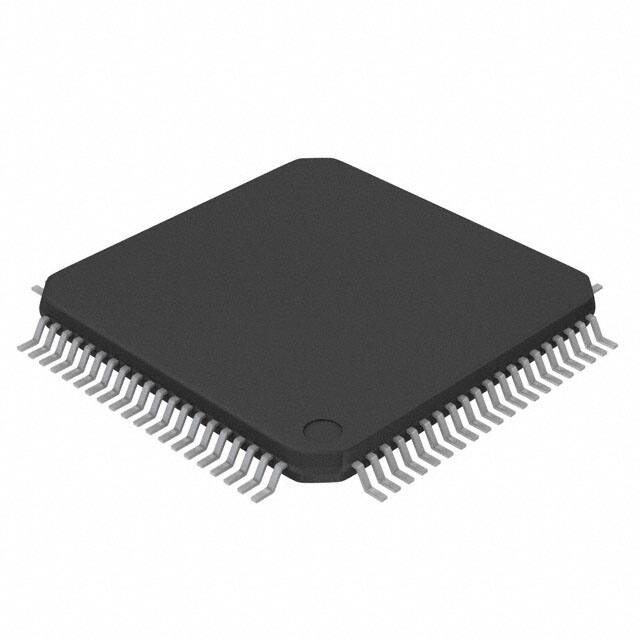



 工商网监
湘ICP备2023018690号
工商网监
湘ICP备2023018690号