M24M02-DR M24M02-R
Datasheet
2-Mbit serial I²C bus EEPROM
Features
•
SO8N (MN)
150 mil width
•
•
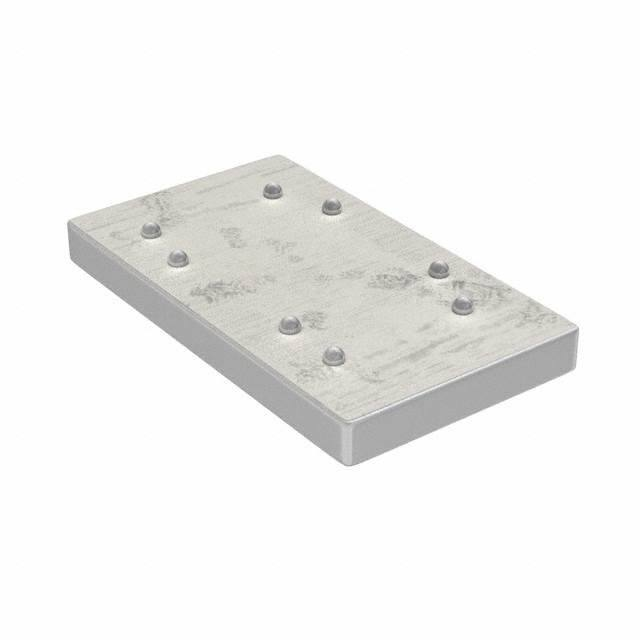
WLSCP
Unsawn wafer
Product status link
•
•
•
•
•
•
•
Compatible with following I2C bus modes:
–
1 MHz
–
400 kHz
–
100 kHz
Memory array:
–
2 Mbit (256 Kbyte) of EEPROM
–
Page size: 256 byte
–
Additional write lockable page (M24M02-DR order codes)
Single supply voltage:
–
1.8 V to 5.5 V over –40 °C / +85 °C
Write time:
–
Byte write within 10 ms
–
Page write within 10 ms
Random and sequential read modes
Write protect of the whole memory array
Enhanced ESD/latch-Up protection
More than 4 million write cycles
More than 200-years data retention
Packages:
–
SO8N ECOPACK2
–
WLCSP ECOPACK2
–
Unsawn wafer (each die is tested)
–
RoHS compliant and halogen-free (ECOPACK2)
M24M02-DR
M24M02-R
DS7025 - Rev 11 - October 2022
For further information contact your local STMicroelectronics sales office.
www.st.com
�M24M02-DR M24M02-R
Description
1
Description
The M24M02 is a 2-Mbit I2C-compatible EEPROM (electrically erasable programmable memory) organized as
256 K × 8 bits.
The M24M02-DR and M24M02-R can operate with a supply voltage from 1.8 V to 5.5 V, over an ambient
temperature range of –40 °C / +85 °C.
The M24M02-DR offers an additional page, named the identification page (256 byte). The identification page can
be used to store sensitive application parameters which can be (later) permanently locked in read-only mode.
Figure 1. Logic diagram
VCC
E2
M24M02-xR
SCL
SDA
WC
VSS
MS49601V1
Table 1. Signal names
Signal name
Function
Direction
E2
Chip enable
Input
SDA
Serial data
I/O
SCL
Serial clock
Input
WC
Write control
Input
VCC
Supply voltage
-
VSS
Ground
-
Figure 2. 8-pin package connections, top view
DU
1
8
DU
2
7
WC
E2
3
6
SCL
VSS
4
5
SDA
VCC
AI17727v2
DS7025 - Rev 11
1.
DU: Don’t use (no signal should be applied on this pin; if connected, must be connected to VSS).
2.
See Section 9 Package information for package dimensions, and how to identify pin 1.
page 2/40
�M24M02-DR M24M02-R
Description
Figure 3. WLCSP connections
1 2
4 3
3 4
2 1
A
A
B
B
C
C
D
D
Bump side
(bottom view)
Marking side
(top view)
MS38243V3
1.
DU: Don’t use (no signal should be applied on this pin; if connected, must be connected to VSS).
2.
See Section 9 Package information for package dimensions, and how to identify pin 1.
Table 2. Signal vs. bump position
DS7025 - Rev 11
Position
A
B
C
D
1
-
-
SCL
-
2
VCC
WC
-
SDA
3
DU
-
-
VSS
4
-
DU
E2
-
page 3/40
�M24M02-DR M24M02-R
Signal description
2
Signal description
2.1
Serial clock (SCL)
The signal applied on the SCL input is used to strobe the data available on SDA(in) and to output the data on
SDA(out).
2.2
Serial data (SDA)
SDA is an input/output used to transfer data in or data out of the device. SDA(out) is an open drain output
that may be wired-AND with other open drain or open collector signals on the bus. A pull-up resistor must be
connected (Figure 12 and Figure 13 indicate how to calculate the value of the pull-up resistor).
2.3
Chip enable (E2)
This input signal is used to set the value that is to be looked for on the least significant bit b3 of the 7-bit device
select code. This input must be tied to VCC or VSS, to establish the device select code as shown in Figure 4.
When not connected (left floating), this input is read as low (0).
Figure 4. Chip enable inputs connection
VCC
VCC
M24xxx
M24xxx
Ei
Ei
VSS
2.4
VSS
Write control (WC)
This input signal is useful for protecting the entire contents of the memory from inadvertent write operations. Write
operations are disabled to the entire memory array when write control (WC) is driven high. Write operations are
enabled when write control (WC) is either driven low or left floating.
When write control (WC) is driven high, device select and address bytes are acknowledged, data bytes are not
acknowledged.
2.5
VSS (ground)
VSS is the reference for the VCC supply voltage.
DS7025 - Rev 11
page 4/40
�M24M02-DR M24M02-R
Supply voltage (VCC)
2.6
Supply voltage (VCC)
2.6.1
Operating supply voltage (VCC)
Prior to selecting the memory and issuing instructions to it, a valid and stable VCC voltage within the specified
[VCC(min), VCC(max)] range must be applied (see Operating conditions in Section 8 DC and AC parameters). In
order to secure a stable DC supply voltage, it is recommended to decouple the VCC line with a suitable capacitor
(usually of the order of 10 nF to 100 nF) close to the VCC/VSS package pins.
This voltage must remain stable and valid until the end of the transmission of the instruction and, for a write
instruction, until the completion of the internal write cycle (tW).
2.6.2
Power-up conditions
The VCC voltage has to rise continuously from 0 V up to the minimum VCC operating voltage (see Operating
conditions in Section 8 DC and AC parameters).
2.6.3
Device reset
In order to prevent inadvertent write operations during power-up, a power-on-reset (POR) circuit is included.
At power-up, the device does not respond to any instruction until VCC has reached the internal reset
threshold voltage. This threshold is lower than the minimum VCC operating voltage (see Operating conditions
in Section 8 DC and AC parameters). When VCC passes over the POR threshold, the device is reset and enters
the standby power mode; however, the device must not be accessed until VCC reaches a valid and stable DC
voltage within the specified [VCC(min), VCC(max)] range (see Operating conditions in Section 8 DC and AC
parameters).
In a similar way, during power-down (continuous decrease in VCC), the device must not be accessed when VCC
drops below VCC(min). When VCC drops below the power-on-reset threshold voltage, the device stops responding
to any instruction sent to it.
2.6.4
Power-down conditions
During power-down (continuous decrease in VCC), the device must be in the standby power mode (mode reached
after decoding a stop condition, assuming that there is no internal write cycle in progress).
DS7025 - Rev 11
page 5/40
�M24M02-DR M24M02-R
Block diagram
3
Block diagram
The block diagram is organized as shown below.
Figure 5. Block diagram
SENSE AMPLIFIERS
PAGE LATCHES
ARRAY
SCL
I/O
X DECODER
Y DECODER
DATA REGISTER
+
ECC
SDA
WC
START & STOP
DETECT
E2
CONTROL
LOGIC
IDENTIFICATION PAGE
HV GENERATOR
+
SEQUENCER
ADDRESS
REGISTER
DS7025 - Rev 11
page 6/40
�M24M02-DR M24M02-R
Device operation
4
Device operation
The device supports the I2C protocol. This is summarized in Figure 6. Any device that sends data on to the bus
is defined to be a transmitter, and any device that reads the data to be a receiver. The device that controls the
data transfer is known as the bus master, and the other as the slave device. A data transfer can only be initiated
by the bus master, which also provides the serial clock for synchronization. The device is always a slave in all
communications.
Figure 6. I2C bus protocol
SCL
SDA
SDA
Input
START
Condition
SCL
1
SDA
MSB
2
SDA
Change
STOP
Condition
3
7
8
9
ACK
START
Condition
SCL
1
SDA
MSB
2
3
7
8
9
ACK
STOP
Condition
DS7025 - Rev 11
page 7/40
�M24M02-DR M24M02-R
Start condition
4.1
Start condition
Start is identified by a falling edge of serial data (SDA) while serial clock (SCL) is stable in the high state. A start
condition must precede any data transfer instruction. The device continuously monitors (except during a write
cycle) serial data (SDA) and serial clock (SCL) for a start condition.
4.2
Stop condition
Stop is identified by a rising edge of serial data (SDA) while serial clock (SCL) is stable in the high state. A stop
condition terminates communication between the device and the bus master. A read instruction that is followed by
NoAck can be followed by a stop condition to force the device into the standby mode.
A stop condition at the end of a write instruction triggers the internal write cycle.
4.3
Data input
During data input, the device samples serial data (SDA) on the rising edge of serial clock (SCL). For correct
device operation, serial data (SDA) must be stable during the rising edge of serial clock (SCL), and the serial data
(SDA) signal must change only when serial clock (SCL) is driven low.
4.4
Acknowledge bit (ACK)
The acknowledge bit is used to indicate a successful byte transfer. The bus transmitter, whether it be bus master
or slave device, releases serial data (SDA) after sending eight bits of data. During the 9th clock pulse period, the
receiver pulls serial data (SDA) low to acknowledge the receipt of the eight data bits.
DS7025 - Rev 11
page 8/40
�M24M02-DR M24M02-R
Device addressing
4.5
Device addressing
To start communication between the bus master and the slave device, the bus master must initiate a Start
condition. Following this, the bus master sends the device select code, shown in Table 3 (most significant bit first).
Table 3. Device select code
Device type identifier(1) Chip Enable address MSB address bits RW
b7
b6
b5
b4
b3
b2
b1
b0
Device select code when addressing the memory
array
1
0
1
0
E2(2)
A17
A16
RW
Device select code when addressing the
Identification page
1
0
1
1
E2(2)
X(3)
X(3)
RW
1. The most significant bit, b7, is sent first.
2. E2 bit value is compared to the logic level applied on the input pin E2.
3. X : Don't care bit
When the device select code is received, the device only responds if the chip enable address is the same as the
value on the chip enable (E2) input.
The 8th bit is the Read/Write bit (RW). This bit is set to 1 for read and 0 for write operations.
If a match occurs on the device select code, the corresponding device gives an acknowledgment on serial data
(SDA) during the 9th bit time. If the device does not match the device select code, it deselects itself from the bus,
and goes into standby mode after a stop condition.
DS7025 - Rev 11
page 9/40
�M24M02-DR M24M02-R
Instructions
5
Instructions
5.1
Write operations
Following a start condition the bus master sends a device select code with the R/W bit (RW) reset to 0. The
device acknowledges this, as shown in Figure 7, and waits for two address bytes. The device responds to each
address byte with an acknowledge bit, and then waits for the data byte.
Table 4. Most significant address byte
A15
A14
A13
A12
A11
A10
A9
A8
Table 5. Least significant address byte
A7
A6
A5
A4
A3
A2
A1
A0
The 256 Kbytes (2 Mb) are addressed with 18 address bits, the 16 lower address bits being defined by the two
address bytes and the most significant address bits (A17, A16) being included in the Device Select code (see
Table 4).
When the bus master generates a stop condition immediately after a data byte Ack bit (in the “10th bit” time slot),
either at the end of a byte write or a page write, the internal write cycle tW is triggered. A stop condition at any
other time slot does not trigger the internal write cycle.
After the stop condition and the successful completion of an internal write cycle (tW), the device internal address
counter is automatically incremented to point to the next byte after the last modified byte.
During the internal write cycle, serial data (SDA) is disabled internally, and the device does not respond to any
requests.
If the write control input (WC) is driven high, the write instruction is not executed and the accompanying data
bytes are not acknowledged, as shown in Figure 8.
DS7025 - Rev 11
page 10/40
�M24M02-DR M24M02-R
Write operations
5.1.1
Byte write
After the device select code and the address bytes, the bus master sends one data byte. If the addressed location
is write-protected, by write control (WC) being driven high, the device replies with NoAck, and the location is not
modified. If, instead, the addressed location is not write-protected, the device replies with Ack. The bus master
terminates the transfer by generating a stop condition, as shown in Figure 7.
Figure 7. Write mode sequences with WC = 0 (data write enabled)
WC
ACK
Byte addr
ACK
ACK
Data in
Byte addr
Stop
Dev sel
Start
Byte Write
ACK
RW
WC
ACK
Dev sel
Start
Page Write
ACK
Byte addr
ACK
Byte addr
ACK
Data in 1
Data in 2
RW
WC (cont’d)
ACK
Data in N
Stop
Page Write (cont’d)
ACK
DS7025 - Rev 11
page 11/40
�M24M02-DR M24M02-R
Write operations
5.1.2
Page write
The page write mode allows up to 256 byte to be written in a single write cycle, provided that they are all located
in the same page in the memory: that is, the most significant memory address bits, A17/A8, are the same. If more
bytes are sent than fit up to the end of the page, a “roll-over” occurs, i.e. the bytes exceeding the page end are
written on the same page, from location 0.
The bus master sends from 1 to 256 byte of data, each of which is acknowledged by the device if write control
(WC) is low. If write control (WC) is high, the contents of the addressed memory location are not modified, and
each data byte is followed by a NoAck, as shown in Figure 8. After each transferred byte, the internal page
address counter is incremented.
The transfer is terminated by the bus master generating a stop condition.
Figure 8. Write mode sequences with WC = 1 (data write inhibited)
WC
Byte write
WC
Page write
WC (cont’d)
Page write (cont’d)
DS7025 - Rev 11
page 12/40
�M24M02-DR M24M02-R
Write operations
5.1.3
Write identification page (M24M02-DR only)
The identification page (256 byte) is an additional page which can be written and (later) permanently locked in
read-only mode. It is written by issuing the write identification page instruction. This instruction uses the same
protocol and format as page write (into memory array), except for the following differences:
•
•
Device type identifier = 1011b
MSB address bits A17/A8 are don't care except for address bit A10 which must be ‘0’. LSB address bits
A7/A0 define the byte address inside the identification page.
If the identification page is locked, the data bytes transferred during the write identification page instruction are not
acknowledged (NoAck).
5.1.4
Lock identification page (M24M02-DR only)
The lock identification page instruction (Lock ID) permanently locks the identification page in read-only mode. The
lock ID instruction is similar to byte write (into memory array) with the following specific conditions:
•
•
•
5.1.5
Device type identifier = 1011b
Address bit A10 must be ‘1’; all other address bits are don't care
The data byte must be equal to the binary value xxxx xx1x, where x is don't care
ECC (error correction code) and write cycling
The error correction code (ECC) is an internal logic function which is transparent for the I2C communication
protocol.
The ECC logic is implemented on each group of four EEPROM bytes (A group of four bytes is located at
addresses [4*N, 4*N+1, 4*N+2, 4*N+3], where N is an integer). Inside a group, if a single bit out of the four bytes
happens to be erroneous during a read operation, the ECC detects this bit and replaces it with the correct value.
The read reliability is therefore much improved.
Even if the ECC function is performed on groups of four bytes, a single byte can be written/cycled independently.
In this case, the ECC function also writes/cycles the three other bytes located in the same group (A group of
four bytes is located at addresses [4*N, 4*N+1, 4*N+2, 4*N+3], where N is an integer). As a consequence, the
maximum cycling budget is defined at group level and the cycling can be distributed over the 4 bytes of the group:
the sum of the cycles seen by byte0, byte1, byte2 and byte3 of the same group must remain below the maximum
value defined Table 10.
DS7025 - Rev 11
page 13/40
�M24M02-DR M24M02-R
Write operations
5.1.6
Minimizing write delays by polling on ACK
During the internal write cycle, the device disconnects itself from the bus, and writes a copy of the data from
its internal latches to the memory cells. The maximum write time (tw) is shown in AC characteristics tables in
Section 8 DC and AC parameters, but the typical time is shorter. To make use of this, a polling sequence can be
used by the bus master.
The sequence, as shown in Figure 9, is:
•
•
•
Initial condition: a write cycle is in progress.
Step 1: the bus master issues a Start condition followed by a device select code (the first byte of the new
instruction).
Step 2: if the device is busy with the internal write cycle, no Ack is returned and the bus master goes back
to step 1. If the device has terminated the internal write cycle, it responds with an Ack, indicating that the
device is ready to receive the second part of the instruction (the first byte of this instruction having been
sent during Step 1).
Figure 9. Write cycle polling flowchart using ACK
Write cycle
in progress
Start condition
Device select
with RW = 0
NO
ACK
returned
YES
First byte of instruction
with RW = 0 already
decoded by the device
NO
Next
operation is
addressing the
memory
YES
Send address
and receive ACK
Re-start
Stop
1.
DS7025 - Rev 11
NO
StartCondition
YES
Data for the
write operation
Device select
with RW = 1
Continue the
write operation
Continue the
random read operation
The seven most significant bits of the device select code of a random read (bottom right box in the figure)
must be identical to the seven most significant bits of the device select code of the write (polling instruction
in the figure).
page 14/40
�M24M02-DR M24M02-R
Read operations
5.2
Read operations
Read operations are performed independently of the state of the write control (WC) signal.
After the successful completion of a read operation, the device internal address counter is incremented by one, to
point to the next byte address.
For the read instructions, after each byte read (data out), the device waits for an acknowledgement (data in)
during the 9th bit time. If the bus master does not acknowledge during this 9th time, the device terminates the data
transfer and switches to its standby mode after a stop condition.
Figure 10. Read mode sequences
ACK
Data out
Stop
Start
Dev sel
NO ACK
RW
ACK
Random
Address
Read
Byte addr
Dev sel *
ACK
ACK
Data out 1
ACK
NO ACK
Data out N
ACK
Byte addr
ACK
Byte addr
RW
ACK
Dev sel *
Start
Dev sel *
Start
Data out
RW
RW
ACK
NO ACK
Stop
Start
Dev sel
Sequential
Random
Read
ACK
Byte addr
RW
ACK
Sequential
Current
Read
ACK
Start
Start
Dev sel *
ACK
Stop
Current
Address
Read
ACK
Data out1
RW
NO ACK
Stop
Data out N
Note:
DS7025 - Rev 11
The seven most significant bits of the first device select code of a random read must be identical to the seven
most significant bits of the device select code of the write.
page 15/40
�M24M02-DR M24M02-R
Read operations
5.2.1
Random address read
A dummy write is first performed to load the address into this address counter (as shown in Figure 10) but without
sending a stop condition. Then, the bus master sends another start condition, and repeats the device select code,
with the RW bit set to 1. The device acknowledges this, and outputs the contents of the addressed byte. The bus
master must not acknowledge the byte, and terminates the transfer with a stop condition.
5.2.2
Current address read
For the current address read operation, following a start condition, the bus master only sends a device select
code with the RW bit set to 1. The device acknowledges this, and outputs the byte addressed by the internal
address counter. The counter is then incremented. The bus master terminates the transfer with a stop condition,
as shown in Figure 10, without acknowledging the byte.
Note that the address counter value is defined by instructions accessing either the memory or the identification
page. When accessing the Identification page, the address counter value is loaded with the byte location in the
identification page, therefore the next current address read in the memory uses this new address counter value.
When accessing the memory, it is safer to always use the random address read instruction (this instruction loads
the address counter with the byte location to read in the memory, see Section 5.2.1 Random address read)
instead of the current address Read instruction.
5.2.3
Sequential read
This operation can be used after a current address read or a random address read. The bus master does
acknowledge the data byte output, and sends additional clock pulses so that the device continues to output the
next byte in sequence. To terminate the stream of bytes, the bus master must not acknowledge the last byte, and
must generate a Stop condition, as shown in Figure 10.
The output data comes from consecutive addresses, with the internal address counter automatically incremented
after each byte output. After the last memory address, the address counter “rolls-over”, and the device continues
to output data from memory address 00h.
5.2.4
Read identification page (M24M02-DR only)
The identification page (256 bytes) is an additional page which can be written and (later) permanently locked in
Read-only mode.
The identification page can be read by issuing an read identification page instruction. This instruction uses the
same protocol and format as the random address read (from memory array) with device type identifier defined as
1011b. The MSB address bits A17/A8 are don't care, the LSB address bits A7/A0 define the byte address inside
the identification page. The number of bytes to read in the ID page must not exceed the page boundary (e.g.:
when reading the identification page from location 100d, the number of bytes should be less than or equal to 156,
as the ID page boundary is 256 bytes).
DS7025 - Rev 11
page 16/40
�M24M02-DR M24M02-R
Read operations
5.2.5
Read the lock status (M24M02-DR only)
The locked/unlocked status of the identification page can be checked by transmitting a specific truncated
command [identification page write instruction + one data byte] to the device. The device returns an acknowledge
bit if the identification page is unlocked, otherwise a NoAck bit if the identification page is locked.
Right after this, it is recommended to transmit to the device a start condition followed by a stop condition, so that:
•
•
DS7025 - Rev 11
Start: the truncated command is not executed because the start condition resets the device internal logic,
Stop: the device is then set back into standby mode by the stop condition.
page 17/40
�M24M02-DR M24M02-R
Initial delivery state
6
Initial delivery state
The device is delivered with all the memory array bits and Identification page bits set to 1 (each byte contains
FFh).
DS7025 - Rev 11
page 18/40
�M24M02-DR M24M02-R
Maximum rating
7
Maximum rating
Stressing the device outside the ratings listed in Table 6 may cause permanent damage to the device. These
are stress ratings only, and operation of the device at these, or any other conditions outside those indicated in
the operating sections of this specification, is not implied. Exposure to absolute maximum rating conditions for
extended periods may affect device reliability.
Table 6. Absolute maximum ratings
Symbol
Parameter
Min.
Max.
Unit
-
Ambient operating temperature
-40
130
°C
TSTG
Storage temperature
-65
150
°C
TLEAD
Lead temperature during soldering
IOL
DC output current (SDA = 0)
–
5
mA
VIO
Input or output range
-0.50
6.5
V
VCC
Supply voltage
-0.50
6.5
V
VESD
Electrostatic pulse (Human Body model)(2)
–
3000
V
see note (1)
°C
1. Compliant with JEDEC Std J-STD-020 (for small body, Sn-Pb or Pb-free assembly), the ST ECOPACK 7191395
specification, and the European directive on Restrictions of Hazardous Substances (RoHS directive 2011/65/EU of July
2011).
2. Positive and negative pulses applied on different combinations of pin connections, according to ANSI/ESDA/JEDEC JS-001,
C1=100 pF, R1=1500 Ω).
DS7025 - Rev 11
page 19/40
�M24M02-DR M24M02-R
DC and AC parameters
8
DC and AC parameters
This section summarizes the operating and measurement conditions, and the DC and AC characteristics of the
device.
Table 7. Operating conditions
Symbol
Min.
Max.
Unit
Supply voltage
1.8
5.5
V
Ambient operating temperature
–40
85
°C
Min.
Max.
Unit
Load capacitance
0
100
pF
-
SCL input rise/fall time, SDA input fall time
-
50
ns
-
Input levels
0.2 VCC to 0.8 VCC
V
-
Input and output timing reference levels
0.3 VCC to 0.7 VCC
V
VCC
TA
Parameter
Table 8. AC measurement conditions
Symbol
Cbus
Parameter
Figure 11. AC measurement I/O waveform
Input voltage levels
Input and output
Timing reference levels
0.8VCC
0.7VCC
0.3V CC
0.2VCC
Table 9. Input parameters
Symbol
Parameter(1)
Test condition
Min.
Max.
Unit
CIN
Input capacitance (SDA)
-
-
8
pF
CIN
Input capacitance (other pins)
-
-
6
pF
VIN < 0.3 VCC
30
-
kΩ
VIN > 0.7 VCC
500
-
kΩ
ZL
ZH
Input impedance (E2, WC)(2)
1. Evaluated by characterization – Not tested in production.
2. Input impedance when the memory is selected (after a start condition).
DS7025 - Rev 11
page 20/40
�M24M02-DR M24M02-R
DC and AC parameters
Table 10. Cycling performance
Symbol
Ncycle
Parameter
Write cycle endurance(1)
Test condition
Max.
TA ≤ 25 °C, VCC(min) < VCC < VCC(max)
4,000,000
TA = 85 °C, VCC(min) < VCC < VCC(max)
1,200,000
Unit
Write cycle(2)
1. The write cycle endurance is defined for group of four bytes located at addresses [4*N, 4*N+1, 4*N+2, 4*N+3] where N is an
integer. The write cycle endurance is defined by characterization and qualification.
2. A write cycle is executed when either a page write, a byte write, a write identification page or a lock identification
page instruction is decoded. When using the byte write, the page write or the write identification page, refer also to
Section 5.1.5 ECC (error correction code) and write cycling
Table 11. Memory cell data retention
Parameter
Data
retention(1)
Test condition
TA = 55 °C
Min.
Unit
200
Year
1. The data retention behavior is checked in production, while the 200-year limit is defined from characterization and
qualification results.
DS7025 - Rev 11
page 21/40
�M24M02-DR M24M02-R
DC and AC parameters
Table 12. DC characteristics
Symbol
ILI
ILO
ICC
ICC0
Parameter
Input leakage current
(E2, SCL, SDA)
Test conditions (in addition to those in Table 7 and Table 8)
Min.
Max.
Unit
-
±2
µA
-
±2
µA
VCC = 1.8 V, fc = 400 kHz
-
1
mA
VCC = 2.5 V, fc = 400 kHz
-
1
mA
VCC = 5.5 V, fc = 400 kHz
-
2
mA
1.8 V < VCC < 5.5 V, fc = 1 MHz
-
2.5
mA
-
2(1)
mA
-
3
µA
-
5
µA
-
5
µA
VIN = VSS or VCC, device in Standby mode
Output leakage current SDA in Hi-Z, external voltage applied on SDA: VSS or VCC
Supply current (Read)
Supply current (Write)
Averaged value during tW
1.8 V ≤ VCC ≤ 5.5 V
Device not selected,(2)
VIN = VSS or VCC, VCC = 1.8 V
ICC1
Standby supply current
Device not selected(2),
VIN = VSS or VCC, VCC = 2.5 V
Device not selected(2),
VIN = VSS or VCC, VCC = 5.5 V
VIL
VIH
VOL
Input low voltage
1.8 V ≤ VCC < 2.5 V
-0.45
0.25 VCC
V
(SCL, SDA, WC)
2.5 V ≤ VCC < 5.5 V
-0.45
0.30 VCC
V
Input high voltage
1.8 V ≤ VCC < 2.5 V
0.75 VCC
VCC + 1
V
(SCL, SDA, WC)
2.5 V ≤ VCC < 5.5 V
0.70 VCC
VCC + 1
V
IOL = 1.0 mA, VCC = 1.8 V
-
0.2
V
IOL = 2.1 mA, VCC = 2.5 V
-
0.4
V
IOL = 3.0 mA, VCC = 5.5 V
-
0.4
V
Output low voltage
1. Evaluated by characterization - Not tested in production.
2. The device is not selected after power-up, after a read instruction (after the stop condition), or after the completion of the
internal write cycle tW (tW is triggered by the correct decoding of a write instruction).
DS7025 - Rev 11
page 22/40
�M24M02-DR M24M02-R
DC and AC parameters
Table 13. 400 kHz AC characteristics
Parameter(1)
Symbol
Alt.
Min.
Max.
Unit
fC
fSCL
Clock frequency
-
400
kHz
tCHCL
tHIGH
Clock pulse width high
600
-
ns
tCLCH
tLOW
Clock pulse width low
1300
-
ns
tF
SDA (out) fall time
20(3)
120
ns
tXH1XH2
tR
Input signal rise time
(4)
(4)
ns
tXL1XL2
tF
Input signal fall time
(4)
(4)
ns
tDXCH
tSU:DAT
Data in set up time
100
-
ns
tCLDX
tHD:DAT
Data in hold time
0
-
ns
tCLQX(5)
tDH
Data out hold time
100
-
ns
(6)
tAA
Clock low to next data valid (access time)
100
900
ns
tQL1QL2
tCLQV
(2)
tCHDL
tSU:STA
Start condition setup time
600
-
ns
tDLCL
tHD:STA
Start condition hold time
600
-
ns
tCHDH
tSU:STO
Stop condition set up time
600
-
ns
tDHDL
tBUF
Time between Stop condition and next Start condition
1300
-
ns
tWLDL(2)(7)
tSU:WC
WC set up time (before the Start condition)
0
-
µs
(2)(8)
tHD:WC
WC hold time (after the Stop condition)
1
-
µs
Write time
-
10
ms
Pulse width ignored (input filter on SCL and SDA) - single glitch
-
80
ns
tDHWH
tW
tNS
(2)
tWR
-
1. Test conditions (in addition to those specified under Table 7 and Table 8).
2. Evaluated by characterization - Not tested in production.
3. With CL = 10 pF.
4. There is no min. or max. values for the input signal rise and fall times. It is however recommended by the I²C specification
that the input signal rise and fall times be more than 20 ns and less than 300 ns when fC < 400 kHz.
5. The min value for tCLQX (Data out hold time) of the M24xxx devices offers a safe timing to bridge the undefined region of the
falling edge SCL.
6. tCLQV is the time (from the falling edge of SCL) required by the SDA bus line to reach either 0.3 VCC or 0.7 VCC, assuming
that Rbus × Cbus time constant is within the values specified in Figure 12.
7. WC=0 set up time condition to enable the execution of a WRITE command.
8. WC=0 hold time condition to enable the execution of a WRITE command.
DS7025 - Rev 11
page 23/40
�M24M02-DR M24M02-R
DC and AC parameters
Table 14. 1 MHz AC characteristics
Symbol
Alt.
Min.
Max.
Unit
fC
fSCL
Clock frequency
0
1
MHz
tCHCL
tHIGH
Clock pulse width high
260
-
ns
tCLCH
tLOW
Clock pulse width low
400
-
ns
tXH1XH2
tR
Input signal rise time
(1)
(1)
ns
tXL1XL2
tF
Input signal fall time
(1)
(1)
ns
tQL1QL2(2)
tF
SDA (out) fall time
20(3)
120
ns
tDXCH
tSU:DAT
Data in setup time
50
-
ns
tCLDX
tHD:DAT
Data in hold time
0
-
ns
tCLQX(4)
tDH
Data out hold time
100
-
ns
tCLQV(5)
tAA
Clock low to next data valid (access time)
-
450
ns
tCHDL
tSU:STA
Start condition setup time
250
-
ns
tDLCL
tHD:STA
Start condition hold time
250
-
ns
tCHDH
tSU:STO
Stop condition setup time
250
-
ns
tDHDL
tBUF
Time between Stop condition and next Start condition
500
-
ns
tWLDL(2)(6)
tSU:WC
WC set up time (before the Start condition)
0
-
µs
(2)(7)
tHD:WC
WC hold time (after the Stop condition)
1
-
µs
Write time
-
10
ms
Pulse width ignored (input filter on SCL and SDA)
-
80
ns
tDHWH
tW
tWR
tNS(2)
-
Parameter
1. There is no min. or max. values for the input signal rise and fall times. It is however recommended by the I²C specification
that the input signal rise and fall times be less than 120 ns when fC < 1 MHz.
2. Evaluated by characterization - Not tested in production.
3. With CL = 10 pF.
4. To avoid spurious start and stop conditions, a minimum delay is placed between SCL=1 and the falling or rising edge of
SDA.
5. tCLQV is the time (from the falling edge of SCL) required by the SDA bus line to reach either 0.3 VCC or 0.7 VCC, assuming
that the Rbus × Cbus time constant is within the values specified in Figure 13.
6. WC=0 set up time condition to enable the execution of a WRITE command.
7. WC=0 hold time condition to enable the execution of a WRITE command.
DS7025 - Rev 11
page 24/40
�M24M02-DR M24M02-R
DC and AC parameters
Figure 12. Maximum Rbus value versus bus parasitic capacitance (Cbus) for an I2C bus at maximum
frequency fC = 400 kHz
Bus line Pull up resistor (kΩ)
100
VCC
The Rbus x Cbus time
constant must be below
the 400 ns time constant
line represented on the left
Rb
us
10
xC
bu
s
00
Here Rbus x Cbus= 120 ns
4
=4
Rbus
I²C bus
master
SCL
M24xxx
SDA
ns
Cbus
1
10
30
100
1000
Bus line capacitor (pF)
Figure 13. Maximum Rbus value versus bus parasitic capacitance (Cbus) for an I2C bus at maximum
frequency fC = 1MHz
Bus line pull-up resistor (kΩ )
100
10
Rbu
s
xC
bus
The Rbus x Cbus time
constant must be below
the 150 ns time
constant line
represented on the left
= 15
0 ns
4
VCC
Rbus
I²C bus
master
SCL
M24xxx
SDA
Here Rbus x Cbus = 120 ns
Cbus
1
10
30
100
Bus line capacitor (pF)
DS7025 - Rev 11
page 25/40
�M24M02-DR M24M02-R
DC and AC parameters
Figure 14. AC waveforms
Start
condition
Start
Stop
condition condition
tXL1XL2
tXH1XH2
tCHCL
tCLCH
SCL
tDLCL
tXL1XL2
SDA In
tCHDL
tXH1XH2
SDA
Input
tCLDX
SDA tDXCH
Change
tCHDH
tDHDL
WC
tDHWH
tWLDL
Stop
condition
Start
condition
SCL
SDA In
tW
tCHDH
tCHDL
Write cycle
tCHCL
SCL
tCLQV
SDA Out
DS7025 - Rev 11
tCLQX
Data valid
tQL1QL2
Data valid
page 26/40
�M24M02-DR M24M02-R
Package information
9
Package information
In order to meet environmental requirements, ST offers these devices in different grades of ECOPACK packages,
depending on their level of environmental compliance. ECOPACK specifications, grade definitions and product
status are available at: www.st.com. ECOPACK is an ST trademark.
For die information concerning the M24M02 delivered in unsawn wafer, contact your nearest ST Sales Office.
DS7025 - Rev 11
page 27/40
�M24M02-DR M24M02-R
SO8N package information
9.1
SO8N package information
This SO8N is an 8-lead, 4.9 x 6 mm, plastic small outline, 150 mils body width, package.
Figure 15. SO8N – Outline
Package SO8N (package code O7)
A2
h x 45˚
A
c
b
ccc
e
D
0.25 mm
GAUGE PLANE
SEATING
PLANE
C
k
8
E1
E
1
L
A1
L1
1.
Drawing is not to scale.
Table 15. SO8N – Mechanical data
Symbol
inches (1)
millimeters
Min.
Typ.
Max.
Min.
Typ.
Max.
A
-
-
1.750
-
-
0.0689
A1
0.100
-
0.250
0.0039
-
0.0098
A2
1.250
-
-
0.0492
-
-
b
0.280
-
0.480
0.0110
-
0.0189
c
0.100
-
0.230
0.0039
-
0.0091
D(2)
4.800
4.900
5.000
0.1890
0.1929
0.1969
E
5.800
6.000
6.200
0.2283
0.2362
0.2441
E1(3)
3.800
3.900
4.000
0.1496
0.1535
0.1575
e
-
1.270
-
-
0.0500
-
h
0.250
-
0.500
0.0098
-
0.0197
k
0°
-
8°
0°
-
8°
L
0.400
-
1.270
0.0157
-
0.0500
L1
-
1.040
-
-
0.0409
-
ccc
-
-
0.100
-
-
0.0039
1. Values in inches are converted from mm and rounded to four decimal digits.
2. Dimension “D” does not include mold flash, protrusions or gate burrs. Mold flash, protrusions or gate burrs shall not exceed
0.15 mm per side
3. Dimension “E1” does not include interlead flash or protrusions. Interlead flash or protrusions shall not exceed 0.25 mm per
side.
Note:
DS7025 - Rev 11
The package top may be smaller than the package bottom. Dimensions D and E1 are determinated at the
outermost extremes of the plastic body exclusive of mold flash, tie bar burrs, gate burrs and interleads flash,
but including any mismatch between the top and bottom of plastic body. Measurement side for mold flash,
protusions or gate burrs is bottom side.
page 28/40
�M24M02-DR M24M02-R
SO8N package information
Figure 16. SO8N - Recommended footprint
3.9
6.7
0.6 (x8)
1.27
1.
DS7025 - Rev 11
Dimensions are expressed in millimeters.
page 29/40
�M24M02-DR M24M02-R
WLCSP8 package information
9.2
WLCSP8 package information
This WLCSP is a 8-ball, 3.556 x 2.011 mm, wafer level chip scale package.
Figure 17. WLCSP8 - Outline
Package WLCSP8 (package code E1 option a)
D
aaa Z
X
H
DETAIL A
E
e2
G
Y
e e1
J
aaa
Orientation reference
(4X)
TOP VIEW
A
A2
H
F
G
Orientation reference
BOTTOM VIEW
BUMP
A1
eee Z
Z
b(8x)
ccc
ddd
Z
Z
Y
SEATING PLANE
DETAIL A
ROTATED 900
E1_a_WLCSP8_ME_V5
1.
2.
3.
4.
DS7025 - Rev 11
Drawing is not to scale.
Dimension is measured at the maximum bump diameter parallel to primary datum Z.
Primary datum Z and seating plane are defined by the spherical crowns of the bump.
Bump position designation per JESD 95-1, SPP-010.
page 30/40
�M24M02-DR M24M02-R
WLCSP8 package information
Table 16. WLCSP8 - Mechanical data
Symbol
inches(1)
millimeters
Min
Typ
Max
Min
Typ
Max
A
0.500
0.540
0.580
0.0197
0.0213
0.0228
A1
-
0.190
-
-
0.0075
-
A2
-
0.350
-
-
0.0138
-
b(2)
-
0.270
-
-
0.0106
-
D
-
3.556
3.576
-
0.1400
0.1408
E
-
2.011
2.031
-
0.0792
0.0800
e
-
1.000
-
-
0.0394
-
e1
-
1.200
-
-
0.0472
-
e2
-
2.100
-
-
0.0827
-
F
-
0.505
-
-
0.0199
-
G
-
0.500
-
-
0.0197
-
H
-
0.728
-
-
0.0287
-
J
-
0.200
-
-
0.0079
-
aaa
-
0.110
-
-
0.0043
-
bbb
-
0.110
-
-
0.0043
-
ccc
-
0.110
-
-
0.0043
-
ddd
-
0.060
-
-
0.0024
-
eee
-
0.060
-
-
0.0024
-
1. Values in inches are converted from mm and rounded to 4 decimal digits.
2. Dimension is measured at the maximum bump diameter parallel to primary datum Z.
Figure 18. WLCSP8 - Recommended footprint
2.100
0.500
1.200
1.000
ø 0.270
1.
DS7025 - Rev 11
0.500
0.200
Dimensions are expressed in millimeters.
page 31/40
�M24M02-DR M24M02-R
Ordering information
10
Ordering information
Table 17. Ordering information scheme
Example:
M24
M02
-D
R
MN
6
T
P
/K
Device type
M24 = I2C serial access EEPROM
Device function
M02 = 2 Mbit (256 K x 8 bit)
Device family
Blank = Without identification page
D = With identification page
Operating voltage
R = VCC = 1.8 V to 5.5 V
Package(1)
MN = SO8N (150 mil width)
CS = WLCSP8
Device grade
6 = Industrial: device tested with standard test flow over -40 to 85 °C
Option
T = Tape and reel packing
blank = tube packing
Plating technology
P or G = ECOPACK2
Process(2)
/K = Manufacturing technology code
1. All package are ECOPACK2 (RoHS compliant and free of brominated, chlorinated and antimony oxide flame retardants).
2. These process letters appear on the device package (marking) and on the shipment box. Contact your nearest ST sales
office for further information
DS7025 - Rev 11
page 32/40
�M24M02-DR M24M02-R
Ordering information
Table 18. Ordering information scheme (unsawn wafer)
Example:
M24
M02 -
D
R
K
W
20
I
/90
Device type
M24 = I2C serial access EEPROM
Device function
M02 = 2 Mbit (256 K x 8 bit)
Device family
D = With identification page
Blank = Without Identification page
Operating voltage
R = VCC = 1.8 V to 5.5 V
Process
K = F8H
Delivery form
W =Unsawn wafer
Wafer thickness
20 = Non-backlapped wafer
Wafer testing
I = Inkless test
Device grade
90 = -40°C to 85°C
Note:
For all information concerning the M24M02 delivered in unsawn wafer, please contact your nearest ST Sales
Office.
Note:
Parts marked as ES or E or accompanied by an Engineering Sample notification letter are not yet qualified
and therefore not approved for use in production. ST is not responsible for any consequences resulting from
such use. In no event will ST be liable for the customer using any of these engineering samples in production.
ST’s Quality department must be contacted prior to any decision to use these engineering samples to run a
qualification activity.
DS7025 - Rev 11
page 33/40
�M24M02-DR M24M02-R
Revision history
Table 19. Document revision history
Date
Revision
22-Dec-2010
1
Changes
Initial release.
Updated:
09-Feb-2011
2
•
•
•
•
•
•
•
•
Section 3.18:Read Identification Page
Section 3.19: Read thelock status
Figure 2: SO8 connections
Table 6: Absolute maximum ratings
Table 10: Input parameters
Table 11: DCcharacteristics
Table 12: AC characteristics at 400 kHz
Table 13: 1 MHz AC characteristics
Deleted:
•
09-Aug-2011
3
Table 15: Available M24M02-xproducts(package, voltage range, frequency, temperature
grade)
Updated Figure 5: MaximumRbus value versusbusparasitic capacitance (Cbus) for an I2C bus at
maximum frequency fC = 1 MHz and Table 11: DCcharacteristics.
Updated:
07-Feb-2012
4
25-Oct-2012
5
•
•
•
•
•
Table 2: Device select code
Table 3: Most significant address byte
Table 4: Leastsignificant address byte.
Section 3.6: Write operations
Section 3.8: Page Write
Updated document template and text (minor changes).
Cycling updated to 4 million cycles and data retention updated to 200 years.
Added WLCSP packages.
Document reformatted.
Removed information related to thin WLCSP package. Updated:
04-Jun-2013
6
•
•
•
•
WLCSP package silhouette on cover page
Section 1: Description
Figure 25: WLCSP connections
Note (1) under Table 14: Absolute maximum ratings.
Added Figure 57: WLCSP- 8-bump, 3.556 x 2.011 mm, wafer level chip scale package
recommended footprint
23-May-2014
7
removed note on page 7, Updated Table 5: Device select code, updated section numbering for
Section 5.2.4 and Section 5.2.6, updated note 1 on Table 30: Memory cell data retention, updated
Figure 57: WLCSP- 8-bump, 3.556 x2.011 mm, wafer level chip scale package recommended
footprint.
Updated:
27-Jul-2015
8
•
•
•
Figure 3 with note 1.
Table 2
Section 9.1: SO8N package information and Section 9.2: WLCSP package information
Updated:
•
02-Mar-2017
9
Added:
•
•
DS7025 - Rev 11
Figure 18: WLCSP-8-bump, 3.556 x 2.011 mm, wafer levelchip scale package recommended
footprint
Unsawn wafer on cover page
Table 18: Ordering information scheme (unsawn wafer)
page 34/40
�M24M02-DR M24M02-R
Date
Revision
Changes
Added M24M02-R RPN. Updated
14-Jan-2018
10
•
•
•
Features
Figure 1: Logic diagram,
Table 17: Ordering information scheme, Table18:Ordering information scheme (unsawn
wafer)
Updated:
18-Oct-2022
11
•
•
•
•
•
DS7025 - Rev 11
WLCSP8 silouette.
title of Figure 2
Section 2.2 Serial data (SDA), Section 3 Block diagram, Section 4.2 Stop condition,
Section 5.2 Read operations
Table 3. Device select code, Section 9.1 SO8N package information
Note 1 and 2 in Table 6, note 1 in Table 9, note 1 in Table 11, note 1 in Table 12, note 2 in
Table 13 and Table 14, note 2 in Table 17
page 35/40
�M24M02-DR M24M02-R
Contents
Contents
1
Description . . . . . . . . . . . . . . . . . . . . . . . . . . . . . . . . . . . . . . . . . . . . . . . . . . . . . . . . . . . . . . . . . . . . . . . .2
2
Signal description . . . . . . . . . . . . . . . . . . . . . . . . . . . . . . . . . . . . . . . . . . . . . . . . . . . . . . . . . . . . . . . . .4
2.1
Serial clock (SCL) . . . . . . . . . . . . . . . . . . . . . . . . . . . . . . . . . . . . . . . . . . . . . . . . . . . . . . . . . . . . . . 4
2.2
Serial data (SDA) . . . . . . . . . . . . . . . . . . . . . . . . . . . . . . . . . . . . . . . . . . . . . . . . . . . . . . . . . . . . . . 4
2.3
Chip enable (E2) . . . . . . . . . . . . . . . . . . . . . . . . . . . . . . . . . . . . . . . . . . . . . . . . . . . . . . . . . . . . . . . 4
2.4
Write control (WC). . . . . . . . . . . . . . . . . . . . . . . . . . . . . . . . . . . . . . . . . . . . . . . . . . . . . . . . . . . . . . 4
2.5
VSS (ground) . . . . . . . . . . . . . . . . . . . . . . . . . . . . . . . . . . . . . . . . . . . . . . . . . . . . . . . . . . . . . . . . . . 4
2.6
Supply voltage (VCC) . . . . . . . . . . . . . . . . . . . . . . . . . . . . . . . . . . . . . . . . . . . . . . . . . . . . . . . . . . . 5
2.6.1
Operating supply voltage (VCC). . . . . . . . . . . . . . . . . . . . . . . . . . . . . . . . . . . . . . . . . . . . . . 5
2.6.2
Power-up conditions . . . . . . . . . . . . . . . . . . . . . . . . . . . . . . . . . . . . . . . . . . . . . . . . . . . . . . 5
2.6.3
Device reset . . . . . . . . . . . . . . . . . . . . . . . . . . . . . . . . . . . . . . . . . . . . . . . . . . . . . . . . . . . . 5
2.6.4
Power-down conditions . . . . . . . . . . . . . . . . . . . . . . . . . . . . . . . . . . . . . . . . . . . . . . . . . . . . 5
3
Block diagram . . . . . . . . . . . . . . . . . . . . . . . . . . . . . . . . . . . . . . . . . . . . . . . . . . . . . . . . . . . . . . . . . . . . .6
4
Device operation . . . . . . . . . . . . . . . . . . . . . . . . . . . . . . . . . . . . . . . . . . . . . . . . . . . . . . . . . . . . . . . . . .7
5
4.1
Start condition . . . . . . . . . . . . . . . . . . . . . . . . . . . . . . . . . . . . . . . . . . . . . . . . . . . . . . . . . . . . . . . . . 8
4.2
Stop condition . . . . . . . . . . . . . . . . . . . . . . . . . . . . . . . . . . . . . . . . . . . . . . . . . . . . . . . . . . . . . . . . . 8
4.3
Data input. . . . . . . . . . . . . . . . . . . . . . . . . . . . . . . . . . . . . . . . . . . . . . . . . . . . . . . . . . . . . . . . . . . . . 8
4.4
Acknowledge bit (ACK). . . . . . . . . . . . . . . . . . . . . . . . . . . . . . . . . . . . . . . . . . . . . . . . . . . . . . . . . . 8
4.5
Device addressing. . . . . . . . . . . . . . . . . . . . . . . . . . . . . . . . . . . . . . . . . . . . . . . . . . . . . . . . . . . . . . 9
Instructions . . . . . . . . . . . . . . . . . . . . . . . . . . . . . . . . . . . . . . . . . . . . . . . . . . . . . . . . . . . . . . . . . . . . . .10
5.1
5.2
6
Write operations . . . . . . . . . . . . . . . . . . . . . . . . . . . . . . . . . . . . . . . . . . . . . . . . . . . . . . . . . . . . . . 10
5.1.1
Byte write . . . . . . . . . . . . . . . . . . . . . . . . . . . . . . . . . . . . . . . . . . . . . . . . . . . . . . . . . . . . . 11
5.1.2
Page write. . . . . . . . . . . . . . . . . . . . . . . . . . . . . . . . . . . . . . . . . . . . . . . . . . . . . . . . . . . . . 12
5.1.3
Write identification page (M24M02-DR only) . . . . . . . . . . . . . . . . . . . . . . . . . . . . . . . . . . . 13
5.1.4
Lock identification page (M24M02-DR only) . . . . . . . . . . . . . . . . . . . . . . . . . . . . . . . . . . . 13
5.1.5
ECC (error correction code) and write cycling . . . . . . . . . . . . . . . . . . . . . . . . . . . . . . . . . . 13
5.1.6
Minimizing write delays by polling on ACK . . . . . . . . . . . . . . . . . . . . . . . . . . . . . . . . . . . . 14
Read operations . . . . . . . . . . . . . . . . . . . . . . . . . . . . . . . . . . . . . . . . . . . . . . . . . . . . . . . . . . . . . . 15
5.2.1
Random address read. . . . . . . . . . . . . . . . . . . . . . . . . . . . . . . . . . . . . . . . . . . . . . . . . . . . 16
5.2.2
Current address read . . . . . . . . . . . . . . . . . . . . . . . . . . . . . . . . . . . . . . . . . . . . . . . . . . . . 16
5.2.3
Sequential read. . . . . . . . . . . . . . . . . . . . . . . . . . . . . . . . . . . . . . . . . . . . . . . . . . . . . . . . . 16
5.2.4
Read identification page (M24M02-DR only) . . . . . . . . . . . . . . . . . . . . . . . . . . . . . . . . . . . 16
5.2.5
Read the lock status (M24M02-DR only). . . . . . . . . . . . . . . . . . . . . . . . . . . . . . . . . . . . . . 17
Initial delivery state . . . . . . . . . . . . . . . . . . . . . . . . . . . . . . . . . . . . . . . . . . . . . . . . . . . . . . . . . . . . . . .18
DS7025 - Rev 11
page 36/40
�M24M02-DR M24M02-R
Contents
7
Maximum rating . . . . . . . . . . . . . . . . . . . . . . . . . . . . . . . . . . . . . . . . . . . . . . . . . . . . . . . . . . . . . . . . . .19
8
DC and AC parameters . . . . . . . . . . . . . . . . . . . . . . . . . . . . . . . . . . . . . . . . . . . . . . . . . . . . . . . . . . .20
9
Package information. . . . . . . . . . . . . . . . . . . . . . . . . . . . . . . . . . . . . . . . . . . . . . . . . . . . . . . . . . . . . .27
10
9.1
SO8N package information . . . . . . . . . . . . . . . . . . . . . . . . . . . . . . . . . . . . . . . . . . . . . . . . . . . . . 28
9.2
WLCSP8 package information. . . . . . . . . . . . . . . . . . . . . . . . . . . . . . . . . . . . . . . . . . . . . . . . . . . 30
Ordering information . . . . . . . . . . . . . . . . . . . . . . . . . . . . . . . . . . . . . . . . . . . . . . . . . . . . . . . . . . . . .32
Revision history . . . . . . . . . . . . . . . . . . . . . . . . . . . . . . . . . . . . . . . . . . . . . . . . . . . . . . . . . . . . . . . . . . . . . . .34
DS7025 - Rev 11
page 37/40
�M24M02-DR M24M02-R
List of tables
List of tables
Table 1.
Table 2.
Table 3.
Table 4.
Table 5.
Table 6.
Table 7.
Table 8.
Table 9.
Table 10.
Table 11.
Table 12.
Table 13.
Table 14.
Table 15.
Table 16.
Table 17.
Table 18.
Table 19.
Signal names . . . . . . . . . . . . . . . . . . . . . .
Signal vs. bump position . . . . . . . . . . . . . . .
Device select code . . . . . . . . . . . . . . . . . . .
Most significant address byte. . . . . . . . . . . .
Least significant address byte . . . . . . . . . . .
Absolute maximum ratings . . . . . . . . . . . . .
Operating conditions . . . . . . . . . . . . . . . . .
AC measurement conditions . . . . . . . . . . . .
Input parameters . . . . . . . . . . . . . . . . . . . .
Cycling performance . . . . . . . . . . . . . . . . .
Memory cell data retention . . . . . . . . . . . . .
DC characteristics . . . . . . . . . . . . . . . . . . .
400 kHz AC characteristics . . . . . . . . . . . . .
1 MHz AC characteristics . . . . . . . . . . . . . .
SO8N – Mechanical data . . . . . . . . . . . . . .
WLCSP8 - Mechanical data. . . . . . . . . . . . .
Ordering information scheme. . . . . . . . . . . .
Ordering information scheme (unsawn wafer)
Document revision history . . . . . . . . . . . . . .
DS7025 - Rev 11
.
.
.
.
.
.
.
.
.
.
.
.
.
.
.
.
.
.
.
.
.
.
.
.
.
.
.
.
.
.
.
.
.
.
.
.
.
.
.
.
.
.
.
.
.
.
.
.
.
.
.
.
.
.
.
.
.
.
.
.
.
.
.
.
.
.
.
.
.
.
.
.
.
.
.
.
.
.
.
.
.
.
.
.
.
.
.
.
.
.
.
.
.
.
.
.
.
.
.
.
.
.
.
.
.
.
.
.
.
.
.
.
.
.
.
.
.
.
.
.
.
.
.
.
.
.
.
.
.
.
.
.
.
.
.
.
.
.
.
.
.
.
.
.
.
.
.
.
.
.
.
.
.
.
.
.
.
.
.
.
.
.
.
.
.
.
.
.
.
.
.
.
.
.
.
.
.
.
.
.
.
.
.
.
.
.
.
.
.
.
.
.
.
.
.
.
.
.
.
.
.
.
.
.
.
.
.
.
.
.
.
.
.
.
.
.
.
.
.
.
.
.
.
.
.
.
.
.
.
.
.
.
.
.
.
.
.
.
.
.
.
.
.
.
.
.
.
.
.
.
.
.
.
.
.
.
.
.
.
.
.
.
.
.
.
.
.
.
.
.
.
.
.
.
.
.
.
.
.
.
.
.
.
.
.
.
.
.
.
.
.
.
.
.
.
.
.
.
.
.
.
.
.
.
.
.
.
.
.
.
.
.
.
.
.
.
.
.
.
.
.
.
.
.
.
.
.
.
.
.
.
.
.
.
.
.
.
.
.
.
.
.
.
.
.
.
.
.
.
.
.
.
.
.
.
.
.
.
.
.
.
.
.
.
.
.
.
.
.
.
.
.
.
.
.
.
.
.
.
.
.
.
.
.
.
.
.
.
.
.
.
.
.
.
.
.
.
.
.
.
.
.
.
.
.
.
.
.
.
.
.
.
.
.
.
.
.
.
.
.
.
.
.
.
.
.
.
.
.
.
.
.
.
.
.
.
.
.
.
.
.
.
.
.
.
.
.
.
.
.
.
.
.
.
.
.
.
.
.
.
.
.
.
.
.
.
.
.
.
.
.
.
.
.
.
.
.
.
.
.
.
.
.
.
.
.
.
.
.
.
.
.
.
.
.
.
.
.
.
.
.
.
.
.
.
.
.
.
.
.
.
.
.
.
.
.
.
.
.
.
.
.
.
.
.
.
.
.
.
.
.
.
.
.
.
.
.
.
.
.
.
.
.
.
.
.
.
.
.
.
.
.
.
.
.
.
.
.
.
.
.
.
.
.
.
.
.
.
.
.
.
.
.
.
.
.
.
.
.
.
.
.
.
.
.
.
.
.
.
.
.
.
.
.
.
.
.
.
.
.
.
.
.
.
.
.
.
.
.
.
.
.
.
.
.
.
.
.
.
.
.
.
.
.
.
.
.
.
.
.
.
.
.
.
.
.
.
.
.
.
.
.
.
.
.
.
.
.
.
.
.
.
.
.
.
.
.
.
.
.
.
.
.
.
.
.
.
.
.
.
.
.
.
.
.
.
.
.
.
.
.
.
.
.
.
.
.
.
.
.
.
.
.
.
.
.
.
.
.
.
.
.
.
.
.
.
.
.
.
.
.
.
.
.
.
.
.
.
.
.
.
.
.
.
.
.
.
.
.
.
.
.
.
.
.
.
.
.
.
.
.
.
.
.
.
.
.
.
.
.
.
.
.
.
.
.
.
.
.
.
.
.
.
.
.
.
.
.
.
.
.
.
.
.
.
.
.
.
.
.
.
.
.
.
.
.
.
.
.
.
.
.
.
.
.
.
.
.
.
.
.
.
.
.
.
.
.
.
.
.
.
.
.
.
.
.
.
.
.
.
.
.
.
.
.
.
.
.
.
.
.
.
.
.
.
.
.
.
.
.
.
.
.
.
.
.
.
.
.
.
.
.
.
.
.
.
.
.
.
.
.
.
.
.
.
.
.
.
.
.
.
.
.
.
.
.
.
.
.
.
.
.
.
.
.
.
.
.
.
.
.
.
.
. 2
. 3
. 9
10
10
19
20
20
20
21
21
22
23
24
28
31
32
33
34
page 38/40
�M24M02-DR M24M02-R
List of figures
List of figures
Figure 1.
Figure 2.
Figure 3.
Figure 4.
Figure 5.
Logic diagram. . . . . . . . . . . . . . . . .
8-pin package connections, top view .
WLCSP connections . . . . . . . . . . . .
Chip enable inputs connection . . . . .
Block diagram . . . . . . . . . . . . . . . .
.
.
.
.
.
.
.
.
.
.
.
.
.
.
.
.
.
.
.
.
.
.
.
.
.
.
.
.
.
.
.
.
.
.
.
.
.
.
.
.
.
.
.
.
.
.
.
.
.
.
.
.
.
.
.
.
.
.
.
.
.
.
.
.
.
.
.
.
.
.
.
.
.
.
.
.
.
.
.
.
.
.
.
.
.
.
.
.
.
.
.
.
.
.
.
.
.
.
.
.
.
.
.
.
.
.
.
.
.
.
.
.
.
.
.
.
.
.
.
.
.
.
.
.
.
.
.
.
.
.
.
.
.
.
.
.
.
.
.
.
.
.
.
.
.
.
.
.
.
.
.
.
.
.
.
.
.
.
.
.
.
.
.
.
.
.
.
.
.
.
.
.
.
.
.
.
.
.
.
.
.
.
.
.
.
.
.
.
.
.
.
.
.
.
.
Figure 6.
Figure 7.
Figure 8.
Figure 9.
Figure 10.
Figure 11.
I2C bus protocol . . . . . . . . . . . . . . . . . . . . . . . . . . . . .
Write mode sequences with WC = 0 (data write enabled) .
Write mode sequences with WC = 1 (data write inhibited).
Write cycle polling flowchart using ACK . . . . . . . . . . . . .
Read mode sequences . . . . . . . . . . . . . . . . . . . . . . . .
AC measurement I/O waveform . . . . . . . . . . . . . . . . . .
.
.
.
.
.
.
.
.
.
.
.
.
.
.
.
.
.
.
.
.
.
.
.
.
.
.
.
.
.
.
.
.
.
.
.
.
.
.
.
.
.
.
.
.
.
.
.
.
.
.
.
.
.
.
.
.
.
.
.
.
.
.
.
.
.
.
.
.
.
.
.
.
.
.
.
.
.
.
.
.
.
.
.
.
.
.
.
.
.
.
.
.
.
.
.
.
.
.
.
.
.
.
.
.
.
.
.
.
.
.
.
.
.
.
.
.
.
.
.
.
.
.
.
.
.
.
.
.
.
.
.
.
.
.
.
.
.
.
.
.
.
.
.
.
.
.
.
.
.
.
.
.
.
.
.
.
.
.
.
.
.
.
.
.
.
.
.
.
.
.
.
.
.
.
.
.
.
.
.
.
.
.
.
.
.
.
.
.
.
.
.
.
.
.
.
.
.
.
.
.
.
.
.
.
.
.
.
.
.
.
.
.
.
.
.
.
.
.
.
.
.
.
. 7
11
12
14
15
20
Figure 12.
Maximum Rbus value versus bus parasitic capacitance (Cbus) for an I2C bus at maximum frequency fC = 400 kHz
. . . . . . . . . . . . . . . . . . . . . . . . . . . . . . . . . . . . . . . . . . . . . . . . . . . . . . . . . . . . . . . . . . . . . . . . . . . . . . 25
Figure 13.
Figure 14.
Figure 15.
Figure 16.
Figure 17.
Figure 18.
Maximum Rbus value versus bus parasitic capacitance (Cbus) for an I2C bus at maximum frequency fC = 1MHz
AC waveforms . . . . . . . . . . . . . . . . . . . . . . . . . . . . . . . . . . . . . . . . . . . . . . . . . . . . . . . . . . . . . . . . . . .
SO8N – Outline . . . . . . . . . . . . . . . . . . . . . . . . . . . . . . . . . . . . . . . . . . . . . . . . . . . . . . . . . . . . . . . . . .
SO8N - Recommended footprint . . . . . . . . . . . . . . . . . . . . . . . . . . . . . . . . . . . . . . . . . . . . . . . . . . . . . . .
WLCSP8 - Outline. . . . . . . . . . . . . . . . . . . . . . . . . . . . . . . . . . . . . . . . . . . . . . . . . . . . . . . . . . . . . . . . .
WLCSP8 - Recommended footprint. . . . . . . . . . . . . . . . . . . . . . . . . . . . . . . . . . . . . . . . . . . . . . . . . . . . .
DS7025 - Rev 11
.
.
.
.
.
.
.
.
.
.
.
.
.
.
.
.
.
.
.
.
.
.
.
.
.
.
.
.
.
.
.
.
.
.
.
.
.
.
.
.
.
.
.
.
.
.
.
.
.
.
.
.
.
.
.
.
.
.
.
.
.
.
.
.
.
2
2
3
4
6
25
26
28
29
30
31
page 39/40
�M24M02-DR M24M02-R
IMPORTANT NOTICE – READ CAREFULLY
STMicroelectronics NV and its subsidiaries (“ST”) reserve the right to make changes, corrections, enhancements, modifications, and improvements to ST
products and/or to this document at any time without notice. Purchasers should obtain the latest relevant information on ST products before placing orders. ST
products are sold pursuant to ST’s terms and conditions of sale in place at the time of order acknowledgment.
Purchasers are solely responsible for the choice, selection, and use of ST products and ST assumes no liability for application assistance or the design of
purchasers’ products.
No license, express or implied, to any intellectual property right is granted by ST herein.
Resale of ST products with provisions different from the information set forth herein shall void any warranty granted by ST for such product.
ST and the ST logo are trademarks of ST. For additional information about ST trademarks, refer to www.st.com/trademarks. All other product or service names
are the property of their respective owners.
Information in this document supersedes and replaces information previously supplied in any prior versions of this document.
© 2022 STMicroelectronics – All rights reserved
DS7025 - Rev 11
page 40/40
�








 工商网监
湘ICP备2023018690号
工商网监
湘ICP备2023018690号