M24SR04-Y
M24SR04-G
Dynamic NFC/RFID tag IC with 4-Kbit EEPROM,
NFC Forum Type 4 Tag and I²C interface
Datasheet - production data
• 7 bytes unique identifier (UID)
• 128 bits passwords protection
Package
SO8
(MN)
TSSOP8
(DW)
UFDFPN8
(MC)
• 8-lead small-outline package (SO8)
ECOPACK2®
• TSSOP8 ECOPACK2®
• UFDFPN8 ECOPACK2®
Digital pad
• GPO: configurable General Purpose Output
Wafer
• RF disable: activation/deactivation of RF
commands
Features
Temperature range
I2C interface
• From - 40 °C up to 85 °C
• Two-wire I2C serial interface supports
1 MHz protocol
Description
• Single supply voltage:
– 2.7 V to 5.5 V for grade Y
– 2.4 V to 5.5 V for grade G (Limited
temperature range -25 to 85 °C)
M24SR04 belongs to the ST25 family which
includes all STMicroelectronics NFC/RFID tag and
reader products.
The M24SR04 devices is a dynamic NFC/RFID
tag IC with a dual interface. It embeds an
EEPROM memory. It can be operated from an I2C
interface or by a 13.56 MHz RFID reader or an
NFC phone.
Contactless interface
• NFC Forum Type 4 Tag
• ISO/IEC 14443 Type A
• 106 Kbps data rate
The I2C interface uses a two-wire serial interface,
consisting of a bidirectional data line and a clock
line. It behaves as a slave in the I2C protocol.
• Internal tuning capacitance: 25 pF
Memory
The RF protocol is compatible with ISO/IEC
14443 Type A and NFC Forum Type 4 Tag.
• 512-byte (4-kbit) EEPROM
• Support of NDEF data structure
• Data retention: 200 years
• Write cycle endurance:
– 1 million Write cycles at 25 °C
– 600k Write cycles at 85 °C
• Read up to 246 bytes in a single command
• Write up to 246 bytes in a single command
September 2017
This is information on a product in full production.
DocID024754 Rev 16
1/89
www.st.com
�Contents
M24SR04-Y M24SR04-G
Contents
1
Functional description . . . . . . . . . . . . . . . . . . . . . . . . . . . . . . . . . . . . . . . 9
1.1
2
Functional modes . . . . . . . . . . . . . . . . . . . . . . . . . . . . . . . . . . . . . . . . . . . 10
1.1.1
I2C mode . . . . . . . . . . . . . . . . . . . . . . . . . . . . . . . . . . . . . . . . . . . . . . . . 10
1.1.2
Tag mode . . . . . . . . . . . . . . . . . . . . . . . . . . . . . . . . . . . . . . . . . . . . . . . . 10
1.1.3
Dual interface mode . . . . . . . . . . . . . . . . . . . . . . . . . . . . . . . . . . . . . . . . 11
Signal descriptions . . . . . . . . . . . . . . . . . . . . . . . . . . . . . . . . . . . . . . . . . 12
2.1
Serial clock (SCL) . . . . . . . . . . . . . . . . . . . . . . . . . . . . . . . . . . . . . . . . . . . 12
2.2
Serial data (SDA) . . . . . . . . . . . . . . . . . . . . . . . . . . . . . . . . . . . . . . . . . . . 12
2.3
Antenna coil (AC0, AC1) . . . . . . . . . . . . . . . . . . . . . . . . . . . . . . . . . . . . . 12
2.4
Ground (VSS) . . . . . . . . . . . . . . . . . . . . . . . . . . . . . . . . . . . . . . . . . . . . . . 12
2.5
Supply voltage (VCC) . . . . . . . . . . . . . . . . . . . . . . . . . . . . . . . . . . . . . . . . 12
2.5.1
3
2.5.3
Device reset in I²C mode . . . . . . . . . . . . . . . . . . . . . . . . . . . . . . . . . . . . 13
2.5.4
Power-down conditions . . . . . . . . . . . . . . . . . . . . . . . . . . . . . . . . . . . . . 13
2.6
RF disable . . . . . . . . . . . . . . . . . . . . . . . . . . . . . . . . . . . . . . . . . . . . . . . . 13
2.7
General purpose output (GPO) . . . . . . . . . . . . . . . . . . . . . . . . . . . . . . . . 13
2.7.1
Session Open configuration (GPO field = 0xX1 or 0x1X) . . . . . . . . . . . 14
2.7.2
WIP Writing in Progress configuration (GPO field = 0xX2 or 0x2X) . . . 15
2.7.3
I2C answer ready configuration (GPO field = 0xX3) . . . . . . . . . . . . . . . 16
2.7.4
MIP NDEF Message writing in Progress configuration
(GPO field = 0x3X) . . . . . . . . . . . . . . . . . . . . . . . . . . . . . . . . . . . . . . . . . 17
2.7.5
INT Interrupt configuration (GPO field = 0xX4 or 0x4X) . . . . . . . . . . . . 18
2.7.6
State Control configuration (GPO field = 0xX5 or 0x5X) . . . . . . . . . . . . 19
2.7.7
RF busy configuration (GPO field = 0x6X) . . . . . . . . . . . . . . . . . . . . . . . 20
M24SR04 memory management . . . . . . . . . . . . . . . . . . . . . . . . . . . . . . 21
3.1
3.2
2/89
2.5.2
Operating supply voltage VCC . . . . . . . . . . . . . . . . . . . . . . . . . . . . . . . . . . . . . . . . . 12
Power-up conditions . . . . . . . . . . . . . . . . . . . . . . . . . . . . . . . . . . . . . . . 13
Memory structure . . . . . . . . . . . . . . . . . . . . . . . . . . . . . . . . . . . . . . . . . . . 21
3.1.1
File identifier . . . . . . . . . . . . . . . . . . . . . . . . . . . . . . . . . . . . . . . . . . . . . 21
3.1.2
CC file layout . . . . . . . . . . . . . . . . . . . . . . . . . . . . . . . . . . . . . . . . . . . . . 21
3.1.3
NDEF file layout . . . . . . . . . . . . . . . . . . . . . . . . . . . . . . . . . . . . . . . . . . . 22
3.1.4
System file layout . . . . . . . . . . . . . . . . . . . . . . . . . . . . . . . . . . . . . . . . . . 23
Read and write access rights to the memory . . . . . . . . . . . . . . . . . . . . . . 25
DocID024754 Rev 16
�M24SR04-Y M24SR04-G
Contents
3.2.1
State of the Read and Write access rights . . . . . . . . . . . . . . . . . . . . . . . 25
3.2.2
Changing the read access right to NDEF files . . . . . . . . . . . . . . . . . . . . 26
3.2.3
Changing the write access right to NDEF files . . . . . . . . . . . . . . . . . . . 27
3.3
Access right life time . . . . . . . . . . . . . . . . . . . . . . . . . . . . . . . . . . . . . . . . 27
3.4
NDEF file passwords . . . . . . . . . . . . . . . . . . . . . . . . . . . . . . . . . . . . . . . . 27
3.5
I2C password . . . . . . . . . . . . . . . . . . . . . . . . . . . . . . . . . . . . . . . . . . . . . . 28
3.5.1
4
5
I²C password and I²C protect field of the System file . . . . . . . . . . . . . . . 28
Communication mechanism . . . . . . . . . . . . . . . . . . . . . . . . . . . . . . . . . 29
4.1
Master and slave . . . . . . . . . . . . . . . . . . . . . . . . . . . . . . . . . . . . . . . . . . . 29
4.2
M24SR04 session mechanism . . . . . . . . . . . . . . . . . . . . . . . . . . . . . . . . . 29
4.2.1
RF token . . . . . . . . . . . . . . . . . . . . . . . . . . . . . . . . . . . . . . . . . . . . . . . . 29
4.2.2
I2C token . . . . . . . . . . . . . . . . . . . . . . . . . . . . . . . . . . . . . . . . . . . . . . . . 29
I²C and RF command sets . . . . . . . . . . . . . . . . . . . . . . . . . . . . . . . . . . . 30
5.1
Structure of the command sets . . . . . . . . . . . . . . . . . . . . . . . . . . . . . . . . . 31
5.2
I-Block format . . . . . . . . . . . . . . . . . . . . . . . . . . . . . . . . . . . . . . . . . . . . . . 31
5.2.1
C-APDU: payload format of a command . . . . . . . . . . . . . . . . . . . . . . . . 32
5.2.2
R-APDU: payload format of a response . . . . . . . . . . . . . . . . . . . . . . . . 33
5.3
R-Block format . . . . . . . . . . . . . . . . . . . . . . . . . . . . . . . . . . . . . . . . . . . . . 33
5.4
S-Block format . . . . . . . . . . . . . . . . . . . . . . . . . . . . . . . . . . . . . . . . . . . . . 34
5.5
CRC of the I2C and RF frame . . . . . . . . . . . . . . . . . . . . . . . . . . . . . . . . . 35
5.6
NFC Forum Type 4 Tag protocol . . . . . . . . . . . . . . . . . . . . . . . . . . . . . . . 36
5.7
5.6.1
Commands set . . . . . . . . . . . . . . . . . . . . . . . . . . . . . . . . . . . . . . . . . . . . 36
5.6.2
Status and error codes . . . . . . . . . . . . . . . . . . . . . . . . . . . . . . . . . . . . . . 36
5.6.3
NDEF Tag Application Select command . . . . . . . . . . . . . . . . . . . . . . . . 38
5.6.4
Capability Container Select command . . . . . . . . . . . . . . . . . . . . . . . . . . 38
5.6.5
NDEF Select command . . . . . . . . . . . . . . . . . . . . . . . . . . . . . . . . . . . . . 39
5.6.6
System File Select command . . . . . . . . . . . . . . . . . . . . . . . . . . . . . . . . 40
5.6.7
ReadBinary command . . . . . . . . . . . . . . . . . . . . . . . . . . . . . . . . . . . . . . 41
5.6.8
UpdateBinary command . . . . . . . . . . . . . . . . . . . . . . . . . . . . . . . . . . . . 42
ISO/IEC 7816-4 commands . . . . . . . . . . . . . . . . . . . . . . . . . . . . . . . . . . . 43
5.7.1
Verify command . . . . . . . . . . . . . . . . . . . . . . . . . . . . . . . . . . . . . . . . . . . 43
5.7.2
Change Reference Data command . . . . . . . . . . . . . . . . . . . . . . . . . . . . 44
5.7.3
Enable Verification Requirement command . . . . . . . . . . . . . . . . . . . . . . 45
5.7.4
Disable Verification Requirement command . . . . . . . . . . . . . . . . . . . . . 46
DocID024754 Rev 16
3/89
5
�Contents
M24SR04-Y M24SR04-G
5.8
5.9
5.10
6
7
ST Proprietary command set . . . . . . . . . . . . . . . . . . . . . . . . . . . . . . . . . . 47
5.8.1
ExtendedReadBinary command . . . . . . . . . . . . . . . . . . . . . . . . . . . . . . 47
5.8.2
EnablePermanentState command . . . . . . . . . . . . . . . . . . . . . . . . . . . . . 48
5.8.3
DisablePermanentState command . . . . . . . . . . . . . . . . . . . . . . . . . . . . 49
5.8.4
UpdateFileType command . . . . . . . . . . . . . . . . . . . . . . . . . . . . . . . . . . . 50
5.8.5
SendInterrupt command . . . . . . . . . . . . . . . . . . . . . . . . . . . . . . . . . . . . 51
5.8.6
StateControl command . . . . . . . . . . . . . . . . . . . . . . . . . . . . . . . . . . . . . 51
Specific RF command set . . . . . . . . . . . . . . . . . . . . . . . . . . . . . . . . . . . . 52
5.9.1
Anticollision command set . . . . . . . . . . . . . . . . . . . . . . . . . . . . . . . . . . . 52
5.9.2
RATS command and ATS response . . . . . . . . . . . . . . . . . . . . . . . . . . . 52
5.9.3
PPS command & response . . . . . . . . . . . . . . . . . . . . . . . . . . . . . . . . . . 54
Specific I²C command set . . . . . . . . . . . . . . . . . . . . . . . . . . . . . . . . . . . . 55
5.10.1
GetI2Csession command . . . . . . . . . . . . . . . . . . . . . . . . . . . . . . . . . . . 55
5.10.2
KillRFsession command . . . . . . . . . . . . . . . . . . . . . . . . . . . . . . . . . . . . 55
RF device operation . . . . . . . . . . . . . . . . . . . . . . . . . . . . . . . . . . . . . . . . 56
6.1
Anticollision and Device Activation command set for the RF interface . . 56
6.2
Open an RFsession . . . . . . . . . . . . . . . . . . . . . . . . . . . . . . . . . . . . . . . . . 56
6.3
Close an RFsession . . . . . . . . . . . . . . . . . . . . . . . . . . . . . . . . . . . . . . . . . 56
6.4
Applicative command set . . . . . . . . . . . . . . . . . . . . . . . . . . . . . . . . . . . . . 56
I2C device operation . . . . . . . . . . . . . . . . . . . . . . . . . . . . . . . . . . . . . . . . 57
7.1
I2C communication protocol . . . . . . . . . . . . . . . . . . . . . . . . . . . . . . . . . . . 57
7.2
Start condition . . . . . . . . . . . . . . . . . . . . . . . . . . . . . . . . . . . . . . . . . . . . . . 58
7.3
Stop condition . . . . . . . . . . . . . . . . . . . . . . . . . . . . . . . . . . . . . . . . . . . . . . 58
7.4
I²C token release sequence . . . . . . . . . . . . . . . . . . . . . . . . . . . . . . . . . . . 58
7.5
I²C timeout on clock period . . . . . . . . . . . . . . . . . . . . . . . . . . . . . . . . . . . . 59
7.6
Acknowledge bit (ACK) . . . . . . . . . . . . . . . . . . . . . . . . . . . . . . . . . . . . . . 59
7.7
Data input . . . . . . . . . . . . . . . . . . . . . . . . . . . . . . . . . . . . . . . . . . . . . . . . . 59
7.8
I²C device address . . . . . . . . . . . . . . . . . . . . . . . . . . . . . . . . . . . . . . . . . . 59
7.9
I²C frame format . . . . . . . . . . . . . . . . . . . . . . . . . . . . . . . . . . . . . . . . . . . . 60
7.9.1
4/89
Example of I²C frame commands . . . . . . . . . . . . . . . . . . . . . . . . . . . . . 60
7.10
Open an I²C session . . . . . . . . . . . . . . . . . . . . . . . . . . . . . . . . . . . . . . . . . 62
7.11
Close the I²C session . . . . . . . . . . . . . . . . . . . . . . . . . . . . . . . . . . . . . . . . 62
DocID024754 Rev 16
�M24SR04-Y M24SR04-G
8
Contents
Functional procedures . . . . . . . . . . . . . . . . . . . . . . . . . . . . . . . . . . . . . . 63
8.1
Selection of an NDEF message . . . . . . . . . . . . . . . . . . . . . . . . . . . . . . . . 63
8.2
Reading of an NDEF message . . . . . . . . . . . . . . . . . . . . . . . . . . . . . . . . . 63
8.3
Reading a locked NDEF file . . . . . . . . . . . . . . . . . . . . . . . . . . . . . . . . . . . 63
8.4
Locking an NDEF file . . . . . . . . . . . . . . . . . . . . . . . . . . . . . . . . . . . . . . . . 64
8.5
Unlocking an NDEF file . . . . . . . . . . . . . . . . . . . . . . . . . . . . . . . . . . . . . . 64
8.6
Reaching the read-only state for an NDEF file . . . . . . . . . . . . . . . . . . . . . 64
8.7
Changing an NDEF password procedure . . . . . . . . . . . . . . . . . . . . . . . . . 64
8.8
Changing a File type Procedure . . . . . . . . . . . . . . . . . . . . . . . . . . . . . . . . 65
8.9
Updating a NDEF file . . . . . . . . . . . . . . . . . . . . . . . . . . . . . . . . . . . . . . . . 65
9
UID: Unique identifier . . . . . . . . . . . . . . . . . . . . . . . . . . . . . . . . . . . . . . . 66
10
Maximum ratings . . . . . . . . . . . . . . . . . . . . . . . . . . . . . . . . . . . . . . . . . . . 67
11
I2C DC and AC parameters . . . . . . . . . . . . . . . . . . . . . . . . . . . . . . . . . . . 68
11.1
I2C timing measurement condition . . . . . . . . . . . . . . . . . . . . . . . . . . . . . . 73
12
GPO parameters . . . . . . . . . . . . . . . . . . . . . . . . . . . . . . . . . . . . . . . . . . . 75
13
Write cycle definition . . . . . . . . . . . . . . . . . . . . . . . . . . . . . . . . . . . . . . . 77
14
RF electrical parameters . . . . . . . . . . . . . . . . . . . . . . . . . . . . . . . . . . . . . 78
15
Package information . . . . . . . . . . . . . . . . . . . . . . . . . . . . . . . . . . . . . . . . 79
15.1
SO8N package information . . . . . . . . . . . . . . . . . . . . . . . . . . . . . . . . . . . 79
15.2
TSSOP8 package information . . . . . . . . . . . . . . . . . . . . . . . . . . . . . . . . . 81
15.3
UFDFPN8 package information . . . . . . . . . . . . . . . . . . . . . . . . . . . . . . . . 82
16
Ordering information . . . . . . . . . . . . . . . . . . . . . . . . . . . . . . . . . . . . . . . 84
17
Revision history . . . . . . . . . . . . . . . . . . . . . . . . . . . . . . . . . . . . . . . . . . . 85
DocID024754 Rev 16
5/89
5
�List of tables
M24SR04-Y M24SR04-G
List of tables
Table 1.
Table 2.
Table 3.
Table 4.
Table 5.
Table 6.
Table 7.
Table 8.
Table 9.
Table 10.
Table 11.
Table 12.
Table 13.
Table 14.
Table 15.
Table 16.
Table 17.
Table 18.
Table 19.
Table 20.
Table 21.
Table 22.
Table 23.
Table 24.
Table 25.
Table 26.
Table 27.
Table 28.
Table 29.
Table 30.
Table 31.
Table 32.
Table 33.
Table 34.
Table 35.
Table 36.
Table 37.
Table 38.
Table 39.
Table 40.
Table 41.
Table 42.
Table 43.
Table 44.
Table 45.
Table 46.
Table 47.
Table 48.
6/89
Signal names . . . . . . . . . . . . . . . . . . . . . . . . . . . . . . . . . . . . . . . . . . . . . . . . . . . . . . . . . . . 10
Functional mode . . . . . . . . . . . . . . . . . . . . . . . . . . . . . . . . . . . . . . . . . . . . . . . . . . . . . . . . . 10
File identifier . . . . . . . . . . . . . . . . . . . . . . . . . . . . . . . . . . . . . . . . . . . . . . . . . . . . . . . . . . . . 21
CC file layout for 1 NDEF file . . . . . . . . . . . . . . . . . . . . . . . . . . . . . . . . . . . . . . . . . . . . . . . 22
NDEF file layout . . . . . . . . . . . . . . . . . . . . . . . . . . . . . . . . . . . . . . . . . . . . . . . . . . . . . . . . . 23
Field list. . . . . . . . . . . . . . . . . . . . . . . . . . . . . . . . . . . . . . . . . . . . . . . . . . . . . . . . . . . . . . . . 23
Details about I2C watchdog . . . . . . . . . . . . . . . . . . . . . . . . . . . . . . . . . . . . . . . . . . . . . . . . 23
Details about the GPO field . . . . . . . . . . . . . . . . . . . . . . . . . . . . . . . . . . . . . . . . . . . . . . . . 24
Details about the RF Session field . . . . . . . . . . . . . . . . . . . . . . . . . . . . . . . . . . . . . . . . . . . 24
Details about the ST reserved field. . . . . . . . . . . . . . . . . . . . . . . . . . . . . . . . . . . . . . . . . . . 25
Details about the RF enable field . . . . . . . . . . . . . . . . . . . . . . . . . . . . . . . . . . . . . . . . . . . . 25
Read access right . . . . . . . . . . . . . . . . . . . . . . . . . . . . . . . . . . . . . . . . . . . . . . . . . . . . . . . . 26
Write access right . . . . . . . . . . . . . . . . . . . . . . . . . . . . . . . . . . . . . . . . . . . . . . . . . . . . . . . . 26
RF and I²C command sets . . . . . . . . . . . . . . . . . . . . . . . . . . . . . . . . . . . . . . . . . . . . . . . . . 30
I-Block format . . . . . . . . . . . . . . . . . . . . . . . . . . . . . . . . . . . . . . . . . . . . . . . . . . . . . . . . . . . 31
PCB field of the I-Block format . . . . . . . . . . . . . . . . . . . . . . . . . . . . . . . . . . . . . . . . . . . . . . 32
C-APDU format . . . . . . . . . . . . . . . . . . . . . . . . . . . . . . . . . . . . . . . . . . . . . . . . . . . . . . . . . . 32
R-APDU format . . . . . . . . . . . . . . . . . . . . . . . . . . . . . . . . . . . . . . . . . . . . . . . . . . . . . . . . . . 33
R-Block format . . . . . . . . . . . . . . . . . . . . . . . . . . . . . . . . . . . . . . . . . . . . . . . . . . . . . . . . . . 33
R-Block detailed format . . . . . . . . . . . . . . . . . . . . . . . . . . . . . . . . . . . . . . . . . . . . . . . . . . . 34
S-Block format . . . . . . . . . . . . . . . . . . . . . . . . . . . . . . . . . . . . . . . . . . . . . . . . . . . . . . . . . . 34
S-Block detailed format. . . . . . . . . . . . . . . . . . . . . . . . . . . . . . . . . . . . . . . . . . . . . . . . . . . . 35
Command set overview . . . . . . . . . . . . . . . . . . . . . . . . . . . . . . . . . . . . . . . . . . . . . . . . . . . 36
Status code of the M24SR04 . . . . . . . . . . . . . . . . . . . . . . . . . . . . . . . . . . . . . . . . . . . . . . . 36
Error code of the M24SR04 . . . . . . . . . . . . . . . . . . . . . . . . . . . . . . . . . . . . . . . . . . . . . . . . 36
C-APDU of the NDEF Tag Application Select command . . . . . . . . . . . . . . . . . . . . . . . . . . 38
R-APDU of the NDEF Tag Application Select command . . . . . . . . . . . . . . . . . . . . . . . . . . 38
C-APDU of the Capability Container Select command . . . . . . . . . . . . . . . . . . . . . . . . . . . . 39
R-APDU of the Capability Container Select command . . . . . . . . . . . . . . . . . . . . . . . . . . . . 39
C-APDU of the NDEF Select command . . . . . . . . . . . . . . . . . . . . . . . . . . . . . . . . . . . . . . . 39
R-APDU of the NDEF Select command . . . . . . . . . . . . . . . . . . . . . . . . . . . . . . . . . . . . . . . 40
C-APDU of the System File Select command. . . . . . . . . . . . . . . . . . . . . . . . . . . . . . . . . . . 40
R-APDU of the System File Select command. . . . . . . . . . . . . . . . . . . . . . . . . . . . . . . . . . . 40
C-APDU of the ReadBinary command . . . . . . . . . . . . . . . . . . . . . . . . . . . . . . . . . . . . . . . . 41
R-APDU of the ReadBinary command . . . . . . . . . . . . . . . . . . . . . . . . . . . . . . . . . . . . . . . . 41
C-APDU of the UpdateBinary command . . . . . . . . . . . . . . . . . . . . . . . . . . . . . . . . . . . . . . 42
R-APDU of the UpdateBinary command . . . . . . . . . . . . . . . . . . . . . . . . . . . . . . . . . . . . . . 42
Verify command format. . . . . . . . . . . . . . . . . . . . . . . . . . . . . . . . . . . . . . . . . . . . . . . . . . . . 43
R-APDU of the Verify command . . . . . . . . . . . . . . . . . . . . . . . . . . . . . . . . . . . . . . . . . . . . . 44
Change reference data command format . . . . . . . . . . . . . . . . . . . . . . . . . . . . . . . . . . . . . . 44
R-APDU of the Change Reference Data command . . . . . . . . . . . . . . . . . . . . . . . . . . . . . . 45
Enable Verification Requirement command format . . . . . . . . . . . . . . . . . . . . . . . . . . . . . . 45
R-APDU of the Enable Verification Requirement command. . . . . . . . . . . . . . . . . . . . . . . . 46
Disable Verification Requirement command format . . . . . . . . . . . . . . . . . . . . . . . . . . . . . . 46
R-APDU of the Disable Verification Requirement command . . . . . . . . . . . . . . . . . . . . . . . 47
C-APDU of the ExtendedReadBinary command . . . . . . . . . . . . . . . . . . . . . . . . . . . . . . . . 47
R-APDU of the ExtendedReadBinary command . . . . . . . . . . . . . . . . . . . . . . . . . . . . . . . . 48
EnablePermanentState command format. . . . . . . . . . . . . . . . . . . . . . . . . . . . . . . . . . . . . . 48
DocID024754 Rev 16
�M24SR04-Y M24SR04-G
Table 49.
Table 50.
Table 51.
Table 52.
Table 53.
Table 54.
Table 55.
Table 56.
Table 57.
Table 58.
Table 59.
Table 60.
Table 61.
Table 62.
Table 63.
Table 64.
Table 65.
Table 66.
Table 67.
Table 68.
Table 69.
Table 70.
Table 71.
Table 72.
Table 73.
Table 74.
Table 75.
Table 76.
Table 77.
Table 78.
Table 79.
Table 80.
Table 81.
Table 82.
Table 83.
Table 84.
Table 85.
Table 86.
Table 87.
Table 88.
Table 89.
List of tables
R-APDU table of the EnablePermanentState command . . . . . . . . . . . . . . . . . . . . . . . . . . 48
DisablePermanentState command format . . . . . . . . . . . . . . . . . . . . . . . . . . . . . . . . . . . . . 49
R-APDU of the DisablePermanentState command . . . . . . . . . . . . . . . . . . . . . . . . . . . . . . 49
UpdateFileType command format . . . . . . . . . . . . . . . . . . . . . . . . . . . . . . . . . . . . . . . . . . . 50
R-APDU of the UpdateFileType command . . . . . . . . . . . . . . . . . . . . . . . . . . . . . . . . . . . . . 50
SendInterrupt command format . . . . . . . . . . . . . . . . . . . . . . . . . . . . . . . . . . . . . . . . . . . . . 51
R-APDU of the SendInterrupt command . . . . . . . . . . . . . . . . . . . . . . . . . . . . . . . . . . . . . . 51
StateControl command format . . . . . . . . . . . . . . . . . . . . . . . . . . . . . . . . . . . . . . . . . . . . . . 52
R-APDU of the StateControl command . . . . . . . . . . . . . . . . . . . . . . . . . . . . . . . . . . . . . . . 52
Commands issues by the RF host . . . . . . . . . . . . . . . . . . . . . . . . . . . . . . . . . . . . . . . . . . . 52
RATS command . . . . . . . . . . . . . . . . . . . . . . . . . . . . . . . . . . . . . . . . . . . . . . . . . . . . . . . . . 53
Conversion from FDSI to FSD . . . . . . . . . . . . . . . . . . . . . . . . . . . . . . . . . . . . . . . . . . . . . . 53
ATS response . . . . . . . . . . . . . . . . . . . . . . . . . . . . . . . . . . . . . . . . . . . . . . . . . . . . . . . . . . . 53
PPS command . . . . . . . . . . . . . . . . . . . . . . . . . . . . . . . . . . . . . . . . . . . . . . . . . . . . . . . . . . 54
Ascending and descending data rate coding . . . . . . . . . . . . . . . . . . . . . . . . . . . . . . . . . . . 54
PPS response . . . . . . . . . . . . . . . . . . . . . . . . . . . . . . . . . . . . . . . . . . . . . . . . . . . . . . . . . . . 54
Specific I²C commands . . . . . . . . . . . . . . . . . . . . . . . . . . . . . . . . . . . . . . . . . . . . . . . . . . . . 55
GetI2Csession command format . . . . . . . . . . . . . . . . . . . . . . . . . . . . . . . . . . . . . . . . . . . . 55
KillRFsession command format . . . . . . . . . . . . . . . . . . . . . . . . . . . . . . . . . . . . . . . . . . . . . 55
I2C device address format . . . . . . . . . . . . . . . . . . . . . . . . . . . . . . . . . . . . . . . . . . . . . . . . . 59
I2C frame format . . . . . . . . . . . . . . . . . . . . . . . . . . . . . . . . . . . . . . . . . . . . . . . . . . . . . . . . . 60
I2C host to M24SR04 . . . . . . . . . . . . . . . . . . . . . . . . . . . . . . . . . . . . . . . . . . . . . . . . . . . . . 60
M24SR04 to I2C host . . . . . . . . . . . . . . . . . . . . . . . . . . . . . . . . . . . . . . . . . . . . . . . . . . . . . 61
UID format . . . . . . . . . . . . . . . . . . . . . . . . . . . . . . . . . . . . . . . . . . . . . . . . . . . . . . . . . . . . . 66
Absolute maximum ratings . . . . . . . . . . . . . . . . . . . . . . . . . . . . . . . . . . . . . . . . . . . . . . . . . 67
I2C operating conditions . . . . . . . . . . . . . . . . . . . . . . . . . . . . . . . . . . . . . . . . . . . . . . . . . . . 68
AC test measurement conditions . . . . . . . . . . . . . . . . . . . . . . . . . . . . . . . . . . . . . . . . . . . . 68
Input parameters. . . . . . . . . . . . . . . . . . . . . . . . . . . . . . . . . . . . . . . . . . . . . . . . . . . . . . . . . 68
I2C DC characteristics . . . . . . . . . . . . . . . . . . . . . . . . . . . . . . . . . . . . . . . . . . . . . . . . . . . . 69
I2C AC characteristics (400 kHz) . . . . . . . . . . . . . . . . . . . . . . . . . . . . . . . . . . . . . . . . . . . . 70
I2C AC characteristics (1 MHz) . . . . . . . . . . . . . . . . . . . . . . . . . . . . . . . . . . . . . . . . . . . . . . 71
Device select code . . . . . . . . . . . . . . . . . . . . . . . . . . . . . . . . . . . . . . . . . . . . . . . . . . . . . . . 74
GPO timings measurement . . . . . . . . . . . . . . . . . . . . . . . . . . . . . . . . . . . . . . . . . . . . . . . . 75
Write cycle definition . . . . . . . . . . . . . . . . . . . . . . . . . . . . . . . . . . . . . . . . . . . . . . . . . . . . . . 77
Default operating conditions . . . . . . . . . . . . . . . . . . . . . . . . . . . . . . . . . . . . . . . . . . . . . . . . 78
RF characteristics . . . . . . . . . . . . . . . . . . . . . . . . . . . . . . . . . . . . . . . . . . . . . . . . . . . . . . . 78
SO8N - 8-lead plastic small outline, 150 mils body width,
package data . . . . . . . . . . . . . . . . . . . . . . . . . . . . . . . . . . . . . . . . . . . . . . . . . . . . . . . . . . . 79
TSSOP8 – 8-lead thin shrink small outline, 3 x 6.4 mm, 0.65 mm pitch,
package mechanical data . . . . . . . . . . . . . . . . . . . . . . . . . . . . . . . . . . . . . . . . . . . . . . . . . . 81
UFDFPN8 - 8- lead, 2 x 3 mm, 0.5 mm pitch ultra thin profile fine pitch
dual flat package mechanical data . . . . . . . . . . . . . . . . . . . . . . . . . . . . . . . . . . . . . . . . . . . 83
Ordering information scheme for packaged devices . . . . . . . . . . . . . . . . . . . . . . . . . . . . . 84
Document revision history . . . . . . . . . . . . . . . . . . . . . . . . . . . . . . . . . . . . . . . . . . . . . . . . . 85
DocID024754 Rev 16
7/89
7
�List of figures
M24SR04-Y M24SR04-G
List of figures
Figure 1.
Figure 2.
Figure 3.
Figure 4.
Figure 5.
Figure 6.
Figure 7.
Figure 8.
Figure 9.
Figure 10.
Figure 11.
Figure 12.
Figure 13.
Figure 14.
Figure 15.
Figure 16.
Figure 17.
Figure 18.
Figure 19.
Figure 20.
Figure 21.
Figure 22.
Figure 23.
8/89
M24SR04 block diagram . . . . . . . . . . . . . . . . . . . . . . . . . . . . . . . . . . . . . . . . . . . . . . . . . . . 9
8-pin package connections . . . . . . . . . . . . . . . . . . . . . . . . . . . . . . . . . . . . . . . . . . . . . . . . . 10
GPO configured as Session Open (GPO field = 0xX1 or 0x1X) . . . . . . . . . . . . . . . . . . . . . 14
GPO configured as WIP (GPO field = 0xX2 or 0x2X). . . . . . . . . . . . . . . . . . . . . . . . . . . . . 15
GPO configured as I2C answer ready (GPO field = 0xX3) . . . . . . . . . . . . . . . . . . . . . . . . . 16
GPO configured as MIP (GPO field = 0x3X). . . . . . . . . . . . . . . . . . . . . . . . . . . . . . . . . . . . 17
GPO configured as INT (GPO field = 0xX4 or 0x4X) . . . . . . . . . . . . . . . . . . . . . . . . . . . . . 18
GPO configured as State Control (GPO field = 0xX5 or 0x5X). . . . . . . . . . . . . . . . . . . . . . 19
GPO configured as RF busy (GPO field = 0x6X) . . . . . . . . . . . . . . . . . . . . . . . . . . . . . . . . 20
Changing the read access right to an NDEF file. . . . . . . . . . . . . . . . . . . . . . . . . . . . . . . . . 26
Changing the write access right to an NDEF file . . . . . . . . . . . . . . . . . . . . . . . . . . . . . . . . 27
Command and response exchange . . . . . . . . . . . . . . . . . . . . . . . . . . . . . . . . . . . . . . . . . . 57
I²C token release sequence . . . . . . . . . . . . . . . . . . . . . . . . . . . . . . . . . . . . . . . . . . . . . . . . 58
NDEF tag Application Select command . . . . . . . . . . . . . . . . . . . . . . . . . . . . . . . . . . . . . . . 61
AC test measurement I/O waveform. . . . . . . . . . . . . . . . . . . . . . . . . . . . . . . . . . . . . . . . . . 68
I2C AC waveforms . . . . . . . . . . . . . . . . . . . . . . . . . . . . . . . . . . . . . . . . . . . . . . . . . . . . . . . 72
Maximum Rbus value with fC = 400 kHz . . . . . . . . . . . . . . . . . . . . . . . . . . . . . . . . . . . . . . 73
Maximum Rbus value with fC = 1 MHz. . . . . . . . . . . . . . . . . . . . . . . . . . . . . . . . . . . . . . . . 73
I2C bus protocol . . . . . . . . . . . . . . . . . . . . . . . . . . . . . . . . . . . . . . . . . . . . . . . . . . . . . . . . . 74
SO8N - 8-lead plastic small outline, 150 mils body width, package outline . . . . . . . . . . . . 79
SO8N - 8-lead plastic small outline, 150 mils bosy width,
package recommended footprint . . . . . . . . . . . . . . . . . . . . . . . . . . . . . . . . . . . . . . . . . . . . 80
TSSOP8 – 8-lead thin shrink small outline, 3 x 6.4 mm, 0.65 mm pitch,
package outline. . . . . . . . . . . . . . . . . . . . . . . . . . . . . . . . . . . . . . . . . . . . . . . . . . . . . . . . . . 81
UFDFPN8 - 8-lead, 2 x 3 mm, 0.5 mm pitch ultra thin profile fine pitch
dual flat package outline . . . . . . . . . . . . . . . . . . . . . . . . . . . . . . . . . . . . . . . . . . . . . . . . . . . 82
DocID024754 Rev 16
�M24SR04-Y M24SR04-G
1
Functional description
Functional description
The M24SR04 device is a dynamic NFC/RFID tag that can be accessed either from the I2C
or the RF interface. The RF and I2C host can read or write to the same memory, that is why
only one host can communicate at a time with the M24SR04. The management of the
interface selection is controlled by the M24SR04 device itself.
The RF interface is based on the ISO/IEC 14443 Type A standard. The M24SR04 is
compatible with the NFC Forum Type 4 Tag specifications and supports all corresponding
commands.
The I2C interface uses a two-wire serial interface consisting of a bidirectional data line and a
clock line. The devices carry a built-in 4-bit device type identifier code in accordance with
the I²C bus definition.
The device behaves as a slave in the I2C protocol.
Figure 1 displays the block diagram of the M24SR04 device.
Figure 1. M24SR04 block diagram
6XSSO\�YROWDJH
IRU�,���&�LQWHUIDFH
5)�LQWHUIDFH��
EDVHG�RQ�
,62�,(&�������
7\SH�$�
VWDQGDUG
9&&
$&�
$QDORJ�)URQW�HQG�
EDVHG�RQ�
,62�,(&�������
7\SH�$�VWDQGDUG
$&�
,QWHUQDO�WXQLQJ
FDSDFLWDQFH��
5)�
GLVDEOH
1)&�)RUXP�
7\SH���7DJ�
SURWRFRO
6&/
6'$
h/��Θ�ƐLJƐƚĞŵ����
ĂƌĞĂ
hƐĞƌ�ŵĞŵŽƌLJ
'LJLWDO�XQLW
*32
,�&�LQWHUIDFH
����9�±�����9
3RZHU����
PDQDJHPHQW����
XQLW
1)&B,�&
LQWHUIDFH
*1'
06�����9�
DocID024754 Rev 16
9/89
20
�Functional description
M24SR04-Y M24SR04-G
Table 1. Signal names
Signal name
Function
Direction
SDA
Serial data
I/O
SCL
Serial clock
Input
AC0, AC1
Antenna coils
-
VCC
Supply voltage
-
VSS
Ground
GPO
-
Interrupt output
RF disable
(1)
Open drain output
Disable the RF communication
(2)
Input
1. An external pull-up > 4.7 kΩ is required.
2. An external pull-down is required when the voltage on Vcc is above its POR level.
Figure 2. 8-pin package connections
5)�GLVDEOH
�
�
9&&
$&�
�
�
*32
$&�
�
�
6&/
966
�
�
6'$
06�����9�
1. See Package mechanical data section for package dimensions, and how to identify pin 1.
1.1
Functional modes
The M24SR04 has two functional modes available. The difference between the modes lies
in the power supply source (see Table 2).
Table 2. Functional mode
Mode
1.1.1
Supply source
Comments
I2C mode
Vcc
The I2C interface is available
Tag mode
RF field only
The 2C interface is disconnected
Dual interface mode
RF field or Vcc
Both I2C and RF interfaces are available
I2C mode
M24SR04 is powered by VCC. The I2C interface is connected to the M24SR04. The I2C host
can communicate with the M24SR04 device.
1.1.2
Tag mode
The M24SR04 is supplied by the RF field and can communicate with an RF host (RFID
reader or an NFC phone). The User memory can only be accessed by the RF commands.
10/89
DocID024754 Rev 16
�M24SR04-Y M24SR04-G
1.1.3
Functional description
Dual interface mode
Both interfaces, RF and I2C, are connected to the M24SR04 and both RF or I2C host can
communicate with the M24SR04 device. The power supply and the access management
are carried out by the M24SR04 itself. For further details, please refer to the token
mechanism chapter.
DocID024754 Rev 16
11/89
20
�Signal descriptions
M24SR04-Y M24SR04-G
2
Signal descriptions
2.1
Serial clock (SCL)
This input signal is used to strobe all data in and out of the device. In applications where this
signal is used by slave devices to synchronize the bus to a slower clock, the bus master
must have an open drain output, and a pull-up resistor must be connected from Serial clock
(SCL) to VCC. (Figure 17 indicates how the value of the pull-up resistor can be calculated).
In most applications, though, this method of synchronization is not employed, and so the
pull-up resistor is not necessary, provided that the bus master has a push-pull (rather than
open drain) output.
2.2
Serial data (SDA)
This bidirectional signal is used to transfer data in or out of the device. It is an open drain
output that may be wire-OR'ed with other open drain or open collector signals on the bus. A
pull-up resistor must be connected from Serial data (SDA) to VCC. (Figure 17 indicates how
the value of the pull-up resistor can be calculated).
2.3
Antenna coil (AC0, AC1)
These inputs are used to connect the device to an external coil exclusively. It is advised not
to connect any other DC or AC path to AC0 or AC1.
When correctly tuned, the coil is used to access the device using NFC Forum Type 4
commands.
2.4
Ground (VSS)
VSS, when connected, is the reference for the VCC supply voltage for all pads, even AC0
and AC1.
2.5
Supply voltage (VCC)
This pin can be connected to an external DC supply voltage.
Note:
An internal voltage regulator allows the external voltage applied on VCC to supply the
M24SR04.
2.5.1
Operating supply voltage VCC
Prior to selecting the M24SR04 and issuing instructions to it, a valid and stable VCC voltage
within the specified [VCC(min), VCC(max)] range must be applied. To maintain a stable DC
supply voltage, it is recommended to decouple the VCC line with suitable capacitors (usually
of the order of 10 nF and 100 pF) close to the VCC/VSS package pins.
This voltage must remain stable and valid until the end of the transmission of the instruction
and, for a writing instruction (UpdateBinary, ChangeReferenceData,
12/89
DocID024754 Rev 16
�M24SR04-Y M24SR04-G
Signal descriptions
EnableVerificationRequirement, DisableVerificationRequirement, EnablePermanentState,
DisablePermanentState, until the completion of the internal I²C write cycle (tW).
2.5.2
Power-up conditions
When the power supply is turned on, VCC rises from VSS to VCC. The VCC rise time must not
vary faster than 1V/µs.
2.5.3
Device reset in I²C mode
In order to prevent inadvertent write operations during power-up, a power-on reset (POR)
circuit is included. At power-up (continuous rise of VCC), the M24SR04 does not respond to
any I²C instruction until VCC has reached the power-on reset threshold voltage (this
threshold is lower than the minimum VCC operating voltage defined). When VCC passes
over the POR threshold, the device is reset and enters the Standby power mode. However,
the device must not be accessed until VCC has reached a valid and stable VCC voltage
within the specified [VCC(min), VCC(max)] range.
In a similar way, during power-down (continuous decrease in VCC), as soon as VCC drops
below the power-on reset threshold voltage, the M24SR04 stops responding to any
instruction sent to it.
2.5.4
Power-down conditions
During power-down (continuous decay of VCC), the M24SR04 must be in Standby power
mode (mode reached after decoding a Stop condition, assuming that there is no internal
operation in progress).
2.6
RF disable
This input signal is used to disable the RF communication. When the voltage on the VCC pin
is below the POR level or not connected, an internal pull-down resistor is connected on this
pad. Thus, the RF disable pad is maintained to the low level and the RF analog front end is
activated. When the voltage on the VCC pin is higher than the POR level, the I²C host shall
set this pin to enable or disable the RF communication. In Dual interface mode, RF disable
must not be left floating.
2.7
General purpose output (GPO)
The GPO pad is an open drain pad and a external pull-up resistor shall be connected to it.
This pad is a configurable output signal. On delivery, GPO is configured as Session opened.
Its behavior is consistent with the I2C or RF session activated and with the mode chosen by
the user. The GPO pad is enable when an RF or an I2C session is open. When neither an
RF nor an I2C session is open, the GPO is high impedance.
DocID024754 Rev 16
13/89
20
�Signal descriptions
M24SR04-Y M24SR04-G
The user can select one of these configurations(1):
2.7.1
•
SessionOpen: an RF or I2C session is ongoing.
•
MIP (NDEF Message updating In Progress): the RF host is writing an NDEF length
different from 0x0000. This mode can be used to detect when the RF host changes the
NDEF message as defined by the NFC Forum.
•
WIP (Writing In Progress): the M24SR04 is executing a writing operation.
•
INT (interrupt): the I2C or RF host can force the M24SR04 to send a negative pulse on
the GPO pin.
•
I2C ready response: an I2C response is ready to be read by the I²C host.
•
State mode: the I2C or RF host can control the state of the GPO pad during the RF
session.
•
RF busy: an RF host is communicating with the M24SR04.
Session Open configuration (GPO field = 0xX1 or 0x1X)
When the GPO is configured as "Session Open", it goes to the Low state when an RF or I2C
session is ongoing (see Figure 3).
An RF session is taken when M24SR04 receives a valid Select Application. The session is
released after M24SR04 has received a valid Deselect command, if M24SR04 has received
a Kill RF session command in I2C or when the RF field became OFF.
An I2C session is taken when M24SR04 receives a valid Get session command or a valid
Kill RF session command. The session is released after M24SR04 has received I2C token
release sequence or after a Power Off.
GPO is driven low after a delay (1) or (3) when the session is open.
GPO is released after a delay (2) or (4) when the session is released.
Z&�^ĞƐƐŝŽŶ
'WK�ĂƐ�^ĞƐƐŝŽŶ�KƉĞŶ
;ϭͿ
�ĞƐĞůĞĐƚ
The response is available as soon as the M24SR04 sends an ACK ( host read will a
'0').
DocID024754 Rev 16
57/89
78
�I2C device operation
7.2
M24SR04-Y M24SR04-G
Start condition
A Start condition is identified by a falling edge of serial data (SDA) while the serial clock
(SCL) is stable in the high state. A Start condition must precede any data transfer command.
The device continuously monitors (except during an instruction processing) the SDA and the
SCL for a Start condition, and does not respond unless one is given.
7.3
Stop condition
A Stop condition is identified by a rising edge of serial data (SDA) while the serial clock
(SCL) is stable and driven high. A Stop condition terminates a command between the device
and the bus master.
7.4
I²C token release sequence
As explained in the M24SR04-Y M24SR04-G session mechanism, the I²C communication is
reserved to the I²C host when the session token has the I²C value.
The following sequence explains how to release the I²C value of the session token.
I²C communication with the M24SR04 starts with a valid Start condition, followed by a
device select code.
If the delay between the Start condition and the following rising edge of the Serial Clock
(SCL) that samples the most significant of the Device Select exceeds the tSTART_OUT_MAX
time (see Table 78), the I²C logic block is reset and further incoming data transfer is ignored
until the next valid Start condition.
Figure 13. I²C token release sequence
!�W67$57B287BPD[��
6&/
6'$
0��65�'HYLFH�
6HOHFW�FRGH
6WDUW�
FRQGLWLRQ
6WRS�
FRQGLWLRQ
06Y�����9�
Note:
58/89
If the above delay is below tSTART_OUT_min (see Table 78), I2C session token stays
unmodified.
If the delay is between tSTART_OUT_min and tSTART_OUT_max, I2C session token might or not
be released. This range of delay is not authorized for safe operation.
DocID024754 Rev 16
�M24SR04-Y M24SR04-G
7.5
I2C device operation
I²C timeout on clock period
During a data transfer on the I2C bus, if the serial clock high pulse or serial clock low pulse
exceeds tCL_RESET value that is the maximum value specified in Table 78, the I2C logic
block is reset and any further incoming data transfer is ignored until the next valid Start
condition.
If the serial clock high pulse is under the maximum value of tCHCL and the serial clock low
pulse is under the maximum value of tCLCH in Table 78, the I2C logic block is not reset.
For proper operation, the serial clock high pulse should not be higher than tCHCL and lesser
than tCL_RESET, and the serial clock low pulse should not be higher than tCHCH and lesser
tCL_RESET.
7.6
Acknowledge bit (ACK)
The acknowledge bit is used to indicate a successful byte transfer. The bus transmitter,
whether a bus master or a slave device, releases the serial data (SDA) after sending eight
bits of data. During the 9th clock pulse period, the receiver pulls the SDA low to
acknowledge the receipt of the eight data bits.
7.7
Data input
During data input, the device samples serial data (SDA) on the rising edge of the serial clock
(SCL). For a correct device operation, the SDA must be stable during the rising edge of the
SCL, and the SDA signal must change only when the SCL is driven low.
7.8
I²C device address
The device address is the concatenation of the group number coded on 4 bits and the I2C
address coded on 3 bits, as shown in Table 68.
Table 68. I2C device address format
b7-b4
b3
b2
b1
b0
0b1010
1
1
0
0bx
Group number
E2 bit
E1 bit
E0 bit
0 = Request
1 = Answer
DocID024754 Rev 16
59/89
78
�I2C device operation
7.9
M24SR04-Y M24SR04-G
I²C frame format
The I2C frame is composed of three fields:
1.
SOD field: contains the device select and the PCB. The PCB field is detailed in
Section 5.2.
2.
Payload field: contains the command and its parameter, as defined in the I2C command
set.
3.
EOD field: contains the two CRC bytes computed on the SOD but excluding the device
select byte field.
Table 69 shows the format of an I2C frame.
Table 69. I2C frame format
I2C frame
SOD
0xAC or 0xAD
1 byte
Payload
EOD
1 to 251 bytes
2 bytes
Device select
0xAC: to send a request to the M24SR04
0xAD: to read a response of the M24SR04
PCB field
I2C command or I2C answer
2 CRC bytes
7.9.1
Example of I²C frame commands
NDEF Tag Application command
This example presents the I2C frame of an NDEF Tag Application Select command. The I2C
frame is detailed in Table 70.
Table 70. I2C host to M24SR04
Field
SOD
Value
0xAC
0x02 or 0x03
Payload
EOD
Command field
35 C0 or DF BE
Device select
PCB field
0x00 A4 04 00 07 D2 76 00 00 85 01 01 00
2 CRC bytes
Before sending a new command, the I2C host can send an I2C frame to read the M24SR04
answer to the NDEF tag Application Select command.
60/89
DocID024754 Rev 16
�M24SR04-Y M24SR04-G
I2C device operation
Table 71. M24SR04 to I2C host
Field
SOD
Payload
I2C host to
M24SR04
Value
EOD
M24SR04 to I2C host
0xAD
0x02 or 0x03
0x90 00
F1 09 or 2D 53
Device select
PCB field
I2C command
2 CRC bytes
Figure 14 shows the I2C frame of the NDEF tag Application Select command.
Figure 14. NDEF tag Application Select command
6WDUW�RI�WKH�
WUDQVPLVVLRQ�
RI�WKH�UHTXHVW
,ð&�EXV
6
$&. $&. $&. $&. $&. $&. $&. $&. $&. $&. $&. $&. $&. $&.
Ϭdž�� Ϭ
ϬdžϬϮ ϬdžϬϬ Ϭdž�ϰ ϬdžϬϰ ϬdžϬϬ ϬdžϬϳ Ϭdž�Ϯ Ϭdžϳϲ ϬdžϬϬ ϬdžϬϬ Ϭdžϴϱ ϬdžϬϭ ϬdžϬϭ ͘͘͘
(QG�RI�WKH�
WUDQVPLVVLRQ�
RI�WKH�UHTXHVW
,ð&�EXV
$&. $&. $&.
͘͘͘
�[�� �
�[�� �[&�
W
6WDUW�RI�WKH�
WUDQVPLVVLRQ�
RI�WKH�DQVZHU
,ð&�EXV
^
��<
��<
��<
��<
��<
EŽ��<
�ŶĚ�ŽĨ�ƚŚĞ�
ƚƌĂŶƐŵŝƐƐŝŽŶ�
ŽĨ�ƚŚĞ�ĂŶƐǁĞƌ
͘͘͘
Ϭdž�� ϬdžϬϮ ϬdžϵϬ ϬdžϬϬ Ϭdž&ϭ ϬdžϬϵ
W
/HJHQG
$&.
$&.
�[�� %\WH�VHQW�E\�WKH�,ð&�KRVW
1R$&.
$FNQRZOHGJH�E\�WKH�,ð&�KRVW
$FNQRZOHGJH�E\�0��65[[�<
1R�$FNQRZOHGJH�E\�WKH�,ð&�KRVW
�[�� %\WH�VHQW�E\�WKH�0��65[[�< �[�� %\WH�VHQW�E\�WKH�0��65[[�<
6
6WDUW�VHQW�E\�WKH�,ð&�KRVW
6WRS�VHQW�E\�WKH�,ð&�KRVW
3
DocID024754 Rev 16
6WRS�VHQW�E\�WKH�,ð&�KRVW
3
06Y�����9�
61/89
78
�I2C device operation
7.10
M24SR04-Y M24SR04-G
Open an I²C session
To open an I²C session, the I²C host shall send either the GetSession command or the
KillRFsession command. The GetSession Command opens an I²C session if an RF session
in not currently opened.
A KillRFsession command closes the current RF session if it exist and opens an I²C
session.
When an I²C session is opened, the RF host cannot communicate with the M24SR04 and
cannot close the I²C session.
7.11
Close the I²C session
There are three ways to close an I²C session:
62/89
•
turn off the Vcc power supply
•
send the I2C token release sequence
•
wait for the I²C watchdog when it is enabled
•
wait for the I²C timeout on clock period
DocID024754 Rev 16
�M24SR04-Y M24SR04-G
8
Functional procedures
Functional procedures
This section describes some procedure to access the memory or manage its protection.
8.1
Selection of an NDEF message
The RF or I²C host shall use this procedure to detect the NDEF message inside an
M24SR04.
The NDEF detection procedure is as follows:
8.2
1.
Open an RF or an I²C session
2.
Send the SelectNDEFTagApplication command
3.
Select the CC file
4.
Read the CC file
5.
Select the NDEF file.
Reading of an NDEF message
The RF or I²C host executes the NDEF read procedure to read the NDEF file.
1.
Detect successfully the NDEF file using the NDEF detection procedure
2.
Check that the read access without any security is granted for the NDEF file from the
information provided by the CC file
3.
Select the NDEF file
4.
Read the NDEF file.
Note:
Reading the NDEF file should not go beyond the NDEF Length field (NLEN), which
indicates the size of the NDEF message stored in the NDEF file.
8.3
Reading a locked NDEF file
The RF or I²C host executes this procedure to read an NDEF file which has been locked
previously.
1.
Select the NDEF Tag Application
2.
Select the NDEF file
3.
Verify the Read password by using the Verify command
4.
Read the data in the NDEF file.
DocID024754 Rev 16
63/89
78
�Functional procedures
8.4
M24SR04-Y M24SR04-G
Locking an NDEF file
The RF or I²C host executes this procedure to protect an NDEF file.
1.
8.5
Select the NDEF Tag Application
2.
Check the right access provided by the CC file
3.
Select the NDEF file
4.
Transmit the NDEF file Write password by using the Verify command
5.
Lock the NDEF file by sending the Enable verification command.
Unlocking an NDEF file
The RF or I²C host executes this procedure to unlock an NDEF file which has been locked
previously.
8.6
1.
Select the NDEF Tag Application
2.
Select the NDEF file
3.
Verify the NDEF file Write password or the I²C password by using the Verify command
4.
Unlock the NDEF file by sending the Disable verification command.
Reaching the read-only state for an NDEF file
The RF or I²C host executes this procedure to reach the read-only state for an NDEF file.
8.7
1.
Select the NDEF Tag Application
2.
Select the NDEF file
3.
Transmit the NDEF file Write password or the I²C password by using the Verify
command
4.
Send an EnablePermanentState command as the Write access right of the previous
Select NDEF file.
Changing an NDEF password procedure
The RF or I²C host could use this procedure to change one NDEF password. it can be a
Read or Write password.
1.
64/89
Select the NDEF Tag Application
2.
Select the NDEF file
3.
Transmit the NDEF file Write password or the I²C password by using the Verify
command
4.
Change the password by sending a ChangeReferenceData command.
DocID024754 Rev 16
�M24SR04-Y M24SR04-G
8.8
Functional procedures
Changing a File type Procedure
The RF or I²C host executes this procedure to change the File Type of a file for which all
access rights were previously granted.
1.
8.9
Select the NDEF Tag Application
2.
Select the File to be modified
3.
Set the File Length to 0x00 using the UpdateBinary command
4.
Send an UpdateFileType command with the New file Type as data.
Updating a NDEF file
When there's enough space in the file to update it with new content, the following steps
should be followed to update the NDEF message:
1.
Select the NDEF Tag Application
2.
Select the NDEF file
3.
Unlock the NDEF file if necessary
4.
Write the NDEF length to 0x0000 with the Update Binary command.
5.
Write the NDEF message in the NDEF message field using one or more Update Binary
commands.
6.
Write the NDEF length of the NDEF message using the Update Update command.
It is recommended the NDEF length is read back and checked against the desired value to
ensure the Update sequence has been correctly performed.
DocID024754 Rev 16
65/89
78
�UID: Unique identifier
9
M24SR04-Y M24SR04-G
UID: Unique identifier
The M24SR04 is uniquely identified by a 7 bytes unique identifier (UID). The UID is a readonly code and comprises:
•
The IC manufacturer code on 1 byte (0x02 for STMicroelectronics).
•
The Product code on 1 byte.
•
A device number on 5 bytes.
Table 72 describes the UID format.
Table 72. UID format
0x02
IC manufacturer code
M24SR04 product code
Device number
66/89
DocID024754 Rev 16
0x86
5 bytes
�M24SR04-Y M24SR04-G
10
Maximum ratings
Maximum ratings
Stressing the device above the ratings listed in Table 73 may cause permanent damage to
the device. These are stress ratings only and operation of the device at these or any other
conditions above those indicated in the operating sections of this specification is not implied.
Exposure to absolute maximum rating conditions for extended periods may affect the device
reliability.
Table 73. Absolute maximum ratings
Symbol
TA
Parameter
Min.
Max.
Ambient operating temperature
for grade 6
- 40
85
Ambient operating temperature
for grade 5
- 25
85
- 65
150
°C
15
25
°C
-
9
months
Storage temperature
TSTG
Storage temperature
Storage time
TLEAD
VIO
Lead temperature
during soldering
UFDFPN8,
SO8, TSSOP8
Sawn Bumped
Wafer (kept in
its antistatic
bag)
°C
UFDFPN8,
SO8, TSSOP8
I2C input or output range and GPO
Unit
see note (1)
°C
- 0.50
6.5
V
RF supply current AC0 - AC1
-
100
mA
VMAX_1 (2)
RF input voltage
amplitude between
AC0 and AC1, GND
pad left floating
VAC0-VAC1
-
10
V
VMAX_2 (2)
AC voltage between
AC0 and GND, or AC1
and GND
VAC0-GND or
VAC1-GND
- 0.5
4.5
V
VESD
Electrostatic discharge
voltage (human body
model) (3)
AC0-AC1
-
1000
V
Electrostatic discharge
voltage (human body
model) (3)
Other pads
-
3500
V
ICC
(2)
VESD
1. Compliant with JEDEC Std J-STD-020D (for small body, Sn-Pb or Pb assembly), the ST ECOPACK®
7191395 specification, and the European directive on Restrictions on Hazardous Substances (ROHS
directive 2011/65/EU, July 2011).
2. Based on characterization, not tested in production. Maximum absorbed power = 100 mW @ 7.5 A/m
3. AEC-Q100-002 (compliant with JEDEC Std JESD22-A114A, C1 = 100 pF, R1 = 1500 Ω, R2 = 500 Ω)
DocID024754 Rev 16
67/89
78
�I2C DC and AC parameters
11
M24SR04-Y M24SR04-G
I2C DC and AC parameters
This section summarizes the operating and measurement conditions, and the DC and AC
characteristics of the device in I2C mode. The parameters in the DC and AC characteristic
tables that follow are derived from tests performed under the measurement conditions
summarized in the relevant tables. Designers should check that the operating conditions in
their circuit match the measurement conditions when relying on the quoted parameters.
Table 74. I2C operating conditions
Symbol
VCC
TA
Parameter
Min.
Max.
Supply voltage range Y
2.7
5.5
Supply voltage range G
2.4
5.5
Ambient operating temperature for grade 6
–40
85
Ambient operating temperature for grade 5
-25
85
Unit
V
°C
Table 75. AC test measurement conditions
Symbol
Parameter
CL
Load capacitance
tr, tf
Input rise and fall times
Min.
Max.
Unit
100
-
pF
50
ns
Vhi-lo
Input levels
0.2 VCC to 0.8 VCC
V
Vref(t)
Input and output timing reference levels
0.3 VCC to 0.7 VCC
V
Figure 15. AC test measurement I/O waveform
,QSXW�OHYHOV
,QSXW�DQG�RXWSXW
WLPLQJ�UHIHUHQFH�OHYHOV
����9FF
����9FF
����9FF
���6CC
06�����9�
Table 76. Input parameters
Symbol
68/89
Parameter
Min.
Max.
Unit
CIN
Input capacitance (SDA)
-
8
pF
CIN
Input capacitance (other pins)
-
6
pF
tNS
Pulse width ignored (Input filter on SCL and SDA)
-
80
ns
DocID024754 Rev 16
�M24SR04-Y M24SR04-G
I2C DC and AC parameters
Table 77. I2C DC characteristics
Symbol
Parameter
ILI
Input leakage current
(SCL, SDA)
ILO
Output leakage current
ICC0
ICC1
Standby power mode
supply current
Supply current
(I2C Session open)
Test condition
Min.
Max.
Unit
VIN = VSS or VCC
device in Standby mode
-
±2
µA
SDA in Hi-Z, external voltage applied on SDA:
VSS or VCC
-
±2
µA
VCC = 3.3 V, with RF ON
-
30
VCC = 3.3 V, with RF OFF
-
5
(1)
VCC = 5.5 V, with RF ON
-
30
VCC = 5.5 V, with RF OFF
-
5
VCC = 3.3 V, with RF ON
-
150
VCC = 3.3 V, with RF OFF
-
150
VCC = 5.5 V, with RF ON
-
150
VCC = 5.5 V, with RF OFF
ICC2
Supply current (2)
(Read binary)
-
150
VCC = 3.3 V (fC = 1 MHz), with RF ON
(3)
-
250
VCC = 3.3 V (fC = 1 MHz), with RF OFF
(3)
-
200
(3)
-
250
VCC = 5.5 V (fC = 1 MHz),with RF OFF (3)
-
200
(3)
VCC = 5.5 V (fC = 1 MHz),with RF ON
VCC = 3.3 V (fC = 1 MHz),with RF ON
ICC3
Supply current (2)
(Update binary)
-
550
VCC = 3.3 V (fC = 1 MHz),with RF OFF
(3)
-
500
VCC = 5.5 V (fC = 1 MHz), with RF ON
(3)
-
550
VCC = 5.5 V (fC = 1 MHz), with RF OFF (3)
-
500
µA
µA
µA
µA
VIL
Input low voltage
(SDA, SCL)
VCC = 2.7 V (grade Y)
VCC = 2.4 V (grade G)
VCC = 5.5 V
-0.45
0.3
VCC
V
VIH
Input high voltage
(SDA, SCL)
VCC = 2.7 V (grade Y)
VCC = 2.4 V (grade G)
VCC = 5.5 V
0.7 VCC
6.5
V
VIL
Input low voltage
(RF disable)
VCC = 2.7 V (grade Y)
VCC = 2.4 V (grade G)
VCC = 5.5 V
0.45
V
VIH
Input high voltage
(RF disable)
VCC = 2.7 V (grade Y)
VCC = 2.4 V (grade G)
VCC = 5.5 V
1.4
-
V
Output low voltage (SDA)
IOL = 3 mA, VCC = 5.5 V
-
0.4
V
Output low voltage (GPO)
IOL = 1 mA,
VCC = 2.7 V (grade Y) or 2.4 V (grade G)
to VCC = 5.5 V
-
0.4
V
VOL
-
1. When an RF session is Opened, Icc corresponds to the standby power mode.
2. Characterized only.
3. Input levels as defined in Figure 15.
DocID024754 Rev 16
69/89
78
�I2C DC and AC parameters
M24SR04-Y M24SR04-G
Table 78. I2C AC characteristics (400 kHz)
Test conditions specified in Table 74
(preliminary data based on design simulations)
Symbol
Alt.
fC
Parameter
Min.
Max.
Unit
fSCL
Clock frequency
0.05
400
kHz
tCHCL
(1)
tHIGH
Clock pulse width high
0.6
20000
µs
tCLCH
(2)
tLOW
Clock pulse width low
1.3
20000
µs
40000
-
µs
Input signal rise time
(3)
(3)
ns
(3)
ns
tCL_reset
tXH1XH2
tR
Clock reset
tXL1XL2
tF
Input signal fall time
(3)
tDL1DL2
tF
SDA (out) fall time
20
300
ns
tDXCX
tSU:DAT
Data in set up time
100
-
ns
tCLDX
tHD:DAT
Data in hold time
0
-
ns
tCLQX(4)
tDH
Data out hold time
100
-
ns
(5)
tAA
Clock low to next data valid (access time)
-
900
ns
tCLQV
tCHDX (6)
tSU:STA
Start condition set up time
600
-
ns
tDLCL
tHD:STA
Start condition hold time
600
-
ns
tCHDH
tSU:STO
Stop condition set up time
600
-
ns
tDHDL
tBUF
Time between Stop condition and next Start condition
1300
-
ns
tW
tWR
I²C write time in one page
-
5
ms
I²C write time up to 246 bytes
-
90
ms
-
Pulse width ignored (input filter on SCL and SDA)
-
80
ns
-
Delay for I²C token release
20
40
ms
tNS
(7)
tSTART_OUT
1. tCHCL timeout.
2. tCLCH timeout.
3.
There is no min. or max. value for the input signal rise and fall times. It is however recommended by the I²C specification that the input
signal rise and fall times be more than 20 ns and less than 300 ns when fC < 400 kHz.
4. To avoid spurious Start and Stop conditions, a minimum delay is placed between SCL=1 and the falling or rising edge of
SDA.
5. tCLQV is the time (from the falling edge of SCL) required by the SDA bus line to reach 0.8VCC in a compatible way with the
I2C specification (which specifies tSU:DAT (min) = 100 ns), assuming that the Rbus × Cbus time constant is less than 500 ns
(as specified in Figure 17).
6. For a restart condition, or following a write cycle.
7. Characterized only, not tested in production.
70/89
DocID024754 Rev 16
�M24SR04-Y M24SR04-G
I2C DC and AC parameters
Table 79. I2C AC characteristics (1 MHz)
Test conditions specified in Table 74
(preliminary data based on design simulations)
Symbol
Alt.
fC
Parameter
Min.
Max.
Unit
fSCL
Clock frequency
0.05
1000
kHz
tCHCL
(1)
tHIGH
Clock pulse width high
260
-
ns
tCLCH
(2)
tLOW
Clock pulse width low
500
-
ns
tR
Input signal rise time
(3)
(3)
ns
(3)
ns
tXH1XH2
tXL1XL2
tF
Input signal fall time
(3)
tDL1DL2
tF
SDA (out) fall time
20
120
ns
tDXCX
tSU:DAT Data in set up time
50
-
ns
tCLDX
tHD:DAT Data in hold time
0
-
ns
100
-
ns
-
450
ns
tSU:STA Start condition set up time
250
-
ns
tDLCL
tHD:STA Start condition hold time
250
-
ns
tCHDH
tSU:STO Stop condition set up time
250
-
ns
500
-
ns
I²C write time in one page
-
5
ms
I²C write time up to 246 bytes
-
150
ms
Pulse width ignored (input filter on SCL and
SDA)
-
80
ns
tCLQX
tCLQV
(4)(5)
tCHDX
(6)
tDH
Data out hold time
tAA
Clock low to next data valid (access time)
tDHDL
tBUF
tW
tWR
tNS (7)
-
Time between Stop condition and next Start
condition
1. tCHCL timeout.
2. tCLCH timeout.
3. There is no min. or max. value for the input signal rise and fall times. It is however recommended by the I²C
specification that the input signal rise and fall times be less than 120 ns when fC < 1 MHz.
4. To avoid spurious Start and Stop conditions, a minimum delay is placed between SCL=1 and the falling or
rising edge of SDA.
5. tCLQV is the time (from the falling edge of SCL) required by the SDA bus line to reach 0.8VCC in a
compatible way with the I2C specification (which specifies tSU:DAT (min) = 100 ns), assuming that the Rbus
× Cbus time constant is less than 500 ns (as specified in Figure 17).
6. For a reStart condition, or following a write cycle.
7. Characterized only, not tested in production.
DocID024754 Rev 16
71/89
78
�I2C DC and AC parameters
M24SR04-Y M24SR04-G
Figure 16. I2C AC waveforms
W;/�;/�
W;+�;+�
W&+&/
W&/&+
6&/
W'/&/
W;/�;/�
6'$�,Q
W&+'/
W&/';
W;+�;+�
6WDUW
FRQGLWLRQ
6'$
,QSXW
6'$ W';&+
&KDQJH
W&+'+ W'+'/
6WDUW
6WRS
FRQGLWLRQ FRQGLWLRQ
6&/
6'$�,Q
W:
W&+'+
6WRS
FRQGLWLRQ
W&+'/
:ULWH�F\FOH
6WDUW
FRQGLWLRQ
W&+&/
6&/
W&/49
6'$�2XW
W&/4;
'DWD�YDOLG
W4/�4/�
'DWD�YDOLG
06�����9�
72/89
DocID024754 Rev 16
�M24SR04-Y M24SR04-G
I2C timing measurement condition
Figure 17 represents the Maximum Rbus value versus bus parasitic capacitance (Cbus) for
an I2C bus at maximum frequency fC = 400 kHz.
"USLINEPULL
UPRESISTOR
�K
Figure 17. Maximum Rbus value with fC = 400 kHz
���
2
BU
S §
��
(ERE2BUS §#BUS����NS
4HE2X#TIMECONSTANT
BUS
BUS
MUSTBEBELOWTHE���NS
TIMECONSTANTLINEREPRESENTED
ONTHELEFT�
6##
#
BU
S �
2BUS
��
�N
�K½
S
)£#BUS
MASTER
3#,
-��XXX
3$!
�
��P&
��
���
"USLINECAPACITOR�P&
#BUS
����
AI�����B
Figure 18 represents the Maximum Rbus value versus bus parasitic capacitance (Cbus) for
an I2C bus at maximum frequency fC = 1 MHz.
Figure 18. Maximum Rbus value with fC = 1 MHz
�� �
"USLINEPULL
UPRESISTOR�K
11.1
I2C DC and AC parameters
6##
4HE2BUS§#BUSTIMECONSTANT
MUSTBEBELOWTHE���NS
TIMECONSTANTLINEREPRESENTED
ONTHELEFT�
2
BUS §
#
BUS �
��
��
�NS
�
2BUS
)£#BUS
MASTER
3#,
-��XXX
3$!
(ERE�
2 BUS § #BUS����NS
#BUS
�
��
���
��
"USLINECAPACITOR�P&
-3�����6�
DocID024754 Rev 16
73/89
78
�I2C DC and AC parameters
M24SR04-Y M24SR04-G
Figure 19. I2C bus protocol
6&/
6'$
6'$
,QSXW
6WDUW
FRQGLWLRQ
6'$
&KDQJH
6WRS
FRQGLWLRQ
6&/
�
�
�
�
�
�
6'$
$&.
06%
6WDUW�
FRQGLWLRQ
6&/
�
�
�
�
�
�
6'$
06%
$&.
6WRS
FRQGLWLRQ
-3�����6�
Table 80. Device select code
Device type identifier (1)
b7
Device select code 1
b6
0
Chip Enable address
b5
1
b4
0
1. The most significant bit, b7, is sent first.
74/89
DocID024754 Rev 16
b3
1
b2
1
b1
0
RW
b0
RW
�M24SR04-Y M24SR04-G
12
GPO parameters
GPO parameters
This section lists the timing of the GPO according to its configuration.
Table 81. GPO timings measurement(1)
GPO field
I/F
Condition
I2C
GPO low when
session active
I2C
GPO return HZ
RF
RF
0xX1
Session Open
0x1X
I2C
0xX2
WIP
Message In
Progress
Kill session
CmdSTPtoGPlow
*add 100 µs for boot
after POR
15*
µs
15*
µs
I2C token release
sequence
AnswerlbLBtoGPHZ
105
ns
GPO low when
session active
NDEF select
CmdEOFtoGPlow
170
µs
GPO return HZ
Deselect
CmdEOFtoGPHZ
370
µs
CmdSTPtoGPlow
45
µs
Writing time duration
(No time extension)
5
ms
CmdEOFtoGPlow
75
µs
Writing time duration
(No time extension)
5
ms
55
or
5
µs
ms
Get session
Update Binary
GPO low when a
command is
computed
ReadBinary
or
UpdateBinary
CmdSTPtoGPlow
I2C
GPO return HZ on
new command
All commands
After NewCmdlbFB
or AnswerlbFB
105
ns
RF
GPO low when
modifying NDEF
UpdateBinary
(Msg Length #0)
CmdEOFtoGPlow
75
µs
RF
GPO low when
modifying NDEF
UpdateBinary
Writing time duration
(No time extension)
5
ms
I2C
GPO low after
receiving an
Interrupt command
SendInterrupt
CmdSTPtoGPlow
50
µs
I2C
GPO return HZ
All commands
After NewCmdlbFB
or AnswerlbFB
105
ns
RF
GPO low after
receiving an
Interrupt command
CmdEOFtoGPlow
75
µs
SendInterrupt
Pulse duration
540
µs
RF
0x3X
0xX4
0x4X
Unit
GPO low when
programming
0xX3
Interrupt
Typ.
Update Binary
I2C
I2C
Answer Ready
Symbol
GPO low when
programming
RF
0x2X
Command
RF
DocID024754 Rev 16
75/89
78
�GPO parameters
M24SR04-Y M24SR04-G
Table 81. GPO timings measurement(1) (continued)
GPO field
I/F
Condition
Command
Symbol
Typ.
Unit
I2C
GPO low when
reset
Reset GPO
CmdSTPtoGPlow
40
µs
I2C
GPO return HZ
when set
Set GPO
CmdSTPtoGPHZ
40
µs
RF
GPO low when
reset
Reset GPO
CmdEOFtoGPlow
60
µs
RF
GPO return HZ
when set
Set GPO
CmdEOFtoGPHZ
60
µs
RF
GPO low after
receiving an RF
command
Anticollision
command or start
of RF disturb
(command using
another RF
protocol)
CmdSOFtoGPlow
6
µs
RF
GPO return HZ
after deselection or
RF command in
another protocol
Deselect or end of
RF disturb
(command using
another RF
protocol)
CmdEOFtoGPHZ
460
µs
0xX5
State Control
0x5X
RF Busy
0x6X
1. Characterized only.
76/89
DocID024754 Rev 16
�M24SR04-Y M24SR04-G
13
Write cycle definition
Write cycle definition
Table 82. Write cycle definition(1)
Symbol
Parameter
Test Conditions
Min
Max
Ncycle
Write cycle
endurance(2)
TA ≤ 25 °C, VCC(min) < VCC < VCC(max)
-
1,000,000
TA ≤ 85 °C, VCC(min) < VCC < VCC(max)
-
600,000
Units
Write cycle
1. A write cycle is calculated per byte, and corresponds to a write to this byte.
2. Write cycle endurance is defined by characterization and qualification.
DocID024754 Rev 16
77/89
78
�RF electrical parameters
14
M24SR04-Y M24SR04-G
RF electrical parameters
This section summarizes the operating and measurement conditions, and the DC and AC
characteristics of the device in RF mode.
The parameters in the DC and AC characteristics tables that follow are derived from tests
performed under the Measurement Conditions summarized in the relevant tables.
Designers should check that the operating conditions in their circuit match the measurement
conditions when relying on the quoted parameters.
Table 83. Default operating conditions
Symbol
TA
Parameter
Min.
Max.
Ambient operating temperature for grade 6
–40
85
Ambient operating temperature for grade 5
-25
85
Unit
°C
Table 84. RF characteristics (1)
Symbol
fC
H_ISO
H_Extended
MICARRIER
Parameter
Condition
Min
Typ
Max
Unit
13.553
13.56
13.567
MHz
TA = 0 °C to 50 °C
1500
-
7500
mA/m
TA = -40 °C to 85 °C
500
-
7500
mA/m
MI=(A-B)/(A+B)
90
-
100
%
External RF signal frequency
Operating field according to ISO
Operating field in extended
temperature range
100% carrier modulation index
t1
Pause A length
-
28/fC
-
40.5/fC
µs
t2
Pause A low time
-
7/fC
-
t1
µs
t3
Pause A rise time
-
1.5xt4
-
16/fC
µs
t4
Pause A rise time section
-
0
-
6/fC
µs
tMIN CD
Minimum time from carrier
generation to first data
From H-field min
-
-
5
ms
-
-
6
-
ms
fC = 13.56 MHz
22.5
25
27.5
pF
Chip reset
-
-
5
ms
Wt
CTUN
tRF_OFF
RF write time (including internal
Verify) for one page
Internal tuning capacitor in SO8 (2)
RF OFF time
1. All timing characterizations were performed on a reference antenna with the following characteristics:
External size: 75 mm x 48 mm
Number of turns: 6
Width of conductor: 0.6 mm
Space between two conductors: 0.6 mm
Value of the tuning capacitor in SO8: 25 pF (M24SR04)
Value of the coil: 5 µH
Tuning frequency: 14.2 MHz.
2. Characterized only, at room temperature only, measured at VAC0-VAC1 = 2 V peak to peak at 13.56 MHz.
78/89
DocID024754 Rev 16
�M24SR04-Y M24SR04-G
15
Package information
Package information
In order to meet environmental requirements, ST offers these devices in different grades of
ECOPACK® packages, depending on their level of environmental compliance. ECOPACK®
specifications, grade definitions and product status are available at: www.st.com.
ECOPACK® is an ST trademark.
15.1
SO8N package information
Figure 20. SO8N - 8-lead plastic small outline, 150 mils body width, package outline
HX��
!�
!
C
CCC
B
E
�����PP
*$8*(�3/$1(
$
K
�
%�
%
�
!�
,
,�
62�$B9�
1. Drawing is not to scale.
Table 85. SO8N - 8-lead plastic small outline, 150 mils body width,
package data
inches (1)
millimeters
Symbol
Min
Typ
Max
Min
Typ
Max
A
-
-
1.750
-
-
0.0689
A1
0.100
-
0.250
0.0039
-
0.0098
A2
1.250
-
0.0492
-
-
b
0.280
-
0.480
0.0110
-
0.0189
c
0.170
-
0.230
0.0067
-
0.0091
D
4.800
4.900
5.000
0.1890
0.1929
0.1969
E
5.800
6.000
6.200
0.2283
0.2362
0.2441
E1
3.800
3.900
4.000
0.1496
0.1535
0.1575
e
-
1.270
-
-
0.0500
-
h
0.250
-
0.500
0.0098
-
0.0197
k
0°
-
8°
0°
-
8°
L
0.400
-
1.270
0.0157
-
0.0500
DocID024754 Rev 16
79/89
84
�Package information
M24SR04-Y M24SR04-G
Table 85. SO8N - 8-lead plastic small outline, 150 mils body width,
package data (continued)
inches (1)
millimeters
Symbol
Min
Typ
Max
Min
Typ
Max
L1
-
1.040
-
-
0.0409
-
ccc
-
-
0.100
-
-
0.0039
1. Values in inches are converted from mm and rounded to 4 decimal digits.
Figure 21. SO8N - 8-lead plastic small outline, 150 mils bosy width,
package recommended footprint
���
���
�����[��
����
2�B62�1B)3B9�
80/89
DocID024754 Rev 16
�M24SR04-Y M24SR04-G
15.2
Package information
TSSOP8 package information
Figure 22. TSSOP8 – 8-lead thin shrink small outline, 3 x 6.4 mm, 0.65 mm pitch,
package outline
�
ϴ
ϱ
Đ
�ϭ
ϭ
�
ϰ
ɲ
�ϭ
�W
>
�Ϯ
�
>ϭ
ď
Ğ
76623�$0B9�
1. Drawing is not to scale.
/
Table 86. TSSOP8 – 8-lead thin shrink small outline, 3 x 6.4 mm, 0.65 mm pitch,
package mechanical data
inches (1)
millimeters
Symbol
Typ
Min
Max
Typ
Min
Max
A
-
-
1.200
-
-
0.0472
A1
0.050
-
0.150
0.0020
-
0.0059
A2
0.800
1.000
1.050
0.0315
0.0394
0.0413
b
0.190
-
0.300
0.0075
-
0.0118
c
0.090
-
0.200
0.0035
-
0.0079
CP
-
-
0.100
-
-
0.0039
D
2.900
3.000
3.100
0.1142
0.1181
0.1220
e
-
0.650
-
-
0.0256
-
E
6.200
6.400
6.600
0.2441
0.2520
0.2598
E1
4.300
4.400
4.500
0.1693
0.1732
0.1772
L
0.450
0.600
0.750
0.0177
0.02636
0.0295
L1
-
1.000
-
-
0.0394
-
α
0°
8°
0°
-
8°
1. Values in inches are converted from mm and rounded to 4 decimal digits.
DocID024754 Rev 16
81/89
84
�Package information
15.3
M24SR04-Y M24SR04-G
UFDFPN8 package information
Figure 23. UFDFPN8 - 8-lead, 2 x 3 mm, 0.5 mm pitch ultra thin profile fine pitch
dual flat package outline
'
1
$ %
$
FFF �
3LQ����
,'�PDUNLQJ
(
$�
&
HHH &
6HDWLQJ�SODQH
$�
6LGH�YLHZ
�[
DDD &
�
DDD &
�[
�
7RS�YLHZ
'�
H
�
'DWXP�$
E
�
/�
/�
/ /�
3LQ����
,'�PDUNLQJ
(�
.
/
H��
/�
H
7HUPLQDO�WLS
'HWDLO�³$´
(YHQ�WHUPLQDO
1'���[ H
%RWWRP�YLHZ
6HH�'HWDLO�³$´
=:EB0(B9�
1. Max package warpage is 0.05 mm.
2. Exposed copper is not systematic and can appear partially or totally according to the cross section.
3. Drawing is not to scale.
4. The central pad (the area E2 by D2 in the above illustration) must be either connected to VSS or left floating
(not connected) in the end application.
82/89
DocID024754 Rev 16
�M24SR04-Y M24SR04-G
Package information
Table 87. UFDFPN8 - 8- lead, 2 x 3 mm, 0.5 mm pitch ultra thin profile fine pitch
dual flat package mechanical data
inches (1)
millimeters
Symbol
Min
Typ
Max
Min
Typ
Max
A
0.450
0.550
0.600
0.0177
0.0217
0.0236
A1
0.000
0.020
0.050
0.0000
0.0008
0.0020
b(2)
0.200
0.250
0.300
0.0079
0.0098
0.0118
D
1.900
2.000
2.100
0.0748
0.0787
0.0827
D2 (rev MC)
1.200
-
1.600
0.0472
-
0.0630
E
2.900
3.000
3.100
0.1142
0.1181
0.1220
E2 (rev MC)
1.200
-
1.600
0.0472
-
0.0630
e
-
0.500
-
-
0.0197
-
K (rev MC)
0.300
-
-
0.0118
-
-
L
0.300
-
0.500
0.0118
-
0.0197
L1
-
-
0.150
-
-
0.0059
L3
0.300
-
-
0.0118
-
-
aaa
-
-
0.150
-
-
0.0059
bbb
-
-
0.100
-
-
0.0039
ccc
-
-
0.100
-
-
0.0039
ddd
-
-
0.050
-
-
0.0020
-
-
0.080
-
-
0.0031
eee
(3)
1. Values in inches are converted from mm and rounded to 4 decimal digits.
2. Dimension b applies to plated terminal and is measured between 0.15 and 0.30 mm from the terminal tip.
3. Applied for exposed die paddle and terminals. Exclude embedded part of exposed die paddle from
measuring.
DocID024754 Rev 16
83/89
84
�Ordering information
16
M24SR04-Y M24SR04-G
Ordering information
Table 88. Ordering information scheme for packaged devices
Example:
M24
SR
04- Y
MN
6
T
/2
Device type
M24 = I2C interface device
Device feature
SR = Short range
Memory size
04 = memory size in Kbits
Voltage range
Y = 2.7 to 5.5 V
G = 2.4 to 5.5 V, only available in grade 5 (-25 to 85 °C)
Package
MN = SO8N
DW = TSSOP8
MC = UFDFPN8
SG12I = 120 µm ± 15 µm bumped and sawn inkless wafer on 8-inch frame(1)
Device grade
5 = industrial: device tested with standard test flow over -25 to 85 °C
6 = industrial: device tested with standard test flow over –40 to 85 °C
(No parameter for SG12I)
Option
T = Tape and reel packing
(No parameter for SG12I)
Capacitance
/2 = 25 pF
1. SG12I is only available for voltage range “G”.
Note:
84/89
Parts marked as ES or E are not yet qualified and therefore not approved for use in
production. ST is not responsible for any consequences resulting from such use. In no event
will ST be liable for the customer using any of these engineering samples in production.
ST’s Quality department must be contacted prior to any decision to use these engineering
samples to run a qualification activity.
DocID024754 Rev 16
�M24SR04-Y M24SR04-G
17
Revision history
Revision history
Table 89. Document revision history
Date
Revision
13-Jun-2013
1
Initial release.
2
Added UFDFPN8 drawing on page 1.
Edited Section 2.6: RF disable.
Updated ICC0 parameter in Table 77: I2C DC characteristics and added a note.
Added Section 15.3: UFDFPN8 package information and UFDFPN8 package.
28-Oct-2013
3
Updated the Capacitance value to 25 pF.
Removed all “Battery assisted” and “Wire power management” information (conditioned
for a future use).
Moved GetI2Csession command before Section 5.10.2: KillRFsession command.
Added 2 new sections: Section 7.4: I²C token release sequence and Section 7.5: I²C
timeout on clock period.
Removed “DID field” information from Section 7.9: I²C frame format and from Table 69
to Table 71
Updated different values in Table 73: Absolute maximum ratings, Table 74: I2C
operating conditions, Table 77: I2C DC characteristics, Table 78: I2C AC characteristics
(400 kHz), Table 79: I2C AC characteristics (1 MHz), and Table 84: RF characteristics,
and removed all “(forecast data)” from the table titles.
Moved RF characteristics table before Table 84: RF characteristics, deleted footnote (1)
and updated footnote (2).
Fully edited.
08-Nov-2013
4
Added a note to Section 7.1: I2C communication protocol below Figure 12: Command
and response exchange.
5
Changed the datasheet status from “Preliminary data” to “Production data”.
Restored the whole content of Table 77: I2C DC characteristics.
Updated the capacitor values in Section 2.5.1: Operating supply voltage VCC.
Removed bullet (4) from Section 8.6: Reaching the read-only state for an NDEF file.
Updated VESD value in Table 73: Absolute maximum ratings, ICC values in Table 77:
I2C DC characteristics, and H_Extended value in Table 84: RF characteristics.
Added details to “S(WTX)” bullet in Section 5.4: S-Block format.
Added sentences to Section 5.6.8: UpdateBinary command and to Section 5.8.3:
DisablePermanentState command.
Changed ‘0x001E’ value into ‘0x001F’ in Table 56: StateControl command format.
Updated values in Table 61: ATS response.
Added Note (4) to Figure 10: Changing the read access right to an NDEF file and
Figure 11: Changing the write access right to an NDEF file.
29-Aug-2013
18-Dec-2013
Changes
DocID024754 Rev 16
85/89
88
�Revision history
M24SR04-Y M24SR04-G
Table 89. Document revision history (continued)
Date
26-Feb-2014
11-Jun-2014
20-Nov-2014
20-Aug-2015
86/89
Revision
Changes
6
Updated Figure 5: GPO configured as I2C answer ready (GPO field = 0xX3) and
Figure 8: GPO configured as State Control (GPO field = 0xX5 or 0x5X).
Added I2C text to the Note below Table 22: S-Block detailed format.
Edited the third paragraph of Section 5.8.1: ExtendedReadBinary command.
Added Section 5.8.4: UpdateFileType command and Section 8.8: Changing a File
type Procedure.
Updated bullet 3 in Section 7.9: I²C frame format, and the Payload row of Table 70: I2C
host to M24SR04. Updated bullet 2 in Section 7.11: Close the I²C session.
Edited VIO row and removed VESD (machine model) row from Table 73: Absolute
maximum ratings.
Updated ICC rows and added a Note to Table 77: I2C DC characteristics.
Updated Figure 20: SO8N - 8-lead plastic small outline, 150 mils body width, package
outline.
Fixed a typo in Figure 23: UFDFPN8 - 8-lead, 2 x 3 mm, 0.5 mm pitch ultra thin profile
fine pitch dual flat package outline title: UFDPFN8 changed into UFDFPN8.
7
Added data for automotive grade in Table 6: Field list and Table 72: UID format
Added WFDFPN8 package for automotive grade under qualification
Added Figure 24: WFDFPN8 (MLP8) 8-lead, 2 x 3 mm, 0.5 mm pitch very thin fine pitch
dual flat package outline
Added WFDFPN8 package for automotive grade under qualification
Added Table 88: WFDFPN8 8-lead thin fine pitch dual flat package no lead mechanical
data
Added MF = WFDFPN8 inside Table 88: Ordering information scheme for packaged
devices
Inserted byte between A4 and 00 inside Figure 14: NDEF tag Application
Select command
8
Added:
– New Root Part Number on cover page
– single supply voltage for I2C for grade G and note (1)
Updated:
– Figure 14
– Figure 73,Figure 74, Figure 77, Figure 78, Figure 83, Figure 88
9
Added
– Figure 21: SO8N - 8-lead plastic small outline, 150 mils bosy width, package
recommended footprint
Updated
– Section 15: Package information
– Table 73: Absolute maximum ratings
– Table 74: I2C operating conditions
– Table 78: I2C AC characteristics (400 kHz)
– Table 88: Ordering information scheme for packaged devices
DocID024754 Rev 16
�M24SR04-Y M24SR04-G
Revision history
Table 89. Document revision history (continued)
Date
04-Mar-2016
27-Apr-2016
14-Oct-2016
18-Nov-2016
07-Feb-2017
Revision
Changes
10
Updated:
– Features
– Section 2.7.6: State Control configuration (GPO field = 0xX5 or 0x5X)
Added:
– Table 7: Details about I2C watchdog
– Table 82: Write cycle definition
11
Updated:
– Features
– Table 73: Absolute maximum ratings
– Table 82: Write cycle definition
Added:
– Section 13: Write cycle definition
12
Updated:
– Section 3.2.2: Changing the read access right to NDEF files
– Section 3.2.3: Changing the write access right to NDEF files
– Section 5.6.5: NDEF Select command
– Section 5.8.4: UpdateFileType command
– Section 5.8.5: SendInterrupt command
– Section 8.2: Reading of an NDEF message
– Section 8.5: Unlocking an NDEF file
– Section 8.6: Reaching the read-only state for an NDEF file
– Section 16: Ordering information
Added:
– Section 8.9: Updating a NDEF file
13
Updated:
– Table 35: R-APDU of the ReadBinary command
– Table 47: R-APDU of the ExtendedReadBinary command
– Table 88: Ordering information scheme for packaged devices
14
Added:
– Note 4. on Figure 23.: UFDFPN8 - 8-lead, 2 x 3 mm, 0.5 mm pitch ultra thin profile
fine pitch dual flat package outline
Updated:
– Table 88: Ordering information scheme for packaged devices
DocID024754 Rev 16
87/89
88
�Revision history
M24SR04-Y M24SR04-G
Table 89. Document revision history (continued)
Date
08-Feb-2017
12-Sep-2017
88/89
Revision
Changes
15
Package SB12I replaced with SG12I.
Updated:
– Table 73: Absolute maximum ratings
– Table 88: Ordering information scheme for packaged devices
16
Updated:
– Features
– Table 6: Field list
– Table 20: R-Block detailed format
– Table 72: UID format
– Table 74: I2C operating conditions
– Table 78: I2C AC characteristics (400 kHz)
– Table 86: TSSOP8 – 8-lead thin shrink small outline, 3 x 6.4 mm, 0.65 mm pitch,
package mechanical data
– Table 88: Ordering information scheme for packaged devices
– Figure 10: Changing the read access right to an NDEF file
– Figure 11: Changing the write access right to an NDEF file
– Figure 15: AC test measurement I/O waveform
– Figure 16: I2C AC waveforms
– Figure 19: I2C bus protocol
– Figure 22: TSSOP8 – 8-lead thin shrink small outline, 3 x 6.4 mm, 0.65 mm pitch,
package outline
– Section 16: Ordering information
Deleted:
– Section 15.4: WFDFPN8 package information
– Figure 24: WFDFPN8 (MLP8) 8-lead, 2 x 3 mm, 0.5 mm pitch very thin fine pitch dual
flat package outline
– Table 88: WFDFPN8 8-lead thin fine pitch dual flat package no lead mechanical data
DocID024754 Rev 16
�M24SR04-Y M24SR04-G
IMPORTANT NOTICE – PLEASE READ CAREFULLY
STMicroelectronics NV and its subsidiaries (“ST”) reserve the right to make changes, corrections, enhancements, modifications, and
improvements to ST products and/or to this document at any time without notice. Purchasers should obtain the latest relevant information on
ST products before placing orders. ST products are sold pursuant to ST’s terms and conditions of sale in place at the time of order
acknowledgement.
Purchasers are solely responsible for the choice, selection, and use of ST products and ST assumes no liability for application assistance or
the design of Purchasers’ products.
No license, express or implied, to any intellectual property right is granted by ST herein.
Resale of ST products with provisions different from the information set forth herein shall void any warranty granted by ST for such product.
ST and the ST logo are trademarks of ST. All other product or service names are the property of their respective owners.
Information in this document supersedes and replaces information previously supplied in any prior versions of this document.
© 2017 STMicroelectronics – All rights reserved
DocID024754 Rev 16
89/89
89
�






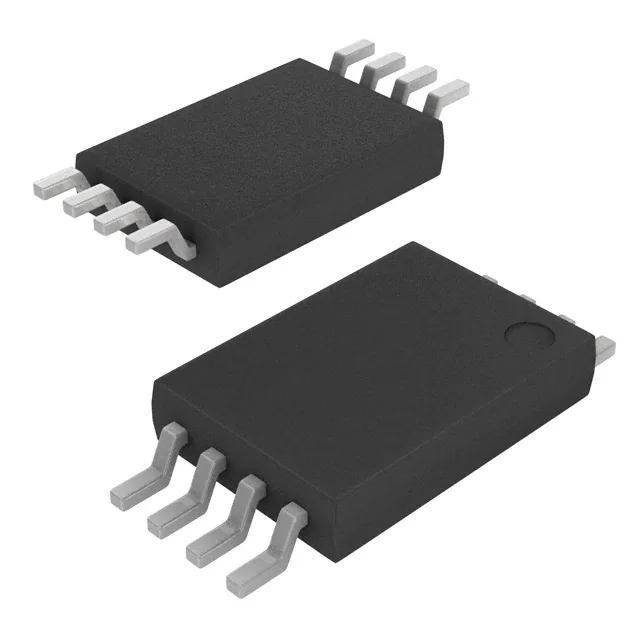




 工商网监
湘ICP备2023018690号
工商网监
湘ICP备2023018690号