STM8S001J3
16 MHz STM8S 8-bit MCU, 8-Kbyte Flash memory, 128-byte data
EEPROM, 10-bit ADC, 3 timers, UART, SPI, I2C
Datasheet - production data
Features
Core
• 16 MHz advanced STM8 core with Harvard
architecture and 3-stage pipeline
SO8N
4.9x6 mm or 150 mils width
• Extended instruction set
Timers
Memories
• Program memory: 8-Kbyte Flash memory; data
retention 20 years at 55 °C after 100 cycles
• RAM: 1 Kbyte
• Data memory: 128-byte true data EEPROM;
endurance up to 100 k write/erase cycles
• Advanced control timer: 16-bit, 2 CAPCOM
channels, 2 outputs, dead-time insertion and
flexible synchronization
• 16-bit general purpose timer, with 3 CAPCOM
channels (IC, OC or PWM)
• 8-bit basic timer with 8-bit prescaler
• Auto wakeup timer
Clock, reset and supply management
• Window and independent watchdog timers
• 2.95 V to 5.5 V operating voltage
• Flexible clock control, 3 master clock sources
– External clock input
– Internal, user-trimmable 16 MHz RC
– Internal low-power 128 kHz RC
• Clock security system with clock monitor
• Power management
– Low-power modes (wait, active-halt, halt)
– Switch-off peripheral clocks individually
– Permanently active, low-consumption
power-on and power-down reset
Communications interfaces
• UART, SmartCard, IrDA, LIN master mode
• SPI unidirectional interface up to 8 Mbit/s
(master simplex mode, slave receiver only)
• I2C interface up to 400 Kbit/s
Analog to digital converter (ADC)
• 10-bit ADC, ± 1 LSB ADC with up to 3
multiplexed channels, scan mode and analog
watchdog
Interrupt management
• Internal reference voltage measurement
• Nested interrupt controller with 32 interrupts
I/Os
• Up to 5 external interrupts
• Up to 5 I/Os including 4 high-sink outputs
• Highly robust I/O design, immune against
current injection
Development support
• Embedded single-wire interface module
(SWIM) or fast on-chip programming and nonintrusive debugging
August 2020
This is information on a product in full production.
DS12129 Rev 4
1/84
www.st.com
�Contents
STM8S001J3
Contents
1
Introduction . . . . . . . . . . . . . . . . . . . . . . . . . . . . . . . . . . . . . . . . . . . . . . . . 8
2
Description . . . . . . . . . . . . . . . . . . . . . . . . . . . . . . . . . . . . . . . . . . . . . . . . . 9
3
Block diagram . . . . . . . . . . . . . . . . . . . . . . . . . . . . . . . . . . . . . . . . . . . . . 10
4
Functional overview . . . . . . . . . . . . . . . . . . . . . . . . . . . . . . . . . . . . . . . . 11
5
6
2/84
4.1
Central processing unit STM8 . . . . . . . . . . . . . . . . . . . . . . . . . . . . . . . . . .11
4.2
Single wire interface module (SWIM) and debug module (DM) . . . . . . . . 12
4.3
Interrupt controller . . . . . . . . . . . . . . . . . . . . . . . . . . . . . . . . . . . . . . . . . . 12
4.4
Flash program memory and data EEPROM . . . . . . . . . . . . . . . . . . . . . . . 12
4.5
Clock controller . . . . . . . . . . . . . . . . . . . . . . . . . . . . . . . . . . . . . . . . . . . . . 15
4.6
Power management . . . . . . . . . . . . . . . . . . . . . . . . . . . . . . . . . . . . . . . . . 16
4.7
Watchdog timers . . . . . . . . . . . . . . . . . . . . . . . . . . . . . . . . . . . . . . . . . . . 16
4.8
Auto wakeup counter . . . . . . . . . . . . . . . . . . . . . . . . . . . . . . . . . . . . . . . . 17
4.9
TIM1 - 16-bit advanced control timer . . . . . . . . . . . . . . . . . . . . . . . . . . . . 17
4.10
TIM2 - 16-bit general purpose timer . . . . . . . . . . . . . . . . . . . . . . . . . . . . . 17
4.11
TIM4 - 8-bit basic timer . . . . . . . . . . . . . . . . . . . . . . . . . . . . . . . . . . . . . . . 17
4.12
Analog-to-digital converter (ADC1) . . . . . . . . . . . . . . . . . . . . . . . . . . . . . 18
4.13
Communication interfaces . . . . . . . . . . . . . . . . . . . . . . . . . . . . . . . . . . . . 18
4.13.1
UART1 . . . . . . . . . . . . . . . . . . . . . . . . . . . . . . . . . . . . . . . . . . . . . . . . . . 19
4.13.2
SPI . . . . . . . . . . . . . . . . . . . . . . . . . . . . . . . . . . . . . . . . . . . . . . . . . . . . . 19
4.13.3
I2C . . . . . . . . . . . . . . . . . . . . . . . . . . . . . . . . . . . . . . . . . . . . . . . . . . . . . 20
Pinouts and pin descriptions . . . . . . . . . . . . . . . . . . . . . . . . . . . . . . . . . 21
5.1
STM8S001J3 SO8N pinout and pin description . . . . . . . . . . . . . . . . . . . . 21
5.2
Alternate function remapping . . . . . . . . . . . . . . . . . . . . . . . . . . . . . . . . . . 24
Memory and register map . . . . . . . . . . . . . . . . . . . . . . . . . . . . . . . . . . . . 25
6.1
Memory map . . . . . . . . . . . . . . . . . . . . . . . . . . . . . . . . . . . . . . . . . . . . . . 25
6.2
Register map . . . . . . . . . . . . . . . . . . . . . . . . . . . . . . . . . . . . . . . . . . . . . . 26
6.2.1
I/O port hardware register map . . . . . . . . . . . . . . . . . . . . . . . . . . . . . . . 26
6.2.2
General hardware register map . . . . . . . . . . . . . . . . . . . . . . . . . . . . . . . 28
DS12129 Rev 4
�STM8S001J3
Contents
6.2.3
CPU/SWIM/debug module/interrupt controller registers . . . . . . . . . . . . 34
7
Interrupt vector mapping . . . . . . . . . . . . . . . . . . . . . . . . . . . . . . . . . . . . 36
8
Option bytes . . . . . . . . . . . . . . . . . . . . . . . . . . . . . . . . . . . . . . . . . . . . . . 37
8.1
9
Electrical characteristics . . . . . . . . . . . . . . . . . . . . . . . . . . . . . . . . . . . . 40
9.1
10
Alternate function remapping bits . . . . . . . . . . . . . . . . . . . . . . . . . . . . . . . 39
Parameter conditions . . . . . . . . . . . . . . . . . . . . . . . . . . . . . . . . . . . . . . . . 40
9.1.1
Minimum and maximum values . . . . . . . . . . . . . . . . . . . . . . . . . . . . . . . 40
9.1.2
Typical values . . . . . . . . . . . . . . . . . . . . . . . . . . . . . . . . . . . . . . . . . . . . 40
9.1.3
Typical curves . . . . . . . . . . . . . . . . . . . . . . . . . . . . . . . . . . . . . . . . . . . . 40
9.1.4
Loading capacitor . . . . . . . . . . . . . . . . . . . . . . . . . . . . . . . . . . . . . . . . . 40
9.1.5
Pin input voltage . . . . . . . . . . . . . . . . . . . . . . . . . . . . . . . . . . . . . . . . . . 41
9.2
Absolute maximum ratings . . . . . . . . . . . . . . . . . . . . . . . . . . . . . . . . . . . . 41
9.3
Operating conditions . . . . . . . . . . . . . . . . . . . . . . . . . . . . . . . . . . . . . . . . 43
9.3.1
VCAP external capacitor . . . . . . . . . . . . . . . . . . . . . . . . . . . . . . . . . . . . 44
9.3.2
Supply current characteristics . . . . . . . . . . . . . . . . . . . . . . . . . . . . . . . . 44
9.3.3
External clock sources and timing characteristics . . . . . . . . . . . . . . . . . 53
9.3.4
Internal clock sources and timing characteristics . . . . . . . . . . . . . . . . . 54
9.3.5
Memory characteristics . . . . . . . . . . . . . . . . . . . . . . . . . . . . . . . . . . . . . 56
9.3.6
I/O port pin characteristics . . . . . . . . . . . . . . . . . . . . . . . . . . . . . . . . . . . 57
9.3.7
SPI serial peripheral interface . . . . . . . . . . . . . . . . . . . . . . . . . . . . . . . . 65
9.3.8
I2C interface characteristics . . . . . . . . . . . . . . . . . . . . . . . . . . . . . . . . . 67
9.3.9
10-bit ADC characteristics . . . . . . . . . . . . . . . . . . . . . . . . . . . . . . . . . . . 69
9.3.10
EMC characteristics . . . . . . . . . . . . . . . . . . . . . . . . . . . . . . . . . . . . . . . . 72
Package information . . . . . . . . . . . . . . . . . . . . . . . . . . . . . . . . . . . . . . . . 75
10.1
SO8N package information . . . . . . . . . . . . . . . . . . . . . . . . . . . . . . . . . . . 75
10.2
Thermal characteristics . . . . . . . . . . . . . . . . . . . . . . . . . . . . . . . . . . . . . . 78
10.2.1
Reference document . . . . . . . . . . . . . . . . . . . . . . . . . . . . . . . . . . . . . . . 78
10.2.2
Selecting the product temperature range . . . . . . . . . . . . . . . . . . . . . . . 78
11
Ordering information . . . . . . . . . . . . . . . . . . . . . . . . . . . . . . . . . . . . . . . 80
12
STM8 development tools . . . . . . . . . . . . . . . . . . . . . . . . . . . . . . . . . . . . 81
12.1
Emulation and in-circuit debugging tools . . . . . . . . . . . . . . . . . . . . . . . . . 81
DS12129 Rev 4
3/84
4
�Contents
STM8S001J3
12.2
12.3
13
4/84
Software tools . . . . . . . . . . . . . . . . . . . . . . . . . . . . . . . . . . . . . . . . . . . . . . 82
12.2.1
STM8 toolset . . . . . . . . . . . . . . . . . . . . . . . . . . . . . . . . . . . . . . . . . . . . . 82
12.2.2
C and assembly toolchains . . . . . . . . . . . . . . . . . . . . . . . . . . . . . . . . . . 82
Programming tools . . . . . . . . . . . . . . . . . . . . . . . . . . . . . . . . . . . . . . . . . . 82
Revision history . . . . . . . . . . . . . . . . . . . . . . . . . . . . . . . . . . . . . . . . . . . 83
DS12129 Rev 4
�STM8S001J3
List of tables
List of tables
Table 1.
Table 2.
Table 3.
Table 4.
Table 5.
Table 6.
Table 7.
Table 8.
Table 9.
Table 10.
Table 11.
Table 12.
Table 13.
Table 14.
Table 15.
Table 16.
Table 17.
Table 18.
Table 19.
Table 20.
Table 21.
Table 22.
Table 23.
Table 24.
Table 25.
Table 26.
Table 27.
Table 28.
Table 29.
Table 30.
Table 31.
Table 32.
Table 33.
Table 34.
Table 35.
Table 36.
Table 37.
Table 38.
Table 39.
Table 40.
Table 41.
Table 42.
Table 43.
Table 44.
Table 45.
Table 46.
Table 47.
Table 48.
STM8S001J3 features . . . . . . . . . . . . . . . . . . . . . . . . . . . . . . . . . . . . . . . . . . . . . . . . . . . . . 9
Peripheral clock gating bit assignments in CLK_PCKENR1/2 registers . . . . . . . . . . . . . . . 15
TIM timer features. . . . . . . . . . . . . . . . . . . . . . . . . . . . . . . . . . . . . . . . . . . . . . . . . . . . . . . . 18
Legend/abbreviations for STM8S001J3 pin description tables. . . . . . . . . . . . . . . . . . . . . . 21
STM8S001J3 pin description . . . . . . . . . . . . . . . . . . . . . . . . . . . . . . . . . . . . . . . . . . . . . . . 22
Flash, Data EEPROM and RAM boundary addresses . . . . . . . . . . . . . . . . . . . . . . . . . . . . 26
I/O port hardware register map . . . . . . . . . . . . . . . . . . . . . . . . . . . . . . . . . . . . . . . . . . . . . . 26
General hardware register map . . . . . . . . . . . . . . . . . . . . . . . . . . . . . . . . . . . . . . . . . . . . . 28
CPU/SWIM/debug module/interrupt controller registers . . . . . . . . . . . . . . . . . . . . . . . . . . . 34
Interrupt mapping . . . . . . . . . . . . . . . . . . . . . . . . . . . . . . . . . . . . . . . . . . . . . . . . . . . . . . . . 36
Option bytes . . . . . . . . . . . . . . . . . . . . . . . . . . . . . . . . . . . . . . . . . . . . . . . . . . . . . . . . . . . . 37
Option byte description . . . . . . . . . . . . . . . . . . . . . . . . . . . . . . . . . . . . . . . . . . . . . . . . . . . . 37
STM8S001J3 alternate function remapping bits for 8-pin devices . . . . . . . . . . . . . . . . . . . 39
Voltage characteristics . . . . . . . . . . . . . . . . . . . . . . . . . . . . . . . . . . . . . . . . . . . . . . . . . . . . 41
Current characteristics . . . . . . . . . . . . . . . . . . . . . . . . . . . . . . . . . . . . . . . . . . . . . . . . . . . . 42
Thermal characteristics. . . . . . . . . . . . . . . . . . . . . . . . . . . . . . . . . . . . . . . . . . . . . . . . . . . . 42
General operating conditions . . . . . . . . . . . . . . . . . . . . . . . . . . . . . . . . . . . . . . . . . . . . . . . 43
Operating conditions at power-up/power-down . . . . . . . . . . . . . . . . . . . . . . . . . . . . . . . . . 44
Total current consumption with code execution in run mode at VDD = 5 V . . . . . . . . . . . . 45
Total current consumption with code execution in run mode at VDD = 3.3 V . . . . . . . . . . . 45
Total current consumption in wait mode at VDD = 5 V . . . . . . . . . . . . . . . . . . . . . . . . . . . . 46
Total current consumption in wait mode at VDD = 3.3 V . . . . . . . . . . . . . . . . . . . . . . . . . . 46
Total current consumption in active halt mode at VDD = 5 V . . . . . . . . . . . . . . . . . . . . . . . 47
Total current consumption in active halt mode at VDD = 3.3 V . . . . . . . . . . . . . . . . . . . . . 47
Total current consumption in halt mode at VDD = 5 V . . . . . . . . . . . . . . . . . . . . . . . . . . . . 48
Total current consumption in halt mode at VDD = 3.3 V . . . . . . . . . . . . . . . . . . . . . . . . . . . 48
Wakeup times . . . . . . . . . . . . . . . . . . . . . . . . . . . . . . . . . . . . . . . . . . . . . . . . . . . . . . . . . . . 48
Total current consumption and timing in forced reset state . . . . . . . . . . . . . . . . . . . . . . . . 49
Peripheral current consumption . . . . . . . . . . . . . . . . . . . . . . . . . . . . . . . . . . . . . . . . . . . . . 49
HSE user external clock characteristics . . . . . . . . . . . . . . . . . . . . . . . . . . . . . . . . . . . . . . . 53
HSI oscillator characteristics. . . . . . . . . . . . . . . . . . . . . . . . . . . . . . . . . . . . . . . . . . . . . . . . 54
LSI oscillator characteristics . . . . . . . . . . . . . . . . . . . . . . . . . . . . . . . . . . . . . . . . . . . . . . . . 54
RAM and hardware registers . . . . . . . . . . . . . . . . . . . . . . . . . . . . . . . . . . . . . . . . . . . . . . . 56
Flash program memory and data EEPROM . . . . . . . . . . . . . . . . . . . . . . . . . . . . . . . . . . . . 56
I/O static characteristics . . . . . . . . . . . . . . . . . . . . . . . . . . . . . . . . . . . . . . . . . . . . . . . . . . . 57
Output driving current (standard ports) . . . . . . . . . . . . . . . . . . . . . . . . . . . . . . . . . . . . . . . . 59
Output driving current (true open drain ports). . . . . . . . . . . . . . . . . . . . . . . . . . . . . . . . . . . 59
Output driving current (high sink ports). . . . . . . . . . . . . . . . . . . . . . . . . . . . . . . . . . . . . . . . 60
SPI characteristics . . . . . . . . . . . . . . . . . . . . . . . . . . . . . . . . . . . . . . . . . . . . . . . . . . . . . . . 65
I2C characteristics . . . . . . . . . . . . . . . . . . . . . . . . . . . . . . . . . . . . . . . . . . . . . . . . . . . . . . . 67
ADC characteristics . . . . . . . . . . . . . . . . . . . . . . . . . . . . . . . . . . . . . . . . . . . . . . . . . . . . . . 69
ADC accuracy with RAIN < 10 kΩ , VDD = 5 V. . . . . . . . . . . . . . . . . . . . . . . . . . . . . . . . . . . 70
ADC accuracy with RAIN < 10 kΩ RAIN, VDD = 3.3 V . . . . . . . . . . . . . . . . . . . . . . . . . . . . . 70
EMS data . . . . . . . . . . . . . . . . . . . . . . . . . . . . . . . . . . . . . . . . . . . . . . . . . . . . . . . . . . . . . . 72
EMI data . . . . . . . . . . . . . . . . . . . . . . . . . . . . . . . . . . . . . . . . . . . . . . . . . . . . . . . . . . . . . . 73
ESD absolute maximum ratings . . . . . . . . . . . . . . . . . . . . . . . . . . . . . . . . . . . . . . . . . . . . . 73
Electrical sensitivities . . . . . . . . . . . . . . . . . . . . . . . . . . . . . . . . . . . . . . . . . . . . . . . . . . . . . 74
SO8N – 8-lead 4.9 x 6 mm, plastic small outline, 150 mils body width,
DS12129 Rev 4
5/84
6
�List of tables
Table 49.
Table 50.
6/84
STM8S001J3
package mechanical data . . . . . . . . . . . . . . . . . . . . . . . . . . . . . . . . . . . . . . . . . . . . . . . . . . 75
Thermal characteristics. . . . . . . . . . . . . . . . . . . . . . . . . . . . . . . . . . . . . . . . . . . . . . . . . . . . 78
Document revision history . . . . . . . . . . . . . . . . . . . . . . . . . . . . . . . . . . . . . . . . . . . . . . . . . 83
DS12129 Rev 4
�STM8S001J3
List of figures
List of figures
Figure 1.
Figure 2.
Figure 3.
Figure 4.
Figure 5.
Figure 6.
Figure 7.
Figure 8.
Figure 9.
Figure 10.
Figure 11.
Figure 12.
Figure 13.
Figure 14.
Figure 15.
Figure 16.
Figure 17.
Figure 18.
Figure 19.
Figure 20.
Figure 21.
Figure 22.
Figure 23.
Figure 24.
Figure 25.
Figure 26.
Figure 27.
Figure 28.
Figure 29.
Figure 30.
Figure 31.
Figure 32.
Figure 33.
Figure 34.
Figure 35.
Figure 36.
Figure 37.
Figure 38.
Figure 39.
STM8S001J3 block diagram . . . . . . . . . . . . . . . . . . . . . . . . . . . . . . . . . . . . . . . . . . . . . . . 10
Flash memory organization . . . . . . . . . . . . . . . . . . . . . . . . . . . . . . . . . . . . . . . . . . . . . . . . 13
STM8S001J3 SO8N pinout . . . . . . . . . . . . . . . . . . . . . . . . . . . . . . . . . . . . . . . . . . . . . . . . 21
Memory map . . . . . . . . . . . . . . . . . . . . . . . . . . . . . . . . . . . . . . . . . . . . . . . . . . . . . . . . . . . . 25
Pin loading conditions . . . . . . . . . . . . . . . . . . . . . . . . . . . . . . . . . . . . . . . . . . . . . . . . . . . . . 40
Pin input voltage . . . . . . . . . . . . . . . . . . . . . . . . . . . . . . . . . . . . . . . . . . . . . . . . . . . . . . . . . 41
fCPUmax versus VDD . . . . . . . . . . . . . . . . . . . . . . . . . . . . . . . . . . . . . . . . . . . . . . . . . . . . . 43
External capacitor CEXT . . . . . . . . . . . . . . . . . . . . . . . . . . . . . . . . . . . . . . . . . . . . . . . . . . . 44
Typ. IDD(RUN) vs VDD, HSE user external clock, fCPU = 16 MHz . . . . . . . . . . . . . . . . . . . . 50
Typ. IDD(RUN) vs fCPU, HSE user external clock, VDD = 5 V . . . . . . . . . . . . . . . . . . . . . . . . 50
Typ. IDD(RUN) vs VDD, HSI RC osc, fCPU = 16 MHz . . . . . . . . . . . . . . . . . . . . . . . . . . . . . . 51
Typ. IDD(WFI) vs. VDD HSE user external clock, fCPU = 16 MHz . . . . . . . . . . . . . . . . . . . . . 51
Typ. IDD(WFI) vs. fCPU, HSE user external clock, VDD = 5 V . . . . . . . . . . . . . . . . . . . . . . . . 52
Typ. IDD(WFI) vs VDD, HSI RC osc, fCPU = 16 MHz . . . . . . . . . . . . . . . . . . . . . . . . . . . . . . 52
HSE external clock source . . . . . . . . . . . . . . . . . . . . . . . . . . . . . . . . . . . . . . . . . . . . . . . . . 53
Typical LSI frequency variation vs VDD @ 4 temperatures . . . . . . . . . . . . . . . . . . . . . . . . 55
Typical VIL and VIH vs VDD @ 4 temperatures . . . . . . . . . . . . . . . . . . . . . . . . . . . . . . . . . 58
Typical pull-up resistance vs VDD @ 4 temperatures . . . . . . . . . . . . . . . . . . . . . . . . . . . . 58
Typical pull-up current vs VDD @ 4 temperatures . . . . . . . . . . . . . . . . . . . . . . . . . . . . . . . 59
Typ. VOL @ VDD = 5 V (standard ports) . . . . . . . . . . . . . . . . . . . . . . . . . . . . . . . . . . . . . . . 60
Typ. VOL @ VDD = 3.3 V (standard ports) . . . . . . . . . . . . . . . . . . . . . . . . . . . . . . . . . . . . . 61
Typ. VOL @ VDD = 5 V (true open drain ports) . . . . . . . . . . . . . . . . . . . . . . . . . . . . . . . . . 61
Typ. VOL @ VDD = 3.3 V (true open drain ports) . . . . . . . . . . . . . . . . . . . . . . . . . . . . . . . . 62
Typ. VOL @ VDD = 5 V (high sink ports) . . . . . . . . . . . . . . . . . . . . . . . . . . . . . . . . . . . . . . 62
Typ. VOL @ VDD = 3.3 V (high sink ports) . . . . . . . . . . . . . . . . . . . . . . . . . . . . . . . . . . . . . 63
Typ. VDD - VOH @ VDD = 5 V (standard ports) . . . . . . . . . . . . . . . . . . . . . . . . . . . . . . . . . . 63
Typ. VDD - VOH @ VDD = 3.3 V (standard ports) . . . . . . . . . . . . . . . . . . . . . . . . . . . . . . . . 64
Typ. VDD - VOH @ VDD = 5 V (high sink ports) . . . . . . . . . . . . . . . . . . . . . . . . . . . . . . . . . 64
Typ. VDD - VOH @ VDD = 3.3 V (high sink ports) . . . . . . . . . . . . . . . . . . . . . . . . . . . . . . . . 65
SPI timing diagram - slave mode and CPHA = 0 . . . . . . . . . . . . . . . . . . . . . . . . . . . . . . . . 66
SPI timing diagram - slave mode and CPHA = 1(1) . . . . . . . . . . . . . . . . . . . . . . . . . . . . . . 66
SPI timing diagram - master mode . . . . . . . . . . . . . . . . . . . . . . . . . . . . . . . . . . . . . . . . . . . 67
Typical application with I2C bus and timing diagram . . . . . . . . . . . . . . . . . . . . . . . . . . . . . 68
ADC accuracy characteristics . . . . . . . . . . . . . . . . . . . . . . . . . . . . . . . . . . . . . . . . . . . . . . . 71
Typical application with ADC . . . . . . . . . . . . . . . . . . . . . . . . . . . . . . . . . . . . . . . . . . . . . . . 71
SO8N – 8-lead, 4.9 x 6 mm, plastic small outline, 150 mils body width, package outline . 75
SO8N – 8-lead 4.9 x 6 mm, plastic small outline, 150 mils body width,
package recommended footprint . . . . . . . . . . . . . . . . . . . . . . . . . . . . . . . . . . . . . . . . . . . . 76
SO8N – 8-lead 4.9 x 6 mm, plastic small outline, 150 mils body width,
marking example . . . . . . . . . . . . . . . . . . . . . . . . . . . . . . . . . . . . . . . . . . . . . . . . . . . . . . . . 77
STM8S001J3 ordering information scheme(1) . . . . . . . . . . . . . . . . . . . . . . . . . . . . . . . . . . 80
DS12129 Rev 4
7/84
7
�Introduction
1
STM8S001J3
Introduction
This datasheet contains the description of the STM8S001J3 features, pinout, electrical
characteristics, mechanical data and ordering information.
8/84
•
For complete information on the STM8S microcontroller memory, registers and
peripherals, please refer to the STM8S and STM8A microcontroller families reference
manual (RM0016).
•
For information on programming, erasing and protection of the internal Flash memory
please refer to the PM0051 (How to program STM8S and STM8A Flash program
memory and data EEPROM).
•
For information on the debug and SWIM (single wire interface module) refer to the
STM8 SWIM communication protocol and debug module user manual (UM0470).
•
For information on the STM8 core, please refer to the STM8 CPU programming manual
(PM0044).
DS12129 Rev 4
�STM8S001J3
2
Description
Description
The STM8S001J3 8-bit microcontrollers offer 8 Kbytes of Flash program memory, plus
integrated true data EEPROM. It is referred to as low-density device in the STM8S
microcontroller family reference manual (RM0016).
The STM8S001J3 device provides the following benefits: performance, robustness and
reduced system cost.
Device performance and robustness are ensured by true data EEPROM supporting up to
100000 write/erase cycles, advanced core and peripherals made in a state-of-the-art
technology at 16 MHz clock frequency, robust I/Os, independent watchdogs with separate
clock source, and a clock security system.
The system cost is reduced thanks to a high system integration level with internal clock
oscillators, watchdog, and brown-out reset.
Full documentation is offered as well as a wide choice of development tools.
Table 1. STM8S001J3 features
Features
STM8S001J3
Pin count
8
Max. number of GPIOs (I/O)
5
External interrupt pins
5
Timer CAPCOM channels
3
Timer complementary outputs
1
A/D converter channels
3
High-sink I/Os
4
Low-density Flash program memory
(byte)
8K
RAM (byte)
1K
128(1)
True data EEPROM (byte)
Peripheral set
Multi purpose timer (TIM1), SPI unidirectional, I2C, UART,
Window WDG,
independent WDG, ADC, PWM timer (TIM2), 8-bit timer
(TIM4)
1. Without read-while-write capability.
DS12129 Rev 4
9/84
24
�Block diagram
3
STM8S001J3
Block diagram
Figure 1. STM8S001J3 block diagram
Reset block
Ext. Clock input
1 – 16 MHz
Clock controller
Reset
RC int. 16 MHz
Detector
POR
BOR
RC int. 128 kHz
Clock to peripherals and core
Window WDG
STM8 core
Independent WDG
Single wire
debug
interface
Debug / SWIM
8 Kbyte
program Flash
400 Kbit/s
8 Mbit/s
I2C
Unidirectional SPI
LIN master
UART1
Up to 3
channels
ADC1
Address and data bus
128 byte
data EEPROM
1 Kbyte RAM
16-bit advanced
control timer (TM1)
Up to 2
CAPCPOM
channels
16-bit general
purpose timer
(TIM2)
Up to 3
CAPCPOM
channels
8-bit basic timer
(TIM4)
AWU timer
MSv44651V1
10/84
DS12129 Rev 4
�STM8S001J3
4
Functional overview
Functional overview
The following section intends to give an overview of the basic features of the STM8S001J3
functional modules and peripherals.
For more detailed information please refer to the corresponding family reference manual
(RM0016).
4.1
Central processing unit STM8
The 8-bit STM8 core is designed for code efficiency and performance.
It contains six internal registers which are directly addressable in each execution context, 20
addressing modes including indexed indirect and relative addressing and 80 instructions.
Architecture and registers
•
Harvard architecture
•
3-stage pipeline
•
32-bit wide program memory bus - single cycle fetching for most instructions
•
X and Y 16-bit index registers - enabling indexed addressing modes with or without
offset and read-modify-write type data manipulations
•
8-bit accumulator
•
24-bit program counter - 16-Mbyte linear memory space
•
16-bit stack pointer - access to a 64 K-level stack
•
8-bit condition code register - 7 condition flags for the result of the last instruction
Addressing
•
20 addressing modes
•
Indexed indirect addressing mode for look-up tables located anywhere in the address
space
•
Stack pointer relative addressing mode for local variables and parameter passing
Instruction set
•
80 instructions with 2-byte average instruction size
•
Standard data movement and logic/arithmetic functions
•
8-bit by 8-bit multiplication
•
16-bit by 8-bit and 16-bit by 16-bit division
•
Bit manipulation
•
Data transfer between stack and accumulator (push/pop) with direct stack access
•
Data transfer using the X and Y registers or direct memory-to-memory transfers
DS12129 Rev 4
11/84
24
�Functional overview
4.2
STM8S001J3
Single wire interface module (SWIM) and debug module (DM)
The single wire interface module and debug module permits non-intrusive, real-time incircuit debugging and fast memory programming.
SWIM
Single wire interface module for direct access to the debug module and memory
programming. The interface can be activated in all device operation modes. The maximum
data transmission speed is 145 byte/ms.
Debug module
The non-intrusive debugging module features a performance close to a full-featured
emulator. Beside memory and peripherals, also CPU operation can be monitored in realtime by means of shadow registers.
•
R/W to RAM and peripheral registers in real-time
•
R/W access to all resources by stalling the CPU
•
Breakpoints on all program-memory instructions (software breakpoints)
•
Two advanced breakpoints, 23 predefined configurations
Recommendation for SWIM pin (pin #8) sharing
As the NRST pin is not available on this device, if the SWIM pin should be used with the I/O
pin functionality, it is recommended to add a ~5 seconds delay in the firmware before
changing the functionality on the pin with SWIM functions. This action allows the user to set
the device into SWIM mode after the device power on and to be able to reprogram the
device. If the pin with SWIM functionality is set to I/O mode immediately after the device
reset, the device is unable to connect through the SWIM interface and it gets locked forever.
This initial delay can be removed in the final (locked) code.
If the initial delay is not acceptable for the application there is the option that the firmware
reenables the SWIM pin functionality under specific conditions such as during firmware
startup or during application run. Once that this procedure is done, the SWIM interface can
be used for device debug/programming.
4.3
4.4
12/84
Interrupt controller
•
Nested interrupts with three software priority levels
•
32 interrupt vectors with hardware priority
•
Up to 5 external interrupts including TLI
•
Trap and reset interrupts
Flash program memory and data EEPROM
•
8 Kbytes of Flash program single voltage Flash memory
•
128 byte true data EEPROM
•
User option byte area
DS12129 Rev 4
�STM8S001J3
Functional overview
Write protection (WP)
Write protection of Flash program memory and data EEPROM is provided to avoid
unintentional overwriting of memory that could result from a user software malfunction.
There are two levels of write protection. The first level is known as MASS (memory access
security system). MASS is always enabled and protects the main Flash program memory,
data EEPROM and option bytes.
To perform in-application programming (IAP), this write protection can be removed by
writing a MASS key sequence in a control register. This allows the application to modify the
content of main program memory and data EEPROM, or to reprogram the device option
bytes.
A second level of write protection, can be enabled to further protect a specific area of
memory known as UBC (user boot code). Refer to Figure 2.
The size of the UBC is programmable through the UBC option byte (Table 12), in increments
of 1 page (64-byte block) by programming the UBC option byte in ICP mode.
This divides the program memory into two areas:
•
Main program memory: 8 Kbyte minus UBC
•
User-specific boot code (UBC): Configurable up to 8 Kbyte
The UBC area remains write-protected during in-application programming. This means that
the MASS keys do not unlock the UBC area. It protects the memory used to store the boot
program, specific code libraries, reset and interrupt vectors, the reset routine and usually
the IAP and communication routines.
Figure 2. Flash memory organization
Option bytes
Data EEPROM (128 bytes)
UBC area
Remains write protected during IAP
Low density
Flash program
memory
(8 Kbytes)
Programmable
area from 64 bytes
(1 page) up to
8 Kbytes
(in 1 page steps)
Program memory area
Write access possible for IAP
MS36408V1
DS12129 Rev 4
13/84
24
�Functional overview
STM8S001J3
Read-out protection (ROP)
The read-out protection blocks reading and writing the Flash program memory and data
EEPROM memory in ICP mode (and debug mode). Once the read-out protection is
activated, any attempt to toggle its status triggers a global erase of the program memory.
Even if no protection can be considered as totally unbreakable, the feature provides a very
high level of protection for a general purpose microcontroller.
Recommendation for the device's programming:
The device's 8 Kbytes program memory is not empty on virgin devices; there is code loop
implemented on the reset vector. It is recommended to keep valid code loop in the device to
avoid the program execution from an invalid memory address (which would be any memory
address out of 8 Kbytes program memory space).
If the device's program memory is empty (0x00 content), it displays the behavior described
below:
•
After the power on, the “empty” code is executed (0x0000 opcodes = instructions: NEG
(0x00, SP)) until the device reaches the end of the 8 Kbytes program memory (the end
address = 0x9FFF).
It takes around 4 milliseconds to reach the end of the 8 Kbytes memory space @2 MHz
HSI clock.
•
Once the device reaches the end of the 8 Kbytes program memory, the program
continues and code from a non-existing memory is fetched and executed.
The reading of non-existing memory is a random content which can lead to the
execution of invalid instructions.
The execution of invalid instructions generates a software reset and the program starts
again. A reset can be generated every 4 milliseconds or more.
Only the “connect on-the-fly” method can be used to program the device through the SWIM
interface. The “connect under-reset” method cannot be used because the NRST pin is not
available on this device.
The “connect on-the-fly” mode can be used while the device is executing code, but if there is
a device reset (by software reset) during the SWIM connection, this connection is aborted
and it must be performed again from the debug tool. Note that the software reset occurrence
can be of every 4 milliseconds, making it difficult to successfully connect to the device's
debug tool (there is practically only one successful connection trial for every 10 attempts).
Once that a successful connection is reached, the device can be programmed with a valid
firmware without problems; therefore it is recommended that device is never erased and
that is contains always a valid code loop.
14/84
DS12129 Rev 4
�STM8S001J3
4.5
Functional overview
Clock controller
The clock controller distributes the system clock (fMASTER) coming from different oscillators
to the core and the peripherals. It also manages clock gating for low power modes and
ensures clock robustness.
Features
•
Clock prescaler: To get the best compromise between speed and current
consumption the clock frequency to the CPU and peripherals can be adjusted by a
programmable prescaler.
•
Safe clock switching: Clock sources can be changed safely on the fly in run mode
through a configuration register. The clock signal is not switched until the new clock
source is ready. The design guarantees glitch-free switching.
•
Clock management: To reduce power consumption, the clock controller can stop the
clock to the core, individual peripherals or memory.
•
Master clock sources: Three different clock sources can be used to drive the master
clock:
–
Up to 16 MHz high-speed user-external clock (HSE user-ext)
–
16 MHz high-speed internal RC oscillator (HSI)
–
128 kHz low-speed internal RC (LSI)
•
Startup clock: After reset, the microcontroller restarts by default with an internal
2 MHz clock (HSI/8). The prescaler ratio and clock source can be changed by the
application program as soon as the code execution starts.
•
Clock security system (CSS): This feature can be enabled by software. If an HSE
clock failure occurs, the internal RC (16 MHz/8) is automatically selected by the CSS
and an interrupt can optionally be generated.
•
Configurable main clock output (CCO): This outputs an external clock for use by the
application.
Table 2. Peripheral clock gating bit assignments in CLK_PCKENR1/2 registers
Bit
Peripheral
clock
Bit
Peripheral
clock
Bit
Peripheral
clock
Bit
Peripheral
clock
PCKEN17
TIM1
PCKEN13
UART1
PCKEN27
Reserved
PCKEN23
ADC
PCKEN16
Reserved
PCKEN12
Reserved
PCKEN26
Reserved
PCKEN22
AWU
PCKEN15
TIM2
PCKEN11
SPI
PCKEN25
Reserved
PCKEN21
Reserved
PCKEN14
TIM4
PCKEN10
I2C
PCKEN24
Reserved
PCKEN20
Reserved
DS12129 Rev 4
15/84
24
�Functional overview
4.6
STM8S001J3
Power management
For efficient power management, the application can be put in one of four different lowpower modes. You can configure each mode to obtain the best compromise between the
lowest power consumption, the fastest start-up time and available wakeup sources.
4.7
•
Wait mode: In this mode, the CPU is stopped, but peripherals are kept running. The
wakeup is performed by an internal or external interrupt or reset.
•
Active halt mode with regulator on: In this mode, the CPU and peripheral clocks are
stopped. An internal wakeup is generated at programmable intervals by the auto wake
up unit (AWU). The main voltage regulator is kept powered on, so current consumption
is higher than in active halt mode with regulator off, but the wakeup time is faster.
Wakeup is triggered by the internal AWU interrupt, external interrupt or reset.
•
Active halt mode with regulator off: This mode is the same as active halt with
regulator on, except that the main voltage regulator is powered off, so the wake up time
is slower.
•
Halt mode: In this mode the microcontroller uses the least power. The CPU and
peripheral clocks are stopped, the main voltage regulator is powered off. Wakeup is
triggered by external event or reset.
Watchdog timers
The watchdog system is based on two independent timers providing maximum security to
the applications.
Activation of the watchdog timers is controlled by option bytes or by software. Once
activated, the watchdogs cannot be disabled by the user program without performing a
reset.
Window watchdog timer
The window watchdog is used to detect the occurrence of a software fault, usually
generated by external interferences or by unexpected logical conditions, which cause the
application program to abandon its normal sequence.
The window function can be used to trim the watchdog behavior to match the application
perfectly.
The application software must refresh the counter before time-out and during a limited time
window.
A reset is generated in two situations:
16/84
1.
Timeout: at 16 MHz CPU clock the time-out period can be adjusted between 75 µs up
to 64 ms.
2.
Refresh out of window: the down-counter is refreshed before its value is lower than the
one stored in the window register.
DS12129 Rev 4
�STM8S001J3
Functional overview
Independent watchdog timer
The independent watchdog peripheral can be used to resolve processor malfunctions due to
hardware or software failures.
It is clocked by the 128 kHz LSI internal RC clock source, and thus stays active even in case
of a CPU clock failure
The IWDG time base spans from 60 µs to 1 s.
4.8
4.9
Auto wakeup counter
•
Used for auto wakeup from active halt mode
•
Clock source: internal 128 kHz internal low frequency RC oscillator or external clock
•
LSI clock can be internally connected to TIM1 input capture channel 1 for calibration
TIM1 - 16-bit advanced control timer
This is a high-end timer designed for a wide range of control applications. With its
complementary outputs, dead-time control and center-aligned PWM capability, the field of
applications is extended to lighting and half-bridge driver.
4.10
4.11
•
16-bit up, down and up/down autoreload counter with 16-bit prescaler
•
Four independent capture/compare channels (CAPCOM) configurable as input
capture, output compare, PWM generation (edge and center aligned mode) and single
pulse mode output
•
Synchronization module to control the timer with external signals
•
Break input to force the timer outputs into a defined state
•
One complementary output (CH1 with CH1N option) with adjustable dead time
•
Interrupt sources: 3 x input capture/output compare, 1 x overflow/update, 1 x break
TIM2 - 16-bit general purpose timer
•
16-bit autoreload (AR) up-counter
•
15-bit prescaler adjustable to fixed power of 2 ratios 1…32768
•
3 individually configurable capture/compare channels
•
PWM mode
•
Interrupt sources: 3 x input capture/output compare, 1 x overflow/update
TIM4 - 8-bit basic timer
•
8-bit autoreload, adjustable prescaler ratio to any power of 2 from 1 to 128
•
Clock source: CPU clock
•
Interrupt source: 1 x overflow/update
DS12129 Rev 4
17/84
24
�Functional overview
STM8S001J3
Table 3. TIM timer features
Timer
Counter
size
(bits)
TIM1
16
Any integer from 1 to 65536
TIM2
16
TIM4
8
Counting CAPCOM Complem.
Ext.
mode
trigger
channels outputs
Prescaler
Up/down
2
1(1)
No
Any power of 2 from 1 to 32768
Up
3
0
No
Any power of 2 from 1 to 128
Up
0
0
No
Timer
synchronization/
chaining
No
1. TIM1_CH2N with TIM1_CH1
4.12
Analog-to-digital converter (ADC1)
STM8S001J3 contains a 10-bit successive approximation A/D converter (ADC1) with up to
three external and one internal multiplexed input channels and the following main features:
•
Input voltage range: 0 to VDDA
•
Conversion time: 14 clock cycles
•
Single and continuous, buffered continuous conversion modes
•
Buffer size (10 x 10 bits)
•
Scan mode for single and continuous conversion of a sequence of channels
•
Analog watchdog capability with programmable upper and lower thresholds
•
Analog watchdog interrupt
•
Internal reference voltage on channel AIN7
•
External trigger input
•
Trigger from TIM1 TRGO
•
End of conversion (EOC) interrupt
next paragraph :
Internal bandgap reference voltage
Channel AIN7 is internally connected to the internal bandgap reference voltage. The internal
bandgap reference is constant and can be used, for example, to monitor VDD or to
determine the absolute voltage on external input channels. It is independent of variations in
VDD and ambient temperature TA.
4.13
Communication interfaces
The following communication interfaces are implemented:
18/84
•
UART1: full feature UART, synchronous mode, SmartCard mode, IrDA mode, LIN2.1
master capability
•
SPI: master mode transmit/receive only, slave mode receive only, 8 Mbit/s
•
I²C: up to 400 Kbit/s
DS12129 Rev 4
�STM8S001J3
4.13.1
Functional overview
UART1
Main features
•
1 Mbit/s full duplex SCI
•
High precision baud rate generator
•
Smartcard reader emulation
•
IrDA SIR encoder decoder
•
LIN master mode
•
Single wire half duplex mode
Asynchronous communication (UART mode)
•
Full duplex communication - NRZ standard format (mark/space)
•
Programmable transmit and receive baud rates up to 1 Mbit/s (fCPU/16) and capable of
following any standard baud rate regardless of the input frequency
•
Separate enable bits for transmitter and receiver
•
Two receiver wakeup modes:
–
Address bit (MSB)
–
Idle line (interrupt)
•
Transmission error detection with interrupt generation
•
Parity control
LIN master mode
4.13.2
•
Emission: generates 13-bit synch. break frame
•
Reception: detects 11-bit break frame
SPI
•
Maximum speed: 8 Mbit/s (fMASTER/2) both for master and slave
•
Unidirectional transfer: SPI master mode transmit/receive only, SPI slave mode receive
only
•
Simplex master synchronous transfers on two lines with a possible bidirectional data
line
•
Master or slave operation - selectable by software
•
CRC calculation
•
1 byte Tx and Rx buffer
DS12129 Rev 4
19/84
24
�Functional overview
4.13.3
I2C
•
•
20/84
STM8S001J3
I2C master features
–
Clock generation
–
Start and stop generation
I2C slave features
–
Programmable I2C address detection
–
Stop bit detection
•
Generation and detection of 7-bit/10-bit addressing and general call
•
Supports different communication speeds
–
Standard speed (up to 100 kHz)
–
Fast speed (up to 400 kHz)
DS12129 Rev 4
�STM8S001J3
5
Pinouts and pin descriptions
Pinouts and pin descriptions
This section presents the pinouts and pin descriptions for STM8S001J3. Table 4 introduces
the legends and abbreviations that are used in the upcoming subsections.
Table 4. Legend/abbreviations for STM8S001J3 pin description tables
Type
I = input, O = output, S = power supply
Level
Port and control
configuration
5.1
CM = CMOS
Output
HS = high sink
O1 = slow (up to 2 MHz)
O2 = fast (up to 10 MHz)
O3 = fast/slow programmability with slow as default state after reset
O4 = fast/slow programmability with fast as default state after reset
Output speed
Reset state
Input
Input
float = floating, wpu = weak pull-up
Output
T = true open drain, OD = open drain, PP = push pull
Bold x (pin state after internal reset release)
Unless otherwise specified, the pin state is the same during the reset phase
and after the internal reset release.
STM8S001J3 SO8N pinout and pin description
Figure 3 presents the STM8S001J3 pinout image and Table 5 below presents the device’s
pins description.
Figure 3. STM8S001J3 SO8N pinout
PD5/AIN5/UART1_TX/
PD3/AIN4/TIM2_CH2/ADC_ETR/
PD1/SWIM/
PC6/SPI_MOSI/[TIM1_CH1]
PD6/AIN6/UART1_RX/
PA1/OSCIN
1
8
VSS/VSSA
2
7
PC5/SPI_SCK/[TIM2_CH1]/
PC4/CLK_CCO/TIM1_CH4/[AIN2]/[TIM1_CH2N]
PC3/TIM1_CH3/[TLI]/[TIM1_CH1N]
VCAP
3
6
PB4/I2C_SCL/[ADC_ETR]
VDD/VDDA
4
5
PB5/I2C_SDA/[TIM1_BKIN]/
PA3/TIM2_CH3/[SPI_NSS]/[UART1_TX]
STM8S
MSv44652V2
1. [ ] Alternative function option (if the same alternate function is shown twice, it indicated an exclusive choice
and not a duplication of the function).
DS12129 Rev 4
21/84
24
�Pinouts and pin descriptions
STM8S001J3
Table 5. STM8S001J3 pin description
PD6/ AIN6/
UART1 _RX(2)
I/O
I/O
Alternate
function
after remap
[option bit]
High
sink(1)
OD
X
X
X
HS
O3
X
X
Port D6
Analog input
6/ UART1
data receive
-
X
X
X
-
O1
X
X
Port A1
External
clock input
(HSE clock)
-
1
PA1/ OSCIN(3)
Default
alternate
function
Speed
Type
Main
function
(after
PP
reset)
Ext. interr.
Pin name
SO8N
Output
wpu
Input
Floating
Pin no.
2
VSS/VSSA
S
-
-
-
-
-
-
-
Ground
-
3
VCAP
S
-
-
-
-
-
-
-
1.8 V regulator
capacitor
-
4
VDD/VDDA
S
-
-
-
-
-
-
-
Power supply
-
5
6
PA3/ TIM2_ CH3
[SPI_ NSS]\
[UART1_TX](2)
I/O
X
X
X
HS
O3
X
X
Port A3
Timer 2
channel 3
SPI master/
slave select
[AFR1]
UART1 data
transmit
[AFR1 and
AFR0]
PB5/ I2C_ SDA
[TIM1_ BKIN]
I/O
X
-
X
-
O1
T(4)
-
Port B5
I2C data
Timer 1 break input
[AFR4]
O1
T(4)
I2C clock
ADC
external
trigger
[AFR4]
Port C3
Timer 1 channel 3
Top level
interrupt
[AFR3]
Timer 1 inverted
channel 1
[AFR7]
Analog input
2 [AFR2],
Timer 1 inverted
channel 2
[AFR7]
Timer 2 channel 1
[AFR0]
PB4/ I2C_ SCL
/[ADC_ETR]
PC3/ TIM1_CH3
[TLI]
[TIM1_ CH1N]
7
22/84
I/O
I/O
X
X
-
X
X
X
-
HS
O3
X
-
X
Port B4
PC4/ CLK_CCO/
TIM1_
CH4/[AIN2]/
[TIM1_ CH2N]
I/O
X
X
X
HS
O3
X
X
Port C4
Configurable
clock
output/Timer
1 - channel 4
PC5/ SPI_SCK
[TIM2_ CH1]
I/O
X
X
X
HS
O3
X
X
Port C5
SPI clock
DS12129 Rev 4
�STM8S001J3
Pinouts and pin descriptions
Table 5. STM8S001J3 pin description (continued)
PC6/ SPI_MOSI
[TIM1_ CH1]
PD1/ SWIM(5)
8
I/O
I/O
Default
alternate
function
Alternate
function
after remap
[option bit]
High
sink(1)
Speed
Type
Main
function
(after
PP
reset)
Ext. interr.
Pin name
SO8N
Output
wpu
Input
Floating
Pin no.
OD
X(5)
X
X
HS
O3
X
X
Port C6
X
X(5)
X
HS
O4
X
X
Port D1
SWIM data
interface
-
-
-
SPI master
out/slave in
PD3/ AIN4/
TIM2_ CH2/
ADC_ ETR
I/O
X(5)
X
X
HS
O3
X
X
Port D3
Analog input
4/ Timer 2 channel
2/ADC
external
trigger
PD5/ AIN5/
UART1 _TX
I/O
X(5)
X
X
HS
O3
X
X
Port D5
Analog input
5/ UART1
data transmit
Timer 1 channel 1
[AFR0]
1. I/O pins used simultaneously for high current source/sink must be uniformly spaced around the package. In addition, the total
driven current must respect the absolute maximum ratings.
2. By remapping UART1_TX (AFR0=1 and AFR1=1) to PA3 the UART1_RX alternate function on PD6 becomes unavailable.
UART1 can be then used only in Single wire half-duplex mode or in Smartcard-reader emulation mode.
3. When the MCU is in halt/active-halt mode, PA1 is automatically configured in input weak pull-up and cannot be used for
waking up the device. In this mode, the output state of PA1 is not driven. It is recommended d to use PA1 only in input mode
if halt/active-halt is used in the application.
4. In the open-drain output column, “T” defines a true open-drain I/O (P-buffer, weak pull-up, and protection diode to VDD are
not implemented). Although PB5 itself is a true open drain GPIO with its respective internal circuitry and characteristics, VIN
maximum of the pin number 5 is limited by the standard GPIO PA3 which is also bonded to pin number 5.
5. The PD1 pin is in input pull-up during the reset phase and after internal reset release. This PD1 default state influences all
GPIOs connected in parallel on pin# 8 (PC6, PD3, PD5).
Note:
The PA2, PB0, PB1, PB2, PB3, PB6, PB7, PC1, PC2, PC7, PD0, PD2, PD4, PD7, PE5 and
PF4 GPIOs should be configured after device reset in output push-pull mode with output
low-state to reduce the device’s consumption and to improve its EMC immunity. The GPIOs
mentioned above are not connected to pins, and they are in input-floating mode after a
device reset.
Note:
As several pins provide a connection to multiple GPIOs, the mode selection for any of those
GPIOs impacts all the other GPIOs connected to the same pin. The user is responsible for
the proper setting of the GPIO modes in order to avoid conflicts between GPIOs bonded to
the same pin (including their alternate functions). For example, pull-up enabled on PD1 is
also seen on PC6, PD3 and PD5. Push-pull configuration of PC3 is also seen on PC4 and
PC5, etc.
DS12129 Rev 4
23/84
24
�Pinouts and pin descriptions
5.2
STM8S001J3
Alternate function remapping
As shown in the rightmost column of the pin description table, some alternate functions can
be remapped at different I/O ports by programming one of eight AFR (alternate function
remap) option bits. Refer to Section 8: Option bytes. When the remapping option is active,
the default alternate function is no longer available.
To use an alternate function, the corresponding peripheral must be enabled in the peripheral
registers.
Alternate function remapping does not effect GPIO capabilities of the I/O ports (see the
GPIO section of the family reference manual, RM0016).
24/84
DS12129 Rev 4
�STM8S001J3
Memory and register map
6
Memory and register map
6.1
Memory map
Figure 4. Memory map
0x00 0000
RAM
(1 Kbyte)
0x00 03FF
0x00 0800
513 byte stack
Reserved
0x00 4000
Data EEPROM
0x00 407F
0x00 47FF
0x00 4800
0x00 480A
0x00 480B
Reserved
Option bytes
Reserved
0x00 4FFF
0x00 5000
GPIO and periph. reg.
0x00 57FF
0x00 5800
Reserved
0x00 7EFF
0x00 7F00
0x00 7FFF
0x00 8000
0x00 807F
0x00 8080
0x00 9FFF
0x00 A000
CPU/SWIM/debug/ITC
registers
32 interrupt vectors
Flash program memory
(8 Kbyte)
Reserved
0x02 7FFF
DS12129 Rev 4
MS36410V1
25/84
36
�Memory and register map
STM8S001J3
Table 6 lists the boundary addresses for each memory size. The top of the stack is at the
RAM end address in each case.
Table 6. Flash, Data EEPROM and RAM boundary addresses
Memory area
Size (byte)
Start address
End address
Flash program memory
8K
0x00 8000
0x00 9FFF
RAM
1K
0x00 0000
0x00 03FF
Data EEPROM
128
0x00 4000
0x00 407F
6.2
Register map
6.2.1
I/O port hardware register map
Table 7. I/O port hardware register map
Register label
Register name
Reset
status
0x00 5000
PA_ODR
Port A data output latch register
0x00
0x00 5001
PA_IDR
Port A input pin value register
0xXX(1)
PA_DDR
Port A data direction register
0x00
0x00 5003
PA_CR1
Port A control register 1
0x00
0x00 5004
PA_CR2
Port A control register 2
0x00
0x00 5005
PB_ODR
Port B data output latch register
0x00
0x00 5006
PB_IDR
Port B input pin value register
0xXX(1)
PB_DDR
Port B data direction register
0x00
0x00 5008
PB_CR1
Port B control register 1
0x00
0x00 5009
PB_CR2
Port B control register 2
0x00
0x00 500A
PC_ODR
Port C data output latch register
0x00
0x00 500B
PB_IDR
Port C input pin value register
0xXX(1)
PC_DDR
Port C data direction register
0x00
0x00 500D
PC_CR1
Port C control register 1
0x00
0x00 500E
PC_CR2
Port C control register 2
0x00
0x00 500F
PD_ODR
Port D data output latch register
0x00
0x00 5010
PD_IDR
Port D input pin value register
0xXX(1)
PD_DDR
Port D data direction register
0x00
0x00 5012
PD_CR1
Port D control register 1
0x02
0x00 5013
PD_CR2
Port D control register 2
0x00
Address
0x00 5002
0x00 5007
0x00 500C
0x00 5011
26/84
Block
Port A
Port B
Port C
Port D
DS12129 Rev 4
�STM8S001J3
Memory and register map
Table 7. I/O port hardware register map (continued)
Register label
Register name
Reset
status
0x00 5014
PE_ODR
Port E data output latch register
0x00
0x00 5015
PE_IDR
Port E input pin value register
0xXX(1)
PE_DDR
Port E data direction register
0x00
0x00 5017
PE_CR1
Port E control register 1
0x00
0x00 5018
PE_CR2
Port E control register 2
0x00
0x00 5019
PF_ODR
Port F data output latch register
0x00
0x00 501A
PF_IDR
Port F input pin value register
0xXX(1)
PF_DDR
Port F data direction register
0x00
0x00 501C
PF_CR1
Port F control register 1
0x00
0x00 501D
PF_CR2
Port F control register 2
0x00
Address
0x00 5016
0x00 501B
Block
Port E
Port F
1. Depends on the external circuitry.
DS12129 Rev 4
27/84
36
�Memory and register map
6.2.2
STM8S001J3
General hardware register map
Table 8. General hardware register map
Address
Block
Register label
0x00 501E to
0x00 5059
Reset
status
Reserved area (60 byte)
0x00 505A
FLASH_CR1
Flash control register 1
0x00
0x00 505B
FLASH_CR2
Flash control register 2
0x00
0x00 505C
FLASH_NCR2
Flash complementary control register 2
0xFF
FLASH _FPR
Flash protection register
0x00
0x00 505E
FLASH _NFPR
Flash complementary protection register
0xFF
0x00 505F
FLASH _IAPSR
Flash in-application programming status
register
0x00
0x00 505D
Flash
0x00 5060 to
0x00 5061
0x00 5062
Reserved area (2 byte)
Flash
FLASH _PUKR
0x00 5063
0x00 5064
0x00 50A0
0x00 50A1
Flash
FLASH _DUKR
ITC
0x00 50C1
Data EEPROM unprotection register
0x00
EXTI_CR1
External interrupt control register 1
0x00
EXTI_CR2
External interrupt control register 2
0x00
Reserved area (17 byte)
RST
RST_SR
0x00 50B4 to
0x00 50BF
0x00 50C0
0x00
Reserved area (59 byte)
0x00 50A2 to
0x00 50B2
0x00 50B3
Flash Program memory unprotection
register
Reserved area (1 byte)
0x00 5065 to
0x00 509F
Reset status register
0xXX(1)
Reserved area (12 byte)
CLK
CLK_ICKR
Internal clock control register
0x01
CLK_ECKR
External clock control register
0x00
0x00 50C2
Reserved area (1 byte)
0x00 50C3
CLK_CMSR
Clock master status register
0xE1
0x00 50C4
CLK_SWR
Clock master switch register
0xE1
0x00 50C5
CLK_SWCR
Clock switch control register
0xXX
CLK_CKDIVR
Clock divider register
0x18
CLK_PCKENR1
Peripheral clock gating register 1
0xFF
0x00 50C8
CLK_CSSR
Clock security system register
0x00
0x00 50C9
CLK_CCOR
Configurable clock control register
0x00
0x00 50CA
CLK_PCKENR2
Peripheral clock gating register 2
0xFF
0x00 50C6
0x00 50C7
28/84
Register name
CLK
DS12129 Rev 4
�STM8S001J3
Memory and register map
Table 8. General hardware register map (continued)
Address
Block
Register label
0x00 50CB
CLK
CLK_HSITRIMR
HSI clock calibration trimming register
0x00
CLK_SWIMCCR
SWIM clock control register
0bXXXX
XXX0
0x00 50CE to
0x00 50D0
0x00 50D1
0x00 50D2
Reserved area (3 byte)
WWDG
WWDG_CR
WWDG control register
0x7F
WWDG_WR
WWDR window register
0x7F
0x00 50D3 to
0x00 50DF
Reserved area (13 byte)
0x00 50E0
0x00 50E1
IWDG
0x00 50E2
IWDG_KR
IWDG key register
0xXX(2)
IWDG_PR
IWDG prescaler register
0x00
IWDG_RLR
IWDG reload register
0xFF
0x00 50E3 to
0x00 50EF
Reserved area (13 byte)
0x00 50F0
0x00 50F1
Reset
status
Reserved area (1 byte)
0x00 50CC
0x00 50CD
Register name
AWU
0x00 50F2
AWU_CSR1
AWU control/status register 1
0x00
AWU_APR
AWU asynchronous prescaler buffer register
0x3F
AWU_TBR
AWU timebase selection register
0x00
0x00 50F3 to
0x00 50FF
Reserved area (13 byte)
0x00 5200
SPI_CR1
SPI control register 1
0x00
0x00 5201
SPI_CR2
SPI control register 2
0x00
0x00 5202
SPI_ICR
SPI interrupt control register
0x00
SPI_SR
SPI status register
0x02
SPI_DR
SPI data register
0x00
0x00 5205
SPI_CRCPR
SPI CRC polynomial register
0x07
0x00 5206
SPI_RXCRCR
SPI Rx CRC register
0x00
0x00 5207
SPI_TXCRCR
SPI Tx CRC register
0x00
0x00 5203
0x00 5204
SPI
0x00 5208 to
0x00 520F
Reserved area (8 byte)
0x00 5210
I2C_CR1
I2C control register 1
0x00
0x00 5211
I2C_CR2
I2C control register 2
0x00
I2C_FREQR
I2C frequency register
0x00
I2C_OARL
I2C own address register low
0x00
I2C_OARH
I2C own address register high
0x00
0x00 5212
0x00 5213
0x00 5214
I2C
0x00 5215
Reserved
DS12129 Rev 4
29/84
36
�Memory and register map
STM8S001J3
Table 8. General hardware register map (continued)
Register label
Register name
Reset
status
0x00 5216
I2C_DR
I2C data register
0x00
0x00 5217
I2C_SR1
I2C status register 1
0x00
0x00 5218
I2C_SR2
I2C status register 2
0x00
0x00 5219
I2C_SR3
I2C status register 3
0x00
I2C_ITR
I2C interrupt control register
0x00
0x00 521B
I2C_CCRL
I2C clock control register low
0x00
0x00 521C
I2C_CCRH
I2C clock control register high
0x00
0x00 521D
I2C_TRISER
I2C TRISE register
0x02
0x00 521E
I2C_PECR
I2C packet error checking register
0x00
Address
0x00 521A
Block
I2C
0x00 521F to
0x00 522F
Reserved area (17 byte)
0x00 5230
UART1_SR
UART1 status register
0xC0
0x00 5231
UART1_DR
UART1 data register
0xXX
0x00 5232
UART1_BRR1
UART1 baud rate register 1
0x00
0x00 5233
UART1_BRR2
UART1 baud rate register 2
0x00
0x00 5234
UART1_CR1
UART1 control register 1
0x00
UART1_CR2
UART1 control register 2
0x00
0x00 5236
UART1_CR3
UART1 control register 3
0x00
0x00 5237
UART1_CR4
UART1 control register 4
0x00
0x00 5238
UART1_CR5
UART1 control register 5
0x00
0x00 5239
UART1_GTR
UART1 guard time register
0x00
0x00 523A
UART1_PSCR
UART1 prescaler register
0x00
0x00 5235
UART1
0x00 523B to
0x00 523F
Reserved area (5 bytes)
0x00 523B to
0x00523F
Reserved area (21 byte)
30/84
DS12129 Rev 4
�STM8S001J3
Memory and register map
Table 8. General hardware register map (continued)
Register label
Register name
Reset
status
0x00 5250
TIM1_CR1
TIM1 control register 1
0x00
0x00 5251
TIM1_CR2
TIM1 control register 2
0x00
0x00 5252
TIM1_SMCR
TIM1 slave mode control register
0x00
0x00 5253
TIM1_ETR
TIM1 external trigger register
0x00
0x00 5254
TIM1_IER
TIM1 Interrupt enable register
0x00
0x00 5255
TIM1_SR1
TIM1 status register 1
0x00
0x00 5256
TIM1_SR2
TIM1 status register 2
0x00
0x00 5257
TIM1_EGR
TIM1 event generation register
0x00
0x00 5258
TIM1_CCMR1
TIM1 capture/compare mode register 1
0x00
0x00 5259
TIM1_CCMR2
TIM1 capture/compare mode register 2
0x00
0x00 525A
TIM1_CCMR3
TIM1 capture/compare mode register 3
0x00
0x00 525B
TIM1_CCMR4
TIM1 capture/compare mode register 4
0x00
0x00 525C
TIM1_CCER1
TIM1 capture/compare enable register 1
0x00
0x00 525D
TIM1_CCER2
TIM1 capture/compare enable register 2
0x00
0x00 525E
TIM1_CNTRH
TIM1 counter high
0x00
TIM1_CNTRL
TIM1 counter low
0x00
TIM1_PSCRH
TIM1 prescaler register high
0x00
0x00 5261
TIM1_PSCRL
TIM1 prescaler register low
0x00
0x00 5262
TIM1_ARRH
TIM1 auto-reload register high
0xFF
0x00 5263
TIM1_ARRL
TIM1 auto-reload register low
0xFF
0x00 5264
TIM1_RCR
TIM1 repetition counter register
0x00
0x00 5265
TIM1_CCR1H
TIM1 capture/compare register 1 high
0x00
0x00 5266
TIM1_CCR1L
TIM1 capture/compare register 1 low
0x00
0x00 5267
TIM1_CCR2H
TIM1 capture/compare register 2 high
0x00
0x00 5268
TIM1_CCR2L
TIM1 capture/compare register 2 low
0x00
0x00 5269
TIM1_CCR3H
TIM1 capture/compare register 3 high
0x00
0x00 526A
TIM1_CCR3L
TIM1 capture/compare register 3 low
0x00
0x00 526B
TIM1_CCR4H
TIM1 capture/compare register 4 high
0x00
0x00 526C
TIM1_CCR4L
TIM1 capture/compare register 4 low
0x00
0x00 526D
TIM1_BKR
TIM1 break register
0x00
0x00 526E
TIM1_DTR
TIM1 dead-time register
0x00
0x00 526F
TIM1_OISR
TIM1 output idle state register
0x00
Address
0x00 525F
0x00 5260
0x00 5270 to
0x00 52FF
Block
TIM1
Reserved area (147 byte)
DS12129 Rev 4
31/84
36
�Memory and register map
STM8S001J3
Table 8. General hardware register map (continued)
Address
Block
0x00 5300
Register label
Register name
Reset
status
TIM2_CR1
TIM2 control register 1
0x00
0x00 5301
Reserved
0x00 5302
Reserved
0x00 5303
TIM2_IER
TIM2 interrupt enable register
0x00
0x00 5304
TIM2_SR1
TIM2 status register 1
0x00
0x00 5305
TIM2_SR2
TIM2 status register 2
0x00
0x00 5306
TIM2_EGR
TIM2 event generation register
0x00
0x00 5307
TIM2_CCMR1
TIM2 capture/compare mode register 1
0x00
0x00 5308
TIM2_CCMR2
TIM2 capture/compare mode register 2
0x00
0x00 5309
TIM2_CCMR3
TIM2 capture/compare mode register 3
0x00
0x00 530A
TIM2_CCER1
TIM2 capture/compare enable register 1
0x00
TIM2_CCER2
TIM2 capture/compare enable register 2
0x00
0x00 530C
TIM2_CNTRH
TIM2 counter high
0x00
0x00 530D
TIM2_CNTRL
TIM2 counter low
0x00
0x00 530E
TIM2_PSCR
TIM2 prescaler register
0x00
0x00 530F
TIM2_ARRH
TIM2 auto-reload register high
0xFF
0x00 5310
TIM2_ARRL
TIM2 auto-reload register low
0xFF
0x00 5311
TIM2_CCR1H
TIM2 capture/compare register 1 high
0x00
0x00 5312
TIM2_CCR1L
TIM2 capture/compare register 1 low
0x00
0x00 5313
TIM2_CCR2H
TIM2 capture/compare reg. 2 high
0x00
0x00 5314
TIM2_CCR2L
TIM2 capture/compare register 2 low
0x00
0x00 5315
TIM2_CCR3H
TIM2 capture/compare register 3 high
0x00
0x00 5316
TIM2_CCR3L
TIM2 capture/compare register 3 low
0x00
0x00 530B
TIM2
0x00 5317 to
0x00 533F
Reserved area (43 byte)
0x00 5340
TIM4_CR1
0x00 5341
Reserved
0x00 5342
Reserved
0x00 5343
0x00
TIM4_IER
TIM4 interrupt enable register
0x00
TIM4_SR
TIM4 status register
0x00
0x00 5345
TIM4_EGR
TIM4 event generation register
0x00
0x00 5346
TIM4_CNTR
TIM4 counter
0x00
0x00 5347
TIM4_PSCR
TIM4 prescaler register
0x00
0x00 5348
TIM4_ARR
TIM4 auto-reload register
0xFF
0x00 5344
32/84
TIM4 control register 1
TIM4
DS12129 Rev 4
�STM8S001J3
Memory and register map
Table 8. General hardware register map (continued)
Address
Block
Register label
0x00 5349 to
0x00 53DF
0x00 53E0 to
0x00 53F3
Register name
Reset
status
Reserved area (153 byte)
ADC1
ADC_DBxR
0x00 53F4 to
0x00 53FF
ADC data buffer registers
0x00
Reserved area (12 byte)
0x00 5400
ADC _CSR
ADC control/status register
0x00
0x00 5401
ADC_CR1
ADC configuration register 1
0x00
0x00 5402
ADC_CR2
ADC configuration register 2
0x00
0x00 5403
ADC_CR3
ADC configuration register 3
0x00
0x00 5404
ADC_DRH
ADC data register high
0xXX
0x00 5405
ADC_DRL
ADC data register low
0xXX
0x00 5406
ADC_TDRH
ADC Schmitt trigger disable register high
0x00
ADC_TDRL
ADC Schmitt trigger disable register low
0x00
ADC_HTRH
ADC high threshold register high
0x03
0x00 5409
ADC_HTRL
ADC high threshold register low
0xFF
0x00 540A
ADC_LTRH
ADC low threshold register high
0x00
0x00 540B
ADC_LTRL
ADC low threshold register low
0x00
0x00 540C
ADC_AWSRH
ADC analog watchdog status register high
0x00
0x00 540D
ADC_AWSRL
ADC analog watchdog status register low
0x00
0x00 540E
ADC_AWCRH
ADC analog watchdog control register high
0x00
0x00 540F
ADC_AWCRL
ADC analog watchdog control register low
0x00
0x00 5407
0x00 5408
ADC1
0x00 5410 to
0x00 57FF
Reserved area (1008 byte)
1. Depends on the previous reset source.
2. Write only register.
DS12129 Rev 4
33/84
36
�Memory and register map
6.2.3
STM8S001J3
CPU/SWIM/debug module/interrupt controller registers
Table 9. CPU/SWIM/debug module/interrupt controller registers
Register Label
Register Name
Reset
Status
0x00 7F00
A
Accumulator
0x00
0x00 7F01
PCE
Program counter extended
0x00
0x00 7F02
PCH
Program counter high
0x00
0x00 7F03
PCL
Program counter low
0x00
XH
X index register high
0x00
XL
X index register low
0x00
0x00 7F06
YH
Y index register high
0x00
0x00 7F07
YL
Y index register low
0x00
0x00 7F08
SPH
Stack pointer high
0x
0x00 7F09
SPL
Stack pointer low
0xFF
0x00 7F0A
CCR
Condition code register
0x28
Address
Block
0x00 7F04
0x00 7F05
(1)
CPU
0x00 7F0B to
0x00 7F5F
0x00 7F60
Reserved area (85 byte)
CFG_GCR
Global configuration register
0x00
0x00 7F70
ITC_SPR1
Interrupt software priority register 1
0xFF
0x00 7F71
ITC_SPR2
Interrupt software priority register 2
0xFF
0x00 7F72
ITC_SPR3
Interrupt software priority register 3
0xFF
ITC_SPR4
Interrupt software priority register 4
0xFF
ITC_SPR5
Interrupt software priority register 5
0xFF
0x00 7F75
ITC_SPR6
Interrupt software priority register 6
0xFF
0x00 7F76
ITC_SPR7
Interrupt software priority register 7
0xFF
0x00 7F77
ITC_SPR8
Interrupt software priority register 8
0xFF
0x00 7F73
0x00 7F74
CPU
ITC
0x00 7F78 to
0x00 7F79
0x00 7F80
0x00 7F81 to
0x00 7F8F
34/84
Reserved area (2 byte)
SWIM
SWIM_CSR
SWIM control status register
Reserved area (15 byte)
DS12129 Rev 4
0x00
�STM8S001J3
Memory and register map
Table 9. CPU/SWIM/debug module/interrupt controller registers (continued)
Register Label
Register Name
Reset
Status
0x00 7F90
DM_BK1RE
DM breakpoint 1 register extended byte
0xFF
0x00 7F91
DM_BK1RH
DM breakpoint 1 register high byte
0xFF
0x00 7F92
DM_BK1RL
DM breakpoint 1 register low byte
0xFF
0x00 7F93
DM_BK2RE
DM breakpoint 2 register extended byte
0xFF
0x00 7F94
DM_BK2RH
DM breakpoint 2 register high byte
0xFF
DM_BK2RL
DM breakpoint 2 register low byte
0xFF
0x00 7F96
DM_CR1
DM debug module control register 1
0x00
0x00 7F97
DM_CR2
DM debug module control register 2
0x00
0x00 7F98
DM_CSR1
DM debug module control/status register 1
0x10
0x00 7F99
DM_CSR2
DM debug module control/status register 2
0x00
0x00 7F9A
DM_ENFCTR
DM enable function register
0xFF
Address
0x00 7F95
Block
DM
0x00 7F9B to
0x00 7F9F
Reserved area (5 byte)
1. Accessible by debug module only
DS12129 Rev 4
35/84
36
�Interrupt vector mapping
7
STM8S001J3
Interrupt vector mapping
Table 10. Interrupt mapping
IRQ
no.
Source
block
-
RESET
-
TRAP
0
TLI
1
2
Wakeup from
Wakeup from
Halt mode
Active-halt mode
Description
Reset
Vector address
Yes
Yes
0x00 8000
Software interrupt
-
-
0x00 8004
External top level interrupt
-
-
0x00 8008
AWU
Auto wake up from halt
-
Yes
0x00 800C
CLK
Clock controller
-
-
0x00 8010
Yes(1)
0x00 8014
Yes
(1)
3
EXTI0
Port A external interrupts
4
EXTI1
Port B external interrupts
Yes
Yes
0x00 8018
5
EXTI2
Port C external interrupts
Yes
Yes
0x00 801C
6
EXTI3
Port D external interrupts
Yes
Yes
0x00 8020
7
EXTI4
Port E external interrupts
Yes
Yes
0x00 8024
8
-
Reserved
0x00 8028
9
-
Reserved
0x00 802C
10
SPI
11
TIM1
12
End of transfer
Yes
Yes
0x00 8030
TIM1 update/overflow/underflow/
trigger/break
-
-
0x00 8034
TIM1
TIM1 capture/compare
-
-
0x00 8038
13
TIM2
TIM2 update /overflow
-
-
0x00 803C
14
TIM2
TIM2 capture/compare
-
-
0x00 8040
15
-
Reserved
0x00 8044
16
-
Reserved
0x00 8048
17
UART1
Tx complete
-
-
0x00 804C
18
UART1
Receive register DATA FULL
-
-
0x00 8050
19
I2C
Yes
Yes
0x00 8054
20
-
Reserved
0x00 8058
21
-
Reserved
0x00 805C
22
ADC1
ADC1 end of conversion/analog
watchdog interrupt
-
-
0x00 8060
23
TIM4
TIM4 update/overflow
-
-
0x00 8064
24
Flash
EOP/WR_PG_DIS
-
-
0x00 8068
I2C interrupt
Reserved
1. Except PA1
36/84
DS12129 Rev 4
0x00 806C to
0x00 807C
�STM8S001J3
8
Option bytes
Option bytes
Option bytes contain configurations for device hardware features as well as the memory
protection of the device. They are stored in a dedicated block of the memory. Except for the
ROP (read-out protection) byte, each option byte has to be stored twice, in a regular form
(OPTx) and a complemented one (NOPTx) for redundancy.
Option bytes can be modified in ICP mode (via SWIM) by accessing the EEPROM address
shown in Table 11: Option bytes below. Option bytes can also be modified ‘on the fly’ by the
application in IAP mode, except the ROP option that can only be modified in ICP mode (via
SWIM).
Refer to the STM8S Flash programming manual (PM0051) and STM8 SWIM
communication protocol and debug module user manual (UM0470) for information on SWIM
programming procedures.
Table 11. Option bytes
Option
name
Addr.
0x4800
0x4801
0x4802
0x4803
0x4804
Read-out
protection
(ROP)
User boot code
(UBC)
Alternate
function
remapping
(AFR)
0x4805
Option
byte no.
Option bits
7
6
5
0x4807
0x4809
0x480A
HSE clock
startup
2
1
0
ROP[7:0]
0x00
OPT1
UBC[7:0]
0x00
NUBC[7:0]
0xFF
NOPT1
OPT2
NOPT2
AFR7
AFR6
AFR5
AFR4
AFR3
AFR2
AFR1
AFR0
0x00
NAFR7
NAFR6
NAFR5
NAFR4
NAFR3
NAFR2
NAFR1
NAFR0
0xFF
WWDG
_HW
WWDG
_HALT
0x00
OPT3
Reserved
HSITRIM
LSI
_EN
IWDG
_HW
NOPT3
Reserved
NHSI
TRIM
NLSI
_EN
NIWDG
_HW
NWWDG NWWDG
_HW
_HALT
0xFF
OPT4
Reserved
EXT
CLK
CKAWU
SEL
PRS
C1
PRS
C0
0x00
NOPT4
Reserved
NEXT
CLK
NCKAW
USEL
NPR
SC1
NPR
SC0
0xFF
Clock option
0x4808
3
OPT0
Misc. option
0x4806
4
Factory
default
setting
OPT5
NOPT5
HSECNT[7:0]
0x00
NHSECNT[7:0]
0xFF
Table 12. Option byte description
Option byte
no.
OPT0
Description
ROP[7:0] Memory readout protection (ROP)
0xAA: Enable readout protection (write access via SWIM protocol)
Note: Refer to the family reference manual (RM0016) section on Flash/EEPROM memory
readout protection for details.
DS12129 Rev 4
37/84
39
�Option bytes
STM8S001J3
Table 12. Option byte description (continued)
Option byte
no.
Description
OPT1
UBC[7:0] User boot code area
0x00: no UBC, no write-protection
0x01: Pages 0 defined as UBC, memory write-protected
0x02: Pages 0 to 1 defined as UBC, memory write-protected
Page 0 and page 1 contain the interrupt vectors.
...
0x7F: Pages 0 to 126 defined as UBC, memory write-protected
Other values: Pages 0 to 127 defined as UBC, memory-write protected.
Note: Refer to the family reference manual (RM0016) section on Flash/EEPROM write
protection for more details.
OPT2
AFR[7:0]
Refer to the following section for alternate function remapping descriptions of bits [7:2] and [1:0]
respectively.
HSITRIM: high-speed internal clock trimming register size
0: 3-bit trimming supported in CLK_HSITRIMR register
1: 4-bit trimming supported in CLK_HSITRIMR register
LSI_EN: Low speed internal clock enable
0: LSI clock is not available as CPU clock source
1: LSI clock is available as CPU clock source
OPT3
IWDG_HW: Independent watchdog
0: IWDG Independent watchdog activated by software
1: IWDG Independent watchdog activated by hardware
WWDG_HW: Window watchdog activation
0: WWDG window watchdog activated by software
1: WWDG window watchdog activated by hardware
WWDG_HALT: Window watchdog reset on halt
0: No reset generated on halt if WWDG active
1: Reset generated on halt if WWDG active
EXTCLK: External clock selection
0: External crystal connected to OSCIN/OSCOUT
1: External clock signal on OSCIN
OPT4
CKAWUSEL: Auto wakeup unit/clock
0: LSI clock source selected for AWU
1: HSE clock with prescaler selected as clock source for for AWU
PRSC[1:0] AWU clock prescaler
0x: 16 MHz to 128 kHz prescaler
10: 8 MHz to 128 kHz prescaler
11: 4 MHz to 128 kHz prescaler
OPT5
38/84
HSECNT[7:0]: HSE crystal oscillator stabilization time
This configures the stabilization time.
0x00: 2048 HSE cycles
0xB4: 128 HSE cycles
0xD2: 8 HSE cycles
0xE1: 0.5 HSE cycles
DS12129 Rev 4
�STM8S001J3
8.1
Option bytes
Alternate function remapping bits
Table 13. STM8S001J3 alternate function remapping bits for 8-pin devices
Option byte number
OPT2
Description
AFR7Alternate function remapping option 7
0: AFR7 remapping option inactive: default alternate function(1)
1: Port C3 alternate function = TIM1_CH1N; port C4 alternate function =
TIM1_CH2N.
AFR6 Alternate function remapping option 6
Reserved.
AFR5 Alternate function remapping option 5
Reserved.
AFR4 Alternate function remapping option 4
0: AFR4 remapping option inactive: default alternate function(1).
1: Port B4 alternate function = ADC_ETR; port B5 alternate function =
TIM1_BKIN.
AFR3 Alternate function remapping option 3
0: AFR3 remapping option inactive: default alternate function(1)
1: Port C3 alternate function = TLI.
AFR2 Alternate function remapping option 2
0: AFR2 remapping option inactive: default alternate function(1)
1: Port C4 alternate function = AIN2.
AFR1 Alternate function remapping option 1 (2)
0: AFR1 remapping option inactive: default alternate function(1)
1: If AFR0=0: Port A3 alternate function = SPI_NSS.
If AFR0=1: Port A3 alternate function = UART_TX; port D6 alternate
function UART_RX unavailable.
AFR0 Alternate function remapping option 0(2)
0: AFR0 remapping option inactive: Default alternate functions(1)
1: Port C5 alternate function = TIM2_CH1; port C6 alternate function =
TIM1_CH1.
1. Refer to the pinout description.
2. Do not use more than one remapping option in the same port.
DS12129 Rev 4
39/84
39
�Electrical characteristics
STM8S001J3
9
Electrical characteristics
9.1
Parameter conditions
Unless otherwise specified, all voltages are referred to VSS.
9.1.1
Minimum and maximum values
Unless otherwise specified the minimum and maximum values are guaranteed in the worst
conditions of ambient temperature, supply voltage and frequencies by tests in production on
100% of the devices with an ambient temperature at TA = 25 °C and TA = TAmax (given by
the selected temperature range).
Data based on characterization results, design simulation and/or technology characteristics
are indicated in the table footnotes and are not tested in production. Based on
characterization, the minimum and maximum values refer to sample tests and represent the
mean value plus or minus three times the standard deviation (mean ± 3 σ).
9.1.2
Typical values
Unless otherwise specified, typical data are based on TA = 25 °C, VDD = 5 V. They are given
only as design guidelines and are not tested.
Typical ADC accuracy values are determined by characterization of a batch of samples from
a standard diffusion lot over the full temperature range, where 95% of the devices have an
error less than or equal to the value indicated (mean ± 2 σ).
9.1.3
Typical curves
Unless otherwise specified, all typical curves are given only as design guidelines and are
not tested.
9.1.4
Loading capacitor
The loading conditions used for pin parameter measurement are shown in Figure 5.
Figure 5. Pin loading conditions
STM8 pin
50 pF
40/84
DS12129 Rev 4
�STM8S001J3
9.1.5
Electrical characteristics
Pin input voltage
The input voltage measurement on a pin of the device is described in Figure 6.
Figure 6. Pin input voltage
STM8 pin
VIN
9.2
Absolute maximum ratings
Stresses above the absolute maximum ratings listed in Table 14: Voltage characteristics,
Table 15: Current characteristics, and Table 16: Thermal characteristics may cause
permanent damage to the device. These are stress ratings only and functional operation of
the device at these conditions is not implied. Exposure to maximum rating conditions for
extended periods may affect device reliability.
Device mission profile (application conditions) is compliant with JEDEC JESD47
Qualification Standard, extended mission profiles are available on demand.
Table 14. Voltage characteristics
Symbol
VDDx - VSS
VIN
VESD
Ratings
Supply
voltage(1)
Input voltage on true open drain pins(2)
(2)
Input voltage on any other pin
Electrostatic discharge voltage
Min
Max
-0.3
6.5
VSS - 0.3
6.5
VSS - 0.3
VDD + 0.3
see Absolute maximum
ratings (electrical
sensitivity) on page 73
Unit
V
-
1. All power (VDD) and ground (VSS) pins must always be connected to the external power supply
2. IINJ(PIN) must never be exceeded. This is implicitly insured if VIN maximum is respected. If VIN maximum
cannot be respected, the injection current must be limited externally to the IINJ(PIN) value. A positive
injection is induced by VIN>VDD while a negative injection is induced by VINVDD while a negative injection is induced by VIN






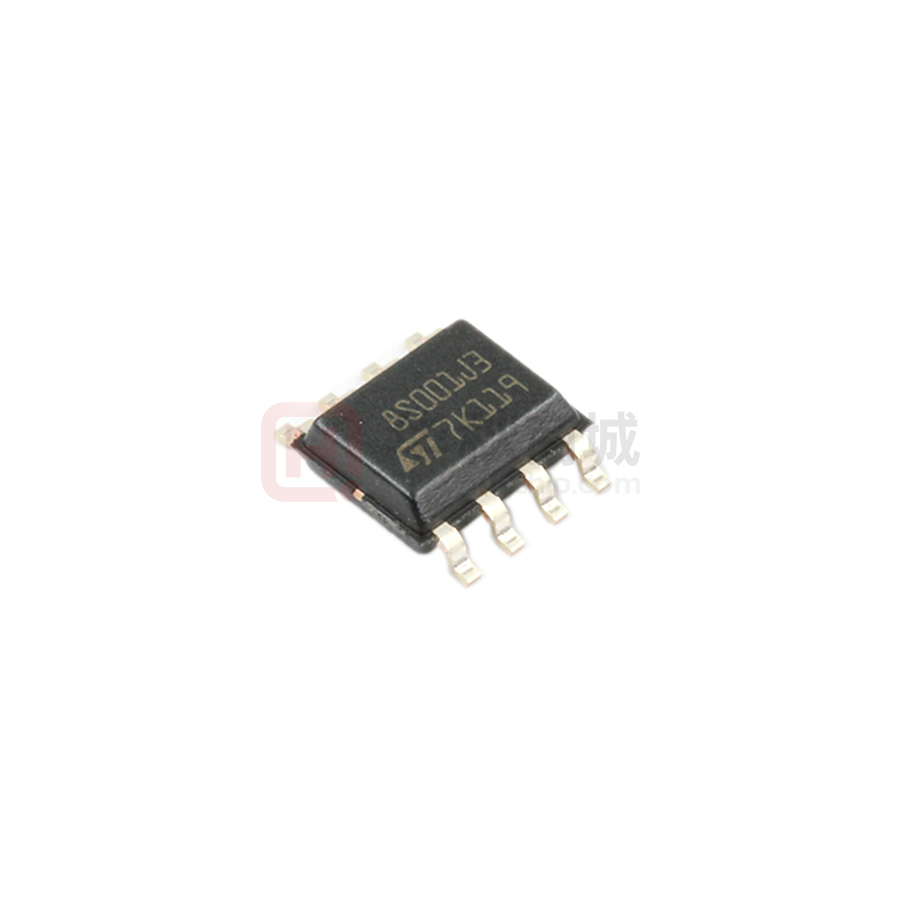




 工商网监
湘ICP备2023018690号
工商网监
湘ICP备2023018690号